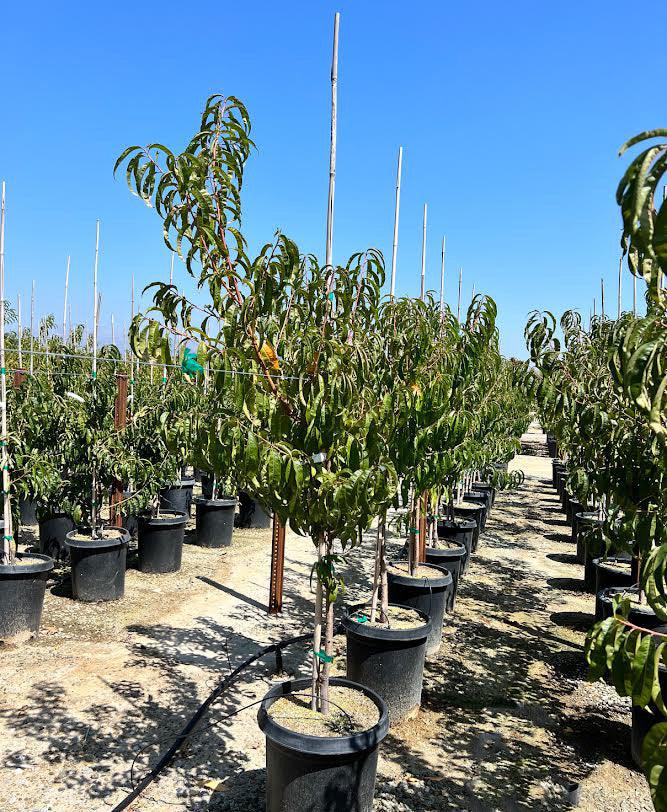
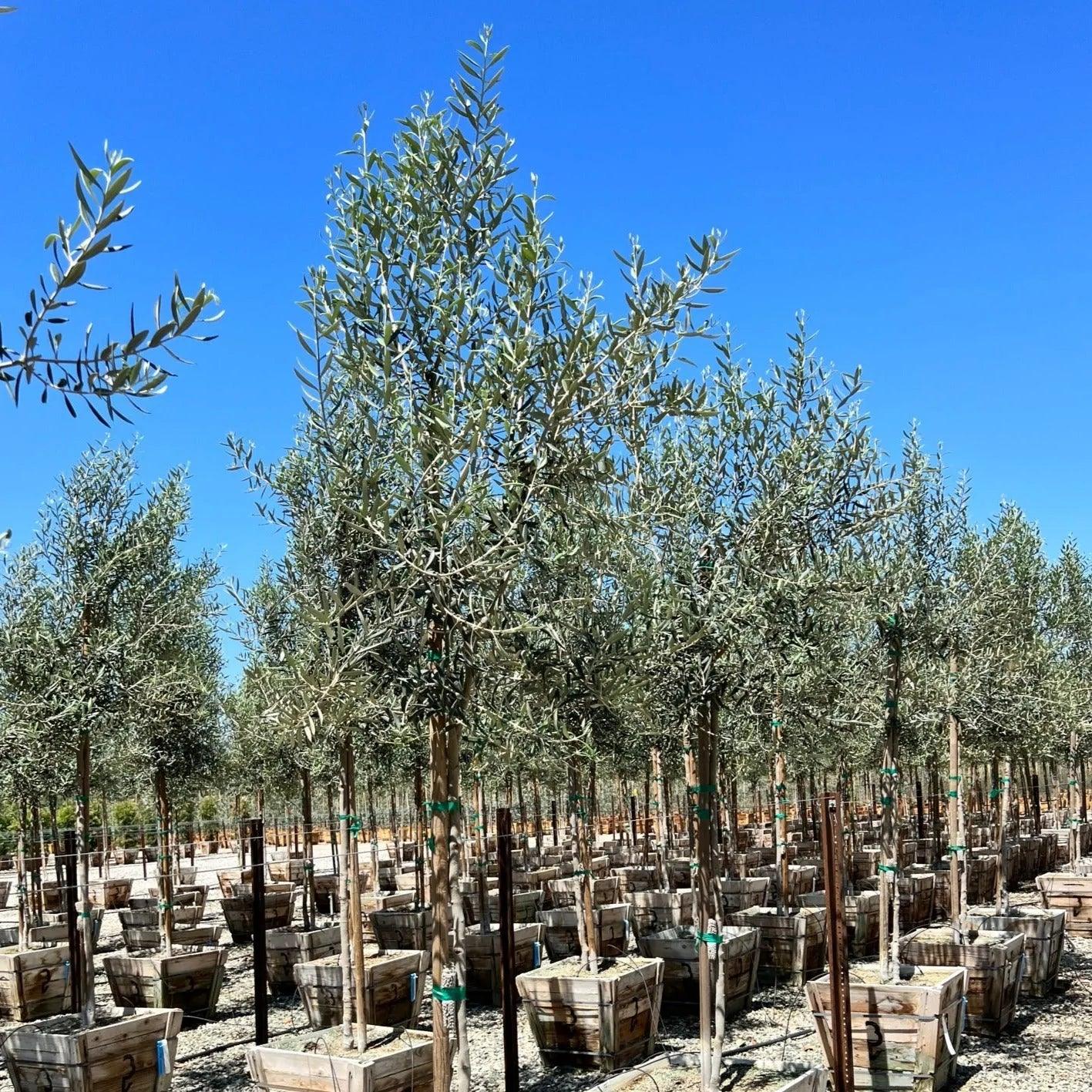
Fruit Trees – Grow Fresh Fruit in Your Own Backyard
Fruit trees let you harvest fresh, sweet, delicious fruit at home while adding shade, spring flowers, privacy and long-term value to your landscape. Whether you want apples for canning, lemons by the kitchen door, a pomegranate for summer color or compact fruit plants for patios, the right tree starts with the right growing zone, mature height and care plan.
At Yardwork, we help you find proven varieties that can thrive in the right place - from self pollinating container trees to larger orchard-style selections delivered for California homes, designers and landscapers, through our convenient online plant nursery.
Fruit Trees for Every Garden Purpose
Fruit trees can do much more than bear fruit. A well-chosen tree can become a favorite backyard harvest source, a beautiful landscape feature, a privacy screen or an easy patio plant in containers.
The best choice depends on how you want to use the space: fresh eating, seasonal shade, edible landscaping or small-space growing close to home.
Fresh Eating Fruit Trees
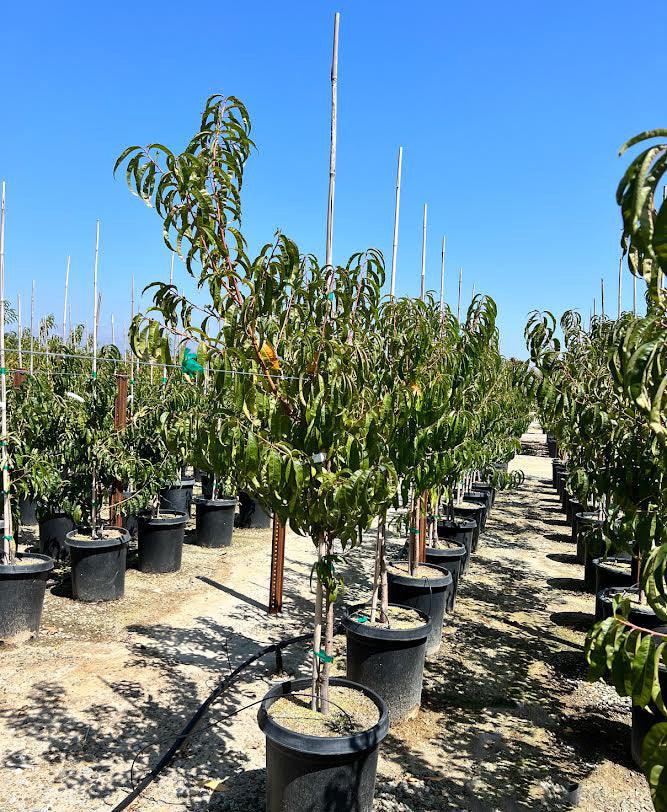
For fresh eating, choose fruit trees known for flavor, texture and reliable harvests. Apples, pears and stone fruit varieties such as peaches, plums, cherries and nectarines are popular because they offer sweet fruit that tastes better when picked at peak ripeness.
Honeycrisp apples are a favorite for crisp, sweet-tart flavor, while Bartlett pears are excellent for fresh eating and canning. Pome fruits like apples and pears are the most winter-hardy fruit trees, typically thriving in USDA Zones 3–9. Stone fruits such as peaches, plums, cherries and nectarines require moderate to high chill hours and thrive in USDA Zones 5–8.
Dwarf fruit trees are a smart choice when you want easier harvest access. Their smaller size keeps fruit within reach, and many dwarf varieties are available on rootstocks that help control mature height without sacrificing quality.
Privacy & Landscape Fruit Trees
If you want privacy, shade and fruit from the same tree, look for larger varieties with strong canopy growth. Standard fruit trees can create structure in a large yard, while evergreen landscape tree selections provide year-round screening.
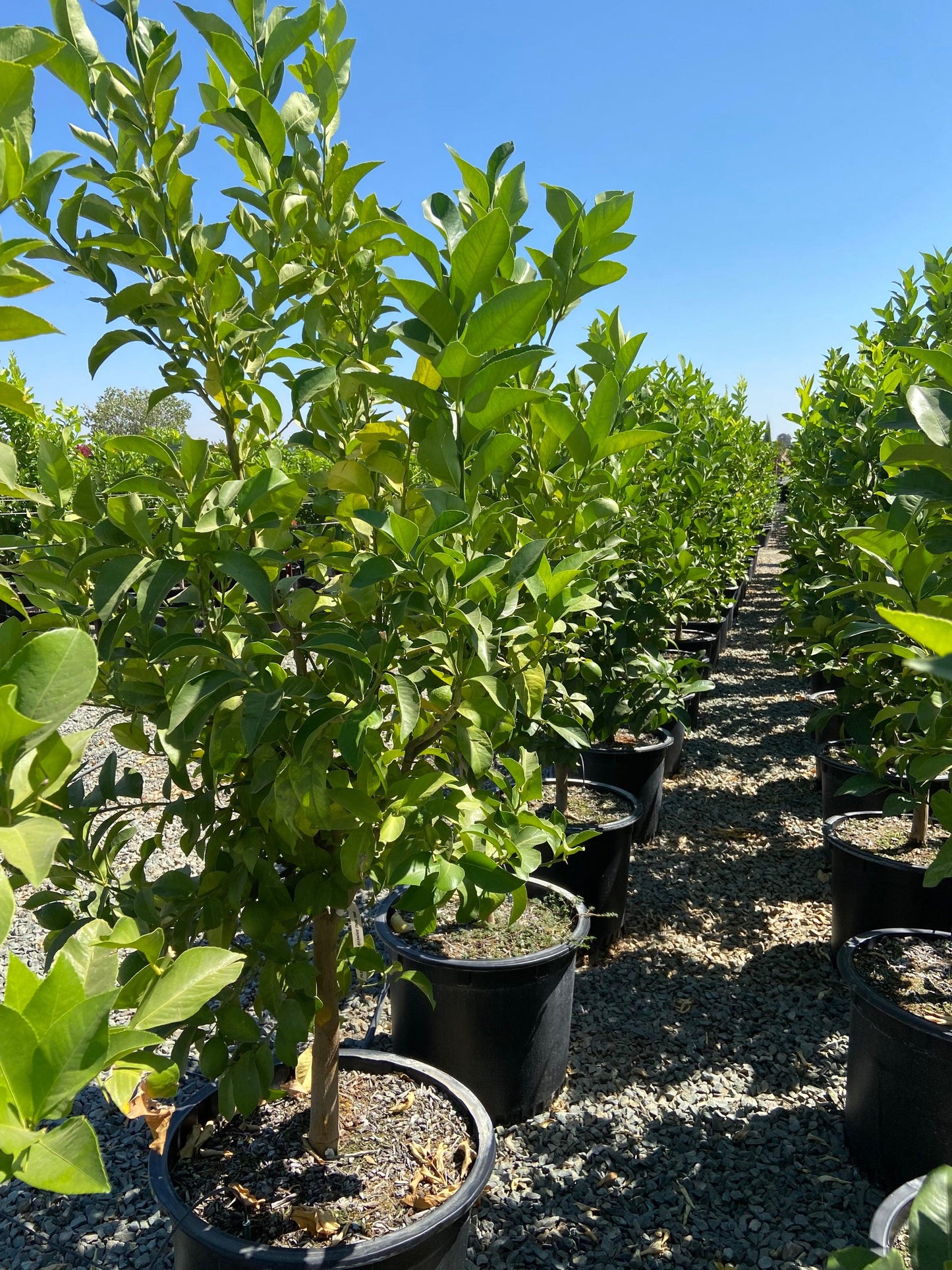
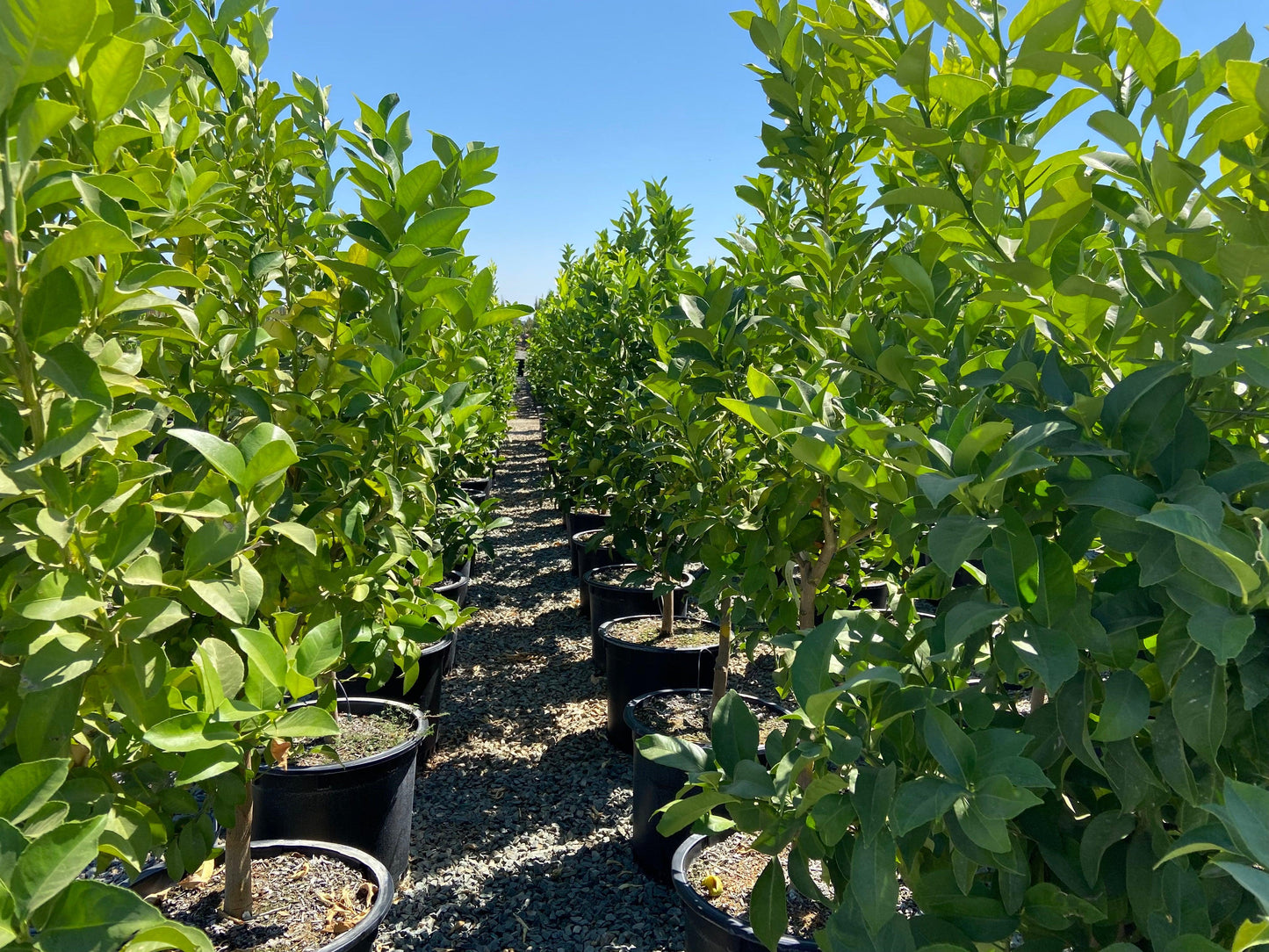
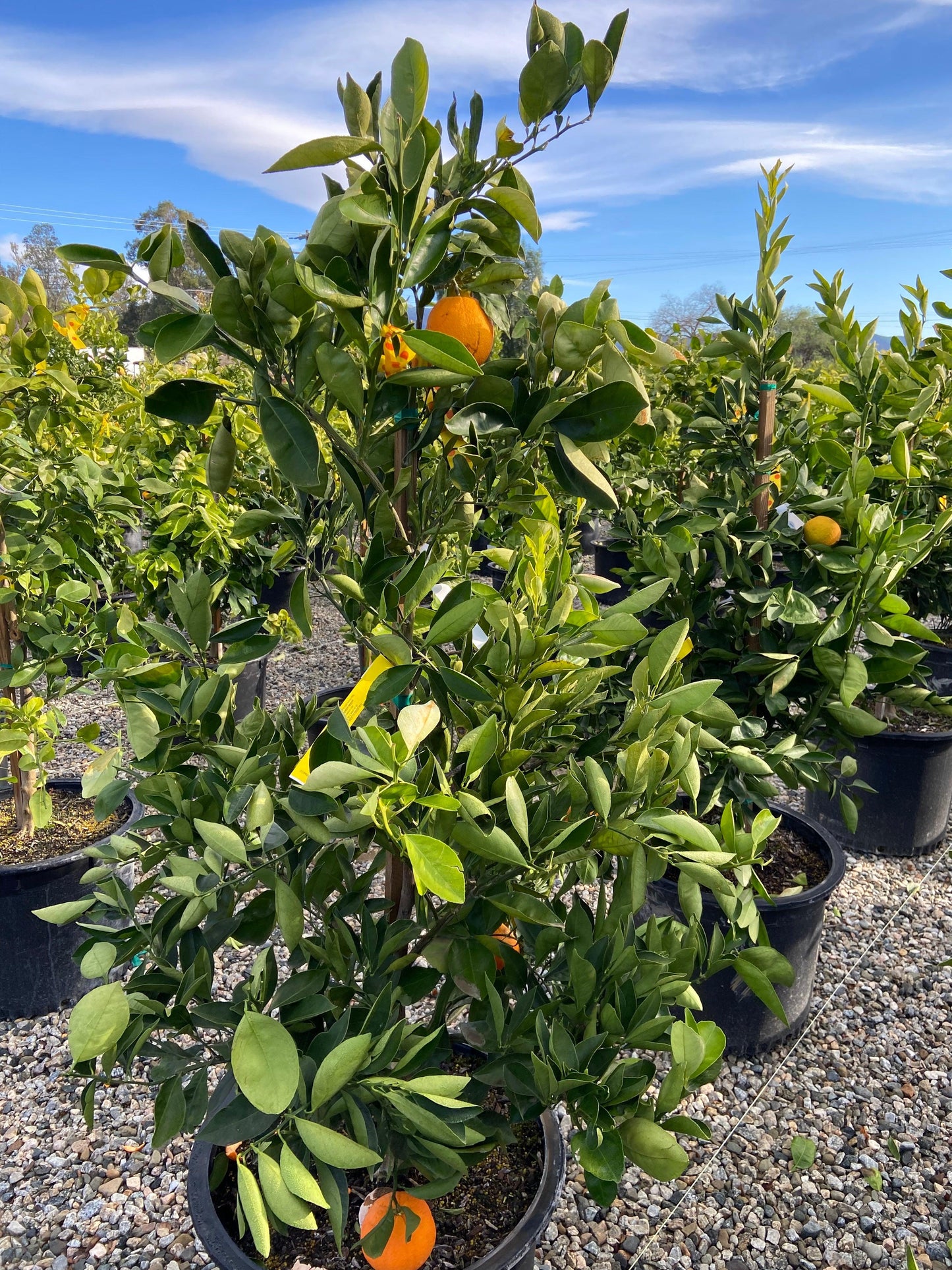
Citrus trees are especially useful in mild regions because their glossy leaves stay attractive across the season. Lemons, oranges, mandarins and limes can add fragrance, color and useful fruit near a patio, walkway or sunny fence line. Citrus trees are extremely sensitive to freezing temperatures and thrive in tropical or warm subtropical regions, primarily USDA Zones 9–11.
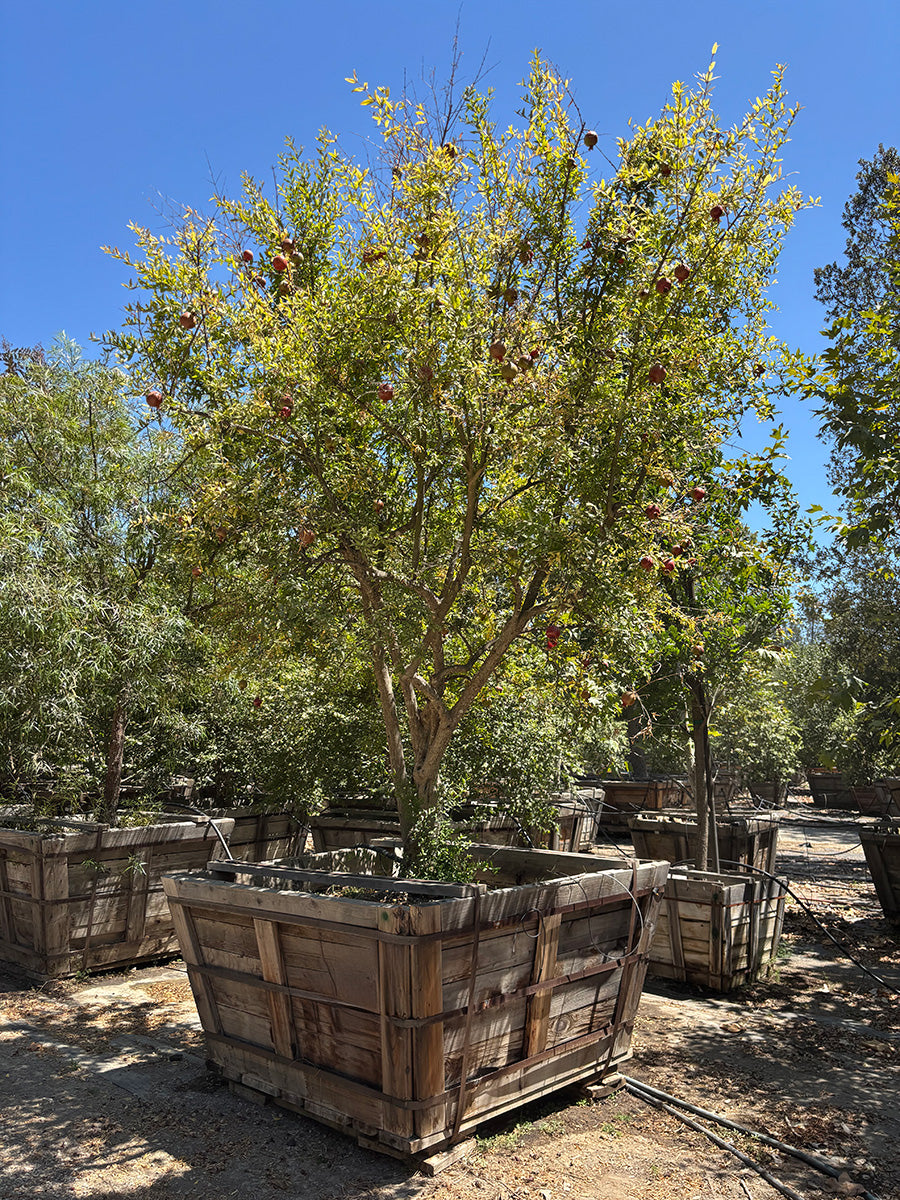
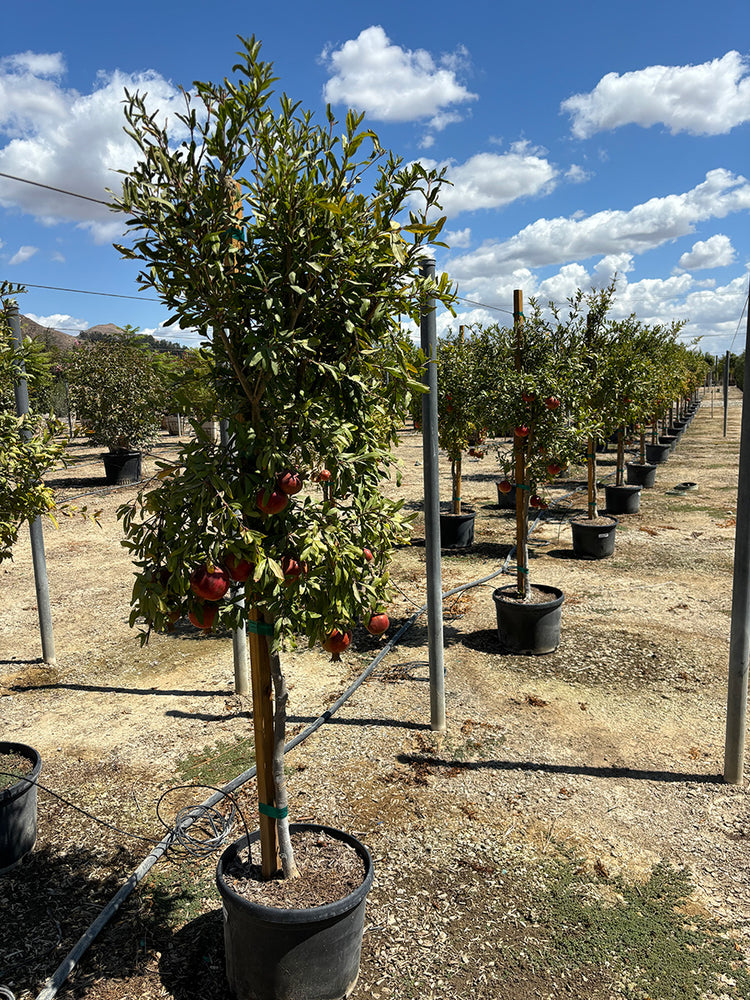
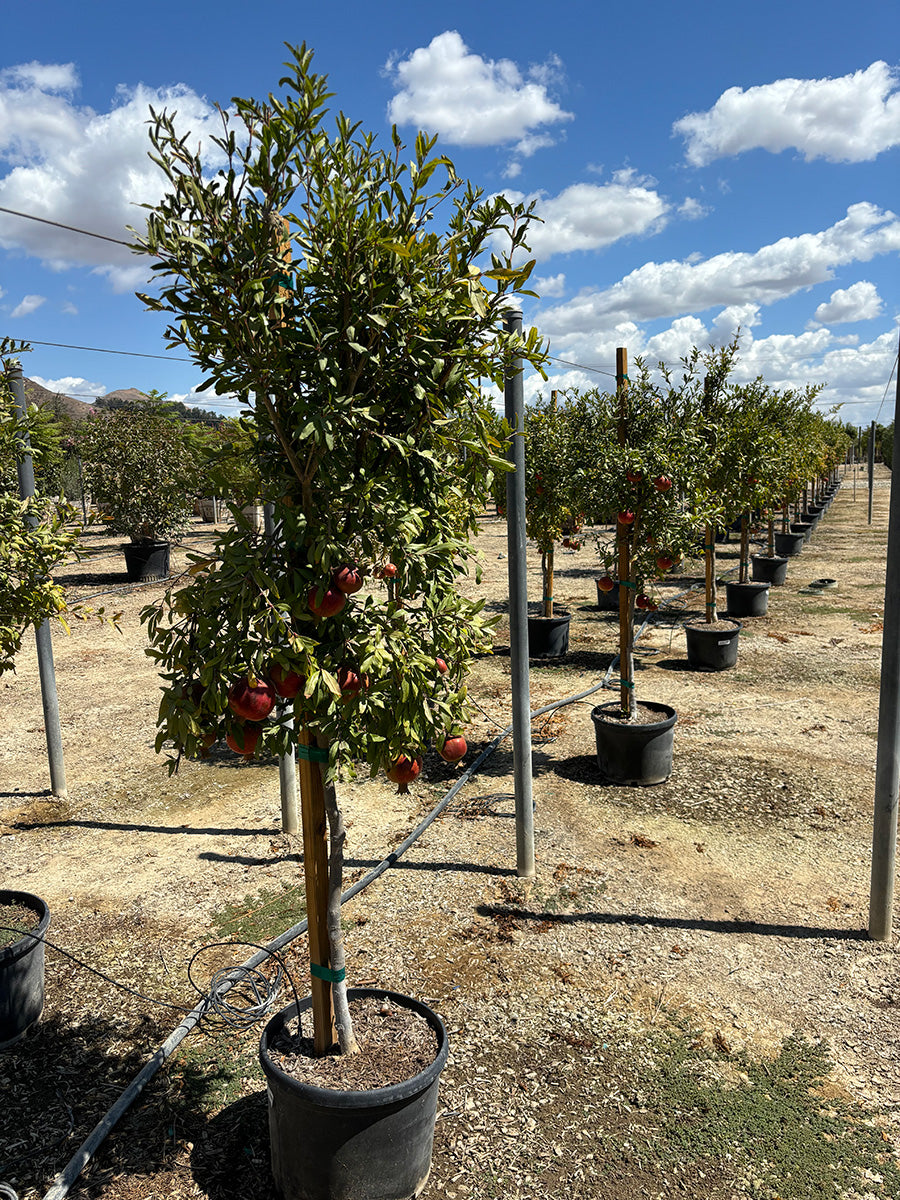
Ornamental fruit trees also add landscape value. Flowering plums and other flowering trees such as crabapples, loquats, olives and pomegranate trees bring spring bloom, summer interest and beautiful texture, even before the fruit is ready to harvest.
Container & Patio Fruit Trees
Dwarf fruit trees are ideal for container gardening as they require less space and can produce fruit in smaller areas. This makes them perfect for patios, balconies, courtyards and small home gardens where a standard tree would get too large.
Citrus trees, such as Meyer lemons and Key limes, thrive in containers and can be grown on patios or balconies, making them suitable for limited space gardening. Citrus trees, such as Meyer Lemon and Key Lime, thrive in various climates and can be grown in containers, making them suitable for patios and small spaces.
Many fruit trees that can be grown in containers are self-pollinating, which is beneficial for gardeners with limited space who may not have room for multiple trees. Container citrus can also be moved indoors during cold weather, giving gardeners in transition zones more flexibility.
Choose the Right Fruit Tree for Your Growing Space
The best fruit tree is the one matched to your available sun, soil, water, growing zone and mature size. A tree planted in the right place will establish faster, stay healthier and produce a better harvest for years.
Fruit trees are broadly categorized into deciduous and citrus/tropical types, with their success depending heavily on local growing zones and winter chill hours. The USDA hardiness zone is crucial for selecting fruit tree varieties, as it determines which types will thrive in specific climates.
For Small Yards and Patios
Small spaces need fruit trees with controlled growth. Dwarf fruit trees that stay around 6–8 feet tall are easy to manage, easier to harvest and better suited to containers, patios and tight planting beds.
Columnar varieties grow up rather than out, which helps you add fruit plants without taking over walkways or seating areas. Espalier training is another space-saving option, allowing apples, pears, plums or citrus to grow flat against a sunny wall or fence.
Fruit trees generally need full sun, requiring at least 6 hours of direct sunlight daily, and they thrive in fertile, well-drained soil. Fruit trees prefer a location that receives at least 6 to 8 hours of direct sunlight daily and do not tolerate soggy soil.
For Large Gardens and Orchards
Large gardens can support standard fruit trees with bigger canopies, deeper root systems and heavier long-term harvests. Standard apples, pears and stone fruit trees, or larger mature trees, need enough space to mature without crowding.
Proper spacing improves air circulation and reduces disease pressure. Good spacing also makes pruning, harvesting and pest checks easier, especially when you are growing several varieties in one orchard area.
Multiple varieties can extend the harvest season from spring into summer and beyond. Fruit trees may require cross-pollination depending on the variety; if required, they should be planted within 100 feet of a compatible partner.
For California’s Mediterranean Climate
California’s Mediterranean climate supports a wide world of fruit trees, but variety selection matters. Warm, dry summers, coastal fog, inland heat, foothill frost and local microclimates can change what will thrive from one neighborhood to the next.
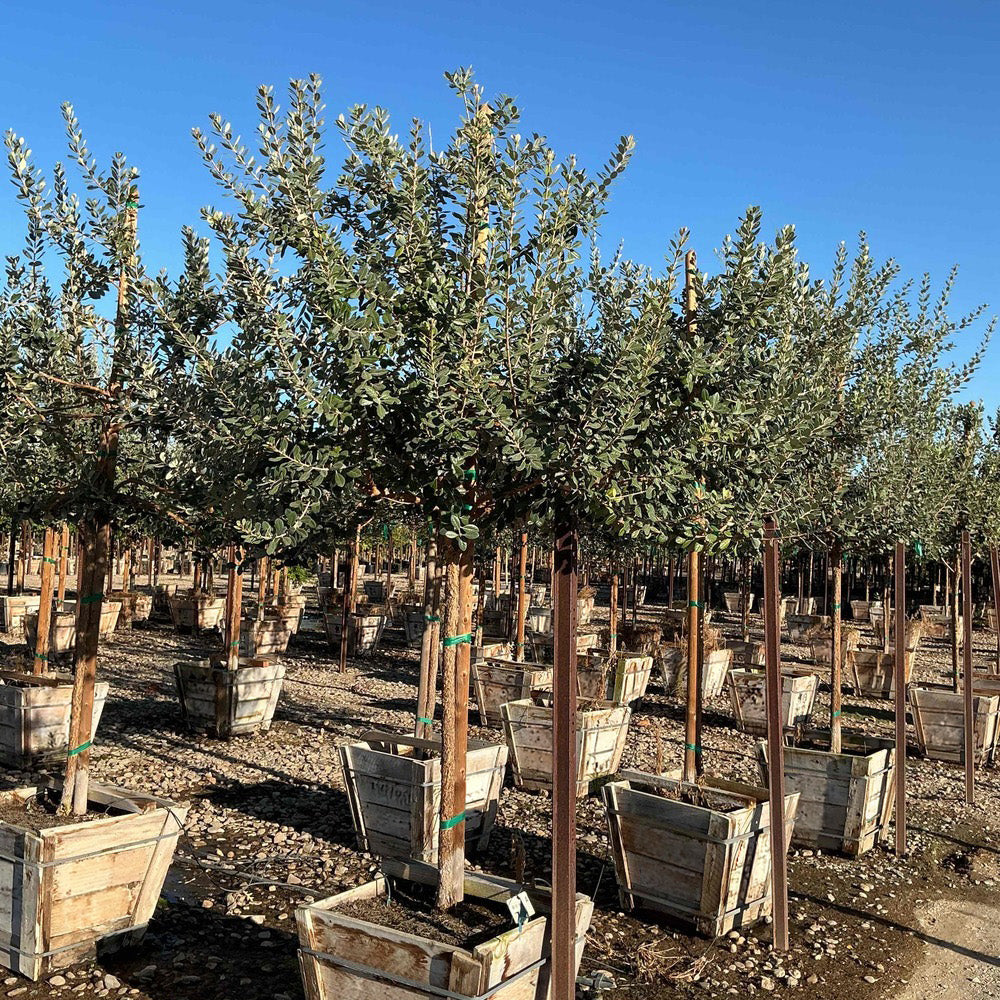
Olive trees, figs, pomegranate, Valencia oranges and other citrus, loquat and many low-chill stone fruit varieties are strong choices for water-wise edible landscapes. Once established, these types often handle summer heat better than high-chill varieties that need colder winters.
Fruit trees require distinct seasons, including cold winters to trigger dormancy and warm springs/summers for fruit development. Low-chill varieties are especially important in mild-winter areas because a tree with the wrong chill requirement may bloom poorly or fail to bear fruit reliably.
For Challenging Growing Conditions
For humid or disease-prone areas, choose disease resistant varieties bred to reduce common problems such as scab, fire blight, peach leaf curl, bacterial spot or mildew. Disease resistant does not mean disease-proof, but it can make organic care easier and reduce the need for sprays.
Cooler microclimates need cold-hardy selections and careful placement away from frost pockets. Pome fruits like apples and pears are often good candidates for colder growing zones, while stone fruits need enough chill but may still require bloom-time frost protection.
Coastal gardens may need salt-tolerant choices such as olives or selected citrus rootstocks. Tropical and exotic fruit trees, including avocado trees and figs, are ideal for warmer climates and can also be grown in containers in cooler areas. Mangos, avocados and bananas thrive in USDA Zones 10–11 and require a frost-free, high-humidity environment year-round.
Premium Varieties That Deliver Outstanding Fruit
Premium fruit trees start with quality genetics, healthy root systems and varieties proven for flavor, productivity and regional performance. The highest price is not always the best choice - the best value is a tree suited to your climate, soil, water and space.
Home-grown fruit can outperform grocery store fruit because it can ripen on the tree. That means better sweetness, richer aroma and a harvest picked when the fruit is truly ready.
Heirloom & Heritage Varieties
Heirloom and heritage fruit trees offer history, character and distinctive flavor. Gravenstein apples are treasured in Northern California for tart, aromatic fruit that works beautifully in pies, sauce and canning.
Greengage plums are another classic choice, known for exceptional sweetness and complex flavor. These older varieties can be less uniform than modern commercial fruit, but many gardeners choose them because the taste is hard to find in stores.
Some heritage varieties have also proven their resilience over generations in local climates. That local track record can be valuable, though gardeners should still check disease resistance, chill requirements and growing zone before a tree is planted.
Modern Disease-Resistant Cultivars
Modern cultivars are bred for easier growing, better pest tolerance and more reliable production. Disease resistant apples, pears and stone fruits can reduce pesticide needs and make organic-style care more practical for home gardeners.
Varieties such as Liberty, Enterprise and Freedom apples are known for resistance to common apple diseases, while selected pears offer improved fire blight tolerance. In stone fruit, modern breeding has produced peaches, apricots and plums with better resistance to leaf curl, canker and bacterial issues.
Many newer cultivars also offer improved shelf life and shipping qualities. For home growers, the bigger benefit is often simple: a healthier tree, an easier season and a more dependable harvest.
Climate-Adapted Selections
Climate-adapted selections are essential in California and other regions with strong microclimate variation. Low-chill apples such as Anna, Dorsett Golden and Ein Shemer can fruit reliably in mild winters where high-chill apples may struggle.
Low-chill peaches, plums and apricots are also useful in warmer zones. Varieties developed for lower chill can help a tree bloom more consistently and bear fruit even when winter temperatures do not stay cold for long.
Rootstock matters too. Heat-tolerant, disease resistant or size-controlling rootstocks can improve performance, manage mature height and help a tree thrive in challenging soil or limited water conditions.
How to Successfully Grow Fruit Trees
Fruit trees are long-term investments. A strong start - the right site, soil, planting depth, water and early training - can lead to years of abundant harvests.
Before you add a tree to your cart, check the growing zone, sun exposure, mature height, pollination needs and care requirements. If you are unsure, Yardwork can recommend the best type for your home, patio or large landscape project.
Planting and Establishment
Fruit trees need fertile, well-drained soil and full sun. The optimal soil pH for most fruit tree varieties is between 6.0 and 7.0, so a soil test is a smart first step before planting.
It is advisable to plant dormant, bare-root trees in early spring as soon as the soil is workable or in early fall to take advantage of seasonal rains. Fruit trees can be planted in the spring or fall, with many preferring fall planting as it allows them to focus on root establishment rather than foliage growth.
When planting fruit trees, the graft or bud union should be positioned 1–2 inches above the soil surface after settling, and the planting hole should be about twice the size of the root system. Young trees may also need staking, especially dwarf trees on smaller root systems.
Fruit trees require deep, thorough watering weekly during the first two growing seasons to establish a strong root system. Add mulch around the root zone to conserve water, but keep mulch away from the trunk.
Ongoing Care and Maintenance
Fruit trees should be pruned in early spring before the buds begin to form and while the tree is still dormant, as this reduces susceptibility to cold and pathogens. Regular pruning helps keep the tree productive, healthy and easy to harvest.
When pruning fruit trees, it is important to use clean, sharp tools and to remove crossed or injured limbs, as well as any branches that rub against each other. The purpose of pruning fruit trees is to allow more sunlight to reach the inner part of the tree, improve air circulation throughout the tree canopy and encourage healthier, more abundant fruit.
Ongoing care also includes feeding based on soil test results, checking for pests, monitoring water needs and thinning fruit when branches are overloaded. Organic practices such as mulch, beneficial insects, good sanitation and disease resistant varieties can make growing easier season after season.
Shop Premium Fruit Trees Online
Shop Yardwork’s curated selection of premium fruit trees for California homes, patios, orchards and landscape projects. We offer proven varieties selected for flavor, rootstock quality, mature size, disease resistance and regional performance.
Need help choosing? Our expert consultation services can help you find the right fruit tree for your growing zone, chill hours, sun exposure, soil and available space. We can recommend self pollinating trees for containers, larger trees for privacy, or water-wise varieties such as olive, fig and pomegranate.
Yardwork can also support larger orders for designers, landscapers and property owners, with quality trees delivered to your door. Browse the collection, enter your details, add your favorite tree to cart or request a consultation to get started with the perfect fruit tree for your place.