



Pluot Tree For Sale
Regular price
$495.00
Size
Variety
The Perfect Blend of Plum Sweetness and Apricot Complexity
Pluot trees deliver some of the most delicious stone fruit you can grow at home - a complex hybrid that combines the incredible sweetness of Japanese plums with the aromatic depth of apricots. Pluots are 75% plum and 25% apricot hybrids, developed through careful cross-pollination breeding by Floyd Zaiger and his team at Zaiger Genetics in California. The result is fruit with a complex flavor profile that surpasses either parent: richer sugars, juicy flesh, and smooth skin that's easy to bite into. Instead of planting and maintaining separate plum and apricot trees, a single pluot tree - or a well-chosen pair - gives your garden the best of both species in one productive, space-efficient package.
Why You'll Love Them
-
Incredible Sweetness – Pluots are prized for their high sugar content and intense flavor, often exceeding 20° Brix. They are usually much sweeter than most plums, with less acidity and a subtle apricot undertone that elevates every bite.
-
Extended Harvest Season – With dozens of pluot varieties available, you can plan harvests from late spring through early fall. Pluots are typically in season from May to September, so you can enjoy fresh fruit for months.
-
Stunning Visual Appeal – Pluots can have flesh colors of purple, pink, red, or yellow, and skin patterns range from deep crimson to the mottled, eye-catching look of varieties like Dapple Dandy and Dinosaur Egg. They're as beautiful in the garden as they are on the plate.
-
Cold Hardy and Adaptable – Pluot trees thrive in USDA zones 5-10 and are bred for California's diverse regions. Whether you garden on the coast or in the Central Valley, there's a variety suited to your location.
-
Versatile Fruit Use – Perfect for fresh eating, jams, desserts, sauces, and more. Their balanced sweet-tart flavor profiles make them a family favorite enjoyed fresh or cooked into culinary creations.
What Makes Them Different
Most stone fruit growers default to traditional plums or apricots - reliable choices, but limited in flavor complexity. Pluot trees offer:
-
Superior Genetic Composition – Pluots are part of a larger family of stone fruit hybrids developed by Zaiger Genetics. Their unique 75% plum, 25% apricot ratio creates a best flavor experience that neither parent delivers alone - think rich sweetness layered with aromatic intensity.
-
Smooth Skin, Maximum Juice – Unlike fuzzy apricots, pluots have smooth skin resembling plums, with soft, succulent flesh that bursts with juice. The texture is firm enough to hold up at local farmers markets yet tender enough to melt in your mouth.
-
Unmatched Variety Selection – With over 80 named pluot varieties - from the intense Flavor King to the tropical-tasting Splash - you can discover options that match your exact climate, taste preferences, and growing season goals. Flavor profiles of pluots range from sweet to sweet-tart, giving growers and orchards real choice. No other stone fruit category offers this range.
How To Grow Pluot Trees Successfully
-
Plant and Establish Choose a location with full sun (6-8 hours daily) and well-draining soil with a pH of 6.0–7.0. Plant your grafted pluot tree in late winter or early spring while dormant. Mulch around the base to support soil health and conserve moisture - but keep mulch away from the trunk.
-
Seasonal Care Water consistently during fruit development. Drip irrigation conserves water for pluot cultivation and prevents overwatering near ripeness, which can cause splitting. Prune annually into an open, vase-shaped canopy for airflow and light penetration. Apply balanced fertilizer in early spring and side-dress with compost - composting supports long-term soil fertility. Thin fruit early in the season to improve size and protect branches.
-
Harvest and Enjoy Pick fruit when fully colored and slightly soft to the touch for peak sweetness and flavor. Reduce watering in the week before harvest to concentrate sugars. Store at room temperature to ripen further, or refrigerate for longer shelf life.
Tree Details
-
Mature Size: Standard pluot trees typically reach 15–20 feet tall. Dwarf pluot trees can grow as small as 8-10 feet tall, making them ideal for smaller yards and easier harvesting. Semi-dwarfing rootstocks like Citation offer a medium option for manageable pruning and fruit access.
-
Chill Hour Requirements: Pluots require 300–1,000 chill hours for fruit set, depending on variety. Low-chill options like Flavor Queen (300–400 hours) suit coastal California, while varieties like Flavor Supreme need 400–500 hours - better for inland valleys.
-
Climate Compatibility: Pluots are best grown in areas with warm summers, ideally 75–85°F daytime temperatures. They thrive across California's diverse regions, from coastal valleys to the foothills, provided chill hours match.
-
Pollination: Most pluot varieties are not self-fertile. Plant a compatible cross-pollination partner - another pluot variety or a Japanese plum - within 50 feet. Flavor King pairs well with Flavor Supreme or Dapple Dandy. Ripening periods vary by pluot variety and location, so match bloom times carefully.
-
Time to Fruit: Expect first fruit in 2–3 years after planting, with full production by years 5–6. Results depend on rootstock, chill hours met, and ongoing care.
Who They're For
Ideal for:
-
California homeowners seeking unique, high-quality fruit trees - similar to those who grow Moorpark Apricot Trees or Pineapple Guava - who want a next-level stone fruit experience in their landscape.
-
Garden enthusiasts wanting to extend their harvest season well beyond what traditional plum or apricot trees offer. Pair pluot trees with other mature trees for a productive, beautiful yard.
-
Families looking for sweet, kid-friendly fruit packed with nutrition - one serving of pluots provides roughly 24%–25% of the recommended daily Vitamin C intake, about 10% of the daily Vitamin A requirement, and approximately 2–3 grams of dietary fiber. A single serving is low-calorie and fat-free. Pluots are rich in antioxidants that protect the body from damage, and they contain potassium which helps maintain healthy blood pressure. Pluots are nutrient-dense fruits offering high vitamin content and digestive support.
Frequently Asked Questions
How long until my pluot tree produces fruit? Under good conditions, a well-grafted pluot tree can produce its first fruit in 2–3 years. Full production - heavy, consistent harvests - typically arrives by years 5–6. Factors include meeting the tree's chill hour requirement, having a pollination partner planted nearby, and consistent watering and soil care.
Do pluot trees need special care compared to plums? Care is very similar. Pluots need the same pruning style, watering rhythm, and fertilization as plums. The key differences: pluots may be more susceptible to fruit splitting due to their juicy, high-sugar flesh - manage irrigation carefully near ripeness. Also note that plums are nutrient-dense stone fruits packed with fiber, vitamins, and powerful antioxidants, and plums support digestion, promote heart health, and aid in weight management - your pluot inherits many of these benefits. An aprium, by contrast, is roughly 75% apricot and 25% plum and has different care needs, so don't confuse the two hybrids.
What if the tree doesn't thrive in my yard? First, check the essentials: Is the chill hour requirement being met? Is a compatible pollinator planted nearby? Is the tree getting full sun and proper drainage? If you've addressed all of these and the tree still struggles, contact us - we stand behind our trees with a satisfaction guarantee.
Which varieties should I consider? Here are standout options to help you find pluots that match your climate and tastes:
-
Flavor King – Flavor King is known for its intense sweetness, with reddish-purple skin and crimson flesh. Ripens in late summer to early fall.
-
Dapple Dandy – Dapple Dandy has a balanced sweet-tart flavor with striking mottled skin. Ready for harvest in midsummer.
-
Emerald Drop – Emerald Drop is an early-season pluot variety, ripening in late spring to early summer.
-
Flavor Grenade – Flavor Grenade is a late-season pluot with crisp texture, extending your harvest deep into the season.
-
Splash – Splash has a tropical fruit flavor and juicy texture, adding an exotic note to your orchard.
Ready to Plant?
Pluot trees bring the best flavor of both plums and apricots into your California garden - with the kind of incredible sweetness and aromatic complexity you won't find at any grocery store.
Choose your pluot varieties today and start growing fruit that tastes like it came from a premium orchard.
The Perfect Blend of Plum Sweetness and Apricot Complexity
Pluot trees deliver some of the most delicious stone fruit you can grow at home - a complex hybrid that combines the incredible sweetness of Japanese plums with the aromatic depth of apricots. Pluots are 75% plum and 25% apricot hybrids, developed through careful cross-pollination breeding by Floyd Zaiger and his team at Zaiger Genetics in California. The result is fruit with a complex flavor profile that surpasses either parent: richer sugars, juicy flesh, and smooth skin that's easy to bite into. Instead of planting and maintaining separate plum and apricot trees, a single pluot tree - or a well-chosen pair - gives your garden the best of both species in one productive, space-efficient package.
Why You'll Love Them
-
Incredible Sweetness – Pluots are prized for their high sugar content and intense flavor, often exceeding 20° Brix. They are usually much sweeter than most plums, with less acidity and a subtle apricot undertone that elevates every bite.
-
Extended Harvest Season – With dozens of pluot varieties available, you can plan harvests from late spring through early fall. Pluots are typically in season from May to September, so you can enjoy fresh fruit for months.
-
Stunning Visual Appeal – Pluots can have flesh colors of purple, pink, red, or yellow, and skin patterns range from deep crimson to the mottled, eye-catching look of varieties like Dapple Dandy and Dinosaur Egg. They're as beautiful in the garden as they are on the plate.
-
Cold Hardy and Adaptable – Pluot trees thrive in USDA zones 5-10 and are bred for California's diverse regions. Whether you garden on the coast or in the Central Valley, there's a variety suited to your location.
-
Versatile Fruit Use – Perfect for fresh eating, jams, desserts, sauces, and more. Their balanced sweet-tart flavor profiles make them a family favorite enjoyed fresh or cooked into culinary creations.
What Makes Them Different
Most stone fruit growers default to traditional plums or apricots - reliable choices, but limited in flavor complexity. Pluot trees offer:
-
Superior Genetic Composition – Pluots are part of a larger family of stone fruit hybrids developed by Zaiger Genetics. Their unique 75% plum, 25% apricot ratio creates a best flavor experience that neither parent delivers alone - think rich sweetness layered with aromatic intensity.
-
Smooth Skin, Maximum Juice – Unlike fuzzy apricots, pluots have smooth skin resembling plums, with soft, succulent flesh that bursts with juice. The texture is firm enough to hold up at local farmers markets yet tender enough to melt in your mouth.
-
Unmatched Variety Selection – With over 80 named pluot varieties - from the intense Flavor King to the tropical-tasting Splash - you can discover options that match your exact climate, taste preferences, and growing season goals. Flavor profiles of pluots range from sweet to sweet-tart, giving growers and orchards real choice. No other stone fruit category offers this range.
How To Grow Pluot Trees Successfully
-
Plant and Establish Choose a location with full sun (6-8 hours daily) and well-draining soil with a pH of 6.0–7.0. Plant your grafted pluot tree in late winter or early spring while dormant. Mulch around the base to support soil health and conserve moisture - but keep mulch away from the trunk.
-
Seasonal Care Water consistently during fruit development. Drip irrigation conserves water for pluot cultivation and prevents overwatering near ripeness, which can cause splitting. Prune annually into an open, vase-shaped canopy for airflow and light penetration. Apply balanced fertilizer in early spring and side-dress with compost - composting supports long-term soil fertility. Thin fruit early in the season to improve size and protect branches.
-
Harvest and Enjoy Pick fruit when fully colored and slightly soft to the touch for peak sweetness and flavor. Reduce watering in the week before harvest to concentrate sugars. Store at room temperature to ripen further, or refrigerate for longer shelf life.
Tree Details
-
Mature Size: Standard pluot trees typically reach 15–20 feet tall. Dwarf pluot trees can grow as small as 8-10 feet tall, making them ideal for smaller yards and easier harvesting. Semi-dwarfing rootstocks like Citation offer a medium option for manageable pruning and fruit access.
-
Chill Hour Requirements: Pluots require 300–1,000 chill hours for fruit set, depending on variety. Low-chill options like Flavor Queen (300–400 hours) suit coastal California, while varieties like Flavor Supreme need 400–500 hours - better for inland valleys.
-
Climate Compatibility: Pluots are best grown in areas with warm summers, ideally 75–85°F daytime temperatures. They thrive across California's diverse regions, from coastal valleys to the foothills, provided chill hours match.
-
Pollination: Most pluot varieties are not self-fertile. Plant a compatible cross-pollination partner - another pluot variety or a Japanese plum - within 50 feet. Flavor King pairs well with Flavor Supreme or Dapple Dandy. Ripening periods vary by pluot variety and location, so match bloom times carefully.
-
Time to Fruit: Expect first fruit in 2–3 years after planting, with full production by years 5–6. Results depend on rootstock, chill hours met, and ongoing care.
Who They're For
Ideal for:
-
California homeowners seeking unique, high-quality fruit trees - similar to those who grow Moorpark Apricot Trees or Pineapple Guava - who want a next-level stone fruit experience in their landscape.
-
Garden enthusiasts wanting to extend their harvest season well beyond what traditional plum or apricot trees offer. Pair pluot trees with other mature trees for a productive, beautiful yard.
-
Families looking for sweet, kid-friendly fruit packed with nutrition - one serving of pluots provides roughly 24%–25% of the recommended daily Vitamin C intake, about 10% of the daily Vitamin A requirement, and approximately 2–3 grams of dietary fiber. A single serving is low-calorie and fat-free. Pluots are rich in antioxidants that protect the body from damage, and they contain potassium which helps maintain healthy blood pressure. Pluots are nutrient-dense fruits offering high vitamin content and digestive support.
Frequently Asked Questions
How long until my pluot tree produces fruit? Under good conditions, a well-grafted pluot tree can produce its first fruit in 2–3 years. Full production - heavy, consistent harvests - typically arrives by years 5–6. Factors include meeting the tree's chill hour requirement, having a pollination partner planted nearby, and consistent watering and soil care.
Do pluot trees need special care compared to plums? Care is very similar. Pluots need the same pruning style, watering rhythm, and fertilization as plums. The key differences: pluots may be more susceptible to fruit splitting due to their juicy, high-sugar flesh - manage irrigation carefully near ripeness. Also note that plums are nutrient-dense stone fruits packed with fiber, vitamins, and powerful antioxidants, and plums support digestion, promote heart health, and aid in weight management - your pluot inherits many of these benefits. An aprium, by contrast, is roughly 75% apricot and 25% plum and has different care needs, so don't confuse the two hybrids.
What if the tree doesn't thrive in my yard? First, check the essentials: Is the chill hour requirement being met? Is a compatible pollinator planted nearby? Is the tree getting full sun and proper drainage? If you've addressed all of these and the tree still struggles, contact us - we stand behind our trees with a satisfaction guarantee.
Which varieties should I consider? Here are standout options to help you find pluots that match your climate and tastes:
-
Flavor King – Flavor King is known for its intense sweetness, with reddish-purple skin and crimson flesh. Ripens in late summer to early fall.
-
Dapple Dandy – Dapple Dandy has a balanced sweet-tart flavor with striking mottled skin. Ready for harvest in midsummer.
-
Emerald Drop – Emerald Drop is an early-season pluot variety, ripening in late spring to early summer.
-
Flavor Grenade – Flavor Grenade is a late-season pluot with crisp texture, extending your harvest deep into the season.
-
Splash – Splash has a tropical fruit flavor and juicy texture, adding an exotic note to your orchard.
Ready to Plant?
Pluot trees bring the best flavor of both plums and apricots into your California garden - with the kind of incredible sweetness and aromatic complexity you won't find at any grocery store.
Choose your pluot varieties today and start growing fruit that tastes like it came from a premium orchard.
Plants vary greatly by type and no guarantees are made on sizing.
However here is a rough idea of sizes based on containers that are direct from our growing grounds.
15 Gallon Shrub 3-4 Ft. Tall
15 Gallon Tree 5-6 Ft. Tall
24" Box Shrub 5-6 Ft. Tall
24" Box Tree 6-7 Ft. Tall
36" Box Tree 8-10 Ft. Tall
48" Box Tree 10-12 Ft. Tall
Please note: Citrus and California Native plants such as Manzanita are smaller than traditional sizing.
Please contact us to confirm sizing of items before purchasing if this is a concern.
Plants vary greatly by type and no guarantees are made on sizing.
However here is a rough idea of sizes based on containers that are direct from our growing grounds.
15 Gallon Shrub 3-4 Ft. Tall
15 Gallon Tree 5-6 Ft. Tall
24" Box Shrub 5-6 Ft. Tall
24" Box Tree 6-7 Ft. Tall
36" Box Tree 8-10 Ft. Tall
48" Box Tree 10-12 Ft. Tall
Please note: Citrus and California Native plants such as Manzanita are smaller than traditional sizing.
Please contact us to confirm sizing of items before purchasing if this is a concern.
Delivery does not include unloading of trees and plants larger than a 24" box.
Trees and plants in smaller containers will be dropped curbside.
Delivery beyond a curbside drop will be charged extra.
Trees and plants that are sold in container sizes larger than a 24" box size will require equipment and an operator onsite to help unload from the truck.
Please reach out to our team PRIOR to placing your order to coordinate.
Our team can provide unloading assistance with equipment for an extra fee.
Delivery does not include unloading of trees and plants larger than a 24" box.
Trees and plants in smaller containers will be dropped curbside.
Delivery beyond a curbside drop will be charged extra.
Trees and plants that are sold in container sizes larger than a 24" box size will require equipment and an operator onsite to help unload from the truck.
Please reach out to our team PRIOR to placing your order to coordinate.
Our team can provide unloading assistance with equipment for an extra fee.
You may also like...


Pluot Tree For Sale
Regular price
$495.00
Size
Variety
The Perfect Blend of Plum Sweetness and Apricot Complexity
Pluot trees deliver some of the most delicious stone fruit you can grow at home - a complex hybrid that combines the incredible sweetness of Japanese plums with the aromatic depth of apricots. Pluots are 75% plum and 25% apricot hybrids, developed through careful cross-pollination breeding by Floyd Zaiger and his team at Zaiger Genetics in California. The result is fruit with a complex flavor profile that surpasses either parent: richer sugars, juicy flesh, and smooth skin that's easy to bite into. Instead of planting and maintaining separate plum and apricot trees, a single pluot tree - or a well-chosen pair - gives your garden the best of both species in one productive, space-efficient package.
Why You'll Love Them
-
Incredible Sweetness – Pluots are prized for their high sugar content and intense flavor, often exceeding 20° Brix. They are usually much sweeter than most plums, with less acidity and a subtle apricot undertone that elevates every bite.
-
Extended Harvest Season – With dozens of pluot varieties available, you can plan harvests from late spring through early fall. Pluots are typically in season from May to September, so you can enjoy fresh fruit for months.
-
Stunning Visual Appeal – Pluots can have flesh colors of purple, pink, red, or yellow, and skin patterns range from deep crimson to the mottled, eye-catching look of varieties like Dapple Dandy and Dinosaur Egg. They're as beautiful in the garden as they are on the plate.
-
Cold Hardy and Adaptable – Pluot trees thrive in USDA zones 5-10 and are bred for California's diverse regions. Whether you garden on the coast or in the Central Valley, there's a variety suited to your location.
-
Versatile Fruit Use – Perfect for fresh eating, jams, desserts, sauces, and more. Their balanced sweet-tart flavor profiles make them a family favorite enjoyed fresh or cooked into culinary creations.
What Makes Them Different
Most stone fruit growers default to traditional plums or apricots - reliable choices, but limited in flavor complexity. Pluot trees offer:
-
Superior Genetic Composition – Pluots are part of a larger family of stone fruit hybrids developed by Zaiger Genetics. Their unique 75% plum, 25% apricot ratio creates a best flavor experience that neither parent delivers alone - think rich sweetness layered with aromatic intensity.
-
Smooth Skin, Maximum Juice – Unlike fuzzy apricots, pluots have smooth skin resembling plums, with soft, succulent flesh that bursts with juice. The texture is firm enough to hold up at local farmers markets yet tender enough to melt in your mouth.
-
Unmatched Variety Selection – With over 80 named pluot varieties - from the intense Flavor King to the tropical-tasting Splash - you can discover options that match your exact climate, taste preferences, and growing season goals. Flavor profiles of pluots range from sweet to sweet-tart, giving growers and orchards real choice. No other stone fruit category offers this range.
How To Grow Pluot Trees Successfully
-
Plant and Establish Choose a location with full sun (6-8 hours daily) and well-draining soil with a pH of 6.0–7.0. Plant your grafted pluot tree in late winter or early spring while dormant. Mulch around the base to support soil health and conserve moisture - but keep mulch away from the trunk.
-
Seasonal Care Water consistently during fruit development. Drip irrigation conserves water for pluot cultivation and prevents overwatering near ripeness, which can cause splitting. Prune annually into an open, vase-shaped canopy for airflow and light penetration. Apply balanced fertilizer in early spring and side-dress with compost - composting supports long-term soil fertility. Thin fruit early in the season to improve size and protect branches.
-
Harvest and Enjoy Pick fruit when fully colored and slightly soft to the touch for peak sweetness and flavor. Reduce watering in the week before harvest to concentrate sugars. Store at room temperature to ripen further, or refrigerate for longer shelf life.
Tree Details
-
Mature Size: Standard pluot trees typically reach 15–20 feet tall. Dwarf pluot trees can grow as small as 8-10 feet tall, making them ideal for smaller yards and easier harvesting. Semi-dwarfing rootstocks like Citation offer a medium option for manageable pruning and fruit access.
-
Chill Hour Requirements: Pluots require 300–1,000 chill hours for fruit set, depending on variety. Low-chill options like Flavor Queen (300–400 hours) suit coastal California, while varieties like Flavor Supreme need 400–500 hours - better for inland valleys.
-
Climate Compatibility: Pluots are best grown in areas with warm summers, ideally 75–85°F daytime temperatures. They thrive across California's diverse regions, from coastal valleys to the foothills, provided chill hours match.
-
Pollination: Most pluot varieties are not self-fertile. Plant a compatible cross-pollination partner - another pluot variety or a Japanese plum - within 50 feet. Flavor King pairs well with Flavor Supreme or Dapple Dandy. Ripening periods vary by pluot variety and location, so match bloom times carefully.
-
Time to Fruit: Expect first fruit in 2–3 years after planting, with full production by years 5–6. Results depend on rootstock, chill hours met, and ongoing care.
Who They're For
Ideal for:
-
California homeowners seeking unique, high-quality fruit trees - similar to those who grow Moorpark Apricot Trees or Pineapple Guava - who want a next-level stone fruit experience in their landscape.
-
Garden enthusiasts wanting to extend their harvest season well beyond what traditional plum or apricot trees offer. Pair pluot trees with other mature trees for a productive, beautiful yard.
-
Families looking for sweet, kid-friendly fruit packed with nutrition - one serving of pluots provides roughly 24%–25% of the recommended daily Vitamin C intake, about 10% of the daily Vitamin A requirement, and approximately 2–3 grams of dietary fiber. A single serving is low-calorie and fat-free. Pluots are rich in antioxidants that protect the body from damage, and they contain potassium which helps maintain healthy blood pressure. Pluots are nutrient-dense fruits offering high vitamin content and digestive support.
Frequently Asked Questions
How long until my pluot tree produces fruit? Under good conditions, a well-grafted pluot tree can produce its first fruit in 2–3 years. Full production - heavy, consistent harvests - typically arrives by years 5–6. Factors include meeting the tree's chill hour requirement, having a pollination partner planted nearby, and consistent watering and soil care.
Do pluot trees need special care compared to plums? Care is very similar. Pluots need the same pruning style, watering rhythm, and fertilization as plums. The key differences: pluots may be more susceptible to fruit splitting due to their juicy, high-sugar flesh - manage irrigation carefully near ripeness. Also note that plums are nutrient-dense stone fruits packed with fiber, vitamins, and powerful antioxidants, and plums support digestion, promote heart health, and aid in weight management - your pluot inherits many of these benefits. An aprium, by contrast, is roughly 75% apricot and 25% plum and has different care needs, so don't confuse the two hybrids.
What if the tree doesn't thrive in my yard? First, check the essentials: Is the chill hour requirement being met? Is a compatible pollinator planted nearby? Is the tree getting full sun and proper drainage? If you've addressed all of these and the tree still struggles, contact us - we stand behind our trees with a satisfaction guarantee.
Which varieties should I consider? Here are standout options to help you find pluots that match your climate and tastes:
-
Flavor King – Flavor King is known for its intense sweetness, with reddish-purple skin and crimson flesh. Ripens in late summer to early fall.
-
Dapple Dandy – Dapple Dandy has a balanced sweet-tart flavor with striking mottled skin. Ready for harvest in midsummer.
-
Emerald Drop – Emerald Drop is an early-season pluot variety, ripening in late spring to early summer.
-
Flavor Grenade – Flavor Grenade is a late-season pluot with crisp texture, extending your harvest deep into the season.
-
Splash – Splash has a tropical fruit flavor and juicy texture, adding an exotic note to your orchard.
Ready to Plant?
Pluot trees bring the best flavor of both plums and apricots into your California garden - with the kind of incredible sweetness and aromatic complexity you won't find at any grocery store.
Choose your pluot varieties today and start growing fruit that tastes like it came from a premium orchard.
The Perfect Blend of Plum Sweetness and Apricot Complexity
Pluot trees deliver some of the most delicious stone fruit you can grow at home - a complex hybrid that combines the incredible sweetness of Japanese plums with the aromatic depth of apricots. Pluots are 75% plum and 25% apricot hybrids, developed through careful cross-pollination breeding by Floyd Zaiger and his team at Zaiger Genetics in California. The result is fruit with a complex flavor profile that surpasses either parent: richer sugars, juicy flesh, and smooth skin that's easy to bite into. Instead of planting and maintaining separate plum and apricot trees, a single pluot tree - or a well-chosen pair - gives your garden the best of both species in one productive, space-efficient package.
Why You'll Love Them
-
Incredible Sweetness – Pluots are prized for their high sugar content and intense flavor, often exceeding 20° Brix. They are usually much sweeter than most plums, with less acidity and a subtle apricot undertone that elevates every bite.
-
Extended Harvest Season – With dozens of pluot varieties available, you can plan harvests from late spring through early fall. Pluots are typically in season from May to September, so you can enjoy fresh fruit for months.
-
Stunning Visual Appeal – Pluots can have flesh colors of purple, pink, red, or yellow, and skin patterns range from deep crimson to the mottled, eye-catching look of varieties like Dapple Dandy and Dinosaur Egg. They're as beautiful in the garden as they are on the plate.
-
Cold Hardy and Adaptable – Pluot trees thrive in USDA zones 5-10 and are bred for California's diverse regions. Whether you garden on the coast or in the Central Valley, there's a variety suited to your location.
-
Versatile Fruit Use – Perfect for fresh eating, jams, desserts, sauces, and more. Their balanced sweet-tart flavor profiles make them a family favorite enjoyed fresh or cooked into culinary creations.
What Makes Them Different
Most stone fruit growers default to traditional plums or apricots - reliable choices, but limited in flavor complexity. Pluot trees offer:
-
Superior Genetic Composition – Pluots are part of a larger family of stone fruit hybrids developed by Zaiger Genetics. Their unique 75% plum, 25% apricot ratio creates a best flavor experience that neither parent delivers alone - think rich sweetness layered with aromatic intensity.
-
Smooth Skin, Maximum Juice – Unlike fuzzy apricots, pluots have smooth skin resembling plums, with soft, succulent flesh that bursts with juice. The texture is firm enough to hold up at local farmers markets yet tender enough to melt in your mouth.
-
Unmatched Variety Selection – With over 80 named pluot varieties - from the intense Flavor King to the tropical-tasting Splash - you can discover options that match your exact climate, taste preferences, and growing season goals. Flavor profiles of pluots range from sweet to sweet-tart, giving growers and orchards real choice. No other stone fruit category offers this range.
How To Grow Pluot Trees Successfully
-
Plant and Establish Choose a location with full sun (6-8 hours daily) and well-draining soil with a pH of 6.0–7.0. Plant your grafted pluot tree in late winter or early spring while dormant. Mulch around the base to support soil health and conserve moisture - but keep mulch away from the trunk.
-
Seasonal Care Water consistently during fruit development. Drip irrigation conserves water for pluot cultivation and prevents overwatering near ripeness, which can cause splitting. Prune annually into an open, vase-shaped canopy for airflow and light penetration. Apply balanced fertilizer in early spring and side-dress with compost - composting supports long-term soil fertility. Thin fruit early in the season to improve size and protect branches.
-
Harvest and Enjoy Pick fruit when fully colored and slightly soft to the touch for peak sweetness and flavor. Reduce watering in the week before harvest to concentrate sugars. Store at room temperature to ripen further, or refrigerate for longer shelf life.
Tree Details
-
Mature Size: Standard pluot trees typically reach 15–20 feet tall. Dwarf pluot trees can grow as small as 8-10 feet tall, making them ideal for smaller yards and easier harvesting. Semi-dwarfing rootstocks like Citation offer a medium option for manageable pruning and fruit access.
-
Chill Hour Requirements: Pluots require 300–1,000 chill hours for fruit set, depending on variety. Low-chill options like Flavor Queen (300–400 hours) suit coastal California, while varieties like Flavor Supreme need 400–500 hours - better for inland valleys.
-
Climate Compatibility: Pluots are best grown in areas with warm summers, ideally 75–85°F daytime temperatures. They thrive across California's diverse regions, from coastal valleys to the foothills, provided chill hours match.
-
Pollination: Most pluot varieties are not self-fertile. Plant a compatible cross-pollination partner - another pluot variety or a Japanese plum - within 50 feet. Flavor King pairs well with Flavor Supreme or Dapple Dandy. Ripening periods vary by pluot variety and location, so match bloom times carefully.
-
Time to Fruit: Expect first fruit in 2–3 years after planting, with full production by years 5–6. Results depend on rootstock, chill hours met, and ongoing care.
Who They're For
Ideal for:
-
California homeowners seeking unique, high-quality fruit trees - similar to those who grow Moorpark Apricot Trees or Pineapple Guava - who want a next-level stone fruit experience in their landscape.
-
Garden enthusiasts wanting to extend their harvest season well beyond what traditional plum or apricot trees offer. Pair pluot trees with other mature trees for a productive, beautiful yard.
-
Families looking for sweet, kid-friendly fruit packed with nutrition - one serving of pluots provides roughly 24%–25% of the recommended daily Vitamin C intake, about 10% of the daily Vitamin A requirement, and approximately 2–3 grams of dietary fiber. A single serving is low-calorie and fat-free. Pluots are rich in antioxidants that protect the body from damage, and they contain potassium which helps maintain healthy blood pressure. Pluots are nutrient-dense fruits offering high vitamin content and digestive support.
Frequently Asked Questions
How long until my pluot tree produces fruit? Under good conditions, a well-grafted pluot tree can produce its first fruit in 2–3 years. Full production - heavy, consistent harvests - typically arrives by years 5–6. Factors include meeting the tree's chill hour requirement, having a pollination partner planted nearby, and consistent watering and soil care.
Do pluot trees need special care compared to plums? Care is very similar. Pluots need the same pruning style, watering rhythm, and fertilization as plums. The key differences: pluots may be more susceptible to fruit splitting due to their juicy, high-sugar flesh - manage irrigation carefully near ripeness. Also note that plums are nutrient-dense stone fruits packed with fiber, vitamins, and powerful antioxidants, and plums support digestion, promote heart health, and aid in weight management - your pluot inherits many of these benefits. An aprium, by contrast, is roughly 75% apricot and 25% plum and has different care needs, so don't confuse the two hybrids.
What if the tree doesn't thrive in my yard? First, check the essentials: Is the chill hour requirement being met? Is a compatible pollinator planted nearby? Is the tree getting full sun and proper drainage? If you've addressed all of these and the tree still struggles, contact us - we stand behind our trees with a satisfaction guarantee.
Which varieties should I consider? Here are standout options to help you find pluots that match your climate and tastes:
-
Flavor King – Flavor King is known for its intense sweetness, with reddish-purple skin and crimson flesh. Ripens in late summer to early fall.
-
Dapple Dandy – Dapple Dandy has a balanced sweet-tart flavor with striking mottled skin. Ready for harvest in midsummer.
-
Emerald Drop – Emerald Drop is an early-season pluot variety, ripening in late spring to early summer.
-
Flavor Grenade – Flavor Grenade is a late-season pluot with crisp texture, extending your harvest deep into the season.
-
Splash – Splash has a tropical fruit flavor and juicy texture, adding an exotic note to your orchard.
Ready to Plant?
Pluot trees bring the best flavor of both plums and apricots into your California garden - with the kind of incredible sweetness and aromatic complexity you won't find at any grocery store.
Choose your pluot varieties today and start growing fruit that tastes like it came from a premium orchard.
Plants vary greatly by type and no guarantees are made on sizing.
However here is a rough idea of sizes based on containers that are direct from our growing grounds.
15 Gallon Shrub 3-4 Ft. Tall
15 Gallon Tree 5-6 Ft. Tall
24" Box Shrub 5-6 Ft. Tall
24" Box Tree 6-7 Ft. Tall
36" Box Tree 8-10 Ft. Tall
48" Box Tree 10-12 Ft. Tall
Please note: Citrus and California Native plants such as Manzanita are smaller than traditional sizing.
Please contact us to confirm sizing of items before purchasing if this is a concern.
Plants vary greatly by type and no guarantees are made on sizing.
However here is a rough idea of sizes based on containers that are direct from our growing grounds.
15 Gallon Shrub 3-4 Ft. Tall
15 Gallon Tree 5-6 Ft. Tall
24" Box Shrub 5-6 Ft. Tall
24" Box Tree 6-7 Ft. Tall
36" Box Tree 8-10 Ft. Tall
48" Box Tree 10-12 Ft. Tall
Please note: Citrus and California Native plants such as Manzanita are smaller than traditional sizing.
Please contact us to confirm sizing of items before purchasing if this is a concern.
Delivery does not include unloading of trees and plants larger than a 24" box.
Trees and plants in smaller containers will be dropped curbside.
Delivery beyond a curbside drop will be charged extra.
Trees and plants that are sold in container sizes larger than a 24" box size will require equipment and an operator onsite to help unload from the truck.
Please reach out to our team PRIOR to placing your order to coordinate.
Our team can provide unloading assistance with equipment for an extra fee.
Delivery does not include unloading of trees and plants larger than a 24" box.
Trees and plants in smaller containers will be dropped curbside.
Delivery beyond a curbside drop will be charged extra.
Trees and plants that are sold in container sizes larger than a 24" box size will require equipment and an operator onsite to help unload from the truck.
Please reach out to our team PRIOR to placing your order to coordinate.
Our team can provide unloading assistance with equipment for an extra fee.
Recommended For You















Pairs Well With













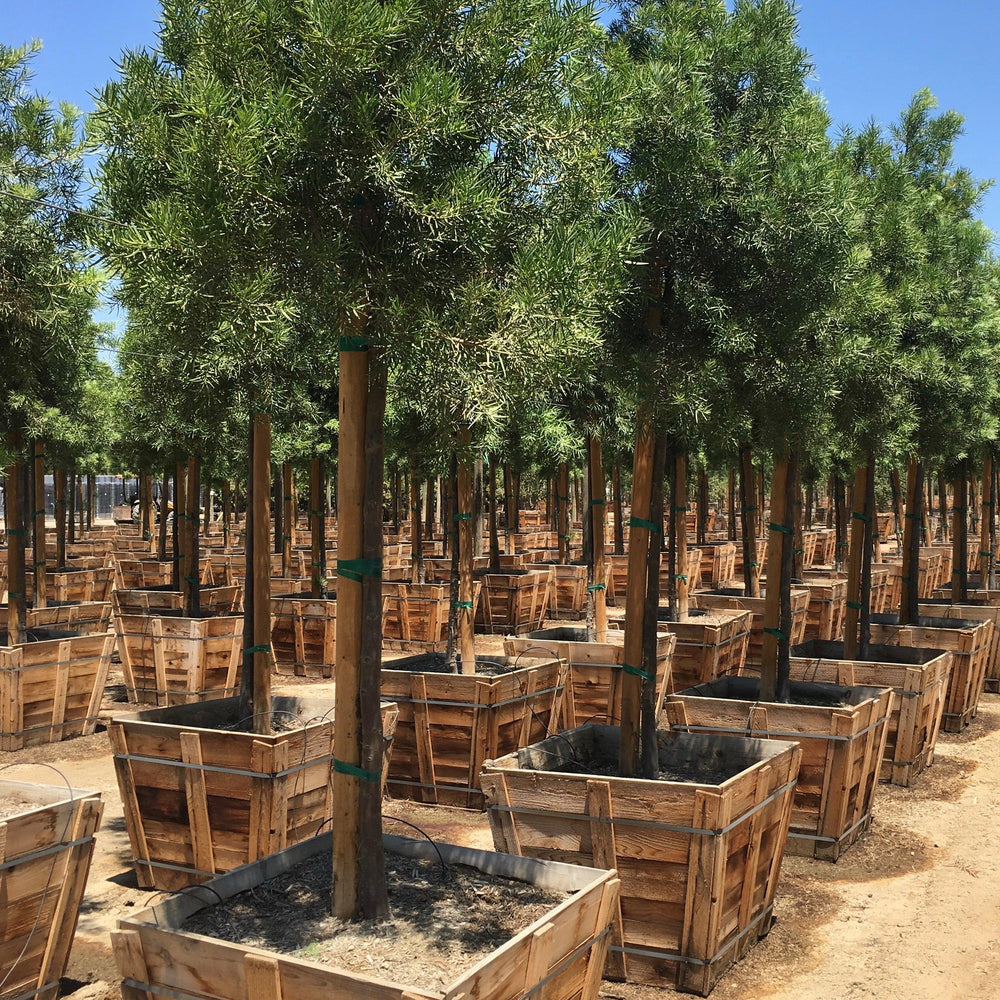
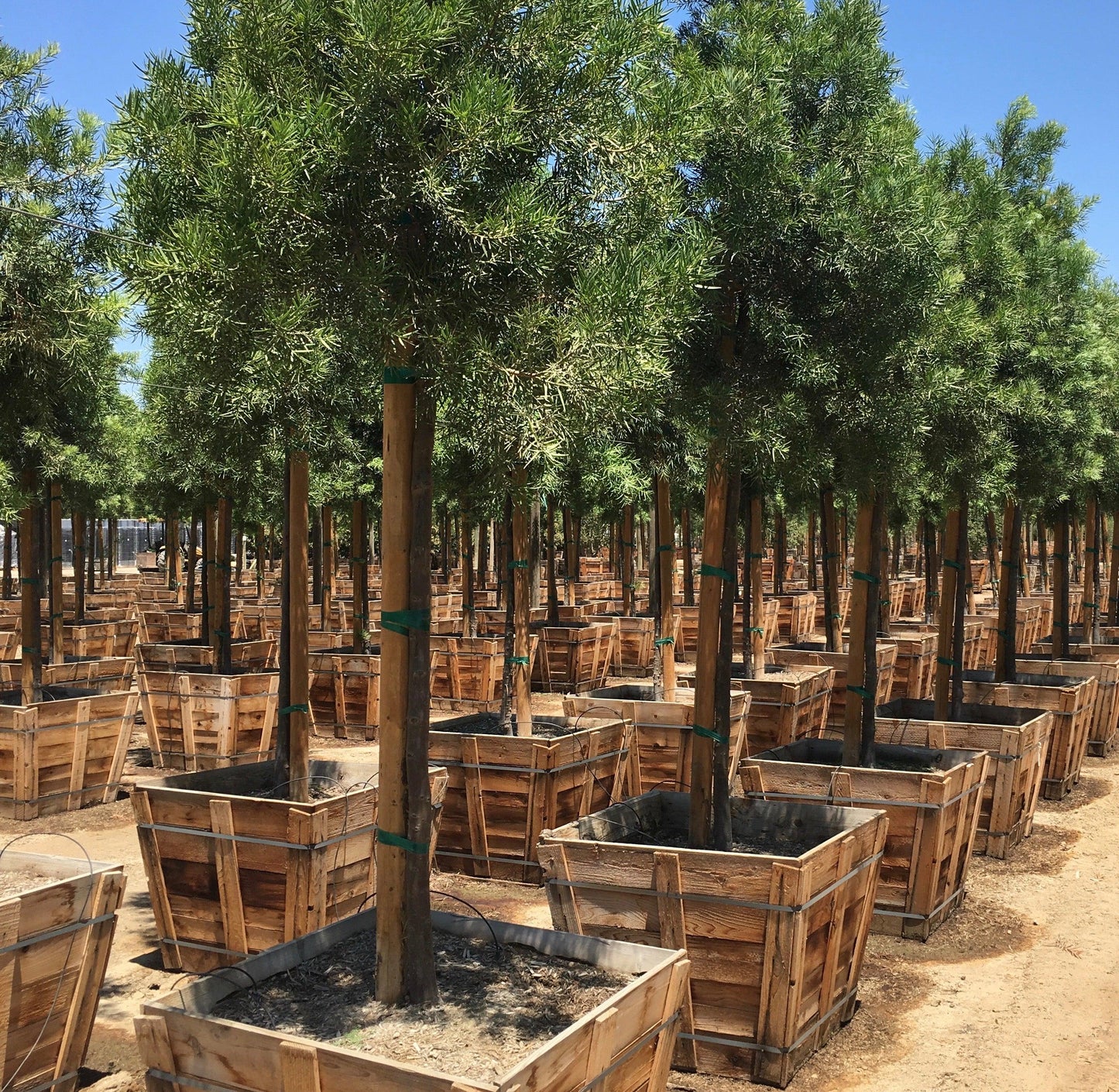
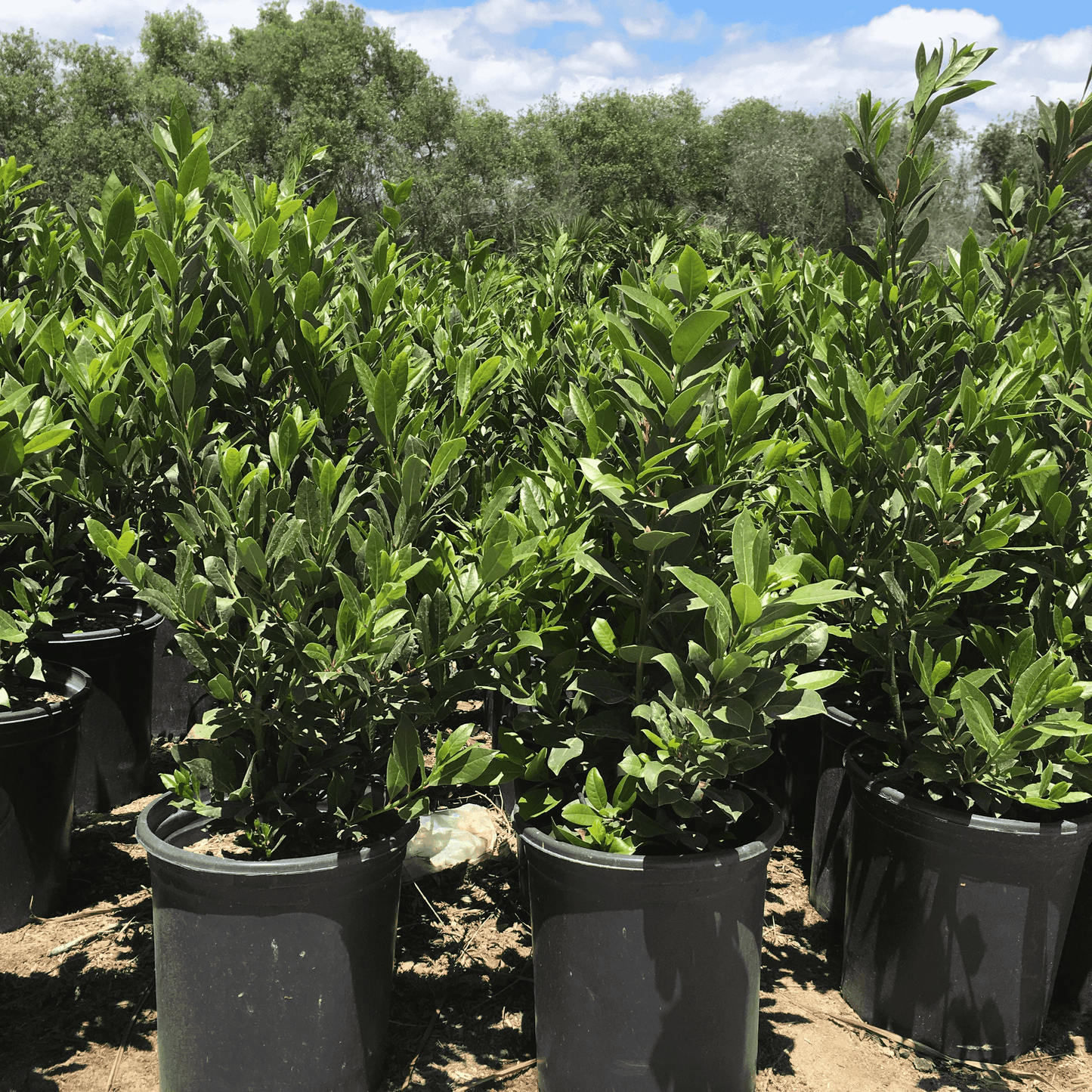
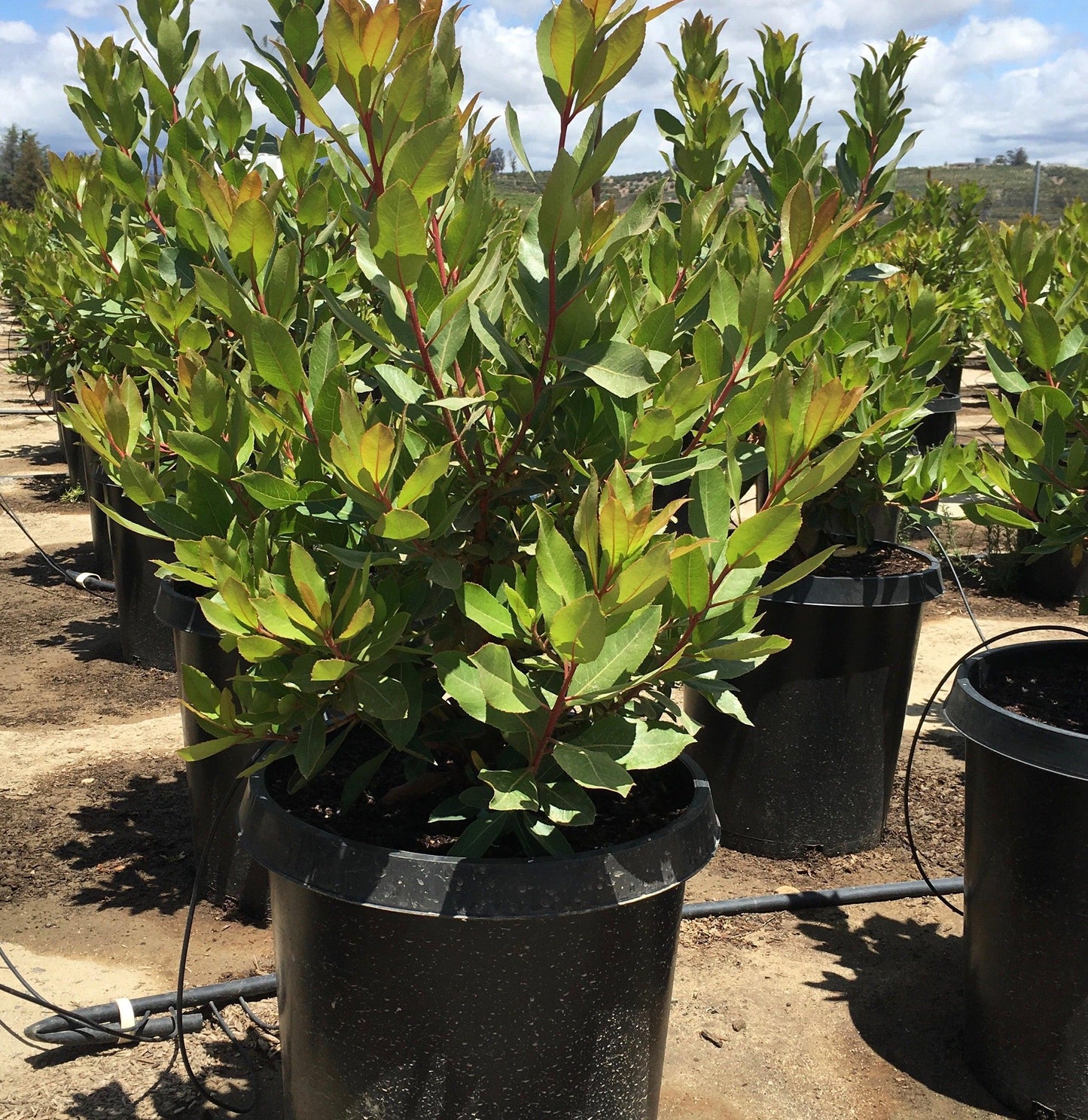
You May Also Like












Thousands of Healthy Plants Delivered


Yardwork was so great to work with. First they had the Swan Hill olive trees that we had been searching for, we had contacted several other nurseries without any luck previously. Then they answered all of our questions in a timely matter prior to ordering and finally delivered within a few days of placing it. Their staff is incredibly knowledgeable; they delivered and planted our trees with expertise to ensure that they would do well in our yard. We would definitely work with them again for future projects.













A Modern Experience
At Yardwork, we carefully curate thousands of plants, in all container sizes, to provide you with the best selection of the highest quality trees and plants at the best price, with the convenience of an online platform.
Uncompromised Quality
We choose only the finest specimens and hand select our plants just before delivery to ensure you receive the freshest and most robust specimens available for your landscape.
Industry Leading Warranties
Our 30, 90, and 365 extended warranties provide some of the best coverage to ensure our trees and plants thrive in your landscape.
Frequently Asked Questions
We're committed to changing everything about trees and plants - how they’re grown, how you shop for them, and how much they cost. We handle orders ourselves. No middlemen to get between us (or our prices) and you.
We're committed to changing everything about trees and plants - how they’re grown, how you shop for them, and how much they cost. We handle orders ourselves. No middlemen to get between us (or our prices) and you.
Delivery does not include unloading of trees and plants LARGER than a 24" box.
Trees and plants in smaller containers will be dropped curbside (usually on the driveway or near the front doorstep).
Delivery beyond a curbside drop will be charged extra.
Trees and plants that are sold in container sizes LARGER than a 24" box size will require equipment and/or enough manpower onsite to help unload from the truck.
Please reach out to our team PRIOR to placing your order to help coordinate.
Our team can provide unloading assistance with equipment for an extra fee as well.
Delivery does not include unloading of trees and plants LARGER than a 24" box.
Trees and plants in smaller containers will be dropped curbside (usually on the driveway or near the front doorstep).
Delivery beyond a curbside drop will be charged extra.
Trees and plants that are sold in container sizes LARGER than a 24" box size will require equipment and/or enough manpower onsite to help unload from the truck.
Please reach out to our team PRIOR to placing your order to help coordinate.
Our team can provide unloading assistance with equipment for an extra fee as well.
We ship locally within California within 7-10 days of your order being placed.
We ship nationally using carrier partners, based on order size. Our common order minimums for out of state shipping is $5,000.
Text or call 323-576-4159 for specific shipping details for your location.
We ship locally within California within 7-10 days of your order being placed.
We ship nationally using carrier partners, based on order size. Our common order minimums for out of state shipping is $5,000.
Text or call 323-576-4159 for specific shipping details for your location.
We are currently online only and don't have physical locations where you can view plants in person.
That's why we have photos direct from the growing grounds of the plants we will ship and we display pricing right in our store.
We do make sure to pick the very best trees and plants prior to shipping and make sure that they have gone through our multi-point inspection for health and structure.
We will always reach out prior to delivery if we find a quality issue or need to provide a substitute.
We are currently online only and don't have physical locations where you can view plants in person.
That's why we have photos direct from the growing grounds of the plants we will ship and we display pricing right in our store.
We do make sure to pick the very best trees and plants prior to shipping and make sure that they have gone through our multi-point inspection for health and structure.
We will always reach out prior to delivery if we find a quality issue or need to provide a substitute.
Plants vary greatly by type. Here is a rough idea of sizes based on containers that are direct from our growing grounds.
15 Gallon Shrub 3-4 Ft. Tall
15 Gallon Tree 5-6 Ft. Tall
24" Box Shrub 5-6 Ft. Tall
24" Box Tree 6-7 Ft. Tall
36" Box Shrub/Tree 7-9 Ft. Tall
48" Box Shrub/Tree 8-10 Ft. Tall
**Please note that we do not make guarantees of sizes. If you have questions or concerns, please call or text to request accurate sizing for the particular plant you're considering, prior to ordering.
Plants vary greatly by type. Here is a rough idea of sizes based on containers that are direct from our growing grounds.
15 Gallon Shrub 3-4 Ft. Tall
15 Gallon Tree 5-6 Ft. Tall
24" Box Shrub 5-6 Ft. Tall
24" Box Tree 6-7 Ft. Tall
36" Box Shrub/Tree 7-9 Ft. Tall
48" Box Shrub/Tree 8-10 Ft. Tall
**Please note that we do not make guarantees of sizes. If you have questions or concerns, please call or text to request accurate sizing for the particular plant you're considering, prior to ordering.
We offer a limited 30 day warranty for plants that are delivered and planted by someone else and a 90 day warranty for plants that we plant.
The limited warranty covers plants that die as a result of disease or fungus which was derived from our growing grounds or from root balls that were root bound.
The warranty does not cover damage due to watering, fertilizer, soils, or any other conditions beyond our control. Additionally, the warranty does not cover plants that are shipped out of the state of California or shipped into California from other states. Custom plant orders are also not covered under warranty. Plants must be planted within 24 hours after delivery to qualify.
We can assist you in recommending the right soils and fertilizers to help your plant thrive after you plant it.
Text or call 323-576-4159 for further warranty information.
We offer a limited 30 day warranty for plants that are delivered and planted by someone else and a 90 day warranty for plants that we plant.
The limited warranty covers plants that die as a result of disease or fungus which was derived from our growing grounds or from root balls that were root bound.
The warranty does not cover damage due to watering, fertilizer, soils, or any other conditions beyond our control. Additionally, the warranty does not cover plants that are shipped out of the state of California or shipped into California from other states. Custom plant orders are also not covered under warranty. Plants must be planted within 24 hours after delivery to qualify.
We can assist you in recommending the right soils and fertilizers to help your plant thrive after you plant it.
Text or call 323-576-4159 for further warranty information.
Our local delivery team covers most cities in California.
There are some exceptions, so please get in touch to confirm prior to ordering.
Additionally, we ship using semi trucks and trailers throughout the entire United States and even abroad for large orders over $5,000. Each shipment is custom, so please reach out to our team to coordinate.
Our local delivery team covers most cities in California.
There are some exceptions, so please get in touch to confirm prior to ordering.
Additionally, we ship using semi trucks and trailers throughout the entire United States and even abroad for large orders over $5,000. Each shipment is custom, so please reach out to our team to coordinate.