



Hass Avocado Tree
Regular price
$595.00
Size
America’s Most Popular Avocado Variety, Now Growing in Your Backyard
Grow the same premium Hass avocados you buy at the grocery store, right from your own backyard. A healthy hass avocado tree gives California homeowners fresh, creamy, nutty-flavored avocado fruit with the convenience of home harvests and the long-term value of a productive fruit bearing tree.
Designed for Southern California gardens, edible landscapes, and home orchards, Hass trees offer the taste people want most: rich, buttery flesh, a small seed, dependable fruit production, and the satisfaction of picking fresh avocados when they are ready instead of relying on expensive store bought fruit.
Why You’ll Love Hass Avocado Trees
-
Creamier texture and superior taste – Hass avocados are known for their rich, creamy flesh and superior taste, making them the most commercially popular avocado variety worldwide, accounting for 95% of avocados consumed in the United States.
-
A productive tree for decades – Hass avocado trees are high-yielding, capable of producing over a million blooms, and typically start bearing fruit within three to five years of planting.
-
Fresh fruit for much of the year – In the right climate, year round harvesting lets you enjoy guacamole, sliced avocado, and healthy meals without constant trips to the grocery store.
-
Excellent shelf life after harvest – Grocers and growers prefer Hass avocados because the fruit can hang on the tree for months without dropping, ripens predictably after harvest, and its durable skin hides superficial shipping blemishes.
-
A beautiful evergreen landscape tree – A mature avocado tree brings glossy green foliage, shade, structure, and edible value to the ground it occupies, similar to other landscape trees that add shade and structure.
Hass avocados also fit a healthy lifestyle. Hass avocados provide approximately 322 calories, 30 grams of healthy fats, 14 grams of dietary fiber, and 4 grams of protein in a standard 7-ounce avocado. A single avocado delivers roughly 41% of the Daily Value for folate, 35% for Vitamin K, 28% for Vitamin E, and 21% for potassium. Over 75% of the fat content in an avocado consists of monounsaturated and polyunsaturated fats, which help lower LDL cholesterol levels.
What Makes Hass Different
Most avocado varieties look similar when they are young, but Hass stands apart once the fruit matures. Hass avocados have dark green, bumpy skin that darkens to almost black skin as they ripen, distinguishing them from other avocado varieties which typically have smooth green skin.
Avocado Hass provides:
-
Richer eating quality – Avocados can be categorized into high-fat/creamy types, like Hass, and low-fat/firm types, like Florida avocados.
-
Better flavor than many green avocados – Compared with fuerte avocados and other green avocados, the hass variety is prized for high oil content, a creamier texture, and dependable taste.
-
Proven commercial reliability – Hass is the most commercially popular avocado because the fruit ships well, ripens well, and performs consistently for the avocado industry in California and other countries.
-
A California original – The Hass avocado variety originated in La Habra Heights, California, in the 1920s when mail carrier Rudolph Hass grew a seedling that yielded a unique, high-fat fruit.
-
A true propagated variety – The Hass avocado was first grown in California in 1926 by postal worker Rudolph Hass, who purchased avocado seeds from a local nursery.
The history matters because seed-grown avocado plants do not reliably produce true Hass fruit. Rudolph Gustav Hass later protected the variety: Rudolph Hass patented the Hass avocado in 1935, but initial demand was low due to its unusual dark skin and appearance compared to other avocado varieties. That plant patent helped define modern California avocados.
The original Hass avocado tree, known as the “Hass Mother Tree,” lived until 2002 and was the source of all Hass avocados grown today, with millions of descendants worldwide. After the original mother tree lost its health late in life, the variety continued through grafted descendants. From La Habra and Whittier nurseryman networks to modern growers such as Harold Brokaw, the Hass story became the standard for premium avocado growing and inspired today’s options for mature avocado trees you can buy online.
How Growing Hass Avocados Works
-
Plant in the right location
Choose well draining soil, a warm spot, and full sun to partial shade. Hass avocado trees thrive in well-draining soil that retains moisture and requires full sun exposure for optimal growth, ideally receiving 8 hours of sunlight daily. -
Water deeply and protect the roots
Keep the soil evenly moist during establishment, but never soggy. To prevent root rot, it is important to avoid overwatering Hass avocado trees; they prefer deep watering less frequently rather than shallow watering often. Applying a 3 to 4-inch layer of mulch around the base of Hass avocado trees helps retain moisture, improve soil quality, and protect roots during colder months, and local plant nurseries that support California gardeners can help you choose the right materials. -
Feed, shape, and protect young trees
Fertilize during active growth, watch for new leaves, and prune lightly to build strong branches. Hass avocado trees should be protected from temperatures below 32°F, especially young trees, which are more susceptible to frost damage. -
Harvest in 3–5 years with proper care
A grafted hass avocado tree typically becomes a reliable fruit bearing tree within three to five years. When the hass fruit is mature, pick it firm and let it soften off the tree until ripe.
Short version: plant well, water wisely, protect from cold winter nights, and let the tree establish before expecting a heavy crop.
Tree Specifications
-
Mature size: 15–30 feet tall and wide
-
Climate zones: USDA zones 9–10, ideal for much of California
-
Best regions: Coastal, inland, and Southern California areas with frost protection
-
Sun exposure: Full sun is best, with at least 8 hours of sunlight daily
-
Soil requirements: Well-draining soil that retains some moisture without staying wet
-
Watering style: Deep watering less often, not shallow watering often
-
Mulch recommendation: 3 to 4 inches around the base, kept away from the trunk
-
Cold protection: Protect young trees below 32°F
-
Fruit timeline: Typically starts bearing within 3–5 years of planting
-
Fruit traits: Dark green bumpy skin, nearly black when ripe, creamy flesh, small seed
-
Use: Fresh eating, toast, salads, smoothies, and guacamole
-
Planting options: One tree in a backyard, a small edible landscape, or even two acres for serious home growers who may also want mature trees for instant impact
A grafted Hass tree is the right choice if you want true Hass fruit. Growing from seeds or random avocado seeds can produce an unpredictable seedling, and the resulting fruit may not match the original Hass taste, shelf life, or high growing yield.
Who Hass Avocado Trees Are For
Ideal for:
-
California homeowners who want fresh, homegrown, organic-style avocados
-
Gardeners looking for a productive fruit bearing tree with ornamental value
-
Landscapers designing edible landscapes with evergreen structure who may also need privacy and fast‑growing evergreen trees
-
Home cooks who want better flavor than store bought avocados and enjoy creating recipes with homegrown Valencia oranges and other fruits
-
Families who use avocados often and want to reduce grocery costs by growing their own Hass tree alongside productive citrus fruit trees like lemons and oranges
-
Growers who want a proven popular avocado with strong performance and may pair it with resilient options like Blue Glow Agave and other signature plants
If you want premium california avocados from your own yard, a Hass tree fits your needs. It is especially valuable for homeowners who have sun, good drainage, and enough space for an evergreen tree that can become both beautiful and productive.
Frequently Asked Questions
How long before my tree produces fruit?
Hass avocado trees are high-yielding, capable of producing over a million blooms, and typically start bearing fruit within three to five years of planting. A grafted avocado tree is the best choice because a seedling grown from avocado seeds may take longer and may not produce true Hass fruit.
Do I need two trees for pollination?
You can often get fruit from one tree, especially in established avocado growing areas. Hass produces Type A avocado flowers, and nearby other trees or compatible avocado varieties can sometimes improve fruit set.
What’s the best planting time in California?
Spring is usually best because young trees get warm weather to establish before winter. In colder locations, wait until frost risk is low and protect the tree from cold wind and temperatures below 32°F.
How much water do Hass avocado trees need?
Water deeply, then let the upper soil begin to dry before watering again. To prevent root rot, it is important to avoid overwatering Hass avocado trees; they prefer deep watering less frequently rather than shallow watering often.
Can I grow them in containers?
Yes, a young avocado plant can grow in a large container, but container trees need careful watering, wind protection, and winter protection. In the ground, Hass trees develop stronger roots and better long-term fruit production.
Why do Hass avocados turn black when ripe?
Hass avocados have dark green, bumpy skin that darkens to almost black as they ripen. That color change is one reason Hass is easy to identify compared with smooth green avocados and other varieties.
Is “Haas” the same as Hass?
“Haas” is a common misspelling. The correct name is Hass, named for Rudolph Hass, the California postal worker who grew the original tree.
Ready to Start Growing Premium Avocados?
Stop overpaying for inconsistent grocery store avocados and grow the commercially popular avocado worldwide in your own yard. Choose a Yardwork Hass avocado tree for rich flavor, creamier texture, durable fruit, and the long-term reward of homegrown harvests.
Yardwork helps California customers choose the right tree, planting site, and care plan for healthy growth, whether you’re planting fruit trees or selecting flowering trees to boost curb appeal. Ask us about quality trees, delivery options, planting support, consultation services, and expert guidance for your soil, sun exposure, and landscape goals.
America’s Most Popular Avocado Variety, Now Growing in Your Backyard
Grow the same premium Hass avocados you buy at the grocery store, right from your own backyard. A healthy hass avocado tree gives California homeowners fresh, creamy, nutty-flavored avocado fruit with the convenience of home harvests and the long-term value of a productive fruit bearing tree.
Designed for Southern California gardens, edible landscapes, and home orchards, Hass trees offer the taste people want most: rich, buttery flesh, a small seed, dependable fruit production, and the satisfaction of picking fresh avocados when they are ready instead of relying on expensive store bought fruit.
Why You’ll Love Hass Avocado Trees
-
Creamier texture and superior taste – Hass avocados are known for their rich, creamy flesh and superior taste, making them the most commercially popular avocado variety worldwide, accounting for 95% of avocados consumed in the United States.
-
A productive tree for decades – Hass avocado trees are high-yielding, capable of producing over a million blooms, and typically start bearing fruit within three to five years of planting.
-
Fresh fruit for much of the year – In the right climate, year round harvesting lets you enjoy guacamole, sliced avocado, and healthy meals without constant trips to the grocery store.
-
Excellent shelf life after harvest – Grocers and growers prefer Hass avocados because the fruit can hang on the tree for months without dropping, ripens predictably after harvest, and its durable skin hides superficial shipping blemishes.
-
A beautiful evergreen landscape tree – A mature avocado tree brings glossy green foliage, shade, structure, and edible value to the ground it occupies, similar to other landscape trees that add shade and structure.
Hass avocados also fit a healthy lifestyle. Hass avocados provide approximately 322 calories, 30 grams of healthy fats, 14 grams of dietary fiber, and 4 grams of protein in a standard 7-ounce avocado. A single avocado delivers roughly 41% of the Daily Value for folate, 35% for Vitamin K, 28% for Vitamin E, and 21% for potassium. Over 75% of the fat content in an avocado consists of monounsaturated and polyunsaturated fats, which help lower LDL cholesterol levels.
What Makes Hass Different
Most avocado varieties look similar when they are young, but Hass stands apart once the fruit matures. Hass avocados have dark green, bumpy skin that darkens to almost black skin as they ripen, distinguishing them from other avocado varieties which typically have smooth green skin.
Avocado Hass provides:
-
Richer eating quality – Avocados can be categorized into high-fat/creamy types, like Hass, and low-fat/firm types, like Florida avocados.
-
Better flavor than many green avocados – Compared with fuerte avocados and other green avocados, the hass variety is prized for high oil content, a creamier texture, and dependable taste.
-
Proven commercial reliability – Hass is the most commercially popular avocado because the fruit ships well, ripens well, and performs consistently for the avocado industry in California and other countries.
-
A California original – The Hass avocado variety originated in La Habra Heights, California, in the 1920s when mail carrier Rudolph Hass grew a seedling that yielded a unique, high-fat fruit.
-
A true propagated variety – The Hass avocado was first grown in California in 1926 by postal worker Rudolph Hass, who purchased avocado seeds from a local nursery.
The history matters because seed-grown avocado plants do not reliably produce true Hass fruit. Rudolph Gustav Hass later protected the variety: Rudolph Hass patented the Hass avocado in 1935, but initial demand was low due to its unusual dark skin and appearance compared to other avocado varieties. That plant patent helped define modern California avocados.
The original Hass avocado tree, known as the “Hass Mother Tree,” lived until 2002 and was the source of all Hass avocados grown today, with millions of descendants worldwide. After the original mother tree lost its health late in life, the variety continued through grafted descendants. From La Habra and Whittier nurseryman networks to modern growers such as Harold Brokaw, the Hass story became the standard for premium avocado growing and inspired today’s options for mature avocado trees you can buy online.
How Growing Hass Avocados Works
-
Plant in the right location
Choose well draining soil, a warm spot, and full sun to partial shade. Hass avocado trees thrive in well-draining soil that retains moisture and requires full sun exposure for optimal growth, ideally receiving 8 hours of sunlight daily. -
Water deeply and protect the roots
Keep the soil evenly moist during establishment, but never soggy. To prevent root rot, it is important to avoid overwatering Hass avocado trees; they prefer deep watering less frequently rather than shallow watering often. Applying a 3 to 4-inch layer of mulch around the base of Hass avocado trees helps retain moisture, improve soil quality, and protect roots during colder months, and local plant nurseries that support California gardeners can help you choose the right materials. -
Feed, shape, and protect young trees
Fertilize during active growth, watch for new leaves, and prune lightly to build strong branches. Hass avocado trees should be protected from temperatures below 32°F, especially young trees, which are more susceptible to frost damage. -
Harvest in 3–5 years with proper care
A grafted hass avocado tree typically becomes a reliable fruit bearing tree within three to five years. When the hass fruit is mature, pick it firm and let it soften off the tree until ripe.
Short version: plant well, water wisely, protect from cold winter nights, and let the tree establish before expecting a heavy crop.
Tree Specifications
-
Mature size: 15–30 feet tall and wide
-
Climate zones: USDA zones 9–10, ideal for much of California
-
Best regions: Coastal, inland, and Southern California areas with frost protection
-
Sun exposure: Full sun is best, with at least 8 hours of sunlight daily
-
Soil requirements: Well-draining soil that retains some moisture without staying wet
-
Watering style: Deep watering less often, not shallow watering often
-
Mulch recommendation: 3 to 4 inches around the base, kept away from the trunk
-
Cold protection: Protect young trees below 32°F
-
Fruit timeline: Typically starts bearing within 3–5 years of planting
-
Fruit traits: Dark green bumpy skin, nearly black when ripe, creamy flesh, small seed
-
Use: Fresh eating, toast, salads, smoothies, and guacamole
-
Planting options: One tree in a backyard, a small edible landscape, or even two acres for serious home growers who may also want mature trees for instant impact
A grafted Hass tree is the right choice if you want true Hass fruit. Growing from seeds or random avocado seeds can produce an unpredictable seedling, and the resulting fruit may not match the original Hass taste, shelf life, or high growing yield.
Who Hass Avocado Trees Are For
Ideal for:
-
California homeowners who want fresh, homegrown, organic-style avocados
-
Gardeners looking for a productive fruit bearing tree with ornamental value
-
Landscapers designing edible landscapes with evergreen structure who may also need privacy and fast‑growing evergreen trees
-
Home cooks who want better flavor than store bought avocados and enjoy creating recipes with homegrown Valencia oranges and other fruits
-
Families who use avocados often and want to reduce grocery costs by growing their own Hass tree alongside productive citrus fruit trees like lemons and oranges
-
Growers who want a proven popular avocado with strong performance and may pair it with resilient options like Blue Glow Agave and other signature plants
If you want premium california avocados from your own yard, a Hass tree fits your needs. It is especially valuable for homeowners who have sun, good drainage, and enough space for an evergreen tree that can become both beautiful and productive.
Frequently Asked Questions
How long before my tree produces fruit?
Hass avocado trees are high-yielding, capable of producing over a million blooms, and typically start bearing fruit within three to five years of planting. A grafted avocado tree is the best choice because a seedling grown from avocado seeds may take longer and may not produce true Hass fruit.
Do I need two trees for pollination?
You can often get fruit from one tree, especially in established avocado growing areas. Hass produces Type A avocado flowers, and nearby other trees or compatible avocado varieties can sometimes improve fruit set.
What’s the best planting time in California?
Spring is usually best because young trees get warm weather to establish before winter. In colder locations, wait until frost risk is low and protect the tree from cold wind and temperatures below 32°F.
How much water do Hass avocado trees need?
Water deeply, then let the upper soil begin to dry before watering again. To prevent root rot, it is important to avoid overwatering Hass avocado trees; they prefer deep watering less frequently rather than shallow watering often.
Can I grow them in containers?
Yes, a young avocado plant can grow in a large container, but container trees need careful watering, wind protection, and winter protection. In the ground, Hass trees develop stronger roots and better long-term fruit production.
Why do Hass avocados turn black when ripe?
Hass avocados have dark green, bumpy skin that darkens to almost black as they ripen. That color change is one reason Hass is easy to identify compared with smooth green avocados and other varieties.
Is “Haas” the same as Hass?
“Haas” is a common misspelling. The correct name is Hass, named for Rudolph Hass, the California postal worker who grew the original tree.
Ready to Start Growing Premium Avocados?
Stop overpaying for inconsistent grocery store avocados and grow the commercially popular avocado worldwide in your own yard. Choose a Yardwork Hass avocado tree for rich flavor, creamier texture, durable fruit, and the long-term reward of homegrown harvests.
Yardwork helps California customers choose the right tree, planting site, and care plan for healthy growth, whether you’re planting fruit trees or selecting flowering trees to boost curb appeal. Ask us about quality trees, delivery options, planting support, consultation services, and expert guidance for your soil, sun exposure, and landscape goals.
Plants vary greatly by type and no guarantees are made on sizing.
However here is a rough idea of sizes based on containers that are direct from our growing grounds.
15 Gallon Shrub 3-4 Ft. Tall
15 Gallon Tree 5-6 Ft. Tall
24" Box Shrub 5-6 Ft. Tall
24" Box Tree 6-7 Ft. Tall
36" Box Tree 8-10 Ft. Tall
48" Box Tree 10-12 Ft. Tall
Please note: Citrus and California Native plants such as Manzanita are smaller than traditional sizing.
Please contact us to confirm sizing of items before purchasing if this is a concern.
Plants vary greatly by type and no guarantees are made on sizing.
However here is a rough idea of sizes based on containers that are direct from our growing grounds.
15 Gallon Shrub 3-4 Ft. Tall
15 Gallon Tree 5-6 Ft. Tall
24" Box Shrub 5-6 Ft. Tall
24" Box Tree 6-7 Ft. Tall
36" Box Tree 8-10 Ft. Tall
48" Box Tree 10-12 Ft. Tall
Please note: Citrus and California Native plants such as Manzanita are smaller than traditional sizing.
Please contact us to confirm sizing of items before purchasing if this is a concern.
Delivery does not include unloading of trees and plants larger than a 24" box.
Trees and plants in smaller containers will be dropped curbside.
Delivery beyond a curbside drop will be charged extra.
Trees and plants that are sold in container sizes larger than a 24" box size will require equipment and an operator onsite to help unload from the truck.
Please reach out to our team PRIOR to placing your order to coordinate.
Our team can provide unloading assistance with equipment for an extra fee.
Delivery does not include unloading of trees and plants larger than a 24" box.
Trees and plants in smaller containers will be dropped curbside.
Delivery beyond a curbside drop will be charged extra.
Trees and plants that are sold in container sizes larger than a 24" box size will require equipment and an operator onsite to help unload from the truck.
Please reach out to our team PRIOR to placing your order to coordinate.
Our team can provide unloading assistance with equipment for an extra fee.
You may also like...


Hass Avocado Tree
Regular price
$595.00
Size
America’s Most Popular Avocado Variety, Now Growing in Your Backyard
Grow the same premium Hass avocados you buy at the grocery store, right from your own backyard. A healthy hass avocado tree gives California homeowners fresh, creamy, nutty-flavored avocado fruit with the convenience of home harvests and the long-term value of a productive fruit bearing tree.
Designed for Southern California gardens, edible landscapes, and home orchards, Hass trees offer the taste people want most: rich, buttery flesh, a small seed, dependable fruit production, and the satisfaction of picking fresh avocados when they are ready instead of relying on expensive store bought fruit.
Why You’ll Love Hass Avocado Trees
-
Creamier texture and superior taste – Hass avocados are known for their rich, creamy flesh and superior taste, making them the most commercially popular avocado variety worldwide, accounting for 95% of avocados consumed in the United States.
-
A productive tree for decades – Hass avocado trees are high-yielding, capable of producing over a million blooms, and typically start bearing fruit within three to five years of planting.
-
Fresh fruit for much of the year – In the right climate, year round harvesting lets you enjoy guacamole, sliced avocado, and healthy meals without constant trips to the grocery store.
-
Excellent shelf life after harvest – Grocers and growers prefer Hass avocados because the fruit can hang on the tree for months without dropping, ripens predictably after harvest, and its durable skin hides superficial shipping blemishes.
-
A beautiful evergreen landscape tree – A mature avocado tree brings glossy green foliage, shade, structure, and edible value to the ground it occupies, similar to other landscape trees that add shade and structure.
Hass avocados also fit a healthy lifestyle. Hass avocados provide approximately 322 calories, 30 grams of healthy fats, 14 grams of dietary fiber, and 4 grams of protein in a standard 7-ounce avocado. A single avocado delivers roughly 41% of the Daily Value for folate, 35% for Vitamin K, 28% for Vitamin E, and 21% for potassium. Over 75% of the fat content in an avocado consists of monounsaturated and polyunsaturated fats, which help lower LDL cholesterol levels.
What Makes Hass Different
Most avocado varieties look similar when they are young, but Hass stands apart once the fruit matures. Hass avocados have dark green, bumpy skin that darkens to almost black skin as they ripen, distinguishing them from other avocado varieties which typically have smooth green skin.
Avocado Hass provides:
-
Richer eating quality – Avocados can be categorized into high-fat/creamy types, like Hass, and low-fat/firm types, like Florida avocados.
-
Better flavor than many green avocados – Compared with fuerte avocados and other green avocados, the hass variety is prized for high oil content, a creamier texture, and dependable taste.
-
Proven commercial reliability – Hass is the most commercially popular avocado because the fruit ships well, ripens well, and performs consistently for the avocado industry in California and other countries.
-
A California original – The Hass avocado variety originated in La Habra Heights, California, in the 1920s when mail carrier Rudolph Hass grew a seedling that yielded a unique, high-fat fruit.
-
A true propagated variety – The Hass avocado was first grown in California in 1926 by postal worker Rudolph Hass, who purchased avocado seeds from a local nursery.
The history matters because seed-grown avocado plants do not reliably produce true Hass fruit. Rudolph Gustav Hass later protected the variety: Rudolph Hass patented the Hass avocado in 1935, but initial demand was low due to its unusual dark skin and appearance compared to other avocado varieties. That plant patent helped define modern California avocados.
The original Hass avocado tree, known as the “Hass Mother Tree,” lived until 2002 and was the source of all Hass avocados grown today, with millions of descendants worldwide. After the original mother tree lost its health late in life, the variety continued through grafted descendants. From La Habra and Whittier nurseryman networks to modern growers such as Harold Brokaw, the Hass story became the standard for premium avocado growing and inspired today’s options for mature avocado trees you can buy online.
How Growing Hass Avocados Works
-
Plant in the right location
Choose well draining soil, a warm spot, and full sun to partial shade. Hass avocado trees thrive in well-draining soil that retains moisture and requires full sun exposure for optimal growth, ideally receiving 8 hours of sunlight daily. -
Water deeply and protect the roots
Keep the soil evenly moist during establishment, but never soggy. To prevent root rot, it is important to avoid overwatering Hass avocado trees; they prefer deep watering less frequently rather than shallow watering often. Applying a 3 to 4-inch layer of mulch around the base of Hass avocado trees helps retain moisture, improve soil quality, and protect roots during colder months, and local plant nurseries that support California gardeners can help you choose the right materials. -
Feed, shape, and protect young trees
Fertilize during active growth, watch for new leaves, and prune lightly to build strong branches. Hass avocado trees should be protected from temperatures below 32°F, especially young trees, which are more susceptible to frost damage. -
Harvest in 3–5 years with proper care
A grafted hass avocado tree typically becomes a reliable fruit bearing tree within three to five years. When the hass fruit is mature, pick it firm and let it soften off the tree until ripe.
Short version: plant well, water wisely, protect from cold winter nights, and let the tree establish before expecting a heavy crop.
Tree Specifications
-
Mature size: 15–30 feet tall and wide
-
Climate zones: USDA zones 9–10, ideal for much of California
-
Best regions: Coastal, inland, and Southern California areas with frost protection
-
Sun exposure: Full sun is best, with at least 8 hours of sunlight daily
-
Soil requirements: Well-draining soil that retains some moisture without staying wet
-
Watering style: Deep watering less often, not shallow watering often
-
Mulch recommendation: 3 to 4 inches around the base, kept away from the trunk
-
Cold protection: Protect young trees below 32°F
-
Fruit timeline: Typically starts bearing within 3–5 years of planting
-
Fruit traits: Dark green bumpy skin, nearly black when ripe, creamy flesh, small seed
-
Use: Fresh eating, toast, salads, smoothies, and guacamole
-
Planting options: One tree in a backyard, a small edible landscape, or even two acres for serious home growers who may also want mature trees for instant impact
A grafted Hass tree is the right choice if you want true Hass fruit. Growing from seeds or random avocado seeds can produce an unpredictable seedling, and the resulting fruit may not match the original Hass taste, shelf life, or high growing yield.
Who Hass Avocado Trees Are For
Ideal for:
-
California homeowners who want fresh, homegrown, organic-style avocados
-
Gardeners looking for a productive fruit bearing tree with ornamental value
-
Landscapers designing edible landscapes with evergreen structure who may also need privacy and fast‑growing evergreen trees
-
Home cooks who want better flavor than store bought avocados and enjoy creating recipes with homegrown Valencia oranges and other fruits
-
Families who use avocados often and want to reduce grocery costs by growing their own Hass tree alongside productive citrus fruit trees like lemons and oranges
-
Growers who want a proven popular avocado with strong performance and may pair it with resilient options like Blue Glow Agave and other signature plants
If you want premium california avocados from your own yard, a Hass tree fits your needs. It is especially valuable for homeowners who have sun, good drainage, and enough space for an evergreen tree that can become both beautiful and productive.
Frequently Asked Questions
How long before my tree produces fruit?
Hass avocado trees are high-yielding, capable of producing over a million blooms, and typically start bearing fruit within three to five years of planting. A grafted avocado tree is the best choice because a seedling grown from avocado seeds may take longer and may not produce true Hass fruit.
Do I need two trees for pollination?
You can often get fruit from one tree, especially in established avocado growing areas. Hass produces Type A avocado flowers, and nearby other trees or compatible avocado varieties can sometimes improve fruit set.
What’s the best planting time in California?
Spring is usually best because young trees get warm weather to establish before winter. In colder locations, wait until frost risk is low and protect the tree from cold wind and temperatures below 32°F.
How much water do Hass avocado trees need?
Water deeply, then let the upper soil begin to dry before watering again. To prevent root rot, it is important to avoid overwatering Hass avocado trees; they prefer deep watering less frequently rather than shallow watering often.
Can I grow them in containers?
Yes, a young avocado plant can grow in a large container, but container trees need careful watering, wind protection, and winter protection. In the ground, Hass trees develop stronger roots and better long-term fruit production.
Why do Hass avocados turn black when ripe?
Hass avocados have dark green, bumpy skin that darkens to almost black as they ripen. That color change is one reason Hass is easy to identify compared with smooth green avocados and other varieties.
Is “Haas” the same as Hass?
“Haas” is a common misspelling. The correct name is Hass, named for Rudolph Hass, the California postal worker who grew the original tree.
Ready to Start Growing Premium Avocados?
Stop overpaying for inconsistent grocery store avocados and grow the commercially popular avocado worldwide in your own yard. Choose a Yardwork Hass avocado tree for rich flavor, creamier texture, durable fruit, and the long-term reward of homegrown harvests.
Yardwork helps California customers choose the right tree, planting site, and care plan for healthy growth, whether you’re planting fruit trees or selecting flowering trees to boost curb appeal. Ask us about quality trees, delivery options, planting support, consultation services, and expert guidance for your soil, sun exposure, and landscape goals.
America’s Most Popular Avocado Variety, Now Growing in Your Backyard
Grow the same premium Hass avocados you buy at the grocery store, right from your own backyard. A healthy hass avocado tree gives California homeowners fresh, creamy, nutty-flavored avocado fruit with the convenience of home harvests and the long-term value of a productive fruit bearing tree.
Designed for Southern California gardens, edible landscapes, and home orchards, Hass trees offer the taste people want most: rich, buttery flesh, a small seed, dependable fruit production, and the satisfaction of picking fresh avocados when they are ready instead of relying on expensive store bought fruit.
Why You’ll Love Hass Avocado Trees
-
Creamier texture and superior taste – Hass avocados are known for their rich, creamy flesh and superior taste, making them the most commercially popular avocado variety worldwide, accounting for 95% of avocados consumed in the United States.
-
A productive tree for decades – Hass avocado trees are high-yielding, capable of producing over a million blooms, and typically start bearing fruit within three to five years of planting.
-
Fresh fruit for much of the year – In the right climate, year round harvesting lets you enjoy guacamole, sliced avocado, and healthy meals without constant trips to the grocery store.
-
Excellent shelf life after harvest – Grocers and growers prefer Hass avocados because the fruit can hang on the tree for months without dropping, ripens predictably after harvest, and its durable skin hides superficial shipping blemishes.
-
A beautiful evergreen landscape tree – A mature avocado tree brings glossy green foliage, shade, structure, and edible value to the ground it occupies, similar to other landscape trees that add shade and structure.
Hass avocados also fit a healthy lifestyle. Hass avocados provide approximately 322 calories, 30 grams of healthy fats, 14 grams of dietary fiber, and 4 grams of protein in a standard 7-ounce avocado. A single avocado delivers roughly 41% of the Daily Value for folate, 35% for Vitamin K, 28% for Vitamin E, and 21% for potassium. Over 75% of the fat content in an avocado consists of monounsaturated and polyunsaturated fats, which help lower LDL cholesterol levels.
What Makes Hass Different
Most avocado varieties look similar when they are young, but Hass stands apart once the fruit matures. Hass avocados have dark green, bumpy skin that darkens to almost black skin as they ripen, distinguishing them from other avocado varieties which typically have smooth green skin.
Avocado Hass provides:
-
Richer eating quality – Avocados can be categorized into high-fat/creamy types, like Hass, and low-fat/firm types, like Florida avocados.
-
Better flavor than many green avocados – Compared with fuerte avocados and other green avocados, the hass variety is prized for high oil content, a creamier texture, and dependable taste.
-
Proven commercial reliability – Hass is the most commercially popular avocado because the fruit ships well, ripens well, and performs consistently for the avocado industry in California and other countries.
-
A California original – The Hass avocado variety originated in La Habra Heights, California, in the 1920s when mail carrier Rudolph Hass grew a seedling that yielded a unique, high-fat fruit.
-
A true propagated variety – The Hass avocado was first grown in California in 1926 by postal worker Rudolph Hass, who purchased avocado seeds from a local nursery.
The history matters because seed-grown avocado plants do not reliably produce true Hass fruit. Rudolph Gustav Hass later protected the variety: Rudolph Hass patented the Hass avocado in 1935, but initial demand was low due to its unusual dark skin and appearance compared to other avocado varieties. That plant patent helped define modern California avocados.
The original Hass avocado tree, known as the “Hass Mother Tree,” lived until 2002 and was the source of all Hass avocados grown today, with millions of descendants worldwide. After the original mother tree lost its health late in life, the variety continued through grafted descendants. From La Habra and Whittier nurseryman networks to modern growers such as Harold Brokaw, the Hass story became the standard for premium avocado growing and inspired today’s options for mature avocado trees you can buy online.
How Growing Hass Avocados Works
-
Plant in the right location
Choose well draining soil, a warm spot, and full sun to partial shade. Hass avocado trees thrive in well-draining soil that retains moisture and requires full sun exposure for optimal growth, ideally receiving 8 hours of sunlight daily. -
Water deeply and protect the roots
Keep the soil evenly moist during establishment, but never soggy. To prevent root rot, it is important to avoid overwatering Hass avocado trees; they prefer deep watering less frequently rather than shallow watering often. Applying a 3 to 4-inch layer of mulch around the base of Hass avocado trees helps retain moisture, improve soil quality, and protect roots during colder months, and local plant nurseries that support California gardeners can help you choose the right materials. -
Feed, shape, and protect young trees
Fertilize during active growth, watch for new leaves, and prune lightly to build strong branches. Hass avocado trees should be protected from temperatures below 32°F, especially young trees, which are more susceptible to frost damage. -
Harvest in 3–5 years with proper care
A grafted hass avocado tree typically becomes a reliable fruit bearing tree within three to five years. When the hass fruit is mature, pick it firm and let it soften off the tree until ripe.
Short version: plant well, water wisely, protect from cold winter nights, and let the tree establish before expecting a heavy crop.
Tree Specifications
-
Mature size: 15–30 feet tall and wide
-
Climate zones: USDA zones 9–10, ideal for much of California
-
Best regions: Coastal, inland, and Southern California areas with frost protection
-
Sun exposure: Full sun is best, with at least 8 hours of sunlight daily
-
Soil requirements: Well-draining soil that retains some moisture without staying wet
-
Watering style: Deep watering less often, not shallow watering often
-
Mulch recommendation: 3 to 4 inches around the base, kept away from the trunk
-
Cold protection: Protect young trees below 32°F
-
Fruit timeline: Typically starts bearing within 3–5 years of planting
-
Fruit traits: Dark green bumpy skin, nearly black when ripe, creamy flesh, small seed
-
Use: Fresh eating, toast, salads, smoothies, and guacamole
-
Planting options: One tree in a backyard, a small edible landscape, or even two acres for serious home growers who may also want mature trees for instant impact
A grafted Hass tree is the right choice if you want true Hass fruit. Growing from seeds or random avocado seeds can produce an unpredictable seedling, and the resulting fruit may not match the original Hass taste, shelf life, or high growing yield.
Who Hass Avocado Trees Are For
Ideal for:
-
California homeowners who want fresh, homegrown, organic-style avocados
-
Gardeners looking for a productive fruit bearing tree with ornamental value
-
Landscapers designing edible landscapes with evergreen structure who may also need privacy and fast‑growing evergreen trees
-
Home cooks who want better flavor than store bought avocados and enjoy creating recipes with homegrown Valencia oranges and other fruits
-
Families who use avocados often and want to reduce grocery costs by growing their own Hass tree alongside productive citrus fruit trees like lemons and oranges
-
Growers who want a proven popular avocado with strong performance and may pair it with resilient options like Blue Glow Agave and other signature plants
If you want premium california avocados from your own yard, a Hass tree fits your needs. It is especially valuable for homeowners who have sun, good drainage, and enough space for an evergreen tree that can become both beautiful and productive.
Frequently Asked Questions
How long before my tree produces fruit?
Hass avocado trees are high-yielding, capable of producing over a million blooms, and typically start bearing fruit within three to five years of planting. A grafted avocado tree is the best choice because a seedling grown from avocado seeds may take longer and may not produce true Hass fruit.
Do I need two trees for pollination?
You can often get fruit from one tree, especially in established avocado growing areas. Hass produces Type A avocado flowers, and nearby other trees or compatible avocado varieties can sometimes improve fruit set.
What’s the best planting time in California?
Spring is usually best because young trees get warm weather to establish before winter. In colder locations, wait until frost risk is low and protect the tree from cold wind and temperatures below 32°F.
How much water do Hass avocado trees need?
Water deeply, then let the upper soil begin to dry before watering again. To prevent root rot, it is important to avoid overwatering Hass avocado trees; they prefer deep watering less frequently rather than shallow watering often.
Can I grow them in containers?
Yes, a young avocado plant can grow in a large container, but container trees need careful watering, wind protection, and winter protection. In the ground, Hass trees develop stronger roots and better long-term fruit production.
Why do Hass avocados turn black when ripe?
Hass avocados have dark green, bumpy skin that darkens to almost black as they ripen. That color change is one reason Hass is easy to identify compared with smooth green avocados and other varieties.
Is “Haas” the same as Hass?
“Haas” is a common misspelling. The correct name is Hass, named for Rudolph Hass, the California postal worker who grew the original tree.
Ready to Start Growing Premium Avocados?
Stop overpaying for inconsistent grocery store avocados and grow the commercially popular avocado worldwide in your own yard. Choose a Yardwork Hass avocado tree for rich flavor, creamier texture, durable fruit, and the long-term reward of homegrown harvests.
Yardwork helps California customers choose the right tree, planting site, and care plan for healthy growth, whether you’re planting fruit trees or selecting flowering trees to boost curb appeal. Ask us about quality trees, delivery options, planting support, consultation services, and expert guidance for your soil, sun exposure, and landscape goals.
Plants vary greatly by type and no guarantees are made on sizing.
However here is a rough idea of sizes based on containers that are direct from our growing grounds.
15 Gallon Shrub 3-4 Ft. Tall
15 Gallon Tree 5-6 Ft. Tall
24" Box Shrub 5-6 Ft. Tall
24" Box Tree 6-7 Ft. Tall
36" Box Tree 8-10 Ft. Tall
48" Box Tree 10-12 Ft. Tall
Please note: Citrus and California Native plants such as Manzanita are smaller than traditional sizing.
Please contact us to confirm sizing of items before purchasing if this is a concern.
Plants vary greatly by type and no guarantees are made on sizing.
However here is a rough idea of sizes based on containers that are direct from our growing grounds.
15 Gallon Shrub 3-4 Ft. Tall
15 Gallon Tree 5-6 Ft. Tall
24" Box Shrub 5-6 Ft. Tall
24" Box Tree 6-7 Ft. Tall
36" Box Tree 8-10 Ft. Tall
48" Box Tree 10-12 Ft. Tall
Please note: Citrus and California Native plants such as Manzanita are smaller than traditional sizing.
Please contact us to confirm sizing of items before purchasing if this is a concern.
Delivery does not include unloading of trees and plants larger than a 24" box.
Trees and plants in smaller containers will be dropped curbside.
Delivery beyond a curbside drop will be charged extra.
Trees and plants that are sold in container sizes larger than a 24" box size will require equipment and an operator onsite to help unload from the truck.
Please reach out to our team PRIOR to placing your order to coordinate.
Our team can provide unloading assistance with equipment for an extra fee.
Delivery does not include unloading of trees and plants larger than a 24" box.
Trees and plants in smaller containers will be dropped curbside.
Delivery beyond a curbside drop will be charged extra.
Trees and plants that are sold in container sizes larger than a 24" box size will require equipment and an operator onsite to help unload from the truck.
Please reach out to our team PRIOR to placing your order to coordinate.
Our team can provide unloading assistance with equipment for an extra fee.
Recommended For You















Pairs Well With













You May Also Like












Thousands of Healthy Plants Delivered

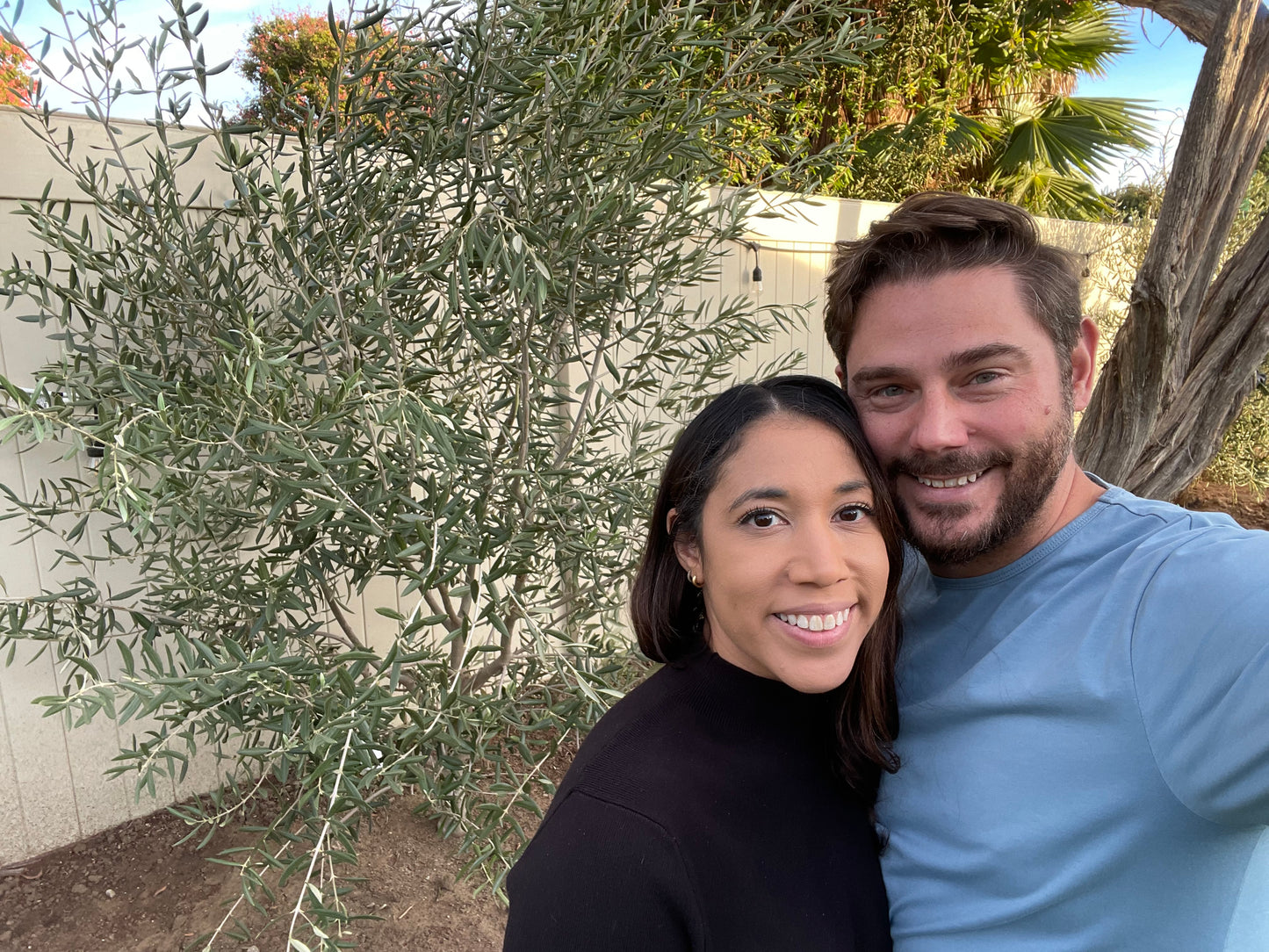
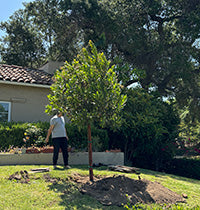
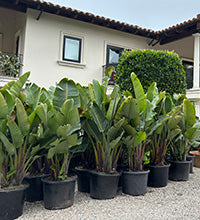
Yardwork was so great to work with. First they had the Swan Hill olive trees that we had been searching for, we had contacted several other nurseries without any luck previously. Then they answered all of our questions in a timely matter prior to ordering and finally delivered within a few days of placing it. Their staff is incredibly knowledgeable; they delivered and planted our trees with expertise to ensure that they would do well in our yard. We would definitely work with them again for future projects.











A Modern Experience
At Yardwork, we carefully curate thousands of plants, in all container sizes, to provide you with the best selection of the highest quality trees and plants at the best price, with the convenience of an online platform.
Uncompromised Quality
We choose only the finest specimens and hand select our plants just before delivery to ensure you receive the freshest and most robust specimens available for your landscape.
Industry Leading Warranties
Our 30, 90, and 365 extended warranties provide some of the best coverage to ensure our trees and plants thrive in your landscape.
Frequently Asked Questions
We're committed to changing everything about trees and plants - how they’re grown, how you shop for them, and how much they cost. We handle orders ourselves. No middlemen to get between us (or our prices) and you.
We're committed to changing everything about trees and plants - how they’re grown, how you shop for them, and how much they cost. We handle orders ourselves. No middlemen to get between us (or our prices) and you.
Delivery does not include unloading of trees and plants LARGER than a 24" box.
Trees and plants in smaller containers will be dropped curbside (usually on the driveway or near the front doorstep).
Delivery beyond a curbside drop will be charged extra.
Trees and plants that are sold in container sizes LARGER than a 24" box size will require equipment and/or enough manpower onsite to help unload from the truck.
Please reach out to our team PRIOR to placing your order to help coordinate.
Our team can provide unloading assistance with equipment for an extra fee as well.
Delivery does not include unloading of trees and plants LARGER than a 24" box.
Trees and plants in smaller containers will be dropped curbside (usually on the driveway or near the front doorstep).
Delivery beyond a curbside drop will be charged extra.
Trees and plants that are sold in container sizes LARGER than a 24" box size will require equipment and/or enough manpower onsite to help unload from the truck.
Please reach out to our team PRIOR to placing your order to help coordinate.
Our team can provide unloading assistance with equipment for an extra fee as well.
We ship locally within California within 7-10 days of your order being placed.
We ship nationally using carrier partners, based on order size. Our common order minimums for out of state shipping is $5,000.
Text or call 323-576-4159 for specific shipping details for your location.
We ship locally within California within 7-10 days of your order being placed.
We ship nationally using carrier partners, based on order size. Our common order minimums for out of state shipping is $5,000.
Text or call 323-576-4159 for specific shipping details for your location.
We are currently online only and don't have physical locations where you can view plants in person.
That's why we have photos direct from the growing grounds of the plants we will ship and we display pricing right in our store.
We do make sure to pick the very best trees and plants prior to shipping and make sure that they have gone through our multi-point inspection for health and structure.
We will always reach out prior to delivery if we find a quality issue or need to provide a substitute.
We are currently online only and don't have physical locations where you can view plants in person.
That's why we have photos direct from the growing grounds of the plants we will ship and we display pricing right in our store.
We do make sure to pick the very best trees and plants prior to shipping and make sure that they have gone through our multi-point inspection for health and structure.
We will always reach out prior to delivery if we find a quality issue or need to provide a substitute.
Plants vary greatly by type. Here is a rough idea of sizes based on containers that are direct from our growing grounds.
15 Gallon Shrub 3-4 Ft. Tall
15 Gallon Tree 5-6 Ft. Tall
24" Box Shrub 5-6 Ft. Tall
24" Box Tree 6-7 Ft. Tall
36" Box Shrub/Tree 7-9 Ft. Tall
48" Box Shrub/Tree 8-10 Ft. Tall
**Please note that we do not make guarantees of sizes. If you have questions or concerns, please call or text to request accurate sizing for the particular plant you're considering, prior to ordering.
Plants vary greatly by type. Here is a rough idea of sizes based on containers that are direct from our growing grounds.
15 Gallon Shrub 3-4 Ft. Tall
15 Gallon Tree 5-6 Ft. Tall
24" Box Shrub 5-6 Ft. Tall
24" Box Tree 6-7 Ft. Tall
36" Box Shrub/Tree 7-9 Ft. Tall
48" Box Shrub/Tree 8-10 Ft. Tall
**Please note that we do not make guarantees of sizes. If you have questions or concerns, please call or text to request accurate sizing for the particular plant you're considering, prior to ordering.
We offer a limited 30 day warranty for plants that are delivered and planted by someone else and a 90 day warranty for plants that we plant.
The limited warranty covers plants that die as a result of disease or fungus which was derived from our growing grounds or from root balls that were root bound.
The warranty does not cover damage due to watering, fertilizer, soils, or any other conditions beyond our control. Additionally, the warranty does not cover plants that are shipped out of the state of California or shipped into California from other states. Custom plant orders are also not covered under warranty. Plants must be planted within 24 hours after delivery to qualify.
We can assist you in recommending the right soils and fertilizers to help your plant thrive after you plant it.
Text or call 323-576-4159 for further warranty information.
We offer a limited 30 day warranty for plants that are delivered and planted by someone else and a 90 day warranty for plants that we plant.
The limited warranty covers plants that die as a result of disease or fungus which was derived from our growing grounds or from root balls that were root bound.
The warranty does not cover damage due to watering, fertilizer, soils, or any other conditions beyond our control. Additionally, the warranty does not cover plants that are shipped out of the state of California or shipped into California from other states. Custom plant orders are also not covered under warranty. Plants must be planted within 24 hours after delivery to qualify.
We can assist you in recommending the right soils and fertilizers to help your plant thrive after you plant it.
Text or call 323-576-4159 for further warranty information.
Our local delivery team covers most cities in California.
There are some exceptions, so please get in touch to confirm prior to ordering.
Additionally, we ship using semi trucks and trailers throughout the entire United States and even abroad for large orders over $5,000. Each shipment is custom, so please reach out to our team to coordinate.
Our local delivery team covers most cities in California.
There are some exceptions, so please get in touch to confirm prior to ordering.
Additionally, we ship using semi trucks and trailers throughout the entire United States and even abroad for large orders over $5,000. Each shipment is custom, so please reach out to our team to coordinate.