

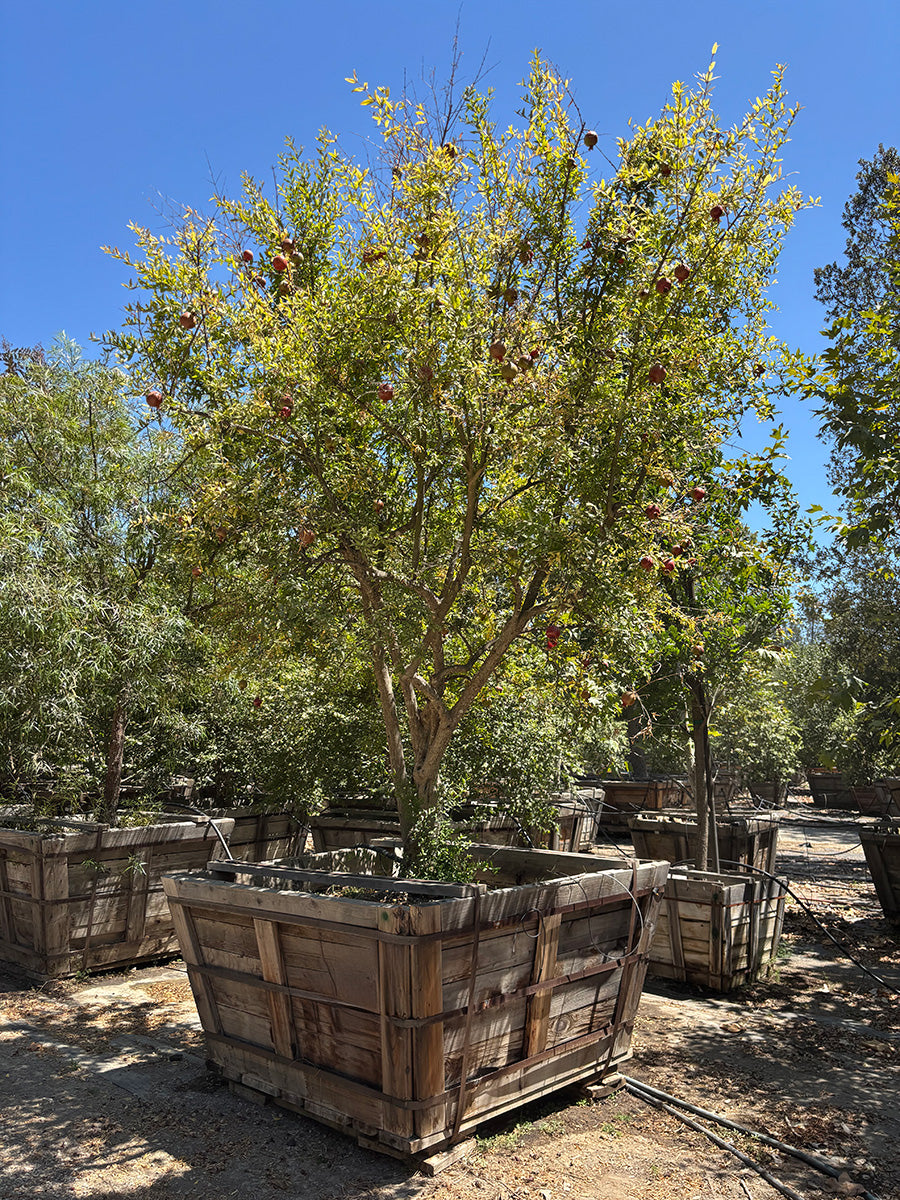
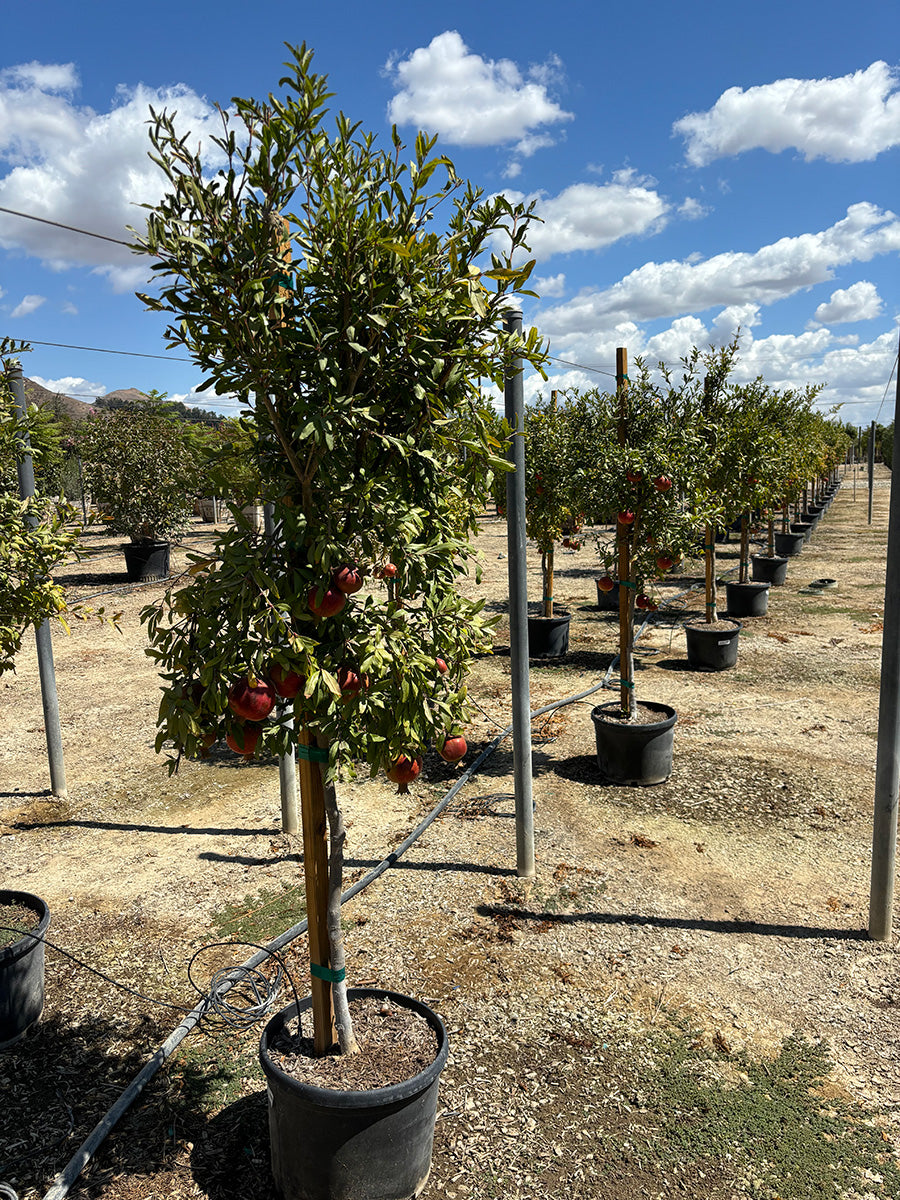
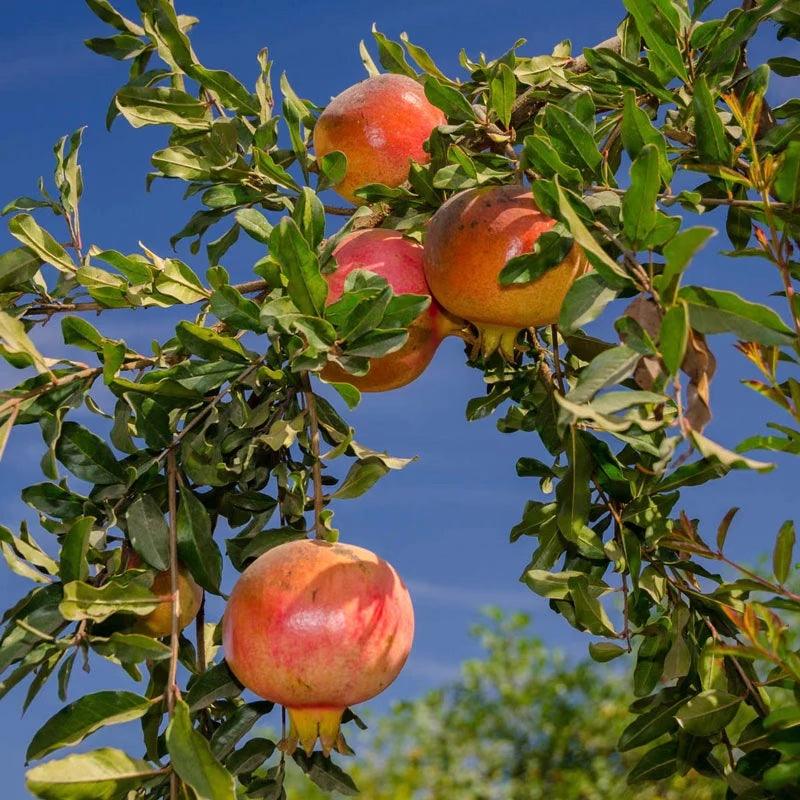


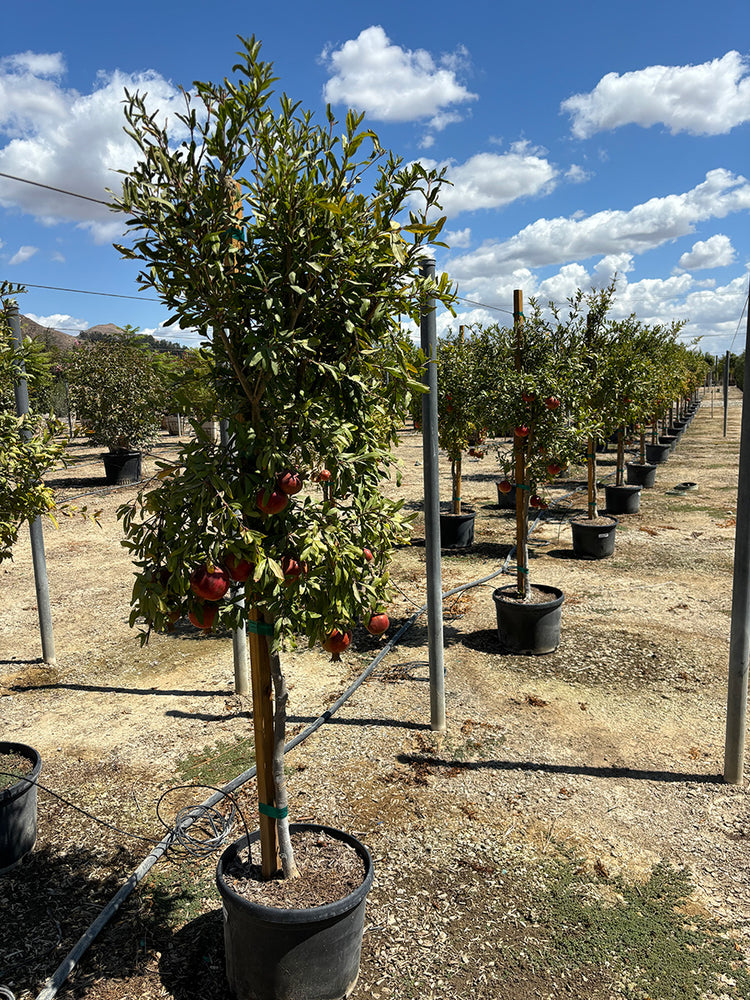

Pomegranate Tree For Sale
Regular price
$1,150.00
Size
Grow Delicious, Antioxidant-Rich Pomegranates in Your Own Backyard
Yardwork pomegranate trees help you grow fresh, sweet, ruby-red fruit at home without relying on expensive grocery-store pomegranates every season.
Designed for California gardens and similar warm, sunny climates, these productive trees bring together edible beauty, strong fruit quality, and the health benefits that make pomegranate one of the most valued backyard superfruits. The pomegranate tree, known scientifically as Punica granatum, can grow between 12 to 30 feet tall, typically reaching heights of 12-15 feet in cultivation.
Plant one tree, give it full sun and well drained soil, and begin the journey toward homegrown arils, juice, salads, sauces, desserts, and fresh eating from your own garden.
Why You’ll Love Our Pomegranate Trees
-
Produces abundant antioxidant-rich fruit – Cold Hardy Pomegranate trees can produce up to 100 pounds of fruit annually from a single mature tree, making them highly productive even in cooler climates.
-
Helps reduce grocery-store dependence – A healthy, established pomegranate tree can save hundreds of dollars over time compared to buying premium pomegranates at retail market prices.
-
Supports a healthy lifestyle – Pomegranates are loaded with antioxidants, which are believed to help reduce cholesterol, control weight, fight cell damage, and lower the risk of cancer and heart disease.
-
Gives you more than edible seeds – The juice of pomegranates is as beneficial as the pulp and seeds, providing a rich source of vitamins and minerals.
-
Adds beauty to the landscape – Vibrant red-orange flowers, glossy foliage, thick branching, and colorful fruit make pomegranate trees both productive and ornamental, fitting beautifully into flowering tree designs for California gardens.
-
Works with one tree – Pomegranate trees are self-fruitful and can produce fruit with only one tree, although planting multiple trees can enhance pollination and yield.
-
Built for low-maintenance gardens – These pomegranate trees prefer full sun and can adapt to various soil types as long as the soil is well-drained, making them versatile for different planting conditions and easy to incorporate when planning your ideal Yardwork landscape.
-
Drought tolerant once established – With mulch to conserve moisture and occasional deep watering, a mature tree can thrive with less routine care than many fruit trees.
What Makes Our Pomegranate Trees Different
Most nurseries sell generic pomegranate trees, often emphasizing ornamental growth over fruit quality, cold hardiness, and long-term productivity.
Yardwork pomegranate trees are selected differently:
-
Climate-ready for California – Standard pomegranate varieties perform best in USDA Zones 8–10, while cold-hardy cultivars are suitable for Zones 6–7, giving Yardwork customers a broader range of planting options when pairing with drought-tolerant ornamentals like the California pepper tree.
-
Selected for real fruit use – The desired fruit purpose and taste should be considered when selecting pomegranate varieties, with options for sweet eating, tart juicing, or ornamental use.
-
Better starting stock – Smaller trees adapt faster and are easier to prune into preferred shapes than older, root-bound trees.
-
Grown for faster establishment – Yardwork focuses on healthy root systems, strong new growth, and nursery stock suited to local soil and sun exposure.
-
Chosen for culinary value – Depending on the pomegranate variety, fruit can deliver a sweet, tart, juicy, or unique flavor for fresh eating, juice, sauces, salads, desserts, and bright acidity alongside homegrown citrus fruit trees.
The result is a collection of pomegranate trees for sale that are not just beautiful, but productive, practical, and cultivated for long-term garden performance.
How To Have Success With Your Pomegranate Tree
-
Plant in the right location Choose a sunny garden site with full sun, good airflow, and well drained soil. Pomegranate trees thrive in hot, sunny locations and require 150-200 chill hours for optimal fruit production, making them well-suited for warmer climates.
-
Water, mulch, and shape the tree Water deeply during establishment, then reduce frequency as the tree becomes drought tolerant. Add mulch around the root zone to conserve moisture, protect soil temperature, and support steady growth. Prune in late winter or early spring before new growth to shape the tree and remove suckers or crossing branches.
-
Harvest homegrown fruit Many pomegranate trees begin producing fruit in 2–3 years, with stronger harvests as the tree matures. Expect 50–100 pounds of ruby-red fruit from a productive mature tree in the right climate and care conditions, similar to the yields you can enjoy from a mature avocado tree in your landscape.
-
Use every part of the harvest Enjoy the arils and edible seeds fresh, press them for juice, pulse them into smoothies, or add them to salads, sauces, and desserts. Pomegranate peel contains the most antioxidants, which are released in abundance when the fruit is juiced or pulsed in smoothies.
Simple care, strong sun, and well-drained soil are the foundation. Avoid planting in soggy locations, because excess moisture creates risk for root problems and poor fruit development.
Pomegranate Tree Specifications
-
Product Type: Premium pomegranate tree for sale
-
Botanical Name: Punica granatum
-
Available Sizes: Container-grown nursery stock, including common landscape sizes such as 15-gallon, 25-gallon, and larger specimen options depending on availability
-
Growth Habit: Pomegranates can grow as large, dense shrubs, reaching heights of 15 to 20 feet.
-
Typical Cultivated Size: The pomegranate tree, known scientifically as Punica granatum, can grow between 12 to 30 feet tall, typically reaching heights of 12-15 feet in cultivation.
-
Sun Requirement: Full sun is ideal for flowering, ripening, sugar development, and overall fruit quality.
-
Soil Requirement: Well drained soil is required; pomegranate trees can adapt to different soil types when drainage is strong.
-
Hardiness Range: Standard pomegranate varieties perform best in USDA Zones 8–10, while cold-hardy cultivars are suitable for Zones 6–7.
-
Russian Variety Tolerance: Russian Pomegranates can withstand cold temperatures down to 0 degrees Fahrenheit and are suitable for growing in USDA hardiness zones 6-10, pairing well with evergreen privacy and fast-growing trees in multi-layered landscapes.
-
Pollination: Self fruitful; one tree can produce fruit, though multiple trees may improve pollination and yield.
-
Fruit Use: Fresh eating, juice, smoothies, salads, sauces, desserts, and culinary garnish, much like how Cara Cara navel oranges enhance fresh recipes.
-
Care Included: Planting instructions, care guide, watering guidance, pruning timing, and placement recommendations.
-
Stock Quality: Professionally selected nursery stock with healthy root development for easier planting, stronger establishment, and faster adaptation after shipment.
-
Shipping: Yardwork can ship eligible orders, with free California shipping over $600.
-
Support: Consultation, soil testing, and yard design services are available for optimal placement.
Who Should Buy Pomegranate Trees
Ideal for:
-
California homeowners who want productive pomegranate trees that thrive in sun, warmth, and well drained soil.
-
Health-conscious families who want fresh fruit, juice, edible seeds, vitamins, minerals, and antioxidants from their own garden.
-
Gardeners seeking low-maintenance fruit trees who prefer drought tolerant plants that become easier to care for once established.
-
Landscape designers creating edible ornamental gardens with flower color, fruit color, and long-season beauty, often combining pomegranates with Valencia orange and other citrus trees.
-
Home cooks and entertainers who want delicious arils for salads, sauces, desserts, fresh eating, and culinary presentation.
If you want a productive, beautiful, self fruitful tree that can provide fruit for decades, Yardwork’s pomegranate collection is an ideal place to browse and shop.
Frequently Asked Questions
How long until my pomegranate tree produces fruit?
Most healthy container-grown pomegranate trees can begin producing fruit in about 2–3 years after planting, with larger harvests as the tree becomes established. Cold Hardy Russian Pomegranate trees can produce up to 100 pounds of fruit annually from a single mature tree, making them highly productive even in cooler climates.
Can pomegranate trees survive California’s climate variations?
Yes. Pomegranate trees thrive in hot, sunny locations and require 150-200 chill hours for optimal fruit production, making them well-suited for warmer climates. Standard pomegranate varieties perform best in USDA Zones 8–10, while cold-hardy cultivars are suitable for Zones 6–7.
What’s included with my pomegranate tree purchase?
Your purchase includes a healthy pomegranate tree, planting instructions, a care guide, and support for placement, watering, pruning, and establishment. Yardwork also offers consultation services, soil testing, and yard design services for customers who want the best long-term result.
Do I need multiple trees for pollination?
No. Pomegranate trees are self-fruitful and can produce fruit with only one tree, although planting multiple trees can enhance pollination and yield.
What if my tree doesn’t establish properly?
Establishment problems are usually linked to poor drainage, not enough sun, overwatering, planting too deep, or winter cold stress. Yardwork helps reduce that risk with California-grown stock, planting guidance, and a guarantee designed to support a successful arrival and planting experience.
When is the best time to plant pomegranate trees?
Fall and early spring are ideal in many California climates because the tree can establish roots before intense summer heat. Plant in full sun, use well drained soil, add mulch to conserve moisture, and prune before spring new growth.
Ready to Grow Your Own Pomegranates?
Stop paying premium prices for store-bought pomegranates and start growing a productive, beautiful, antioxidant-rich fruit tree at home.
Choose Yardwork Premium Pomegranate Trees for cold-hardy variety selection, strong nursery stock, California climate expertise, and practical support from plant selection through arrival, planting, and growth.
Grow Delicious, Antioxidant-Rich Pomegranates in Your Own Backyard
Yardwork pomegranate trees help you grow fresh, sweet, ruby-red fruit at home without relying on expensive grocery-store pomegranates every season.
Designed for California gardens and similar warm, sunny climates, these productive trees bring together edible beauty, strong fruit quality, and the health benefits that make pomegranate one of the most valued backyard superfruits. The pomegranate tree, known scientifically as Punica granatum, can grow between 12 to 30 feet tall, typically reaching heights of 12-15 feet in cultivation.
Plant one tree, give it full sun and well drained soil, and begin the journey toward homegrown arils, juice, salads, sauces, desserts, and fresh eating from your own garden.
Why You’ll Love Our Pomegranate Trees
-
Produces abundant antioxidant-rich fruit – Cold Hardy Pomegranate trees can produce up to 100 pounds of fruit annually from a single mature tree, making them highly productive even in cooler climates.
-
Helps reduce grocery-store dependence – A healthy, established pomegranate tree can save hundreds of dollars over time compared to buying premium pomegranates at retail market prices.
-
Supports a healthy lifestyle – Pomegranates are loaded with antioxidants, which are believed to help reduce cholesterol, control weight, fight cell damage, and lower the risk of cancer and heart disease.
-
Gives you more than edible seeds – The juice of pomegranates is as beneficial as the pulp and seeds, providing a rich source of vitamins and minerals.
-
Adds beauty to the landscape – Vibrant red-orange flowers, glossy foliage, thick branching, and colorful fruit make pomegranate trees both productive and ornamental, fitting beautifully into flowering tree designs for California gardens.
-
Works with one tree – Pomegranate trees are self-fruitful and can produce fruit with only one tree, although planting multiple trees can enhance pollination and yield.
-
Built for low-maintenance gardens – These pomegranate trees prefer full sun and can adapt to various soil types as long as the soil is well-drained, making them versatile for different planting conditions and easy to incorporate when planning your ideal Yardwork landscape.
-
Drought tolerant once established – With mulch to conserve moisture and occasional deep watering, a mature tree can thrive with less routine care than many fruit trees.
What Makes Our Pomegranate Trees Different
Most nurseries sell generic pomegranate trees, often emphasizing ornamental growth over fruit quality, cold hardiness, and long-term productivity.
Yardwork pomegranate trees are selected differently:
-
Climate-ready for California – Standard pomegranate varieties perform best in USDA Zones 8–10, while cold-hardy cultivars are suitable for Zones 6–7, giving Yardwork customers a broader range of planting options when pairing with drought-tolerant ornamentals like the California pepper tree.
-
Selected for real fruit use – The desired fruit purpose and taste should be considered when selecting pomegranate varieties, with options for sweet eating, tart juicing, or ornamental use.
-
Better starting stock – Smaller trees adapt faster and are easier to prune into preferred shapes than older, root-bound trees.
-
Grown for faster establishment – Yardwork focuses on healthy root systems, strong new growth, and nursery stock suited to local soil and sun exposure.
-
Chosen for culinary value – Depending on the pomegranate variety, fruit can deliver a sweet, tart, juicy, or unique flavor for fresh eating, juice, sauces, salads, desserts, and bright acidity alongside homegrown citrus fruit trees.
The result is a collection of pomegranate trees for sale that are not just beautiful, but productive, practical, and cultivated for long-term garden performance.
How To Have Success With Your Pomegranate Tree
-
Plant in the right location Choose a sunny garden site with full sun, good airflow, and well drained soil. Pomegranate trees thrive in hot, sunny locations and require 150-200 chill hours for optimal fruit production, making them well-suited for warmer climates.
-
Water, mulch, and shape the tree Water deeply during establishment, then reduce frequency as the tree becomes drought tolerant. Add mulch around the root zone to conserve moisture, protect soil temperature, and support steady growth. Prune in late winter or early spring before new growth to shape the tree and remove suckers or crossing branches.
-
Harvest homegrown fruit Many pomegranate trees begin producing fruit in 2–3 years, with stronger harvests as the tree matures. Expect 50–100 pounds of ruby-red fruit from a productive mature tree in the right climate and care conditions, similar to the yields you can enjoy from a mature avocado tree in your landscape.
-
Use every part of the harvest Enjoy the arils and edible seeds fresh, press them for juice, pulse them into smoothies, or add them to salads, sauces, and desserts. Pomegranate peel contains the most antioxidants, which are released in abundance when the fruit is juiced or pulsed in smoothies.
Simple care, strong sun, and well-drained soil are the foundation. Avoid planting in soggy locations, because excess moisture creates risk for root problems and poor fruit development.
Pomegranate Tree Specifications
-
Product Type: Premium pomegranate tree for sale
-
Botanical Name: Punica granatum
-
Available Sizes: Container-grown nursery stock, including common landscape sizes such as 15-gallon, 25-gallon, and larger specimen options depending on availability
-
Growth Habit: Pomegranates can grow as large, dense shrubs, reaching heights of 15 to 20 feet.
-
Typical Cultivated Size: The pomegranate tree, known scientifically as Punica granatum, can grow between 12 to 30 feet tall, typically reaching heights of 12-15 feet in cultivation.
-
Sun Requirement: Full sun is ideal for flowering, ripening, sugar development, and overall fruit quality.
-
Soil Requirement: Well drained soil is required; pomegranate trees can adapt to different soil types when drainage is strong.
-
Hardiness Range: Standard pomegranate varieties perform best in USDA Zones 8–10, while cold-hardy cultivars are suitable for Zones 6–7.
-
Russian Variety Tolerance: Russian Pomegranates can withstand cold temperatures down to 0 degrees Fahrenheit and are suitable for growing in USDA hardiness zones 6-10, pairing well with evergreen privacy and fast-growing trees in multi-layered landscapes.
-
Pollination: Self fruitful; one tree can produce fruit, though multiple trees may improve pollination and yield.
-
Fruit Use: Fresh eating, juice, smoothies, salads, sauces, desserts, and culinary garnish, much like how Cara Cara navel oranges enhance fresh recipes.
-
Care Included: Planting instructions, care guide, watering guidance, pruning timing, and placement recommendations.
-
Stock Quality: Professionally selected nursery stock with healthy root development for easier planting, stronger establishment, and faster adaptation after shipment.
-
Shipping: Yardwork can ship eligible orders, with free California shipping over $600.
-
Support: Consultation, soil testing, and yard design services are available for optimal placement.
Who Should Buy Pomegranate Trees
Ideal for:
-
California homeowners who want productive pomegranate trees that thrive in sun, warmth, and well drained soil.
-
Health-conscious families who want fresh fruit, juice, edible seeds, vitamins, minerals, and antioxidants from their own garden.
-
Gardeners seeking low-maintenance fruit trees who prefer drought tolerant plants that become easier to care for once established.
-
Landscape designers creating edible ornamental gardens with flower color, fruit color, and long-season beauty, often combining pomegranates with Valencia orange and other citrus trees.
-
Home cooks and entertainers who want delicious arils for salads, sauces, desserts, fresh eating, and culinary presentation.
If you want a productive, beautiful, self fruitful tree that can provide fruit for decades, Yardwork’s pomegranate collection is an ideal place to browse and shop.
Frequently Asked Questions
How long until my pomegranate tree produces fruit?
Most healthy container-grown pomegranate trees can begin producing fruit in about 2–3 years after planting, with larger harvests as the tree becomes established. Cold Hardy Russian Pomegranate trees can produce up to 100 pounds of fruit annually from a single mature tree, making them highly productive even in cooler climates.
Can pomegranate trees survive California’s climate variations?
Yes. Pomegranate trees thrive in hot, sunny locations and require 150-200 chill hours for optimal fruit production, making them well-suited for warmer climates. Standard pomegranate varieties perform best in USDA Zones 8–10, while cold-hardy cultivars are suitable for Zones 6–7.
What’s included with my pomegranate tree purchase?
Your purchase includes a healthy pomegranate tree, planting instructions, a care guide, and support for placement, watering, pruning, and establishment. Yardwork also offers consultation services, soil testing, and yard design services for customers who want the best long-term result.
Do I need multiple trees for pollination?
No. Pomegranate trees are self-fruitful and can produce fruit with only one tree, although planting multiple trees can enhance pollination and yield.
What if my tree doesn’t establish properly?
Establishment problems are usually linked to poor drainage, not enough sun, overwatering, planting too deep, or winter cold stress. Yardwork helps reduce that risk with California-grown stock, planting guidance, and a guarantee designed to support a successful arrival and planting experience.
When is the best time to plant pomegranate trees?
Fall and early spring are ideal in many California climates because the tree can establish roots before intense summer heat. Plant in full sun, use well drained soil, add mulch to conserve moisture, and prune before spring new growth.
Ready to Grow Your Own Pomegranates?
Stop paying premium prices for store-bought pomegranates and start growing a productive, beautiful, antioxidant-rich fruit tree at home.
Choose Yardwork Premium Pomegranate Trees for cold-hardy variety selection, strong nursery stock, California climate expertise, and practical support from plant selection through arrival, planting, and growth.
Plants vary greatly by type and no guarantees are made on sizing.
However here is a rough idea of sizes based on containers that are direct from our growing grounds.
15 Gallon Shrub 3-4 Ft. Tall
15 Gallon Tree 5-6 Ft. Tall
24" Box Shrub 5-6 Ft. Tall
24" Box Tree 6-7 Ft. Tall
36" Box Tree 8-10 Ft. Tall
48" Box Tree 10-12 Ft. Tall
Please note: Citrus and California Native plants such as Manzanita are smaller than traditional sizing.
Please contact us to confirm sizing of items before purchasing if this is a concern.
Plants vary greatly by type and no guarantees are made on sizing.
However here is a rough idea of sizes based on containers that are direct from our growing grounds.
15 Gallon Shrub 3-4 Ft. Tall
15 Gallon Tree 5-6 Ft. Tall
24" Box Shrub 5-6 Ft. Tall
24" Box Tree 6-7 Ft. Tall
36" Box Tree 8-10 Ft. Tall
48" Box Tree 10-12 Ft. Tall
Please note: Citrus and California Native plants such as Manzanita are smaller than traditional sizing.
Please contact us to confirm sizing of items before purchasing if this is a concern.
Delivery does not include unloading of trees and plants larger than a 24" box.
Trees and plants in smaller containers will be dropped curbside.
Delivery beyond a curbside drop will be charged extra.
Trees and plants that are sold in container sizes larger than a 24" box size will require equipment and an operator onsite to help unload from the truck.
Please reach out to our team PRIOR to placing your order to coordinate.
Our team can provide unloading assistance with equipment for an extra fee.
Delivery does not include unloading of trees and plants larger than a 24" box.
Trees and plants in smaller containers will be dropped curbside.
Delivery beyond a curbside drop will be charged extra.
Trees and plants that are sold in container sizes larger than a 24" box size will require equipment and an operator onsite to help unload from the truck.
Please reach out to our team PRIOR to placing your order to coordinate.
Our team can provide unloading assistance with equipment for an extra fee.
You may also like...


Pomegranate Tree For Sale
Regular price
$1,150.00
Size
Grow Delicious, Antioxidant-Rich Pomegranates in Your Own Backyard
Yardwork pomegranate trees help you grow fresh, sweet, ruby-red fruit at home without relying on expensive grocery-store pomegranates every season.
Designed for California gardens and similar warm, sunny climates, these productive trees bring together edible beauty, strong fruit quality, and the health benefits that make pomegranate one of the most valued backyard superfruits. The pomegranate tree, known scientifically as Punica granatum, can grow between 12 to 30 feet tall, typically reaching heights of 12-15 feet in cultivation.
Plant one tree, give it full sun and well drained soil, and begin the journey toward homegrown arils, juice, salads, sauces, desserts, and fresh eating from your own garden.
Why You’ll Love Our Pomegranate Trees
-
Produces abundant antioxidant-rich fruit – Cold Hardy Pomegranate trees can produce up to 100 pounds of fruit annually from a single mature tree, making them highly productive even in cooler climates.
-
Helps reduce grocery-store dependence – A healthy, established pomegranate tree can save hundreds of dollars over time compared to buying premium pomegranates at retail market prices.
-
Supports a healthy lifestyle – Pomegranates are loaded with antioxidants, which are believed to help reduce cholesterol, control weight, fight cell damage, and lower the risk of cancer and heart disease.
-
Gives you more than edible seeds – The juice of pomegranates is as beneficial as the pulp and seeds, providing a rich source of vitamins and minerals.
-
Adds beauty to the landscape – Vibrant red-orange flowers, glossy foliage, thick branching, and colorful fruit make pomegranate trees both productive and ornamental, fitting beautifully into flowering tree designs for California gardens.
-
Works with one tree – Pomegranate trees are self-fruitful and can produce fruit with only one tree, although planting multiple trees can enhance pollination and yield.
-
Built for low-maintenance gardens – These pomegranate trees prefer full sun and can adapt to various soil types as long as the soil is well-drained, making them versatile for different planting conditions and easy to incorporate when planning your ideal Yardwork landscape.
-
Drought tolerant once established – With mulch to conserve moisture and occasional deep watering, a mature tree can thrive with less routine care than many fruit trees.
What Makes Our Pomegranate Trees Different
Most nurseries sell generic pomegranate trees, often emphasizing ornamental growth over fruit quality, cold hardiness, and long-term productivity.
Yardwork pomegranate trees are selected differently:
-
Climate-ready for California – Standard pomegranate varieties perform best in USDA Zones 8–10, while cold-hardy cultivars are suitable for Zones 6–7, giving Yardwork customers a broader range of planting options when pairing with drought-tolerant ornamentals like the California pepper tree.
-
Selected for real fruit use – The desired fruit purpose and taste should be considered when selecting pomegranate varieties, with options for sweet eating, tart juicing, or ornamental use.
-
Better starting stock – Smaller trees adapt faster and are easier to prune into preferred shapes than older, root-bound trees.
-
Grown for faster establishment – Yardwork focuses on healthy root systems, strong new growth, and nursery stock suited to local soil and sun exposure.
-
Chosen for culinary value – Depending on the pomegranate variety, fruit can deliver a sweet, tart, juicy, or unique flavor for fresh eating, juice, sauces, salads, desserts, and bright acidity alongside homegrown citrus fruit trees.
The result is a collection of pomegranate trees for sale that are not just beautiful, but productive, practical, and cultivated for long-term garden performance.
How To Have Success With Your Pomegranate Tree
-
Plant in the right location Choose a sunny garden site with full sun, good airflow, and well drained soil. Pomegranate trees thrive in hot, sunny locations and require 150-200 chill hours for optimal fruit production, making them well-suited for warmer climates.
-
Water, mulch, and shape the tree Water deeply during establishment, then reduce frequency as the tree becomes drought tolerant. Add mulch around the root zone to conserve moisture, protect soil temperature, and support steady growth. Prune in late winter or early spring before new growth to shape the tree and remove suckers or crossing branches.
-
Harvest homegrown fruit Many pomegranate trees begin producing fruit in 2–3 years, with stronger harvests as the tree matures. Expect 50–100 pounds of ruby-red fruit from a productive mature tree in the right climate and care conditions, similar to the yields you can enjoy from a mature avocado tree in your landscape.
-
Use every part of the harvest Enjoy the arils and edible seeds fresh, press them for juice, pulse them into smoothies, or add them to salads, sauces, and desserts. Pomegranate peel contains the most antioxidants, which are released in abundance when the fruit is juiced or pulsed in smoothies.
Simple care, strong sun, and well-drained soil are the foundation. Avoid planting in soggy locations, because excess moisture creates risk for root problems and poor fruit development.
Pomegranate Tree Specifications
-
Product Type: Premium pomegranate tree for sale
-
Botanical Name: Punica granatum
-
Available Sizes: Container-grown nursery stock, including common landscape sizes such as 15-gallon, 25-gallon, and larger specimen options depending on availability
-
Growth Habit: Pomegranates can grow as large, dense shrubs, reaching heights of 15 to 20 feet.
-
Typical Cultivated Size: The pomegranate tree, known scientifically as Punica granatum, can grow between 12 to 30 feet tall, typically reaching heights of 12-15 feet in cultivation.
-
Sun Requirement: Full sun is ideal for flowering, ripening, sugar development, and overall fruit quality.
-
Soil Requirement: Well drained soil is required; pomegranate trees can adapt to different soil types when drainage is strong.
-
Hardiness Range: Standard pomegranate varieties perform best in USDA Zones 8–10, while cold-hardy cultivars are suitable for Zones 6–7.
-
Russian Variety Tolerance: Russian Pomegranates can withstand cold temperatures down to 0 degrees Fahrenheit and are suitable for growing in USDA hardiness zones 6-10, pairing well with evergreen privacy and fast-growing trees in multi-layered landscapes.
-
Pollination: Self fruitful; one tree can produce fruit, though multiple trees may improve pollination and yield.
-
Fruit Use: Fresh eating, juice, smoothies, salads, sauces, desserts, and culinary garnish, much like how Cara Cara navel oranges enhance fresh recipes.
-
Care Included: Planting instructions, care guide, watering guidance, pruning timing, and placement recommendations.
-
Stock Quality: Professionally selected nursery stock with healthy root development for easier planting, stronger establishment, and faster adaptation after shipment.
-
Shipping: Yardwork can ship eligible orders, with free California shipping over $600.
-
Support: Consultation, soil testing, and yard design services are available for optimal placement.
Who Should Buy Pomegranate Trees
Ideal for:
-
California homeowners who want productive pomegranate trees that thrive in sun, warmth, and well drained soil.
-
Health-conscious families who want fresh fruit, juice, edible seeds, vitamins, minerals, and antioxidants from their own garden.
-
Gardeners seeking low-maintenance fruit trees who prefer drought tolerant plants that become easier to care for once established.
-
Landscape designers creating edible ornamental gardens with flower color, fruit color, and long-season beauty, often combining pomegranates with Valencia orange and other citrus trees.
-
Home cooks and entertainers who want delicious arils for salads, sauces, desserts, fresh eating, and culinary presentation.
If you want a productive, beautiful, self fruitful tree that can provide fruit for decades, Yardwork’s pomegranate collection is an ideal place to browse and shop.
Frequently Asked Questions
How long until my pomegranate tree produces fruit?
Most healthy container-grown pomegranate trees can begin producing fruit in about 2–3 years after planting, with larger harvests as the tree becomes established. Cold Hardy Russian Pomegranate trees can produce up to 100 pounds of fruit annually from a single mature tree, making them highly productive even in cooler climates.
Can pomegranate trees survive California’s climate variations?
Yes. Pomegranate trees thrive in hot, sunny locations and require 150-200 chill hours for optimal fruit production, making them well-suited for warmer climates. Standard pomegranate varieties perform best in USDA Zones 8–10, while cold-hardy cultivars are suitable for Zones 6–7.
What’s included with my pomegranate tree purchase?
Your purchase includes a healthy pomegranate tree, planting instructions, a care guide, and support for placement, watering, pruning, and establishment. Yardwork also offers consultation services, soil testing, and yard design services for customers who want the best long-term result.
Do I need multiple trees for pollination?
No. Pomegranate trees are self-fruitful and can produce fruit with only one tree, although planting multiple trees can enhance pollination and yield.
What if my tree doesn’t establish properly?
Establishment problems are usually linked to poor drainage, not enough sun, overwatering, planting too deep, or winter cold stress. Yardwork helps reduce that risk with California-grown stock, planting guidance, and a guarantee designed to support a successful arrival and planting experience.
When is the best time to plant pomegranate trees?
Fall and early spring are ideal in many California climates because the tree can establish roots before intense summer heat. Plant in full sun, use well drained soil, add mulch to conserve moisture, and prune before spring new growth.
Ready to Grow Your Own Pomegranates?
Stop paying premium prices for store-bought pomegranates and start growing a productive, beautiful, antioxidant-rich fruit tree at home.
Choose Yardwork Premium Pomegranate Trees for cold-hardy variety selection, strong nursery stock, California climate expertise, and practical support from plant selection through arrival, planting, and growth.
Grow Delicious, Antioxidant-Rich Pomegranates in Your Own Backyard
Yardwork pomegranate trees help you grow fresh, sweet, ruby-red fruit at home without relying on expensive grocery-store pomegranates every season.
Designed for California gardens and similar warm, sunny climates, these productive trees bring together edible beauty, strong fruit quality, and the health benefits that make pomegranate one of the most valued backyard superfruits. The pomegranate tree, known scientifically as Punica granatum, can grow between 12 to 30 feet tall, typically reaching heights of 12-15 feet in cultivation.
Plant one tree, give it full sun and well drained soil, and begin the journey toward homegrown arils, juice, salads, sauces, desserts, and fresh eating from your own garden.
Why You’ll Love Our Pomegranate Trees
-
Produces abundant antioxidant-rich fruit – Cold Hardy Pomegranate trees can produce up to 100 pounds of fruit annually from a single mature tree, making them highly productive even in cooler climates.
-
Helps reduce grocery-store dependence – A healthy, established pomegranate tree can save hundreds of dollars over time compared to buying premium pomegranates at retail market prices.
-
Supports a healthy lifestyle – Pomegranates are loaded with antioxidants, which are believed to help reduce cholesterol, control weight, fight cell damage, and lower the risk of cancer and heart disease.
-
Gives you more than edible seeds – The juice of pomegranates is as beneficial as the pulp and seeds, providing a rich source of vitamins and minerals.
-
Adds beauty to the landscape – Vibrant red-orange flowers, glossy foliage, thick branching, and colorful fruit make pomegranate trees both productive and ornamental, fitting beautifully into flowering tree designs for California gardens.
-
Works with one tree – Pomegranate trees are self-fruitful and can produce fruit with only one tree, although planting multiple trees can enhance pollination and yield.
-
Built for low-maintenance gardens – These pomegranate trees prefer full sun and can adapt to various soil types as long as the soil is well-drained, making them versatile for different planting conditions and easy to incorporate when planning your ideal Yardwork landscape.
-
Drought tolerant once established – With mulch to conserve moisture and occasional deep watering, a mature tree can thrive with less routine care than many fruit trees.
What Makes Our Pomegranate Trees Different
Most nurseries sell generic pomegranate trees, often emphasizing ornamental growth over fruit quality, cold hardiness, and long-term productivity.
Yardwork pomegranate trees are selected differently:
-
Climate-ready for California – Standard pomegranate varieties perform best in USDA Zones 8–10, while cold-hardy cultivars are suitable for Zones 6–7, giving Yardwork customers a broader range of planting options when pairing with drought-tolerant ornamentals like the California pepper tree.
-
Selected for real fruit use – The desired fruit purpose and taste should be considered when selecting pomegranate varieties, with options for sweet eating, tart juicing, or ornamental use.
-
Better starting stock – Smaller trees adapt faster and are easier to prune into preferred shapes than older, root-bound trees.
-
Grown for faster establishment – Yardwork focuses on healthy root systems, strong new growth, and nursery stock suited to local soil and sun exposure.
-
Chosen for culinary value – Depending on the pomegranate variety, fruit can deliver a sweet, tart, juicy, or unique flavor for fresh eating, juice, sauces, salads, desserts, and bright acidity alongside homegrown citrus fruit trees.
The result is a collection of pomegranate trees for sale that are not just beautiful, but productive, practical, and cultivated for long-term garden performance.
How To Have Success With Your Pomegranate Tree
-
Plant in the right location Choose a sunny garden site with full sun, good airflow, and well drained soil. Pomegranate trees thrive in hot, sunny locations and require 150-200 chill hours for optimal fruit production, making them well-suited for warmer climates.
-
Water, mulch, and shape the tree Water deeply during establishment, then reduce frequency as the tree becomes drought tolerant. Add mulch around the root zone to conserve moisture, protect soil temperature, and support steady growth. Prune in late winter or early spring before new growth to shape the tree and remove suckers or crossing branches.
-
Harvest homegrown fruit Many pomegranate trees begin producing fruit in 2–3 years, with stronger harvests as the tree matures. Expect 50–100 pounds of ruby-red fruit from a productive mature tree in the right climate and care conditions, similar to the yields you can enjoy from a mature avocado tree in your landscape.
-
Use every part of the harvest Enjoy the arils and edible seeds fresh, press them for juice, pulse them into smoothies, or add them to salads, sauces, and desserts. Pomegranate peel contains the most antioxidants, which are released in abundance when the fruit is juiced or pulsed in smoothies.
Simple care, strong sun, and well-drained soil are the foundation. Avoid planting in soggy locations, because excess moisture creates risk for root problems and poor fruit development.
Pomegranate Tree Specifications
-
Product Type: Premium pomegranate tree for sale
-
Botanical Name: Punica granatum
-
Available Sizes: Container-grown nursery stock, including common landscape sizes such as 15-gallon, 25-gallon, and larger specimen options depending on availability
-
Growth Habit: Pomegranates can grow as large, dense shrubs, reaching heights of 15 to 20 feet.
-
Typical Cultivated Size: The pomegranate tree, known scientifically as Punica granatum, can grow between 12 to 30 feet tall, typically reaching heights of 12-15 feet in cultivation.
-
Sun Requirement: Full sun is ideal for flowering, ripening, sugar development, and overall fruit quality.
-
Soil Requirement: Well drained soil is required; pomegranate trees can adapt to different soil types when drainage is strong.
-
Hardiness Range: Standard pomegranate varieties perform best in USDA Zones 8–10, while cold-hardy cultivars are suitable for Zones 6–7.
-
Russian Variety Tolerance: Russian Pomegranates can withstand cold temperatures down to 0 degrees Fahrenheit and are suitable for growing in USDA hardiness zones 6-10, pairing well with evergreen privacy and fast-growing trees in multi-layered landscapes.
-
Pollination: Self fruitful; one tree can produce fruit, though multiple trees may improve pollination and yield.
-
Fruit Use: Fresh eating, juice, smoothies, salads, sauces, desserts, and culinary garnish, much like how Cara Cara navel oranges enhance fresh recipes.
-
Care Included: Planting instructions, care guide, watering guidance, pruning timing, and placement recommendations.
-
Stock Quality: Professionally selected nursery stock with healthy root development for easier planting, stronger establishment, and faster adaptation after shipment.
-
Shipping: Yardwork can ship eligible orders, with free California shipping over $600.
-
Support: Consultation, soil testing, and yard design services are available for optimal placement.
Who Should Buy Pomegranate Trees
Ideal for:
-
California homeowners who want productive pomegranate trees that thrive in sun, warmth, and well drained soil.
-
Health-conscious families who want fresh fruit, juice, edible seeds, vitamins, minerals, and antioxidants from their own garden.
-
Gardeners seeking low-maintenance fruit trees who prefer drought tolerant plants that become easier to care for once established.
-
Landscape designers creating edible ornamental gardens with flower color, fruit color, and long-season beauty, often combining pomegranates with Valencia orange and other citrus trees.
-
Home cooks and entertainers who want delicious arils for salads, sauces, desserts, fresh eating, and culinary presentation.
If you want a productive, beautiful, self fruitful tree that can provide fruit for decades, Yardwork’s pomegranate collection is an ideal place to browse and shop.
Frequently Asked Questions
How long until my pomegranate tree produces fruit?
Most healthy container-grown pomegranate trees can begin producing fruit in about 2–3 years after planting, with larger harvests as the tree becomes established. Cold Hardy Russian Pomegranate trees can produce up to 100 pounds of fruit annually from a single mature tree, making them highly productive even in cooler climates.
Can pomegranate trees survive California’s climate variations?
Yes. Pomegranate trees thrive in hot, sunny locations and require 150-200 chill hours for optimal fruit production, making them well-suited for warmer climates. Standard pomegranate varieties perform best in USDA Zones 8–10, while cold-hardy cultivars are suitable for Zones 6–7.
What’s included with my pomegranate tree purchase?
Your purchase includes a healthy pomegranate tree, planting instructions, a care guide, and support for placement, watering, pruning, and establishment. Yardwork also offers consultation services, soil testing, and yard design services for customers who want the best long-term result.
Do I need multiple trees for pollination?
No. Pomegranate trees are self-fruitful and can produce fruit with only one tree, although planting multiple trees can enhance pollination and yield.
What if my tree doesn’t establish properly?
Establishment problems are usually linked to poor drainage, not enough sun, overwatering, planting too deep, or winter cold stress. Yardwork helps reduce that risk with California-grown stock, planting guidance, and a guarantee designed to support a successful arrival and planting experience.
When is the best time to plant pomegranate trees?
Fall and early spring are ideal in many California climates because the tree can establish roots before intense summer heat. Plant in full sun, use well drained soil, add mulch to conserve moisture, and prune before spring new growth.
Ready to Grow Your Own Pomegranates?
Stop paying premium prices for store-bought pomegranates and start growing a productive, beautiful, antioxidant-rich fruit tree at home.
Choose Yardwork Premium Pomegranate Trees for cold-hardy variety selection, strong nursery stock, California climate expertise, and practical support from plant selection through arrival, planting, and growth.
Plants vary greatly by type and no guarantees are made on sizing.
However here is a rough idea of sizes based on containers that are direct from our growing grounds.
15 Gallon Shrub 3-4 Ft. Tall
15 Gallon Tree 5-6 Ft. Tall
24" Box Shrub 5-6 Ft. Tall
24" Box Tree 6-7 Ft. Tall
36" Box Tree 8-10 Ft. Tall
48" Box Tree 10-12 Ft. Tall
Please note: Citrus and California Native plants such as Manzanita are smaller than traditional sizing.
Please contact us to confirm sizing of items before purchasing if this is a concern.
Plants vary greatly by type and no guarantees are made on sizing.
However here is a rough idea of sizes based on containers that are direct from our growing grounds.
15 Gallon Shrub 3-4 Ft. Tall
15 Gallon Tree 5-6 Ft. Tall
24" Box Shrub 5-6 Ft. Tall
24" Box Tree 6-7 Ft. Tall
36" Box Tree 8-10 Ft. Tall
48" Box Tree 10-12 Ft. Tall
Please note: Citrus and California Native plants such as Manzanita are smaller than traditional sizing.
Please contact us to confirm sizing of items before purchasing if this is a concern.
Delivery does not include unloading of trees and plants larger than a 24" box.
Trees and plants in smaller containers will be dropped curbside.
Delivery beyond a curbside drop will be charged extra.
Trees and plants that are sold in container sizes larger than a 24" box size will require equipment and an operator onsite to help unload from the truck.
Please reach out to our team PRIOR to placing your order to coordinate.
Our team can provide unloading assistance with equipment for an extra fee.
Delivery does not include unloading of trees and plants larger than a 24" box.
Trees and plants in smaller containers will be dropped curbside.
Delivery beyond a curbside drop will be charged extra.
Trees and plants that are sold in container sizes larger than a 24" box size will require equipment and an operator onsite to help unload from the truck.
Please reach out to our team PRIOR to placing your order to coordinate.
Our team can provide unloading assistance with equipment for an extra fee.
Recommended For You

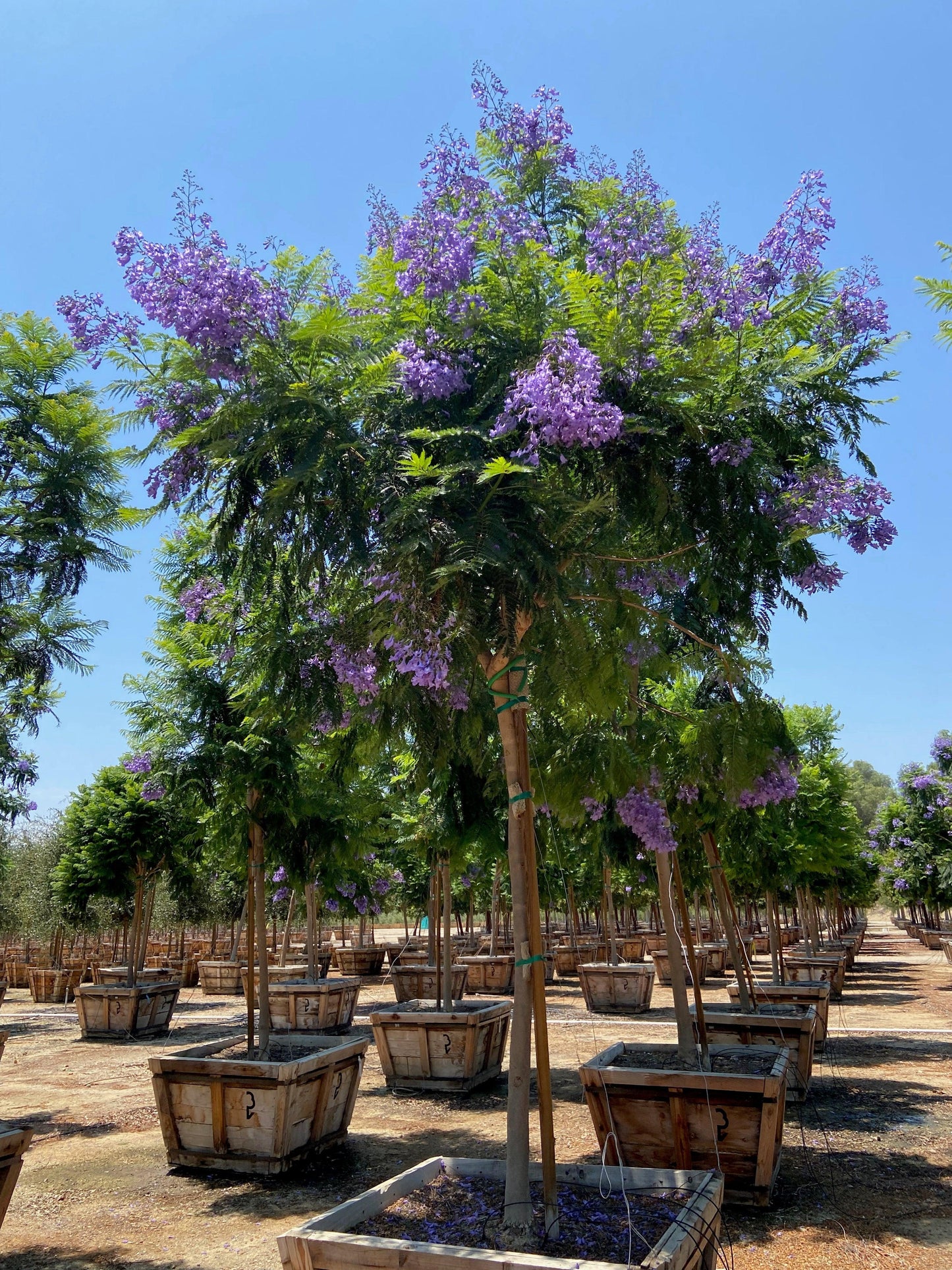
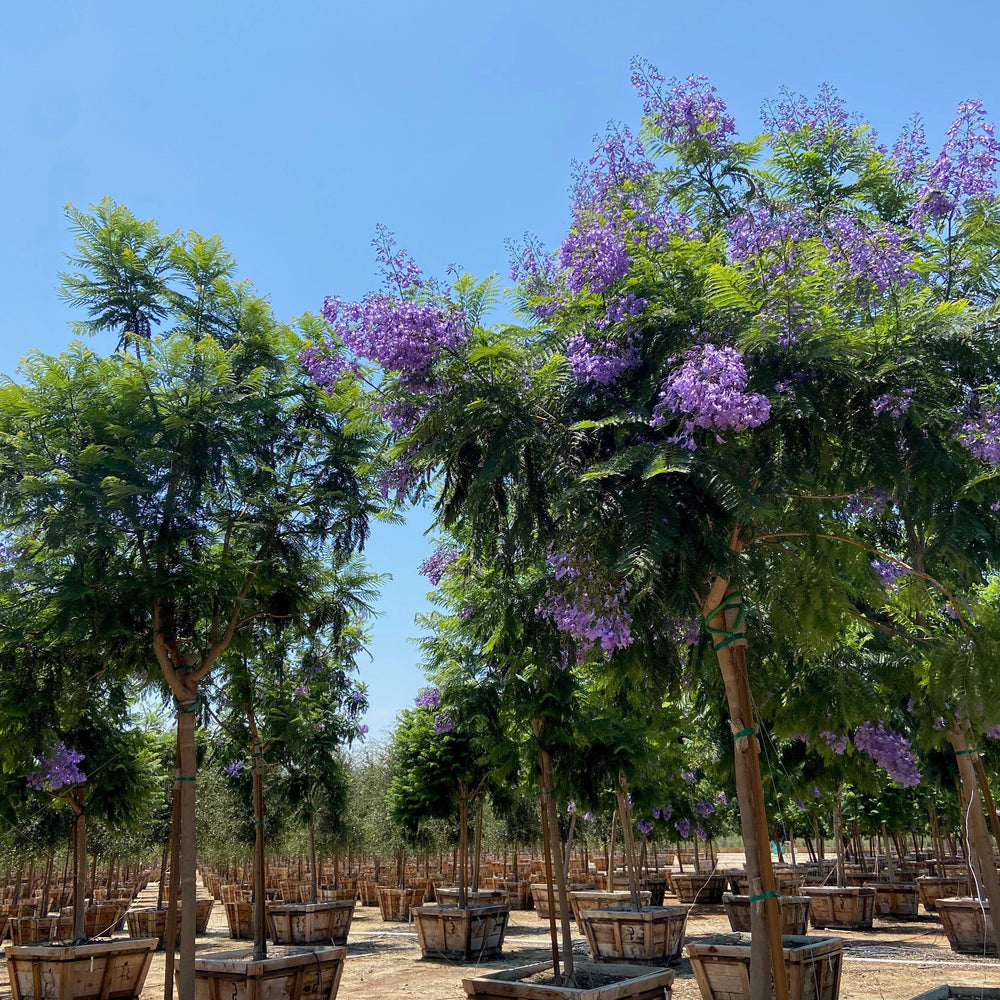
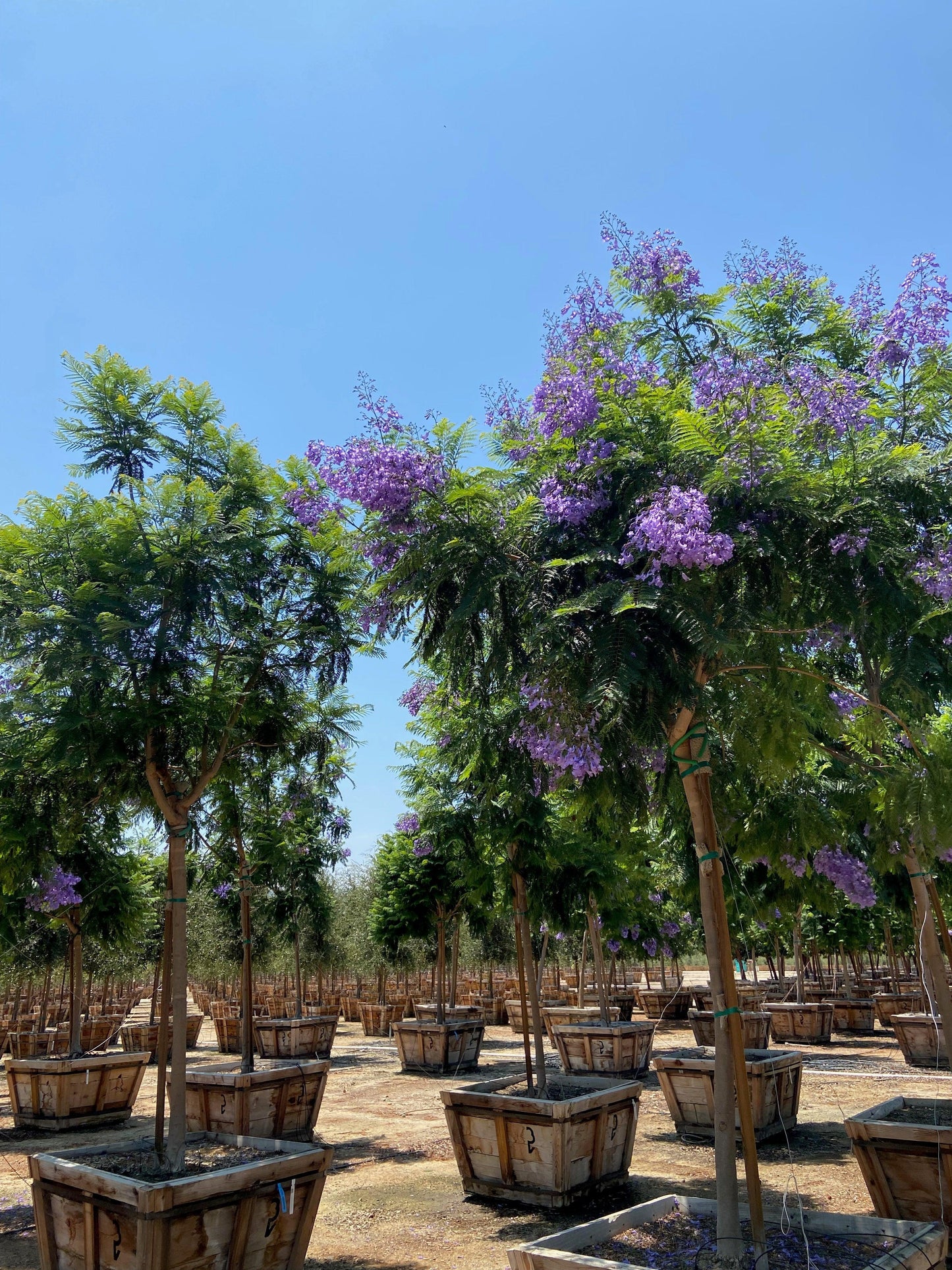

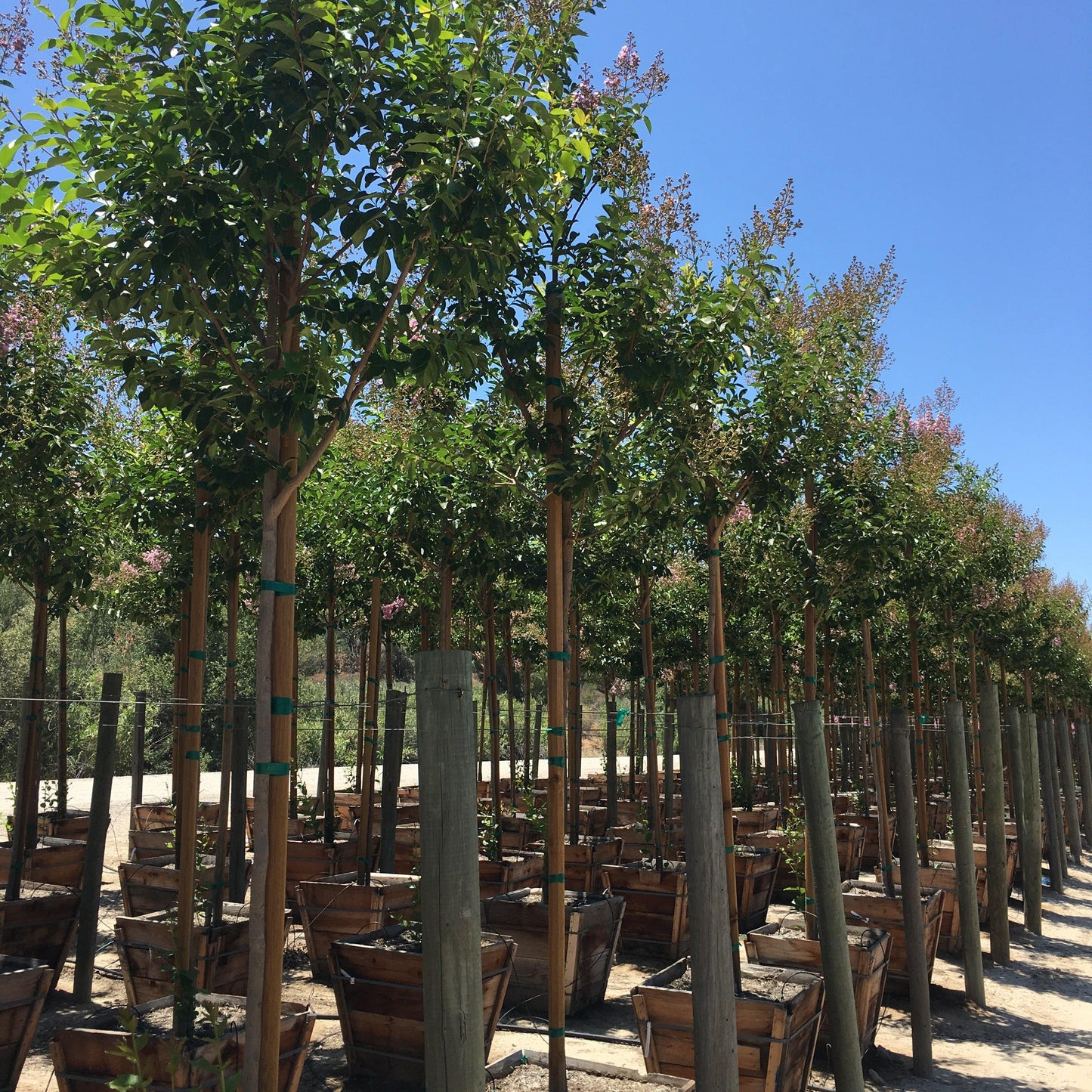













Pairs Well With













You May Also Like












Thousands of Healthy Plants Delivered

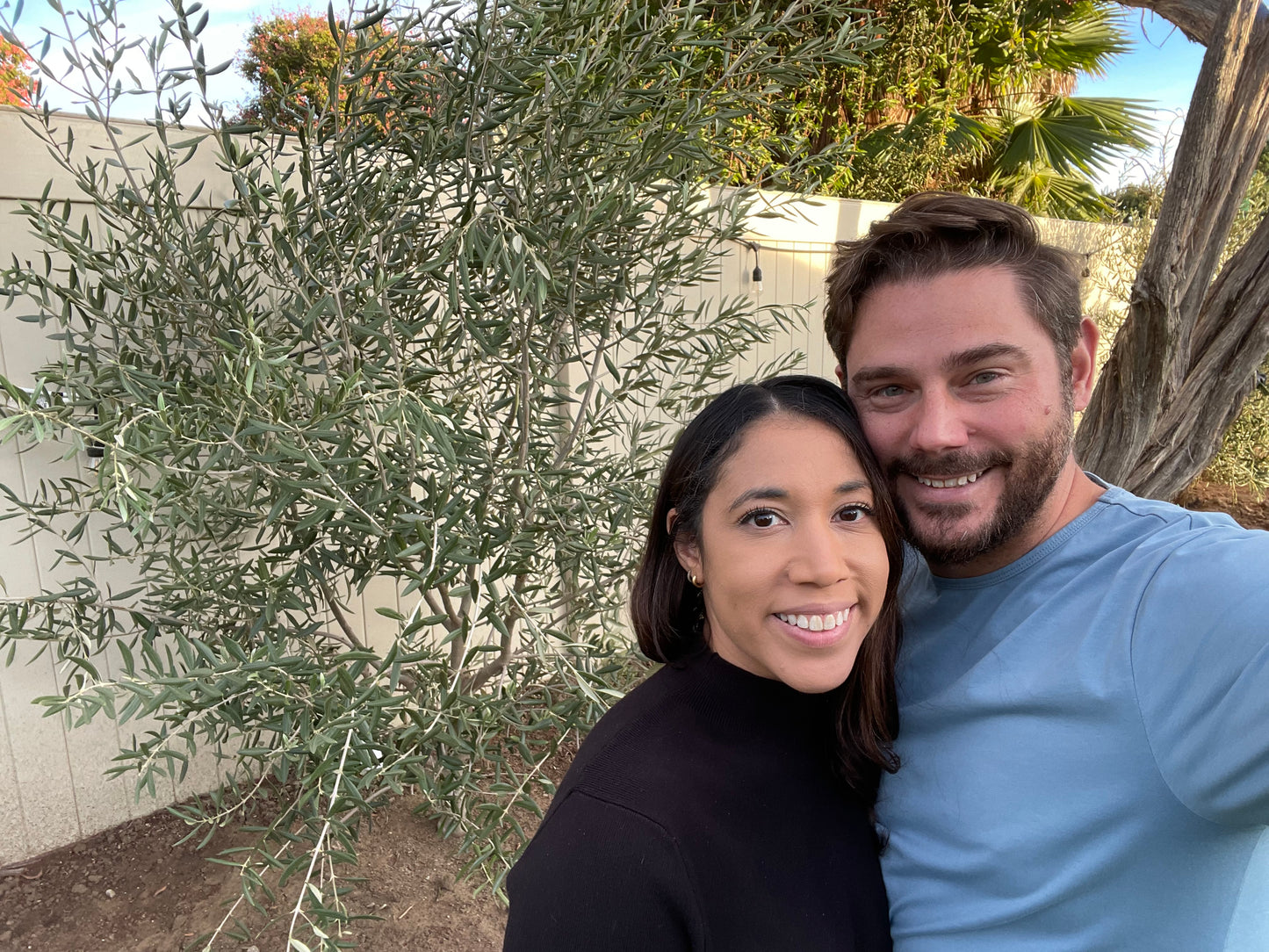
Yardwork was so great to work with. First they had the Swan Hill olive trees that we had been searching for, we had contacted several other nurseries without any luck previously. Then they answered all of our questions in a timely matter prior to ordering and finally delivered within a few days of placing it. Their staff is incredibly knowledgeable; they delivered and planted our trees with expertise to ensure that they would do well in our yard. We would definitely work with them again for future projects.











A Modern Experience
At Yardwork, we carefully curate thousands of plants, in all container sizes, to provide you with the best selection of the highest quality trees and plants at the best price, with the convenience of an online platform.
Uncompromised Quality
We choose only the finest specimens and hand select our plants just before delivery to ensure you receive the freshest and most robust specimens available for your landscape.
Industry Leading Warranties
Our 30, 90, and 365 extended warranties provide some of the best coverage to ensure our trees and plants thrive in your landscape.
Frequently Asked Questions
We're committed to changing everything about trees and plants - how they’re grown, how you shop for them, and how much they cost. We handle orders ourselves. No middlemen to get between us (or our prices) and you.
We're committed to changing everything about trees and plants - how they’re grown, how you shop for them, and how much they cost. We handle orders ourselves. No middlemen to get between us (or our prices) and you.
Delivery does not include unloading of trees and plants LARGER than a 24" box.
Trees and plants in smaller containers will be dropped curbside (usually on the driveway or near the front doorstep).
Delivery beyond a curbside drop will be charged extra.
Trees and plants that are sold in container sizes LARGER than a 24" box size will require equipment and/or enough manpower onsite to help unload from the truck.
Please reach out to our team PRIOR to placing your order to help coordinate.
Our team can provide unloading assistance with equipment for an extra fee as well.
Delivery does not include unloading of trees and plants LARGER than a 24" box.
Trees and plants in smaller containers will be dropped curbside (usually on the driveway or near the front doorstep).
Delivery beyond a curbside drop will be charged extra.
Trees and plants that are sold in container sizes LARGER than a 24" box size will require equipment and/or enough manpower onsite to help unload from the truck.
Please reach out to our team PRIOR to placing your order to help coordinate.
Our team can provide unloading assistance with equipment for an extra fee as well.
We ship locally within California within 7-10 days of your order being placed.
We ship nationally using carrier partners, based on order size. Our common order minimums for out of state shipping is $5,000.
Text or call 323-576-4159 for specific shipping details for your location.
We ship locally within California within 7-10 days of your order being placed.
We ship nationally using carrier partners, based on order size. Our common order minimums for out of state shipping is $5,000.
Text or call 323-576-4159 for specific shipping details for your location.
We are currently online only and don't have physical locations where you can view plants in person.
That's why we have photos direct from the growing grounds of the plants we will ship and we display pricing right in our store.
We do make sure to pick the very best trees and plants prior to shipping and make sure that they have gone through our multi-point inspection for health and structure.
We will always reach out prior to delivery if we find a quality issue or need to provide a substitute.
We are currently online only and don't have physical locations where you can view plants in person.
That's why we have photos direct from the growing grounds of the plants we will ship and we display pricing right in our store.
We do make sure to pick the very best trees and plants prior to shipping and make sure that they have gone through our multi-point inspection for health and structure.
We will always reach out prior to delivery if we find a quality issue or need to provide a substitute.
Plants vary greatly by type. Here is a rough idea of sizes based on containers that are direct from our growing grounds.
15 Gallon Shrub 3-4 Ft. Tall
15 Gallon Tree 5-6 Ft. Tall
24" Box Shrub 5-6 Ft. Tall
24" Box Tree 6-7 Ft. Tall
36" Box Shrub/Tree 7-9 Ft. Tall
48" Box Shrub/Tree 8-10 Ft. Tall
**Please note that we do not make guarantees of sizes. If you have questions or concerns, please call or text to request accurate sizing for the particular plant you're considering, prior to ordering.
Plants vary greatly by type. Here is a rough idea of sizes based on containers that are direct from our growing grounds.
15 Gallon Shrub 3-4 Ft. Tall
15 Gallon Tree 5-6 Ft. Tall
24" Box Shrub 5-6 Ft. Tall
24" Box Tree 6-7 Ft. Tall
36" Box Shrub/Tree 7-9 Ft. Tall
48" Box Shrub/Tree 8-10 Ft. Tall
**Please note that we do not make guarantees of sizes. If you have questions or concerns, please call or text to request accurate sizing for the particular plant you're considering, prior to ordering.
We offer a limited 30 day warranty for plants that are delivered and planted by someone else and a 90 day warranty for plants that we plant.
The limited warranty covers plants that die as a result of disease or fungus which was derived from our growing grounds or from root balls that were root bound.
The warranty does not cover damage due to watering, fertilizer, soils, or any other conditions beyond our control. Additionally, the warranty does not cover plants that are shipped out of the state of California or shipped into California from other states. Custom plant orders are also not covered under warranty. Plants must be planted within 24 hours after delivery to qualify.
We can assist you in recommending the right soils and fertilizers to help your plant thrive after you plant it.
Text or call 323-576-4159 for further warranty information.
We offer a limited 30 day warranty for plants that are delivered and planted by someone else and a 90 day warranty for plants that we plant.
The limited warranty covers plants that die as a result of disease or fungus which was derived from our growing grounds or from root balls that were root bound.
The warranty does not cover damage due to watering, fertilizer, soils, or any other conditions beyond our control. Additionally, the warranty does not cover plants that are shipped out of the state of California or shipped into California from other states. Custom plant orders are also not covered under warranty. Plants must be planted within 24 hours after delivery to qualify.
We can assist you in recommending the right soils and fertilizers to help your plant thrive after you plant it.
Text or call 323-576-4159 for further warranty information.
Our local delivery team covers most cities in California.
There are some exceptions, so please get in touch to confirm prior to ordering.
Additionally, we ship using semi trucks and trailers throughout the entire United States and even abroad for large orders over $5,000. Each shipment is custom, so please reach out to our team to coordinate.
Our local delivery team covers most cities in California.
There are some exceptions, so please get in touch to confirm prior to ordering.
Additionally, we ship using semi trucks and trailers throughout the entire United States and even abroad for large orders over $5,000. Each shipment is custom, so please reach out to our team to coordinate.