



Black Tartarian Cherry Tree
Regular price
$495.00
Size
Sweet, Dark Cherries from Your Own Backyard
Grow large, sweet, dark red cherries at home with the Black Tartarian Cherry Tree, a heritage sweet cherry prized for fresh eating, juicy texture, and rich old-world flavor.
The black tartarian cherry tree brings orchard-quality fruit into the home garden, producing heart-shaped cherries with deep red to purple-black skin and tender, dark flesh. This heirloom Prunus avium variety is ideal for anyone who wants a productive fruit tree that looks beautiful in spring and rewards you with sweet cherries in summer.
Instead of waiting for a short store season or paying premium prices for fresh cherries, you can plant a proven black tartarian cultivar in your own home orchard and harvest fruit when it reaches peak sweetness on the branches.
Why You’ll Love It
-
Large, Sweet Fruit - Produces jumbo-sized dark red to black cherries with rich flavor, juicy flesh, and exceptional sweetness for fresh eating, preserves, and homemade desserts.
-
Early Summer Harvest - Enjoy fresh cherries in June in many warm regions, with harvest often falling from mid-June through early July, and sometimes listed as mid to late summer depending on climate.
-
Heritage Variety - A time-tested cultivar with more than 200 years of proven performance; Black Tartarian is believed to trace back to Russia and was introduced into England by Hugh Ronalds, a man named Hugh Ronalds, in the late 1700s.
-
Beautiful Spring Blooms - Fragrant white bloom clusters fill the tree before the leaves emerge, adding ornamental value to your landscape while attracting bees for pollination, much like other flowering trees suited to California landscapes.
-
Productive Tree - Mature standard trees can produce abundant crops season after season, giving families plenty of fruit to eat fresh, share, freeze, or turn into preserves, similar to well-chosen citrus fruit trees for backyard harvests.
Black Tartarian cherries are an heirloom variety of sweet cherry (Prunus avium) known for their deep purple-black skin, sweetness, and juicy texture. Their dark pigments contain anthocyanins, which offer powerful antioxidant properties that reduce cellular inflammation and mitigate free-radical damage. Black Tartarian cherries are also rich in essential nutrients and antioxidants, providing health benefits such as reducing inflammation and boosting immune health.
What Makes It Different
Most cherry trees force a tradeoff: pie cherries such as Montmorency or North Star can be productive but too tart for many people to eat fresh, while some other dark sweet cherries need precise site conditions, firm fruit for shipping, or carefully matched cross pollination.
Black Tartarian offers:
-
Exceptional Sweetness - Black Tartarian cherries are significantly sweeter than typical pie cherries, with a soft, tender, juicy texture and a rich flavor that makes them excellent for fresh eating.
-
Self-Fertile Potential - This cherry variety is self-pollinating, meaning it can produce fruit without the need for another tree nearby, although planting multiple trees can enhance fruit yield. For heavier and more reliable crops, plant a compatible variety such as Stella, Van, Royal Ann, Bing, Sam, or another sweet cherry that blooms at the same time.
-
Cold Hardy - Black Tartarian Cherry trees thrive in USDA hardiness zones 5 to 8 and prefer well-drained soil with full sun exposure for optimal growth, making them suited to many home orchard sites in California, Virginia, and other temperate growing regions, much like a well-sited pomegranate tree for long-lived fruit production.
Black Tartarian cherries are noted for their soft texture, which contributes to their quick spoilage compared to modern commercial varieties. That softness is exactly why the fruit tastes so tender and juicy from the tree, but it also means Black Tartarian is best for home use rather than long-distance ship markets.
How To Grow Black Tartarian Cherry Trees Successfully
-
Plant in Full Sun
Choose a sunny site with at least six to eight hours of direct sun per day. Plant the tree in well-draining loamy or sandy loam soil with a pH between 6.0 and 7.0, because the Black Tartarian Cherry tree cannot tolerate soggy roots. -
Care and Water
Water regularly during bloom, fruit set, and dry periods, especially while the tree is getting established. Prune annually to open the canopy, remove crossing branches, improve air movement, and help the tree focus energy into healthy fruit production, which is also essential when caring for mature landscape trees purchased in larger sizes. -
Harvest in June
Pick cherries when the fruit turns deep red to nearly black and tastes fully sweet. Cherries do not continue to improve much off the tree, so the best flavor comes from harvesting at peak ripeness. Birds may notice the crop before you do, so netting can help protect the harvest during the final week of ripening.
For best results, pair your Black Tartarian with a compatible pollinator nearby. Even when a tree can produce fruit on its own, cross pollination from another variety often improves fruit set, yield, and consistency across the season.
Tree Details
-
Mature Size: Standard trees can grow about 20 to 30 feet tall and wide; semi-dwarf forms are often closer to 12 to 18 feet, depending on rootstock, pruning, soil, and site conditions.
-
Hardiness Zones: Best suited for USDA zones 5 to 8, with some favorable microclimates extending performance beyond that range.
-
Fruit Type: Large, sweet, dark red to black fruit with tender flesh and a juicy texture; cherries are typically about 1 inch in diameter.
-
Harvest Season: The Black Tartarian Cherry tree is known for its large, sweet, and dark red to black fruit, which is typically harvested in mid to late summer, though many warm regions see harvest in early to mid-summer.
-
Sun Requirements: Full sun is required for optimal growth, strong bloom, and high-quality cherries, just as with an Aristocrat Pear tree prized for its white spring flowers.
-
Soil Requirements: Prefers well-draining loamy or sandy loam soil with a pH between 6.0 and 7.0; avoid heavy clay, standing water, and soggy ground, especially if you also plant deep-rooted ornamentals like the California Pepper Tree for drought-tolerant shade.
-
Pollination: This cherry variety is self-pollinating, meaning it can produce fruit without the need for another tree nearby, although planting multiple trees can enhance fruit yield. A compatible variety such as Stella, Van, Royal Ann, Bing, or another sweet cherry nearby can improve pollination.
-
Years to Produce Fruit: Most trees begin to produce fruit in about 3 to 4 years after planting, with stronger production often developing by years 4 to 5.
-
Best Uses: Fresh eating, preserves, home baking, edible landscaping, backyard orchards, and mixed fruit trees plantings, where combining cherries with other fruit such as a mature avocado tree for reliable harvests can extend your seasonal yield.
-
Shipping Note: Because the cherries are soft and tender, they are best eaten soon after harvest and are not ideal for long storage or rough transport.
Who It’s For
Ideal for:
-
California homeowners who want sweet, fresh cherries from their own backyard instead of relying only on short seasonal availability at stores.
-
Gardeners looking for productive fruit trees that also bring beautiful white spring blooms and shade to the landscape, alongside colorful shade trees such as the October Glory maple and other ornamental selections.
-
Families who want to reduce grocery costs, teach kids where food comes from, and enjoy homegrown fruit right from the tree.
-
Home orchard growers who value heirloom cultivars, rich flavor, and tender dark sweet cherries more than commercial shipping firmness, and who may also be planning privacy trees and fast-growing evergreens from a local nursery.
-
Landscape designers and property owners who want an edible tree that adds bloom, fruit, seasonal interest, and long-term value, perhaps paired with an evergreen Brush Cherry hedge for privacy and structure.
If you want a robust, popular cherry tree that delivers sweet fruit, ornamental spring bloom, and a classic heritage story, Black Tartarian fits your needs.
Frequently Asked Questions
Do I need another cherry tree for pollination?
This cherry variety is self-pollinating, meaning it can produce fruit without the need for another tree nearby, although planting multiple trees can enhance fruit yield. For better crops, we recommend a compatible variety planted within pollination range. Stella, Van, Royal Ann, Bing, and similar sweet cherry trees can be useful partners, while tart types such as North Star or Montmorency may not always be the best pollinator match for a sweet cherry bloom window.
How big will it get?
Standard trees can reach about 20 to 30 feet tall and wide, so give them room to grow. Semi-dwarf trees are easier to fit into smaller yards, often reaching about 12 to 18 feet. Good spacing helps sunlight reach the leaves, improves air circulation, and makes pruning and harvest easier.
When will it start producing fruit?
A healthy Black Tartarian Cherry tree usually begins to produce fruit in about 3 to 4 years after planting. With full sun, proper watering, well-drained soil, and good pollination, heavier harvests often develop by years 4 to 5.
What if my climate isn’t suitable?
Black Tartarian performs best in USDA zones 5 to 8 and needs winter chill to bloom and fruit well. If your site is too warm, too wet, too shaded, or prone to late frost, Yardwork can help you compare alternatives and choose a variety better suited to your property.
Ready to Plant?
Choose the Black Tartarian Cherry Tree and enjoy sweet, dark, juicy cherries grown right in your own landscape. Yardwork can help you select the right tree size, review your site, plan cross pollination, and decide whether Black Tartarian is the best fit for your soil, sun, winter chill, and long-term goals. We support California homeowners, large order buyers, and home orchard customers with expert guidance before and after purchase.
Sweet, Dark Cherries from Your Own Backyard
Grow large, sweet, dark red cherries at home with the Black Tartarian Cherry Tree, a heritage sweet cherry prized for fresh eating, juicy texture, and rich old-world flavor.
The black tartarian cherry tree brings orchard-quality fruit into the home garden, producing heart-shaped cherries with deep red to purple-black skin and tender, dark flesh. This heirloom Prunus avium variety is ideal for anyone who wants a productive fruit tree that looks beautiful in spring and rewards you with sweet cherries in summer.
Instead of waiting for a short store season or paying premium prices for fresh cherries, you can plant a proven black tartarian cultivar in your own home orchard and harvest fruit when it reaches peak sweetness on the branches.
Why You’ll Love It
-
Large, Sweet Fruit - Produces jumbo-sized dark red to black cherries with rich flavor, juicy flesh, and exceptional sweetness for fresh eating, preserves, and homemade desserts.
-
Early Summer Harvest - Enjoy fresh cherries in June in many warm regions, with harvest often falling from mid-June through early July, and sometimes listed as mid to late summer depending on climate.
-
Heritage Variety - A time-tested cultivar with more than 200 years of proven performance; Black Tartarian is believed to trace back to Russia and was introduced into England by Hugh Ronalds, a man named Hugh Ronalds, in the late 1700s.
-
Beautiful Spring Blooms - Fragrant white bloom clusters fill the tree before the leaves emerge, adding ornamental value to your landscape while attracting bees for pollination, much like other flowering trees suited to California landscapes.
-
Productive Tree - Mature standard trees can produce abundant crops season after season, giving families plenty of fruit to eat fresh, share, freeze, or turn into preserves, similar to well-chosen citrus fruit trees for backyard harvests.
Black Tartarian cherries are an heirloom variety of sweet cherry (Prunus avium) known for their deep purple-black skin, sweetness, and juicy texture. Their dark pigments contain anthocyanins, which offer powerful antioxidant properties that reduce cellular inflammation and mitigate free-radical damage. Black Tartarian cherries are also rich in essential nutrients and antioxidants, providing health benefits such as reducing inflammation and boosting immune health.
What Makes It Different
Most cherry trees force a tradeoff: pie cherries such as Montmorency or North Star can be productive but too tart for many people to eat fresh, while some other dark sweet cherries need precise site conditions, firm fruit for shipping, or carefully matched cross pollination.
Black Tartarian offers:
-
Exceptional Sweetness - Black Tartarian cherries are significantly sweeter than typical pie cherries, with a soft, tender, juicy texture and a rich flavor that makes them excellent for fresh eating.
-
Self-Fertile Potential - This cherry variety is self-pollinating, meaning it can produce fruit without the need for another tree nearby, although planting multiple trees can enhance fruit yield. For heavier and more reliable crops, plant a compatible variety such as Stella, Van, Royal Ann, Bing, Sam, or another sweet cherry that blooms at the same time.
-
Cold Hardy - Black Tartarian Cherry trees thrive in USDA hardiness zones 5 to 8 and prefer well-drained soil with full sun exposure for optimal growth, making them suited to many home orchard sites in California, Virginia, and other temperate growing regions, much like a well-sited pomegranate tree for long-lived fruit production.
Black Tartarian cherries are noted for their soft texture, which contributes to their quick spoilage compared to modern commercial varieties. That softness is exactly why the fruit tastes so tender and juicy from the tree, but it also means Black Tartarian is best for home use rather than long-distance ship markets.
How To Grow Black Tartarian Cherry Trees Successfully
-
Plant in Full Sun
Choose a sunny site with at least six to eight hours of direct sun per day. Plant the tree in well-draining loamy or sandy loam soil with a pH between 6.0 and 7.0, because the Black Tartarian Cherry tree cannot tolerate soggy roots. -
Care and Water
Water regularly during bloom, fruit set, and dry periods, especially while the tree is getting established. Prune annually to open the canopy, remove crossing branches, improve air movement, and help the tree focus energy into healthy fruit production, which is also essential when caring for mature landscape trees purchased in larger sizes. -
Harvest in June
Pick cherries when the fruit turns deep red to nearly black and tastes fully sweet. Cherries do not continue to improve much off the tree, so the best flavor comes from harvesting at peak ripeness. Birds may notice the crop before you do, so netting can help protect the harvest during the final week of ripening.
For best results, pair your Black Tartarian with a compatible pollinator nearby. Even when a tree can produce fruit on its own, cross pollination from another variety often improves fruit set, yield, and consistency across the season.
Tree Details
-
Mature Size: Standard trees can grow about 20 to 30 feet tall and wide; semi-dwarf forms are often closer to 12 to 18 feet, depending on rootstock, pruning, soil, and site conditions.
-
Hardiness Zones: Best suited for USDA zones 5 to 8, with some favorable microclimates extending performance beyond that range.
-
Fruit Type: Large, sweet, dark red to black fruit with tender flesh and a juicy texture; cherries are typically about 1 inch in diameter.
-
Harvest Season: The Black Tartarian Cherry tree is known for its large, sweet, and dark red to black fruit, which is typically harvested in mid to late summer, though many warm regions see harvest in early to mid-summer.
-
Sun Requirements: Full sun is required for optimal growth, strong bloom, and high-quality cherries, just as with an Aristocrat Pear tree prized for its white spring flowers.
-
Soil Requirements: Prefers well-draining loamy or sandy loam soil with a pH between 6.0 and 7.0; avoid heavy clay, standing water, and soggy ground, especially if you also plant deep-rooted ornamentals like the California Pepper Tree for drought-tolerant shade.
-
Pollination: This cherry variety is self-pollinating, meaning it can produce fruit without the need for another tree nearby, although planting multiple trees can enhance fruit yield. A compatible variety such as Stella, Van, Royal Ann, Bing, or another sweet cherry nearby can improve pollination.
-
Years to Produce Fruit: Most trees begin to produce fruit in about 3 to 4 years after planting, with stronger production often developing by years 4 to 5.
-
Best Uses: Fresh eating, preserves, home baking, edible landscaping, backyard orchards, and mixed fruit trees plantings, where combining cherries with other fruit such as a mature avocado tree for reliable harvests can extend your seasonal yield.
-
Shipping Note: Because the cherries are soft and tender, they are best eaten soon after harvest and are not ideal for long storage or rough transport.
Who It’s For
Ideal for:
-
California homeowners who want sweet, fresh cherries from their own backyard instead of relying only on short seasonal availability at stores.
-
Gardeners looking for productive fruit trees that also bring beautiful white spring blooms and shade to the landscape, alongside colorful shade trees such as the October Glory maple and other ornamental selections.
-
Families who want to reduce grocery costs, teach kids where food comes from, and enjoy homegrown fruit right from the tree.
-
Home orchard growers who value heirloom cultivars, rich flavor, and tender dark sweet cherries more than commercial shipping firmness, and who may also be planning privacy trees and fast-growing evergreens from a local nursery.
-
Landscape designers and property owners who want an edible tree that adds bloom, fruit, seasonal interest, and long-term value, perhaps paired with an evergreen Brush Cherry hedge for privacy and structure.
If you want a robust, popular cherry tree that delivers sweet fruit, ornamental spring bloom, and a classic heritage story, Black Tartarian fits your needs.
Frequently Asked Questions
Do I need another cherry tree for pollination?
This cherry variety is self-pollinating, meaning it can produce fruit without the need for another tree nearby, although planting multiple trees can enhance fruit yield. For better crops, we recommend a compatible variety planted within pollination range. Stella, Van, Royal Ann, Bing, and similar sweet cherry trees can be useful partners, while tart types such as North Star or Montmorency may not always be the best pollinator match for a sweet cherry bloom window.
How big will it get?
Standard trees can reach about 20 to 30 feet tall and wide, so give them room to grow. Semi-dwarf trees are easier to fit into smaller yards, often reaching about 12 to 18 feet. Good spacing helps sunlight reach the leaves, improves air circulation, and makes pruning and harvest easier.
When will it start producing fruit?
A healthy Black Tartarian Cherry tree usually begins to produce fruit in about 3 to 4 years after planting. With full sun, proper watering, well-drained soil, and good pollination, heavier harvests often develop by years 4 to 5.
What if my climate isn’t suitable?
Black Tartarian performs best in USDA zones 5 to 8 and needs winter chill to bloom and fruit well. If your site is too warm, too wet, too shaded, or prone to late frost, Yardwork can help you compare alternatives and choose a variety better suited to your property.
Ready to Plant?
Choose the Black Tartarian Cherry Tree and enjoy sweet, dark, juicy cherries grown right in your own landscape. Yardwork can help you select the right tree size, review your site, plan cross pollination, and decide whether Black Tartarian is the best fit for your soil, sun, winter chill, and long-term goals. We support California homeowners, large order buyers, and home orchard customers with expert guidance before and after purchase.
Plants vary greatly by type and no guarantees are made on sizing.
However here is a rough idea of sizes based on containers that are direct from our growing grounds.
15 Gallon Shrub 3-4 Ft. Tall
15 Gallon Tree 5-6 Ft. Tall
24" Box Shrub 5-6 Ft. Tall
24" Box Tree 6-7 Ft. Tall
36" Box Tree 8-10 Ft. Tall
48" Box Tree 10-12 Ft. Tall
Please note: Citrus and California Native plants such as Manzanita are smaller than traditional sizing.
Please contact us to confirm sizing of items before purchasing if this is a concern.
Plants vary greatly by type and no guarantees are made on sizing.
However here is a rough idea of sizes based on containers that are direct from our growing grounds.
15 Gallon Shrub 3-4 Ft. Tall
15 Gallon Tree 5-6 Ft. Tall
24" Box Shrub 5-6 Ft. Tall
24" Box Tree 6-7 Ft. Tall
36" Box Tree 8-10 Ft. Tall
48" Box Tree 10-12 Ft. Tall
Please note: Citrus and California Native plants such as Manzanita are smaller than traditional sizing.
Please contact us to confirm sizing of items before purchasing if this is a concern.
Delivery does not include unloading of trees and plants larger than a 24" box.
Trees and plants in smaller containers will be dropped curbside.
Delivery beyond a curbside drop will be charged extra.
Trees and plants that are sold in container sizes larger than a 24" box size will require equipment and an operator onsite to help unload from the truck.
Please reach out to our team PRIOR to placing your order to coordinate.
Our team can provide unloading assistance with equipment for an extra fee.
Delivery does not include unloading of trees and plants larger than a 24" box.
Trees and plants in smaller containers will be dropped curbside.
Delivery beyond a curbside drop will be charged extra.
Trees and plants that are sold in container sizes larger than a 24" box size will require equipment and an operator onsite to help unload from the truck.
Please reach out to our team PRIOR to placing your order to coordinate.
Our team can provide unloading assistance with equipment for an extra fee.
You may also like...


Black Tartarian Cherry Tree
Regular price
$495.00
Size
Sweet, Dark Cherries from Your Own Backyard
Grow large, sweet, dark red cherries at home with the Black Tartarian Cherry Tree, a heritage sweet cherry prized for fresh eating, juicy texture, and rich old-world flavor.
The black tartarian cherry tree brings orchard-quality fruit into the home garden, producing heart-shaped cherries with deep red to purple-black skin and tender, dark flesh. This heirloom Prunus avium variety is ideal for anyone who wants a productive fruit tree that looks beautiful in spring and rewards you with sweet cherries in summer.
Instead of waiting for a short store season or paying premium prices for fresh cherries, you can plant a proven black tartarian cultivar in your own home orchard and harvest fruit when it reaches peak sweetness on the branches.
Why You’ll Love It
-
Large, Sweet Fruit - Produces jumbo-sized dark red to black cherries with rich flavor, juicy flesh, and exceptional sweetness for fresh eating, preserves, and homemade desserts.
-
Early Summer Harvest - Enjoy fresh cherries in June in many warm regions, with harvest often falling from mid-June through early July, and sometimes listed as mid to late summer depending on climate.
-
Heritage Variety - A time-tested cultivar with more than 200 years of proven performance; Black Tartarian is believed to trace back to Russia and was introduced into England by Hugh Ronalds, a man named Hugh Ronalds, in the late 1700s.
-
Beautiful Spring Blooms - Fragrant white bloom clusters fill the tree before the leaves emerge, adding ornamental value to your landscape while attracting bees for pollination, much like other flowering trees suited to California landscapes.
-
Productive Tree - Mature standard trees can produce abundant crops season after season, giving families plenty of fruit to eat fresh, share, freeze, or turn into preserves, similar to well-chosen citrus fruit trees for backyard harvests.
Black Tartarian cherries are an heirloom variety of sweet cherry (Prunus avium) known for their deep purple-black skin, sweetness, and juicy texture. Their dark pigments contain anthocyanins, which offer powerful antioxidant properties that reduce cellular inflammation and mitigate free-radical damage. Black Tartarian cherries are also rich in essential nutrients and antioxidants, providing health benefits such as reducing inflammation and boosting immune health.
What Makes It Different
Most cherry trees force a tradeoff: pie cherries such as Montmorency or North Star can be productive but too tart for many people to eat fresh, while some other dark sweet cherries need precise site conditions, firm fruit for shipping, or carefully matched cross pollination.
Black Tartarian offers:
-
Exceptional Sweetness - Black Tartarian cherries are significantly sweeter than typical pie cherries, with a soft, tender, juicy texture and a rich flavor that makes them excellent for fresh eating.
-
Self-Fertile Potential - This cherry variety is self-pollinating, meaning it can produce fruit without the need for another tree nearby, although planting multiple trees can enhance fruit yield. For heavier and more reliable crops, plant a compatible variety such as Stella, Van, Royal Ann, Bing, Sam, or another sweet cherry that blooms at the same time.
-
Cold Hardy - Black Tartarian Cherry trees thrive in USDA hardiness zones 5 to 8 and prefer well-drained soil with full sun exposure for optimal growth, making them suited to many home orchard sites in California, Virginia, and other temperate growing regions, much like a well-sited pomegranate tree for long-lived fruit production.
Black Tartarian cherries are noted for their soft texture, which contributes to their quick spoilage compared to modern commercial varieties. That softness is exactly why the fruit tastes so tender and juicy from the tree, but it also means Black Tartarian is best for home use rather than long-distance ship markets.
How To Grow Black Tartarian Cherry Trees Successfully
-
Plant in Full Sun
Choose a sunny site with at least six to eight hours of direct sun per day. Plant the tree in well-draining loamy or sandy loam soil with a pH between 6.0 and 7.0, because the Black Tartarian Cherry tree cannot tolerate soggy roots. -
Care and Water
Water regularly during bloom, fruit set, and dry periods, especially while the tree is getting established. Prune annually to open the canopy, remove crossing branches, improve air movement, and help the tree focus energy into healthy fruit production, which is also essential when caring for mature landscape trees purchased in larger sizes. -
Harvest in June
Pick cherries when the fruit turns deep red to nearly black and tastes fully sweet. Cherries do not continue to improve much off the tree, so the best flavor comes from harvesting at peak ripeness. Birds may notice the crop before you do, so netting can help protect the harvest during the final week of ripening.
For best results, pair your Black Tartarian with a compatible pollinator nearby. Even when a tree can produce fruit on its own, cross pollination from another variety often improves fruit set, yield, and consistency across the season.
Tree Details
-
Mature Size: Standard trees can grow about 20 to 30 feet tall and wide; semi-dwarf forms are often closer to 12 to 18 feet, depending on rootstock, pruning, soil, and site conditions.
-
Hardiness Zones: Best suited for USDA zones 5 to 8, with some favorable microclimates extending performance beyond that range.
-
Fruit Type: Large, sweet, dark red to black fruit with tender flesh and a juicy texture; cherries are typically about 1 inch in diameter.
-
Harvest Season: The Black Tartarian Cherry tree is known for its large, sweet, and dark red to black fruit, which is typically harvested in mid to late summer, though many warm regions see harvest in early to mid-summer.
-
Sun Requirements: Full sun is required for optimal growth, strong bloom, and high-quality cherries, just as with an Aristocrat Pear tree prized for its white spring flowers.
-
Soil Requirements: Prefers well-draining loamy or sandy loam soil with a pH between 6.0 and 7.0; avoid heavy clay, standing water, and soggy ground, especially if you also plant deep-rooted ornamentals like the California Pepper Tree for drought-tolerant shade.
-
Pollination: This cherry variety is self-pollinating, meaning it can produce fruit without the need for another tree nearby, although planting multiple trees can enhance fruit yield. A compatible variety such as Stella, Van, Royal Ann, Bing, or another sweet cherry nearby can improve pollination.
-
Years to Produce Fruit: Most trees begin to produce fruit in about 3 to 4 years after planting, with stronger production often developing by years 4 to 5.
-
Best Uses: Fresh eating, preserves, home baking, edible landscaping, backyard orchards, and mixed fruit trees plantings, where combining cherries with other fruit such as a mature avocado tree for reliable harvests can extend your seasonal yield.
-
Shipping Note: Because the cherries are soft and tender, they are best eaten soon after harvest and are not ideal for long storage or rough transport.
Who It’s For
Ideal for:
-
California homeowners who want sweet, fresh cherries from their own backyard instead of relying only on short seasonal availability at stores.
-
Gardeners looking for productive fruit trees that also bring beautiful white spring blooms and shade to the landscape, alongside colorful shade trees such as the October Glory maple and other ornamental selections.
-
Families who want to reduce grocery costs, teach kids where food comes from, and enjoy homegrown fruit right from the tree.
-
Home orchard growers who value heirloom cultivars, rich flavor, and tender dark sweet cherries more than commercial shipping firmness, and who may also be planning privacy trees and fast-growing evergreens from a local nursery.
-
Landscape designers and property owners who want an edible tree that adds bloom, fruit, seasonal interest, and long-term value, perhaps paired with an evergreen Brush Cherry hedge for privacy and structure.
If you want a robust, popular cherry tree that delivers sweet fruit, ornamental spring bloom, and a classic heritage story, Black Tartarian fits your needs.
Frequently Asked Questions
Do I need another cherry tree for pollination?
This cherry variety is self-pollinating, meaning it can produce fruit without the need for another tree nearby, although planting multiple trees can enhance fruit yield. For better crops, we recommend a compatible variety planted within pollination range. Stella, Van, Royal Ann, Bing, and similar sweet cherry trees can be useful partners, while tart types such as North Star or Montmorency may not always be the best pollinator match for a sweet cherry bloom window.
How big will it get?
Standard trees can reach about 20 to 30 feet tall and wide, so give them room to grow. Semi-dwarf trees are easier to fit into smaller yards, often reaching about 12 to 18 feet. Good spacing helps sunlight reach the leaves, improves air circulation, and makes pruning and harvest easier.
When will it start producing fruit?
A healthy Black Tartarian Cherry tree usually begins to produce fruit in about 3 to 4 years after planting. With full sun, proper watering, well-drained soil, and good pollination, heavier harvests often develop by years 4 to 5.
What if my climate isn’t suitable?
Black Tartarian performs best in USDA zones 5 to 8 and needs winter chill to bloom and fruit well. If your site is too warm, too wet, too shaded, or prone to late frost, Yardwork can help you compare alternatives and choose a variety better suited to your property.
Ready to Plant?
Choose the Black Tartarian Cherry Tree and enjoy sweet, dark, juicy cherries grown right in your own landscape. Yardwork can help you select the right tree size, review your site, plan cross pollination, and decide whether Black Tartarian is the best fit for your soil, sun, winter chill, and long-term goals. We support California homeowners, large order buyers, and home orchard customers with expert guidance before and after purchase.
Sweet, Dark Cherries from Your Own Backyard
Grow large, sweet, dark red cherries at home with the Black Tartarian Cherry Tree, a heritage sweet cherry prized for fresh eating, juicy texture, and rich old-world flavor.
The black tartarian cherry tree brings orchard-quality fruit into the home garden, producing heart-shaped cherries with deep red to purple-black skin and tender, dark flesh. This heirloom Prunus avium variety is ideal for anyone who wants a productive fruit tree that looks beautiful in spring and rewards you with sweet cherries in summer.
Instead of waiting for a short store season or paying premium prices for fresh cherries, you can plant a proven black tartarian cultivar in your own home orchard and harvest fruit when it reaches peak sweetness on the branches.
Why You’ll Love It
-
Large, Sweet Fruit - Produces jumbo-sized dark red to black cherries with rich flavor, juicy flesh, and exceptional sweetness for fresh eating, preserves, and homemade desserts.
-
Early Summer Harvest - Enjoy fresh cherries in June in many warm regions, with harvest often falling from mid-June through early July, and sometimes listed as mid to late summer depending on climate.
-
Heritage Variety - A time-tested cultivar with more than 200 years of proven performance; Black Tartarian is believed to trace back to Russia and was introduced into England by Hugh Ronalds, a man named Hugh Ronalds, in the late 1700s.
-
Beautiful Spring Blooms - Fragrant white bloom clusters fill the tree before the leaves emerge, adding ornamental value to your landscape while attracting bees for pollination, much like other flowering trees suited to California landscapes.
-
Productive Tree - Mature standard trees can produce abundant crops season after season, giving families plenty of fruit to eat fresh, share, freeze, or turn into preserves, similar to well-chosen citrus fruit trees for backyard harvests.
Black Tartarian cherries are an heirloom variety of sweet cherry (Prunus avium) known for their deep purple-black skin, sweetness, and juicy texture. Their dark pigments contain anthocyanins, which offer powerful antioxidant properties that reduce cellular inflammation and mitigate free-radical damage. Black Tartarian cherries are also rich in essential nutrients and antioxidants, providing health benefits such as reducing inflammation and boosting immune health.
What Makes It Different
Most cherry trees force a tradeoff: pie cherries such as Montmorency or North Star can be productive but too tart for many people to eat fresh, while some other dark sweet cherries need precise site conditions, firm fruit for shipping, or carefully matched cross pollination.
Black Tartarian offers:
-
Exceptional Sweetness - Black Tartarian cherries are significantly sweeter than typical pie cherries, with a soft, tender, juicy texture and a rich flavor that makes them excellent for fresh eating.
-
Self-Fertile Potential - This cherry variety is self-pollinating, meaning it can produce fruit without the need for another tree nearby, although planting multiple trees can enhance fruit yield. For heavier and more reliable crops, plant a compatible variety such as Stella, Van, Royal Ann, Bing, Sam, or another sweet cherry that blooms at the same time.
-
Cold Hardy - Black Tartarian Cherry trees thrive in USDA hardiness zones 5 to 8 and prefer well-drained soil with full sun exposure for optimal growth, making them suited to many home orchard sites in California, Virginia, and other temperate growing regions, much like a well-sited pomegranate tree for long-lived fruit production.
Black Tartarian cherries are noted for their soft texture, which contributes to their quick spoilage compared to modern commercial varieties. That softness is exactly why the fruit tastes so tender and juicy from the tree, but it also means Black Tartarian is best for home use rather than long-distance ship markets.
How To Grow Black Tartarian Cherry Trees Successfully
-
Plant in Full Sun
Choose a sunny site with at least six to eight hours of direct sun per day. Plant the tree in well-draining loamy or sandy loam soil with a pH between 6.0 and 7.0, because the Black Tartarian Cherry tree cannot tolerate soggy roots. -
Care and Water
Water regularly during bloom, fruit set, and dry periods, especially while the tree is getting established. Prune annually to open the canopy, remove crossing branches, improve air movement, and help the tree focus energy into healthy fruit production, which is also essential when caring for mature landscape trees purchased in larger sizes. -
Harvest in June
Pick cherries when the fruit turns deep red to nearly black and tastes fully sweet. Cherries do not continue to improve much off the tree, so the best flavor comes from harvesting at peak ripeness. Birds may notice the crop before you do, so netting can help protect the harvest during the final week of ripening.
For best results, pair your Black Tartarian with a compatible pollinator nearby. Even when a tree can produce fruit on its own, cross pollination from another variety often improves fruit set, yield, and consistency across the season.
Tree Details
-
Mature Size: Standard trees can grow about 20 to 30 feet tall and wide; semi-dwarf forms are often closer to 12 to 18 feet, depending on rootstock, pruning, soil, and site conditions.
-
Hardiness Zones: Best suited for USDA zones 5 to 8, with some favorable microclimates extending performance beyond that range.
-
Fruit Type: Large, sweet, dark red to black fruit with tender flesh and a juicy texture; cherries are typically about 1 inch in diameter.
-
Harvest Season: The Black Tartarian Cherry tree is known for its large, sweet, and dark red to black fruit, which is typically harvested in mid to late summer, though many warm regions see harvest in early to mid-summer.
-
Sun Requirements: Full sun is required for optimal growth, strong bloom, and high-quality cherries, just as with an Aristocrat Pear tree prized for its white spring flowers.
-
Soil Requirements: Prefers well-draining loamy or sandy loam soil with a pH between 6.0 and 7.0; avoid heavy clay, standing water, and soggy ground, especially if you also plant deep-rooted ornamentals like the California Pepper Tree for drought-tolerant shade.
-
Pollination: This cherry variety is self-pollinating, meaning it can produce fruit without the need for another tree nearby, although planting multiple trees can enhance fruit yield. A compatible variety such as Stella, Van, Royal Ann, Bing, or another sweet cherry nearby can improve pollination.
-
Years to Produce Fruit: Most trees begin to produce fruit in about 3 to 4 years after planting, with stronger production often developing by years 4 to 5.
-
Best Uses: Fresh eating, preserves, home baking, edible landscaping, backyard orchards, and mixed fruit trees plantings, where combining cherries with other fruit such as a mature avocado tree for reliable harvests can extend your seasonal yield.
-
Shipping Note: Because the cherries are soft and tender, they are best eaten soon after harvest and are not ideal for long storage or rough transport.
Who It’s For
Ideal for:
-
California homeowners who want sweet, fresh cherries from their own backyard instead of relying only on short seasonal availability at stores.
-
Gardeners looking for productive fruit trees that also bring beautiful white spring blooms and shade to the landscape, alongside colorful shade trees such as the October Glory maple and other ornamental selections.
-
Families who want to reduce grocery costs, teach kids where food comes from, and enjoy homegrown fruit right from the tree.
-
Home orchard growers who value heirloom cultivars, rich flavor, and tender dark sweet cherries more than commercial shipping firmness, and who may also be planning privacy trees and fast-growing evergreens from a local nursery.
-
Landscape designers and property owners who want an edible tree that adds bloom, fruit, seasonal interest, and long-term value, perhaps paired with an evergreen Brush Cherry hedge for privacy and structure.
If you want a robust, popular cherry tree that delivers sweet fruit, ornamental spring bloom, and a classic heritage story, Black Tartarian fits your needs.
Frequently Asked Questions
Do I need another cherry tree for pollination?
This cherry variety is self-pollinating, meaning it can produce fruit without the need for another tree nearby, although planting multiple trees can enhance fruit yield. For better crops, we recommend a compatible variety planted within pollination range. Stella, Van, Royal Ann, Bing, and similar sweet cherry trees can be useful partners, while tart types such as North Star or Montmorency may not always be the best pollinator match for a sweet cherry bloom window.
How big will it get?
Standard trees can reach about 20 to 30 feet tall and wide, so give them room to grow. Semi-dwarf trees are easier to fit into smaller yards, often reaching about 12 to 18 feet. Good spacing helps sunlight reach the leaves, improves air circulation, and makes pruning and harvest easier.
When will it start producing fruit?
A healthy Black Tartarian Cherry tree usually begins to produce fruit in about 3 to 4 years after planting. With full sun, proper watering, well-drained soil, and good pollination, heavier harvests often develop by years 4 to 5.
What if my climate isn’t suitable?
Black Tartarian performs best in USDA zones 5 to 8 and needs winter chill to bloom and fruit well. If your site is too warm, too wet, too shaded, or prone to late frost, Yardwork can help you compare alternatives and choose a variety better suited to your property.
Ready to Plant?
Choose the Black Tartarian Cherry Tree and enjoy sweet, dark, juicy cherries grown right in your own landscape. Yardwork can help you select the right tree size, review your site, plan cross pollination, and decide whether Black Tartarian is the best fit for your soil, sun, winter chill, and long-term goals. We support California homeowners, large order buyers, and home orchard customers with expert guidance before and after purchase.
Plants vary greatly by type and no guarantees are made on sizing.
However here is a rough idea of sizes based on containers that are direct from our growing grounds.
15 Gallon Shrub 3-4 Ft. Tall
15 Gallon Tree 5-6 Ft. Tall
24" Box Shrub 5-6 Ft. Tall
24" Box Tree 6-7 Ft. Tall
36" Box Tree 8-10 Ft. Tall
48" Box Tree 10-12 Ft. Tall
Please note: Citrus and California Native plants such as Manzanita are smaller than traditional sizing.
Please contact us to confirm sizing of items before purchasing if this is a concern.
Plants vary greatly by type and no guarantees are made on sizing.
However here is a rough idea of sizes based on containers that are direct from our growing grounds.
15 Gallon Shrub 3-4 Ft. Tall
15 Gallon Tree 5-6 Ft. Tall
24" Box Shrub 5-6 Ft. Tall
24" Box Tree 6-7 Ft. Tall
36" Box Tree 8-10 Ft. Tall
48" Box Tree 10-12 Ft. Tall
Please note: Citrus and California Native plants such as Manzanita are smaller than traditional sizing.
Please contact us to confirm sizing of items before purchasing if this is a concern.
Delivery does not include unloading of trees and plants larger than a 24" box.
Trees and plants in smaller containers will be dropped curbside.
Delivery beyond a curbside drop will be charged extra.
Trees and plants that are sold in container sizes larger than a 24" box size will require equipment and an operator onsite to help unload from the truck.
Please reach out to our team PRIOR to placing your order to coordinate.
Our team can provide unloading assistance with equipment for an extra fee.
Delivery does not include unloading of trees and plants larger than a 24" box.
Trees and plants in smaller containers will be dropped curbside.
Delivery beyond a curbside drop will be charged extra.
Trees and plants that are sold in container sizes larger than a 24" box size will require equipment and an operator onsite to help unload from the truck.
Please reach out to our team PRIOR to placing your order to coordinate.
Our team can provide unloading assistance with equipment for an extra fee.
Recommended For You















Pairs Well With










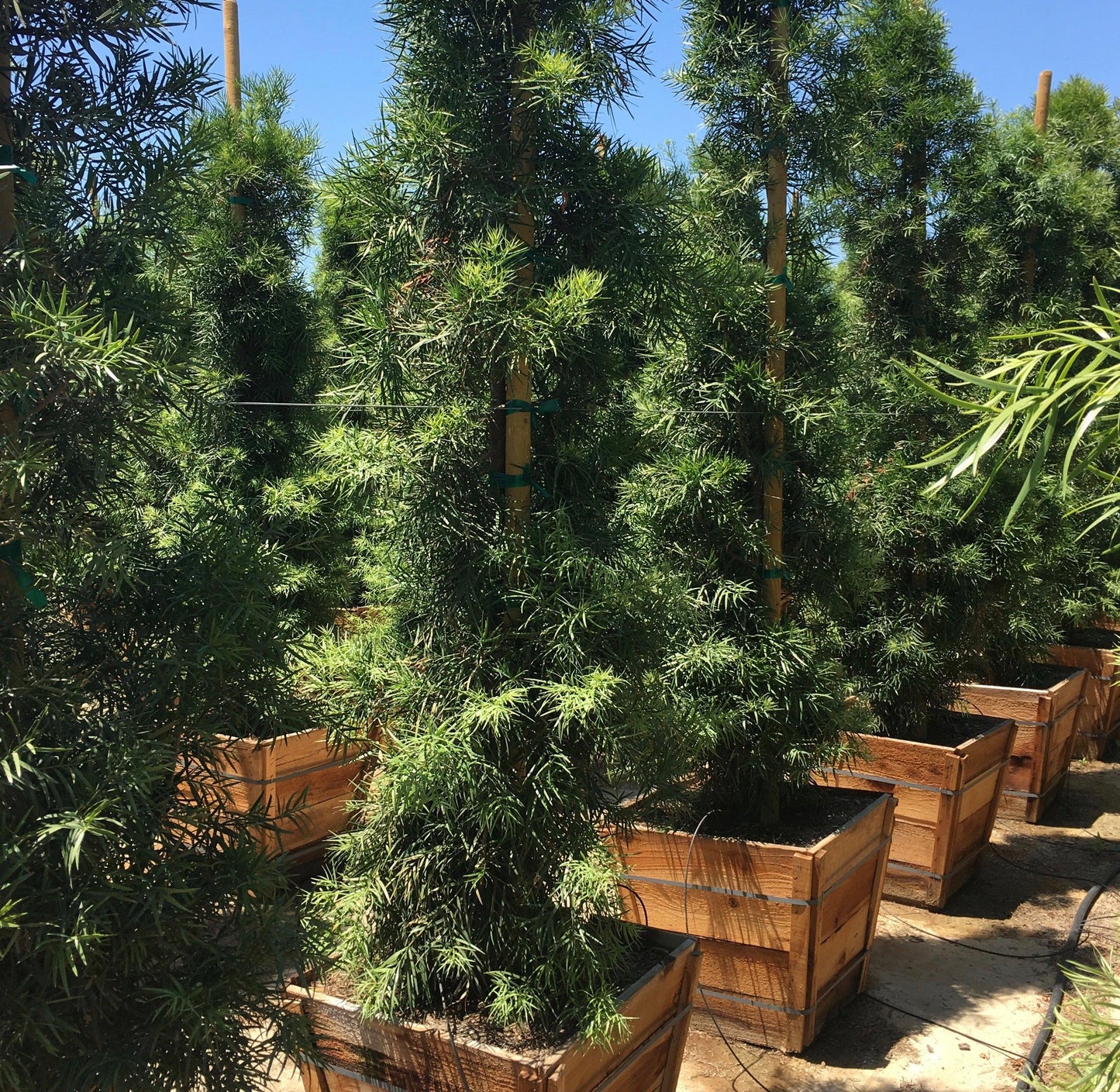

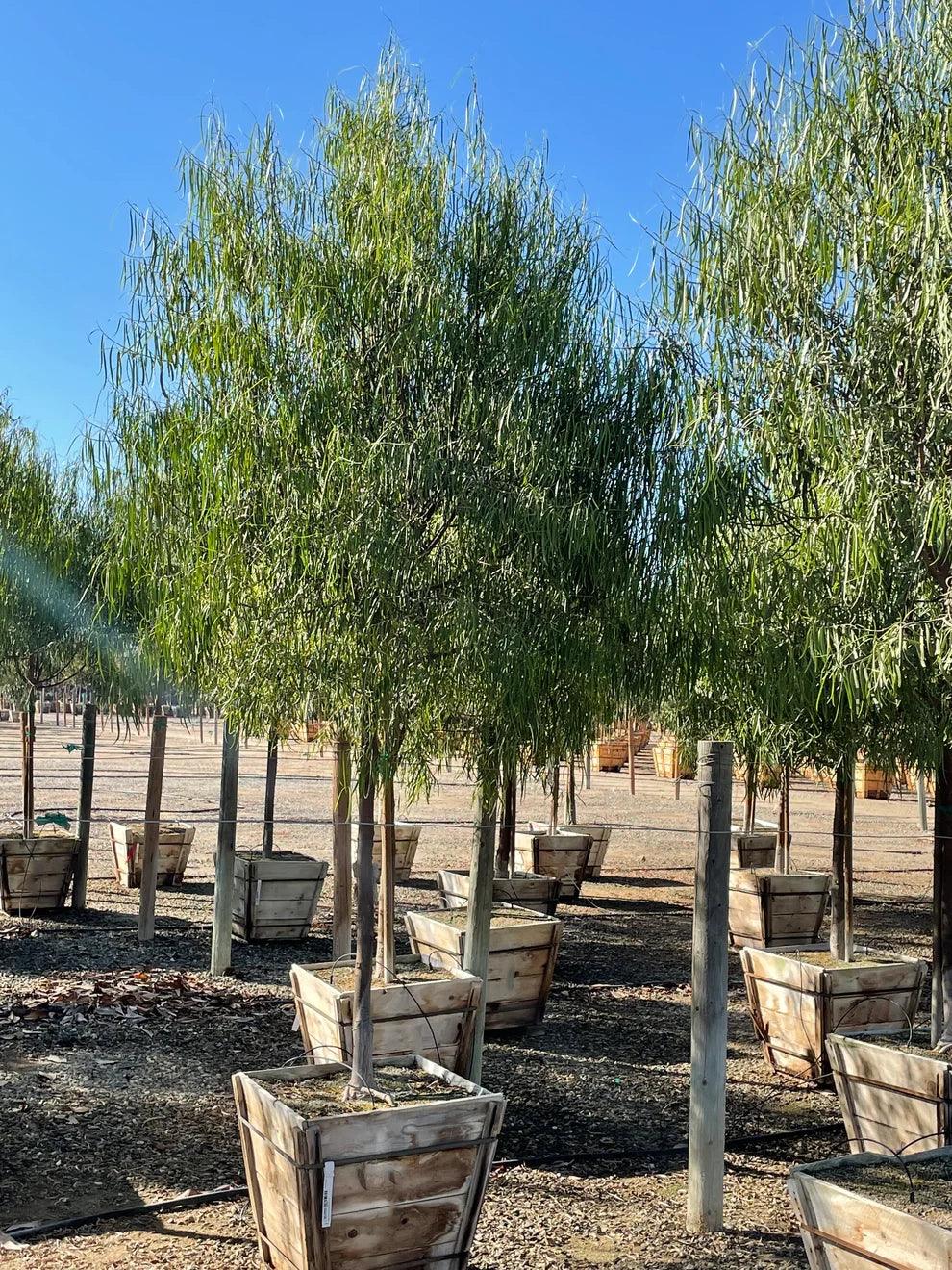

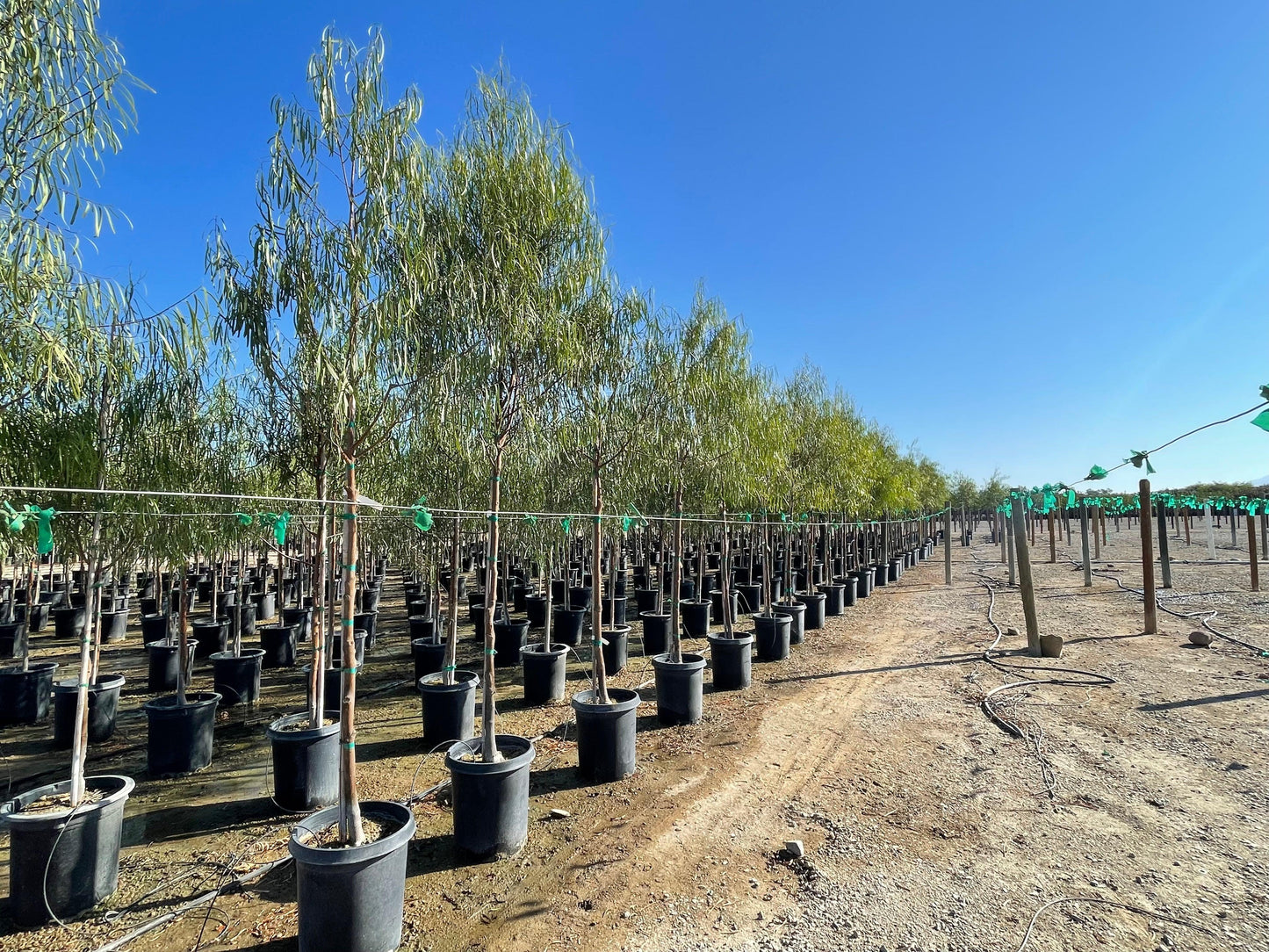

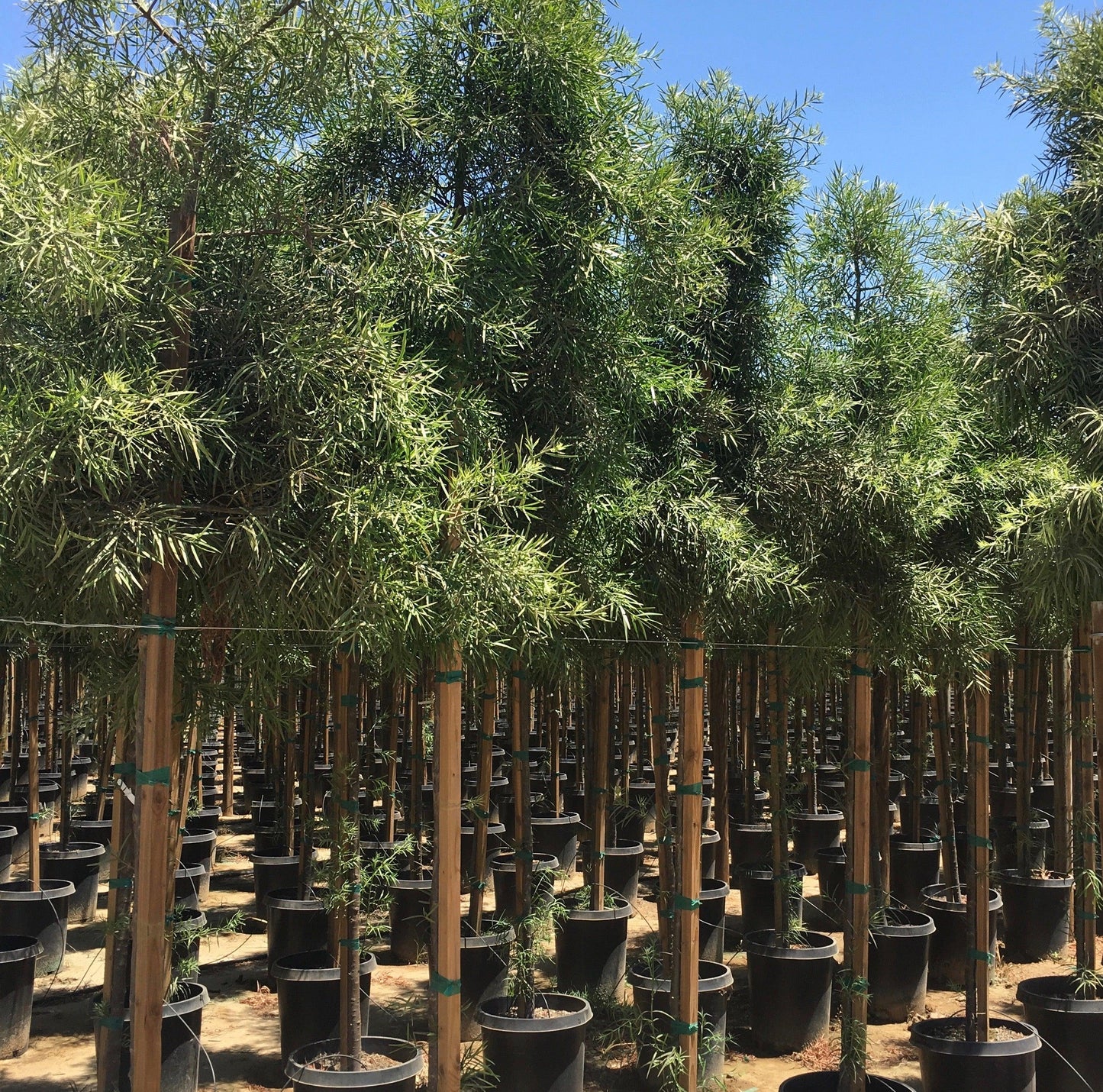
You May Also Like











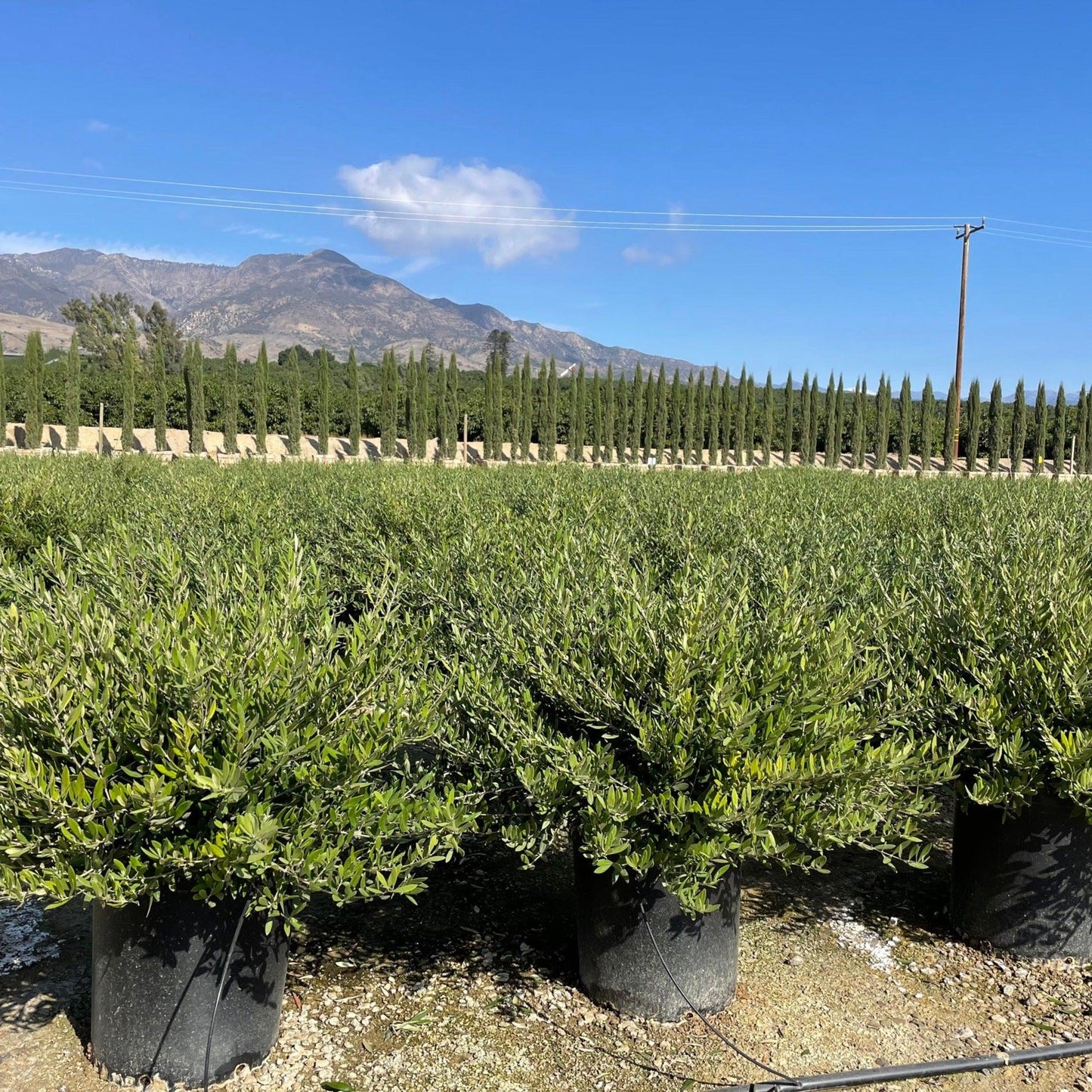

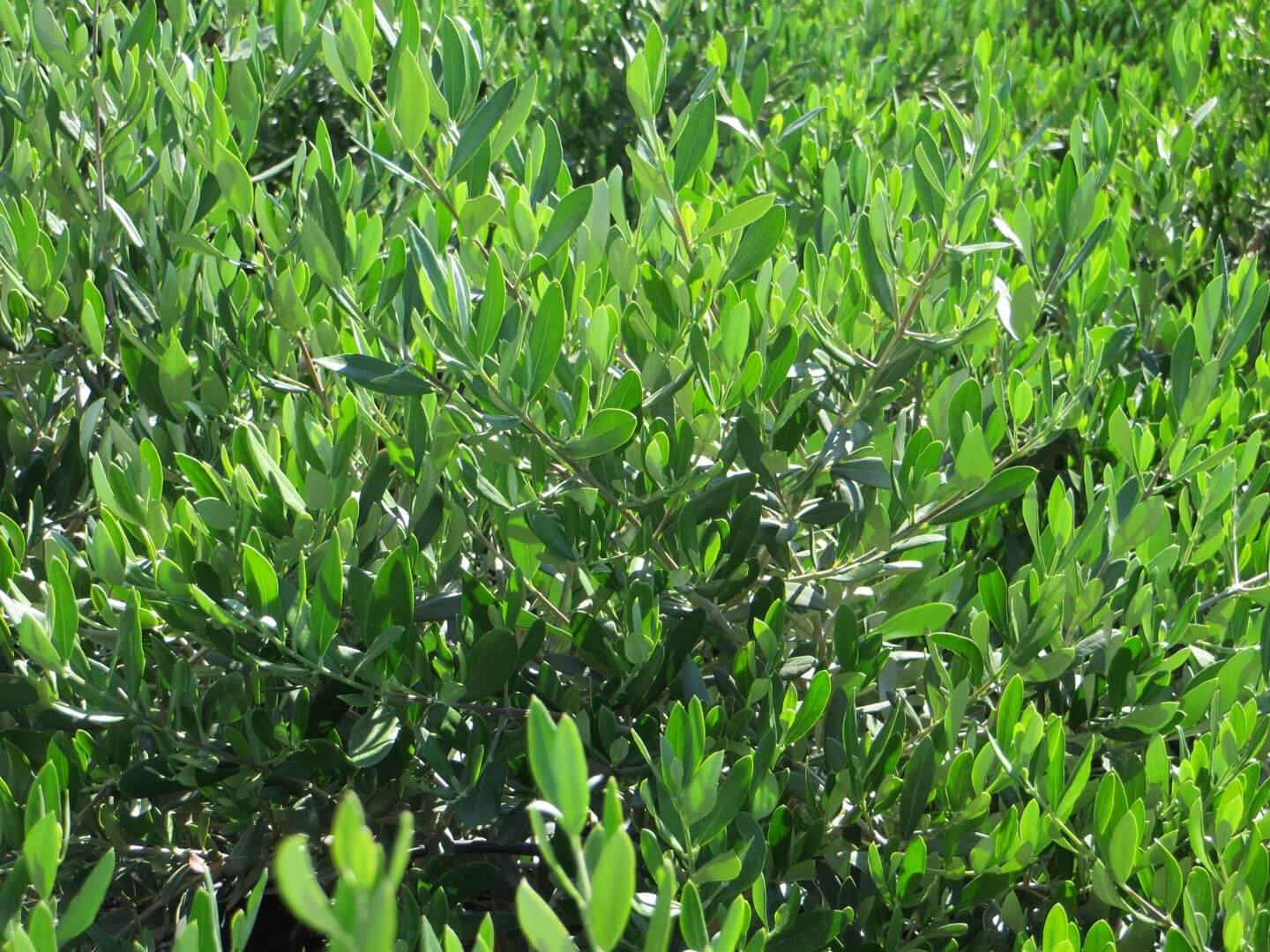
Thousands of Healthy Plants Delivered


Yardwork was so great to work with. First they had the Swan Hill olive trees that we had been searching for, we had contacted several other nurseries without any luck previously. Then they answered all of our questions in a timely matter prior to ordering and finally delivered within a few days of placing it. Their staff is incredibly knowledgeable; they delivered and planted our trees with expertise to ensure that they would do well in our yard. We would definitely work with them again for future projects.











A Modern Experience
At Yardwork, we carefully curate thousands of plants, in all container sizes, to provide you with the best selection of the highest quality trees and plants at the best price, with the convenience of an online platform.
Uncompromised Quality
We choose only the finest specimens and hand select our plants just before delivery to ensure you receive the freshest and most robust specimens available for your landscape.
Industry Leading Warranties
Our 30, 90, and 365 extended warranties provide some of the best coverage to ensure our trees and plants thrive in your landscape.
Frequently Asked Questions
We're committed to changing everything about trees and plants - how they’re grown, how you shop for them, and how much they cost. We handle orders ourselves. No middlemen to get between us (or our prices) and you.
We're committed to changing everything about trees and plants - how they’re grown, how you shop for them, and how much they cost. We handle orders ourselves. No middlemen to get between us (or our prices) and you.
Delivery does not include unloading of trees and plants LARGER than a 24" box.
Trees and plants in smaller containers will be dropped curbside (usually on the driveway or near the front doorstep).
Delivery beyond a curbside drop will be charged extra.
Trees and plants that are sold in container sizes LARGER than a 24" box size will require equipment and/or enough manpower onsite to help unload from the truck.
Please reach out to our team PRIOR to placing your order to help coordinate.
Our team can provide unloading assistance with equipment for an extra fee as well.
Delivery does not include unloading of trees and plants LARGER than a 24" box.
Trees and plants in smaller containers will be dropped curbside (usually on the driveway or near the front doorstep).
Delivery beyond a curbside drop will be charged extra.
Trees and plants that are sold in container sizes LARGER than a 24" box size will require equipment and/or enough manpower onsite to help unload from the truck.
Please reach out to our team PRIOR to placing your order to help coordinate.
Our team can provide unloading assistance with equipment for an extra fee as well.
We ship locally within California within 7-10 days of your order being placed.
We ship nationally using carrier partners, based on order size. Our common order minimums for out of state shipping is $5,000.
Text or call 323-576-4159 for specific shipping details for your location.
We ship locally within California within 7-10 days of your order being placed.
We ship nationally using carrier partners, based on order size. Our common order minimums for out of state shipping is $5,000.
Text or call 323-576-4159 for specific shipping details for your location.
We are currently online only and don't have physical locations where you can view plants in person.
That's why we have photos direct from the growing grounds of the plants we will ship and we display pricing right in our store.
We do make sure to pick the very best trees and plants prior to shipping and make sure that they have gone through our multi-point inspection for health and structure.
We will always reach out prior to delivery if we find a quality issue or need to provide a substitute.
We are currently online only and don't have physical locations where you can view plants in person.
That's why we have photos direct from the growing grounds of the plants we will ship and we display pricing right in our store.
We do make sure to pick the very best trees and plants prior to shipping and make sure that they have gone through our multi-point inspection for health and structure.
We will always reach out prior to delivery if we find a quality issue or need to provide a substitute.
Plants vary greatly by type. Here is a rough idea of sizes based on containers that are direct from our growing grounds.
15 Gallon Shrub 3-4 Ft. Tall
15 Gallon Tree 5-6 Ft. Tall
24" Box Shrub 5-6 Ft. Tall
24" Box Tree 6-7 Ft. Tall
36" Box Shrub/Tree 7-9 Ft. Tall
48" Box Shrub/Tree 8-10 Ft. Tall
**Please note that we do not make guarantees of sizes. If you have questions or concerns, please call or text to request accurate sizing for the particular plant you're considering, prior to ordering.
Plants vary greatly by type. Here is a rough idea of sizes based on containers that are direct from our growing grounds.
15 Gallon Shrub 3-4 Ft. Tall
15 Gallon Tree 5-6 Ft. Tall
24" Box Shrub 5-6 Ft. Tall
24" Box Tree 6-7 Ft. Tall
36" Box Shrub/Tree 7-9 Ft. Tall
48" Box Shrub/Tree 8-10 Ft. Tall
**Please note that we do not make guarantees of sizes. If you have questions or concerns, please call or text to request accurate sizing for the particular plant you're considering, prior to ordering.
We offer a limited 30 day warranty for plants that are delivered and planted by someone else and a 90 day warranty for plants that we plant.
The limited warranty covers plants that die as a result of disease or fungus which was derived from our growing grounds or from root balls that were root bound.
The warranty does not cover damage due to watering, fertilizer, soils, or any other conditions beyond our control. Additionally, the warranty does not cover plants that are shipped out of the state of California or shipped into California from other states. Custom plant orders are also not covered under warranty. Plants must be planted within 24 hours after delivery to qualify.
We can assist you in recommending the right soils and fertilizers to help your plant thrive after you plant it.
Text or call 323-576-4159 for further warranty information.
We offer a limited 30 day warranty for plants that are delivered and planted by someone else and a 90 day warranty for plants that we plant.
The limited warranty covers plants that die as a result of disease or fungus which was derived from our growing grounds or from root balls that were root bound.
The warranty does not cover damage due to watering, fertilizer, soils, or any other conditions beyond our control. Additionally, the warranty does not cover plants that are shipped out of the state of California or shipped into California from other states. Custom plant orders are also not covered under warranty. Plants must be planted within 24 hours after delivery to qualify.
We can assist you in recommending the right soils and fertilizers to help your plant thrive after you plant it.
Text or call 323-576-4159 for further warranty information.
Our local delivery team covers most cities in California.
There are some exceptions, so please get in touch to confirm prior to ordering.
Additionally, we ship using semi trucks and trailers throughout the entire United States and even abroad for large orders over $5,000. Each shipment is custom, so please reach out to our team to coordinate.
Our local delivery team covers most cities in California.
There are some exceptions, so please get in touch to confirm prior to ordering.
Additionally, we ship using semi trucks and trailers throughout the entire United States and even abroad for large orders over $5,000. Each shipment is custom, so please reach out to our team to coordinate.