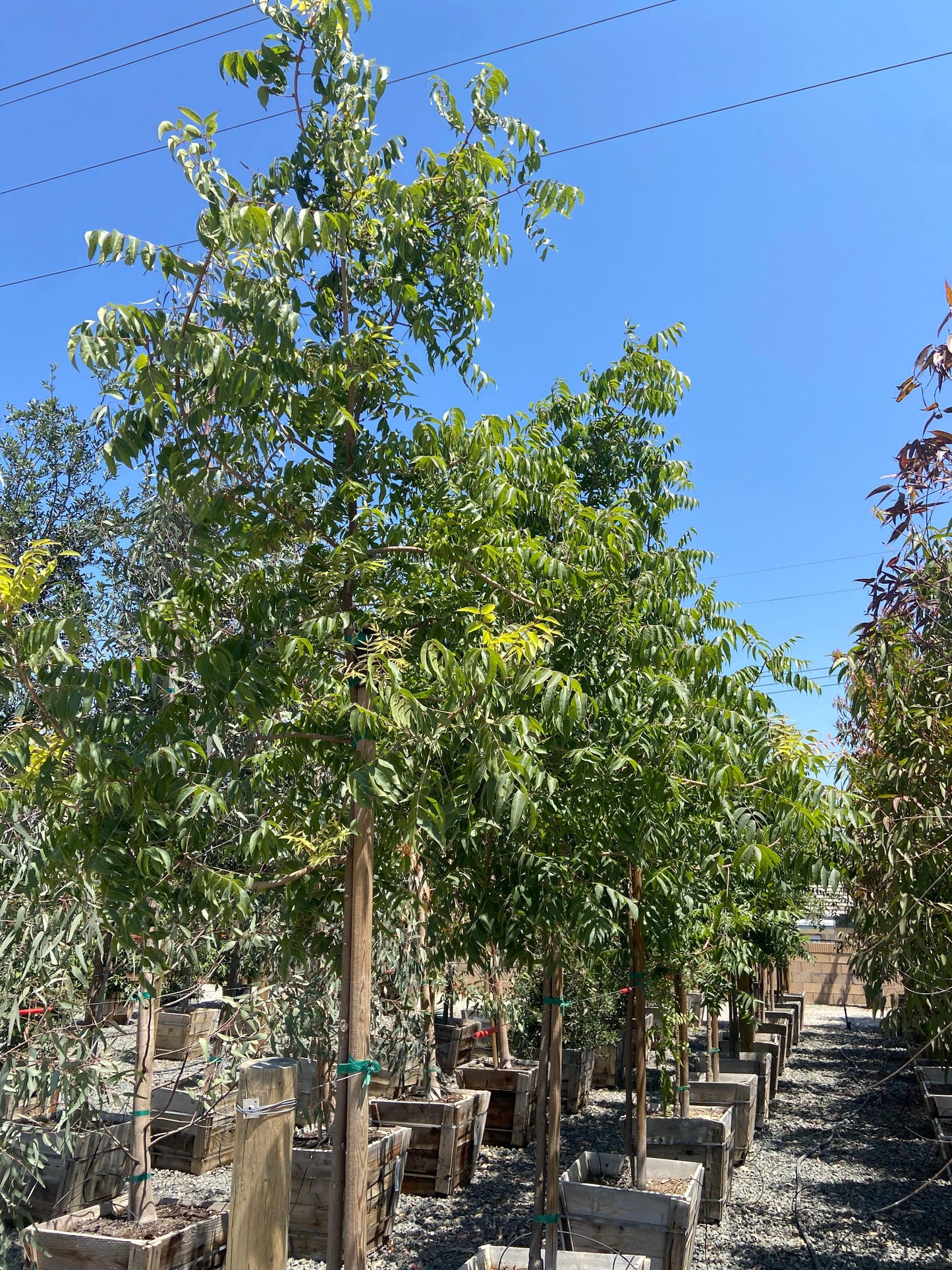
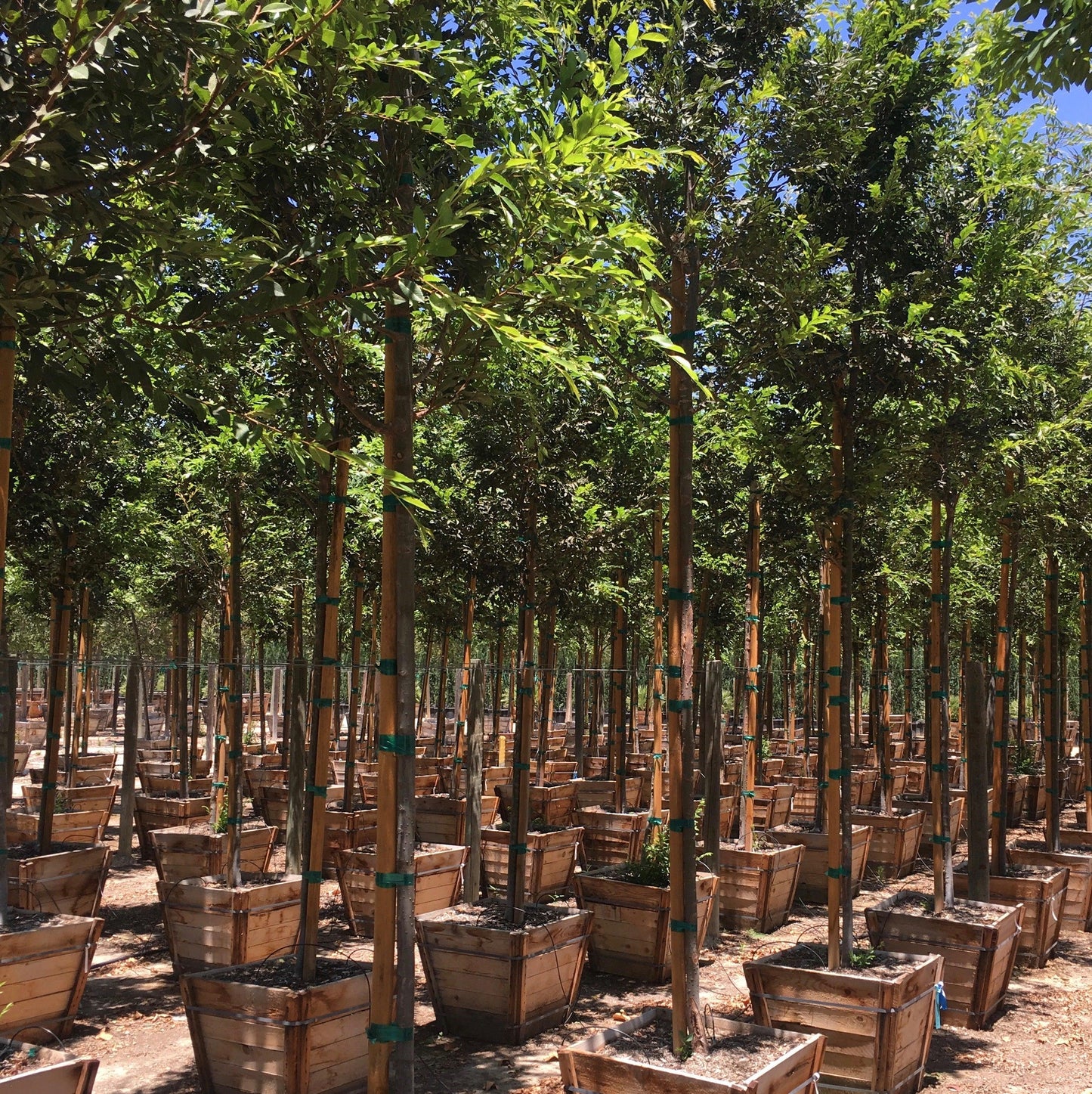
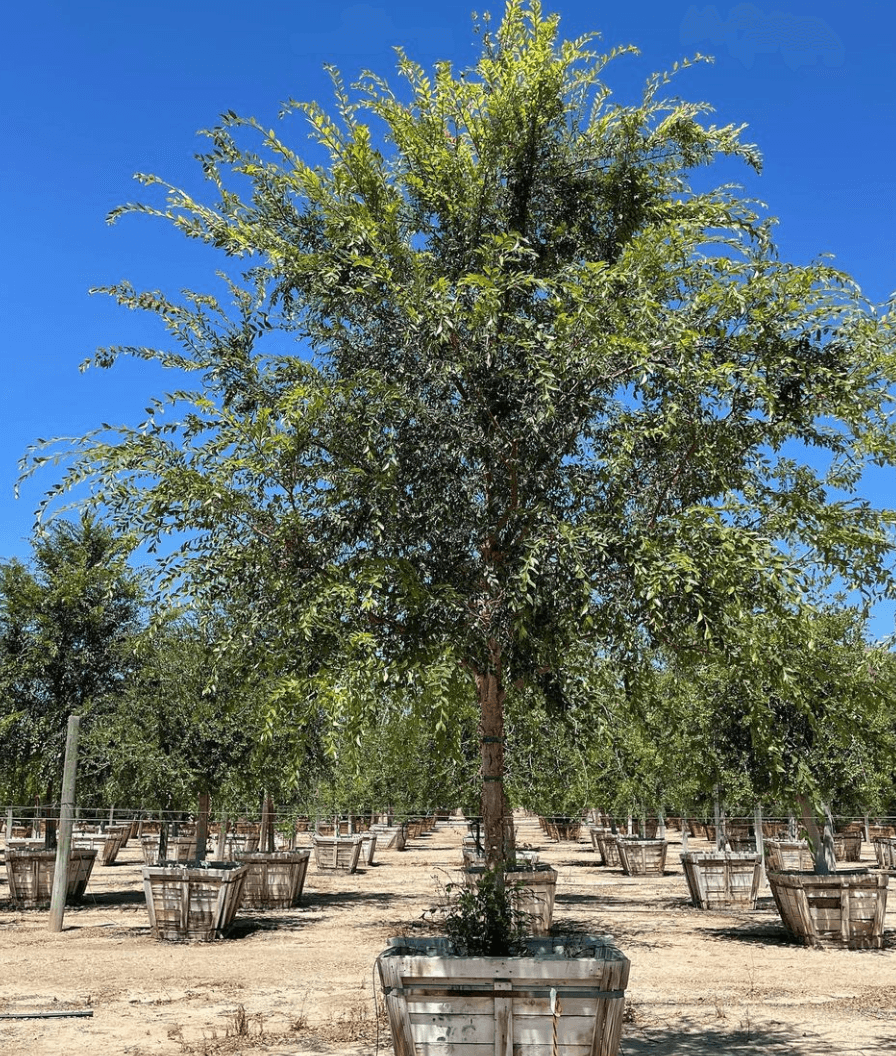
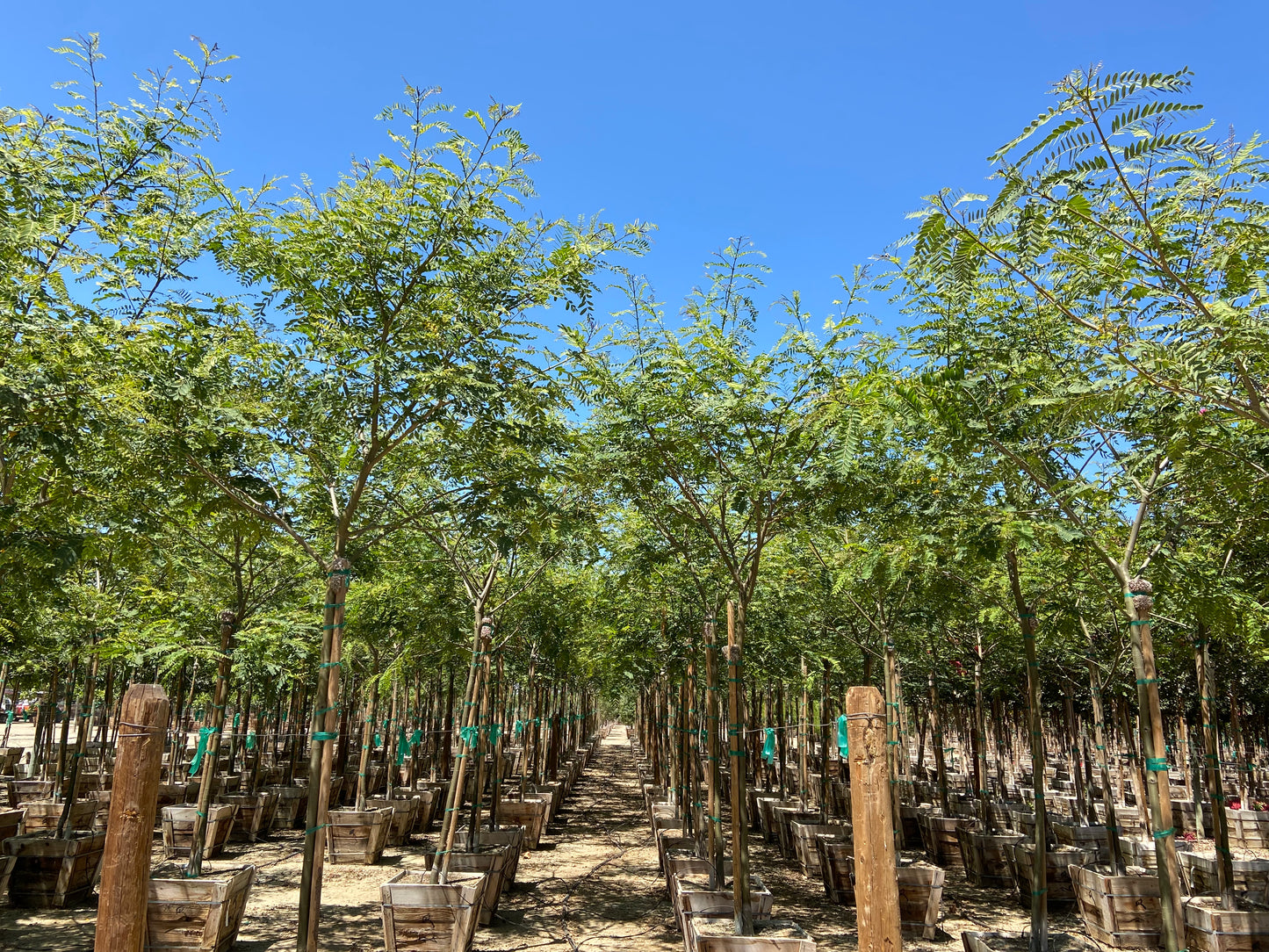
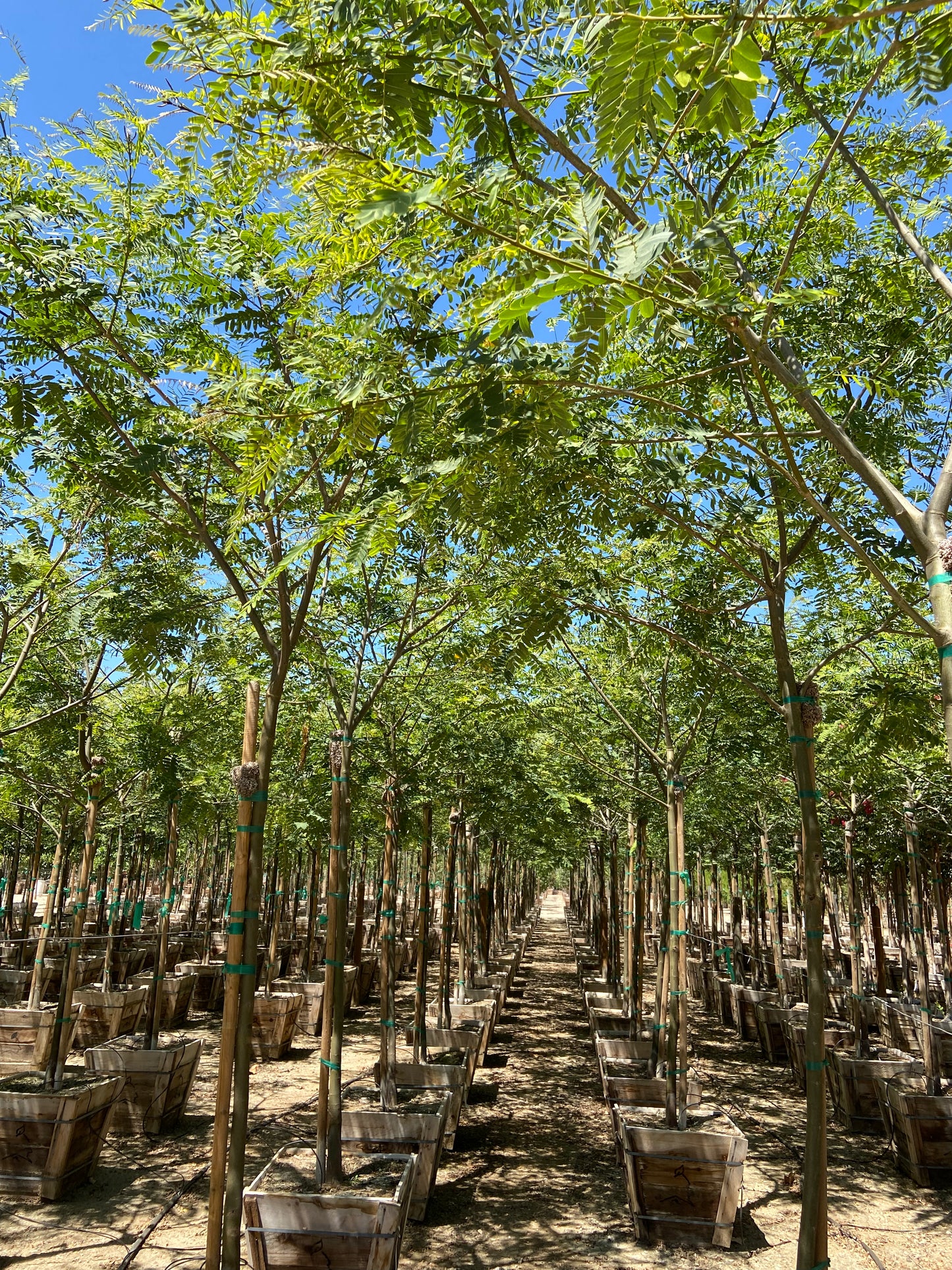
Find the Perfect Tree for Your Yard
Shade trees cool your yard, lower home cooling costs and add lasting beauty to your landscape. Whether you want fast shade for a sunny patio, a native oak with history and wildlife value, or a compact ornamental tree with spectacular fall color, the right tree starts with your climate, soil conditions and available space.
At Yardwork, you can shop shade trees selected for California yards, from maple trees and oaks to sycamores, redbud, dogwood and specialty varieties. Find your ideal shade tree and transform your outdoor living space today.
Shade Trees for Every Yard Purpose
A good shade tree does more than block the sun. Shade trees can beautify your yard, reduce energy costs, and improve air and water quality. Shade trees improve air quality by trapping pollutants, releasing oxygen, and providing essential habitats for local wildlife.
Popular shade trees include landscape trees such as Maples, Oaks, Elms, and Tuliptrees, which differ significantly in their mature sizes, growth rates, root structures, and seasonal maintenance needs.
Immediate Shade & Privacy
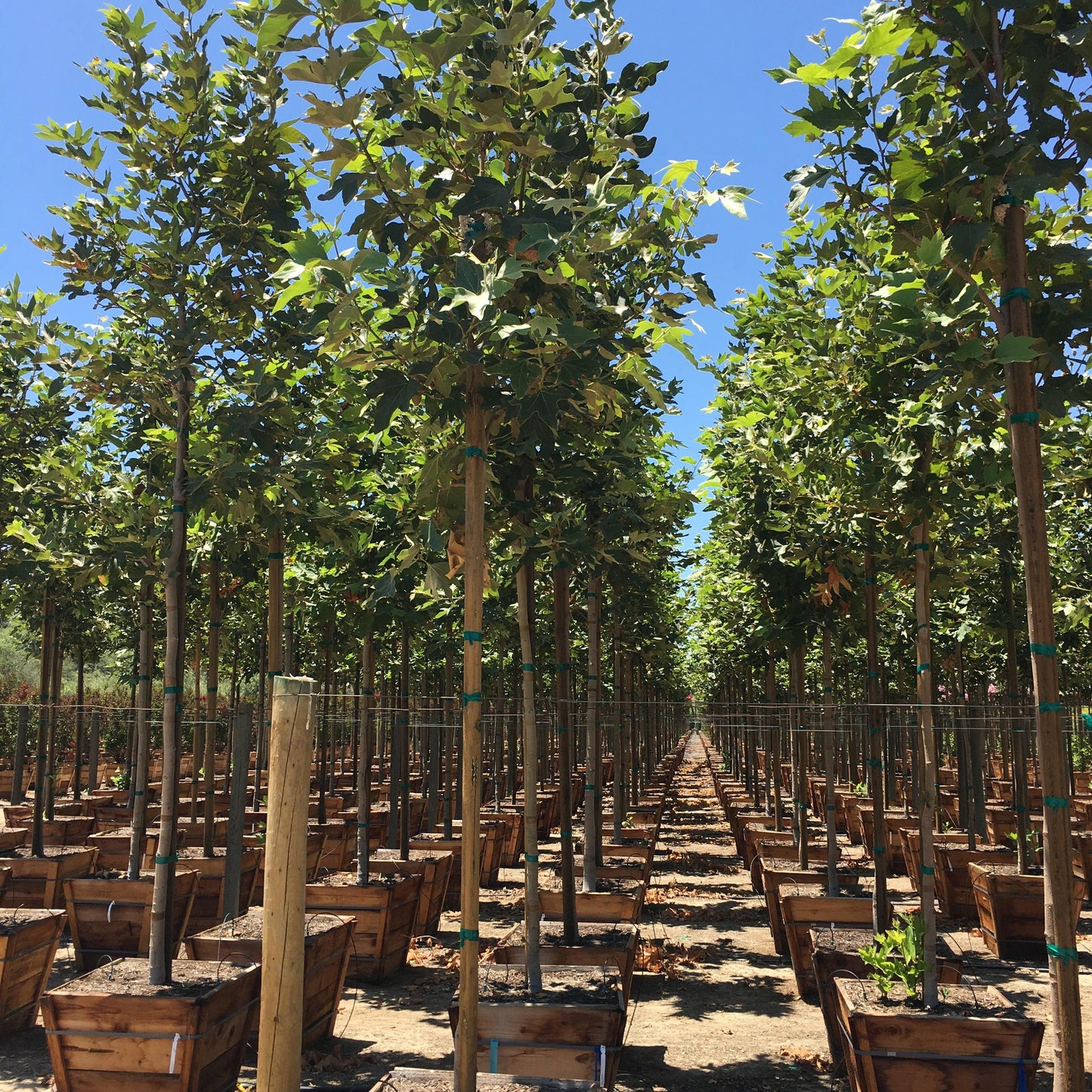
For quick cooling, choose the fastest growing shade trees with strong placement and early care. The Tulip Poplar and the Autumn Blaze Maple can grow over 5 feet in a single year, making them excellent choices for quick shade. Many fast growing trees deliver 3-5 feet of fast growth annually when planted in full sun with suitable soils.
Autumn Blaze Maple, Tulip Poplar, Hybrid Poplar and InnovaTree™ poplar are popular for immediate impact. The InnovaTree™ poplar variety is selectively bred for fast growth, making it ideal for quick landscaping and shade in residential applications. The Weeping Willow is known for its extremely fast growth rate and ability to tolerate wet sites, providing quick shade near ponds or damp locations.
Planting shade trees lowers your energy bills, boosts property value, and creates a cooler outdoor living space. Lower Energy Bills: Shading your roof and walls lowers AC costs by up to 35%.
Permanent Landscape Features
For a long-term landscape anchor, look at native oaks, sycamores, dawn redwood and other large trees with strong structure and broad mature spread. These trees may grow more slowly than quick-screening varieties, but they become iconic tree features for parks, large yards and heritage-style gardens.
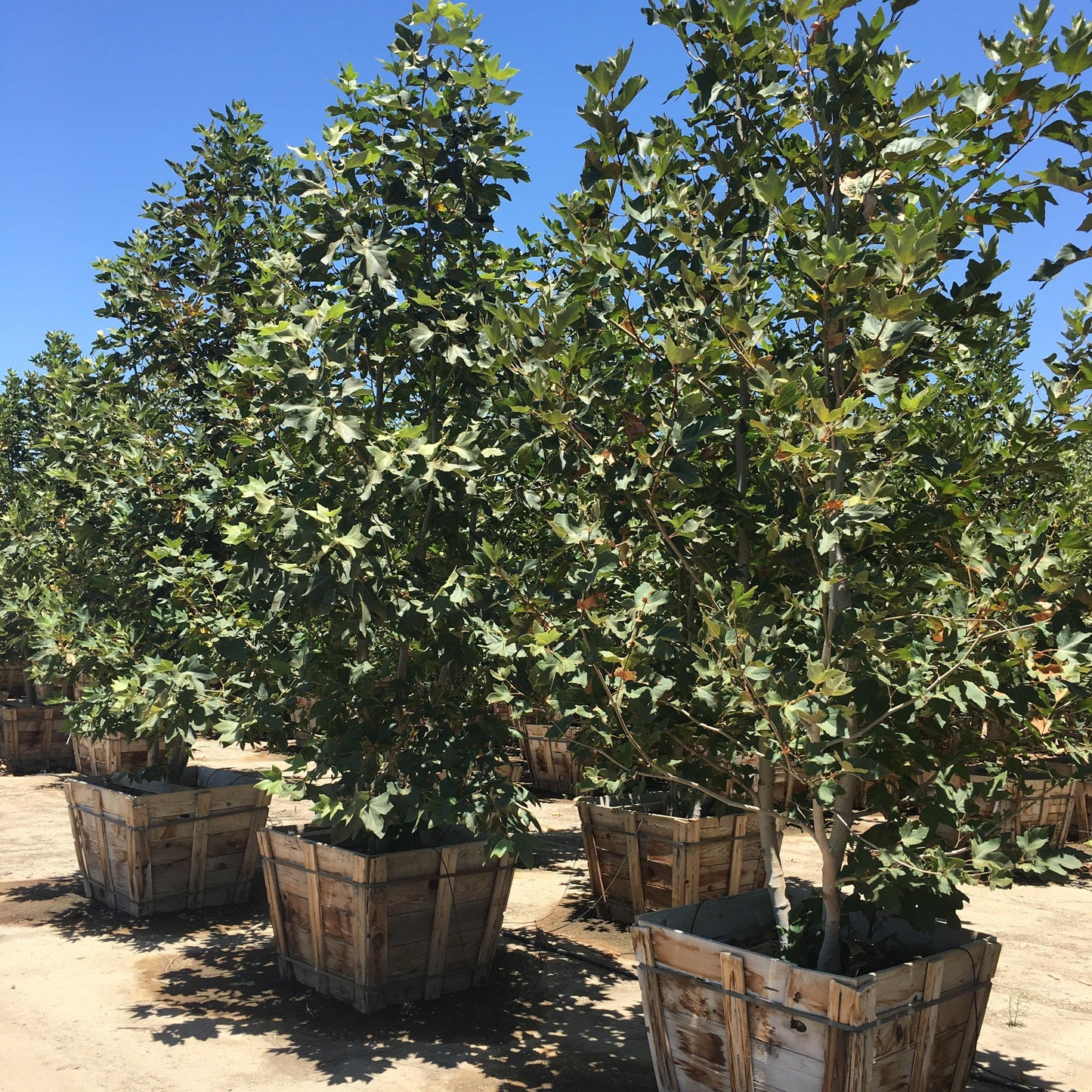
Valley Oak, Coast Live Oak, California Sycamore and American Sycamore can create dense summer shade, attractive bark texture and habitat for birds and wildlife. Mature trees increase home resale value by 3% to 15%, and the largest trees often deliver the greatest sense of age, form and permanence.
Planting shade trees in your yard provides critical energy savings, lowers neighborhood temperatures, and enhances your property value. Natural Cooling: Trees cool the air through shade and transpiration, dropping localized outdoor temperatures by up to 10°F.
Specialty & Decorative Shade
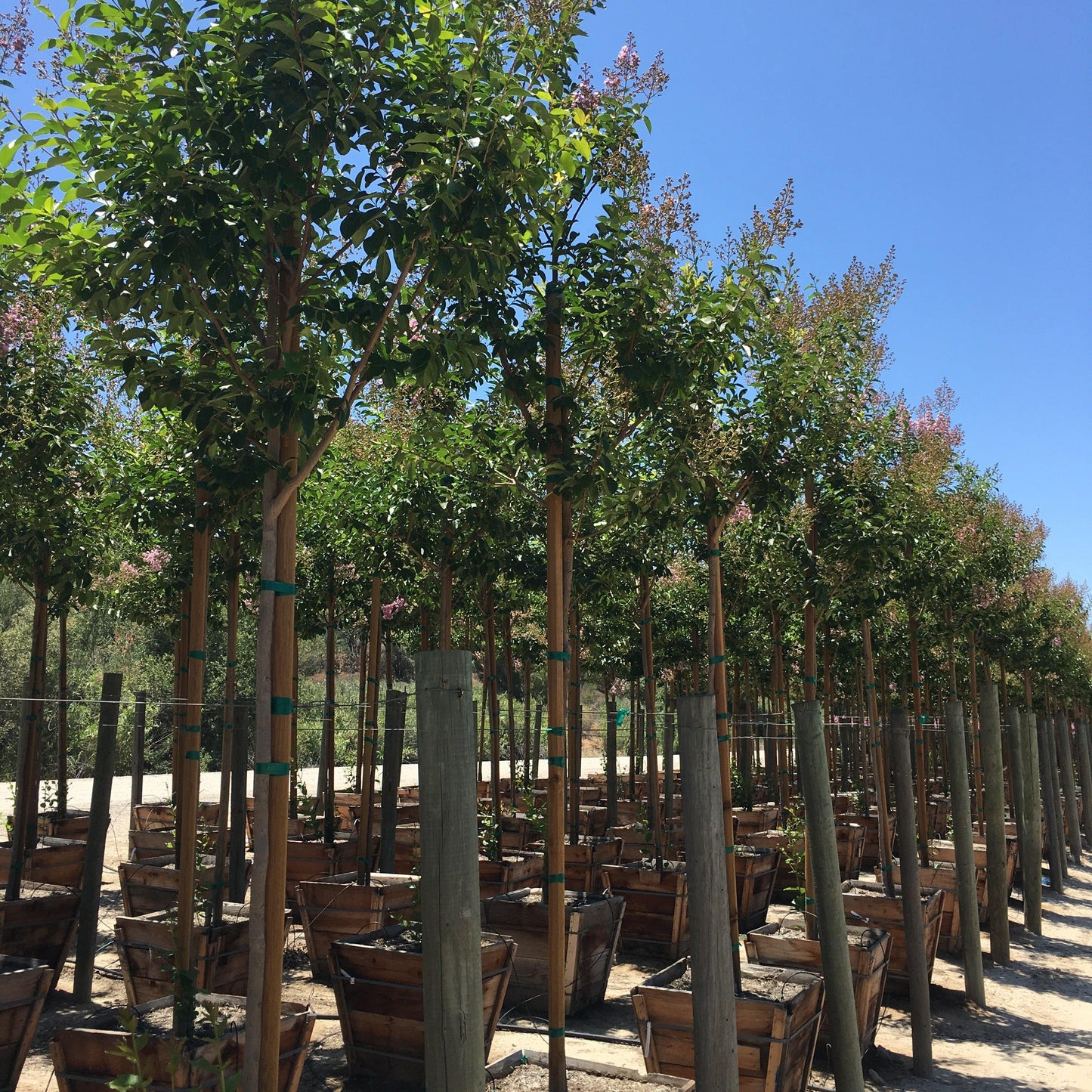
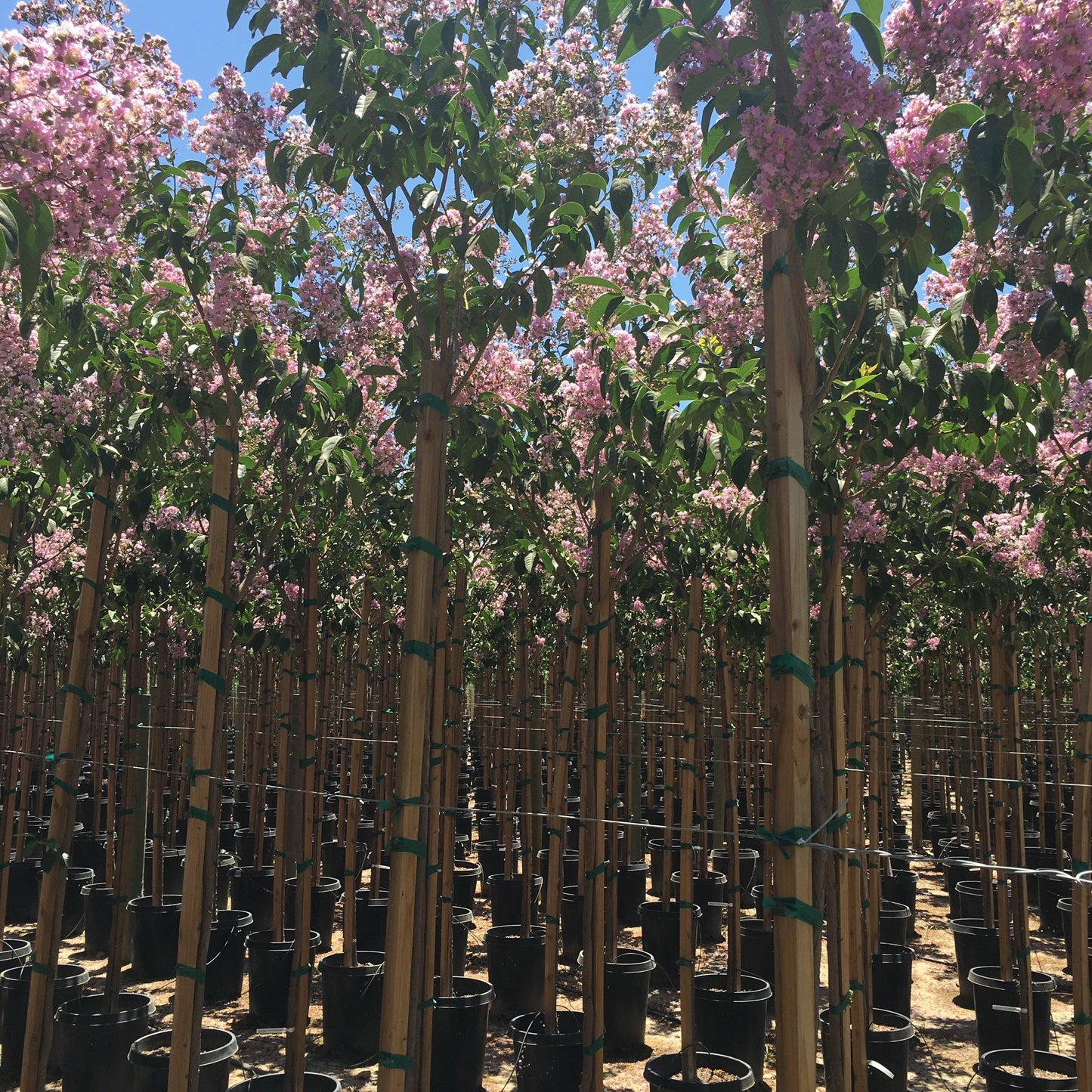
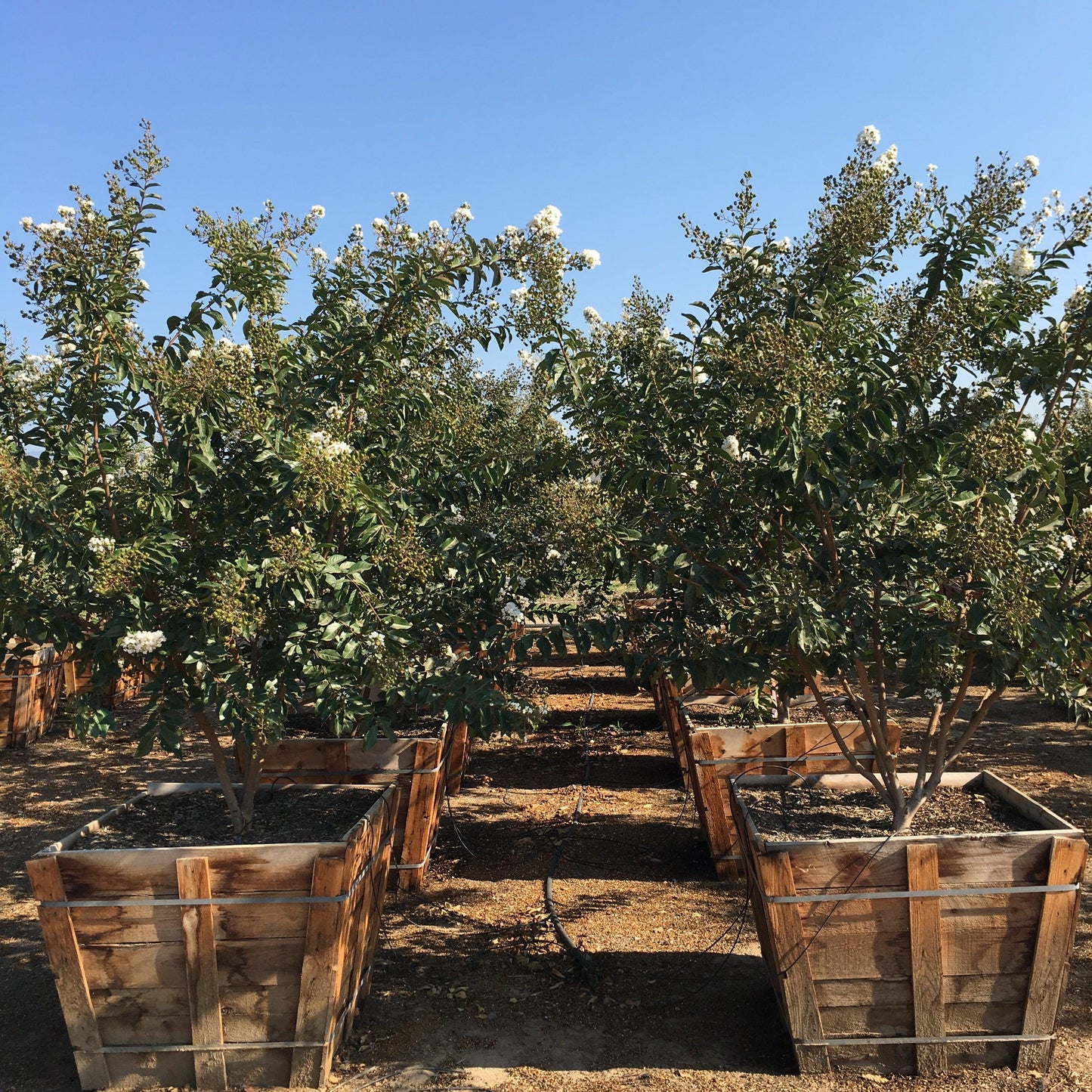
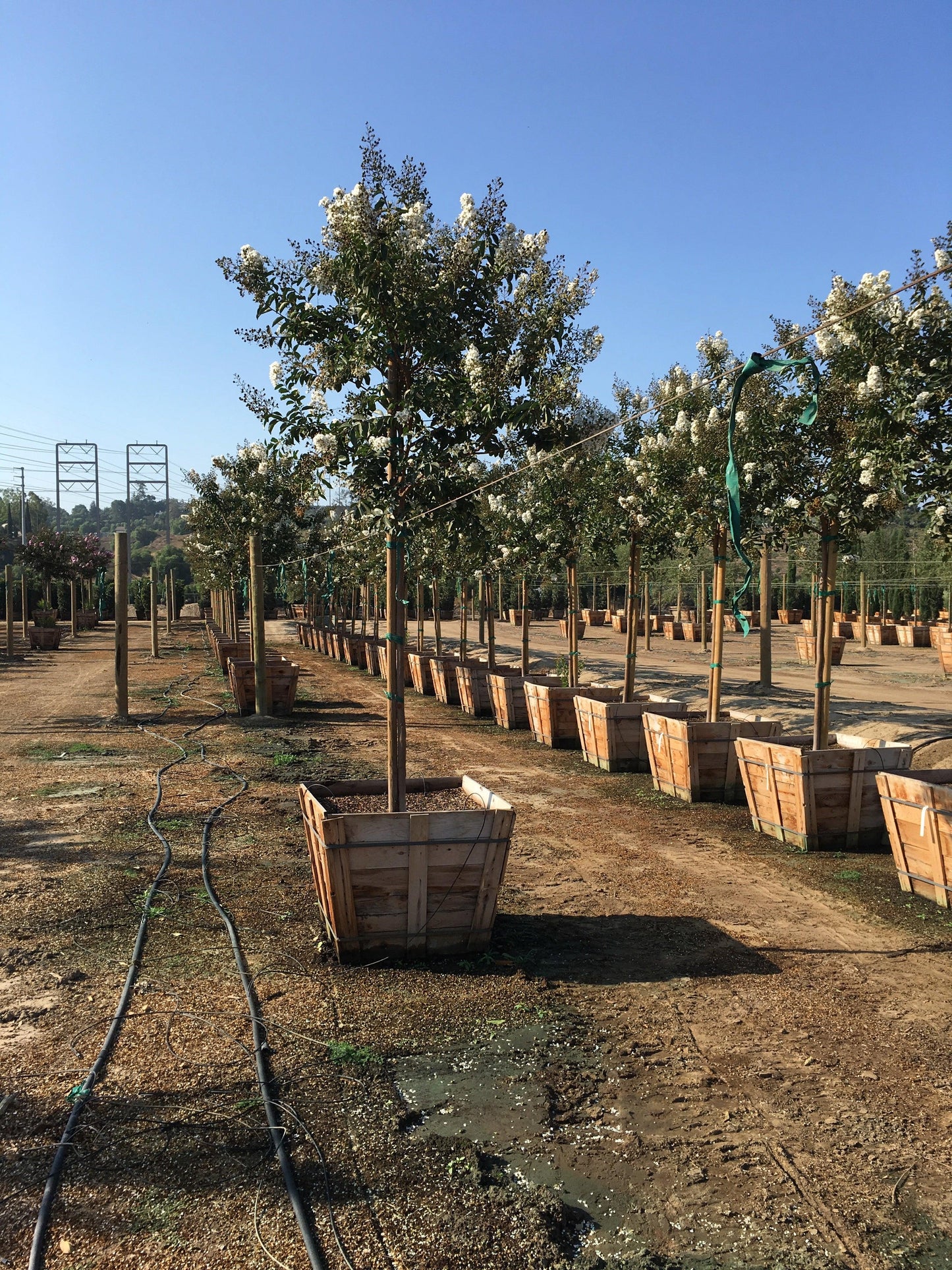
For smaller yards, patios and focal points, choose decorative trees with refined foliage, spring bloom or brilliant fall color. Japanese maples such as Osakazuki, red maple cultivars, eastern redbud, dogwood, crape myrtle and serviceberry are good choices when you want shade plus seasonal interest.
Japanese maple trees are loved for layered form, green leaves, orange and red fall color, and cultivars with delicate bark. Eastern redbud brings early spring bloom, heart shaped leaves and attractive yellow fall color. Dogwood can add delicate white blooms, while some serviceberries offer flowers, berries and wildlife value for birds.
The best shade trees are adaptable, fast-growing, and have great fall color, with maples being particularly noted for their vibrant autumn foliage.
Choose the Right Shade Tree for Your Yard Conditions
The best way to choose a shade tree is to match the plant to the yard: size, sun exposure, soil conditions, hardiness zones, water access and distance from structures. A tree that looks small in a nursery photo can become a major landscape feature at mature size.
For Small to Medium Yards
For compact or medium spaces, filter for trees that typically mature around 25-40 feet or less, with a manageable canopy spread and root system. River birch, serviceberry, Japanese maples like the Bloodgood variety, eastern redbud and selected dogwood varieties can thrive where large oaks or sycamores would outgrow the location.
River birch adds peeling bark, fresh green leaves and quick growth, but it needs enough space away from foundations, paving and pipes. Serviceberry and redbud offer spring flowers, fall color and berries without overwhelming the yard.
Shade trees are generally easy to grow and require minimal maintenance once established, with proper watering in the first year being crucial for their development.
For Large Properties
Large properties can support trees with 60-90+ foot mature heights and wide canopies. Southern Magnolia, American Sycamore, California Sycamore, Tulip Poplar, Valley Oak, Northern Red Oak and dawn redwood are ideal where you have enough space for roots, spread and long-term pruning access.
Plan for the mature canopy, not the purchase size. Keep large trees away from roofs, sewer lines, driveways and overhead utilities. A good rule is to leave at least half the expected mature spread between the trunk and major structures.
These trees can create deep green summer shade, cool broad outdoor areas and support wildlife over many seasons.
For Hot, Dry Areas
Hot inland and Southern California yards need trees with drought tolerance, heat tolerance and strong adaptation to local soils. Desert trees such as Desert Willow, Palo Verde, Olive, Carob and Ginkgo and selected acacia varieties can be excellent choices in full sun once established.
The Kentucky coffeetree is known for its tolerance to cold, heat, and drought, making it adaptable to a range of soil conditions. Trees like the American Sycamore, Autumn Blaze Maple, and Ginkgo are recognized for their heat tolerance, suitable for growing zone 9.
Drought-adapted trees may grow more slowly, but they can save water and reduce summer stress. Deep watering during establishment helps roots grow down, improving long-term hardiness.
For Coastal & Mild Climates
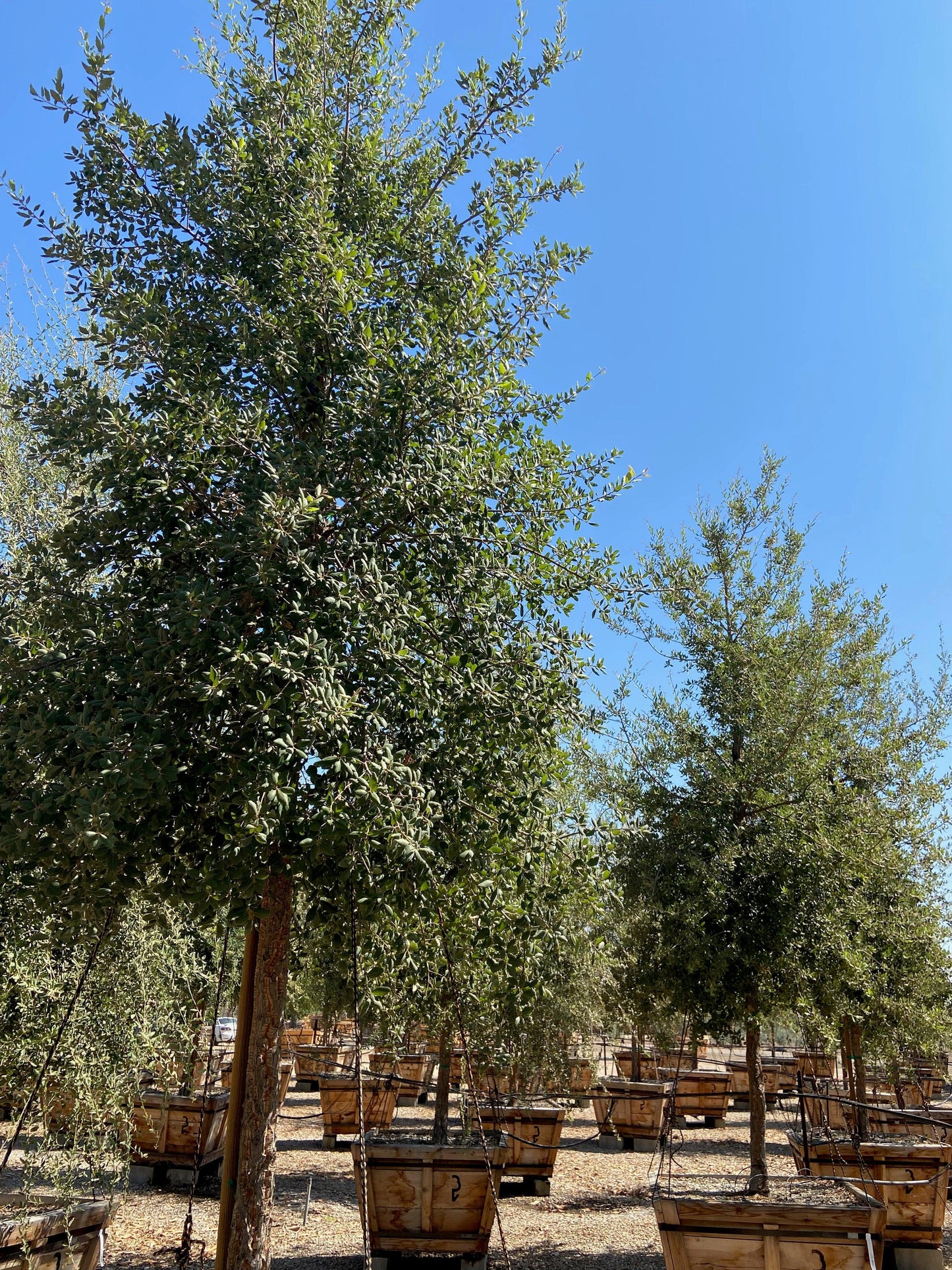
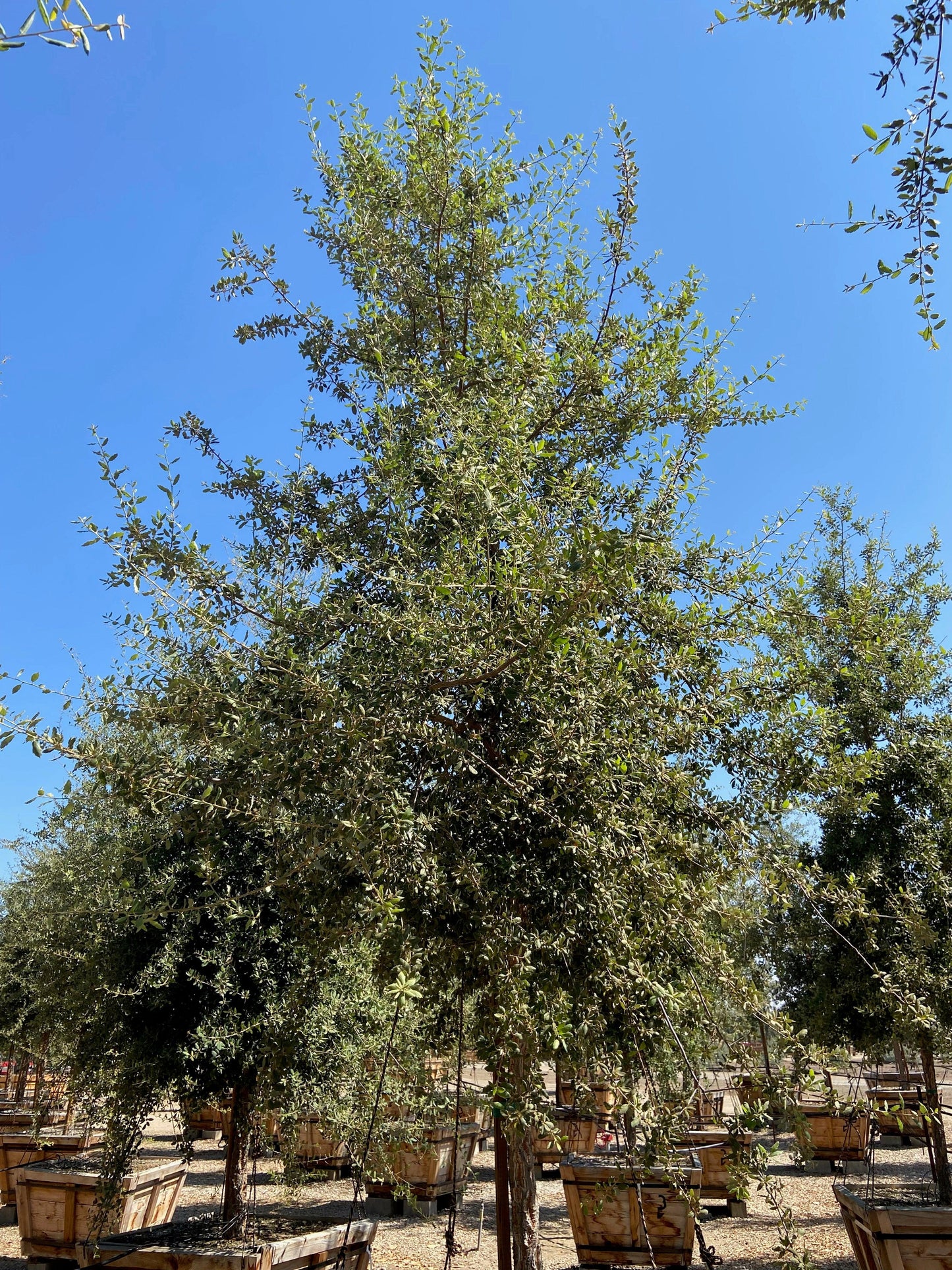
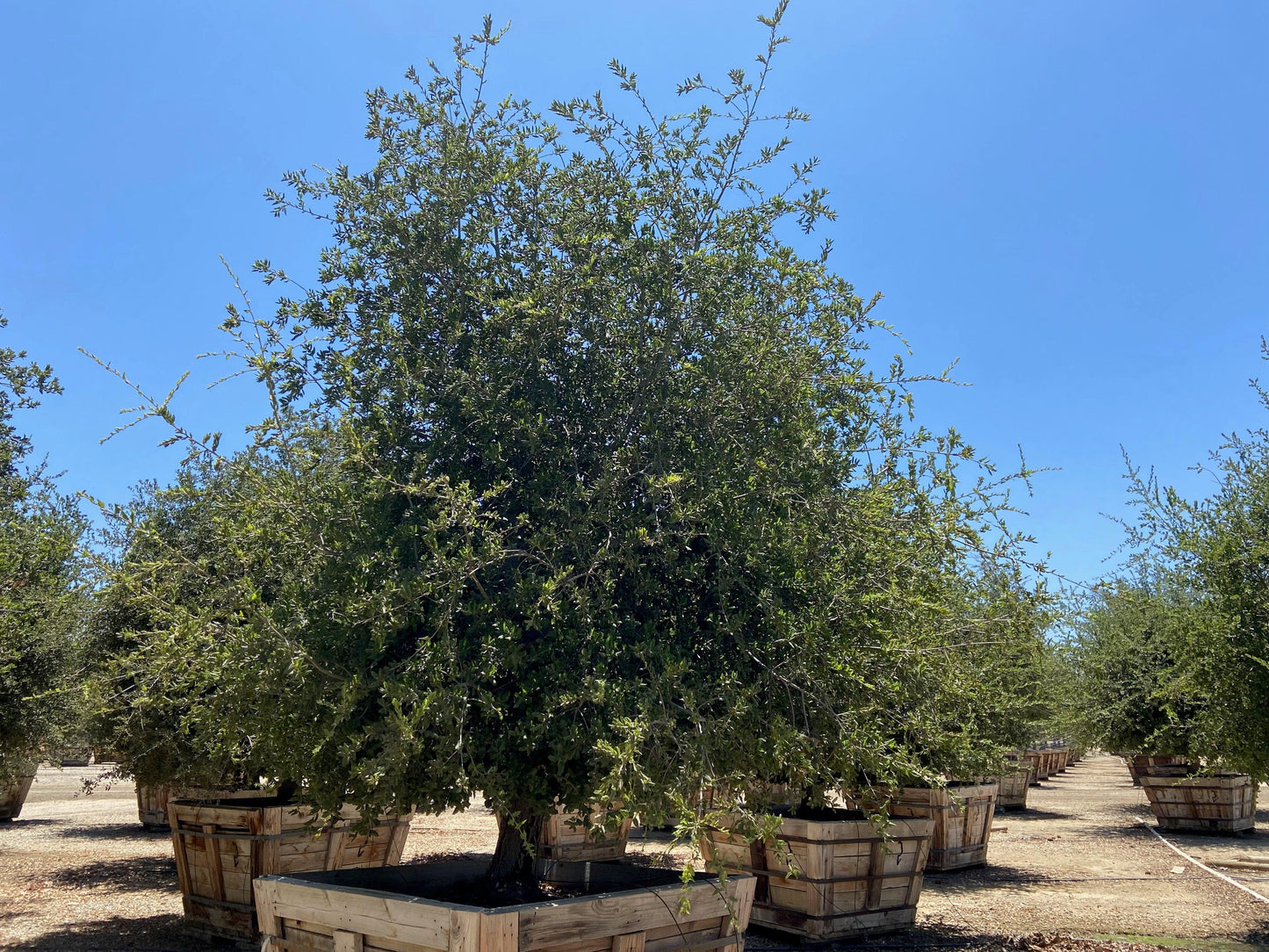
Coastal and mild California zones call for trees that handle fog, salt air, wind and moderate temperatures. Coast Live Oak trees, Toyon, Olive, Western Redbud, California Sycamore and some Mediterranean pines are good choices where drainage is reliable and the tree has room to adapt.
Evergreen choices with dark green foliage can provide year-round screening, while deciduous trees allow winter light after leaves fall. Coastal trees often grow with rounded, wind-shaped form and waxier foliage, helping them tolerate salt and moisture.
In milder regions, year-round growing advantages can help trees establish steadily, though shallow soils and fungal disease pressure should still guide your selection.
Tree Characteristics That Matter
Shade performance depends on more than height. Look at foliage density, growth rate, mature size, root behavior, water needs, seasonal cleanup and visual character through spring, summer, fall and winter, especially if you’re also considering flowering trees for added seasonal color.
Evergreen vs Deciduous
Evergreen trees like Live Oak, Olive and Southern Magnolia provide shade through all seasons. Their deep green or dark green foliage can block wind, soften views and maintain privacy when other trees have bare branches.
Deciduous trees such as red maple, Autumn Blaze Maple, sycamore, ginkgo and tulip tree create cooling shade in summer, then drop leaves in fall to let winter sun reach windows and patios. Leaf drop adds cleanup, but it also gives you seasonal change, yellow, orange and red color, and winter branch structure.
Climate Control: Leaves cool the air through a process called evapotranspiration.
Growth Rate & Mature Size
Fast-growing trees help when you want shade quickly, while slower trees often offer better structure, longer lifespan and lower maintenance over time. Fast-growing options may reach 3-5 feet per year, and some can exceed that in ideal conditions. Slow or moderate trees may grow 1-2 feet per year but become more durable landscape investments.
Always compare mature height and spread before planting. A compact cultivar may suit patios, while a full-size oak, elm or sycamore belongs in a larger yard.
The most cold-hardy trees recommended for growing zone 3 include the American Sycamore, Autumn Blaze Maple, Northern Red Oak, and Red Maple.
Seasonal Interest Features
Choose shade trees that look attractive beyond summer. Red Sunset Maple, Autumn Blaze Maple and other maples are known for spectacular fall color. Ginkgo can produce clean yellow fall color, while sycamore offers distinctive bark and winter structure.
Eastern redbud brings early spring bloom and heart shaped leaves. Dogwood offers delicate white blooms in spring. Toyon provides berries that attract birds, and oaks support wildlife through acorns, habitat and dense canopy cover.
A well-selected tree gives your yard something to behold in every season: bloom in spring, shade in summer, color in fall and form in winter.
How to Plant and Care for Shade Trees
Successful shade starts with proper planting. Even hardy, adaptable trees need the right location, soil preparation and watering schedule to grow strong roots, and a well-stocked local plant nursery and landscaping partner can help you plan and supply the right materials.
Planting for Quick Establishment
Before you plant, check sun exposure, drainage, soil conditions and mature size. Most shade trees prefer full sun, though some maples and understory trees tolerate partial shade. Dig a wide planting area, keep the root flare visible and backfill with native soil unless a soil test shows a specific need.
Add mulch in a wide ring to conserve moisture, reduce weeds and protect roots from heat. Keep mulch away from the trunk. Water deeply and consistently during the first year, especially in hot weather, because first-year care determines root development and long-term performance.
Spacing matters. Give large trees room to grow, and keep roots away from foundations, sidewalks, utilities and narrow planting strips.
Long-term Maintenance Success
Once established, many shade trees are easy to maintain with deep watering, seasonal inspection and thoughtful pruning, especially when paired with evergreen privacy trees and fast-growing screening plants. Remove weak, crossing or damaged branches early so the tree develops a strong structure.
Annual soil testing can help decide whether fertilization is needed. In many California soils, overfeeding is less useful than improving watering depth, mulch coverage and root-zone protection.
Call professionals for large tree pruning, storm damage, disease concerns or work near power lines. Proper care protects your purchase, reduces long-term dollars spent on repairs and helps your tree thrive for decades.
Shop For Shade Trees From Yardwork Today
Shop Yardwork’s California-focused selection of shade trees and sort by size, growth rate, foliage, fall color, drought tolerance, hardiness and location needs. Browse varieties such as maple trees, oaks, sycamores, river birch, red maple, dogwood, eastern redbud, dawn redwood, ginkgo and other attractive landscape trees.
Need help choosing? We offer expert consultation, delivery support, soil testing and yard design services so you can select a good shade tree for your climate, space and goals.
Browse our shade trees online, filter by your yard conditions, review each tree photo and details, then purchase with confidence. Your cooler, more beautiful outdoor space starts with the right tree.