



Engelmann Oak - Quercus engelmannii
Regular price
$1,150.00
Size
Southern California’s Premier Native Oak for Sustainable Landscaping
Engelmann Oak gives Southern California properties long-lived native shade, wildlife value, and low-water landscape structure without the upkeep demands of many non-native trees.
Designed for sustainable landscapes, restoration projects, and conservation-minded planting, Engelmann Oak helps you build a resilient native canopy that supports birds, squirrels, pollinators, and many generations of local biodiversity. The Engelmann oak (Quercus engelmannii) inhabits a narrow band of the southern California foothills, extending from Pasadena to Baja California, with natural populations also reaching northern Baja California.
Also referred to as mesa oak, Engelmann oaks are generally found in mesas and woodlands above the dry coastal plain. As a keystone species, the Engelmann oak plays a critical role in maintaining regional biodiversity and stabilizing local ecosystems.
Why You’ll Love It
-
Wildlife Magnet – Engelmann oaks provide vital habitat and food for a diverse range of native species, including pollinators, birds, and mammals. Their acorns support squirrels, deer, acorn woodpeckers, and other native wildlife.
-
Water-Wise Choice – This native tree thrives in a Mediterranean climate with hot, dry summers and mild, wet winters, ideally requiring at least 15 inches of annual rainfall. Once established, it needs low supplemental water compared with many landscape trees.
-
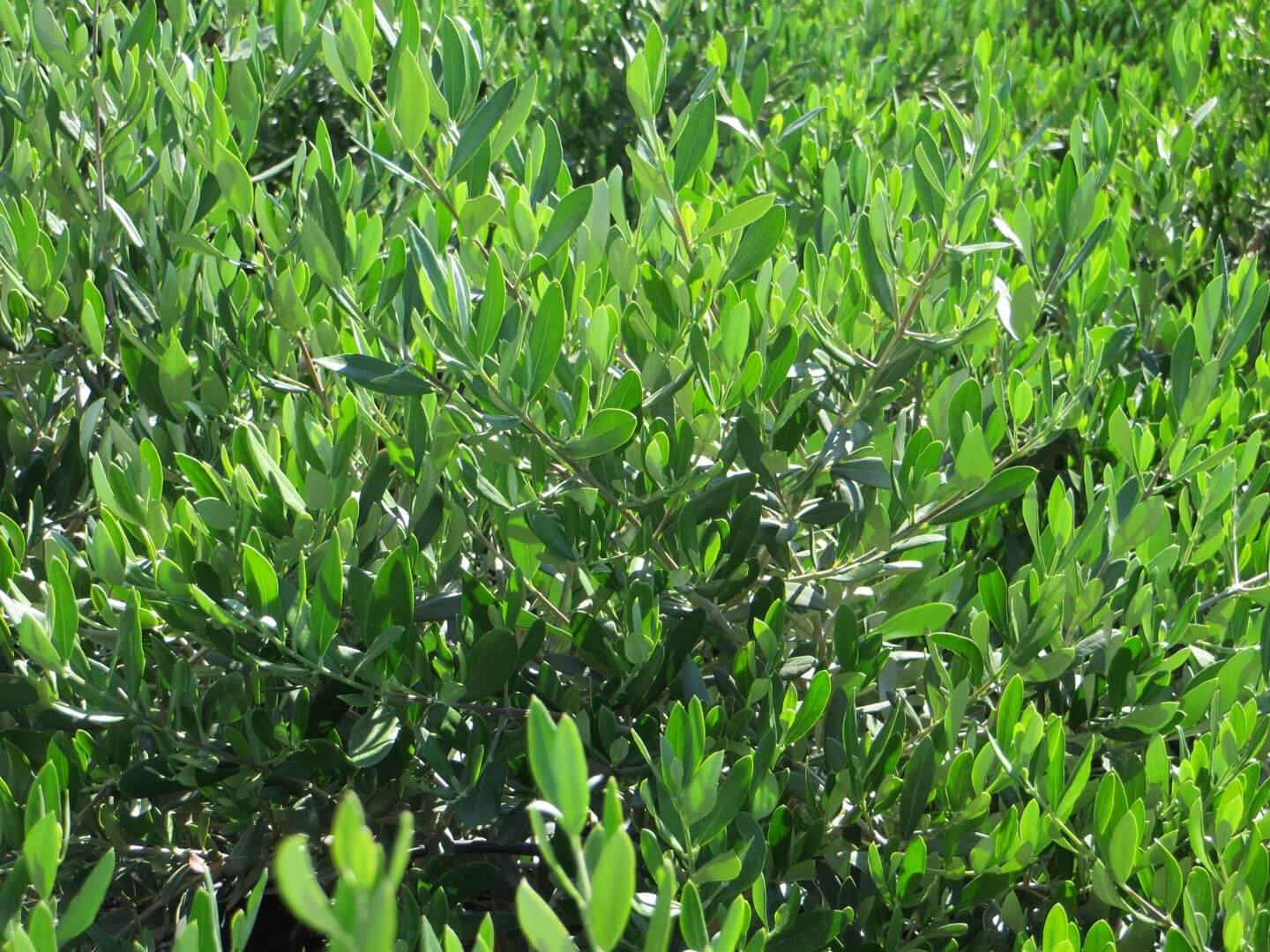
Unique Beauty – The leaves of the Engelmann Oak are oblong to ovate, bluish-green, and leathery to the touch, providing a distinctive appearance. Its rounded form, strong limbs, and open branching create year-round visual interest.
-
Long-Term Investment – Mature Engelmann oak trees typically grow between 25 to 60 feet tall and can form a rounded crown that spreads up to 90 feet wide. In favorable landscape settings, the Engelmann Oak (Quercus engelmannii) is a moderately fast-growing evergreen tree that can reach a mature height of 50 to 65 feet and a width of 80 to 120 feet.
-
Low Maintenance – Adapted to Southern California conditions, Engelmann oak stands handle lean soils, dry periods, and foothill exposure with minimal care after establishment.
The tree’s massive root systems aid in preventing soil erosion and facilitate water infiltration, contributing to local watershed health. The structural presence of Engelmann oak woodlands helps create microclimates that protect delicate understory plants from extreme temperatures.
What Makes It Different
Most California oaks offer beauty and habitat value, but not all are equally suited to inland Southern California foothills. Some oaks need more water, while coast live oaks are often better suited to different exposures and may not provide the same mesa-adapted character.
Engelmann Oak offers:
-
True California Native – Quercus engelmannii common names include Engelmann Oak, Pasadena Oak, and mesa oak. It is endemic to California and northern Baja California, generally found in a narrow band from Los Angeles and Pasadena through Riverside County, Orange County, San Diego County, and Baja California.
-
Rare Conservation Value – The Engelmann oak is classified as a vulnerable species, with significant populations primarily located in San Diego County, which holds 93% of existing oaks. Approximately 93% of existing Engelmann oaks are located in San Diego County, with the remaining populations found in Riverside County (5%) and Los Angeles/Orange counties (about 2%).
-
Distinctive Acorns – Engelmann oaks produce short, stubby acorns that mature over a single year and are produced on irregular masting cycles. These acorns help distinguish Engelmann from coast live oaks, which typically have more elongated acorns.
Due to increasing urbanization and climate shifts, organizations are focused on propagating Engelmann oaks as part of conservation efforts. The Western Riverside Conservation Authority is implementing the MSHCP, which aims to conserve approximately 19,070 acres of suitable habitat for the Engelmann oak and other species. For property owners, choosing other durable oak trees for sale can complement Engelmann oak plantings and further expand resilient native canopy across Southern California. Conservation efforts for the Engelmann oak include safeguarding two major populations in Riverside and San Diego counties, which are currently protected from regional growth.
How To Grow Quercus Engelmannii Successfully
-
Step 1 – Proper Site Selection
Choose a well-draining location in Southern California foothills, mesas, or compatible inland areas above the coastal plain. Southwestern exposure can work well when winter rainfall and soil depth are adequate, especially within the species’ natural elevation range of roughly 500–4,000 feet. -
Step 2 – Plant and Establish
Deep watering during the first year helps roots move downward, while mulch, weed control, and protection from browsing improve survival. As you plan your project, consider how Engelmann oaks will work alongside other structure-giving landscape trees to create shade, privacy, and long-term property value. Acorn collection should focus on fresh, uninfested items from locally appropriate Engelmann oak stands. -
Step 3 – Enjoy the Results
Over the years, your tree develops into a rounded, architectural landscape centerpiece. It supports pollination networks, provides food for birds and mammals, stabilizes soil, improves water infiltration, and contributes to the long-term health of native woodlands.
Tree Specifications
-
Scientific Name: Quercus engelmannii
-
Common Names: Engelmann Oak, Pasadena Oak, Mesa Oak
-
Plant Type: Evergreen to semi-evergreen native oak tree that you can source through our Engelmann oak online nursery page
-
Mature Size: Commonly listed at 20–50 feet tall and 30–60 feet wide in landscapes; mature Engelmann oak trees typically grow 25 to 60 feet tall and can form a rounded crown spreading up to 90 feet wide
-
Larger Landscape Potential: The Engelmann Oak (Quercus engelmannii) is a moderately fast-growing evergreen tree that can reach a mature height of 50 to 65 feet and a width of 80 to 120 feet under favorable conditions
-
Growing Zones: USDA Zones 8–10, where installing mature trees for instant shade and impact can quickly transform new or renovated landscapes
-
Native Range: Southern California foothills from Pasadena to Baja California, including San Diego County, Riverside County, Orange County, Los Angeles County, and northern Baja California
-
Habitat: Mesas, foothills, savannas, and woodlands above the dry coastal plain, often intermixed with coast live oak woodlands in parts of its range
-
Soil Requirements: Well-draining soil; tolerates clay to sandy soils when drainage is strong
-
Water Needs: Low to moderate; drought tolerant once established, making it a strong companion to flowering trees suited to California climates in water-wise designs
-
Sun Requirements: Full sun to partial shade, similar to other drought-tolerant evergreens like the California pepper tree used in warm landscapes
-
Rainfall Preference: Ideally at least 15 inches of annual rainfall
-
Leaves: Oblong to ovate, bluish-green, leathery, and thick in appearance
-
Bark: Light grayish-brown, furrowed, and scaly, becoming more gnarled and twisted as the tree ages
-
Acorns: Short, stubby acorns that mature over a single year and appear on irregular masting cycles
-
Lifespan: 50–80 years average, with some specimens reaching 130+ years
-
Conservation Status: Vulnerable species with a restricted distribution
-
Cultural Value: Engelmann oaks are culturally significant to Indigenous peoples in Southern California, who have utilized the trees for food and materials for thousands of years, much as other long-used landscape staples like the California pepper tree for sale in regional nurseries have become part of Southern California’s planted heritage
Who It’s For
Ideal for:
-
Property owners in San Diego County, Riverside County, Orange County, and Los Angeles County
-
Native plant enthusiasts seeking authentic California oaks for regional landscaping, whether through specialty growers or a full-service nursery offering privacy and evergreen trees
-
Wildlife gardeners who want to support birds, squirrels, pollinators, and native mammals
-
Water-conscious homeowners reducing irrigation needs in Southern California
-
Conservation-minded individuals helping protect a vulnerable species
-
Restoration projects focused on Engelmann oak woodlands, mesas, foothills, and watershed health that may partner with a local plant nursery supplying trees and landscape materials
If you want a low-water native tree with ecological value, distinctive blue-green leaves, and the ability to serve many generations, Engelmann Oak fits your landscape and conservation goals.
Frequently Asked Questions
How long until it produces acorns?
Engelmann oak trees typically begin acorn production at about 15–20 years of age, although production is irregular. Engelmann oaks produce short, stubby acorns that mature over a single year and are produced on irregular masting cycles, so some years may bring heavy crops while others produce few acorns.
Will it survive in my area?
It thrives in Southern California foothills between the coastal plain and mountains, especially in mesas and woodlands with well-draining soil. The Engelmann oak thrives in a Mediterranean climate with hot, dry summers and mild, wet winters, ideally requiring at least 15 inches of annual rainfall.
Is it really endangered?
The Engelmann oak is classified as a vulnerable species. Approximately 93% of existing Engelmann oaks are located in San Diego County, with the remaining populations found in Riverside County (5%) and Los Angeles/Orange counties (about 2%). Habitat loss, development, fragmentation, and climate shifts continue to pressure its distribution.
Ready to Plant Your Legacy?
Choose the Engelmann Oak and plant a rare native species that supports wildlife, strengthens local ecosystems, and brings enduring Southern California character to your landscape.
Southern California’s Premier Native Oak for Sustainable Landscaping
Engelmann Oak gives Southern California properties long-lived native shade, wildlife value, and low-water landscape structure without the upkeep demands of many non-native trees.
Designed for sustainable landscapes, restoration projects, and conservation-minded planting, Engelmann Oak helps you build a resilient native canopy that supports birds, squirrels, pollinators, and many generations of local biodiversity. The Engelmann oak (Quercus engelmannii) inhabits a narrow band of the southern California foothills, extending from Pasadena to Baja California, with natural populations also reaching northern Baja California.
Also referred to as mesa oak, Engelmann oaks are generally found in mesas and woodlands above the dry coastal plain. As a keystone species, the Engelmann oak plays a critical role in maintaining regional biodiversity and stabilizing local ecosystems.
Why You’ll Love It
-
Wildlife Magnet – Engelmann oaks provide vital habitat and food for a diverse range of native species, including pollinators, birds, and mammals. Their acorns support squirrels, deer, acorn woodpeckers, and other native wildlife.
-
Water-Wise Choice – This native tree thrives in a Mediterranean climate with hot, dry summers and mild, wet winters, ideally requiring at least 15 inches of annual rainfall. Once established, it needs low supplemental water compared with many landscape trees.
-
Unique Beauty – The leaves of the Engelmann Oak are oblong to ovate, bluish-green, and leathery to the touch, providing a distinctive appearance. Its rounded form, strong limbs, and open branching create year-round visual interest.
-
Long-Term Investment – Mature Engelmann oak trees typically grow between 25 to 60 feet tall and can form a rounded crown that spreads up to 90 feet wide. In favorable landscape settings, the Engelmann Oak (Quercus engelmannii) is a moderately fast-growing evergreen tree that can reach a mature height of 50 to 65 feet and a width of 80 to 120 feet.
-
Low Maintenance – Adapted to Southern California conditions, Engelmann oak stands handle lean soils, dry periods, and foothill exposure with minimal care after establishment.
The tree’s massive root systems aid in preventing soil erosion and facilitate water infiltration, contributing to local watershed health. The structural presence of Engelmann oak woodlands helps create microclimates that protect delicate understory plants from extreme temperatures.
What Makes It Different
Most California oaks offer beauty and habitat value, but not all are equally suited to inland Southern California foothills. Some oaks need more water, while coast live oaks are often better suited to different exposures and may not provide the same mesa-adapted character.
Engelmann Oak offers:
-
True California Native – Quercus engelmannii common names include Engelmann Oak, Pasadena Oak, and mesa oak. It is endemic to California and northern Baja California, generally found in a narrow band from Los Angeles and Pasadena through Riverside County, Orange County, San Diego County, and Baja California.
-
Rare Conservation Value – The Engelmann oak is classified as a vulnerable species, with significant populations primarily located in San Diego County, which holds 93% of existing oaks. Approximately 93% of existing Engelmann oaks are located in San Diego County, with the remaining populations found in Riverside County (5%) and Los Angeles/Orange counties (about 2%).
-
Distinctive Acorns – Engelmann oaks produce short, stubby acorns that mature over a single year and are produced on irregular masting cycles. These acorns help distinguish Engelmann from coast live oaks, which typically have more elongated acorns.
Due to increasing urbanization and climate shifts, organizations are focused on propagating Engelmann oaks as part of conservation efforts. The Western Riverside Conservation Authority is implementing the MSHCP, which aims to conserve approximately 19,070 acres of suitable habitat for the Engelmann oak and other species. For property owners, choosing other durable oak trees for sale can complement Engelmann oak plantings and further expand resilient native canopy across Southern California. Conservation efforts for the Engelmann oak include safeguarding two major populations in Riverside and San Diego counties, which are currently protected from regional growth.
How To Grow Quercus Engelmannii Successfully
-
Step 1 – Proper Site Selection
Choose a well-draining location in Southern California foothills, mesas, or compatible inland areas above the coastal plain. Southwestern exposure can work well when winter rainfall and soil depth are adequate, especially within the species’ natural elevation range of roughly 500–4,000 feet. -
Step 2 – Plant and Establish
Deep watering during the first year helps roots move downward, while mulch, weed control, and protection from browsing improve survival. As you plan your project, consider how Engelmann oaks will work alongside other structure-giving landscape trees to create shade, privacy, and long-term property value. Acorn collection should focus on fresh, uninfested items from locally appropriate Engelmann oak stands. -
Step 3 – Enjoy the Results
Over the years, your tree develops into a rounded, architectural landscape centerpiece. It supports pollination networks, provides food for birds and mammals, stabilizes soil, improves water infiltration, and contributes to the long-term health of native woodlands.
Tree Specifications
-
Scientific Name: Quercus engelmannii
-
Common Names: Engelmann Oak, Pasadena Oak, Mesa Oak
-
Plant Type: Evergreen to semi-evergreen native oak tree that you can source through our Engelmann oak online nursery page
-
Mature Size: Commonly listed at 20–50 feet tall and 30–60 feet wide in landscapes; mature Engelmann oak trees typically grow 25 to 60 feet tall and can form a rounded crown spreading up to 90 feet wide
-
Larger Landscape Potential: The Engelmann Oak (Quercus engelmannii) is a moderately fast-growing evergreen tree that can reach a mature height of 50 to 65 feet and a width of 80 to 120 feet under favorable conditions
-
Growing Zones: USDA Zones 8–10, where installing mature trees for instant shade and impact can quickly transform new or renovated landscapes
-
Native Range: Southern California foothills from Pasadena to Baja California, including San Diego County, Riverside County, Orange County, Los Angeles County, and northern Baja California
-
Habitat: Mesas, foothills, savannas, and woodlands above the dry coastal plain, often intermixed with coast live oak woodlands in parts of its range
-
Soil Requirements: Well-draining soil; tolerates clay to sandy soils when drainage is strong
-
Water Needs: Low to moderate; drought tolerant once established, making it a strong companion to flowering trees suited to California climates in water-wise designs
-
Sun Requirements: Full sun to partial shade, similar to other drought-tolerant evergreens like the California pepper tree used in warm landscapes
-
Rainfall Preference: Ideally at least 15 inches of annual rainfall
-
Leaves: Oblong to ovate, bluish-green, leathery, and thick in appearance
-
Bark: Light grayish-brown, furrowed, and scaly, becoming more gnarled and twisted as the tree ages
-
Acorns: Short, stubby acorns that mature over a single year and appear on irregular masting cycles
-
Lifespan: 50–80 years average, with some specimens reaching 130+ years
-
Conservation Status: Vulnerable species with a restricted distribution
-
Cultural Value: Engelmann oaks are culturally significant to Indigenous peoples in Southern California, who have utilized the trees for food and materials for thousands of years, much as other long-used landscape staples like the California pepper tree for sale in regional nurseries have become part of Southern California’s planted heritage
Who It’s For
Ideal for:
-
Property owners in San Diego County, Riverside County, Orange County, and Los Angeles County
-
Native plant enthusiasts seeking authentic California oaks for regional landscaping, whether through specialty growers or a full-service nursery offering privacy and evergreen trees
-
Wildlife gardeners who want to support birds, squirrels, pollinators, and native mammals
-
Water-conscious homeowners reducing irrigation needs in Southern California
-
Conservation-minded individuals helping protect a vulnerable species
-
Restoration projects focused on Engelmann oak woodlands, mesas, foothills, and watershed health that may partner with a local plant nursery supplying trees and landscape materials
If you want a low-water native tree with ecological value, distinctive blue-green leaves, and the ability to serve many generations, Engelmann Oak fits your landscape and conservation goals.
Frequently Asked Questions
How long until it produces acorns?
Engelmann oak trees typically begin acorn production at about 15–20 years of age, although production is irregular. Engelmann oaks produce short, stubby acorns that mature over a single year and are produced on irregular masting cycles, so some years may bring heavy crops while others produce few acorns.
Will it survive in my area?
It thrives in Southern California foothills between the coastal plain and mountains, especially in mesas and woodlands with well-draining soil. The Engelmann oak thrives in a Mediterranean climate with hot, dry summers and mild, wet winters, ideally requiring at least 15 inches of annual rainfall.
Is it really endangered?
The Engelmann oak is classified as a vulnerable species. Approximately 93% of existing Engelmann oaks are located in San Diego County, with the remaining populations found in Riverside County (5%) and Los Angeles/Orange counties (about 2%). Habitat loss, development, fragmentation, and climate shifts continue to pressure its distribution.
Ready to Plant Your Legacy?
Choose the Engelmann Oak and plant a rare native species that supports wildlife, strengthens local ecosystems, and brings enduring Southern California character to your landscape.
Plants vary greatly by type and no guarantees are made on sizing.
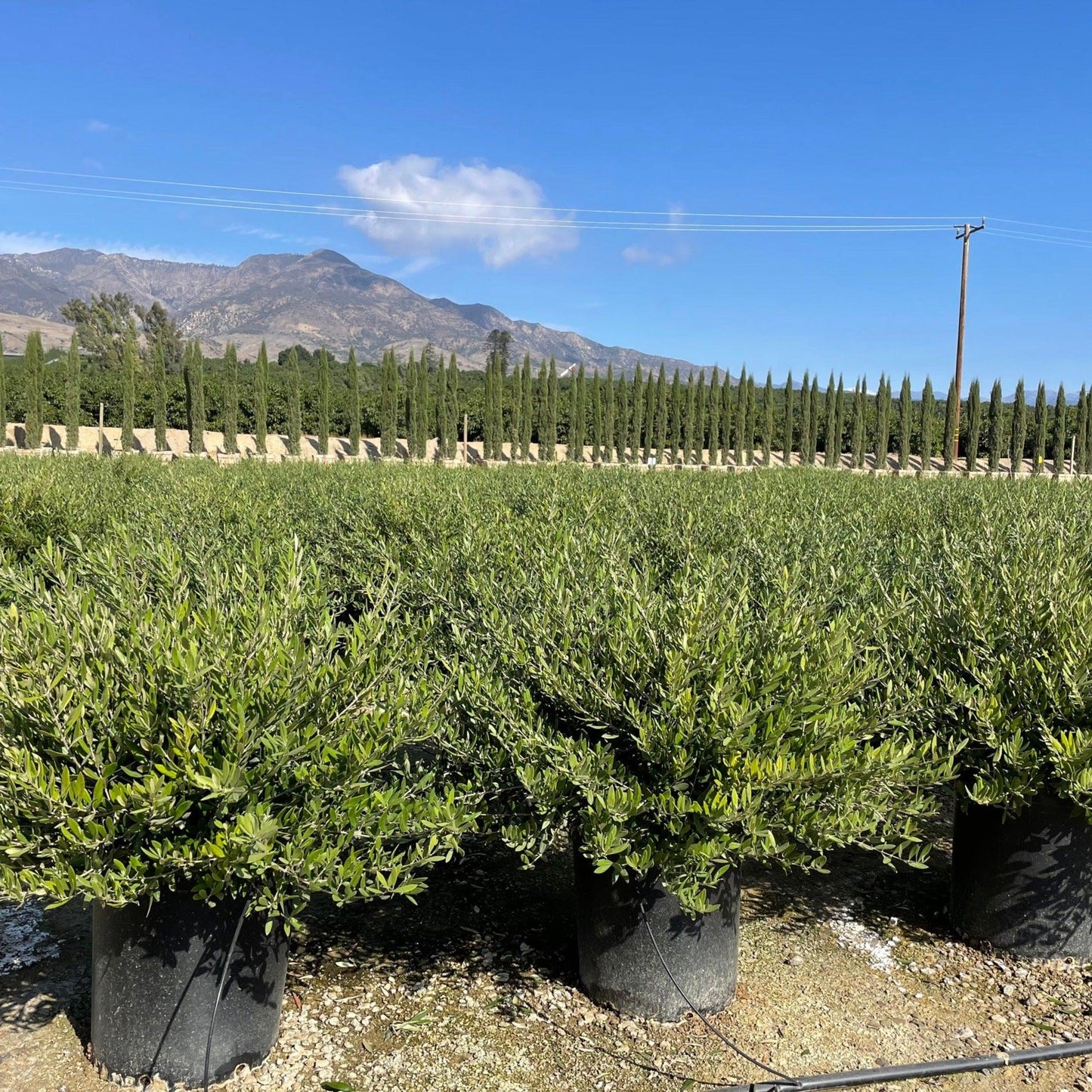
However here is a rough idea of sizes based on containers that are direct from our growing grounds.
15 Gallon Shrub 3-4 Ft. Tall
15 Gallon Tree 5-6 Ft. Tall
24" Box Shrub 5-6 Ft. Tall
24" Box Tree 6-7 Ft. Tall
36" Box Tree 8-10 Ft. Tall
48" Box Tree 10-12 Ft. Tall
Please note: Citrus and California Native plants such as Manzanita are smaller than traditional sizing.
Please contact us to confirm sizing of items before purchasing if this is a concern.
Plants vary greatly by type and no guarantees are made on sizing.
However here is a rough idea of sizes based on containers that are direct from our growing grounds.
15 Gallon Shrub 3-4 Ft. Tall
15 Gallon Tree 5-6 Ft. Tall
24" Box Shrub 5-6 Ft. Tall
24" Box Tree 6-7 Ft. Tall
36" Box Tree 8-10 Ft. Tall
48" Box Tree 10-12 Ft. Tall
Please note: Citrus and California Native plants such as Manzanita are smaller than traditional sizing.
Please contact us to confirm sizing of items before purchasing if this is a concern.
Delivery does not include unloading of trees and plants larger than a 24" box.
Trees and plants in smaller containers will be dropped curbside.
Delivery beyond a curbside drop will be charged extra.
Trees and plants that are sold in container sizes larger than a 24" box size will require equipment and an operator onsite to help unload from the truck.
Please reach out to our team PRIOR to placing your order to coordinate.
Our team can provide unloading assistance with equipment for an extra fee.
Delivery does not include unloading of trees and plants larger than a 24" box.
Trees and plants in smaller containers will be dropped curbside.
Delivery beyond a curbside drop will be charged extra.
Trees and plants that are sold in container sizes larger than a 24" box size will require equipment and an operator onsite to help unload from the truck.
Please reach out to our team PRIOR to placing your order to coordinate.
Our team can provide unloading assistance with equipment for an extra fee.
You may also like...


Engelmann Oak - Quercus engelmannii
Regular price
$1,150.00
Size
Southern California’s Premier Native Oak for Sustainable Landscaping
Engelmann Oak gives Southern California properties long-lived native shade, wildlife value, and low-water landscape structure without the upkeep demands of many non-native trees.
Designed for sustainable landscapes, restoration projects, and conservation-minded planting, Engelmann Oak helps you build a resilient native canopy that supports birds, squirrels, pollinators, and many generations of local biodiversity. The Engelmann oak (Quercus engelmannii) inhabits a narrow band of the southern California foothills, extending from Pasadena to Baja California, with natural populations also reaching northern Baja California.
Also referred to as mesa oak, Engelmann oaks are generally found in mesas and woodlands above the dry coastal plain. As a keystone species, the Engelmann oak plays a critical role in maintaining regional biodiversity and stabilizing local ecosystems.
Why You’ll Love It
-
Wildlife Magnet – Engelmann oaks provide vital habitat and food for a diverse range of native species, including pollinators, birds, and mammals. Their acorns support squirrels, deer, acorn woodpeckers, and other native wildlife.
-
Water-Wise Choice – This native tree thrives in a Mediterranean climate with hot, dry summers and mild, wet winters, ideally requiring at least 15 inches of annual rainfall. Once established, it needs low supplemental water compared with many landscape trees.
-
Unique Beauty – The leaves of the Engelmann Oak are oblong to ovate, bluish-green, and leathery to the touch, providing a distinctive appearance. Its rounded form, strong limbs, and open branching create year-round visual interest.
-
Long-Term Investment – Mature Engelmann oak trees typically grow between 25 to 60 feet tall and can form a rounded crown that spreads up to 90 feet wide. In favorable landscape settings, the Engelmann Oak (Quercus engelmannii) is a moderately fast-growing evergreen tree that can reach a mature height of 50 to 65 feet and a width of 80 to 120 feet.
-
Low Maintenance – Adapted to Southern California conditions, Engelmann oak stands handle lean soils, dry periods, and foothill exposure with minimal care after establishment.
The tree’s massive root systems aid in preventing soil erosion and facilitate water infiltration, contributing to local watershed health. The structural presence of Engelmann oak woodlands helps create microclimates that protect delicate understory plants from extreme temperatures.
What Makes It Different
Most California oaks offer beauty and habitat value, but not all are equally suited to inland Southern California foothills. Some oaks need more water, while coast live oaks are often better suited to different exposures and may not provide the same mesa-adapted character.
Engelmann Oak offers:
-
True California Native – Quercus engelmannii common names include Engelmann Oak, Pasadena Oak, and mesa oak. It is endemic to California and northern Baja California, generally found in a narrow band from Los Angeles and Pasadena through Riverside County, Orange County, San Diego County, and Baja California.
-
Rare Conservation Value – The Engelmann oak is classified as a vulnerable species, with significant populations primarily located in San Diego County, which holds 93% of existing oaks. Approximately 93% of existing Engelmann oaks are located in San Diego County, with the remaining populations found in Riverside County (5%) and Los Angeles/Orange counties (about 2%).
-
Distinctive Acorns – Engelmann oaks produce short, stubby acorns that mature over a single year and are produced on irregular masting cycles. These acorns help distinguish Engelmann from coast live oaks, which typically have more elongated acorns.
Due to increasing urbanization and climate shifts, organizations are focused on propagating Engelmann oaks as part of conservation efforts. The Western Riverside Conservation Authority is implementing the MSHCP, which aims to conserve approximately 19,070 acres of suitable habitat for the Engelmann oak and other species. For property owners, choosing other durable oak trees for sale can complement Engelmann oak plantings and further expand resilient native canopy across Southern California. Conservation efforts for the Engelmann oak include safeguarding two major populations in Riverside and San Diego counties, which are currently protected from regional growth.
How To Grow Quercus Engelmannii Successfully
-
Step 1 – Proper Site Selection
Choose a well-draining location in Southern California foothills, mesas, or compatible inland areas above the coastal plain. Southwestern exposure can work well when winter rainfall and soil depth are adequate, especially within the species’ natural elevation range of roughly 500–4,000 feet. -
Step 2 – Plant and Establish
Deep watering during the first year helps roots move downward, while mulch, weed control, and protection from browsing improve survival. As you plan your project, consider how Engelmann oaks will work alongside other structure-giving landscape trees to create shade, privacy, and long-term property value. Acorn collection should focus on fresh, uninfested items from locally appropriate Engelmann oak stands. -
Step 3 – Enjoy the Results
Over the years, your tree develops into a rounded, architectural landscape centerpiece. It supports pollination networks, provides food for birds and mammals, stabilizes soil, improves water infiltration, and contributes to the long-term health of native woodlands.
Tree Specifications
-
Scientific Name: Quercus engelmannii
-
Common Names: Engelmann Oak, Pasadena Oak, Mesa Oak
-
Plant Type: Evergreen to semi-evergreen native oak tree that you can source through our Engelmann oak online nursery page
-
Mature Size: Commonly listed at 20–50 feet tall and 30–60 feet wide in landscapes; mature Engelmann oak trees typically grow 25 to 60 feet tall and can form a rounded crown spreading up to 90 feet wide
-
Larger Landscape Potential: The Engelmann Oak (Quercus engelmannii) is a moderately fast-growing evergreen tree that can reach a mature height of 50 to 65 feet and a width of 80 to 120 feet under favorable conditions
-
Growing Zones: USDA Zones 8–10, where installing mature trees for instant shade and impact can quickly transform new or renovated landscapes
-
Native Range: Southern California foothills from Pasadena to Baja California, including San Diego County, Riverside County, Orange County, Los Angeles County, and northern Baja California
-
Habitat: Mesas, foothills, savannas, and woodlands above the dry coastal plain, often intermixed with coast live oak woodlands in parts of its range
-
Soil Requirements: Well-draining soil; tolerates clay to sandy soils when drainage is strong
-
Water Needs: Low to moderate; drought tolerant once established, making it a strong companion to flowering trees suited to California climates in water-wise designs
-
Sun Requirements: Full sun to partial shade, similar to other drought-tolerant evergreens like the California pepper tree used in warm landscapes
-
Rainfall Preference: Ideally at least 15 inches of annual rainfall
-
Leaves: Oblong to ovate, bluish-green, leathery, and thick in appearance
-
Bark: Light grayish-brown, furrowed, and scaly, becoming more gnarled and twisted as the tree ages
-
Acorns: Short, stubby acorns that mature over a single year and appear on irregular masting cycles
-
Lifespan: 50–80 years average, with some specimens reaching 130+ years
-
Conservation Status: Vulnerable species with a restricted distribution
-
Cultural Value: Engelmann oaks are culturally significant to Indigenous peoples in Southern California, who have utilized the trees for food and materials for thousands of years, much as other long-used landscape staples like the California pepper tree for sale in regional nurseries have become part of Southern California’s planted heritage
Who It’s For
Ideal for:
-
Property owners in San Diego County, Riverside County, Orange County, and Los Angeles County
-
Native plant enthusiasts seeking authentic California oaks for regional landscaping, whether through specialty growers or a full-service nursery offering privacy and evergreen trees
-
Wildlife gardeners who want to support birds, squirrels, pollinators, and native mammals
-
Water-conscious homeowners reducing irrigation needs in Southern California
-
Conservation-minded individuals helping protect a vulnerable species
-
Restoration projects focused on Engelmann oak woodlands, mesas, foothills, and watershed health that may partner with a local plant nursery supplying trees and landscape materials
If you want a low-water native tree with ecological value, distinctive blue-green leaves, and the ability to serve many generations, Engelmann Oak fits your landscape and conservation goals.
Frequently Asked Questions
How long until it produces acorns?
Engelmann oak trees typically begin acorn production at about 15–20 years of age, although production is irregular. Engelmann oaks produce short, stubby acorns that mature over a single year and are produced on irregular masting cycles, so some years may bring heavy crops while others produce few acorns.
Will it survive in my area?
It thrives in Southern California foothills between the coastal plain and mountains, especially in mesas and woodlands with well-draining soil. The Engelmann oak thrives in a Mediterranean climate with hot, dry summers and mild, wet winters, ideally requiring at least 15 inches of annual rainfall.
Is it really endangered?
The Engelmann oak is classified as a vulnerable species. Approximately 93% of existing Engelmann oaks are located in San Diego County, with the remaining populations found in Riverside County (5%) and Los Angeles/Orange counties (about 2%). Habitat loss, development, fragmentation, and climate shifts continue to pressure its distribution.
Ready to Plant Your Legacy?
Choose the Engelmann Oak and plant a rare native species that supports wildlife, strengthens local ecosystems, and brings enduring Southern California character to your landscape.
Southern California’s Premier Native Oak for Sustainable Landscaping
Engelmann Oak gives Southern California properties long-lived native shade, wildlife value, and low-water landscape structure without the upkeep demands of many non-native trees.
Designed for sustainable landscapes, restoration projects, and conservation-minded planting, Engelmann Oak helps you build a resilient native canopy that supports birds, squirrels, pollinators, and many generations of local biodiversity. The Engelmann oak (Quercus engelmannii) inhabits a narrow band of the southern California foothills, extending from Pasadena to Baja California, with natural populations also reaching northern Baja California.
Also referred to as mesa oak, Engelmann oaks are generally found in mesas and woodlands above the dry coastal plain. As a keystone species, the Engelmann oak plays a critical role in maintaining regional biodiversity and stabilizing local ecosystems.
Why You’ll Love It
-
Wildlife Magnet – Engelmann oaks provide vital habitat and food for a diverse range of native species, including pollinators, birds, and mammals. Their acorns support squirrels, deer, acorn woodpeckers, and other native wildlife.
-
Water-Wise Choice – This native tree thrives in a Mediterranean climate with hot, dry summers and mild, wet winters, ideally requiring at least 15 inches of annual rainfall. Once established, it needs low supplemental water compared with many landscape trees.
-
Unique Beauty – The leaves of the Engelmann Oak are oblong to ovate, bluish-green, and leathery to the touch, providing a distinctive appearance. Its rounded form, strong limbs, and open branching create year-round visual interest.
-
Long-Term Investment – Mature Engelmann oak trees typically grow between 25 to 60 feet tall and can form a rounded crown that spreads up to 90 feet wide. In favorable landscape settings, the Engelmann Oak (Quercus engelmannii) is a moderately fast-growing evergreen tree that can reach a mature height of 50 to 65 feet and a width of 80 to 120 feet.
-
Low Maintenance – Adapted to Southern California conditions, Engelmann oak stands handle lean soils, dry periods, and foothill exposure with minimal care after establishment.
The tree’s massive root systems aid in preventing soil erosion and facilitate water infiltration, contributing to local watershed health. The structural presence of Engelmann oak woodlands helps create microclimates that protect delicate understory plants from extreme temperatures.
What Makes It Different
Most California oaks offer beauty and habitat value, but not all are equally suited to inland Southern California foothills. Some oaks need more water, while coast live oaks are often better suited to different exposures and may not provide the same mesa-adapted character.
Engelmann Oak offers:
-
True California Native – Quercus engelmannii common names include Engelmann Oak, Pasadena Oak, and mesa oak. It is endemic to California and northern Baja California, generally found in a narrow band from Los Angeles and Pasadena through Riverside County, Orange County, San Diego County, and Baja California.
-
Rare Conservation Value – The Engelmann oak is classified as a vulnerable species, with significant populations primarily located in San Diego County, which holds 93% of existing oaks. Approximately 93% of existing Engelmann oaks are located in San Diego County, with the remaining populations found in Riverside County (5%) and Los Angeles/Orange counties (about 2%).
-
Distinctive Acorns – Engelmann oaks produce short, stubby acorns that mature over a single year and are produced on irregular masting cycles. These acorns help distinguish Engelmann from coast live oaks, which typically have more elongated acorns.
Due to increasing urbanization and climate shifts, organizations are focused on propagating Engelmann oaks as part of conservation efforts. The Western Riverside Conservation Authority is implementing the MSHCP, which aims to conserve approximately 19,070 acres of suitable habitat for the Engelmann oak and other species. For property owners, choosing other durable oak trees for sale can complement Engelmann oak plantings and further expand resilient native canopy across Southern California. Conservation efforts for the Engelmann oak include safeguarding two major populations in Riverside and San Diego counties, which are currently protected from regional growth.
How To Grow Quercus Engelmannii Successfully
-
Step 1 – Proper Site Selection
Choose a well-draining location in Southern California foothills, mesas, or compatible inland areas above the coastal plain. Southwestern exposure can work well when winter rainfall and soil depth are adequate, especially within the species’ natural elevation range of roughly 500–4,000 feet. -
Step 2 – Plant and Establish
Deep watering during the first year helps roots move downward, while mulch, weed control, and protection from browsing improve survival. As you plan your project, consider how Engelmann oaks will work alongside other structure-giving landscape trees to create shade, privacy, and long-term property value. Acorn collection should focus on fresh, uninfested items from locally appropriate Engelmann oak stands. -
Step 3 – Enjoy the Results
Over the years, your tree develops into a rounded, architectural landscape centerpiece. It supports pollination networks, provides food for birds and mammals, stabilizes soil, improves water infiltration, and contributes to the long-term health of native woodlands.
Tree Specifications
-
Scientific Name: Quercus engelmannii
-
Common Names: Engelmann Oak, Pasadena Oak, Mesa Oak
-
Plant Type: Evergreen to semi-evergreen native oak tree that you can source through our Engelmann oak online nursery page
-
Mature Size: Commonly listed at 20–50 feet tall and 30–60 feet wide in landscapes; mature Engelmann oak trees typically grow 25 to 60 feet tall and can form a rounded crown spreading up to 90 feet wide
-
Larger Landscape Potential: The Engelmann Oak (Quercus engelmannii) is a moderately fast-growing evergreen tree that can reach a mature height of 50 to 65 feet and a width of 80 to 120 feet under favorable conditions
-
Growing Zones: USDA Zones 8–10, where installing mature trees for instant shade and impact can quickly transform new or renovated landscapes
-
Native Range: Southern California foothills from Pasadena to Baja California, including San Diego County, Riverside County, Orange County, Los Angeles County, and northern Baja California
-
Habitat: Mesas, foothills, savannas, and woodlands above the dry coastal plain, often intermixed with coast live oak woodlands in parts of its range
-
Soil Requirements: Well-draining soil; tolerates clay to sandy soils when drainage is strong
-
Water Needs: Low to moderate; drought tolerant once established, making it a strong companion to flowering trees suited to California climates in water-wise designs
-
Sun Requirements: Full sun to partial shade, similar to other drought-tolerant evergreens like the California pepper tree used in warm landscapes
-
Rainfall Preference: Ideally at least 15 inches of annual rainfall
-
Leaves: Oblong to ovate, bluish-green, leathery, and thick in appearance
-
Bark: Light grayish-brown, furrowed, and scaly, becoming more gnarled and twisted as the tree ages
-
Acorns: Short, stubby acorns that mature over a single year and appear on irregular masting cycles
-
Lifespan: 50–80 years average, with some specimens reaching 130+ years
-
Conservation Status: Vulnerable species with a restricted distribution
-
Cultural Value: Engelmann oaks are culturally significant to Indigenous peoples in Southern California, who have utilized the trees for food and materials for thousands of years, much as other long-used landscape staples like the California pepper tree for sale in regional nurseries have become part of Southern California’s planted heritage
Who It’s For
Ideal for:
-
Property owners in San Diego County, Riverside County, Orange County, and Los Angeles County
-
Native plant enthusiasts seeking authentic California oaks for regional landscaping, whether through specialty growers or a full-service nursery offering privacy and evergreen trees
-
Wildlife gardeners who want to support birds, squirrels, pollinators, and native mammals
-
Water-conscious homeowners reducing irrigation needs in Southern California
-
Conservation-minded individuals helping protect a vulnerable species
-
Restoration projects focused on Engelmann oak woodlands, mesas, foothills, and watershed health that may partner with a local plant nursery supplying trees and landscape materials
If you want a low-water native tree with ecological value, distinctive blue-green leaves, and the ability to serve many generations, Engelmann Oak fits your landscape and conservation goals.
Frequently Asked Questions
How long until it produces acorns?
Engelmann oak trees typically begin acorn production at about 15–20 years of age, although production is irregular. Engelmann oaks produce short, stubby acorns that mature over a single year and are produced on irregular masting cycles, so some years may bring heavy crops while others produce few acorns.
Will it survive in my area?
It thrives in Southern California foothills between the coastal plain and mountains, especially in mesas and woodlands with well-draining soil. The Engelmann oak thrives in a Mediterranean climate with hot, dry summers and mild, wet winters, ideally requiring at least 15 inches of annual rainfall.
Is it really endangered?
The Engelmann oak is classified as a vulnerable species. Approximately 93% of existing Engelmann oaks are located in San Diego County, with the remaining populations found in Riverside County (5%) and Los Angeles/Orange counties (about 2%). Habitat loss, development, fragmentation, and climate shifts continue to pressure its distribution.
Ready to Plant Your Legacy?
Choose the Engelmann Oak and plant a rare native species that supports wildlife, strengthens local ecosystems, and brings enduring Southern California character to your landscape.
Plants vary greatly by type and no guarantees are made on sizing.
However here is a rough idea of sizes based on containers that are direct from our growing grounds.
15 Gallon Shrub 3-4 Ft. Tall
15 Gallon Tree 5-6 Ft. Tall
24" Box Shrub 5-6 Ft. Tall
24" Box Tree 6-7 Ft. Tall
36" Box Tree 8-10 Ft. Tall
48" Box Tree 10-12 Ft. Tall
Please note: Citrus and California Native plants such as Manzanita are smaller than traditional sizing.
Please contact us to confirm sizing of items before purchasing if this is a concern.
Plants vary greatly by type and no guarantees are made on sizing.
However here is a rough idea of sizes based on containers that are direct from our growing grounds.
15 Gallon Shrub 3-4 Ft. Tall
15 Gallon Tree 5-6 Ft. Tall
24" Box Shrub 5-6 Ft. Tall
24" Box Tree 6-7 Ft. Tall
36" Box Tree 8-10 Ft. Tall
48" Box Tree 10-12 Ft. Tall
Please note: Citrus and California Native plants such as Manzanita are smaller than traditional sizing.
Please contact us to confirm sizing of items before purchasing if this is a concern.
Delivery does not include unloading of trees and plants larger than a 24" box.
Trees and plants in smaller containers will be dropped curbside.
Delivery beyond a curbside drop will be charged extra.
Trees and plants that are sold in container sizes larger than a 24" box size will require equipment and an operator onsite to help unload from the truck.
Please reach out to our team PRIOR to placing your order to coordinate.
Our team can provide unloading assistance with equipment for an extra fee.
Delivery does not include unloading of trees and plants larger than a 24" box.
Trees and plants in smaller containers will be dropped curbside.
Delivery beyond a curbside drop will be charged extra.
Trees and plants that are sold in container sizes larger than a 24" box size will require equipment and an operator onsite to help unload from the truck.
Please reach out to our team PRIOR to placing your order to coordinate.
Our team can provide unloading assistance with equipment for an extra fee.
Recommended For You















Pairs Well With













You May Also Like












Thousands of Healthy Plants Delivered

Yardwork was so great to work with. First they had the Swan Hill olive trees that we had been searching for, we had contacted several other nurseries without any luck previously. Then they answered all of our questions in a timely matter prior to ordering and finally delivered within a few days of placing it. Their staff is incredibly knowledgeable; they delivered and planted our trees with expertise to ensure that they would do well in our yard. We would definitely work with them again for future projects.











A Modern Experience
At Yardwork, we carefully curate thousands of plants, in all container sizes, to provide you with the best selection of the highest quality trees and plants at the best price, with the convenience of an online platform.
Uncompromised Quality
We choose only the finest specimens and hand select our plants just before delivery to ensure you receive the freshest and most robust specimens available for your landscape.
Industry Leading Warranties
Our 30, 90, and 365 extended warranties provide some of the best coverage to ensure our trees and plants thrive in your landscape.
Frequently Asked Questions
We're committed to changing everything about trees and plants - how they’re grown, how you shop for them, and how much they cost. We handle orders ourselves. No middlemen to get between us (or our prices) and you.
We're committed to changing everything about trees and plants - how they’re grown, how you shop for them, and how much they cost. We handle orders ourselves. No middlemen to get between us (or our prices) and you.
Delivery does not include unloading of trees and plants LARGER than a 24" box.
Trees and plants in smaller containers will be dropped curbside (usually on the driveway or near the front doorstep).
Delivery beyond a curbside drop will be charged extra.
Trees and plants that are sold in container sizes LARGER than a 24" box size will require equipment and/or enough manpower onsite to help unload from the truck.
Please reach out to our team PRIOR to placing your order to help coordinate.
Our team can provide unloading assistance with equipment for an extra fee as well.
Delivery does not include unloading of trees and plants LARGER than a 24" box.
Trees and plants in smaller containers will be dropped curbside (usually on the driveway or near the front doorstep).
Delivery beyond a curbside drop will be charged extra.
Trees and plants that are sold in container sizes LARGER than a 24" box size will require equipment and/or enough manpower onsite to help unload from the truck.
Please reach out to our team PRIOR to placing your order to help coordinate.
Our team can provide unloading assistance with equipment for an extra fee as well.
We ship locally within California within 7-10 days of your order being placed.
We ship nationally using carrier partners, based on order size.
Text or call 323-576-4159 for specific shipping details for your location.
We ship locally within California within 7-10 days of your order being placed.
We ship nationally using carrier partners, based on order size.
Text or call 323-576-4159 for specific shipping details for your location.
We are currently online only and don't have physical locations where you can view plants in person.
That's why we have photos direct from the growing grounds of the plants we will ship and we display pricing right in our store.
We do make sure to pick the very best trees and plants prior to shipping and make sure that they have gone through our multi-point inspection for health and structure.
We will always reach out prior to delivery if we find a quality issue or need to provide a substitute.
We are currently online only and don't have physical locations where you can view plants in person.
That's why we have photos direct from the growing grounds of the plants we will ship and we display pricing right in our store.
We do make sure to pick the very best trees and plants prior to shipping and make sure that they have gone through our multi-point inspection for health and structure.
We will always reach out prior to delivery if we find a quality issue or need to provide a substitute.
Plants vary greatly by type. Here is a rough idea of sizes based on containers that are direct from our growing grounds.
15 Gallon Shrub 3-4 Ft. Tall
15 Gallon Tree 5-6 Ft. Tall
24" Box Shrub 5-6 Ft. Tall
24" Box Tree 6-7 Ft. Tall
36" Box Shrub/Tree 7-9 Ft. Tall
48" Box Shrub/Tree 8-10 Ft. Tall
**Please note that we do not make guarantees of sizes. If you have questions or concerns, please call or text to request accurate sizing for the particular plant you're considering, prior to ordering.
Plants vary greatly by type. Here is a rough idea of sizes based on containers that are direct from our growing grounds.
15 Gallon Shrub 3-4 Ft. Tall
15 Gallon Tree 5-6 Ft. Tall
24" Box Shrub 5-6 Ft. Tall
24" Box Tree 6-7 Ft. Tall
36" Box Shrub/Tree 7-9 Ft. Tall
48" Box Shrub/Tree 8-10 Ft. Tall
**Please note that we do not make guarantees of sizes. If you have questions or concerns, please call or text to request accurate sizing for the particular plant you're considering, prior to ordering.
We offer a limited 30 day warranty for plants that are delivered and a 90 day warranty for plants that we plant.
The limited warranty covers plants that die as a result of disease or fungus which was derived from our growing grounds or from root balls that were root bound.
The warranty does not cover damage due to watering, fertilizer, soils, or any other conditions beyond our control. Additionally, the warranty does not cover certain plants that are shipped out of the state of California or shipped into California from other states. Custom plant orders are also not covered under warranty. Plants must be planted within 24 hours after delivery to qualify.
We can assist you in recommending the right soils and fertilizers to help your plant thrive after you plant it.
Text or call 323-576-4159 for further warranty information.
We offer a limited 30 day warranty for plants that are delivered and a 90 day warranty for plants that we plant.
The limited warranty covers plants that die as a result of disease or fungus which was derived from our growing grounds or from root balls that were root bound.
The warranty does not cover damage due to watering, fertilizer, soils, or any other conditions beyond our control. Additionally, the warranty does not cover certain plants that are shipped out of the state of California or shipped into California from other states. Custom plant orders are also not covered under warranty. Plants must be planted within 24 hours after delivery to qualify.
We can assist you in recommending the right soils and fertilizers to help your plant thrive after you plant it.
Text or call 323-576-4159 for further warranty information.
Our local delivery team covers most cities in California.
There are some exceptions, so please get in touch to confirm prior to ordering.
Additionally, we ship throughout the entire United States and even internationally. Each shipment is custom, so please reach out to our team to coordinate.
Our local delivery team covers most cities in California.
There are some exceptions, so please get in touch to confirm prior to ordering.
Additionally, we ship throughout the entire United States and even internationally. Each shipment is custom, so please reach out to our team to coordinate.