



Eastern Redbud - Cercis canadensis (Pink)
Regular price
$1,150.00
Title
Transform your landscape with stunning spring blooms that appear before the leaves
The Eastern Redbud delivers dramatic early spring color when most trees are still bare, covering its branches with pink flowers before the first heart shaped leaves unfold.
The Eastern Redbud (Cercis canadensis) produces showy flowers that are magenta in bud and open to lavender-pink, appearing in clusters that nearly cover the bare branches before the leaves emerge in early spring. Bloom time typically lasts two to three weeks in early to mid-spring, often before flowering dogwood such as Cherokee Brave, giving your landscape a strong seasonal focal point right when winter starts to fade.
Why You’ll Love It
-
Heart-shaped leaves and purple-pink flowers – Creates beautiful seasonal interest with redbud flowers in various shades, including white, pink, magenta, lavender, or purple depending on the specific variety or cultivar.
-
Perfect size for smaller spaces – The Eastern Redbud typically matures to a height of 20 to 30 feet and a spread of 25 to 35 feet, making it an ideal small tree for residential landscapes.
-
Native to North America – The eastern redbud (Cercis canadensis) is a small, deciduous understory tree native to eastern North America, including the eastern United States, and it supports early-season pollinators.
-
Fast establishment – The growth rate of Eastern Redbuds is moderate, averaging about 7 to 10 feet in height over five to six years with proper care.
-
Four-season appeal – Spring flowers, bright green to dark green foliage, golden yellow fall color, dark reddish brown bark texture, and seed pods create interest beyond the bloom season.
Redbuds generally grow as small trees with a divided trunk close to the ground and a rounded to flat-topped crown. That natural form makes an eastern redbud tree especially useful as a focal point or accent tree to create a dramatic early-spring impact without overwhelming the yard, especially when you compare it with other flowering trees for California landscapes.
What Makes It Different
Most flowering trees wait until later in spring to make their entrance. Eastern Redbud blooms earlier, often while the rest of the landscape is still waking up, and its pea like flowers appear directly on older wood for a striking branch-to-trunk display, offering a different season of interest than summer-blooming options like the Red Crape Myrtle tree.
Eastern Redbud offers:
-
Blooms on bare branches – The spring flowers emerge directly from the trunk and branches before green leaves appear, creating a vivid rose purple, lavender pink flowers, rosy pink flowers, or hot pink effect depending on flower color and cultivar.
-
USDA zones 4-9 adaptability – The eastern redbud thrives in USDA hardiness zones 4 through 9 and adapts to a wide range of climates, including many California USDA zones 7-9 sites with the right placement.
-
Understory tolerance – As an understory tree, redbud performs well in partial shade or part shade, unlike many ornamental tree options that demand full sun all day.
The straight species is prized for classic pink flowers and dependable green foliage, while cultivars add more options. The Eastern Redbud (Cercis canadensis) has several popular cultivars, including ‘Forest Pansy’, ‘Merlot’, ‘Golden Falls’, and ‘Rising Sun’, each with unique foliage and flower characteristics. Cultivars of Eastern Redbud can exhibit white flowers, pink, magenta, and lavender blooms, with foliage colors such as burgundy, chartreuse, yellow green, dark purple, purple foliage, variegated foliage, and bright green.
How To Grow Eastern Redbud Successfully
-
Choose your planting location
Select a spot with morning sun, partial sun, or filtered afternoon shade in hotter California areas. Eastern Redbuds prefer moist, well-drained soil with average fertility and a pH level between 6.5 and 8.0, though eastern redbuds are highly adaptable to varying soil pH levels and can tolerate both acidic and alkaline soils. -
Plant at proper depth
When planting, dig a hole 2 to 3 times as wide as the root ball and the same depth or slightly shallower, ensuring the base of the trunk is level to slightly higher than the surrounding soil. The eastern redbud prefers well-drained, moist loam but adapts well to clay, sand, and alkaline soil types; avoid wet soils that can lead to root rot. -
Establish with consistent watering
Eastern Redbud trees should be watered deeply during the first growing season to establish a strong root system and healthy root zone. Mature trees are drought tolerant but benefit from supplemental watering during prolonged dry spells, especially in late summer heat.
For best results, plant in early spring after all danger of frost has passed, or in fall six weeks before the first hard frost in warmer zones. Fertilization for Eastern Redbud trees is generally not necessary, but if desired, a slow-release granular fertilizer can be applied in early spring according to package instructions.
Product Details
-
Botanical name: Cercis canadensis
-
Plant type: Small, deciduous ornamental tree in the bean family
-
Mature size: 20-30 feet tall, 25-35 feet wide
-
Natural form: Divided trunk close to the ground with a rounded to flat-topped or vase shaped crown
-
Hardiness zones: USDA zones 4-9
-
Bloom time: Early spring to early mid-spring, typically March-April depending on climate
-
Bloom duration: Usually two to three weeks
-
Flower type: Pea shaped flowers on bare branches before foliage emerges
-
Flower color: Lavender-pink, rose pink, magenta, purple, white, and other various shades by cultivar
-
Foliage: Heart shaped leaves; green foliage may mature bright green or dark green, with golden yellow fall color
-
Soil requirements: Moist, well drained soil with average fertility; preferred pH 6.5-8.0
-
Soil adaptability: Adapts to clay soil, sand, and alkaline soil when drainage is good
-
Growth rate: Moderate, about 1-2 feet per year, or 7-10 feet over five to six years
-
Light: Full sun to partial shade; morning sun with afternoon part shade is ideal in warmer California regions
-
Wildlife value: Eastern redbuds attract early-season pollinators, including honeybees and native bees, seeking nectar
Cultivar options may include the forest pansy redbud, ‘Forest Pansy’ with dark purple foliage, ‘Merlot’, ‘Rising Sun’ with bright yellow green new growth, ‘Golden Falls’, ‘Hearts of Gold’ or hearts redbud selections, and white-flowering forms such as Cercis canadensis alba and ‘Royal White’. Weeping cultivars of Eastern Redbud, such as ‘Lavender Twist’ and ‘Ruby Falls’, feature a distinctive weeping form, making them suitable for ornamental landscaping.
You may also see related redbuds such as Texas redbud, Oklahoma redbud, Chinese redbud, and Judas tree, which is associated with the Mediterranean region. Botanical references may include Cercis canadensis subsp. names or Cercis canadensis var. references, but Yardwork can help you choose the right redbud tree for your local conditions, including larger mature trees for instant impact.
Who It’s For
Ideal for:
-
California homeowners seeking early spring color in USDA zones 7-9
-
Gardeners with smaller landscapes who want high impact from a tree that stays about 20-30 feet tall
-
Native plant enthusiasts who want an eastern redbud tree native to eastern North America
-
Homeowners who want a low-maintenance flowering tree with spring flowers, summer green leaves, and fall color
-
Anyone looking for a focal point or accent tree that brings structure, shade, and wildlife value or wants a shade tree with bold fall color like the Red Push Pistache
Eastern Redbud is especially useful where you want a small tree that feels decorative but natural. In cooler areas, full sun can support heavier blooming. In hotter inland California locations, partial shade or afternoon protection helps reduce scorch, leaf drop, and stress.
Yardwork serves customers within its California delivery area and can help with product selection, soil testing, planting guidance, and consultation services so your redbud starts strong, and also offers an extensive online selection of trees, shrubs, and garden plants.
Frequently Asked Questions
How long does Eastern Redbud live?
In managed landscapes, Eastern Redbud often lives about 20-30 years, though well-sited trees with good drainage, proper watering, and low stress may live longer. Longevity depends heavily on planting depth, moisture, root health, pruning, and protection from heat or drought stress.
Will it grow in California’s climate?
Yes, Eastern Redbud can grow in California, especially in USDA zones 7-9, but placement matters. Coastal and mild inland sites are often easier. In hotter regions, choose morning sun with partial shade in the afternoon, maintain moisture during establishment, and avoid compacted soil or wet soils; for very hot, dry locations you might also consider drought-tolerant options like the California Pepper Tree.
What are common problems?
Eastern Redbud trees are susceptible to several diseases, including Botryosphaeria canker, which can cause dieback on branches and is exacerbated by drought stress. To manage Botryosphaeria canker, it is recommended to prune out diseased branches and to avoid wounding the tree, as wounds can serve as entry points for the fungus. Verticillium wilt can also occur.
Common pests that affect Eastern Redbud trees include aphids, borers, caterpillars, Japanese beetles, leafhoppers, scale, and treehoppers. Healthy trees in well drained soil are better able to tolerate occasional pest pressure.
When is the best time to plant?
The best time to plant Eastern Redbud trees is in early spring after all danger of frost has passed, or in fall six weeks before the first hard frost in warmer zones. Pruning should be done in late winter or early spring before flowering, focusing on removing dead, diseased, or damaged branches, and avoiding cuts later in the growing season to prevent loss of flower buds.
Does it attract wildlife?
Yes. Eastern redbuds attract early-season pollinators, including honeybees and native bees, seeking nectar. The flowers arrive early, when few other trees are blooming, and the tree also adds habitat value through its branches, leaves, and seed pods.
Ready to Add Spring Beauty to Your Landscape?
Choose Eastern Redbud if you want a small ornamental tree with early spring impact, heart shaped leaves, pollinator value, and year-round landscape presence.
Shop our available Eastern Redbud selections or request a consultation to confirm the right cultivar, planting site, and soil conditions for your California yard.
Transform your landscape with stunning spring blooms that appear before the leaves
The Eastern Redbud delivers dramatic early spring color when most trees are still bare, covering its branches with pink flowers before the first heart shaped leaves unfold.
The Eastern Redbud (Cercis canadensis) produces showy flowers that are magenta in bud and open to lavender-pink, appearing in clusters that nearly cover the bare branches before the leaves emerge in early spring. Bloom time typically lasts two to three weeks in early to mid-spring, often before flowering dogwood such as Cherokee Brave, giving your landscape a strong seasonal focal point right when winter starts to fade.
Why You’ll Love It
-
Heart-shaped leaves and purple-pink flowers – Creates beautiful seasonal interest with redbud flowers in various shades, including white, pink, magenta, lavender, or purple depending on the specific variety or cultivar.
-
Perfect size for smaller spaces – The Eastern Redbud typically matures to a height of 20 to 30 feet and a spread of 25 to 35 feet, making it an ideal small tree for residential landscapes.
-
Native to North America – The eastern redbud (Cercis canadensis) is a small, deciduous understory tree native to eastern North America, including the eastern United States, and it supports early-season pollinators.
-
Fast establishment – The growth rate of Eastern Redbuds is moderate, averaging about 7 to 10 feet in height over five to six years with proper care.
-
Four-season appeal – Spring flowers, bright green to dark green foliage, golden yellow fall color, dark reddish brown bark texture, and seed pods create interest beyond the bloom season.
Redbuds generally grow as small trees with a divided trunk close to the ground and a rounded to flat-topped crown. That natural form makes an eastern redbud tree especially useful as a focal point or accent tree to create a dramatic early-spring impact without overwhelming the yard, especially when you compare it with other flowering trees for California landscapes.
What Makes It Different
Most flowering trees wait until later in spring to make their entrance. Eastern Redbud blooms earlier, often while the rest of the landscape is still waking up, and its pea like flowers appear directly on older wood for a striking branch-to-trunk display, offering a different season of interest than summer-blooming options like the Red Crape Myrtle tree.
Eastern Redbud offers:
-
Blooms on bare branches – The spring flowers emerge directly from the trunk and branches before green leaves appear, creating a vivid rose purple, lavender pink flowers, rosy pink flowers, or hot pink effect depending on flower color and cultivar.
-
USDA zones 4-9 adaptability – The eastern redbud thrives in USDA hardiness zones 4 through 9 and adapts to a wide range of climates, including many California USDA zones 7-9 sites with the right placement.
-
Understory tolerance – As an understory tree, redbud performs well in partial shade or part shade, unlike many ornamental tree options that demand full sun all day.
The straight species is prized for classic pink flowers and dependable green foliage, while cultivars add more options. The Eastern Redbud (Cercis canadensis) has several popular cultivars, including ‘Forest Pansy’, ‘Merlot’, ‘Golden Falls’, and ‘Rising Sun’, each with unique foliage and flower characteristics. Cultivars of Eastern Redbud can exhibit white flowers, pink, magenta, and lavender blooms, with foliage colors such as burgundy, chartreuse, yellow green, dark purple, purple foliage, variegated foliage, and bright green.
How To Grow Eastern Redbud Successfully
-
Choose your planting location
Select a spot with morning sun, partial sun, or filtered afternoon shade in hotter California areas. Eastern Redbuds prefer moist, well-drained soil with average fertility and a pH level between 6.5 and 8.0, though eastern redbuds are highly adaptable to varying soil pH levels and can tolerate both acidic and alkaline soils. -
Plant at proper depth
When planting, dig a hole 2 to 3 times as wide as the root ball and the same depth or slightly shallower, ensuring the base of the trunk is level to slightly higher than the surrounding soil. The eastern redbud prefers well-drained, moist loam but adapts well to clay, sand, and alkaline soil types; avoid wet soils that can lead to root rot. -
Establish with consistent watering
Eastern Redbud trees should be watered deeply during the first growing season to establish a strong root system and healthy root zone. Mature trees are drought tolerant but benefit from supplemental watering during prolonged dry spells, especially in late summer heat.
For best results, plant in early spring after all danger of frost has passed, or in fall six weeks before the first hard frost in warmer zones. Fertilization for Eastern Redbud trees is generally not necessary, but if desired, a slow-release granular fertilizer can be applied in early spring according to package instructions.
Product Details
-
Botanical name: Cercis canadensis
-
Plant type: Small, deciduous ornamental tree in the bean family
-
Mature size: 20-30 feet tall, 25-35 feet wide
-
Natural form: Divided trunk close to the ground with a rounded to flat-topped or vase shaped crown
-
Hardiness zones: USDA zones 4-9
-
Bloom time: Early spring to early mid-spring, typically March-April depending on climate
-
Bloom duration: Usually two to three weeks
-
Flower type: Pea shaped flowers on bare branches before foliage emerges
-
Flower color: Lavender-pink, rose pink, magenta, purple, white, and other various shades by cultivar
-
Foliage: Heart shaped leaves; green foliage may mature bright green or dark green, with golden yellow fall color
-
Soil requirements: Moist, well drained soil with average fertility; preferred pH 6.5-8.0
-
Soil adaptability: Adapts to clay soil, sand, and alkaline soil when drainage is good
-
Growth rate: Moderate, about 1-2 feet per year, or 7-10 feet over five to six years
-
Light: Full sun to partial shade; morning sun with afternoon part shade is ideal in warmer California regions
-
Wildlife value: Eastern redbuds attract early-season pollinators, including honeybees and native bees, seeking nectar
Cultivar options may include the forest pansy redbud, ‘Forest Pansy’ with dark purple foliage, ‘Merlot’, ‘Rising Sun’ with bright yellow green new growth, ‘Golden Falls’, ‘Hearts of Gold’ or hearts redbud selections, and white-flowering forms such as Cercis canadensis alba and ‘Royal White’. Weeping cultivars of Eastern Redbud, such as ‘Lavender Twist’ and ‘Ruby Falls’, feature a distinctive weeping form, making them suitable for ornamental landscaping.
You may also see related redbuds such as Texas redbud, Oklahoma redbud, Chinese redbud, and Judas tree, which is associated with the Mediterranean region. Botanical references may include Cercis canadensis subsp. names or Cercis canadensis var. references, but Yardwork can help you choose the right redbud tree for your local conditions, including larger mature trees for instant impact.
Who It’s For
Ideal for:
-
California homeowners seeking early spring color in USDA zones 7-9
-
Gardeners with smaller landscapes who want high impact from a tree that stays about 20-30 feet tall
-
Native plant enthusiasts who want an eastern redbud tree native to eastern North America
-
Homeowners who want a low-maintenance flowering tree with spring flowers, summer green leaves, and fall color
-
Anyone looking for a focal point or accent tree that brings structure, shade, and wildlife value or wants a shade tree with bold fall color like the Red Push Pistache
Eastern Redbud is especially useful where you want a small tree that feels decorative but natural. In cooler areas, full sun can support heavier blooming. In hotter inland California locations, partial shade or afternoon protection helps reduce scorch, leaf drop, and stress.
Yardwork serves customers within its California delivery area and can help with product selection, soil testing, planting guidance, and consultation services so your redbud starts strong, and also offers an extensive online selection of trees, shrubs, and garden plants.
Frequently Asked Questions
How long does Eastern Redbud live?
In managed landscapes, Eastern Redbud often lives about 20-30 years, though well-sited trees with good drainage, proper watering, and low stress may live longer. Longevity depends heavily on planting depth, moisture, root health, pruning, and protection from heat or drought stress.
Will it grow in California’s climate?
Yes, Eastern Redbud can grow in California, especially in USDA zones 7-9, but placement matters. Coastal and mild inland sites are often easier. In hotter regions, choose morning sun with partial shade in the afternoon, maintain moisture during establishment, and avoid compacted soil or wet soils; for very hot, dry locations you might also consider drought-tolerant options like the California Pepper Tree.
What are common problems?
Eastern Redbud trees are susceptible to several diseases, including Botryosphaeria canker, which can cause dieback on branches and is exacerbated by drought stress. To manage Botryosphaeria canker, it is recommended to prune out diseased branches and to avoid wounding the tree, as wounds can serve as entry points for the fungus. Verticillium wilt can also occur.
Common pests that affect Eastern Redbud trees include aphids, borers, caterpillars, Japanese beetles, leafhoppers, scale, and treehoppers. Healthy trees in well drained soil are better able to tolerate occasional pest pressure.
When is the best time to plant?
The best time to plant Eastern Redbud trees is in early spring after all danger of frost has passed, or in fall six weeks before the first hard frost in warmer zones. Pruning should be done in late winter or early spring before flowering, focusing on removing dead, diseased, or damaged branches, and avoiding cuts later in the growing season to prevent loss of flower buds.
Does it attract wildlife?
Yes. Eastern redbuds attract early-season pollinators, including honeybees and native bees, seeking nectar. The flowers arrive early, when few other trees are blooming, and the tree also adds habitat value through its branches, leaves, and seed pods.
Ready to Add Spring Beauty to Your Landscape?
Choose Eastern Redbud if you want a small ornamental tree with early spring impact, heart shaped leaves, pollinator value, and year-round landscape presence.
Shop our available Eastern Redbud selections or request a consultation to confirm the right cultivar, planting site, and soil conditions for your California yard.
Plants vary greatly by type and no guarantees are made on sizing.
However here is a rough idea of sizes based on containers that are direct from our growing grounds.
15 Gallon Shrub 3-4 Ft. Tall
15 Gallon Tree 5-6 Ft. Tall
24" Box Shrub 5-6 Ft. Tall
24" Box Tree 6-7 Ft. Tall
36" Box Tree 8-10 Ft. Tall
48" Box Tree 10-12 Ft. Tall
Please note: Citrus and California Native plants such as Manzanita are smaller than traditional sizing.
Please contact us to confirm sizing of items before purchasing if this is a concern.
Plants vary greatly by type and no guarantees are made on sizing.
However here is a rough idea of sizes based on containers that are direct from our growing grounds.
15 Gallon Shrub 3-4 Ft. Tall
15 Gallon Tree 5-6 Ft. Tall
24" Box Shrub 5-6 Ft. Tall
24" Box Tree 6-7 Ft. Tall
36" Box Tree 8-10 Ft. Tall
48" Box Tree 10-12 Ft. Tall
Please note: Citrus and California Native plants such as Manzanita are smaller than traditional sizing.
Please contact us to confirm sizing of items before purchasing if this is a concern.
Delivery does not include unloading of trees and plants larger than a 24" box.
Trees and plants in smaller containers will be dropped curbside.
Delivery beyond a curbside drop will be charged extra.
Trees and plants that are sold in container sizes larger than a 24" box size will require equipment and an operator onsite to help unload from the truck.
Please reach out to our team PRIOR to placing your order to coordinate.
Our team can provide unloading assistance with equipment for an extra fee.
Delivery does not include unloading of trees and plants larger than a 24" box.
Trees and plants in smaller containers will be dropped curbside.
Delivery beyond a curbside drop will be charged extra.
Trees and plants that are sold in container sizes larger than a 24" box size will require equipment and an operator onsite to help unload from the truck.
Please reach out to our team PRIOR to placing your order to coordinate.
Our team can provide unloading assistance with equipment for an extra fee.
You may also like...


Eastern Redbud - Cercis canadensis (Pink)
Regular price
$1,150.00
Title
Transform your landscape with stunning spring blooms that appear before the leaves
The Eastern Redbud delivers dramatic early spring color when most trees are still bare, covering its branches with pink flowers before the first heart shaped leaves unfold.
The Eastern Redbud (Cercis canadensis) produces showy flowers that are magenta in bud and open to lavender-pink, appearing in clusters that nearly cover the bare branches before the leaves emerge in early spring. Bloom time typically lasts two to three weeks in early to mid-spring, often before flowering dogwood such as Cherokee Brave, giving your landscape a strong seasonal focal point right when winter starts to fade.
Why You’ll Love It
-
Heart-shaped leaves and purple-pink flowers – Creates beautiful seasonal interest with redbud flowers in various shades, including white, pink, magenta, lavender, or purple depending on the specific variety or cultivar.
-
Perfect size for smaller spaces – The Eastern Redbud typically matures to a height of 20 to 30 feet and a spread of 25 to 35 feet, making it an ideal small tree for residential landscapes.
-
Native to North America – The eastern redbud (Cercis canadensis) is a small, deciduous understory tree native to eastern North America, including the eastern United States, and it supports early-season pollinators.
-
Fast establishment – The growth rate of Eastern Redbuds is moderate, averaging about 7 to 10 feet in height over five to six years with proper care.
-
Four-season appeal – Spring flowers, bright green to dark green foliage, golden yellow fall color, dark reddish brown bark texture, and seed pods create interest beyond the bloom season.
Redbuds generally grow as small trees with a divided trunk close to the ground and a rounded to flat-topped crown. That natural form makes an eastern redbud tree especially useful as a focal point or accent tree to create a dramatic early-spring impact without overwhelming the yard, especially when you compare it with other flowering trees for California landscapes.
What Makes It Different
Most flowering trees wait until later in spring to make their entrance. Eastern Redbud blooms earlier, often while the rest of the landscape is still waking up, and its pea like flowers appear directly on older wood for a striking branch-to-trunk display, offering a different season of interest than summer-blooming options like the Red Crape Myrtle tree.
Eastern Redbud offers:
-
Blooms on bare branches – The spring flowers emerge directly from the trunk and branches before green leaves appear, creating a vivid rose purple, lavender pink flowers, rosy pink flowers, or hot pink effect depending on flower color and cultivar.
-
USDA zones 4-9 adaptability – The eastern redbud thrives in USDA hardiness zones 4 through 9 and adapts to a wide range of climates, including many California USDA zones 7-9 sites with the right placement.
-
Understory tolerance – As an understory tree, redbud performs well in partial shade or part shade, unlike many ornamental tree options that demand full sun all day.
The straight species is prized for classic pink flowers and dependable green foliage, while cultivars add more options. The Eastern Redbud (Cercis canadensis) has several popular cultivars, including ‘Forest Pansy’, ‘Merlot’, ‘Golden Falls’, and ‘Rising Sun’, each with unique foliage and flower characteristics. Cultivars of Eastern Redbud can exhibit white flowers, pink, magenta, and lavender blooms, with foliage colors such as burgundy, chartreuse, yellow green, dark purple, purple foliage, variegated foliage, and bright green.
How To Grow Eastern Redbud Successfully
-
Choose your planting location
Select a spot with morning sun, partial sun, or filtered afternoon shade in hotter California areas. Eastern Redbuds prefer moist, well-drained soil with average fertility and a pH level between 6.5 and 8.0, though eastern redbuds are highly adaptable to varying soil pH levels and can tolerate both acidic and alkaline soils. -
Plant at proper depth
When planting, dig a hole 2 to 3 times as wide as the root ball and the same depth or slightly shallower, ensuring the base of the trunk is level to slightly higher than the surrounding soil. The eastern redbud prefers well-drained, moist loam but adapts well to clay, sand, and alkaline soil types; avoid wet soils that can lead to root rot. -
Establish with consistent watering
Eastern Redbud trees should be watered deeply during the first growing season to establish a strong root system and healthy root zone. Mature trees are drought tolerant but benefit from supplemental watering during prolonged dry spells, especially in late summer heat.
For best results, plant in early spring after all danger of frost has passed, or in fall six weeks before the first hard frost in warmer zones. Fertilization for Eastern Redbud trees is generally not necessary, but if desired, a slow-release granular fertilizer can be applied in early spring according to package instructions.
Product Details
-
Botanical name: Cercis canadensis
-
Plant type: Small, deciduous ornamental tree in the bean family
-
Mature size: 20-30 feet tall, 25-35 feet wide
-
Natural form: Divided trunk close to the ground with a rounded to flat-topped or vase shaped crown
-
Hardiness zones: USDA zones 4-9
-
Bloom time: Early spring to early mid-spring, typically March-April depending on climate
-
Bloom duration: Usually two to three weeks
-
Flower type: Pea shaped flowers on bare branches before foliage emerges
-
Flower color: Lavender-pink, rose pink, magenta, purple, white, and other various shades by cultivar
-
Foliage: Heart shaped leaves; green foliage may mature bright green or dark green, with golden yellow fall color
-
Soil requirements: Moist, well drained soil with average fertility; preferred pH 6.5-8.0
-
Soil adaptability: Adapts to clay soil, sand, and alkaline soil when drainage is good
-
Growth rate: Moderate, about 1-2 feet per year, or 7-10 feet over five to six years
-
Light: Full sun to partial shade; morning sun with afternoon part shade is ideal in warmer California regions
-
Wildlife value: Eastern redbuds attract early-season pollinators, including honeybees and native bees, seeking nectar
Cultivar options may include the forest pansy redbud, ‘Forest Pansy’ with dark purple foliage, ‘Merlot’, ‘Rising Sun’ with bright yellow green new growth, ‘Golden Falls’, ‘Hearts of Gold’ or hearts redbud selections, and white-flowering forms such as Cercis canadensis alba and ‘Royal White’. Weeping cultivars of Eastern Redbud, such as ‘Lavender Twist’ and ‘Ruby Falls’, feature a distinctive weeping form, making them suitable for ornamental landscaping.
You may also see related redbuds such as Texas redbud, Oklahoma redbud, Chinese redbud, and Judas tree, which is associated with the Mediterranean region. Botanical references may include Cercis canadensis subsp. names or Cercis canadensis var. references, but Yardwork can help you choose the right redbud tree for your local conditions, including larger mature trees for instant impact.
Who It’s For
Ideal for:
-
California homeowners seeking early spring color in USDA zones 7-9
-
Gardeners with smaller landscapes who want high impact from a tree that stays about 20-30 feet tall
-
Native plant enthusiasts who want an eastern redbud tree native to eastern North America
-
Homeowners who want a low-maintenance flowering tree with spring flowers, summer green leaves, and fall color
-
Anyone looking for a focal point or accent tree that brings structure, shade, and wildlife value or wants a shade tree with bold fall color like the Red Push Pistache
Eastern Redbud is especially useful where you want a small tree that feels decorative but natural. In cooler areas, full sun can support heavier blooming. In hotter inland California locations, partial shade or afternoon protection helps reduce scorch, leaf drop, and stress.
Yardwork serves customers within its California delivery area and can help with product selection, soil testing, planting guidance, and consultation services so your redbud starts strong, and also offers an extensive online selection of trees, shrubs, and garden plants.
Frequently Asked Questions
How long does Eastern Redbud live?
In managed landscapes, Eastern Redbud often lives about 20-30 years, though well-sited trees with good drainage, proper watering, and low stress may live longer. Longevity depends heavily on planting depth, moisture, root health, pruning, and protection from heat or drought stress.
Will it grow in California’s climate?
Yes, Eastern Redbud can grow in California, especially in USDA zones 7-9, but placement matters. Coastal and mild inland sites are often easier. In hotter regions, choose morning sun with partial shade in the afternoon, maintain moisture during establishment, and avoid compacted soil or wet soils; for very hot, dry locations you might also consider drought-tolerant options like the California Pepper Tree.
What are common problems?
Eastern Redbud trees are susceptible to several diseases, including Botryosphaeria canker, which can cause dieback on branches and is exacerbated by drought stress. To manage Botryosphaeria canker, it is recommended to prune out diseased branches and to avoid wounding the tree, as wounds can serve as entry points for the fungus. Verticillium wilt can also occur.
Common pests that affect Eastern Redbud trees include aphids, borers, caterpillars, Japanese beetles, leafhoppers, scale, and treehoppers. Healthy trees in well drained soil are better able to tolerate occasional pest pressure.
When is the best time to plant?
The best time to plant Eastern Redbud trees is in early spring after all danger of frost has passed, or in fall six weeks before the first hard frost in warmer zones. Pruning should be done in late winter or early spring before flowering, focusing on removing dead, diseased, or damaged branches, and avoiding cuts later in the growing season to prevent loss of flower buds.
Does it attract wildlife?
Yes. Eastern redbuds attract early-season pollinators, including honeybees and native bees, seeking nectar. The flowers arrive early, when few other trees are blooming, and the tree also adds habitat value through its branches, leaves, and seed pods.
Ready to Add Spring Beauty to Your Landscape?
Choose Eastern Redbud if you want a small ornamental tree with early spring impact, heart shaped leaves, pollinator value, and year-round landscape presence.
Shop our available Eastern Redbud selections or request a consultation to confirm the right cultivar, planting site, and soil conditions for your California yard.
Transform your landscape with stunning spring blooms that appear before the leaves
The Eastern Redbud delivers dramatic early spring color when most trees are still bare, covering its branches with pink flowers before the first heart shaped leaves unfold.
The Eastern Redbud (Cercis canadensis) produces showy flowers that are magenta in bud and open to lavender-pink, appearing in clusters that nearly cover the bare branches before the leaves emerge in early spring. Bloom time typically lasts two to three weeks in early to mid-spring, often before flowering dogwood such as Cherokee Brave, giving your landscape a strong seasonal focal point right when winter starts to fade.
Why You’ll Love It
-
Heart-shaped leaves and purple-pink flowers – Creates beautiful seasonal interest with redbud flowers in various shades, including white, pink, magenta, lavender, or purple depending on the specific variety or cultivar.
-
Perfect size for smaller spaces – The Eastern Redbud typically matures to a height of 20 to 30 feet and a spread of 25 to 35 feet, making it an ideal small tree for residential landscapes.
-
Native to North America – The eastern redbud (Cercis canadensis) is a small, deciduous understory tree native to eastern North America, including the eastern United States, and it supports early-season pollinators.
-
Fast establishment – The growth rate of Eastern Redbuds is moderate, averaging about 7 to 10 feet in height over five to six years with proper care.
-
Four-season appeal – Spring flowers, bright green to dark green foliage, golden yellow fall color, dark reddish brown bark texture, and seed pods create interest beyond the bloom season.
Redbuds generally grow as small trees with a divided trunk close to the ground and a rounded to flat-topped crown. That natural form makes an eastern redbud tree especially useful as a focal point or accent tree to create a dramatic early-spring impact without overwhelming the yard, especially when you compare it with other flowering trees for California landscapes.
What Makes It Different
Most flowering trees wait until later in spring to make their entrance. Eastern Redbud blooms earlier, often while the rest of the landscape is still waking up, and its pea like flowers appear directly on older wood for a striking branch-to-trunk display, offering a different season of interest than summer-blooming options like the Red Crape Myrtle tree.
Eastern Redbud offers:
-
Blooms on bare branches – The spring flowers emerge directly from the trunk and branches before green leaves appear, creating a vivid rose purple, lavender pink flowers, rosy pink flowers, or hot pink effect depending on flower color and cultivar.
-
USDA zones 4-9 adaptability – The eastern redbud thrives in USDA hardiness zones 4 through 9 and adapts to a wide range of climates, including many California USDA zones 7-9 sites with the right placement.
-
Understory tolerance – As an understory tree, redbud performs well in partial shade or part shade, unlike many ornamental tree options that demand full sun all day.
The straight species is prized for classic pink flowers and dependable green foliage, while cultivars add more options. The Eastern Redbud (Cercis canadensis) has several popular cultivars, including ‘Forest Pansy’, ‘Merlot’, ‘Golden Falls’, and ‘Rising Sun’, each with unique foliage and flower characteristics. Cultivars of Eastern Redbud can exhibit white flowers, pink, magenta, and lavender blooms, with foliage colors such as burgundy, chartreuse, yellow green, dark purple, purple foliage, variegated foliage, and bright green.
How To Grow Eastern Redbud Successfully
-
Choose your planting location
Select a spot with morning sun, partial sun, or filtered afternoon shade in hotter California areas. Eastern Redbuds prefer moist, well-drained soil with average fertility and a pH level between 6.5 and 8.0, though eastern redbuds are highly adaptable to varying soil pH levels and can tolerate both acidic and alkaline soils. -
Plant at proper depth
When planting, dig a hole 2 to 3 times as wide as the root ball and the same depth or slightly shallower, ensuring the base of the trunk is level to slightly higher than the surrounding soil. The eastern redbud prefers well-drained, moist loam but adapts well to clay, sand, and alkaline soil types; avoid wet soils that can lead to root rot. -
Establish with consistent watering
Eastern Redbud trees should be watered deeply during the first growing season to establish a strong root system and healthy root zone. Mature trees are drought tolerant but benefit from supplemental watering during prolonged dry spells, especially in late summer heat.
For best results, plant in early spring after all danger of frost has passed, or in fall six weeks before the first hard frost in warmer zones. Fertilization for Eastern Redbud trees is generally not necessary, but if desired, a slow-release granular fertilizer can be applied in early spring according to package instructions.
Product Details
-
Botanical name: Cercis canadensis
-
Plant type: Small, deciduous ornamental tree in the bean family
-
Mature size: 20-30 feet tall, 25-35 feet wide
-
Natural form: Divided trunk close to the ground with a rounded to flat-topped or vase shaped crown
-
Hardiness zones: USDA zones 4-9
-
Bloom time: Early spring to early mid-spring, typically March-April depending on climate
-
Bloom duration: Usually two to three weeks
-
Flower type: Pea shaped flowers on bare branches before foliage emerges
-
Flower color: Lavender-pink, rose pink, magenta, purple, white, and other various shades by cultivar
-
Foliage: Heart shaped leaves; green foliage may mature bright green or dark green, with golden yellow fall color
-
Soil requirements: Moist, well drained soil with average fertility; preferred pH 6.5-8.0
-
Soil adaptability: Adapts to clay soil, sand, and alkaline soil when drainage is good
-
Growth rate: Moderate, about 1-2 feet per year, or 7-10 feet over five to six years
-
Light: Full sun to partial shade; morning sun with afternoon part shade is ideal in warmer California regions
-
Wildlife value: Eastern redbuds attract early-season pollinators, including honeybees and native bees, seeking nectar
Cultivar options may include the forest pansy redbud, ‘Forest Pansy’ with dark purple foliage, ‘Merlot’, ‘Rising Sun’ with bright yellow green new growth, ‘Golden Falls’, ‘Hearts of Gold’ or hearts redbud selections, and white-flowering forms such as Cercis canadensis alba and ‘Royal White’. Weeping cultivars of Eastern Redbud, such as ‘Lavender Twist’ and ‘Ruby Falls’, feature a distinctive weeping form, making them suitable for ornamental landscaping.
You may also see related redbuds such as Texas redbud, Oklahoma redbud, Chinese redbud, and Judas tree, which is associated with the Mediterranean region. Botanical references may include Cercis canadensis subsp. names or Cercis canadensis var. references, but Yardwork can help you choose the right redbud tree for your local conditions, including larger mature trees for instant impact.
Who It’s For
Ideal for:
-
California homeowners seeking early spring color in USDA zones 7-9
-
Gardeners with smaller landscapes who want high impact from a tree that stays about 20-30 feet tall
-
Native plant enthusiasts who want an eastern redbud tree native to eastern North America
-
Homeowners who want a low-maintenance flowering tree with spring flowers, summer green leaves, and fall color
-
Anyone looking for a focal point or accent tree that brings structure, shade, and wildlife value or wants a shade tree with bold fall color like the Red Push Pistache
Eastern Redbud is especially useful where you want a small tree that feels decorative but natural. In cooler areas, full sun can support heavier blooming. In hotter inland California locations, partial shade or afternoon protection helps reduce scorch, leaf drop, and stress.
Yardwork serves customers within its California delivery area and can help with product selection, soil testing, planting guidance, and consultation services so your redbud starts strong, and also offers an extensive online selection of trees, shrubs, and garden plants.
Frequently Asked Questions
How long does Eastern Redbud live?
In managed landscapes, Eastern Redbud often lives about 20-30 years, though well-sited trees with good drainage, proper watering, and low stress may live longer. Longevity depends heavily on planting depth, moisture, root health, pruning, and protection from heat or drought stress.
Will it grow in California’s climate?
Yes, Eastern Redbud can grow in California, especially in USDA zones 7-9, but placement matters. Coastal and mild inland sites are often easier. In hotter regions, choose morning sun with partial shade in the afternoon, maintain moisture during establishment, and avoid compacted soil or wet soils; for very hot, dry locations you might also consider drought-tolerant options like the California Pepper Tree.
What are common problems?
Eastern Redbud trees are susceptible to several diseases, including Botryosphaeria canker, which can cause dieback on branches and is exacerbated by drought stress. To manage Botryosphaeria canker, it is recommended to prune out diseased branches and to avoid wounding the tree, as wounds can serve as entry points for the fungus. Verticillium wilt can also occur.
Common pests that affect Eastern Redbud trees include aphids, borers, caterpillars, Japanese beetles, leafhoppers, scale, and treehoppers. Healthy trees in well drained soil are better able to tolerate occasional pest pressure.
When is the best time to plant?
The best time to plant Eastern Redbud trees is in early spring after all danger of frost has passed, or in fall six weeks before the first hard frost in warmer zones. Pruning should be done in late winter or early spring before flowering, focusing on removing dead, diseased, or damaged branches, and avoiding cuts later in the growing season to prevent loss of flower buds.
Does it attract wildlife?
Yes. Eastern redbuds attract early-season pollinators, including honeybees and native bees, seeking nectar. The flowers arrive early, when few other trees are blooming, and the tree also adds habitat value through its branches, leaves, and seed pods.
Ready to Add Spring Beauty to Your Landscape?
Choose Eastern Redbud if you want a small ornamental tree with early spring impact, heart shaped leaves, pollinator value, and year-round landscape presence.
Shop our available Eastern Redbud selections or request a consultation to confirm the right cultivar, planting site, and soil conditions for your California yard.
Plants vary greatly by type and no guarantees are made on sizing.
However here is a rough idea of sizes based on containers that are direct from our growing grounds.
15 Gallon Shrub 3-4 Ft. Tall
15 Gallon Tree 5-6 Ft. Tall
24" Box Shrub 5-6 Ft. Tall
24" Box Tree 6-7 Ft. Tall
36" Box Tree 8-10 Ft. Tall
48" Box Tree 10-12 Ft. Tall
Please note: Citrus and California Native plants such as Manzanita are smaller than traditional sizing.
Please contact us to confirm sizing of items before purchasing if this is a concern.
Plants vary greatly by type and no guarantees are made on sizing.
However here is a rough idea of sizes based on containers that are direct from our growing grounds.
15 Gallon Shrub 3-4 Ft. Tall
15 Gallon Tree 5-6 Ft. Tall
24" Box Shrub 5-6 Ft. Tall
24" Box Tree 6-7 Ft. Tall
36" Box Tree 8-10 Ft. Tall
48" Box Tree 10-12 Ft. Tall
Please note: Citrus and California Native plants such as Manzanita are smaller than traditional sizing.
Please contact us to confirm sizing of items before purchasing if this is a concern.
Delivery does not include unloading of trees and plants larger than a 24" box.
Trees and plants in smaller containers will be dropped curbside.
Delivery beyond a curbside drop will be charged extra.
Trees and plants that are sold in container sizes larger than a 24" box size will require equipment and an operator onsite to help unload from the truck.
Please reach out to our team PRIOR to placing your order to coordinate.
Our team can provide unloading assistance with equipment for an extra fee.
Delivery does not include unloading of trees and plants larger than a 24" box.
Trees and plants in smaller containers will be dropped curbside.
Delivery beyond a curbside drop will be charged extra.
Trees and plants that are sold in container sizes larger than a 24" box size will require equipment and an operator onsite to help unload from the truck.
Please reach out to our team PRIOR to placing your order to coordinate.
Our team can provide unloading assistance with equipment for an extra fee.
Recommended For You



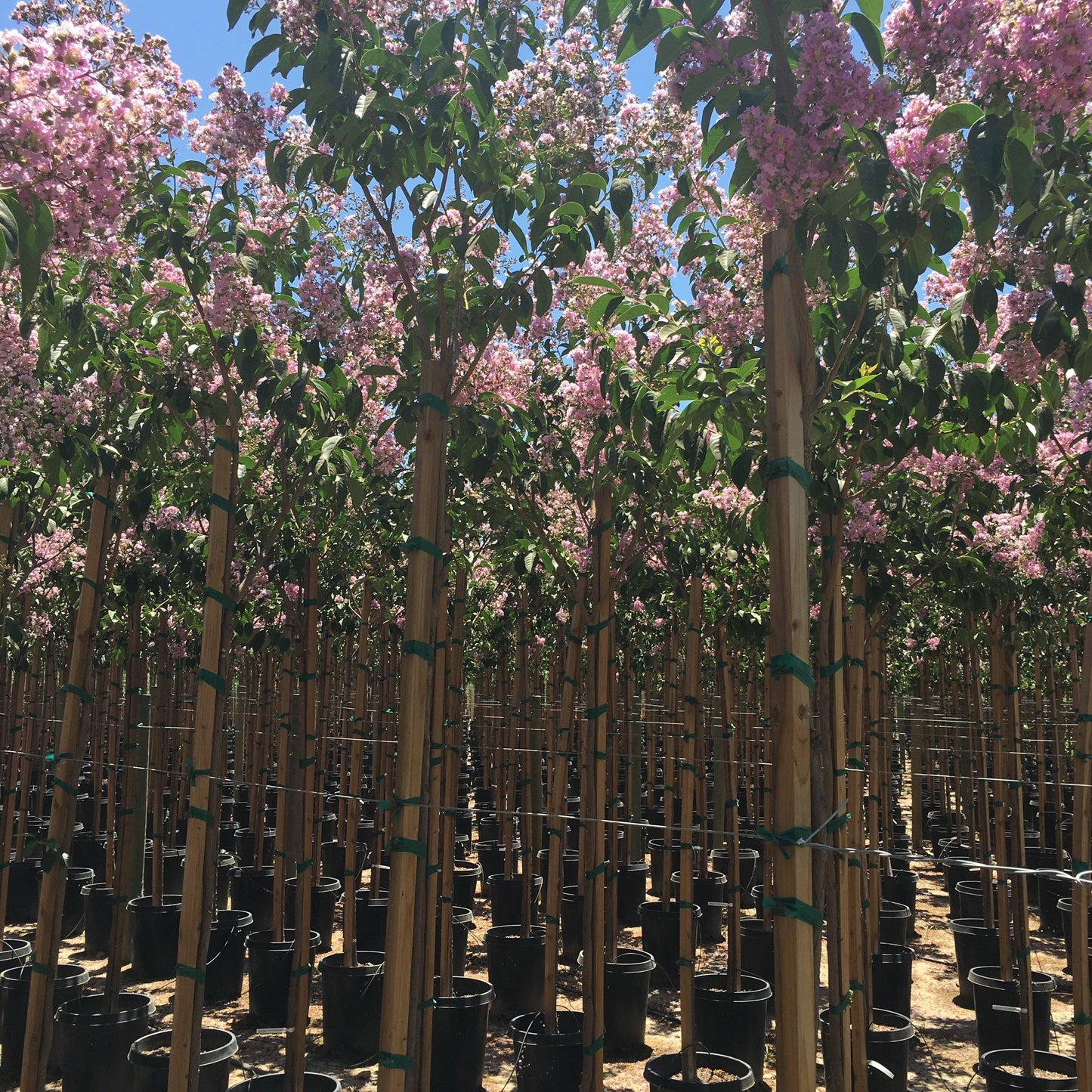

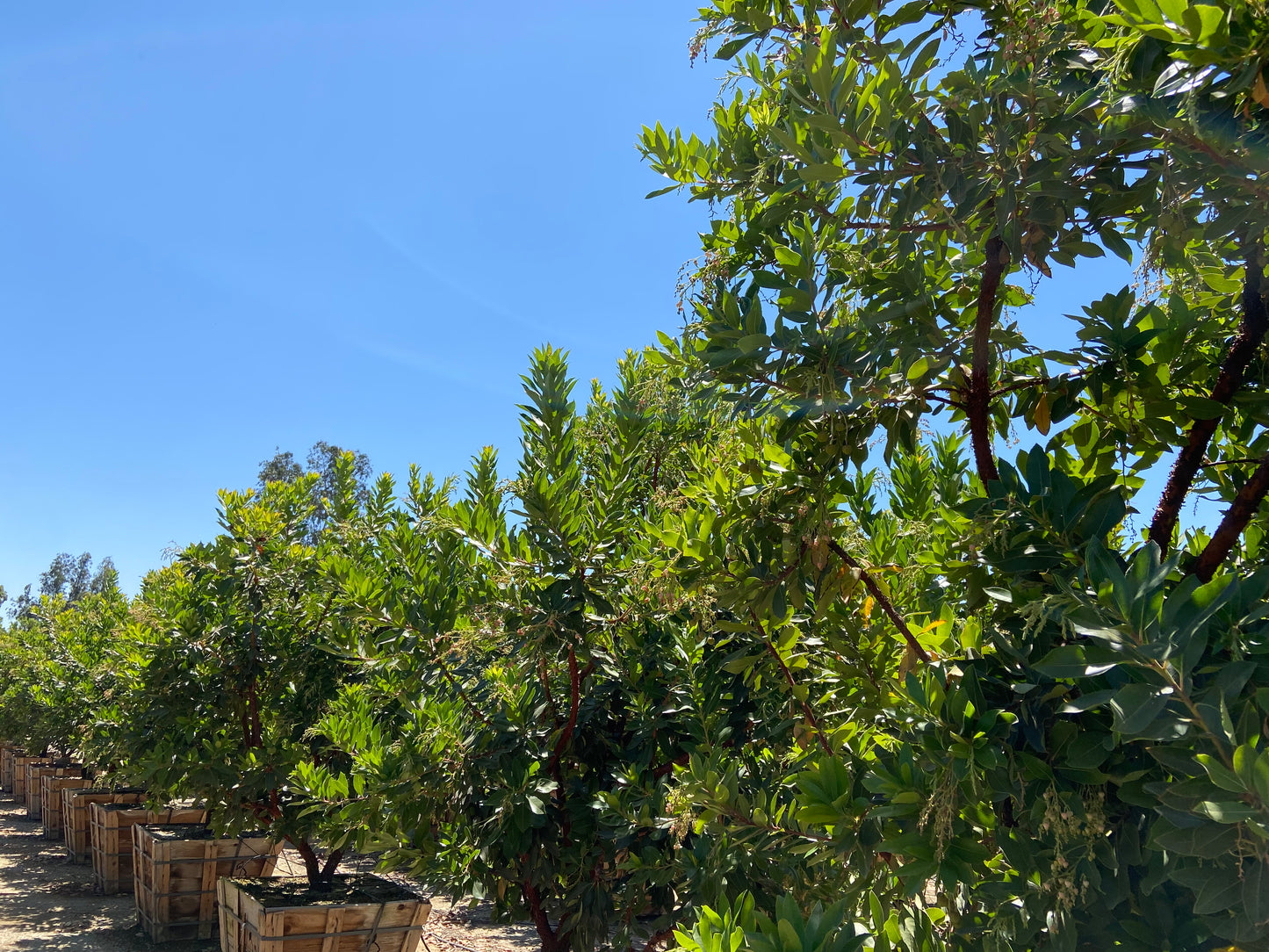

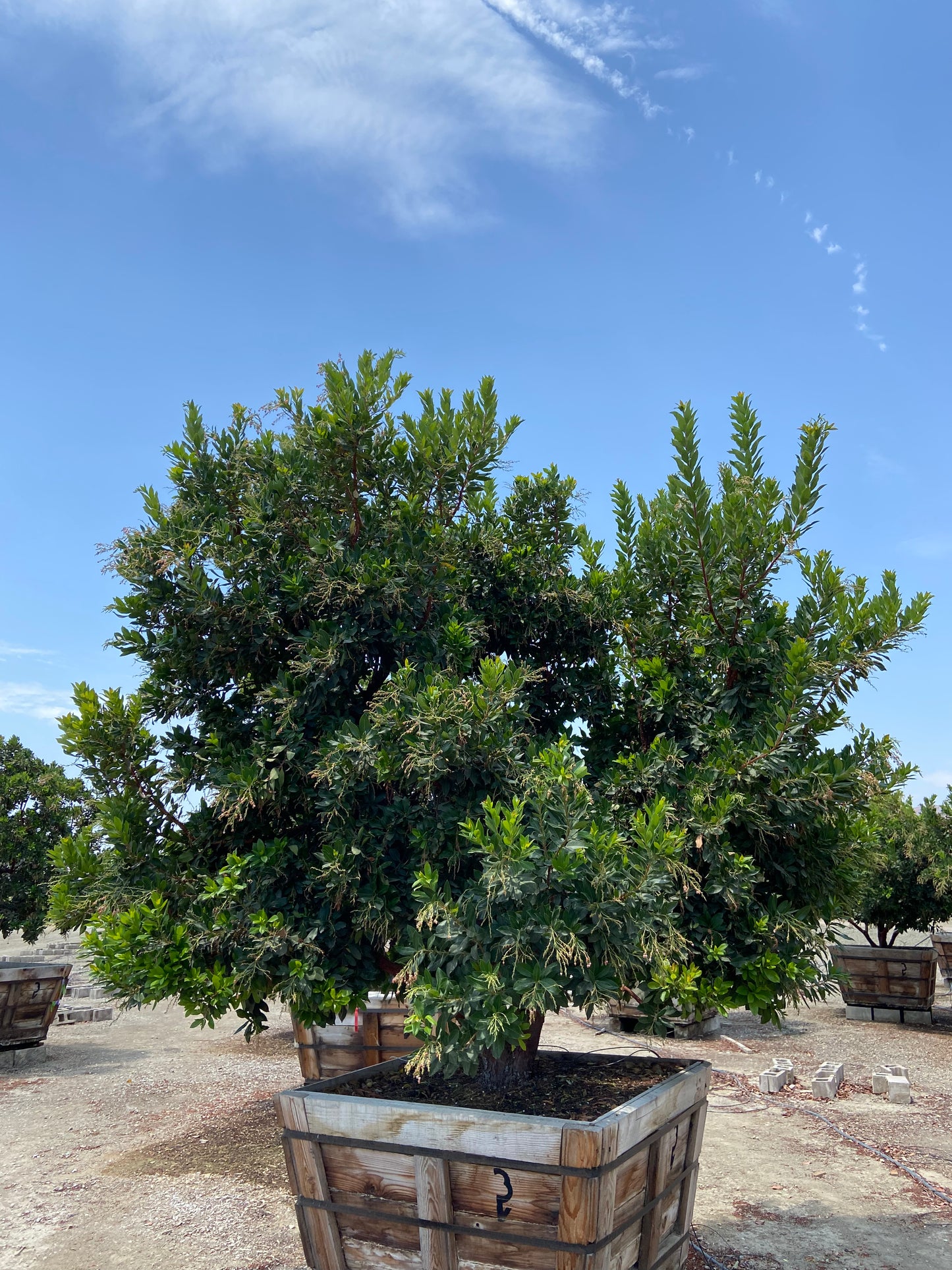

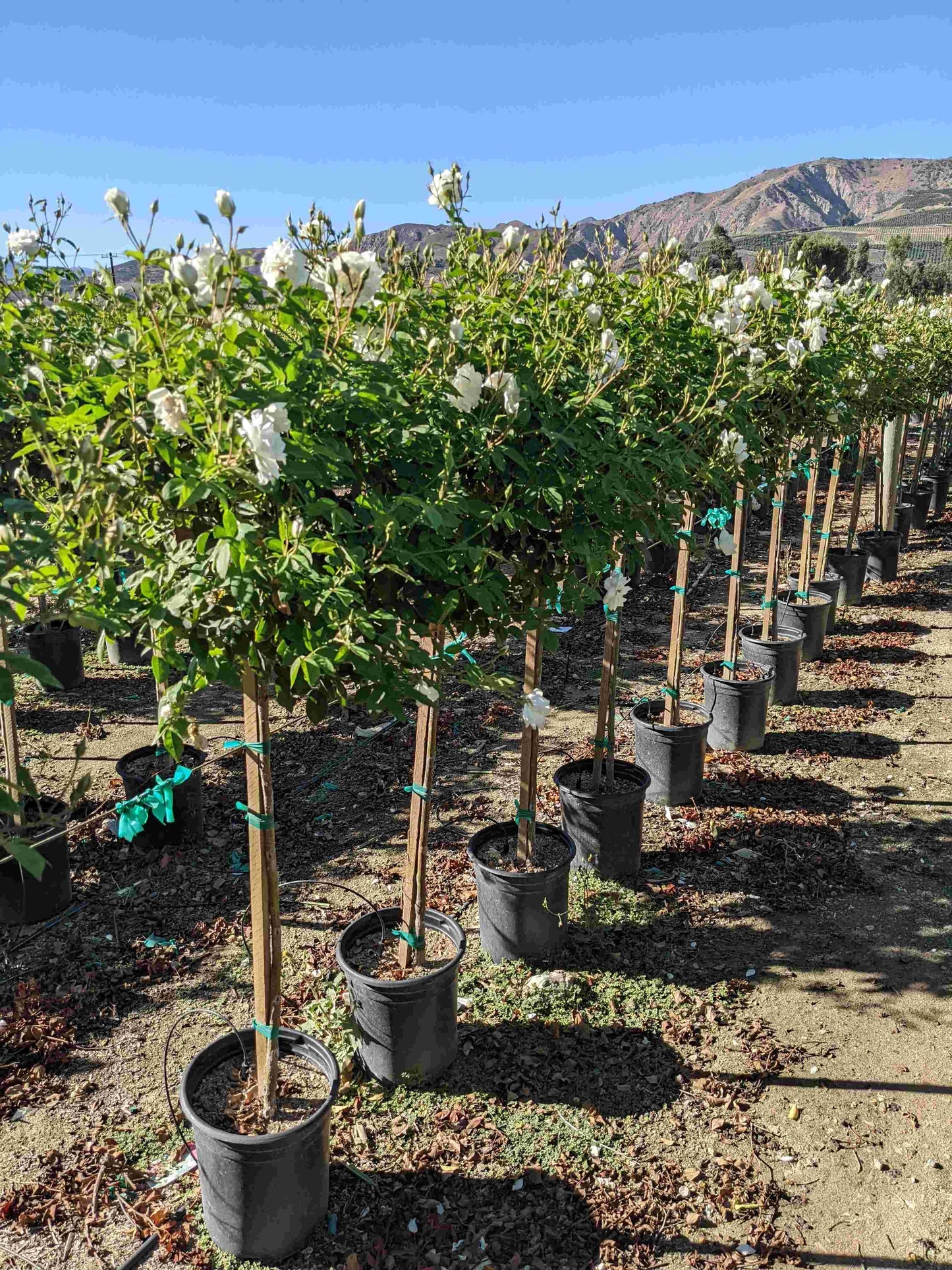





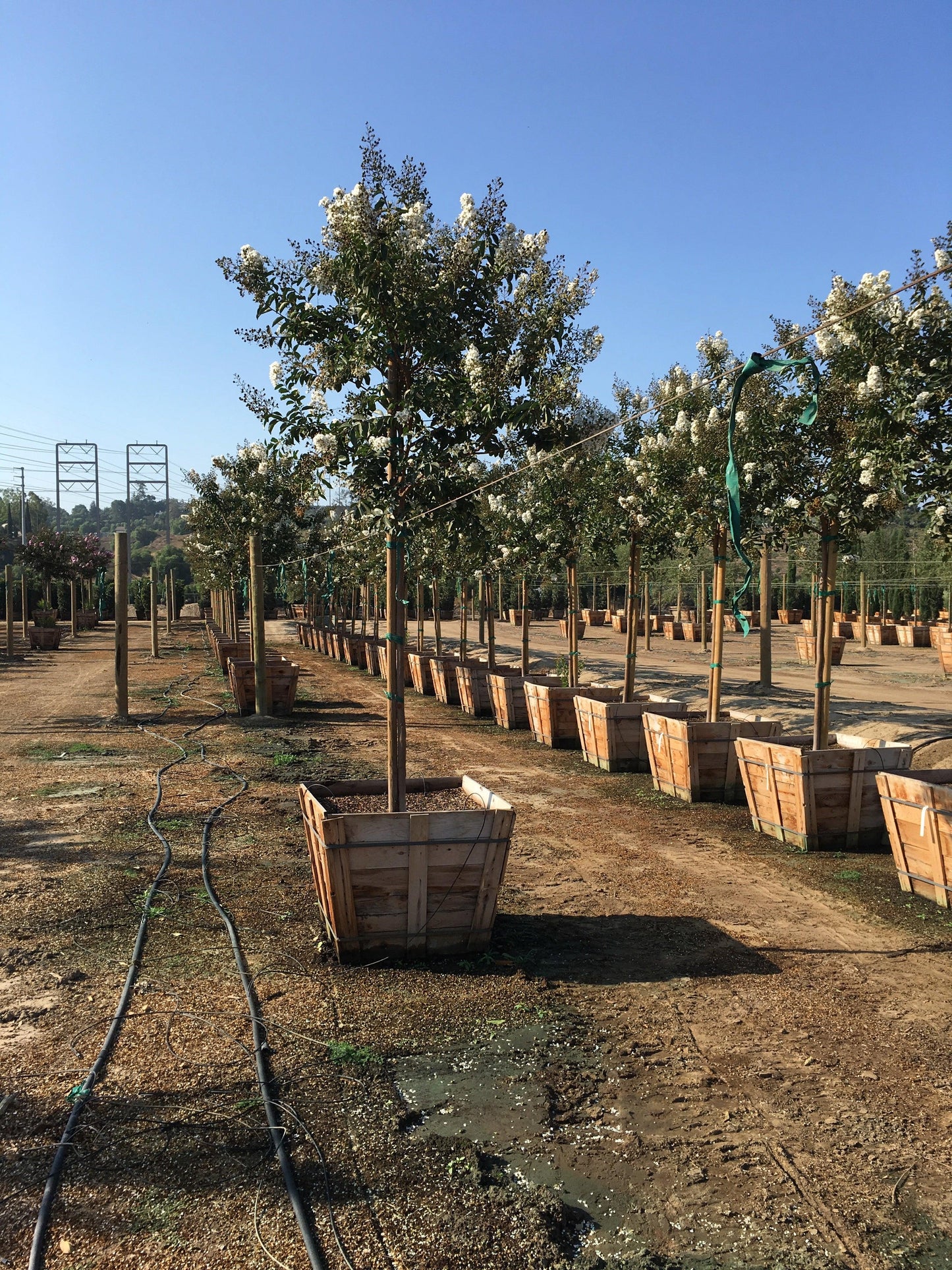

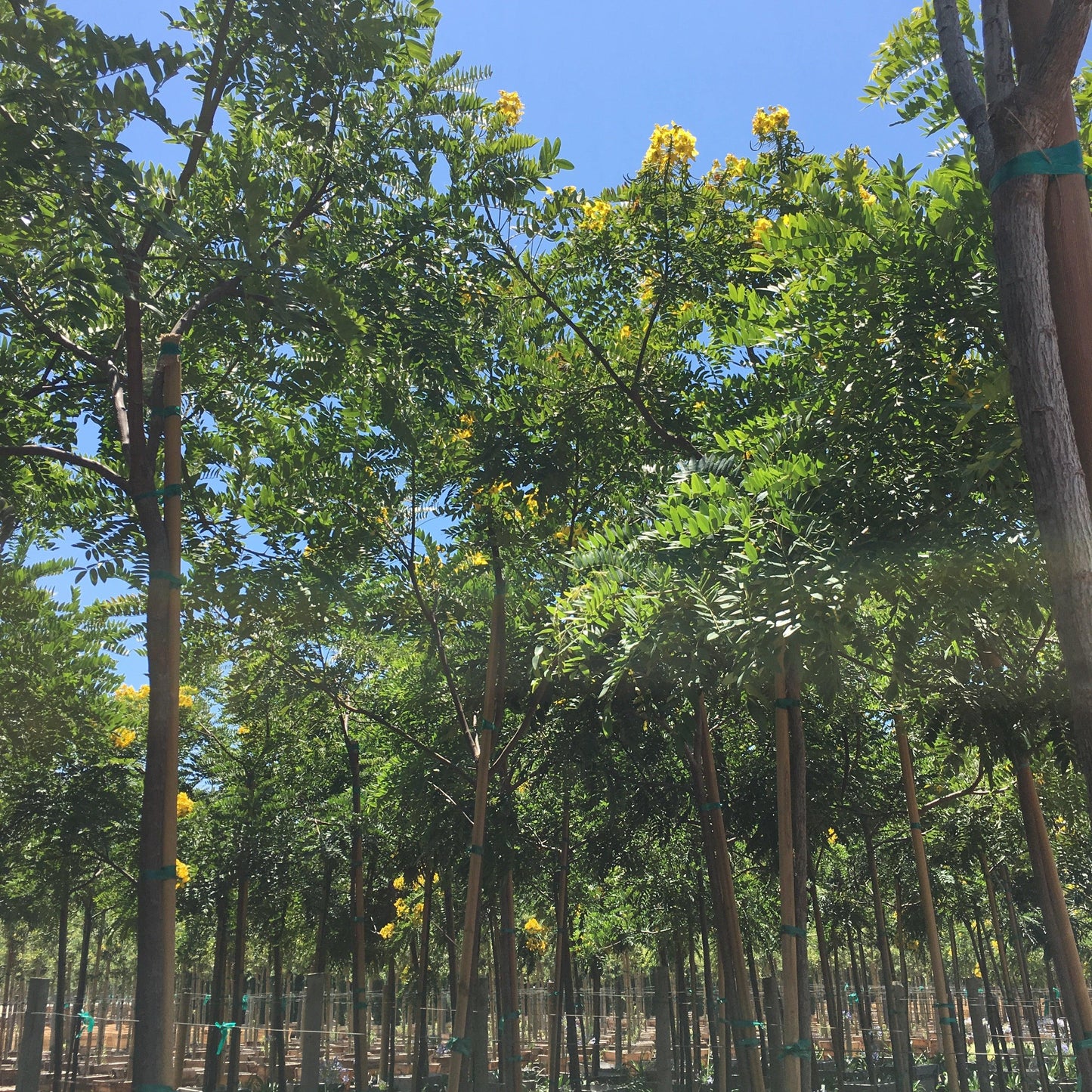

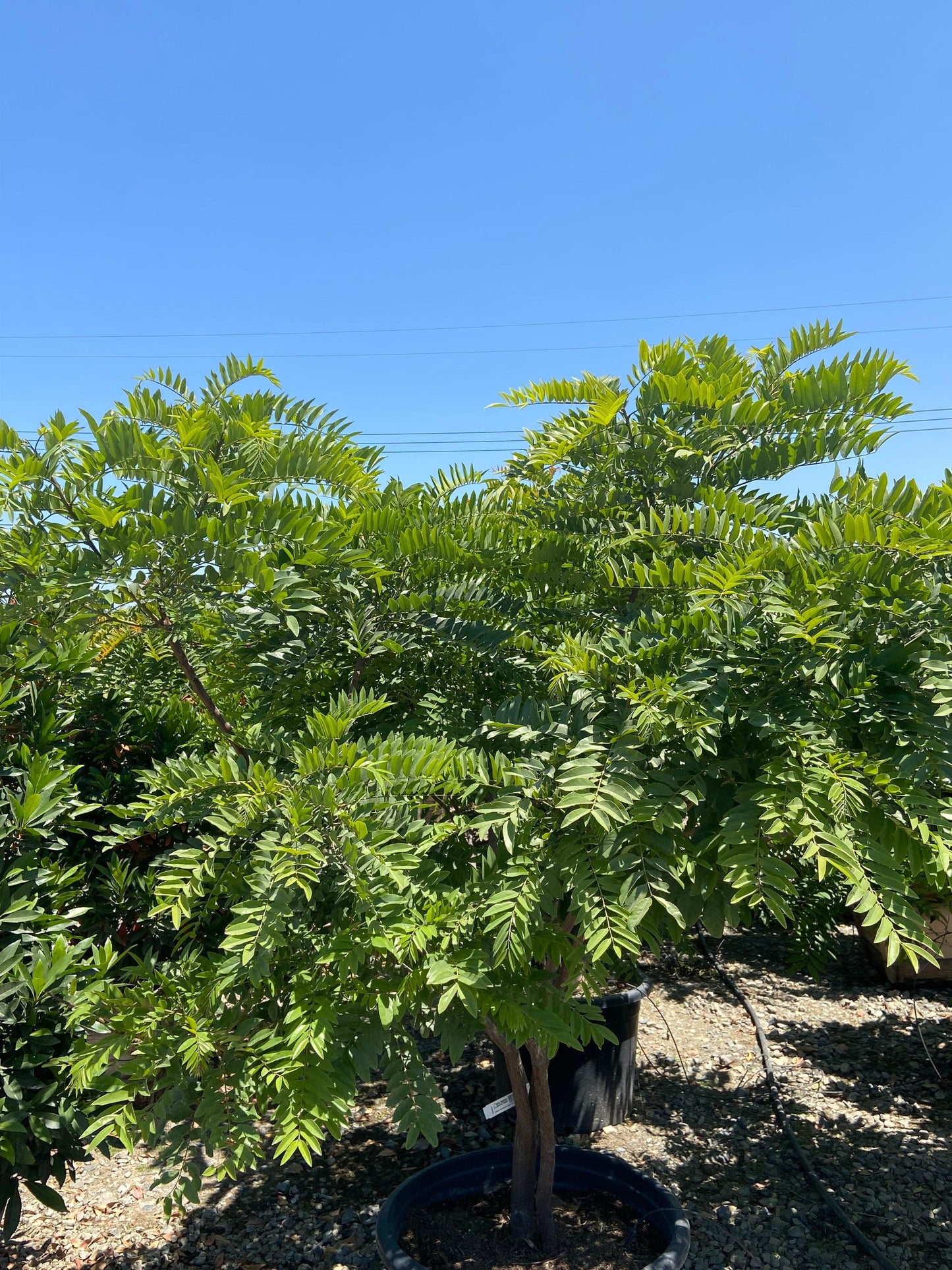


Pairs Well With

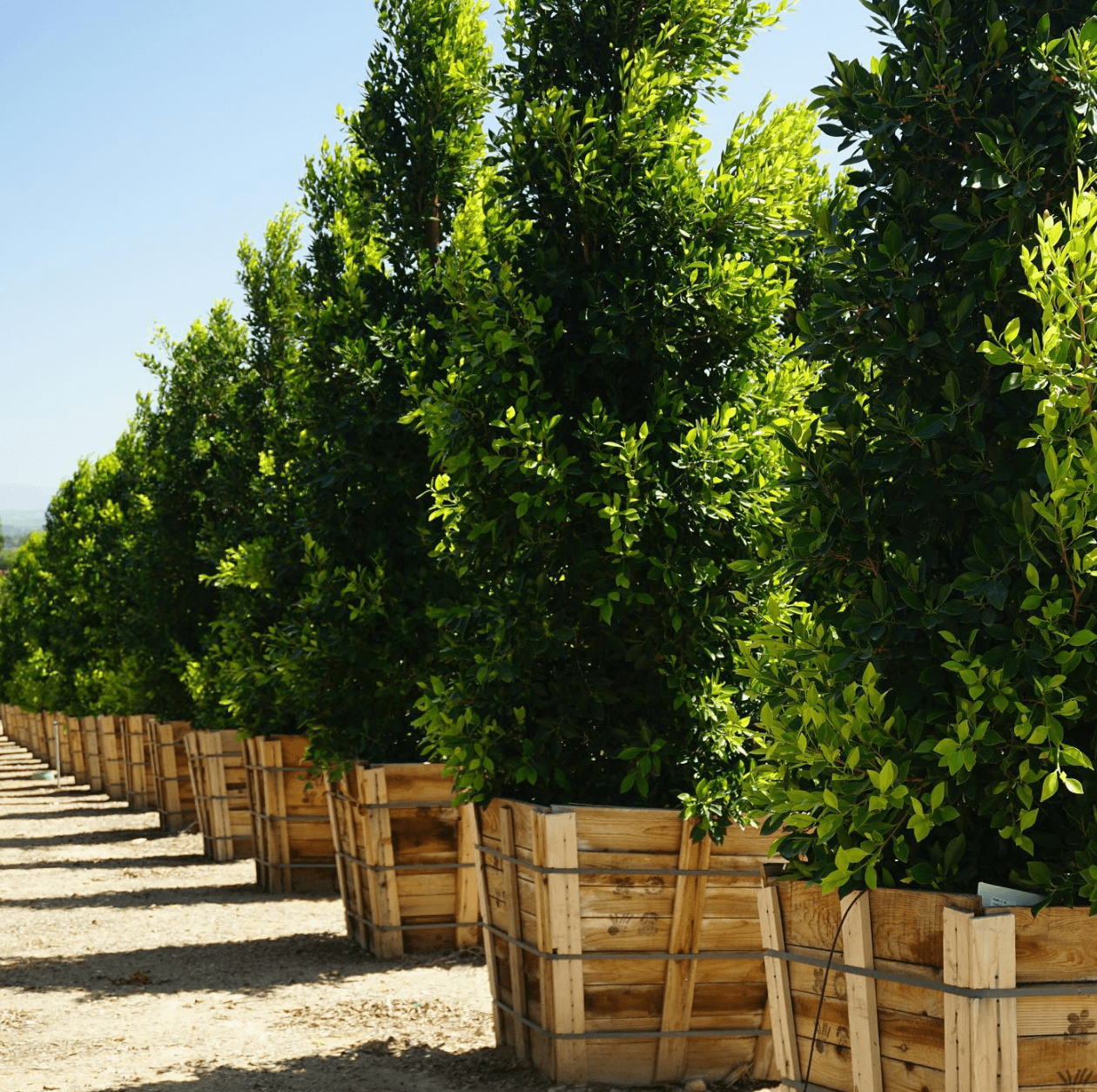












You May Also Like












Thousands of Healthy Plants Delivered

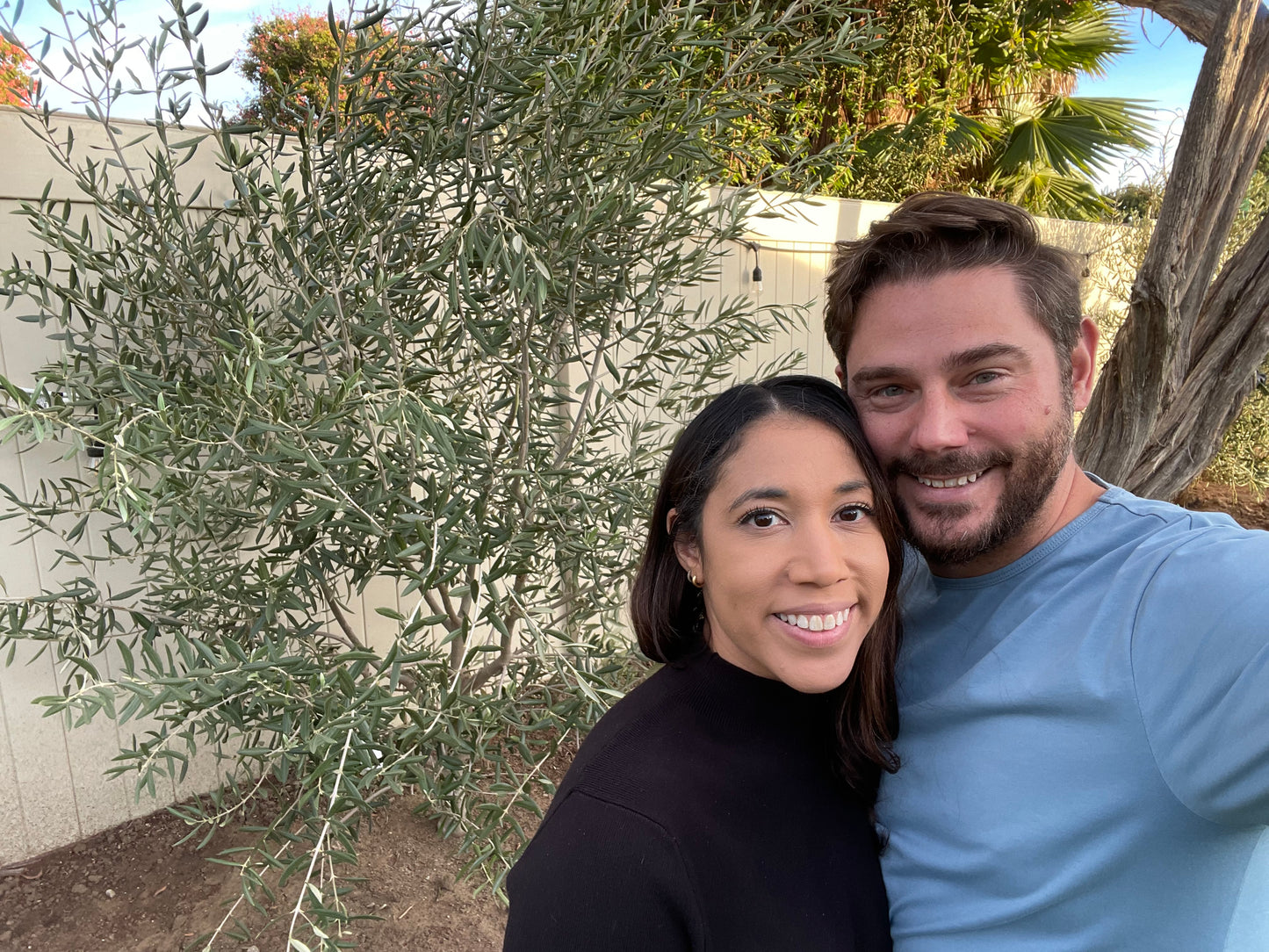
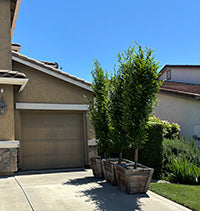
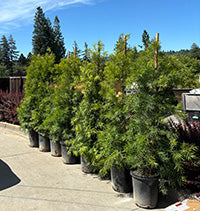
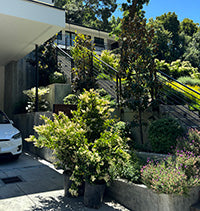
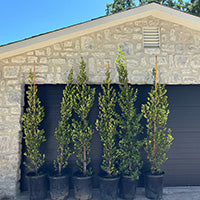
Yardwork was so great to work with. First they had the Swan Hill olive trees that we had been searching for, we had contacted several other nurseries without any luck previously. Then they answered all of our questions in a timely matter prior to ordering and finally delivered within a few days of placing it. Their staff is incredibly knowledgeable; they delivered and planted our trees with expertise to ensure that they would do well in our yard. We would definitely work with them again for future projects.











A Modern Experience
At Yardwork, we carefully curate thousands of plants, in all container sizes, to provide you with the best selection of the highest quality trees and plants at the best price, with the convenience of an online platform.
Uncompromised Quality
We choose only the finest specimens and hand select our plants just before delivery to ensure you receive the freshest and most robust specimens available for your landscape.
Industry Leading Warranties
Our 30, 90, and 365 extended warranties provide some of the best coverage to ensure our trees and plants thrive in your landscape.
Frequently Asked Questions
We're committed to changing everything about trees and plants - how they’re grown, how you shop for them, and how much they cost. We handle orders ourselves. No middlemen to get between us (or our prices) and you.
We're committed to changing everything about trees and plants - how they’re grown, how you shop for them, and how much they cost. We handle orders ourselves. No middlemen to get between us (or our prices) and you.
Delivery does not include unloading of trees and plants LARGER than a 24" box.
Trees and plants in smaller containers will be dropped curbside (usually on the driveway or near the front doorstep).
Delivery beyond a curbside drop will be charged extra.
Trees and plants that are sold in container sizes LARGER than a 24" box size will require equipment and/or enough manpower onsite to help unload from the truck.
Please reach out to our team PRIOR to placing your order to help coordinate.
Our team can provide unloading assistance with equipment for an extra fee as well.
Delivery does not include unloading of trees and plants LARGER than a 24" box.
Trees and plants in smaller containers will be dropped curbside (usually on the driveway or near the front doorstep).
Delivery beyond a curbside drop will be charged extra.
Trees and plants that are sold in container sizes LARGER than a 24" box size will require equipment and/or enough manpower onsite to help unload from the truck.
Please reach out to our team PRIOR to placing your order to help coordinate.
Our team can provide unloading assistance with equipment for an extra fee as well.
We ship locally within California within 7-10 days of your order being placed.
We ship nationally using carrier partners, based on order size.
Text or call 323-576-4159 for specific shipping details for your location.
We ship locally within California within 7-10 days of your order being placed.
We ship nationally using carrier partners, based on order size.
Text or call 323-576-4159 for specific shipping details for your location.
We are currently online only and don't have physical locations where you can view plants in person.
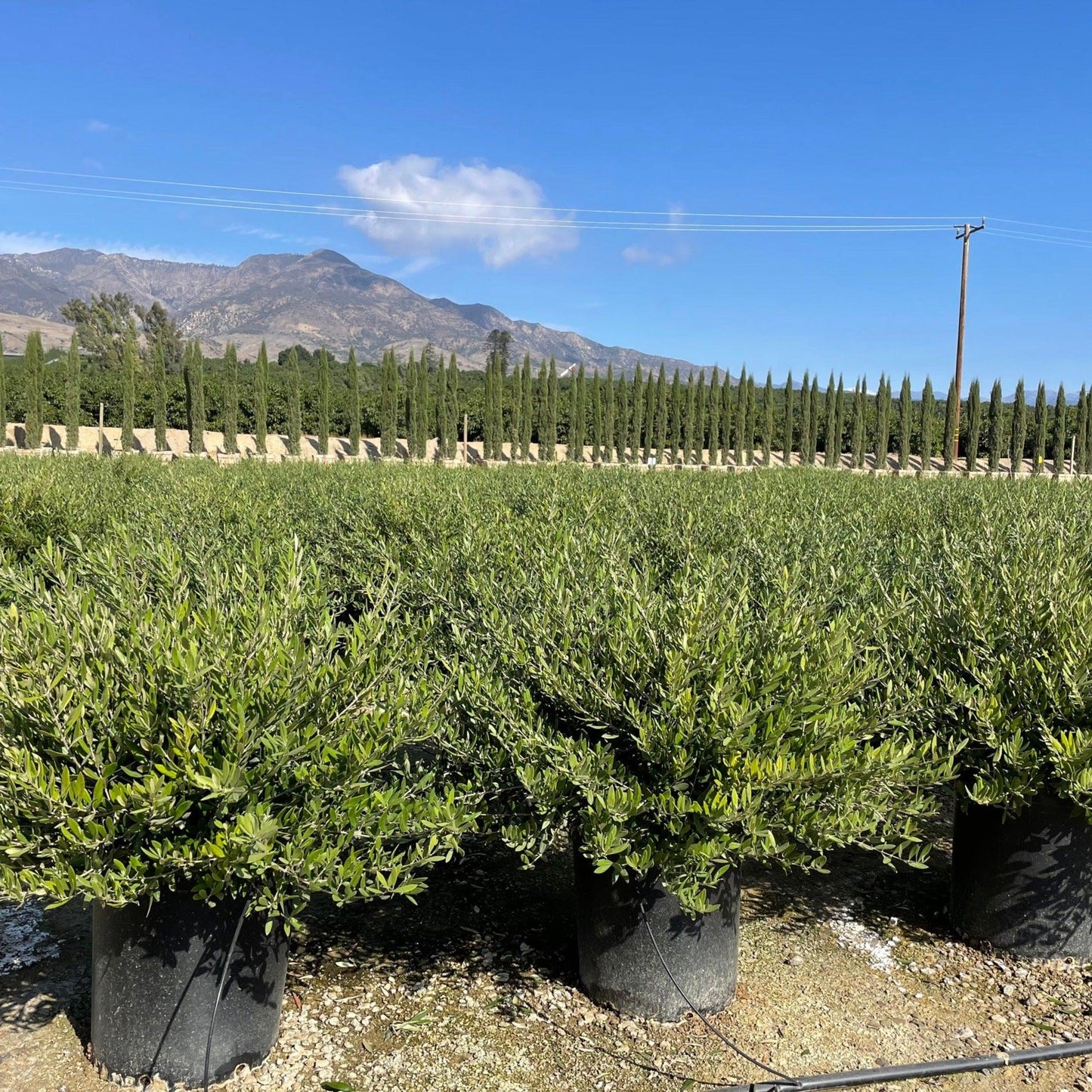
That's why we have photos direct from the growing grounds of the plants we will ship and we display pricing right in our store.
We do make sure to pick the very best trees and plants prior to shipping and make sure that they have gone through our multi-point inspection for health and structure.
We will always reach out prior to delivery if we find a quality issue or need to provide a substitute.
We are currently online only and don't have physical locations where you can view plants in person.
That's why we have photos direct from the growing grounds of the plants we will ship and we display pricing right in our store.
We do make sure to pick the very best trees and plants prior to shipping and make sure that they have gone through our multi-point inspection for health and structure.
We will always reach out prior to delivery if we find a quality issue or need to provide a substitute.
Plants vary greatly by type. Here is a rough idea of sizes based on containers that are direct from our growing grounds.
15 Gallon Shrub 3-4 Ft. Tall
15 Gallon Tree 5-6 Ft. Tall
24" Box Shrub 5-6 Ft. Tall
24" Box Tree 6-7 Ft. Tall
36" Box Shrub/Tree 7-9 Ft. Tall
48" Box Shrub/Tree 8-10 Ft. Tall
**Please note that we do not make guarantees of sizes. If you have questions or concerns, please call or text to request accurate sizing for the particular plant you're considering, prior to ordering.
Plants vary greatly by type. Here is a rough idea of sizes based on containers that are direct from our growing grounds.
15 Gallon Shrub 3-4 Ft. Tall
15 Gallon Tree 5-6 Ft. Tall
24" Box Shrub 5-6 Ft. Tall
24" Box Tree 6-7 Ft. Tall
36" Box Shrub/Tree 7-9 Ft. Tall
48" Box Shrub/Tree 8-10 Ft. Tall
**Please note that we do not make guarantees of sizes. If you have questions or concerns, please call or text to request accurate sizing for the particular plant you're considering, prior to ordering.
We offer a limited 30 day warranty for plants that are delivered and a 90 day warranty for plants that we plant.
The limited warranty covers plants that die as a result of disease or fungus which was derived from our growing grounds or from root balls that were root bound.
The warranty does not cover damage due to watering, fertilizer, soils, or any other conditions beyond our control. Additionally, the warranty does not cover certain plants that are shipped out of the state of California or shipped into California from other states. Custom plant orders are also not covered under warranty. Plants must be planted within 24 hours after delivery to qualify.
We can assist you in recommending the right soils and fertilizers to help your plant thrive after you plant it.
Text or call 323-576-4159 for further warranty information.
We offer a limited 30 day warranty for plants that are delivered and a 90 day warranty for plants that we plant.
The limited warranty covers plants that die as a result of disease or fungus which was derived from our growing grounds or from root balls that were root bound.
The warranty does not cover damage due to watering, fertilizer, soils, or any other conditions beyond our control. Additionally, the warranty does not cover certain plants that are shipped out of the state of California or shipped into California from other states. Custom plant orders are also not covered under warranty. Plants must be planted within 24 hours after delivery to qualify.
We can assist you in recommending the right soils and fertilizers to help your plant thrive after you plant it.
Text or call 323-576-4159 for further warranty information.
Our local delivery team covers most cities in California.
There are some exceptions, so please get in touch to confirm prior to ordering.
Additionally, we ship throughout the entire United States and even internationally. Each shipment is custom, so please reach out to our team to coordinate.
Our local delivery team covers most cities in California.
There are some exceptions, so please get in touch to confirm prior to ordering.
Additionally, we ship throughout the entire United States and even internationally. Each shipment is custom, so please reach out to our team to coordinate.