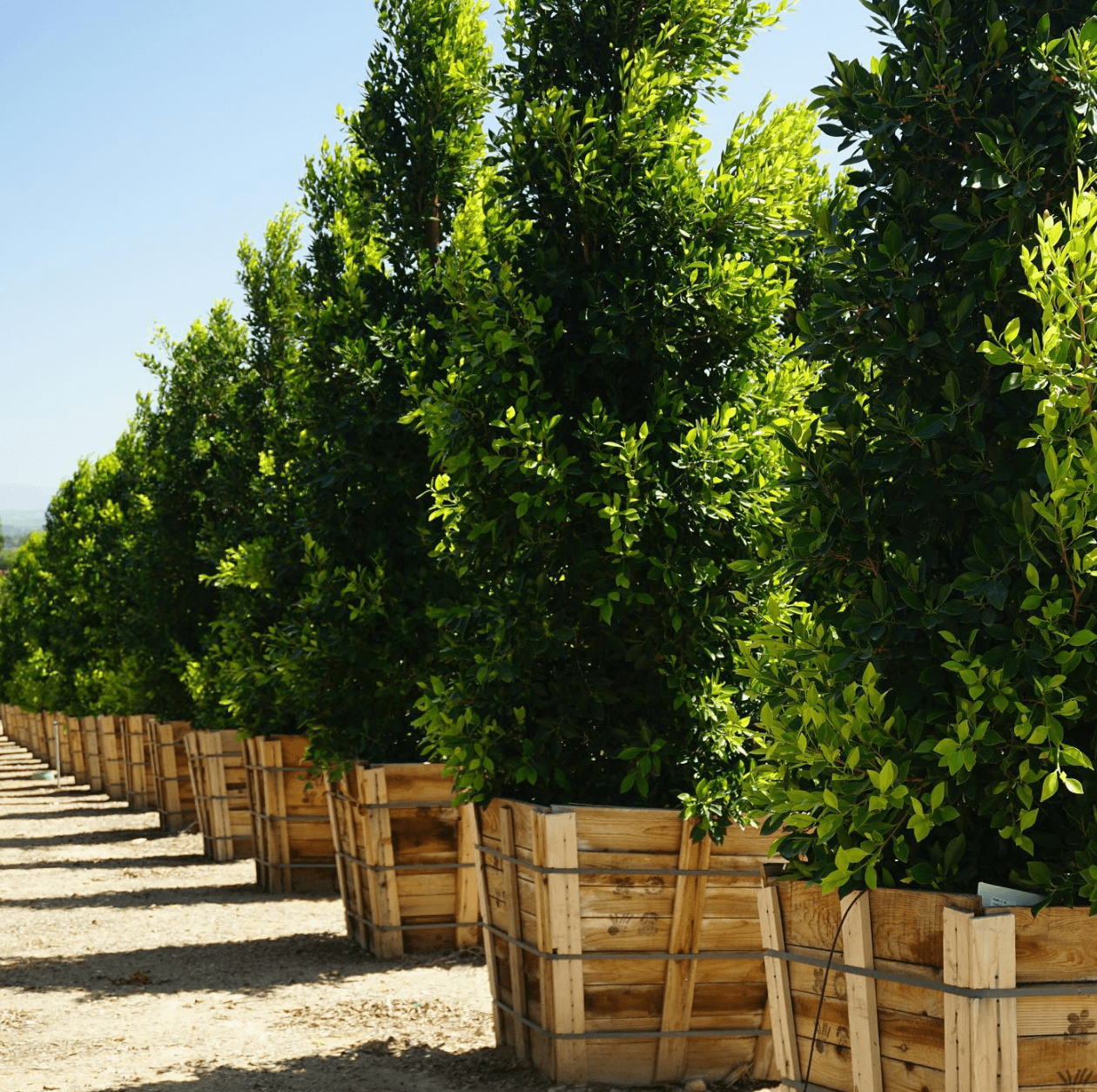
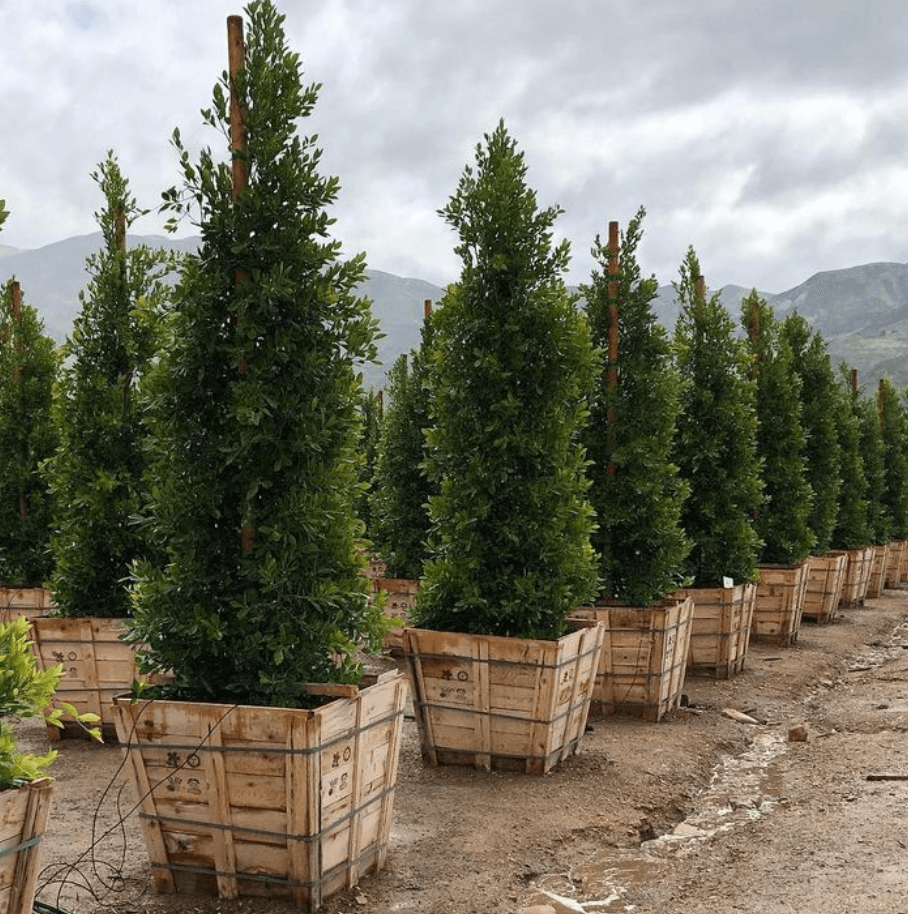
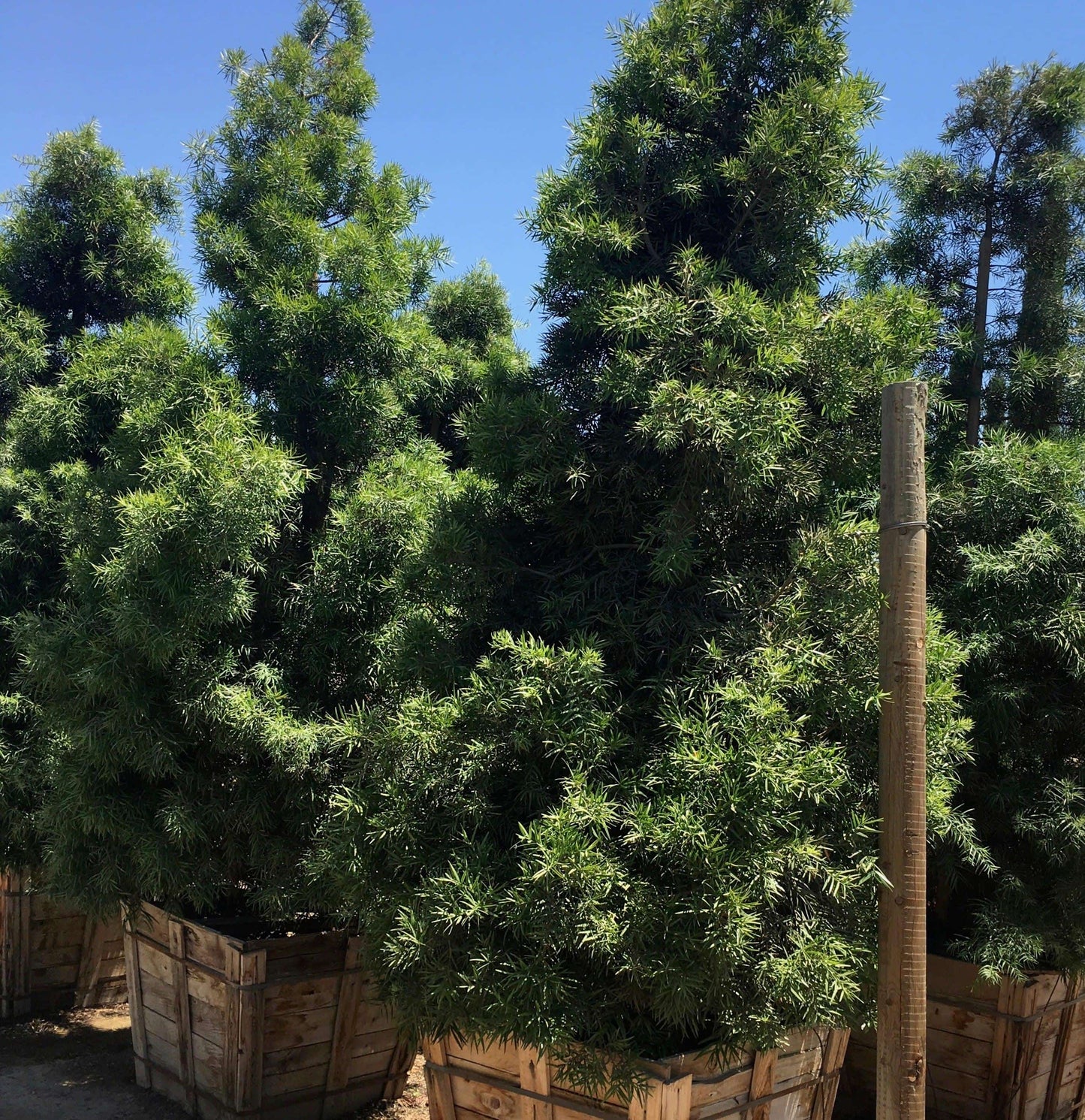
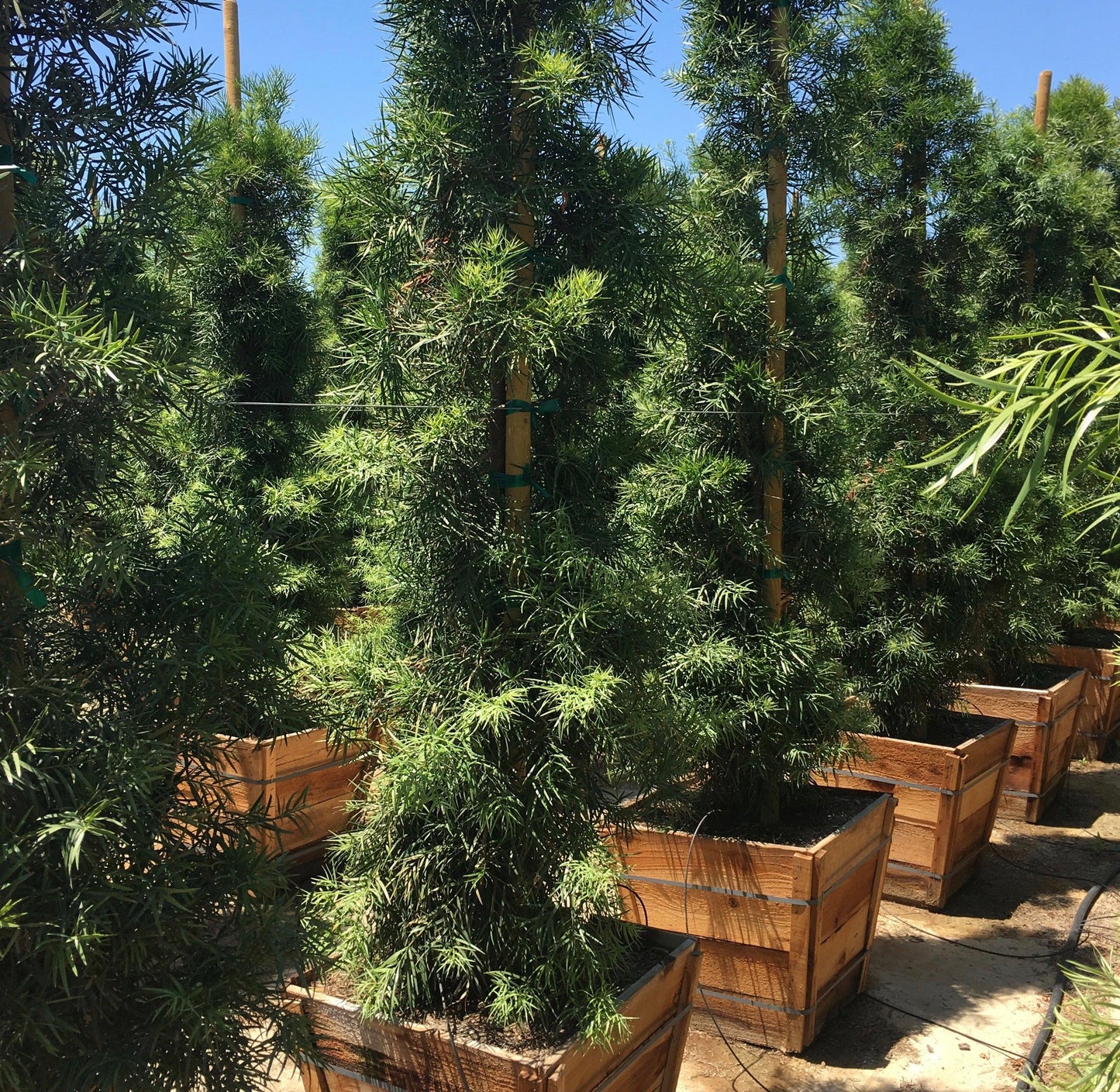
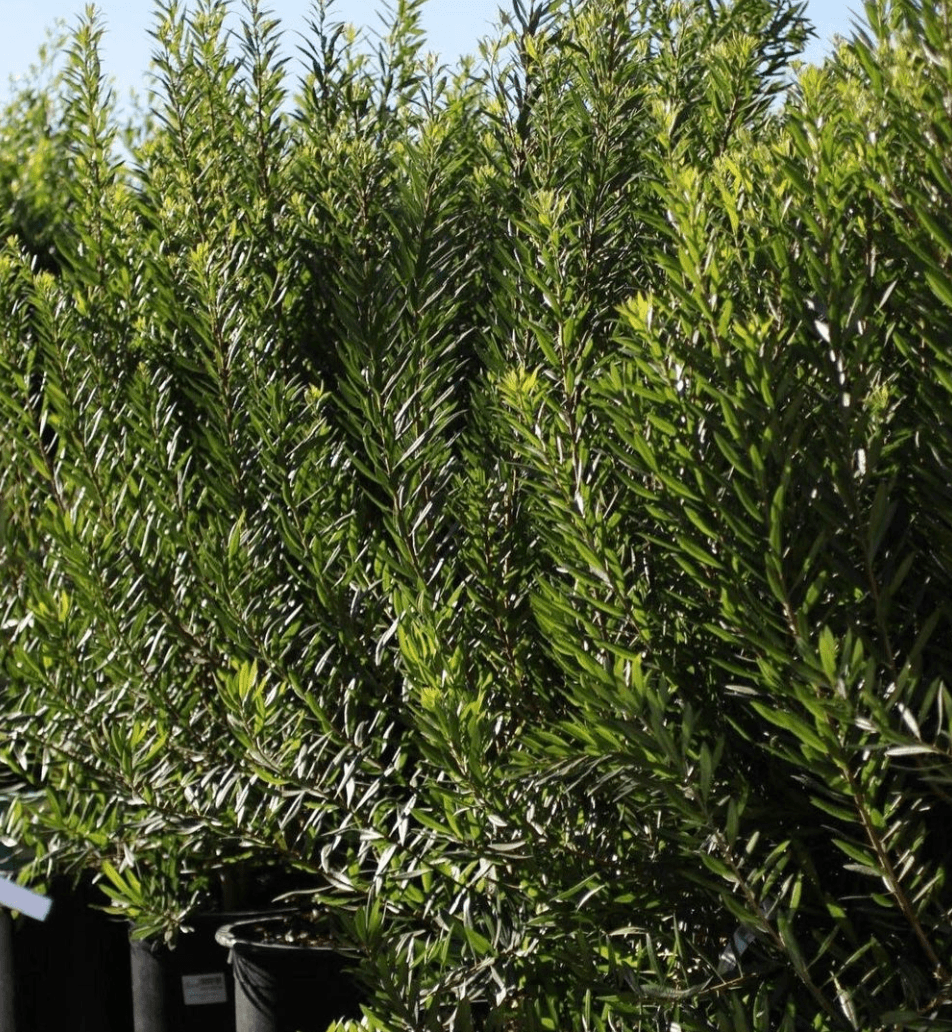
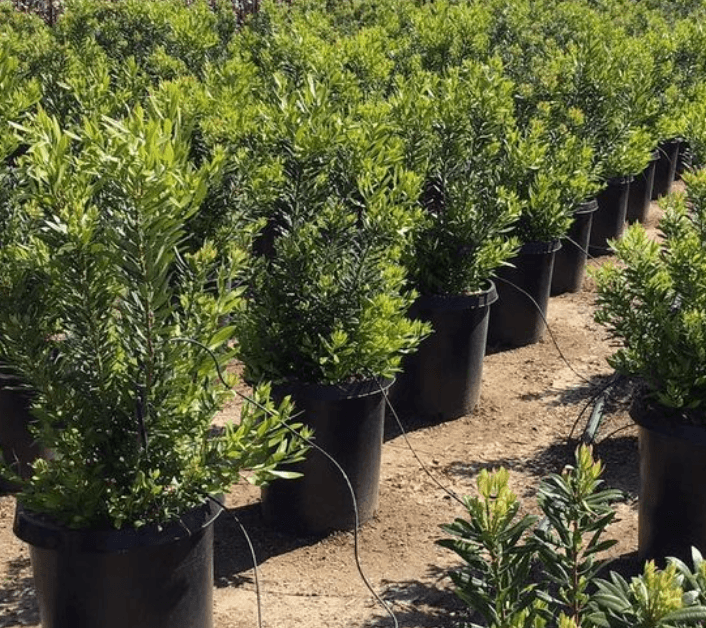
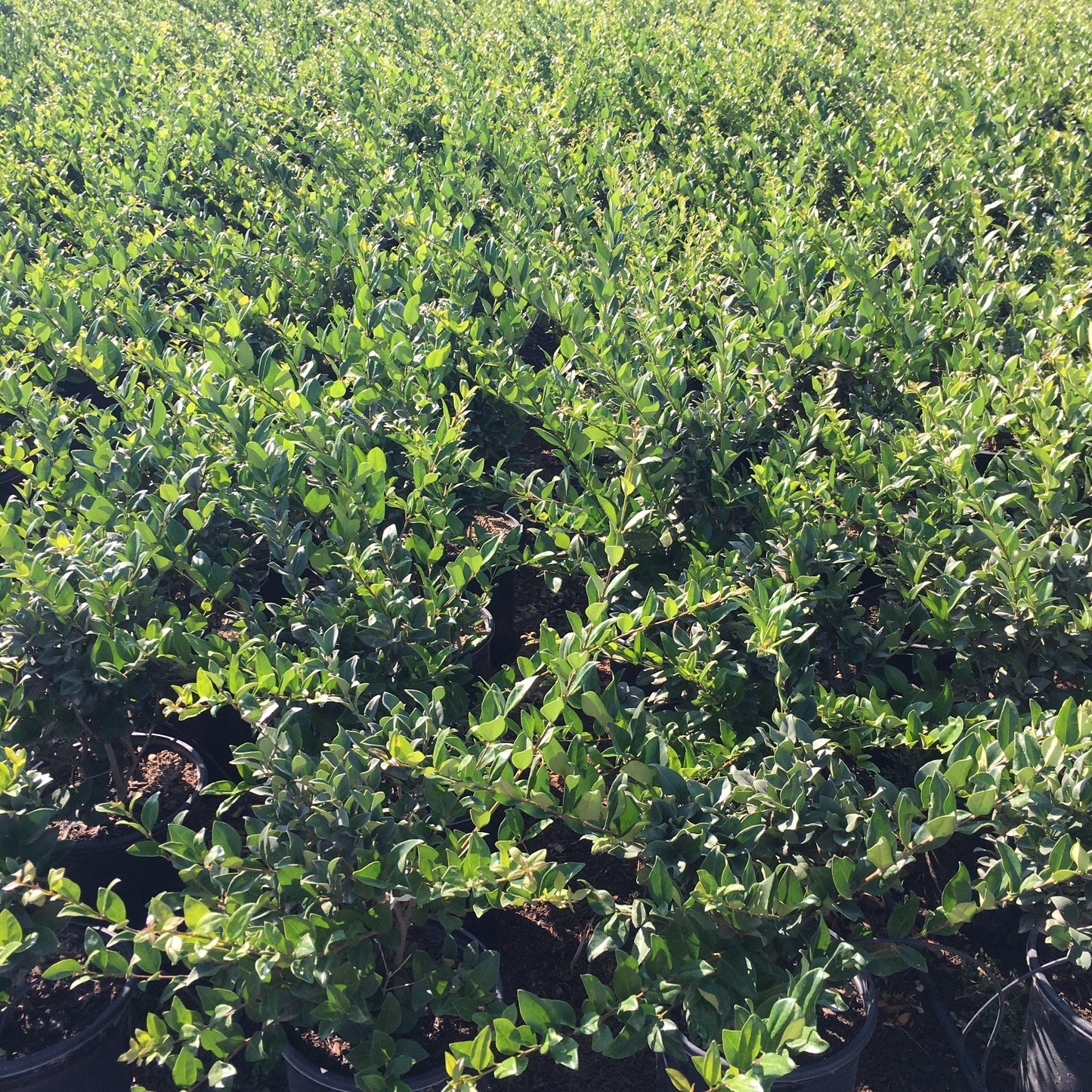
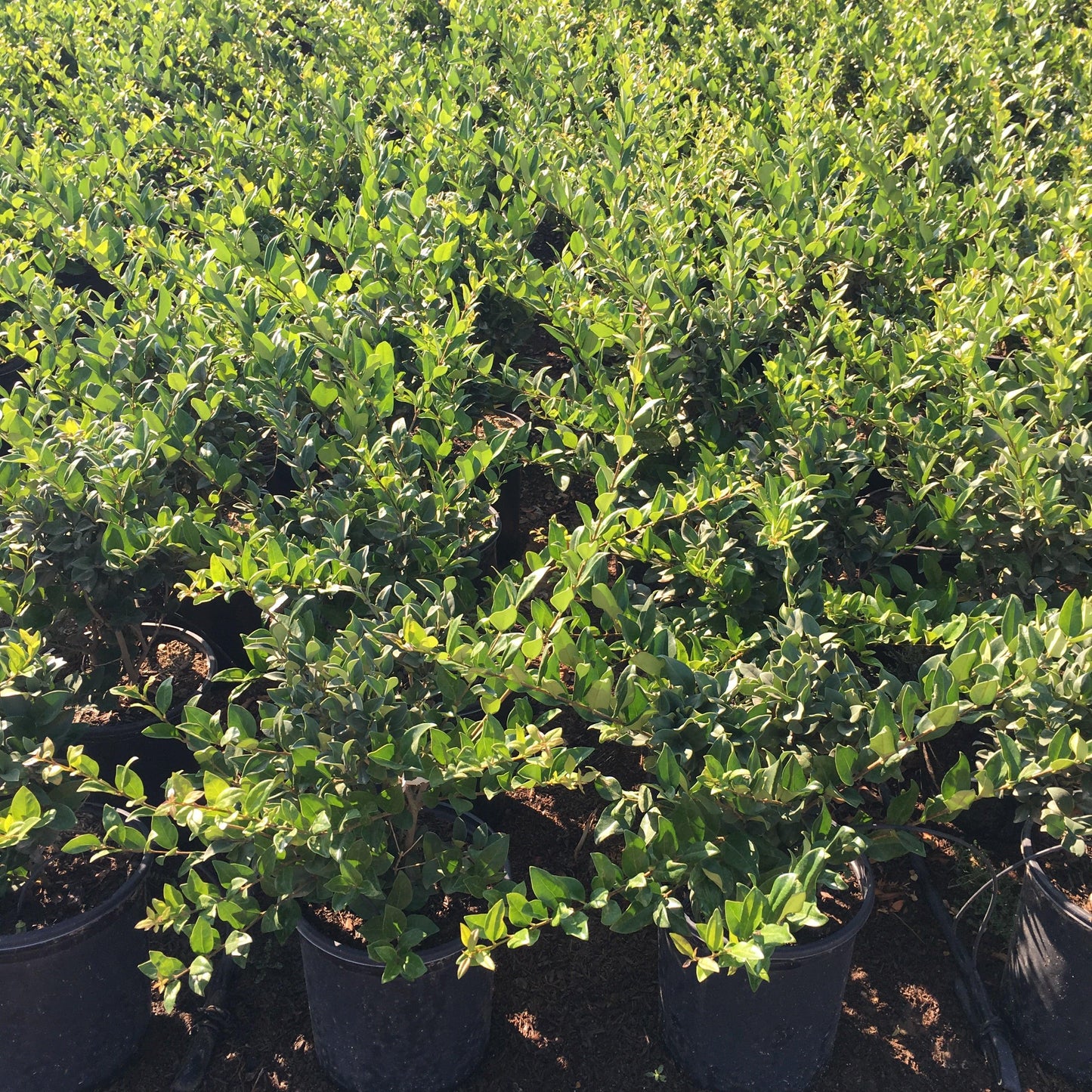
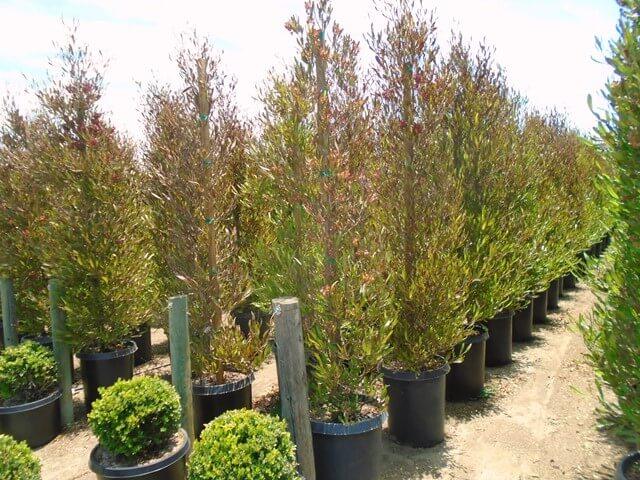
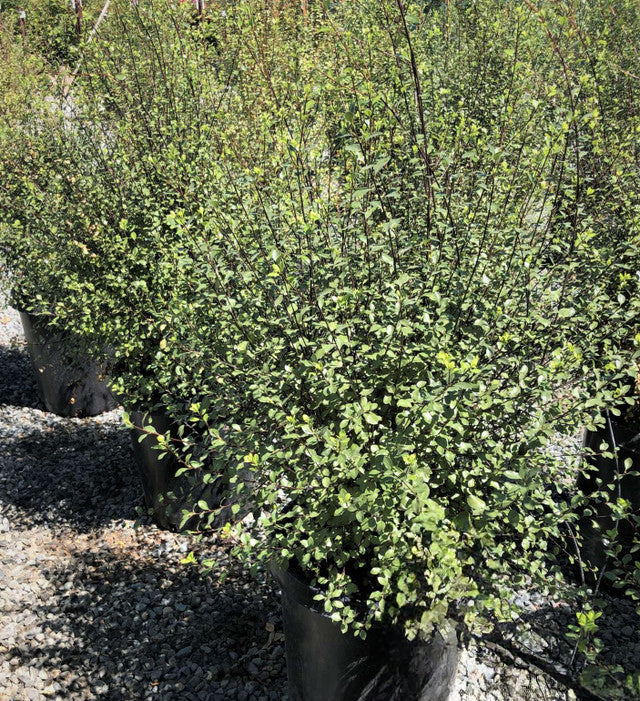
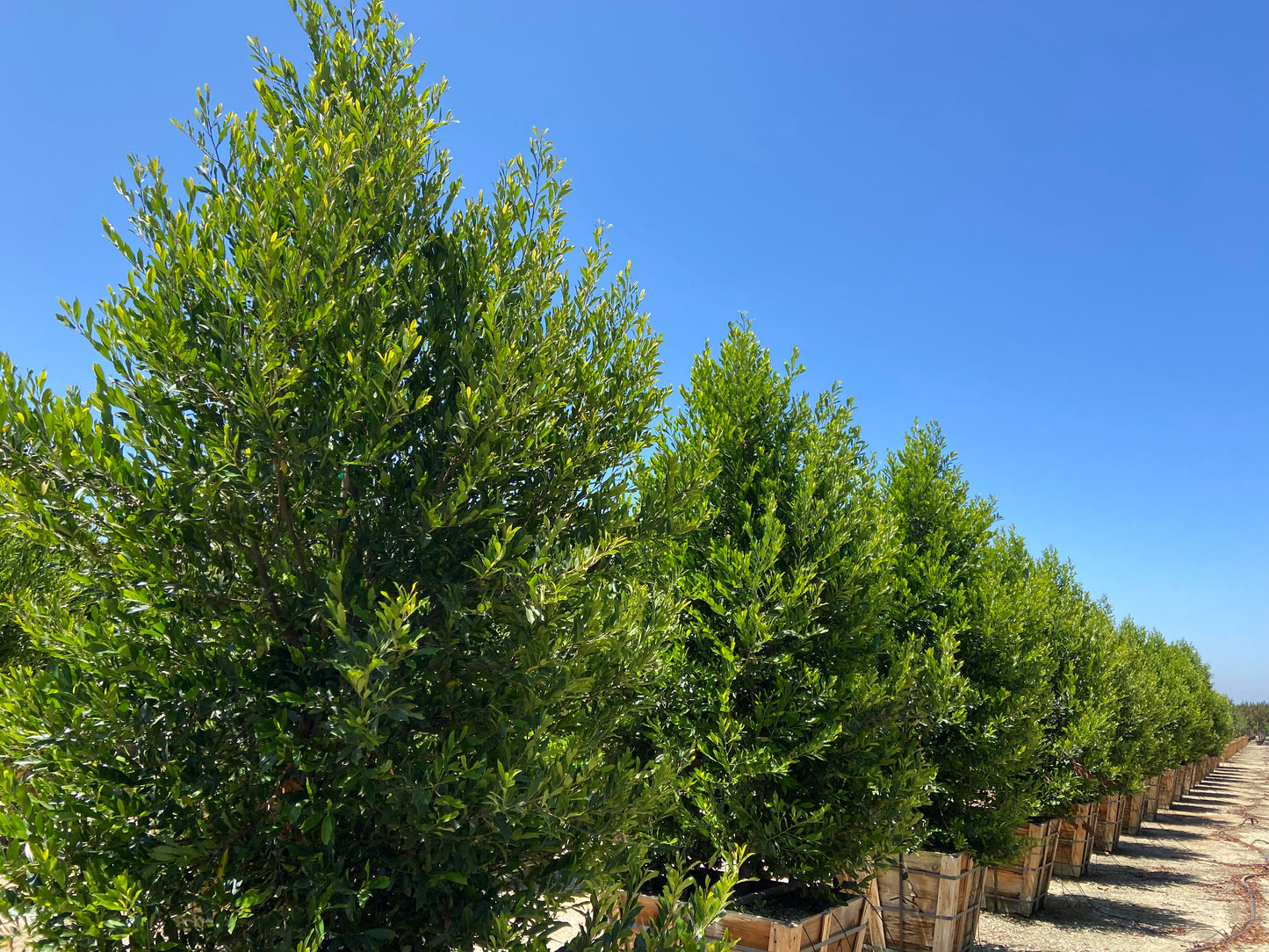
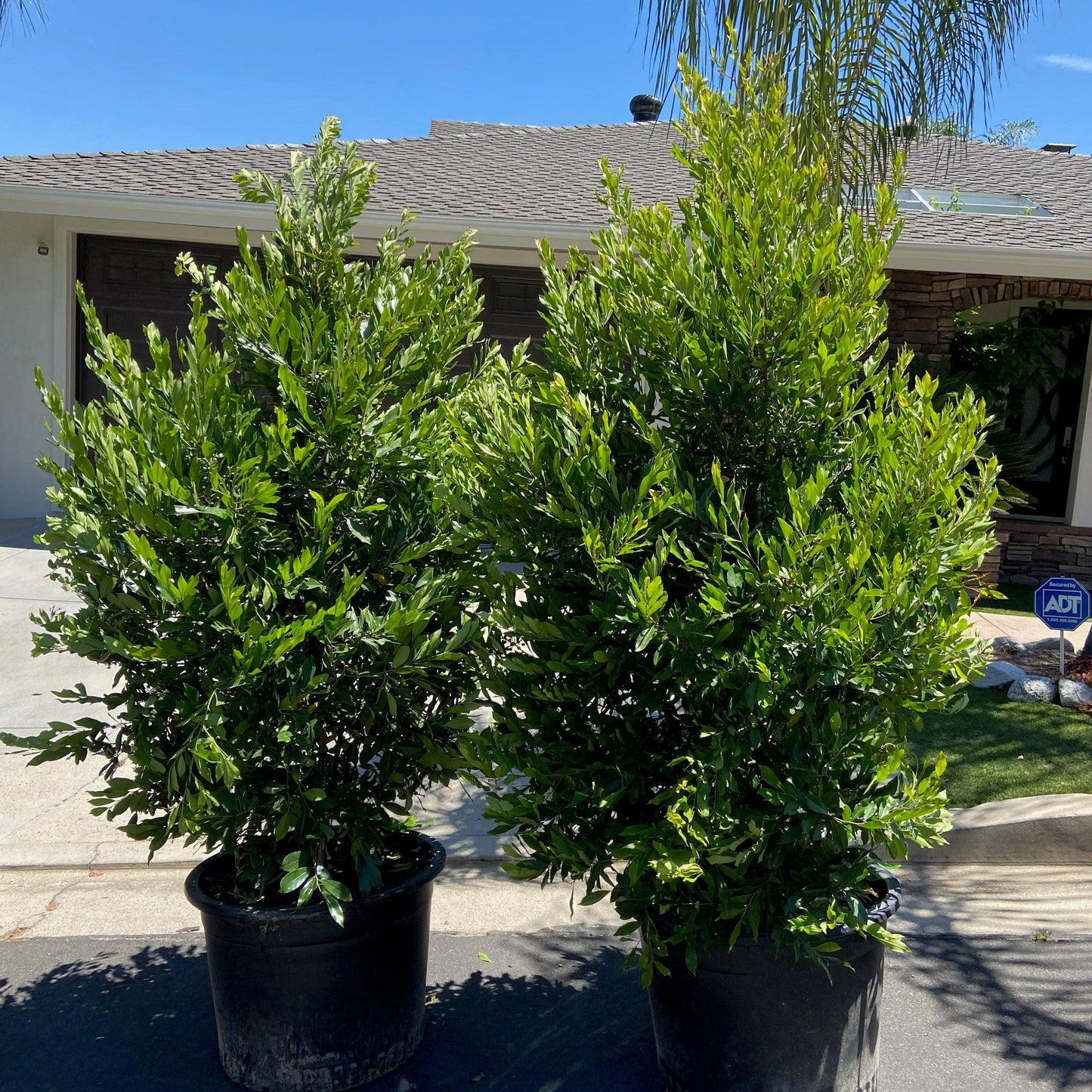
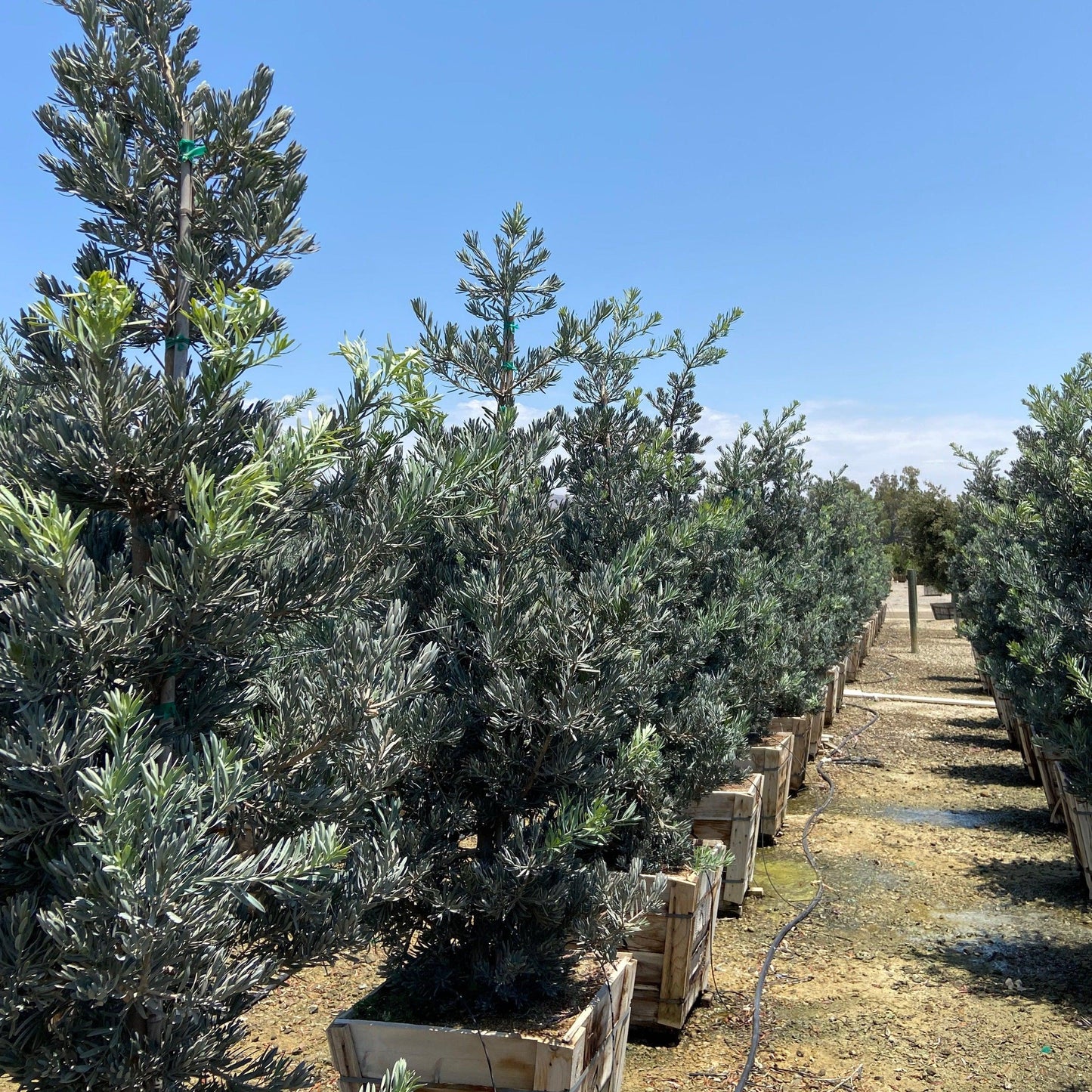
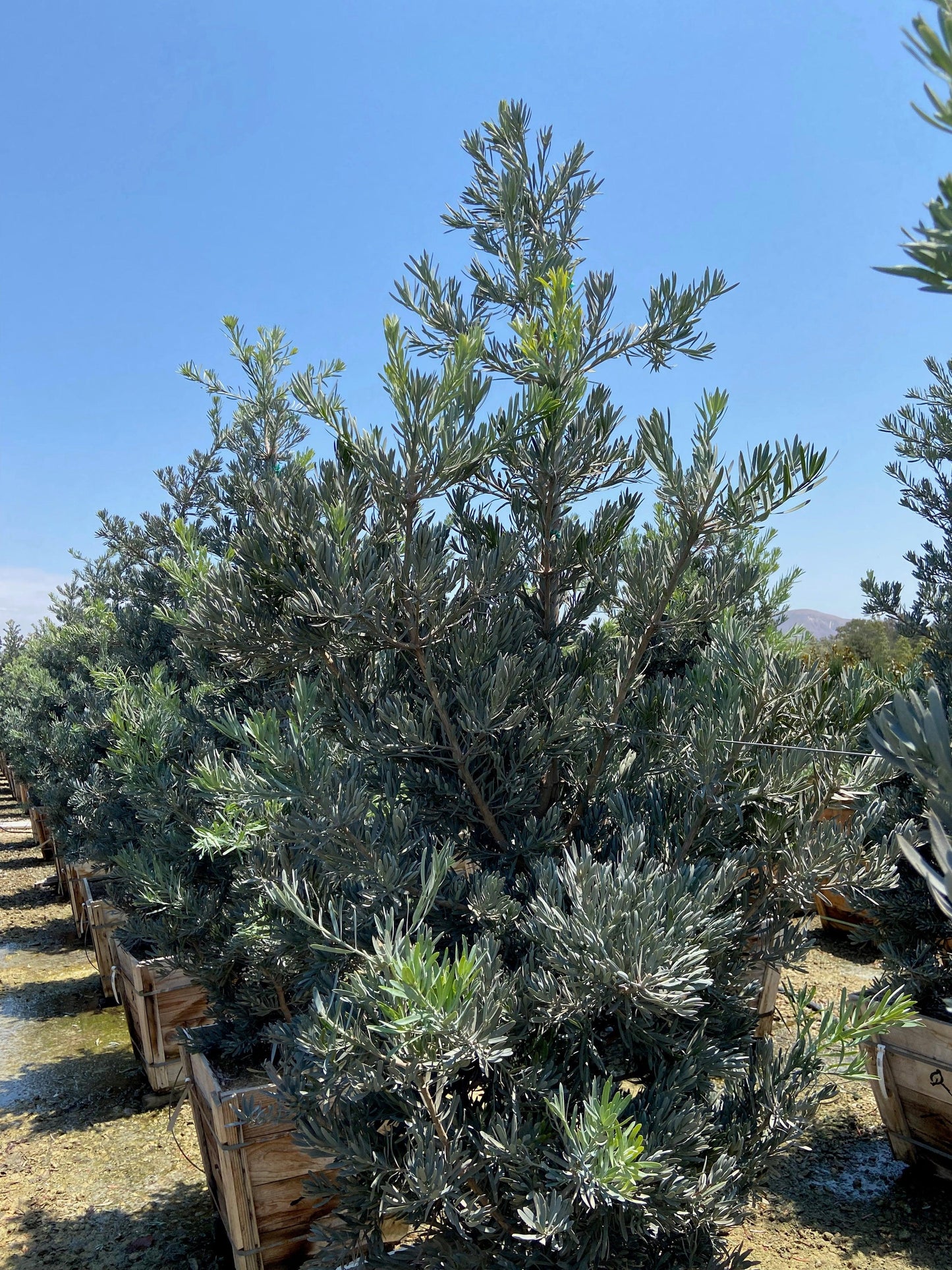
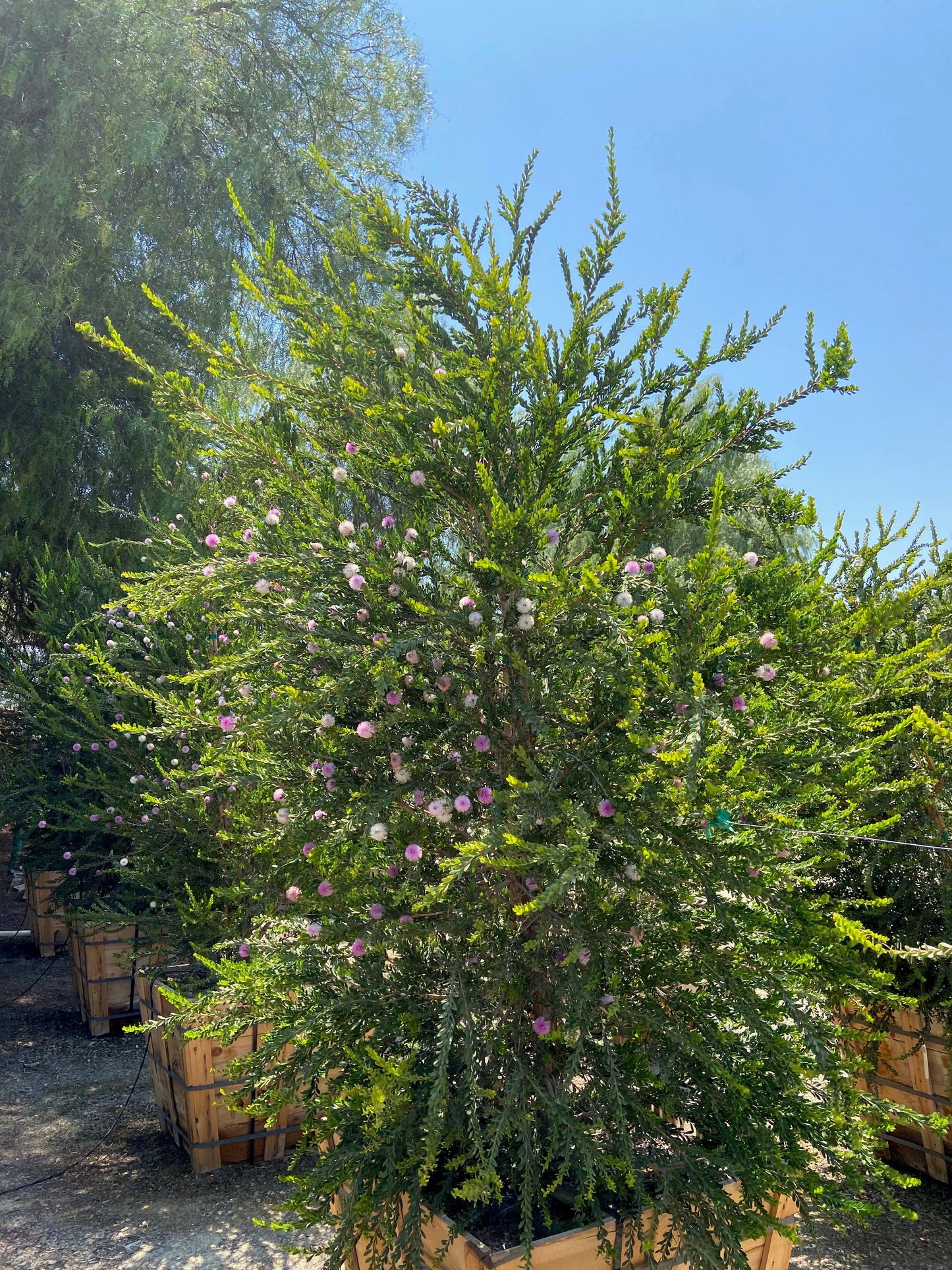
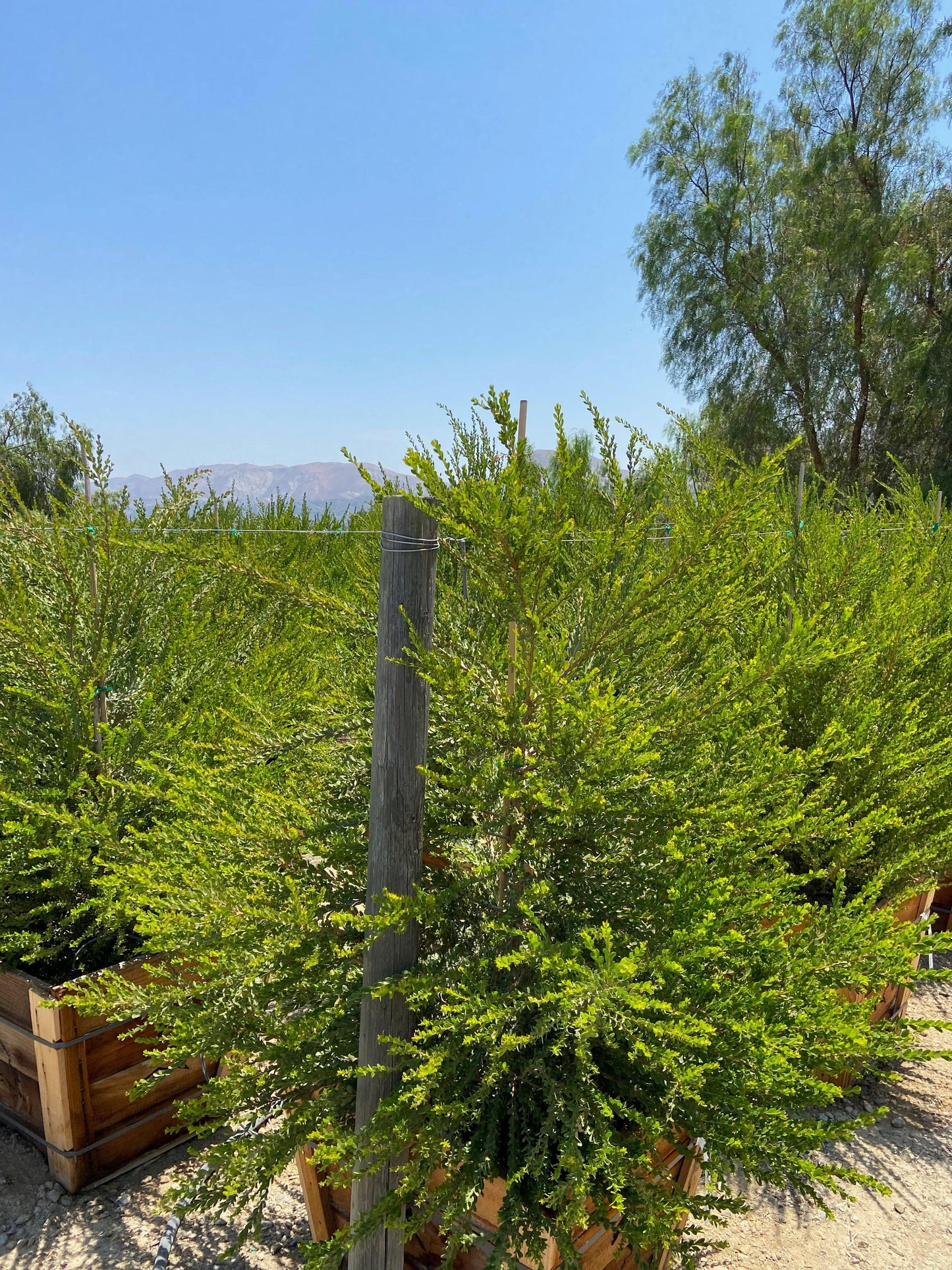
The right hedging plants give your garden privacy, structure and year-round definition. Choose from evergreen hedges, deciduous hedges and flowering hedges designed to screen neighbors, mark boundaries, soften wind, attract wildlife or add color through the seasons.
From compact boxwood for low hedges to tall arborvitae for fast screening, our collection helps you match the right shrubs to your growing zone, sun exposure, soil and available space.
Find your perfect hedge plants and create beautiful boundaries today.
Hedging Plants for Every Purpose
Understanding the primary function of your hedge will dictate the best structural choices for your landscape. A dense hedge for privacy needs different plants, spacing and trimming than a decorative flowering border or a wide rural boundary.
Good hedges can work as living fences, wind filters, sound barriers and wildlife corridors. Before choosing shrubs, decide whether you want year round foliage, spring blooms, bright red berries, a formal shape or a more natural garden screen.
Privacy Hedging Plants
Privacy hedges provide visual privacy from neighbors and passersby, as well as a sound barrier, making them ideal for creating secluded outdoor spaces. Evergreen conifers are ideal for blocking out neighbors and creating a natural fence quickly, especially when planted with correct spacing.
Evergreen hedging plants like ‘Green Giant’ Arborvitae and ‘Nellie Stevens’ Holly are top picks for instant privacy and natural barriers, and many gardeners also rely on English Laurel hedges for fast-growing, dense screening. Fast-growing conifers like ‘Green Giant’ Arborvitae can grow up to 3 feet per year, while Leyland cypress, arborvitae, yew and privet can fill space quickly when maintained well. Bamboo may also create fast coverage, but gardeners should choose clumping or locally appropriate types to avoid unwanted spread.
Evergreen hedges are particularly effective for privacy as they provide year-round coverage, while deciduous hedges can offer seasonal beauty and privacy during the growing season. When selecting a privacy hedge, consider the height and density of the plants, as these factors will influence the level of privacy and noise reduction they provide. For a dense, seamless hedge, it is generally recommended to plant shrubs 2–3 feet apart, but always check the specific variety’s mature width to ensure they have enough room to grow.
Decorative & Flowering Hedges
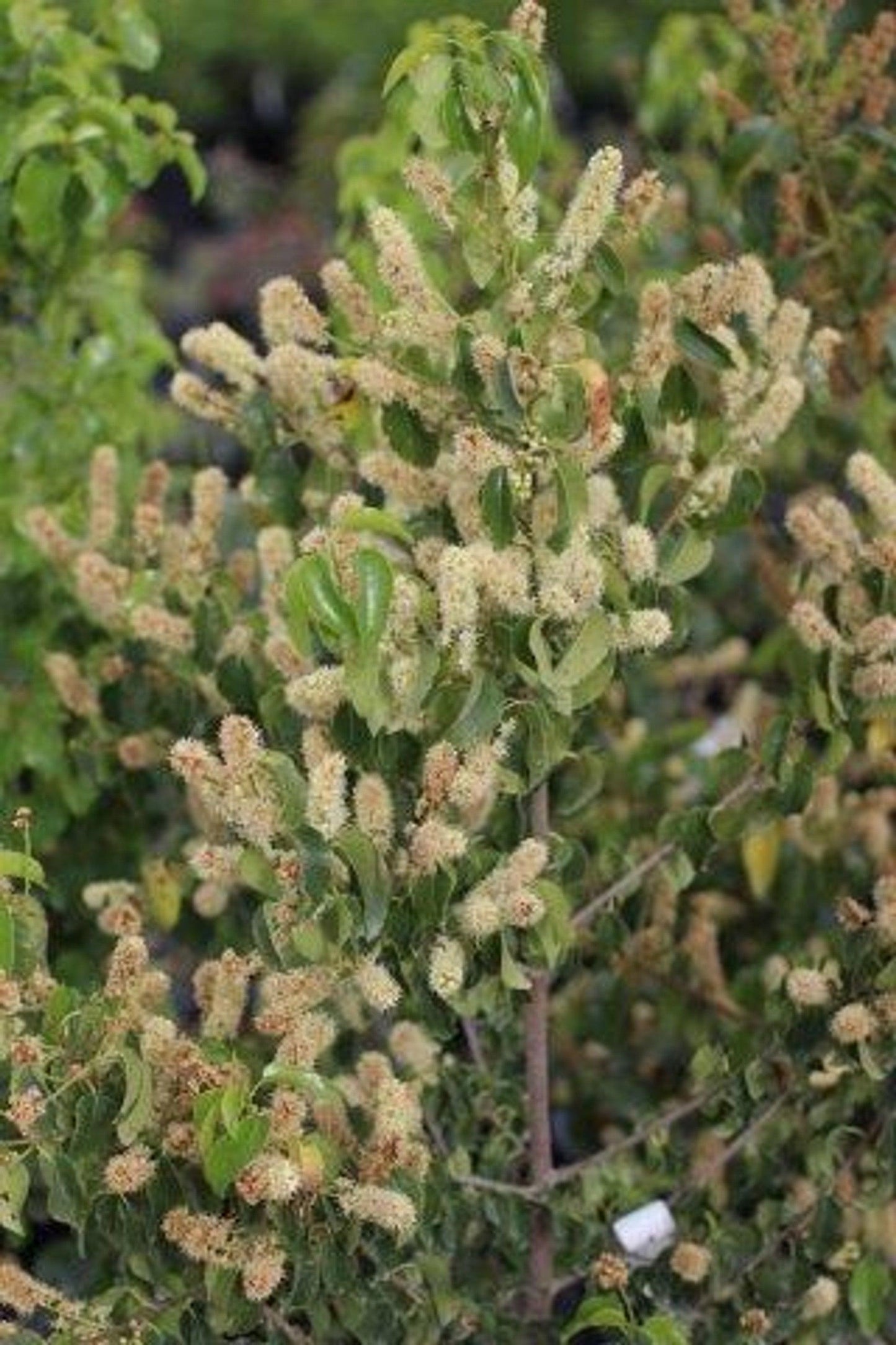
Decorative hedges bring color, fragrance and movement into the garden. Flowering hedges, such as lilacs and dogwoods, provide vibrant color and personality to gardens during spring and summer, while forsythia and rose hedges add strong seasonal interest through blooms, branches and foliage.
Deciduous hedging varieties can provide seasonal changes and potential flowering benefits. Pollinator-friendly hedges, such as lilac and cherry trees, attract butterflies, birds, and bees, enhancing biodiversity in gardens. These deciduous shrubs are a smart choice when the goal is beauty, wildlife value and a softer landscape feel rather than a solid winter screen.
For structure, formal hedges such as boxwood, holly and yew are a classic choice. Globe Japanese boxwood is slow growing and ideal for low hedges, clipped borders and creating dense garden edges. Holly offers evergreen plants with glossy foliage and, on suitable varieties, berries that support birds and add winter color. Mixed hedge combinations can blend evergreen coverage with deciduous plants for texture, flowers and year round appeal.
Windbreak & Boundary Hedges
Windbreak and boundary hedges need strong growth, durable branches and reliable coverage. Robust evergreen trees for privacy such as eastern red cedar and Norway spruce are useful for exposed yards, rural edges and larger properties where a tall screen can block wind and protect outdoor spaces.
For property lines, hawthorn, field maple and other native shrubs can create natural boundaries with seasonal flowers, berries and habitat for birds. Alongside hedges, carefully chosen landscape trees can add vertical structure and long-term shade. Native hedging species often grow better in local environments and support local wildlife, making them a practical option for long-term healthy growth.
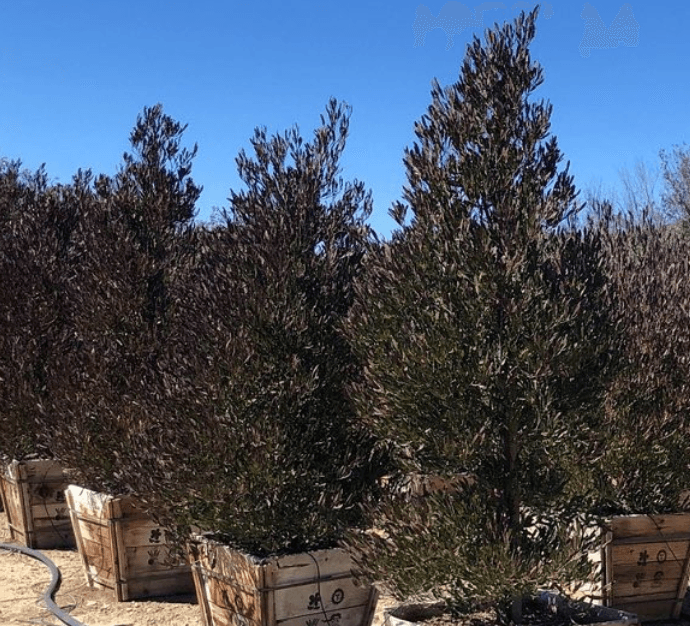
In coastal or harsh weather locations, choose plants that tolerate salt, dry weather, wind and poor soil. Juniper, pine, Fern Pine hedges and other drought tolerant evergreen options can be strong choices when sun exposure is high and rainfall is limited. Always ensure the selected hedging variety can handle local climate extremes and specific soil drainage conditions before planting.
Choose the Right Hedging Plants for Your Space
The best shrubs are the ones that suit your actual garden conditions. When buying hedging plants, prioritize matching the plant’s mature size, hardiness zone, and sunlight needs to your specific garden conditions.
Decide between evergreen and deciduous foliage types when selecting hedging plants. Evergreen hedges provide year-round coverage and structure, making them ideal for privacy and noise reduction, while deciduous plants offer lighter seasonal beauty, flowers, fall color and habitat value.
For Small Gardens & Urban Spaces
Small gardens need hedge plants that deliver impact without overwhelming the yard. Compact shrubs such as dwarf boxwood, Japanese holly, compact yew and selected privet varieties can stay neat under 6 feet when pruned regularly.
Container-suitable hedge plants are ideal for patios, balconies and paved spaces where in-ground planting is limited. One shrub in a large container can define an entrance, while several containers in a row can form a flexible screen.
For narrow side yards, columnar plants are often the perfect solution. Emerald arborvitae, upright juniper and narrow hollies grow tall without taking too much mature spread. Check mature width carefully, because larger plants can quickly crowd paths, windows and fences if chosen only for their current size.
For Large Properties & Rural Settings
Large properties often need cost-effective hedges that can cover long boundaries. Fast growing options such as willow, poplar, arborvitae and mixed native shrubs can fill open space and form practical living fences when planted in a single or double row, while strategically placed mature trees can deliver instant impact and privacy.
Native hedge mixes are especially useful for wildlife habitat and ecological benefits. A blend of hawthorn, field maple, dogwood, cherry, blackthorn or other regionally suitable shrubs can support pollinators, shelter birds and add flowers, berries and fall color.
Bulk planting can reduce the regular price per plant for large-scale projects, especially when using bare root hedging plants. Purchasing hedging plants from independent nurseries can provide advantages such as tailored planting advice and species optimized for local soil biology, especially when you work with a nursery that specializes in privacy trees and evergreens.
For Shady Garden Areas
Shade changes growth rate, flowering and density, so choosing the right shrubs is essential. Shade-tolerant evergreen plants such as yew, cherry laurel and Fern Pine trees can create dense foliage in lower-light areas, while holly may also perform well depending on the variety and soil.
Deciduous options like beech and hornbeam can thrive in partial shade and make good hedges for woodland edges or sheltered gardens. To add movement and texture in dimmer corners, consider pairing hedges with ornamental grasses for shade. These deciduous hedges may hold their structure well, although growth can be slower and blooms may be reduced in deeper shade.
For successful establishment, prepare the soil well, water deeply during the first seasons and keep weeds away from the lowest branches. Avoid planting too close together in shade, because poor airflow can increase disease and cause dead or damaged branches.
For Sunny & Exposed Locations
Sunny and exposed locations call for plants that handle heat, wind and dry weather. Sun-loving conifers such as juniper and pine are strong choices for full exposure, especially where a cold hardy, deer resistant or low maintenance hedge is needed.
Drought tolerant hedging such as rosemary, English lavender and selected Mediterranean shrubs can work beautifully in hot climates with free-draining soil. These plants add fragrance, flowers and pollinator value while keeping maintenance lower once established.
Mediterranean plants and tough evergreens often perform best when drainage is sharp and watering is consistent during establishment. Match the plant to your growing zone, mature height and mature width, then use correct spacing so the hedge can grow dense without becoming stressed.
Premium Plant Quality That Lasts
Plant quality matters because a hedge is a long-term part of the landscape. Healthy roots, strong branches and well-grown foliage help plants establish faster, resist stress and develop into a dense, seamless hedge.
Arborvitae and Boxwood are popular hedging plants because they offer dependable structure in many garden styles. Whether you choose bare root, container-grown or instant hedge options, always inspect plant health and select the right size for the job.
Bare Root Hedging Plants
Bare root hedging plants are a cost-effective option for long runs of hedge, especially when planting deciduous shrubs and native mixes. Container-grown hedging plants are available all year, while bare-root options are best for winter planting, typically during dormancy from late fall through early spring.
Bare root plants can establish strongly when roots are kept moist, planted promptly and watered well after planting. They are excellent value for large hedge projects because you can buy more plants at a lower regular price than many larger plants.
Use bare root hedges for extensive planting, rural boundaries and mixed wildlife screens. Check each plant before planting, trim dead or damaged branches, spread roots naturally in the soil and firm gently to remove air pockets.
Container-Grown Plants
Container-grown hedge plants are available all year and are useful when you want flexibility outside the bare root season. They arrive with established root systems and foliage, giving a quicker visual effect in the garden.
These plants are often easier for novice gardeners because the root ball is already formed and the plant can be positioned with less handling. They are also helpful in challenging locations where timing, weather or soil preparation makes dormant planting less practical.
Before planting, loosen circling roots and water thoroughly. Container-grown evergreens, flowering shrubs and formal hedging plants should be matched to the correct growing zone, sun exposure and soil drainage to encourage healthy growth.
Instant Hedge Solutions
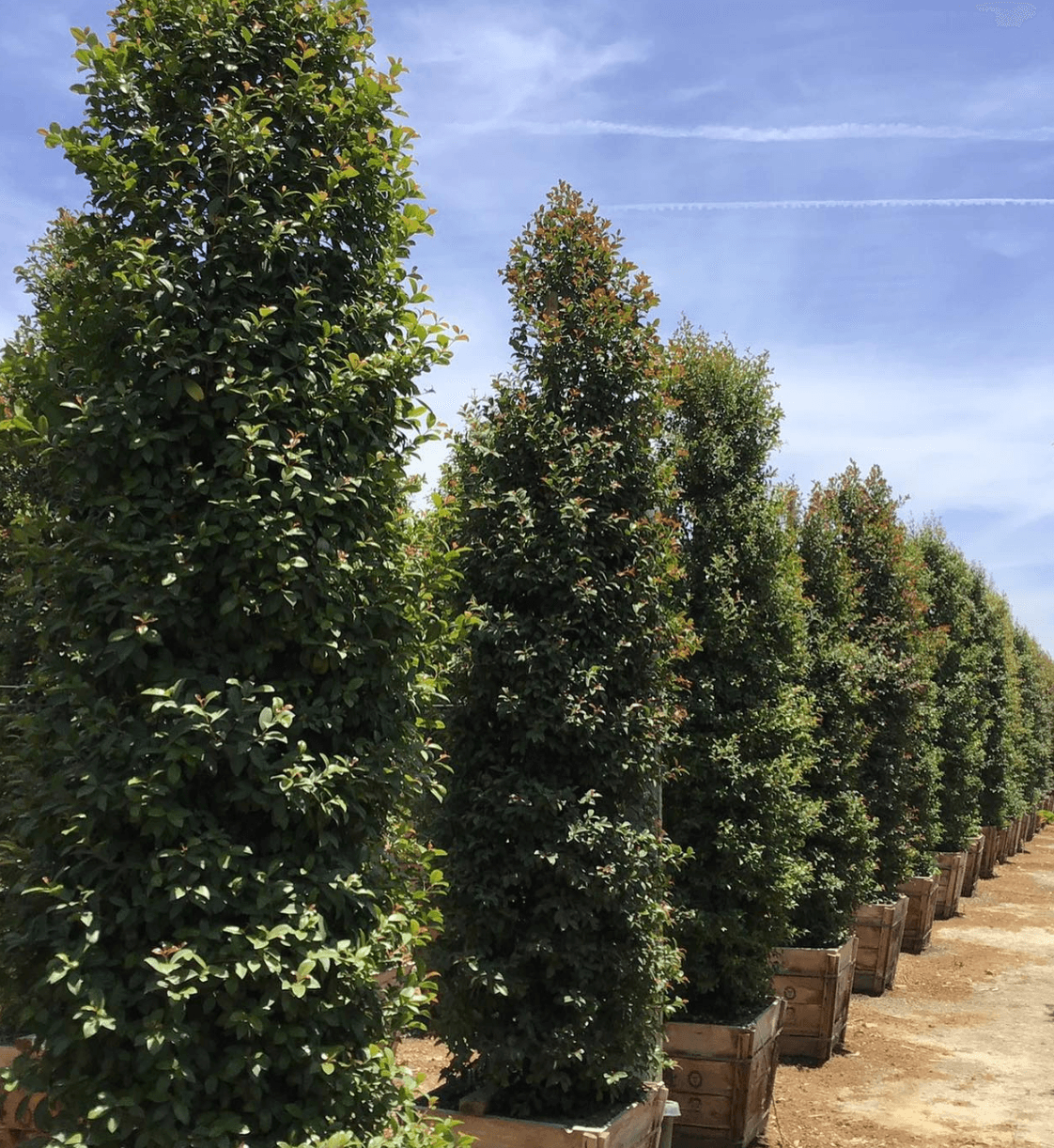
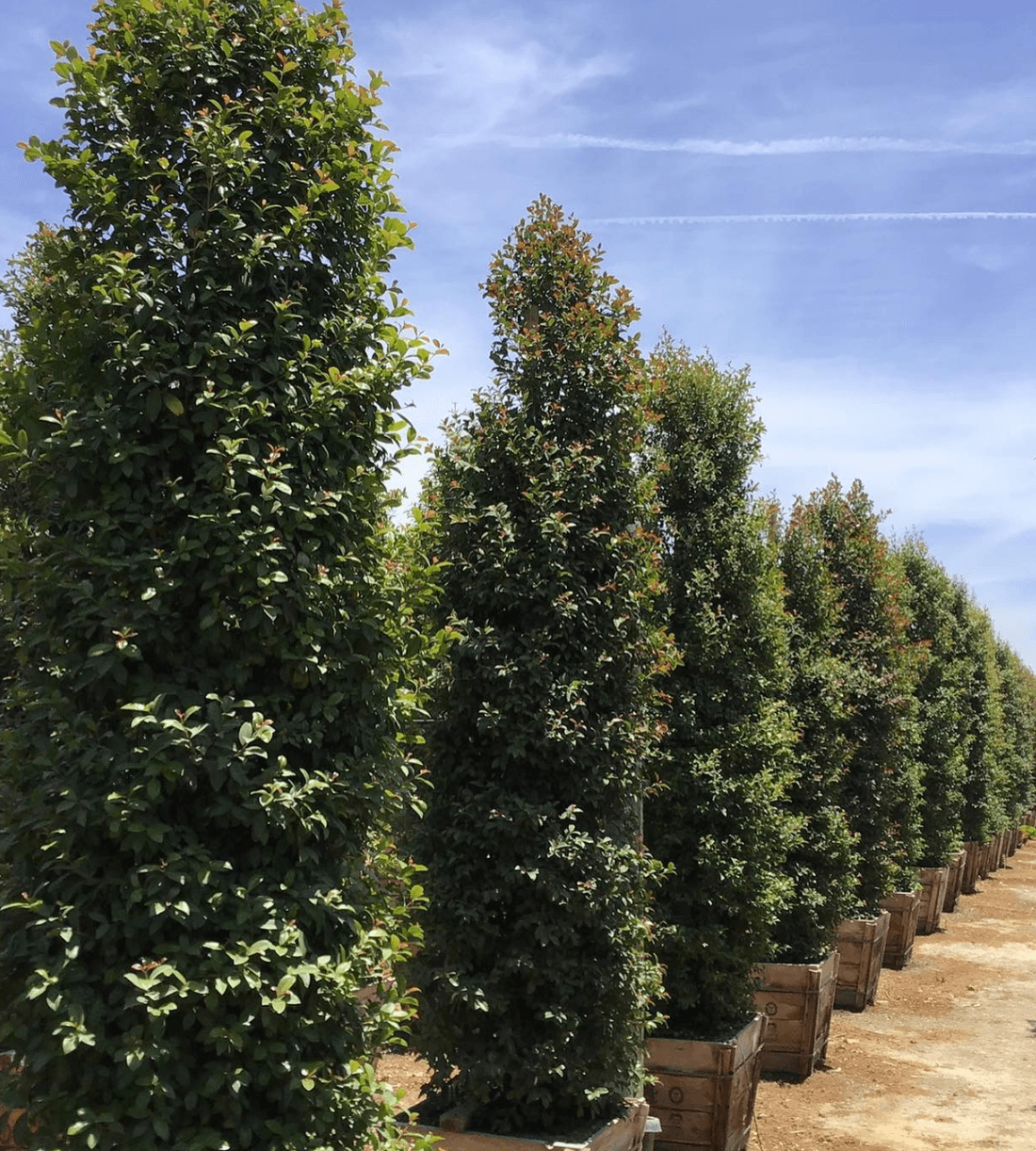
Instant hedge solutions include pre-grown hedge panels and mature specimens designed for immediate privacy. They are ideal when you need to block a view, shape an outdoor room or create a finished landscape without waiting years for the hedge to fill.
Professional-quality instant hedges are often 4-6 feet tall at purchase. Evergreen options can provide year round coverage from the first day, while larger flowering or deciduous plants can create seasonal impact quickly.
Instant hedging comes at premium pricing, with higher delivery and installation needs, but it can be the perfect solution for overlooked gardens, commercial spaces and homes where privacy is urgent. Larger plants still require careful watering, mulching and pruning tips to settle successfully.
How to Plant and Care for Your Hedges
Successful hedges start with the right plant, then depend on careful planting and regular maintenance. Correct spacing, watering, mulching and pruning all help create dense foliage from the base to the top.
Fast-growing hedging species require frequent shearing, while slower growers drastically cut down on pruning chores. A formal hedge needs sharp, structured shearing multiple times a year, while an informal hedge requires minimal maintenance.
Planting Your Hedge Correctly
Planting time depends on the plant type. Bare root hedging is best planted in winter or during dormancy, while evergreens often establish well in spring or cooler moist periods when heat stress is lower.
Spacing is critical for a dense screen. For a dense, seamless hedge, it is generally recommended to plant shrubs 2–3 feet apart, but always check the specific variety’s mature width to ensure they have enough room to grow. To achieve a seamless hedge, plant your shrubs 1 foot closer than the minimum mature spread listed on the product page, which encourages faster fill-in while allowing room for healthy growth.
When spacing plants for a hedge, measure from the center of one shrub to the center of the next, ensuring that the distance is appropriate based on the mature width of the plants. Prepare the soil with compost where needed, improve drainage, water deeply after planting and mulch to conserve moisture without piling mulch against the crown.
Ongoing Hedge Maintenance
Pruning keeps hedges dense, balanced and healthy. The best time to prune hedges is generally in early spring before new growth begins, or after flowering for those that bloom on old wood.
Evergreen hedges should be pruned in early spring and again in mid-summer if necessary, while deciduous hedges that bloom on new wood can be pruned in late winter or early spring. Pruning should be avoided during extreme weather conditions, such as very cold or very hot days, to prevent stress on the plants.
Remove damaged branches, dead or damaged branches and crossing stems as soon as you see them. Formal hedges need regular trimming to hold their shape, while informal hedges need lighter pruning to encourage branching and protect blooms. Where soil tests or plant care guides recommend it, a fertilizing regimen of up to three applications per year can support optimal density and healthy growth.
Shop Hedging Plants Online
Explore our complete collection of hedging plants for privacy, decoration, windbreaks and boundaries. Browse evergreen, deciduous, flowering, fast growing, slow growing, low maintenance, drought tolerant, cold hardy and deer resistant options for every garden style.
Filter by plant type, mature height, mature width, growth rate, sun exposure and climate zone compatibility. Compare regular price, bulk pricing and available sizes to choose the best value for small yards, large landscapes and wholesale projects.
Every order includes practical guidance to help you plant, prune, water and care for your hedge with confidence. Your perfect hedge solution is just a few clicks away.