

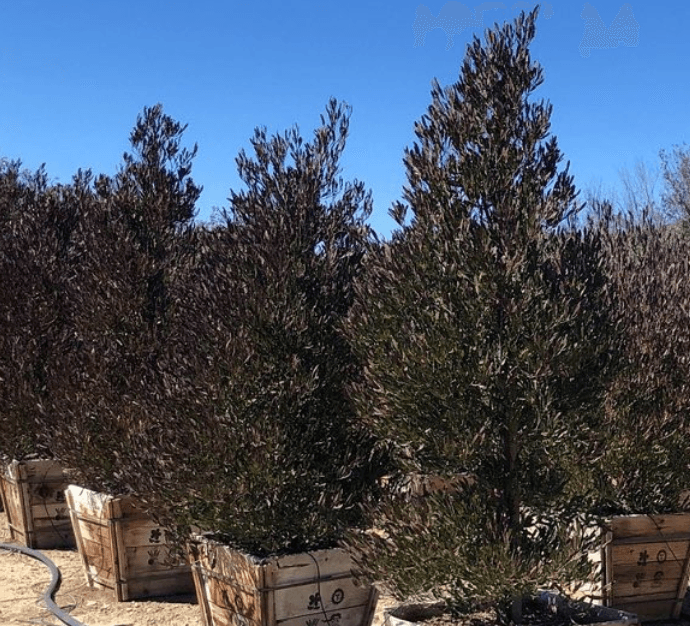
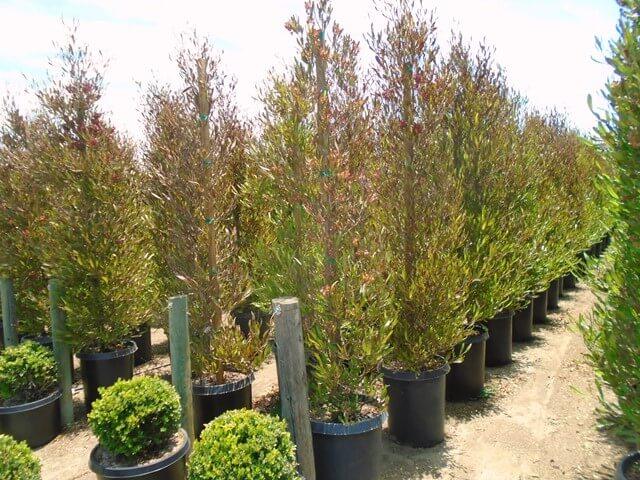


Purple Hopseed Bush - Dodonaea viscosa ‘Purpurea’
Regular price
$225.00
Size
Transform Your Landscape with Year-Round Purple Drama
Purple Hopseed Bush is a fast growing evergreen shrub for creating a colorful privacy screen, hedge, or accent in California gardens without high water use or constant maintenance. Its bronze-red tinted foliage brings warm color through the growing season, then turns deep purple red in winter for a bold backdrop that ordinary green screening plants cannot match.
Known botanically as Dodonaea viscosa ‘Purpurea’, this purple hopseed variety is prized for its upright shape, dense branches, and easy care performance in full sun. The foliage emerges golden-green to bronze green foliage, deepens into rich purple-red during winter, and pairs beautifully with Mediterranean, xeriscape, coastal, desert, and modern landscape designs.
It is especially useful for California homeowners who want a superb evergreen screen with a neat appearance. Plant it where it gets sun, give it well drained soil, water deeply during the first growing season, then reduce frequency once established.
Why You’ll Love It
-
Stunning Seasonal Color – The purple hopseed bush, scientifically known as Dodonaea viscosa ‘Purpurea’, features bronze-red tinted foliage that darkens to a deeper red in winter. New growth often emerges golden-green before the best foliage color develops in full sun, creating a rich range of purple, bronze, and deep purple red tones from spring through fall and winter.
-
Drought Tolerant – Once established, the purple hopseed bush thrives in desert heat and can survive primarily on rainfall, making it ideal for xeriscaping. It requires minimal upkeep, zero supplemental fertilizer, and infrequent deep watering once established, so you can skip routine feeding with general purpose fertilizer and focus on smart watering instead.
-
Fast Growing Privacy – When planted 3 to 4 feet apart, the purple hopseed bush grows 2 to 3 feet per year, forming a thick, dense privacy barrier. It reaches a mature height quickly, with the purple hopseed bush (Dodonaea viscosa ‘Purpurea’) growing 12 to 16 feet tall and 8 to 12 feet wide.
-
Hardy & Durable – Best suited for USDA Zones 8 through 11, the purple hopseed bush tolerates winter temperatures down to 10–15°F. Young plants should be protected from severe frost, but established plants recover well in California and similar climates, including warm inland sites and dry regions such as Arizona.
-
Low Maintenance – This hopseed bush keeps a naturally upright, narrow, and dense shape. Prune annually in late winter or early spring if you want a trimmed hedge, or let it stay left unpruned for a looser shrub or small-tree form with a natural screen effect.
What Makes It Different
Most privacy shrubs are simply green, thirsty, or slow to create coverage. Purple Hopseed Bush stands apart because it combines privacy, color, heat tolerance, and easy care in one plant, and it’s one of several popular privacy trees and shrubs suited to California landscapes.
-
Unique Purple Coloration – Few evergreen screen plants offer this distinctive seasonal color shift. The foliage begins with golden-green and bronze green foliage, shows bronze-red color through the growing season, and turns deep purple red as winter cools the garden, pairing beautifully with complementary accents like Purple Fountain Grass (Pennisetum setaceum 'Rubrum').
-
California Native Heritage – Dodonaea viscosa has warm-climate native heritage and is naturally adapted to tough, dry, exposed conditions, making it a strong fit for California landscapes compared with many imported alternatives that need more water. It performs well in full sun, good drainage, and well drained soil, much like the California Pepper Tree (Schinus molle).
-
Multi-Season Interest – The purple hopseed bush features inconspicuous summer flowers followed by ornamental, pinkish-brown, three-winged seed capsules. This shrub produces pink, papery seed pods from spring to summer, making it an attractive addition to gardens; the pinkish fruit brightens the plant and adds texture after late spring clusters appear.
Beyond looks, the fibrous, spreading root system of the purple hopseed bush stabilizes soil effectively on steep banks and slopes. It also provides excellent nesting shelter for local birds and is highly deer-resistant, making it a great choice for a working landscape, not just a decorative one, especially when combined with flowering trees suited to California gardens for added seasonal color.
Tips For Success In Your Garden
-
Plant in Full Sun
Choose a site with 6+ hours of direct sunlight for the best foliage color. Full sun helps purple hopseed develop its strongest bronze-red and deep purple red tones, while too much shade can make the foliage greener. -
Establish Deep Roots
Plant in well drained soil with good drainage. Water regularly during the first growing season so the extensive root system can grow strong, then water deeply and reduce frequency as the plant becomes established. Avoid soggy soil, because hopseed does not like waterlogged roots. -
Watch It Transform
Growth begins quickly in warm spring weather. Through summer and fall, the foliage holds bronze-red to purple color, then turns deep purple red in winter. Pinkish fruit and papery seed pods can follow late spring flowers, adding seasonal detail to the hedge, screen, or accent plant, and local plant nursery and landscaping services can help you place it for maximum impact.
Short, simple care is usually enough: protect young plants from hard frost, prune annually only if you want a formal shape, and wait for the plant to settle in before judging its final color.
Plant Details
-
Botanical Name: Dodonaea viscosa ‘Purpurea’
-
Common Names: Purple Hopseed Bush, purple hopseed, hopseed bush, hop bush
-
Plant Type: Evergreen shrub or small tree
-
Mature Size: Commonly maintained around 12–15 feet tall and 8–10 feet wide; the purple hopseed bush (Dodonaea viscosa ‘Purpurea’) grows 12 to 16 feet tall and 8 to 12 feet wide
-
Sun Requirements: Full sun for best color
-
Water Needs: Low to moderate during establishment; infrequent deep watering once established
-
Hardiness: Best suited for USDA Zones 8 through 11; tolerates winter temperatures down to 10–15°F, with young plants frost sensitive
-
Growth Rate: Fast growing, often 2 to 3 feet per year when planted 3 to 4 feet apart for a dense privacy screen
-
Soil Requirements: Adaptable to many soil types, but requires well drained soil and good drainage
-
Flowers & Fruit: Inconspicuous summer flowers followed by ornamental, pinkish-brown, three-winged seed capsules; pink, papery seed pods appear from spring to summer
-
Maintenance: Minimal upkeep, no supplemental fertilizer required, prune as needed in late winter or early spring
-
Landscape Uses: Hedge, screen, background shrub, accent plant, Mediterranean garden feature, xeriscape planting, slope stabilization, and privacy barrier near yards, patios, and swimming pools where some seed pod drop is acceptable; it also pairs well with other hedging staples like the Fern Pine hedge (Podocarpus gracilior)
-
Wildlife Value: Excellent nesting shelter for local birds and highly deer-resistant
Who It’s For
Ideal for:
-
California homeowners seeking colorful privacy screening, whether with purple hopseed or classic options like an English Laurel hedge (Prunus laurocerasus)
-
Mediterranean and xeriscape garden enthusiasts
-
Busy gardeners wanting low-maintenance but striking plants
-
Anyone looking to add year-round purple drama to their landscape
-
Homeowners who need a fast growing hedge with dense branches and a neat appearance, or who are considering alternatives such as a Brush Cherry (Eugenia myrtifolia) hedge
-
Sloped-yard owners who want a shrub with a fibrous, spreading root system that helps stabilize soil
-
Gardeners in warm USDA Zones 8 through 11 who want a drought tolerant plant for sun and well drained soil, including those comparing purple hopseed with Carolina Cherry Laurel privacy hedges
If you want to create a purple evergreen background, soften a fence, frame a yard, or replace a thirsty green hedge, Purple Hopseed Bush is an excellent choice. The purple hopseed bush is commonly used for screens or as accents in Mediterranean gardens due to its unique color and structure.
Frequently Asked Questions
How fast does it grow?
Purple Hopseed Bush is fast growing. When planted 3 to 4 feet apart, the purple hopseed bush grows 2 to 3 feet per year, forming a thick, dense privacy barrier. With proper care, it can reach a strong screening size in about 3–5 years.
Will it survive California droughts?
Yes. Once established, the purple hopseed bush thrives in desert heat and can survive primarily on rainfall, making it ideal for xeriscaping. Water deeply during the first growing season, then reduce frequency as the root system develops.
What if I need help with planting?
Yardwork offers consultation services and soil testing to help you choose the right site, check drainage, and plant correctly. This is especially helpful if your soil is heavy clay, your yard is on a slope, or you want to create a dense privacy screen.
Does it need pruning?
Minimal pruning is required. Prune annually in late winter or early spring to shape the shrub, maintain a trimmed hedge, or remove any green reversion growth. Left unpruned, it develops a more natural upright form.
Can I plant it near swimming pools?
You can, but place it thoughtfully. Purple Hopseed Bush produces pinkish fruit and papery seed pods from spring to summer, so some litter may occur. It works best near swimming pools when trimmed, spaced properly, and planted where seed pods will not be a maintenance issue.
Does it need fertilizer?
No routine fertilizer is needed. The purple hopseed bush requires minimal upkeep, zero supplemental fertilizer, and infrequent deep watering once established. If growth is unusually weak, check sun exposure, watering frequency, and soil drainage before using general purpose fertilizer.
Ready to Add Purple Drama to Your Garden?
Stop settling for an ordinary green screen when you can plant a drought tolerant, fast growing, purple evergreen shrub with year-round color. Choose Purple Hopseed Bush for bronze-red foliage, winter deep purple red color, dense privacy, easy care, and reliable performance in California landscapes.
Transform Your Landscape with Year-Round Purple Drama
Purple Hopseed Bush is a fast growing evergreen shrub for creating a colorful privacy screen, hedge, or accent in California gardens without high water use or constant maintenance. Its bronze-red tinted foliage brings warm color through the growing season, then turns deep purple red in winter for a bold backdrop that ordinary green screening plants cannot match.
Known botanically as Dodonaea viscosa ‘Purpurea’, this purple hopseed variety is prized for its upright shape, dense branches, and easy care performance in full sun. The foliage emerges golden-green to bronze green foliage, deepens into rich purple-red during winter, and pairs beautifully with Mediterranean, xeriscape, coastal, desert, and modern landscape designs.
It is especially useful for California homeowners who want a superb evergreen screen with a neat appearance. Plant it where it gets sun, give it well drained soil, water deeply during the first growing season, then reduce frequency once established.
Why You’ll Love It
-
Stunning Seasonal Color – The purple hopseed bush, scientifically known as Dodonaea viscosa ‘Purpurea’, features bronze-red tinted foliage that darkens to a deeper red in winter. New growth often emerges golden-green before the best foliage color develops in full sun, creating a rich range of purple, bronze, and deep purple red tones from spring through fall and winter.
-
Drought Tolerant – Once established, the purple hopseed bush thrives in desert heat and can survive primarily on rainfall, making it ideal for xeriscaping. It requires minimal upkeep, zero supplemental fertilizer, and infrequent deep watering once established, so you can skip routine feeding with general purpose fertilizer and focus on smart watering instead.
-
Fast Growing Privacy – When planted 3 to 4 feet apart, the purple hopseed bush grows 2 to 3 feet per year, forming a thick, dense privacy barrier. It reaches a mature height quickly, with the purple hopseed bush (Dodonaea viscosa ‘Purpurea’) growing 12 to 16 feet tall and 8 to 12 feet wide.
-
Hardy & Durable – Best suited for USDA Zones 8 through 11, the purple hopseed bush tolerates winter temperatures down to 10–15°F. Young plants should be protected from severe frost, but established plants recover well in California and similar climates, including warm inland sites and dry regions such as Arizona.
-
Low Maintenance – This hopseed bush keeps a naturally upright, narrow, and dense shape. Prune annually in late winter or early spring if you want a trimmed hedge, or let it stay left unpruned for a looser shrub or small-tree form with a natural screen effect.
What Makes It Different
Most privacy shrubs are simply green, thirsty, or slow to create coverage. Purple Hopseed Bush stands apart because it combines privacy, color, heat tolerance, and easy care in one plant, and it’s one of several popular privacy trees and shrubs suited to California landscapes.
-
Unique Purple Coloration – Few evergreen screen plants offer this distinctive seasonal color shift. The foliage begins with golden-green and bronze green foliage, shows bronze-red color through the growing season, and turns deep purple red as winter cools the garden, pairing beautifully with complementary accents like Purple Fountain Grass (Pennisetum setaceum 'Rubrum').
-
California Native Heritage – Dodonaea viscosa has warm-climate native heritage and is naturally adapted to tough, dry, exposed conditions, making it a strong fit for California landscapes compared with many imported alternatives that need more water. It performs well in full sun, good drainage, and well drained soil, much like the California Pepper Tree (Schinus molle).
-
Multi-Season Interest – The purple hopseed bush features inconspicuous summer flowers followed by ornamental, pinkish-brown, three-winged seed capsules. This shrub produces pink, papery seed pods from spring to summer, making it an attractive addition to gardens; the pinkish fruit brightens the plant and adds texture after late spring clusters appear.
Beyond looks, the fibrous, spreading root system of the purple hopseed bush stabilizes soil effectively on steep banks and slopes. It also provides excellent nesting shelter for local birds and is highly deer-resistant, making it a great choice for a working landscape, not just a decorative one, especially when combined with flowering trees suited to California gardens for added seasonal color.
Tips For Success In Your Garden
-
Plant in Full Sun
Choose a site with 6+ hours of direct sunlight for the best foliage color. Full sun helps purple hopseed develop its strongest bronze-red and deep purple red tones, while too much shade can make the foliage greener. -
Establish Deep Roots
Plant in well drained soil with good drainage. Water regularly during the first growing season so the extensive root system can grow strong, then water deeply and reduce frequency as the plant becomes established. Avoid soggy soil, because hopseed does not like waterlogged roots. -
Watch It Transform
Growth begins quickly in warm spring weather. Through summer and fall, the foliage holds bronze-red to purple color, then turns deep purple red in winter. Pinkish fruit and papery seed pods can follow late spring flowers, adding seasonal detail to the hedge, screen, or accent plant, and local plant nursery and landscaping services can help you place it for maximum impact.
Short, simple care is usually enough: protect young plants from hard frost, prune annually only if you want a formal shape, and wait for the plant to settle in before judging its final color.
Plant Details
-
Botanical Name: Dodonaea viscosa ‘Purpurea’
-
Common Names: Purple Hopseed Bush, purple hopseed, hopseed bush, hop bush
-
Plant Type: Evergreen shrub or small tree
-
Mature Size: Commonly maintained around 12–15 feet tall and 8–10 feet wide; the purple hopseed bush (Dodonaea viscosa ‘Purpurea’) grows 12 to 16 feet tall and 8 to 12 feet wide
-
Sun Requirements: Full sun for best color
-
Water Needs: Low to moderate during establishment; infrequent deep watering once established
-
Hardiness: Best suited for USDA Zones 8 through 11; tolerates winter temperatures down to 10–15°F, with young plants frost sensitive
-
Growth Rate: Fast growing, often 2 to 3 feet per year when planted 3 to 4 feet apart for a dense privacy screen
-
Soil Requirements: Adaptable to many soil types, but requires well drained soil and good drainage
-
Flowers & Fruit: Inconspicuous summer flowers followed by ornamental, pinkish-brown, three-winged seed capsules; pink, papery seed pods appear from spring to summer
-
Maintenance: Minimal upkeep, no supplemental fertilizer required, prune as needed in late winter or early spring
-
Landscape Uses: Hedge, screen, background shrub, accent plant, Mediterranean garden feature, xeriscape planting, slope stabilization, and privacy barrier near yards, patios, and swimming pools where some seed pod drop is acceptable; it also pairs well with other hedging staples like the Fern Pine hedge (Podocarpus gracilior)
-
Wildlife Value: Excellent nesting shelter for local birds and highly deer-resistant
Who It’s For
Ideal for:
-
California homeowners seeking colorful privacy screening, whether with purple hopseed or classic options like an English Laurel hedge (Prunus laurocerasus)
-
Mediterranean and xeriscape garden enthusiasts
-
Busy gardeners wanting low-maintenance but striking plants
-
Anyone looking to add year-round purple drama to their landscape
-
Homeowners who need a fast growing hedge with dense branches and a neat appearance, or who are considering alternatives such as a Brush Cherry (Eugenia myrtifolia) hedge
-
Sloped-yard owners who want a shrub with a fibrous, spreading root system that helps stabilize soil
-
Gardeners in warm USDA Zones 8 through 11 who want a drought tolerant plant for sun and well drained soil, including those comparing purple hopseed with Carolina Cherry Laurel privacy hedges
If you want to create a purple evergreen background, soften a fence, frame a yard, or replace a thirsty green hedge, Purple Hopseed Bush is an excellent choice. The purple hopseed bush is commonly used for screens or as accents in Mediterranean gardens due to its unique color and structure.
Frequently Asked Questions
How fast does it grow?
Purple Hopseed Bush is fast growing. When planted 3 to 4 feet apart, the purple hopseed bush grows 2 to 3 feet per year, forming a thick, dense privacy barrier. With proper care, it can reach a strong screening size in about 3–5 years.
Will it survive California droughts?
Yes. Once established, the purple hopseed bush thrives in desert heat and can survive primarily on rainfall, making it ideal for xeriscaping. Water deeply during the first growing season, then reduce frequency as the root system develops.
What if I need help with planting?
Yardwork offers consultation services and soil testing to help you choose the right site, check drainage, and plant correctly. This is especially helpful if your soil is heavy clay, your yard is on a slope, or you want to create a dense privacy screen.
Does it need pruning?
Minimal pruning is required. Prune annually in late winter or early spring to shape the shrub, maintain a trimmed hedge, or remove any green reversion growth. Left unpruned, it develops a more natural upright form.
Can I plant it near swimming pools?
You can, but place it thoughtfully. Purple Hopseed Bush produces pinkish fruit and papery seed pods from spring to summer, so some litter may occur. It works best near swimming pools when trimmed, spaced properly, and planted where seed pods will not be a maintenance issue.
Does it need fertilizer?
No routine fertilizer is needed. The purple hopseed bush requires minimal upkeep, zero supplemental fertilizer, and infrequent deep watering once established. If growth is unusually weak, check sun exposure, watering frequency, and soil drainage before using general purpose fertilizer.
Ready to Add Purple Drama to Your Garden?
Stop settling for an ordinary green screen when you can plant a drought tolerant, fast growing, purple evergreen shrub with year-round color. Choose Purple Hopseed Bush for bronze-red foliage, winter deep purple red color, dense privacy, easy care, and reliable performance in California landscapes.
Plants vary greatly by type and no guarantees are made on sizing.
However here is a rough idea of sizes based on containers that are direct from our growing grounds.
15 Gallon Shrub 3-4 Ft. Tall
15 Gallon Tree 5-6 Ft. Tall
24" Box Shrub 5-6 Ft. Tall
24" Box Tree 6-7 Ft. Tall
36" Box Tree 8-10 Ft. Tall
48" Box Tree 10-12 Ft. Tall
Please note: Citrus and California Native plants such as Manzanita are smaller than traditional sizing.
Please contact us to confirm sizing of items before purchasing if this is a concern.
Plants vary greatly by type and no guarantees are made on sizing.
However here is a rough idea of sizes based on containers that are direct from our growing grounds.
15 Gallon Shrub 3-4 Ft. Tall
15 Gallon Tree 5-6 Ft. Tall
24" Box Shrub 5-6 Ft. Tall
24" Box Tree 6-7 Ft. Tall
36" Box Tree 8-10 Ft. Tall
48" Box Tree 10-12 Ft. Tall
Please note: Citrus and California Native plants such as Manzanita are smaller than traditional sizing.
Please contact us to confirm sizing of items before purchasing if this is a concern.
Delivery does not include unloading of trees and plants larger than a 24" box.
Trees and plants in smaller containers will be dropped curbside.
Delivery beyond a curbside drop will be charged extra.
Trees and plants that are sold in container sizes larger than a 24" box size will require equipment and an operator onsite to help unload from the truck.
Please reach out to our team PRIOR to placing your order to coordinate.
Our team can provide unloading assistance with equipment for an extra fee.
Delivery does not include unloading of trees and plants larger than a 24" box.
Trees and plants in smaller containers will be dropped curbside.
Delivery beyond a curbside drop will be charged extra.
Trees and plants that are sold in container sizes larger than a 24" box size will require equipment and an operator onsite to help unload from the truck.
Please reach out to our team PRIOR to placing your order to coordinate.
Our team can provide unloading assistance with equipment for an extra fee.
You may also like...


Purple Hopseed Bush - Dodonaea viscosa ‘Purpurea’
Regular price
$225.00
Size
Transform Your Landscape with Year-Round Purple Drama
Purple Hopseed Bush is a fast growing evergreen shrub for creating a colorful privacy screen, hedge, or accent in California gardens without high water use or constant maintenance. Its bronze-red tinted foliage brings warm color through the growing season, then turns deep purple red in winter for a bold backdrop that ordinary green screening plants cannot match.
Known botanically as Dodonaea viscosa ‘Purpurea’, this purple hopseed variety is prized for its upright shape, dense branches, and easy care performance in full sun. The foliage emerges golden-green to bronze green foliage, deepens into rich purple-red during winter, and pairs beautifully with Mediterranean, xeriscape, coastal, desert, and modern landscape designs.
It is especially useful for California homeowners who want a superb evergreen screen with a neat appearance. Plant it where it gets sun, give it well drained soil, water deeply during the first growing season, then reduce frequency once established.
Why You’ll Love It
-
Stunning Seasonal Color – The purple hopseed bush, scientifically known as Dodonaea viscosa ‘Purpurea’, features bronze-red tinted foliage that darkens to a deeper red in winter. New growth often emerges golden-green before the best foliage color develops in full sun, creating a rich range of purple, bronze, and deep purple red tones from spring through fall and winter.
-
Drought Tolerant – Once established, the purple hopseed bush thrives in desert heat and can survive primarily on rainfall, making it ideal for xeriscaping. It requires minimal upkeep, zero supplemental fertilizer, and infrequent deep watering once established, so you can skip routine feeding with general purpose fertilizer and focus on smart watering instead.
-
Fast Growing Privacy – When planted 3 to 4 feet apart, the purple hopseed bush grows 2 to 3 feet per year, forming a thick, dense privacy barrier. It reaches a mature height quickly, with the purple hopseed bush (Dodonaea viscosa ‘Purpurea’) growing 12 to 16 feet tall and 8 to 12 feet wide.
-
Hardy & Durable – Best suited for USDA Zones 8 through 11, the purple hopseed bush tolerates winter temperatures down to 10–15°F. Young plants should be protected from severe frost, but established plants recover well in California and similar climates, including warm inland sites and dry regions such as Arizona.
-
Low Maintenance – This hopseed bush keeps a naturally upright, narrow, and dense shape. Prune annually in late winter or early spring if you want a trimmed hedge, or let it stay left unpruned for a looser shrub or small-tree form with a natural screen effect.
What Makes It Different
Most privacy shrubs are simply green, thirsty, or slow to create coverage. Purple Hopseed Bush stands apart because it combines privacy, color, heat tolerance, and easy care in one plant, and it’s one of several popular privacy trees and shrubs suited to California landscapes.
-
Unique Purple Coloration – Few evergreen screen plants offer this distinctive seasonal color shift. The foliage begins with golden-green and bronze green foliage, shows bronze-red color through the growing season, and turns deep purple red as winter cools the garden, pairing beautifully with complementary accents like Purple Fountain Grass (Pennisetum setaceum 'Rubrum').
-
California Native Heritage – Dodonaea viscosa has warm-climate native heritage and is naturally adapted to tough, dry, exposed conditions, making it a strong fit for California landscapes compared with many imported alternatives that need more water. It performs well in full sun, good drainage, and well drained soil, much like the California Pepper Tree (Schinus molle).
-
Multi-Season Interest – The purple hopseed bush features inconspicuous summer flowers followed by ornamental, pinkish-brown, three-winged seed capsules. This shrub produces pink, papery seed pods from spring to summer, making it an attractive addition to gardens; the pinkish fruit brightens the plant and adds texture after late spring clusters appear.
Beyond looks, the fibrous, spreading root system of the purple hopseed bush stabilizes soil effectively on steep banks and slopes. It also provides excellent nesting shelter for local birds and is highly deer-resistant, making it a great choice for a working landscape, not just a decorative one, especially when combined with flowering trees suited to California gardens for added seasonal color.
Tips For Success In Your Garden
-
Plant in Full Sun
Choose a site with 6+ hours of direct sunlight for the best foliage color. Full sun helps purple hopseed develop its strongest bronze-red and deep purple red tones, while too much shade can make the foliage greener. -
Establish Deep Roots
Plant in well drained soil with good drainage. Water regularly during the first growing season so the extensive root system can grow strong, then water deeply and reduce frequency as the plant becomes established. Avoid soggy soil, because hopseed does not like waterlogged roots. -
Watch It Transform
Growth begins quickly in warm spring weather. Through summer and fall, the foliage holds bronze-red to purple color, then turns deep purple red in winter. Pinkish fruit and papery seed pods can follow late spring flowers, adding seasonal detail to the hedge, screen, or accent plant, and local plant nursery and landscaping services can help you place it for maximum impact.
Short, simple care is usually enough: protect young plants from hard frost, prune annually only if you want a formal shape, and wait for the plant to settle in before judging its final color.
Plant Details
-
Botanical Name: Dodonaea viscosa ‘Purpurea’
-
Common Names: Purple Hopseed Bush, purple hopseed, hopseed bush, hop bush
-
Plant Type: Evergreen shrub or small tree
-
Mature Size: Commonly maintained around 12–15 feet tall and 8–10 feet wide; the purple hopseed bush (Dodonaea viscosa ‘Purpurea’) grows 12 to 16 feet tall and 8 to 12 feet wide
-
Sun Requirements: Full sun for best color
-
Water Needs: Low to moderate during establishment; infrequent deep watering once established
-
Hardiness: Best suited for USDA Zones 8 through 11; tolerates winter temperatures down to 10–15°F, with young plants frost sensitive
-
Growth Rate: Fast growing, often 2 to 3 feet per year when planted 3 to 4 feet apart for a dense privacy screen
-
Soil Requirements: Adaptable to many soil types, but requires well drained soil and good drainage
-
Flowers & Fruit: Inconspicuous summer flowers followed by ornamental, pinkish-brown, three-winged seed capsules; pink, papery seed pods appear from spring to summer
-
Maintenance: Minimal upkeep, no supplemental fertilizer required, prune as needed in late winter or early spring
-
Landscape Uses: Hedge, screen, background shrub, accent plant, Mediterranean garden feature, xeriscape planting, slope stabilization, and privacy barrier near yards, patios, and swimming pools where some seed pod drop is acceptable; it also pairs well with other hedging staples like the Fern Pine hedge (Podocarpus gracilior)
-
Wildlife Value: Excellent nesting shelter for local birds and highly deer-resistant
Who It’s For
Ideal for:
-
California homeowners seeking colorful privacy screening, whether with purple hopseed or classic options like an English Laurel hedge (Prunus laurocerasus)
-
Mediterranean and xeriscape garden enthusiasts
-
Busy gardeners wanting low-maintenance but striking plants
-
Anyone looking to add year-round purple drama to their landscape
-
Homeowners who need a fast growing hedge with dense branches and a neat appearance, or who are considering alternatives such as a Brush Cherry (Eugenia myrtifolia) hedge
-
Sloped-yard owners who want a shrub with a fibrous, spreading root system that helps stabilize soil
-
Gardeners in warm USDA Zones 8 through 11 who want a drought tolerant plant for sun and well drained soil, including those comparing purple hopseed with Carolina Cherry Laurel privacy hedges
If you want to create a purple evergreen background, soften a fence, frame a yard, or replace a thirsty green hedge, Purple Hopseed Bush is an excellent choice. The purple hopseed bush is commonly used for screens or as accents in Mediterranean gardens due to its unique color and structure.
Frequently Asked Questions
How fast does it grow?
Purple Hopseed Bush is fast growing. When planted 3 to 4 feet apart, the purple hopseed bush grows 2 to 3 feet per year, forming a thick, dense privacy barrier. With proper care, it can reach a strong screening size in about 3–5 years.
Will it survive California droughts?
Yes. Once established, the purple hopseed bush thrives in desert heat and can survive primarily on rainfall, making it ideal for xeriscaping. Water deeply during the first growing season, then reduce frequency as the root system develops.
What if I need help with planting?
Yardwork offers consultation services and soil testing to help you choose the right site, check drainage, and plant correctly. This is especially helpful if your soil is heavy clay, your yard is on a slope, or you want to create a dense privacy screen.
Does it need pruning?
Minimal pruning is required. Prune annually in late winter or early spring to shape the shrub, maintain a trimmed hedge, or remove any green reversion growth. Left unpruned, it develops a more natural upright form.
Can I plant it near swimming pools?
You can, but place it thoughtfully. Purple Hopseed Bush produces pinkish fruit and papery seed pods from spring to summer, so some litter may occur. It works best near swimming pools when trimmed, spaced properly, and planted where seed pods will not be a maintenance issue.
Does it need fertilizer?
No routine fertilizer is needed. The purple hopseed bush requires minimal upkeep, zero supplemental fertilizer, and infrequent deep watering once established. If growth is unusually weak, check sun exposure, watering frequency, and soil drainage before using general purpose fertilizer.
Ready to Add Purple Drama to Your Garden?
Stop settling for an ordinary green screen when you can plant a drought tolerant, fast growing, purple evergreen shrub with year-round color. Choose Purple Hopseed Bush for bronze-red foliage, winter deep purple red color, dense privacy, easy care, and reliable performance in California landscapes.
Transform Your Landscape with Year-Round Purple Drama
Purple Hopseed Bush is a fast growing evergreen shrub for creating a colorful privacy screen, hedge, or accent in California gardens without high water use or constant maintenance. Its bronze-red tinted foliage brings warm color through the growing season, then turns deep purple red in winter for a bold backdrop that ordinary green screening plants cannot match.
Known botanically as Dodonaea viscosa ‘Purpurea’, this purple hopseed variety is prized for its upright shape, dense branches, and easy care performance in full sun. The foliage emerges golden-green to bronze green foliage, deepens into rich purple-red during winter, and pairs beautifully with Mediterranean, xeriscape, coastal, desert, and modern landscape designs.
It is especially useful for California homeowners who want a superb evergreen screen with a neat appearance. Plant it where it gets sun, give it well drained soil, water deeply during the first growing season, then reduce frequency once established.
Why You’ll Love It
-
Stunning Seasonal Color – The purple hopseed bush, scientifically known as Dodonaea viscosa ‘Purpurea’, features bronze-red tinted foliage that darkens to a deeper red in winter. New growth often emerges golden-green before the best foliage color develops in full sun, creating a rich range of purple, bronze, and deep purple red tones from spring through fall and winter.
-
Drought Tolerant – Once established, the purple hopseed bush thrives in desert heat and can survive primarily on rainfall, making it ideal for xeriscaping. It requires minimal upkeep, zero supplemental fertilizer, and infrequent deep watering once established, so you can skip routine feeding with general purpose fertilizer and focus on smart watering instead.
-
Fast Growing Privacy – When planted 3 to 4 feet apart, the purple hopseed bush grows 2 to 3 feet per year, forming a thick, dense privacy barrier. It reaches a mature height quickly, with the purple hopseed bush (Dodonaea viscosa ‘Purpurea’) growing 12 to 16 feet tall and 8 to 12 feet wide.
-
Hardy & Durable – Best suited for USDA Zones 8 through 11, the purple hopseed bush tolerates winter temperatures down to 10–15°F. Young plants should be protected from severe frost, but established plants recover well in California and similar climates, including warm inland sites and dry regions such as Arizona.
-
Low Maintenance – This hopseed bush keeps a naturally upright, narrow, and dense shape. Prune annually in late winter or early spring if you want a trimmed hedge, or let it stay left unpruned for a looser shrub or small-tree form with a natural screen effect.
What Makes It Different
Most privacy shrubs are simply green, thirsty, or slow to create coverage. Purple Hopseed Bush stands apart because it combines privacy, color, heat tolerance, and easy care in one plant, and it’s one of several popular privacy trees and shrubs suited to California landscapes.
-
Unique Purple Coloration – Few evergreen screen plants offer this distinctive seasonal color shift. The foliage begins with golden-green and bronze green foliage, shows bronze-red color through the growing season, and turns deep purple red as winter cools the garden, pairing beautifully with complementary accents like Purple Fountain Grass (Pennisetum setaceum 'Rubrum').
-
California Native Heritage – Dodonaea viscosa has warm-climate native heritage and is naturally adapted to tough, dry, exposed conditions, making it a strong fit for California landscapes compared with many imported alternatives that need more water. It performs well in full sun, good drainage, and well drained soil, much like the California Pepper Tree (Schinus molle).
-
Multi-Season Interest – The purple hopseed bush features inconspicuous summer flowers followed by ornamental, pinkish-brown, three-winged seed capsules. This shrub produces pink, papery seed pods from spring to summer, making it an attractive addition to gardens; the pinkish fruit brightens the plant and adds texture after late spring clusters appear.
Beyond looks, the fibrous, spreading root system of the purple hopseed bush stabilizes soil effectively on steep banks and slopes. It also provides excellent nesting shelter for local birds and is highly deer-resistant, making it a great choice for a working landscape, not just a decorative one, especially when combined with flowering trees suited to California gardens for added seasonal color.
Tips For Success In Your Garden
-
Plant in Full Sun
Choose a site with 6+ hours of direct sunlight for the best foliage color. Full sun helps purple hopseed develop its strongest bronze-red and deep purple red tones, while too much shade can make the foliage greener. -
Establish Deep Roots
Plant in well drained soil with good drainage. Water regularly during the first growing season so the extensive root system can grow strong, then water deeply and reduce frequency as the plant becomes established. Avoid soggy soil, because hopseed does not like waterlogged roots. -
Watch It Transform
Growth begins quickly in warm spring weather. Through summer and fall, the foliage holds bronze-red to purple color, then turns deep purple red in winter. Pinkish fruit and papery seed pods can follow late spring flowers, adding seasonal detail to the hedge, screen, or accent plant, and local plant nursery and landscaping services can help you place it for maximum impact.
Short, simple care is usually enough: protect young plants from hard frost, prune annually only if you want a formal shape, and wait for the plant to settle in before judging its final color.
Plant Details
-
Botanical Name: Dodonaea viscosa ‘Purpurea’
-
Common Names: Purple Hopseed Bush, purple hopseed, hopseed bush, hop bush
-
Plant Type: Evergreen shrub or small tree
-
Mature Size: Commonly maintained around 12–15 feet tall and 8–10 feet wide; the purple hopseed bush (Dodonaea viscosa ‘Purpurea’) grows 12 to 16 feet tall and 8 to 12 feet wide
-
Sun Requirements: Full sun for best color
-
Water Needs: Low to moderate during establishment; infrequent deep watering once established
-
Hardiness: Best suited for USDA Zones 8 through 11; tolerates winter temperatures down to 10–15°F, with young plants frost sensitive
-
Growth Rate: Fast growing, often 2 to 3 feet per year when planted 3 to 4 feet apart for a dense privacy screen
-
Soil Requirements: Adaptable to many soil types, but requires well drained soil and good drainage
-
Flowers & Fruit: Inconspicuous summer flowers followed by ornamental, pinkish-brown, three-winged seed capsules; pink, papery seed pods appear from spring to summer
-
Maintenance: Minimal upkeep, no supplemental fertilizer required, prune as needed in late winter or early spring
-
Landscape Uses: Hedge, screen, background shrub, accent plant, Mediterranean garden feature, xeriscape planting, slope stabilization, and privacy barrier near yards, patios, and swimming pools where some seed pod drop is acceptable; it also pairs well with other hedging staples like the Fern Pine hedge (Podocarpus gracilior)
-
Wildlife Value: Excellent nesting shelter for local birds and highly deer-resistant
Who It’s For
Ideal for:
-
California homeowners seeking colorful privacy screening, whether with purple hopseed or classic options like an English Laurel hedge (Prunus laurocerasus)
-
Mediterranean and xeriscape garden enthusiasts
-
Busy gardeners wanting low-maintenance but striking plants
-
Anyone looking to add year-round purple drama to their landscape
-
Homeowners who need a fast growing hedge with dense branches and a neat appearance, or who are considering alternatives such as a Brush Cherry (Eugenia myrtifolia) hedge
-
Sloped-yard owners who want a shrub with a fibrous, spreading root system that helps stabilize soil
-
Gardeners in warm USDA Zones 8 through 11 who want a drought tolerant plant for sun and well drained soil, including those comparing purple hopseed with Carolina Cherry Laurel privacy hedges
If you want to create a purple evergreen background, soften a fence, frame a yard, or replace a thirsty green hedge, Purple Hopseed Bush is an excellent choice. The purple hopseed bush is commonly used for screens or as accents in Mediterranean gardens due to its unique color and structure.
Frequently Asked Questions
How fast does it grow?
Purple Hopseed Bush is fast growing. When planted 3 to 4 feet apart, the purple hopseed bush grows 2 to 3 feet per year, forming a thick, dense privacy barrier. With proper care, it can reach a strong screening size in about 3–5 years.
Will it survive California droughts?
Yes. Once established, the purple hopseed bush thrives in desert heat and can survive primarily on rainfall, making it ideal for xeriscaping. Water deeply during the first growing season, then reduce frequency as the root system develops.
What if I need help with planting?
Yardwork offers consultation services and soil testing to help you choose the right site, check drainage, and plant correctly. This is especially helpful if your soil is heavy clay, your yard is on a slope, or you want to create a dense privacy screen.
Does it need pruning?
Minimal pruning is required. Prune annually in late winter or early spring to shape the shrub, maintain a trimmed hedge, or remove any green reversion growth. Left unpruned, it develops a more natural upright form.
Can I plant it near swimming pools?
You can, but place it thoughtfully. Purple Hopseed Bush produces pinkish fruit and papery seed pods from spring to summer, so some litter may occur. It works best near swimming pools when trimmed, spaced properly, and planted where seed pods will not be a maintenance issue.
Does it need fertilizer?
No routine fertilizer is needed. The purple hopseed bush requires minimal upkeep, zero supplemental fertilizer, and infrequent deep watering once established. If growth is unusually weak, check sun exposure, watering frequency, and soil drainage before using general purpose fertilizer.
Ready to Add Purple Drama to Your Garden?
Stop settling for an ordinary green screen when you can plant a drought tolerant, fast growing, purple evergreen shrub with year-round color. Choose Purple Hopseed Bush for bronze-red foliage, winter deep purple red color, dense privacy, easy care, and reliable performance in California landscapes.
Plants vary greatly by type and no guarantees are made on sizing.
However here is a rough idea of sizes based on containers that are direct from our growing grounds.
15 Gallon Shrub 3-4 Ft. Tall
15 Gallon Tree 5-6 Ft. Tall
24" Box Shrub 5-6 Ft. Tall
24" Box Tree 6-7 Ft. Tall
36" Box Tree 8-10 Ft. Tall
48" Box Tree 10-12 Ft. Tall
Please note: Citrus and California Native plants such as Manzanita are smaller than traditional sizing.
Please contact us to confirm sizing of items before purchasing if this is a concern.
Plants vary greatly by type and no guarantees are made on sizing.
However here is a rough idea of sizes based on containers that are direct from our growing grounds.
15 Gallon Shrub 3-4 Ft. Tall
15 Gallon Tree 5-6 Ft. Tall
24" Box Shrub 5-6 Ft. Tall
24" Box Tree 6-7 Ft. Tall
36" Box Tree 8-10 Ft. Tall
48" Box Tree 10-12 Ft. Tall
Please note: Citrus and California Native plants such as Manzanita are smaller than traditional sizing.
Please contact us to confirm sizing of items before purchasing if this is a concern.
Delivery does not include unloading of trees and plants larger than a 24" box.
Trees and plants in smaller containers will be dropped curbside.
Delivery beyond a curbside drop will be charged extra.
Trees and plants that are sold in container sizes larger than a 24" box size will require equipment and an operator onsite to help unload from the truck.
Please reach out to our team PRIOR to placing your order to coordinate.
Our team can provide unloading assistance with equipment for an extra fee.
Delivery does not include unloading of trees and plants larger than a 24" box.
Trees and plants in smaller containers will be dropped curbside.
Delivery beyond a curbside drop will be charged extra.
Trees and plants that are sold in container sizes larger than a 24" box size will require equipment and an operator onsite to help unload from the truck.
Please reach out to our team PRIOR to placing your order to coordinate.
Our team can provide unloading assistance with equipment for an extra fee.
Recommended For You















Pairs Well With













You May Also Like












Thousands of Healthy Plants Delivered

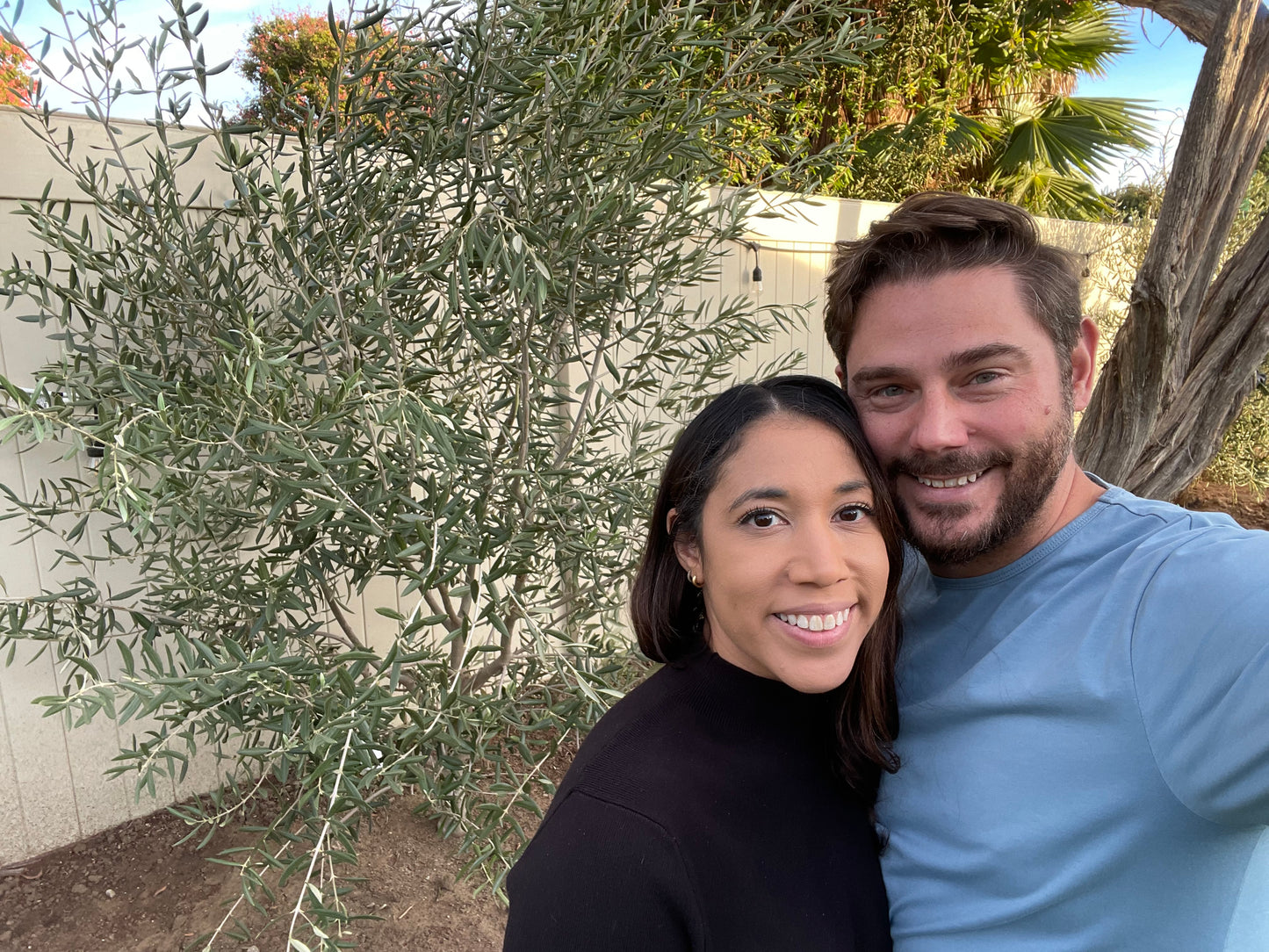
Yardwork was so great to work with. First they had the Swan Hill olive trees that we had been searching for, we had contacted several other nurseries without any luck previously. Then they answered all of our questions in a timely matter prior to ordering and finally delivered within a few days of placing it. Their staff is incredibly knowledgeable; they delivered and planted our trees with expertise to ensure that they would do well in our yard. We would definitely work with them again for future projects.











A Modern Experience
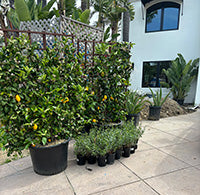
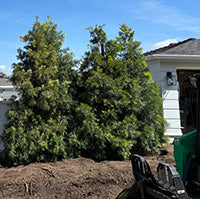
At Yardwork, we carefully curate thousands of plants, in all container sizes, to provide you with the best selection of the highest quality trees and plants at the best price, with the convenience of an online platform.
Uncompromised Quality
We choose only the finest specimens and hand select our plants just before delivery to ensure you receive the freshest and most robust specimens available for your landscape.
Industry Leading Warranties
Our 30, 90, and 365 extended warranties provide some of the best coverage to ensure our trees and plants thrive in your landscape.
Frequently Asked Questions
We're committed to changing everything about trees and plants - how they’re grown, how you shop for them, and how much they cost. We handle orders ourselves. No middlemen to get between us (or our prices) and you.
We're committed to changing everything about trees and plants - how they’re grown, how you shop for them, and how much they cost. We handle orders ourselves. No middlemen to get between us (or our prices) and you.
Delivery does not include unloading of trees and plants LARGER than a 24" box.
Trees and plants in smaller containers will be dropped curbside (usually on the driveway or near the front doorstep).
Delivery beyond a curbside drop will be charged extra.
Trees and plants that are sold in container sizes LARGER than a 24" box size will require equipment and/or enough manpower onsite to help unload from the truck.
Please reach out to our team PRIOR to placing your order to help coordinate.
Our team can provide unloading assistance with equipment for an extra fee as well.
Delivery does not include unloading of trees and plants LARGER than a 24" box.
Trees and plants in smaller containers will be dropped curbside (usually on the driveway or near the front doorstep).
Delivery beyond a curbside drop will be charged extra.
Trees and plants that are sold in container sizes LARGER than a 24" box size will require equipment and/or enough manpower onsite to help unload from the truck.
Please reach out to our team PRIOR to placing your order to help coordinate.
Our team can provide unloading assistance with equipment for an extra fee as well.
We ship locally within California within 7-10 days of your order being placed.
We ship nationally using carrier partners, based on order size. Our common order minimums for out of state shipping is $5,000.
Text or call 323-576-4159 for specific shipping details for your location.
We ship locally within California within 7-10 days of your order being placed.
We ship nationally using carrier partners, based on order size. Our common order minimums for out of state shipping is $5,000.
Text or call 323-576-4159 for specific shipping details for your location.
We are currently online only and don't have physical locations where you can view plants in person.
That's why we have photos direct from the growing grounds of the plants we will ship and we display pricing right in our store.
We do make sure to pick the very best trees and plants prior to shipping and make sure that they have gone through our multi-point inspection for health and structure.
We will always reach out prior to delivery if we find a quality issue or need to provide a substitute.
We are currently online only and don't have physical locations where you can view plants in person.
That's why we have photos direct from the growing grounds of the plants we will ship and we display pricing right in our store.
We do make sure to pick the very best trees and plants prior to shipping and make sure that they have gone through our multi-point inspection for health and structure.
We will always reach out prior to delivery if we find a quality issue or need to provide a substitute.
Plants vary greatly by type. Here is a rough idea of sizes based on containers that are direct from our growing grounds.
15 Gallon Shrub 3-4 Ft. Tall
15 Gallon Tree 5-6 Ft. Tall
24" Box Shrub 5-6 Ft. Tall
24" Box Tree 6-7 Ft. Tall
36" Box Shrub/Tree 7-9 Ft. Tall
48" Box Shrub/Tree 8-10 Ft. Tall
**Please note that we do not make guarantees of sizes. If you have questions or concerns, please call or text to request accurate sizing for the particular plant you're considering, prior to ordering.
Plants vary greatly by type. Here is a rough idea of sizes based on containers that are direct from our growing grounds.
15 Gallon Shrub 3-4 Ft. Tall
15 Gallon Tree 5-6 Ft. Tall
24" Box Shrub 5-6 Ft. Tall
24" Box Tree 6-7 Ft. Tall
36" Box Shrub/Tree 7-9 Ft. Tall
48" Box Shrub/Tree 8-10 Ft. Tall
**Please note that we do not make guarantees of sizes. If you have questions or concerns, please call or text to request accurate sizing for the particular plant you're considering, prior to ordering.
We offer a limited 30 day warranty for plants that are delivered and planted by someone else and a 90 day warranty for plants that we plant.
The limited warranty covers plants that die as a result of disease or fungus which was derived from our growing grounds or from root balls that were root bound.
The warranty does not cover damage due to watering, fertilizer, soils, or any other conditions beyond our control. Additionally, the warranty does not cover plants that are shipped out of the state of California or shipped into California from other states. Custom plant orders are also not covered under warranty. Plants must be planted within 24 hours after delivery to qualify.
We can assist you in recommending the right soils and fertilizers to help your plant thrive after you plant it.
Text or call 323-576-4159 for further warranty information.
We offer a limited 30 day warranty for plants that are delivered and planted by someone else and a 90 day warranty for plants that we plant.
The limited warranty covers plants that die as a result of disease or fungus which was derived from our growing grounds or from root balls that were root bound.
The warranty does not cover damage due to watering, fertilizer, soils, or any other conditions beyond our control. Additionally, the warranty does not cover plants that are shipped out of the state of California or shipped into California from other states. Custom plant orders are also not covered under warranty. Plants must be planted within 24 hours after delivery to qualify.
We can assist you in recommending the right soils and fertilizers to help your plant thrive after you plant it.
Text or call 323-576-4159 for further warranty information.
Our local delivery team covers most cities in California.
There are some exceptions, so please get in touch to confirm prior to ordering.
Additionally, we ship using semi trucks and trailers throughout the entire United States and even abroad for large orders over $5,000. Each shipment is custom, so please reach out to our team to coordinate.
Our local delivery team covers most cities in California.
There are some exceptions, so please get in touch to confirm prior to ordering.
Additionally, we ship using semi trucks and trailers throughout the entire United States and even abroad for large orders over $5,000. Each shipment is custom, so please reach out to our team to coordinate.