



Ceanothus Ray Hartman
Regular price
$75.00
Title
The Perfect California Native for Stunning Blue Spring Blooms
Ceanothus ‘Ray Hartman’ gives California gardens a fast-growing evergreen shrub with fragrant blue flowers, year-round structure, and reliable low-water performance once established. This large shrub is a standout choice when you want spring color, privacy screening, and habitat value without building a high-maintenance landscape.
In late winter through spring, this ray hartman ceanothus produces large clusters of medium-blue flowers, with spikes measuring 3 to 6 inches in length. The bloom is showy, fragrant, and highly attractive to pollinators, including native bees and butterflies.
For California homeowners, Ceanothus Ray Hartman is drought-tolerant once established, making it an excellent choice for water-wise gardens in California. It thrives with full sun, well-drained soil, and minimal summer water after the first year, while its evergreen foliage and dark green leaves keep the garden looking full through winter.
Why You’ll Love Ceanothus ‘Ray Hartman’
-
Spectacular blue spring bloom – This plant is known for its striking blue flowers that bloom in spring, attracting pollinators such as bees and butterflies. The medium blue clusters create a vivid display that can be seen from across the garden.
-
Low-water once established – Ceanothus Ray Hartman prefers well-drained soil and is drought-tolerant once established, making it suitable for low-water gardens. Water deeply but infrequently, allowing the soil to dry out between waterings to prevent root rot.
-
Excellent for wildlife – Ceanothus ‘Ray Hartman’ functions as a major pollen source for native bees and a larval host for moths and butterflies. It also supports beneficial pollinators that help keep native plants and edible gardens more productive.
-
Fast-growing privacy and structure – Ceanothus Ray Hartman is a fast-growing evergreen shrub that can reach heights of 6 to 10 feet and a spread of 6 to 8 feet in many maintained landscapes, similar in function to evergreen English laurel hedges for privacy. Ceanothus ‘Ray Hartman’ can reach heights of 12 to 20 feet at maturity and exhibits a growth rate of 2 to 4 feet per year when young.
-
Tough in challenging soils – Ceanothus ‘Ray Hartman’ is known for its adaptability to various soil types, including everything from light sand to heavy clay. It can thrive in sandy soil, loam, clay, and lean native soil where richer garden plants may struggle.
What Makes It Different
Most alternatives focus on either flowers or drought tolerance, but not both at this scale.
Ceanothus ‘Ray Hartman’ has:
-
Bigger landscape impact – Ceanothus Ray Hartman is often used in landscaping for its vibrant blue flowers, which can create a striking visual impact in gardens. Compared with many ceanothus varieties, Ray Hartman has larger, glossier foliage and a heavier spring flower display.
-
More adaptable than finicky natives – This cultivar handles cool coastal breezes, including locations near San Francisco, as well as hot inland heat. The shrub is cold tolerant down to 10°F to 15°F, handling cool coastal breezes as well as hot inland heat.
-
Prunes into the shape you need – With careful pruning after bloom, this evergreen shrub can be maintained as a hedge, upright screen, rounded large shrub, or trained into a small tree form. That flexibility makes it useful in both naturalistic native plantings and more edited landscapes.
-
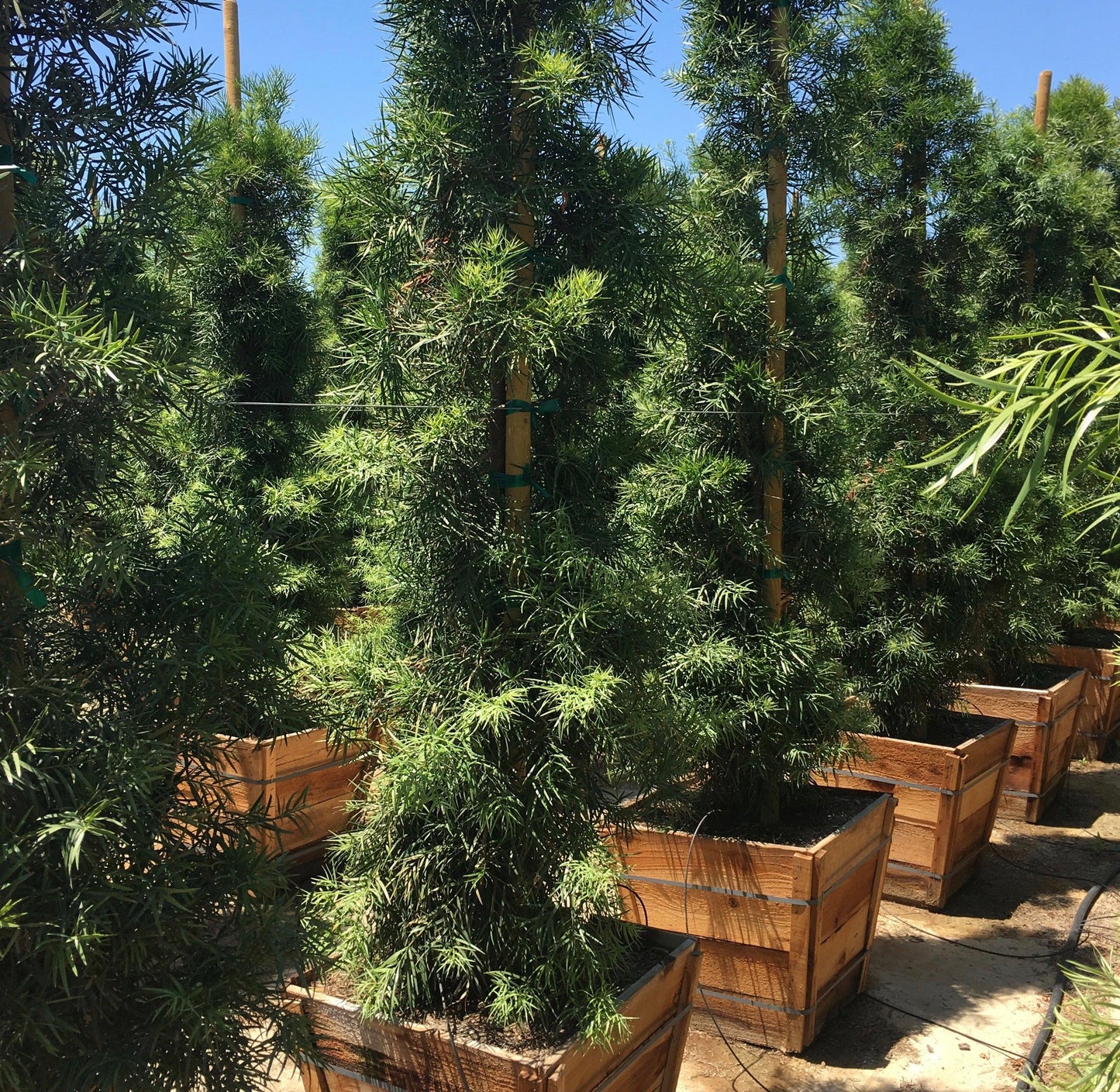
Excellent for slopes and screening – Ceanothus Ray Hartman can be used as a privacy screen or hedge due to its dense growth habit, providing both aesthetic appeal and functional benefits in landscaping, much like a Fern Pine hedge (Podocarpus gracilior). The aggressive root system of Ceanothus ‘Ray Hartman’ makes it effective for stabilizing slopes and controlling erosion.
Ray Hartman is a hybrid cultivar often associated with Ceanothus arboreus and Ceanothus griseus, sometimes listed with Ceanothus thyrsiflorus var. griseus in its background. For a broader view of California lilac (Ceanothus) species and cultivars, it sits among many drought-tolerant wild lilac options for California gardens. It was introduced through California horticultural circles connected to Leonard Coates Nurseries and the Saratoga Horticultural Foundation, sometimes searched online as “saratoga horticultural research foundation.”
How To Establish Ray Hartman in Your Landscape
-
Plant in the right location
Choose a location with full sun to light shade and well-drained soil. This plant thrives in full sun, requiring at least 6 hours of direct sunlight each day for optimal growth and flowering. -
Water regularly the first year
It thrives in full sun to light shade and prefers to establish roots with regular watering during its first year, afterward requiring minimal water in summer. Once established, reduce irrigation and water deeply but infrequently. -
Enjoy spring bloom and evergreen structure
In spring, the blue flowers appear in showy clusters, while glossy dark green foliage provides year-round greenery, making this shrub a strong complement to other spring-blooming flowering trees for California gardens. Prune after flowering to shape the shrub, maintain a hedge, remove damaged branches, or train it into a small tree.
Short version: give Ceanothus Ray Hartman sun, drainage, and room to grow. Avoid overly rich soil, constant drip irrigation, and summer overwatering, and this drought tolerant California native can become one of the most reliable plants in the garden.
Plant Details
-
Botanical Name: Ceanothus ‘Ray Hartman’
-
Common Name: California blue blossom, Ray Hartman wild lilac; ceanothus ray hartman common searches often use “Ray Hartman ceanothus”
-
Plant Type: Fast growing evergreen shrub; can be trained as a small tree
-
Mature Size: Ceanothus Ray Hartman is a fast-growing evergreen shrub that can reach heights of 6 to 10 feet and a spread of 6 to 8 feet in maintained garden settings. Ceanothus ‘Ray Hartman’ can reach heights of 12 to 20 feet at maturity and exhibits a growth rate of 2 to 4 feet per year when young.
-
Growth Habit: Upright, dense, rounded to tree-like with pruning
-
Bloom Time: Late winter through spring, often strongest in March and April
-
Flower Description: The cultivar produces large clusters of medium-blue flowers from late winter through spring, with spikes measuring 3 to 6 inches in length.
-
Foliage: The leaves of ‘Ray Hartman’ are larger and glossier compared to many other Ceanothus varieties, providing lush, year-round greenery. Expect glossy dark green leaves with a leathery texture, often described in landscape use as 2–3 inches.
-
Sun: Full sun is best; light shade is tolerated, especially in hotter inland gardens
-
Soil: Well-drained soil; adaptable to sand, sandy soil, loam, and clay
-
Water: Water regularly during establishment, then deeply and infrequently in summer
-
Hardiness: Ceanothus ‘Ray Hartman’ is hardy down to roughly 10°F to 14°F and performs best in USDA Zones 8–10.
-
Cold Tolerance: The shrub is cold tolerant down to 10°F to 15°F, handling cool coastal breezes as well as hot inland heat.
-
Wildlife Value: Ceanothus ‘Ray Hartman’ functions as a major pollen source for native bees and a larval host for moths and butterflies.
-
Landscape Use: Privacy screen, hedge, slope stabilizer, erosion control, large shrub, specimen plant, background planting, or small tree, similar in many uses to Carolina Cherry Laurel privacy hedges
-
Deer Note: Deer may browse tender new growth; protect young plants where deer love fresh spring growth.
Who It’s Perfect For
Ideal for:
-
California homeowners seeking drought-tolerant landscaping with bold spring color
-
Gardeners who want native plants that attract bees, butterflies, moths, and other pollinators
-
Property owners needing a fast growing privacy screen, informal hedge, or evergreen backdrop
-
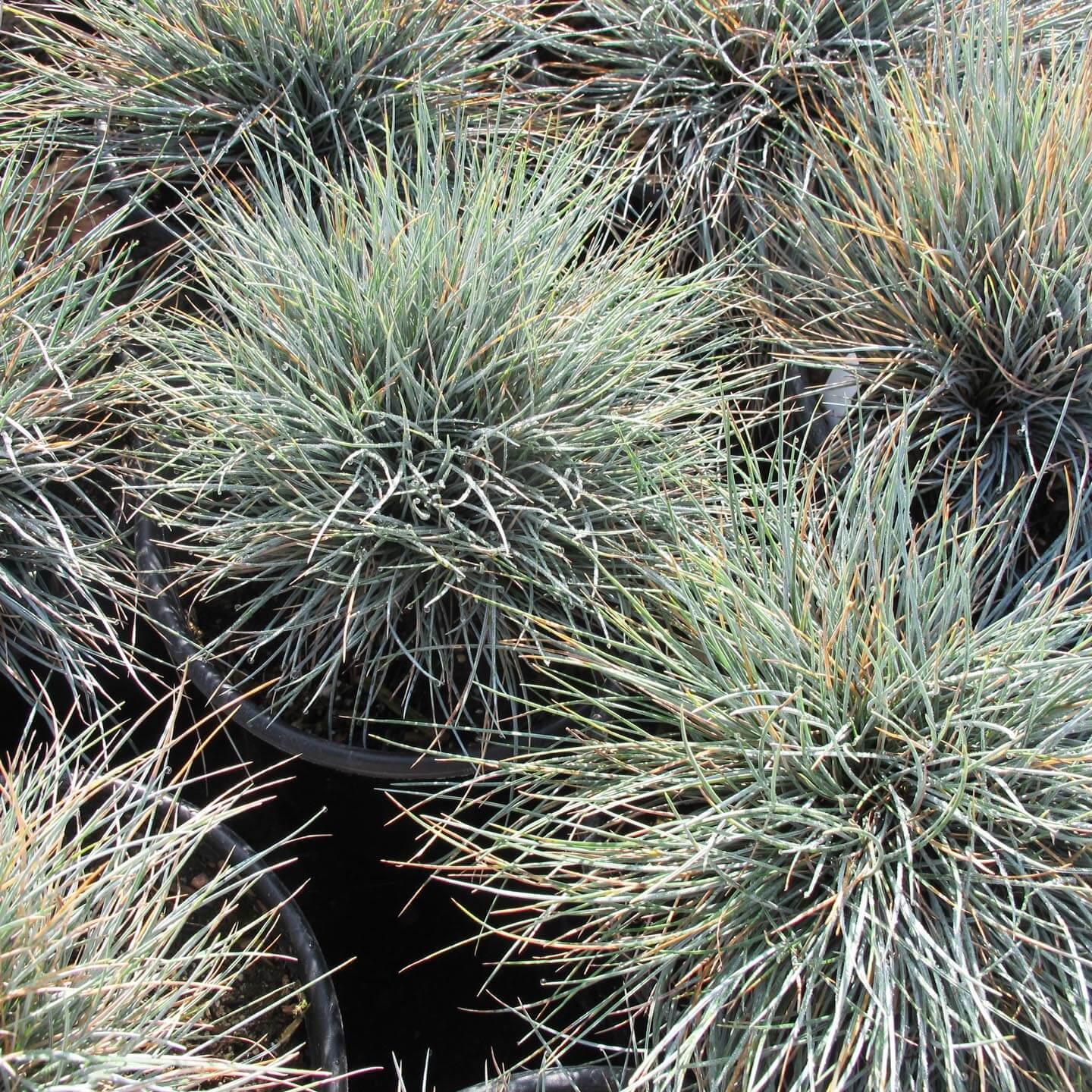
Landscape designers working with sustainable, low-water gardens that may also feature Karl Foerster feather reed grass for structure
-
Anyone who wants blue flowers, dark green foliage, and year-round structure with minimal maintenance
-
Slope or hillside gardens where aggressive roots can help protect soil and reduce erosion
This plant is valued in landscaping for its drought tolerance, making it suitable for California gardens that require low-water plants, pairing well with other Mediterranean-style choices like purple bougainvillea for bold color. It is especially useful where you want the look of a rich, full garden without relying on heavy summer irrigation.
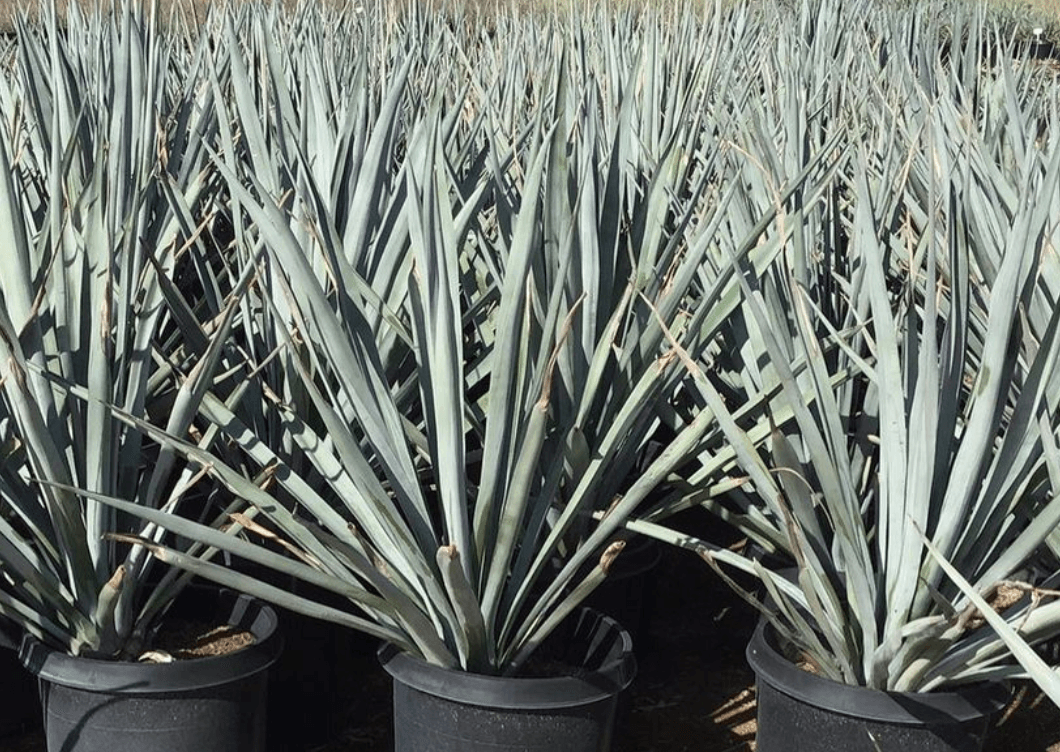
Ceanothus Ray Hartman is not the best fit for very small spaces unless you are comfortable pruning it for size control. In tighter spots or more architectural designs, many gardeners instead choose compact, sculptural options such as Blue Glow Agave and similar accent plants. It also needs good drainage, so avoid planting it where winter water sits for a long time.
Frequently Asked Questions
How fast does Ceanothus ‘Ray Hartman’ grow?
Ceanothus ‘Ray Hartman’ can reach heights of 12 to 20 feet at maturity and exhibits a growth rate of 2 to 4 feet per year when young. In many residential gardens, Ceanothus Ray Hartman is a fast-growing evergreen shrub that can reach heights of 6 to 10 feet and a spread of 6 to 8 feet when maintained as a screen or hedge.
When is the best time to plant in California?
Fall through early spring is usually best, because cooler weather and seasonal rain help roots establish before summer. In hot inland areas, avoid planting during extreme heat if possible.
How much water does it need once established?
Ceanothus Ray Hartman is drought-tolerant once established, making it an excellent choice for water-wise gardens in California. Watering should be done deeply but infrequently, allowing the soil to dry out between waterings to prevent root rot.
Can it be pruned for size control?
Yes. Prune after spring bloom to shape the plant, maintain a hedge, remove crossing branches, or train it into a small tree. Avoid heavy pruning into old bare wood, and do not over-prune during stressful summer heat.
What wildlife does it attract?
This plant is known for its striking blue flowers that bloom in spring, attracting pollinators such as bees and butterflies. Ceanothus ‘Ray Hartman’ also functions as a major pollen source for native bees and a larval host for moths and butterflies.
Does it grow in clay soil?
Yes, if drainage is adequate. Ceanothus ‘Ray Hartman’ is known for its adaptability to various soil types, including everything from light sand to heavy clay.
Is it safe from deer?
Mature plants are often more resilient, but deer may browse tender new growth. Use protection for young plants in high-deer areas, especially where other evergreen trees like the California Pepper Tree for shade and character are also part of the landscape.
What is Yardwork’s return policy and plant guarantee?
Yardwork’s return policy and plant guarantee are displayed on the product page and checkout page before purchase, along with clear information on plant sizing, shipping, and delivery options. If you need help choosing the right size, soil preparation, or planting location, Yardwork can help before you order.
Ready to Transform Your Garden?
Choose Ceanothus ‘Ray Hartman’ if you want a California native with vivid blue flowers, evergreen privacy, pollinator value, and dependable drought tolerant performance.
Order from Yardwork for healthy plants, expert consultation, and guidance on planting success. Free shipping is available for most California orders over $600, and Yardwork’s soil testing service can help you confirm drainage, soil type, and site readiness before planting.
The Perfect California Native for Stunning Blue Spring Blooms
Ceanothus ‘Ray Hartman’ gives California gardens a fast-growing evergreen shrub with fragrant blue flowers, year-round structure, and reliable low-water performance once established. This large shrub is a standout choice when you want spring color, privacy screening, and habitat value without building a high-maintenance landscape.
In late winter through spring, this ray hartman ceanothus produces large clusters of medium-blue flowers, with spikes measuring 3 to 6 inches in length. The bloom is showy, fragrant, and highly attractive to pollinators, including native bees and butterflies.
For California homeowners, Ceanothus Ray Hartman is drought-tolerant once established, making it an excellent choice for water-wise gardens in California. It thrives with full sun, well-drained soil, and minimal summer water after the first year, while its evergreen foliage and dark green leaves keep the garden looking full through winter.
Why You’ll Love Ceanothus ‘Ray Hartman’
-
Spectacular blue spring bloom – This plant is known for its striking blue flowers that bloom in spring, attracting pollinators such as bees and butterflies. The medium blue clusters create a vivid display that can be seen from across the garden.
-
Low-water once established – Ceanothus Ray Hartman prefers well-drained soil and is drought-tolerant once established, making it suitable for low-water gardens. Water deeply but infrequently, allowing the soil to dry out between waterings to prevent root rot.
-
Excellent for wildlife – Ceanothus ‘Ray Hartman’ functions as a major pollen source for native bees and a larval host for moths and butterflies. It also supports beneficial pollinators that help keep native plants and edible gardens more productive.
-
Fast-growing privacy and structure – Ceanothus Ray Hartman is a fast-growing evergreen shrub that can reach heights of 6 to 10 feet and a spread of 6 to 8 feet in many maintained landscapes, similar in function to evergreen English laurel hedges for privacy. Ceanothus ‘Ray Hartman’ can reach heights of 12 to 20 feet at maturity and exhibits a growth rate of 2 to 4 feet per year when young.
-
Tough in challenging soils – Ceanothus ‘Ray Hartman’ is known for its adaptability to various soil types, including everything from light sand to heavy clay. It can thrive in sandy soil, loam, clay, and lean native soil where richer garden plants may struggle.
What Makes It Different
Most alternatives focus on either flowers or drought tolerance, but not both at this scale.
Ceanothus ‘Ray Hartman’ has:
-
Bigger landscape impact – Ceanothus Ray Hartman is often used in landscaping for its vibrant blue flowers, which can create a striking visual impact in gardens. Compared with many ceanothus varieties, Ray Hartman has larger, glossier foliage and a heavier spring flower display.
-
More adaptable than finicky natives – This cultivar handles cool coastal breezes, including locations near San Francisco, as well as hot inland heat. The shrub is cold tolerant down to 10°F to 15°F, handling cool coastal breezes as well as hot inland heat.
-
Prunes into the shape you need – With careful pruning after bloom, this evergreen shrub can be maintained as a hedge, upright screen, rounded large shrub, or trained into a small tree form. That flexibility makes it useful in both naturalistic native plantings and more edited landscapes.
-
Excellent for slopes and screening – Ceanothus Ray Hartman can be used as a privacy screen or hedge due to its dense growth habit, providing both aesthetic appeal and functional benefits in landscaping, much like a Fern Pine hedge (Podocarpus gracilior). The aggressive root system of Ceanothus ‘Ray Hartman’ makes it effective for stabilizing slopes and controlling erosion.
Ray Hartman is a hybrid cultivar often associated with Ceanothus arboreus and Ceanothus griseus, sometimes listed with Ceanothus thyrsiflorus var. griseus in its background. For a broader view of California lilac (Ceanothus) species and cultivars, it sits among many drought-tolerant wild lilac options for California gardens. It was introduced through California horticultural circles connected to Leonard Coates Nurseries and the Saratoga Horticultural Foundation, sometimes searched online as “saratoga horticultural research foundation.”
How To Establish Ray Hartman in Your Landscape
-
Plant in the right location
Choose a location with full sun to light shade and well-drained soil. This plant thrives in full sun, requiring at least 6 hours of direct sunlight each day for optimal growth and flowering. -
Water regularly the first year
It thrives in full sun to light shade and prefers to establish roots with regular watering during its first year, afterward requiring minimal water in summer. Once established, reduce irrigation and water deeply but infrequently. -
Enjoy spring bloom and evergreen structure
In spring, the blue flowers appear in showy clusters, while glossy dark green foliage provides year-round greenery, making this shrub a strong complement to other spring-blooming flowering trees for California gardens. Prune after flowering to shape the shrub, maintain a hedge, remove damaged branches, or train it into a small tree.
Short version: give Ceanothus Ray Hartman sun, drainage, and room to grow. Avoid overly rich soil, constant drip irrigation, and summer overwatering, and this drought tolerant California native can become one of the most reliable plants in the garden.
Plant Details
-
Botanical Name: Ceanothus ‘Ray Hartman’
-
Common Name: California blue blossom, Ray Hartman wild lilac; ceanothus ray hartman common searches often use “Ray Hartman ceanothus”
-
Plant Type: Fast growing evergreen shrub; can be trained as a small tree
-
Mature Size: Ceanothus Ray Hartman is a fast-growing evergreen shrub that can reach heights of 6 to 10 feet and a spread of 6 to 8 feet in maintained garden settings. Ceanothus ‘Ray Hartman’ can reach heights of 12 to 20 feet at maturity and exhibits a growth rate of 2 to 4 feet per year when young.
-
Growth Habit: Upright, dense, rounded to tree-like with pruning
-
Bloom Time: Late winter through spring, often strongest in March and April
-
Flower Description: The cultivar produces large clusters of medium-blue flowers from late winter through spring, with spikes measuring 3 to 6 inches in length.
-
Foliage: The leaves of ‘Ray Hartman’ are larger and glossier compared to many other Ceanothus varieties, providing lush, year-round greenery. Expect glossy dark green leaves with a leathery texture, often described in landscape use as 2–3 inches.
-
Sun: Full sun is best; light shade is tolerated, especially in hotter inland gardens
-
Soil: Well-drained soil; adaptable to sand, sandy soil, loam, and clay
-
Water: Water regularly during establishment, then deeply and infrequently in summer
-
Hardiness: Ceanothus ‘Ray Hartman’ is hardy down to roughly 10°F to 14°F and performs best in USDA Zones 8–10.
-
Cold Tolerance: The shrub is cold tolerant down to 10°F to 15°F, handling cool coastal breezes as well as hot inland heat.
-
Wildlife Value: Ceanothus ‘Ray Hartman’ functions as a major pollen source for native bees and a larval host for moths and butterflies.
-
Landscape Use: Privacy screen, hedge, slope stabilizer, erosion control, large shrub, specimen plant, background planting, or small tree, similar in many uses to Carolina Cherry Laurel privacy hedges
-
Deer Note: Deer may browse tender new growth; protect young plants where deer love fresh spring growth.
Who It’s Perfect For
Ideal for:
-
California homeowners seeking drought-tolerant landscaping with bold spring color
-
Gardeners who want native plants that attract bees, butterflies, moths, and other pollinators
-
Property owners needing a fast growing privacy screen, informal hedge, or evergreen backdrop
-
Landscape designers working with sustainable, low-water gardens that may also feature Karl Foerster feather reed grass for structure
-
Anyone who wants blue flowers, dark green foliage, and year-round structure with minimal maintenance
-
Slope or hillside gardens where aggressive roots can help protect soil and reduce erosion
This plant is valued in landscaping for its drought tolerance, making it suitable for California gardens that require low-water plants, pairing well with other Mediterranean-style choices like purple bougainvillea for bold color. It is especially useful where you want the look of a rich, full garden without relying on heavy summer irrigation.
Ceanothus Ray Hartman is not the best fit for very small spaces unless you are comfortable pruning it for size control. In tighter spots or more architectural designs, many gardeners instead choose compact, sculptural options such as Blue Glow Agave and similar accent plants. It also needs good drainage, so avoid planting it where winter water sits for a long time.
Frequently Asked Questions
How fast does Ceanothus ‘Ray Hartman’ grow?
Ceanothus ‘Ray Hartman’ can reach heights of 12 to 20 feet at maturity and exhibits a growth rate of 2 to 4 feet per year when young. In many residential gardens, Ceanothus Ray Hartman is a fast-growing evergreen shrub that can reach heights of 6 to 10 feet and a spread of 6 to 8 feet when maintained as a screen or hedge.
When is the best time to plant in California?
Fall through early spring is usually best, because cooler weather and seasonal rain help roots establish before summer. In hot inland areas, avoid planting during extreme heat if possible.
How much water does it need once established?
Ceanothus Ray Hartman is drought-tolerant once established, making it an excellent choice for water-wise gardens in California. Watering should be done deeply but infrequently, allowing the soil to dry out between waterings to prevent root rot.
Can it be pruned for size control?
Yes. Prune after spring bloom to shape the plant, maintain a hedge, remove crossing branches, or train it into a small tree. Avoid heavy pruning into old bare wood, and do not over-prune during stressful summer heat.
What wildlife does it attract?
This plant is known for its striking blue flowers that bloom in spring, attracting pollinators such as bees and butterflies. Ceanothus ‘Ray Hartman’ also functions as a major pollen source for native bees and a larval host for moths and butterflies.
Does it grow in clay soil?
Yes, if drainage is adequate. Ceanothus ‘Ray Hartman’ is known for its adaptability to various soil types, including everything from light sand to heavy clay.
Is it safe from deer?
Mature plants are often more resilient, but deer may browse tender new growth. Use protection for young plants in high-deer areas, especially where other evergreen trees like the California Pepper Tree for shade and character are also part of the landscape.
What is Yardwork’s return policy and plant guarantee?
Yardwork’s return policy and plant guarantee are displayed on the product page and checkout page before purchase, along with clear information on plant sizing, shipping, and delivery options. If you need help choosing the right size, soil preparation, or planting location, Yardwork can help before you order.
Ready to Transform Your Garden?
Choose Ceanothus ‘Ray Hartman’ if you want a California native with vivid blue flowers, evergreen privacy, pollinator value, and dependable drought tolerant performance.
Order from Yardwork for healthy plants, expert consultation, and guidance on planting success. Free shipping is available for most California orders over $600, and Yardwork’s soil testing service can help you confirm drainage, soil type, and site readiness before planting.
Plants vary greatly by type and no guarantees are made on sizing.
However here is a rough idea of sizes based on containers that are direct from our growing grounds.
15 Gallon Shrub 3-4 Ft. Tall
15 Gallon Tree 5-6 Ft. Tall
24" Box Shrub 5-6 Ft. Tall
24" Box Tree 6-7 Ft. Tall
36" Box Tree 8-10 Ft. Tall
48" Box Tree 10-12 Ft. Tall
Please note: Citrus and California Native plants such as Manzanita are smaller than traditional sizing.
Please contact us to confirm sizing of items before purchasing if this is a concern.
Plants vary greatly by type and no guarantees are made on sizing.
However here is a rough idea of sizes based on containers that are direct from our growing grounds.
15 Gallon Shrub 3-4 Ft. Tall
15 Gallon Tree 5-6 Ft. Tall
24" Box Shrub 5-6 Ft. Tall
24" Box Tree 6-7 Ft. Tall
36" Box Tree 8-10 Ft. Tall
48" Box Tree 10-12 Ft. Tall
Please note: Citrus and California Native plants such as Manzanita are smaller than traditional sizing.
Please contact us to confirm sizing of items before purchasing if this is a concern.
Delivery does not include unloading of trees and plants larger than a 24" box.
Trees and plants in smaller containers will be dropped curbside.
Delivery beyond a curbside drop will be charged extra.
Trees and plants that are sold in container sizes larger than a 24" box size will require equipment and an operator onsite to help unload from the truck.
Please reach out to our team PRIOR to placing your order to coordinate.
Our team can provide unloading assistance with equipment for an extra fee.
Delivery does not include unloading of trees and plants larger than a 24" box.
Trees and plants in smaller containers will be dropped curbside.
Delivery beyond a curbside drop will be charged extra.
Trees and plants that are sold in container sizes larger than a 24" box size will require equipment and an operator onsite to help unload from the truck.
Please reach out to our team PRIOR to placing your order to coordinate.
Our team can provide unloading assistance with equipment for an extra fee.
You may also like...


Ceanothus Ray Hartman
Regular price
$75.00
Title
The Perfect California Native for Stunning Blue Spring Blooms
Ceanothus ‘Ray Hartman’ gives California gardens a fast-growing evergreen shrub with fragrant blue flowers, year-round structure, and reliable low-water performance once established. This large shrub is a standout choice when you want spring color, privacy screening, and habitat value without building a high-maintenance landscape.
In late winter through spring, this ray hartman ceanothus produces large clusters of medium-blue flowers, with spikes measuring 3 to 6 inches in length. The bloom is showy, fragrant, and highly attractive to pollinators, including native bees and butterflies.
For California homeowners, Ceanothus Ray Hartman is drought-tolerant once established, making it an excellent choice for water-wise gardens in California. It thrives with full sun, well-drained soil, and minimal summer water after the first year, while its evergreen foliage and dark green leaves keep the garden looking full through winter.
Why You’ll Love Ceanothus ‘Ray Hartman’
-
Spectacular blue spring bloom – This plant is known for its striking blue flowers that bloom in spring, attracting pollinators such as bees and butterflies. The medium blue clusters create a vivid display that can be seen from across the garden.
-
Low-water once established – Ceanothus Ray Hartman prefers well-drained soil and is drought-tolerant once established, making it suitable for low-water gardens. Water deeply but infrequently, allowing the soil to dry out between waterings to prevent root rot.
-
Excellent for wildlife – Ceanothus ‘Ray Hartman’ functions as a major pollen source for native bees and a larval host for moths and butterflies. It also supports beneficial pollinators that help keep native plants and edible gardens more productive.
-
Fast-growing privacy and structure – Ceanothus Ray Hartman is a fast-growing evergreen shrub that can reach heights of 6 to 10 feet and a spread of 6 to 8 feet in many maintained landscapes, similar in function to evergreen English laurel hedges for privacy. Ceanothus ‘Ray Hartman’ can reach heights of 12 to 20 feet at maturity and exhibits a growth rate of 2 to 4 feet per year when young.
-
Tough in challenging soils – Ceanothus ‘Ray Hartman’ is known for its adaptability to various soil types, including everything from light sand to heavy clay. It can thrive in sandy soil, loam, clay, and lean native soil where richer garden plants may struggle.
What Makes It Different
Most alternatives focus on either flowers or drought tolerance, but not both at this scale.
Ceanothus ‘Ray Hartman’ has:
-
Bigger landscape impact – Ceanothus Ray Hartman is often used in landscaping for its vibrant blue flowers, which can create a striking visual impact in gardens. Compared with many ceanothus varieties, Ray Hartman has larger, glossier foliage and a heavier spring flower display.
-
More adaptable than finicky natives – This cultivar handles cool coastal breezes, including locations near San Francisco, as well as hot inland heat. The shrub is cold tolerant down to 10°F to 15°F, handling cool coastal breezes as well as hot inland heat.
-
Prunes into the shape you need – With careful pruning after bloom, this evergreen shrub can be maintained as a hedge, upright screen, rounded large shrub, or trained into a small tree form. That flexibility makes it useful in both naturalistic native plantings and more edited landscapes.
-
Excellent for slopes and screening – Ceanothus Ray Hartman can be used as a privacy screen or hedge due to its dense growth habit, providing both aesthetic appeal and functional benefits in landscaping, much like a Fern Pine hedge (Podocarpus gracilior). The aggressive root system of Ceanothus ‘Ray Hartman’ makes it effective for stabilizing slopes and controlling erosion.
Ray Hartman is a hybrid cultivar often associated with Ceanothus arboreus and Ceanothus griseus, sometimes listed with Ceanothus thyrsiflorus var. griseus in its background. For a broader view of California lilac (Ceanothus) species and cultivars, it sits among many drought-tolerant wild lilac options for California gardens. It was introduced through California horticultural circles connected to Leonard Coates Nurseries and the Saratoga Horticultural Foundation, sometimes searched online as “saratoga horticultural research foundation.”
How To Establish Ray Hartman in Your Landscape
-
Plant in the right location
Choose a location with full sun to light shade and well-drained soil. This plant thrives in full sun, requiring at least 6 hours of direct sunlight each day for optimal growth and flowering. -
Water regularly the first year
It thrives in full sun to light shade and prefers to establish roots with regular watering during its first year, afterward requiring minimal water in summer. Once established, reduce irrigation and water deeply but infrequently. -
Enjoy spring bloom and evergreen structure
In spring, the blue flowers appear in showy clusters, while glossy dark green foliage provides year-round greenery, making this shrub a strong complement to other spring-blooming flowering trees for California gardens. Prune after flowering to shape the shrub, maintain a hedge, remove damaged branches, or train it into a small tree.
Short version: give Ceanothus Ray Hartman sun, drainage, and room to grow. Avoid overly rich soil, constant drip irrigation, and summer overwatering, and this drought tolerant California native can become one of the most reliable plants in the garden.
Plant Details
-
Botanical Name: Ceanothus ‘Ray Hartman’
-
Common Name: California blue blossom, Ray Hartman wild lilac; ceanothus ray hartman common searches often use “Ray Hartman ceanothus”
-
Plant Type: Fast growing evergreen shrub; can be trained as a small tree
-
Mature Size: Ceanothus Ray Hartman is a fast-growing evergreen shrub that can reach heights of 6 to 10 feet and a spread of 6 to 8 feet in maintained garden settings. Ceanothus ‘Ray Hartman’ can reach heights of 12 to 20 feet at maturity and exhibits a growth rate of 2 to 4 feet per year when young.
-
Growth Habit: Upright, dense, rounded to tree-like with pruning
-
Bloom Time: Late winter through spring, often strongest in March and April
-
Flower Description: The cultivar produces large clusters of medium-blue flowers from late winter through spring, with spikes measuring 3 to 6 inches in length.
-
Foliage: The leaves of ‘Ray Hartman’ are larger and glossier compared to many other Ceanothus varieties, providing lush, year-round greenery. Expect glossy dark green leaves with a leathery texture, often described in landscape use as 2–3 inches.
-
Sun: Full sun is best; light shade is tolerated, especially in hotter inland gardens
-
Soil: Well-drained soil; adaptable to sand, sandy soil, loam, and clay
-
Water: Water regularly during establishment, then deeply and infrequently in summer
-
Hardiness: Ceanothus ‘Ray Hartman’ is hardy down to roughly 10°F to 14°F and performs best in USDA Zones 8–10.
-
Cold Tolerance: The shrub is cold tolerant down to 10°F to 15°F, handling cool coastal breezes as well as hot inland heat.
-
Wildlife Value: Ceanothus ‘Ray Hartman’ functions as a major pollen source for native bees and a larval host for moths and butterflies.
-
Landscape Use: Privacy screen, hedge, slope stabilizer, erosion control, large shrub, specimen plant, background planting, or small tree, similar in many uses to Carolina Cherry Laurel privacy hedges
-
Deer Note: Deer may browse tender new growth; protect young plants where deer love fresh spring growth.
Who It’s Perfect For
Ideal for:
-
California homeowners seeking drought-tolerant landscaping with bold spring color
-
Gardeners who want native plants that attract bees, butterflies, moths, and other pollinators
-
Property owners needing a fast growing privacy screen, informal hedge, or evergreen backdrop
-
Landscape designers working with sustainable, low-water gardens that may also feature Karl Foerster feather reed grass for structure
-
Anyone who wants blue flowers, dark green foliage, and year-round structure with minimal maintenance
-
Slope or hillside gardens where aggressive roots can help protect soil and reduce erosion
This plant is valued in landscaping for its drought tolerance, making it suitable for California gardens that require low-water plants, pairing well with other Mediterranean-style choices like purple bougainvillea for bold color. It is especially useful where you want the look of a rich, full garden without relying on heavy summer irrigation.
Ceanothus Ray Hartman is not the best fit for very small spaces unless you are comfortable pruning it for size control. In tighter spots or more architectural designs, many gardeners instead choose compact, sculptural options such as Blue Glow Agave and similar accent plants. It also needs good drainage, so avoid planting it where winter water sits for a long time.
Frequently Asked Questions
How fast does Ceanothus ‘Ray Hartman’ grow?
Ceanothus ‘Ray Hartman’ can reach heights of 12 to 20 feet at maturity and exhibits a growth rate of 2 to 4 feet per year when young. In many residential gardens, Ceanothus Ray Hartman is a fast-growing evergreen shrub that can reach heights of 6 to 10 feet and a spread of 6 to 8 feet when maintained as a screen or hedge.
When is the best time to plant in California?
Fall through early spring is usually best, because cooler weather and seasonal rain help roots establish before summer. In hot inland areas, avoid planting during extreme heat if possible.
How much water does it need once established?
Ceanothus Ray Hartman is drought-tolerant once established, making it an excellent choice for water-wise gardens in California. Watering should be done deeply but infrequently, allowing the soil to dry out between waterings to prevent root rot.
Can it be pruned for size control?
Yes. Prune after spring bloom to shape the plant, maintain a hedge, remove crossing branches, or train it into a small tree. Avoid heavy pruning into old bare wood, and do not over-prune during stressful summer heat.
What wildlife does it attract?
This plant is known for its striking blue flowers that bloom in spring, attracting pollinators such as bees and butterflies. Ceanothus ‘Ray Hartman’ also functions as a major pollen source for native bees and a larval host for moths and butterflies.
Does it grow in clay soil?
Yes, if drainage is adequate. Ceanothus ‘Ray Hartman’ is known for its adaptability to various soil types, including everything from light sand to heavy clay.
Is it safe from deer?
Mature plants are often more resilient, but deer may browse tender new growth. Use protection for young plants in high-deer areas, especially where other evergreen trees like the California Pepper Tree for shade and character are also part of the landscape.
What is Yardwork’s return policy and plant guarantee?
Yardwork’s return policy and plant guarantee are displayed on the product page and checkout page before purchase, along with clear information on plant sizing, shipping, and delivery options. If you need help choosing the right size, soil preparation, or planting location, Yardwork can help before you order.
Ready to Transform Your Garden?
Choose Ceanothus ‘Ray Hartman’ if you want a California native with vivid blue flowers, evergreen privacy, pollinator value, and dependable drought tolerant performance.
Order from Yardwork for healthy plants, expert consultation, and guidance on planting success. Free shipping is available for most California orders over $600, and Yardwork’s soil testing service can help you confirm drainage, soil type, and site readiness before planting.
The Perfect California Native for Stunning Blue Spring Blooms
Ceanothus ‘Ray Hartman’ gives California gardens a fast-growing evergreen shrub with fragrant blue flowers, year-round structure, and reliable low-water performance once established. This large shrub is a standout choice when you want spring color, privacy screening, and habitat value without building a high-maintenance landscape.
In late winter through spring, this ray hartman ceanothus produces large clusters of medium-blue flowers, with spikes measuring 3 to 6 inches in length. The bloom is showy, fragrant, and highly attractive to pollinators, including native bees and butterflies.
For California homeowners, Ceanothus Ray Hartman is drought-tolerant once established, making it an excellent choice for water-wise gardens in California. It thrives with full sun, well-drained soil, and minimal summer water after the first year, while its evergreen foliage and dark green leaves keep the garden looking full through winter.
Why You’ll Love Ceanothus ‘Ray Hartman’
-
Spectacular blue spring bloom – This plant is known for its striking blue flowers that bloom in spring, attracting pollinators such as bees and butterflies. The medium blue clusters create a vivid display that can be seen from across the garden.
-
Low-water once established – Ceanothus Ray Hartman prefers well-drained soil and is drought-tolerant once established, making it suitable for low-water gardens. Water deeply but infrequently, allowing the soil to dry out between waterings to prevent root rot.
-
Excellent for wildlife – Ceanothus ‘Ray Hartman’ functions as a major pollen source for native bees and a larval host for moths and butterflies. It also supports beneficial pollinators that help keep native plants and edible gardens more productive.
-
Fast-growing privacy and structure – Ceanothus Ray Hartman is a fast-growing evergreen shrub that can reach heights of 6 to 10 feet and a spread of 6 to 8 feet in many maintained landscapes, similar in function to evergreen English laurel hedges for privacy. Ceanothus ‘Ray Hartman’ can reach heights of 12 to 20 feet at maturity and exhibits a growth rate of 2 to 4 feet per year when young.
-
Tough in challenging soils – Ceanothus ‘Ray Hartman’ is known for its adaptability to various soil types, including everything from light sand to heavy clay. It can thrive in sandy soil, loam, clay, and lean native soil where richer garden plants may struggle.
What Makes It Different
Most alternatives focus on either flowers or drought tolerance, but not both at this scale.
Ceanothus ‘Ray Hartman’ has:
-
Bigger landscape impact – Ceanothus Ray Hartman is often used in landscaping for its vibrant blue flowers, which can create a striking visual impact in gardens. Compared with many ceanothus varieties, Ray Hartman has larger, glossier foliage and a heavier spring flower display.
-
More adaptable than finicky natives – This cultivar handles cool coastal breezes, including locations near San Francisco, as well as hot inland heat. The shrub is cold tolerant down to 10°F to 15°F, handling cool coastal breezes as well as hot inland heat.
-
Prunes into the shape you need – With careful pruning after bloom, this evergreen shrub can be maintained as a hedge, upright screen, rounded large shrub, or trained into a small tree form. That flexibility makes it useful in both naturalistic native plantings and more edited landscapes.
-
Excellent for slopes and screening – Ceanothus Ray Hartman can be used as a privacy screen or hedge due to its dense growth habit, providing both aesthetic appeal and functional benefits in landscaping, much like a Fern Pine hedge (Podocarpus gracilior). The aggressive root system of Ceanothus ‘Ray Hartman’ makes it effective for stabilizing slopes and controlling erosion.
Ray Hartman is a hybrid cultivar often associated with Ceanothus arboreus and Ceanothus griseus, sometimes listed with Ceanothus thyrsiflorus var. griseus in its background. For a broader view of California lilac (Ceanothus) species and cultivars, it sits among many drought-tolerant wild lilac options for California gardens. It was introduced through California horticultural circles connected to Leonard Coates Nurseries and the Saratoga Horticultural Foundation, sometimes searched online as “saratoga horticultural research foundation.”
How To Establish Ray Hartman in Your Landscape
-
Plant in the right location
Choose a location with full sun to light shade and well-drained soil. This plant thrives in full sun, requiring at least 6 hours of direct sunlight each day for optimal growth and flowering. -
Water regularly the first year
It thrives in full sun to light shade and prefers to establish roots with regular watering during its first year, afterward requiring minimal water in summer. Once established, reduce irrigation and water deeply but infrequently. -
Enjoy spring bloom and evergreen structure
In spring, the blue flowers appear in showy clusters, while glossy dark green foliage provides year-round greenery, making this shrub a strong complement to other spring-blooming flowering trees for California gardens. Prune after flowering to shape the shrub, maintain a hedge, remove damaged branches, or train it into a small tree.
Short version: give Ceanothus Ray Hartman sun, drainage, and room to grow. Avoid overly rich soil, constant drip irrigation, and summer overwatering, and this drought tolerant California native can become one of the most reliable plants in the garden.
Plant Details
-
Botanical Name: Ceanothus ‘Ray Hartman’
-
Common Name: California blue blossom, Ray Hartman wild lilac; ceanothus ray hartman common searches often use “Ray Hartman ceanothus”
-
Plant Type: Fast growing evergreen shrub; can be trained as a small tree
-
Mature Size: Ceanothus Ray Hartman is a fast-growing evergreen shrub that can reach heights of 6 to 10 feet and a spread of 6 to 8 feet in maintained garden settings. Ceanothus ‘Ray Hartman’ can reach heights of 12 to 20 feet at maturity and exhibits a growth rate of 2 to 4 feet per year when young.
-
Growth Habit: Upright, dense, rounded to tree-like with pruning
-
Bloom Time: Late winter through spring, often strongest in March and April
-
Flower Description: The cultivar produces large clusters of medium-blue flowers from late winter through spring, with spikes measuring 3 to 6 inches in length.
-
Foliage: The leaves of ‘Ray Hartman’ are larger and glossier compared to many other Ceanothus varieties, providing lush, year-round greenery. Expect glossy dark green leaves with a leathery texture, often described in landscape use as 2–3 inches.
-
Sun: Full sun is best; light shade is tolerated, especially in hotter inland gardens
-
Soil: Well-drained soil; adaptable to sand, sandy soil, loam, and clay
-
Water: Water regularly during establishment, then deeply and infrequently in summer
-
Hardiness: Ceanothus ‘Ray Hartman’ is hardy down to roughly 10°F to 14°F and performs best in USDA Zones 8–10.
-
Cold Tolerance: The shrub is cold tolerant down to 10°F to 15°F, handling cool coastal breezes as well as hot inland heat.
-
Wildlife Value: Ceanothus ‘Ray Hartman’ functions as a major pollen source for native bees and a larval host for moths and butterflies.
-
Landscape Use: Privacy screen, hedge, slope stabilizer, erosion control, large shrub, specimen plant, background planting, or small tree, similar in many uses to Carolina Cherry Laurel privacy hedges
-
Deer Note: Deer may browse tender new growth; protect young plants where deer love fresh spring growth.
Who It’s Perfect For
Ideal for:
-
California homeowners seeking drought-tolerant landscaping with bold spring color
-
Gardeners who want native plants that attract bees, butterflies, moths, and other pollinators
-
Property owners needing a fast growing privacy screen, informal hedge, or evergreen backdrop
-
Landscape designers working with sustainable, low-water gardens that may also feature Karl Foerster feather reed grass for structure
-
Anyone who wants blue flowers, dark green foliage, and year-round structure with minimal maintenance
-
Slope or hillside gardens where aggressive roots can help protect soil and reduce erosion
This plant is valued in landscaping for its drought tolerance, making it suitable for California gardens that require low-water plants, pairing well with other Mediterranean-style choices like purple bougainvillea for bold color. It is especially useful where you want the look of a rich, full garden without relying on heavy summer irrigation.
Ceanothus Ray Hartman is not the best fit for very small spaces unless you are comfortable pruning it for size control. In tighter spots or more architectural designs, many gardeners instead choose compact, sculptural options such as Blue Glow Agave and similar accent plants. It also needs good drainage, so avoid planting it where winter water sits for a long time.
Frequently Asked Questions
How fast does Ceanothus ‘Ray Hartman’ grow?
Ceanothus ‘Ray Hartman’ can reach heights of 12 to 20 feet at maturity and exhibits a growth rate of 2 to 4 feet per year when young. In many residential gardens, Ceanothus Ray Hartman is a fast-growing evergreen shrub that can reach heights of 6 to 10 feet and a spread of 6 to 8 feet when maintained as a screen or hedge.
When is the best time to plant in California?
Fall through early spring is usually best, because cooler weather and seasonal rain help roots establish before summer. In hot inland areas, avoid planting during extreme heat if possible.
How much water does it need once established?
Ceanothus Ray Hartman is drought-tolerant once established, making it an excellent choice for water-wise gardens in California. Watering should be done deeply but infrequently, allowing the soil to dry out between waterings to prevent root rot.
Can it be pruned for size control?
Yes. Prune after spring bloom to shape the plant, maintain a hedge, remove crossing branches, or train it into a small tree. Avoid heavy pruning into old bare wood, and do not over-prune during stressful summer heat.
What wildlife does it attract?
This plant is known for its striking blue flowers that bloom in spring, attracting pollinators such as bees and butterflies. Ceanothus ‘Ray Hartman’ also functions as a major pollen source for native bees and a larval host for moths and butterflies.
Does it grow in clay soil?
Yes, if drainage is adequate. Ceanothus ‘Ray Hartman’ is known for its adaptability to various soil types, including everything from light sand to heavy clay.
Is it safe from deer?
Mature plants are often more resilient, but deer may browse tender new growth. Use protection for young plants in high-deer areas, especially where other evergreen trees like the California Pepper Tree for shade and character are also part of the landscape.
What is Yardwork’s return policy and plant guarantee?
Yardwork’s return policy and plant guarantee are displayed on the product page and checkout page before purchase, along with clear information on plant sizing, shipping, and delivery options. If you need help choosing the right size, soil preparation, or planting location, Yardwork can help before you order.
Ready to Transform Your Garden?
Choose Ceanothus ‘Ray Hartman’ if you want a California native with vivid blue flowers, evergreen privacy, pollinator value, and dependable drought tolerant performance.
Order from Yardwork for healthy plants, expert consultation, and guidance on planting success. Free shipping is available for most California orders over $600, and Yardwork’s soil testing service can help you confirm drainage, soil type, and site readiness before planting.
Plants vary greatly by type and no guarantees are made on sizing.
However here is a rough idea of sizes based on containers that are direct from our growing grounds.
15 Gallon Shrub 3-4 Ft. Tall
15 Gallon Tree 5-6 Ft. Tall
24" Box Shrub 5-6 Ft. Tall
24" Box Tree 6-7 Ft. Tall
36" Box Tree 8-10 Ft. Tall
48" Box Tree 10-12 Ft. Tall
Please note: Citrus and California Native plants such as Manzanita are smaller than traditional sizing.
Please contact us to confirm sizing of items before purchasing if this is a concern.
Plants vary greatly by type and no guarantees are made on sizing.
However here is a rough idea of sizes based on containers that are direct from our growing grounds.
15 Gallon Shrub 3-4 Ft. Tall
15 Gallon Tree 5-6 Ft. Tall
24" Box Shrub 5-6 Ft. Tall
24" Box Tree 6-7 Ft. Tall
36" Box Tree 8-10 Ft. Tall
48" Box Tree 10-12 Ft. Tall
Please note: Citrus and California Native plants such as Manzanita are smaller than traditional sizing.
Please contact us to confirm sizing of items before purchasing if this is a concern.
Delivery does not include unloading of trees and plants larger than a 24" box.
Trees and plants in smaller containers will be dropped curbside.
Delivery beyond a curbside drop will be charged extra.
Trees and plants that are sold in container sizes larger than a 24" box size will require equipment and an operator onsite to help unload from the truck.
Please reach out to our team PRIOR to placing your order to coordinate.
Our team can provide unloading assistance with equipment for an extra fee.
Delivery does not include unloading of trees and plants larger than a 24" box.
Trees and plants in smaller containers will be dropped curbside.
Delivery beyond a curbside drop will be charged extra.
Trees and plants that are sold in container sizes larger than a 24" box size will require equipment and an operator onsite to help unload from the truck.
Please reach out to our team PRIOR to placing your order to coordinate.
Our team can provide unloading assistance with equipment for an extra fee.
Recommended For You















Pairs Well With













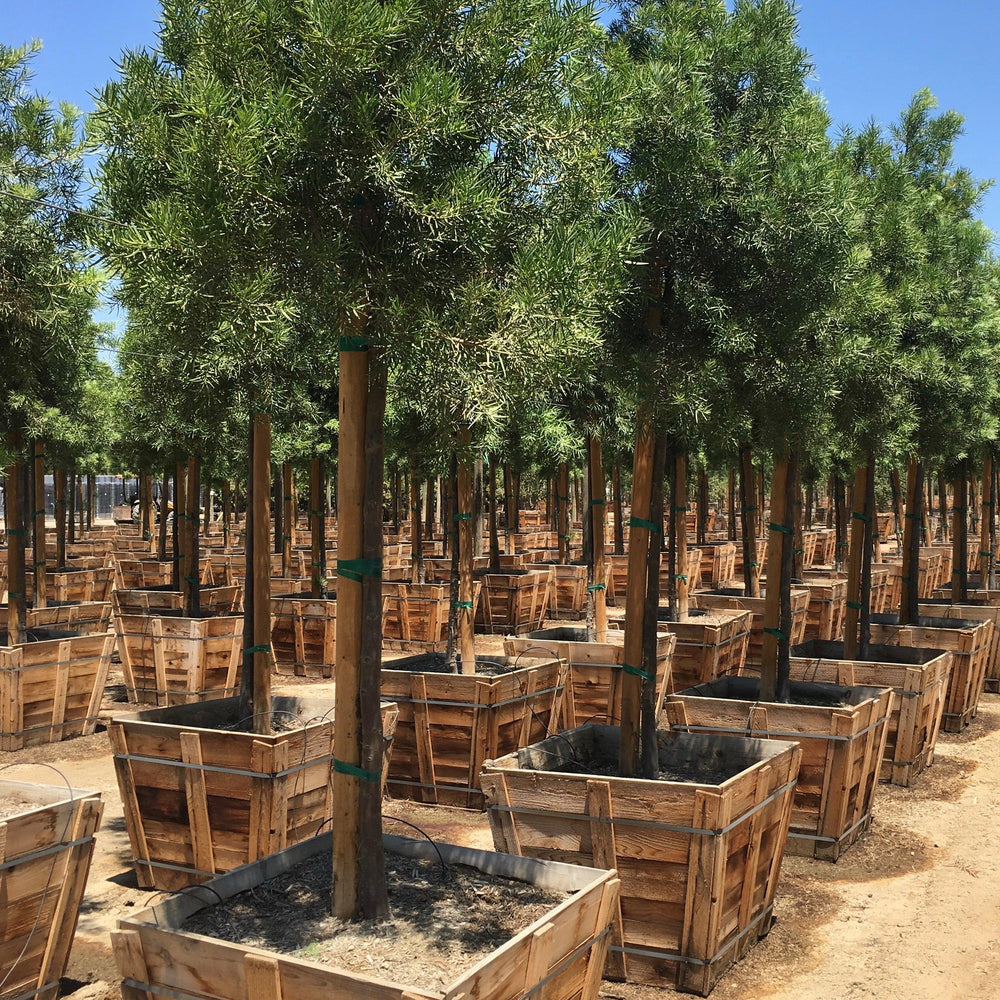
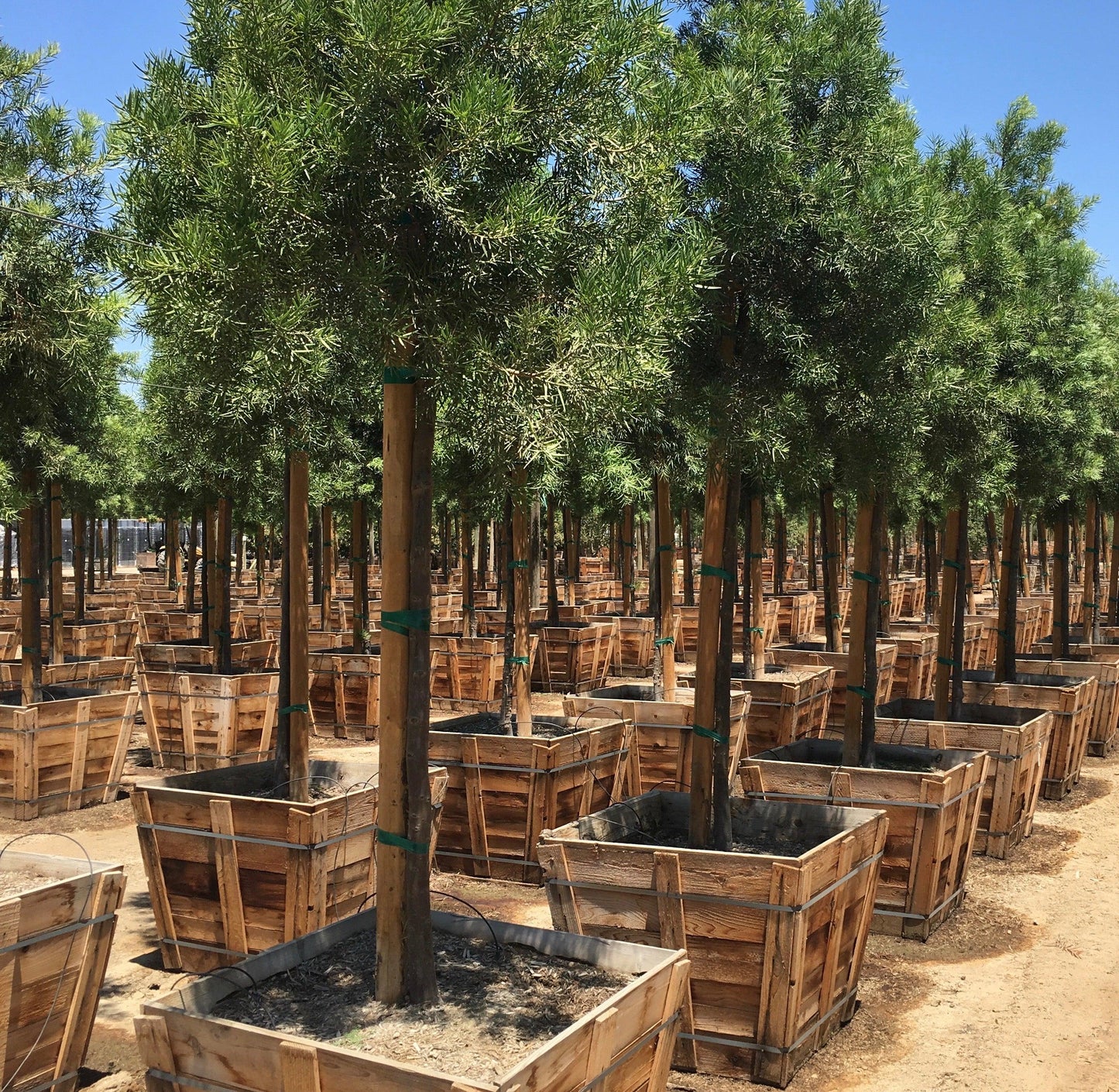
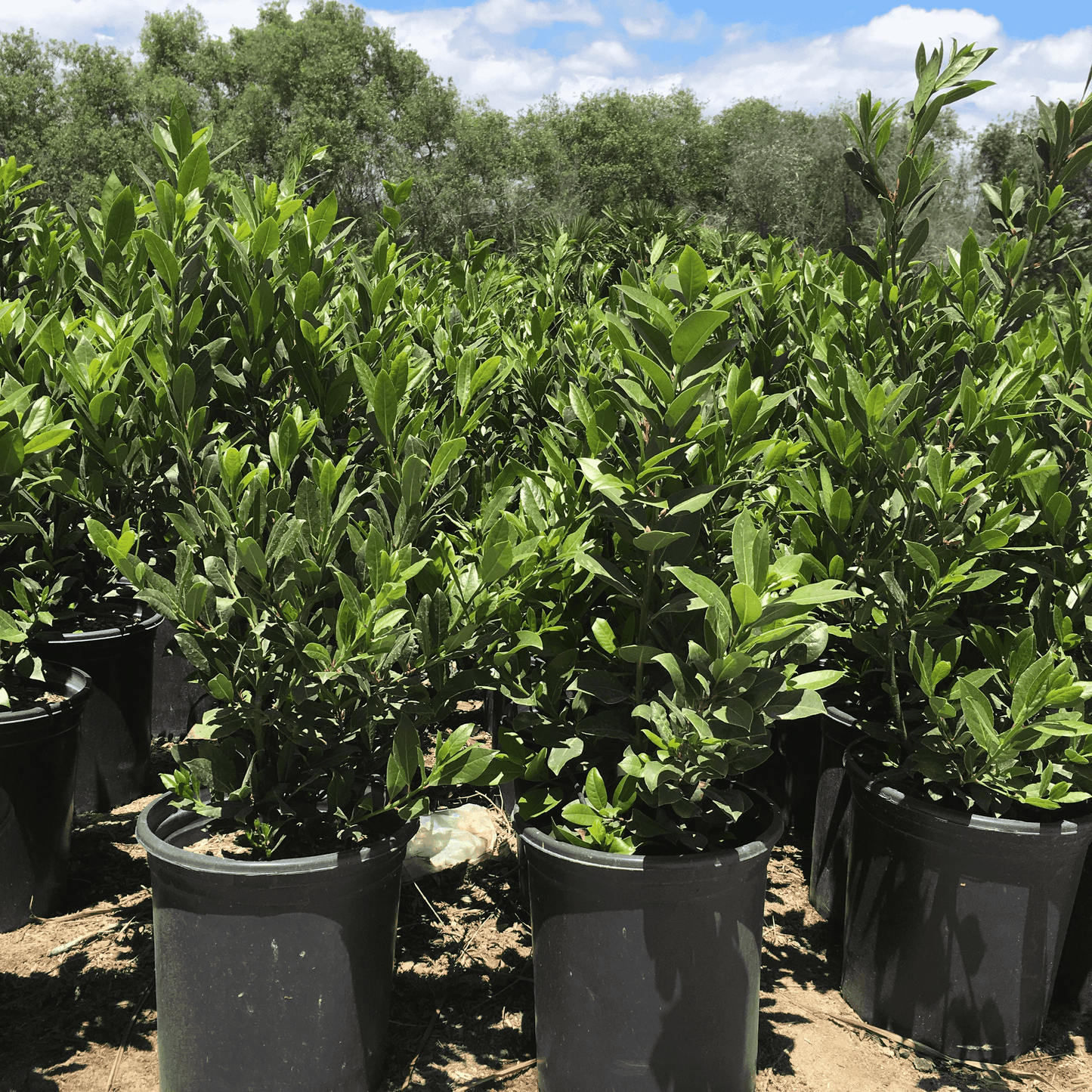
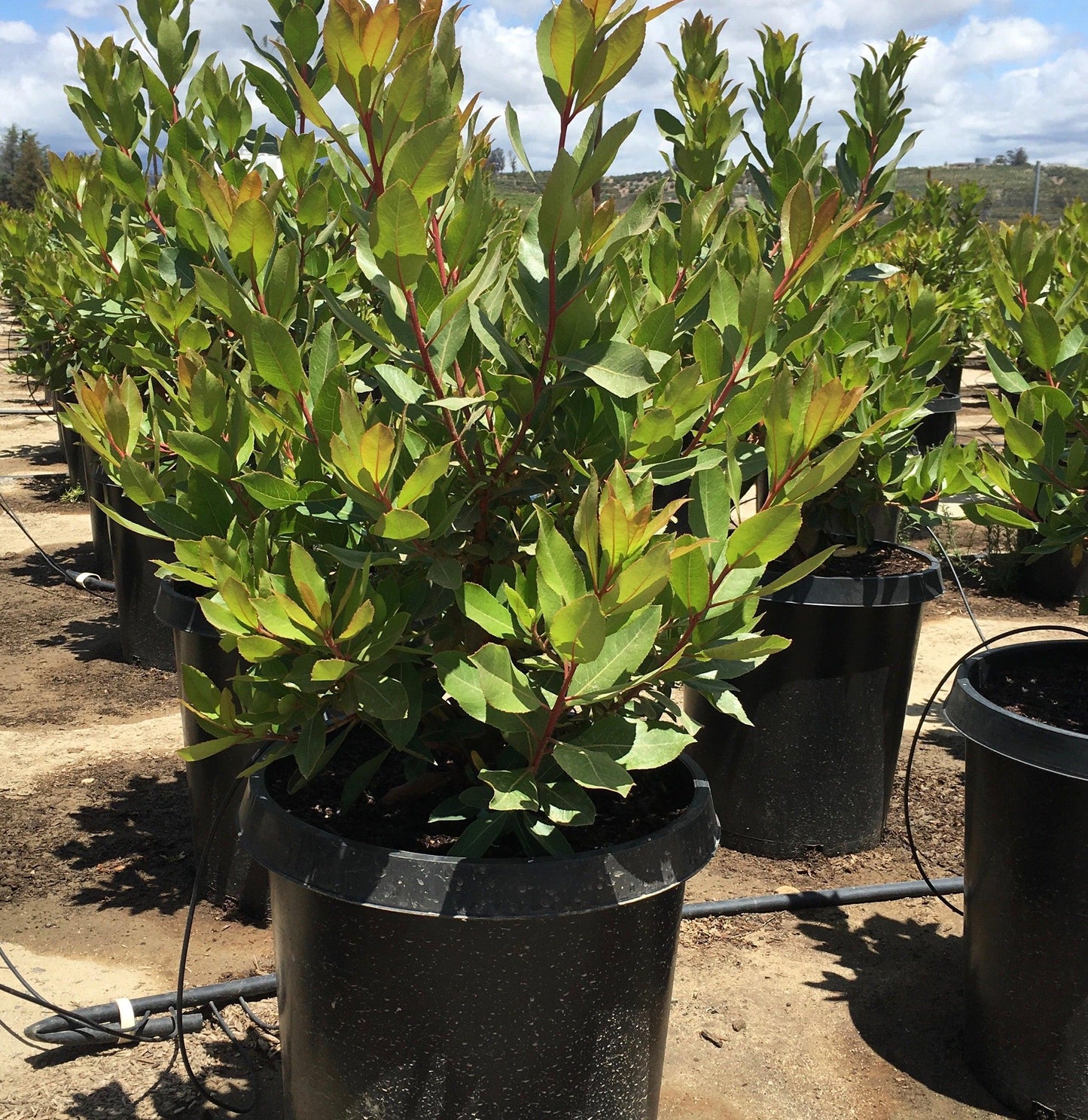
You May Also Like












Thousands of Healthy Plants Delivered

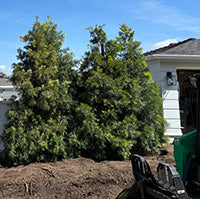
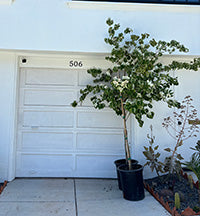
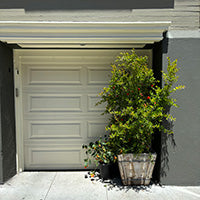
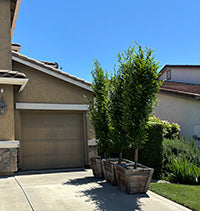
Yardwork was so great to work with. First they had the Swan Hill olive trees that we had been searching for, we had contacted several other nurseries without any luck previously. Then they answered all of our questions in a timely matter prior to ordering and finally delivered within a few days of placing it. Their staff is incredibly knowledgeable; they delivered and planted our trees with expertise to ensure that they would do well in our yard. We would definitely work with them again for future projects.













A Modern Experience
At Yardwork, we carefully curate thousands of plants, in all container sizes, to provide you with the best selection of the highest quality trees and plants at the best price, with the convenience of an online platform.
Uncompromised Quality
We choose only the finest specimens and hand select our plants just before delivery to ensure you receive the freshest and most robust specimens available for your landscape.
Industry Leading Warranties
Our 30, 90, and 365 extended warranties provide some of the best coverage to ensure our trees and plants thrive in your landscape.
Frequently Asked Questions
We're committed to changing everything about trees and plants - how they’re grown, how you shop for them, and how much they cost. We handle orders ourselves. No middlemen to get between us (or our prices) and you.
We're committed to changing everything about trees and plants - how they’re grown, how you shop for them, and how much they cost. We handle orders ourselves. No middlemen to get between us (or our prices) and you.
Delivery does not include unloading of trees and plants LARGER than a 24" box.
Trees and plants in smaller containers will be dropped curbside (usually on the driveway or near the front doorstep).
Delivery beyond a curbside drop will be charged extra.
Trees and plants that are sold in container sizes LARGER than a 24" box size will require equipment and/or enough manpower onsite to help unload from the truck.
Please reach out to our team PRIOR to placing your order to help coordinate.
Our team can provide unloading assistance with equipment for an extra fee as well.
Delivery does not include unloading of trees and plants LARGER than a 24" box.
Trees and plants in smaller containers will be dropped curbside (usually on the driveway or near the front doorstep).
Delivery beyond a curbside drop will be charged extra.
Trees and plants that are sold in container sizes LARGER than a 24" box size will require equipment and/or enough manpower onsite to help unload from the truck.
Please reach out to our team PRIOR to placing your order to help coordinate.
Our team can provide unloading assistance with equipment for an extra fee as well.
We ship locally within California within 7-10 days of your order being placed.
We ship nationally using carrier partners, based on order size. Our common order minimums for out of state shipping is $5,000.
Text or call 323-576-4159 for specific shipping details for your location.
We ship locally within California within 7-10 days of your order being placed.
We ship nationally using carrier partners, based on order size. Our common order minimums for out of state shipping is $5,000.
Text or call 323-576-4159 for specific shipping details for your location.
We are currently online only and don't have physical locations where you can view plants in person.
That's why we have photos direct from the growing grounds of the plants we will ship and we display pricing right in our store.
We do make sure to pick the very best trees and plants prior to shipping and make sure that they have gone through our multi-point inspection for health and structure.
We will always reach out prior to delivery if we find a quality issue or need to provide a substitute.
We are currently online only and don't have physical locations where you can view plants in person.
That's why we have photos direct from the growing grounds of the plants we will ship and we display pricing right in our store.
We do make sure to pick the very best trees and plants prior to shipping and make sure that they have gone through our multi-point inspection for health and structure.
We will always reach out prior to delivery if we find a quality issue or need to provide a substitute.
Plants vary greatly by type. Here is a rough idea of sizes based on containers that are direct from our growing grounds.
15 Gallon Shrub 3-4 Ft. Tall
15 Gallon Tree 5-6 Ft. Tall
24" Box Shrub 5-6 Ft. Tall
24" Box Tree 6-7 Ft. Tall
36" Box Shrub/Tree 7-9 Ft. Tall
48" Box Shrub/Tree 8-10 Ft. Tall
**Please note that we do not make guarantees of sizes. If you have questions or concerns, please call or text to request accurate sizing for the particular plant you're considering, prior to ordering.
Plants vary greatly by type. Here is a rough idea of sizes based on containers that are direct from our growing grounds.
15 Gallon Shrub 3-4 Ft. Tall
15 Gallon Tree 5-6 Ft. Tall
24" Box Shrub 5-6 Ft. Tall
24" Box Tree 6-7 Ft. Tall
36" Box Shrub/Tree 7-9 Ft. Tall
48" Box Shrub/Tree 8-10 Ft. Tall
**Please note that we do not make guarantees of sizes. If you have questions or concerns, please call or text to request accurate sizing for the particular plant you're considering, prior to ordering.
We offer a limited 30 day warranty for plants that are delivered and planted by someone else and a 90 day warranty for plants that we plant.
The limited warranty covers plants that die as a result of disease or fungus which was derived from our growing grounds or from root balls that were root bound.
The warranty does not cover damage due to watering, fertilizer, soils, or any other conditions beyond our control. Additionally, the warranty does not cover plants that are shipped out of the state of California or shipped into California from other states. Custom plant orders are also not covered under warranty. Plants must be planted within 24 hours after delivery to qualify.
We can assist you in recommending the right soils and fertilizers to help your plant thrive after you plant it.
Text or call 323-576-4159 for further warranty information.
We offer a limited 30 day warranty for plants that are delivered and planted by someone else and a 90 day warranty for plants that we plant.
The limited warranty covers plants that die as a result of disease or fungus which was derived from our growing grounds or from root balls that were root bound.
The warranty does not cover damage due to watering, fertilizer, soils, or any other conditions beyond our control. Additionally, the warranty does not cover plants that are shipped out of the state of California or shipped into California from other states. Custom plant orders are also not covered under warranty. Plants must be planted within 24 hours after delivery to qualify.
We can assist you in recommending the right soils and fertilizers to help your plant thrive after you plant it.
Text or call 323-576-4159 for further warranty information.
Our local delivery team covers most cities in California.
There are some exceptions, so please get in touch to confirm prior to ordering.
Additionally, we ship using semi trucks and trailers throughout the entire United States and even abroad for large orders over $5,000. Each shipment is custom, so please reach out to our team to coordinate.
Our local delivery team covers most cities in California.
There are some exceptions, so please get in touch to confirm prior to ordering.
Additionally, we ship using semi trucks and trailers throughout the entire United States and even abroad for large orders over $5,000. Each shipment is custom, so please reach out to our team to coordinate.