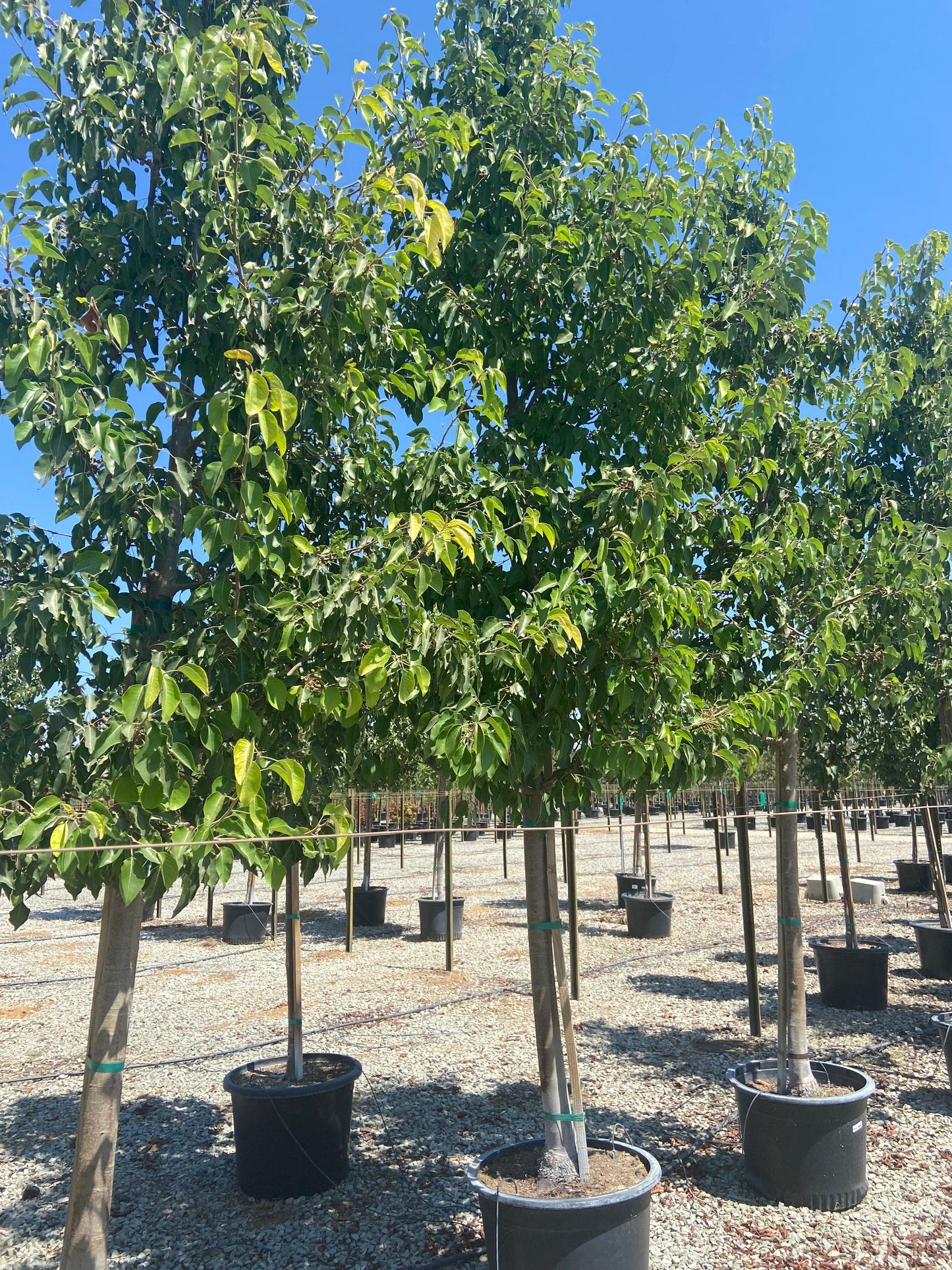
Shop Beautiful Blooming Specimens Online
White flowering trees add bright seasonal bloom, shade, fragrance, foliage interest, and wildlife value to California landscapes. Choose from compact ornamental trees, medium sized trees for residential yards, and larger evergreen specimens that create structure throughout the year.
Looking for white flowering trees that transform your landscape into a stunning display? Discover small ornamental varieties, majestic shade trees, and drought-tolerant options designed for every California climate. From early spring magnolias to summer-blooming crape myrtles, our collection combines exceptional beauty, expert plant selection, and proven garden performance.
Find your perfect white flowering tree and create breathtaking outdoor spaces today.
White Flowering Trees for Every Season
The best flowering trees do more than bloom once. White flowering trees provide structural diversity and visual interest throughout the seasons, with spring blossoms, summer flowers, fall foliage, ornamental fruit, bark texture, and winter greenery depending on the species.
White flowering trees often feature distinct fragrances and fall foliage, so choosing several varieties with staggered bloom times helps your yard stay beautiful from early spring into early fall. The key takeaways are simple: match bloom season, mature size, sun exposure, and water needs before you plant a new tree.
Early Spring Bloomers
Early spring white flowering trees create one of the first signs of life after winter. Star magnolia and saucer magnolias are known for dramatic early season display, often opening large blooms before the branches are fully covered in foliage, and many gardeners choose from a range of magnolia trees for sale to achieve this effect.
Star magnolias (Magnolia stellata) are small to medium-sized trees that bloom early in spring with white, star-shaped flowers and are hardy from USDA zones 4 to 8. Flowering Dogwood (Cornus florida) is a deciduous tree that blooms in early spring, producing striking white flowers that can be seen throughout various landscapes.
Flowering dogwood brings classic spring elegance, while Kousa Dogwood adds a later dogwood option with layered branches. Serviceberry (Amelanchier spp.) is a native tree that produces white flowers in spring and offers edible fruit in early summer, making it a great alternative to Bradford Pears. White Redbud varieties also add unique spring interest if you want a softer alternative to traditional pink or purple flowers.
Late Spring to Early Summer Trees
Late spring to early summer trees keep the garden blooming after the earliest magnolias and dogwoods begin to fade. This is when fringe tree, hawthorn flowers, white flowering crabapple varieties, and Carolina Silverbell bring fresh white blooms into the landscape.
Fringe Tree (Chionanthus virginicus) produces clusters of fragrant white flowers in spring and is a tough, low-maintenance alternative to Bradford Pears. Hawthorn species add fragrant clusters, small white flowers, edible fruit for birds, and value for bees, butterflies, and other wildlife.
Crabapple trees, particularly the white-flowering varieties, bloom in mid-spring with scented flowers and are hardy from USDA zones 4 to 8. Snowdrift Crabapple produces white blossoms in spring and small ornamental fruits that attract wildlife. Carolina Silverbell (Halesia carolina) is a Southeastern native tree that features white, bell-shaped flowers in spring and is easy to grow, making it a suitable replacement for Bradford Pears.
Summer Blooming Varieties
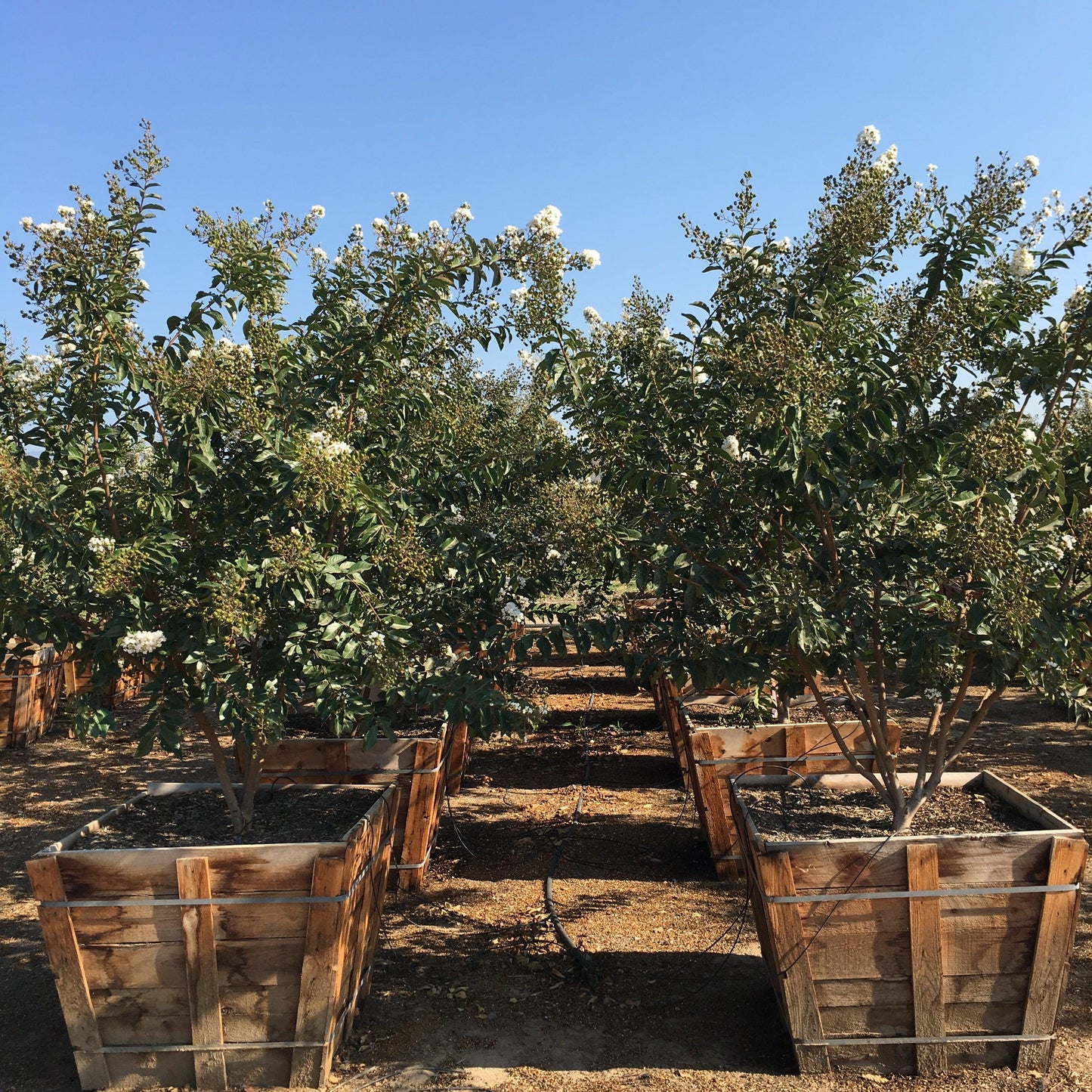
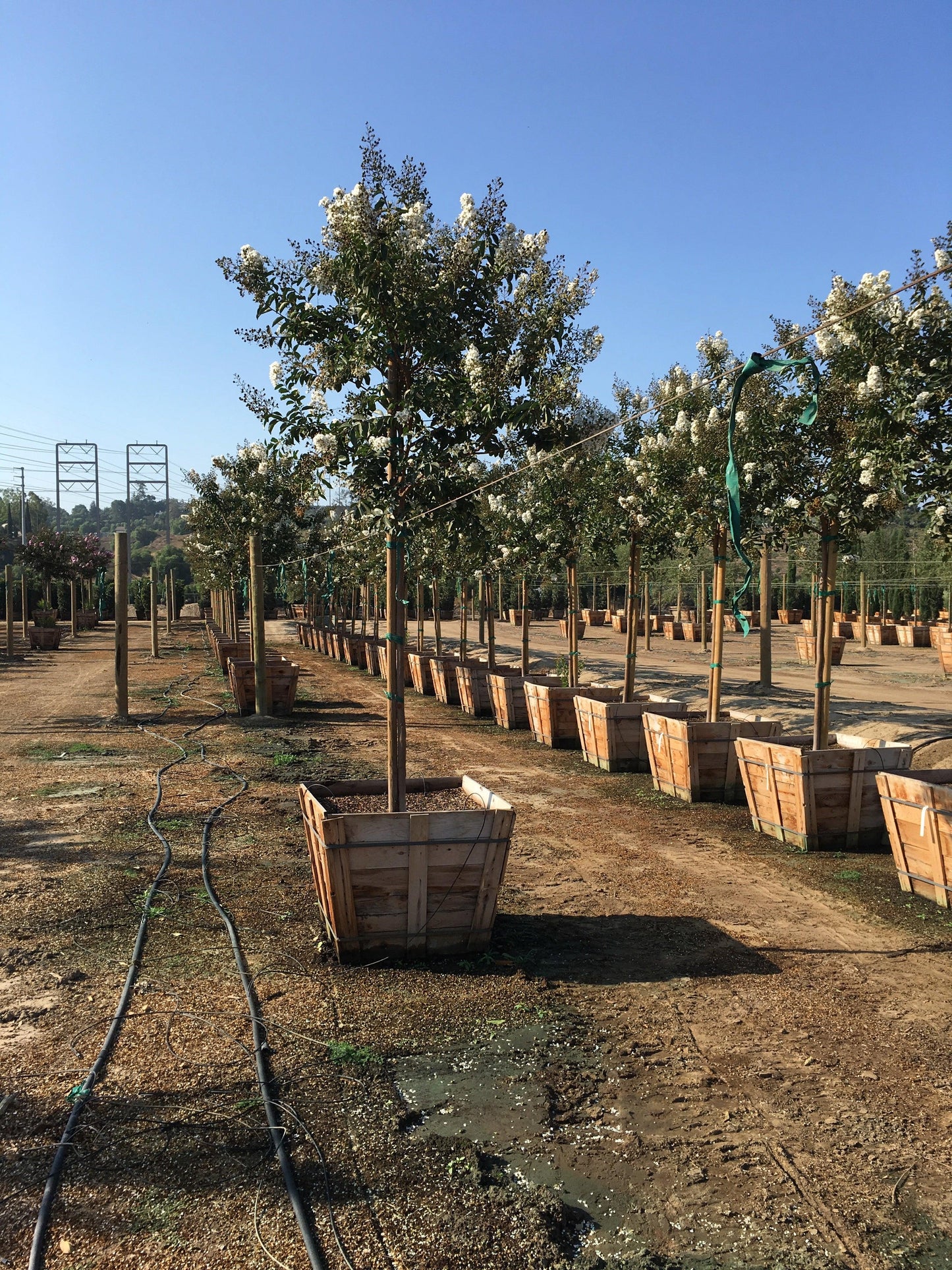
Summer blooming trees extend beauty into the warmest months, especially in sunny California gardens. Natchez White Crape Myrtle is valued for long-lasting summer color, clean bark, and a moderate size that works well in residential landscapes.
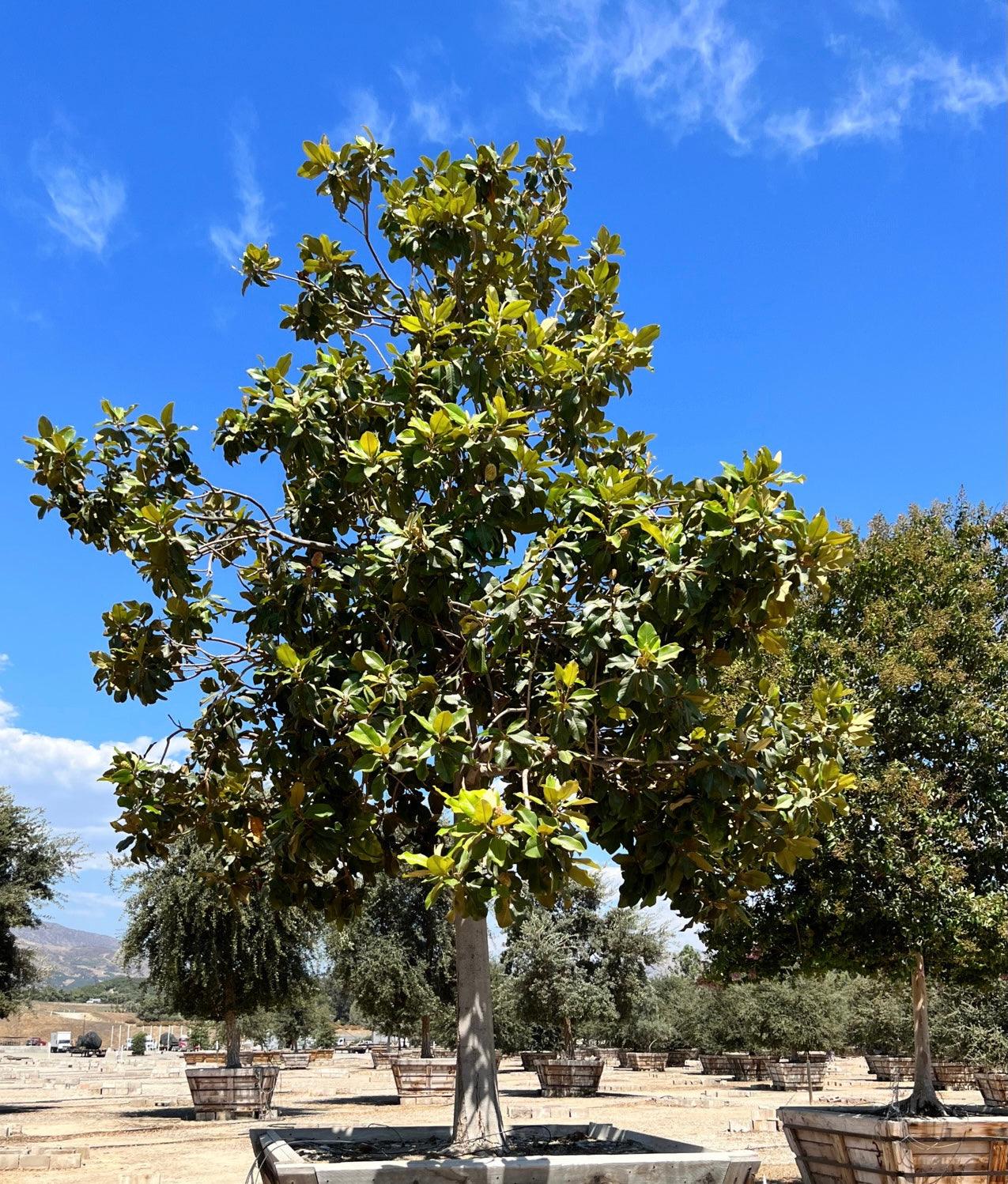
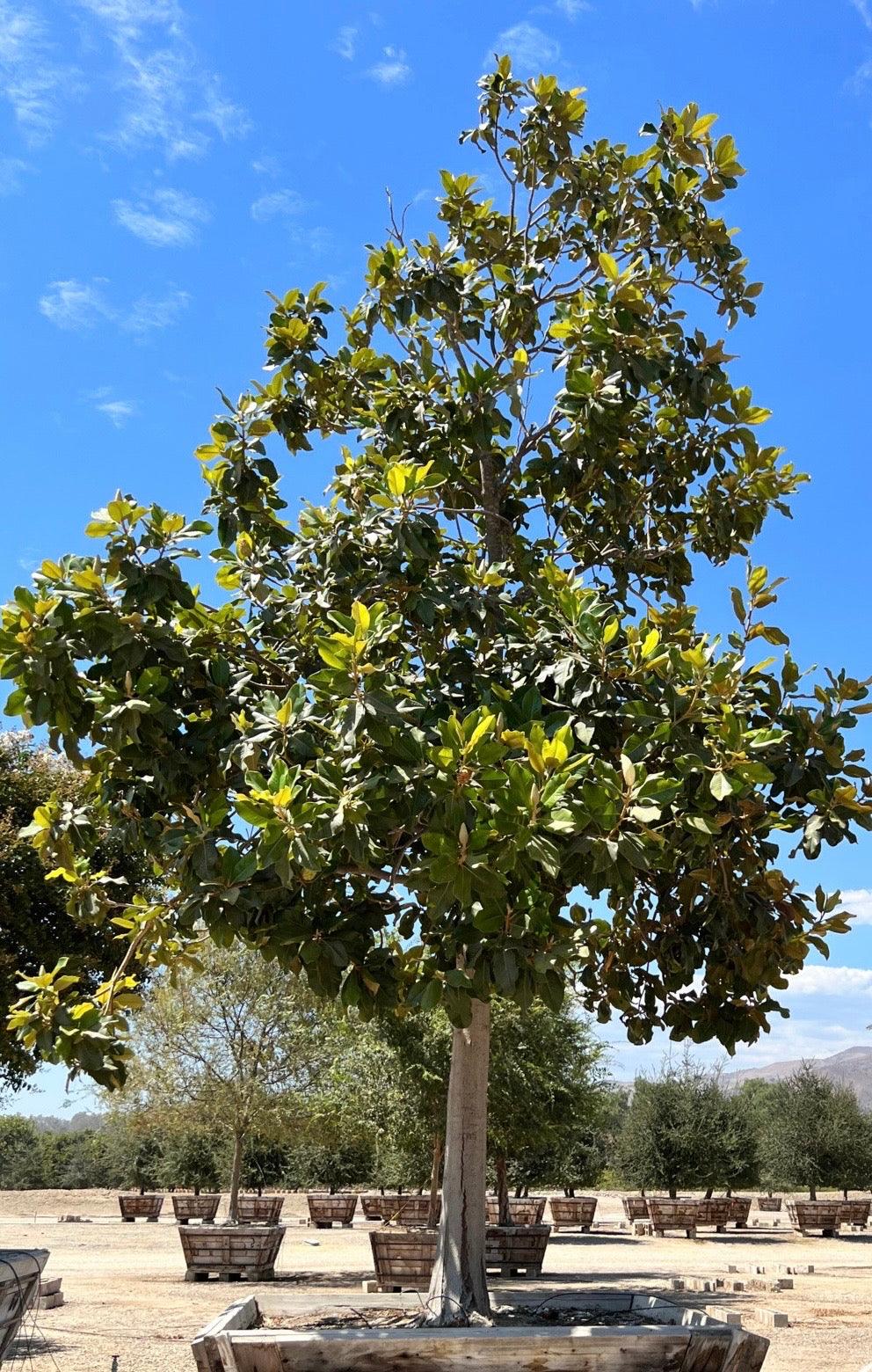
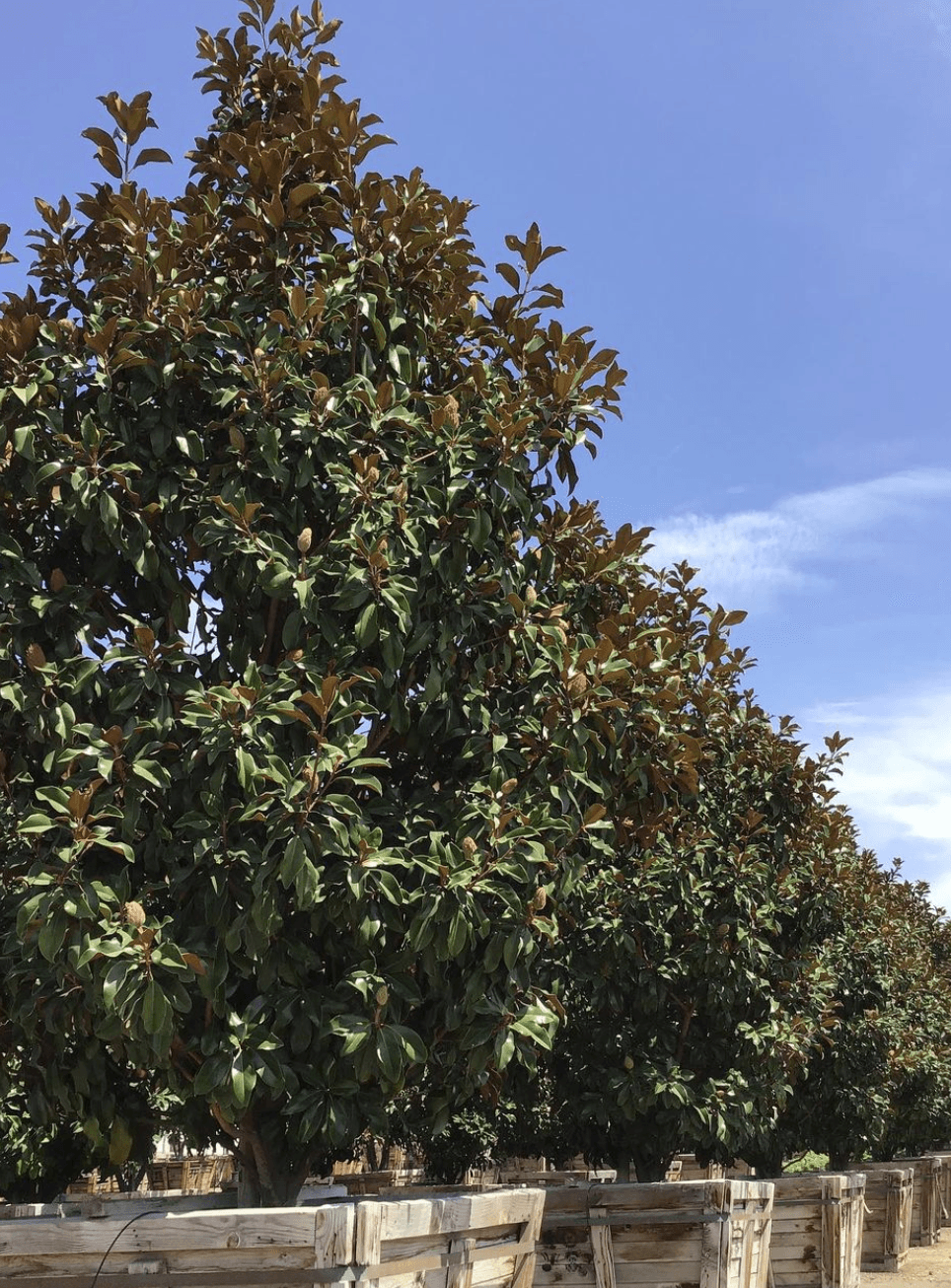
Southern Magnolia trees are known for their large, glossy evergreen leaves and heavy summer blooms of white flowers. Its creamy white flowers are bold, fragrant, and ideal when you want an evergreen tree with year-round foliage and dramatic seasonal bloom.
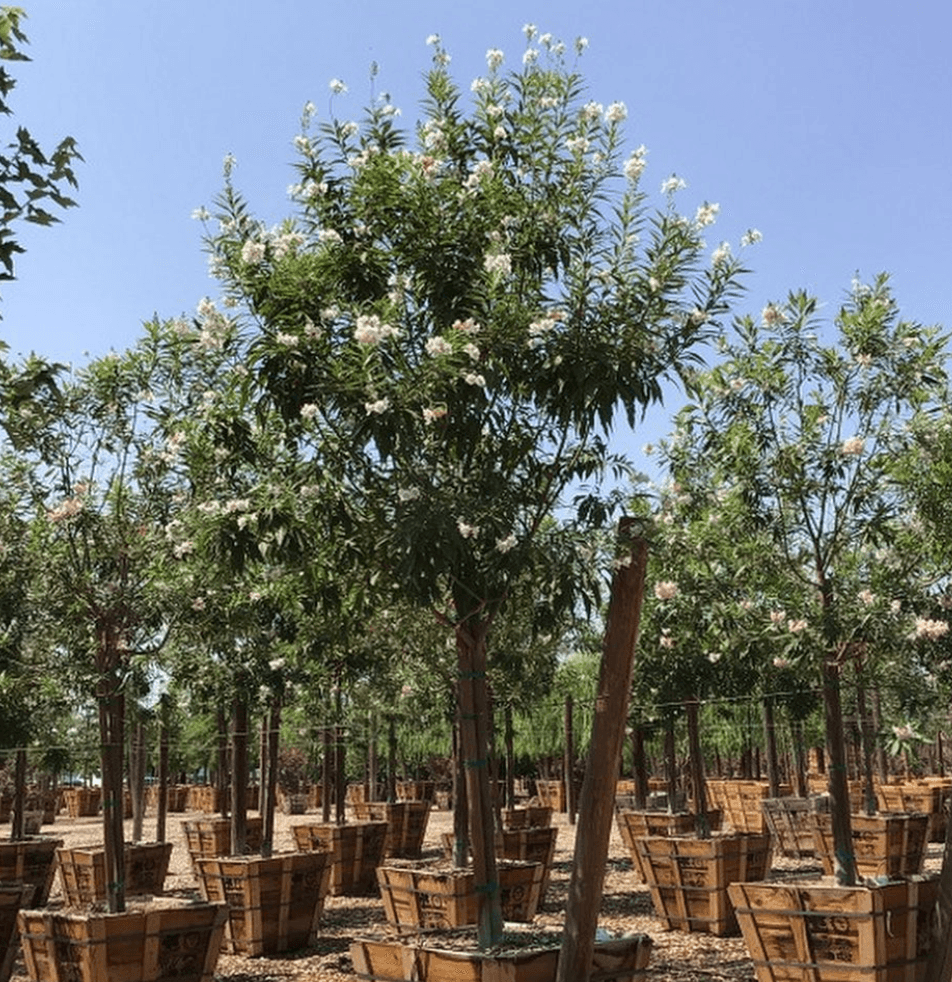
Catalpa trees produce showy trumpet-shaped flowers, while white oleander varieties can bloom continuously through warm weather in suitable climates. In hot inland or dry regions, summer bloomers are often more reliable than frost-sensitive early spring trees, especially when planted in full sun and well drained soil.
Choose the Right White Flowering Tree for Your California Climate
California’s range of climates makes tree selection especially important. Coastal fog, inland heat, desert sun, cool northern winters, and Mediterranean dry summers all affect how white flowering trees grow, bloom, and handle pests.
Growing conditions for many ornamental trees include specific sunlight and soil requirements that affect their health and growth. Most popular white-blooming trees thrive in USDA Hardiness Zones 5 to 8 and prefer full to partial sun, but California gardens may also support trees outside that range when the local microclimate is suitable.
Northern California Coastal Areas
Northern California coastal areas often suit flowering dogwood, serviceberry, and star magnolia because these trees appreciate cooler, moister conditions. Fog and marine influence can reduce heat stress, but drainage still matters.
Growing conditions for white flowering dogwoods include USDA Hardiness Zones 5 to 9, requiring moist, well-draining soil. Flowering Dogwoods prefer acidic, loamy, sandy, or clay soil and thrive in partial shade but require at least half a day of full sun to bloom effectively.
Serviceberry (Amelanchier spp.) trees produce white flowers in spring and are known for their sweet, edible fruit in early summer; they thrive in USDA zones 4 to 9. These delicious berries attract birds and wildlife, making serviceberry a smart native tree choice for naturalistic gardens.
Central Valley and Inland Areas
Central Valley and inland areas need flowering trees that can handle hot summers, bright sun, and periods of dry weather. Crape myrtle varieties are strong choices because they flower in summer and tolerate heat well once established.
Bradford pears have been widely planted for spring bloom, but many homeowners now look for better-behaved options. Aristocrat Pear may be considered where appropriate, though alternatives such as serviceberry, fringe tree, Carolina Silverbell, and Snowdrift Crabapple often provide stronger wildlife value and a more refined landscape presence.
Inland gardens also benefit from careful watering during establishment. Even a drought-tolerant new tree needs consistent moisture at first, followed by deeper, less frequent irrigation as roots expand.
Southern California and Desert Regions
Southern California and desert regions call for trees that tolerate heat, dry air, and intense sun. Desert Willow is one of the best drought-tolerant white or near-white flowering options for arid conditions, especially when planted in full sun and sharply drained soil.
Mexican Olive and Anacua can also suit warm, dry climates, adding white blooms and regional character. These species are useful when you want a native or climate-adapted tree that supports birds, bees, butterflies, and other wildlife without demanding high summer water.
In desert landscapes, avoid trees that require constant moisture or heavy shade. Choose species with proven heat tolerance, healthy root systems, and mature sizes that fit the yard without crowding walls, patios, or utility lines.
Mediterranean Climate Specialists
Mediterranean climate specialists thrive with mild wet winters and dry summers. White flowering olive trees bring classic Mediterranean appeal, subtle flowers, evergreen foliage, and a relaxed structure that blends well with drought-conscious gardens, much like other fruitless olive trees for elegant landscaping.
Oleander varieties offer consistent warm-season blooms and can function as large shrubs or trained small trees. They are especially suitable for sunny, low-water areas where continuous summer flowers are desired, similar to many olive plants for warm Mediterranean-style gardens.
For California Mediterranean gardens, prioritize well drained soil, full sun, and low to moderate irrigation after establishment. This approach supports strong bloom, reduces disease pressure, and helps protect trees from most pests linked to excess moisture.
Tree Sizes and Growth Characteristics
Choosing the right size is as important as choosing the right flowers. A tree that looks perfect in a nursery pot may eventually spread across a driveway, shade a garden bed, or grow into nearby structures.
Consider mature height, canopy width, growth rate, and pruning needs before planting. Small trees are ideal for patios and urban landscapes, medium sized trees balance most residential yards, and mature trees for instant shade and structure need generous space to develop safely.
Small White Flowering Trees (Under 20 feet)
Small white flowering trees are perfect for compact spaces, privacy screens, courtyard gardens, and understory planting. Star magnolia is one of the most popular small trees for early spring bloom, offering delicate blossoms and a graceful form, and compact options like Little Gem Dwarf Southern Magnolia provide similar charm on an even smaller scale.
Kousa Dogwood is prized for its white blooms and unique layered branch structure. In smaller yards, Kousa Dogwood and compact dogwood varieties can provide beauty, foliage interest, fruit, and bark texture without overwhelming the landscape.
Dwarf crape myrtle varieties are useful for patios and small yards, while White Redbud adds a distinctive spring display beneath taller trees. These options are suitable when you want bloom, greenery, and structure at a manageable scale.
Medium-Sized Specimens (20-40 feet)
Medium-sized specimens work well as focal points, lawn trees, and balanced plantings near outdoor living areas. Flowering dogwood, serviceberry, standard crape myrtle varieties, fringe tree, and Carolina Silverbell all fit naturally into many residential gardens.
Flowering Dogwoods typically reach a height of 15 to 25 feet and have a mature canopy that spans about the same width, making them suitable for smaller landscapes. Serviceberry typically stays in a useful moderate size range while producing spring flowers, edible berries, and fall color.
Fringe tree and Carolina Silverbell are especially attractive in natural settings, where their blossoms, branches, and seasonal texture can be appreciated up close. Notable white flowering trees include the Southern Magnolia, Serviceberry, Kousa Dogwood, and Snowdrift Crabapple.
Large Shade Trees (40+ feet)
Large shade trees create a strong landscape presence and should be planned with long-term space in mind. Southern Magnolia is a grand evergreen specimen with glossy foliage, fragrant white blooms, and a strong year-round silhouette.
Catalpa can provide fast-growing shade with flowers, making it useful where quick canopy coverage is desired. Large flowering dogwood varieties and mature magnolias may suit estate plantings, open lawns, and larger gardens with room for roots and canopy spread.
Before planting a large tree, consider the mature size, shade pattern, leaf or flower drop, root zone, and maintenance access. Proper placement protects your home, hardscape, and the long-term health of the tree.
How to Successfully Grow White Flowering Trees
Healthy white flowering trees begin with the right match between species and site. Sun exposure, soil texture, drainage, irrigation, and climate all affect how well a tree blooms and how resistant it remains to pests and disease.
The most common mistake is choosing for flowers alone. For lasting beauty, select a tree that fits your USDA zones, yard size, soil conditions, and maintenance expectations.
Planting and Site Preparation
Start with soil testing so you know whether your planting area is acidic, alkaline, compacted, sandy, clay-heavy, or poorly drained. Many magnolias, dogwoods, crabapples, and ornamental trees perform best when soil conditions are corrected before planting.
Plant at the proper depth, keep the root flare visible, and allow enough spacing for the mature canopy. Mulch around the root zone to conserve moisture, but keep mulch away from the trunk to reduce rot and pest issues.
In most California climates, fall and mild winter planting give roots time to establish before summer heat. Spring planting can also work, especially for frost-sensitive species, as long as the new tree receives consistent water during establishment.
Ongoing Care and Maintenance
Watering schedules depend on the species, soil, and local climate. Drought-tolerant trees may need regular water for the first year or two, then deep and infrequent irrigation once established.
Pruning should be timed to preserve flowering potential. Spring-blooming trees are often pruned after bloom, while summer-blooming trees such as crape myrtle can be shaped during dormancy before new growth begins.
Monitor for pests, fungal issues, fireblight, mildew, and stress from overwatering or poor drainage. With the right care, many white flowering trees reward you with flowers, fruit, foliage color, bark interest, and habitat for wildlife season after season.
Shop White Flowering Trees Online
Explore our expertly selected collection of flowering trees for sale for California landscapes. Browse small ornamental trees, native tree options, drought-tolerant selections, evergreen magnolias, dogwood varieties, serviceberry, crabapple, fringe tree, crape myrtle, and other beautiful flowering trees.
Professional soil testing and consultation services are available to help you choose the right plant for your yard, climate, sun exposure, and landscape goals. We also offer expert recommendations for mature size, bloom season, water needs, and long-term maintenance.
Enjoy free shipping on most orders over $600 within California. Request a consultation or visit our nursery for privacy and evergreen trees for personalized tree selection and bring lasting white blooms, shade, fragrance, and wildlife value to your garden.