



Yoshino Cherry Tree (Prunus yedoensis)
Regular price
$495.00
Size
Transform Your Landscape with America’s Most Beloved Flowering Tree
A Yoshino cherry gives your landscape a dramatic early spring bloom, soft fragrance, summer shade, fall color, and cultural meaning in one graceful ornamental tree.
This celebrated flowering cherry tree, also known as Somei-Yoshino in Japan and botanically as Prunus x yedoensisor Prunus × yedoensis, is loved for its cloud-like masses of pale pink to white blossoms. The flowers appear on nearly bare branches before the leaves emerge, creating a spectacular display that can turn an ordinary outdoor spaceinto a spring focal point.
Yoshino cherry trees are also the iconic cherry trees associated with the Washington D.C. cherry blossom festival. The Yoshino cherry trees in Washington D.C. were a gift from Japan in 1912, symbolizing friendship between the two nations and marking the beginning of the Cherry Blossom Festival, which celebrates the beauty of these trees each spring. Plant one in your garden and you bring home a living connection to Japan, Tokyo, Washington, the Tidal Basin, and one of spring’s most recognizable landscapes.
Why You’ll Love Yoshino Cherry Trees
-
Spectacular Spring Blooms – Yoshino cherry trees produce clusters of five-petaled flowers that are mostly pale pink or white, and they are slightly fragrant, blooming in early to mid-April. Yoshino cherry blossoms produce a profusion of fragrant, pale pink-to-white flowers from March through April, with pink flowers fading to white flowers for a dreamy spring atmosphere.
-
Fast Growth & Mature Size – This hybrid cherry grows quickly when young. The Yoshino cherry tree (Prunus x yedoensis) typically grows to a height of 25 to 30 feet with a spread that is about equal to its height, though Yoshino cherry trees typically grow to a height of 25 to 50 feet and have a broad, rounded crown. In ideal sites, mature trees may reach 40-50 feet tall and wide.
-
Four-Season Interest – Enjoy cherry blossom beauty in spring, dark green leaves and cooling shade in summer, attractive yellow, orange, and red foliage in fall, and graceful branches, smooth bark, and winter structure for year round beauty.
-
Wildlife Friendly – The blossoms attract pollinators such as bees and butterflies, while Yoshino cherry trees produce tiny, round black fruits that serve as a valuable food source for songbirds and other small birds.
-
Cultural Heritage – Cherry blossom viewing, or Hanami, is a cherished tradition in Japan, where the blooming of Yoshino cherries signifies the arrival of spring and is celebrated with festivals and gatherings. The blossoms of Yoshino cherry trees embody the traditional Japanese philosophy of appreciating life’s impermanence, known as mono no aware.
The Yoshino cherry tree, known as Somei-yoshino in Japan, was first introduced in Tokyo in 1872 and has become one of the most popular cultivated flowering cherry trees worldwide. This hybrid cherry tree was first introduced in Tokyo in 1872 and has become one of the most popular cultivated flowering cherry trees.
What Makes Yoshino Cherry Different
Most japanese cherry trees are beautiful, and many gardeners also explore a range of flowering trees for California landscapes, but Yoshino stands apart because of how early, uniform, fragrant, and atmospheric its bloom is.
Yoshino Cherry Tree offers:
-
Early Blooming Schedule – Yoshino is among the first ornamental cherry varieties to bloom, flowering before many later flowering cherry types. Yoshino cherry trees bloom completely bare of leaves and drop their petals simultaneously, creating spectacular “sakura snowstorms.”
-
Hybrid Vigor – As a Prunus hybrid, Yoshino combines traits from Japanese parent species including Oshima cherry and Edo higan, often referenced in older classification as prunus subhirtella var. ascendens. This japanese flowering cherry offers reliable bloom, broad adaptability across many soil types, and graceful tree form.
-
Fragrant Blossoms – The delicate, almond scented flowers of the Yoshino cherry tree can perfume an entire garden, enhancing the sensory experience of outdoor spaces. That fragrance is a notable advantage over many ornamental tree options.
-
Proven Performance – Yoshino has been cultivated for well over 120 years globally and has more than a century of presence in American landscapes, including the famous plantings around the Tidal Basin in Washington D.C.
Compared with a later-blooming Kanzan cherry, Yoshino has lighter, more delicate flowers and a softer canopy. Compared with a weeping cherry, Shidare Yoshino, or other cascading forms with cascading branches, the classic Yoshino has a broad, rounded to vase-shaped crown suited to lawns, entries, and open landscape beds. If you want a perfect tree for a memorable spring moment, Yoshino is one of the most recognizable beautiful trees you can plant.
Yoshino’s cultural story also reaches back to Mount Yoshino in Nara Prefecture, Japan, which is celebrated as the country’s premier cherry blossom destination and is home to approximately 30,000 cherry trees. Mount Yoshino is recognized as part of the UNESCO World Heritage site: Sacred Sites and Pilgrimage Routes in the Kii Mountain Range. The lower area of Mount Yoshino is easily accessible and is the first area to bloom, usually in late March. Mount Yoshino’s elevations provide an unusually long blooming season, up to three weeks, as blossoms transition from the valley to the peak. The heart of Mount Yoshino features excellent viewing platforms and the stunning Kinpusen-ji Temple, one of Japan’s largest wooden structures. The Yoshimizu Shrine on Mount Yoshino is famous for its panoramic view of “a thousand trees at a glance.”
How to Successfully Grow Your Yoshino Cherry
-
Site Selection
Choose full sun whenever possible. Yoshino cherry trees prefer at least six hours of direct sunlight for the strongest flowers and healthiest growth. They can tolerate partial shade, but bloom production may be reduced. Select fertile soil with well drained soil conditions; these plants dislike standing water, compacted ground, and wet roots. -
Planting Process
Dig a hole about twice as wide as the root ball and only as deep as the nursery container. Set the tree so the root flare remains visible and the plant sits at the same depth it grew in the container. Backfill with native soil, water deeply, and avoid burying the trunk. Good drainage helps prevent root rot and other diseases. -
Establishment Care
Yoshino cherry trees are moderately drought-tolerant once established but need consistent, deep watering during their first growing season. Water young trees regularly, especially in warm or dry California conditions as you would with other landscape trees used for shade and structure. Add a 2- to 3-inch mulch layer to conserve moisture, moderate soil temperature, and reduce weeds, but keep mulch pulled back from the trunk. -
Seasonal Timing for California
In much of California, plant during late winter or early spring before buds swell, or in fall where winters are mild. Coastal and cooler inland areas in suitable USDA zones are typically better than very hot, dry sites. If you are adding instant impact with fully grown mature trees for immediate curb appeal, coordinating planting with cooler seasons is especially important. Check your zone map and local microclimate before planting, especially in hotter AZ, CA, or inland regions where reflected heat and drought stress can shorten flower life.
Prune minimally when the tree is young. Light pruning should focus on removing dead, crossing, or damaged branches while preserving Yoshino’s natural rounded crown and graceful form.
Tree Specifications
-
Botanical Name: Prunus x yedoensis / Prunus × yedoensis
-
Common Names: Yoshino cherry, Somei-Yoshino, Japanese flowering cherry
-
Plant Type: Popular deciduous ornamental tree celebrated for dramatic, cloud-like spring blossoms; pairs well with fruiting options like lemon, orange, and other citrus trees in larger landscapes
-
Mature Size: Commonly 25-30 feet tall with similar spread; often 25-50 feet tall depending on site; can reach 40-50 feet tall and 40-50 feet wide in ideal landscape settings
-
Crown Shape: Broad, rounded, spreading crown with graceful branches
-
Bloom Time: Early spring; typically March-April depending on location, with many trees flowering in early to mid-April
-
Flower Color: Pale pink buds opening to pale pink or white blossoms, then fading toward white at full bloom
-
Flower Form: Clusters of delicate, five-petaled blossoms
-
Fragrance: Slightly sweet to almond scented
-
Foliage: Bronze-tinged new leaves mature to dark green leaves in summer
-
Fall Color: Yellow, orange, and red tones
-
Fruit: Tiny, round black fruit that is bitter for people but valuable for small birds
-
Hardiness: USDA Hardiness Zones 5 to 8
-
Cold Tolerance: Yoshino cherry trees thrive in USDA Hardiness Zones 5 to 8, which means they can tolerate average minimum temperatures ranging from -20 to 10 degrees Fahrenheit
-
Sun Exposure: Best in full sun; tolerates partial shade with fewer blossoms
-
Soil Requirements: Moist, fertile, well drained, acidic to neutral soil
-
Water Needs: Deep, consistent watering during establishment; moderate drought tolerance once established
-
Best Uses: Front yard specimen, entry planting, lawn tree, Asian-inspired garden, naturalistic landscape, community planting, seasonal focal point, or as a flowering accent within broader privacy and evergreen tree plantings
-
Available Sizes & Pricing: Yardwork nursery availability may include small trees and larger young trees depending on the season. See current product options for live size, price, and inventory, or explore Yardwork’s broader plant nursery and landscape services when planning a full yard design.
-
Shipping: Available for California and select states where shipping regulations and plant health requirements allow, similar to other online offerings like mature avocado and fruiting trees.
Who Should Plant Yoshino Cherry Trees
Ideal for:
-
Homeowners who want dramatic spring color, soft fragrance, and cooling summer shade
-
Property owners designing a Japanese, Asian-inspired, cottage, or naturalistic landscape
-
California residents in USDA Zones 5-8, especially coastal and moderate inland climates
-
Gardeners who want a flowering cherry tree with historical and cultural significance
-
Landscapers creating memorable entries, lawn specimens, or seasonal spring displays that may be complemented by hardy structural trees like the California Pepper Tree and similar landscape staples
-
Anyone who values a tree with year round structure, wildlife value, and a famous cherry blossom heritage, and may also consider tough companions such as Carrotwood and other drought-tolerant trees
Yoshino is best for spaces that can handle its mature canopy and root zone. Give it room away from foundations, tight sidewalks, and utility conflicts. It is not the best choice for very small gardens, extremely hot dry sites without irrigation, or customers seeking a very low-maintenance, ultra-long-lived shade tree, where rugged natives like Toyon and similar California shrubs may be better suited.
If you want a graceful flowering cherry that can create a spectacular display each spring, Yoshino is a strong fit.
Frequently Asked Questions
How long until my Yoshino cherry blooms?
Many healthy young trees can bloom within the first few years after planting, depending on size, age, site conditions, and transplant stress. Larger nursery trees may flower sooner than very small trees. Full bloom improves as roots establish and the canopy develops.
Will it survive California’s climate?
Yes, in the right location. Yoshino cherry trees thrive in USDA Zones 5-8 and do best with full sun, fertile well drained soil, and consistent water during establishment. They are moderately drought-tolerant once established, but hot inland California sites may require deeper irrigation, mulch, and protection from reflected heat.
How much space does it need?
Plan for a broad crown. While many Yoshino cherry trees mature around 25-30 feet tall with equal spread, the species can reach 25-50 feet tall and may grow 40-50 feet wide in ideal conditions. Plant away from structures and allow room for branches, roots, and long-term healthy growth.
Do I need special care?
No special care is required, but good basics matter. Plant at the correct depth, water deeply the first growing season, maintain mulch to conserve moisture, prevent weeds, and prune lightly. Watch for pests and diseases such as aphids, scale, borers, spider mites, leaf spot, canker, and issues linked to poor drainage.
Ready to Add Spring Magic to Your Landscape?
Choose a Yoshino Cherry Tree and create a living seasonal event: fragrant blossoms, pale pink color, summer shade, fall foliage, winter structure, and a story rooted in Japanese tradition and American cherry blossom history.
Order from Yardwork for quality nursery-grown trees, expert support, and access to consultation services and soil testing when you want help choosing the right planting site.
Transform Your Landscape with America’s Most Beloved Flowering Tree
A Yoshino cherry gives your landscape a dramatic early spring bloom, soft fragrance, summer shade, fall color, and cultural meaning in one graceful ornamental tree.
This celebrated flowering cherry tree, also known as Somei-Yoshino in Japan and botanically as Prunus x yedoensisor Prunus × yedoensis, is loved for its cloud-like masses of pale pink to white blossoms. The flowers appear on nearly bare branches before the leaves emerge, creating a spectacular display that can turn an ordinary outdoor spaceinto a spring focal point.
Yoshino cherry trees are also the iconic cherry trees associated with the Washington D.C. cherry blossom festival. The Yoshino cherry trees in Washington D.C. were a gift from Japan in 1912, symbolizing friendship between the two nations and marking the beginning of the Cherry Blossom Festival, which celebrates the beauty of these trees each spring. Plant one in your garden and you bring home a living connection to Japan, Tokyo, Washington, the Tidal Basin, and one of spring’s most recognizable landscapes.
Why You’ll Love Yoshino Cherry Trees
-
Spectacular Spring Blooms – Yoshino cherry trees produce clusters of five-petaled flowers that are mostly pale pink or white, and they are slightly fragrant, blooming in early to mid-April. Yoshino cherry blossoms produce a profusion of fragrant, pale pink-to-white flowers from March through April, with pink flowers fading to white flowers for a dreamy spring atmosphere.
-
Fast Growth & Mature Size – This hybrid cherry grows quickly when young. The Yoshino cherry tree (Prunus x yedoensis) typically grows to a height of 25 to 30 feet with a spread that is about equal to its height, though Yoshino cherry trees typically grow to a height of 25 to 50 feet and have a broad, rounded crown. In ideal sites, mature trees may reach 40-50 feet tall and wide.
-
Four-Season Interest – Enjoy cherry blossom beauty in spring, dark green leaves and cooling shade in summer, attractive yellow, orange, and red foliage in fall, and graceful branches, smooth bark, and winter structure for year round beauty.
-
Wildlife Friendly – The blossoms attract pollinators such as bees and butterflies, while Yoshino cherry trees produce tiny, round black fruits that serve as a valuable food source for songbirds and other small birds.
-
Cultural Heritage – Cherry blossom viewing, or Hanami, is a cherished tradition in Japan, where the blooming of Yoshino cherries signifies the arrival of spring and is celebrated with festivals and gatherings. The blossoms of Yoshino cherry trees embody the traditional Japanese philosophy of appreciating life’s impermanence, known as mono no aware.
The Yoshino cherry tree, known as Somei-yoshino in Japan, was first introduced in Tokyo in 1872 and has become one of the most popular cultivated flowering cherry trees worldwide. This hybrid cherry tree was first introduced in Tokyo in 1872 and has become one of the most popular cultivated flowering cherry trees.
What Makes Yoshino Cherry Different
Most japanese cherry trees are beautiful, and many gardeners also explore a range of flowering trees for California landscapes, but Yoshino stands apart because of how early, uniform, fragrant, and atmospheric its bloom is.
Yoshino Cherry Tree offers:
-
Early Blooming Schedule – Yoshino is among the first ornamental cherry varieties to bloom, flowering before many later flowering cherry types. Yoshino cherry trees bloom completely bare of leaves and drop their petals simultaneously, creating spectacular “sakura snowstorms.”
-
Hybrid Vigor – As a Prunus hybrid, Yoshino combines traits from Japanese parent species including Oshima cherry and Edo higan, often referenced in older classification as prunus subhirtella var. ascendens. This japanese flowering cherry offers reliable bloom, broad adaptability across many soil types, and graceful tree form.
-
Fragrant Blossoms – The delicate, almond scented flowers of the Yoshino cherry tree can perfume an entire garden, enhancing the sensory experience of outdoor spaces. That fragrance is a notable advantage over many ornamental tree options.
-
Proven Performance – Yoshino has been cultivated for well over 120 years globally and has more than a century of presence in American landscapes, including the famous plantings around the Tidal Basin in Washington D.C.
Compared with a later-blooming Kanzan cherry, Yoshino has lighter, more delicate flowers and a softer canopy. Compared with a weeping cherry, Shidare Yoshino, or other cascading forms with cascading branches, the classic Yoshino has a broad, rounded to vase-shaped crown suited to lawns, entries, and open landscape beds. If you want a perfect tree for a memorable spring moment, Yoshino is one of the most recognizable beautiful trees you can plant.
Yoshino’s cultural story also reaches back to Mount Yoshino in Nara Prefecture, Japan, which is celebrated as the country’s premier cherry blossom destination and is home to approximately 30,000 cherry trees. Mount Yoshino is recognized as part of the UNESCO World Heritage site: Sacred Sites and Pilgrimage Routes in the Kii Mountain Range. The lower area of Mount Yoshino is easily accessible and is the first area to bloom, usually in late March. Mount Yoshino’s elevations provide an unusually long blooming season, up to three weeks, as blossoms transition from the valley to the peak. The heart of Mount Yoshino features excellent viewing platforms and the stunning Kinpusen-ji Temple, one of Japan’s largest wooden structures. The Yoshimizu Shrine on Mount Yoshino is famous for its panoramic view of “a thousand trees at a glance.”
How to Successfully Grow Your Yoshino Cherry
-
Site Selection
Choose full sun whenever possible. Yoshino cherry trees prefer at least six hours of direct sunlight for the strongest flowers and healthiest growth. They can tolerate partial shade, but bloom production may be reduced. Select fertile soil with well drained soil conditions; these plants dislike standing water, compacted ground, and wet roots. -
Planting Process
Dig a hole about twice as wide as the root ball and only as deep as the nursery container. Set the tree so the root flare remains visible and the plant sits at the same depth it grew in the container. Backfill with native soil, water deeply, and avoid burying the trunk. Good drainage helps prevent root rot and other diseases. -
Establishment Care
Yoshino cherry trees are moderately drought-tolerant once established but need consistent, deep watering during their first growing season. Water young trees regularly, especially in warm or dry California conditions as you would with other landscape trees used for shade and structure. Add a 2- to 3-inch mulch layer to conserve moisture, moderate soil temperature, and reduce weeds, but keep mulch pulled back from the trunk. -
Seasonal Timing for California
In much of California, plant during late winter or early spring before buds swell, or in fall where winters are mild. Coastal and cooler inland areas in suitable USDA zones are typically better than very hot, dry sites. If you are adding instant impact with fully grown mature trees for immediate curb appeal, coordinating planting with cooler seasons is especially important. Check your zone map and local microclimate before planting, especially in hotter AZ, CA, or inland regions where reflected heat and drought stress can shorten flower life.
Prune minimally when the tree is young. Light pruning should focus on removing dead, crossing, or damaged branches while preserving Yoshino’s natural rounded crown and graceful form.
Tree Specifications
-
Botanical Name: Prunus x yedoensis / Prunus × yedoensis
-
Common Names: Yoshino cherry, Somei-Yoshino, Japanese flowering cherry
-
Plant Type: Popular deciduous ornamental tree celebrated for dramatic, cloud-like spring blossoms; pairs well with fruiting options like lemon, orange, and other citrus trees in larger landscapes
-
Mature Size: Commonly 25-30 feet tall with similar spread; often 25-50 feet tall depending on site; can reach 40-50 feet tall and 40-50 feet wide in ideal landscape settings
-
Crown Shape: Broad, rounded, spreading crown with graceful branches
-
Bloom Time: Early spring; typically March-April depending on location, with many trees flowering in early to mid-April
-
Flower Color: Pale pink buds opening to pale pink or white blossoms, then fading toward white at full bloom
-
Flower Form: Clusters of delicate, five-petaled blossoms
-
Fragrance: Slightly sweet to almond scented
-
Foliage: Bronze-tinged new leaves mature to dark green leaves in summer
-
Fall Color: Yellow, orange, and red tones
-
Fruit: Tiny, round black fruit that is bitter for people but valuable for small birds
-
Hardiness: USDA Hardiness Zones 5 to 8
-
Cold Tolerance: Yoshino cherry trees thrive in USDA Hardiness Zones 5 to 8, which means they can tolerate average minimum temperatures ranging from -20 to 10 degrees Fahrenheit
-
Sun Exposure: Best in full sun; tolerates partial shade with fewer blossoms
-
Soil Requirements: Moist, fertile, well drained, acidic to neutral soil
-
Water Needs: Deep, consistent watering during establishment; moderate drought tolerance once established
-
Best Uses: Front yard specimen, entry planting, lawn tree, Asian-inspired garden, naturalistic landscape, community planting, seasonal focal point, or as a flowering accent within broader privacy and evergreen tree plantings
-
Available Sizes & Pricing: Yardwork nursery availability may include small trees and larger young trees depending on the season. See current product options for live size, price, and inventory, or explore Yardwork’s broader plant nursery and landscape services when planning a full yard design.
-
Shipping: Available for California and select states where shipping regulations and plant health requirements allow, similar to other online offerings like mature avocado and fruiting trees.
Who Should Plant Yoshino Cherry Trees
Ideal for:
-
Homeowners who want dramatic spring color, soft fragrance, and cooling summer shade
-
Property owners designing a Japanese, Asian-inspired, cottage, or naturalistic landscape
-
California residents in USDA Zones 5-8, especially coastal and moderate inland climates
-
Gardeners who want a flowering cherry tree with historical and cultural significance
-
Landscapers creating memorable entries, lawn specimens, or seasonal spring displays that may be complemented by hardy structural trees like the California Pepper Tree and similar landscape staples
-
Anyone who values a tree with year round structure, wildlife value, and a famous cherry blossom heritage, and may also consider tough companions such as Carrotwood and other drought-tolerant trees
Yoshino is best for spaces that can handle its mature canopy and root zone. Give it room away from foundations, tight sidewalks, and utility conflicts. It is not the best choice for very small gardens, extremely hot dry sites without irrigation, or customers seeking a very low-maintenance, ultra-long-lived shade tree, where rugged natives like Toyon and similar California shrubs may be better suited.
If you want a graceful flowering cherry that can create a spectacular display each spring, Yoshino is a strong fit.
Frequently Asked Questions
How long until my Yoshino cherry blooms?
Many healthy young trees can bloom within the first few years after planting, depending on size, age, site conditions, and transplant stress. Larger nursery trees may flower sooner than very small trees. Full bloom improves as roots establish and the canopy develops.
Will it survive California’s climate?
Yes, in the right location. Yoshino cherry trees thrive in USDA Zones 5-8 and do best with full sun, fertile well drained soil, and consistent water during establishment. They are moderately drought-tolerant once established, but hot inland California sites may require deeper irrigation, mulch, and protection from reflected heat.
How much space does it need?
Plan for a broad crown. While many Yoshino cherry trees mature around 25-30 feet tall with equal spread, the species can reach 25-50 feet tall and may grow 40-50 feet wide in ideal conditions. Plant away from structures and allow room for branches, roots, and long-term healthy growth.
Do I need special care?
No special care is required, but good basics matter. Plant at the correct depth, water deeply the first growing season, maintain mulch to conserve moisture, prevent weeds, and prune lightly. Watch for pests and diseases such as aphids, scale, borers, spider mites, leaf spot, canker, and issues linked to poor drainage.
Ready to Add Spring Magic to Your Landscape?
Choose a Yoshino Cherry Tree and create a living seasonal event: fragrant blossoms, pale pink color, summer shade, fall foliage, winter structure, and a story rooted in Japanese tradition and American cherry blossom history.
Order from Yardwork for quality nursery-grown trees, expert support, and access to consultation services and soil testing when you want help choosing the right planting site.
Plants vary greatly by type and no guarantees are made on sizing.
However here is a rough idea of sizes based on containers that are direct from our growing grounds.
15 Gallon Shrub 3-4 Ft. Tall
15 Gallon Tree 5-6 Ft. Tall
24" Box Shrub 5-6 Ft. Tall
24" Box Tree 6-7 Ft. Tall
36" Box Tree 8-10 Ft. Tall
48" Box Tree 10-12 Ft. Tall
Please note: Citrus and California Native plants such as Manzanita are smaller than traditional sizing.
Please contact us to confirm sizing of items before purchasing if this is a concern.
Plants vary greatly by type and no guarantees are made on sizing.
However here is a rough idea of sizes based on containers that are direct from our growing grounds.
15 Gallon Shrub 3-4 Ft. Tall
15 Gallon Tree 5-6 Ft. Tall
24" Box Shrub 5-6 Ft. Tall
24" Box Tree 6-7 Ft. Tall
36" Box Tree 8-10 Ft. Tall
48" Box Tree 10-12 Ft. Tall
Please note: Citrus and California Native plants such as Manzanita are smaller than traditional sizing.
Please contact us to confirm sizing of items before purchasing if this is a concern.
Delivery does not include unloading of trees and plants larger than a 24" box.
Trees and plants in smaller containers will be dropped curbside.
Delivery beyond a curbside drop will be charged extra.
Trees and plants that are sold in container sizes larger than a 24" box size will require equipment and an operator onsite to help unload from the truck.
Please reach out to our team PRIOR to placing your order to coordinate.
Our team can provide unloading assistance with equipment for an extra fee.
Delivery does not include unloading of trees and plants larger than a 24" box.
Trees and plants in smaller containers will be dropped curbside.
Delivery beyond a curbside drop will be charged extra.
Trees and plants that are sold in container sizes larger than a 24" box size will require equipment and an operator onsite to help unload from the truck.
Please reach out to our team PRIOR to placing your order to coordinate.
Our team can provide unloading assistance with equipment for an extra fee.
You may also like...


Yoshino Cherry Tree (Prunus yedoensis)
Regular price
$495.00
Size
Transform Your Landscape with America’s Most Beloved Flowering Tree
A Yoshino cherry gives your landscape a dramatic early spring bloom, soft fragrance, summer shade, fall color, and cultural meaning in one graceful ornamental tree.
This celebrated flowering cherry tree, also known as Somei-Yoshino in Japan and botanically as Prunus x yedoensisor Prunus × yedoensis, is loved for its cloud-like masses of pale pink to white blossoms. The flowers appear on nearly bare branches before the leaves emerge, creating a spectacular display that can turn an ordinary outdoor spaceinto a spring focal point.
Yoshino cherry trees are also the iconic cherry trees associated with the Washington D.C. cherry blossom festival. The Yoshino cherry trees in Washington D.C. were a gift from Japan in 1912, symbolizing friendship between the two nations and marking the beginning of the Cherry Blossom Festival, which celebrates the beauty of these trees each spring. Plant one in your garden and you bring home a living connection to Japan, Tokyo, Washington, the Tidal Basin, and one of spring’s most recognizable landscapes.
Why You’ll Love Yoshino Cherry Trees
-
Spectacular Spring Blooms – Yoshino cherry trees produce clusters of five-petaled flowers that are mostly pale pink or white, and they are slightly fragrant, blooming in early to mid-April. Yoshino cherry blossoms produce a profusion of fragrant, pale pink-to-white flowers from March through April, with pink flowers fading to white flowers for a dreamy spring atmosphere.
-
Fast Growth & Mature Size – This hybrid cherry grows quickly when young. The Yoshino cherry tree (Prunus x yedoensis) typically grows to a height of 25 to 30 feet with a spread that is about equal to its height, though Yoshino cherry trees typically grow to a height of 25 to 50 feet and have a broad, rounded crown. In ideal sites, mature trees may reach 40-50 feet tall and wide.
-
Four-Season Interest – Enjoy cherry blossom beauty in spring, dark green leaves and cooling shade in summer, attractive yellow, orange, and red foliage in fall, and graceful branches, smooth bark, and winter structure for year round beauty.
-
Wildlife Friendly – The blossoms attract pollinators such as bees and butterflies, while Yoshino cherry trees produce tiny, round black fruits that serve as a valuable food source for songbirds and other small birds.
-
Cultural Heritage – Cherry blossom viewing, or Hanami, is a cherished tradition in Japan, where the blooming of Yoshino cherries signifies the arrival of spring and is celebrated with festivals and gatherings. The blossoms of Yoshino cherry trees embody the traditional Japanese philosophy of appreciating life’s impermanence, known as mono no aware.
The Yoshino cherry tree, known as Somei-yoshino in Japan, was first introduced in Tokyo in 1872 and has become one of the most popular cultivated flowering cherry trees worldwide. This hybrid cherry tree was first introduced in Tokyo in 1872 and has become one of the most popular cultivated flowering cherry trees.
What Makes Yoshino Cherry Different
Most japanese cherry trees are beautiful, and many gardeners also explore a range of flowering trees for California landscapes, but Yoshino stands apart because of how early, uniform, fragrant, and atmospheric its bloom is.
Yoshino Cherry Tree offers:
-
Early Blooming Schedule – Yoshino is among the first ornamental cherry varieties to bloom, flowering before many later flowering cherry types. Yoshino cherry trees bloom completely bare of leaves and drop their petals simultaneously, creating spectacular “sakura snowstorms.”
-
Hybrid Vigor – As a Prunus hybrid, Yoshino combines traits from Japanese parent species including Oshima cherry and Edo higan, often referenced in older classification as prunus subhirtella var. ascendens. This japanese flowering cherry offers reliable bloom, broad adaptability across many soil types, and graceful tree form.
-
Fragrant Blossoms – The delicate, almond scented flowers of the Yoshino cherry tree can perfume an entire garden, enhancing the sensory experience of outdoor spaces. That fragrance is a notable advantage over many ornamental tree options.
-
Proven Performance – Yoshino has been cultivated for well over 120 years globally and has more than a century of presence in American landscapes, including the famous plantings around the Tidal Basin in Washington D.C.
Compared with a later-blooming Kanzan cherry, Yoshino has lighter, more delicate flowers and a softer canopy. Compared with a weeping cherry, Shidare Yoshino, or other cascading forms with cascading branches, the classic Yoshino has a broad, rounded to vase-shaped crown suited to lawns, entries, and open landscape beds. If you want a perfect tree for a memorable spring moment, Yoshino is one of the most recognizable beautiful trees you can plant.
Yoshino’s cultural story also reaches back to Mount Yoshino in Nara Prefecture, Japan, which is celebrated as the country’s premier cherry blossom destination and is home to approximately 30,000 cherry trees. Mount Yoshino is recognized as part of the UNESCO World Heritage site: Sacred Sites and Pilgrimage Routes in the Kii Mountain Range. The lower area of Mount Yoshino is easily accessible and is the first area to bloom, usually in late March. Mount Yoshino’s elevations provide an unusually long blooming season, up to three weeks, as blossoms transition from the valley to the peak. The heart of Mount Yoshino features excellent viewing platforms and the stunning Kinpusen-ji Temple, one of Japan’s largest wooden structures. The Yoshimizu Shrine on Mount Yoshino is famous for its panoramic view of “a thousand trees at a glance.”
How to Successfully Grow Your Yoshino Cherry
-
Site Selection
Choose full sun whenever possible. Yoshino cherry trees prefer at least six hours of direct sunlight for the strongest flowers and healthiest growth. They can tolerate partial shade, but bloom production may be reduced. Select fertile soil with well drained soil conditions; these plants dislike standing water, compacted ground, and wet roots. -
Planting Process
Dig a hole about twice as wide as the root ball and only as deep as the nursery container. Set the tree so the root flare remains visible and the plant sits at the same depth it grew in the container. Backfill with native soil, water deeply, and avoid burying the trunk. Good drainage helps prevent root rot and other diseases. -
Establishment Care
Yoshino cherry trees are moderately drought-tolerant once established but need consistent, deep watering during their first growing season. Water young trees regularly, especially in warm or dry California conditions as you would with other landscape trees used for shade and structure. Add a 2- to 3-inch mulch layer to conserve moisture, moderate soil temperature, and reduce weeds, but keep mulch pulled back from the trunk. -
Seasonal Timing for California
In much of California, plant during late winter or early spring before buds swell, or in fall where winters are mild. Coastal and cooler inland areas in suitable USDA zones are typically better than very hot, dry sites. If you are adding instant impact with fully grown mature trees for immediate curb appeal, coordinating planting with cooler seasons is especially important. Check your zone map and local microclimate before planting, especially in hotter AZ, CA, or inland regions where reflected heat and drought stress can shorten flower life.
Prune minimally when the tree is young. Light pruning should focus on removing dead, crossing, or damaged branches while preserving Yoshino’s natural rounded crown and graceful form.
Tree Specifications
-
Botanical Name: Prunus x yedoensis / Prunus × yedoensis
-
Common Names: Yoshino cherry, Somei-Yoshino, Japanese flowering cherry
-
Plant Type: Popular deciduous ornamental tree celebrated for dramatic, cloud-like spring blossoms; pairs well with fruiting options like lemon, orange, and other citrus trees in larger landscapes
-
Mature Size: Commonly 25-30 feet tall with similar spread; often 25-50 feet tall depending on site; can reach 40-50 feet tall and 40-50 feet wide in ideal landscape settings
-
Crown Shape: Broad, rounded, spreading crown with graceful branches
-
Bloom Time: Early spring; typically March-April depending on location, with many trees flowering in early to mid-April
-
Flower Color: Pale pink buds opening to pale pink or white blossoms, then fading toward white at full bloom
-
Flower Form: Clusters of delicate, five-petaled blossoms
-
Fragrance: Slightly sweet to almond scented
-
Foliage: Bronze-tinged new leaves mature to dark green leaves in summer
-
Fall Color: Yellow, orange, and red tones
-
Fruit: Tiny, round black fruit that is bitter for people but valuable for small birds
-
Hardiness: USDA Hardiness Zones 5 to 8
-
Cold Tolerance: Yoshino cherry trees thrive in USDA Hardiness Zones 5 to 8, which means they can tolerate average minimum temperatures ranging from -20 to 10 degrees Fahrenheit
-
Sun Exposure: Best in full sun; tolerates partial shade with fewer blossoms
-
Soil Requirements: Moist, fertile, well drained, acidic to neutral soil
-
Water Needs: Deep, consistent watering during establishment; moderate drought tolerance once established
-
Best Uses: Front yard specimen, entry planting, lawn tree, Asian-inspired garden, naturalistic landscape, community planting, seasonal focal point, or as a flowering accent within broader privacy and evergreen tree plantings
-
Available Sizes & Pricing: Yardwork nursery availability may include small trees and larger young trees depending on the season. See current product options for live size, price, and inventory, or explore Yardwork’s broader plant nursery and landscape services when planning a full yard design.
-
Shipping: Available for California and select states where shipping regulations and plant health requirements allow, similar to other online offerings like mature avocado and fruiting trees.
Who Should Plant Yoshino Cherry Trees
Ideal for:
-
Homeowners who want dramatic spring color, soft fragrance, and cooling summer shade
-
Property owners designing a Japanese, Asian-inspired, cottage, or naturalistic landscape
-
California residents in USDA Zones 5-8, especially coastal and moderate inland climates
-
Gardeners who want a flowering cherry tree with historical and cultural significance
-
Landscapers creating memorable entries, lawn specimens, or seasonal spring displays that may be complemented by hardy structural trees like the California Pepper Tree and similar landscape staples
-
Anyone who values a tree with year round structure, wildlife value, and a famous cherry blossom heritage, and may also consider tough companions such as Carrotwood and other drought-tolerant trees
Yoshino is best for spaces that can handle its mature canopy and root zone. Give it room away from foundations, tight sidewalks, and utility conflicts. It is not the best choice for very small gardens, extremely hot dry sites without irrigation, or customers seeking a very low-maintenance, ultra-long-lived shade tree, where rugged natives like Toyon and similar California shrubs may be better suited.
If you want a graceful flowering cherry that can create a spectacular display each spring, Yoshino is a strong fit.
Frequently Asked Questions
How long until my Yoshino cherry blooms?
Many healthy young trees can bloom within the first few years after planting, depending on size, age, site conditions, and transplant stress. Larger nursery trees may flower sooner than very small trees. Full bloom improves as roots establish and the canopy develops.
Will it survive California’s climate?
Yes, in the right location. Yoshino cherry trees thrive in USDA Zones 5-8 and do best with full sun, fertile well drained soil, and consistent water during establishment. They are moderately drought-tolerant once established, but hot inland California sites may require deeper irrigation, mulch, and protection from reflected heat.
How much space does it need?
Plan for a broad crown. While many Yoshino cherry trees mature around 25-30 feet tall with equal spread, the species can reach 25-50 feet tall and may grow 40-50 feet wide in ideal conditions. Plant away from structures and allow room for branches, roots, and long-term healthy growth.
Do I need special care?
No special care is required, but good basics matter. Plant at the correct depth, water deeply the first growing season, maintain mulch to conserve moisture, prevent weeds, and prune lightly. Watch for pests and diseases such as aphids, scale, borers, spider mites, leaf spot, canker, and issues linked to poor drainage.
Ready to Add Spring Magic to Your Landscape?
Choose a Yoshino Cherry Tree and create a living seasonal event: fragrant blossoms, pale pink color, summer shade, fall foliage, winter structure, and a story rooted in Japanese tradition and American cherry blossom history.
Order from Yardwork for quality nursery-grown trees, expert support, and access to consultation services and soil testing when you want help choosing the right planting site.
Transform Your Landscape with America’s Most Beloved Flowering Tree
A Yoshino cherry gives your landscape a dramatic early spring bloom, soft fragrance, summer shade, fall color, and cultural meaning in one graceful ornamental tree.
This celebrated flowering cherry tree, also known as Somei-Yoshino in Japan and botanically as Prunus x yedoensisor Prunus × yedoensis, is loved for its cloud-like masses of pale pink to white blossoms. The flowers appear on nearly bare branches before the leaves emerge, creating a spectacular display that can turn an ordinary outdoor spaceinto a spring focal point.
Yoshino cherry trees are also the iconic cherry trees associated with the Washington D.C. cherry blossom festival. The Yoshino cherry trees in Washington D.C. were a gift from Japan in 1912, symbolizing friendship between the two nations and marking the beginning of the Cherry Blossom Festival, which celebrates the beauty of these trees each spring. Plant one in your garden and you bring home a living connection to Japan, Tokyo, Washington, the Tidal Basin, and one of spring’s most recognizable landscapes.
Why You’ll Love Yoshino Cherry Trees
-
Spectacular Spring Blooms – Yoshino cherry trees produce clusters of five-petaled flowers that are mostly pale pink or white, and they are slightly fragrant, blooming in early to mid-April. Yoshino cherry blossoms produce a profusion of fragrant, pale pink-to-white flowers from March through April, with pink flowers fading to white flowers for a dreamy spring atmosphere.
-
Fast Growth & Mature Size – This hybrid cherry grows quickly when young. The Yoshino cherry tree (Prunus x yedoensis) typically grows to a height of 25 to 30 feet with a spread that is about equal to its height, though Yoshino cherry trees typically grow to a height of 25 to 50 feet and have a broad, rounded crown. In ideal sites, mature trees may reach 40-50 feet tall and wide.
-
Four-Season Interest – Enjoy cherry blossom beauty in spring, dark green leaves and cooling shade in summer, attractive yellow, orange, and red foliage in fall, and graceful branches, smooth bark, and winter structure for year round beauty.
-
Wildlife Friendly – The blossoms attract pollinators such as bees and butterflies, while Yoshino cherry trees produce tiny, round black fruits that serve as a valuable food source for songbirds and other small birds.
-
Cultural Heritage – Cherry blossom viewing, or Hanami, is a cherished tradition in Japan, where the blooming of Yoshino cherries signifies the arrival of spring and is celebrated with festivals and gatherings. The blossoms of Yoshino cherry trees embody the traditional Japanese philosophy of appreciating life’s impermanence, known as mono no aware.
The Yoshino cherry tree, known as Somei-yoshino in Japan, was first introduced in Tokyo in 1872 and has become one of the most popular cultivated flowering cherry trees worldwide. This hybrid cherry tree was first introduced in Tokyo in 1872 and has become one of the most popular cultivated flowering cherry trees.
What Makes Yoshino Cherry Different
Most japanese cherry trees are beautiful, and many gardeners also explore a range of flowering trees for California landscapes, but Yoshino stands apart because of how early, uniform, fragrant, and atmospheric its bloom is.
Yoshino Cherry Tree offers:
-
Early Blooming Schedule – Yoshino is among the first ornamental cherry varieties to bloom, flowering before many later flowering cherry types. Yoshino cherry trees bloom completely bare of leaves and drop their petals simultaneously, creating spectacular “sakura snowstorms.”
-
Hybrid Vigor – As a Prunus hybrid, Yoshino combines traits from Japanese parent species including Oshima cherry and Edo higan, often referenced in older classification as prunus subhirtella var. ascendens. This japanese flowering cherry offers reliable bloom, broad adaptability across many soil types, and graceful tree form.
-
Fragrant Blossoms – The delicate, almond scented flowers of the Yoshino cherry tree can perfume an entire garden, enhancing the sensory experience of outdoor spaces. That fragrance is a notable advantage over many ornamental tree options.
-
Proven Performance – Yoshino has been cultivated for well over 120 years globally and has more than a century of presence in American landscapes, including the famous plantings around the Tidal Basin in Washington D.C.
Compared with a later-blooming Kanzan cherry, Yoshino has lighter, more delicate flowers and a softer canopy. Compared with a weeping cherry, Shidare Yoshino, or other cascading forms with cascading branches, the classic Yoshino has a broad, rounded to vase-shaped crown suited to lawns, entries, and open landscape beds. If you want a perfect tree for a memorable spring moment, Yoshino is one of the most recognizable beautiful trees you can plant.
Yoshino’s cultural story also reaches back to Mount Yoshino in Nara Prefecture, Japan, which is celebrated as the country’s premier cherry blossom destination and is home to approximately 30,000 cherry trees. Mount Yoshino is recognized as part of the UNESCO World Heritage site: Sacred Sites and Pilgrimage Routes in the Kii Mountain Range. The lower area of Mount Yoshino is easily accessible and is the first area to bloom, usually in late March. Mount Yoshino’s elevations provide an unusually long blooming season, up to three weeks, as blossoms transition from the valley to the peak. The heart of Mount Yoshino features excellent viewing platforms and the stunning Kinpusen-ji Temple, one of Japan’s largest wooden structures. The Yoshimizu Shrine on Mount Yoshino is famous for its panoramic view of “a thousand trees at a glance.”
How to Successfully Grow Your Yoshino Cherry
-
Site Selection
Choose full sun whenever possible. Yoshino cherry trees prefer at least six hours of direct sunlight for the strongest flowers and healthiest growth. They can tolerate partial shade, but bloom production may be reduced. Select fertile soil with well drained soil conditions; these plants dislike standing water, compacted ground, and wet roots. -
Planting Process
Dig a hole about twice as wide as the root ball and only as deep as the nursery container. Set the tree so the root flare remains visible and the plant sits at the same depth it grew in the container. Backfill with native soil, water deeply, and avoid burying the trunk. Good drainage helps prevent root rot and other diseases. -
Establishment Care
Yoshino cherry trees are moderately drought-tolerant once established but need consistent, deep watering during their first growing season. Water young trees regularly, especially in warm or dry California conditions as you would with other landscape trees used for shade and structure. Add a 2- to 3-inch mulch layer to conserve moisture, moderate soil temperature, and reduce weeds, but keep mulch pulled back from the trunk. -
Seasonal Timing for California
In much of California, plant during late winter or early spring before buds swell, or in fall where winters are mild. Coastal and cooler inland areas in suitable USDA zones are typically better than very hot, dry sites. If you are adding instant impact with fully grown mature trees for immediate curb appeal, coordinating planting with cooler seasons is especially important. Check your zone map and local microclimate before planting, especially in hotter AZ, CA, or inland regions where reflected heat and drought stress can shorten flower life.
Prune minimally when the tree is young. Light pruning should focus on removing dead, crossing, or damaged branches while preserving Yoshino’s natural rounded crown and graceful form.
Tree Specifications
-
Botanical Name: Prunus x yedoensis / Prunus × yedoensis
-
Common Names: Yoshino cherry, Somei-Yoshino, Japanese flowering cherry
-
Plant Type: Popular deciduous ornamental tree celebrated for dramatic, cloud-like spring blossoms; pairs well with fruiting options like lemon, orange, and other citrus trees in larger landscapes
-
Mature Size: Commonly 25-30 feet tall with similar spread; often 25-50 feet tall depending on site; can reach 40-50 feet tall and 40-50 feet wide in ideal landscape settings
-
Crown Shape: Broad, rounded, spreading crown with graceful branches
-
Bloom Time: Early spring; typically March-April depending on location, with many trees flowering in early to mid-April
-
Flower Color: Pale pink buds opening to pale pink or white blossoms, then fading toward white at full bloom
-
Flower Form: Clusters of delicate, five-petaled blossoms
-
Fragrance: Slightly sweet to almond scented
-
Foliage: Bronze-tinged new leaves mature to dark green leaves in summer
-
Fall Color: Yellow, orange, and red tones
-
Fruit: Tiny, round black fruit that is bitter for people but valuable for small birds
-
Hardiness: USDA Hardiness Zones 5 to 8
-
Cold Tolerance: Yoshino cherry trees thrive in USDA Hardiness Zones 5 to 8, which means they can tolerate average minimum temperatures ranging from -20 to 10 degrees Fahrenheit
-
Sun Exposure: Best in full sun; tolerates partial shade with fewer blossoms
-
Soil Requirements: Moist, fertile, well drained, acidic to neutral soil
-
Water Needs: Deep, consistent watering during establishment; moderate drought tolerance once established
-
Best Uses: Front yard specimen, entry planting, lawn tree, Asian-inspired garden, naturalistic landscape, community planting, seasonal focal point, or as a flowering accent within broader privacy and evergreen tree plantings
-
Available Sizes & Pricing: Yardwork nursery availability may include small trees and larger young trees depending on the season. See current product options for live size, price, and inventory, or explore Yardwork’s broader plant nursery and landscape services when planning a full yard design.
-
Shipping: Available for California and select states where shipping regulations and plant health requirements allow, similar to other online offerings like mature avocado and fruiting trees.
Who Should Plant Yoshino Cherry Trees
Ideal for:
-
Homeowners who want dramatic spring color, soft fragrance, and cooling summer shade
-
Property owners designing a Japanese, Asian-inspired, cottage, or naturalistic landscape
-
California residents in USDA Zones 5-8, especially coastal and moderate inland climates
-
Gardeners who want a flowering cherry tree with historical and cultural significance
-
Landscapers creating memorable entries, lawn specimens, or seasonal spring displays that may be complemented by hardy structural trees like the California Pepper Tree and similar landscape staples
-
Anyone who values a tree with year round structure, wildlife value, and a famous cherry blossom heritage, and may also consider tough companions such as Carrotwood and other drought-tolerant trees
Yoshino is best for spaces that can handle its mature canopy and root zone. Give it room away from foundations, tight sidewalks, and utility conflicts. It is not the best choice for very small gardens, extremely hot dry sites without irrigation, or customers seeking a very low-maintenance, ultra-long-lived shade tree, where rugged natives like Toyon and similar California shrubs may be better suited.
If you want a graceful flowering cherry that can create a spectacular display each spring, Yoshino is a strong fit.
Frequently Asked Questions
How long until my Yoshino cherry blooms?
Many healthy young trees can bloom within the first few years after planting, depending on size, age, site conditions, and transplant stress. Larger nursery trees may flower sooner than very small trees. Full bloom improves as roots establish and the canopy develops.
Will it survive California’s climate?
Yes, in the right location. Yoshino cherry trees thrive in USDA Zones 5-8 and do best with full sun, fertile well drained soil, and consistent water during establishment. They are moderately drought-tolerant once established, but hot inland California sites may require deeper irrigation, mulch, and protection from reflected heat.
How much space does it need?
Plan for a broad crown. While many Yoshino cherry trees mature around 25-30 feet tall with equal spread, the species can reach 25-50 feet tall and may grow 40-50 feet wide in ideal conditions. Plant away from structures and allow room for branches, roots, and long-term healthy growth.
Do I need special care?
No special care is required, but good basics matter. Plant at the correct depth, water deeply the first growing season, maintain mulch to conserve moisture, prevent weeds, and prune lightly. Watch for pests and diseases such as aphids, scale, borers, spider mites, leaf spot, canker, and issues linked to poor drainage.
Ready to Add Spring Magic to Your Landscape?
Choose a Yoshino Cherry Tree and create a living seasonal event: fragrant blossoms, pale pink color, summer shade, fall foliage, winter structure, and a story rooted in Japanese tradition and American cherry blossom history.
Order from Yardwork for quality nursery-grown trees, expert support, and access to consultation services and soil testing when you want help choosing the right planting site.
Plants vary greatly by type and no guarantees are made on sizing.
However here is a rough idea of sizes based on containers that are direct from our growing grounds.
15 Gallon Shrub 3-4 Ft. Tall
15 Gallon Tree 5-6 Ft. Tall
24" Box Shrub 5-6 Ft. Tall
24" Box Tree 6-7 Ft. Tall
36" Box Tree 8-10 Ft. Tall
48" Box Tree 10-12 Ft. Tall
Please note: Citrus and California Native plants such as Manzanita are smaller than traditional sizing.
Please contact us to confirm sizing of items before purchasing if this is a concern.
Plants vary greatly by type and no guarantees are made on sizing.
However here is a rough idea of sizes based on containers that are direct from our growing grounds.
15 Gallon Shrub 3-4 Ft. Tall
15 Gallon Tree 5-6 Ft. Tall
24" Box Shrub 5-6 Ft. Tall
24" Box Tree 6-7 Ft. Tall
36" Box Tree 8-10 Ft. Tall
48" Box Tree 10-12 Ft. Tall
Please note: Citrus and California Native plants such as Manzanita are smaller than traditional sizing.
Please contact us to confirm sizing of items before purchasing if this is a concern.
Delivery does not include unloading of trees and plants larger than a 24" box.
Trees and plants in smaller containers will be dropped curbside.
Delivery beyond a curbside drop will be charged extra.
Trees and plants that are sold in container sizes larger than a 24" box size will require equipment and an operator onsite to help unload from the truck.
Please reach out to our team PRIOR to placing your order to coordinate.
Our team can provide unloading assistance with equipment for an extra fee.
Delivery does not include unloading of trees and plants larger than a 24" box.
Trees and plants in smaller containers will be dropped curbside.
Delivery beyond a curbside drop will be charged extra.
Trees and plants that are sold in container sizes larger than a 24" box size will require equipment and an operator onsite to help unload from the truck.
Please reach out to our team PRIOR to placing your order to coordinate.
Our team can provide unloading assistance with equipment for an extra fee.
Recommended For You















Pairs Well With













You May Also Like











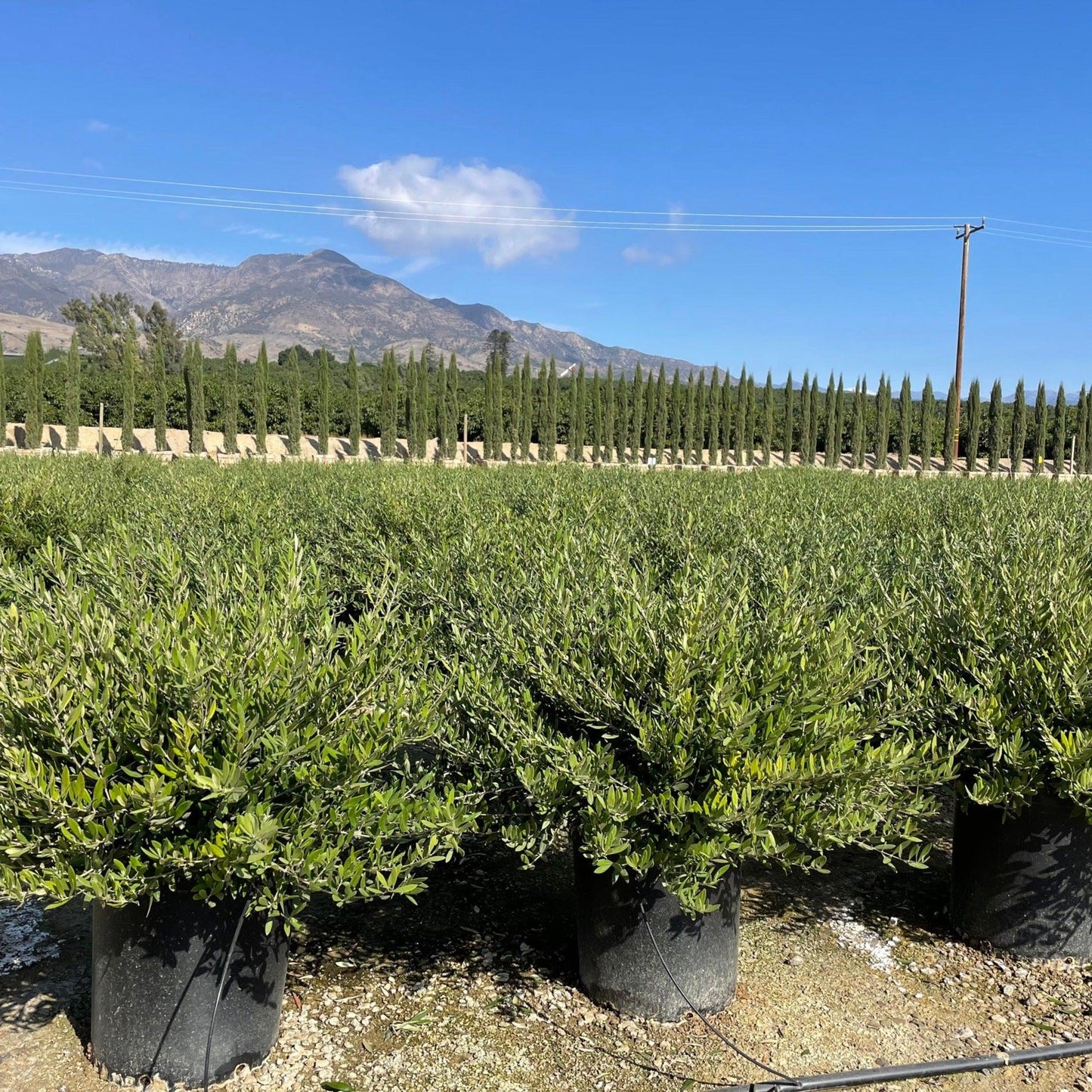

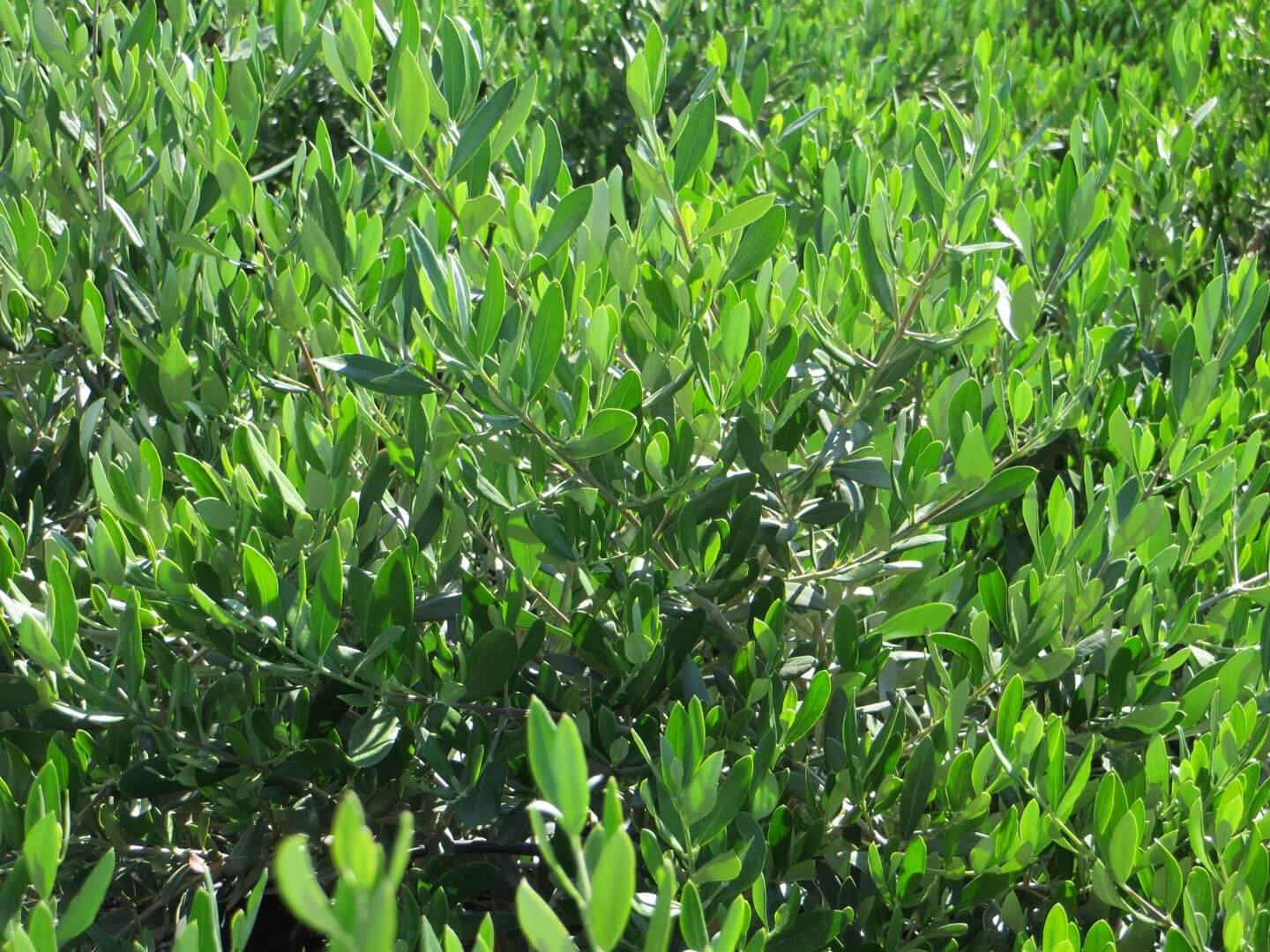
Thousands of Healthy Plants Delivered

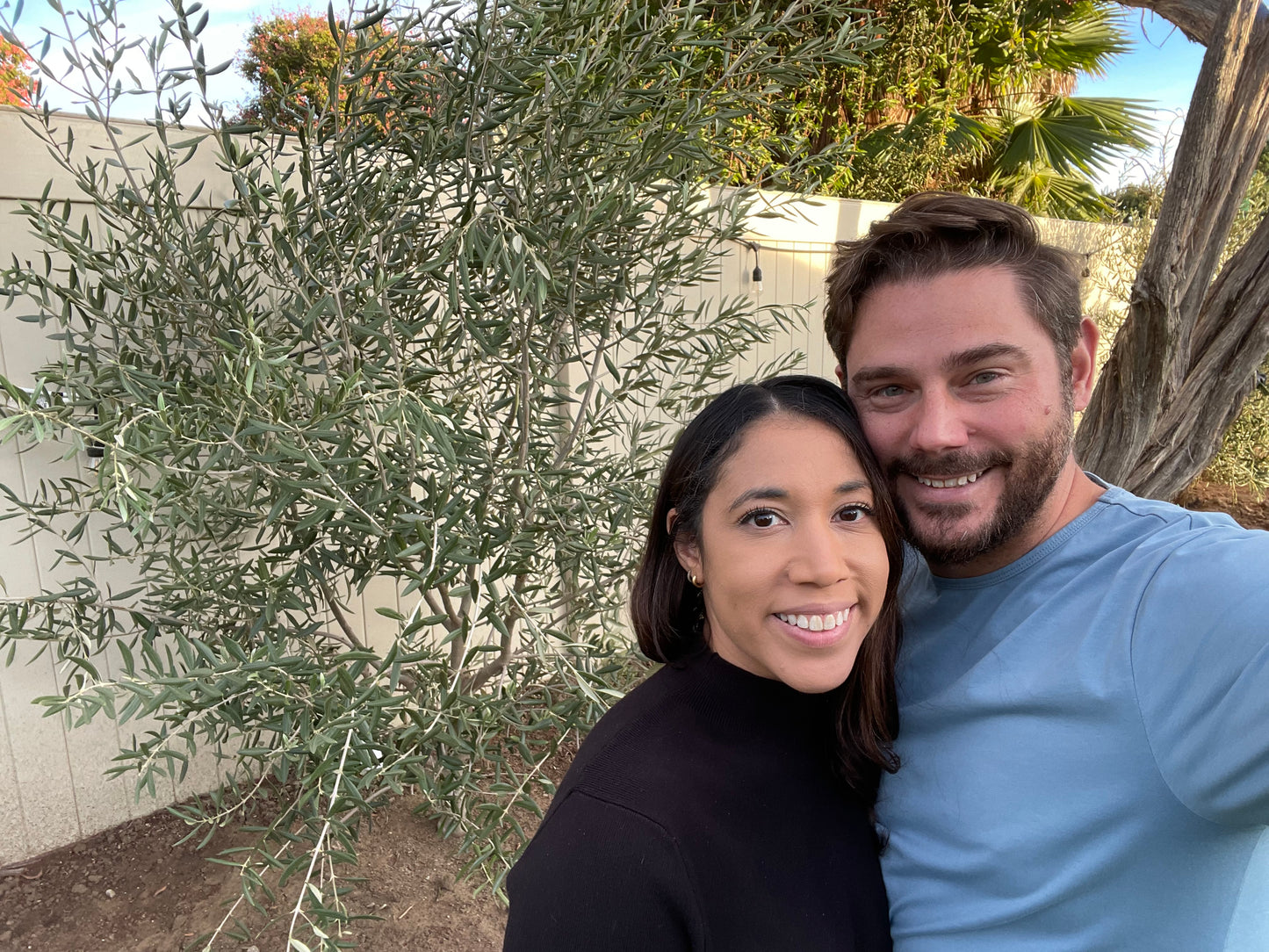
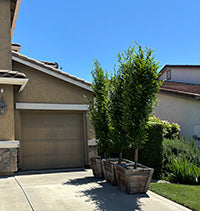
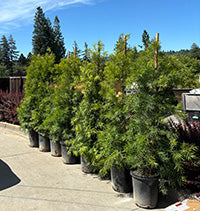
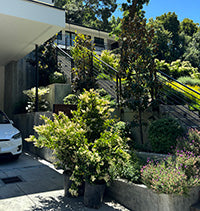
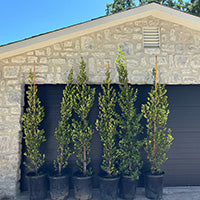
Yardwork was so great to work with. First they had the Swan Hill olive trees that we had been searching for, we had contacted several other nurseries without any luck previously. Then they answered all of our questions in a timely matter prior to ordering and finally delivered within a few days of placing it. Their staff is incredibly knowledgeable; they delivered and planted our trees with expertise to ensure that they would do well in our yard. We would definitely work with them again for future projects.











A Modern Experience
At Yardwork, we carefully curate thousands of plants, in all container sizes, to provide you with the best selection of the highest quality trees and plants at the best price, with the convenience of an online platform.
Uncompromised Quality
We choose only the finest specimens and hand select our plants just before delivery to ensure you receive the freshest and most robust specimens available for your landscape.
Industry Leading Warranties
Our 30, 90, and 365 extended warranties provide some of the best coverage to ensure our trees and plants thrive in your landscape.
Frequently Asked Questions
We're committed to changing everything about trees and plants - how they’re grown, how you shop for them, and how much they cost. We handle orders ourselves. No middlemen to get between us (or our prices) and you.
We're committed to changing everything about trees and plants - how they’re grown, how you shop for them, and how much they cost. We handle orders ourselves. No middlemen to get between us (or our prices) and you.
Delivery does not include unloading of trees and plants LARGER than a 24" box.
Trees and plants in smaller containers will be dropped curbside (usually on the driveway or near the front doorstep).
Delivery beyond a curbside drop will be charged extra.
Trees and plants that are sold in container sizes LARGER than a 24" box size will require equipment and/or enough manpower onsite to help unload from the truck.
Please reach out to our team PRIOR to placing your order to help coordinate.
Our team can provide unloading assistance with equipment for an extra fee as well.
Delivery does not include unloading of trees and plants LARGER than a 24" box.
Trees and plants in smaller containers will be dropped curbside (usually on the driveway or near the front doorstep).
Delivery beyond a curbside drop will be charged extra.
Trees and plants that are sold in container sizes LARGER than a 24" box size will require equipment and/or enough manpower onsite to help unload from the truck.
Please reach out to our team PRIOR to placing your order to help coordinate.
Our team can provide unloading assistance with equipment for an extra fee as well.
We ship locally within California within 7-10 days of your order being placed.
We ship nationally using carrier partners, based on order size. Our common order minimums for out of state shipping is $5,000.
Text or call 323-576-4159 for specific shipping details for your location.
We ship locally within California within 7-10 days of your order being placed.
We ship nationally using carrier partners, based on order size. Our common order minimums for out of state shipping is $5,000.
Text or call 323-576-4159 for specific shipping details for your location.
We are currently online only and don't have physical locations where you can view plants in person.
That's why we have photos direct from the growing grounds of the plants we will ship and we display pricing right in our store.
We do make sure to pick the very best trees and plants prior to shipping and make sure that they have gone through our multi-point inspection for health and structure.
We will always reach out prior to delivery if we find a quality issue or need to provide a substitute.
We are currently online only and don't have physical locations where you can view plants in person.
That's why we have photos direct from the growing grounds of the plants we will ship and we display pricing right in our store.
We do make sure to pick the very best trees and plants prior to shipping and make sure that they have gone through our multi-point inspection for health and structure.
We will always reach out prior to delivery if we find a quality issue or need to provide a substitute.
Plants vary greatly by type. Here is a rough idea of sizes based on containers that are direct from our growing grounds.
15 Gallon Shrub 3-4 Ft. Tall
15 Gallon Tree 5-6 Ft. Tall
24" Box Shrub 5-6 Ft. Tall
24" Box Tree 6-7 Ft. Tall
36" Box Shrub/Tree 7-9 Ft. Tall
48" Box Shrub/Tree 8-10 Ft. Tall
**Please note that we do not make guarantees of sizes. If you have questions or concerns, please call or text to request accurate sizing for the particular plant you're considering, prior to ordering.
Plants vary greatly by type. Here is a rough idea of sizes based on containers that are direct from our growing grounds.
15 Gallon Shrub 3-4 Ft. Tall
15 Gallon Tree 5-6 Ft. Tall
24" Box Shrub 5-6 Ft. Tall
24" Box Tree 6-7 Ft. Tall
36" Box Shrub/Tree 7-9 Ft. Tall
48" Box Shrub/Tree 8-10 Ft. Tall
**Please note that we do not make guarantees of sizes. If you have questions or concerns, please call or text to request accurate sizing for the particular plant you're considering, prior to ordering.
We offer a limited 30 day warranty for plants that are delivered and planted by someone else and a 90 day warranty for plants that we plant.
The limited warranty covers plants that die as a result of disease or fungus which was derived from our growing grounds or from root balls that were root bound.
The warranty does not cover damage due to watering, fertilizer, soils, or any other conditions beyond our control. Additionally, the warranty does not cover plants that are shipped out of the state of California or shipped into California from other states. Custom plant orders are also not covered under warranty. Plants must be planted within 24 hours after delivery to qualify.
We can assist you in recommending the right soils and fertilizers to help your plant thrive after you plant it.
Text or call 323-576-4159 for further warranty information.
We offer a limited 30 day warranty for plants that are delivered and planted by someone else and a 90 day warranty for plants that we plant.
The limited warranty covers plants that die as a result of disease or fungus which was derived from our growing grounds or from root balls that were root bound.
The warranty does not cover damage due to watering, fertilizer, soils, or any other conditions beyond our control. Additionally, the warranty does not cover plants that are shipped out of the state of California or shipped into California from other states. Custom plant orders are also not covered under warranty. Plants must be planted within 24 hours after delivery to qualify.
We can assist you in recommending the right soils and fertilizers to help your plant thrive after you plant it.
Text or call 323-576-4159 for further warranty information.
Our local delivery team covers most cities in California.
There are some exceptions, so please get in touch to confirm prior to ordering.
Additionally, we ship using semi trucks and trailers throughout the entire United States and even abroad for large orders over $5,000. Each shipment is custom, so please reach out to our team to coordinate.
Our local delivery team covers most cities in California.
There are some exceptions, so please get in touch to confirm prior to ordering.
Additionally, we ship using semi trucks and trailers throughout the entire United States and even abroad for large orders over $5,000. Each shipment is custom, so please reach out to our team to coordinate.