

Pear Tree For Sale
Explore our collection of pear trees to add a buttery flesh variety for baking or a crisp texture variety for eating fresh to your garden.

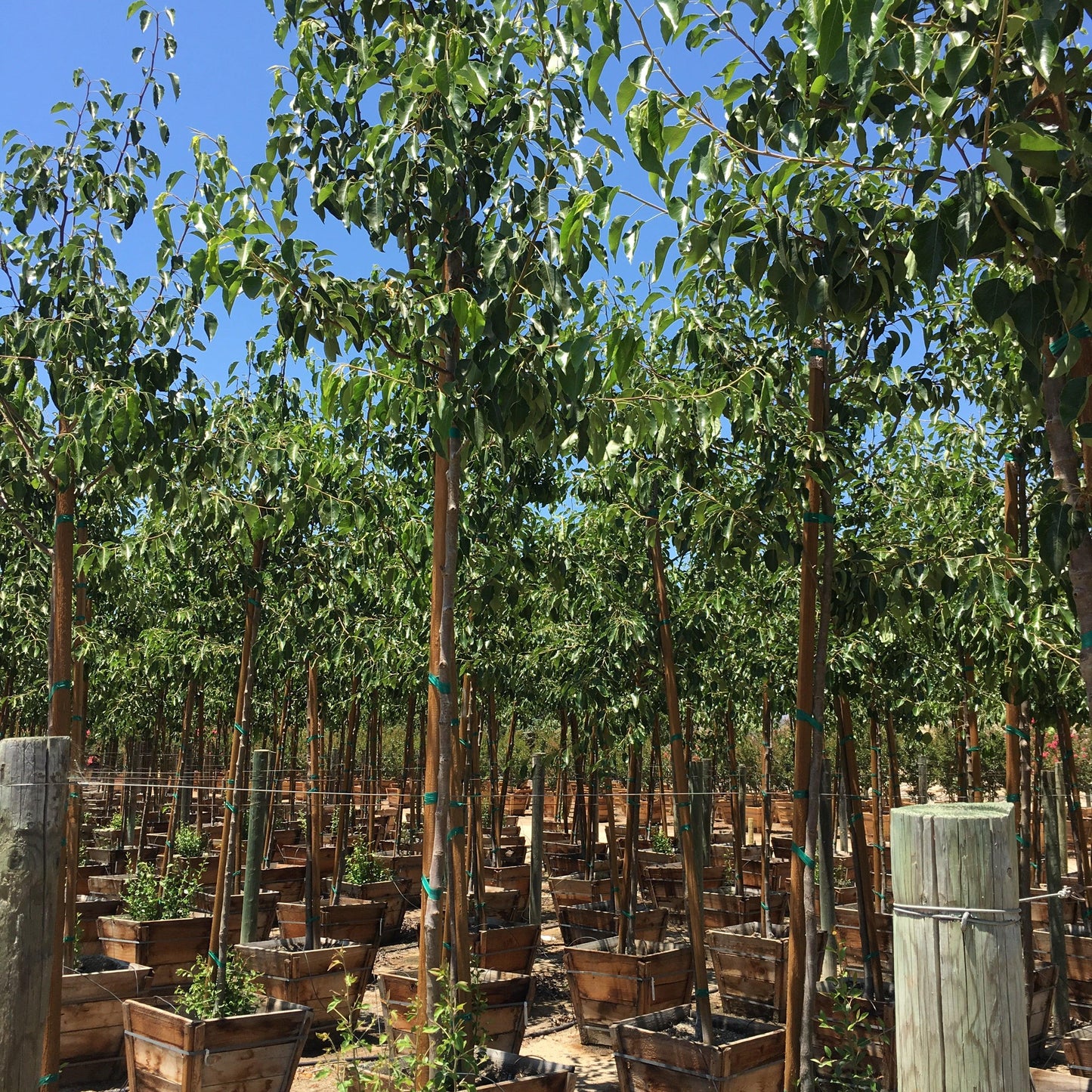

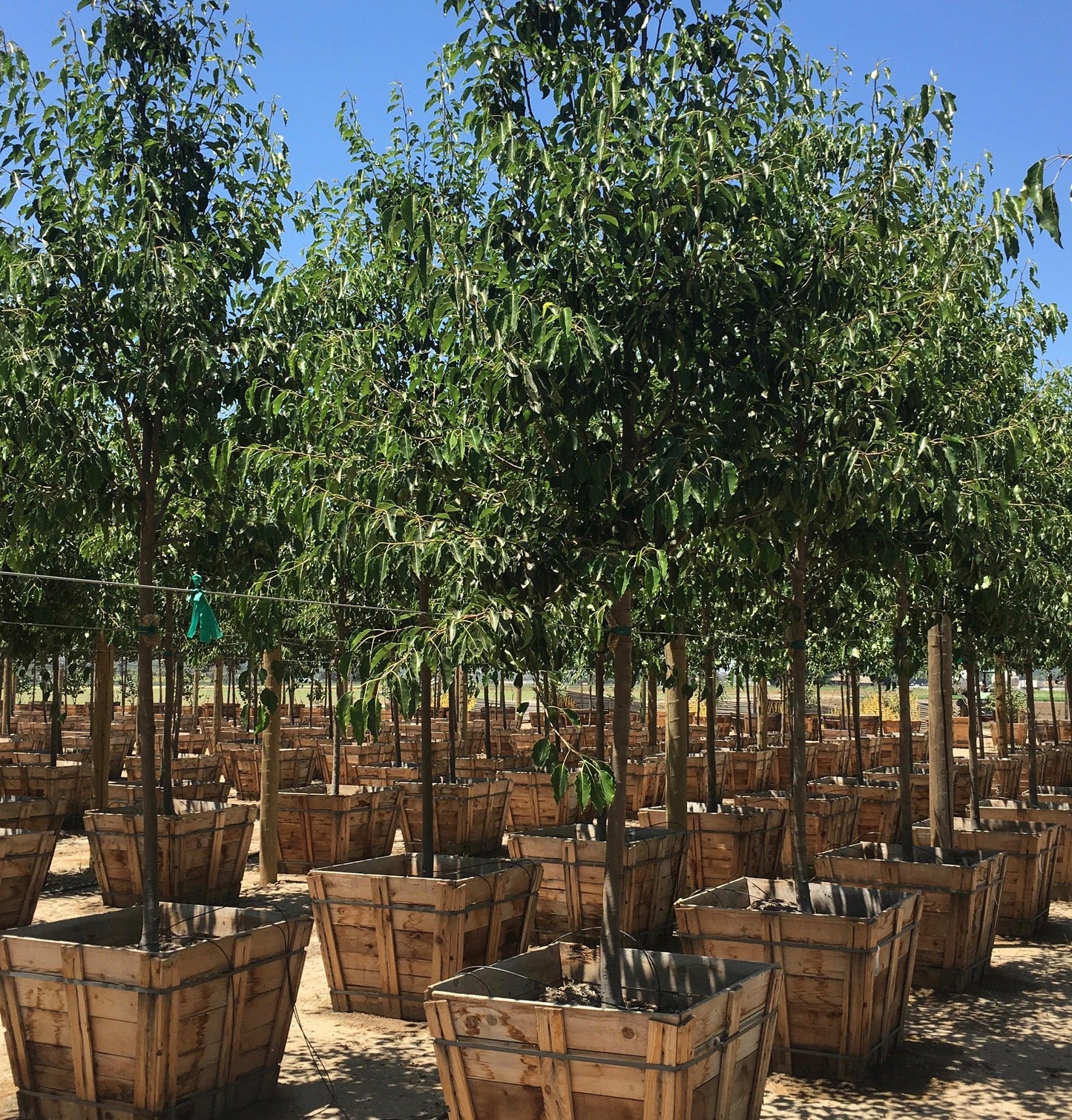

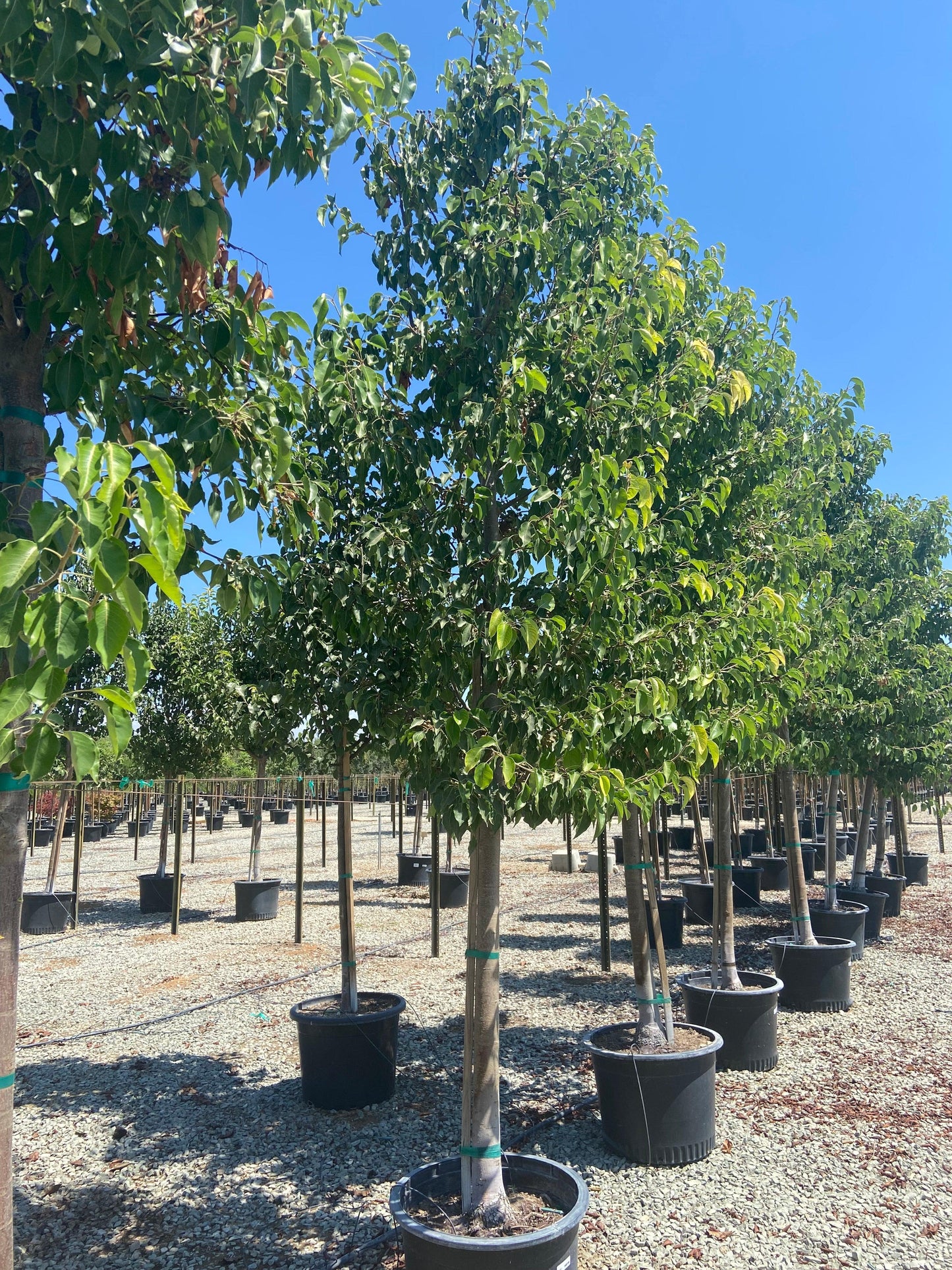

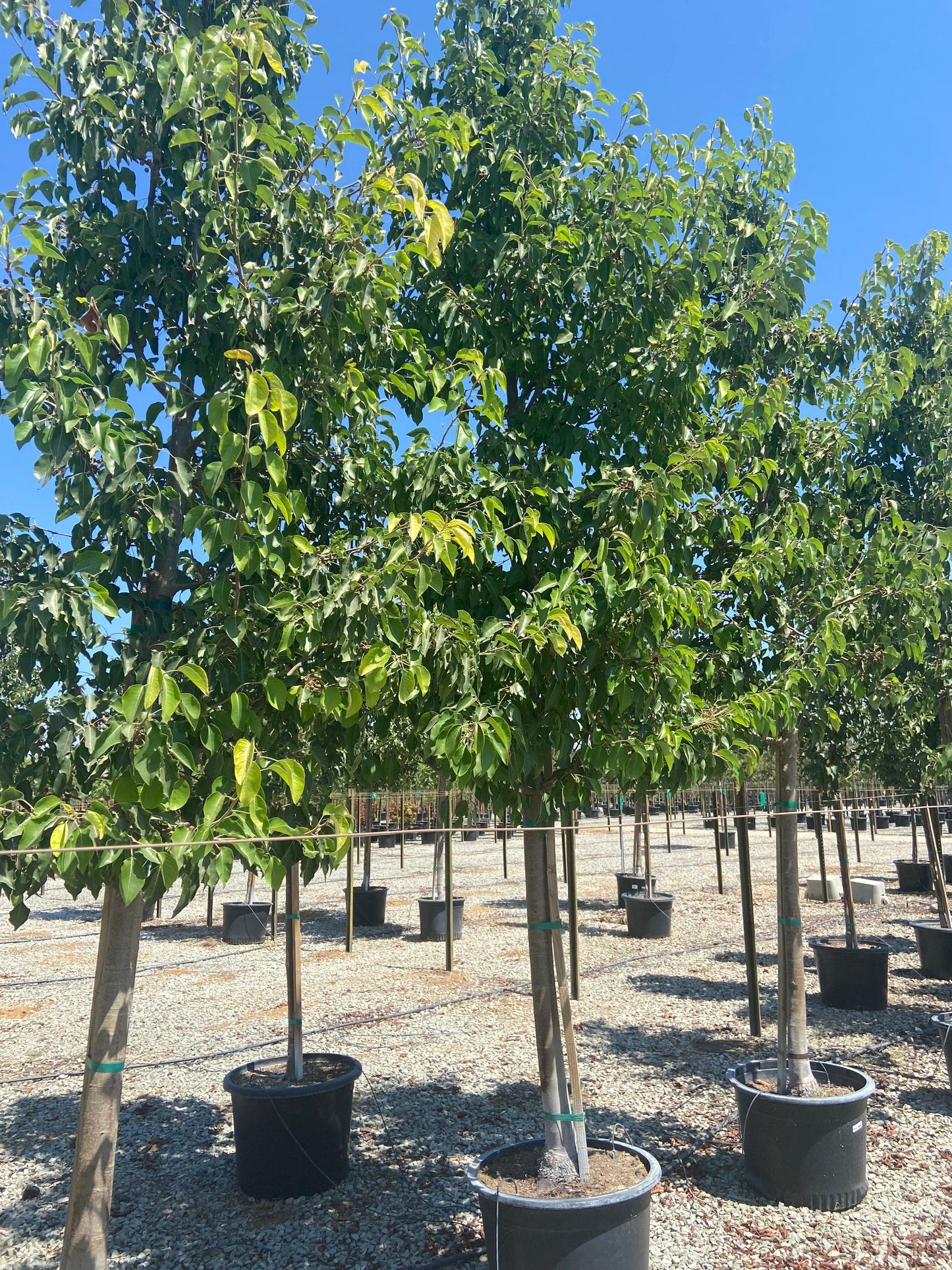
Choosing the right pear tree starts with matching the variety to your climate, space, and how you want to enjoy the fruit. Pear trees are categorized into two main types based on their origin: European and Asian - each with distinct flavors, textures, and growing requirements. Whether you're after buttery flesh for baking or a crisp texture for eating fresh, understanding the differences between pear varieties helps you plant a tree that will actually thrive and produce reliably in your yard.
Types of Pear Trees
Pear varieties break down into three meaningful groups - European, Asian, and hybrid - each suited to different climates, uses, and grower preferences.
European Pear Trees
European pears (Pyrus communis) are the classic pear-shaped fruit most people picture - varieties like Bartlett, Bosc, Anjou, and Comice. European pears are known for their soft, melting texture and classic pear shape, with sweet flavor and buttery flesh when properly ripened. European pears must be harvested before they ripen; you pick them firm and ripen indoors at room temperature. Bartlett pears are the most popular variety in the U.S. and are popular for eating fresh and canning due to their juicy fruit. Most European pear varieties need 600–900 chill hours, making them best suited to inland valleys and higher elevations where winters deliver consistent cold.
Asian Pear Trees
Asian pears (Pyrus pyrifolia) are round and apple-shaped - think Shinko, Shinseiki, and Hosui. Unlike their European cousins, Asian pear varieties offer a crisp texture and juicy, mild flavor that's consumed fresh right off the tree. There's no waiting for them to soften. For home gardeners in warmer parts of California, Asian pears are often the better bet: many require only 300–400 chill hours, performing well in coastal and low-elevation areas where European types may struggle. They need full sun, well-drained soil, and good insect pollination to set fruit reliably.
Hybrid Pear Trees
Hybrid pears blend characteristics from both European and Asian varieties, bred to combine disease resistance, heat tolerance, and improved fruit quality. Varieties like Shenandoah - a USDA-bred European pear selected for fire blight resistance and long storage - reflect this approach. Kieffer pears are heat-tolerant and disease-resistant, making them practical in warmer climates where traditional European pears falter. Hybrid pear trees are especially useful in areas with warm, humid springs where blight risk runs high or chill hours are limited.
What to Look For in Pear Trees
Several concrete attributes determine whether a pear tree will thrive in your garden or disappoint. Here's what actually matters.
Chill Hour Requirements
Most pear trees require a certain number of winter chill hours - cumulative hours between roughly 32°F and 45°F - to break dormancy and achieve reliable fruit set. California's climate varies enormously: coastal Southern areas may accumulate fewer than 300 chill hours, while northern interior valleys and mountains can exceed 1,000. Pear trees require 6 to 8 hours of direct sunlight daily for optimal growth, but without sufficient winter chill, even the sunniest spot won't produce fruit.
Low-chill varieties like Flordahome (under 400 hours, partly self-fertile, ripens in late summer) work in mild-winter zones. Asian pears such as Shinseiki and Hosui need roughly 300–400 hours. Standard European pears like Bosc or Anjou demand 600+ hours and belong in colder regions. Matching chill requirements to your specific microclimate is the single most important factor.
Pollination Needs
Most pear trees require cross-pollination for fruit set - you typically need two varieties with overlapping bloom periods planted within 50–100 feet of each other. Plant three pear trees 20 to 30 feet apart for better yields if space allows. Some pear varieties are partially self-fruitful: Kieffer is one of the more reliably self-fertile options, while Bartlett and Anjou can produce alone but yield significantly more with a pollinator partner.
Important exceptions: Seckel and Bartlett pears cannot pollinate each other. And Magness, Luscious, and Gourmet pears are sterile - they cannot serve as pollinators for other pear varieties at all. European and Asian types can cross-pollinate when bloom periods overlap, which gives you flexibility in pairing.
Mature Tree Size
Pear trees can be found in standard, semi-dwarf, and dwarf sizes, determined largely by rootstock. Standard trees reach 20–30 feet in height and spread - they produce large harvests but take 5–7 years to bear and require more effort to prune and harvest pears from the upper canopy. Semi-dwarf rootstocks (like OH×F 40 or OH×F 87) produce trees roughly 60–70% the size, fruit earlier, and are much easier to manage. Dwarf rootstocks suit small yards, patios, and espalier training along a fence, often bearing edible fruit in just 3–4 years - though they need more attention to watering, as shallow roots are more vulnerable to drought.
Disease Resistance
Fire blight is a major disease affecting pear trees - a bacterial disease caused by Erwinia amylovora that thrives in warm, wet spring weather and can devastate susceptible varieties. Prune diseased shoots immediately to control fire blight, cutting well below visible damage. Moonglow pears are resistant to fire blight, as are Warren (highly resistant, good flavor), Shinko (Asian pear with strong resistance), and Blake's Pride (bred specifically for blight tolerance). Choosing resistant varieties dramatically reduces maintenance and chemical intervention, especially in California's warmer inland valleys.
How to Choose the Right Pear Tree
Finding the right tree comes down to a few decision points:
- Climate zone and chill hours - Check your local chill hour accumulation. Under 400 hours? Stick with low-chill European varieties (Flordahome, Warren) or Asian pears. Over 600? The full range of European pears opens up, including Bartlett, Bosc, and Comice. Like apple trees, pears need climate-appropriate varieties to produce reliably.
- Available space - Small yard or patio? A dwarf or semi-dwarf rootstock keeps the tree manageable and fruits earlier. Larger properties can accommodate standard trees, which produce more fruit over time. Prune pear trees to a central leader for better growth and structure regardless of size.
- Harvest timing and intended use - Want pears for fresh eating straight from the tree? Asian pears deliver immediately. Prefer fruit for baking, canning, or pear cider? European pears - picked firm and ripened off the tree - store longer and develop richer, sweeter flavor. Bartlett pears harvest in summer; most fruit from other European varieties comes in fall.
- Pollination setup - If you can only plant one tree, choose a self-fertile variety like Kieffer or Flordahome. If you have room for two varieties, pair compatible bloomers for dramatically better yields. Bradford pears are considered invasive in certain regions and should be avoided for edible orchards.
- Disease pressure - In fire blight-prone areas (warm, wet springs), prioritize resistant cultivars. Ornamental pear trees are grown for their landscaping value rather than fruit - if your goal is edible fruit, select accordingly. For flowering ornamental options, Yardwork carries dedicated varieties like the Aristocrat Pear.
Frequently Asked Questions
Do I need two pear trees to get fruit?
Most pear trees require cross-pollination for fruit set, so planting at least two compatible varieties is strongly recommended. Even partially self-fruitful types like Bartlett and Anjou produce noticeably larger yields and better-quality fruit with a pollinator partner. Kieffer is among the most reliably self-fertile options if you truly have space for only one tree. Keep in mind that Seckel and Bartlett pears cannot pollinate each other, and that Magness, Luscious, and Gourmet pears are sterile and cannot serve as pollinators.
What's the difference between Asian and European pears?
European pears are pear-shaped with soft, buttery flesh - they must be harvested firm and ripen indoors over several days. Asian pears are round, apple-shaped, with a crisp texture and juicy, mild flavor - you eat them right off the tree. European varieties typically require 600–900 chill hours; most Asian pears need only 300–500. Both produce excellent edible fruit, but the harvest experience and climate requirements differ significantly.
Which pear trees grow best in California?
California's climate diversity means there's a pear tree for nearly every zone. In coastal and mild-winter areas (fewer than 400 chill hours), low-chill varieties like Flordahome, Warren, and Asian pears such as Shinko and Hosui perform best. Inland valleys with moderate chill can support Bartlett pears and other European favorites. Pear trees prefer loamy, well-draining soil with a pH between 6.0 and 7.0 - amend heavy clay or sandy soil accordingly. Like other fruit trees suited to California, heat tolerance and disease resistance are critical factors.
When do pear trees produce fruit?
Timeline depends on rootstock. Trees on dwarf rootstock often produce fruit in 3–4 years; semi-dwarf trees take slightly longer; standard trees may need 5–7 years from planting. European varieties like Bartlett pears harvest in late summer, while most other European pears come in during fall. Asian pears generally harvest in summer or early fall. Fertilize pear trees in early spring with a balanced, granular fruit tree fertilizer to support the growing season, and prune pear trees annually in late winter to maintain a healthy canopy and encourage productive fruiting wood.
How do I plant a pear tree?
Dig a hole twice the size of the root ball. Plant the tree at the same level or 2 inches higher than the soil line. Water the tree as you fill in the hole to eliminate air pockets around the roots. Mulch around the tree - use a 3–4 inch layer of mulch, leaving a 6-inch ring open around the central trunk to prevent rot. Newly planted trees need weekly watering for the first year. Choose a spot with full sun and well-drained soil for best results.
Shop Pear Trees
Whether you're planting your first fruit tree or adding pear varieties to an established home orchard, start by matching your climate zone, space, and intended use to the right tree. Browse Yardwork's curated collection of trees to find varieties proven for California gardens, or explore other fruit trees like apricots and apples to round out your harvest season.