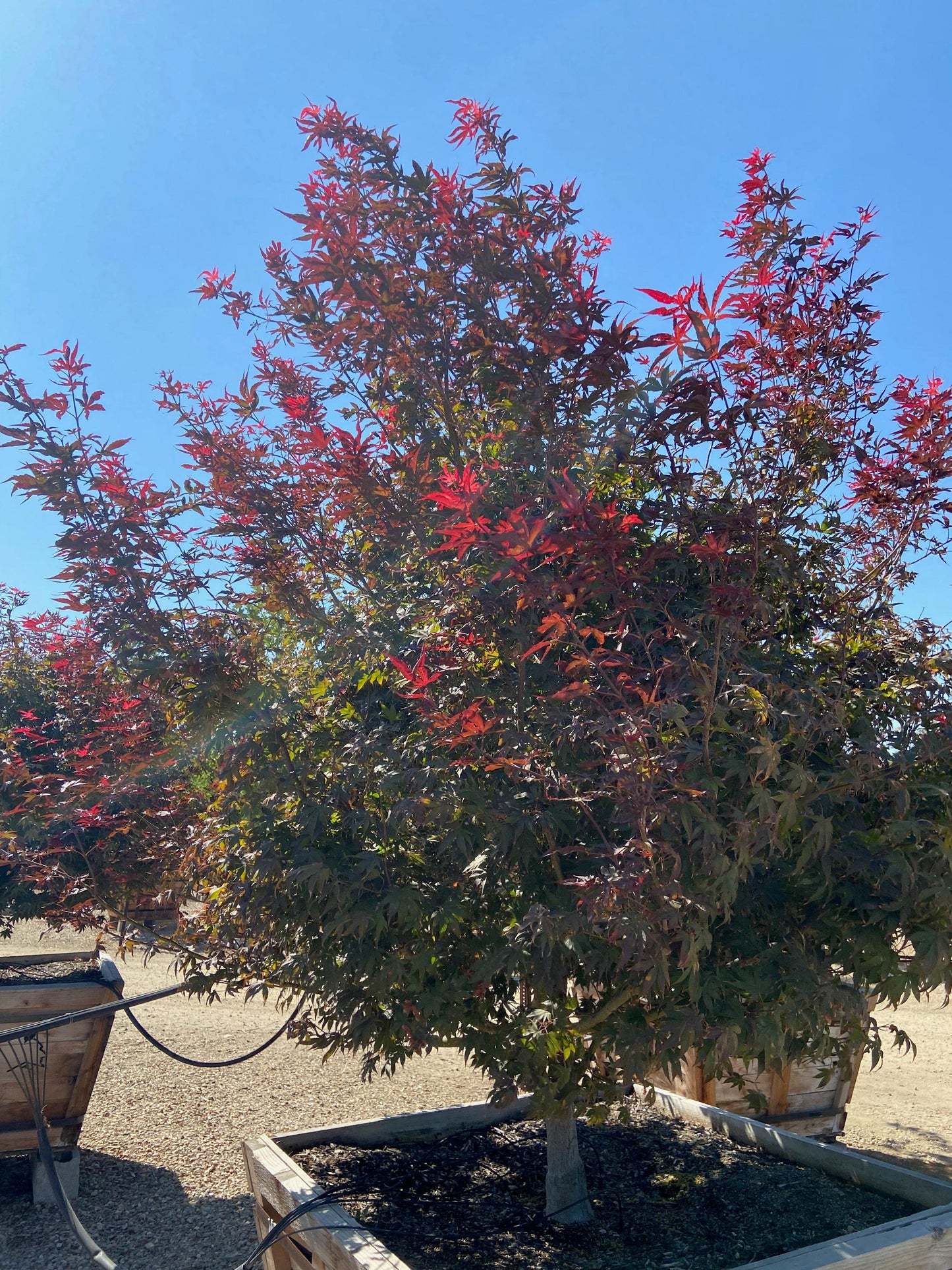
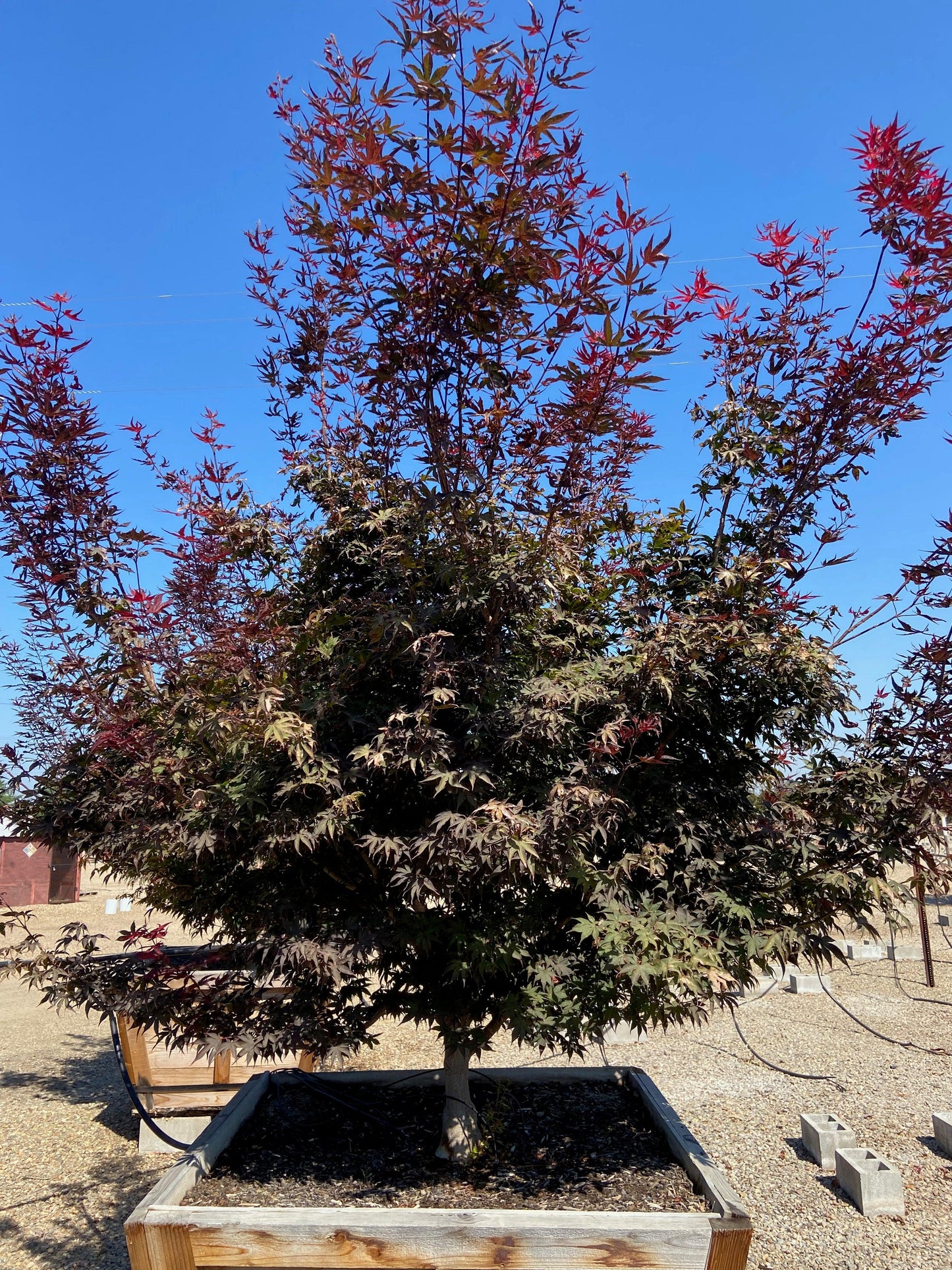
Japanese Maples – Transform Your Garden with Stunning Seasonal Color
Japanese maples are perfect trees for adding refined shape, vivid leaf color, and year-round beauty to your outdoor space. Whether you need a compact maple for small gardens, a weeping focal point for a shaded patio, or an upright mature specimen for a larger landscape, Japanese maple trees offer exceptional variety in form, size, and seasonal color.
Most japanese maples grow best in well drained soil, consistent moisture, and filtered light or afternoon shade. Explore Yardwork’s curated collection to find the right tree for your yard, climate, and design goals.
Japanese Maples for Every Garden Style
Japanese maples bring structure, movement, and color to nearly every garden style. From upright forms with deeply lobed leaves to laceleaf types with deeply dissected leaves, these trees can soften hardscapes, frame entries, brighten shade, or anchor a planting bed.
Japanese maples are categorized into various types based on their growth habits, including upright, weeping, dwarf, and cascading forms, each offering unique aesthetic qualities for different garden settings. Acer palmatum includes thousands of named cultivars with a variety of forms, colors, leaf types, sizes, and preferred growing conditions, with mature heights ranging from 0.5 to 25 meters (1.5 to 82 feet).
Small Garden & Container Plantings
For small spaces, patios, balconies, and small yards, choose a dwarf variety or mounding shrubby tree that stays naturally compact. Dwarf or mounding Japanese maples typically stay under 8 feet in height and have a cascading, umbrella-like growth habit, making them an excellent choice where ground space is limited.
Crimson Queen and Red Dragon are popular cultivars for container gardening because they offer compact size, slow growing habits, and dramatic red to dark purple foliage. Japanese maples are well-suited for container gardening, making them ideal for patios and balconies, especially smaller varieties that thrive in confined spaces. In pots, many japanese maples grow more slowly and can become somewhat self-stunting as their root systems adapt to the available space.
Use a container with excellent drainage, keep the soil evenly moist, and place the plant in dappled shade or morning sun with afternoon shade. Weeping/Dissectum Japanese maples require dappled sunlight or afternoon shade to prevent leaf burning, especially in warm California gardens.
Shade Gardens & Understory Plantings
Japanese maples are natural fits for shade gardens and woodland-style plantings. In part shade, varieties like Bloodgood can hold rich red or reddish purple tones while adding height and soft texture beneath taller trees.
They also pair beautifully with companion plants. Companion plants for Japanese maples include ginkgos, dawn redwoods, rhododendrons, azaleas, and various perennials, which can enhance the visual appeal of the garden. Ferns, hostas, and shade-loving ground covers also emphasize the fine leaf shapes and layered branches of weeping maples.
For woodland settings, cascading and weeping varieties create a graceful canopy over lower plantings. Protect them from drying wind, harsh reflected sun, and exposed corners where delicate leaves can scorch easily.
Specimen & Focal Point Trees
A well-placed Japanese maple can serve as the visual center of a garden. Japanese maples can serve as stunning focal points in garden design, either as solitary specimens or as part of a larger landscape composition.
Larger upright selections such as Emperor One Japanese Maple and the coral bark japanese maple, also known as Sango kaku, work especially well near entries, lawns, courtyards, and layered borders. Some maples are cultivated for features other than their leaves, adding multi-seasonal interest to the garden. Coral bark, red samaras, sculptural winter branches, and fine branching patterns all add interest beyond spring and fall foliage.
For maximum impact, give each specimen enough space to mature naturally. A mature specimen with upright branching, orange or yellow fall color, and winter bark interest can transform a simple yard into a polished landscape.
Choose the Right Japanese Maple for Your Climate Zone
Choosing the right Japanese maple starts with climate. Japanese maple trees (Acer palmatum) typically grow 15 to 20 feet tall and thrive in USDA Hardiness Zones 5 to 9, although most cultivars perform most reliably in zones 5 through 8.
Heat, frost, sun exposure, and soil moisture all affect performance. The right cultivar will reward you with healthier growth, stronger color, and fewer problems from leaf scorch or frost damage.
For Cooler Northern Gardens (Zones 5-6)
In zones 5 and 6, focus on cold-hardy selections such as Bloodgood Japanese maple and Tamukeyama. Bloodgood is valued for deep burgundy leaves that turn crimson in fall, while Tamukeyama is a reliable laceleaf option with strong color and late leafing that can help reduce late spring frost damage.
Winter care matters in cooler gardens. Mulch over the root zone to protect shallow root systems, avoid exposed windy sites, and choose planting areas that do not collect cold air. Fall is an excellent time to plant Japanese maples as it allows the roots to establish while the tree is dormant, although spring planting is also successful if there is no threat of frost.
In very cold zones 5 locations, early fall planting is best if there is enough time for roots to settle before hard freezes. If conditions are uncertain, wait until spring after frost risk passes.
For Warmer Southern Gardens (Zones 7-8)
In zones 7 and 8, heat tolerance and afternoon shade become essential. Orangeola and Coral Bark are strong choices for warmer regions when planted with protection from the hottest sun.
Hot climates can intensify leaf burn, especially on red, purple, variegated, and laceleaf types. Provide morning sun, dappled shade, or filtered light, and avoid reflective pavement, stucco walls, and dry wind. Weeping/Dissectum Japanese maples require dappled sunlight or afternoon shade to prevent leaf burning.
Water deeply and consistently through summer. Water Japanese maples well at planting time and regularly thereafter, avoiding moisture extremes; they prefer consistent water conditions and benefit from mulch to protect their roots.
For Full Sun Locations
Some Japanese maples tolerate full sun better than others. Upright Palmate varieties of Japanese maples are hardier in full sun and can be chosen for vertical height or shade, especially those with green, deep red, or thicker-textured foliage.
Green-leaf and bark-interest cultivars often handle sun better because their leaves are less delicate than finely cut laceleaf forms. Sango kaku, Emperor One, and sturdy upright selections can work in brighter locations when soil moisture is steady.
Acclimate young trees gradually to sunnier exposure. Start with partial shade, then increase sun over time if the plant shows no stress. Mulch, deep watering, and wind protection help prevent delicate new leaves from drying out.
For Partial to Full Shade Areas
Partial shade is often ideal for Japanese maples, especially in California’s warmer inland climates. Bloodgood, Tamukeyama, and many laceleaf types keep attractive color in lower light, though deep shade may reduce fall color intensity.
Japanese maple leaves range from deep green to bright red, purple, and variegated, with stunning displays in the fall. In too much shade, red foliage may become greener, and branches may stretch toward light. In the right balance of morning sun and afternoon shade, foliage stays vibrant without scorching.
Use companion plants to complete the scene. Rhododendrons, azaleas, ferns, perennials, and even architectural trees like ginkgos or dawn redwoods can create layered contrast around Japanese maples.
Popular Varieties That Deliver Outstanding Performance
The best Japanese maple for your garden depends on the size, color, form, and exposure you want. Popular cultivars range from upright trees with bold spring color to compact laceleaf forms suited to containers and small gardens.
Most cultivars offer more than one season of interest. New leaves may emerge crimson, orange, pink, or bright green in spring, deepen in summer, then shift to yellow, scarlet, or reddish tones in autumn.
Classic Red & Purple Foliage Varieties
Bloodgood is one of the most recognized Acer palmatum cultivars. Popular cultivars of Japanese maples include ‘Bloodgood’, known for its deep burgundy leaves that turn crimson in fall, and ‘Crimson Queen’, a dwarf variety with a weeping habit and red lace-like foliage.
Crimson Queen is ideal for containers, slopes, and small gardens where a low, cascading form is desired. Its deeply dissected leaves emerge red, hold reddish purple tones through summer in part shade, and brighten again in fall.
Red Dragon is another compact laceleaf selection valued for deep red to dark purple leaf color and a refined weeping habit. It works well near patios, water features, and small yards where close-up texture matters.
Unique Forms & Special Features
For four-season interest, the coral bark japanese maple is a standout. Sango kaku offers rich green leaves in summer, yellow to orange fall color, and bright coral-red winter branches that bring color when many other plants are dormant.
Butterfly Japanese maple adds variegated beauty with green leaves edged in creamy white and pink, but it needs careful placement because variegated leaves scorch easily in hot sun. Remove reverted green branches to preserve its patterned foliage.
Weeping Viridis provides a graceful green contrast option with finely cut foliage and a soft cascading shape, similar in impact to upright cultivars like Osakazuki Japanese maple that deliver reliable crimson fall color. For unusual texture, Lion’s Mane or Lion’s Head types such as Shishigashira offer crinkled leaves and dense branching that also suit bonsai styling.
Heat-Tolerant & Fast-Growing Options
For challenging sites, choose vigorous upright cultivars or heat-tolerant laceleafs. Orangeola is a strong option for warm gardens because it performs better in heat than many dissectum types when given afternoon shade and consistent moisture.
Fast establishment comes from proper variety selection and good planting conditions, not excessive fertilizer. Upright cultivars generally grow faster than dwarf or weeping types and may need light pruning to maintain shape as they mature.
Consider final size before planting. Some japanese maples grow into compact shrubs, while larger upright types can become substantial trees, comparable in scale to mature landscape trees for instant impact. Leave enough space for branches to spread naturally and avoid crowding the tree with large nearby plantings.
How to Plant and Care for Japanese Maples
Healthy Japanese maples start with the right site, soil, and planting technique. These trees are not difficult to grow, but they do not tolerate poor drainage, extreme drought, or harsh exposure, much like other landscape trees used to structure a yard.
With thoughtful care, japanese maples grow into long-lasting landscape features with reliable spring foliage, graceful summer structure, and brilliant fall color, rivaling larger shade trees like Rocky Mountain Glow maple with its vivid autumn display.
Site Selection & Soil Preparation
Japanese maples prefer moist, well-drained, slightly acidic soils that contain organic matter, and they are susceptible to root rot in poorly drained waterlogged soil. Japanese maples prefer moist, well-drained, slightly acidic soils that contain organic matter; planting them slightly elevated in heavy clay soil can help guard against root rot.
Choose a protected site with morning sun, partial shade, or dappled shade, especially for laceleaf and variegated cultivars. Avoid strong winds, reflected heat, and low areas where water collects.
Before planting, consider soil testing to check pH, drainage, and nutrient balance. Adding compost or other organic matter can improve soil structure, but drainage should always come first.
Planting Techniques & Timing
When planting a Japanese maple, dig a hole twice as wide as the root ball but no deeper than the container, and backfill with the original soil while packing it down lightly to allow the roots to breathe.
Set the tree so the root flare sits at or slightly above ground level. Do not bury the trunk. After planting, water thoroughly and apply mulch over the root zone while keeping mulch away from the trunk.
Fall is an excellent time to plant Japanese maples as it allows the roots to establish while the tree is dormant, although spring planting is also successful if there is no threat of frost. In hot regions, fall planting helps roots settle before summer heat; in colder regions, plant early enough for establishment or wait until spring.
Ongoing Care & Maintenance
Water deeply rather than shallowly, especially during the first two summers. Water Japanese maples well at planting time and regularly thereafter, avoiding moisture extremes; they prefer consistent water conditions and benefit from mulch to protect their roots.
Use low-nitrogen fertilizer sparingly in spring if growth is weak or soil testing shows a need. Too much nitrogen can push soft growth that is more vulnerable to heat, pests, and frost damage.
Pruning Japanese maples should focus on thinning to enhance their natural form and improve airflow, with significant cuts made during the tree’s dormancy period (late winter through early spring). Monitor for aphids, scale, fungal issues, leaf scorch, and root rot, especially if the tree is stressed by poor drainage or irregular watering.
Shop Premium Japanese Maples Online
Shop premium Japanese maples online with Yardwork and choose from carefully selected trees suited to California gardens, patios, small spaces, and larger landscape projects. Our collection includes compact, upright, weeping, green, crimson, purple, variegated, and coral bark forms for a wide range of design goals.
Yardwork helps homeowners and landscapers select the right Acer palmatum for local conditions, from coastal part shade to warmer inland yards that need afternoon shade and stronger heat tolerance, making it easy to shop a full-service plant nursery and landscaping resource. We also offer consultation services for variety selection, placement, mature size planning, and focal point design.
Need help before you plant? Ask about Yardwork soil testing services to optimize pH, drainage, and organic matter before your tree goes in the ground, or explore their broader selection of privacy trees and evergreen nursery stock for additional structure around your maples. Enjoy free shipping over $600 within California, browse our Japanese maple collection, and request expert advice to find the right maple for your outdoor space.