



Osakazuki Japanese Maple - Acer palmatum 'Osakazuki'
Regular price
$1,450.00
Title
The Ultimate Specimen Tree for Brilliant Fall Color
Acer palmatum 'Osakazuki' delivers the most spectacular fall color of any japanese maple in the world - an intense explosion of crimson-red foliage that holds for several weeks before leaf drop. This prized cultivar, native to Japan, transforms from bright chartreuse leaves in spring to lush green summer foliage, then ignites into a breathtaking scarlet display each autumn. The fall color of Osakazuki resembles a large drinking glass - the name itself references the traditional Japanese sake cup - and it's earned the Royal Horticultural Society's Award of Garden Merit since 1993 for its outstanding reliability and garden performance.
Why You'll Love It
-
Unmatched Fall Color – Osakazuki has one of the brightest red fall colors among all acer palmatum cultivars, producing an intense display that outshines every other japanese maple variety in the landscape
-
Exceptionally Hardy – Osakazuki is best suited for USDA zones 5-8 and tolerates both cold winters and warm summers with remarkable resilience
-
Low Maintenance – Requires minimal pruning and care once established; fertilization is not often needed for Japanese maples, making this a straightforward tree to grow
-
Perfect Size – Osakazuki can reach 10-15 feet tall and wide, making it an ideal small tree for most residential gardens without overwhelming the space
-
Sunburn Resistant – Osakazuki's leaves are firm and larger than other palmatums, which means Osakazuki has less sunburn than other Japanese maples when planted in proper conditions
What Makes It Different
Most japanese maple cultivars either offer modest fall color that fades quickly or require delicate, hands-on care to keep them looking their best. Many red-leafed varieties like 'Bloodgood' Japanese maple or 'Atropurpureum' carry purple-red foliage all summer but can't match the dramatic autumn transformation.
Acer palmatum Osakazuki offers:
-
Award-Winning Pedigree – It received the Royal Horticultural Society's Award in 1993, confirming its status as a garden merit winner with proven performance and reliability across diverse growing conditions
-
Superior Leaf Structure – Unlike laceleaf or dissected cultivars, Osakazuki features broad, 7-lobed palmate leaves that create stronger visual presence at landscape scale and resist wind damage far better
-
Broader Sun Tolerance – Osakazuki thrives in part shade to full sun, performing well in conditions where more delicate maple varieties like 'Emperor One' Japanese maples would scorch and struggle
How To Grow The Osakazuki Japanese Maple Successfully
-
Plant in the Optimal Location Choose a spot with well-draining, moist soil and morning sun with afternoon partial shade protection. The tree prefers rich, moist, slightly acidic, and well-draining soil - amend clay soils with organic matter for best results.
-
Establish a Strong Root System Water consistently during the first growing season. Young trees need moisture but mature trees are drought-tolerant once their roots are well-established. Apply mulch around the base to retain soil moisture and keep roots cool - but keep mulch a few inches away from the trunk to avoid decay. For detailed sizing and care information, you can review our full Osakazuki Japanese maple profile as a reference.
-
Enjoy the Seasonal Display Watch as leaves emerge bright chartreuse in spring, mature into rich green summer foliage, then transform into a spectacular crimson fall display. Osakazuki is known for its intense fall color that holds for several weeks before the leaves drop.
Product Details
-
Botanical Name: Acer palmatum 'Osakazuki'
-
Common Name: Osakazuki Japanese Maple
-
Mature Size: The tree reaches 15 to 25 feet tall and wide at maturity; Osakazuki reaches 12-15 feet tall in 15 years
-
Growth Rate: Moderate, approximately 12-15 inches per year under favorable conditions
-
Form: The tree features a rounded, vase-shaped canopy with dense branching
-
Hardiness Zones: It grows best in USDA zones 5-8, similar in adaptability to California-native shade species such as Engelmann oak
-
Sun Requirements: Part shade to full sun; morning sun with afternoon dappled shade is ideal in warmer climates
-
Soil Needs: Well-drained, moist, slightly acidic soil (pH 5.5–6.5)
-
Leaf Color: Leaves are bright chartreuse in spring, green in summer, and crimson in fall
-
Watering: Requires deep watering during hot summer spells; consistent soil moisture during establishment
-
Maintenance Level: Low maintenance to medium maintenance depending on climate and siting
Who It's For
Ideal for:
-
California homeowners seeking a stunning focal point specimen tree with four-season interest and who may also be considering other flowering trees for their landscape
-
Gardeners wanting reliable, intense fall color without fussy, high-maintenance care routines
-
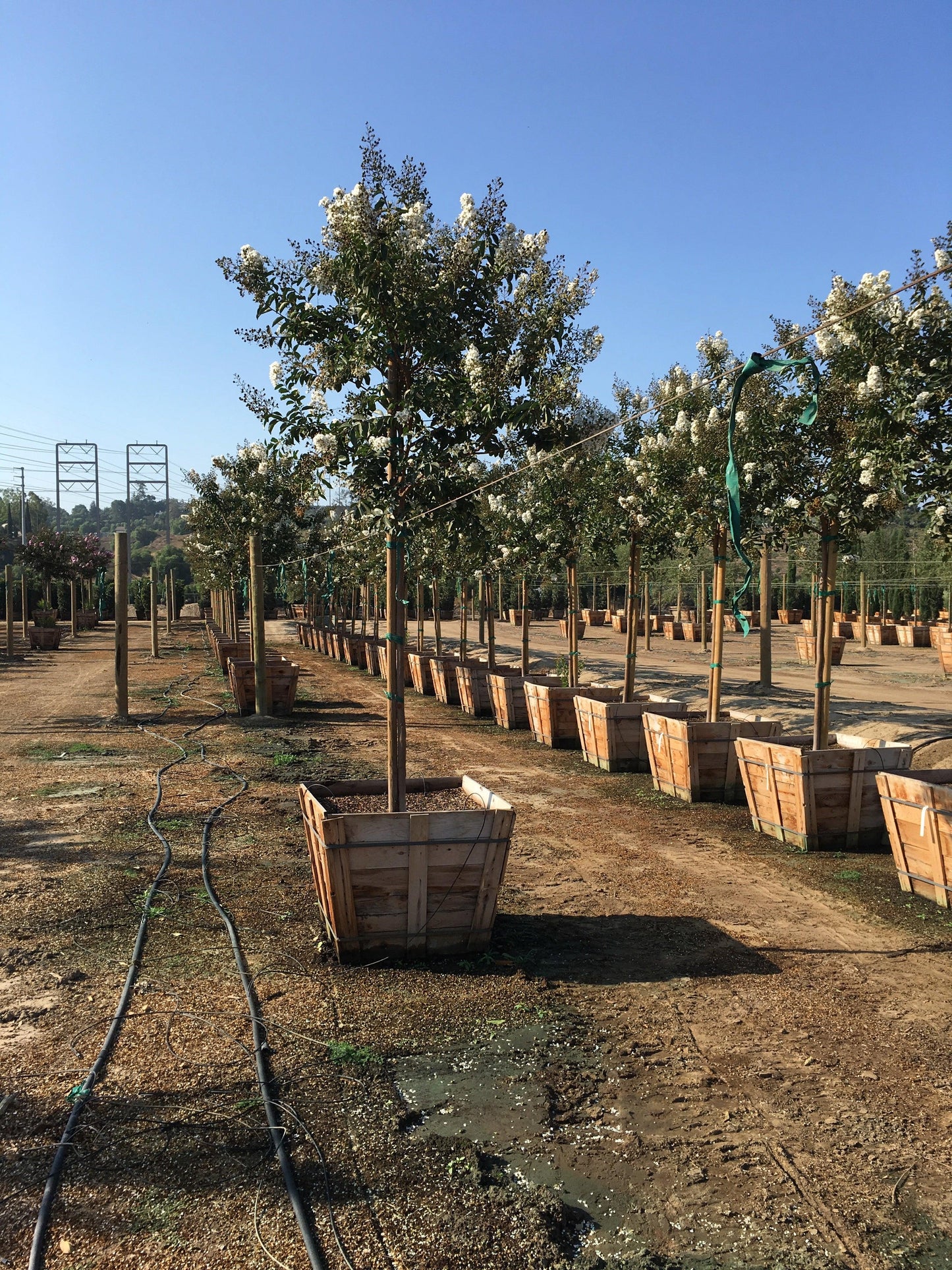
Landscape designers creating seasonal interest in residential projects - pairs beautifully with needled evergreens, camellias, and woodland understory plantings, or with larger shade trees like October Glory® red maple for multi-layered fall color
-
Japanese garden enthusiasts looking to add authentic garden elements and year-round beauty to their outdoor space, perhaps combining Osakazuki with compact cultivars like the Butterfly Japanese maple for contrast
If you want a tree that delivers the best leaf color each autumn in perfect condition, Osakazuki fits your needs.
Frequently Asked Questions
How long until I see full fall color? Expect vibrant leaf color by the second or third year after the tree is planted. Even young trees produce noticeable crimson tones - the display intensifies each year as the canopy fills out.
Will it survive hot California summers? Yes. Osakazuki is more heat-tolerant than most japanese maple varieties. Site it where it receives morning sun and afternoon shade, maintain consistent water during summer, and mulch generously to keep roots cool. It can handle full sun in coastal areas where temperatures stay moderate.
How much space does it need? Allow 12-15 feet of clearance from structures and other large trees. The rounded canopy spreads wide at maturity, so give it room to develop its natural vase-shaped form without crowding.
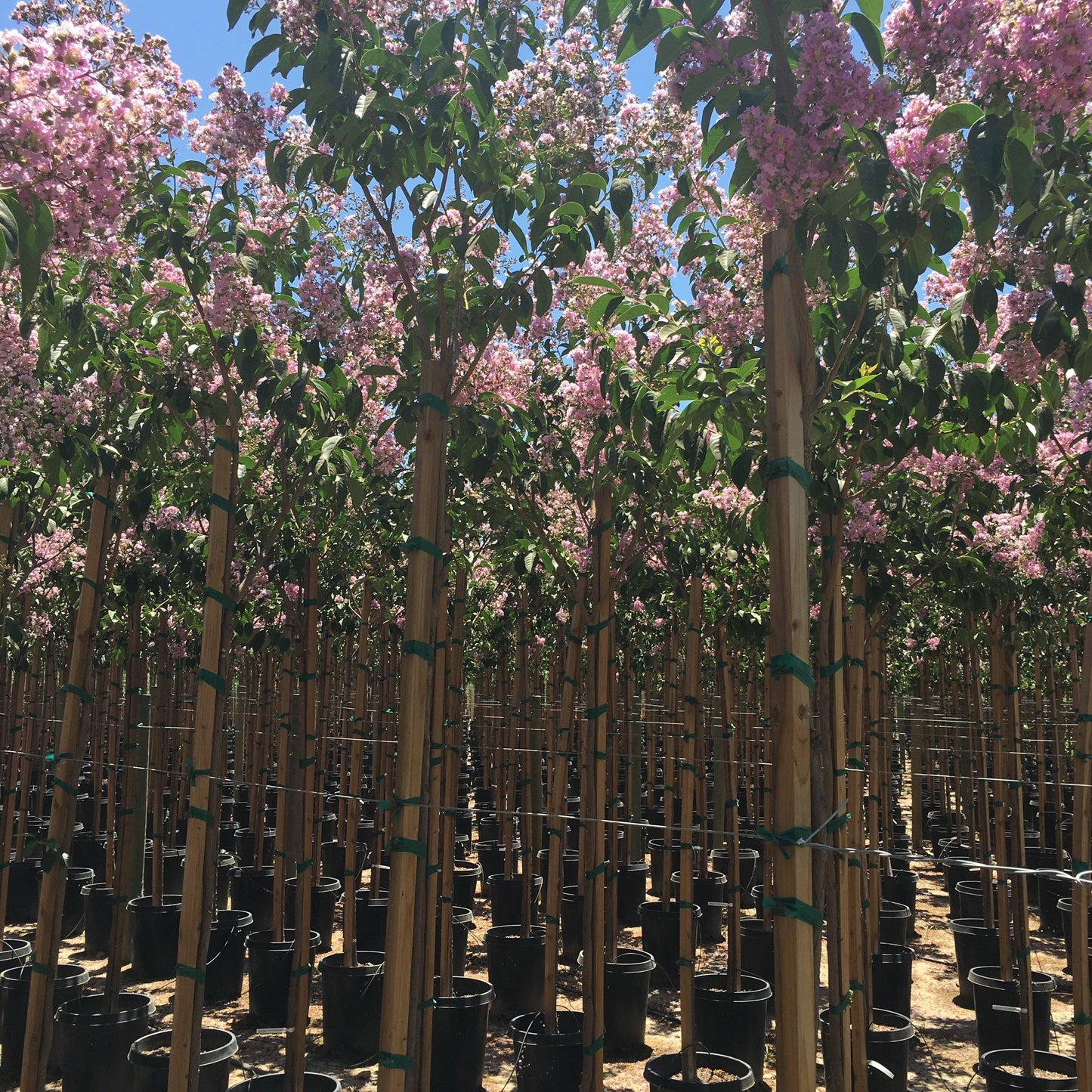
Can I grow it in a container? Yes, Osakazuki can be grown in containers - it even has interest as a bonsai subject - but larger specimens need spacious pots with excellent drainage. Container-grown trees require more frequent watering and winter root protection. Repot every few years as roots expand, and consider pairing with compact flowering standards like the Red Crape Myrtle tree for extended seasonal color on patios and entryways.
What pests should I watch for? Keep an eye out for pests like aphids and scale, which can occasionally occur on Japanese maples. Good air circulation and avoiding waterlogged soil help prevent fungal leaf spots. Healthy, well-sited trees rarely face serious pest pressure, especially when combined with resilient, sun-loving companions such as purple bougainvillea.
Does it need regular pruning? Pruning should be minimized to prevent sap bleeding. Remove only dead or crossing branches during late fall or winter dormancy. The goal is to maintain the tree's natural scaffold structure rather than control size.
Should I fertilize it? Fertilization is not often needed for Japanese maples. A light, balanced feed in early spring is sufficient. Avoid fertilizing in late summer, as this can push tender new growth that's vulnerable to winter damage.
Ready to Transform Your Garden?
Osakazuki Japanese Maple delivers award-winning brilliance - the kind of intense, crimson autumn display that stops neighbors in their tracks and makes your garden the talk of the street, comparable in impact to larger shade selections like Rocky Mountain Glow maple.
Add the Osakazuki to your landscape and experience what the Royal Horticultural Society recognized over three decades ago: this is the most spectacular fall color a japanese maple can offer.
The Ultimate Specimen Tree for Brilliant Fall Color
Acer palmatum 'Osakazuki' delivers the most spectacular fall color of any japanese maple in the world - an intense explosion of crimson-red foliage that holds for several weeks before leaf drop. This prized cultivar, native to Japan, transforms from bright chartreuse leaves in spring to lush green summer foliage, then ignites into a breathtaking scarlet display each autumn. The fall color of Osakazuki resembles a large drinking glass - the name itself references the traditional Japanese sake cup - and it's earned the Royal Horticultural Society's Award of Garden Merit since 1993 for its outstanding reliability and garden performance.
Why You'll Love It
-
Unmatched Fall Color – Osakazuki has one of the brightest red fall colors among all acer palmatum cultivars, producing an intense display that outshines every other japanese maple variety in the landscape
-
Exceptionally Hardy – Osakazuki is best suited for USDA zones 5-8 and tolerates both cold winters and warm summers with remarkable resilience
-
Low Maintenance – Requires minimal pruning and care once established; fertilization is not often needed for Japanese maples, making this a straightforward tree to grow
-
Perfect Size – Osakazuki can reach 10-15 feet tall and wide, making it an ideal small tree for most residential gardens without overwhelming the space
-
Sunburn Resistant – Osakazuki's leaves are firm and larger than other palmatums, which means Osakazuki has less sunburn than other Japanese maples when planted in proper conditions
What Makes It Different
Most japanese maple cultivars either offer modest fall color that fades quickly or require delicate, hands-on care to keep them looking their best. Many red-leafed varieties like 'Bloodgood' Japanese maple or 'Atropurpureum' carry purple-red foliage all summer but can't match the dramatic autumn transformation.
Acer palmatum Osakazuki offers:
-
Award-Winning Pedigree – It received the Royal Horticultural Society's Award in 1993, confirming its status as a garden merit winner with proven performance and reliability across diverse growing conditions
-
Superior Leaf Structure – Unlike laceleaf or dissected cultivars, Osakazuki features broad, 7-lobed palmate leaves that create stronger visual presence at landscape scale and resist wind damage far better
-
Broader Sun Tolerance – Osakazuki thrives in part shade to full sun, performing well in conditions where more delicate maple varieties like 'Emperor One' Japanese maples would scorch and struggle
How To Grow The Osakazuki Japanese Maple Successfully
-
Plant in the Optimal Location Choose a spot with well-draining, moist soil and morning sun with afternoon partial shade protection. The tree prefers rich, moist, slightly acidic, and well-draining soil - amend clay soils with organic matter for best results.
-
Establish a Strong Root System Water consistently during the first growing season. Young trees need moisture but mature trees are drought-tolerant once their roots are well-established. Apply mulch around the base to retain soil moisture and keep roots cool - but keep mulch a few inches away from the trunk to avoid decay. For detailed sizing and care information, you can review our full Osakazuki Japanese maple profile as a reference.
-
Enjoy the Seasonal Display Watch as leaves emerge bright chartreuse in spring, mature into rich green summer foliage, then transform into a spectacular crimson fall display. Osakazuki is known for its intense fall color that holds for several weeks before the leaves drop.
Product Details
-
Botanical Name: Acer palmatum 'Osakazuki'
-
Common Name: Osakazuki Japanese Maple
-
Mature Size: The tree reaches 15 to 25 feet tall and wide at maturity; Osakazuki reaches 12-15 feet tall in 15 years
-
Growth Rate: Moderate, approximately 12-15 inches per year under favorable conditions
-
Form: The tree features a rounded, vase-shaped canopy with dense branching
-
Hardiness Zones: It grows best in USDA zones 5-8, similar in adaptability to California-native shade species such as Engelmann oak
-
Sun Requirements: Part shade to full sun; morning sun with afternoon dappled shade is ideal in warmer climates
-
Soil Needs: Well-drained, moist, slightly acidic soil (pH 5.5–6.5)
-
Leaf Color: Leaves are bright chartreuse in spring, green in summer, and crimson in fall
-
Watering: Requires deep watering during hot summer spells; consistent soil moisture during establishment
-
Maintenance Level: Low maintenance to medium maintenance depending on climate and siting
Who It's For
Ideal for:
-
California homeowners seeking a stunning focal point specimen tree with four-season interest and who may also be considering other flowering trees for their landscape
-
Gardeners wanting reliable, intense fall color without fussy, high-maintenance care routines
-
Landscape designers creating seasonal interest in residential projects - pairs beautifully with needled evergreens, camellias, and woodland understory plantings, or with larger shade trees like October Glory® red maple for multi-layered fall color
-
Japanese garden enthusiasts looking to add authentic garden elements and year-round beauty to their outdoor space, perhaps combining Osakazuki with compact cultivars like the Butterfly Japanese maple for contrast
If you want a tree that delivers the best leaf color each autumn in perfect condition, Osakazuki fits your needs.
Frequently Asked Questions
How long until I see full fall color? Expect vibrant leaf color by the second or third year after the tree is planted. Even young trees produce noticeable crimson tones - the display intensifies each year as the canopy fills out.
Will it survive hot California summers? Yes. Osakazuki is more heat-tolerant than most japanese maple varieties. Site it where it receives morning sun and afternoon shade, maintain consistent water during summer, and mulch generously to keep roots cool. It can handle full sun in coastal areas where temperatures stay moderate.
How much space does it need? Allow 12-15 feet of clearance from structures and other large trees. The rounded canopy spreads wide at maturity, so give it room to develop its natural vase-shaped form without crowding.
Can I grow it in a container? Yes, Osakazuki can be grown in containers - it even has interest as a bonsai subject - but larger specimens need spacious pots with excellent drainage. Container-grown trees require more frequent watering and winter root protection. Repot every few years as roots expand, and consider pairing with compact flowering standards like the Red Crape Myrtle tree for extended seasonal color on patios and entryways.
What pests should I watch for? Keep an eye out for pests like aphids and scale, which can occasionally occur on Japanese maples. Good air circulation and avoiding waterlogged soil help prevent fungal leaf spots. Healthy, well-sited trees rarely face serious pest pressure, especially when combined with resilient, sun-loving companions such as purple bougainvillea.
Does it need regular pruning? Pruning should be minimized to prevent sap bleeding. Remove only dead or crossing branches during late fall or winter dormancy. The goal is to maintain the tree's natural scaffold structure rather than control size.
Should I fertilize it? Fertilization is not often needed for Japanese maples. A light, balanced feed in early spring is sufficient. Avoid fertilizing in late summer, as this can push tender new growth that's vulnerable to winter damage.
Ready to Transform Your Garden?
Osakazuki Japanese Maple delivers award-winning brilliance - the kind of intense, crimson autumn display that stops neighbors in their tracks and makes your garden the talk of the street, comparable in impact to larger shade selections like Rocky Mountain Glow maple.
Add the Osakazuki to your landscape and experience what the Royal Horticultural Society recognized over three decades ago: this is the most spectacular fall color a japanese maple can offer.
Plants vary greatly by type and no guarantees are made on sizing.
However here is a rough idea of sizes based on containers that are direct from our growing grounds.
15 Gallon Shrub 3-4 Ft. Tall
15 Gallon Tree 5-6 Ft. Tall
24" Box Shrub 5-6 Ft. Tall
24" Box Tree 6-7 Ft. Tall
36" Box Tree 8-10 Ft. Tall
48" Box Tree 10-12 Ft. Tall
Please note: Citrus and California Native plants such as Manzanita are smaller than traditional sizing.
Please contact us to confirm sizing of items before purchasing if this is a concern.
Plants vary greatly by type and no guarantees are made on sizing.
However here is a rough idea of sizes based on containers that are direct from our growing grounds.
15 Gallon Shrub 3-4 Ft. Tall
15 Gallon Tree 5-6 Ft. Tall
24" Box Shrub 5-6 Ft. Tall
24" Box Tree 6-7 Ft. Tall
36" Box Tree 8-10 Ft. Tall
48" Box Tree 10-12 Ft. Tall
Please note: Citrus and California Native plants such as Manzanita are smaller than traditional sizing.
Please contact us to confirm sizing of items before purchasing if this is a concern.
Delivery does not include unloading of trees and plants larger than a 24" box.
Trees and plants in smaller containers will be dropped curbside.
Delivery beyond a curbside drop will be charged extra.
Trees and plants that are sold in container sizes larger than a 24" box size will require equipment and an operator onsite to help unload from the truck.
Please reach out to our team PRIOR to placing your order to coordinate.
Our team can provide unloading assistance with equipment for an extra fee.
Delivery does not include unloading of trees and plants larger than a 24" box.
Trees and plants in smaller containers will be dropped curbside.
Delivery beyond a curbside drop will be charged extra.
Trees and plants that are sold in container sizes larger than a 24" box size will require equipment and an operator onsite to help unload from the truck.
Please reach out to our team PRIOR to placing your order to coordinate.
Our team can provide unloading assistance with equipment for an extra fee.
You may also like...


Osakazuki Japanese Maple - Acer palmatum 'Osakazuki'
Regular price
$1,450.00
Title
The Ultimate Specimen Tree for Brilliant Fall Color
Acer palmatum 'Osakazuki' delivers the most spectacular fall color of any japanese maple in the world - an intense explosion of crimson-red foliage that holds for several weeks before leaf drop. This prized cultivar, native to Japan, transforms from bright chartreuse leaves in spring to lush green summer foliage, then ignites into a breathtaking scarlet display each autumn. The fall color of Osakazuki resembles a large drinking glass - the name itself references the traditional Japanese sake cup - and it's earned the Royal Horticultural Society's Award of Garden Merit since 1993 for its outstanding reliability and garden performance.
Why You'll Love It
-
Unmatched Fall Color – Osakazuki has one of the brightest red fall colors among all acer palmatum cultivars, producing an intense display that outshines every other japanese maple variety in the landscape
-
Exceptionally Hardy – Osakazuki is best suited for USDA zones 5-8 and tolerates both cold winters and warm summers with remarkable resilience
-
Low Maintenance – Requires minimal pruning and care once established; fertilization is not often needed for Japanese maples, making this a straightforward tree to grow
-
Perfect Size – Osakazuki can reach 10-15 feet tall and wide, making it an ideal small tree for most residential gardens without overwhelming the space
-
Sunburn Resistant – Osakazuki's leaves are firm and larger than other palmatums, which means Osakazuki has less sunburn than other Japanese maples when planted in proper conditions
What Makes It Different
Most japanese maple cultivars either offer modest fall color that fades quickly or require delicate, hands-on care to keep them looking their best. Many red-leafed varieties like 'Bloodgood' Japanese maple or 'Atropurpureum' carry purple-red foliage all summer but can't match the dramatic autumn transformation.
Acer palmatum Osakazuki offers:
-
Award-Winning Pedigree – It received the Royal Horticultural Society's Award in 1993, confirming its status as a garden merit winner with proven performance and reliability across diverse growing conditions
-
Superior Leaf Structure – Unlike laceleaf or dissected cultivars, Osakazuki features broad, 7-lobed palmate leaves that create stronger visual presence at landscape scale and resist wind damage far better
-
Broader Sun Tolerance – Osakazuki thrives in part shade to full sun, performing well in conditions where more delicate maple varieties like 'Emperor One' Japanese maples would scorch and struggle
How To Grow The Osakazuki Japanese Maple Successfully
-
Plant in the Optimal Location Choose a spot with well-draining, moist soil and morning sun with afternoon partial shade protection. The tree prefers rich, moist, slightly acidic, and well-draining soil - amend clay soils with organic matter for best results.
-
Establish a Strong Root System Water consistently during the first growing season. Young trees need moisture but mature trees are drought-tolerant once their roots are well-established. Apply mulch around the base to retain soil moisture and keep roots cool - but keep mulch a few inches away from the trunk to avoid decay. For detailed sizing and care information, you can review our full Osakazuki Japanese maple profile as a reference.
-
Enjoy the Seasonal Display Watch as leaves emerge bright chartreuse in spring, mature into rich green summer foliage, then transform into a spectacular crimson fall display. Osakazuki is known for its intense fall color that holds for several weeks before the leaves drop.
Product Details
-
Botanical Name: Acer palmatum 'Osakazuki'
-
Common Name: Osakazuki Japanese Maple
-
Mature Size: The tree reaches 15 to 25 feet tall and wide at maturity; Osakazuki reaches 12-15 feet tall in 15 years
-
Growth Rate: Moderate, approximately 12-15 inches per year under favorable conditions
-
Form: The tree features a rounded, vase-shaped canopy with dense branching
-
Hardiness Zones: It grows best in USDA zones 5-8, similar in adaptability to California-native shade species such as Engelmann oak
-
Sun Requirements: Part shade to full sun; morning sun with afternoon dappled shade is ideal in warmer climates
-
Soil Needs: Well-drained, moist, slightly acidic soil (pH 5.5–6.5)
-
Leaf Color: Leaves are bright chartreuse in spring, green in summer, and crimson in fall
-
Watering: Requires deep watering during hot summer spells; consistent soil moisture during establishment
-
Maintenance Level: Low maintenance to medium maintenance depending on climate and siting
Who It's For
Ideal for:
-
California homeowners seeking a stunning focal point specimen tree with four-season interest and who may also be considering other flowering trees for their landscape
-
Gardeners wanting reliable, intense fall color without fussy, high-maintenance care routines
-
Landscape designers creating seasonal interest in residential projects - pairs beautifully with needled evergreens, camellias, and woodland understory plantings, or with larger shade trees like October Glory® red maple for multi-layered fall color
-
Japanese garden enthusiasts looking to add authentic garden elements and year-round beauty to their outdoor space, perhaps combining Osakazuki with compact cultivars like the Butterfly Japanese maple for contrast
If you want a tree that delivers the best leaf color each autumn in perfect condition, Osakazuki fits your needs.
Frequently Asked Questions
How long until I see full fall color? Expect vibrant leaf color by the second or third year after the tree is planted. Even young trees produce noticeable crimson tones - the display intensifies each year as the canopy fills out.
Will it survive hot California summers? Yes. Osakazuki is more heat-tolerant than most japanese maple varieties. Site it where it receives morning sun and afternoon shade, maintain consistent water during summer, and mulch generously to keep roots cool. It can handle full sun in coastal areas where temperatures stay moderate.
How much space does it need? Allow 12-15 feet of clearance from structures and other large trees. The rounded canopy spreads wide at maturity, so give it room to develop its natural vase-shaped form without crowding.
Can I grow it in a container? Yes, Osakazuki can be grown in containers - it even has interest as a bonsai subject - but larger specimens need spacious pots with excellent drainage. Container-grown trees require more frequent watering and winter root protection. Repot every few years as roots expand, and consider pairing with compact flowering standards like the Red Crape Myrtle tree for extended seasonal color on patios and entryways.
What pests should I watch for? Keep an eye out for pests like aphids and scale, which can occasionally occur on Japanese maples. Good air circulation and avoiding waterlogged soil help prevent fungal leaf spots. Healthy, well-sited trees rarely face serious pest pressure, especially when combined with resilient, sun-loving companions such as purple bougainvillea.
Does it need regular pruning? Pruning should be minimized to prevent sap bleeding. Remove only dead or crossing branches during late fall or winter dormancy. The goal is to maintain the tree's natural scaffold structure rather than control size.
Should I fertilize it? Fertilization is not often needed for Japanese maples. A light, balanced feed in early spring is sufficient. Avoid fertilizing in late summer, as this can push tender new growth that's vulnerable to winter damage.
Ready to Transform Your Garden?
Osakazuki Japanese Maple delivers award-winning brilliance - the kind of intense, crimson autumn display that stops neighbors in their tracks and makes your garden the talk of the street, comparable in impact to larger shade selections like Rocky Mountain Glow maple.
Add the Osakazuki to your landscape and experience what the Royal Horticultural Society recognized over three decades ago: this is the most spectacular fall color a japanese maple can offer.
The Ultimate Specimen Tree for Brilliant Fall Color
Acer palmatum 'Osakazuki' delivers the most spectacular fall color of any japanese maple in the world - an intense explosion of crimson-red foliage that holds for several weeks before leaf drop. This prized cultivar, native to Japan, transforms from bright chartreuse leaves in spring to lush green summer foliage, then ignites into a breathtaking scarlet display each autumn. The fall color of Osakazuki resembles a large drinking glass - the name itself references the traditional Japanese sake cup - and it's earned the Royal Horticultural Society's Award of Garden Merit since 1993 for its outstanding reliability and garden performance.
Why You'll Love It
-
Unmatched Fall Color – Osakazuki has one of the brightest red fall colors among all acer palmatum cultivars, producing an intense display that outshines every other japanese maple variety in the landscape
-
Exceptionally Hardy – Osakazuki is best suited for USDA zones 5-8 and tolerates both cold winters and warm summers with remarkable resilience
-
Low Maintenance – Requires minimal pruning and care once established; fertilization is not often needed for Japanese maples, making this a straightforward tree to grow
-
Perfect Size – Osakazuki can reach 10-15 feet tall and wide, making it an ideal small tree for most residential gardens without overwhelming the space
-
Sunburn Resistant – Osakazuki's leaves are firm and larger than other palmatums, which means Osakazuki has less sunburn than other Japanese maples when planted in proper conditions
What Makes It Different
Most japanese maple cultivars either offer modest fall color that fades quickly or require delicate, hands-on care to keep them looking their best. Many red-leafed varieties like 'Bloodgood' Japanese maple or 'Atropurpureum' carry purple-red foliage all summer but can't match the dramatic autumn transformation.
Acer palmatum Osakazuki offers:
-
Award-Winning Pedigree – It received the Royal Horticultural Society's Award in 1993, confirming its status as a garden merit winner with proven performance and reliability across diverse growing conditions
-
Superior Leaf Structure – Unlike laceleaf or dissected cultivars, Osakazuki features broad, 7-lobed palmate leaves that create stronger visual presence at landscape scale and resist wind damage far better
-
Broader Sun Tolerance – Osakazuki thrives in part shade to full sun, performing well in conditions where more delicate maple varieties like 'Emperor One' Japanese maples would scorch and struggle
How To Grow The Osakazuki Japanese Maple Successfully
-
Plant in the Optimal Location Choose a spot with well-draining, moist soil and morning sun with afternoon partial shade protection. The tree prefers rich, moist, slightly acidic, and well-draining soil - amend clay soils with organic matter for best results.
-
Establish a Strong Root System Water consistently during the first growing season. Young trees need moisture but mature trees are drought-tolerant once their roots are well-established. Apply mulch around the base to retain soil moisture and keep roots cool - but keep mulch a few inches away from the trunk to avoid decay. For detailed sizing and care information, you can review our full Osakazuki Japanese maple profile as a reference.
-
Enjoy the Seasonal Display Watch as leaves emerge bright chartreuse in spring, mature into rich green summer foliage, then transform into a spectacular crimson fall display. Osakazuki is known for its intense fall color that holds for several weeks before the leaves drop.
Product Details
-
Botanical Name: Acer palmatum 'Osakazuki'
-
Common Name: Osakazuki Japanese Maple
-
Mature Size: The tree reaches 15 to 25 feet tall and wide at maturity; Osakazuki reaches 12-15 feet tall in 15 years
-
Growth Rate: Moderate, approximately 12-15 inches per year under favorable conditions
-
Form: The tree features a rounded, vase-shaped canopy with dense branching
-
Hardiness Zones: It grows best in USDA zones 5-8, similar in adaptability to California-native shade species such as Engelmann oak
-
Sun Requirements: Part shade to full sun; morning sun with afternoon dappled shade is ideal in warmer climates
-
Soil Needs: Well-drained, moist, slightly acidic soil (pH 5.5–6.5)
-
Leaf Color: Leaves are bright chartreuse in spring, green in summer, and crimson in fall
-
Watering: Requires deep watering during hot summer spells; consistent soil moisture during establishment
-
Maintenance Level: Low maintenance to medium maintenance depending on climate and siting
Who It's For
Ideal for:
-
California homeowners seeking a stunning focal point specimen tree with four-season interest and who may also be considering other flowering trees for their landscape
-
Gardeners wanting reliable, intense fall color without fussy, high-maintenance care routines
-
Landscape designers creating seasonal interest in residential projects - pairs beautifully with needled evergreens, camellias, and woodland understory plantings, or with larger shade trees like October Glory® red maple for multi-layered fall color
-
Japanese garden enthusiasts looking to add authentic garden elements and year-round beauty to their outdoor space, perhaps combining Osakazuki with compact cultivars like the Butterfly Japanese maple for contrast
If you want a tree that delivers the best leaf color each autumn in perfect condition, Osakazuki fits your needs.
Frequently Asked Questions
How long until I see full fall color? Expect vibrant leaf color by the second or third year after the tree is planted. Even young trees produce noticeable crimson tones - the display intensifies each year as the canopy fills out.
Will it survive hot California summers? Yes. Osakazuki is more heat-tolerant than most japanese maple varieties. Site it where it receives morning sun and afternoon shade, maintain consistent water during summer, and mulch generously to keep roots cool. It can handle full sun in coastal areas where temperatures stay moderate.
How much space does it need? Allow 12-15 feet of clearance from structures and other large trees. The rounded canopy spreads wide at maturity, so give it room to develop its natural vase-shaped form without crowding.
Can I grow it in a container? Yes, Osakazuki can be grown in containers - it even has interest as a bonsai subject - but larger specimens need spacious pots with excellent drainage. Container-grown trees require more frequent watering and winter root protection. Repot every few years as roots expand, and consider pairing with compact flowering standards like the Red Crape Myrtle tree for extended seasonal color on patios and entryways.
What pests should I watch for? Keep an eye out for pests like aphids and scale, which can occasionally occur on Japanese maples. Good air circulation and avoiding waterlogged soil help prevent fungal leaf spots. Healthy, well-sited trees rarely face serious pest pressure, especially when combined with resilient, sun-loving companions such as purple bougainvillea.
Does it need regular pruning? Pruning should be minimized to prevent sap bleeding. Remove only dead or crossing branches during late fall or winter dormancy. The goal is to maintain the tree's natural scaffold structure rather than control size.
Should I fertilize it? Fertilization is not often needed for Japanese maples. A light, balanced feed in early spring is sufficient. Avoid fertilizing in late summer, as this can push tender new growth that's vulnerable to winter damage.
Ready to Transform Your Garden?
Osakazuki Japanese Maple delivers award-winning brilliance - the kind of intense, crimson autumn display that stops neighbors in their tracks and makes your garden the talk of the street, comparable in impact to larger shade selections like Rocky Mountain Glow maple.
Add the Osakazuki to your landscape and experience what the Royal Horticultural Society recognized over three decades ago: this is the most spectacular fall color a japanese maple can offer.
Plants vary greatly by type and no guarantees are made on sizing.
However here is a rough idea of sizes based on containers that are direct from our growing grounds.
15 Gallon Shrub 3-4 Ft. Tall
15 Gallon Tree 5-6 Ft. Tall
24" Box Shrub 5-6 Ft. Tall
24" Box Tree 6-7 Ft. Tall
36" Box Tree 8-10 Ft. Tall
48" Box Tree 10-12 Ft. Tall
Please note: Citrus and California Native plants such as Manzanita are smaller than traditional sizing.
Please contact us to confirm sizing of items before purchasing if this is a concern.
Plants vary greatly by type and no guarantees are made on sizing.
However here is a rough idea of sizes based on containers that are direct from our growing grounds.
15 Gallon Shrub 3-4 Ft. Tall
15 Gallon Tree 5-6 Ft. Tall
24" Box Shrub 5-6 Ft. Tall
24" Box Tree 6-7 Ft. Tall
36" Box Tree 8-10 Ft. Tall
48" Box Tree 10-12 Ft. Tall
Please note: Citrus and California Native plants such as Manzanita are smaller than traditional sizing.
Please contact us to confirm sizing of items before purchasing if this is a concern.
Delivery does not include unloading of trees and plants larger than a 24" box.
Trees and plants in smaller containers will be dropped curbside.
Delivery beyond a curbside drop will be charged extra.
Trees and plants that are sold in container sizes larger than a 24" box size will require equipment and an operator onsite to help unload from the truck.
Please reach out to our team PRIOR to placing your order to coordinate.
Our team can provide unloading assistance with equipment for an extra fee.
Delivery does not include unloading of trees and plants larger than a 24" box.
Trees and plants in smaller containers will be dropped curbside.
Delivery beyond a curbside drop will be charged extra.
Trees and plants that are sold in container sizes larger than a 24" box size will require equipment and an operator onsite to help unload from the truck.
Please reach out to our team PRIOR to placing your order to coordinate.
Our team can provide unloading assistance with equipment for an extra fee.
Recommended For You















Pairs Well With













You May Also Like











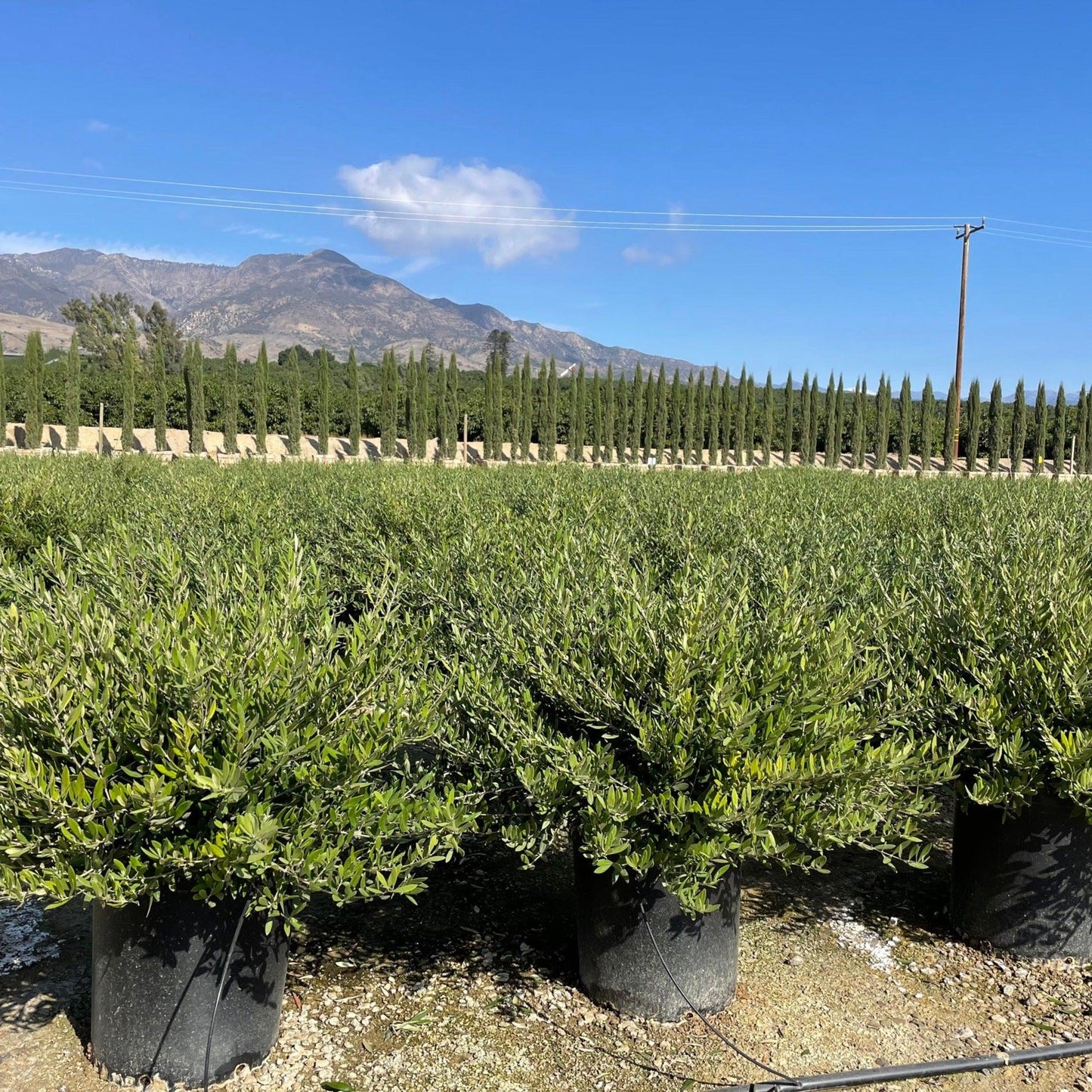

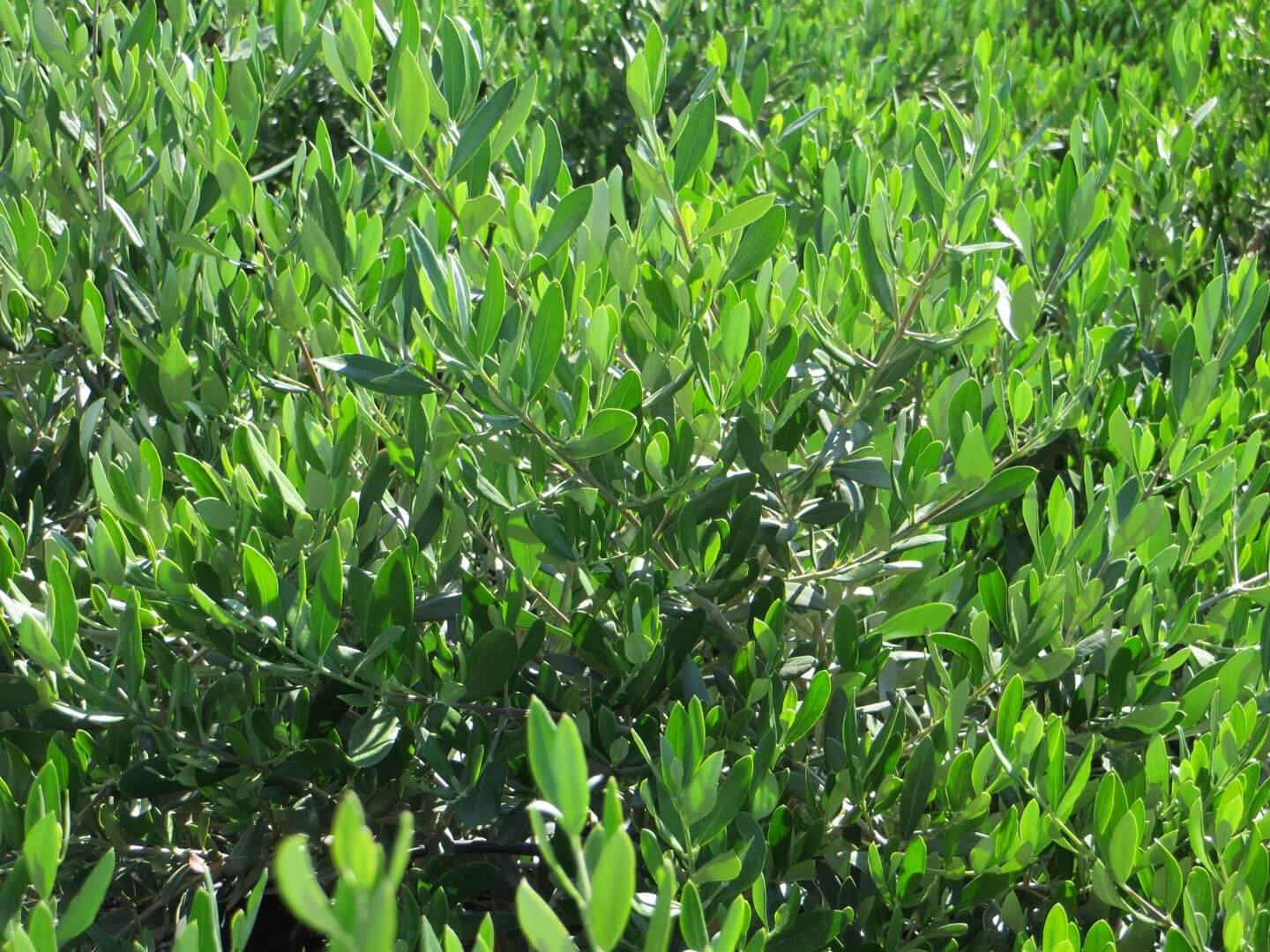
Thousands of Healthy Plants Delivered

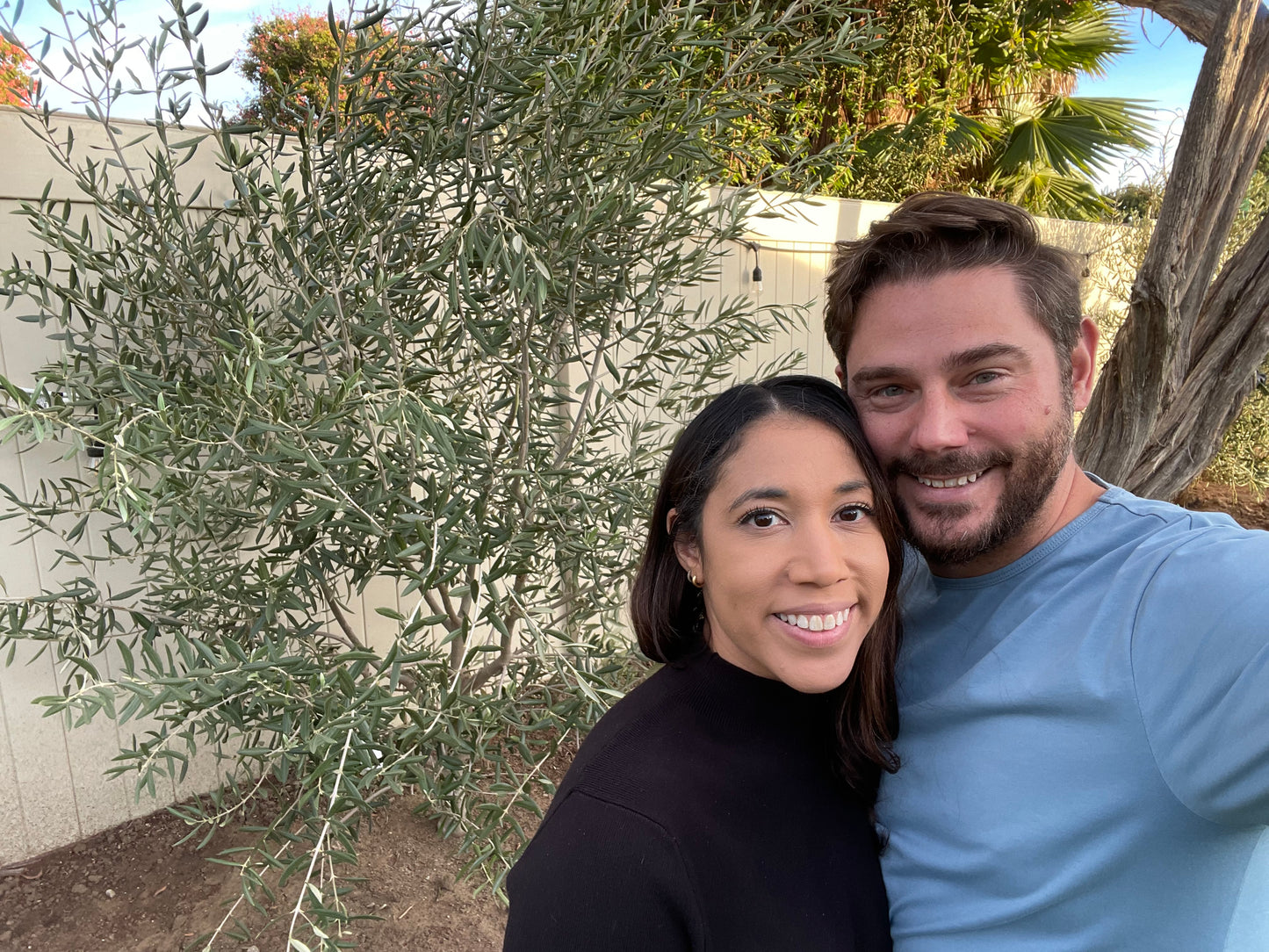
Yardwork was so great to work with. First they had the Swan Hill olive trees that we had been searching for, we had contacted several other nurseries without any luck previously. Then they answered all of our questions in a timely matter prior to ordering and finally delivered within a few days of placing it. Their staff is incredibly knowledgeable; they delivered and planted our trees with expertise to ensure that they would do well in our yard. We would definitely work with them again for future projects.











A Modern Experience
At Yardwork, we carefully curate thousands of plants, in all container sizes, to provide you with the best selection of the highest quality trees and plants at the best price, with the convenience of an online platform.
Uncompromised Quality
We choose only the finest specimens and hand select our plants just before delivery to ensure you receive the freshest and most robust specimens available for your landscape.
Industry Leading Warranties
Our 30, 90, and 365 extended warranties provide some of the best coverage to ensure our trees and plants thrive in your landscape.
Frequently Asked Questions
We're committed to changing everything about trees and plants - how they’re grown, how you shop for them, and how much they cost. We handle orders ourselves. No middlemen to get between us (or our prices) and you.
We're committed to changing everything about trees and plants - how they’re grown, how you shop for them, and how much they cost. We handle orders ourselves. No middlemen to get between us (or our prices) and you.
Delivery does not include unloading of trees and plants LARGER than a 24" box.
Trees and plants in smaller containers will be dropped curbside (usually on the driveway or near the front doorstep).
Delivery beyond a curbside drop will be charged extra.
Trees and plants that are sold in container sizes LARGER than a 24" box size will require equipment and/or enough manpower onsite to help unload from the truck.
Please reach out to our team PRIOR to placing your order to help coordinate.
Our team can provide unloading assistance with equipment for an extra fee as well.
Delivery does not include unloading of trees and plants LARGER than a 24" box.
Trees and plants in smaller containers will be dropped curbside (usually on the driveway or near the front doorstep).
Delivery beyond a curbside drop will be charged extra.
Trees and plants that are sold in container sizes LARGER than a 24" box size will require equipment and/or enough manpower onsite to help unload from the truck.
Please reach out to our team PRIOR to placing your order to help coordinate.
Our team can provide unloading assistance with equipment for an extra fee as well.
We ship locally within California within 7-10 days of your order being placed.
We ship nationally using carrier partners, based on order size.
Text or call 323-576-4159 for specific shipping details for your location.
We ship locally within California within 7-10 days of your order being placed.
We ship nationally using carrier partners, based on order size.
Text or call 323-576-4159 for specific shipping details for your location.
We are currently online only and don't have physical locations where you can view plants in person.
That's why we have photos direct from the growing grounds of the plants we will ship and we display pricing right in our store.
We do make sure to pick the very best trees and plants prior to shipping and make sure that they have gone through our multi-point inspection for health and structure.
We will always reach out prior to delivery if we find a quality issue or need to provide a substitute.
We are currently online only and don't have physical locations where you can view plants in person.
That's why we have photos direct from the growing grounds of the plants we will ship and we display pricing right in our store.
We do make sure to pick the very best trees and plants prior to shipping and make sure that they have gone through our multi-point inspection for health and structure.
We will always reach out prior to delivery if we find a quality issue or need to provide a substitute.
Plants vary greatly by type. Here is a rough idea of sizes based on containers that are direct from our growing grounds.
15 Gallon Shrub 3-4 Ft. Tall
15 Gallon Tree 5-6 Ft. Tall
24" Box Shrub 5-6 Ft. Tall
24" Box Tree 6-7 Ft. Tall
36" Box Shrub/Tree 7-9 Ft. Tall
48" Box Shrub/Tree 8-10 Ft. Tall
**Please note that we do not make guarantees of sizes. If you have questions or concerns, please call or text to request accurate sizing for the particular plant you're considering, prior to ordering.
Plants vary greatly by type. Here is a rough idea of sizes based on containers that are direct from our growing grounds.
15 Gallon Shrub 3-4 Ft. Tall
15 Gallon Tree 5-6 Ft. Tall
24" Box Shrub 5-6 Ft. Tall
24" Box Tree 6-7 Ft. Tall
36" Box Shrub/Tree 7-9 Ft. Tall
48" Box Shrub/Tree 8-10 Ft. Tall
**Please note that we do not make guarantees of sizes. If you have questions or concerns, please call or text to request accurate sizing for the particular plant you're considering, prior to ordering.
We offer a limited 30 day warranty for plants that are delivered and a 90 day warranty for plants that we plant.
The limited warranty covers plants that die as a result of disease or fungus which was derived from our growing grounds or from root balls that were root bound.
The warranty does not cover damage due to watering, fertilizer, soils, or any other conditions beyond our control. Additionally, the warranty does not cover certain plants that are shipped out of the state of California or shipped into California from other states. Custom plant orders are also not covered under warranty. Plants must be planted within 24 hours after delivery to qualify.
We can assist you in recommending the right soils and fertilizers to help your plant thrive after you plant it.
Text or call 323-576-4159 for further warranty information.
We offer a limited 30 day warranty for plants that are delivered and a 90 day warranty for plants that we plant.
The limited warranty covers plants that die as a result of disease or fungus which was derived from our growing grounds or from root balls that were root bound.
The warranty does not cover damage due to watering, fertilizer, soils, or any other conditions beyond our control. Additionally, the warranty does not cover certain plants that are shipped out of the state of California or shipped into California from other states. Custom plant orders are also not covered under warranty. Plants must be planted within 24 hours after delivery to qualify.
We can assist you in recommending the right soils and fertilizers to help your plant thrive after you plant it.
Text or call 323-576-4159 for further warranty information.
Our local delivery team covers most cities in California.
There are some exceptions, so please get in touch to confirm prior to ordering.
Additionally, we ship throughout the entire United States and even internationally. Each shipment is custom, so please reach out to our team to coordinate.
Our local delivery team covers most cities in California.
There are some exceptions, so please get in touch to confirm prior to ordering.
Additionally, we ship throughout the entire United States and even internationally. Each shipment is custom, so please reach out to our team to coordinate.