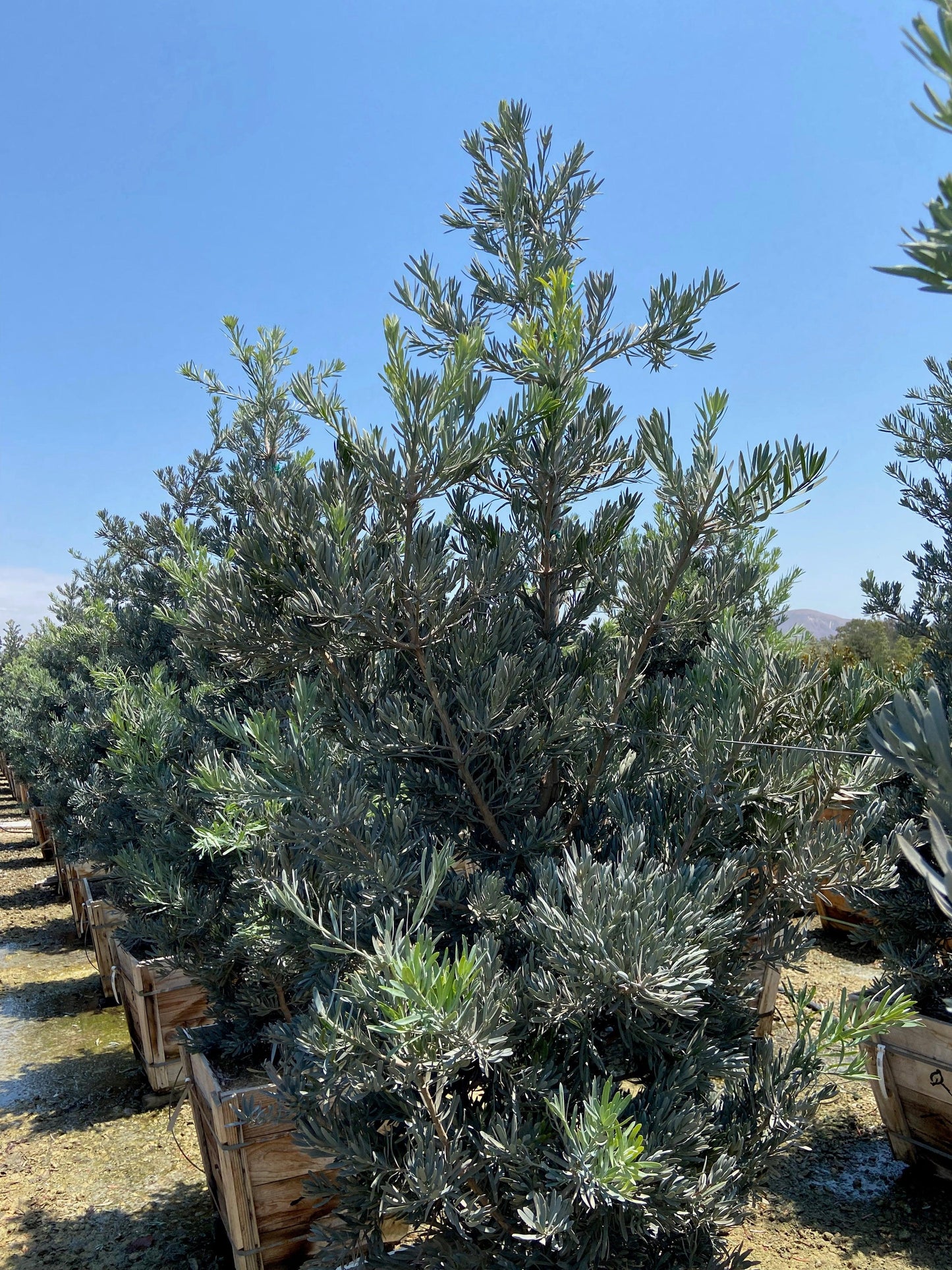
Hedges – Create Privacy and Beauty in Your California Garden
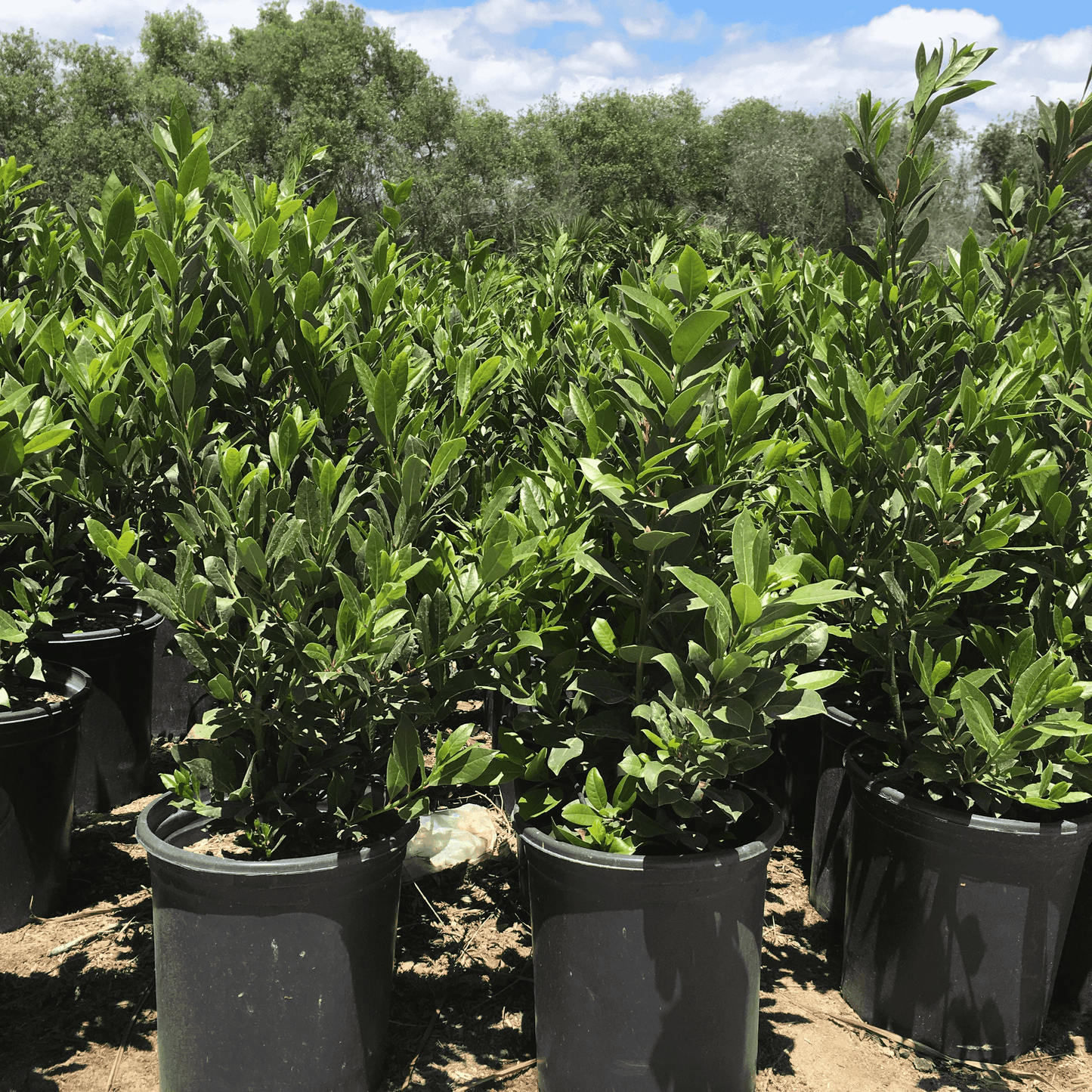
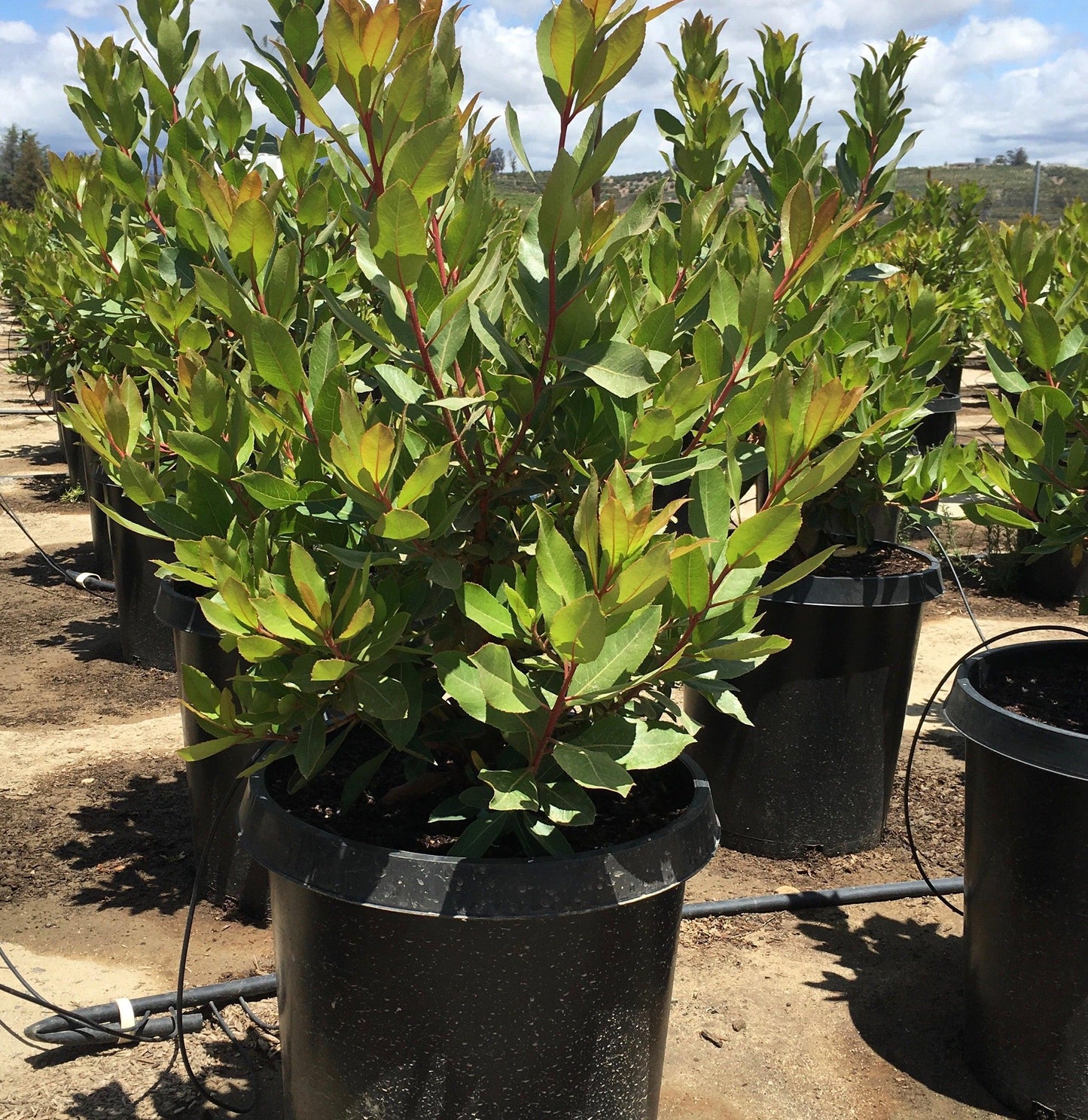
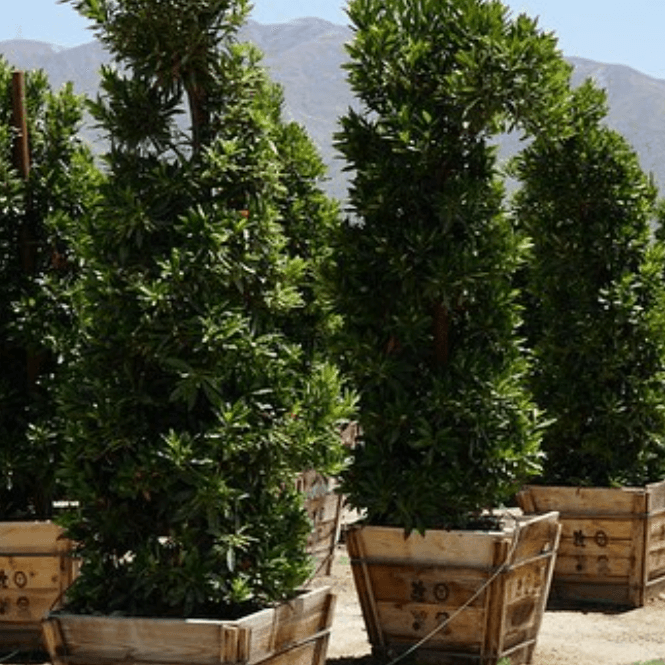
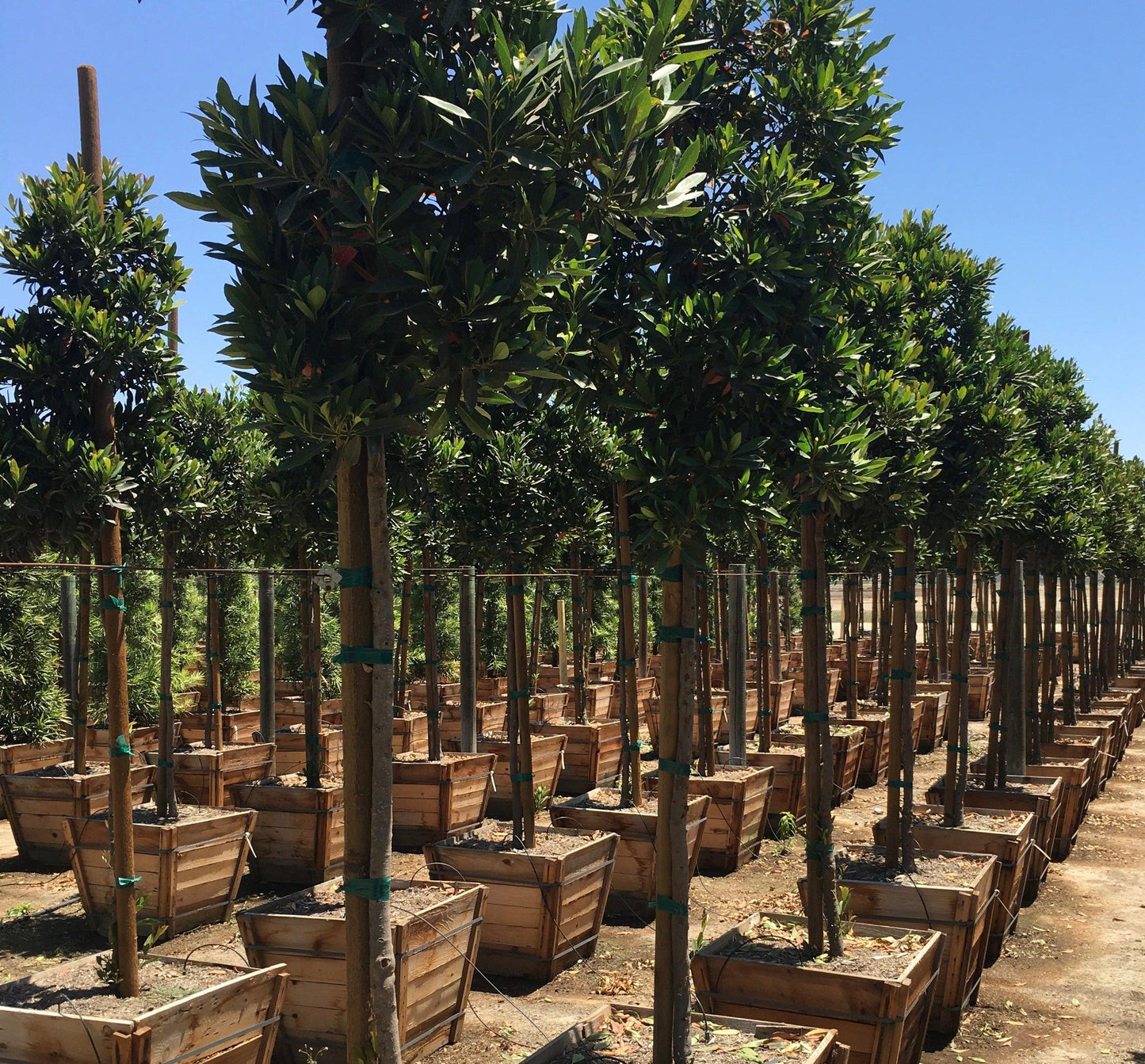
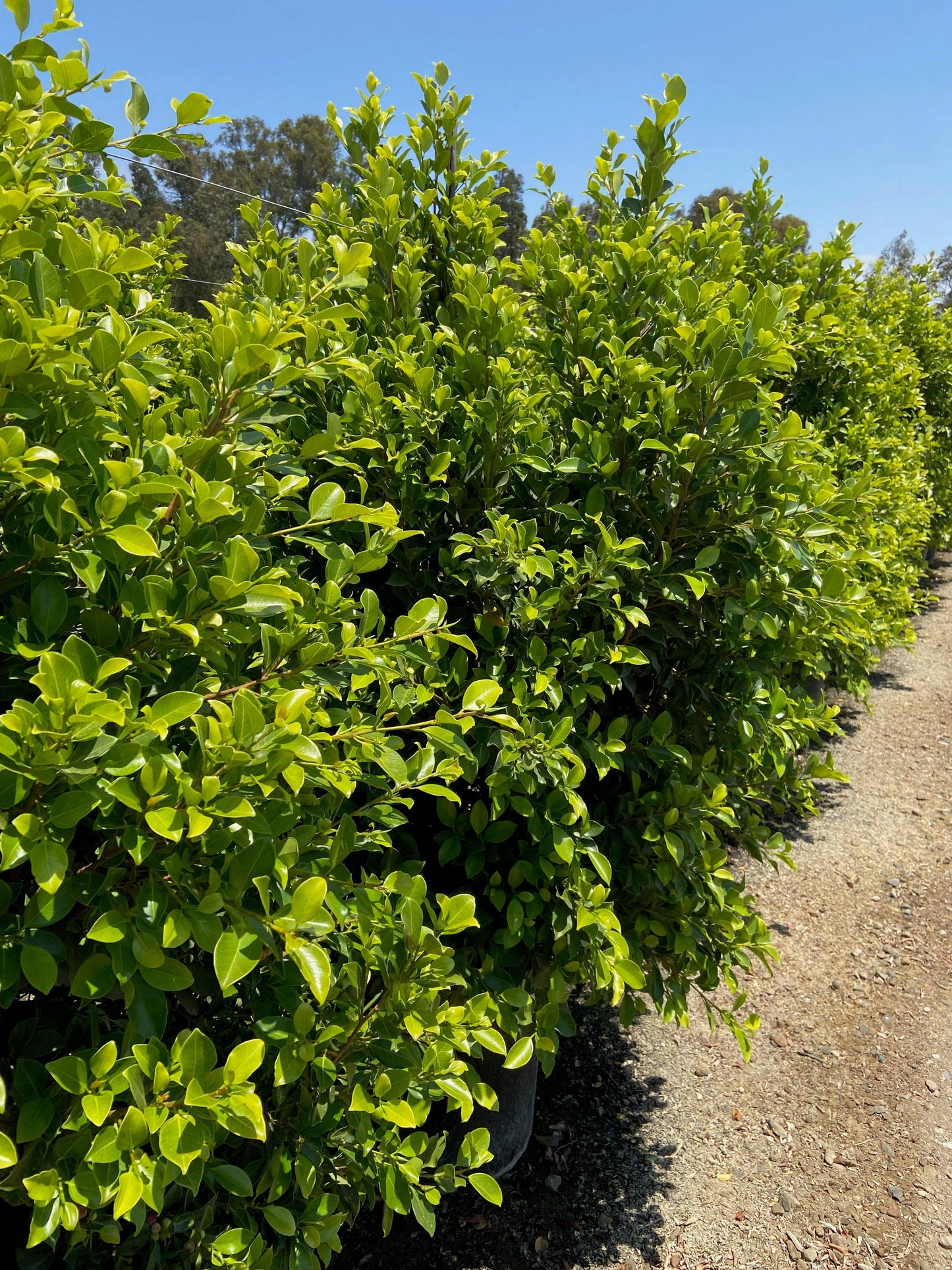
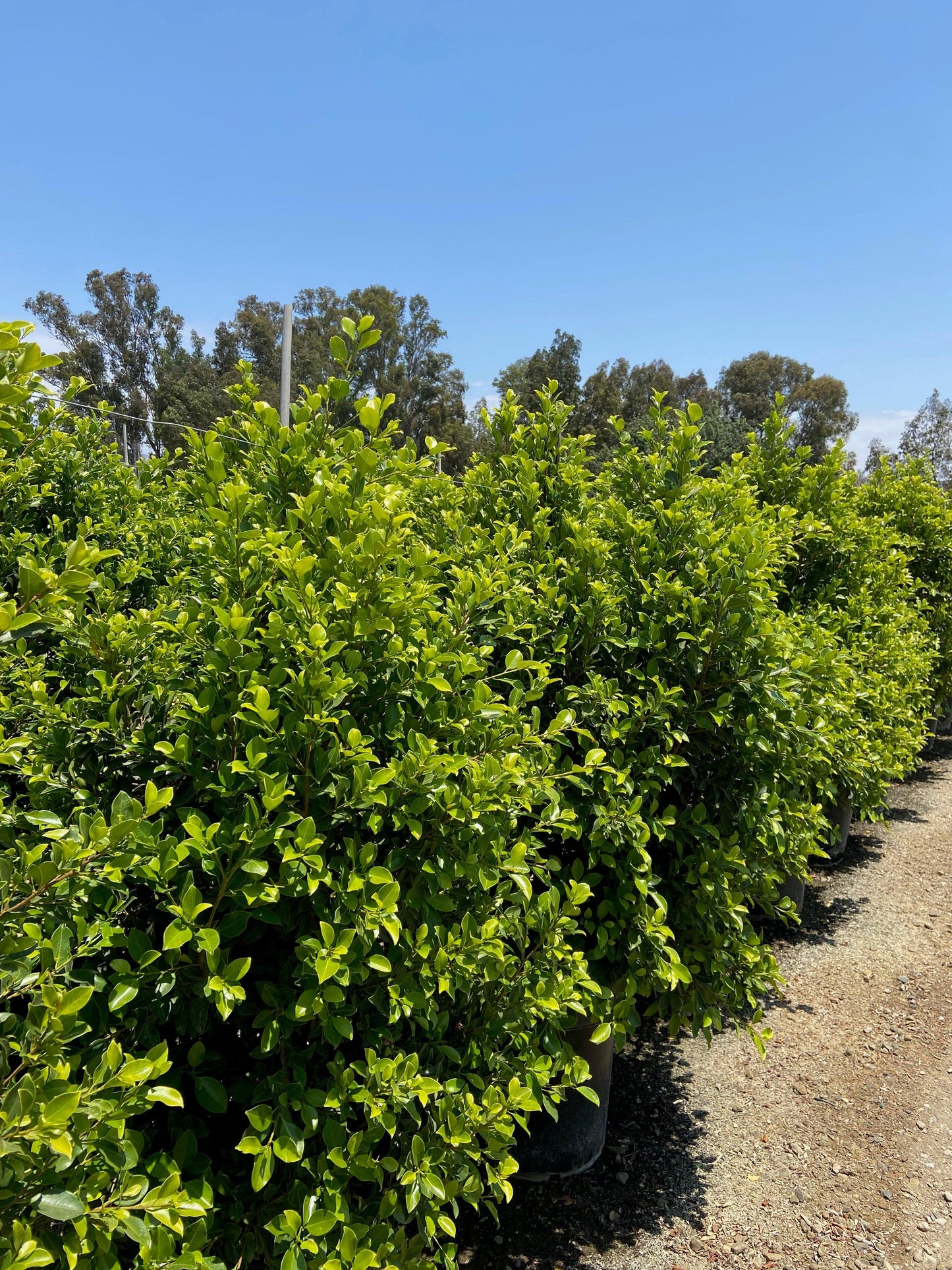
Hedges are the perfect solution for adding privacy, structure, wind protection, and year round interest to a California garden. Choose from evergreen hedges, flowering hedges, native shrubs, and fast growing hedge plants selected for local heat, dry weather, coastal wind, and low-water landscapes.
Whether you want to block neighbor views, soften a fence, define a pathway, or create a dense hedge for sound reduction, the right shrubs can transform your yard with lasting beauty and practical benefits.
Hedges for Every Garden Purpose
Whether you need privacy, wind protection, or decorative appeal, there’s a hedge variety for every landscaping goal.
Privacy Hedges
A privacy hedge is ideal for planting around the perimeter of your property or anywhere you want a screen, providing visual privacy from neighbors and passersby, as well as a sound barrier. For most homes, a 6-12 foot tall hedge is enough to block views from nearby windows, streets, or outdoor living areas.
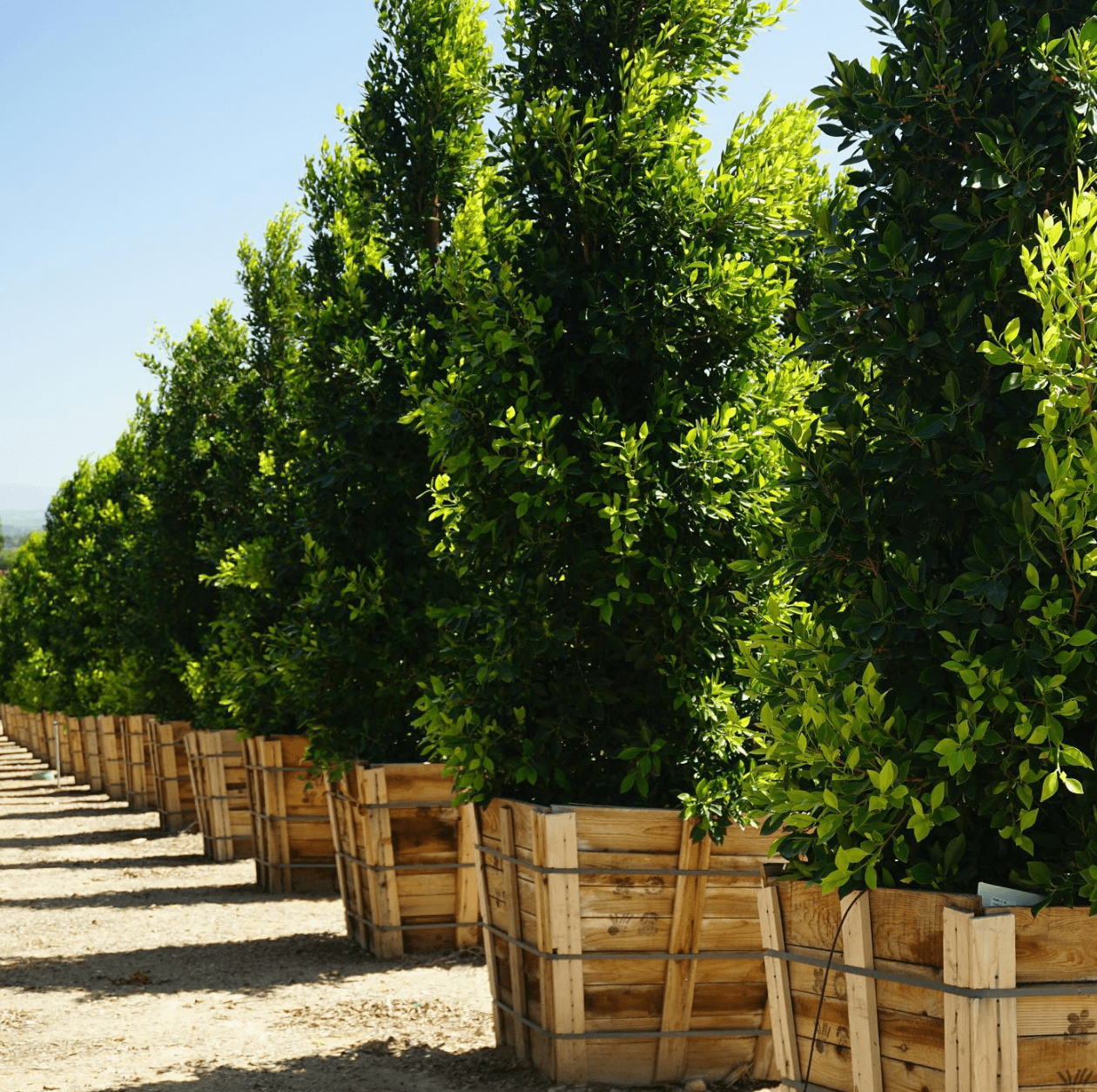
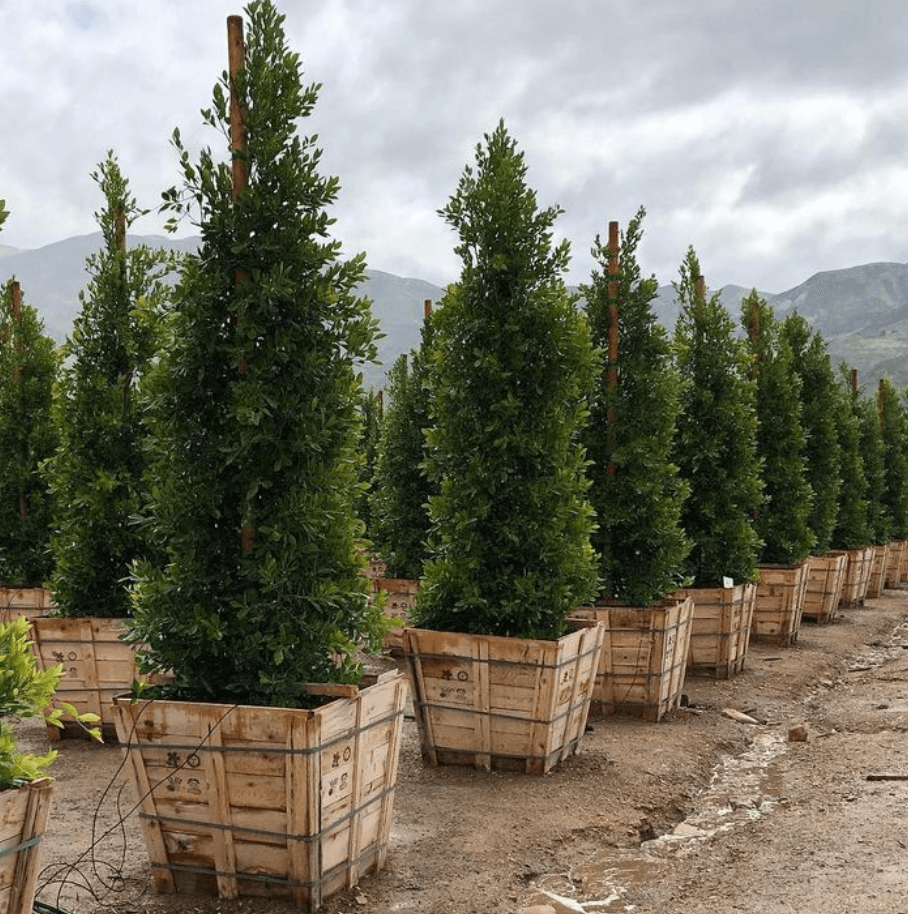
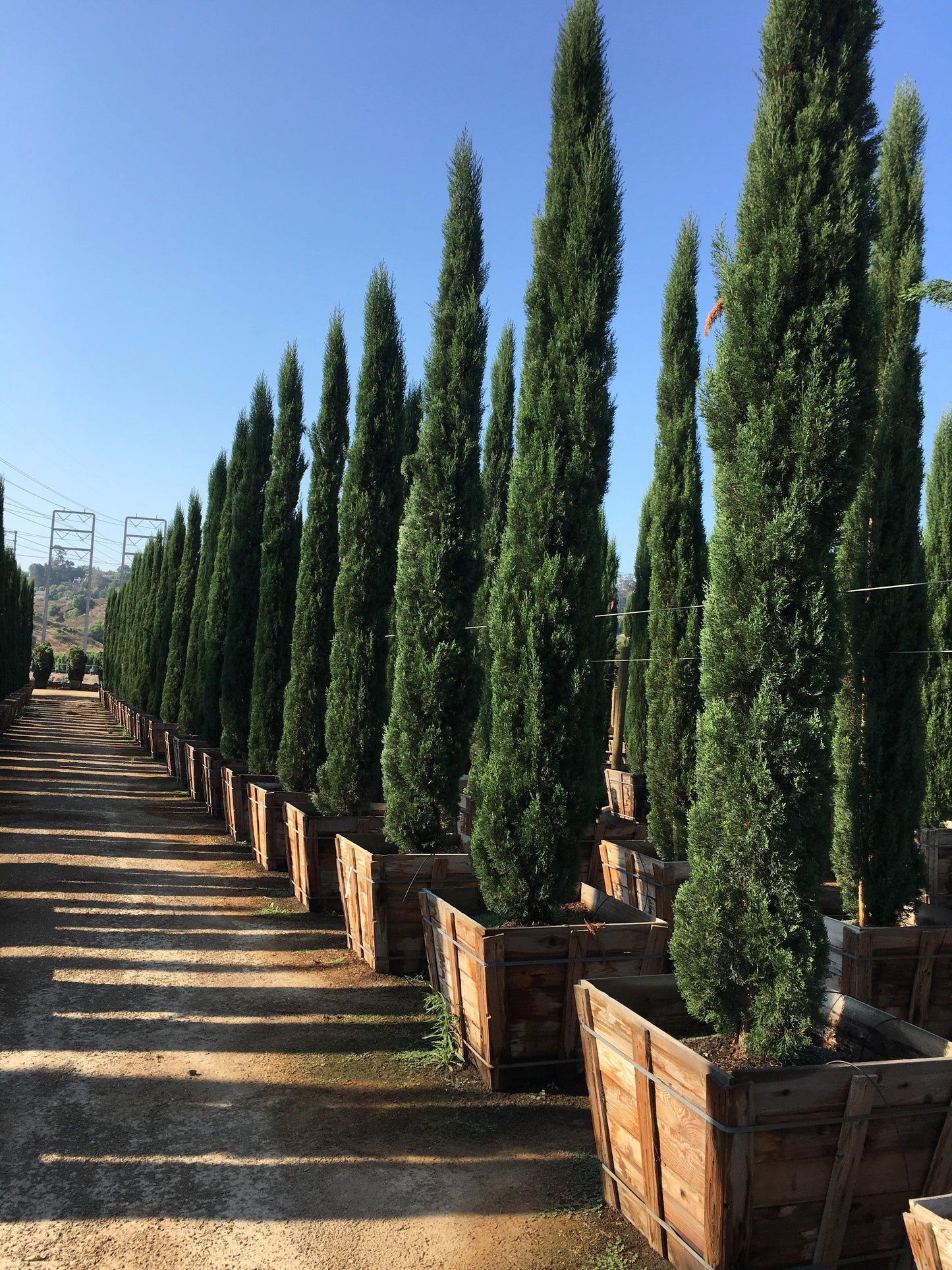
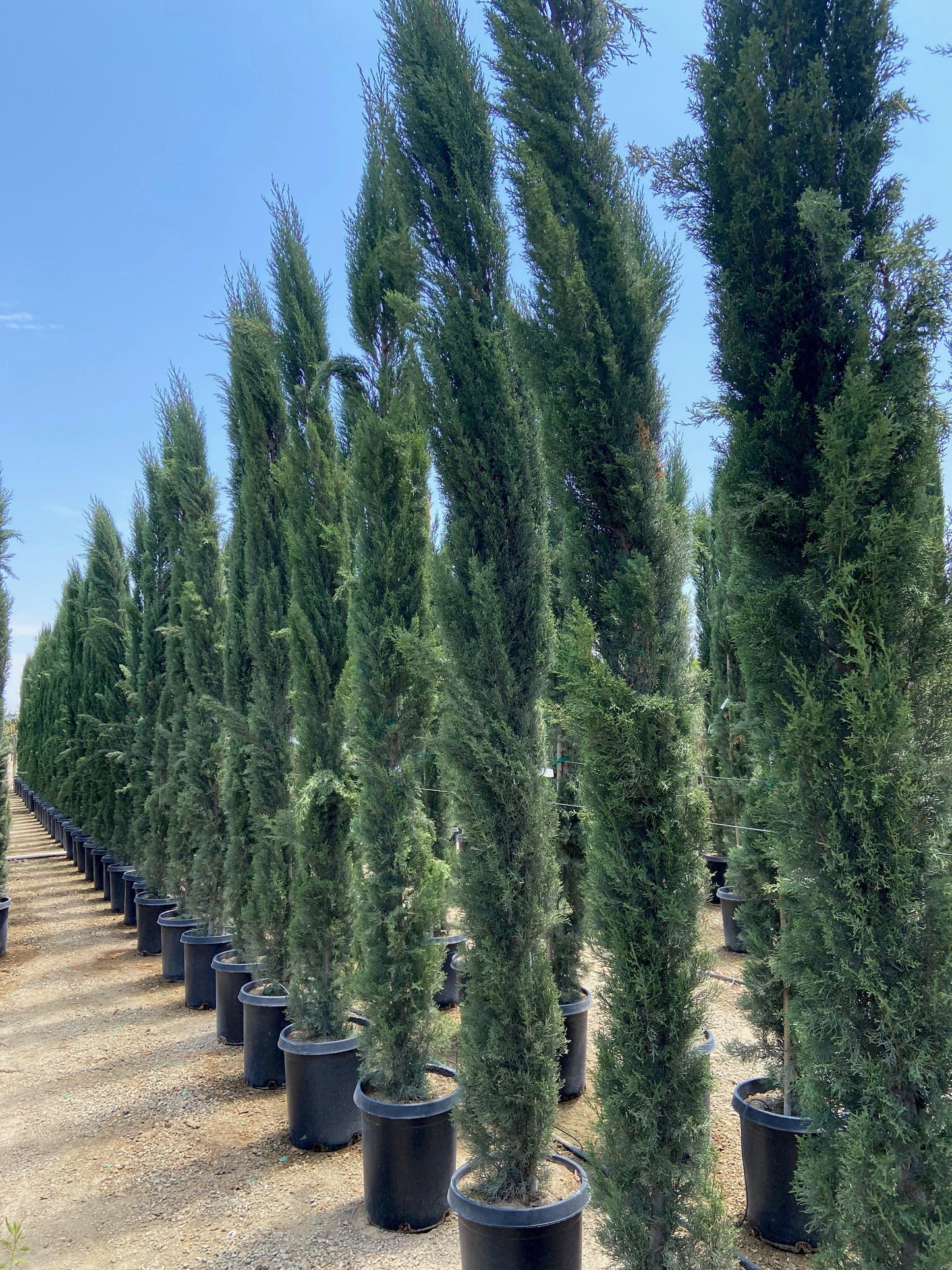
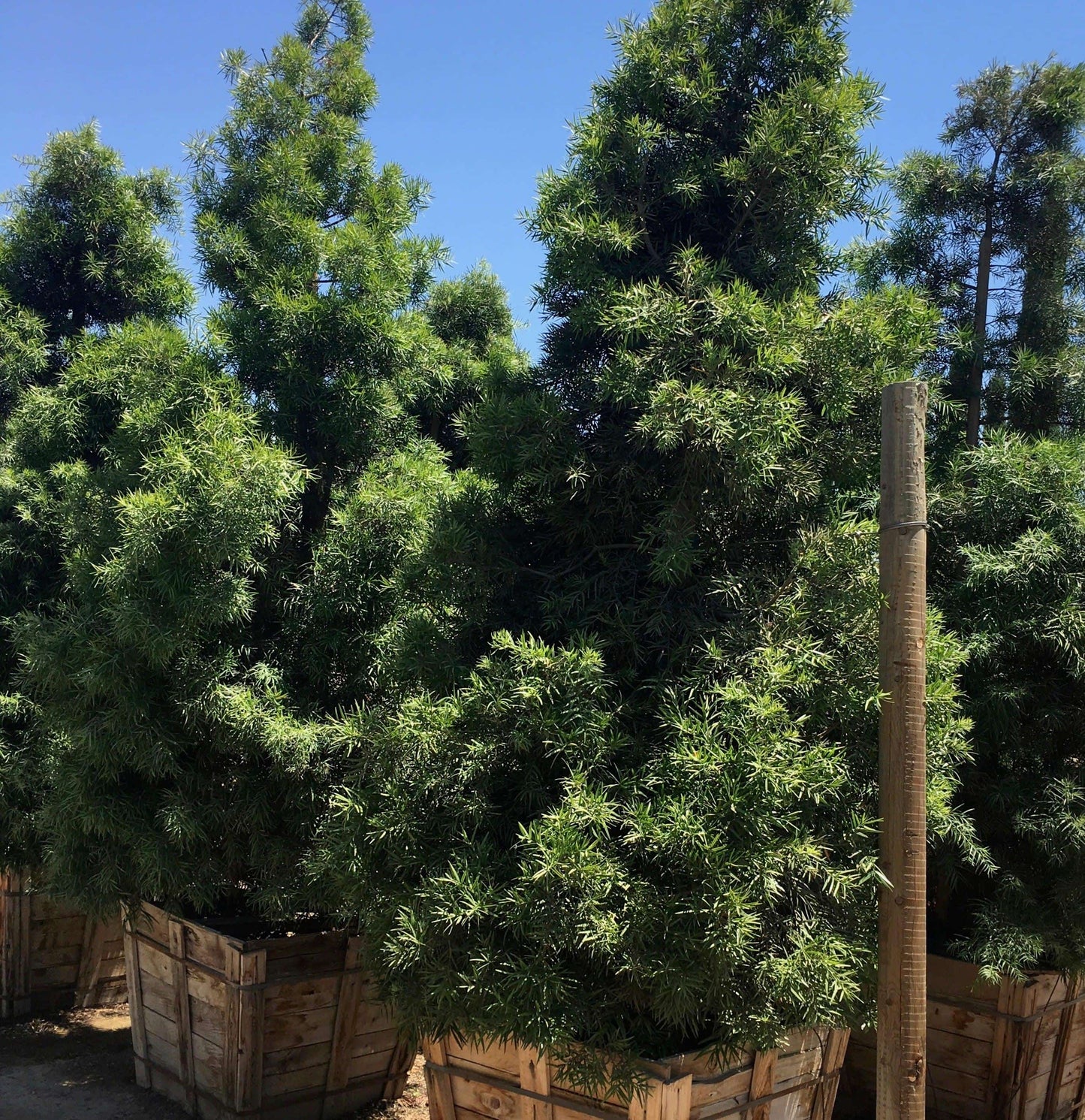
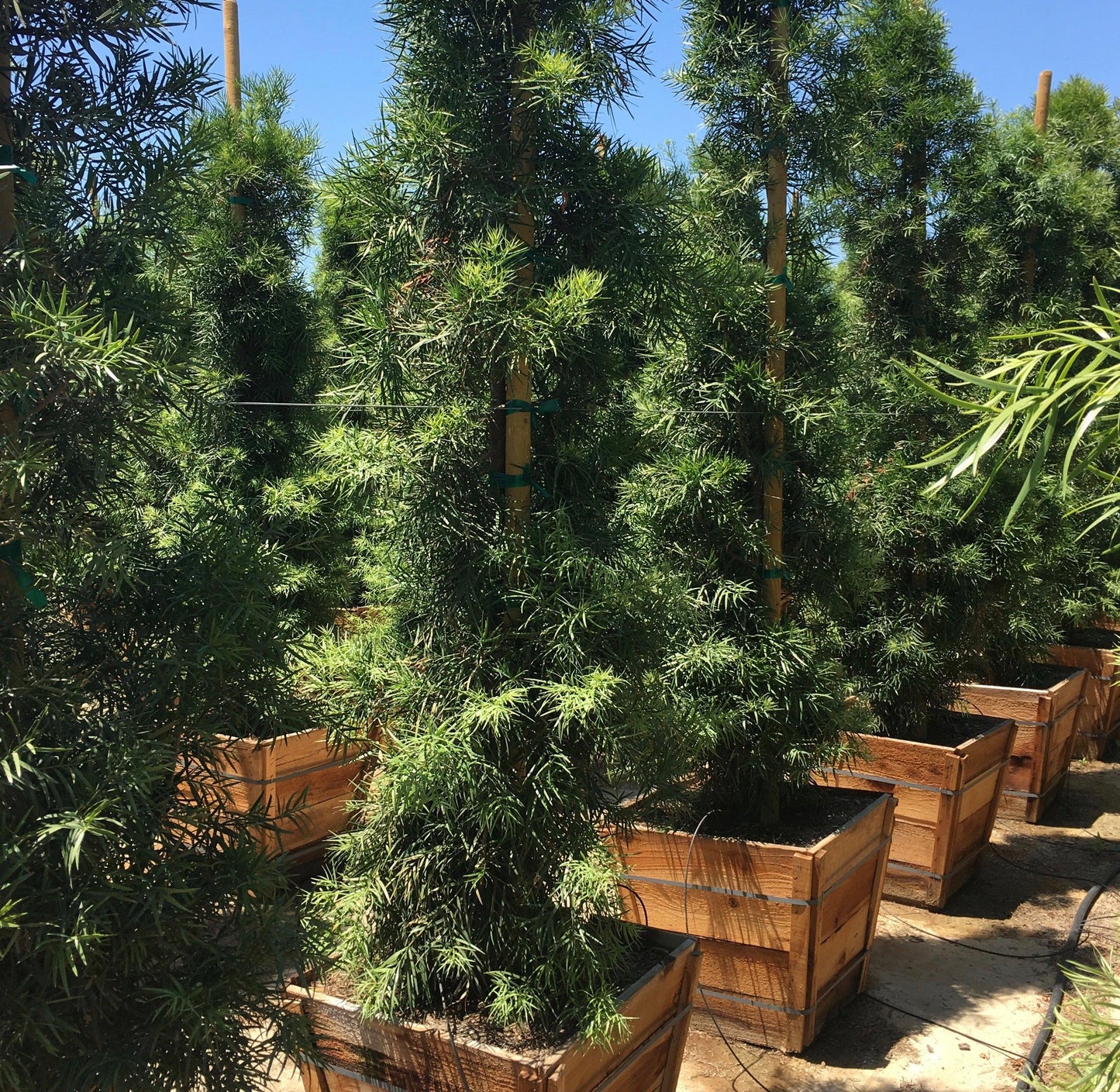
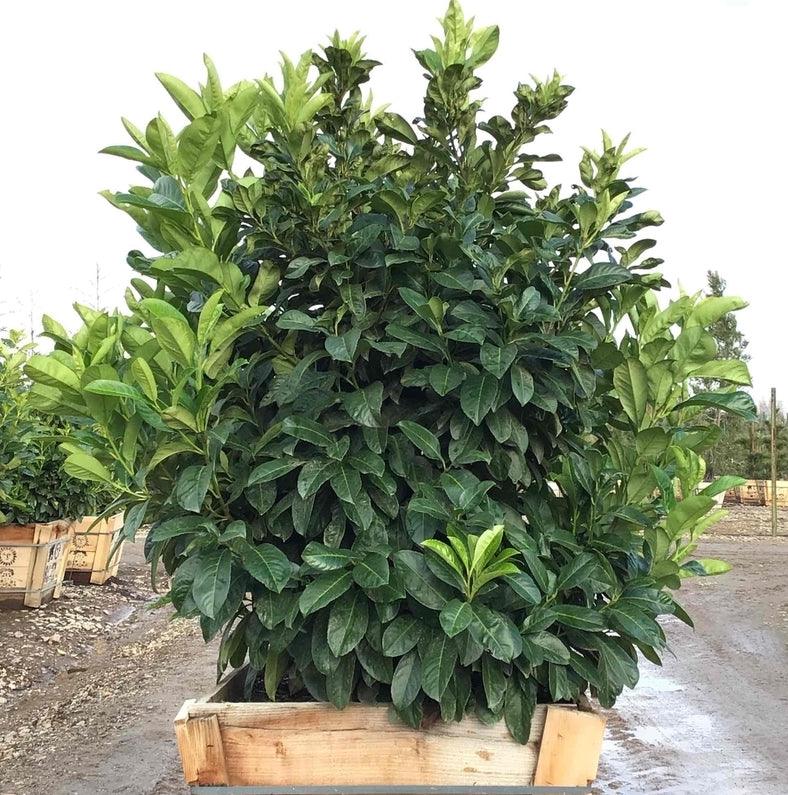
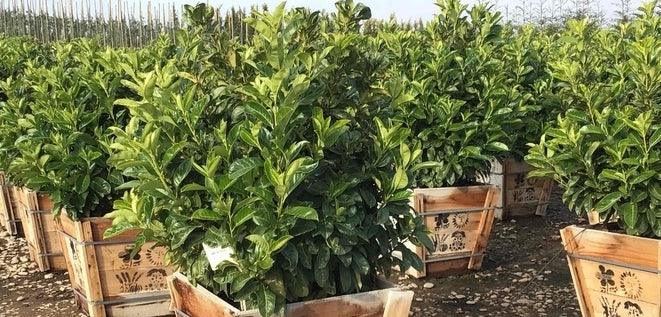
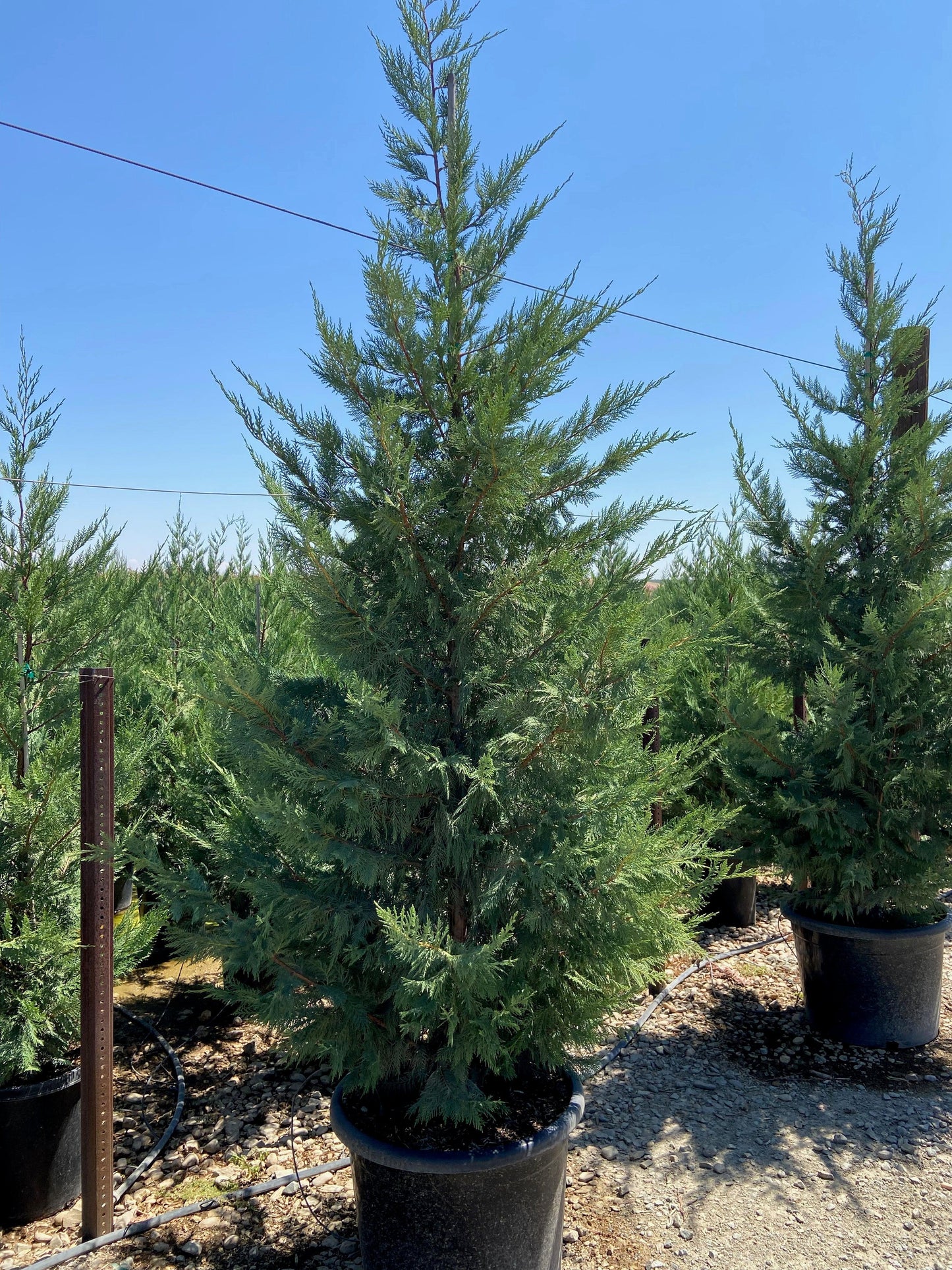
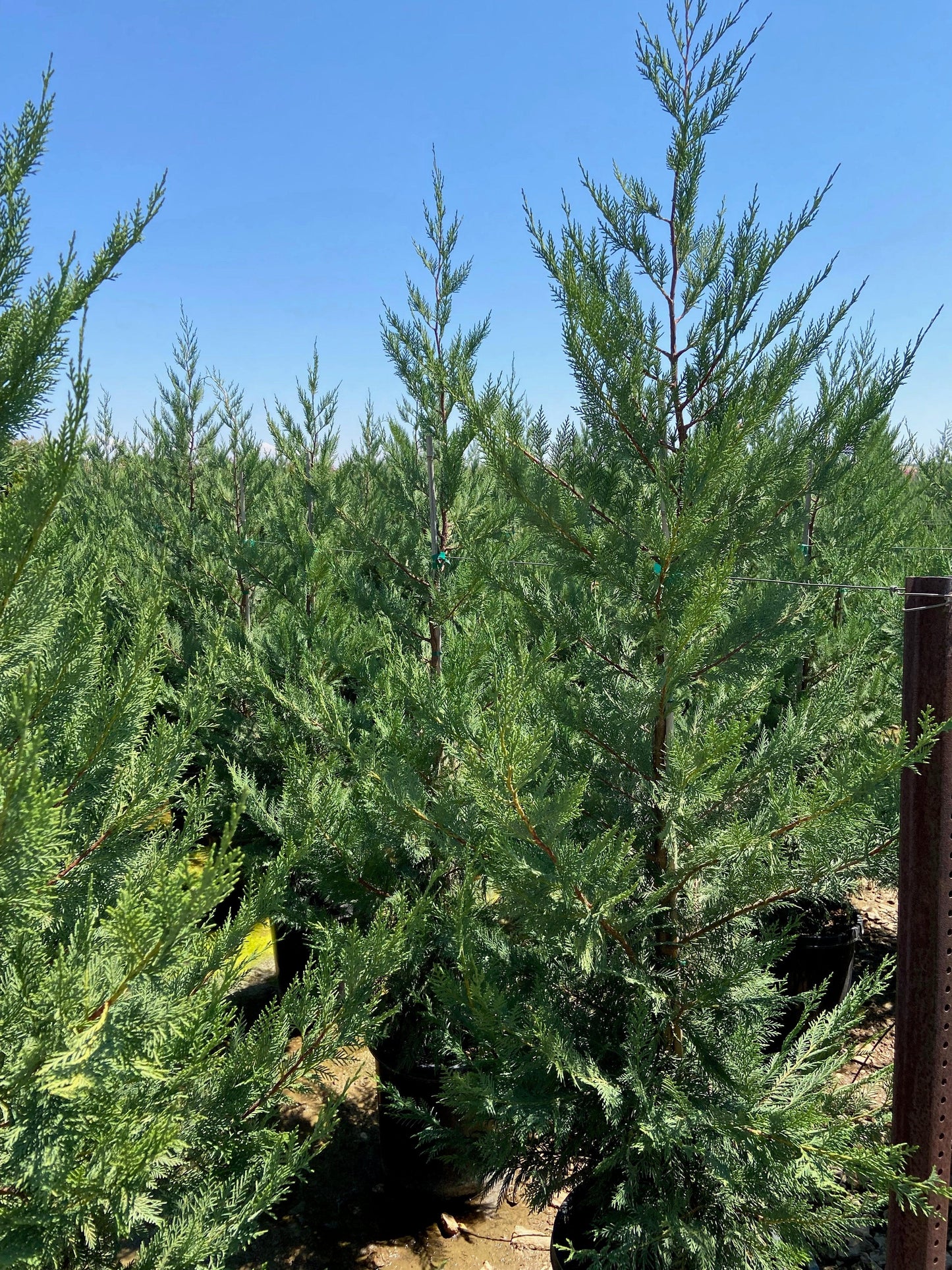
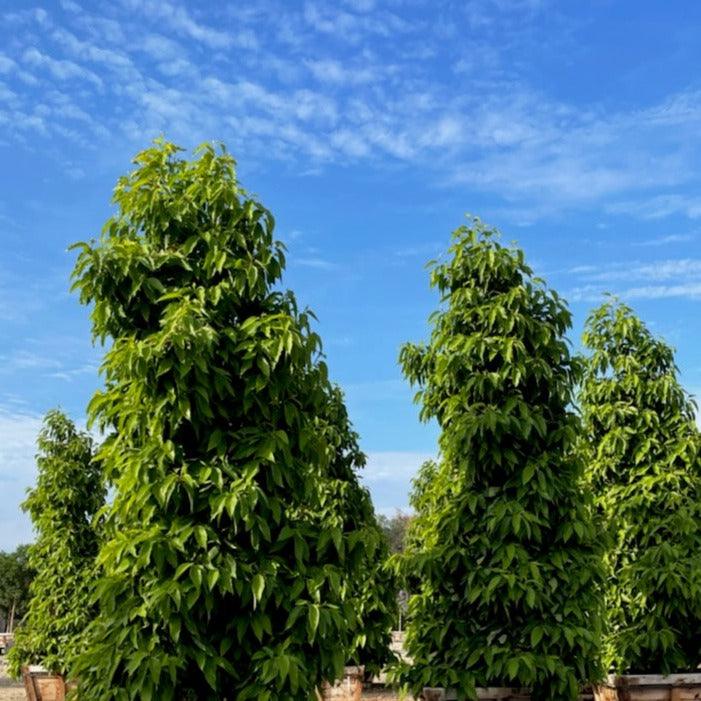
Choosing dense evergreens with year-round foliage helps prevent seasonal gaps. Italian Cypress, Leyland Cypress, Podocarpus, cherry laurel, and American Arborvitae are strong options when evergreen foliage, dense growth, and year round coverage matter. American Arborvitae (Thuja occidentalis) is an extremely cold-hardy North American native that grows fast and can become a tall, wide hedge, ideal for blocking noise and wind.
When choosing a privacy hedge, consider factors such as the desired height, growth rate, appearance, and specific growing conditions to ensure it meets your needs. For better sound control, planting in staggered, multiple rows, such as a “double hedge,” can help block views and absorb sound. For maximum noise reduction, combine dense plant foliage with an acoustic or solid wood fence. Introducing a water feature like a fountain can also create tranquil white noise that masks unwanted sounds.
Decorative Border Hedges
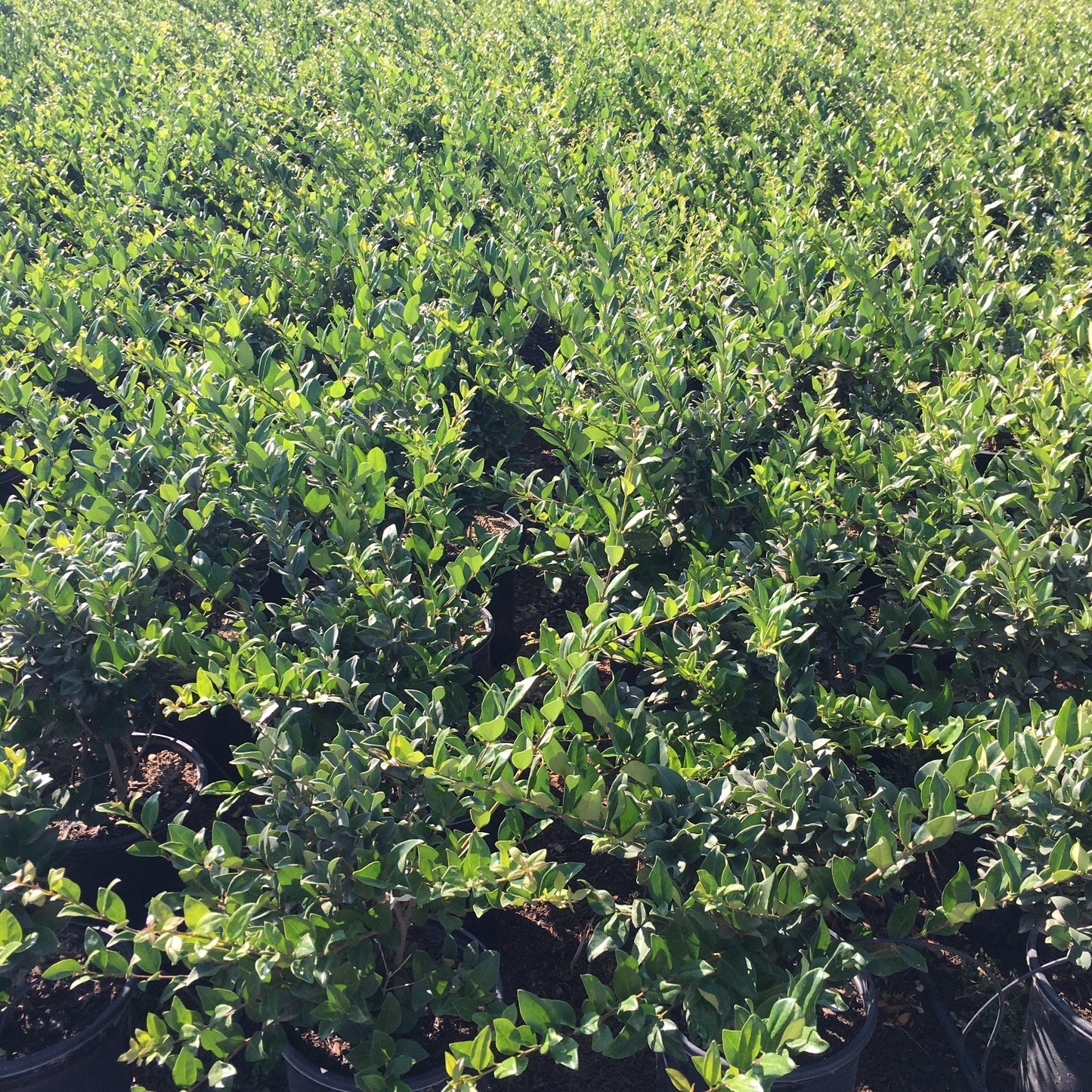
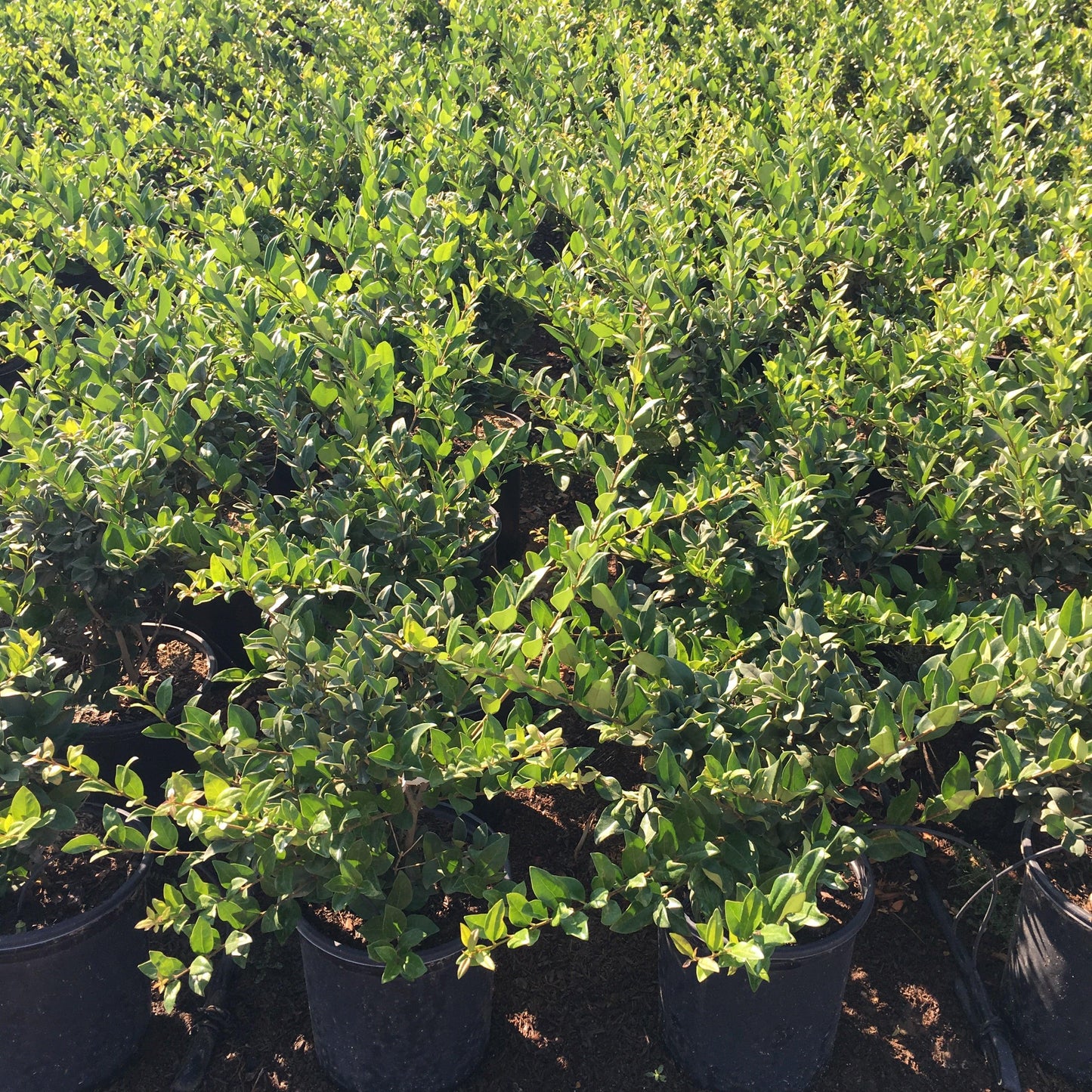
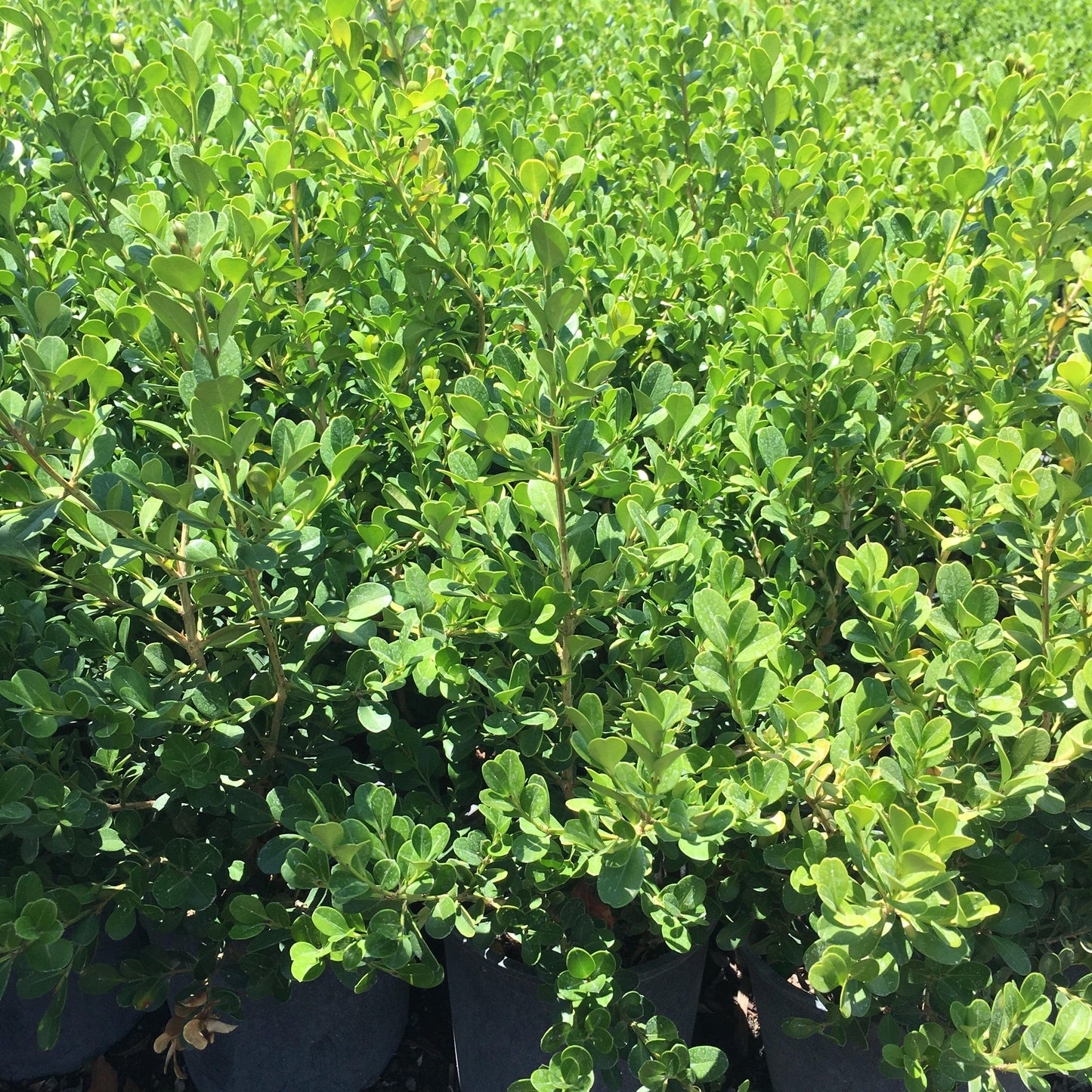
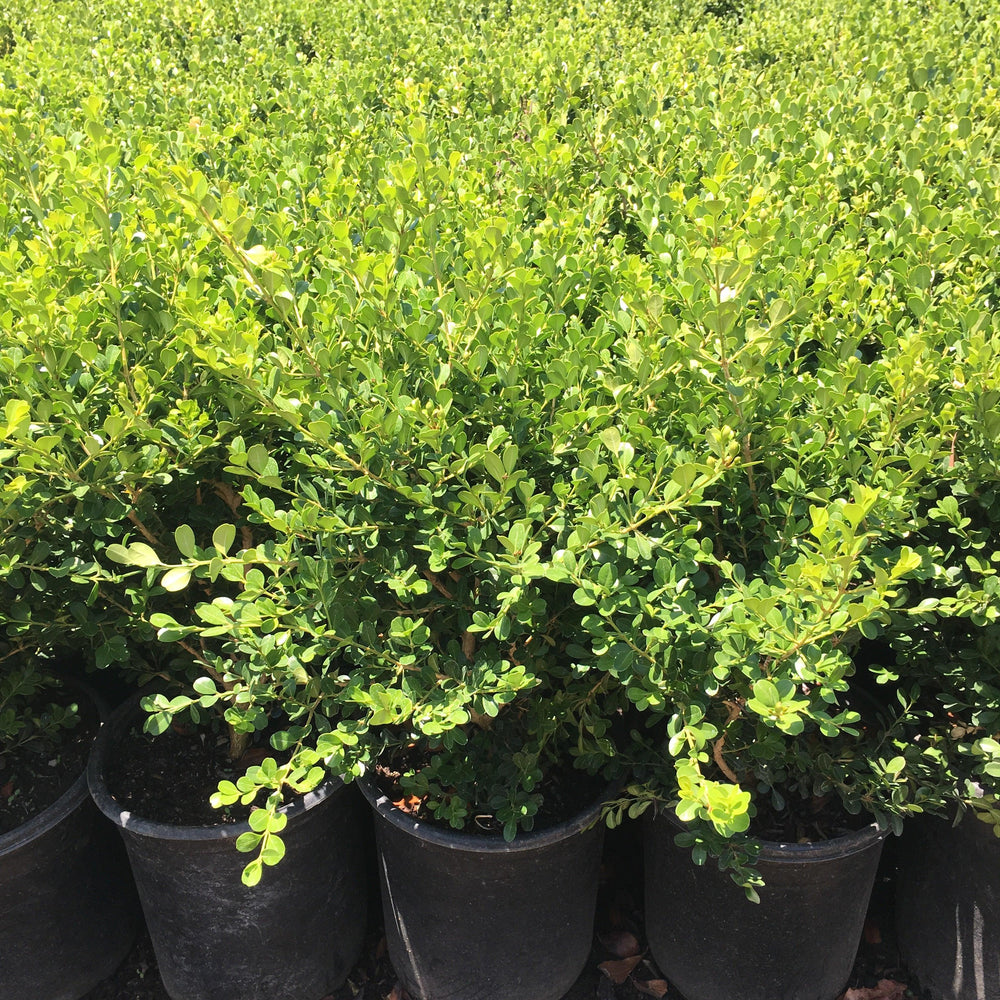
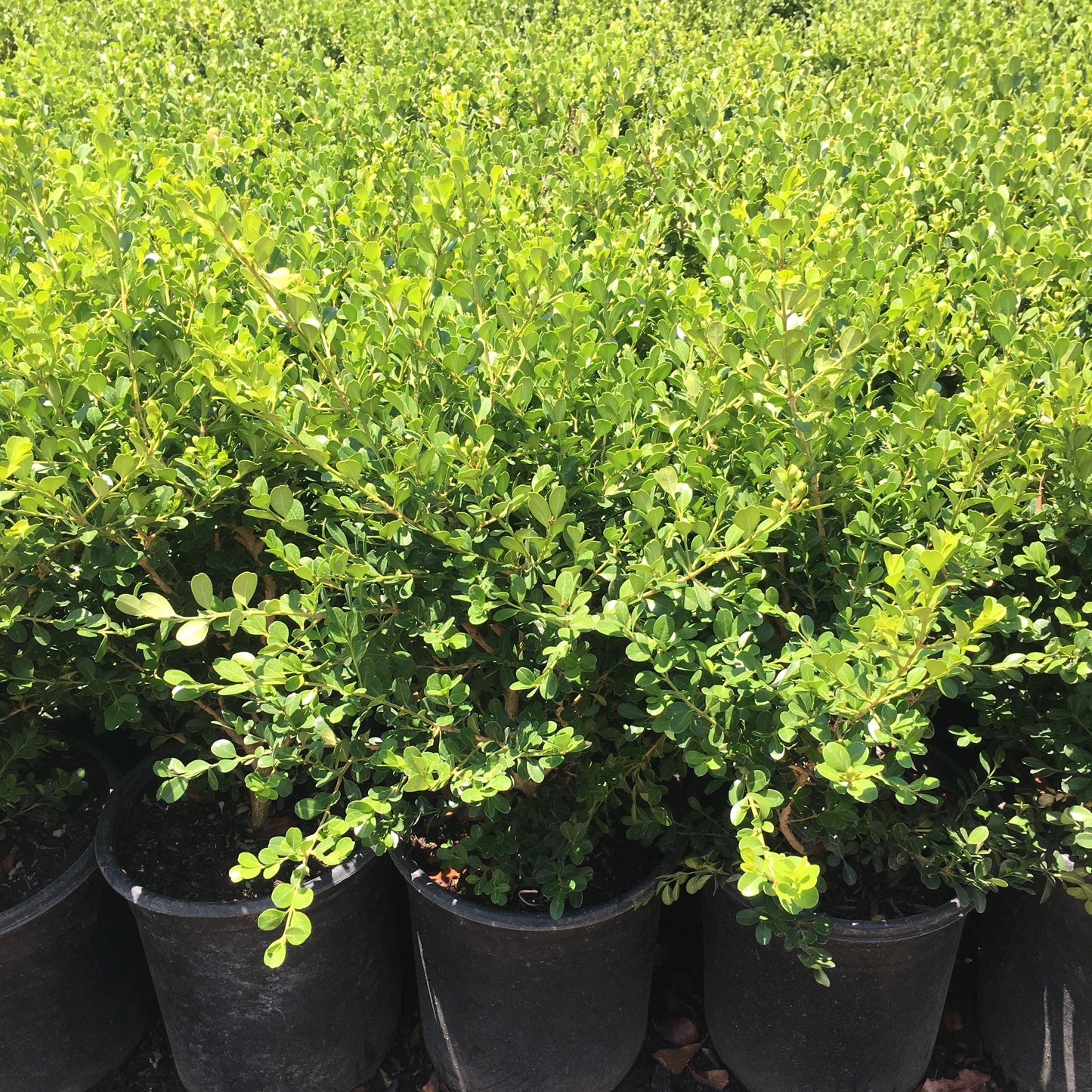
Decorative border hedges give a garden form, rhythm, and visual interest. Low-growing boxwoods, Japanese Yew, dwarf Pittosporum, and compact evergreen shrubs are a classic choice for lining paths, framing beds, or creating garden rooms without overwhelming the space.
A formal hedge is trimmed into a crisp shape and needs regular pruning to keep its clean lines. Informal hedge plants are allowed to grow in a softer, more natural form, usually with less maintenance. Boxwoods are especially popular for formal designs, while flowering hedges such as roses, lilac, hibiscus, Viburnum, and Ceanothus add showy flowers, fragrant blooms, and seasonal color in spring, late spring, summer, or early spring depending on the species.
Green Mountain Boxwood (Buxus x ‘Green Mountain’) is a hybrid box hedge bred in Canada for superior cold tolerance, making it popular in USDA Zone 4 and up. Similar compact cultivars such as the Green Gem Boxwood cubeoffer cold hardy hedges with bright green foliage and a tidy, dense shape.
Windbreak and Utility Hedges
Dense evergreen varieties can reduce wind, screen utility areas, and make outdoor spaces more comfortable. A tall row of Fern Pine (Podocarpus gracilior), Leyland Cypress, Thuja Green Giant, Wax Myrtle, or American Arborvitae can soften gusts and create a more protected landscape around patios, pools, and exposed yards.
Hedges also hide trash bins, equipment, utility boxes, and service areas without the hard look of a wall. For narrow spaces, columnar plants such as Italian Cypress or upright Podocarpus work well; for more volume, Bay Laurel, privet, cherry laurel, and Viburnum can form a lush green screen.
In California, fire-resistant options are important for many properties, especially in foothills and wildland-urban areas. Native species such as Toyon, Ceanothus, Manzanita, Lemonade Berry, and Coyote Brush can offer drought tolerance, habitat value for birds and pollinators, and erosion control on slopes when properly spaced and maintained.
Choose the Right Hedge for Your California Climate
California’s diverse microclimates require careful hedge selection for long-term success and beauty.
For Coastal Areas
Coastal gardens need hedge plants that tolerate salt spray, ocean wind, fog, and marine layer conditions. Pittosporum, Escallonia, Wax Myrtle, Podocarpus, and Viburnum tinus are generally reliable choices for coastal landscapes where wind resistance and evergreen foliage are important.
Wax Myrtle can grow quickly in favorable coastal conditions, while Escallonia offers glossy foliage and blooms that attract pollinators. Viburnum tinus provides white to pink flowers from late fall through spring and typically reaches 6-12 feet, making it a great choice for mild coastal areas with partial shade.
Coastal maintenance usually includes rinsing salt from foliage during dry weather, watching for wind-damaged branches, and pruning lightly to keep the hedge dense but not stressed. Proper species selection and strategic landscape layout are essential for using hedges for privacy and noise reduction, especially on ocean-facing properties.
For Inland Valleys and Foothills
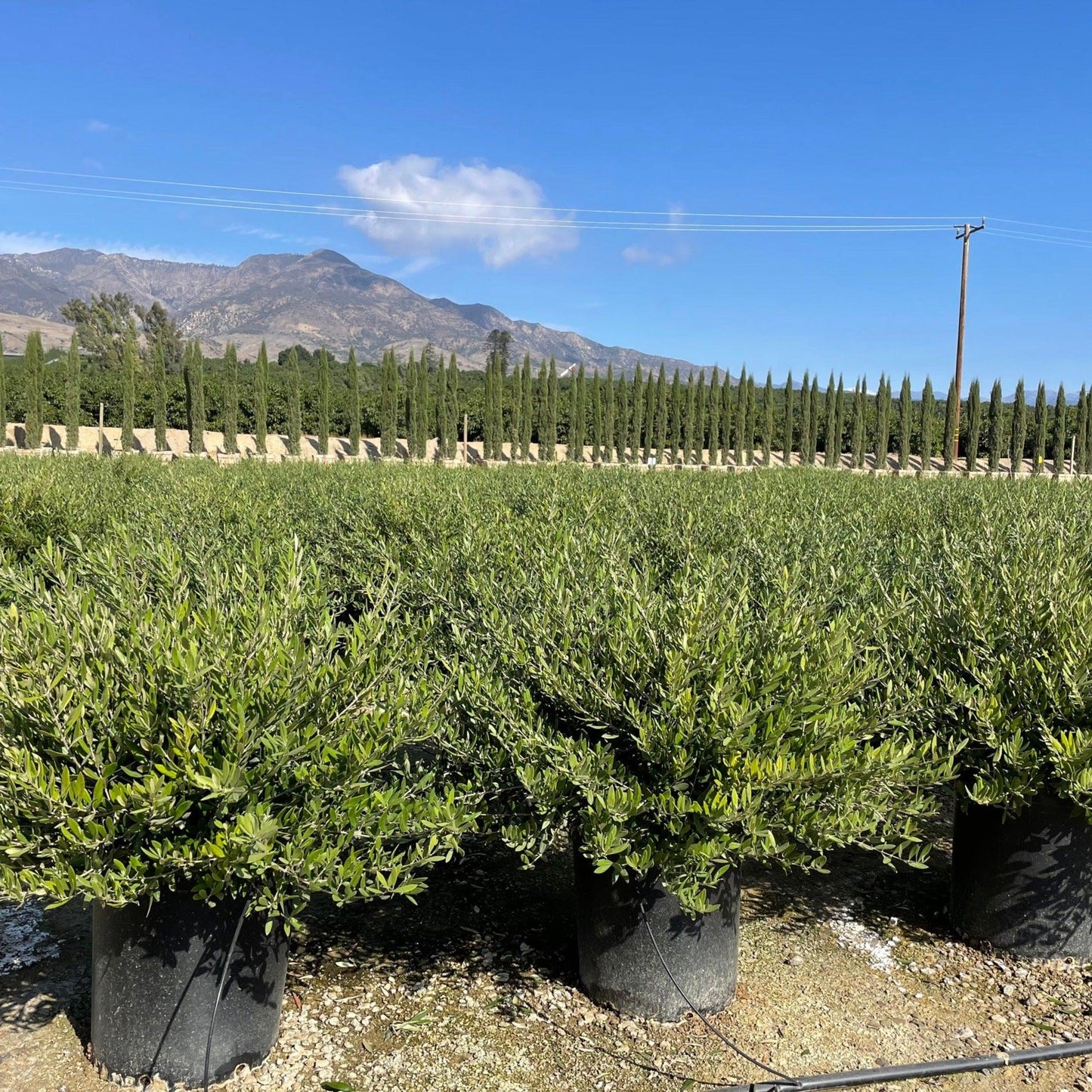
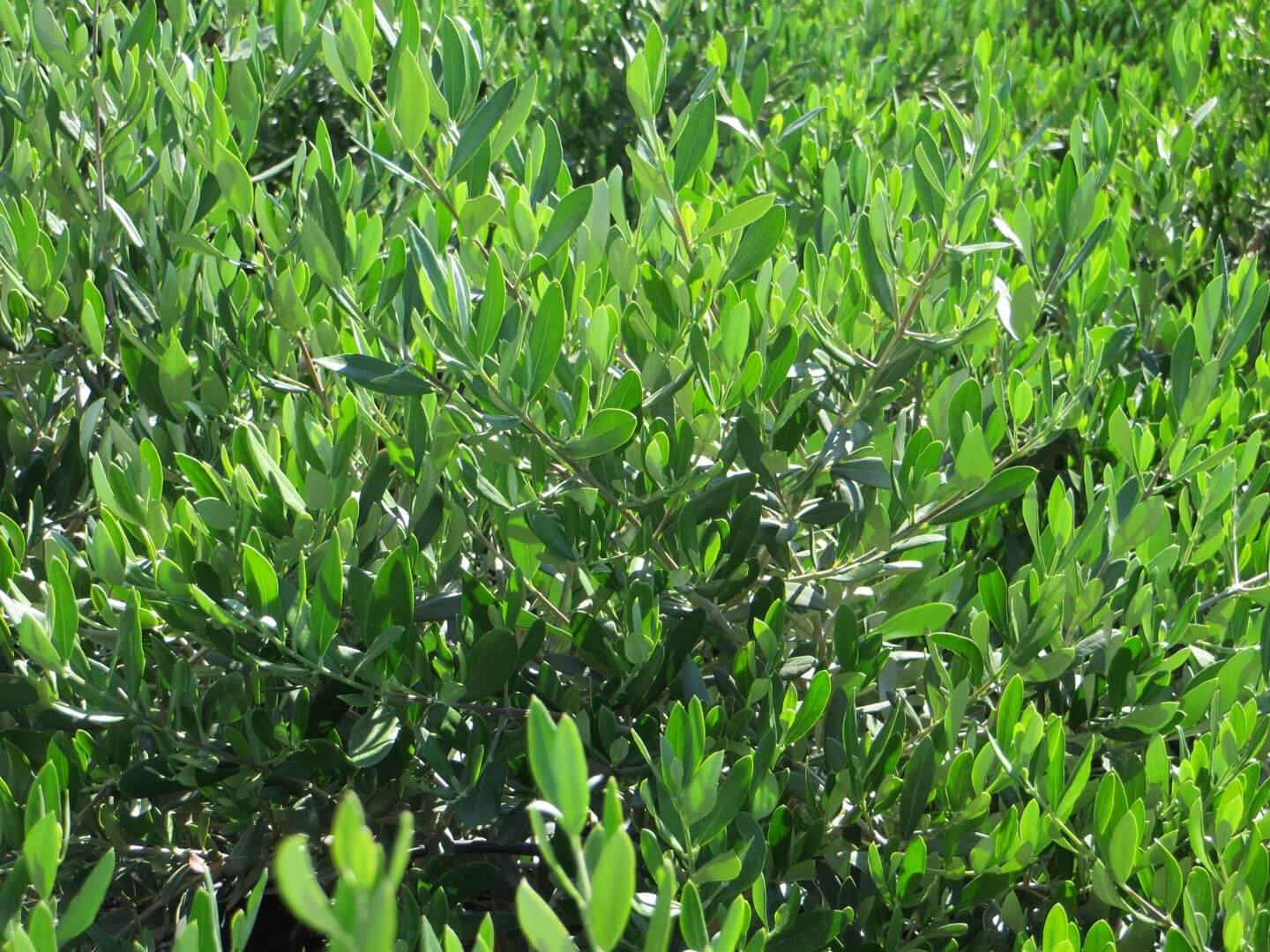
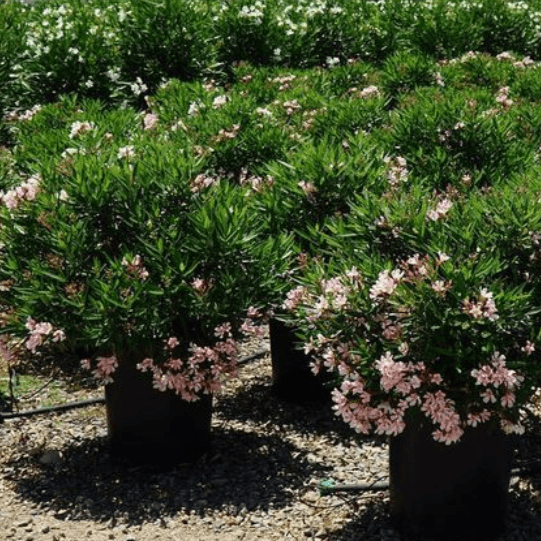
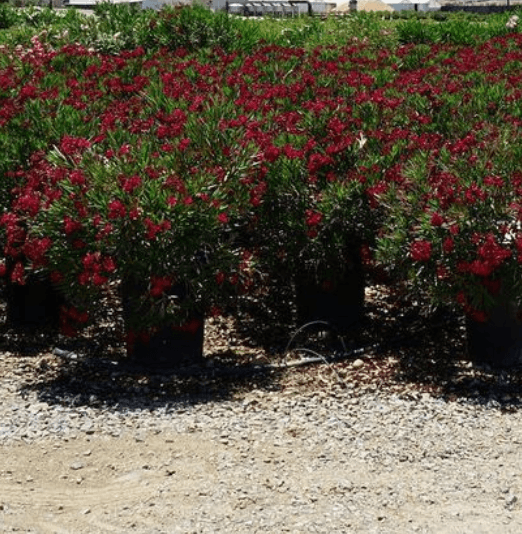
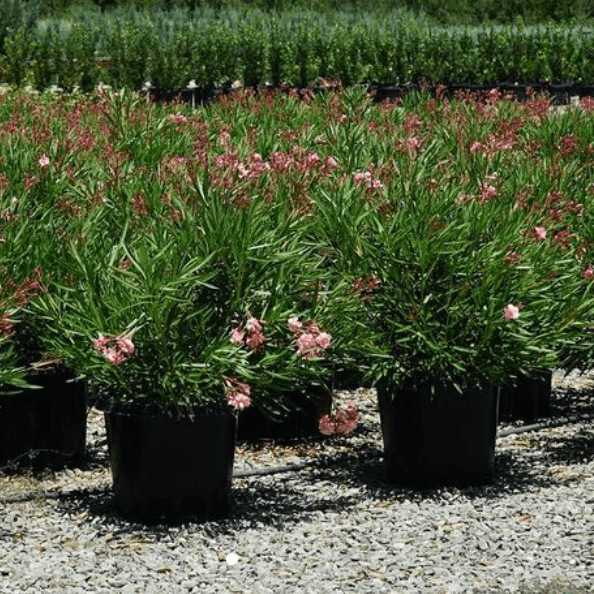
Inland valleys and foothills bring heat, low humidity, dry soil, frost pockets, deer pressure, and wildfire concerns. Oleander, Rosemary hedges, Bay Laurel, Podocarpus, Toyon, Ceanothus, and Manzanita are often considered for these conditions because they offer drought tolerant performance once established.
Fire-wise hedge selection should favor plants with higher leaf moisture, open branching, lower resin content, and manageable fuel loads. Remove dead or damaged branches regularly, keep mulch and leaf litter controlled, and avoid letting shrubs become overly dense near structures.
Deer-resistant choices are especially useful in rural and suburban properties. Wichita Blue Juniper (Juniperus scopulorum ‘Wichita Blue’) is native to the Rocky Mountains and is a great choice for cold, dry climates, being deer resistant and evergreen. Although it is not a coastal California staple, Wichita Blue Juniper can be a hardy option where cold, dry conditions are a priority.
For Mediterranean and Desert Climates
Mediterranean and desert climates call for water-wise hedges that handle heat, bright light, and long dry seasons. Native California species such as California lilac (Ceanothus) and Manzanita are excellent options for gardeners who want low maintenance shrubs with drought tolerance and ecological benefits.
Ceanothus can provide evergreen foliage, blue or purple showy flowers, and habitat for pollinators. Ceanothus crassifolius can reach about 5-12 feet tall and around 8 feet wide, while Ceanothus spinosus can grow much taller in the right setting. Manzanita brings sculptural branches, winter flowers, and strong year round interest.
For dry climate beauty, combine native shrubs with tough evergreen plants such as Bay Laurel, Podocarpus, Rosemary, Toyon, or Lemonade Berry. These options reduce irrigation needs, require less maintenance once established, and keep the landscape attractive through summer heat and winter dormancy periods.
Premium Hedge Varieties That Thrive
Quality plants make all the difference in hedge success and longevity.
Fast-Growing Evergreens
Fast growing hedge plants are ideal when you want privacy quickly. Hedges can be categorized by their growth rates, with some varieties being specifically bred for fast-growing evergreen privacy trees, making them ideal for quick privacy solutions.
Leyland Cypress can grow up to about 4 feet per year and may reach 60-70 feet if unpruned, though it is often trimmed lower as a privacy hedge. Thuja Green Giant can grow about 3-5 feet per year when young and may reach 30-40 feet in hedge form. These rapid growers can often create substantial privacy in 2-3 years with the right spacing, soil, watering, and pruning.
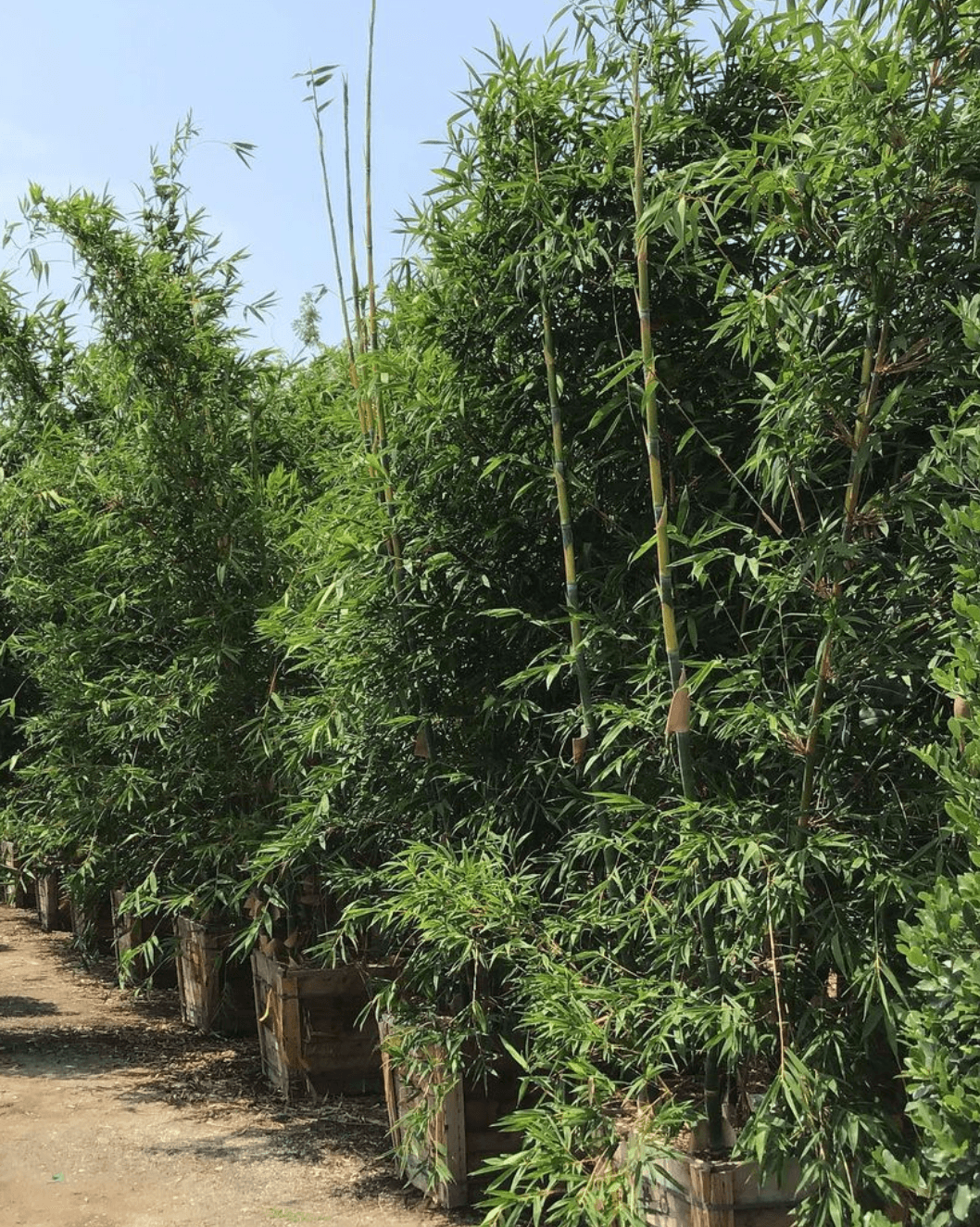
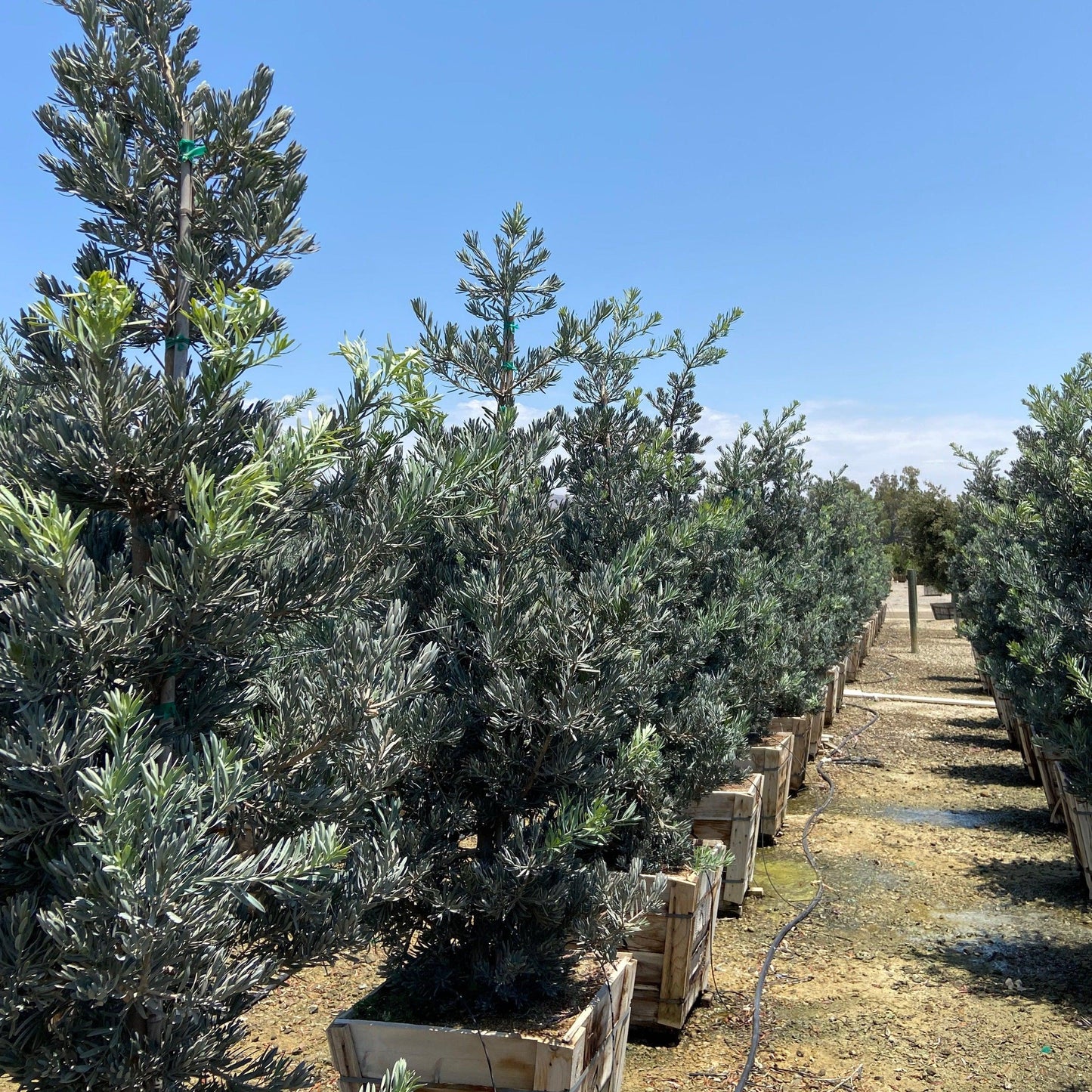
Podocarpus macrophyllus grows more moderately at about 12-18 inches per year and is excellent for narrow spaces because it can be maintained around 3-6 feet wide. Larger container sizes are a smart choice if you want a more immediate screen, while smaller plants are budget-friendly and establish well with consistent care.
Classic Formal Hedges
Classic formal hedges bring timeless structure to the landscape. English Boxwood, Globe Japanese Boxwood (Buxus japonica), Green Mountain Boxwood, Japanese Yew, privet, cherry laurel, and Bay Laurel can be shaped into clean lines, rounded forms, or architectural borders.
A formal hedge needs consistent pruning to maintain dense foliage from top to bottom. Compact, hardy choices such as Winter Gem Boxwood (Buxus 'Winter Gem') respond well to shaping when pruned right after their primary growth spurt in late spring, which helps maintain a tidy appearance without sacrificing next year’s blooms. Avoid removing too much new growth at once, and always trim out dead or damaged branches before shaping.
Disease resistance and longevity depend on choosing the right plant for the site. Boxwoods prefer good drainage and careful watering, Japanese Yew appreciates suitable light and soil, and Bay Laurel offers fragrant evergreen leaves with culinary use. Fertilize moderately when needed, but avoid overfeeding, especially in low-water landscapes.
Native California Options
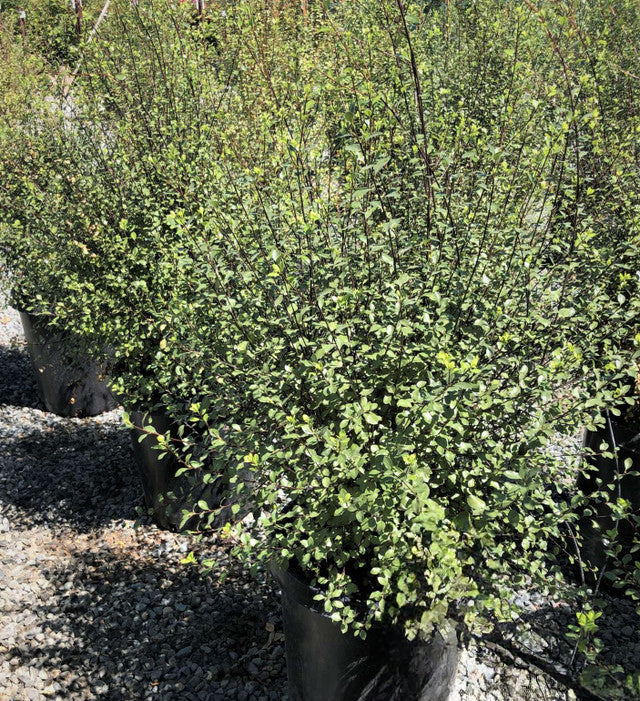
Native California hedge plants support local ecosystems while reducing water use and long-term maintenance. Ceanothus, Manzanita, Toyon, Coyote Brush, Lemonade Berry, and Wax Myrtle can provide year round structure, blooms, berries, shelter for birds, and nectar for pollinators, especially when combined with durable evergreens such as Winter Gem Boxwood globes in mixed plantings.
Toyon is a standout native hedge for California gardens, offering broad evergreen foliage, white flowers, and red-orange berries that add winter interest, and is readily available in nursery selections. Ceanothus brings blue blooms and drought tolerance, while Manzanita offers sculptural form and wildlife value.
Native hedges generally perform best when matched to the correct microclimate and planted in well-drained soil. Many native species do not like overwatering, and some respond poorly to heavy shearing, so light pruning and thoughtful spacing are better than forcing a rigid formal shape, especially when you’re selecting from privacy trees and hedging shrubs at a nursery.
How to Plant and Care for Your Hedge
Proper planting and maintenance ensure your hedge investment flourishes for decades.
Planning and Spacing
To create an effective privacy hedge, it is important to correctly space your shrubs based on their mature width, ensuring they have enough room to grow while still forming a dense screen. For a dense, seamless hedge, it is recommended to plant shrubs 2–3 feet apart, but always check the specific variety’s mature width to ensure they have enough room to grow.
Planting hedge shrubs closer together can reduce the time it takes for the hedge to fill in, potentially by several years, depending on the growth rate of the chosen variety. Wider plants like Thuja Green Giant may need 5-6 feet of space, while narrower Podocarpus or privet may work at 2-3 feet depending on mature width and desired density.
Single rows work for clean boundaries and garden borders. Double rows or staggered planting offer more privacy, better sound absorption, and stronger wind protection. Before planting, consider property lines, neighbor views, utility lines, irrigation access, and safe distances from fences, driveways, and structures, and how local plant nurseries and landscape services can support your design.
Planting Best Practices
When planting hedges, it is best to do so in cooler months, such as fall, to reduce stress on the plants and allow roots to establish better before the heat of summer. In California, fall through early spring is usually the best planting window because winter rains help roots settle before summer heat arrives.
Start with soil preparation. Test drainage, pH, and texture, especially for drought tolerant natives such as Ceanothus and Manzanita that dislike soggy soil. Amend compacted soil where needed, but avoid making a planting hole so rich that roots refuse to move outward into the surrounding ground.
The first 1-2 years are critical for establishment. Water deeply and infrequently to encourage strong roots, then reduce irrigation as the hedge matures and becomes more drought tolerant. Mulch helps conserve moisture, reduce weeds, moderate soil temperature, and protect new growth during dry weather.
Ongoing Maintenance
Ongoing hedge care depends on the species and style. Formal hedges need regular trimming to hold their shape, while informal native hedges usually need lighter pruning. Remove damaged branches, crossing stems, and dead wood to improve airflow and reduce pest or fire risk.
Fast-growing varieties may need more frequent maintenance than slow growers. Privet, Leyland Cypress, and some flowering hedges can fill in quickly, while boxwoods and Japanese Yew often grow more slowly but hold a refined form. Flame Amur Maple (Acer ginnala ‘Flame’) is hardy to USDA Zone 3 and features vibrant fall colors, making it an excellent choice for a privacy hedge in colder climates.
Monitor for pests, fungal issues, and stress from heat, deer, salt, or poor drainage. Fertilize only when the plant needs it, and choose formulas suited to California growing conditions. For large installations, difficult slopes, fire-wise landscapes, or noise reduction projects, professional consultation and soil testing can help you choose the right shrubs and layout from the start.
Shop Premium Hedges From Yardwork
Explore our carefully selected collection of hedge plants perfect for California gardens. Choose from fast-growing privacy screens, elegant border hedges, cold hardy hedges, and native varieties that thrive in your local conditions.
- Browse hedge categories organized by purpose, mature height, mature width, foliage type, and growth rate.
- Choose evergreen hedges for year round privacy, flowering hedges for visual interest, and native shrubs for drought tolerance and wildlife benefits.
- Access detailed planting guides and care instructions for each variety, including pruning, spacing, watering, and maintenance tips.
- Schedule expert consultations for large hedge installations, soil testing, fire-wise layouts, and custom landscape design.
Find the hedge that fits your space, climate, and privacy goals - and create a greener, more comfortable garden with plants selected to grow beautifully in California.