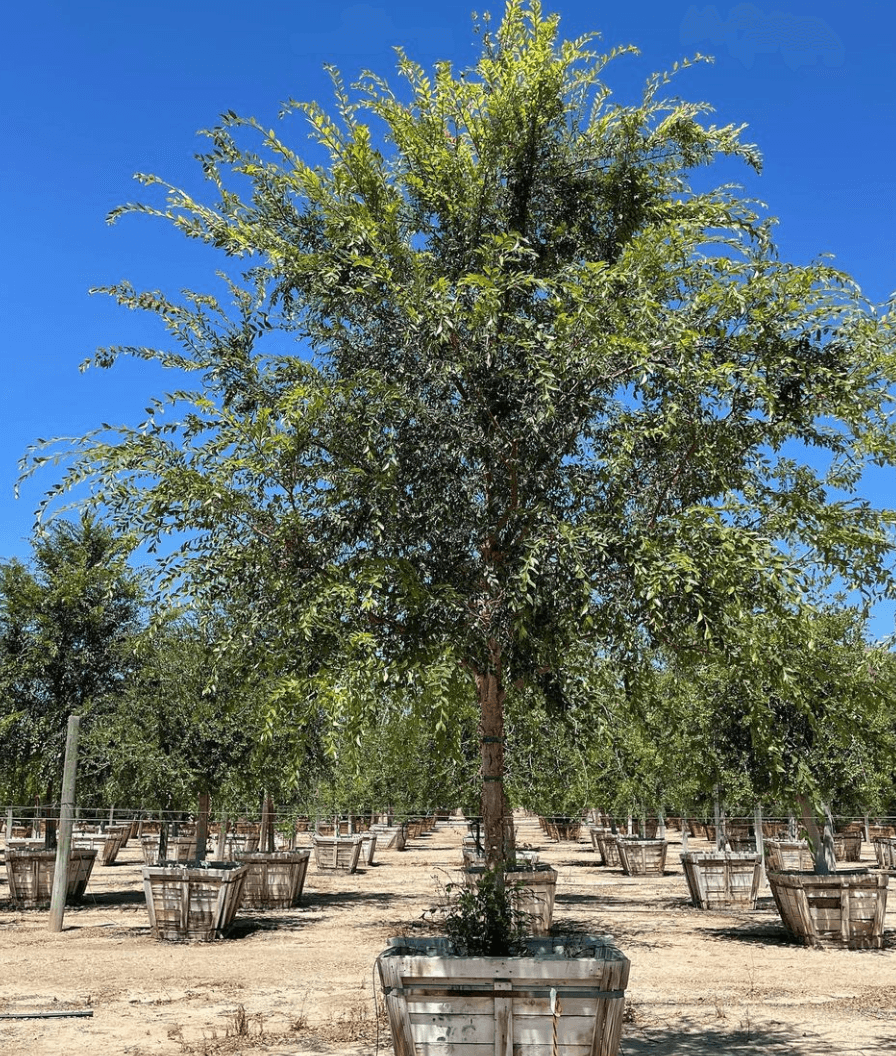
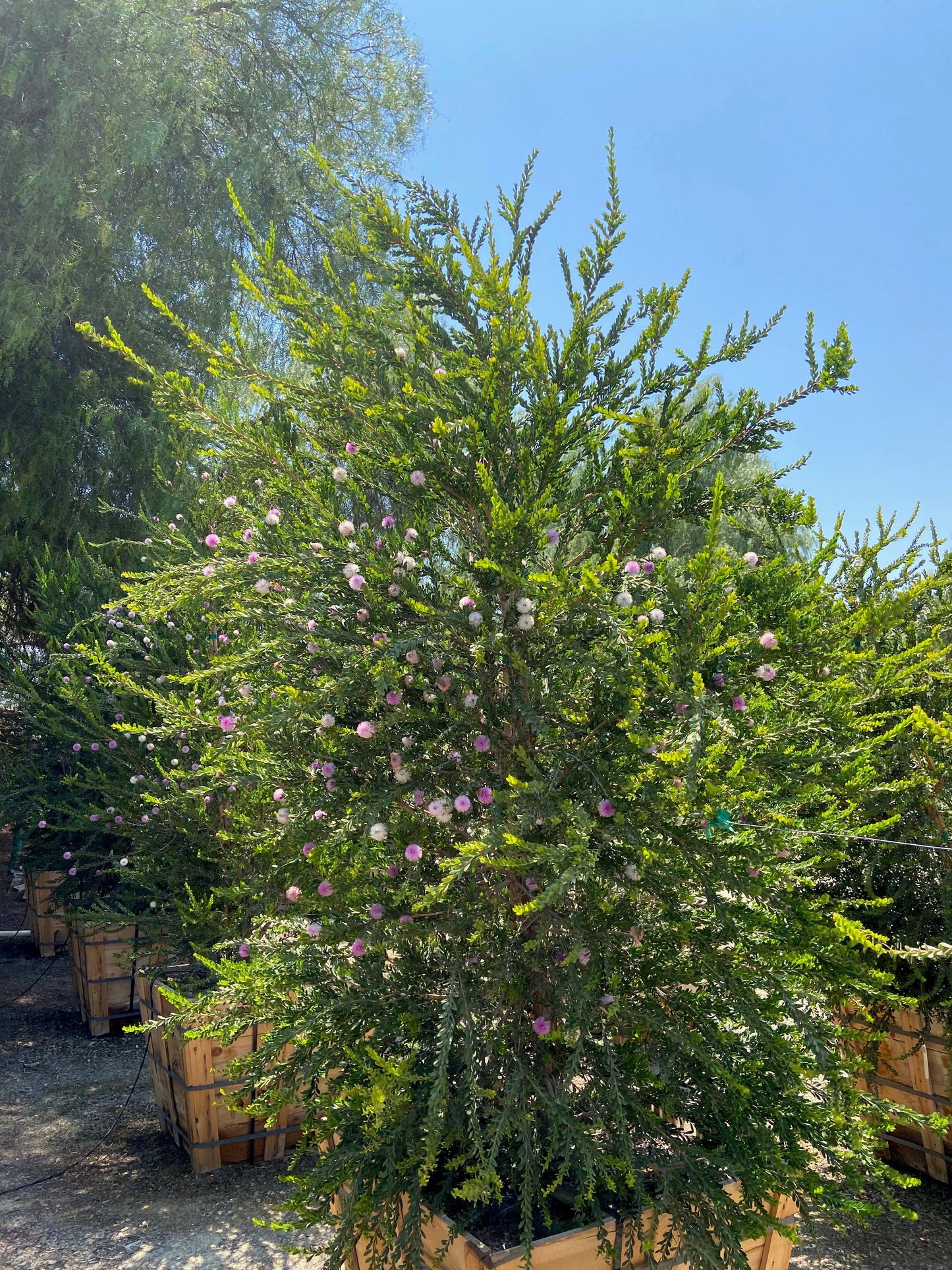
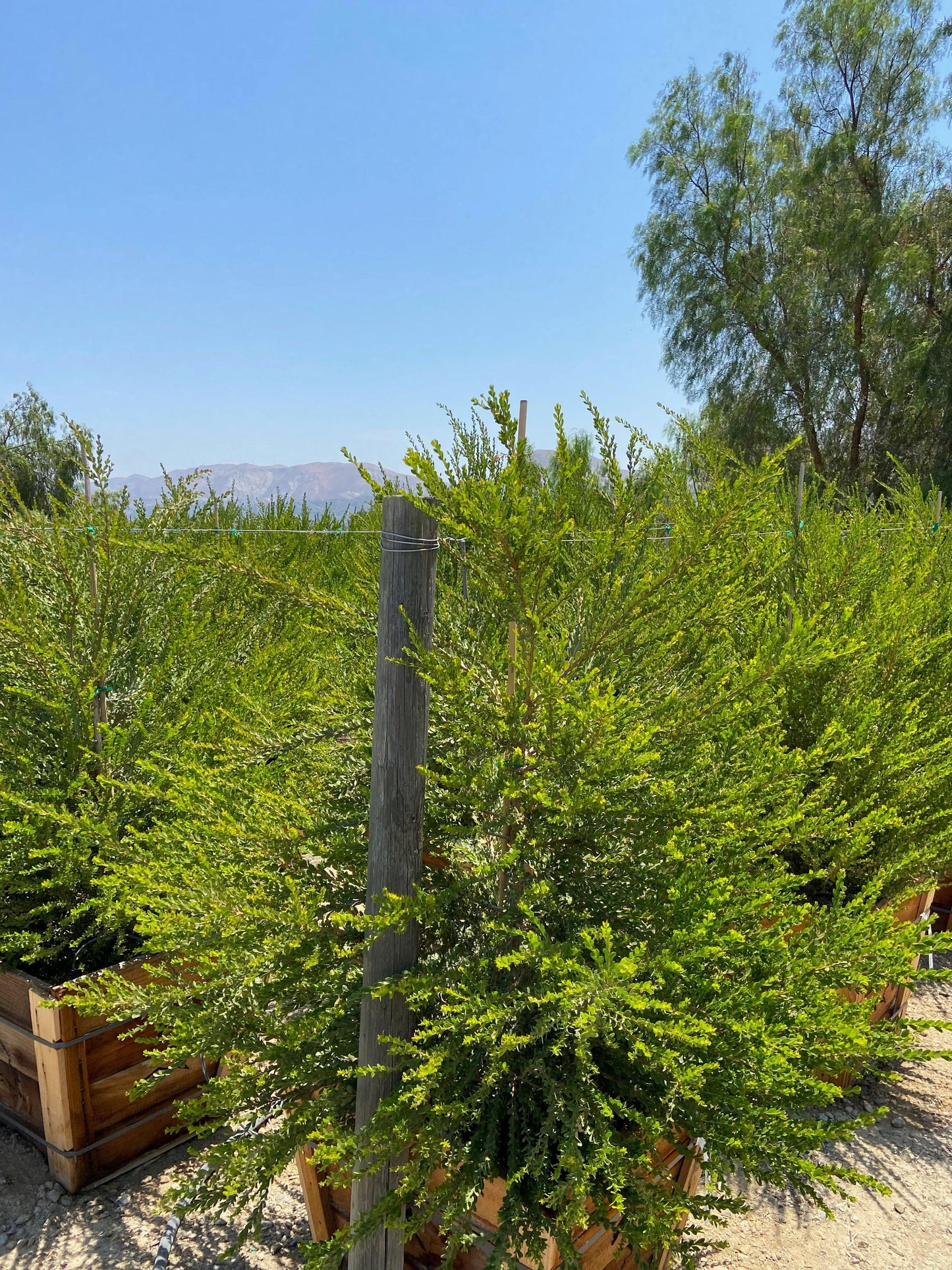
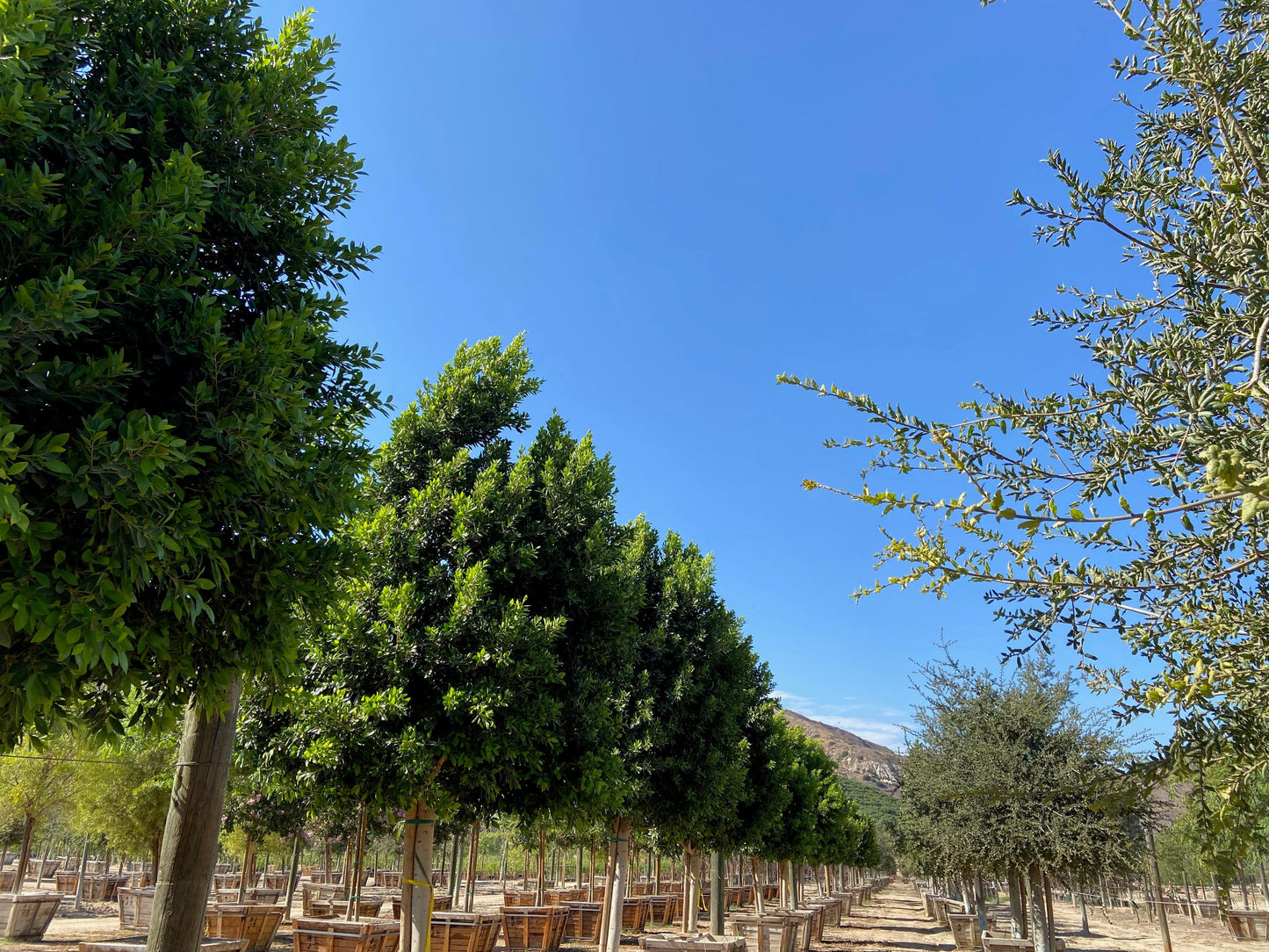
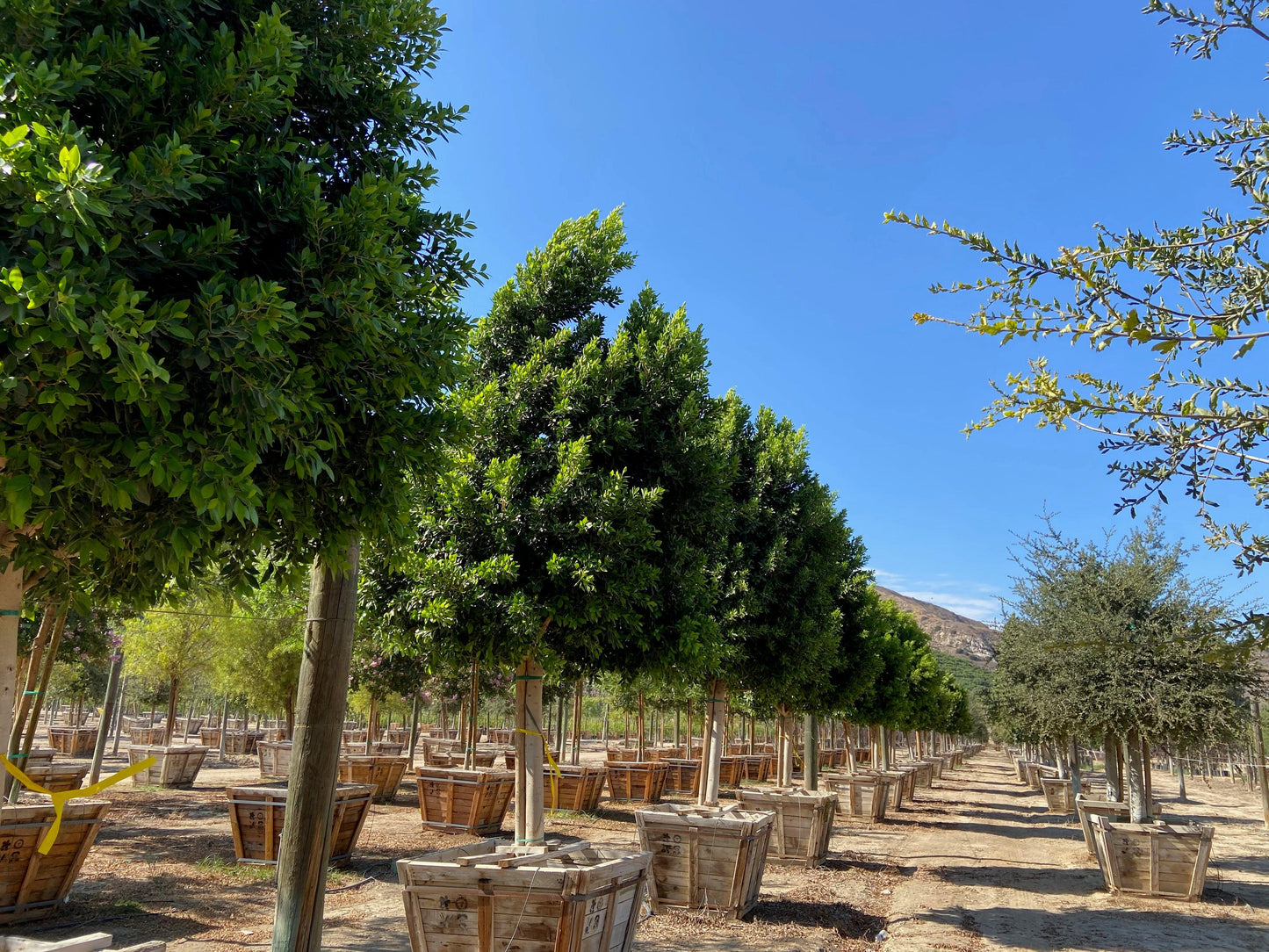
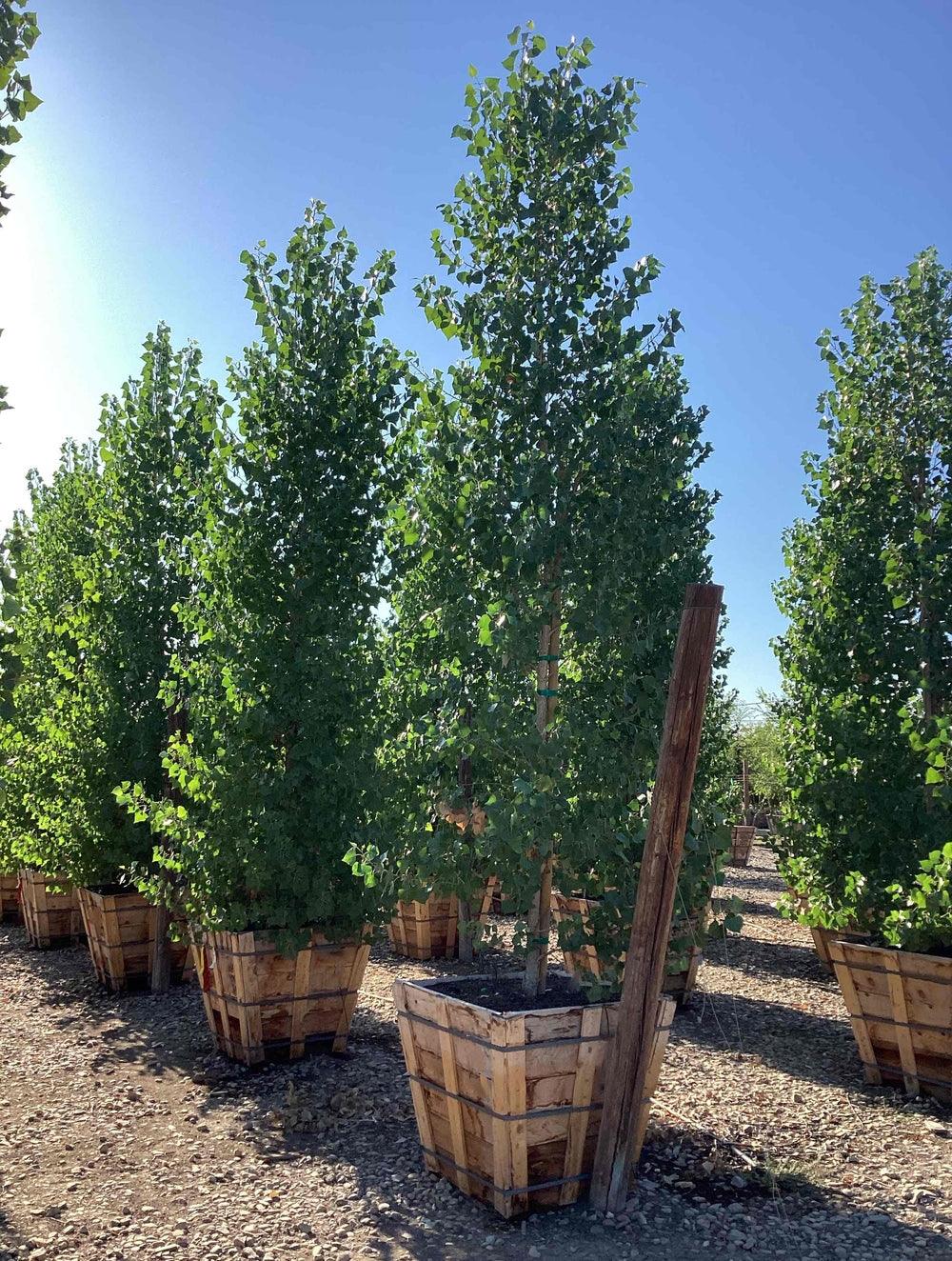
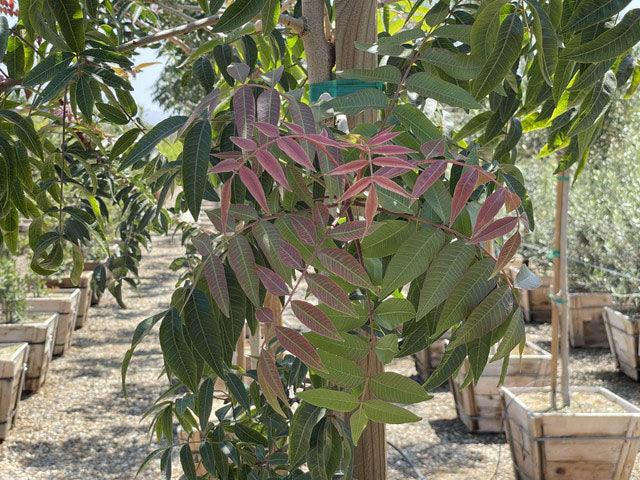
Shop Premium Species Online
Fast growing trees are the right choice when you want quick shade, privacy, structure, or a more established landscape without waiting decades. Many fast-growing trees typically grow anywhere from 2 to 8 feet per year, while exceptional species such as the Princess Tree (Paulownia tomentosa) can grow up to 15 feet per year in ideal conditions.
Explore premium trees selected for strong growth, reliable performance, and suitability for real yard conditions. From evergreen privacy screen options to deciduous tree varieties with fall color, our collection helps you create a cooler, greener, more private outdoor space.
Find your perfect fast growing tree and elevate your outdoor space today.
Fast Growing Trees for Every Purpose
Whether you need privacy, shade, or landscape impact, there’s a fast growing tree for every yard goal.
Quick Privacy and Screening Trees
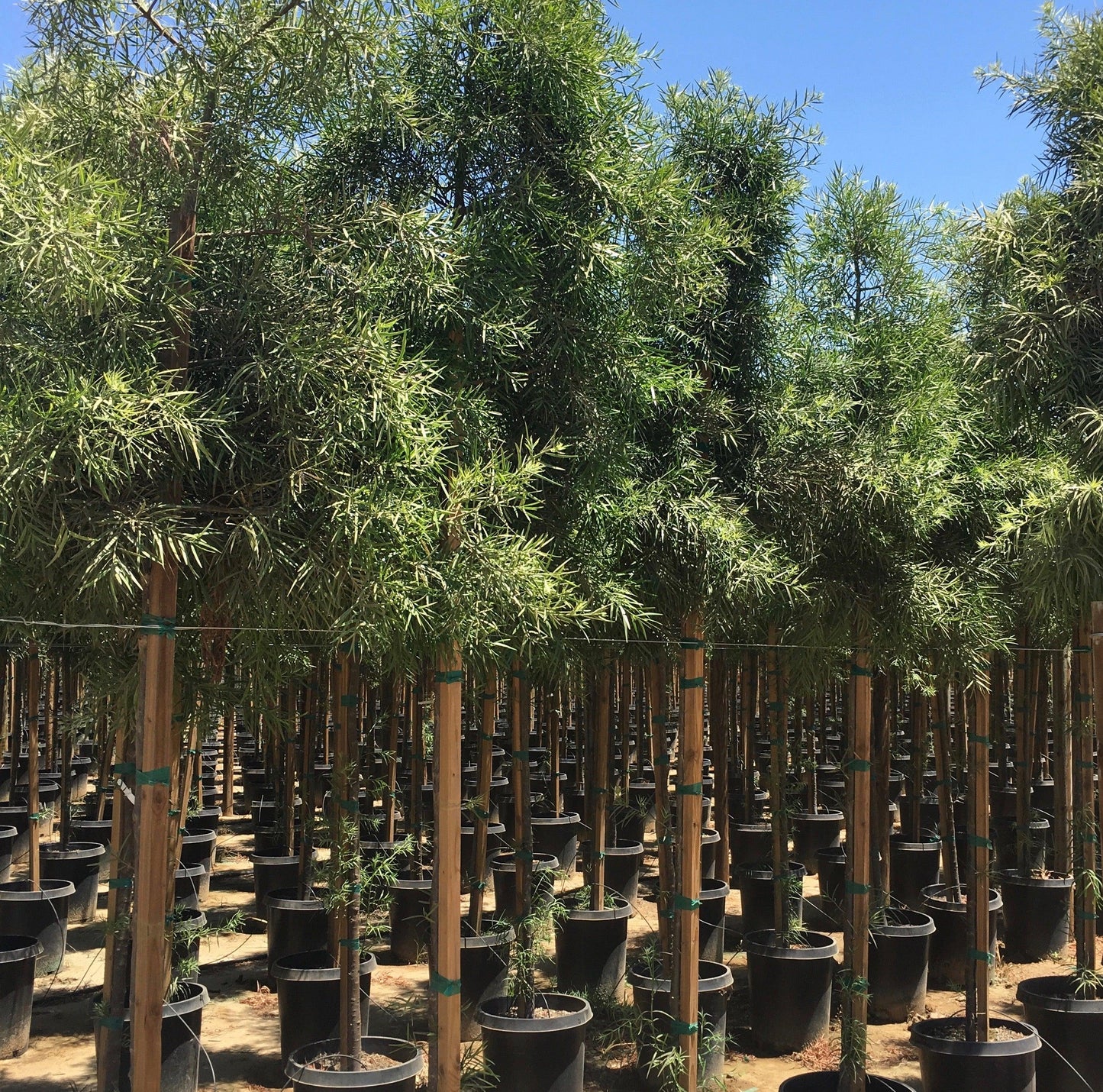
For a fast-growing privacy screen, the Green Giant Arborvitae can grow 3 to 5 feet per year, while the Leyland Cypress also grows rapidly. These evergreen trees and versatile options like Fern Pine are excellent choices along property lines where you want year-round coverage, reduced views into the yard, and a dense natural barrier.
For creating a natural privacy screen, fast-growing trees like the Green Giant Arborvitae and Leyland Cypress can grow 3 to 5 feet per year, forming a dense barrier against unwanted views. Planting distance matters: spacing trees too tightly can lead to weak branches, poor air flow, and pest problems, while proper spacing helps roots develop and keeps the screen healthier over time.
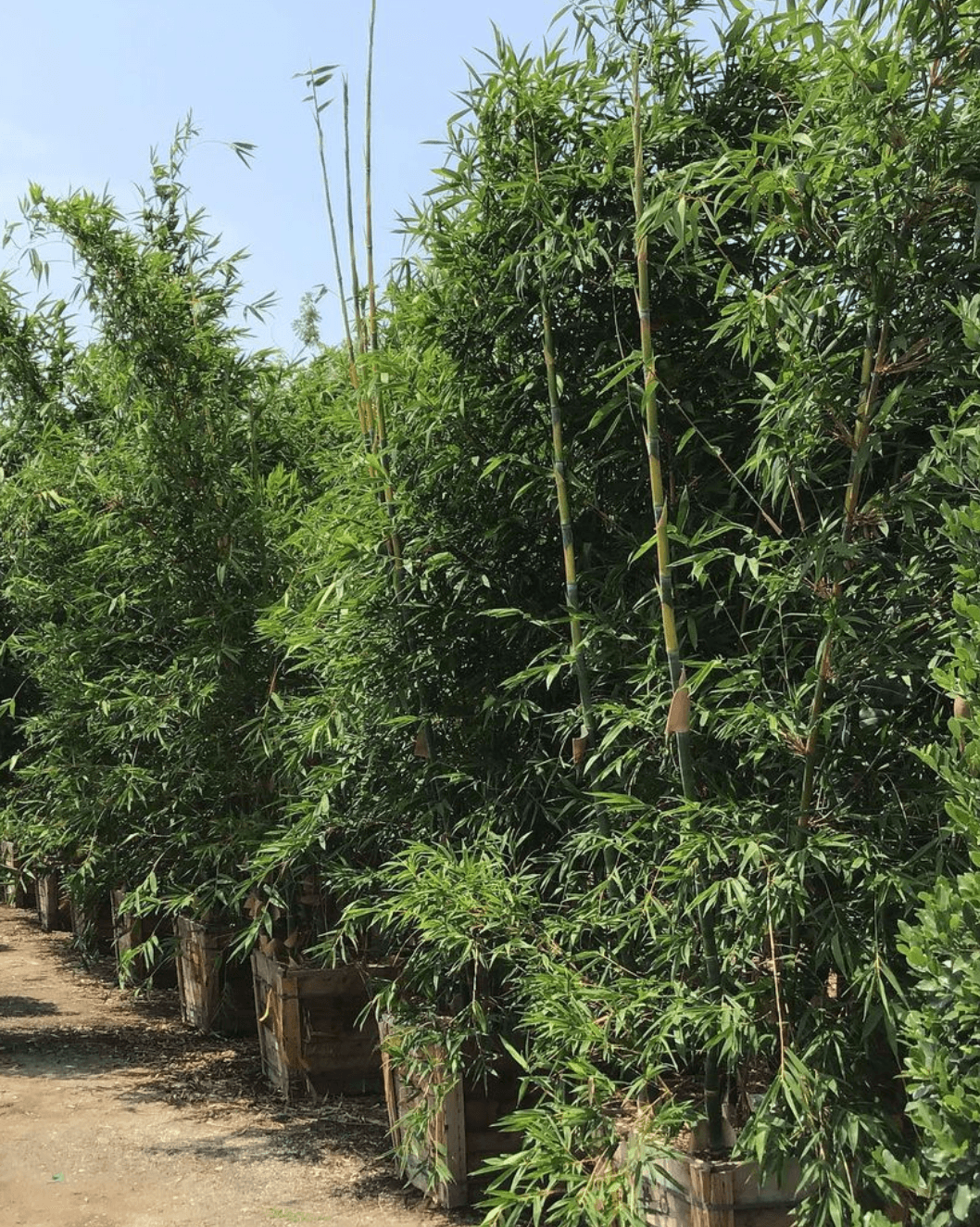
Bamboo, particularly clumping species like Bambusa textilis ‘Gracilis’, is one of the fastest-growing plants for privacy, capable of growing 2-3 feet per year and creating a dense screen. While bamboo is not a tree, it can be a useful privacy plant when selected carefully and kept away from structures, septic systems, and sensitive garden areas, much like popular nursery privacy tree selections.
Rapid Shade Trees
Fast-growing trees can provide quick shade, cooling homes and gardens while potentially lowering energy bills by reducing the need for air conditioning. Large deciduous trees such as silver maple, red maple cultivars like October Glory, cottonwood, and hybrid poplar can create canopy over a patio, lawn, or outdoor living space much faster than slower-growing species.
Silver Maple (Acer saccharinum) is known for fast growth and broad shade, while Red Maple (Acer rubrum) offers attractive fall color and adapts to a range of soil types. Cottonwoods (Populus deltoides) can grow about 3 to 4 feet a year and may reach around 70 feet tall, but they are known for brittle wood, making them susceptible to breakage in storms.
Quick shade has real value in summer, especially near a house or west-facing garden, but placement is important. Certain fast-growing trees, like Silver Maple and Cottonwood, can develop aggressive root systems that may interfere with sidewalks, foundations, and underground pipes, leading to potential damage.
Fast Growing Accent and Specimen Trees
Fast growing trees can also create a focal point in the landscape, anchoring broader landscape tree design. Dawn Redwood is a deciduous conifer with a straight trunk, soft seasonal foliage, and strong vertical form, while Tulip Tree brings impressive mature height, spring flowers, and a broad canopy where there is enough space.
Other ornamental options include river birch (Betula nigra), valued for peeling bark and tolerance of moist soil, and southern catalpa (Catalpa bignonioides), a bold deciduous tree native to the southeastern United States with large leaves and showy flowers. Smaller flowering accent trees such as Eastern redbud (Cercis canadensis) and Red Crape Myrtle trees, native to eastern North America, are a manageable height for front yards and fit well within broader flowering tree selections.
For year-round interest, choose species that offer more than fast growth alone. Flowers in spring, light-filtering shade in summer, fall color in autumn, and attractive bark or twigs in winter can make a fast growing tree work harder in the garden.
Choose the Right Fast Growing Tree for Your Space
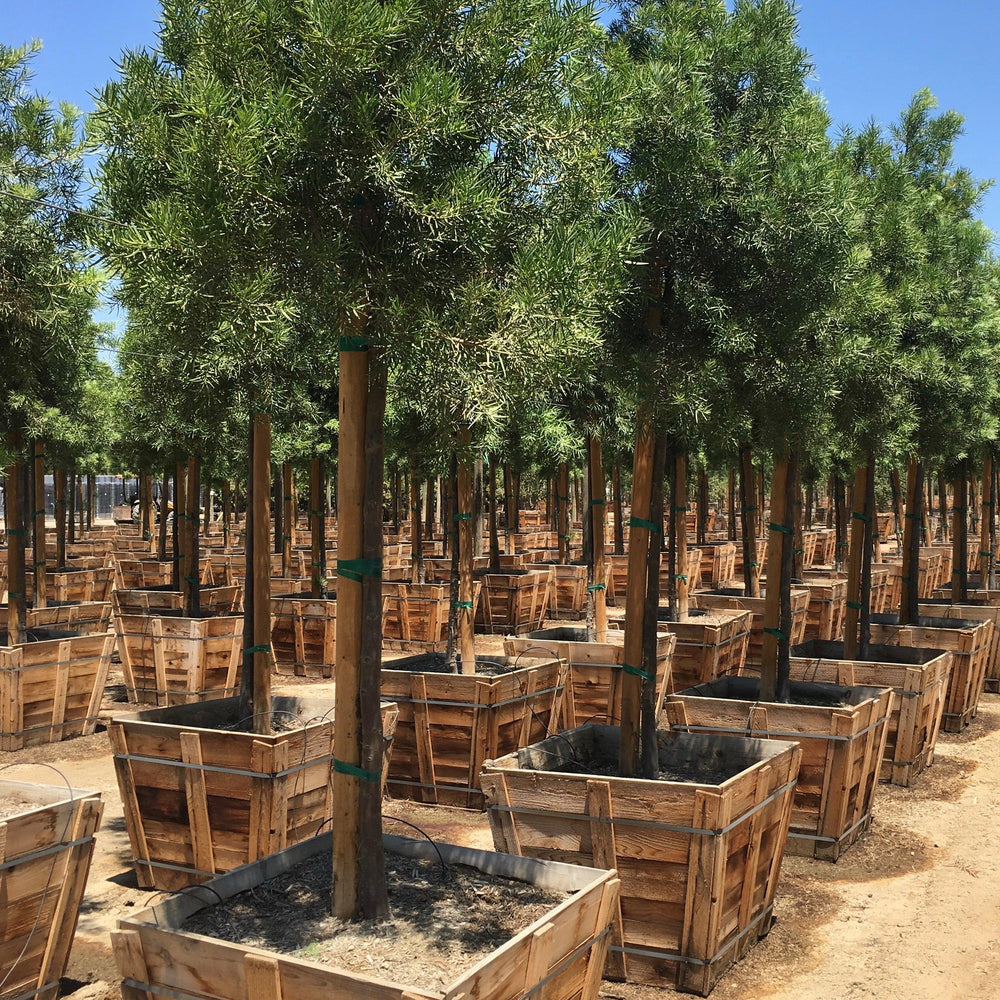
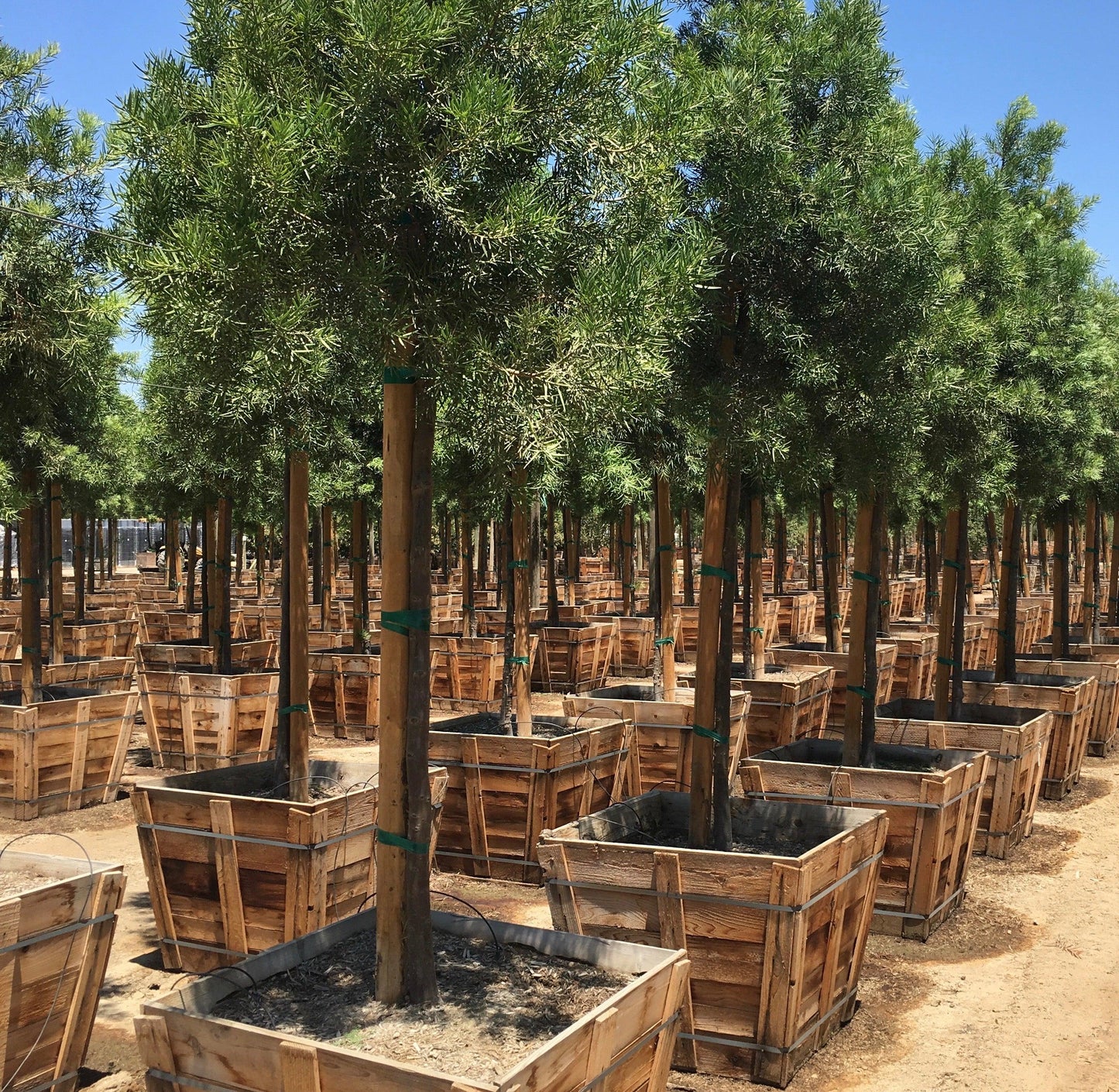
The right species selection ensures optimal growth and long-term success in your specific conditions, and choosing mature trees for instant impact can accelerate shade, privacy, and curb appeal from day one.
For Small to Medium Yards
Small and medium yards need trees that grow faster without becoming too tall, too wide, or too aggressive. Eastern Redbud and Crape Myrtle are popular choices because they mature under 30 feet in many landscapes, offer strong ornamental value, and fit near patios, walkways, and smaller garden beds more easily than large canopy trees, while compact small desert trees can be ideal in hot, dry climates.
Eastern redbud, or Cercis canadensis, performs well in full sun to part shade and brings early spring flowers before the leaves develop. Crape Myrtle provides summer bloom, attractive bark, and a manageable height, making it an excellent choice where you want fast establishment without overwhelming the yard.
Root behavior is just as important as mature height. In limited space, avoid species known for aggressive roots near foundations, septic systems, paving, and underground utilities. A compact tree with well-behaved roots can go a long way toward creating shade and beauty without future damage.
For Large Properties and Open Areas
Large lots, rural properties, and open areas can support tall fast growing trees with wide canopies and extensive root zones. Cottonwood, bald cypress, hybrid poplar, quaking aspen (Populus tremuloides), and large conifers such as Pinus strobus can add scale, wind protection, wildlife value, and dramatic growth.
Cottonwood can reach around 70 feet tall, while some large fast-growing trees can eventually approach 70 to 100 feet depending on species, soil, water, and climate. Bald cypress is especially useful where soil stays moist, and it can develop a strong presence with a straight trunk and fine-textured foliage.
These trees need space away from the house, hardscape, and property lines. Fast growth often means broad branches, large root systems, and greater maintenance needs as the tree matures, so planning for mature height and spread is essential.
For Challenging Growing Conditions
Some fast growing trees are best suited to difficult sites. European Black Alder and bald cypress can handle wet soil and drainage issues better than many common shade trees. River birch also tolerates moist soil and brings ornamental peeling bark to urban areas and larger yards.
For heat, pollution, and compacted city conditions, Japanese Pagoda Tree and selected drought-tolerant species can be strong choices. In dry climates, options such as Chitalpa, certain acacias, and carefully placed Eucalyptus may work, though fire risk, roots, and local suitability should always be considered.
Trees with aggressive root systems can stabilize loose soil on slopes and improve water retention. However, those same roots may be unsuitable near structures, sidewalks, septic systems, and pipes, so the right site makes all the difference.
For California Climate Zones
California landscapes need fast growing trees that can handle Mediterranean climate patterns: wet winters, dry summers, inland heat, coastal influence, and regional soil differences. In many California yards, drought tolerance after establishment is just as important as annual growth.
For coastal and mild inland areas, Green Giant Arborvitae, Leyland Cypress, Italian Cypress, and selected shade trees can perform well when planted in well drained soil. In hotter inland valleys, drought-adapted native and adapted species such as California sycamore, Chitalpa, red maple in suitable sites, and certain oaks may provide better long-term success, along with adaptable choices like Japanese maples and companion plants.
Full sun supports the strongest growth for many species, but some trees tolerate partial shade or part shade, especially when young. Colder regions and mountain zones require hardy species, while coastal locations may need salt-tolerant selections that can withstand wind and marine air.
Growth Characteristics and Tree Quality
Premium fast growing trees should deliver rapid growth while maintaining structural integrity and longevity.
Proven Growth Rates and Maturity
Fast growth varies by species, climate, soil, and care. Many growing trees add 2 to 8 feet per year, while Green Giant Arborvitae can add 3 to 5 feet per year once established, and Leyland Cypress is also valued for rapid evergreen growth. The Princess Tree (Paulownia tomentosa) is one of the fastest-growing trees, capable of growing up to 15 feet per year in ideal conditions.
Growth is usually strongest during the growing season when water, light, nutrition, and temperature align. Good soil, full sun, proper irrigation, and enough root space help trees grow faster, while drought stress, compacted soil, pests, and poor planting depth can slow development.
Always consider mature size, not just early growth. A tree that seems perfect at 6 feet tall may become too large at its mature height, especially near a patio, house, driveway, utility line, or neighboring property.
Root System and Structural Strength
One drawback of fast-growing trees is that they tend to develop weaker wood, making them more susceptible to breakage during storms and high winds. Cottonwood and silver maple are classic examples: both can grow quickly, but brittle wood and wide branches require careful placement and regular inspection.
Certain fast-growing trees, like Silver Maple and Cottonwood, can develop aggressive root systems that may interfere with sidewalks, foundations, and underground pipes, leading to potential damage. These species are better suited to open spaces where roots have room to spread without disturbing structures.
Fast-growing trees often have shorter lifespans compared to slower-growing species, typically surviving for only 20 to 50 years, which may necessitate their replacement sooner. That does not make them poor choices, but it does mean they should be selected with realistic expectations for maintenance, safety, and long-term landscape planning.
Nursery Quality and Tree Health
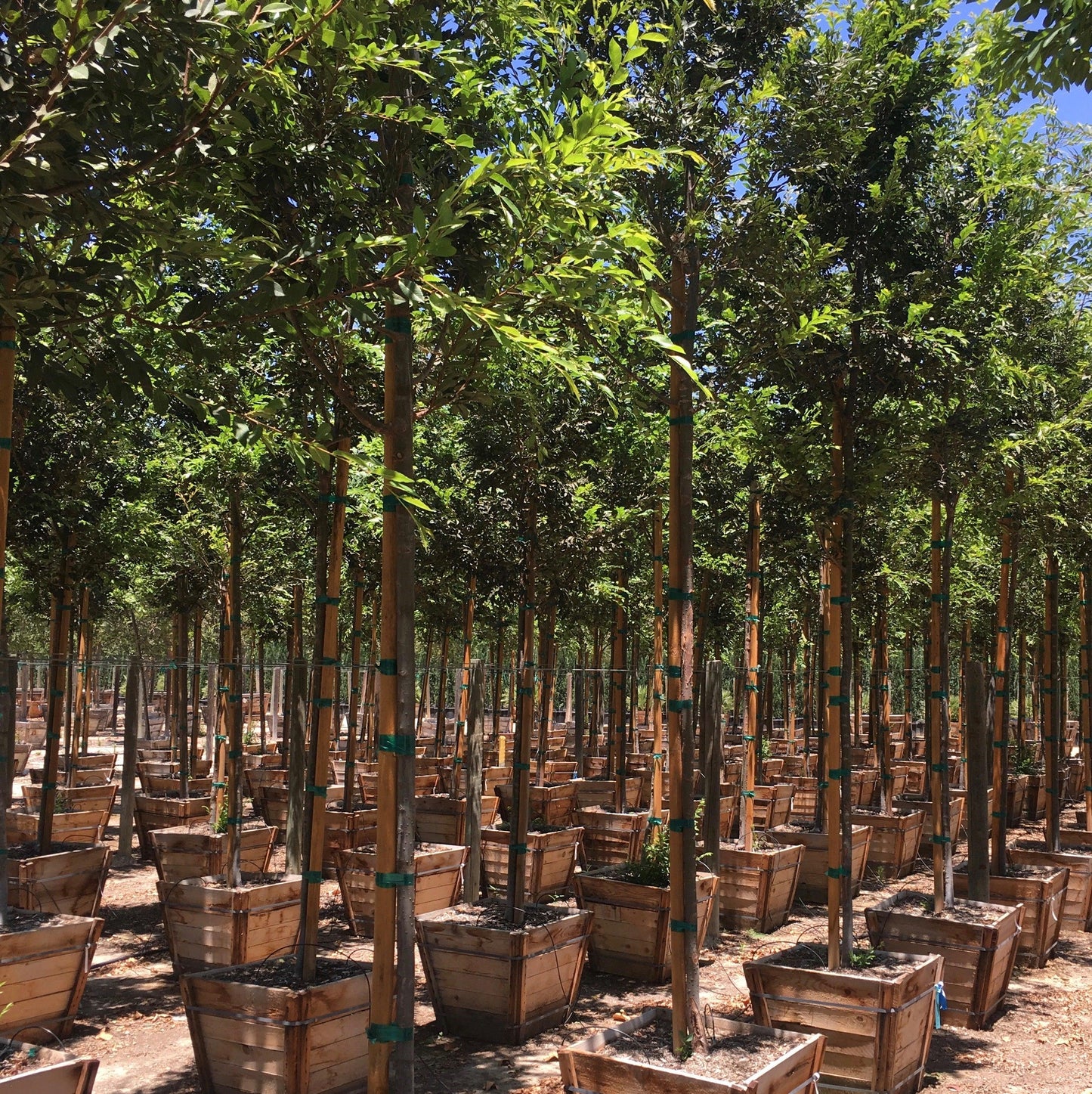
Premium nursery quality starts with healthy roots, a strong trunk, and clean, disease-inspected stock. Container-grown trees with established root systems often transplant well when they are not root-bound and are planted at the correct depth with the root flare visible.
Look for balanced branches, no cankers, no major trunk wounds, and no signs of pests. A young tree with a straight trunk, healthy twigs, and a well-developed root system will usually establish more reliably than a larger tree with hidden stress.
The best fast growing trees are matched to the site before planting. Soil type, sun exposure, water availability, mature height, root behavior, and local climate all determine whether a species will thrive or struggle.
How to Plant and Care for Fast Growing Trees
Proper planting and initial care maximize growth potential and ensure long-term success.
Site Preparation and Planting
Trees should be planted in early spring or fall to allow roots to establish without the stress of extreme temperatures. These seasons give young trees time to develop before the strongest summer heat or winter cold arrives.
Fast-growing trees require well-draining, nutrient-rich soil to thrive, and mixing in compost or organic matter can significantly enhance their growth. Soil testing can also help identify drainage issues, pH concerns, or nutrient gaps before planting.
Dig the planting hole about twice the width of the root ball and no deeper than the root system itself. Keep the trunk flare at soil level, backfill carefully, water deeply, and avoid piling soil or mulch against the trunk.
Ongoing Care and Maintenance
Young fast-growing trees need consistent watering to establish strong roots, with deep, occasional watering being more effective than frequent light watering. This is especially important during California’s dry season, when new roots are still developing.
Applying a 2 to 3-inch layer of organic mulch around the base of the tree helps retain moisture and regulate soil temperature. Keep mulch pulled back from the trunk to reduce rot and pest problems.
Regular pruning is essential for fast-growing trees to maintain good structure and prevent weak or overcrowded branches, especially in their early years. Pruning helps develop a strong central leader, reduce storm damage risk, and prevent crowded branches from becoming long-term structural problems.
Shop Fast Growing Trees Online
Explore our expertly selected collection of fast growing trees suited for California landscapes. Choose from privacy screens, shade trees, and ornamental species with proven performance records.
Whether you want Green Giant Arborvitae for a dense privacy screen, Leyland Cypress for rapid evergreen coverage, bald cypress for moist soil, eastern redbud for spring color, river birch for peeling bark, or red maple for shade and fall color, we can help you match the right species to your yard.
Your perfect fast growing tree solution is just a consultation away.
- Expert consultations for species selection and placement
- Professional planting services available
- Soil testing to ensure optimal growing conditions