Create Privacy, Structure & Timeless Beauty
Looking for evergreen trees that deliver year-round elegance and practical benefits? Discover cypress varieties perfect for privacy screens, windbreaks, and architectural accents. From fast-growing Leyland cypress to stately Italian cypress, our collection offers drought-tolerant species, unique foliage textures, and adaptable growth habits.
Cypress trees are a diverse group of coniferous trees and shrubs belonging to the Cupressaceae family. This cypress family includes both true cypresses and false cypresses, ranging from towering columnar form specimens to compact shrubs suited for foundation plantings. Some cypress trees can live for nearly 2,000 years, making them among the most enduring landscape investments you can make.
Transform your landscape with these resilient, low-maintenance trees that thrive in California's diverse climates.
Cypress Trees for Every Landscape Need
Whether you're creating privacy, adding structure, or enhancing curb appeal, there's a cypress tree for every outdoor project.
Privacy Screen Cypress
Fast-growing Leyland cypress is the go-to choice for quick living fences and neighbor screening along property lines. Leyland cypress grows up to 5 feet per year and can form a dense privacy screen in ten years, reaching up to 60 feet tall and 10 to 15 feet wide. Its dense foliage provides year-round coverage that blocks sightlines, noise, and wind.
For solid coverage, cypress trees are often planted 10 to 15 feet apart for privacy, though tighter spacing of 6-8 feet creates a faster-filling hedge. Cypress trees create effective windbreaks and privacy screens that outperform traditional fence posts and panel fencing.
Architectural Accent Cypress
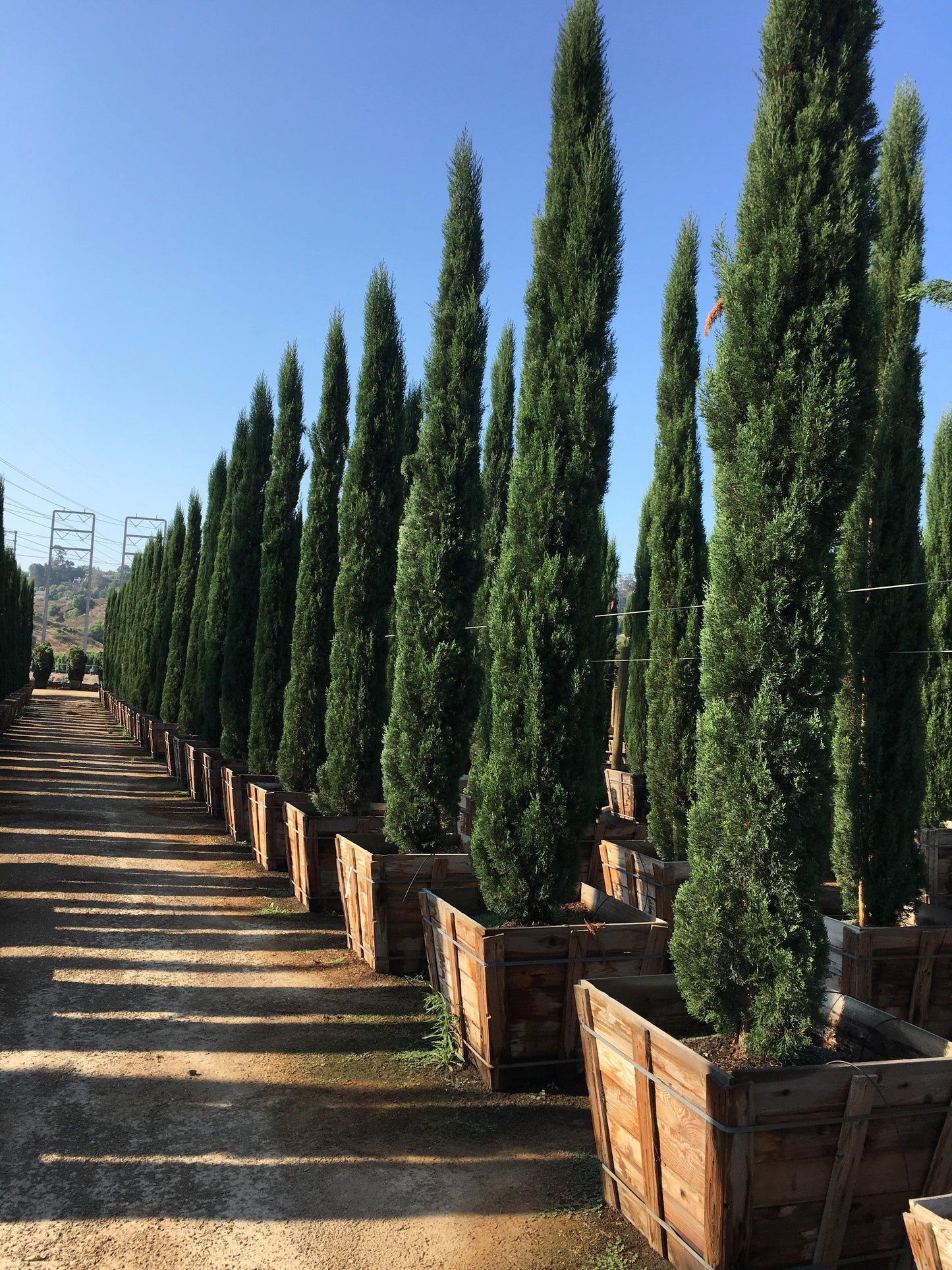
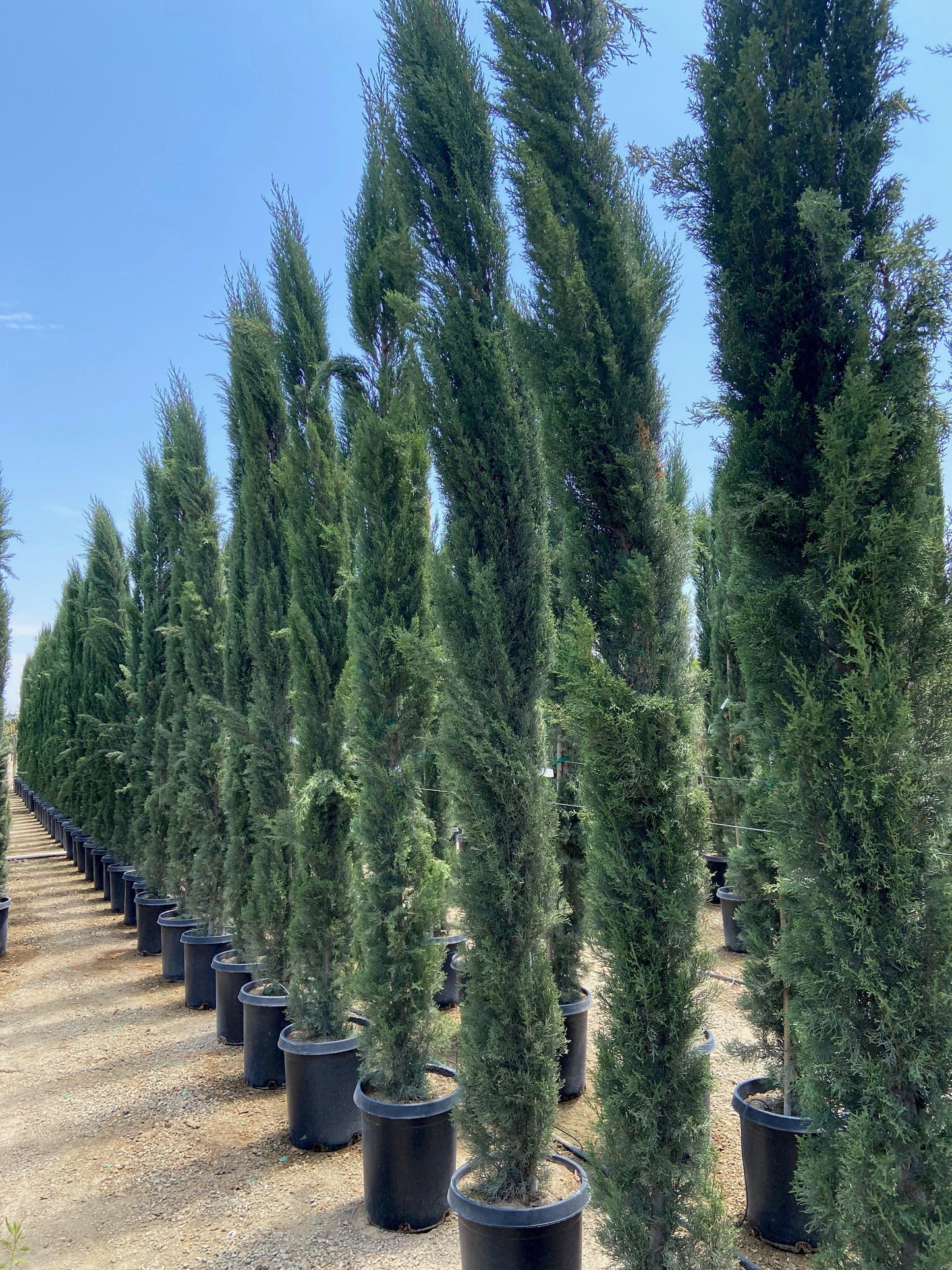
Italian cypress (Cupressus sempervirens) delivers dramatic vertical statements in formal garden design. This mediterranean cypress features a narrow columnar form perfect for flanking entryways, driveways, and tall walls. The Italian Cypress can reach 40 to 70 feet tall while staying just 3-6 feet wide, creating striking architectural presence without consuming ground space.
Italian cypress pairs beautifully with olive trees and lavender plantings in Mediterranean-style landscapes, as well as contemporary minimalist gardens where its clean vertical line provides geometric contrast.
Windbreak & Erosion Control
Arizona cypress excels at hillside stabilization and wind protection, with deep root systems that prevent soil erosion on slopes. Cypress trees reduce runoff and stabilize landscapes on slopes, making them valuable for both aesthetic and functional purposes.
Salt-tolerant species like Monterey cypress serve coastal properties with their iconic windswept silhouettes. Bald cypress is ideal for wet areas, rain gardens, and pond edges-cypress trees stabilize wet soil and filter stormwater runoff, while bald cypress roots prevent soil erosion and improve water quality.
Choose the Right Cypress for Your Growing Conditions
Selecting the perfect cypress species ensures healthy growth and long-term landscape success. Most cypress trees prefer full sun, requiring at least six hours of direct sunlight daily.
For Hot, Dry California Climates
Arizona cypress and Italian cypress thrive in drought conditions, making them ideal for Central Valley and Southern California regions. Drought Tolerant Evergreen Cypress thrives in arid climates, and the silver-blue foliage of Arizona cypress reflects heat and conserves moisture. Cypress trees can thrive in poor soils and withstand drought, with minimal irrigation needs once established after 2-3 years.
Both species perform well in nutrient poor soils and sandy soils, tolerating conditions that would stress many other ornamental trees or evergreens.
For Coastal and Humid Conditions
Monterey cypress withstands salt spray and coastal winds, naturally growing along California's coastline where it develops its characteristic broad, sculpted crown. Leyland cypress performs well in moderate humidity and regular rainfall, adapting to various soil types including sandy loam and clay.
Bald cypress (Taxodium distichum) handles areas with seasonal flooding or high water tables. Swamp-dwelling cypress species develop above-ground root projections called "knees," and cypress trees thrive in submerged, anaerobic environments. The Bald Cypress is a prominent, water-loving species native to the southeastern United States.
For Small Spaces and Container Growing
Dwarf Italian cypress varieties stay compact under 15 feet, perfect for patios and container gardens. Hinoki cypress and siberian cypress also offer compact options, while slow-growing species maintain proportional size for years. Upright, columnar forms maximize visual impact without spreading wide, making them excellent for tall skinny trees for privacy in tight urban lots.
For Large Properties and Acreage
Fast-growing Leyland cypress creates extensive windbreaks across large property lines, with mature height of 40-60 feet providing substantial screening. Leyland Cypress grows 3 to 5 feet annually, meaning you can establish a 60-foot privacy screen in roughly ten years. For large privacy hedge installations, professional spacing recommendations ensure optimal new growth and air circulation.
Popular Cypress Species and Their Unique Qualities
Each cypress variety offers distinct characteristics that enhance different landscape styles. True cypresses are evergreen trees with tall, narrow shapes and compact, scale-like leaves, while the broader cypress group includes deciduous species and hybrids.
Italian Cypress (Cupressus sempervirens)
Italian cypress reaches heights of 40 to 70 feet with a narrow spread of just 3-6 feet wide. Its dark green evergreen foliage features scale-like leaves that give the tree its refined, architectural presence. Italian Cypress reaches 3 to 5 feet of growth per year in optimal conditions, and it is extremely drought tolerant once established in USDA zones 7-10.
This classic mediterranean cypress serves as the quintessential formal garden specimen tree, evoking Tuscan landscapes. Read our Italian Cypress Planting Guide for detailed establishment instructions. Be aware that its resinous foliage requires attention to wildfire buffer spacing in fire-prone zones.
Leyland Cypress (Cuprocyparis leylandii)
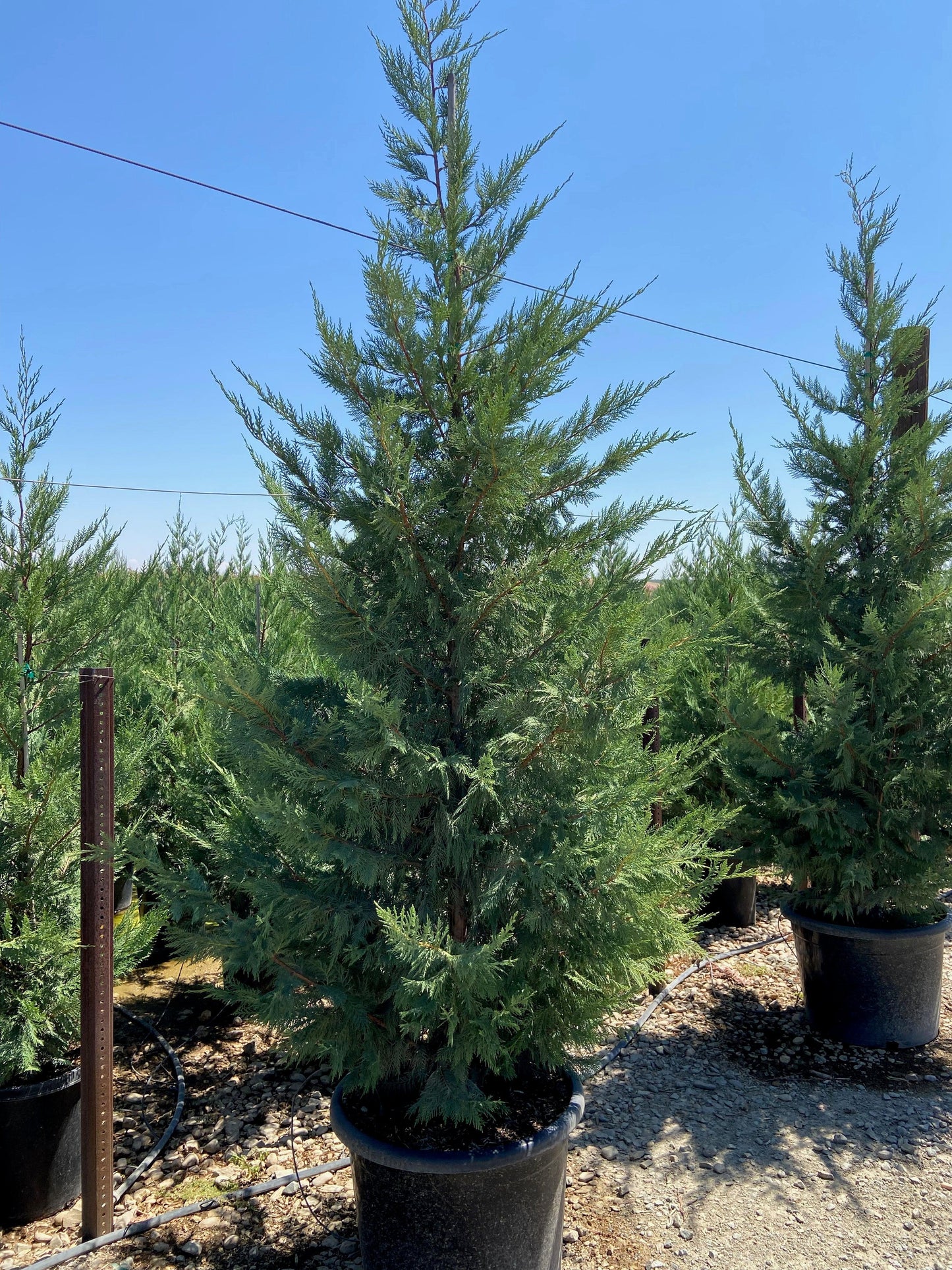
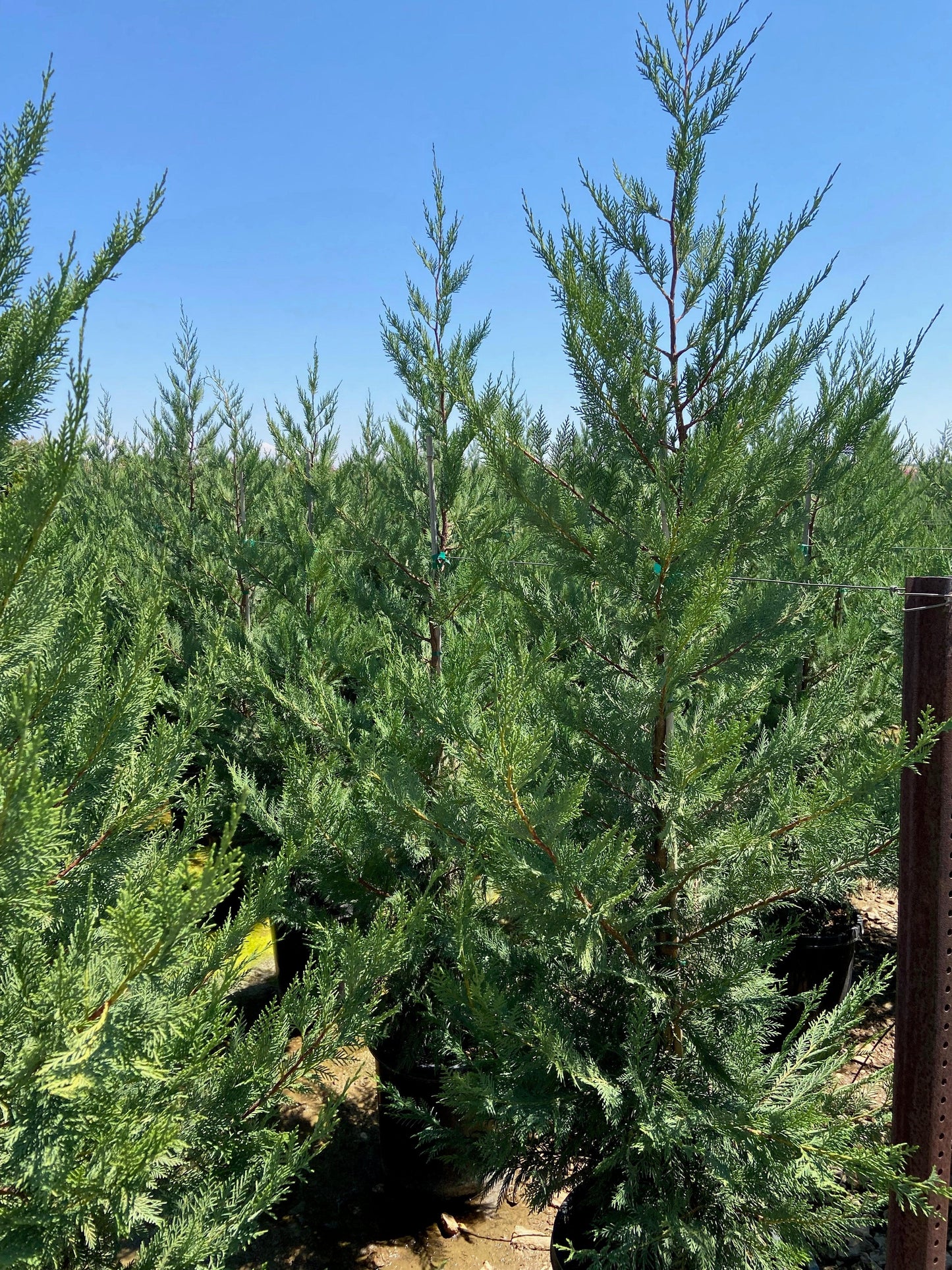
Leyland cypress is a hybrid between Monterey cypress and nootka cypress (Alaska-cedar), inheriting vigor from both parent species. It delivers rapid growth of 3-4 feet per year-sometimes up to 5 feet-reaching 40-60 feet at maturity. Its feathery blue-green foliage creates dense privacy screens that few other evergreen trees can match for speed.
Adaptable to various soil types and moderate water needs, Leyland cypress is the most popular choice for fast privacy hedge installation. It tolerates a wide soil pH range from approximately 5.5 to 8.0, performing in sandy loam, clay, and loam soils with adequate drainage.
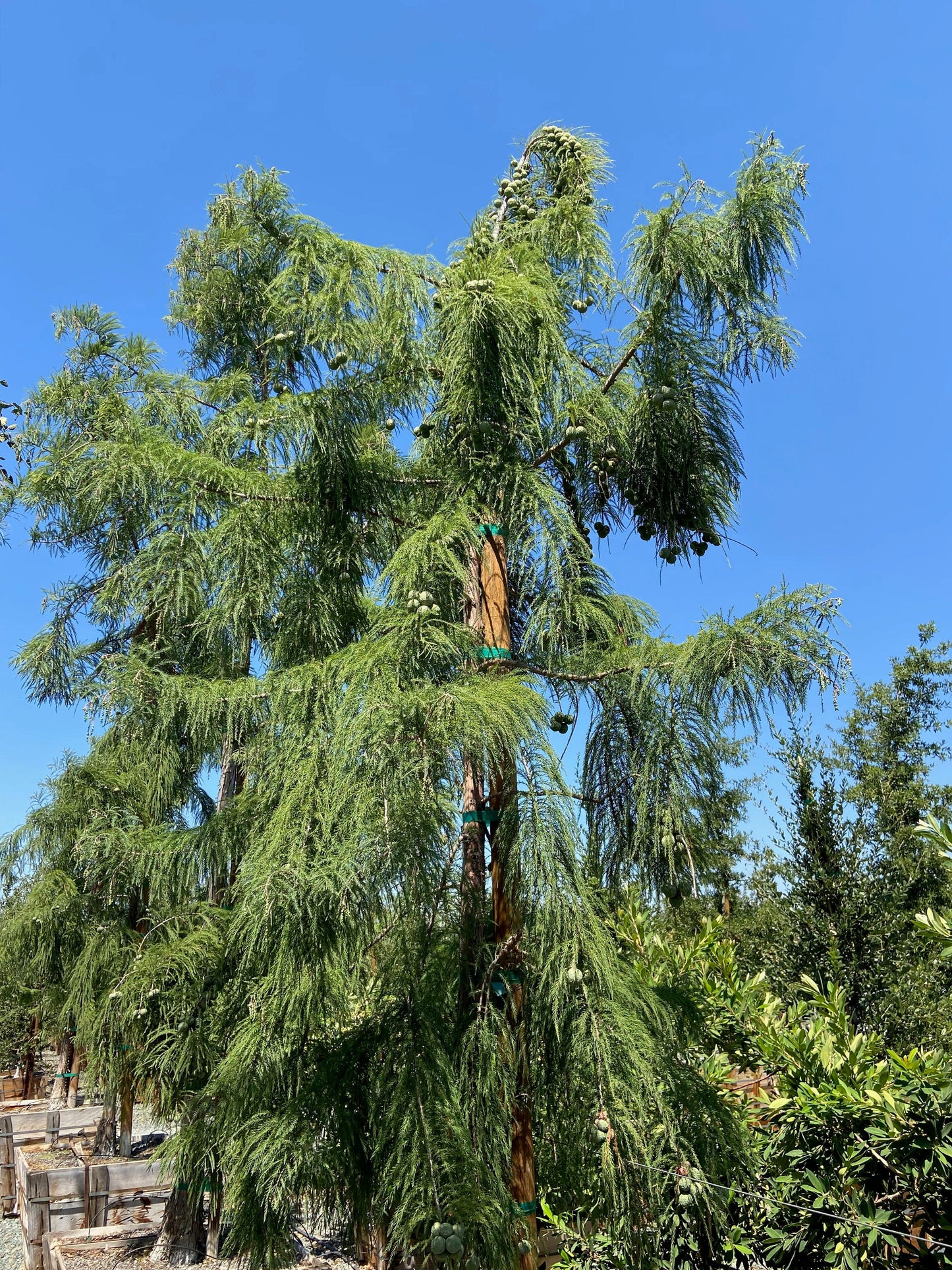
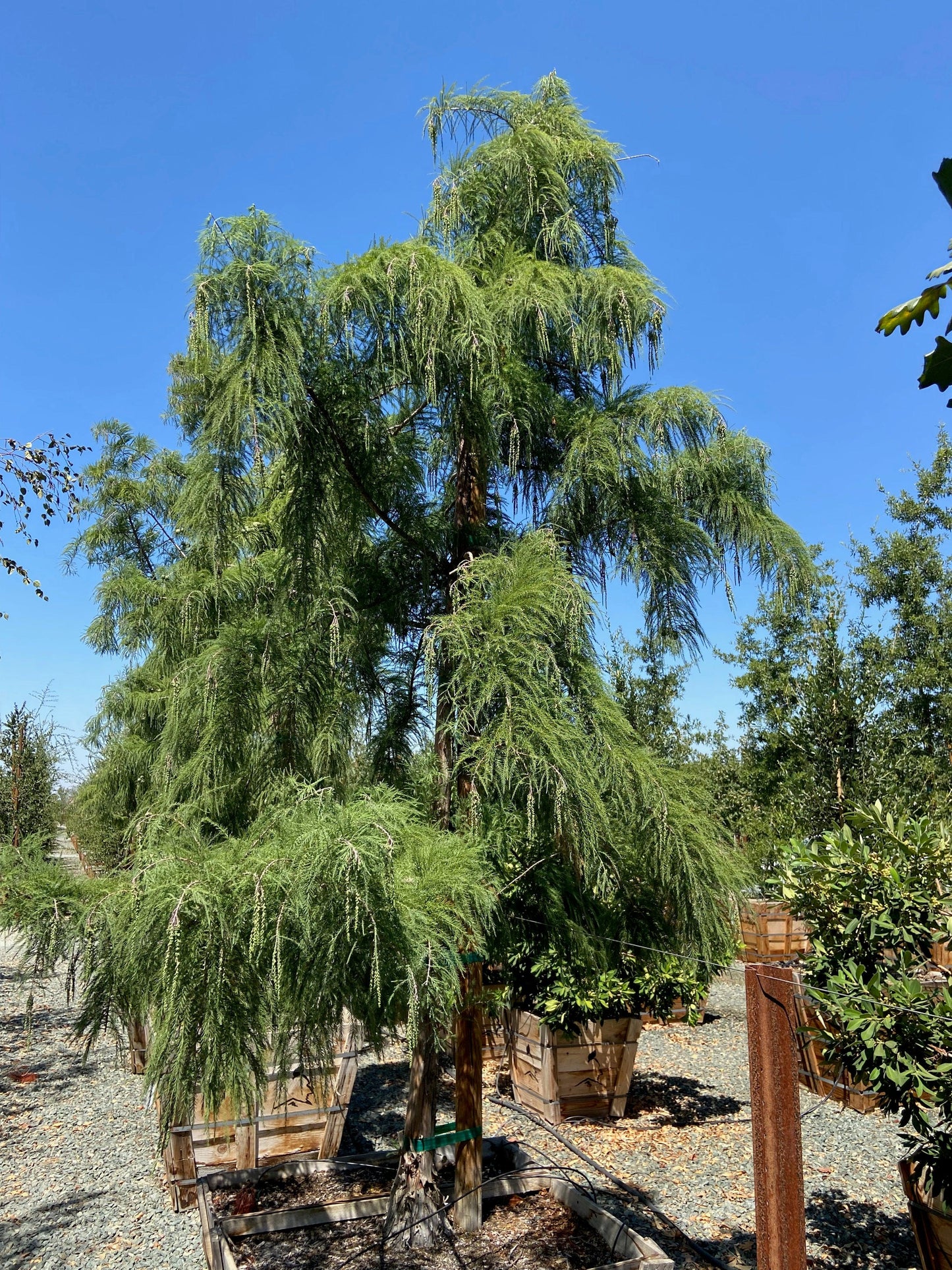
Bald Cypress (Taxodium distichum)
Bald cypress is a deciduous conifer with stunning orange-copper fall color, setting it apart from most cypress trees. Bald Cypress can grow 50 to 70 feet tall in wetlands, with Bald Cypress growing about 2 feet each year. Many Bald Cypress trees grow in swamplands and develop knees-unique above-ground root projections. Wetland cypresses use knees to absorb oxygen from the air when roots sit in wet soil and swampy areas.
This extremely long-lived species, often surviving 300-600 years, is perfect for water features, rain gardens, and seasonal wetlands. Bald cypress trees provide habitat for birds and beneficial insects, and their cones provide a food source for birds and wildlife. Cypress trees prevent erosion along lakes and streams, making bald cypress an ecological powerhouse.
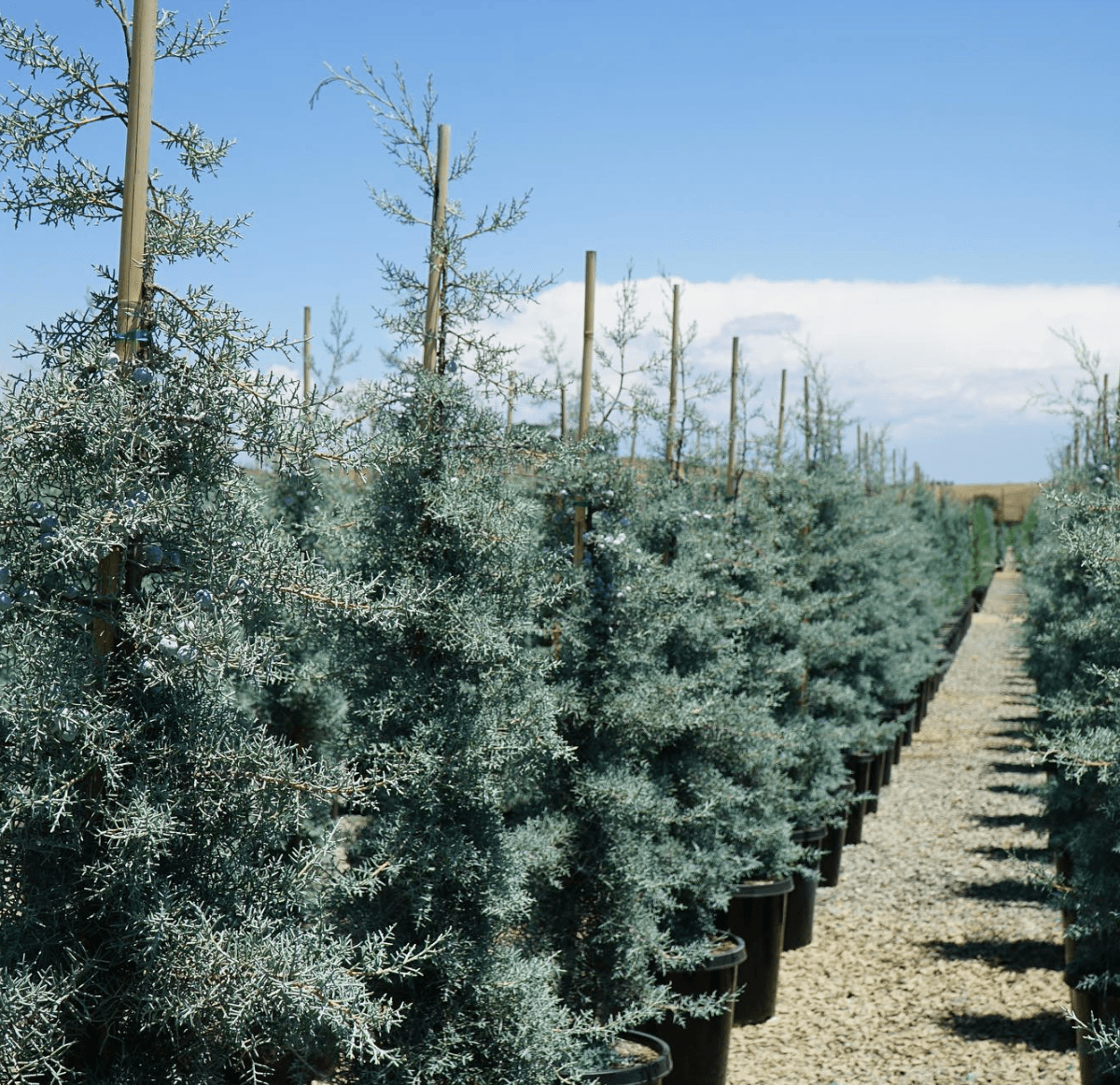
Arizona Cypress (Hesperocyparis arizonica)
Arizona Cypress typically reaches 40 to 50 feet tall with an attractive natural pyramid shape. Its silver-blue foliage and exfoliating bark create year-round visual interest. This species offers exceptional drought and heat tolerance for arid landscapes, outperforming many cypress species in hot, dry conditions.
Arizona cypress shows greater resistance to Seiridium canker compared to Italian and Leyland varieties, making it a low-maintenance choice for xerophytic and desert-style gardens. It thrives in well drained soil and tolerates nutrient poor soils, fitting naturally into California's inland and southern regions.
How to Plant and Care for Cypress Trees
Proper installation and maintenance ensure your cypress trees thrive for decades. Cypress trees are hardy, long-lived conifers that reward thoughtful care with generations of beauty and function.
Planting Guidelines
Plant cypress trees in late fall or early spring for best results, when temperatures are moderate and rainfall supports establishment. Dig holes twice as wide as the root ball and the same depth as the container, ensuring the root collar sits slightly above surrounding native soil to prevent collar rot. Improve heavy clay soils with compost for better drainage-cypress trees thrive in well-drained soils except bald cypress, which tolerates wet conditions.
Space trees according to mature width plus 2-3 feet for air circulation. Many cypress species reach considerable height, so plan for utilities, structures, and shading when you grow cypress trees on suburban lots.
Watering and Establishment
Water cypress trees weekly for the first year after planting, using deep soaking to encourage strong roots. For hot inland zones, continue deep weekly watering for the first two years until roots fully establish. Gradually reduce frequency as trees develop drought tolerance-mature Italian and Arizona cypress can persist on minimal supplemental irrigation.
Apply two to three inches of mulch around cypress trees, keeping mulch away from the trunk to prevent collar rot. Drip irrigation systems deliver water efficiently to the root zone without wetting foliage, which helps prevent fungal issues. Cypress wood is highly resistant to rot and pests, but prolonged trunk moisture invites problems.
Pruning and Maintenance
Most cypress trees need minimal pruning due to naturally balanced growth. Remove dead, damaged, or crossing branches in late winter or early spring before new growth emerges. Make light shaping cuts only within green foliage areas-avoid heavy topping, which damages tree health and appearance and can invite disease.
Monitor for common issues: Seiridium canker, phytophthora root rot in overly moist soil, and spider mites in dry, dusty sites. Ensure adequate drainage around the root zone. Cypress timber is prized for outdoor construction due to decay resistance, so even pruned branches have practical value. Some cypress varieties provide habitat for wildlife, so preserve healthy structure where possible. A balanced slow release fertilizer can support growth in lean soils, but avoid overfertilization in rich native soil.
Cypress trees produce woody cones containing seeds-a natural feature that adds seasonal texture and provides food for birds. Evergreen cypress species display scale-like, emerald-green leaves year-round, while false cypresses prefer moist, well-drained soils for optimal foliage density. Cypress trees can adapt to extreme environments, performing in many climates from partial shade woodlands to full sun exposures and even partial sun conditions-though direct sunlight daily produces the healthiest, densest growth. Some gardeners also explore patagonian cypress and pond cypress for specialty collections, expanding the range of these remarkable conifers and shrubs beyond common species.
Shop Premium Cypress Trees From Yardwork
Explore our carefully selected cypress varieties, each chosen for California's diverse growing conditions. From fast-growing privacy solutions to elegant architectural specimens, we offer healthy, well-rooted trees ready for successful transplanting.
Our cypress trees come with planting guidance, care instructions, and expert support to ensure your landscape investment thrives for generations. Whether you need a true cypress for a formal garden, bald cypress trees for a water feature, or a row of Leyland cypress along your property lines, you'll find the right species and size for your project.
Your perfect cypress tree is ready for delivery today.