The Ultimate Evergreen Privacy Solution for Your California Landscape
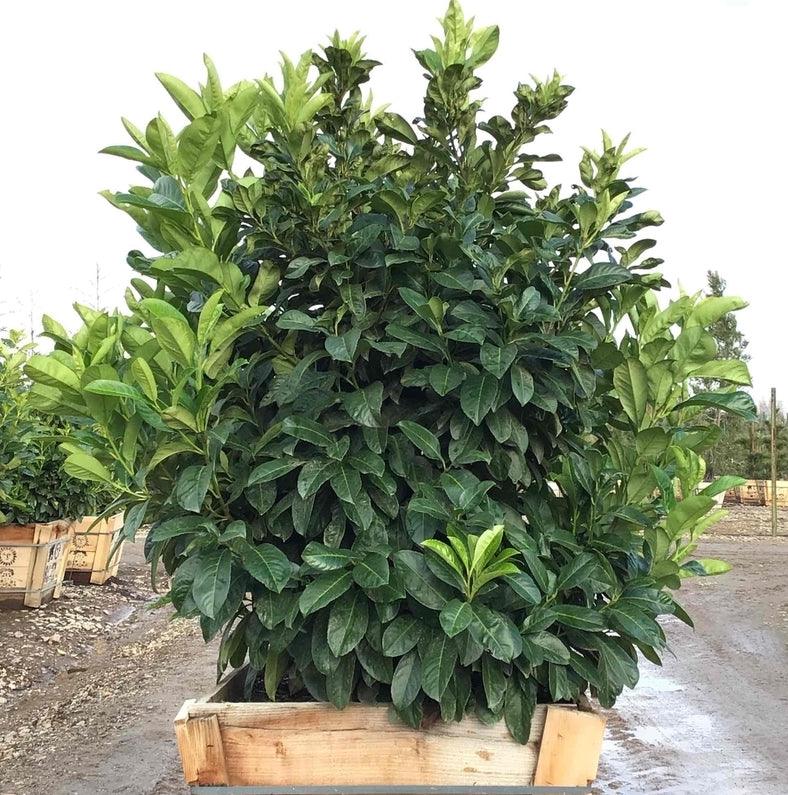
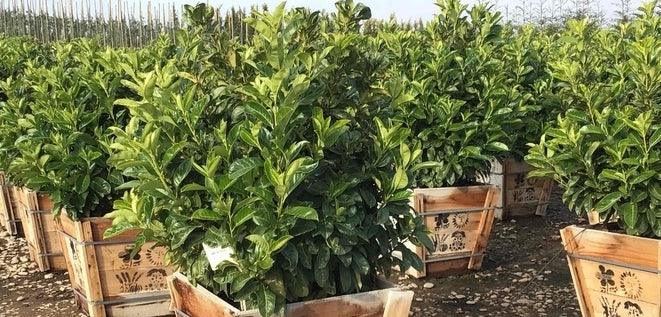
Cherry laurel (Prunus caroliniana, prunus laurocerasus) delivers dense, year-round greenery and fast-growing privacy screening that transforms your outdoor space in as little as two growing seasons. This broadleaf evergreen from the rose family produces thick, glossy foliage that blocks sightlines, reduces noise, and adds structure to any California landscape. Whether you need a towering hedge along a property line or a compact border beside a walkway, cherry laurel shrubs offer versatile, proven performance across most of California's climate zones.
Why You'll Love Cherry Laurel
- Creates Dense Privacy Screens – Cherry laurel's dense growth habit makes it one of the most effective screening plants available. Its large, leathery, dark green leaves overlap tightly, blocking unwanted views and even dampening street noise to create intimate outdoor spaces.
- Grows Fast, Stays Beautiful – Cherry Laurel can grow up to 2 feet per year under good conditions, meaning mature Cherry Laurel can reach 10–15 feet high in just a few seasons. That rapid growth delivers solid privacy far sooner than most plants can match.
- Thrives in Sun or Shade – Few evergreen shrubs perform as reliably across light conditions. Cherry Laurel thrives in full sun to full shade, making it ideal for properties with mixed exposures - including those difficult shaded and dry conditions along north-facing fence lines.
- Drought Tolerant Once Established – Cherry Laurel is drought-resistant once established, reducing your long-term water needs. After the first growing season, supplemental irrigation only during extended dry spells keeps these plants healthy and full.
- Year-Round Glossy Green Foliage – Unlike deciduous alternatives, Cherry Laurel provides year-round greenery and privacy with no seasonal leaf drop. The glossy leaves maintain their rich color through every season, anchoring your landscape design with permanent structure.
What Makes Cherry Laurel Different
Most privacy plants force a compromise: fast growers demand constant maintenance, while low-care options take years to fill in. Cherry laurel offers:
- Rapid 2-Foot Annual Growth – Cherry Laurel grows up to 2 feet per year, outpacing most evergreen alternatives. For comparison, compact evergreen shrubs like boxwood or holly may add only a few inches annually. A young cherry laurel planted at 3–4 feet tall can form a functional 8-foot screen within two to three seasons - far faster than most cultivars of competing species.
- Versatile Size Options – From the compact, spreading dwarf cultivar 'Otto Luyken' at roughly 4 feet tall to the towering Schipka variety reaching 10–15 feet, there's a cherry laurel for every space and purpose. This range makes it equally useful for foundation plantings, low borders, and full-height privacy walls.
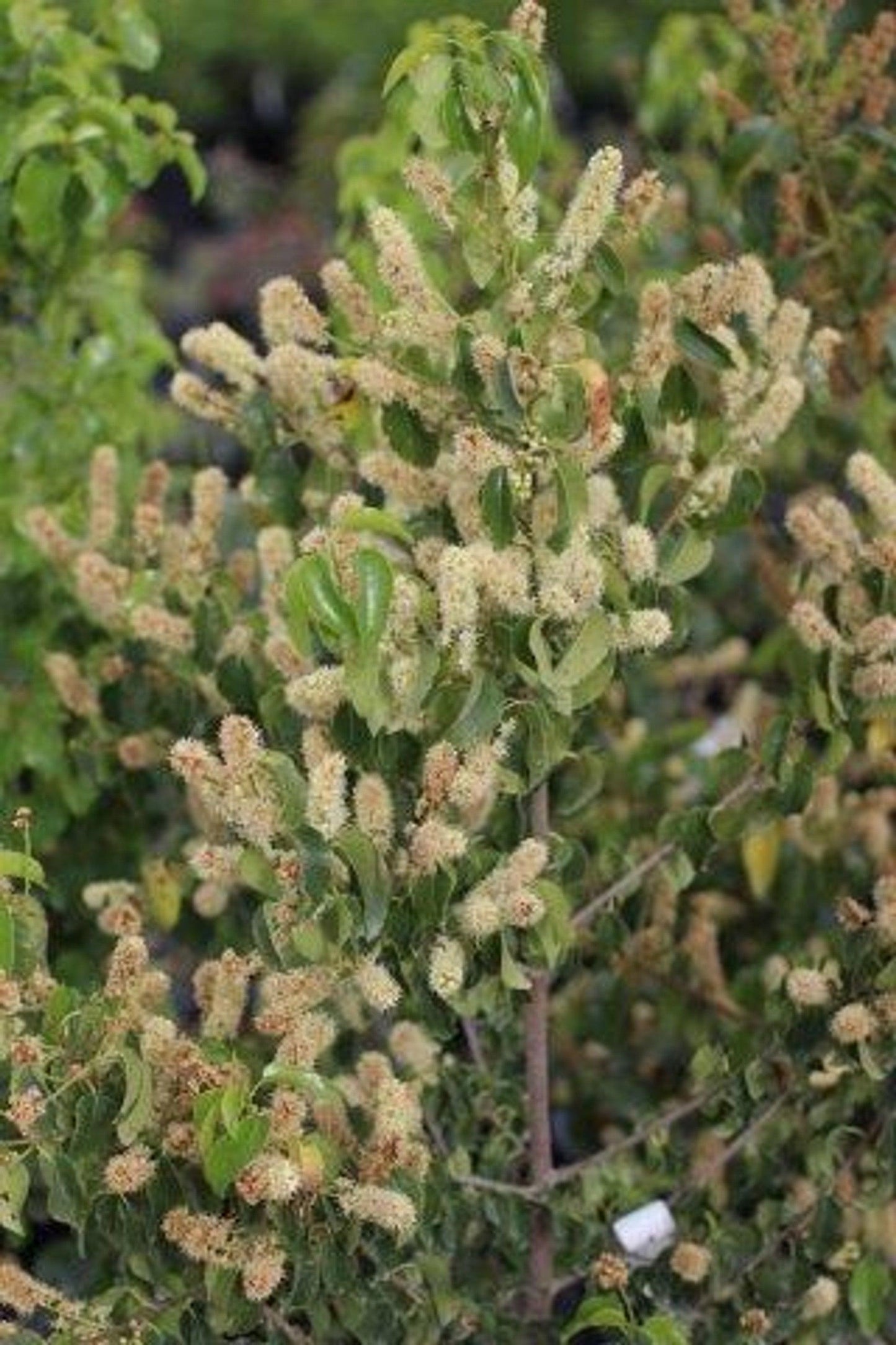
- Urban and Coastal Tough – Cherry laurel tolerates pollution and heavy pruning, handles moderate coastal conditions, and adapts to compacted urban soils where most plants struggle. It also attracts pollinators with its fragrant flowers - creamy white flower spikes that bloom in spring - making it both functional and ecologically beneficial.
How to Plant and Establish Cherry Laurel
Step 1 – Site Preparation and Planting
Choose a location with well drained soil; cherry laurel prefers moist, well-drained soil and will develop root rot in waterlogged ground. Dig planting holes 2–3 times the width of the rootball at root-crown depth. Work organic matter into the backfill to improve drainage and fertility. For hedges, cherry laurel can be planted 3 to 6 feet apart depending on the cultivar - plant Otto Luyken Cherry Laurel 2–3 feet apart for borders, and space Schipka varieties 4–5 feet apart for taller screens. In California, fall planting gives young plants the best start, allowing root systems to establish during cooler, wetter months before summer heat arrives.
Step 2 – Establishment Care
During the first growing season, water deeply on a weekly basis - more frequently during dry spells. Maintain soil moisture by applying 2–3 inches of mulch around the base, keeping it a few inches from the trunk to prevent rot. Feed sparingly in the first year; beginning in the second early spring, apply a balanced fertilizer to support new growth. A young cherry laurel receiving consistent care during establishment will develop the vigorous root system needed for long-term drought tolerance.
Step 3 – Shaping and Maintenance
Cherry laurel requires frequent pruning to maintain its size, especially formal hedges. Prune after flowering in late spring or early summer to maintain shape and encourage dense branching. Use hand pruners on individual cut stems rather than hedge trimmers - shearing through the large glossy leaves leaves ragged brown edges that take weeks to grow out. To control size on older specimens, you can remove stems back to ground level; recovery from hard renewal pruning takes a couple of seasons but rejuvenates leggy plants effectively. Regular pruning once or twice per year keeps hedges tight and attractive.
Cherry Laurel Varieties and Specifications
Specification
Schipka Cherry Laurel
Otto Luyken Cherry Laurel
Mature Height
10–15 feet tall
~4 feet tall (up to 6–10 ft if unpruned)
Mature Spread
6–8 feet
6–8 feet
Hedge Spacing
4–5 feet apart
2–3 feet apart
Growth Rate
~2 feet per year
4–8 inches per year
Best Use
Privacy screens, tall hedges
Borders, foundation plantings, low hedges
Additional Details:
- Hardiness: It is hardy in USDA Zones 6–9, covering most California regions from coastal areas through inland valleys and foothill elevations.
- Soil Requirements: Adapts to clay, loam, and sandy soil types with pH ranging from acidic to mildly alkaline. Well drained soil is essential.
- Light: It tolerates full sun to full shade conditions. In hotter inland California zones, afternoon shade protects foliage from scorch.
- Flowers & Fruit: The plant produces white, fragrant flower spikes in spring - upright racemes of creamy white flowers that attract pollinators. These are followed by small black fruits (cherry laurel berries) that birds readily consume. Note that seeds from these berries can spread aggressively in some regions; cherry laurel is considered invasive in certain areas including parts of the Pacific Northwest and British Columbia, where it has escaped cultivation into natural areas.
- Mature Potential: Under ideal conditions, cherry laurel can grow to 15–30 feet tall and wide if left unchecked - growth that can lead cherry laurel to become tree-like and overgrown. Selecting the right cultivar and maintaining regular pruning prevents this.
Who Cherry Laurel Is Perfect For
- Home gardeners needing fast privacy - screening from neighbors, streets, or unsightly views within 2–3 growing seasons
- California residents wanting drought-tolerant, low-maintenance landscaping - established plants require far less water than many commonly planted evergreen alternatives; portuguese laurel, for example, prefers more water than cherry laurel
- Property owners with challenging light conditions - including dry shade under existing trees or full shade along northern exposures where most plants fail
- Gardeners seeking year-round structure - cherry laurel can serve as a fragrant focal point in the garden or as a consistent backdrop for flowering companions like camellias and hydrangeas
If you want an evergreen screening plant that fills in quickly and stays beautiful with modest care, cherry laurel fits your needs.
Frequently Asked Questions
How fast will cherry laurel create privacy? Larger cultivars like Schipka grow approximately 2 feet per year under favorable conditions - adequate sun, consistent watering during establishment, and well drained soil. Starting with 3–5 foot nursery plants spaced 4–5 feet apart, expect a functional 8–10 foot privacy hedge within 2–3 growing seasons. Compact cultivars like Otto Luyken grow more slowly (4–8 inches per year) and are better suited for low borders than tall screens.
Does cherry laurel work in partial shade? Yes - cherry laurel is one of the best evergreen shrubs for shade. It retains its dark green foliage and dense habit even in full shade, though flowering will be reduced and growth somewhat slower. For hedges, ensuring light reaches both sides promotes even density. Cherry laurel handles dry shade conditions better than most plants in the genus Prunus.
How much water does cherry laurel need? During the first growing season, water deeply every week. Monitor soil moisture and increase frequency during heat waves. After establishment (typically the second season onward), cherry laurel is drought tolerant and needs supplemental watering only during prolonged dry periods. Avoid overwatering - the soil surface should dry between irrigations. Good drainage is more important than volume.
Can I keep cherry laurel smaller with pruning? Absolutely. Cherry laurel tolerates heavy pruning and can be maintained at any desired height with annual or biannual trimming. Prune in early summer after flower buds have finished blooming. For formal hedges, hand-prune individual branches to maintain shape without damaging the large leaves. Even severely overgrown specimens can be cut back to 12 inches above ground level for renewal, though new shoots take a couple of years to fully restore the canopy.
Is cherry laurel safe around children and pets? The foliage and berries of cherry laurel are toxic if ingested. All parts of the plant - leaves, stems, and fruit pits - contain cyanogenic glycosides (cyanogenic compounds) that release cyanide when consumed. Keep cherry laurel berries and fallen fruit away from areas where children or pets play, and wear gloves and a long sleeved shirt when pruning.
What pests and diseases should I watch for? Cherry laurel is not significantly resistant to pests or diseases. Common issues include cherry shot hole disease, which creates holes in leaves; powdery mildew in humid conditions; and white prunicola scale, which causes leaf yellowing and plant decline. Cherry laurel is also susceptible to peachtree borer larvae, and snowy tree crickets feed on cherry laurel leaves. Maintaining good air circulation through regular pruning and ensuring well drained soil reduces most disease pressure.
Are there alternatives if cherry laurel doesn't suit my site? Several options exist: Ilex glabra cultivars can replace cherry laurel in landscaping for smaller hedges; Distylium species are suitable replacements for larger cherry laurel varieties; Cephalotaxus harringtonia is a compact alternative to Otto Luyken for shade; and Chamaecyparis thyoides offers compact options for foundation plantings. For a similar look with different characteristics, consider bay laurel(Laurus nobilis), a small tree with aromatic evergreen foliage - though it's a culinary herb, not a privacy hedge. Note that bay laurel is an entirely different species from cherry laurel despite sharing the laurel name.
Ready to Transform Your Landscape?
Cherry laurel delivers dense, glossy foliage and reliable screening faster than nearly any other broadleaf evergreen - and it does it across California's diverse climates, from coastal zones to inland valleys.
Choose from compact varieties for borders and foundation plantings or tall-growing cultivars for full-height privacy screens. Browse our English Laurel and Carolina Cherry Laurel selections, or explore our complete laurel hedging collection to find the right fit for your property.
Free shipping on most orders over $600 in California. Our team hand-selects healthy, well-rooted specimens and ships them directly to your door - ready to plant and start growing.