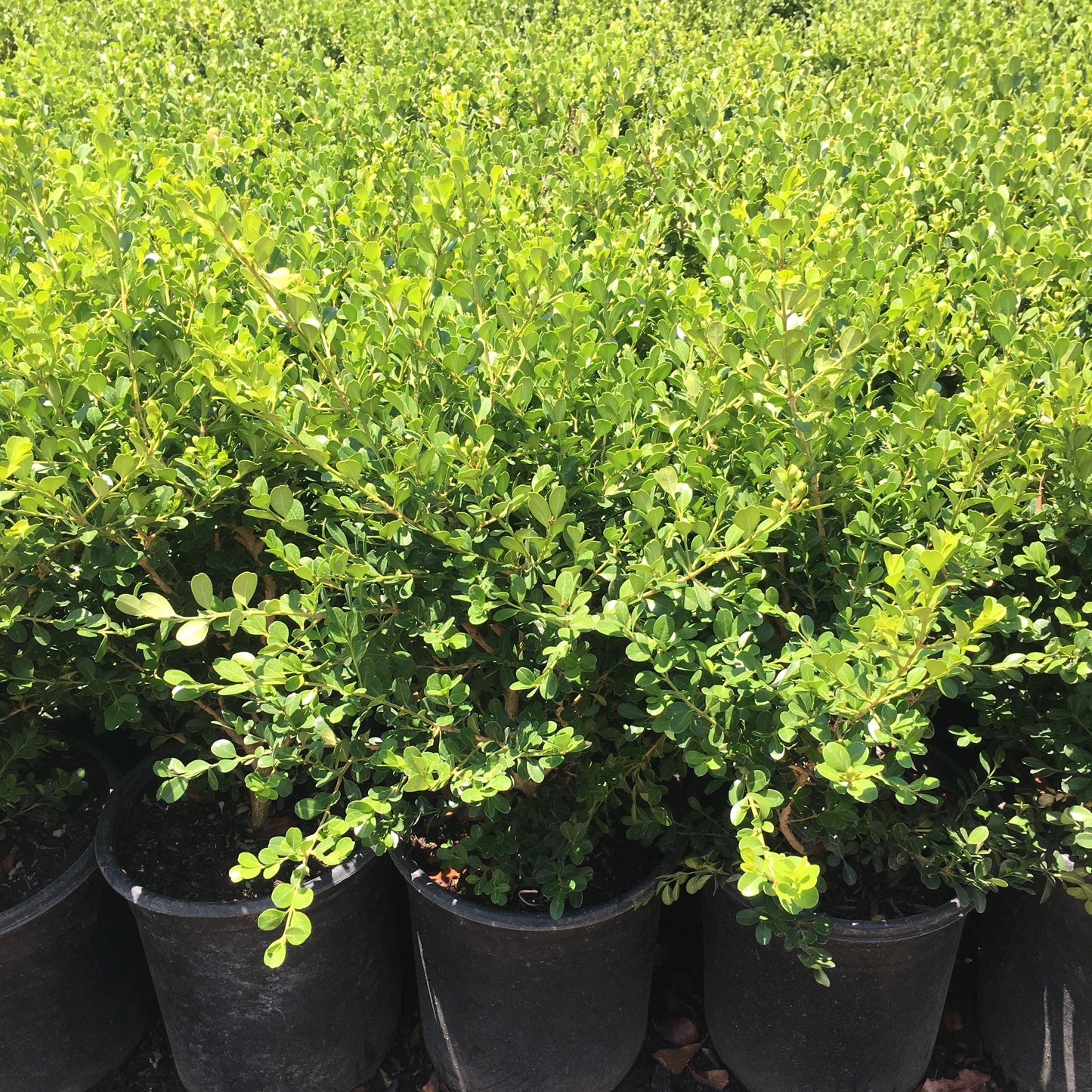
Boxwood Shrubs – Shop Premium Evergreen Plants
Boxwood shrubs are evergreen shrubs that bring year-round color, dense foliage, and clean structure to gardens, hedges, borders, and foundation plantings. Whether you want a low hedge, a formal hedge, privacy screening, or compact plants for garden beds, the right boxwood cultivars can create a polished landscape with lasting green foliage.
Discover dwarf, medium, and taller shrubs selected for dense growth habit, dependable form, and climate-ready performance. Find your perfect boxwood variety and transform your outdoor space today.
Boxwood Shrubs for Every Landscape Need
Whether you’re designing formal gardens, shaping garden rooms, or softening mixed borders, there’s a boxwood for every landscape project. These versatile shrub options pair well with flowering shrubs, dwarf conifers, seasonal bulbs, and other plants while providing the structure that keeps beds attractive through every growing season; complementary accent trees like Little Gem Dwarf Southern Magnolia can add height, blooms, and fragrance.
Foundation Planting Boxwoods
Choose compact boxwood cultivars like Baby Gem, Green Gem Boxwood, Winter Gem, and other low-growing options for foundation plantings that stay tidy without heavy pruning. Their slow growth rate, often adding 3 to 6 inches of new growth annually depending on the variety, makes them useful where you want a refined shape that will not quickly overwhelm windows, walkways, or other plants.
For extra seasonal interest, plant boxwood shrubs with spring bulbs, flowering shrubs, or groundcovers. Boxwoods produce small, inconspicuous flowers and offer little in the way of nectar or berries for pollinators and birds, so companion plants can add bloom, color, and wildlife value while the boxwood provides year-round structure.
Hedge and Privacy Screen Boxwoods
Select upright varieties like Green Mountain, Dee Runk, Fastigiata, and American Boxwood for hedge lines, pathway edging, and screening. Dee Runk Boxwood is a unique, narrow, and upright variety that can grow up to 10-12 feet tall, making it ideal for narrow spaces and formal gardens. Fastigiata Boxwood is characterized by its narrow, conical shape and can grow up to 12 feet tall, making it an excellent choice for accenting doorways or corners in landscape designs.
American Boxwood (Buxus sempervirens) is a dark green, glossy evergreen shrub that can grow up to 20 feet tall and is known for its pest and disease resistance, making it suitable for northern climates. For a boxwood hedge, space plants at half their mature width; for example, if the mature width is 4 feet, space plants with their centers 2 feet apart for dense, continuous coverage and good air circulation.
Topiary and Formal Garden Boxwoods
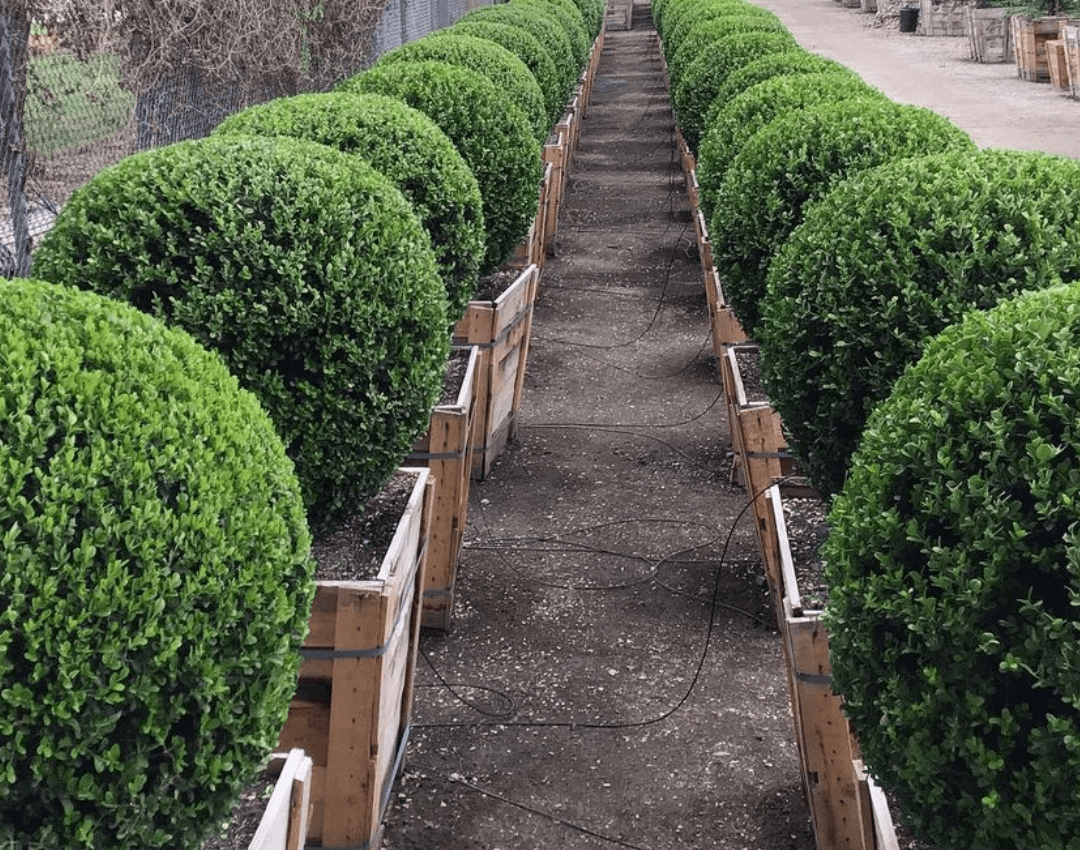
Choose English Boxwood for classic topiary, low borders, and formal gardens where a refined outline matters. English Boxwood (Buxus sempervirens ‘Suffruticosa’) is a classic variety known for its rounded shape and glossy, light green leaves, making it a popular choice for formal hedges and adding European elegance to landscapes.
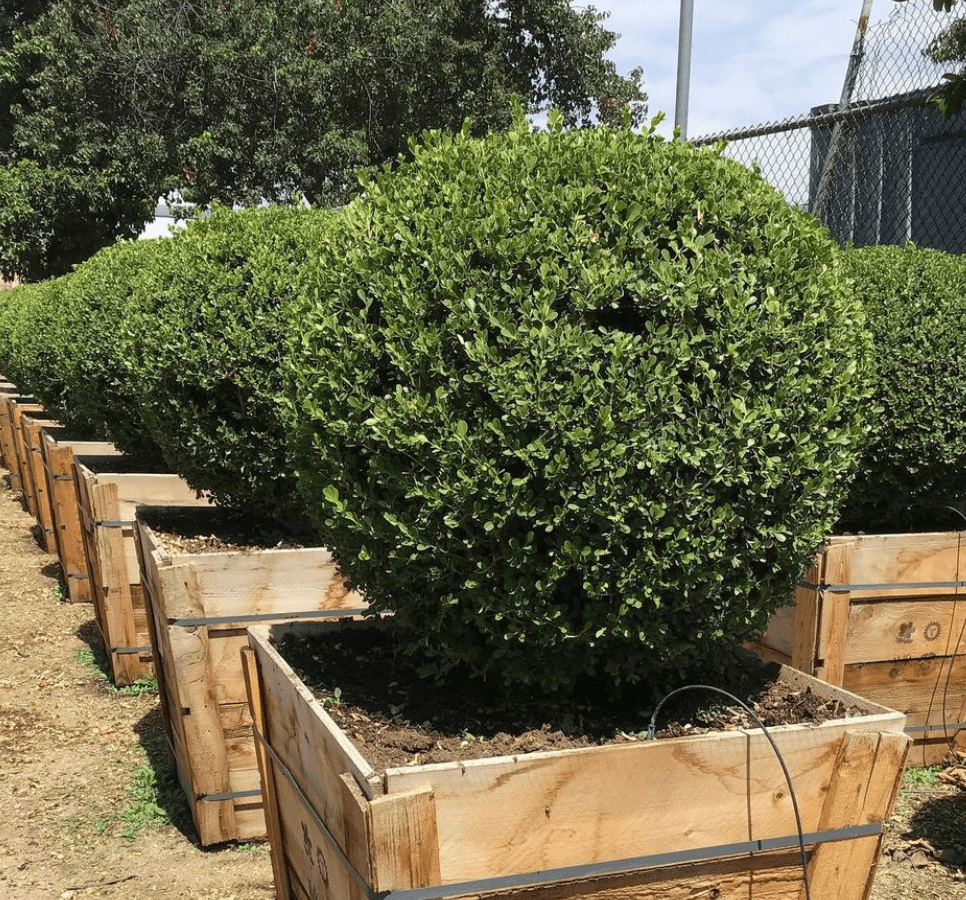
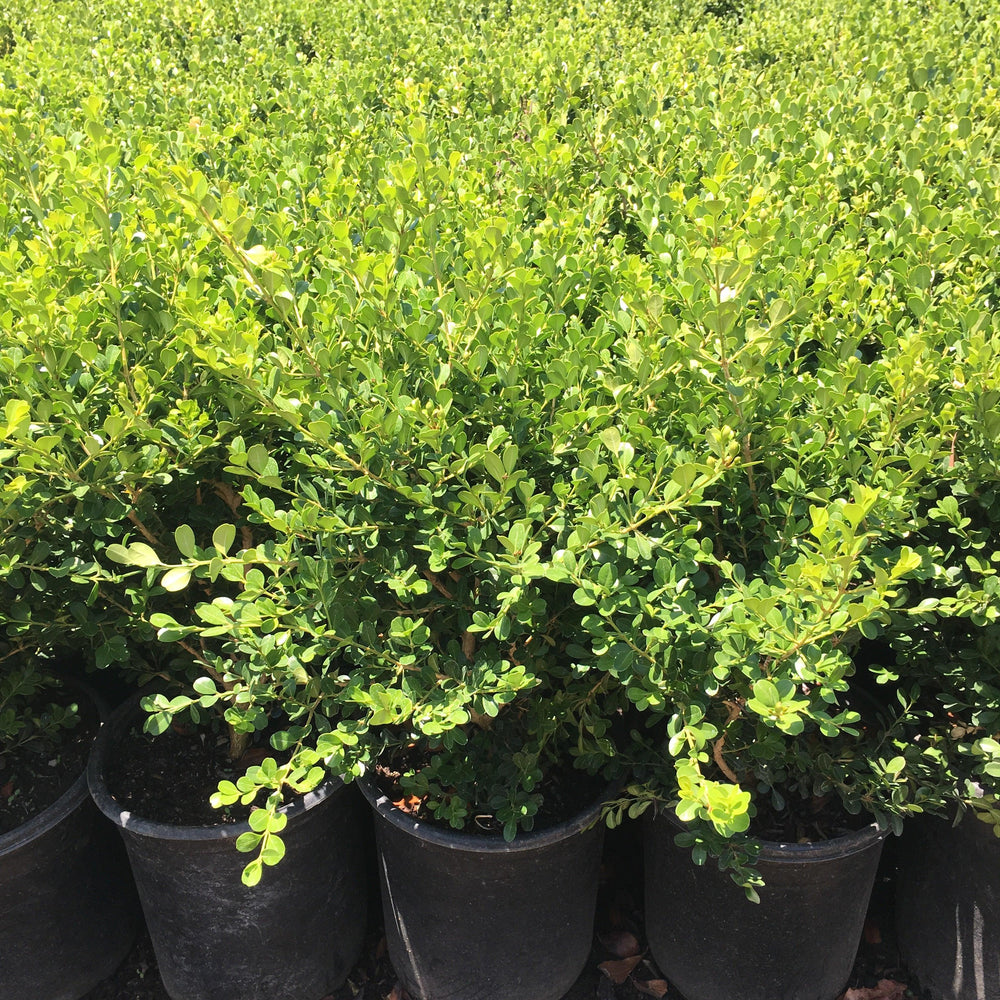
Dense-foliaged Buxus spp varieties respond well to pruning, shearing, and shaping into a desired shape. Container-friendly cultivars can be grown in a nursery pot before planting, used as movable accents, or clipped into symmetrical forms for entries, patios, and formal garden rooms.
Choose the Right Boxwood Variety for Your Climate
The best boxwood variety is the one matched to your sun exposure, soil types, and boxwood hardiness zone. Boxwood shrubs can thrive in USDA Hardiness Zones 5 through 9, with some hybrids surviving down to Zone 4, but performance depends on cultivar, drainage, winter wind exposure, and summer heat.
For Cold Climate Gardens
Select Korean Boxwood, Wintergreen, Winter Gem Boxwood, and cold hardy hybrids where cold weather and winter wind are concerns. Korean Boxwood (Buxus sinica insularis) is a broadleaf evergreen that grows up to 2 feet high and 4-6 feet wide, making it suitable for low borders and driveways, with small, dark green leaves that create dense foliage.
Cold-hardy cultivars help reduce winter burn, branch damage, and foliage bronzing. Mulch before late winter cold, avoid late fall heavy pruning that encourages tender new growth, and choose varieties with proven performance in your USDA zones.
For Hot Climate Regions
Plant Globe Japanese Boxwood, Littleleaf Boxwood, Korean Boxwood, and heat-tolerant hybrids where summers are hot. Boxwoods generally perform best in full sun to partial/dappled shade, with good drainage as the non-negotiable requirement for healthy growth.
In hotter regions, partial shade during intense afternoon sun helps maintain healthy dark green leaves and reduces drought stress. Boxwoods are adaptable to different soil types as long as there is good drainage; poorly drained sites are not suitable for these shrubs.
For Compact Spaces
Select dwarf and compact varieties like Baby Gem, Green Gem, Winter Gem Boxwood globe, English Boxwood, and Korean Boxwood when you need a low hedge, small foundation plantings, or neat edging for garden beds. Many compact boxwood shrubs mature around a few feet tall and a few feet wide, making them easier to maintain near paths, patios, and entries.
Because boxwoods grow slowly, compact cultivars require less frequent trimming than faster taller shrubs. Their shallow root system benefits from organic mulch to retain moisture, protect the root system, and reduce stress around the outer edge of the planting area.
For Large Landscape Projects
For quicker coverage, choose stronger-growing shrubs such as Sprinter Boxwood, Green Mountain, Dee Runk, Fastigiata, American Boxwood, or Brush Cherry privacy hedges. Larger forms create privacy screening, backdrop plantings, formal hedge lines, and structured borders that define outdoor spaces, and can be complemented by evergreen trees for year-round privacy.
A few cultivars are especially useful when height is needed without excessive width. Dee Runk and Fastigiata provide an upright improved form, while American Boxwood can become a substantial common boxwood specimen when given enough room to reach its mature width, much like the slender Tiny Tower Italian Cypress in mixed evergreen designs.
Premium Boxwood Qualities That Matter
High-quality boxwood shrubs should combine dense foliage, disease resistance, strong branching, and reliable growth. The best selections hold their shape, adapt to routine boxwood care, and maintain a clean look with moderate pruning.
Disease-Resistant Varieties
Look for NewGen and BetterBoxwood hybrids when boxwood blight resistance is a priority. Boxwoods can be susceptible to blight and the Box Tree Moth in certain humid environments, requiring ongoing preventative care, sanitation, and monitoring for diseased branches.
Korean Boxwood, Japanese Boxwood, Littleleaf Boxwood, and selected hybrids are often chosen for improved resilience against common issues. No boxwood is completely immune to disease, so choose healthy plants, improve air circulation, avoid wet pruning, and remove outer growth or older branches only with clean tools.
Dense Foliage & Strong Structure
Boxwoods provide year-round color and dense foliage, making them a popular choice for creating structure and visual interest in landscapes. Their dense growth habit helps create clean, formal hedges and borders, which can enhance the appearance of gardens and landscapes by providing a polished look, especially when paired with evergreen companions like Cheesewood (Pittosporum).
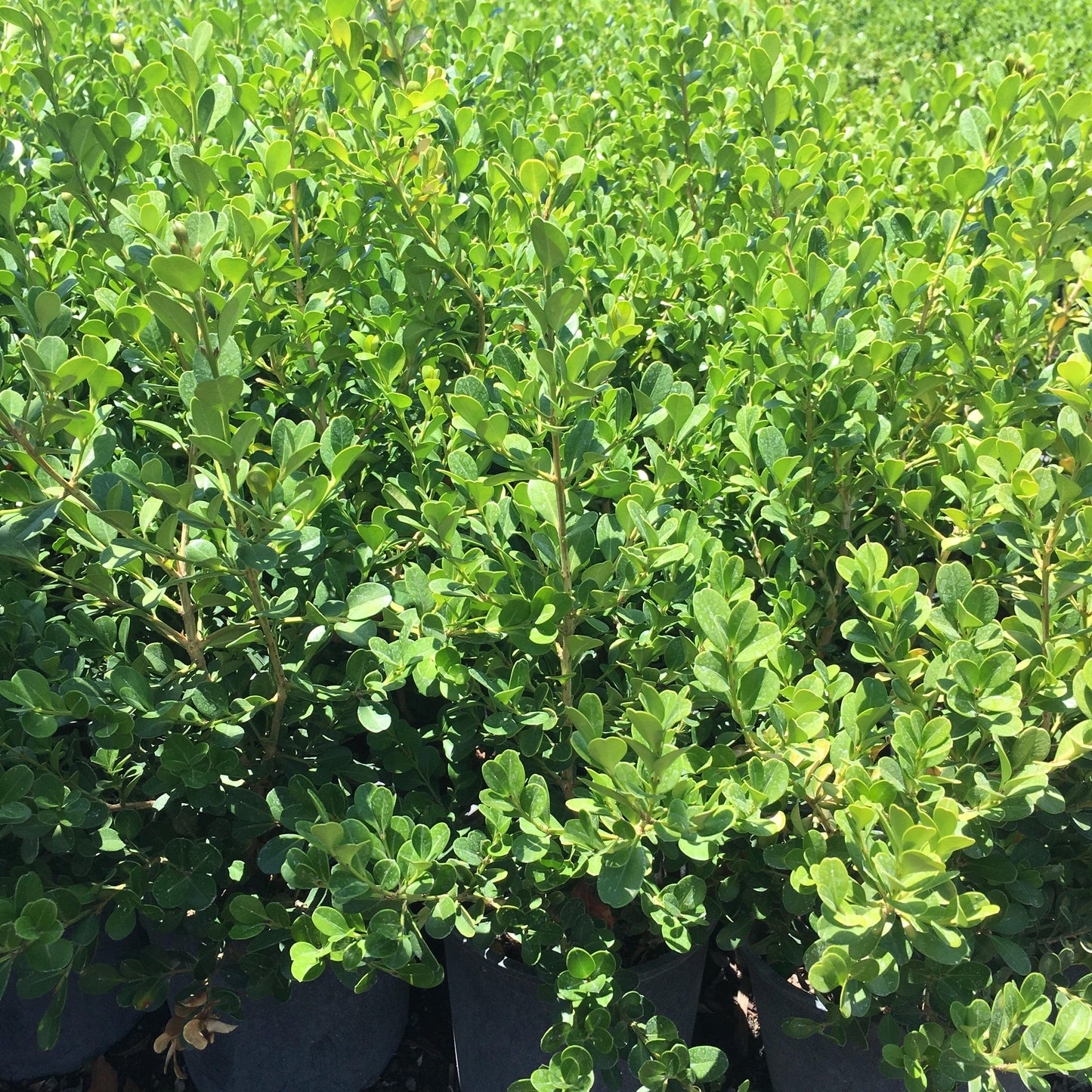
Small glossy leaves, multi-stemmed branching, and dark green leaves give boxwood shrubs a professional finish. Boxwood shrubs are naturally unappealing to browsing deer and rabbits, making them pest-resistant and useful in gardens where other plants are regularly damaged.
Cold Hardy & Heat Tolerant Options
Choose cold hardy and heat-tolerant boxwood cultivars based on your local climate. Varieties selected for California’s varied microclimates can perform from coastal areas to inland gardens when matched with the right light exposure, watering, and soil ph, and local services such as a nursery specializing in privacy trees and shrubs can help tailor choices to your site.
Boxwoods prefer full sun to partial shade and require well-drained soil to thrive, as soggy roots can lead to decline. Once established, boxwoods exhibit moderate drought tolerance but benefit from regular watering during hot, dry stretches.
How to Plant and Care for Boxwood Shrubs
Proper planting and maintenance help boxwood shrubs thrive for decades. Start with the right site, protect the shrub’s root ball during planting, and keep moisture consistent while the plant becomes established.
Planting Location and Spacing
Plant boxwood in full sun to partial shade, ideally with morning sun and afternoon protection in hot climates. Place the root ball at the same depth it grew in the nursery pot; avoid planting slightly deeper, because buried crowns and poor drainage can lead to decline.
Use well drained soil and amend only as needed to support good drainage rather than creating a soggy planting pocket. Apply 2-3 inches of organic mulch around the shrub to retain moisture, keeping mulch away from the stems and outer edge of the crown.
Ongoing Care and Maintenance
Watering is crucial during the establishment phase of boxwoods; they should be kept evenly moist but not soggy to prevent root rot. After establishment, water deeply during dry periods and avoid overwatering, especially where clay soil or poor drainage slows moisture movement around the root system.
Pruning boxwoods is best done in late spring to early summer to shape the plants and allow new growth to harden off before winter. Avoid heavy pruning in late fall, thin crowded outer growth when needed to improve air circulation, and watch for signs of boxwood blight, pests, drought stress, or diseased branches.
Shop Boxwood Shrubs Online
Explore our carefully selected collection of boxwood varieties for foundation plantings, formal gardens, low borders, privacy screening, and polished garden beds. Choose from compact evergreen shrubs, upright hedge varieties, and specimen boxwood options with dense foliage and dependable structure.
Your perfect boxwood shrubs are ready for expert delivery and planting consultation.