



Buxus sempervirens (Common Boxwood)
Regular price
$695.00
Title
The Perfect Evergreen Shrub for Formal Gardens and Topiary Art
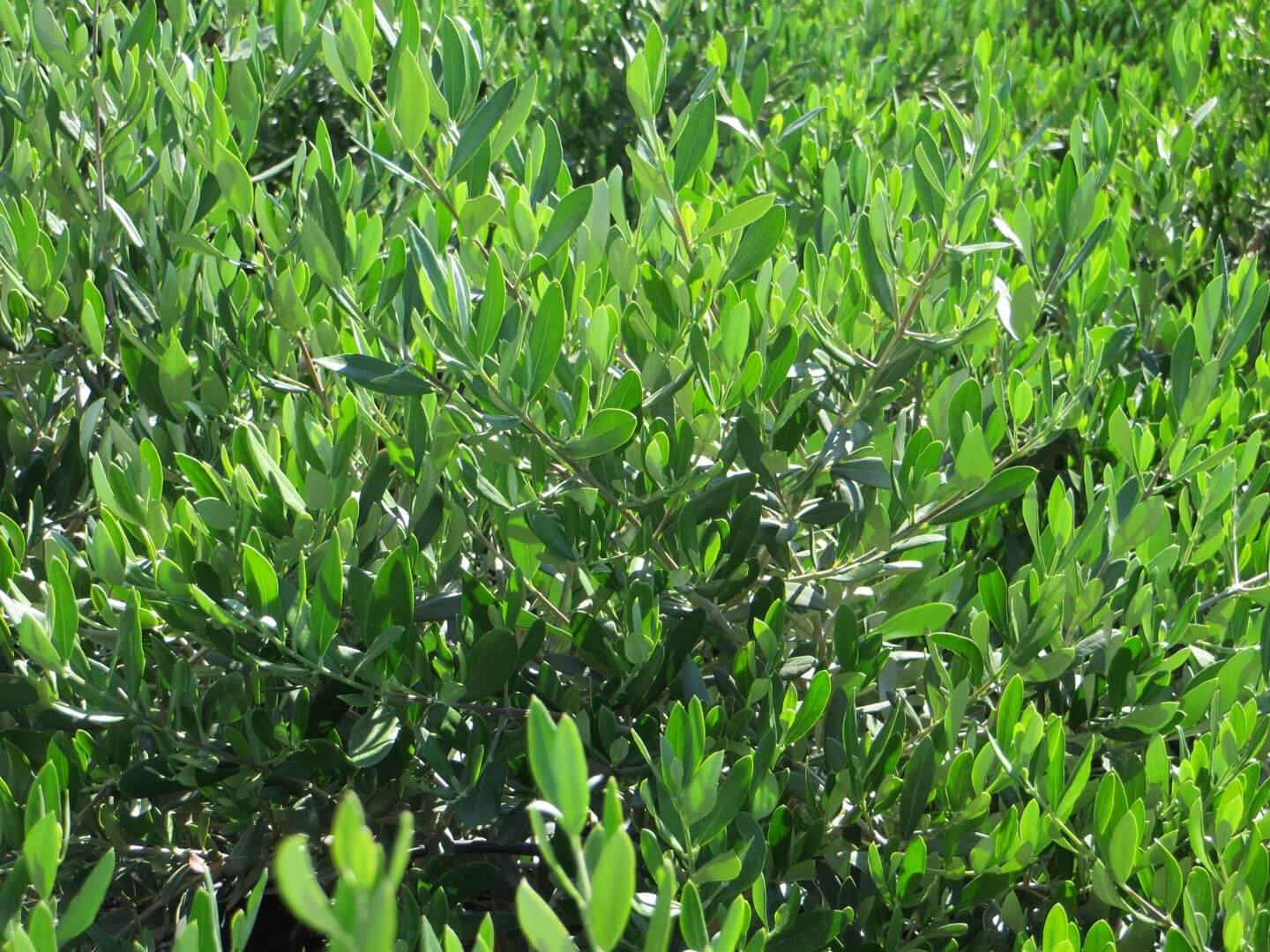
Buxus sempervirens gives your garden year-round green structure, crisp edges, and a refined formal look without the constant cutting required by faster-growing ornamental shrubs.
Commonly known as common boxwood or common box, this classic evergreen shrub has been used for centuries in European garden design because it stays dense, responds beautifully to pruning, and adapts well to both traditional and contemporary garden styles. Use it for a narrow hedge, low hedge, foundation border, square parterre, rounded accent, or detailed topiary form.
Why You’ll Love It
-
Evergreen Beauty – Maintains rich, dark green foliage through winter, adding dependable winter interest when many plants are dormant.
-
Topiary Excellence – Dense, fine-textured, oval leaves make boxwood ideal for hedges, spheres, cones, intricate topiary shapes, and accents in garden design.
-
Low Maintenance – Its slow growing habit and modest growth rate, often around 4 inches per year, mean less frequent pruning and long-lasting structure.
-
Pest Resistance – The foliage contains steroidal alkaloids that help make the plant naturally resistant to deer and rabbits, protecting your garden investment.
-
Historical Prestige – Native to western and southern Europe, northern Africa, and western Asia, Buxus sempervirens has long been associated with formal gardens, including landscapes inspired by southern Europe and European beech woodland settings.
The foliage does have a distinct, pungent aroma that some gardeners describe as malodorous, especially after pruning or in warm weather. Its spring flowers are small, inconspicuous, petal-free, yellowish green, and highly scented, providing nectar for pollinators before developing into a dehiscent capsule fruit.
What Makes It Different
Most evergreen shrubs either grow too quickly, lack density, or cannot tolerate close shaping without becoming woody, open, or uneven.
Buxus Sempervirens (Common Boxwood) provides:
-
Dense Growth Pattern – Creates solid, polished hedges unlike loose-growing alternatives; plant shrubs 2 to 5 feet apart to ensure adequate airflow and help prevent fungal diseases.
-
Superior Cold Hardiness – Thrives reliably across USDA Hardiness Zones 5 to 8, with cold hardy cultivars such as ‘Vardar Valley’ tolerating temperatures down to -15°F without injury.
-
Fine-Textured Foliage – Small, oval, opposite leaves create a smooth, refined surface that larger-leafed shrubs cannot match.
It also offers impressive design flexibility. Boxwoods are often used to create formal hedges, foundation borders, intricate topiary shapes, and accents in mixed beds, and options like a Green Gem boxwood cube can add strong architectural lines to more modern designs. Several cultivars of Buxus sempervirens have been selected for unique characteristics, including ‘Argenteo-variegata’ and ‘Marginata’, which feature variegated foliage. ‘Suffruticosa’-also commonly seen as ‘Suffrutiosa’-is valued for dense, compact growth and low hedge use, while ‘Graham Blandy’ is recognized for its unusual fastigiate form, growing tall and narrow like a living column.
How To Grow Buxus Sempervirens
-
Plant in Spring or Fall
Establish roots during mild weather in evenly moist, well-drained loams. Buxus sempervirens prefers full sun to part shade, though light shade can help protect foliage from harsh winter sun and drying winter winds. -
Slow, Steady Growth
The plant develops dense branching over time, growing about 4 inches annually and forming a mature hedge structure over 5 to 10 years. For a solid hedge, expect roughly 3 to 5 years under good conditions. -
Shape and Maintain
Prune once or twice yearly to maintain the desired form and encourage density. Pruning of boxwoods should be performed in late spring or early summer; late summer or fall pruning is discouraged because it leads to fragile new growth susceptible to winter damage. -
Protect the Root Zone
Boxwoods have shallow roots, so careful soil management around the base is essential to prevent suffocation. Apply organic mulch to retain moisture, regulate soil temperature, and support shallow root systems, while keeping mulch away from the bark.
Plant Details
-
Latin Name: Buxus sempervirens
-
Common Name: Common boxwood, common box
-
Plant Type: Evergreen shrub or small tree
-
Mature Size: Typically maintained at 5–6 feet tall and 4–5 feet wide in landscapes; species plants can grow larger if left unpruned
-
Growth Rate: Slow growing; approximately 4 inches per year in many garden settings
-
Hardiness: USDA Zones 5–8
-
Soil Requirements: Evenly moist, well-drained loams; slightly acidic to slightly alkaline pH preferred
-
Sun Exposure: Full sun to part shade; generally tolerant of light shade
-
Shade Tolerance: Can tolerate close to full shade, but it is generally less vigorous and has decreased foliage density in such conditions
-
Winter Protection: Avoid exposed sites with full winter sun and strong winter winds where foliage may turn brown or bronze
-
Spacing: Space shrubs 2 to 5 feet apart for air circulation and disease prevention
-
Mulch: Use a good organic mulch to retain moisture, regulate soil temperature, and protect shallow roots
-
Flowers: Small, yellowish green, fragrant, without petals, and useful as nectar sources for pollinators
-
Fruit: Small dehiscent capsule
-
Wood: Dense, fine-grained boxwood wood has historically been valued for detailed craftwork
-
Notable Cultivars: ‘Suffruticosa’, ‘Vardar Valley’, ‘Northern Beauty’, ‘Argenteo-variegata’, ‘Marginata’, and ‘Graham Blandy’, along with cold-hardy selections such as ‘Winter Gem’ boxwood
-
Disease Concerns: Buxus sempervirens is susceptible to boxwood blight, volutella blight, and leaf spot diseases, which can significantly affect its health
-
Boxwood Blight: Boxwood blight is a destructive fungal disease that causes dark spots on leaves, black streaks on stems, and sudden leaf drop
-
Insect Pests: Common insect pests include boxwood leafminer, boxwood mite, boxwood psyllid, and box tree moth; if pest or privacy concerns are driving a larger redesign, a full-service nursery for evergreen and privacy trees can help you compare alternatives.
-
Drainage Warning: Root rot can occur in Buxus sempervirens when grown in poorly-drained soils, leading to significant plant decline
-
Toxicity: The entire boxwood plant is toxic if ingested by humans, dogs, cats, and horses
Who It’s For
Ideal for:
-
Formal garden enthusiasts seeking structured landscape elements, including those comparing classic common boxwood with Globe Japanese boxwood and other compact forms
-
Homeowners wanting low-maintenance evergreen borders who may also be considering a faster-growing English laurel hedge for taller screens
-
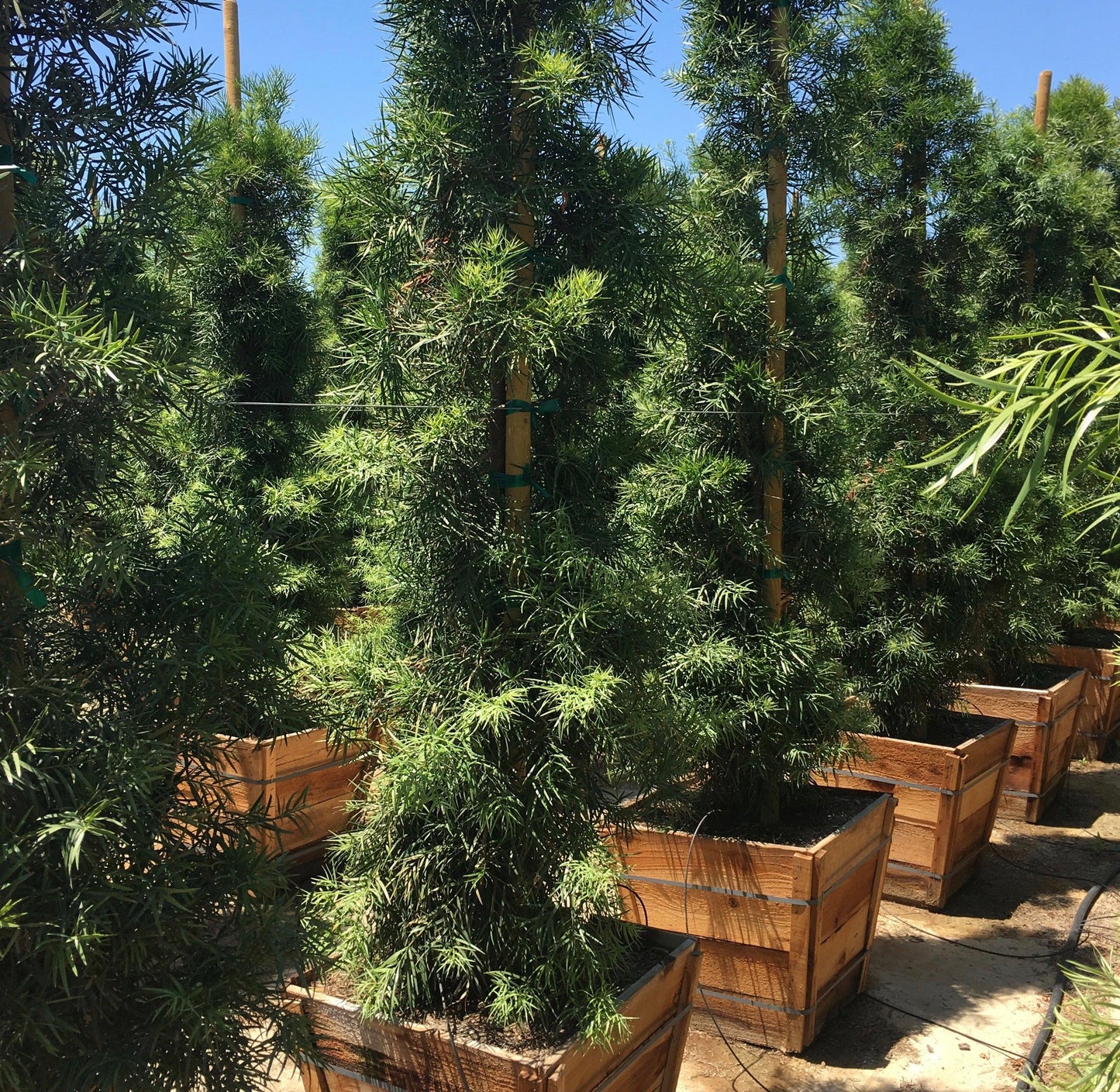
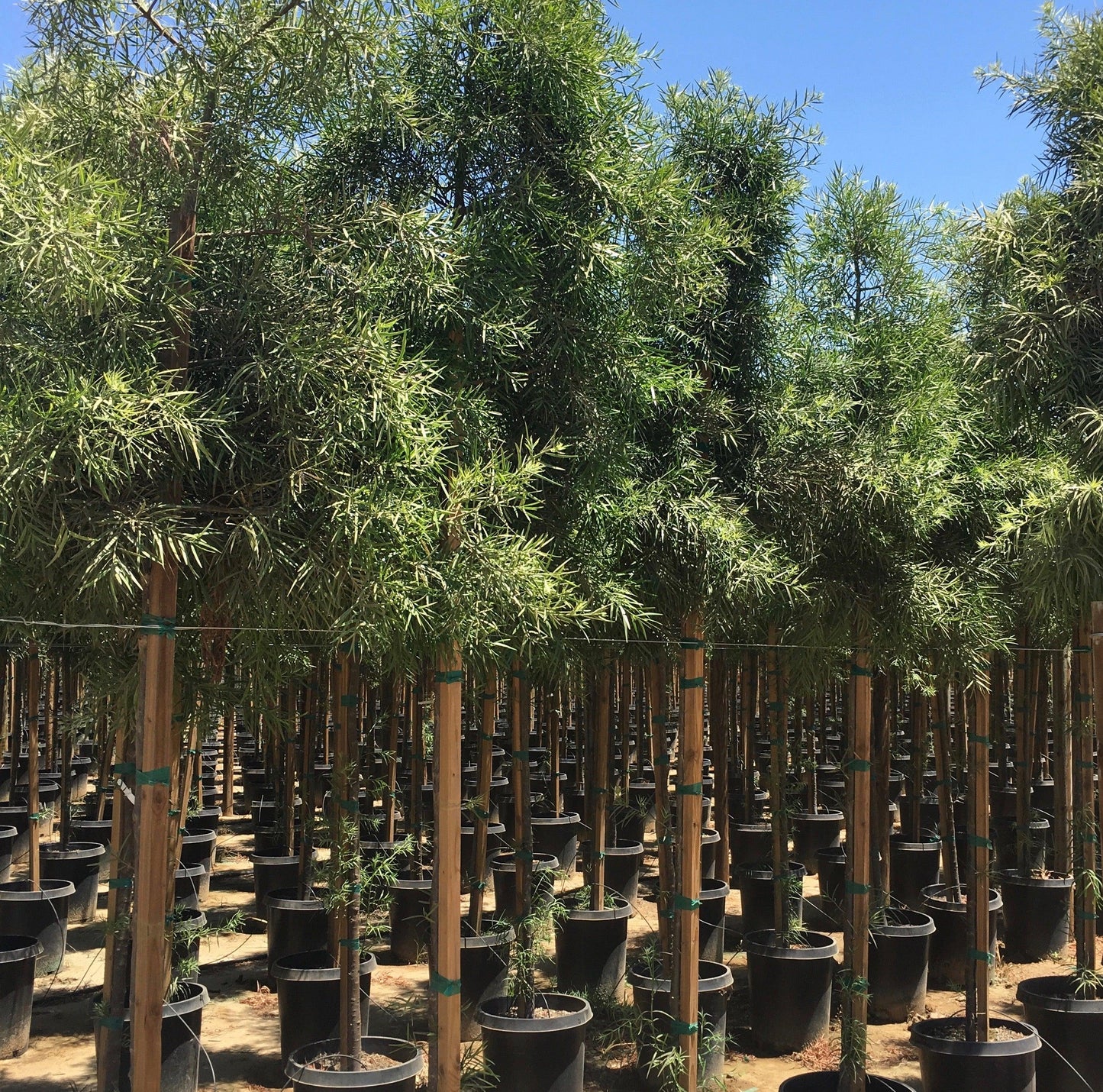
Topiary artists and hedge enthusiasts, as well as gardeners training taller living walls or screens with plants like a Fern Pine hedge
-
Cold climate gardeners needing hardy evergreen options, who might also look at hardy spherical forms such as a Winter Gem boxwood globe for year-round structure
-
Designers creating traditional or contemporary gardens with year-round form who may pair low boxwood structure with specimen trees like the Brisbane Box tree
-
Gardeners looking for low hedge, narrow hedge, foundation border, or mixed beds structure, or even mixing boxwood with regional plants such as Toyon and other landscape shrubs for seasonal interest
If you want a durable evergreen plant that brings order, winter interest, and architectural form to the garden, Buxus sempervirens fits beautifully-provided it is planted in well-draining soil and monitored for diseases and insects, and it also pairs well with aromatic evergreens like Bay Laurel in more complex planting schemes.
Frequently Asked Questions
Is it difficult to grow?
No, Buxus sempervirens is generally tolerant and easy to grow when planted in the right site. It performs best in evenly moist, well-drained loams with full sun to part shade. Avoid waterlogged soil, because poor drainage can cause root rot and significant plant decline.
How long does it take to form a hedge?
A solid hedge usually takes 3 to 5 years, depending on plant size, spacing, cultivar, soil quality, and pruning routine. Because boxwood has a slow growth rate, it rewards patience with a dense, long-lasting form.
What about box tree moth?
Box tree moth is an increasingly important pest of boxwood. Along with boxwood leafminer, boxwood mite, and boxwood psyllid, it should be monitored regularly. Check foliage and stems, remove affected growth early, improve air circulation, and use appropriate treatments when needed.
Can I grow it in containers?
Yes. Smaller cultivars, including compact forms like ‘Suffruticosa’ and the slow-growing, semi-dwarf ‘Vardar Valley’, can grow well in containers. Use a pot with excellent drainage, apply organic mulch, water consistently without saturating the roots, and protect the container from severe winter exposure.
Does it handle shade?
Yes, Buxus sempervirens can tolerate shade and even close to full shade, but plants in deeper shade are usually less vigorous and have decreased foliage density. Light shade or part shade is often ideal in sites exposed to intense sun or winter winds.
Is it safe around pets and children?
No. The entire boxwood plant is toxic if ingested by humans, dogs, cats, and horses. Use it ornamentally, and plant it where curious pets or children are unlikely to chew the foliage or bark.
Ready to Transform Your Garden?
Choose Buxus Sempervirens (Common Boxwood) for timeless elegance, crisp structure, and dependable evergreen beauty through every season. Visit your local garden center, compare cultivars, and select healthy plants suited to your USDA zone, spacing plan, and design goals.
The Perfect Evergreen Shrub for Formal Gardens and Topiary Art
Buxus sempervirens gives your garden year-round green structure, crisp edges, and a refined formal look without the constant cutting required by faster-growing ornamental shrubs.
Commonly known as common boxwood or common box, this classic evergreen shrub has been used for centuries in European garden design because it stays dense, responds beautifully to pruning, and adapts well to both traditional and contemporary garden styles. Use it for a narrow hedge, low hedge, foundation border, square parterre, rounded accent, or detailed topiary form.
Why You’ll Love It
-
Evergreen Beauty – Maintains rich, dark green foliage through winter, adding dependable winter interest when many plants are dormant.
-
Topiary Excellence – Dense, fine-textured, oval leaves make boxwood ideal for hedges, spheres, cones, intricate topiary shapes, and accents in garden design.
-
Low Maintenance – Its slow growing habit and modest growth rate, often around 4 inches per year, mean less frequent pruning and long-lasting structure.
-
Pest Resistance – The foliage contains steroidal alkaloids that help make the plant naturally resistant to deer and rabbits, protecting your garden investment.
-
Historical Prestige – Native to western and southern Europe, northern Africa, and western Asia, Buxus sempervirens has long been associated with formal gardens, including landscapes inspired by southern Europe and European beech woodland settings.
The foliage does have a distinct, pungent aroma that some gardeners describe as malodorous, especially after pruning or in warm weather. Its spring flowers are small, inconspicuous, petal-free, yellowish green, and highly scented, providing nectar for pollinators before developing into a dehiscent capsule fruit.
What Makes It Different
Most evergreen shrubs either grow too quickly, lack density, or cannot tolerate close shaping without becoming woody, open, or uneven.
Buxus Sempervirens (Common Boxwood) provides:
-
Dense Growth Pattern – Creates solid, polished hedges unlike loose-growing alternatives; plant shrubs 2 to 5 feet apart to ensure adequate airflow and help prevent fungal diseases.
-
Superior Cold Hardiness – Thrives reliably across USDA Hardiness Zones 5 to 8, with cold hardy cultivars such as ‘Vardar Valley’ tolerating temperatures down to -15°F without injury.
-
Fine-Textured Foliage – Small, oval, opposite leaves create a smooth, refined surface that larger-leafed shrubs cannot match.
It also offers impressive design flexibility. Boxwoods are often used to create formal hedges, foundation borders, intricate topiary shapes, and accents in mixed beds, and options like a Green Gem boxwood cube can add strong architectural lines to more modern designs. Several cultivars of Buxus sempervirens have been selected for unique characteristics, including ‘Argenteo-variegata’ and ‘Marginata’, which feature variegated foliage. ‘Suffruticosa’-also commonly seen as ‘Suffrutiosa’-is valued for dense, compact growth and low hedge use, while ‘Graham Blandy’ is recognized for its unusual fastigiate form, growing tall and narrow like a living column.
How To Grow Buxus Sempervirens
-
Plant in Spring or Fall
Establish roots during mild weather in evenly moist, well-drained loams. Buxus sempervirens prefers full sun to part shade, though light shade can help protect foliage from harsh winter sun and drying winter winds. -
Slow, Steady Growth
The plant develops dense branching over time, growing about 4 inches annually and forming a mature hedge structure over 5 to 10 years. For a solid hedge, expect roughly 3 to 5 years under good conditions. -
Shape and Maintain
Prune once or twice yearly to maintain the desired form and encourage density. Pruning of boxwoods should be performed in late spring or early summer; late summer or fall pruning is discouraged because it leads to fragile new growth susceptible to winter damage. -
Protect the Root Zone
Boxwoods have shallow roots, so careful soil management around the base is essential to prevent suffocation. Apply organic mulch to retain moisture, regulate soil temperature, and support shallow root systems, while keeping mulch away from the bark.
Plant Details
-
Latin Name: Buxus sempervirens
-
Common Name: Common boxwood, common box
-
Plant Type: Evergreen shrub or small tree
-
Mature Size: Typically maintained at 5–6 feet tall and 4–5 feet wide in landscapes; species plants can grow larger if left unpruned
-
Growth Rate: Slow growing; approximately 4 inches per year in many garden settings
-
Hardiness: USDA Zones 5–8
-
Soil Requirements: Evenly moist, well-drained loams; slightly acidic to slightly alkaline pH preferred
-
Sun Exposure: Full sun to part shade; generally tolerant of light shade
-
Shade Tolerance: Can tolerate close to full shade, but it is generally less vigorous and has decreased foliage density in such conditions
-
Winter Protection: Avoid exposed sites with full winter sun and strong winter winds where foliage may turn brown or bronze
-
Spacing: Space shrubs 2 to 5 feet apart for air circulation and disease prevention
-
Mulch: Use a good organic mulch to retain moisture, regulate soil temperature, and protect shallow roots
-
Flowers: Small, yellowish green, fragrant, without petals, and useful as nectar sources for pollinators
-
Fruit: Small dehiscent capsule
-
Wood: Dense, fine-grained boxwood wood has historically been valued for detailed craftwork
-
Notable Cultivars: ‘Suffruticosa’, ‘Vardar Valley’, ‘Northern Beauty’, ‘Argenteo-variegata’, ‘Marginata’, and ‘Graham Blandy’, along with cold-hardy selections such as ‘Winter Gem’ boxwood
-
Disease Concerns: Buxus sempervirens is susceptible to boxwood blight, volutella blight, and leaf spot diseases, which can significantly affect its health
-
Boxwood Blight: Boxwood blight is a destructive fungal disease that causes dark spots on leaves, black streaks on stems, and sudden leaf drop
-
Insect Pests: Common insect pests include boxwood leafminer, boxwood mite, boxwood psyllid, and box tree moth; if pest or privacy concerns are driving a larger redesign, a full-service nursery for evergreen and privacy trees can help you compare alternatives.
-
Drainage Warning: Root rot can occur in Buxus sempervirens when grown in poorly-drained soils, leading to significant plant decline
-
Toxicity: The entire boxwood plant is toxic if ingested by humans, dogs, cats, and horses
Who It’s For
Ideal for:
-
Formal garden enthusiasts seeking structured landscape elements, including those comparing classic common boxwood with Globe Japanese boxwood and other compact forms
-
Homeowners wanting low-maintenance evergreen borders who may also be considering a faster-growing English laurel hedge for taller screens
-
Topiary artists and hedge enthusiasts, as well as gardeners training taller living walls or screens with plants like a Fern Pine hedge
-
Cold climate gardeners needing hardy evergreen options, who might also look at hardy spherical forms such as a Winter Gem boxwood globe for year-round structure
-
Designers creating traditional or contemporary gardens with year-round form who may pair low boxwood structure with specimen trees like the Brisbane Box tree
-
Gardeners looking for low hedge, narrow hedge, foundation border, or mixed beds structure, or even mixing boxwood with regional plants such as Toyon and other landscape shrubs for seasonal interest
If you want a durable evergreen plant that brings order, winter interest, and architectural form to the garden, Buxus sempervirens fits beautifully-provided it is planted in well-draining soil and monitored for diseases and insects, and it also pairs well with aromatic evergreens like Bay Laurel in more complex planting schemes.
Frequently Asked Questions
Is it difficult to grow?
No, Buxus sempervirens is generally tolerant and easy to grow when planted in the right site. It performs best in evenly moist, well-drained loams with full sun to part shade. Avoid waterlogged soil, because poor drainage can cause root rot and significant plant decline.
How long does it take to form a hedge?
A solid hedge usually takes 3 to 5 years, depending on plant size, spacing, cultivar, soil quality, and pruning routine. Because boxwood has a slow growth rate, it rewards patience with a dense, long-lasting form.
What about box tree moth?
Box tree moth is an increasingly important pest of boxwood. Along with boxwood leafminer, boxwood mite, and boxwood psyllid, it should be monitored regularly. Check foliage and stems, remove affected growth early, improve air circulation, and use appropriate treatments when needed.
Can I grow it in containers?
Yes. Smaller cultivars, including compact forms like ‘Suffruticosa’ and the slow-growing, semi-dwarf ‘Vardar Valley’, can grow well in containers. Use a pot with excellent drainage, apply organic mulch, water consistently without saturating the roots, and protect the container from severe winter exposure.
Does it handle shade?
Yes, Buxus sempervirens can tolerate shade and even close to full shade, but plants in deeper shade are usually less vigorous and have decreased foliage density. Light shade or part shade is often ideal in sites exposed to intense sun or winter winds.
Is it safe around pets and children?
No. The entire boxwood plant is toxic if ingested by humans, dogs, cats, and horses. Use it ornamentally, and plant it where curious pets or children are unlikely to chew the foliage or bark.
Ready to Transform Your Garden?
Choose Buxus Sempervirens (Common Boxwood) for timeless elegance, crisp structure, and dependable evergreen beauty through every season. Visit your local garden center, compare cultivars, and select healthy plants suited to your USDA zone, spacing plan, and design goals.
Plants vary greatly by type and no guarantees are made on sizing.
However here is a rough idea of sizes based on containers that are direct from our growing grounds.
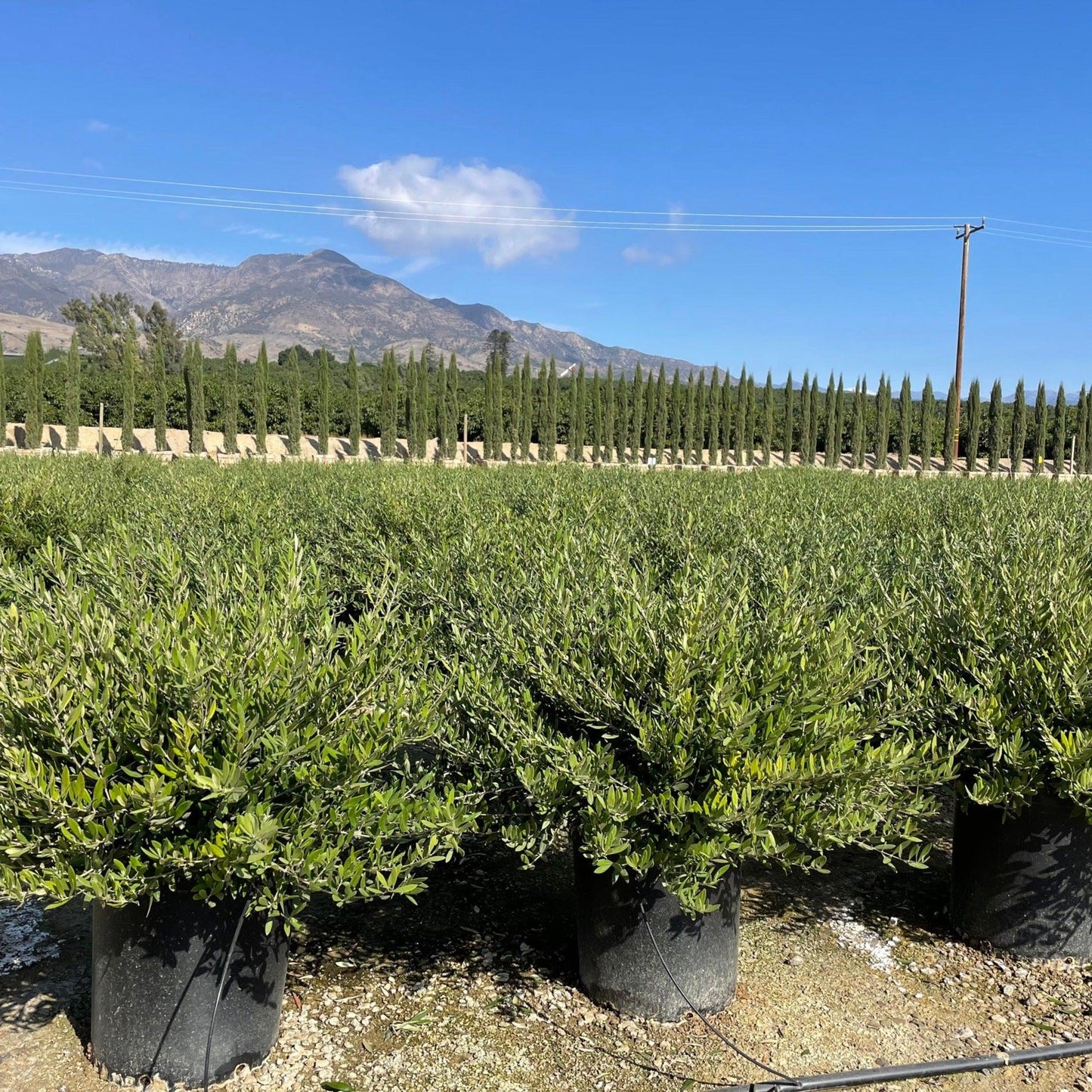
15 Gallon Shrub 3-4 Ft. Tall
15 Gallon Tree 5-6 Ft. Tall
24" Box Shrub 5-6 Ft. Tall
24" Box Tree 6-7 Ft. Tall
36" Box Tree 8-10 Ft. Tall
48" Box Tree 10-12 Ft. Tall
Please note: Citrus and California Native plants such as Manzanita are smaller than traditional sizing.
Please contact us to confirm sizing of items before purchasing if this is a concern.
Plants vary greatly by type and no guarantees are made on sizing.
However here is a rough idea of sizes based on containers that are direct from our growing grounds.
15 Gallon Shrub 3-4 Ft. Tall
15 Gallon Tree 5-6 Ft. Tall
24" Box Shrub 5-6 Ft. Tall
24" Box Tree 6-7 Ft. Tall
36" Box Tree 8-10 Ft. Tall
48" Box Tree 10-12 Ft. Tall
Please note: Citrus and California Native plants such as Manzanita are smaller than traditional sizing.
Please contact us to confirm sizing of items before purchasing if this is a concern.
Delivery does not include unloading of trees and plants larger than a 24" box.
Trees and plants in smaller containers will be dropped curbside.
Delivery beyond a curbside drop will be charged extra.
Trees and plants that are sold in container sizes larger than a 24" box size will require equipment and an operator onsite to help unload from the truck.
Please reach out to our team PRIOR to placing your order to coordinate.
Our team can provide unloading assistance with equipment for an extra fee.
Delivery does not include unloading of trees and plants larger than a 24" box.
Trees and plants in smaller containers will be dropped curbside.
Delivery beyond a curbside drop will be charged extra.
Trees and plants that are sold in container sizes larger than a 24" box size will require equipment and an operator onsite to help unload from the truck.
Please reach out to our team PRIOR to placing your order to coordinate.
Our team can provide unloading assistance with equipment for an extra fee.
You may also like...


Buxus sempervirens (Common Boxwood)
Regular price
$695.00
Title
The Perfect Evergreen Shrub for Formal Gardens and Topiary Art
Buxus sempervirens gives your garden year-round green structure, crisp edges, and a refined formal look without the constant cutting required by faster-growing ornamental shrubs.
Commonly known as common boxwood or common box, this classic evergreen shrub has been used for centuries in European garden design because it stays dense, responds beautifully to pruning, and adapts well to both traditional and contemporary garden styles. Use it for a narrow hedge, low hedge, foundation border, square parterre, rounded accent, or detailed topiary form.
Why You’ll Love It
-
Evergreen Beauty – Maintains rich, dark green foliage through winter, adding dependable winter interest when many plants are dormant.
-
Topiary Excellence – Dense, fine-textured, oval leaves make boxwood ideal for hedges, spheres, cones, intricate topiary shapes, and accents in garden design.
-
Low Maintenance – Its slow growing habit and modest growth rate, often around 4 inches per year, mean less frequent pruning and long-lasting structure.
-
Pest Resistance – The foliage contains steroidal alkaloids that help make the plant naturally resistant to deer and rabbits, protecting your garden investment.
-
Historical Prestige – Native to western and southern Europe, northern Africa, and western Asia, Buxus sempervirens has long been associated with formal gardens, including landscapes inspired by southern Europe and European beech woodland settings.
The foliage does have a distinct, pungent aroma that some gardeners describe as malodorous, especially after pruning or in warm weather. Its spring flowers are small, inconspicuous, petal-free, yellowish green, and highly scented, providing nectar for pollinators before developing into a dehiscent capsule fruit.
What Makes It Different
Most evergreen shrubs either grow too quickly, lack density, or cannot tolerate close shaping without becoming woody, open, or uneven.
Buxus Sempervirens (Common Boxwood) provides:
-
Dense Growth Pattern – Creates solid, polished hedges unlike loose-growing alternatives; plant shrubs 2 to 5 feet apart to ensure adequate airflow and help prevent fungal diseases.
-
Superior Cold Hardiness – Thrives reliably across USDA Hardiness Zones 5 to 8, with cold hardy cultivars such as ‘Vardar Valley’ tolerating temperatures down to -15°F without injury.
-
Fine-Textured Foliage – Small, oval, opposite leaves create a smooth, refined surface that larger-leafed shrubs cannot match.
It also offers impressive design flexibility. Boxwoods are often used to create formal hedges, foundation borders, intricate topiary shapes, and accents in mixed beds, and options like a Green Gem boxwood cube can add strong architectural lines to more modern designs. Several cultivars of Buxus sempervirens have been selected for unique characteristics, including ‘Argenteo-variegata’ and ‘Marginata’, which feature variegated foliage. ‘Suffruticosa’-also commonly seen as ‘Suffrutiosa’-is valued for dense, compact growth and low hedge use, while ‘Graham Blandy’ is recognized for its unusual fastigiate form, growing tall and narrow like a living column.
How To Grow Buxus Sempervirens
-
Plant in Spring or Fall
Establish roots during mild weather in evenly moist, well-drained loams. Buxus sempervirens prefers full sun to part shade, though light shade can help protect foliage from harsh winter sun and drying winter winds. -
Slow, Steady Growth
The plant develops dense branching over time, growing about 4 inches annually and forming a mature hedge structure over 5 to 10 years. For a solid hedge, expect roughly 3 to 5 years under good conditions. -
Shape and Maintain
Prune once or twice yearly to maintain the desired form and encourage density. Pruning of boxwoods should be performed in late spring or early summer; late summer or fall pruning is discouraged because it leads to fragile new growth susceptible to winter damage. -
Protect the Root Zone
Boxwoods have shallow roots, so careful soil management around the base is essential to prevent suffocation. Apply organic mulch to retain moisture, regulate soil temperature, and support shallow root systems, while keeping mulch away from the bark.
Plant Details
-
Latin Name: Buxus sempervirens
-
Common Name: Common boxwood, common box
-
Plant Type: Evergreen shrub or small tree
-
Mature Size: Typically maintained at 5–6 feet tall and 4–5 feet wide in landscapes; species plants can grow larger if left unpruned
-
Growth Rate: Slow growing; approximately 4 inches per year in many garden settings
-
Hardiness: USDA Zones 5–8
-
Soil Requirements: Evenly moist, well-drained loams; slightly acidic to slightly alkaline pH preferred
-
Sun Exposure: Full sun to part shade; generally tolerant of light shade
-
Shade Tolerance: Can tolerate close to full shade, but it is generally less vigorous and has decreased foliage density in such conditions
-
Winter Protection: Avoid exposed sites with full winter sun and strong winter winds where foliage may turn brown or bronze
-
Spacing: Space shrubs 2 to 5 feet apart for air circulation and disease prevention
-
Mulch: Use a good organic mulch to retain moisture, regulate soil temperature, and protect shallow roots
-
Flowers: Small, yellowish green, fragrant, without petals, and useful as nectar sources for pollinators
-
Fruit: Small dehiscent capsule
-
Wood: Dense, fine-grained boxwood wood has historically been valued for detailed craftwork
-
Notable Cultivars: ‘Suffruticosa’, ‘Vardar Valley’, ‘Northern Beauty’, ‘Argenteo-variegata’, ‘Marginata’, and ‘Graham Blandy’, along with cold-hardy selections such as ‘Winter Gem’ boxwood
-
Disease Concerns: Buxus sempervirens is susceptible to boxwood blight, volutella blight, and leaf spot diseases, which can significantly affect its health
-
Boxwood Blight: Boxwood blight is a destructive fungal disease that causes dark spots on leaves, black streaks on stems, and sudden leaf drop
-
Insect Pests: Common insect pests include boxwood leafminer, boxwood mite, boxwood psyllid, and box tree moth; if pest or privacy concerns are driving a larger redesign, a full-service nursery for evergreen and privacy trees can help you compare alternatives.
-
Drainage Warning: Root rot can occur in Buxus sempervirens when grown in poorly-drained soils, leading to significant plant decline
-
Toxicity: The entire boxwood plant is toxic if ingested by humans, dogs, cats, and horses
Who It’s For
Ideal for:
-
Formal garden enthusiasts seeking structured landscape elements, including those comparing classic common boxwood with Globe Japanese boxwood and other compact forms
-
Homeowners wanting low-maintenance evergreen borders who may also be considering a faster-growing English laurel hedge for taller screens
-
Topiary artists and hedge enthusiasts, as well as gardeners training taller living walls or screens with plants like a Fern Pine hedge
-
Cold climate gardeners needing hardy evergreen options, who might also look at hardy spherical forms such as a Winter Gem boxwood globe for year-round structure
-
Designers creating traditional or contemporary gardens with year-round form who may pair low boxwood structure with specimen trees like the Brisbane Box tree
-
Gardeners looking for low hedge, narrow hedge, foundation border, or mixed beds structure, or even mixing boxwood with regional plants such as Toyon and other landscape shrubs for seasonal interest
If you want a durable evergreen plant that brings order, winter interest, and architectural form to the garden, Buxus sempervirens fits beautifully-provided it is planted in well-draining soil and monitored for diseases and insects, and it also pairs well with aromatic evergreens like Bay Laurel in more complex planting schemes.
Frequently Asked Questions
Is it difficult to grow?
No, Buxus sempervirens is generally tolerant and easy to grow when planted in the right site. It performs best in evenly moist, well-drained loams with full sun to part shade. Avoid waterlogged soil, because poor drainage can cause root rot and significant plant decline.
How long does it take to form a hedge?
A solid hedge usually takes 3 to 5 years, depending on plant size, spacing, cultivar, soil quality, and pruning routine. Because boxwood has a slow growth rate, it rewards patience with a dense, long-lasting form.
What about box tree moth?
Box tree moth is an increasingly important pest of boxwood. Along with boxwood leafminer, boxwood mite, and boxwood psyllid, it should be monitored regularly. Check foliage and stems, remove affected growth early, improve air circulation, and use appropriate treatments when needed.
Can I grow it in containers?
Yes. Smaller cultivars, including compact forms like ‘Suffruticosa’ and the slow-growing, semi-dwarf ‘Vardar Valley’, can grow well in containers. Use a pot with excellent drainage, apply organic mulch, water consistently without saturating the roots, and protect the container from severe winter exposure.
Does it handle shade?
Yes, Buxus sempervirens can tolerate shade and even close to full shade, but plants in deeper shade are usually less vigorous and have decreased foliage density. Light shade or part shade is often ideal in sites exposed to intense sun or winter winds.
Is it safe around pets and children?
No. The entire boxwood plant is toxic if ingested by humans, dogs, cats, and horses. Use it ornamentally, and plant it where curious pets or children are unlikely to chew the foliage or bark.
Ready to Transform Your Garden?
Choose Buxus Sempervirens (Common Boxwood) for timeless elegance, crisp structure, and dependable evergreen beauty through every season. Visit your local garden center, compare cultivars, and select healthy plants suited to your USDA zone, spacing plan, and design goals.
The Perfect Evergreen Shrub for Formal Gardens and Topiary Art
Buxus sempervirens gives your garden year-round green structure, crisp edges, and a refined formal look without the constant cutting required by faster-growing ornamental shrubs.
Commonly known as common boxwood or common box, this classic evergreen shrub has been used for centuries in European garden design because it stays dense, responds beautifully to pruning, and adapts well to both traditional and contemporary garden styles. Use it for a narrow hedge, low hedge, foundation border, square parterre, rounded accent, or detailed topiary form.
Why You’ll Love It
-
Evergreen Beauty – Maintains rich, dark green foliage through winter, adding dependable winter interest when many plants are dormant.
-
Topiary Excellence – Dense, fine-textured, oval leaves make boxwood ideal for hedges, spheres, cones, intricate topiary shapes, and accents in garden design.
-
Low Maintenance – Its slow growing habit and modest growth rate, often around 4 inches per year, mean less frequent pruning and long-lasting structure.
-
Pest Resistance – The foliage contains steroidal alkaloids that help make the plant naturally resistant to deer and rabbits, protecting your garden investment.
-
Historical Prestige – Native to western and southern Europe, northern Africa, and western Asia, Buxus sempervirens has long been associated with formal gardens, including landscapes inspired by southern Europe and European beech woodland settings.
The foliage does have a distinct, pungent aroma that some gardeners describe as malodorous, especially after pruning or in warm weather. Its spring flowers are small, inconspicuous, petal-free, yellowish green, and highly scented, providing nectar for pollinators before developing into a dehiscent capsule fruit.
What Makes It Different
Most evergreen shrubs either grow too quickly, lack density, or cannot tolerate close shaping without becoming woody, open, or uneven.
Buxus Sempervirens (Common Boxwood) provides:
-
Dense Growth Pattern – Creates solid, polished hedges unlike loose-growing alternatives; plant shrubs 2 to 5 feet apart to ensure adequate airflow and help prevent fungal diseases.
-
Superior Cold Hardiness – Thrives reliably across USDA Hardiness Zones 5 to 8, with cold hardy cultivars such as ‘Vardar Valley’ tolerating temperatures down to -15°F without injury.
-
Fine-Textured Foliage – Small, oval, opposite leaves create a smooth, refined surface that larger-leafed shrubs cannot match.
It also offers impressive design flexibility. Boxwoods are often used to create formal hedges, foundation borders, intricate topiary shapes, and accents in mixed beds, and options like a Green Gem boxwood cube can add strong architectural lines to more modern designs. Several cultivars of Buxus sempervirens have been selected for unique characteristics, including ‘Argenteo-variegata’ and ‘Marginata’, which feature variegated foliage. ‘Suffruticosa’-also commonly seen as ‘Suffrutiosa’-is valued for dense, compact growth and low hedge use, while ‘Graham Blandy’ is recognized for its unusual fastigiate form, growing tall and narrow like a living column.
How To Grow Buxus Sempervirens
-
Plant in Spring or Fall
Establish roots during mild weather in evenly moist, well-drained loams. Buxus sempervirens prefers full sun to part shade, though light shade can help protect foliage from harsh winter sun and drying winter winds. -
Slow, Steady Growth
The plant develops dense branching over time, growing about 4 inches annually and forming a mature hedge structure over 5 to 10 years. For a solid hedge, expect roughly 3 to 5 years under good conditions. -
Shape and Maintain
Prune once or twice yearly to maintain the desired form and encourage density. Pruning of boxwoods should be performed in late spring or early summer; late summer or fall pruning is discouraged because it leads to fragile new growth susceptible to winter damage. -
Protect the Root Zone
Boxwoods have shallow roots, so careful soil management around the base is essential to prevent suffocation. Apply organic mulch to retain moisture, regulate soil temperature, and support shallow root systems, while keeping mulch away from the bark.
Plant Details
-
Latin Name: Buxus sempervirens
-
Common Name: Common boxwood, common box
-
Plant Type: Evergreen shrub or small tree
-
Mature Size: Typically maintained at 5–6 feet tall and 4–5 feet wide in landscapes; species plants can grow larger if left unpruned
-
Growth Rate: Slow growing; approximately 4 inches per year in many garden settings
-
Hardiness: USDA Zones 5–8
-
Soil Requirements: Evenly moist, well-drained loams; slightly acidic to slightly alkaline pH preferred
-
Sun Exposure: Full sun to part shade; generally tolerant of light shade
-
Shade Tolerance: Can tolerate close to full shade, but it is generally less vigorous and has decreased foliage density in such conditions
-
Winter Protection: Avoid exposed sites with full winter sun and strong winter winds where foliage may turn brown or bronze
-
Spacing: Space shrubs 2 to 5 feet apart for air circulation and disease prevention
-
Mulch: Use a good organic mulch to retain moisture, regulate soil temperature, and protect shallow roots
-
Flowers: Small, yellowish green, fragrant, without petals, and useful as nectar sources for pollinators
-
Fruit: Small dehiscent capsule
-
Wood: Dense, fine-grained boxwood wood has historically been valued for detailed craftwork
-
Notable Cultivars: ‘Suffruticosa’, ‘Vardar Valley’, ‘Northern Beauty’, ‘Argenteo-variegata’, ‘Marginata’, and ‘Graham Blandy’, along with cold-hardy selections such as ‘Winter Gem’ boxwood
-
Disease Concerns: Buxus sempervirens is susceptible to boxwood blight, volutella blight, and leaf spot diseases, which can significantly affect its health
-
Boxwood Blight: Boxwood blight is a destructive fungal disease that causes dark spots on leaves, black streaks on stems, and sudden leaf drop
-
Insect Pests: Common insect pests include boxwood leafminer, boxwood mite, boxwood psyllid, and box tree moth; if pest or privacy concerns are driving a larger redesign, a full-service nursery for evergreen and privacy trees can help you compare alternatives.
-
Drainage Warning: Root rot can occur in Buxus sempervirens when grown in poorly-drained soils, leading to significant plant decline
-
Toxicity: The entire boxwood plant is toxic if ingested by humans, dogs, cats, and horses
Who It’s For
Ideal for:
-
Formal garden enthusiasts seeking structured landscape elements, including those comparing classic common boxwood with Globe Japanese boxwood and other compact forms
-
Homeowners wanting low-maintenance evergreen borders who may also be considering a faster-growing English laurel hedge for taller screens
-
Topiary artists and hedge enthusiasts, as well as gardeners training taller living walls or screens with plants like a Fern Pine hedge
-
Cold climate gardeners needing hardy evergreen options, who might also look at hardy spherical forms such as a Winter Gem boxwood globe for year-round structure
-
Designers creating traditional or contemporary gardens with year-round form who may pair low boxwood structure with specimen trees like the Brisbane Box tree
-
Gardeners looking for low hedge, narrow hedge, foundation border, or mixed beds structure, or even mixing boxwood with regional plants such as Toyon and other landscape shrubs for seasonal interest
If you want a durable evergreen plant that brings order, winter interest, and architectural form to the garden, Buxus sempervirens fits beautifully-provided it is planted in well-draining soil and monitored for diseases and insects, and it also pairs well with aromatic evergreens like Bay Laurel in more complex planting schemes.
Frequently Asked Questions
Is it difficult to grow?
No, Buxus sempervirens is generally tolerant and easy to grow when planted in the right site. It performs best in evenly moist, well-drained loams with full sun to part shade. Avoid waterlogged soil, because poor drainage can cause root rot and significant plant decline.
How long does it take to form a hedge?
A solid hedge usually takes 3 to 5 years, depending on plant size, spacing, cultivar, soil quality, and pruning routine. Because boxwood has a slow growth rate, it rewards patience with a dense, long-lasting form.
What about box tree moth?
Box tree moth is an increasingly important pest of boxwood. Along with boxwood leafminer, boxwood mite, and boxwood psyllid, it should be monitored regularly. Check foliage and stems, remove affected growth early, improve air circulation, and use appropriate treatments when needed.
Can I grow it in containers?
Yes. Smaller cultivars, including compact forms like ‘Suffruticosa’ and the slow-growing, semi-dwarf ‘Vardar Valley’, can grow well in containers. Use a pot with excellent drainage, apply organic mulch, water consistently without saturating the roots, and protect the container from severe winter exposure.
Does it handle shade?
Yes, Buxus sempervirens can tolerate shade and even close to full shade, but plants in deeper shade are usually less vigorous and have decreased foliage density. Light shade or part shade is often ideal in sites exposed to intense sun or winter winds.
Is it safe around pets and children?
No. The entire boxwood plant is toxic if ingested by humans, dogs, cats, and horses. Use it ornamentally, and plant it where curious pets or children are unlikely to chew the foliage or bark.
Ready to Transform Your Garden?
Choose Buxus Sempervirens (Common Boxwood) for timeless elegance, crisp structure, and dependable evergreen beauty through every season. Visit your local garden center, compare cultivars, and select healthy plants suited to your USDA zone, spacing plan, and design goals.
Plants vary greatly by type and no guarantees are made on sizing.
However here is a rough idea of sizes based on containers that are direct from our growing grounds.
15 Gallon Shrub 3-4 Ft. Tall
15 Gallon Tree 5-6 Ft. Tall
24" Box Shrub 5-6 Ft. Tall
24" Box Tree 6-7 Ft. Tall
36" Box Tree 8-10 Ft. Tall
48" Box Tree 10-12 Ft. Tall
Please note: Citrus and California Native plants such as Manzanita are smaller than traditional sizing.
Please contact us to confirm sizing of items before purchasing if this is a concern.
Plants vary greatly by type and no guarantees are made on sizing.
However here is a rough idea of sizes based on containers that are direct from our growing grounds.
15 Gallon Shrub 3-4 Ft. Tall
15 Gallon Tree 5-6 Ft. Tall
24" Box Shrub 5-6 Ft. Tall
24" Box Tree 6-7 Ft. Tall
36" Box Tree 8-10 Ft. Tall
48" Box Tree 10-12 Ft. Tall
Please note: Citrus and California Native plants such as Manzanita are smaller than traditional sizing.
Please contact us to confirm sizing of items before purchasing if this is a concern.
Delivery does not include unloading of trees and plants larger than a 24" box.
Trees and plants in smaller containers will be dropped curbside.
Delivery beyond a curbside drop will be charged extra.
Trees and plants that are sold in container sizes larger than a 24" box size will require equipment and an operator onsite to help unload from the truck.
Please reach out to our team PRIOR to placing your order to coordinate.
Our team can provide unloading assistance with equipment for an extra fee.
Delivery does not include unloading of trees and plants larger than a 24" box.
Trees and plants in smaller containers will be dropped curbside.
Delivery beyond a curbside drop will be charged extra.
Trees and plants that are sold in container sizes larger than a 24" box size will require equipment and an operator onsite to help unload from the truck.
Please reach out to our team PRIOR to placing your order to coordinate.
Our team can provide unloading assistance with equipment for an extra fee.
Recommended For You















Pairs Well With













You May Also Like












Thousands of Healthy Plants Delivered


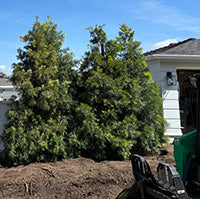
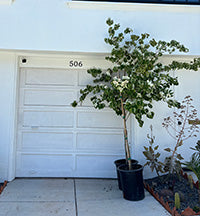
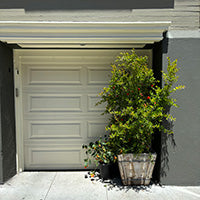
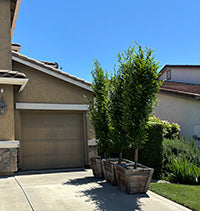
Yardwork was so great to work with. First they had the Swan Hill olive trees that we had been searching for, we had contacted several other nurseries without any luck previously. Then they answered all of our questions in a timely matter prior to ordering and finally delivered within a few days of placing it. Their staff is incredibly knowledgeable; they delivered and planted our trees with expertise to ensure that they would do well in our yard. We would definitely work with them again for future projects.











A Modern Experience
At Yardwork, we carefully curate thousands of plants, in all container sizes, to provide you with the best selection of the highest quality trees and plants at the best price, with the convenience of an online platform.
Uncompromised Quality
We choose only the finest specimens and hand select our plants just before delivery to ensure you receive the freshest and most robust specimens available for your landscape.
Industry Leading Warranties
Our 30, 90, and 365 extended warranties provide some of the best coverage to ensure our trees and plants thrive in your landscape.
Frequently Asked Questions
We're committed to changing everything about trees and plants - how they’re grown, how you shop for them, and how much they cost. We handle orders ourselves. No middlemen to get between us (or our prices) and you.
We're committed to changing everything about trees and plants - how they’re grown, how you shop for them, and how much they cost. We handle orders ourselves. No middlemen to get between us (or our prices) and you.
Delivery does not include unloading of trees and plants LARGER than a 24" box.
Trees and plants in smaller containers will be dropped curbside (usually on the driveway or near the front doorstep).
Delivery beyond a curbside drop will be charged extra.
Trees and plants that are sold in container sizes LARGER than a 24" box size will require equipment and/or enough manpower onsite to help unload from the truck.
Please reach out to our team PRIOR to placing your order to help coordinate.
Our team can provide unloading assistance with equipment for an extra fee as well.
Delivery does not include unloading of trees and plants LARGER than a 24" box.
Trees and plants in smaller containers will be dropped curbside (usually on the driveway or near the front doorstep).
Delivery beyond a curbside drop will be charged extra.
Trees and plants that are sold in container sizes LARGER than a 24" box size will require equipment and/or enough manpower onsite to help unload from the truck.
Please reach out to our team PRIOR to placing your order to help coordinate.
Our team can provide unloading assistance with equipment for an extra fee as well.
We ship locally within California within 7-10 days of your order being placed.
We ship nationally using carrier partners, based on order size.
Text or call 323-576-4159 for specific shipping details for your location.
We ship locally within California within 7-10 days of your order being placed.
We ship nationally using carrier partners, based on order size.
Text or call 323-576-4159 for specific shipping details for your location.
We are currently online only and don't have physical locations where you can view plants in person.
That's why we have photos direct from the growing grounds of the plants we will ship and we display pricing right in our store.
We do make sure to pick the very best trees and plants prior to shipping and make sure that they have gone through our multi-point inspection for health and structure.
We will always reach out prior to delivery if we find a quality issue or need to provide a substitute.
We are currently online only and don't have physical locations where you can view plants in person.
That's why we have photos direct from the growing grounds of the plants we will ship and we display pricing right in our store.
We do make sure to pick the very best trees and plants prior to shipping and make sure that they have gone through our multi-point inspection for health and structure.
We will always reach out prior to delivery if we find a quality issue or need to provide a substitute.
Plants vary greatly by type. Here is a rough idea of sizes based on containers that are direct from our growing grounds.
15 Gallon Shrub 3-4 Ft. Tall
15 Gallon Tree 5-6 Ft. Tall
24" Box Shrub 5-6 Ft. Tall
24" Box Tree 6-7 Ft. Tall
36" Box Shrub/Tree 7-9 Ft. Tall
48" Box Shrub/Tree 8-10 Ft. Tall
**Please note that we do not make guarantees of sizes. If you have questions or concerns, please call or text to request accurate sizing for the particular plant you're considering, prior to ordering.
Plants vary greatly by type. Here is a rough idea of sizes based on containers that are direct from our growing grounds.
15 Gallon Shrub 3-4 Ft. Tall
15 Gallon Tree 5-6 Ft. Tall
24" Box Shrub 5-6 Ft. Tall
24" Box Tree 6-7 Ft. Tall
36" Box Shrub/Tree 7-9 Ft. Tall
48" Box Shrub/Tree 8-10 Ft. Tall
**Please note that we do not make guarantees of sizes. If you have questions or concerns, please call or text to request accurate sizing for the particular plant you're considering, prior to ordering.
We offer a limited 30 day warranty for plants that are delivered and a 90 day warranty for plants that we plant.
The limited warranty covers plants that die as a result of disease or fungus which was derived from our growing grounds or from root balls that were root bound.
The warranty does not cover damage due to watering, fertilizer, soils, or any other conditions beyond our control. Additionally, the warranty does not cover certain plants that are shipped out of the state of California or shipped into California from other states. Custom plant orders are also not covered under warranty. Plants must be planted within 24 hours after delivery to qualify.
We can assist you in recommending the right soils and fertilizers to help your plant thrive after you plant it.
Text or call 323-576-4159 for further warranty information.
We offer a limited 30 day warranty for plants that are delivered and a 90 day warranty for plants that we plant.
The limited warranty covers plants that die as a result of disease or fungus which was derived from our growing grounds or from root balls that were root bound.
The warranty does not cover damage due to watering, fertilizer, soils, or any other conditions beyond our control. Additionally, the warranty does not cover certain plants that are shipped out of the state of California or shipped into California from other states. Custom plant orders are also not covered under warranty. Plants must be planted within 24 hours after delivery to qualify.
We can assist you in recommending the right soils and fertilizers to help your plant thrive after you plant it.
Text or call 323-576-4159 for further warranty information.
Our local delivery team covers most cities in California.
There are some exceptions, so please get in touch to confirm prior to ordering.
Additionally, we ship throughout the entire United States and even internationally. Each shipment is custom, so please reach out to our team to coordinate.
Our local delivery team covers most cities in California.
There are some exceptions, so please get in touch to confirm prior to ordering.
Additionally, we ship throughout the entire United States and even internationally. Each shipment is custom, so please reach out to our team to coordinate.