



Japanese Zelkova - Zelkova Serrata
Regular price
$1,850.00
Size
The Perfect Shade Tree for Your California Landscape
Japanese Zelkova, native to Japan, gives California landscapes broad, elegant shade, refined seasonal color, and cleaner performance than many traditional shade trees. Designed to give you stunning shade coverage without the maintenance headaches of messy, high-litter alternatives, this tree works beautifully in large residential lawns, parks, street plantings, and commercial landscaping.
Also known botanically as Zelkova serrata, Japanese Zelkova trees have a long history in ornamental planting and a strong connection to Japanese landscape culture, and they’re known for attractive, serrated leaves that turn a vibrant yellow to orange in the fall, making them a popular choice for landscaping. With a mature vase-shaped structure, arching branches, and bark features that mature from smooth gray-brown to a honeycomb texture that reveals burnt-orange inner bark, it brings interest well beyond the summer shade season.
Why You'll Love It:
-
Fast-Growing Shade – These trees can grow up to 80 feet tall and have a broad, spreading canopy, providing excellent shade and making them suitable for urban environments.
-
Low Maintenance – Japanese Zelkova is highly resistant to Dutch elm disease and is often used as a substitute for American elm in landscaping due to its durability and resilience.
-
Year-Round Beauty – Fall foliage ranges from yellow to orange and, in select cultivars, deep rusty-red autumn color.
-
Clean and Tidy – The tree avoids the heavy seed pod mess common with some shade trees, making it a cleaner choice for lawns, pathways, and public spaces.
-
California Climate Perfect – It performs well across many California regions, especially where full sun, well-draining soil, and proper early watering are provided.
The Japanese zelkova is primarily cultivated in commercial landscaping and bonsai due to its reliable vase-shaped crown and urban hardiness, and it also reflects the garden forms long appreciated by japanese people in streetscapes and curated outdoor spaces. In a family garden or bonsai setting, it can be a rewarding tree for a child to help observe and care for over time. Once established, this tree is drought and heat tolerant due to its deep root system, making it a strong option for hot summer conditions and water-conscious landscapes.
What Makes It Different
Most shade tree alternatives come with tradeoffs: sycamores can be messy, some elms are disease-prone, and weaker-wooded trees may struggle in wind or urban stress, while evergreen options like Fern Pine privacy trees serve different roles in the landscape.
Japanese Zelkova offers:
-
Vase-Shaped Canopy – Its upward-arching branches create a graceful, architectural crown with a naturally refined structure.
-
Exceptional Durability – It exhibits exceptional urban adaptability, tolerating air pollution, compacted soils, wind, and various soil pH levels.
-
Adaptable Growth – It handles lawns, streetscapes, park settings, and large planting areas with dependable performance when planted correctly.
It can create a dramatic “cathedral ceiling” effect when planted in parallel rows along driveways or pathways due to its arching branches. If you prefer a slightly smaller shade tree with standout autumn foliage, the Rocky Mountain Glow Maple offers a compact alternative. Specific cultivars include ‘Green Vase’, a named selection whose nursery trade titles reflect its rapid growth and upward-arching branches, and ‘Village Green’, recognized for its broad crown and deep rusty-red autumn foliage.
How To Grow Japanese Zelkova
-
Step 1 – Site PreparationChoose a sunny location with well-draining soil, enough room for the mature canopy, and clear access to the planting site. When buying Japanese Zelkova trees or other flowering trees suited to California climates, it’s important to consider the climate, soil conditions, and available space in your area to ensure successful growth and integration into your landscaping. Dig a planting hole about twice as wide as the root ball, loosen compacted soil, and avoid areas where drainage stays poor.
-
Step 2 – Planting and EstablishmentPlant at the proper depth with the root flare visible, backfill carefully, and mulch around the base without piling mulch against the trunk. Japanese Zelkova trees require regular watering, especially during dry spells, to maintain healthy growth and prevent stress. Water consistently through establishment, especially during the first warm season. A steady watering practice helps reduce transplant shock.
-
Step 3 – Mature BeautyAs the tree matures, enjoy decades of shade, graceful branching, fall color, and winter bark texture. Gardeners who love reliable fall color often pair Japanese Zelkova with Osakazuki Japanese Maplefor an even richer autumn display. Pruning Japanese Zelkova trees is essential to maintain their shape and health; it is best done in late winter or early spring before new growth begins, especially when correcting previous structural issues. Early structural pruning helps prevent crowded limbs and supports a strong long-term canopy in residential yards, parks, and school landscapes.
Tree Specifications
-
Mature Height: 50-80 feet
-
Mature Spread: 50-75 feet
-
Growth Rate: Moderate to fast, typically 1-2 feet per year with proper care
-
Hardiness Zones: USDA 5-8
-
Light Requirements: Full sun to partial shade
-
Soil Tolerance: Adaptable; prefers deep, well-drained soil
-
Water Needs: Regular watering during establishment; moderate to low once established
-
Fall Color: Yellow, orange, bronze, and cultivar-dependent rusty-red tones
-
Bark: Exfoliating gray-brown bark with burnt-orange inner bark as it matures
-
Best Uses: Large lawns, parks, streetscapes, driveways, commercial landscapes, and specimen plantings
-
Cultivar Notes: Some cultivars of the Japanese zelkova are suitable for planting under utility lines and in tight urban spaces where a sound branch structure is important, but mature height and spread should always be confirmed before planting.
Who It's For:
Ideal for:
-
California homeowners seeking elegant shade trees for large properties
-
Landscape designers planning sustainable, low-maintenance designs who may also specify privacy and evergreen trees from Yardwork
-
Property owners replacing aging or diseased shade trees
-
Parks, schools, community spaces, restaurant landscapes, and commercial sites needing durable canopy trees, sometimes paired with drought-tolerant accents like California Pepper Trees for sale
-
Anyone wanting a beautiful specimen tree that handles California’s climate challenges, including first-time buyers and landscape learners
The Japanese zelkova is often used as a shade tree for large residential lawns and parks, as well as for urban street plantings. If you want a tree that can enhance outdoor comfort, improve curb appeal, and create long-term structure in the landscape, Japanese Zelkova fits the subject well.
Frequently Asked Questions
How fast does Japanese Zelkova grow?Japanese Zelkova has a moderate to fast growth rate, typically 1-2 feet per year with proper care. In favorable soil, sun, and water conditions, it can develop substantial shade within years.
Does it handle drought well?Yes. This tree is drought and heat tolerant due to its deep root system once established. However, regular watering is important during establishment and during dry spells to prevent stress, especially in hot California microclimates.
Will it damage sidewalks or foundations?Japanese Zelkova has a less aggressive root reputation than many large shade trees, but placement still matters. Give it adequate room from sidewalks, foundations, fences, and utility areas so the broad canopy and root system can mature safely.
What about pests and diseases?Japanese Zelkova is naturally resistant to Dutch elm disease and is valued as a durable substitute for American elm. Japanese Zelkova trees are susceptible to certain diseases, such as powdery mildew and leaf spot, which can be managed through proper care and timely treatment.
When is the best time to plant?Fall through early spring is usually best in California because roots can begin establishing before summer heat arrives. Planting during cooler weather reduces stress and supports stronger first-year growth.
Do I need expert help choosing a cultivar?Helpful guidance is recommended, especially when comparing ‘Green Vase,’ ‘Village Green,’ and tighter urban forms. Think of it less like studying Japanese language, pronunciation, syllables, writing rules, or trying to learn kanji, practice sentences, or speak Japanese in the rhythm taught in a course, and more like a focused conversation about space, water, and design goals. Yardwork can help you create a plan based on your site instead of relying on guesswork.
Ready to Transform Your Landscape and Learn Japanese?
Choose the Japanese Zelkova tree and experience decades of elegant shade, seasonal color, durable structure, and low-maintenance beauty.
Browse available Yardwork sizes, request an expert consultation, or arrange delivery for your California landscape.
The Perfect Shade Tree for Your California Landscape
Japanese Zelkova, native to Japan, gives California landscapes broad, elegant shade, refined seasonal color, and cleaner performance than many traditional shade trees. Designed to give you stunning shade coverage without the maintenance headaches of messy, high-litter alternatives, this tree works beautifully in large residential lawns, parks, street plantings, and commercial landscaping.
Also known botanically as Zelkova serrata, Japanese Zelkova trees have a long history in ornamental planting and a strong connection to Japanese landscape culture, and they’re known for attractive, serrated leaves that turn a vibrant yellow to orange in the fall, making them a popular choice for landscaping. With a mature vase-shaped structure, arching branches, and bark features that mature from smooth gray-brown to a honeycomb texture that reveals burnt-orange inner bark, it brings interest well beyond the summer shade season.
Why You'll Love It:
-
Fast-Growing Shade – These trees can grow up to 80 feet tall and have a broad, spreading canopy, providing excellent shade and making them suitable for urban environments.
-
Low Maintenance – Japanese Zelkova is highly resistant to Dutch elm disease and is often used as a substitute for American elm in landscaping due to its durability and resilience.
-
Year-Round Beauty – Fall foliage ranges from yellow to orange and, in select cultivars, deep rusty-red autumn color.
-
Clean and Tidy – The tree avoids the heavy seed pod mess common with some shade trees, making it a cleaner choice for lawns, pathways, and public spaces.
-
California Climate Perfect – It performs well across many California regions, especially where full sun, well-draining soil, and proper early watering are provided.
The Japanese zelkova is primarily cultivated in commercial landscaping and bonsai due to its reliable vase-shaped crown and urban hardiness, and it also reflects the garden forms long appreciated by japanese people in streetscapes and curated outdoor spaces. In a family garden or bonsai setting, it can be a rewarding tree for a child to help observe and care for over time. Once established, this tree is drought and heat tolerant due to its deep root system, making it a strong option for hot summer conditions and water-conscious landscapes.
What Makes It Different
Most shade tree alternatives come with tradeoffs: sycamores can be messy, some elms are disease-prone, and weaker-wooded trees may struggle in wind or urban stress, while evergreen options like Fern Pine privacy trees serve different roles in the landscape.
Japanese Zelkova offers:
-
Vase-Shaped Canopy – Its upward-arching branches create a graceful, architectural crown with a naturally refined structure.
-
Exceptional Durability – It exhibits exceptional urban adaptability, tolerating air pollution, compacted soils, wind, and various soil pH levels.
-
Adaptable Growth – It handles lawns, streetscapes, park settings, and large planting areas with dependable performance when planted correctly.
It can create a dramatic “cathedral ceiling” effect when planted in parallel rows along driveways or pathways due to its arching branches. If you prefer a slightly smaller shade tree with standout autumn foliage, the Rocky Mountain Glow Maple offers a compact alternative. Specific cultivars include ‘Green Vase’, a named selection whose nursery trade titles reflect its rapid growth and upward-arching branches, and ‘Village Green’, recognized for its broad crown and deep rusty-red autumn foliage.
How To Grow Japanese Zelkova
-
Step 1 – Site PreparationChoose a sunny location with well-draining soil, enough room for the mature canopy, and clear access to the planting site. When buying Japanese Zelkova trees or other flowering trees suited to California climates, it’s important to consider the climate, soil conditions, and available space in your area to ensure successful growth and integration into your landscaping. Dig a planting hole about twice as wide as the root ball, loosen compacted soil, and avoid areas where drainage stays poor.
-
Step 2 – Planting and EstablishmentPlant at the proper depth with the root flare visible, backfill carefully, and mulch around the base without piling mulch against the trunk. Japanese Zelkova trees require regular watering, especially during dry spells, to maintain healthy growth and prevent stress. Water consistently through establishment, especially during the first warm season. A steady watering practice helps reduce transplant shock.
-
Step 3 – Mature BeautyAs the tree matures, enjoy decades of shade, graceful branching, fall color, and winter bark texture. Gardeners who love reliable fall color often pair Japanese Zelkova with Osakazuki Japanese Maplefor an even richer autumn display. Pruning Japanese Zelkova trees is essential to maintain their shape and health; it is best done in late winter or early spring before new growth begins, especially when correcting previous structural issues. Early structural pruning helps prevent crowded limbs and supports a strong long-term canopy in residential yards, parks, and school landscapes.
Tree Specifications
-
Mature Height: 50-80 feet
-
Mature Spread: 50-75 feet
-
Growth Rate: Moderate to fast, typically 1-2 feet per year with proper care
-
Hardiness Zones: USDA 5-8
-
Light Requirements: Full sun to partial shade
-
Soil Tolerance: Adaptable; prefers deep, well-drained soil
-
Water Needs: Regular watering during establishment; moderate to low once established
-
Fall Color: Yellow, orange, bronze, and cultivar-dependent rusty-red tones
-
Bark: Exfoliating gray-brown bark with burnt-orange inner bark as it matures
-
Best Uses: Large lawns, parks, streetscapes, driveways, commercial landscapes, and specimen plantings
-
Cultivar Notes: Some cultivars of the Japanese zelkova are suitable for planting under utility lines and in tight urban spaces where a sound branch structure is important, but mature height and spread should always be confirmed before planting.
Who It's For:
Ideal for:
-
California homeowners seeking elegant shade trees for large properties
-
Landscape designers planning sustainable, low-maintenance designs who may also specify privacy and evergreen trees from Yardwork
-
Property owners replacing aging or diseased shade trees
-
Parks, schools, community spaces, restaurant landscapes, and commercial sites needing durable canopy trees, sometimes paired with drought-tolerant accents like California Pepper Trees for sale
-
Anyone wanting a beautiful specimen tree that handles California’s climate challenges, including first-time buyers and landscape learners
The Japanese zelkova is often used as a shade tree for large residential lawns and parks, as well as for urban street plantings. If you want a tree that can enhance outdoor comfort, improve curb appeal, and create long-term structure in the landscape, Japanese Zelkova fits the subject well.
Frequently Asked Questions
How fast does Japanese Zelkova grow?Japanese Zelkova has a moderate to fast growth rate, typically 1-2 feet per year with proper care. In favorable soil, sun, and water conditions, it can develop substantial shade within years.
Does it handle drought well?Yes. This tree is drought and heat tolerant due to its deep root system once established. However, regular watering is important during establishment and during dry spells to prevent stress, especially in hot California microclimates.
Will it damage sidewalks or foundations?Japanese Zelkova has a less aggressive root reputation than many large shade trees, but placement still matters. Give it adequate room from sidewalks, foundations, fences, and utility areas so the broad canopy and root system can mature safely.
What about pests and diseases?Japanese Zelkova is naturally resistant to Dutch elm disease and is valued as a durable substitute for American elm. Japanese Zelkova trees are susceptible to certain diseases, such as powdery mildew and leaf spot, which can be managed through proper care and timely treatment.
When is the best time to plant?Fall through early spring is usually best in California because roots can begin establishing before summer heat arrives. Planting during cooler weather reduces stress and supports stronger first-year growth.
Do I need expert help choosing a cultivar?Helpful guidance is recommended, especially when comparing ‘Green Vase,’ ‘Village Green,’ and tighter urban forms. Think of it less like studying Japanese language, pronunciation, syllables, writing rules, or trying to learn kanji, practice sentences, or speak Japanese in the rhythm taught in a course, and more like a focused conversation about space, water, and design goals. Yardwork can help you create a plan based on your site instead of relying on guesswork.
Ready to Transform Your Landscape and Learn Japanese?
Choose the Japanese Zelkova tree and experience decades of elegant shade, seasonal color, durable structure, and low-maintenance beauty.
Browse available Yardwork sizes, request an expert consultation, or arrange delivery for your California landscape.
Plants vary greatly by type and no guarantees are made on sizing.
However here is a rough idea of sizes based on containers that are direct from our growing grounds.
15 Gallon Shrub 3-4 Ft. Tall
15 Gallon Tree 5-6 Ft. Tall
24" Box Shrub 5-6 Ft. Tall
24" Box Tree 6-7 Ft. Tall
36" Box Tree 8-10 Ft. Tall
48" Box Tree 10-12 Ft. Tall
Please note: Citrus and California Native plants such as Manzanita are smaller than traditional sizing.
Please contact us to confirm sizing of items before purchasing if this is a concern.
Plants vary greatly by type and no guarantees are made on sizing.
However here is a rough idea of sizes based on containers that are direct from our growing grounds.
15 Gallon Shrub 3-4 Ft. Tall
15 Gallon Tree 5-6 Ft. Tall
24" Box Shrub 5-6 Ft. Tall
24" Box Tree 6-7 Ft. Tall
36" Box Tree 8-10 Ft. Tall
48" Box Tree 10-12 Ft. Tall
Please note: Citrus and California Native plants such as Manzanita are smaller than traditional sizing.
Please contact us to confirm sizing of items before purchasing if this is a concern.
Delivery does not include unloading of trees and plants larger than a 24" box.
Trees and plants in smaller containers will be dropped curbside.
Delivery beyond a curbside drop will be charged extra.
Trees and plants that are sold in container sizes larger than a 24" box size will require equipment and an operator onsite to help unload from the truck.
Please reach out to our team PRIOR to placing your order to coordinate.
Our team can provide unloading assistance with equipment for an extra fee.
Delivery does not include unloading of trees and plants larger than a 24" box.
Trees and plants in smaller containers will be dropped curbside.
Delivery beyond a curbside drop will be charged extra.
Trees and plants that are sold in container sizes larger than a 24" box size will require equipment and an operator onsite to help unload from the truck.
Please reach out to our team PRIOR to placing your order to coordinate.
Our team can provide unloading assistance with equipment for an extra fee.
You may also like...


Japanese Zelkova - Zelkova Serrata
Regular price
$1,850.00
Size
The Perfect Shade Tree for Your California Landscape
Japanese Zelkova, native to Japan, gives California landscapes broad, elegant shade, refined seasonal color, and cleaner performance than many traditional shade trees. Designed to give you stunning shade coverage without the maintenance headaches of messy, high-litter alternatives, this tree works beautifully in large residential lawns, parks, street plantings, and commercial landscaping.
Also known botanically as Zelkova serrata, Japanese Zelkova trees have a long history in ornamental planting and a strong connection to Japanese landscape culture, and they’re known for attractive, serrated leaves that turn a vibrant yellow to orange in the fall, making them a popular choice for landscaping. With a mature vase-shaped structure, arching branches, and bark features that mature from smooth gray-brown to a honeycomb texture that reveals burnt-orange inner bark, it brings interest well beyond the summer shade season.
Why You'll Love It:
-
Fast-Growing Shade – These trees can grow up to 80 feet tall and have a broad, spreading canopy, providing excellent shade and making them suitable for urban environments.
-
Low Maintenance – Japanese Zelkova is highly resistant to Dutch elm disease and is often used as a substitute for American elm in landscaping due to its durability and resilience.
-
Year-Round Beauty – Fall foliage ranges from yellow to orange and, in select cultivars, deep rusty-red autumn color.
-
Clean and Tidy – The tree avoids the heavy seed pod mess common with some shade trees, making it a cleaner choice for lawns, pathways, and public spaces.
-
California Climate Perfect – It performs well across many California regions, especially where full sun, well-draining soil, and proper early watering are provided.
The Japanese zelkova is primarily cultivated in commercial landscaping and bonsai due to its reliable vase-shaped crown and urban hardiness, and it also reflects the garden forms long appreciated by japanese people in streetscapes and curated outdoor spaces. In a family garden or bonsai setting, it can be a rewarding tree for a child to help observe and care for over time. Once established, this tree is drought and heat tolerant due to its deep root system, making it a strong option for hot summer conditions and water-conscious landscapes.
What Makes It Different
Most shade tree alternatives come with tradeoffs: sycamores can be messy, some elms are disease-prone, and weaker-wooded trees may struggle in wind or urban stress, while evergreen options like Fern Pine privacy trees serve different roles in the landscape.
Japanese Zelkova offers:
-
Vase-Shaped Canopy – Its upward-arching branches create a graceful, architectural crown with a naturally refined structure.
-
Exceptional Durability – It exhibits exceptional urban adaptability, tolerating air pollution, compacted soils, wind, and various soil pH levels.
-
Adaptable Growth – It handles lawns, streetscapes, park settings, and large planting areas with dependable performance when planted correctly.
It can create a dramatic “cathedral ceiling” effect when planted in parallel rows along driveways or pathways due to its arching branches. If you prefer a slightly smaller shade tree with standout autumn foliage, the Rocky Mountain Glow Maple offers a compact alternative. Specific cultivars include ‘Green Vase’, a named selection whose nursery trade titles reflect its rapid growth and upward-arching branches, and ‘Village Green’, recognized for its broad crown and deep rusty-red autumn foliage.
How To Grow Japanese Zelkova
-
Step 1 – Site PreparationChoose a sunny location with well-draining soil, enough room for the mature canopy, and clear access to the planting site. When buying Japanese Zelkova trees or other flowering trees suited to California climates, it’s important to consider the climate, soil conditions, and available space in your area to ensure successful growth and integration into your landscaping. Dig a planting hole about twice as wide as the root ball, loosen compacted soil, and avoid areas where drainage stays poor.
-
Step 2 – Planting and EstablishmentPlant at the proper depth with the root flare visible, backfill carefully, and mulch around the base without piling mulch against the trunk. Japanese Zelkova trees require regular watering, especially during dry spells, to maintain healthy growth and prevent stress. Water consistently through establishment, especially during the first warm season. A steady watering practice helps reduce transplant shock.
-
Step 3 – Mature BeautyAs the tree matures, enjoy decades of shade, graceful branching, fall color, and winter bark texture. Gardeners who love reliable fall color often pair Japanese Zelkova with Osakazuki Japanese Maplefor an even richer autumn display. Pruning Japanese Zelkova trees is essential to maintain their shape and health; it is best done in late winter or early spring before new growth begins, especially when correcting previous structural issues. Early structural pruning helps prevent crowded limbs and supports a strong long-term canopy in residential yards, parks, and school landscapes.
Tree Specifications
-
Mature Height: 50-80 feet
-
Mature Spread: 50-75 feet
-
Growth Rate: Moderate to fast, typically 1-2 feet per year with proper care
-
Hardiness Zones: USDA 5-8
-
Light Requirements: Full sun to partial shade
-
Soil Tolerance: Adaptable; prefers deep, well-drained soil
-
Water Needs: Regular watering during establishment; moderate to low once established
-
Fall Color: Yellow, orange, bronze, and cultivar-dependent rusty-red tones
-
Bark: Exfoliating gray-brown bark with burnt-orange inner bark as it matures
-
Best Uses: Large lawns, parks, streetscapes, driveways, commercial landscapes, and specimen plantings
-
Cultivar Notes: Some cultivars of the Japanese zelkova are suitable for planting under utility lines and in tight urban spaces where a sound branch structure is important, but mature height and spread should always be confirmed before planting.
Who It's For:
Ideal for:
-
California homeowners seeking elegant shade trees for large properties
-
Landscape designers planning sustainable, low-maintenance designs who may also specify privacy and evergreen trees from Yardwork
-
Property owners replacing aging or diseased shade trees
-
Parks, schools, community spaces, restaurant landscapes, and commercial sites needing durable canopy trees, sometimes paired with drought-tolerant accents like California Pepper Trees for sale
-
Anyone wanting a beautiful specimen tree that handles California’s climate challenges, including first-time buyers and landscape learners
The Japanese zelkova is often used as a shade tree for large residential lawns and parks, as well as for urban street plantings. If you want a tree that can enhance outdoor comfort, improve curb appeal, and create long-term structure in the landscape, Japanese Zelkova fits the subject well.
Frequently Asked Questions
How fast does Japanese Zelkova grow?Japanese Zelkova has a moderate to fast growth rate, typically 1-2 feet per year with proper care. In favorable soil, sun, and water conditions, it can develop substantial shade within years.
Does it handle drought well?Yes. This tree is drought and heat tolerant due to its deep root system once established. However, regular watering is important during establishment and during dry spells to prevent stress, especially in hot California microclimates.
Will it damage sidewalks or foundations?Japanese Zelkova has a less aggressive root reputation than many large shade trees, but placement still matters. Give it adequate room from sidewalks, foundations, fences, and utility areas so the broad canopy and root system can mature safely.
What about pests and diseases?Japanese Zelkova is naturally resistant to Dutch elm disease and is valued as a durable substitute for American elm. Japanese Zelkova trees are susceptible to certain diseases, such as powdery mildew and leaf spot, which can be managed through proper care and timely treatment.
When is the best time to plant?Fall through early spring is usually best in California because roots can begin establishing before summer heat arrives. Planting during cooler weather reduces stress and supports stronger first-year growth.
Do I need expert help choosing a cultivar?Helpful guidance is recommended, especially when comparing ‘Green Vase,’ ‘Village Green,’ and tighter urban forms. Think of it less like studying Japanese language, pronunciation, syllables, writing rules, or trying to learn kanji, practice sentences, or speak Japanese in the rhythm taught in a course, and more like a focused conversation about space, water, and design goals. Yardwork can help you create a plan based on your site instead of relying on guesswork.
Ready to Transform Your Landscape and Learn Japanese?
Choose the Japanese Zelkova tree and experience decades of elegant shade, seasonal color, durable structure, and low-maintenance beauty.
Browse available Yardwork sizes, request an expert consultation, or arrange delivery for your California landscape.
The Perfect Shade Tree for Your California Landscape
Japanese Zelkova, native to Japan, gives California landscapes broad, elegant shade, refined seasonal color, and cleaner performance than many traditional shade trees. Designed to give you stunning shade coverage without the maintenance headaches of messy, high-litter alternatives, this tree works beautifully in large residential lawns, parks, street plantings, and commercial landscaping.
Also known botanically as Zelkova serrata, Japanese Zelkova trees have a long history in ornamental planting and a strong connection to Japanese landscape culture, and they’re known for attractive, serrated leaves that turn a vibrant yellow to orange in the fall, making them a popular choice for landscaping. With a mature vase-shaped structure, arching branches, and bark features that mature from smooth gray-brown to a honeycomb texture that reveals burnt-orange inner bark, it brings interest well beyond the summer shade season.
Why You'll Love It:
-
Fast-Growing Shade – These trees can grow up to 80 feet tall and have a broad, spreading canopy, providing excellent shade and making them suitable for urban environments.
-
Low Maintenance – Japanese Zelkova is highly resistant to Dutch elm disease and is often used as a substitute for American elm in landscaping due to its durability and resilience.
-
Year-Round Beauty – Fall foliage ranges from yellow to orange and, in select cultivars, deep rusty-red autumn color.
-
Clean and Tidy – The tree avoids the heavy seed pod mess common with some shade trees, making it a cleaner choice for lawns, pathways, and public spaces.
-
California Climate Perfect – It performs well across many California regions, especially where full sun, well-draining soil, and proper early watering are provided.
The Japanese zelkova is primarily cultivated in commercial landscaping and bonsai due to its reliable vase-shaped crown and urban hardiness, and it also reflects the garden forms long appreciated by japanese people in streetscapes and curated outdoor spaces. In a family garden or bonsai setting, it can be a rewarding tree for a child to help observe and care for over time. Once established, this tree is drought and heat tolerant due to its deep root system, making it a strong option for hot summer conditions and water-conscious landscapes.
What Makes It Different
Most shade tree alternatives come with tradeoffs: sycamores can be messy, some elms are disease-prone, and weaker-wooded trees may struggle in wind or urban stress, while evergreen options like Fern Pine privacy trees serve different roles in the landscape.
Japanese Zelkova offers:
-
Vase-Shaped Canopy – Its upward-arching branches create a graceful, architectural crown with a naturally refined structure.
-
Exceptional Durability – It exhibits exceptional urban adaptability, tolerating air pollution, compacted soils, wind, and various soil pH levels.
-
Adaptable Growth – It handles lawns, streetscapes, park settings, and large planting areas with dependable performance when planted correctly.
It can create a dramatic “cathedral ceiling” effect when planted in parallel rows along driveways or pathways due to its arching branches. If you prefer a slightly smaller shade tree with standout autumn foliage, the Rocky Mountain Glow Maple offers a compact alternative. Specific cultivars include ‘Green Vase’, a named selection whose nursery trade titles reflect its rapid growth and upward-arching branches, and ‘Village Green’, recognized for its broad crown and deep rusty-red autumn foliage.
How To Grow Japanese Zelkova
-
Step 1 – Site PreparationChoose a sunny location with well-draining soil, enough room for the mature canopy, and clear access to the planting site. When buying Japanese Zelkova trees or other flowering trees suited to California climates, it’s important to consider the climate, soil conditions, and available space in your area to ensure successful growth and integration into your landscaping. Dig a planting hole about twice as wide as the root ball, loosen compacted soil, and avoid areas where drainage stays poor.
-
Step 2 – Planting and EstablishmentPlant at the proper depth with the root flare visible, backfill carefully, and mulch around the base without piling mulch against the trunk. Japanese Zelkova trees require regular watering, especially during dry spells, to maintain healthy growth and prevent stress. Water consistently through establishment, especially during the first warm season. A steady watering practice helps reduce transplant shock.
-
Step 3 – Mature BeautyAs the tree matures, enjoy decades of shade, graceful branching, fall color, and winter bark texture. Gardeners who love reliable fall color often pair Japanese Zelkova with Osakazuki Japanese Maplefor an even richer autumn display. Pruning Japanese Zelkova trees is essential to maintain their shape and health; it is best done in late winter or early spring before new growth begins, especially when correcting previous structural issues. Early structural pruning helps prevent crowded limbs and supports a strong long-term canopy in residential yards, parks, and school landscapes.
Tree Specifications
-
Mature Height: 50-80 feet
-
Mature Spread: 50-75 feet
-
Growth Rate: Moderate to fast, typically 1-2 feet per year with proper care
-
Hardiness Zones: USDA 5-8
-
Light Requirements: Full sun to partial shade
-
Soil Tolerance: Adaptable; prefers deep, well-drained soil
-
Water Needs: Regular watering during establishment; moderate to low once established
-
Fall Color: Yellow, orange, bronze, and cultivar-dependent rusty-red tones
-
Bark: Exfoliating gray-brown bark with burnt-orange inner bark as it matures
-
Best Uses: Large lawns, parks, streetscapes, driveways, commercial landscapes, and specimen plantings
-
Cultivar Notes: Some cultivars of the Japanese zelkova are suitable for planting under utility lines and in tight urban spaces where a sound branch structure is important, but mature height and spread should always be confirmed before planting.
Who It's For:
Ideal for:
-
California homeowners seeking elegant shade trees for large properties
-
Landscape designers planning sustainable, low-maintenance designs who may also specify privacy and evergreen trees from Yardwork
-
Property owners replacing aging or diseased shade trees
-
Parks, schools, community spaces, restaurant landscapes, and commercial sites needing durable canopy trees, sometimes paired with drought-tolerant accents like California Pepper Trees for sale
-
Anyone wanting a beautiful specimen tree that handles California’s climate challenges, including first-time buyers and landscape learners
The Japanese zelkova is often used as a shade tree for large residential lawns and parks, as well as for urban street plantings. If you want a tree that can enhance outdoor comfort, improve curb appeal, and create long-term structure in the landscape, Japanese Zelkova fits the subject well.
Frequently Asked Questions
How fast does Japanese Zelkova grow?Japanese Zelkova has a moderate to fast growth rate, typically 1-2 feet per year with proper care. In favorable soil, sun, and water conditions, it can develop substantial shade within years.
Does it handle drought well?Yes. This tree is drought and heat tolerant due to its deep root system once established. However, regular watering is important during establishment and during dry spells to prevent stress, especially in hot California microclimates.
Will it damage sidewalks or foundations?Japanese Zelkova has a less aggressive root reputation than many large shade trees, but placement still matters. Give it adequate room from sidewalks, foundations, fences, and utility areas so the broad canopy and root system can mature safely.
What about pests and diseases?Japanese Zelkova is naturally resistant to Dutch elm disease and is valued as a durable substitute for American elm. Japanese Zelkova trees are susceptible to certain diseases, such as powdery mildew and leaf spot, which can be managed through proper care and timely treatment.
When is the best time to plant?Fall through early spring is usually best in California because roots can begin establishing before summer heat arrives. Planting during cooler weather reduces stress and supports stronger first-year growth.
Do I need expert help choosing a cultivar?Helpful guidance is recommended, especially when comparing ‘Green Vase,’ ‘Village Green,’ and tighter urban forms. Think of it less like studying Japanese language, pronunciation, syllables, writing rules, or trying to learn kanji, practice sentences, or speak Japanese in the rhythm taught in a course, and more like a focused conversation about space, water, and design goals. Yardwork can help you create a plan based on your site instead of relying on guesswork.
Ready to Transform Your Landscape and Learn Japanese?
Choose the Japanese Zelkova tree and experience decades of elegant shade, seasonal color, durable structure, and low-maintenance beauty.
Browse available Yardwork sizes, request an expert consultation, or arrange delivery for your California landscape.
Plants vary greatly by type and no guarantees are made on sizing.
However here is a rough idea of sizes based on containers that are direct from our growing grounds.
15 Gallon Shrub 3-4 Ft. Tall
15 Gallon Tree 5-6 Ft. Tall
24" Box Shrub 5-6 Ft. Tall
24" Box Tree 6-7 Ft. Tall
36" Box Tree 8-10 Ft. Tall
48" Box Tree 10-12 Ft. Tall
Please note: Citrus and California Native plants such as Manzanita are smaller than traditional sizing.
Please contact us to confirm sizing of items before purchasing if this is a concern.
Plants vary greatly by type and no guarantees are made on sizing.
However here is a rough idea of sizes based on containers that are direct from our growing grounds.
15 Gallon Shrub 3-4 Ft. Tall
15 Gallon Tree 5-6 Ft. Tall
24" Box Shrub 5-6 Ft. Tall
24" Box Tree 6-7 Ft. Tall
36" Box Tree 8-10 Ft. Tall
48" Box Tree 10-12 Ft. Tall
Please note: Citrus and California Native plants such as Manzanita are smaller than traditional sizing.
Please contact us to confirm sizing of items before purchasing if this is a concern.
Delivery does not include unloading of trees and plants larger than a 24" box.
Trees and plants in smaller containers will be dropped curbside.
Delivery beyond a curbside drop will be charged extra.
Trees and plants that are sold in container sizes larger than a 24" box size will require equipment and an operator onsite to help unload from the truck.
Please reach out to our team PRIOR to placing your order to coordinate.
Our team can provide unloading assistance with equipment for an extra fee.
Delivery does not include unloading of trees and plants larger than a 24" box.
Trees and plants in smaller containers will be dropped curbside.
Delivery beyond a curbside drop will be charged extra.
Trees and plants that are sold in container sizes larger than a 24" box size will require equipment and an operator onsite to help unload from the truck.
Please reach out to our team PRIOR to placing your order to coordinate.
Our team can provide unloading assistance with equipment for an extra fee.
Recommended For You















Pairs Well With













You May Also Like












Thousands of Healthy Plants Delivered

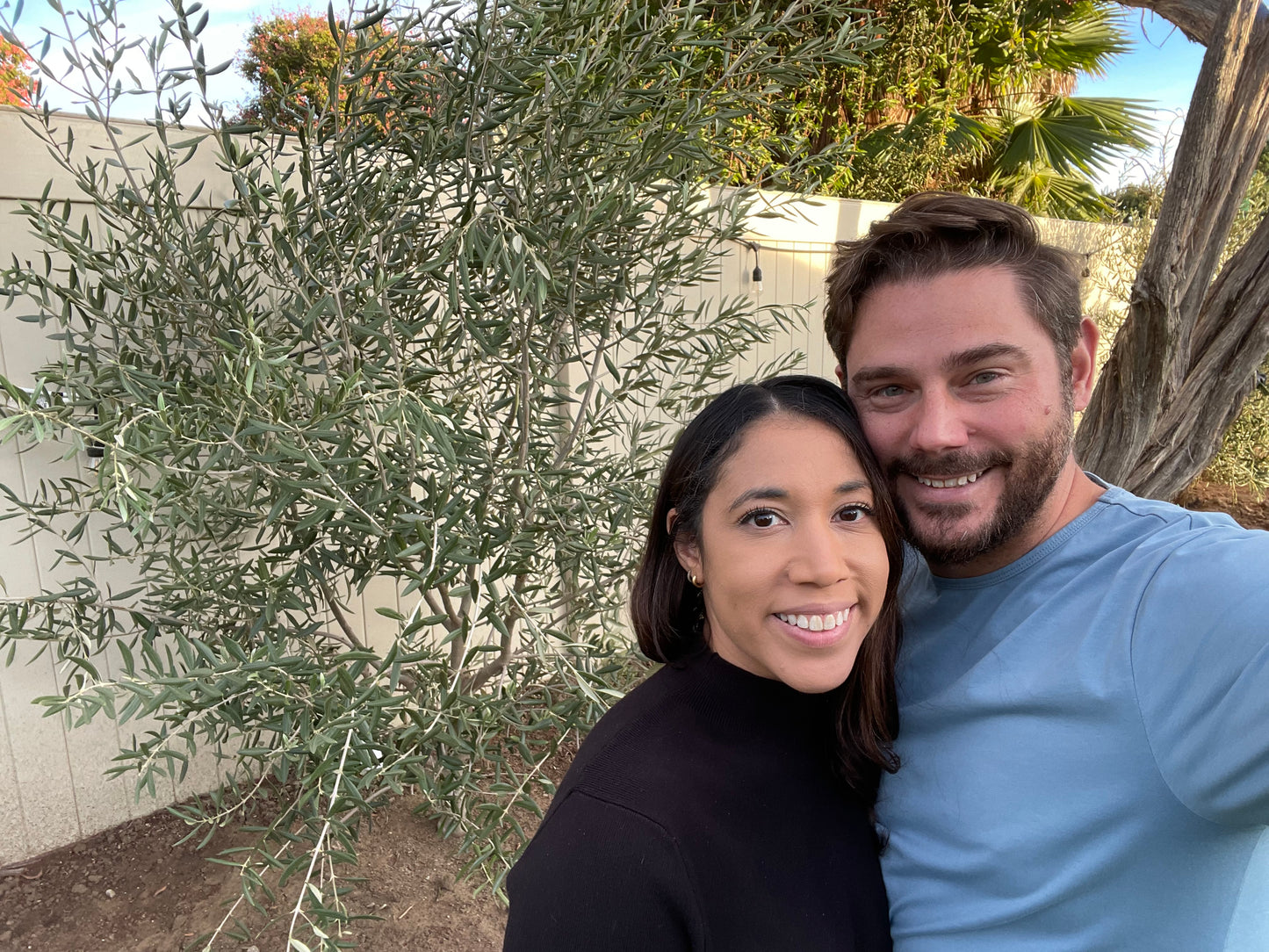
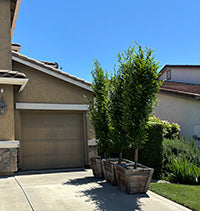
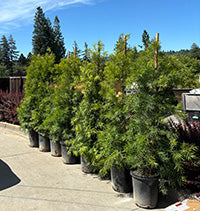
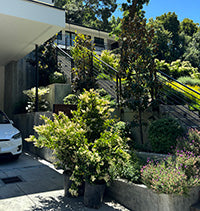
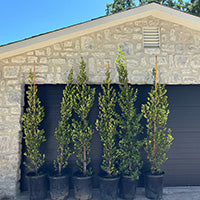
Yardwork was so great to work with. First they had the Swan Hill olive trees that we had been searching for, we had contacted several other nurseries without any luck previously. Then they answered all of our questions in a timely matter prior to ordering and finally delivered within a few days of placing it. Their staff is incredibly knowledgeable; they delivered and planted our trees with expertise to ensure that they would do well in our yard. We would definitely work with them again for future projects.











A Modern Experience
At Yardwork, we carefully curate thousands of plants, in all container sizes, to provide you with the best selection of the highest quality trees and plants at the best price, with the convenience of an online platform.
Uncompromised Quality
We choose only the finest specimens and hand select our plants just before delivery to ensure you receive the freshest and most robust specimens available for your landscape.
Industry Leading Warranties
Our 30, 90, and 365 extended warranties provide some of the best coverage to ensure our trees and plants thrive in your landscape.
Frequently Asked Questions
We're committed to changing everything about trees and plants - how they’re grown, how you shop for them, and how much they cost. We handle orders ourselves. No middlemen to get between us (or our prices) and you.
We're committed to changing everything about trees and plants - how they’re grown, how you shop for them, and how much they cost. We handle orders ourselves. No middlemen to get between us (or our prices) and you.
Delivery does not include unloading of trees and plants LARGER than a 24" box.
Trees and plants in smaller containers will be dropped curbside (usually on the driveway or near the front doorstep).
Delivery beyond a curbside drop will be charged extra.
Trees and plants that are sold in container sizes LARGER than a 24" box size will require equipment and/or enough manpower onsite to help unload from the truck.
Please reach out to our team PRIOR to placing your order to help coordinate.
Our team can provide unloading assistance with equipment for an extra fee as well.
Delivery does not include unloading of trees and plants LARGER than a 24" box.
Trees and plants in smaller containers will be dropped curbside (usually on the driveway or near the front doorstep).
Delivery beyond a curbside drop will be charged extra.
Trees and plants that are sold in container sizes LARGER than a 24" box size will require equipment and/or enough manpower onsite to help unload from the truck.
Please reach out to our team PRIOR to placing your order to help coordinate.
Our team can provide unloading assistance with equipment for an extra fee as well.
We ship locally within California within 7-10 days of your order being placed.
We ship nationally using carrier partners, based on order size. Our common order minimums for out of state shipping is $5,000.
Text or call 323-576-4159 for specific shipping details for your location.
We ship locally within California within 7-10 days of your order being placed.
We ship nationally using carrier partners, based on order size. Our common order minimums for out of state shipping is $5,000.
Text or call 323-576-4159 for specific shipping details for your location.
We are currently online only and don't have physical locations where you can view plants in person.
That's why we have photos direct from the growing grounds of the plants we will ship and we display pricing right in our store.
We do make sure to pick the very best trees and plants prior to shipping and make sure that they have gone through our multi-point inspection for health and structure.
We will always reach out prior to delivery if we find a quality issue or need to provide a substitute.
We are currently online only and don't have physical locations where you can view plants in person.
That's why we have photos direct from the growing grounds of the plants we will ship and we display pricing right in our store.
We do make sure to pick the very best trees and plants prior to shipping and make sure that they have gone through our multi-point inspection for health and structure.
We will always reach out prior to delivery if we find a quality issue or need to provide a substitute.
Plants vary greatly by type. Here is a rough idea of sizes based on containers that are direct from our growing grounds.
15 Gallon Shrub 3-4 Ft. Tall
15 Gallon Tree 5-6 Ft. Tall
24" Box Shrub 5-6 Ft. Tall
24" Box Tree 6-7 Ft. Tall
36" Box Shrub/Tree 7-9 Ft. Tall
48" Box Shrub/Tree 8-10 Ft. Tall
**Please note that we do not make guarantees of sizes. If you have questions or concerns, please call or text to request accurate sizing for the particular plant you're considering, prior to ordering.
Plants vary greatly by type. Here is a rough idea of sizes based on containers that are direct from our growing grounds.
15 Gallon Shrub 3-4 Ft. Tall
15 Gallon Tree 5-6 Ft. Tall
24" Box Shrub 5-6 Ft. Tall
24" Box Tree 6-7 Ft. Tall
36" Box Shrub/Tree 7-9 Ft. Tall
48" Box Shrub/Tree 8-10 Ft. Tall
**Please note that we do not make guarantees of sizes. If you have questions or concerns, please call or text to request accurate sizing for the particular plant you're considering, prior to ordering.
We offer a limited 30 day warranty for plants that are delivered and planted by someone else and a 90 day warranty for plants that we plant.
The limited warranty covers plants that die as a result of disease or fungus which was derived from our growing grounds or from root balls that were root bound.
The warranty does not cover damage due to watering, fertilizer, soils, or any other conditions beyond our control. Additionally, the warranty does not cover plants that are shipped out of the state of California or shipped into California from other states. Custom plant orders are also not covered under warranty. Plants must be planted within 24 hours after delivery to qualify.
We can assist you in recommending the right soils and fertilizers to help your plant thrive after you plant it.
Text or call 323-576-4159 for further warranty information.
We offer a limited 30 day warranty for plants that are delivered and planted by someone else and a 90 day warranty for plants that we plant.
The limited warranty covers plants that die as a result of disease or fungus which was derived from our growing grounds or from root balls that were root bound.
The warranty does not cover damage due to watering, fertilizer, soils, or any other conditions beyond our control. Additionally, the warranty does not cover plants that are shipped out of the state of California or shipped into California from other states. Custom plant orders are also not covered under warranty. Plants must be planted within 24 hours after delivery to qualify.
We can assist you in recommending the right soils and fertilizers to help your plant thrive after you plant it.
Text or call 323-576-4159 for further warranty information.
Our local delivery team covers most cities in California.
There are some exceptions, so please get in touch to confirm prior to ordering.
Additionally, we ship using semi trucks and trailers throughout the entire United States and even abroad for large orders over $5,000. Each shipment is custom, so please reach out to our team to coordinate.
Our local delivery team covers most cities in California.
There are some exceptions, so please get in touch to confirm prior to ordering.
Additionally, we ship using semi trucks and trailers throughout the entire United States and even abroad for large orders over $5,000. Each shipment is custom, so please reach out to our team to coordinate.