

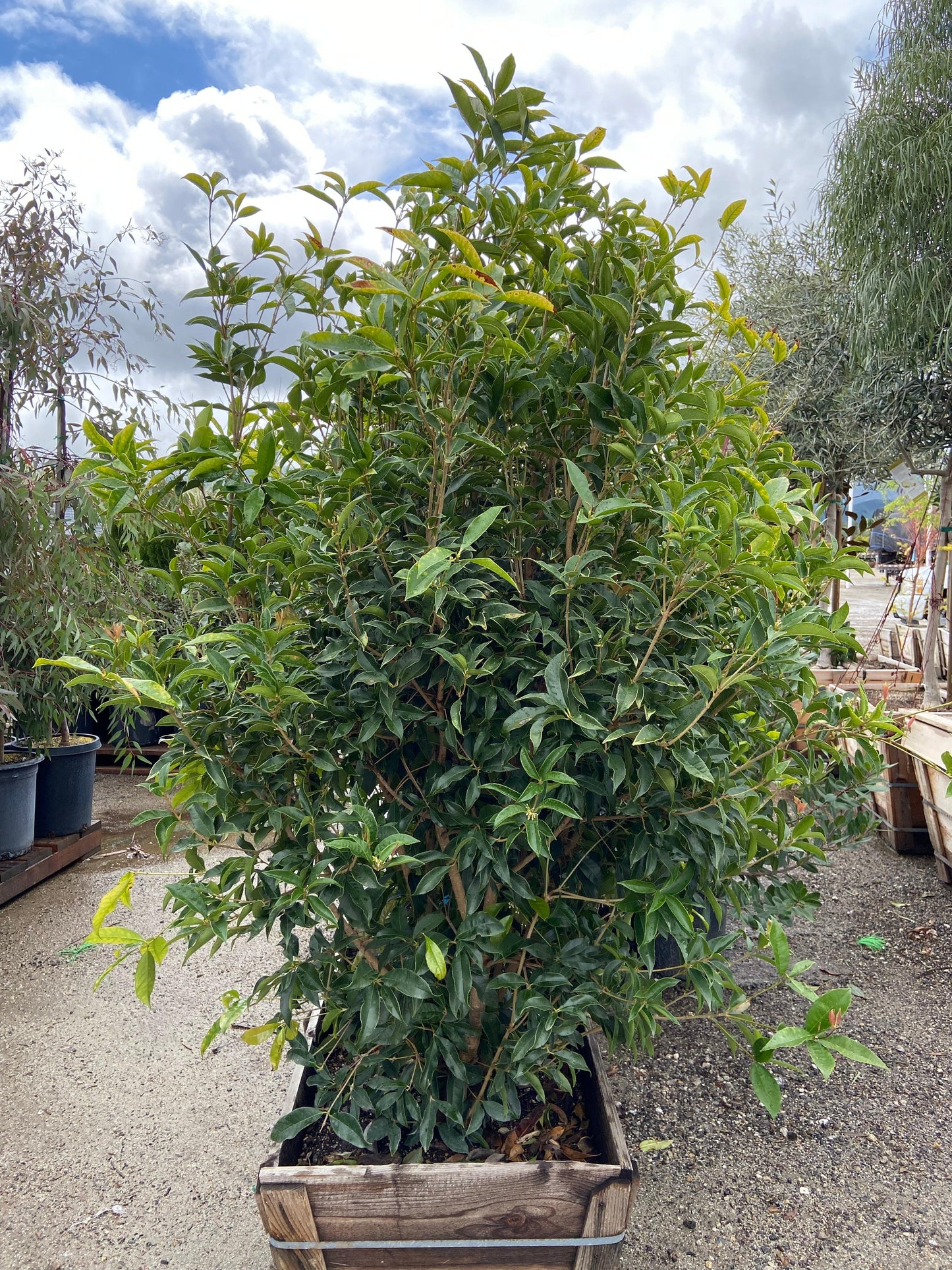

Sweet Osmanthus (Osmanthus fragrans)
Regular price
$395.00
Size
Transform Your Garden Into a Fragrant Paradise
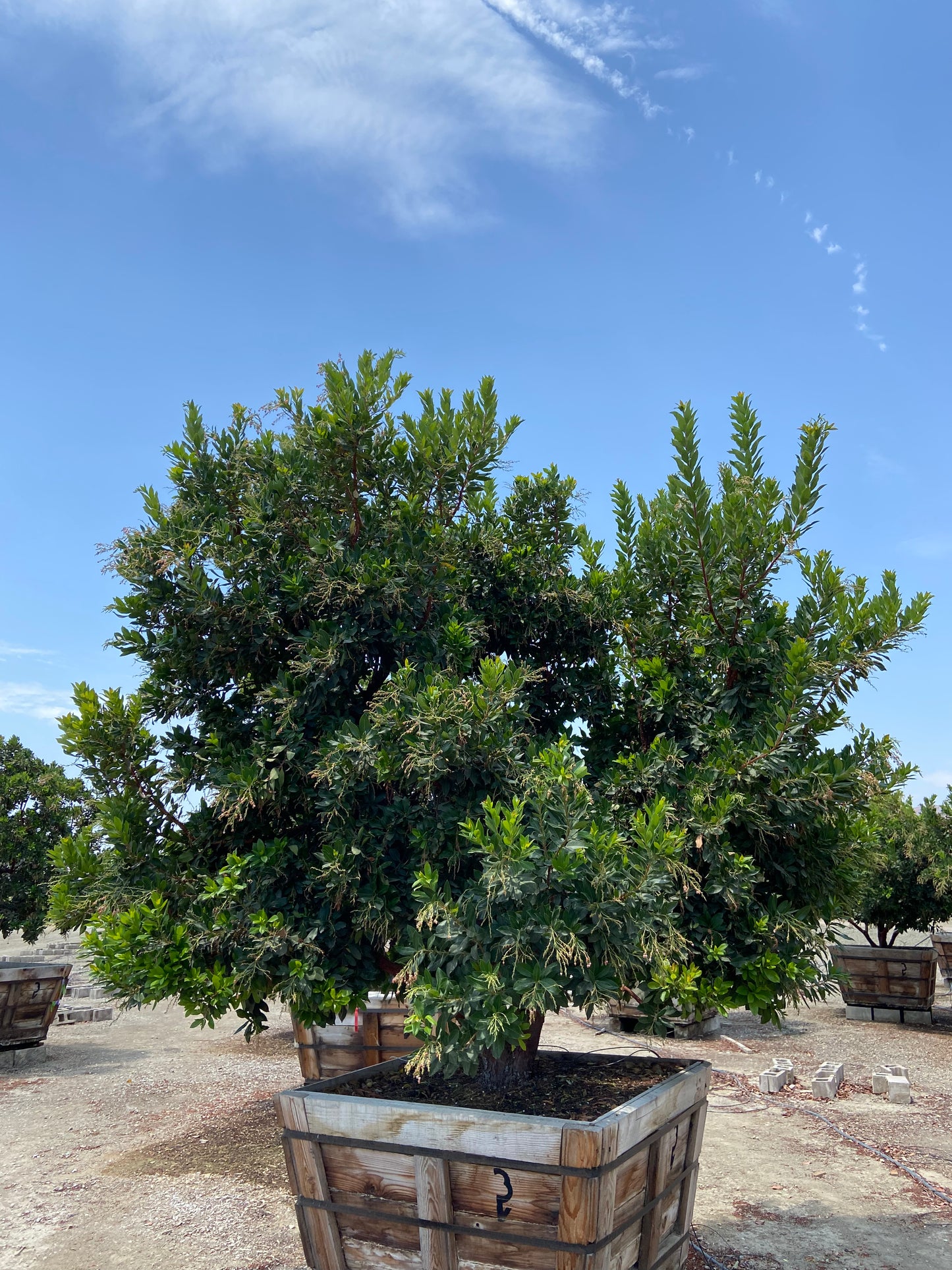
Sweet Osmanthus gives your garden powerful, apricot-peach fragrance from a handsome evergreen shrub or small tree that can scent patios, paths, and outdoor rooms from surprising distances. Also known as fragrant tea olive, tea olive, sweet olive, and sometimes olive osmanthus, Osmanthus fragrans produces small but extremely fragrant flowers that can fill the air with the smell of ripe peaches, apricots, and warm floral sweetness.
Instead of offering one short spring show, this plant brings extended fragrance enjoyment with a primary bloom in fall and additional bloom cycles that may appear through winter and spring in mild southern climates. With glossy dark green leaves, dense foliage, and a naturally elegant shape, Sweet Osmanthus turns everyday outdoor space into a year round sensory garden.
Why You'll Love It
-
Incredible Fragrance – Sweet Osmanthus is famous for its strong fragrance: tiny creamy white flowers to yellow clusters release an intense scent often compared to ripe peaches, apricots, and apricot gold nectar.
-
Year-Round Beauty – This evergreen shrub keeps its dark green foliage through the seasons, with finely toothed leaf edges on many forms and bloom periods that can return in fall, late fall, winter, and spring.
-
Low Maintenance – Once roots are established, Sweet Osmanthus is drought-tolerant, needs minimal pruning, and stays healthy with well drained soil, moderate water, and light fertilize routines.
-
Versatile Design – Use it as a hedge, privacy screen, specimen tree, container plant, or fragrant backdrop in a perennial border near patios, gates, and outdoor dining areas.
-
Climate Perfect – Sweet Osmanthus thrives in full sun but benefits from partial shade or afternoon shade in hotter California climates to prevent leaf scorch, ideally receiving four to five hours of direct sunlight daily.
What Makes It Different
Most fragrant plants either bloom for a brief season, need constant attention, or lose their appeal when the flowers fade. Sweet Osmanthus combines evergreen structure, repeat fragrance, and practical landscape value in one long-lived shrub or small tree.
-
Multiple Bloom Cycles – Unlike many spring-only shrubs, Sweet Osmanthus can bloom in fall, winter, and spring. Osmanthus fragrans, commonly known as sweet osmanthus, is the most recognized species and is known for its fragrant flowers that bloom in clusters, typically in creamy-white to yellow hues.
-
Extreme Fragrance Intensity – The flowers are small, but the scent is exceptionally strong. Depending on cultivar, the fragrance can lean creamy white and floral, butter yellow and honeyed, conger yellow and citrusy, or apricot gold with a fruit-forward finish.
-
Heat and Drought Tolerance – Established sweet osmanthus plants are drought-tolerant but require at least one inch of water per week to thrive, especially during dry spells. That makes the plant especially useful in California gardens where dry summers challenge less resilient flowering shrubs.
Sweet Osmanthus also brings cultural depth. Sweet osmanthus is widely cherished in traditional East Asian food culture as an ingredient to impart a subtle fruit-forward, floral sweetness. Osmanthus tea is made by steeping the dried flowers in hot water or blending them with various types of tea leaves, while osmanthus jam is made by simmering the flowers with crystal sugar, resulting in a sweet, syrupy preserve.
How To Grow Sweet Osmanthus Successfully
-
Plant in Well-Draining Soil
Choose well drained soil that stays lightly moist but never waterlogged. Sweet osmanthus prefers well-drained, moist soil that is acidic to neutral, with a pH range of 5.0 to 7.5. Amend heavy clay with compost, keep the crown slightly above grade, and avoid burying the stem too deeply. -
Establish with Regular Watering
Water consistently during the first growing season so the roots can expand beyond the nursery pot. Once new growth begins in early spring, maintain even moisture without oversaturating the soil. After establishment, shift to deep, infrequent watering, with extra support during heat waves or long dry spells. -
Enjoy Continuous Fragrance
Expect the strongest bloom in fall and late fall, with additional flowers possible through winter and spring in mild climates. Place the plant where the fragrance can move through the air-near a front walk, patio, open window, or garden seating area-so every bloom cycle becomes part of daily life.
Product Details
-
Mature Size: Typically 8–15 feet tall and 6–8 feet wide, with some cultivars forming a larger small tree over time.
-
Plant Type: Evergreen shrub or small tree in the olive family, related botanically to olives and lilacs.
-
Hardiness Zones: Best for USDA Zones 8–11, perfect for most California regions and many southern climates where a variety of flowering trees can also thrive.
-
Sun Requirements: Full sun to partial shade; afternoon shade is helpful in hotter inland areas, similar to the needs of Swan Hill fruitless olive trees.
-
Bloom Time: Primary fall bloom, with possible winter and spring flowering periods depending on cultivar and climate.
-
Flowers: Extremely fragrant flowers in creamy white, white flowers, butter yellow, conger yellow, or apricot gold tones depending on cultivar.
-
Foliage: Dense dark green leaves; some related selections offer variegated foliage, while false holly types have a more sharply toothed look.
-
Water Needs: Moderate during establishment; established plants are drought-tolerant but perform best with at least one inch of water per week during dry spells, much like many fruitless olive trees used in elegant landscaping.
-
Soil: Acidic to neutral, moist, well drained soil with a pH range of 5.0 to 7.5.
-
Growth Rate: Moderate; allow several years for a full hedge, screen, or mature specimen shape.
-
Pruning: Light pruning after flowering or before heavy spring growth begins; avoid hard late-season pruning that can remove flower buds.
-
Container Use: Suitable for a large container or pot; in colder regions, container plants may be moved indoors for winter protection, a strategy also used with compact Little Ollie dwarf olive trees.
There are several cultivars of Osmanthus fragrans, including ‘Fudingzhu’, which is known for its dense growth and fragrant flowers, and ‘Lindsey’, which is appreciated for its compact size and ornamental value. Other species of osmanthus, such as Osmanthus delavayi and Osmanthus americanus, also produce fragrant flowers and can be used in landscaping, offering similar care requirements to Sweet Osmanthus (Osmanthus fragrans).
Who It's For
Ideal for:
-
California homeowners wanting year round garden fragrance without high-maintenance care
-
Property owners seeking a dense, low-maintenance privacy screen, hedge, or sweet olive border
-
Garden enthusiasts looking for unique flowering evergreens with strong fragrance
-
Landscape designers creating sensory garden experiences near paths, patios, and entries who may also incorporate Mediterranean-style olive plants for structure and texture
-
Anyone wanting to enhance outdoor entertaining areas with natural fragrance in the air
Sweet Osmanthus also fits gardeners who appreciate plants with history and practical uses, much like those who enjoy growing compact Little Ollie olive trees with low-maintenance care. Modern scientific analysis of osmanthus reveals that the flowers are rich in antioxidant and anti-inflammatory compounds. Osmanthus is rich in flavonoids and phenolic compounds, which help combat free radicals and reduce oxidative stress.
For culinary and traditional-use gardeners, dried flowers can be enjoyed as tea or used in sweet preparations, complementing landscapes that also rely on evergreen privacy trees and shrubs from a versatile nursery offering privacy trees and evergreens. Osmanthus extracts promote the secretion of digestive enzymes and have an antispasmodic effect on intestinal muscles, and the aroma of osmanthus has a gentle sedative effect that decreases nervous tension and lowers stress hormones.
Frequently Asked Questions
When does Sweet Osmanthus bloom?
Sweet Osmanthus usually has its strongest bloom in fall, often continuing into late fall. In mild climates, especially California and other southern climates, additional bloom cycles may appear in winter and spring.
How strong is the fragrance?
Very strong. The flowers are small and often tucked into the foliage, but the scent can fill an entire garden. Many gardeners describe the fragrance as a blend of apricots, ripe peaches, sweet tea, and creamy floral notes.
Is it deer resistant?
Sweet Osmanthus is generally considered deer resistant, though no plant is completely deer-proof. It is a good choice where browsing pressure is moderate and you want fragrant flowers with evergreen structure.
How fast does it grow?
It grows at a moderate pace. With healthy roots, good soil, and consistent water during establishment, Sweet Osmanthus gradually develops into a dense shrub or small tree suitable for screening, shaping, or specimen use.
What about pruning?
Pruning needs are minimal. Lightly shape the plant after bloom or before strong spring growth begins. Avoid heavy pruning in late fall because it can remove developing flower buds and reduce the next fragrance cycle.
Will it survive California droughts?
Yes, once established. Sweet Osmanthus handles dry periods well, but it still performs best with deep watering during prolonged heat or drought. Established sweet osmanthus plants are drought-tolerant but require at least one inch of water per week to thrive, especially during dry spells.
Ready to Add Incredible Fragrance?
Choose Sweet Osmanthus (Osmanthus fragrans) for evergreen beauty, repeat bloom potential, and a garden scent that turns walkways, patios, and outdoor rooms into memorable spaces.
We can help you select the right size, cultivar, and placement for your California landscape, whether you want a privacy hedge, a single specimen tree, a container near the door, or a fragrant backdrop for entertaining, all supported by our plant nursery and landscaping services in Los Angeles. Ask about expert selection, California delivery, and consultation services for optimal placement in your garden design.
Transform Your Garden Into a Fragrant Paradise
Sweet Osmanthus gives your garden powerful, apricot-peach fragrance from a handsome evergreen shrub or small tree that can scent patios, paths, and outdoor rooms from surprising distances. Also known as fragrant tea olive, tea olive, sweet olive, and sometimes olive osmanthus, Osmanthus fragrans produces small but extremely fragrant flowers that can fill the air with the smell of ripe peaches, apricots, and warm floral sweetness.
Instead of offering one short spring show, this plant brings extended fragrance enjoyment with a primary bloom in fall and additional bloom cycles that may appear through winter and spring in mild southern climates. With glossy dark green leaves, dense foliage, and a naturally elegant shape, Sweet Osmanthus turns everyday outdoor space into a year round sensory garden.
Why You'll Love It
-
Incredible Fragrance – Sweet Osmanthus is famous for its strong fragrance: tiny creamy white flowers to yellow clusters release an intense scent often compared to ripe peaches, apricots, and apricot gold nectar.
-
Year-Round Beauty – This evergreen shrub keeps its dark green foliage through the seasons, with finely toothed leaf edges on many forms and bloom periods that can return in fall, late fall, winter, and spring.
-
Low Maintenance – Once roots are established, Sweet Osmanthus is drought-tolerant, needs minimal pruning, and stays healthy with well drained soil, moderate water, and light fertilize routines.
-
Versatile Design – Use it as a hedge, privacy screen, specimen tree, container plant, or fragrant backdrop in a perennial border near patios, gates, and outdoor dining areas.
-
Climate Perfect – Sweet Osmanthus thrives in full sun but benefits from partial shade or afternoon shade in hotter California climates to prevent leaf scorch, ideally receiving four to five hours of direct sunlight daily.
What Makes It Different
Most fragrant plants either bloom for a brief season, need constant attention, or lose their appeal when the flowers fade. Sweet Osmanthus combines evergreen structure, repeat fragrance, and practical landscape value in one long-lived shrub or small tree.
-
Multiple Bloom Cycles – Unlike many spring-only shrubs, Sweet Osmanthus can bloom in fall, winter, and spring. Osmanthus fragrans, commonly known as sweet osmanthus, is the most recognized species and is known for its fragrant flowers that bloom in clusters, typically in creamy-white to yellow hues.
-
Extreme Fragrance Intensity – The flowers are small, but the scent is exceptionally strong. Depending on cultivar, the fragrance can lean creamy white and floral, butter yellow and honeyed, conger yellow and citrusy, or apricot gold with a fruit-forward finish.
-
Heat and Drought Tolerance – Established sweet osmanthus plants are drought-tolerant but require at least one inch of water per week to thrive, especially during dry spells. That makes the plant especially useful in California gardens where dry summers challenge less resilient flowering shrubs.
Sweet Osmanthus also brings cultural depth. Sweet osmanthus is widely cherished in traditional East Asian food culture as an ingredient to impart a subtle fruit-forward, floral sweetness. Osmanthus tea is made by steeping the dried flowers in hot water or blending them with various types of tea leaves, while osmanthus jam is made by simmering the flowers with crystal sugar, resulting in a sweet, syrupy preserve.
How To Grow Sweet Osmanthus Successfully
-
Plant in Well-Draining Soil
Choose well drained soil that stays lightly moist but never waterlogged. Sweet osmanthus prefers well-drained, moist soil that is acidic to neutral, with a pH range of 5.0 to 7.5. Amend heavy clay with compost, keep the crown slightly above grade, and avoid burying the stem too deeply. -
Establish with Regular Watering
Water consistently during the first growing season so the roots can expand beyond the nursery pot. Once new growth begins in early spring, maintain even moisture without oversaturating the soil. After establishment, shift to deep, infrequent watering, with extra support during heat waves or long dry spells. -
Enjoy Continuous Fragrance
Expect the strongest bloom in fall and late fall, with additional flowers possible through winter and spring in mild climates. Place the plant where the fragrance can move through the air-near a front walk, patio, open window, or garden seating area-so every bloom cycle becomes part of daily life.
Product Details
-
Mature Size: Typically 8–15 feet tall and 6–8 feet wide, with some cultivars forming a larger small tree over time.
-
Plant Type: Evergreen shrub or small tree in the olive family, related botanically to olives and lilacs.
-
Hardiness Zones: Best for USDA Zones 8–11, perfect for most California regions and many southern climates where a variety of flowering trees can also thrive.
-
Sun Requirements: Full sun to partial shade; afternoon shade is helpful in hotter inland areas, similar to the needs of Swan Hill fruitless olive trees.
-
Bloom Time: Primary fall bloom, with possible winter and spring flowering periods depending on cultivar and climate.
-
Flowers: Extremely fragrant flowers in creamy white, white flowers, butter yellow, conger yellow, or apricot gold tones depending on cultivar.
-
Foliage: Dense dark green leaves; some related selections offer variegated foliage, while false holly types have a more sharply toothed look.
-
Water Needs: Moderate during establishment; established plants are drought-tolerant but perform best with at least one inch of water per week during dry spells, much like many fruitless olive trees used in elegant landscaping.
-
Soil: Acidic to neutral, moist, well drained soil with a pH range of 5.0 to 7.5.
-
Growth Rate: Moderate; allow several years for a full hedge, screen, or mature specimen shape.
-
Pruning: Light pruning after flowering or before heavy spring growth begins; avoid hard late-season pruning that can remove flower buds.
-
Container Use: Suitable for a large container or pot; in colder regions, container plants may be moved indoors for winter protection, a strategy also used with compact Little Ollie dwarf olive trees.
There are several cultivars of Osmanthus fragrans, including ‘Fudingzhu’, which is known for its dense growth and fragrant flowers, and ‘Lindsey’, which is appreciated for its compact size and ornamental value. Other species of osmanthus, such as Osmanthus delavayi and Osmanthus americanus, also produce fragrant flowers and can be used in landscaping, offering similar care requirements to Sweet Osmanthus (Osmanthus fragrans).
Who It's For
Ideal for:
-
California homeowners wanting year round garden fragrance without high-maintenance care
-
Property owners seeking a dense, low-maintenance privacy screen, hedge, or sweet olive border
-
Garden enthusiasts looking for unique flowering evergreens with strong fragrance
-
Landscape designers creating sensory garden experiences near paths, patios, and entries who may also incorporate Mediterranean-style olive plants for structure and texture
-
Anyone wanting to enhance outdoor entertaining areas with natural fragrance in the air
Sweet Osmanthus also fits gardeners who appreciate plants with history and practical uses, much like those who enjoy growing compact Little Ollie olive trees with low-maintenance care. Modern scientific analysis of osmanthus reveals that the flowers are rich in antioxidant and anti-inflammatory compounds. Osmanthus is rich in flavonoids and phenolic compounds, which help combat free radicals and reduce oxidative stress.
For culinary and traditional-use gardeners, dried flowers can be enjoyed as tea or used in sweet preparations, complementing landscapes that also rely on evergreen privacy trees and shrubs from a versatile nursery offering privacy trees and evergreens. Osmanthus extracts promote the secretion of digestive enzymes and have an antispasmodic effect on intestinal muscles, and the aroma of osmanthus has a gentle sedative effect that decreases nervous tension and lowers stress hormones.
Frequently Asked Questions
When does Sweet Osmanthus bloom?
Sweet Osmanthus usually has its strongest bloom in fall, often continuing into late fall. In mild climates, especially California and other southern climates, additional bloom cycles may appear in winter and spring.
How strong is the fragrance?
Very strong. The flowers are small and often tucked into the foliage, but the scent can fill an entire garden. Many gardeners describe the fragrance as a blend of apricots, ripe peaches, sweet tea, and creamy floral notes.
Is it deer resistant?
Sweet Osmanthus is generally considered deer resistant, though no plant is completely deer-proof. It is a good choice where browsing pressure is moderate and you want fragrant flowers with evergreen structure.
How fast does it grow?
It grows at a moderate pace. With healthy roots, good soil, and consistent water during establishment, Sweet Osmanthus gradually develops into a dense shrub or small tree suitable for screening, shaping, or specimen use.
What about pruning?
Pruning needs are minimal. Lightly shape the plant after bloom or before strong spring growth begins. Avoid heavy pruning in late fall because it can remove developing flower buds and reduce the next fragrance cycle.
Will it survive California droughts?
Yes, once established. Sweet Osmanthus handles dry periods well, but it still performs best with deep watering during prolonged heat or drought. Established sweet osmanthus plants are drought-tolerant but require at least one inch of water per week to thrive, especially during dry spells.
Ready to Add Incredible Fragrance?
Choose Sweet Osmanthus (Osmanthus fragrans) for evergreen beauty, repeat bloom potential, and a garden scent that turns walkways, patios, and outdoor rooms into memorable spaces.
We can help you select the right size, cultivar, and placement for your California landscape, whether you want a privacy hedge, a single specimen tree, a container near the door, or a fragrant backdrop for entertaining, all supported by our plant nursery and landscaping services in Los Angeles. Ask about expert selection, California delivery, and consultation services for optimal placement in your garden design.
Plants vary greatly by type and no guarantees are made on sizing.
However here is a rough idea of sizes based on containers that are direct from our growing grounds.
15 Gallon Shrub 3-4 Ft. Tall
15 Gallon Tree 5-6 Ft. Tall
24" Box Shrub 5-6 Ft. Tall
24" Box Tree 6-7 Ft. Tall
36" Box Tree 8-10 Ft. Tall
48" Box Tree 10-12 Ft. Tall
Please note: Citrus and California Native plants such as Manzanita are smaller than traditional sizing.
Please contact us to confirm sizing of items before purchasing if this is a concern.
Plants vary greatly by type and no guarantees are made on sizing.
However here is a rough idea of sizes based on containers that are direct from our growing grounds.
15 Gallon Shrub 3-4 Ft. Tall
15 Gallon Tree 5-6 Ft. Tall
24" Box Shrub 5-6 Ft. Tall
24" Box Tree 6-7 Ft. Tall
36" Box Tree 8-10 Ft. Tall
48" Box Tree 10-12 Ft. Tall
Please note: Citrus and California Native plants such as Manzanita are smaller than traditional sizing.
Please contact us to confirm sizing of items before purchasing if this is a concern.
Delivery does not include unloading of trees and plants larger than a 24" box.
Trees and plants in smaller containers will be dropped curbside.
Delivery beyond a curbside drop will be charged extra.
Trees and plants that are sold in container sizes larger than a 24" box size will require equipment and an operator onsite to help unload from the truck.
Please reach out to our team PRIOR to placing your order to coordinate.
Our team can provide unloading assistance with equipment for an extra fee.
Delivery does not include unloading of trees and plants larger than a 24" box.
Trees and plants in smaller containers will be dropped curbside.
Delivery beyond a curbside drop will be charged extra.
Trees and plants that are sold in container sizes larger than a 24" box size will require equipment and an operator onsite to help unload from the truck.
Please reach out to our team PRIOR to placing your order to coordinate.
Our team can provide unloading assistance with equipment for an extra fee.
You may also like...


Sweet Osmanthus (Osmanthus fragrans)
Regular price
$395.00
Size
Transform Your Garden Into a Fragrant Paradise
Sweet Osmanthus gives your garden powerful, apricot-peach fragrance from a handsome evergreen shrub or small tree that can scent patios, paths, and outdoor rooms from surprising distances. Also known as fragrant tea olive, tea olive, sweet olive, and sometimes olive osmanthus, Osmanthus fragrans produces small but extremely fragrant flowers that can fill the air with the smell of ripe peaches, apricots, and warm floral sweetness.
Instead of offering one short spring show, this plant brings extended fragrance enjoyment with a primary bloom in fall and additional bloom cycles that may appear through winter and spring in mild southern climates. With glossy dark green leaves, dense foliage, and a naturally elegant shape, Sweet Osmanthus turns everyday outdoor space into a year round sensory garden.
Why You'll Love It
-
Incredible Fragrance – Sweet Osmanthus is famous for its strong fragrance: tiny creamy white flowers to yellow clusters release an intense scent often compared to ripe peaches, apricots, and apricot gold nectar.
-
Year-Round Beauty – This evergreen shrub keeps its dark green foliage through the seasons, with finely toothed leaf edges on many forms and bloom periods that can return in fall, late fall, winter, and spring.
-
Low Maintenance – Once roots are established, Sweet Osmanthus is drought-tolerant, needs minimal pruning, and stays healthy with well drained soil, moderate water, and light fertilize routines.
-
Versatile Design – Use it as a hedge, privacy screen, specimen tree, container plant, or fragrant backdrop in a perennial border near patios, gates, and outdoor dining areas.
-
Climate Perfect – Sweet Osmanthus thrives in full sun but benefits from partial shade or afternoon shade in hotter California climates to prevent leaf scorch, ideally receiving four to five hours of direct sunlight daily.
What Makes It Different
Most fragrant plants either bloom for a brief season, need constant attention, or lose their appeal when the flowers fade. Sweet Osmanthus combines evergreen structure, repeat fragrance, and practical landscape value in one long-lived shrub or small tree.
-
Multiple Bloom Cycles – Unlike many spring-only shrubs, Sweet Osmanthus can bloom in fall, winter, and spring. Osmanthus fragrans, commonly known as sweet osmanthus, is the most recognized species and is known for its fragrant flowers that bloom in clusters, typically in creamy-white to yellow hues.
-
Extreme Fragrance Intensity – The flowers are small, but the scent is exceptionally strong. Depending on cultivar, the fragrance can lean creamy white and floral, butter yellow and honeyed, conger yellow and citrusy, or apricot gold with a fruit-forward finish.
-
Heat and Drought Tolerance – Established sweet osmanthus plants are drought-tolerant but require at least one inch of water per week to thrive, especially during dry spells. That makes the plant especially useful in California gardens where dry summers challenge less resilient flowering shrubs.
Sweet Osmanthus also brings cultural depth. Sweet osmanthus is widely cherished in traditional East Asian food culture as an ingredient to impart a subtle fruit-forward, floral sweetness. Osmanthus tea is made by steeping the dried flowers in hot water or blending them with various types of tea leaves, while osmanthus jam is made by simmering the flowers with crystal sugar, resulting in a sweet, syrupy preserve.
How To Grow Sweet Osmanthus Successfully
-
Plant in Well-Draining Soil
Choose well drained soil that stays lightly moist but never waterlogged. Sweet osmanthus prefers well-drained, moist soil that is acidic to neutral, with a pH range of 5.0 to 7.5. Amend heavy clay with compost, keep the crown slightly above grade, and avoid burying the stem too deeply. -
Establish with Regular Watering
Water consistently during the first growing season so the roots can expand beyond the nursery pot. Once new growth begins in early spring, maintain even moisture without oversaturating the soil. After establishment, shift to deep, infrequent watering, with extra support during heat waves or long dry spells. -
Enjoy Continuous Fragrance
Expect the strongest bloom in fall and late fall, with additional flowers possible through winter and spring in mild climates. Place the plant where the fragrance can move through the air-near a front walk, patio, open window, or garden seating area-so every bloom cycle becomes part of daily life.
Product Details
-
Mature Size: Typically 8–15 feet tall and 6–8 feet wide, with some cultivars forming a larger small tree over time.
-
Plant Type: Evergreen shrub or small tree in the olive family, related botanically to olives and lilacs.
-
Hardiness Zones: Best for USDA Zones 8–11, perfect for most California regions and many southern climates where a variety of flowering trees can also thrive.
-
Sun Requirements: Full sun to partial shade; afternoon shade is helpful in hotter inland areas, similar to the needs of Swan Hill fruitless olive trees.
-
Bloom Time: Primary fall bloom, with possible winter and spring flowering periods depending on cultivar and climate.
-
Flowers: Extremely fragrant flowers in creamy white, white flowers, butter yellow, conger yellow, or apricot gold tones depending on cultivar.
-
Foliage: Dense dark green leaves; some related selections offer variegated foliage, while false holly types have a more sharply toothed look.
-
Water Needs: Moderate during establishment; established plants are drought-tolerant but perform best with at least one inch of water per week during dry spells, much like many fruitless olive trees used in elegant landscaping.
-
Soil: Acidic to neutral, moist, well drained soil with a pH range of 5.0 to 7.5.
-
Growth Rate: Moderate; allow several years for a full hedge, screen, or mature specimen shape.
-
Pruning: Light pruning after flowering or before heavy spring growth begins; avoid hard late-season pruning that can remove flower buds.
-
Container Use: Suitable for a large container or pot; in colder regions, container plants may be moved indoors for winter protection, a strategy also used with compact Little Ollie dwarf olive trees.
There are several cultivars of Osmanthus fragrans, including ‘Fudingzhu’, which is known for its dense growth and fragrant flowers, and ‘Lindsey’, which is appreciated for its compact size and ornamental value. Other species of osmanthus, such as Osmanthus delavayi and Osmanthus americanus, also produce fragrant flowers and can be used in landscaping, offering similar care requirements to Sweet Osmanthus (Osmanthus fragrans).
Who It's For
Ideal for:
-
California homeowners wanting year round garden fragrance without high-maintenance care
-
Property owners seeking a dense, low-maintenance privacy screen, hedge, or sweet olive border
-
Garden enthusiasts looking for unique flowering evergreens with strong fragrance
-
Landscape designers creating sensory garden experiences near paths, patios, and entries who may also incorporate Mediterranean-style olive plants for structure and texture
-
Anyone wanting to enhance outdoor entertaining areas with natural fragrance in the air
Sweet Osmanthus also fits gardeners who appreciate plants with history and practical uses, much like those who enjoy growing compact Little Ollie olive trees with low-maintenance care. Modern scientific analysis of osmanthus reveals that the flowers are rich in antioxidant and anti-inflammatory compounds. Osmanthus is rich in flavonoids and phenolic compounds, which help combat free radicals and reduce oxidative stress.
For culinary and traditional-use gardeners, dried flowers can be enjoyed as tea or used in sweet preparations, complementing landscapes that also rely on evergreen privacy trees and shrubs from a versatile nursery offering privacy trees and evergreens. Osmanthus extracts promote the secretion of digestive enzymes and have an antispasmodic effect on intestinal muscles, and the aroma of osmanthus has a gentle sedative effect that decreases nervous tension and lowers stress hormones.
Frequently Asked Questions
When does Sweet Osmanthus bloom?
Sweet Osmanthus usually has its strongest bloom in fall, often continuing into late fall. In mild climates, especially California and other southern climates, additional bloom cycles may appear in winter and spring.
How strong is the fragrance?
Very strong. The flowers are small and often tucked into the foliage, but the scent can fill an entire garden. Many gardeners describe the fragrance as a blend of apricots, ripe peaches, sweet tea, and creamy floral notes.
Is it deer resistant?
Sweet Osmanthus is generally considered deer resistant, though no plant is completely deer-proof. It is a good choice where browsing pressure is moderate and you want fragrant flowers with evergreen structure.
How fast does it grow?
It grows at a moderate pace. With healthy roots, good soil, and consistent water during establishment, Sweet Osmanthus gradually develops into a dense shrub or small tree suitable for screening, shaping, or specimen use.
What about pruning?
Pruning needs are minimal. Lightly shape the plant after bloom or before strong spring growth begins. Avoid heavy pruning in late fall because it can remove developing flower buds and reduce the next fragrance cycle.
Will it survive California droughts?
Yes, once established. Sweet Osmanthus handles dry periods well, but it still performs best with deep watering during prolonged heat or drought. Established sweet osmanthus plants are drought-tolerant but require at least one inch of water per week to thrive, especially during dry spells.
Ready to Add Incredible Fragrance?
Choose Sweet Osmanthus (Osmanthus fragrans) for evergreen beauty, repeat bloom potential, and a garden scent that turns walkways, patios, and outdoor rooms into memorable spaces.
We can help you select the right size, cultivar, and placement for your California landscape, whether you want a privacy hedge, a single specimen tree, a container near the door, or a fragrant backdrop for entertaining, all supported by our plant nursery and landscaping services in Los Angeles. Ask about expert selection, California delivery, and consultation services for optimal placement in your garden design.
Transform Your Garden Into a Fragrant Paradise
Sweet Osmanthus gives your garden powerful, apricot-peach fragrance from a handsome evergreen shrub or small tree that can scent patios, paths, and outdoor rooms from surprising distances. Also known as fragrant tea olive, tea olive, sweet olive, and sometimes olive osmanthus, Osmanthus fragrans produces small but extremely fragrant flowers that can fill the air with the smell of ripe peaches, apricots, and warm floral sweetness.
Instead of offering one short spring show, this plant brings extended fragrance enjoyment with a primary bloom in fall and additional bloom cycles that may appear through winter and spring in mild southern climates. With glossy dark green leaves, dense foliage, and a naturally elegant shape, Sweet Osmanthus turns everyday outdoor space into a year round sensory garden.
Why You'll Love It
-
Incredible Fragrance – Sweet Osmanthus is famous for its strong fragrance: tiny creamy white flowers to yellow clusters release an intense scent often compared to ripe peaches, apricots, and apricot gold nectar.
-
Year-Round Beauty – This evergreen shrub keeps its dark green foliage through the seasons, with finely toothed leaf edges on many forms and bloom periods that can return in fall, late fall, winter, and spring.
-
Low Maintenance – Once roots are established, Sweet Osmanthus is drought-tolerant, needs minimal pruning, and stays healthy with well drained soil, moderate water, and light fertilize routines.
-
Versatile Design – Use it as a hedge, privacy screen, specimen tree, container plant, or fragrant backdrop in a perennial border near patios, gates, and outdoor dining areas.
-
Climate Perfect – Sweet Osmanthus thrives in full sun but benefits from partial shade or afternoon shade in hotter California climates to prevent leaf scorch, ideally receiving four to five hours of direct sunlight daily.
What Makes It Different
Most fragrant plants either bloom for a brief season, need constant attention, or lose their appeal when the flowers fade. Sweet Osmanthus combines evergreen structure, repeat fragrance, and practical landscape value in one long-lived shrub or small tree.
-
Multiple Bloom Cycles – Unlike many spring-only shrubs, Sweet Osmanthus can bloom in fall, winter, and spring. Osmanthus fragrans, commonly known as sweet osmanthus, is the most recognized species and is known for its fragrant flowers that bloom in clusters, typically in creamy-white to yellow hues.
-
Extreme Fragrance Intensity – The flowers are small, but the scent is exceptionally strong. Depending on cultivar, the fragrance can lean creamy white and floral, butter yellow and honeyed, conger yellow and citrusy, or apricot gold with a fruit-forward finish.
-
Heat and Drought Tolerance – Established sweet osmanthus plants are drought-tolerant but require at least one inch of water per week to thrive, especially during dry spells. That makes the plant especially useful in California gardens where dry summers challenge less resilient flowering shrubs.
Sweet Osmanthus also brings cultural depth. Sweet osmanthus is widely cherished in traditional East Asian food culture as an ingredient to impart a subtle fruit-forward, floral sweetness. Osmanthus tea is made by steeping the dried flowers in hot water or blending them with various types of tea leaves, while osmanthus jam is made by simmering the flowers with crystal sugar, resulting in a sweet, syrupy preserve.
How To Grow Sweet Osmanthus Successfully
-
Plant in Well-Draining Soil
Choose well drained soil that stays lightly moist but never waterlogged. Sweet osmanthus prefers well-drained, moist soil that is acidic to neutral, with a pH range of 5.0 to 7.5. Amend heavy clay with compost, keep the crown slightly above grade, and avoid burying the stem too deeply. -
Establish with Regular Watering
Water consistently during the first growing season so the roots can expand beyond the nursery pot. Once new growth begins in early spring, maintain even moisture without oversaturating the soil. After establishment, shift to deep, infrequent watering, with extra support during heat waves or long dry spells. -
Enjoy Continuous Fragrance
Expect the strongest bloom in fall and late fall, with additional flowers possible through winter and spring in mild climates. Place the plant where the fragrance can move through the air-near a front walk, patio, open window, or garden seating area-so every bloom cycle becomes part of daily life.
Product Details
-
Mature Size: Typically 8–15 feet tall and 6–8 feet wide, with some cultivars forming a larger small tree over time.
-
Plant Type: Evergreen shrub or small tree in the olive family, related botanically to olives and lilacs.
-
Hardiness Zones: Best for USDA Zones 8–11, perfect for most California regions and many southern climates where a variety of flowering trees can also thrive.
-
Sun Requirements: Full sun to partial shade; afternoon shade is helpful in hotter inland areas, similar to the needs of Swan Hill fruitless olive trees.
-
Bloom Time: Primary fall bloom, with possible winter and spring flowering periods depending on cultivar and climate.
-
Flowers: Extremely fragrant flowers in creamy white, white flowers, butter yellow, conger yellow, or apricot gold tones depending on cultivar.
-
Foliage: Dense dark green leaves; some related selections offer variegated foliage, while false holly types have a more sharply toothed look.
-
Water Needs: Moderate during establishment; established plants are drought-tolerant but perform best with at least one inch of water per week during dry spells, much like many fruitless olive trees used in elegant landscaping.
-
Soil: Acidic to neutral, moist, well drained soil with a pH range of 5.0 to 7.5.
-
Growth Rate: Moderate; allow several years for a full hedge, screen, or mature specimen shape.
-
Pruning: Light pruning after flowering or before heavy spring growth begins; avoid hard late-season pruning that can remove flower buds.
-
Container Use: Suitable for a large container or pot; in colder regions, container plants may be moved indoors for winter protection, a strategy also used with compact Little Ollie dwarf olive trees.
There are several cultivars of Osmanthus fragrans, including ‘Fudingzhu’, which is known for its dense growth and fragrant flowers, and ‘Lindsey’, which is appreciated for its compact size and ornamental value. Other species of osmanthus, such as Osmanthus delavayi and Osmanthus americanus, also produce fragrant flowers and can be used in landscaping, offering similar care requirements to Sweet Osmanthus (Osmanthus fragrans).
Who It's For
Ideal for:
-
California homeowners wanting year round garden fragrance without high-maintenance care
-
Property owners seeking a dense, low-maintenance privacy screen, hedge, or sweet olive border
-
Garden enthusiasts looking for unique flowering evergreens with strong fragrance
-
Landscape designers creating sensory garden experiences near paths, patios, and entries who may also incorporate Mediterranean-style olive plants for structure and texture
-
Anyone wanting to enhance outdoor entertaining areas with natural fragrance in the air
Sweet Osmanthus also fits gardeners who appreciate plants with history and practical uses, much like those who enjoy growing compact Little Ollie olive trees with low-maintenance care. Modern scientific analysis of osmanthus reveals that the flowers are rich in antioxidant and anti-inflammatory compounds. Osmanthus is rich in flavonoids and phenolic compounds, which help combat free radicals and reduce oxidative stress.
For culinary and traditional-use gardeners, dried flowers can be enjoyed as tea or used in sweet preparations, complementing landscapes that also rely on evergreen privacy trees and shrubs from a versatile nursery offering privacy trees and evergreens. Osmanthus extracts promote the secretion of digestive enzymes and have an antispasmodic effect on intestinal muscles, and the aroma of osmanthus has a gentle sedative effect that decreases nervous tension and lowers stress hormones.
Frequently Asked Questions
When does Sweet Osmanthus bloom?
Sweet Osmanthus usually has its strongest bloom in fall, often continuing into late fall. In mild climates, especially California and other southern climates, additional bloom cycles may appear in winter and spring.
How strong is the fragrance?
Very strong. The flowers are small and often tucked into the foliage, but the scent can fill an entire garden. Many gardeners describe the fragrance as a blend of apricots, ripe peaches, sweet tea, and creamy floral notes.
Is it deer resistant?
Sweet Osmanthus is generally considered deer resistant, though no plant is completely deer-proof. It is a good choice where browsing pressure is moderate and you want fragrant flowers with evergreen structure.
How fast does it grow?
It grows at a moderate pace. With healthy roots, good soil, and consistent water during establishment, Sweet Osmanthus gradually develops into a dense shrub or small tree suitable for screening, shaping, or specimen use.
What about pruning?
Pruning needs are minimal. Lightly shape the plant after bloom or before strong spring growth begins. Avoid heavy pruning in late fall because it can remove developing flower buds and reduce the next fragrance cycle.
Will it survive California droughts?
Yes, once established. Sweet Osmanthus handles dry periods well, but it still performs best with deep watering during prolonged heat or drought. Established sweet osmanthus plants are drought-tolerant but require at least one inch of water per week to thrive, especially during dry spells.
Ready to Add Incredible Fragrance?
Choose Sweet Osmanthus (Osmanthus fragrans) for evergreen beauty, repeat bloom potential, and a garden scent that turns walkways, patios, and outdoor rooms into memorable spaces.
We can help you select the right size, cultivar, and placement for your California landscape, whether you want a privacy hedge, a single specimen tree, a container near the door, or a fragrant backdrop for entertaining, all supported by our plant nursery and landscaping services in Los Angeles. Ask about expert selection, California delivery, and consultation services for optimal placement in your garden design.
Plants vary greatly by type and no guarantees are made on sizing.
However here is a rough idea of sizes based on containers that are direct from our growing grounds.
15 Gallon Shrub 3-4 Ft. Tall
15 Gallon Tree 5-6 Ft. Tall
24" Box Shrub 5-6 Ft. Tall
24" Box Tree 6-7 Ft. Tall
36" Box Tree 8-10 Ft. Tall
48" Box Tree 10-12 Ft. Tall
Please note: Citrus and California Native plants such as Manzanita are smaller than traditional sizing.
Please contact us to confirm sizing of items before purchasing if this is a concern.
Plants vary greatly by type and no guarantees are made on sizing.
However here is a rough idea of sizes based on containers that are direct from our growing grounds.
15 Gallon Shrub 3-4 Ft. Tall
15 Gallon Tree 5-6 Ft. Tall
24" Box Shrub 5-6 Ft. Tall
24" Box Tree 6-7 Ft. Tall
36" Box Tree 8-10 Ft. Tall
48" Box Tree 10-12 Ft. Tall
Please note: Citrus and California Native plants such as Manzanita are smaller than traditional sizing.
Please contact us to confirm sizing of items before purchasing if this is a concern.
Delivery does not include unloading of trees and plants larger than a 24" box.
Trees and plants in smaller containers will be dropped curbside.
Delivery beyond a curbside drop will be charged extra.
Trees and plants that are sold in container sizes larger than a 24" box size will require equipment and an operator onsite to help unload from the truck.
Please reach out to our team PRIOR to placing your order to coordinate.
Our team can provide unloading assistance with equipment for an extra fee.
Delivery does not include unloading of trees and plants larger than a 24" box.
Trees and plants in smaller containers will be dropped curbside.
Delivery beyond a curbside drop will be charged extra.
Trees and plants that are sold in container sizes larger than a 24" box size will require equipment and an operator onsite to help unload from the truck.
Please reach out to our team PRIOR to placing your order to coordinate.
Our team can provide unloading assistance with equipment for an extra fee.
Recommended For You






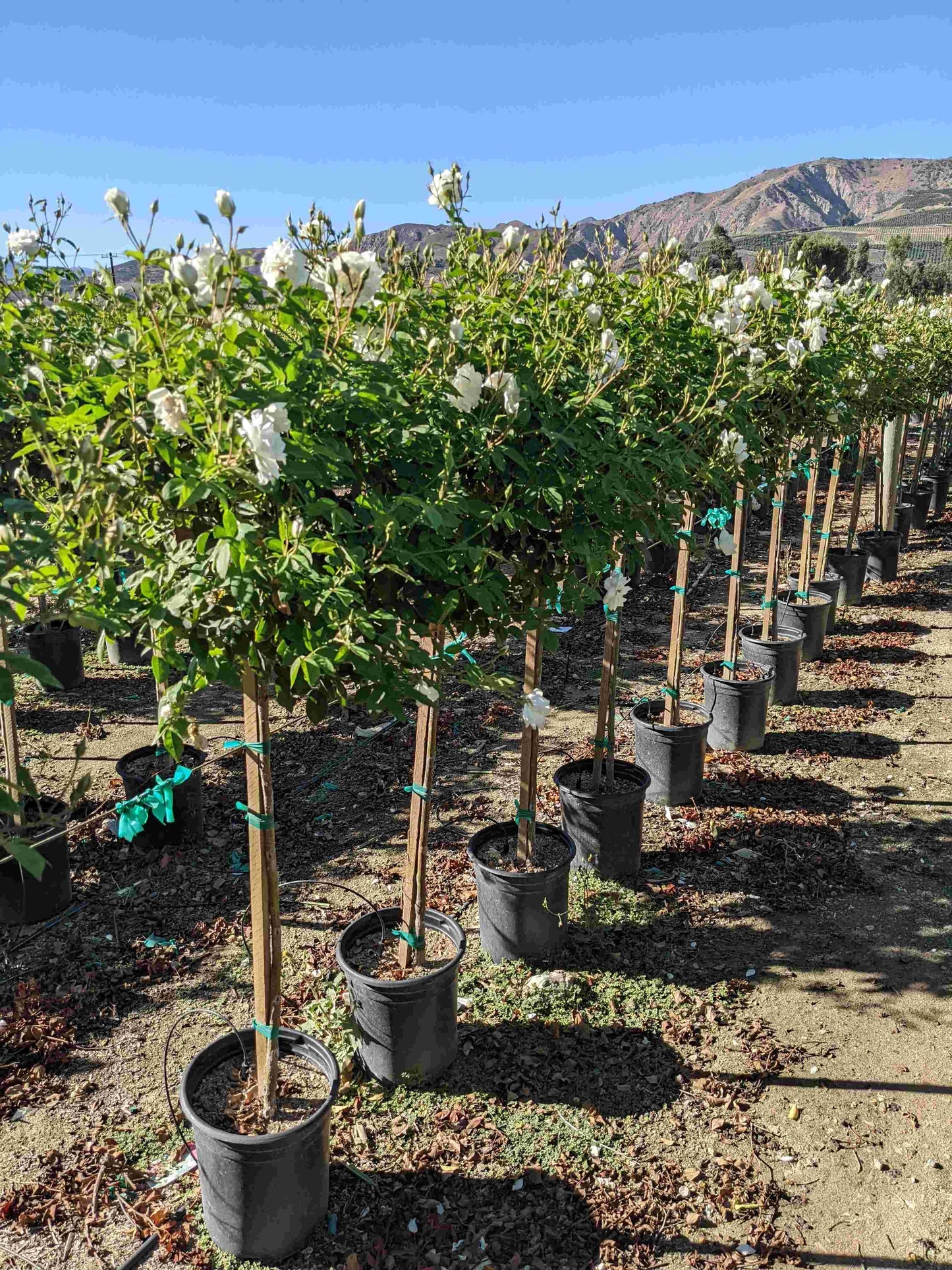

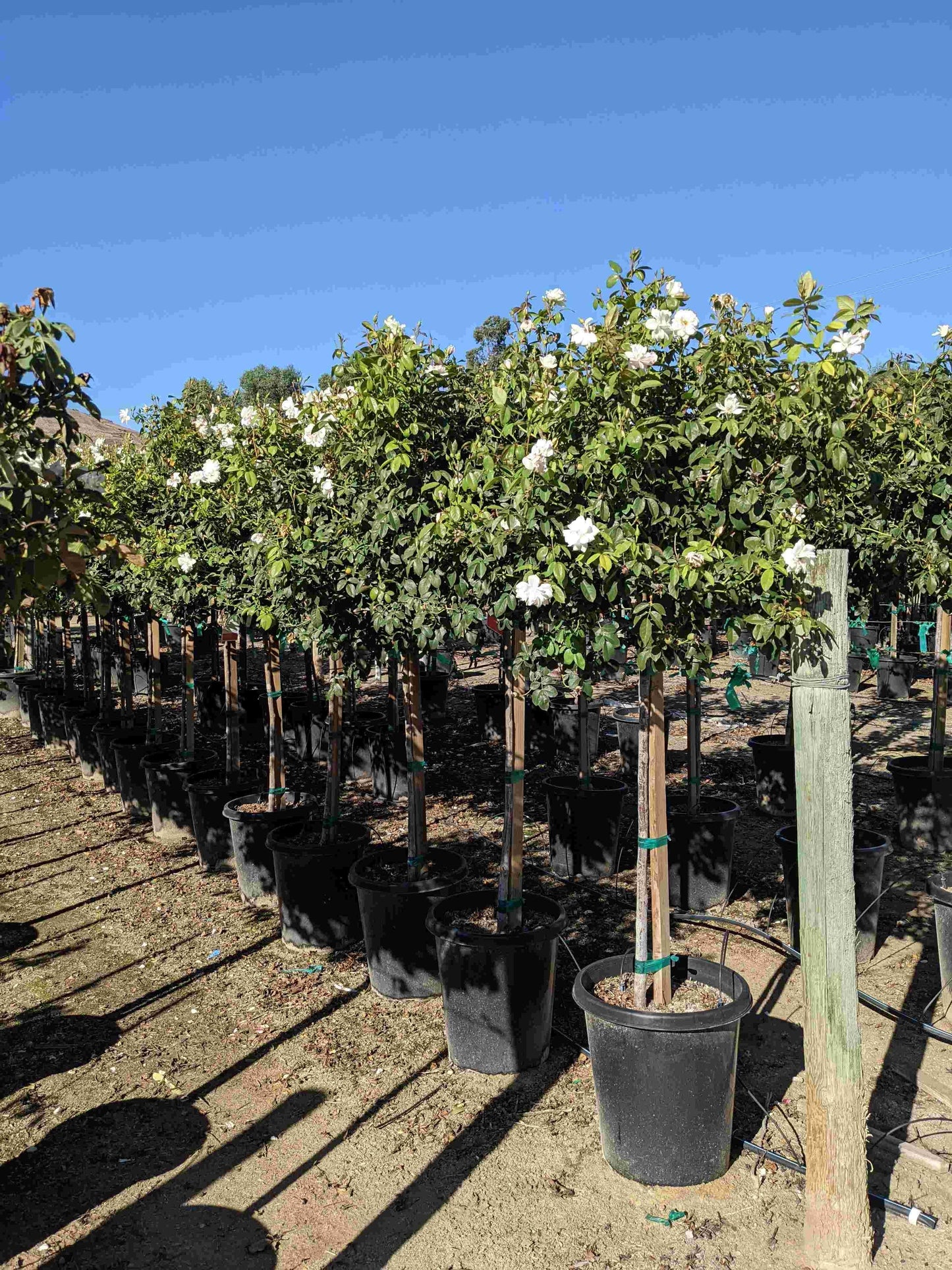

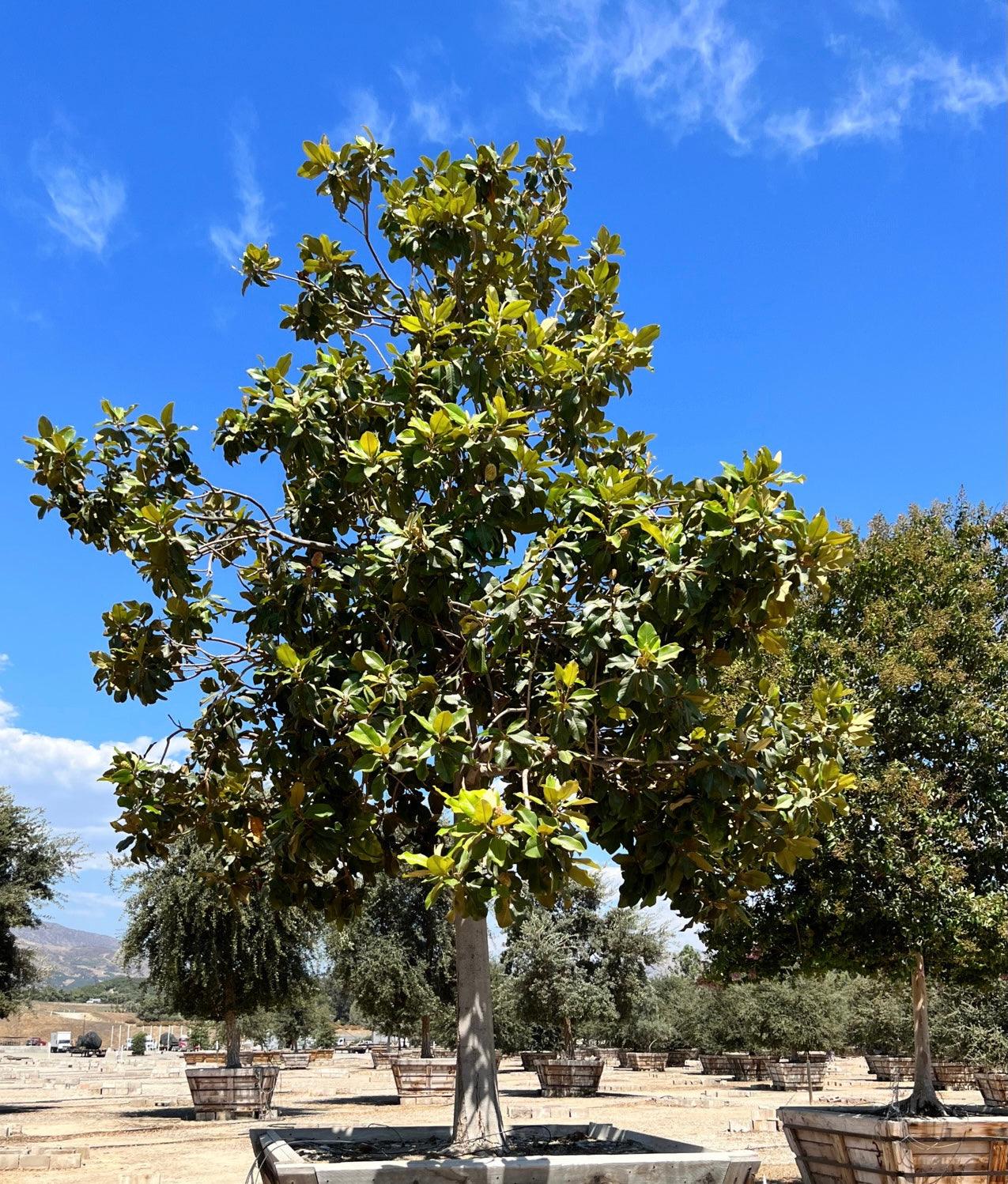

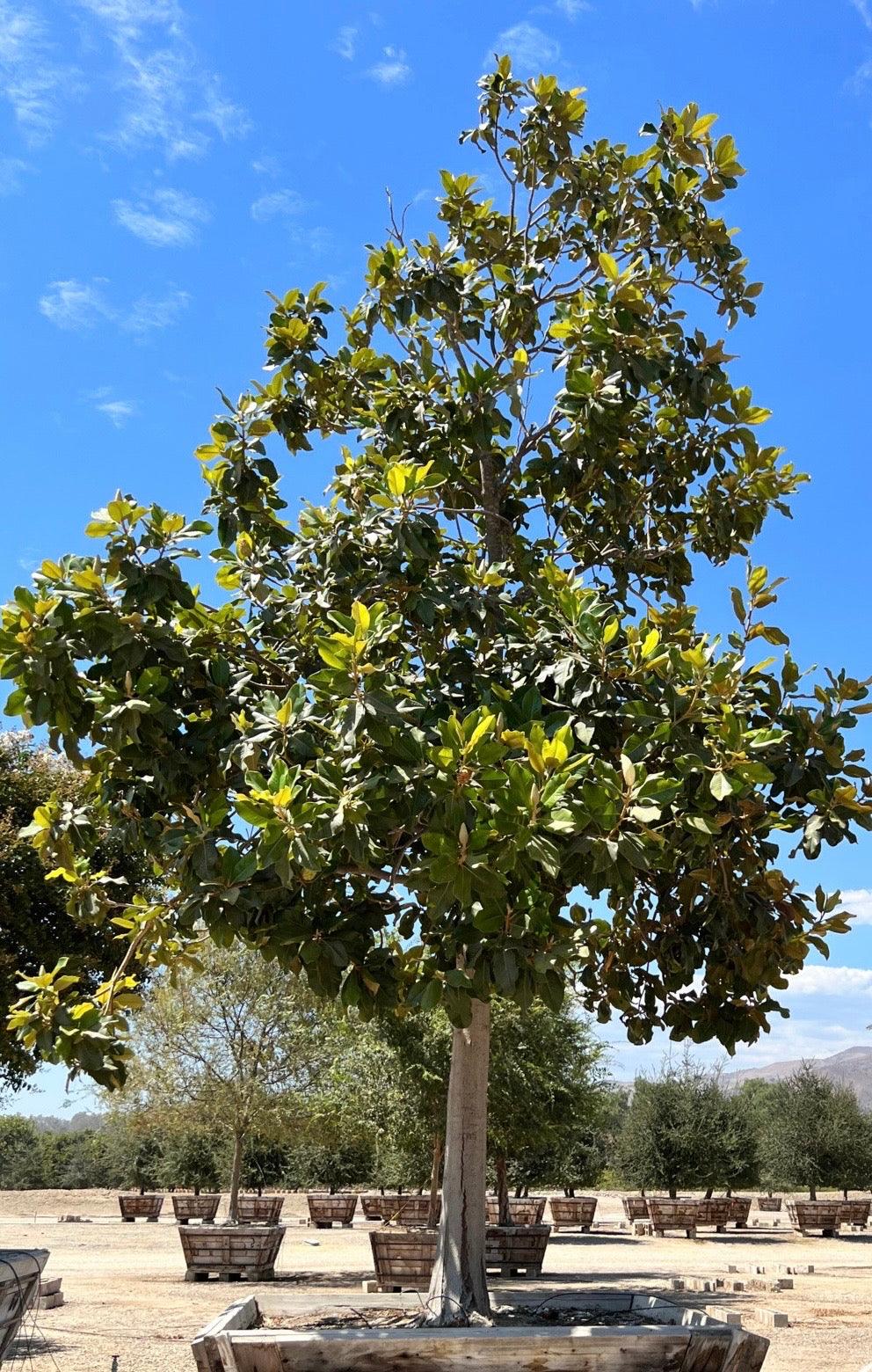






Pairs Well With













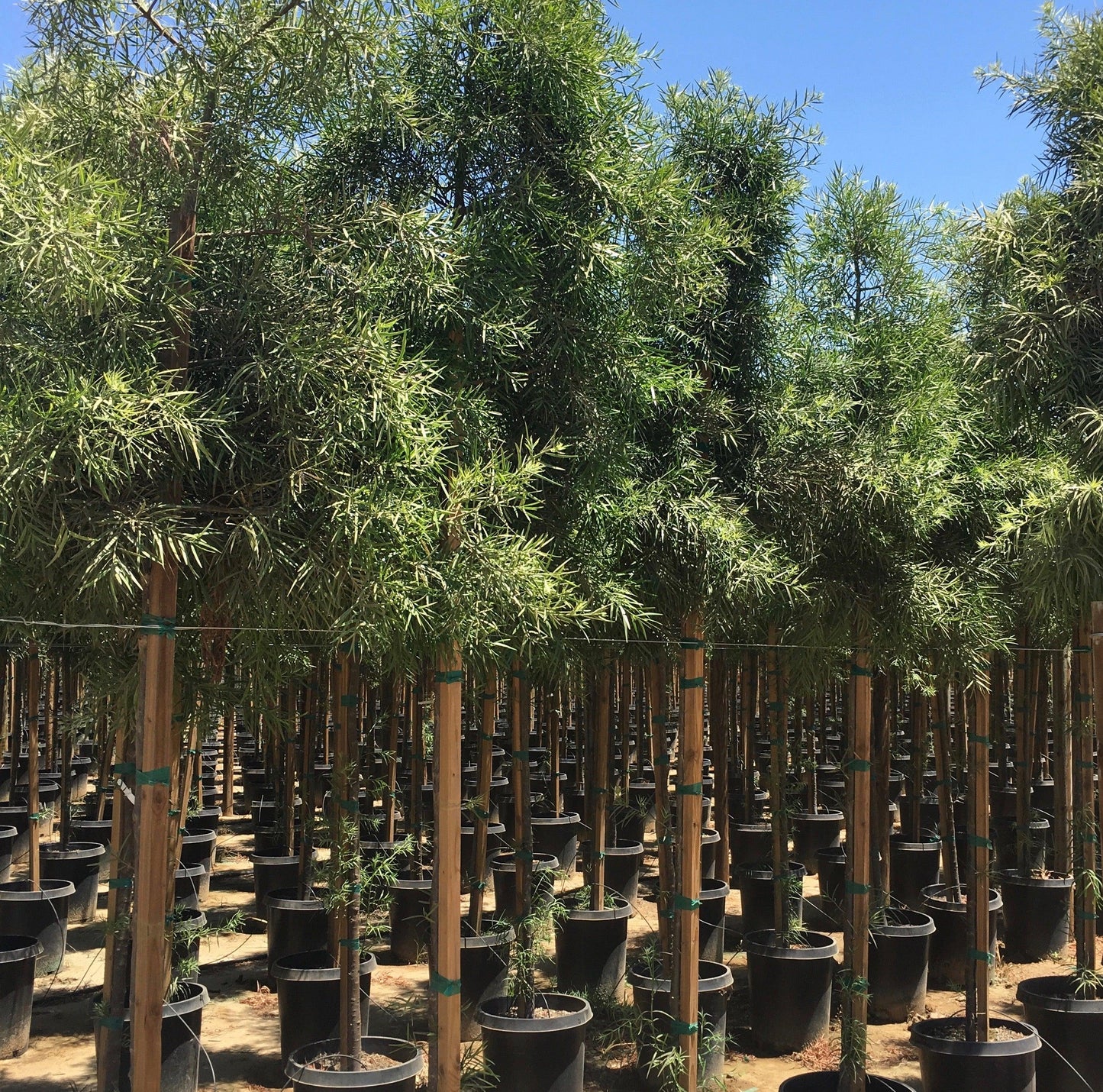
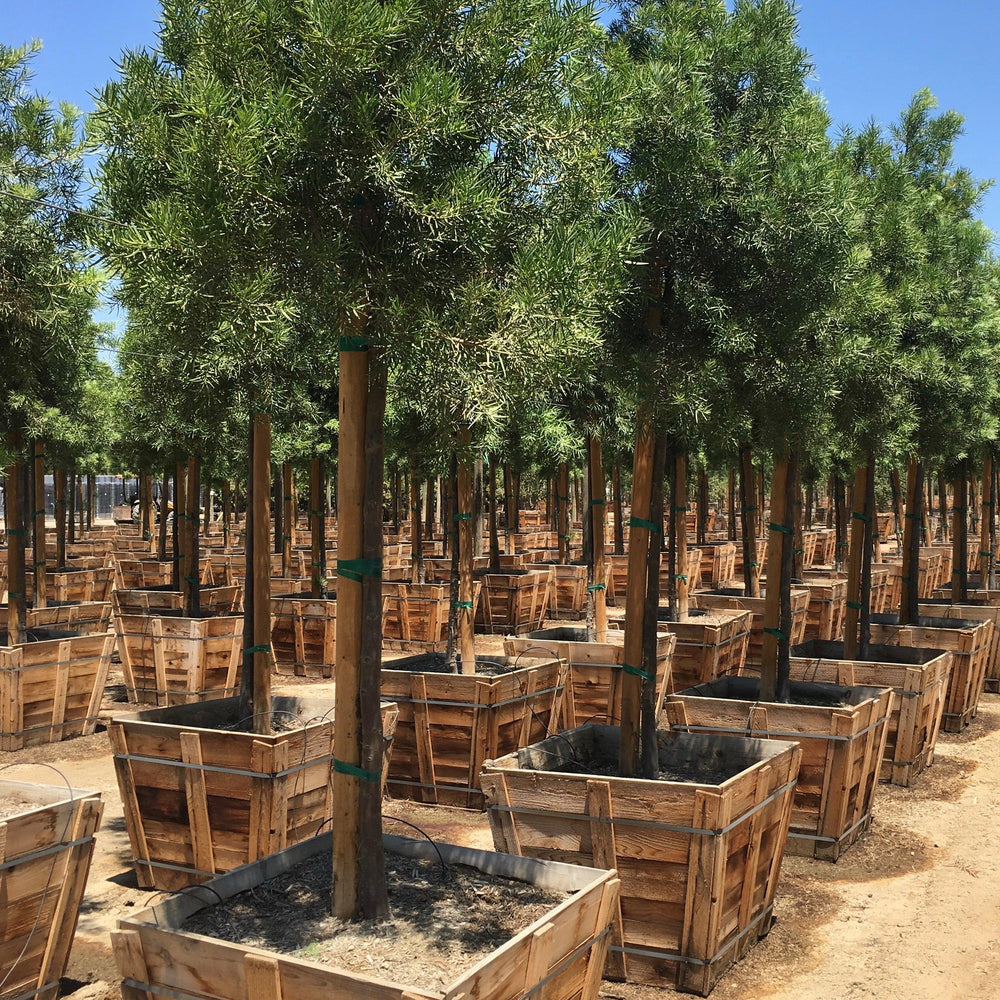
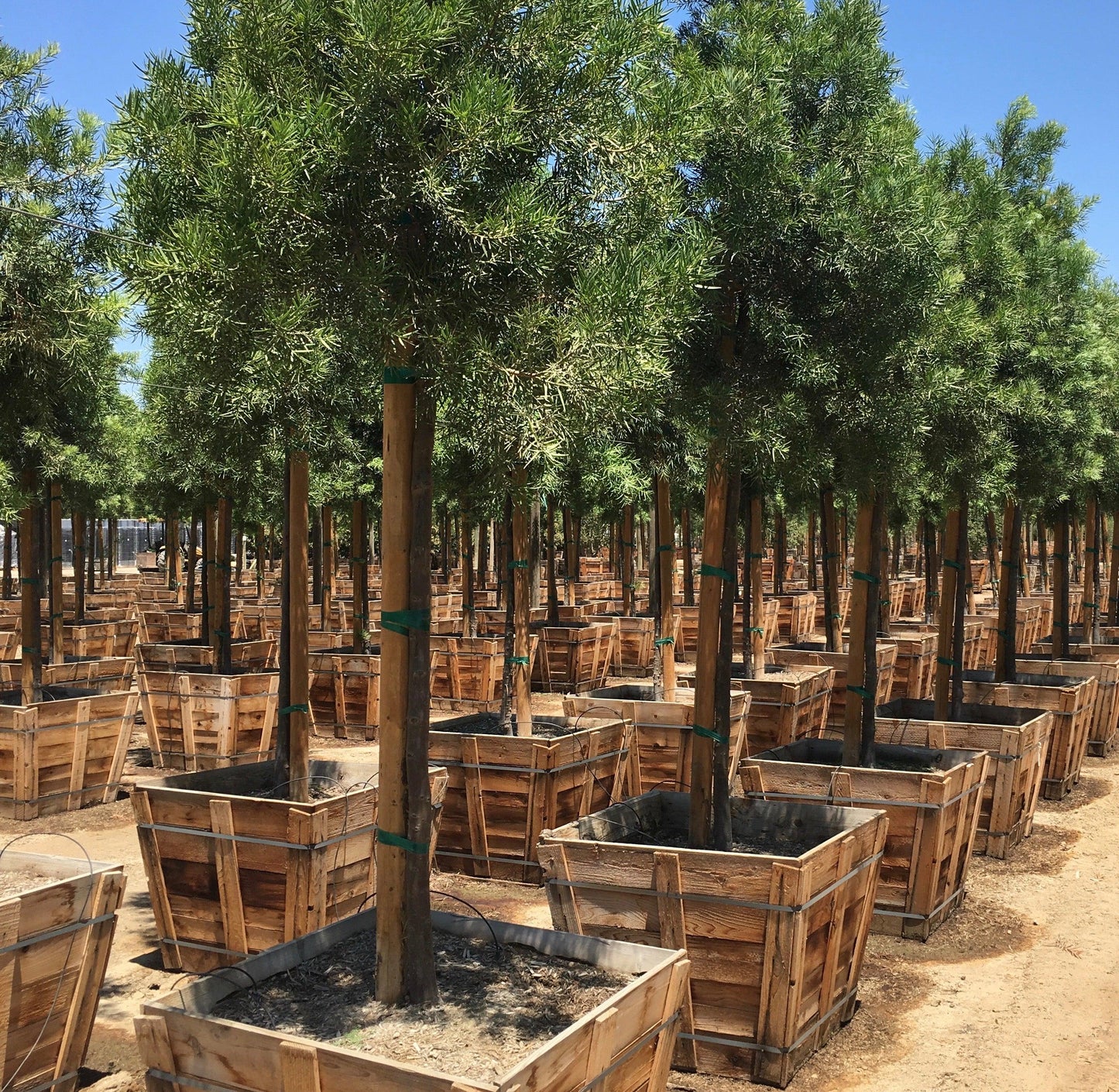
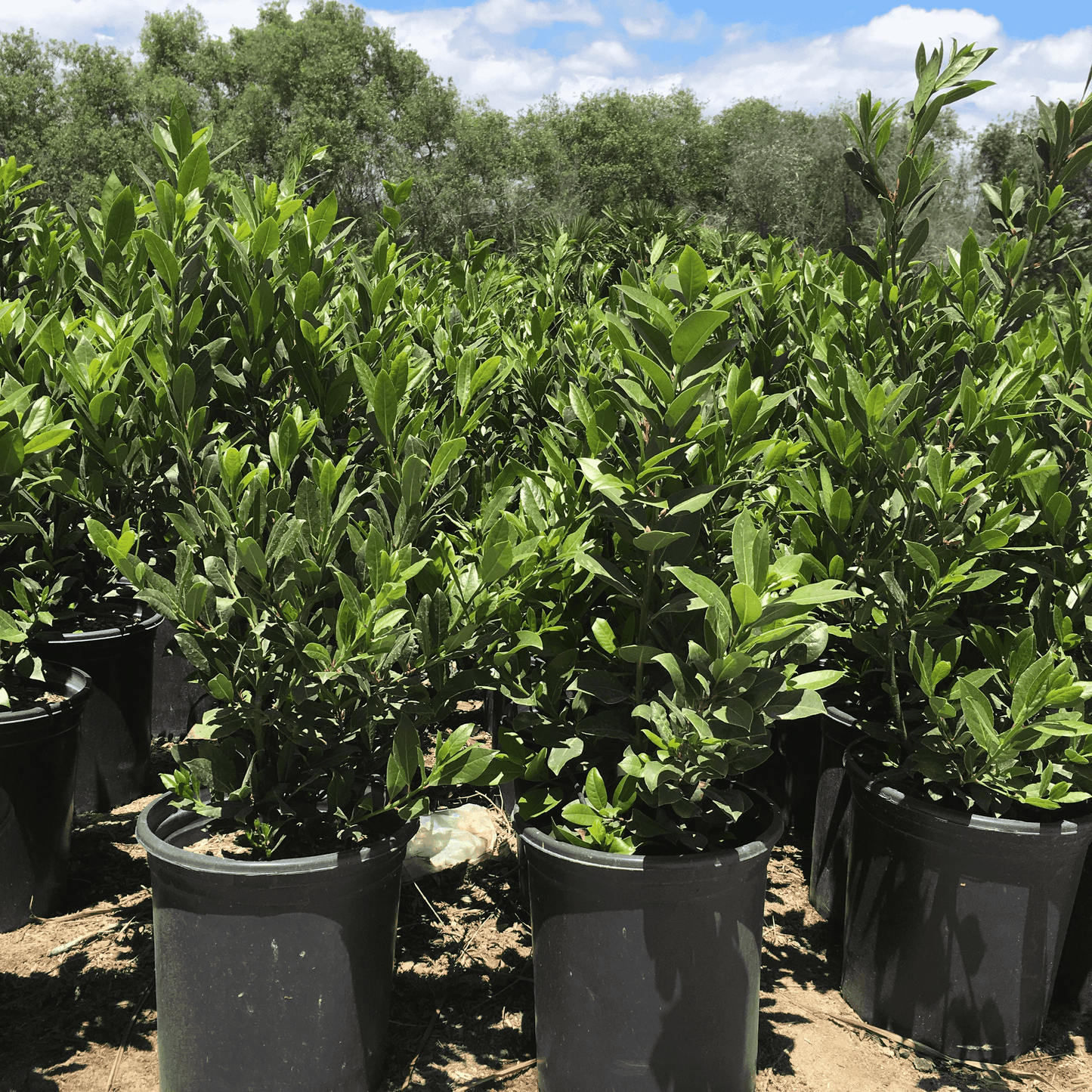
You May Also Like












Thousands of Healthy Plants Delivered


Yardwork was so great to work with. First they had the Swan Hill olive trees that we had been searching for, we had contacted several other nurseries without any luck previously. Then they answered all of our questions in a timely matter prior to ordering and finally delivered within a few days of placing it. Their staff is incredibly knowledgeable; they delivered and planted our trees with expertise to ensure that they would do well in our yard. We would definitely work with them again for future projects.














A Modern Experience
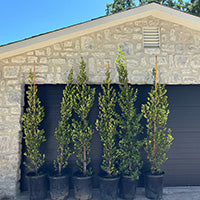
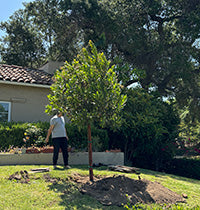
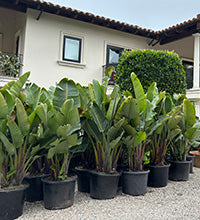
At Yardwork, we carefully curate thousands of plants, in all container sizes, to provide you with the best selection of the highest quality trees and plants at the best price, with the convenience of an online platform.
Uncompromised Quality
We choose only the finest specimens and hand select our plants just before delivery to ensure you receive the freshest and most robust specimens available for your landscape.
Industry Leading Warranties
Our 30, 90, and 365 extended warranties provide some of the best coverage to ensure our trees and plants thrive in your landscape.
Frequently Asked Questions
We're committed to changing everything about trees and plants - how they’re grown, how you shop for them, and how much they cost. We handle orders ourselves. No middlemen to get between us (or our prices) and you.
We're committed to changing everything about trees and plants - how they’re grown, how you shop for them, and how much they cost. We handle orders ourselves. No middlemen to get between us (or our prices) and you.
Delivery does not include unloading of trees and plants LARGER than a 24" box.
Trees and plants in smaller containers will be dropped curbside (usually on the driveway or near the front doorstep).
Delivery beyond a curbside drop will be charged extra.
Trees and plants that are sold in container sizes LARGER than a 24" box size will require equipment and/or enough manpower onsite to help unload from the truck.
Please reach out to our team PRIOR to placing your order to help coordinate.
Our team can provide unloading assistance with equipment for an extra fee as well.
Delivery does not include unloading of trees and plants LARGER than a 24" box.
Trees and plants in smaller containers will be dropped curbside (usually on the driveway or near the front doorstep).
Delivery beyond a curbside drop will be charged extra.
Trees and plants that are sold in container sizes LARGER than a 24" box size will require equipment and/or enough manpower onsite to help unload from the truck.
Please reach out to our team PRIOR to placing your order to help coordinate.
Our team can provide unloading assistance with equipment for an extra fee as well.
We ship locally within California within 7-10 days of your order being placed.
We ship nationally using carrier partners, based on order size. Our common order minimums for out of state shipping is $5,000.
Text or call 323-576-4159 for specific shipping details for your location.
We ship locally within California within 7-10 days of your order being placed.
We ship nationally using carrier partners, based on order size. Our common order minimums for out of state shipping is $5,000.
Text or call 323-576-4159 for specific shipping details for your location.
We are currently online only and don't have physical locations where you can view plants in person.
That's why we have photos direct from the growing grounds of the plants we will ship and we display pricing right in our store.
We do make sure to pick the very best trees and plants prior to shipping and make sure that they have gone through our multi-point inspection for health and structure.
We will always reach out prior to delivery if we find a quality issue or need to provide a substitute.
We are currently online only and don't have physical locations where you can view plants in person.
That's why we have photos direct from the growing grounds of the plants we will ship and we display pricing right in our store.
We do make sure to pick the very best trees and plants prior to shipping and make sure that they have gone through our multi-point inspection for health and structure.
We will always reach out prior to delivery if we find a quality issue or need to provide a substitute.
Plants vary greatly by type. Here is a rough idea of sizes based on containers that are direct from our growing grounds.
15 Gallon Shrub 3-4 Ft. Tall
15 Gallon Tree 5-6 Ft. Tall
24" Box Shrub 5-6 Ft. Tall
24" Box Tree 6-7 Ft. Tall
36" Box Shrub/Tree 7-9 Ft. Tall
48" Box Shrub/Tree 8-10 Ft. Tall
**Please note that we do not make guarantees of sizes. If you have questions or concerns, please call or text to request accurate sizing for the particular plant you're considering, prior to ordering.
Plants vary greatly by type. Here is a rough idea of sizes based on containers that are direct from our growing grounds.
15 Gallon Shrub 3-4 Ft. Tall
15 Gallon Tree 5-6 Ft. Tall
24" Box Shrub 5-6 Ft. Tall
24" Box Tree 6-7 Ft. Tall
36" Box Shrub/Tree 7-9 Ft. Tall
48" Box Shrub/Tree 8-10 Ft. Tall
**Please note that we do not make guarantees of sizes. If you have questions or concerns, please call or text to request accurate sizing for the particular plant you're considering, prior to ordering.
We offer a limited 30 day warranty for plants that are delivered and planted by someone else and a 90 day warranty for plants that we plant.
The limited warranty covers plants that die as a result of disease or fungus which was derived from our growing grounds or from root balls that were root bound.
The warranty does not cover damage due to watering, fertilizer, soils, or any other conditions beyond our control. Additionally, the warranty does not cover plants that are shipped out of the state of California or shipped into California from other states. Custom plant orders are also not covered under warranty. Plants must be planted within 24 hours after delivery to qualify.
We can assist you in recommending the right soils and fertilizers to help your plant thrive after you plant it.
Text or call 323-576-4159 for further warranty information.
We offer a limited 30 day warranty for plants that are delivered and planted by someone else and a 90 day warranty for plants that we plant.
The limited warranty covers plants that die as a result of disease or fungus which was derived from our growing grounds or from root balls that were root bound.
The warranty does not cover damage due to watering, fertilizer, soils, or any other conditions beyond our control. Additionally, the warranty does not cover plants that are shipped out of the state of California or shipped into California from other states. Custom plant orders are also not covered under warranty. Plants must be planted within 24 hours after delivery to qualify.
We can assist you in recommending the right soils and fertilizers to help your plant thrive after you plant it.
Text or call 323-576-4159 for further warranty information.
Our local delivery team covers most cities in California.
There are some exceptions, so please get in touch to confirm prior to ordering.
Additionally, we ship using semi trucks and trailers throughout the entire United States and even abroad for large orders over $5,000. Each shipment is custom, so please reach out to our team to coordinate.
Our local delivery team covers most cities in California.
There are some exceptions, so please get in touch to confirm prior to ordering.
Additionally, we ship using semi trucks and trailers throughout the entire United States and even abroad for large orders over $5,000. Each shipment is custom, so please reach out to our team to coordinate.