



Senecio Mandraliscae (Blue Chalk Sticks)
Regular price
$18.00
Size
Transform Your Garden with Stunning Blue-Gray Groundcover That Thrives in Drought Conditions
Senecio mandraliscae delivers dramatic, sculptural blue-gray foliage that transforms any landscape - while asking almost nothing in return. This spreading succulent creates dense, colorful groundcover in the exact conditions where most plants fail: blazing full sun, minimal water, and poor sandy soil. If you want a beautiful, low-maintenance landscaping solution that looks striking every day of the year, blue chalk sticks is the plant to grow.
Why You'll Love Blue Chalk Sticks
-
Drought Tolerant Excellence – Once established, this succulent thrives with infrequent watering. Water every 1–2 weeks during the growing season and reduce to once a month in winter. It's built for California's driest summer months.
-
Striking Visual Appeal – Senecio mandraliscae features powdery blue-gray, finger-like leaves that create year-round sculptural interest. This plant is primarily grown for its foliage, not its flowers, giving your garden a modern, architectural look in every season.
-
Low Maintenance Growth – Requires little care while spreading to form a dense mat of evergreen blue chalksticks. It can spread up to 3 feet across as groundcover, filling beds and borders without constant attention.
-
Deer Resistant Protection – Senecio mandraliscae is drought-tolerant and deer resistant, keeping wildlife from damaging your landscape investment. A natural deterrent that saves you headaches.
-
Heat Tolerance – Thrives in hot, sunny conditions where other plants struggle. Native to South Africa, this low growing succulent evolved to handle intense sun and extended dry spells.
What Makes It Different
Most groundcover alternatives - ivy, vinca, turf grass - demand regular irrigation, frequent trimming, and plenty of water to stay alive through a California summer. They offer the same predictable green and need constant babysitting.
Senecio mandraliscae provides:
-
Unique Blue-Gray Coloration – The mandraliscae blue foliage sets it apart from every standard green groundcover on the market. That chalky, silvery hue creates contrast alongside warm-toned hardscape, dark succulents like burgundy aeoniums, or the bright greens of a Foxtail Agave.
-
Upright Finger-Like Growth Habit – Unlike flat sedums or horizontal creepers, blue chalk sticks reaching upward creates vertical texture that other succulent plants simply don't offer. Sometimes confused with Senecio serpens, mandraliscae tends to have more vertical leaf growth and a deeper blue color.
-
Superior Drought Tolerance – Outperforms most ornamental plants in dry conditions. Its cylindrical leaves are coated in a waxy pruine that reduces water loss, and stems root at nodes when they contact soil, letting it colonize tough spots where nothing else will grow.
How to Succeed with Senecio Mandraliscae
-
Plant Setup Choose a location with well-draining sandy soil and full sun to light shade exposure. Sandy, gravelly, or rocky soils are ideal - heavy clay or waterlogged ground leads to root rot. In containers, use a gritty succulent mix (roughly 1/3 garden soil, 1/3 coarse sand or gravel, and 1/3 leaf mold or perlite). Senecio mandraliscae thrives in rock gardens, slopes, raised beds, and coastal landscapes.
-
Establishment Period Water moderately during the first growing season to develop a strong root system. Keep the soil consistently moist but not waterlogged. This spreading succulent roots quickly and begins filling in within months - trials have shown height increases from roughly 4 cm at planting to 15 cm within nine months under good conditions.
-
Enjoy the Results Watch as the plant spreads naturally to create dense, colorful groundcover. Senecio mandraliscae serves as a colorful border or edging plant, and its small white flowers may appear in late summer through fall, adding a subtle accent. Trim occasionally to maintain a compact form and refresh older sections with new cuttings every few years.
Plant Specifications
-
Scientific Name: Senecio mandraliscae (syn. Kleinia mandraliscae, Curio talinoides var. mandraliscae, sometimes listed as Senecio talinoides var. mandraliscae)
-
Common Names: Blue Chalk Sticks, Blue Finger, Blue Sticks
-
Mature Height: Chalk sticks reaching 1 to 1.5 feet tall (30–45 cm)
-
Mature Spread: Up to 3 feet across (60–90 cm)
-
Hardiness Zones: USDA Zones 9–11; this plant is hardy to about 15–20°F
-
Light Requirements: Full sun to partial shade; bright light produces the best blue-gray color
-
Soil Type: Well draining soil - sandy, gravelly, mineral-rich; avoid heavy clay
-
Water Needs: Low once established; infrequent watering in summer, minimal in winter
-
Bloom Time: Small white flowers in late summer through winter; not the primary attraction
-
Growth Rate: Moderate to fast
-
Evergreen: Yes - year-round foliage
-
Toxicity: Poisonous if ingested by pets or humans; use caution in households with animals
-
Propagation: Stem cuttings (allow cuttings to callus for a few days before planting, place in bright indirect light for root growth); you can also propagate by separating offsets from the main plant
Perfect for These California Gardeners
Ideal for:
-
Homeowners creating water-wise landscapes in drought-prone areas who want a great groundcover that won't spike the water bill
-
Garden enthusiasts and beginners wanting low-maintenance groundcover with unique color - perfect even as a houseplant or container plant indoors
-
Landscape designers seeking sculptural elements for modern garden designs, pairing beautifully with plants like Century Plant, Tree Aloe, or Kalanchoe beharensis
If you want sustainable, beautiful landscapes that thrive in California's climate with minimal effort, Senecio mandraliscae fits your needs.
Frequently Asked Questions
How often should I water my Blue Chalk Sticks? Water every 1–2 weeks during the growing season, allowing the soil to dry between sessions. In winter, reduce watering to once a month. Watering Senecio mandraliscae should be infrequent after establishment - overwatering is far more dangerous than underwatering for these succulents.
Will it spread too aggressively in my garden? Stems root at nodes when they contact ground, so horizontal spread can cover areas efficiently. If you want to control it, edge your beds or trim regularly. It's a great groundcover but not considered invasive in California. For a more compact variety, consider Dwarf Blue Chalksticks.
What if it doesn't thrive in my specific location?The most common issues are poor drainage, too much shade (leaves elongate and lose color), or overwatering. Move to a sunnier spot, improve soil with sand or gravel, and cut back on water. Yardwork's team is available for expert consultation to help you find the ideal placement. Our plant guarantee means you can buy with confidence.
Is Blue Chalk Sticks safe around pets? All parts are poisonous if ingested - a trait common among senecio and curio varieties. Keep it out of reach of curious pets and children, or use it in areas they don't access.
Ready to Transform Your Landscape?
Choose Senecio mandraliscae and bring bold, drought tolerant beauty to your garden - from rock gardens to containers to mass plantings along slopes.
Transform Your Garden with Stunning Blue-Gray Groundcover That Thrives in Drought Conditions
Senecio mandraliscae delivers dramatic, sculptural blue-gray foliage that transforms any landscape - while asking almost nothing in return. This spreading succulent creates dense, colorful groundcover in the exact conditions where most plants fail: blazing full sun, minimal water, and poor sandy soil. If you want a beautiful, low-maintenance landscaping solution that looks striking every day of the year, blue chalk sticks is the plant to grow.
Why You'll Love Blue Chalk Sticks
-
Drought Tolerant Excellence – Once established, this succulent thrives with infrequent watering. Water every 1–2 weeks during the growing season and reduce to once a month in winter. It's built for California's driest summer months.
-
Striking Visual Appeal – Senecio mandraliscae features powdery blue-gray, finger-like leaves that create year-round sculptural interest. This plant is primarily grown for its foliage, not its flowers, giving your garden a modern, architectural look in every season.
-
Low Maintenance Growth – Requires little care while spreading to form a dense mat of evergreen blue chalksticks. It can spread up to 3 feet across as groundcover, filling beds and borders without constant attention.
-
Deer Resistant Protection – Senecio mandraliscae is drought-tolerant and deer resistant, keeping wildlife from damaging your landscape investment. A natural deterrent that saves you headaches.
-
Heat Tolerance – Thrives in hot, sunny conditions where other plants struggle. Native to South Africa, this low growing succulent evolved to handle intense sun and extended dry spells.
What Makes It Different
Most groundcover alternatives - ivy, vinca, turf grass - demand regular irrigation, frequent trimming, and plenty of water to stay alive through a California summer. They offer the same predictable green and need constant babysitting.
Senecio mandraliscae provides:
-
Unique Blue-Gray Coloration – The mandraliscae blue foliage sets it apart from every standard green groundcover on the market. That chalky, silvery hue creates contrast alongside warm-toned hardscape, dark succulents like burgundy aeoniums, or the bright greens of a Foxtail Agave.
-
Upright Finger-Like Growth Habit – Unlike flat sedums or horizontal creepers, blue chalk sticks reaching upward creates vertical texture that other succulent plants simply don't offer. Sometimes confused with Senecio serpens, mandraliscae tends to have more vertical leaf growth and a deeper blue color.
-
Superior Drought Tolerance – Outperforms most ornamental plants in dry conditions. Its cylindrical leaves are coated in a waxy pruine that reduces water loss, and stems root at nodes when they contact soil, letting it colonize tough spots where nothing else will grow.
How to Succeed with Senecio Mandraliscae
-
Plant Setup Choose a location with well-draining sandy soil and full sun to light shade exposure. Sandy, gravelly, or rocky soils are ideal - heavy clay or waterlogged ground leads to root rot. In containers, use a gritty succulent mix (roughly 1/3 garden soil, 1/3 coarse sand or gravel, and 1/3 leaf mold or perlite). Senecio mandraliscae thrives in rock gardens, slopes, raised beds, and coastal landscapes.
-
Establishment Period Water moderately during the first growing season to develop a strong root system. Keep the soil consistently moist but not waterlogged. This spreading succulent roots quickly and begins filling in within months - trials have shown height increases from roughly 4 cm at planting to 15 cm within nine months under good conditions.
-
Enjoy the Results Watch as the plant spreads naturally to create dense, colorful groundcover. Senecio mandraliscae serves as a colorful border or edging plant, and its small white flowers may appear in late summer through fall, adding a subtle accent. Trim occasionally to maintain a compact form and refresh older sections with new cuttings every few years.
Plant Specifications
-
Scientific Name: Senecio mandraliscae (syn. Kleinia mandraliscae, Curio talinoides var. mandraliscae, sometimes listed as Senecio talinoides var. mandraliscae)
-
Common Names: Blue Chalk Sticks, Blue Finger, Blue Sticks
-
Mature Height: Chalk sticks reaching 1 to 1.5 feet tall (30–45 cm)
-
Mature Spread: Up to 3 feet across (60–90 cm)
-
Hardiness Zones: USDA Zones 9–11; this plant is hardy to about 15–20°F
-
Light Requirements: Full sun to partial shade; bright light produces the best blue-gray color
-
Soil Type: Well draining soil - sandy, gravelly, mineral-rich; avoid heavy clay
-
Water Needs: Low once established; infrequent watering in summer, minimal in winter
-
Bloom Time: Small white flowers in late summer through winter; not the primary attraction
-
Growth Rate: Moderate to fast
-
Evergreen: Yes - year-round foliage
-
Toxicity: Poisonous if ingested by pets or humans; use caution in households with animals
-
Propagation: Stem cuttings (allow cuttings to callus for a few days before planting, place in bright indirect light for root growth); you can also propagate by separating offsets from the main plant
Perfect for These California Gardeners
Ideal for:
-
Homeowners creating water-wise landscapes in drought-prone areas who want a great groundcover that won't spike the water bill
-
Garden enthusiasts and beginners wanting low-maintenance groundcover with unique color - perfect even as a houseplant or container plant indoors
-
Landscape designers seeking sculptural elements for modern garden designs, pairing beautifully with plants like Century Plant, Tree Aloe, or Kalanchoe beharensis
If you want sustainable, beautiful landscapes that thrive in California's climate with minimal effort, Senecio mandraliscae fits your needs.
Frequently Asked Questions
How often should I water my Blue Chalk Sticks? Water every 1–2 weeks during the growing season, allowing the soil to dry between sessions. In winter, reduce watering to once a month. Watering Senecio mandraliscae should be infrequent after establishment - overwatering is far more dangerous than underwatering for these succulents.
Will it spread too aggressively in my garden? Stems root at nodes when they contact ground, so horizontal spread can cover areas efficiently. If you want to control it, edge your beds or trim regularly. It's a great groundcover but not considered invasive in California. For a more compact variety, consider Dwarf Blue Chalksticks.
What if it doesn't thrive in my specific location?The most common issues are poor drainage, too much shade (leaves elongate and lose color), or overwatering. Move to a sunnier spot, improve soil with sand or gravel, and cut back on water. Yardwork's team is available for expert consultation to help you find the ideal placement. Our plant guarantee means you can buy with confidence.
Is Blue Chalk Sticks safe around pets? All parts are poisonous if ingested - a trait common among senecio and curio varieties. Keep it out of reach of curious pets and children, or use it in areas they don't access.
Ready to Transform Your Landscape?
Choose Senecio mandraliscae and bring bold, drought tolerant beauty to your garden - from rock gardens to containers to mass plantings along slopes.
Plants vary greatly by type and no guarantees are made on sizing.
However here is a rough idea of sizes based on containers that are direct from our growing grounds.
15 Gallon Shrub 3-4 Ft. Tall
15 Gallon Tree 5-6 Ft. Tall
24" Box Shrub 5-6 Ft. Tall
24" Box Tree 6-7 Ft. Tall
36" Box Tree 8-10 Ft. Tall
48" Box Tree 10-12 Ft. Tall
Please note: Citrus and California Native plants such as Manzanita are smaller than traditional sizing.
Please contact us to confirm sizing of items before purchasing if this is a concern.
Plants vary greatly by type and no guarantees are made on sizing.
However here is a rough idea of sizes based on containers that are direct from our growing grounds.
15 Gallon Shrub 3-4 Ft. Tall
15 Gallon Tree 5-6 Ft. Tall
24" Box Shrub 5-6 Ft. Tall
24" Box Tree 6-7 Ft. Tall
36" Box Tree 8-10 Ft. Tall
48" Box Tree 10-12 Ft. Tall
Please note: Citrus and California Native plants such as Manzanita are smaller than traditional sizing.
Please contact us to confirm sizing of items before purchasing if this is a concern.
Delivery does not include unloading of trees and plants larger than a 24" box.
Trees and plants in smaller containers will be dropped curbside.
Delivery beyond a curbside drop will be charged extra.
Trees and plants that are sold in container sizes larger than a 24" box size will require equipment and an operator onsite to help unload from the truck.
Please reach out to our team PRIOR to placing your order to coordinate.
Our team can provide unloading assistance with equipment for an extra fee.
Delivery does not include unloading of trees and plants larger than a 24" box.
Trees and plants in smaller containers will be dropped curbside.
Delivery beyond a curbside drop will be charged extra.
Trees and plants that are sold in container sizes larger than a 24" box size will require equipment and an operator onsite to help unload from the truck.
Please reach out to our team PRIOR to placing your order to coordinate.
Our team can provide unloading assistance with equipment for an extra fee.
You may also like...


Senecio Mandraliscae (Blue Chalk Sticks)
Regular price
$18.00
Size
Transform Your Garden with Stunning Blue-Gray Groundcover That Thrives in Drought Conditions
Senecio mandraliscae delivers dramatic, sculptural blue-gray foliage that transforms any landscape - while asking almost nothing in return. This spreading succulent creates dense, colorful groundcover in the exact conditions where most plants fail: blazing full sun, minimal water, and poor sandy soil. If you want a beautiful, low-maintenance landscaping solution that looks striking every day of the year, blue chalk sticks is the plant to grow.
Why You'll Love Blue Chalk Sticks
-
Drought Tolerant Excellence – Once established, this succulent thrives with infrequent watering. Water every 1–2 weeks during the growing season and reduce to once a month in winter. It's built for California's driest summer months.
-
Striking Visual Appeal – Senecio mandraliscae features powdery blue-gray, finger-like leaves that create year-round sculptural interest. This plant is primarily grown for its foliage, not its flowers, giving your garden a modern, architectural look in every season.
-
Low Maintenance Growth – Requires little care while spreading to form a dense mat of evergreen blue chalksticks. It can spread up to 3 feet across as groundcover, filling beds and borders without constant attention.
-
Deer Resistant Protection – Senecio mandraliscae is drought-tolerant and deer resistant, keeping wildlife from damaging your landscape investment. A natural deterrent that saves you headaches.
-
Heat Tolerance – Thrives in hot, sunny conditions where other plants struggle. Native to South Africa, this low growing succulent evolved to handle intense sun and extended dry spells.
What Makes It Different
Most groundcover alternatives - ivy, vinca, turf grass - demand regular irrigation, frequent trimming, and plenty of water to stay alive through a California summer. They offer the same predictable green and need constant babysitting.
Senecio mandraliscae provides:
-
Unique Blue-Gray Coloration – The mandraliscae blue foliage sets it apart from every standard green groundcover on the market. That chalky, silvery hue creates contrast alongside warm-toned hardscape, dark succulents like burgundy aeoniums, or the bright greens of a Foxtail Agave.
-
Upright Finger-Like Growth Habit – Unlike flat sedums or horizontal creepers, blue chalk sticks reaching upward creates vertical texture that other succulent plants simply don't offer. Sometimes confused with Senecio serpens, mandraliscae tends to have more vertical leaf growth and a deeper blue color.
-
Superior Drought Tolerance – Outperforms most ornamental plants in dry conditions. Its cylindrical leaves are coated in a waxy pruine that reduces water loss, and stems root at nodes when they contact soil, letting it colonize tough spots where nothing else will grow.
How to Succeed with Senecio Mandraliscae
-
Plant Setup Choose a location with well-draining sandy soil and full sun to light shade exposure. Sandy, gravelly, or rocky soils are ideal - heavy clay or waterlogged ground leads to root rot. In containers, use a gritty succulent mix (roughly 1/3 garden soil, 1/3 coarse sand or gravel, and 1/3 leaf mold or perlite). Senecio mandraliscae thrives in rock gardens, slopes, raised beds, and coastal landscapes.
-
Establishment Period Water moderately during the first growing season to develop a strong root system. Keep the soil consistently moist but not waterlogged. This spreading succulent roots quickly and begins filling in within months - trials have shown height increases from roughly 4 cm at planting to 15 cm within nine months under good conditions.
-
Enjoy the Results Watch as the plant spreads naturally to create dense, colorful groundcover. Senecio mandraliscae serves as a colorful border or edging plant, and its small white flowers may appear in late summer through fall, adding a subtle accent. Trim occasionally to maintain a compact form and refresh older sections with new cuttings every few years.
Plant Specifications
-
Scientific Name: Senecio mandraliscae (syn. Kleinia mandraliscae, Curio talinoides var. mandraliscae, sometimes listed as Senecio talinoides var. mandraliscae)
-
Common Names: Blue Chalk Sticks, Blue Finger, Blue Sticks
-
Mature Height: Chalk sticks reaching 1 to 1.5 feet tall (30–45 cm)
-
Mature Spread: Up to 3 feet across (60–90 cm)
-
Hardiness Zones: USDA Zones 9–11; this plant is hardy to about 15–20°F
-
Light Requirements: Full sun to partial shade; bright light produces the best blue-gray color
-
Soil Type: Well draining soil - sandy, gravelly, mineral-rich; avoid heavy clay
-
Water Needs: Low once established; infrequent watering in summer, minimal in winter
-
Bloom Time: Small white flowers in late summer through winter; not the primary attraction
-
Growth Rate: Moderate to fast
-
Evergreen: Yes - year-round foliage
-
Toxicity: Poisonous if ingested by pets or humans; use caution in households with animals
-
Propagation: Stem cuttings (allow cuttings to callus for a few days before planting, place in bright indirect light for root growth); you can also propagate by separating offsets from the main plant
Perfect for These California Gardeners
Ideal for:
-
Homeowners creating water-wise landscapes in drought-prone areas who want a great groundcover that won't spike the water bill
-
Garden enthusiasts and beginners wanting low-maintenance groundcover with unique color - perfect even as a houseplant or container plant indoors
-
Landscape designers seeking sculptural elements for modern garden designs, pairing beautifully with plants like Century Plant, Tree Aloe, or Kalanchoe beharensis
If you want sustainable, beautiful landscapes that thrive in California's climate with minimal effort, Senecio mandraliscae fits your needs.
Frequently Asked Questions
How often should I water my Blue Chalk Sticks? Water every 1–2 weeks during the growing season, allowing the soil to dry between sessions. In winter, reduce watering to once a month. Watering Senecio mandraliscae should be infrequent after establishment - overwatering is far more dangerous than underwatering for these succulents.
Will it spread too aggressively in my garden? Stems root at nodes when they contact ground, so horizontal spread can cover areas efficiently. If you want to control it, edge your beds or trim regularly. It's a great groundcover but not considered invasive in California. For a more compact variety, consider Dwarf Blue Chalksticks.
What if it doesn't thrive in my specific location?The most common issues are poor drainage, too much shade (leaves elongate and lose color), or overwatering. Move to a sunnier spot, improve soil with sand or gravel, and cut back on water. Yardwork's team is available for expert consultation to help you find the ideal placement. Our plant guarantee means you can buy with confidence.
Is Blue Chalk Sticks safe around pets? All parts are poisonous if ingested - a trait common among senecio and curio varieties. Keep it out of reach of curious pets and children, or use it in areas they don't access.
Ready to Transform Your Landscape?
Choose Senecio mandraliscae and bring bold, drought tolerant beauty to your garden - from rock gardens to containers to mass plantings along slopes.
Transform Your Garden with Stunning Blue-Gray Groundcover That Thrives in Drought Conditions
Senecio mandraliscae delivers dramatic, sculptural blue-gray foliage that transforms any landscape - while asking almost nothing in return. This spreading succulent creates dense, colorful groundcover in the exact conditions where most plants fail: blazing full sun, minimal water, and poor sandy soil. If you want a beautiful, low-maintenance landscaping solution that looks striking every day of the year, blue chalk sticks is the plant to grow.
Why You'll Love Blue Chalk Sticks
-
Drought Tolerant Excellence – Once established, this succulent thrives with infrequent watering. Water every 1–2 weeks during the growing season and reduce to once a month in winter. It's built for California's driest summer months.
-
Striking Visual Appeal – Senecio mandraliscae features powdery blue-gray, finger-like leaves that create year-round sculptural interest. This plant is primarily grown for its foliage, not its flowers, giving your garden a modern, architectural look in every season.
-
Low Maintenance Growth – Requires little care while spreading to form a dense mat of evergreen blue chalksticks. It can spread up to 3 feet across as groundcover, filling beds and borders without constant attention.
-
Deer Resistant Protection – Senecio mandraliscae is drought-tolerant and deer resistant, keeping wildlife from damaging your landscape investment. A natural deterrent that saves you headaches.
-
Heat Tolerance – Thrives in hot, sunny conditions where other plants struggle. Native to South Africa, this low growing succulent evolved to handle intense sun and extended dry spells.
What Makes It Different
Most groundcover alternatives - ivy, vinca, turf grass - demand regular irrigation, frequent trimming, and plenty of water to stay alive through a California summer. They offer the same predictable green and need constant babysitting.
Senecio mandraliscae provides:
-
Unique Blue-Gray Coloration – The mandraliscae blue foliage sets it apart from every standard green groundcover on the market. That chalky, silvery hue creates contrast alongside warm-toned hardscape, dark succulents like burgundy aeoniums, or the bright greens of a Foxtail Agave.
-
Upright Finger-Like Growth Habit – Unlike flat sedums or horizontal creepers, blue chalk sticks reaching upward creates vertical texture that other succulent plants simply don't offer. Sometimes confused with Senecio serpens, mandraliscae tends to have more vertical leaf growth and a deeper blue color.
-
Superior Drought Tolerance – Outperforms most ornamental plants in dry conditions. Its cylindrical leaves are coated in a waxy pruine that reduces water loss, and stems root at nodes when they contact soil, letting it colonize tough spots where nothing else will grow.
How to Succeed with Senecio Mandraliscae
-
Plant Setup Choose a location with well-draining sandy soil and full sun to light shade exposure. Sandy, gravelly, or rocky soils are ideal - heavy clay or waterlogged ground leads to root rot. In containers, use a gritty succulent mix (roughly 1/3 garden soil, 1/3 coarse sand or gravel, and 1/3 leaf mold or perlite). Senecio mandraliscae thrives in rock gardens, slopes, raised beds, and coastal landscapes.
-
Establishment Period Water moderately during the first growing season to develop a strong root system. Keep the soil consistently moist but not waterlogged. This spreading succulent roots quickly and begins filling in within months - trials have shown height increases from roughly 4 cm at planting to 15 cm within nine months under good conditions.
-
Enjoy the Results Watch as the plant spreads naturally to create dense, colorful groundcover. Senecio mandraliscae serves as a colorful border or edging plant, and its small white flowers may appear in late summer through fall, adding a subtle accent. Trim occasionally to maintain a compact form and refresh older sections with new cuttings every few years.
Plant Specifications
-
Scientific Name: Senecio mandraliscae (syn. Kleinia mandraliscae, Curio talinoides var. mandraliscae, sometimes listed as Senecio talinoides var. mandraliscae)
-
Common Names: Blue Chalk Sticks, Blue Finger, Blue Sticks
-
Mature Height: Chalk sticks reaching 1 to 1.5 feet tall (30–45 cm)
-
Mature Spread: Up to 3 feet across (60–90 cm)
-
Hardiness Zones: USDA Zones 9–11; this plant is hardy to about 15–20°F
-
Light Requirements: Full sun to partial shade; bright light produces the best blue-gray color
-
Soil Type: Well draining soil - sandy, gravelly, mineral-rich; avoid heavy clay
-
Water Needs: Low once established; infrequent watering in summer, minimal in winter
-
Bloom Time: Small white flowers in late summer through winter; not the primary attraction
-
Growth Rate: Moderate to fast
-
Evergreen: Yes - year-round foliage
-
Toxicity: Poisonous if ingested by pets or humans; use caution in households with animals
-
Propagation: Stem cuttings (allow cuttings to callus for a few days before planting, place in bright indirect light for root growth); you can also propagate by separating offsets from the main plant
Perfect for These California Gardeners
Ideal for:
-
Homeowners creating water-wise landscapes in drought-prone areas who want a great groundcover that won't spike the water bill
-
Garden enthusiasts and beginners wanting low-maintenance groundcover with unique color - perfect even as a houseplant or container plant indoors
-
Landscape designers seeking sculptural elements for modern garden designs, pairing beautifully with plants like Century Plant, Tree Aloe, or Kalanchoe beharensis
If you want sustainable, beautiful landscapes that thrive in California's climate with minimal effort, Senecio mandraliscae fits your needs.
Frequently Asked Questions
How often should I water my Blue Chalk Sticks? Water every 1–2 weeks during the growing season, allowing the soil to dry between sessions. In winter, reduce watering to once a month. Watering Senecio mandraliscae should be infrequent after establishment - overwatering is far more dangerous than underwatering for these succulents.
Will it spread too aggressively in my garden? Stems root at nodes when they contact ground, so horizontal spread can cover areas efficiently. If you want to control it, edge your beds or trim regularly. It's a great groundcover but not considered invasive in California. For a more compact variety, consider Dwarf Blue Chalksticks.
What if it doesn't thrive in my specific location?The most common issues are poor drainage, too much shade (leaves elongate and lose color), or overwatering. Move to a sunnier spot, improve soil with sand or gravel, and cut back on water. Yardwork's team is available for expert consultation to help you find the ideal placement. Our plant guarantee means you can buy with confidence.
Is Blue Chalk Sticks safe around pets? All parts are poisonous if ingested - a trait common among senecio and curio varieties. Keep it out of reach of curious pets and children, or use it in areas they don't access.
Ready to Transform Your Landscape?
Choose Senecio mandraliscae and bring bold, drought tolerant beauty to your garden - from rock gardens to containers to mass plantings along slopes.
Plants vary greatly by type and no guarantees are made on sizing.
However here is a rough idea of sizes based on containers that are direct from our growing grounds.
15 Gallon Shrub 3-4 Ft. Tall
15 Gallon Tree 5-6 Ft. Tall
24" Box Shrub 5-6 Ft. Tall
24" Box Tree 6-7 Ft. Tall
36" Box Tree 8-10 Ft. Tall
48" Box Tree 10-12 Ft. Tall
Please note: Citrus and California Native plants such as Manzanita are smaller than traditional sizing.
Please contact us to confirm sizing of items before purchasing if this is a concern.
Plants vary greatly by type and no guarantees are made on sizing.
However here is a rough idea of sizes based on containers that are direct from our growing grounds.
15 Gallon Shrub 3-4 Ft. Tall
15 Gallon Tree 5-6 Ft. Tall
24" Box Shrub 5-6 Ft. Tall
24" Box Tree 6-7 Ft. Tall
36" Box Tree 8-10 Ft. Tall
48" Box Tree 10-12 Ft. Tall
Please note: Citrus and California Native plants such as Manzanita are smaller than traditional sizing.
Please contact us to confirm sizing of items before purchasing if this is a concern.
Delivery does not include unloading of trees and plants larger than a 24" box.
Trees and plants in smaller containers will be dropped curbside.
Delivery beyond a curbside drop will be charged extra.
Trees and plants that are sold in container sizes larger than a 24" box size will require equipment and an operator onsite to help unload from the truck.
Please reach out to our team PRIOR to placing your order to coordinate.
Our team can provide unloading assistance with equipment for an extra fee.
Delivery does not include unloading of trees and plants larger than a 24" box.
Trees and plants in smaller containers will be dropped curbside.
Delivery beyond a curbside drop will be charged extra.
Trees and plants that are sold in container sizes larger than a 24" box size will require equipment and an operator onsite to help unload from the truck.
Please reach out to our team PRIOR to placing your order to coordinate.
Our team can provide unloading assistance with equipment for an extra fee.
Recommended For You















Pairs Well With













You May Also Like











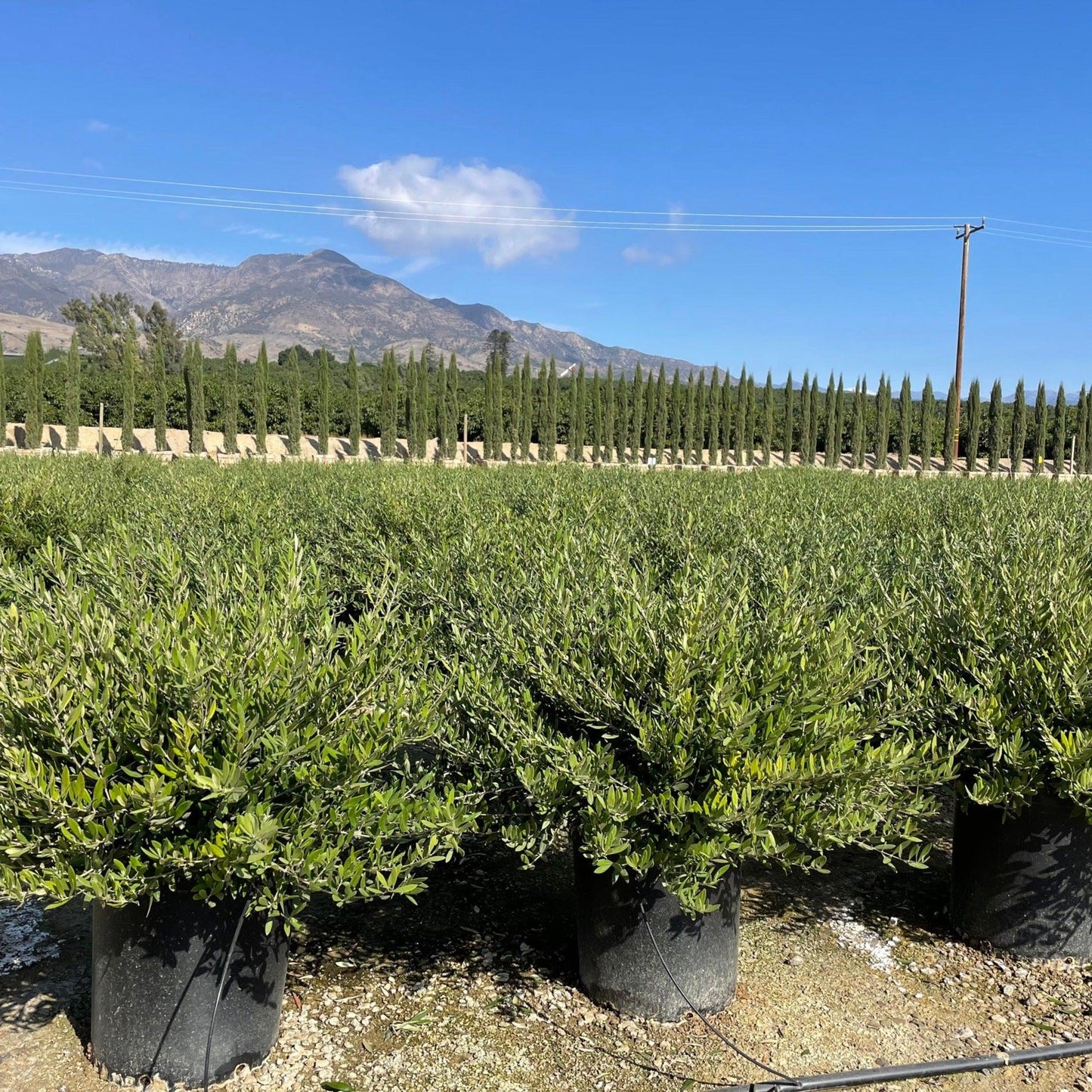

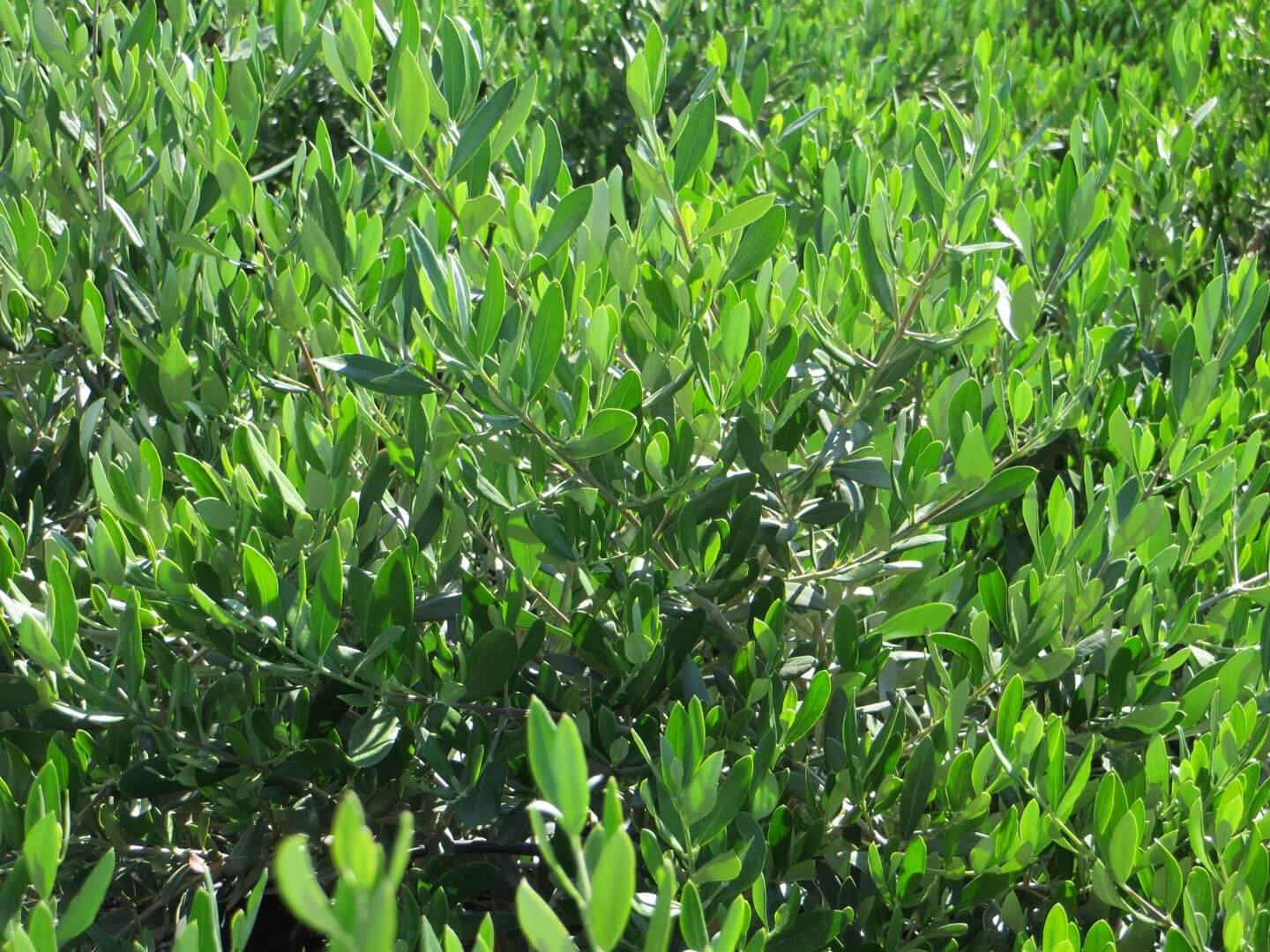
Thousands of Healthy Plants Delivered

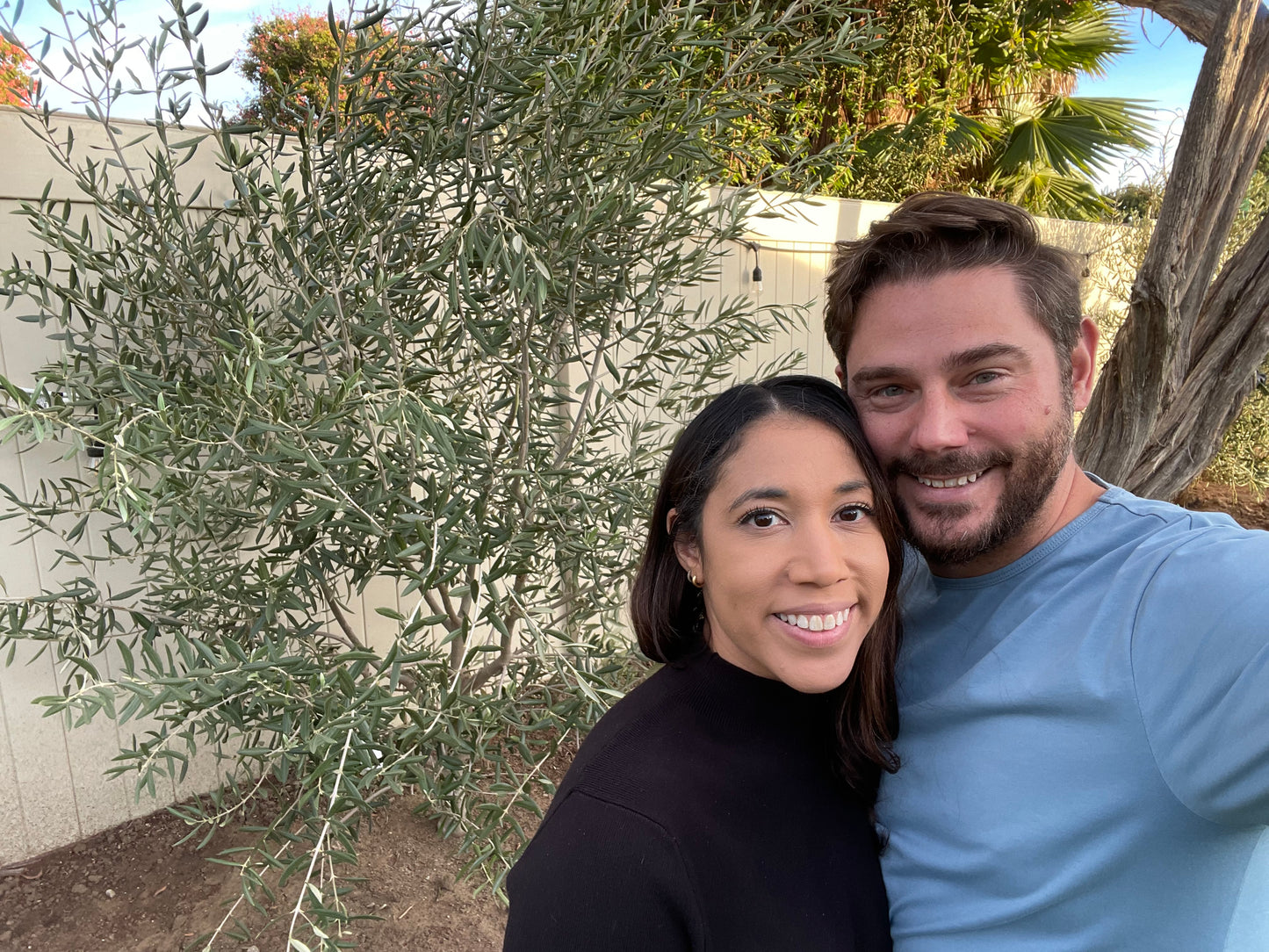
Yardwork was so great to work with. First they had the Swan Hill olive trees that we had been searching for, we had contacted several other nurseries without any luck previously. Then they answered all of our questions in a timely matter prior to ordering and finally delivered within a few days of placing it. Their staff is incredibly knowledgeable; they delivered and planted our trees with expertise to ensure that they would do well in our yard. We would definitely work with them again for future projects.











A Modern Experience
At Yardwork, we carefully curate thousands of plants, in all container sizes, to provide you with the best selection of the highest quality trees and plants at the best price, with the convenience of an online platform.
Uncompromised Quality
We choose only the finest specimens and hand select our plants just before delivery to ensure you receive the freshest and most robust specimens available for your landscape.
Industry Leading Warranties
Our 30, 90, and 365 extended warranties provide some of the best coverage to ensure our trees and plants thrive in your landscape.
Frequently Asked Questions
We're committed to changing everything about trees and plants - how they’re grown, how you shop for them, and how much they cost. We handle orders ourselves. No middlemen to get between us (or our prices) and you.
We're committed to changing everything about trees and plants - how they’re grown, how you shop for them, and how much they cost. We handle orders ourselves. No middlemen to get between us (or our prices) and you.
Delivery does not include unloading of trees and plants LARGER than a 24" box.
Trees and plants in smaller containers will be dropped curbside (usually on the driveway or near the front doorstep).
Delivery beyond a curbside drop will be charged extra.
Trees and plants that are sold in container sizes LARGER than a 24" box size will require equipment and/or enough manpower onsite to help unload from the truck.
Please reach out to our team PRIOR to placing your order to help coordinate.
Our team can provide unloading assistance with equipment for an extra fee as well.
Delivery does not include unloading of trees and plants LARGER than a 24" box.
Trees and plants in smaller containers will be dropped curbside (usually on the driveway or near the front doorstep).
Delivery beyond a curbside drop will be charged extra.
Trees and plants that are sold in container sizes LARGER than a 24" box size will require equipment and/or enough manpower onsite to help unload from the truck.
Please reach out to our team PRIOR to placing your order to help coordinate.
Our team can provide unloading assistance with equipment for an extra fee as well.
We ship locally within California within 7-10 days of your order being placed.
We ship nationally using carrier partners, based on order size. Our common order minimums for out of state shipping is $5,000.
Text or call 323-576-4159 for specific shipping details for your location.
We ship locally within California within 7-10 days of your order being placed.
We ship nationally using carrier partners, based on order size. Our common order minimums for out of state shipping is $5,000.
Text or call 323-576-4159 for specific shipping details for your location.
We are currently online only and don't have physical locations where you can view plants in person.
That's why we have photos direct from the growing grounds of the plants we will ship and we display pricing right in our store.
We do make sure to pick the very best trees and plants prior to shipping and make sure that they have gone through our multi-point inspection for health and structure.
We will always reach out prior to delivery if we find a quality issue or need to provide a substitute.
We are currently online only and don't have physical locations where you can view plants in person.
That's why we have photos direct from the growing grounds of the plants we will ship and we display pricing right in our store.
We do make sure to pick the very best trees and plants prior to shipping and make sure that they have gone through our multi-point inspection for health and structure.
We will always reach out prior to delivery if we find a quality issue or need to provide a substitute.
Plants vary greatly by type. Here is a rough idea of sizes based on containers that are direct from our growing grounds.
15 Gallon Shrub 3-4 Ft. Tall
15 Gallon Tree 5-6 Ft. Tall
24" Box Shrub 5-6 Ft. Tall
24" Box Tree 6-7 Ft. Tall
36" Box Shrub/Tree 7-9 Ft. Tall
48" Box Shrub/Tree 8-10 Ft. Tall
**Please note that we do not make guarantees of sizes. If you have questions or concerns, please call or text to request accurate sizing for the particular plant you're considering, prior to ordering.
Plants vary greatly by type. Here is a rough idea of sizes based on containers that are direct from our growing grounds.
15 Gallon Shrub 3-4 Ft. Tall
15 Gallon Tree 5-6 Ft. Tall
24" Box Shrub 5-6 Ft. Tall
24" Box Tree 6-7 Ft. Tall
36" Box Shrub/Tree 7-9 Ft. Tall
48" Box Shrub/Tree 8-10 Ft. Tall
**Please note that we do not make guarantees of sizes. If you have questions or concerns, please call or text to request accurate sizing for the particular plant you're considering, prior to ordering.
We offer a limited 30 day warranty for plants that are delivered and planted by someone else and a 90 day warranty for plants that we plant.
The limited warranty covers plants that die as a result of disease or fungus which was derived from our growing grounds or from root balls that were root bound.
The warranty does not cover damage due to watering, fertilizer, soils, or any other conditions beyond our control. Additionally, the warranty does not cover plants that are shipped out of the state of California or shipped into California from other states. Custom plant orders are also not covered under warranty. Plants must be planted within 24 hours after delivery to qualify.
We can assist you in recommending the right soils and fertilizers to help your plant thrive after you plant it.
Text or call 323-576-4159 for further warranty information.
We offer a limited 30 day warranty for plants that are delivered and planted by someone else and a 90 day warranty for plants that we plant.
The limited warranty covers plants that die as a result of disease or fungus which was derived from our growing grounds or from root balls that were root bound.
The warranty does not cover damage due to watering, fertilizer, soils, or any other conditions beyond our control. Additionally, the warranty does not cover plants that are shipped out of the state of California or shipped into California from other states. Custom plant orders are also not covered under warranty. Plants must be planted within 24 hours after delivery to qualify.
We can assist you in recommending the right soils and fertilizers to help your plant thrive after you plant it.
Text or call 323-576-4159 for further warranty information.
Our local delivery team covers most cities in California.
There are some exceptions, so please get in touch to confirm prior to ordering.
Additionally, we ship using semi trucks and trailers throughout the entire United States and even abroad for large orders over $5,000. Each shipment is custom, so please reach out to our team to coordinate.
Our local delivery team covers most cities in California.
There are some exceptions, so please get in touch to confirm prior to ordering.
Additionally, we ship using semi trucks and trailers throughout the entire United States and even abroad for large orders over $5,000. Each shipment is custom, so please reach out to our team to coordinate.