



Salvia Spathacea - Hummingbird Sage
Regular price
$24.50
Size
Transform Your Garden into a Hummingbird Haven
Salvia spathacea, commonly known as hummingbird sage or pitcher sage, turns tough California planting areas into fragrant, pollinator-rich ground cover with bright fuchsia to crimson tube-shaped flowers that hummingbirds seek out.
This low-growing, highly aromatic perennial herb is endemic to California and is highly adaptable in the garden, thriving in conditions that often frustrate gardeners: partial shade, dry shade, full sun in cooler coastal climates, and even full shade when summer conditions stay on the dry side.
Plant it where you want wildlife value, sensory foliage, and dependable native performance without treating the garden like a high-maintenance project waiting for constant care, and consider how it fits into your broader yard vision when choosing plants, materials, and landscape support through Yardwork.
Why You’ll Love This Native Beauty
-
Attracts Hummingbirds Year-Round – Bright fuchsia to crimson, tube-shaped flowers are specifically adapted to attract hummingbirds, which are drawn to their vibrant colors and tubular form, making them effective pollinators.
-
Thrives in Difficult Spots – Salvia spathacea prefers partial to deep shade, performs beautifully in dry shade, and is commonly found as an understory plant on shaded grassy slopes, chaparral, and coastal sage scrub.
-
Low Maintenance Spreading – This plant creeps along through underground stems called rhizomes, similar to ferns, irises, or ginger, creating a soft, natural ground cover instead of a woody shrub.
-
Drought Tolerant Once Established – Once established, hummingbird sage needs only occasional summerirrigation and is well suited to water-wise California landscapes.
-
Aromatic Foliage – The large, trowel-shaped or elongated arrowhead leaves grow 4 to 6 inches long and release a strong, pleasant, fruity fragrance when crushed.
Its aromatic foliage is also deer-resistant because grazing animals dislike the sticky, aromatic oils in the leaves, giving your landscape another layer of protection without adding fencing or chemical deterrents.
What Makes It Different
Most shade plants tolerate low light but offer little wildlife value. Many salvias love sun but become woody, shrubby, or thirsty in the wrong location. Salvia spathacea is built differently for California gardens.
-
True California Native Heritage – Salvia spathacea thrives at low elevations from sea level up to 2,400 feet, particularly along the coastal mountain ranges of California, and naturally occurs in interior oak and riparian woodlands.
-
Dual Sun-Shade Tolerance – It prefers partial to deep shade but can tolerate full sun in cooler coastal climates; this plant can thrive in both full sun and full shade, provided it is kept dry during the summer months.
-
Perennial Ground Cover Growth – Salvia spathacea is unique among sages as the only perennial that does not grow into a shrub, instead growing as a soft, herby, spreading plant with underground rhizomes.
-
Self-Pruning Habit – Salvia spathacea is mostly evergreen and can self-prune by dropping its old leaves in the fall before new growth appears with the rains.
It is also highly adaptable to various garden situations, including low-lying or moist spots, full sun, full shade, and shaded summer habitats such as areas under oak trees. That flexibility makes it one of the more useful native species in the salvia genus for real-world landscapes.
How To Grow Salvia Spathacea In Your Garden
-
Year 1 - Establishment
The plant develops its root system, settles into the ground, and produces its first large triangular to elongated arrowhead leaves. During this stage, regular moisture helps, especially in containers or newly planted dry shade. -
Year 2 - Flowering
Rosy pink, magenta, bright fuchsia, or crimson tubular flowers appear on upright inflorescences, often beginning in late winter and continuing through spring, with color sometimes extending into late spring through summer where conditions are slightly moist. -
Year 3+ - Spreading
Underground rhizomes expand the plant into a wider patch of fragrant foliage and hummingbird habitat. The growth rate is moderate, not explosive, so you get useful coverage without the aggressive behavior of many ground covers.
In its natural habitat, Salvia spathacea thrives in slightly moist, shaded areas, which are ideal for attracting hummingbirds and other pollinators during the summer months. It also prefers habitats that are slightly moist year-round or shaded during the summer, such as under oak trees.
Plant Specifications
-
Mature Size: 18-24 inches tall, 2-3 feet wide
-
USDA Zones: 8-10, ideal for many California gardens and compatible with accent grasses like Purple Fountain Grass (Pennisetum setaceum 'Rubrum')
-
Soil Requirements: Well-draining soil; tolerates clay, loam, and sandy soils
-
Water Needs: Moderate during establishment; low once established, with only occasional summer irrigation
-
Bloom Time: Late winter into spring, with late spring through summer flowering possible in favorable sites
-
Growth Rate: Moderate spreading perennial
-
Foliage: Mostly evergreen, with old leaves dropping in fall and fresh new growth returning in spring
-
Leaf Form: Large, trowel-shaped or elongated arrowhead leaves, 4 to 6 inches long
-
Flower Color: Bright fuchsia to crimson, rosy pink, or magenta; selections such as Powerline Pink offer strong magenta-crimson display, especially when contrasted with architectural succulents like Tree Aloe (Aloe barberae)
-
Light: Partial shade to deep shade preferred; tolerates full sun in cooler coastal climates
-
Containers: Suitable for pots and containers because of its smaller size, provided containers are kept adequately moist and not allowed to dry out completely
Indigenous Californians traditionally brewed the leaves into decongestant tea, and the leaves are edible and used today to steep herbal tea. As with any edible or medicinal plant, use only properly identified, unsprayed leaves and follow appropriate guidance.
Perfect For These Garden Situations
Ideal for:
-
Homeowners wanting to attract hummingbirds naturally and considering other salvias such as Autumn Sage (Salvia greggii)
-
Gardeners dealing with challenging dry shade areas
-
Water-wise landscape designers seeking native alternatives
-
Wildlife garden enthusiasts building pollinator habitats
-
California native plant collectors looking for a common species with uncommon garden value
-
Anyone planting open or shady slopes, woodland edges, oak understory areas, or low-lying moist spots where companion natives like black sage (Salvia mellifera) also thrive
If you want a native plant that can grow in sun, shade, dry shade, or full shade while supporting hummingbirds and pollinators, Salvia spathacea fits beautifully into California native plant goals, and it pairs well with small flowering trees that boost seasonal color.
It is especially useful on shady slopes, under oaks, in coastal sage scrub-inspired planting, along woodland paths, or as a soft, aromatic ground cover where a traditional shrub would feel too stiff or too large.
Frequently Asked Questions
How fast does Hummingbird Sage spread?
Hummingbird sage spreads at a moderate pace through underground rhizomes. Expect visible expansion after establishment, with fuller ground coverage developing over a few years. It can be edged, divided, or contained if you want a cleaner border.
Will it survive under oak trees?
Yes. Salvia spathacea is naturally found in interior oak and riparian woodlands and prefers slightly moist year-round or summer-shaded habitats such as areas under oak trees. It is one of the best native choices for dry shade beneath established tree canopies.
Do I need to cut it back?
Usually, very little pruning is needed. Salvia spathacea is primarily evergreen and can self-prune by dropping old leaves in the fall, allowing new growth in the spring. You can remove spent flower stalks or old foliage for a tidier page-like garden display, but it does not demand heavy maintenance.
What hummingbirds does it attract?
Its bright fuchsia to crimson tube-shaped flowers are especially attractive to local California hummingbirds, including common species such as Anna’s Hummingbird and Allen’s Hummingbird. Bees, butterflies, and other pollinators may also visit the flowers.
Can I grow it in containers?
Yes. Due to its smaller size, Salvia spathacea is well-suited for pots and containers, provided they are kept adequately moist and not allowed to dry out completely. Use a well-draining mix, avoid prolonged soggy soil, and place containers in partial shade or cooler sun.
Ready to Welcome Hummingbirds Home?
Stop struggling with plants that do not thrive in California’s unique conditions. Choose Salvia spathacea - Hummingbird Sage for proven native beauty, aromatic leaves, spreading ground cover habit, and exceptional wildlife appeal.
Order from Yardwork for a California-ready native plant, and pair your purchase with expert consultation or soil testing if you want help choosing the right sun, shade, moisture, and spacing for your garden. You can also round out your planting plan with structural natives and ornamentals such as California pepper trees for shade and structure, broader guidance on California Pepper Tree care and ecological considerations, or wildlife-friendly berry producers like Toyon (Heteromeles arbutifolia).
Transform Your Garden into a Hummingbird Haven
Salvia spathacea, commonly known as hummingbird sage or pitcher sage, turns tough California planting areas into fragrant, pollinator-rich ground cover with bright fuchsia to crimson tube-shaped flowers that hummingbirds seek out.
This low-growing, highly aromatic perennial herb is endemic to California and is highly adaptable in the garden, thriving in conditions that often frustrate gardeners: partial shade, dry shade, full sun in cooler coastal climates, and even full shade when summer conditions stay on the dry side.
Plant it where you want wildlife value, sensory foliage, and dependable native performance without treating the garden like a high-maintenance project waiting for constant care, and consider how it fits into your broader yard vision when choosing plants, materials, and landscape support through Yardwork.
Why You’ll Love This Native Beauty
-
Attracts Hummingbirds Year-Round – Bright fuchsia to crimson, tube-shaped flowers are specifically adapted to attract hummingbirds, which are drawn to their vibrant colors and tubular form, making them effective pollinators.
-
Thrives in Difficult Spots – Salvia spathacea prefers partial to deep shade, performs beautifully in dry shade, and is commonly found as an understory plant on shaded grassy slopes, chaparral, and coastal sage scrub.
-
Low Maintenance Spreading – This plant creeps along through underground stems called rhizomes, similar to ferns, irises, or ginger, creating a soft, natural ground cover instead of a woody shrub.
-
Drought Tolerant Once Established – Once established, hummingbird sage needs only occasional summerirrigation and is well suited to water-wise California landscapes.
-
Aromatic Foliage – The large, trowel-shaped or elongated arrowhead leaves grow 4 to 6 inches long and release a strong, pleasant, fruity fragrance when crushed.
Its aromatic foliage is also deer-resistant because grazing animals dislike the sticky, aromatic oils in the leaves, giving your landscape another layer of protection without adding fencing or chemical deterrents.
What Makes It Different
Most shade plants tolerate low light but offer little wildlife value. Many salvias love sun but become woody, shrubby, or thirsty in the wrong location. Salvia spathacea is built differently for California gardens.
-
True California Native Heritage – Salvia spathacea thrives at low elevations from sea level up to 2,400 feet, particularly along the coastal mountain ranges of California, and naturally occurs in interior oak and riparian woodlands.
-
Dual Sun-Shade Tolerance – It prefers partial to deep shade but can tolerate full sun in cooler coastal climates; this plant can thrive in both full sun and full shade, provided it is kept dry during the summer months.
-
Perennial Ground Cover Growth – Salvia spathacea is unique among sages as the only perennial that does not grow into a shrub, instead growing as a soft, herby, spreading plant with underground rhizomes.
-
Self-Pruning Habit – Salvia spathacea is mostly evergreen and can self-prune by dropping its old leaves in the fall before new growth appears with the rains.
It is also highly adaptable to various garden situations, including low-lying or moist spots, full sun, full shade, and shaded summer habitats such as areas under oak trees. That flexibility makes it one of the more useful native species in the salvia genus for real-world landscapes.
How To Grow Salvia Spathacea In Your Garden
-
Year 1 - Establishment
The plant develops its root system, settles into the ground, and produces its first large triangular to elongated arrowhead leaves. During this stage, regular moisture helps, especially in containers or newly planted dry shade. -
Year 2 - Flowering
Rosy pink, magenta, bright fuchsia, or crimson tubular flowers appear on upright inflorescences, often beginning in late winter and continuing through spring, with color sometimes extending into late spring through summer where conditions are slightly moist. -
Year 3+ - Spreading
Underground rhizomes expand the plant into a wider patch of fragrant foliage and hummingbird habitat. The growth rate is moderate, not explosive, so you get useful coverage without the aggressive behavior of many ground covers.
In its natural habitat, Salvia spathacea thrives in slightly moist, shaded areas, which are ideal for attracting hummingbirds and other pollinators during the summer months. It also prefers habitats that are slightly moist year-round or shaded during the summer, such as under oak trees.
Plant Specifications
-
Mature Size: 18-24 inches tall, 2-3 feet wide
-
USDA Zones: 8-10, ideal for many California gardens and compatible with accent grasses like Purple Fountain Grass (Pennisetum setaceum 'Rubrum')
-
Soil Requirements: Well-draining soil; tolerates clay, loam, and sandy soils
-
Water Needs: Moderate during establishment; low once established, with only occasional summer irrigation
-
Bloom Time: Late winter into spring, with late spring through summer flowering possible in favorable sites
-
Growth Rate: Moderate spreading perennial
-
Foliage: Mostly evergreen, with old leaves dropping in fall and fresh new growth returning in spring
-
Leaf Form: Large, trowel-shaped or elongated arrowhead leaves, 4 to 6 inches long
-
Flower Color: Bright fuchsia to crimson, rosy pink, or magenta; selections such as Powerline Pink offer strong magenta-crimson display, especially when contrasted with architectural succulents like Tree Aloe (Aloe barberae)
-
Light: Partial shade to deep shade preferred; tolerates full sun in cooler coastal climates
-
Containers: Suitable for pots and containers because of its smaller size, provided containers are kept adequately moist and not allowed to dry out completely
Indigenous Californians traditionally brewed the leaves into decongestant tea, and the leaves are edible and used today to steep herbal tea. As with any edible or medicinal plant, use only properly identified, unsprayed leaves and follow appropriate guidance.
Perfect For These Garden Situations
Ideal for:
-
Homeowners wanting to attract hummingbirds naturally and considering other salvias such as Autumn Sage (Salvia greggii)
-
Gardeners dealing with challenging dry shade areas
-
Water-wise landscape designers seeking native alternatives
-
Wildlife garden enthusiasts building pollinator habitats
-
California native plant collectors looking for a common species with uncommon garden value
-
Anyone planting open or shady slopes, woodland edges, oak understory areas, or low-lying moist spots where companion natives like black sage (Salvia mellifera) also thrive
If you want a native plant that can grow in sun, shade, dry shade, or full shade while supporting hummingbirds and pollinators, Salvia spathacea fits beautifully into California native plant goals, and it pairs well with small flowering trees that boost seasonal color.
It is especially useful on shady slopes, under oaks, in coastal sage scrub-inspired planting, along woodland paths, or as a soft, aromatic ground cover where a traditional shrub would feel too stiff or too large.
Frequently Asked Questions
How fast does Hummingbird Sage spread?
Hummingbird sage spreads at a moderate pace through underground rhizomes. Expect visible expansion after establishment, with fuller ground coverage developing over a few years. It can be edged, divided, or contained if you want a cleaner border.
Will it survive under oak trees?
Yes. Salvia spathacea is naturally found in interior oak and riparian woodlands and prefers slightly moist year-round or summer-shaded habitats such as areas under oak trees. It is one of the best native choices for dry shade beneath established tree canopies.
Do I need to cut it back?
Usually, very little pruning is needed. Salvia spathacea is primarily evergreen and can self-prune by dropping old leaves in the fall, allowing new growth in the spring. You can remove spent flower stalks or old foliage for a tidier page-like garden display, but it does not demand heavy maintenance.
What hummingbirds does it attract?
Its bright fuchsia to crimson tube-shaped flowers are especially attractive to local California hummingbirds, including common species such as Anna’s Hummingbird and Allen’s Hummingbird. Bees, butterflies, and other pollinators may also visit the flowers.
Can I grow it in containers?
Yes. Due to its smaller size, Salvia spathacea is well-suited for pots and containers, provided they are kept adequately moist and not allowed to dry out completely. Use a well-draining mix, avoid prolonged soggy soil, and place containers in partial shade or cooler sun.
Ready to Welcome Hummingbirds Home?
Stop struggling with plants that do not thrive in California’s unique conditions. Choose Salvia spathacea - Hummingbird Sage for proven native beauty, aromatic leaves, spreading ground cover habit, and exceptional wildlife appeal.
Order from Yardwork for a California-ready native plant, and pair your purchase with expert consultation or soil testing if you want help choosing the right sun, shade, moisture, and spacing for your garden. You can also round out your planting plan with structural natives and ornamentals such as California pepper trees for shade and structure, broader guidance on California Pepper Tree care and ecological considerations, or wildlife-friendly berry producers like Toyon (Heteromeles arbutifolia).
Plants vary greatly by type and no guarantees are made on sizing.
However here is a rough idea of sizes based on containers that are direct from our growing grounds.
15 Gallon Shrub 3-4 Ft. Tall
15 Gallon Tree 5-6 Ft. Tall
24" Box Shrub 5-6 Ft. Tall
24" Box Tree 6-7 Ft. Tall
36" Box Tree 8-10 Ft. Tall
48" Box Tree 10-12 Ft. Tall
Please note: Citrus and California Native plants such as Manzanita are smaller than traditional sizing.
Please contact us to confirm sizing of items before purchasing if this is a concern.
Plants vary greatly by type and no guarantees are made on sizing.
However here is a rough idea of sizes based on containers that are direct from our growing grounds.
15 Gallon Shrub 3-4 Ft. Tall
15 Gallon Tree 5-6 Ft. Tall
24" Box Shrub 5-6 Ft. Tall
24" Box Tree 6-7 Ft. Tall
36" Box Tree 8-10 Ft. Tall
48" Box Tree 10-12 Ft. Tall
Please note: Citrus and California Native plants such as Manzanita are smaller than traditional sizing.
Please contact us to confirm sizing of items before purchasing if this is a concern.
Delivery does not include unloading of trees and plants larger than a 24" box.
Trees and plants in smaller containers will be dropped curbside.
Delivery beyond a curbside drop will be charged extra.
Trees and plants that are sold in container sizes larger than a 24" box size will require equipment and an operator onsite to help unload from the truck.
Please reach out to our team PRIOR to placing your order to coordinate.
Our team can provide unloading assistance with equipment for an extra fee.
Delivery does not include unloading of trees and plants larger than a 24" box.
Trees and plants in smaller containers will be dropped curbside.
Delivery beyond a curbside drop will be charged extra.
Trees and plants that are sold in container sizes larger than a 24" box size will require equipment and an operator onsite to help unload from the truck.
Please reach out to our team PRIOR to placing your order to coordinate.
Our team can provide unloading assistance with equipment for an extra fee.
You may also like...


Salvia Spathacea - Hummingbird Sage
Regular price
$24.50
Size
Transform Your Garden into a Hummingbird Haven
Salvia spathacea, commonly known as hummingbird sage or pitcher sage, turns tough California planting areas into fragrant, pollinator-rich ground cover with bright fuchsia to crimson tube-shaped flowers that hummingbirds seek out.
This low-growing, highly aromatic perennial herb is endemic to California and is highly adaptable in the garden, thriving in conditions that often frustrate gardeners: partial shade, dry shade, full sun in cooler coastal climates, and even full shade when summer conditions stay on the dry side.
Plant it where you want wildlife value, sensory foliage, and dependable native performance without treating the garden like a high-maintenance project waiting for constant care, and consider how it fits into your broader yard vision when choosing plants, materials, and landscape support through Yardwork.
Why You’ll Love This Native Beauty
-
Attracts Hummingbirds Year-Round – Bright fuchsia to crimson, tube-shaped flowers are specifically adapted to attract hummingbirds, which are drawn to their vibrant colors and tubular form, making them effective pollinators.
-
Thrives in Difficult Spots – Salvia spathacea prefers partial to deep shade, performs beautifully in dry shade, and is commonly found as an understory plant on shaded grassy slopes, chaparral, and coastal sage scrub.
-
Low Maintenance Spreading – This plant creeps along through underground stems called rhizomes, similar to ferns, irises, or ginger, creating a soft, natural ground cover instead of a woody shrub.
-
Drought Tolerant Once Established – Once established, hummingbird sage needs only occasional summerirrigation and is well suited to water-wise California landscapes.
-
Aromatic Foliage – The large, trowel-shaped or elongated arrowhead leaves grow 4 to 6 inches long and release a strong, pleasant, fruity fragrance when crushed.
Its aromatic foliage is also deer-resistant because grazing animals dislike the sticky, aromatic oils in the leaves, giving your landscape another layer of protection without adding fencing or chemical deterrents.
What Makes It Different
Most shade plants tolerate low light but offer little wildlife value. Many salvias love sun but become woody, shrubby, or thirsty in the wrong location. Salvia spathacea is built differently for California gardens.
-
True California Native Heritage – Salvia spathacea thrives at low elevations from sea level up to 2,400 feet, particularly along the coastal mountain ranges of California, and naturally occurs in interior oak and riparian woodlands.
-
Dual Sun-Shade Tolerance – It prefers partial to deep shade but can tolerate full sun in cooler coastal climates; this plant can thrive in both full sun and full shade, provided it is kept dry during the summer months.
-
Perennial Ground Cover Growth – Salvia spathacea is unique among sages as the only perennial that does not grow into a shrub, instead growing as a soft, herby, spreading plant with underground rhizomes.
-
Self-Pruning Habit – Salvia spathacea is mostly evergreen and can self-prune by dropping its old leaves in the fall before new growth appears with the rains.
It is also highly adaptable to various garden situations, including low-lying or moist spots, full sun, full shade, and shaded summer habitats such as areas under oak trees. That flexibility makes it one of the more useful native species in the salvia genus for real-world landscapes.
How To Grow Salvia Spathacea In Your Garden
-
Year 1 - Establishment
The plant develops its root system, settles into the ground, and produces its first large triangular to elongated arrowhead leaves. During this stage, regular moisture helps, especially in containers or newly planted dry shade. -
Year 2 - Flowering
Rosy pink, magenta, bright fuchsia, or crimson tubular flowers appear on upright inflorescences, often beginning in late winter and continuing through spring, with color sometimes extending into late spring through summer where conditions are slightly moist. -
Year 3+ - Spreading
Underground rhizomes expand the plant into a wider patch of fragrant foliage and hummingbird habitat. The growth rate is moderate, not explosive, so you get useful coverage without the aggressive behavior of many ground covers.
In its natural habitat, Salvia spathacea thrives in slightly moist, shaded areas, which are ideal for attracting hummingbirds and other pollinators during the summer months. It also prefers habitats that are slightly moist year-round or shaded during the summer, such as under oak trees.
Plant Specifications
-
Mature Size: 18-24 inches tall, 2-3 feet wide
-
USDA Zones: 8-10, ideal for many California gardens and compatible with accent grasses like Purple Fountain Grass (Pennisetum setaceum 'Rubrum')
-
Soil Requirements: Well-draining soil; tolerates clay, loam, and sandy soils
-
Water Needs: Moderate during establishment; low once established, with only occasional summer irrigation
-
Bloom Time: Late winter into spring, with late spring through summer flowering possible in favorable sites
-
Growth Rate: Moderate spreading perennial
-
Foliage: Mostly evergreen, with old leaves dropping in fall and fresh new growth returning in spring
-
Leaf Form: Large, trowel-shaped or elongated arrowhead leaves, 4 to 6 inches long
-
Flower Color: Bright fuchsia to crimson, rosy pink, or magenta; selections such as Powerline Pink offer strong magenta-crimson display, especially when contrasted with architectural succulents like Tree Aloe (Aloe barberae)
-
Light: Partial shade to deep shade preferred; tolerates full sun in cooler coastal climates
-
Containers: Suitable for pots and containers because of its smaller size, provided containers are kept adequately moist and not allowed to dry out completely
Indigenous Californians traditionally brewed the leaves into decongestant tea, and the leaves are edible and used today to steep herbal tea. As with any edible or medicinal plant, use only properly identified, unsprayed leaves and follow appropriate guidance.
Perfect For These Garden Situations
Ideal for:
-
Homeowners wanting to attract hummingbirds naturally and considering other salvias such as Autumn Sage (Salvia greggii)
-
Gardeners dealing with challenging dry shade areas
-
Water-wise landscape designers seeking native alternatives
-
Wildlife garden enthusiasts building pollinator habitats
-
California native plant collectors looking for a common species with uncommon garden value
-
Anyone planting open or shady slopes, woodland edges, oak understory areas, or low-lying moist spots where companion natives like black sage (Salvia mellifera) also thrive
If you want a native plant that can grow in sun, shade, dry shade, or full shade while supporting hummingbirds and pollinators, Salvia spathacea fits beautifully into California native plant goals, and it pairs well with small flowering trees that boost seasonal color.
It is especially useful on shady slopes, under oaks, in coastal sage scrub-inspired planting, along woodland paths, or as a soft, aromatic ground cover where a traditional shrub would feel too stiff or too large.
Frequently Asked Questions
How fast does Hummingbird Sage spread?
Hummingbird sage spreads at a moderate pace through underground rhizomes. Expect visible expansion after establishment, with fuller ground coverage developing over a few years. It can be edged, divided, or contained if you want a cleaner border.
Will it survive under oak trees?
Yes. Salvia spathacea is naturally found in interior oak and riparian woodlands and prefers slightly moist year-round or summer-shaded habitats such as areas under oak trees. It is one of the best native choices for dry shade beneath established tree canopies.
Do I need to cut it back?
Usually, very little pruning is needed. Salvia spathacea is primarily evergreen and can self-prune by dropping old leaves in the fall, allowing new growth in the spring. You can remove spent flower stalks or old foliage for a tidier page-like garden display, but it does not demand heavy maintenance.
What hummingbirds does it attract?
Its bright fuchsia to crimson tube-shaped flowers are especially attractive to local California hummingbirds, including common species such as Anna’s Hummingbird and Allen’s Hummingbird. Bees, butterflies, and other pollinators may also visit the flowers.
Can I grow it in containers?
Yes. Due to its smaller size, Salvia spathacea is well-suited for pots and containers, provided they are kept adequately moist and not allowed to dry out completely. Use a well-draining mix, avoid prolonged soggy soil, and place containers in partial shade or cooler sun.
Ready to Welcome Hummingbirds Home?
Stop struggling with plants that do not thrive in California’s unique conditions. Choose Salvia spathacea - Hummingbird Sage for proven native beauty, aromatic leaves, spreading ground cover habit, and exceptional wildlife appeal.
Order from Yardwork for a California-ready native plant, and pair your purchase with expert consultation or soil testing if you want help choosing the right sun, shade, moisture, and spacing for your garden. You can also round out your planting plan with structural natives and ornamentals such as California pepper trees for shade and structure, broader guidance on California Pepper Tree care and ecological considerations, or wildlife-friendly berry producers like Toyon (Heteromeles arbutifolia).
Transform Your Garden into a Hummingbird Haven
Salvia spathacea, commonly known as hummingbird sage or pitcher sage, turns tough California planting areas into fragrant, pollinator-rich ground cover with bright fuchsia to crimson tube-shaped flowers that hummingbirds seek out.
This low-growing, highly aromatic perennial herb is endemic to California and is highly adaptable in the garden, thriving in conditions that often frustrate gardeners: partial shade, dry shade, full sun in cooler coastal climates, and even full shade when summer conditions stay on the dry side.
Plant it where you want wildlife value, sensory foliage, and dependable native performance without treating the garden like a high-maintenance project waiting for constant care, and consider how it fits into your broader yard vision when choosing plants, materials, and landscape support through Yardwork.
Why You’ll Love This Native Beauty
-
Attracts Hummingbirds Year-Round – Bright fuchsia to crimson, tube-shaped flowers are specifically adapted to attract hummingbirds, which are drawn to their vibrant colors and tubular form, making them effective pollinators.
-
Thrives in Difficult Spots – Salvia spathacea prefers partial to deep shade, performs beautifully in dry shade, and is commonly found as an understory plant on shaded grassy slopes, chaparral, and coastal sage scrub.
-
Low Maintenance Spreading – This plant creeps along through underground stems called rhizomes, similar to ferns, irises, or ginger, creating a soft, natural ground cover instead of a woody shrub.
-
Drought Tolerant Once Established – Once established, hummingbird sage needs only occasional summerirrigation and is well suited to water-wise California landscapes.
-
Aromatic Foliage – The large, trowel-shaped or elongated arrowhead leaves grow 4 to 6 inches long and release a strong, pleasant, fruity fragrance when crushed.
Its aromatic foliage is also deer-resistant because grazing animals dislike the sticky, aromatic oils in the leaves, giving your landscape another layer of protection without adding fencing or chemical deterrents.
What Makes It Different
Most shade plants tolerate low light but offer little wildlife value. Many salvias love sun but become woody, shrubby, or thirsty in the wrong location. Salvia spathacea is built differently for California gardens.
-
True California Native Heritage – Salvia spathacea thrives at low elevations from sea level up to 2,400 feet, particularly along the coastal mountain ranges of California, and naturally occurs in interior oak and riparian woodlands.
-
Dual Sun-Shade Tolerance – It prefers partial to deep shade but can tolerate full sun in cooler coastal climates; this plant can thrive in both full sun and full shade, provided it is kept dry during the summer months.
-
Perennial Ground Cover Growth – Salvia spathacea is unique among sages as the only perennial that does not grow into a shrub, instead growing as a soft, herby, spreading plant with underground rhizomes.
-
Self-Pruning Habit – Salvia spathacea is mostly evergreen and can self-prune by dropping its old leaves in the fall before new growth appears with the rains.
It is also highly adaptable to various garden situations, including low-lying or moist spots, full sun, full shade, and shaded summer habitats such as areas under oak trees. That flexibility makes it one of the more useful native species in the salvia genus for real-world landscapes.
How To Grow Salvia Spathacea In Your Garden
-
Year 1 - Establishment
The plant develops its root system, settles into the ground, and produces its first large triangular to elongated arrowhead leaves. During this stage, regular moisture helps, especially in containers or newly planted dry shade. -
Year 2 - Flowering
Rosy pink, magenta, bright fuchsia, or crimson tubular flowers appear on upright inflorescences, often beginning in late winter and continuing through spring, with color sometimes extending into late spring through summer where conditions are slightly moist. -
Year 3+ - Spreading
Underground rhizomes expand the plant into a wider patch of fragrant foliage and hummingbird habitat. The growth rate is moderate, not explosive, so you get useful coverage without the aggressive behavior of many ground covers.
In its natural habitat, Salvia spathacea thrives in slightly moist, shaded areas, which are ideal for attracting hummingbirds and other pollinators during the summer months. It also prefers habitats that are slightly moist year-round or shaded during the summer, such as under oak trees.
Plant Specifications
-
Mature Size: 18-24 inches tall, 2-3 feet wide
-
USDA Zones: 8-10, ideal for many California gardens and compatible with accent grasses like Purple Fountain Grass (Pennisetum setaceum 'Rubrum')
-
Soil Requirements: Well-draining soil; tolerates clay, loam, and sandy soils
-
Water Needs: Moderate during establishment; low once established, with only occasional summer irrigation
-
Bloom Time: Late winter into spring, with late spring through summer flowering possible in favorable sites
-
Growth Rate: Moderate spreading perennial
-
Foliage: Mostly evergreen, with old leaves dropping in fall and fresh new growth returning in spring
-
Leaf Form: Large, trowel-shaped or elongated arrowhead leaves, 4 to 6 inches long
-
Flower Color: Bright fuchsia to crimson, rosy pink, or magenta; selections such as Powerline Pink offer strong magenta-crimson display, especially when contrasted with architectural succulents like Tree Aloe (Aloe barberae)
-
Light: Partial shade to deep shade preferred; tolerates full sun in cooler coastal climates
-
Containers: Suitable for pots and containers because of its smaller size, provided containers are kept adequately moist and not allowed to dry out completely
Indigenous Californians traditionally brewed the leaves into decongestant tea, and the leaves are edible and used today to steep herbal tea. As with any edible or medicinal plant, use only properly identified, unsprayed leaves and follow appropriate guidance.
Perfect For These Garden Situations
Ideal for:
-
Homeowners wanting to attract hummingbirds naturally and considering other salvias such as Autumn Sage (Salvia greggii)
-
Gardeners dealing with challenging dry shade areas
-
Water-wise landscape designers seeking native alternatives
-
Wildlife garden enthusiasts building pollinator habitats
-
California native plant collectors looking for a common species with uncommon garden value
-
Anyone planting open or shady slopes, woodland edges, oak understory areas, or low-lying moist spots where companion natives like black sage (Salvia mellifera) also thrive
If you want a native plant that can grow in sun, shade, dry shade, or full shade while supporting hummingbirds and pollinators, Salvia spathacea fits beautifully into California native plant goals, and it pairs well with small flowering trees that boost seasonal color.
It is especially useful on shady slopes, under oaks, in coastal sage scrub-inspired planting, along woodland paths, or as a soft, aromatic ground cover where a traditional shrub would feel too stiff or too large.
Frequently Asked Questions
How fast does Hummingbird Sage spread?
Hummingbird sage spreads at a moderate pace through underground rhizomes. Expect visible expansion after establishment, with fuller ground coverage developing over a few years. It can be edged, divided, or contained if you want a cleaner border.
Will it survive under oak trees?
Yes. Salvia spathacea is naturally found in interior oak and riparian woodlands and prefers slightly moist year-round or summer-shaded habitats such as areas under oak trees. It is one of the best native choices for dry shade beneath established tree canopies.
Do I need to cut it back?
Usually, very little pruning is needed. Salvia spathacea is primarily evergreen and can self-prune by dropping old leaves in the fall, allowing new growth in the spring. You can remove spent flower stalks or old foliage for a tidier page-like garden display, but it does not demand heavy maintenance.
What hummingbirds does it attract?
Its bright fuchsia to crimson tube-shaped flowers are especially attractive to local California hummingbirds, including common species such as Anna’s Hummingbird and Allen’s Hummingbird. Bees, butterflies, and other pollinators may also visit the flowers.
Can I grow it in containers?
Yes. Due to its smaller size, Salvia spathacea is well-suited for pots and containers, provided they are kept adequately moist and not allowed to dry out completely. Use a well-draining mix, avoid prolonged soggy soil, and place containers in partial shade or cooler sun.
Ready to Welcome Hummingbirds Home?
Stop struggling with plants that do not thrive in California’s unique conditions. Choose Salvia spathacea - Hummingbird Sage for proven native beauty, aromatic leaves, spreading ground cover habit, and exceptional wildlife appeal.
Order from Yardwork for a California-ready native plant, and pair your purchase with expert consultation or soil testing if you want help choosing the right sun, shade, moisture, and spacing for your garden. You can also round out your planting plan with structural natives and ornamentals such as California pepper trees for shade and structure, broader guidance on California Pepper Tree care and ecological considerations, or wildlife-friendly berry producers like Toyon (Heteromeles arbutifolia).
Plants vary greatly by type and no guarantees are made on sizing.
However here is a rough idea of sizes based on containers that are direct from our growing grounds.
15 Gallon Shrub 3-4 Ft. Tall
15 Gallon Tree 5-6 Ft. Tall
24" Box Shrub 5-6 Ft. Tall
24" Box Tree 6-7 Ft. Tall
36" Box Tree 8-10 Ft. Tall
48" Box Tree 10-12 Ft. Tall
Please note: Citrus and California Native plants such as Manzanita are smaller than traditional sizing.
Please contact us to confirm sizing of items before purchasing if this is a concern.
Plants vary greatly by type and no guarantees are made on sizing.
However here is a rough idea of sizes based on containers that are direct from our growing grounds.
15 Gallon Shrub 3-4 Ft. Tall
15 Gallon Tree 5-6 Ft. Tall
24" Box Shrub 5-6 Ft. Tall
24" Box Tree 6-7 Ft. Tall
36" Box Tree 8-10 Ft. Tall
48" Box Tree 10-12 Ft. Tall
Please note: Citrus and California Native plants such as Manzanita are smaller than traditional sizing.
Please contact us to confirm sizing of items before purchasing if this is a concern.
Delivery does not include unloading of trees and plants larger than a 24" box.
Trees and plants in smaller containers will be dropped curbside.
Delivery beyond a curbside drop will be charged extra.
Trees and plants that are sold in container sizes larger than a 24" box size will require equipment and an operator onsite to help unload from the truck.
Please reach out to our team PRIOR to placing your order to coordinate.
Our team can provide unloading assistance with equipment for an extra fee.
Delivery does not include unloading of trees and plants larger than a 24" box.
Trees and plants in smaller containers will be dropped curbside.
Delivery beyond a curbside drop will be charged extra.
Trees and plants that are sold in container sizes larger than a 24" box size will require equipment and an operator onsite to help unload from the truck.
Please reach out to our team PRIOR to placing your order to coordinate.
Our team can provide unloading assistance with equipment for an extra fee.
Recommended For You















Pairs Well With













You May Also Like












Thousands of Healthy Plants Delivered

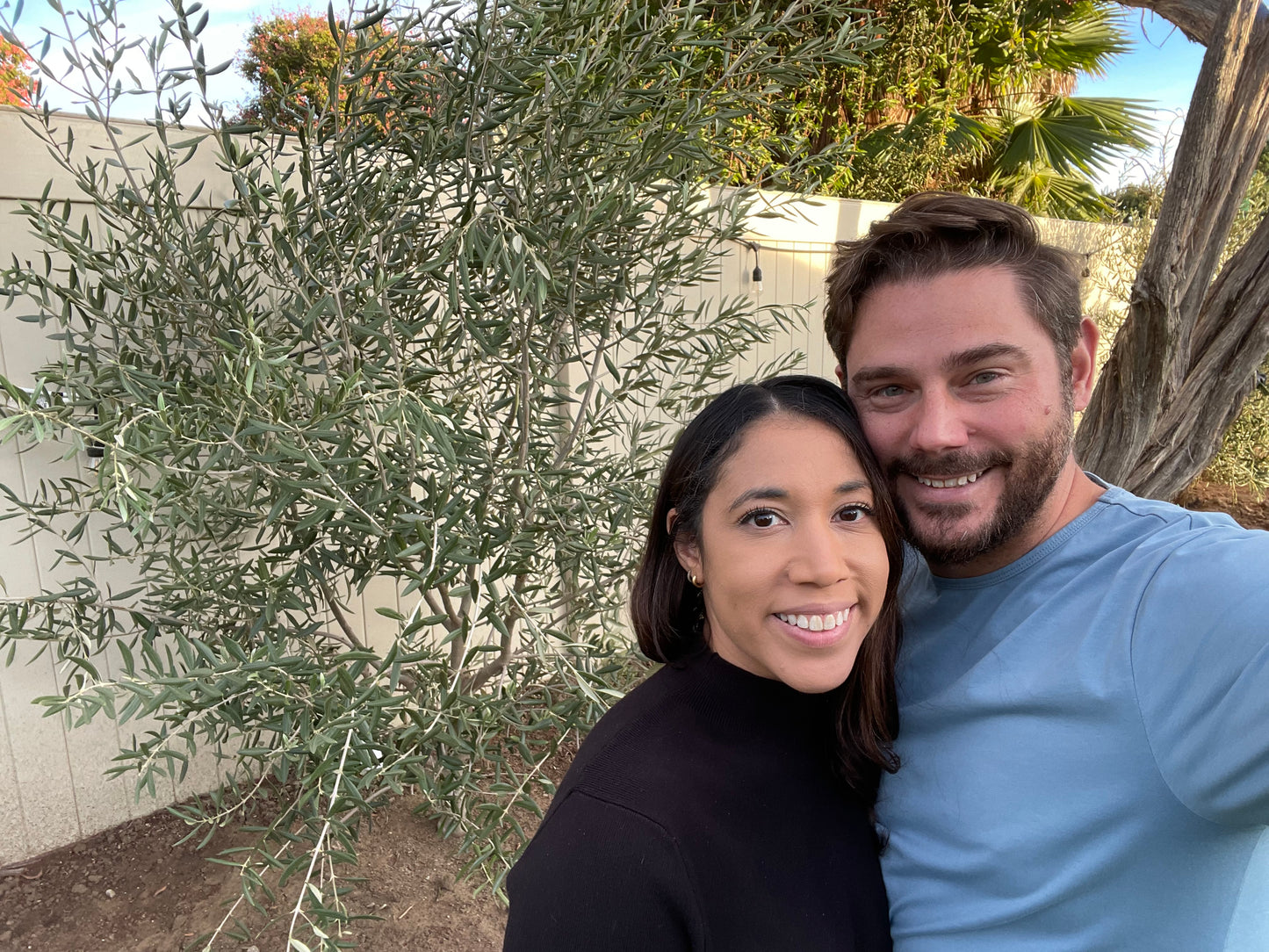
Yardwork was so great to work with. First they had the Swan Hill olive trees that we had been searching for, we had contacted several other nurseries without any luck previously. Then they answered all of our questions in a timely matter prior to ordering and finally delivered within a few days of placing it. Their staff is incredibly knowledgeable; they delivered and planted our trees with expertise to ensure that they would do well in our yard. We would definitely work with them again for future projects.











A Modern Experience
At Yardwork, we carefully curate thousands of plants, in all container sizes, to provide you with the best selection of the highest quality trees and plants at the best price, with the convenience of an online platform.
Uncompromised Quality
We choose only the finest specimens and hand select our plants just before delivery to ensure you receive the freshest and most robust specimens available for your landscape.
Industry Leading Warranties
Our 30, 90, and 365 extended warranties provide some of the best coverage to ensure our trees and plants thrive in your landscape.
Frequently Asked Questions
We're committed to changing everything about trees and plants - how they’re grown, how you shop for them, and how much they cost. We handle orders ourselves. No middlemen to get between us (or our prices) and you.
We're committed to changing everything about trees and plants - how they’re grown, how you shop for them, and how much they cost. We handle orders ourselves. No middlemen to get between us (or our prices) and you.
Delivery does not include unloading of trees and plants LARGER than a 24" box.
Trees and plants in smaller containers will be dropped curbside (usually on the driveway or near the front doorstep).
Delivery beyond a curbside drop will be charged extra.
Trees and plants that are sold in container sizes LARGER than a 24" box size will require equipment and/or enough manpower onsite to help unload from the truck.
Please reach out to our team PRIOR to placing your order to help coordinate.
Our team can provide unloading assistance with equipment for an extra fee as well.
Delivery does not include unloading of trees and plants LARGER than a 24" box.
Trees and plants in smaller containers will be dropped curbside (usually on the driveway or near the front doorstep).
Delivery beyond a curbside drop will be charged extra.
Trees and plants that are sold in container sizes LARGER than a 24" box size will require equipment and/or enough manpower onsite to help unload from the truck.
Please reach out to our team PRIOR to placing your order to help coordinate.
Our team can provide unloading assistance with equipment for an extra fee as well.
We ship locally within California within 7-10 days of your order being placed.
We ship nationally using carrier partners, based on order size. Our common order minimums for out of state shipping is $5,000.
Text or call 323-576-4159 for specific shipping details for your location.
We ship locally within California within 7-10 days of your order being placed.
We ship nationally using carrier partners, based on order size. Our common order minimums for out of state shipping is $5,000.
Text or call 323-576-4159 for specific shipping details for your location.
We are currently online only and don't have physical locations where you can view plants in person.
That's why we have photos direct from the growing grounds of the plants we will ship and we display pricing right in our store.
We do make sure to pick the very best trees and plants prior to shipping and make sure that they have gone through our multi-point inspection for health and structure.
We will always reach out prior to delivery if we find a quality issue or need to provide a substitute.
We are currently online only and don't have physical locations where you can view plants in person.
That's why we have photos direct from the growing grounds of the plants we will ship and we display pricing right in our store.
We do make sure to pick the very best trees and plants prior to shipping and make sure that they have gone through our multi-point inspection for health and structure.
We will always reach out prior to delivery if we find a quality issue or need to provide a substitute.
Plants vary greatly by type. Here is a rough idea of sizes based on containers that are direct from our growing grounds.
15 Gallon Shrub 3-4 Ft. Tall
15 Gallon Tree 5-6 Ft. Tall
24" Box Shrub 5-6 Ft. Tall
24" Box Tree 6-7 Ft. Tall
36" Box Shrub/Tree 7-9 Ft. Tall
48" Box Shrub/Tree 8-10 Ft. Tall
**Please note that we do not make guarantees of sizes. If you have questions or concerns, please call or text to request accurate sizing for the particular plant you're considering, prior to ordering.
Plants vary greatly by type. Here is a rough idea of sizes based on containers that are direct from our growing grounds.
15 Gallon Shrub 3-4 Ft. Tall
15 Gallon Tree 5-6 Ft. Tall
24" Box Shrub 5-6 Ft. Tall
24" Box Tree 6-7 Ft. Tall
36" Box Shrub/Tree 7-9 Ft. Tall
48" Box Shrub/Tree 8-10 Ft. Tall
**Please note that we do not make guarantees of sizes. If you have questions or concerns, please call or text to request accurate sizing for the particular plant you're considering, prior to ordering.
We offer a limited 30 day warranty for plants that are delivered and planted by someone else and a 90 day warranty for plants that we plant.
The limited warranty covers plants that die as a result of disease or fungus which was derived from our growing grounds or from root balls that were root bound.
The warranty does not cover damage due to watering, fertilizer, soils, or any other conditions beyond our control. Additionally, the warranty does not cover plants that are shipped out of the state of California or shipped into California from other states. Custom plant orders are also not covered under warranty. Plants must be planted within 24 hours after delivery to qualify.
We can assist you in recommending the right soils and fertilizers to help your plant thrive after you plant it.
Text or call 323-576-4159 for further warranty information.
We offer a limited 30 day warranty for plants that are delivered and planted by someone else and a 90 day warranty for plants that we plant.
The limited warranty covers plants that die as a result of disease or fungus which was derived from our growing grounds or from root balls that were root bound.
The warranty does not cover damage due to watering, fertilizer, soils, or any other conditions beyond our control. Additionally, the warranty does not cover plants that are shipped out of the state of California or shipped into California from other states. Custom plant orders are also not covered under warranty. Plants must be planted within 24 hours after delivery to qualify.
We can assist you in recommending the right soils and fertilizers to help your plant thrive after you plant it.
Text or call 323-576-4159 for further warranty information.
Our local delivery team covers most cities in California.
There are some exceptions, so please get in touch to confirm prior to ordering.
Additionally, we ship using semi trucks and trailers throughout the entire United States and even abroad for large orders over $5,000. Each shipment is custom, so please reach out to our team to coordinate.
Our local delivery team covers most cities in California.
There are some exceptions, so please get in touch to confirm prior to ordering.
Additionally, we ship using semi trucks and trailers throughout the entire United States and even abroad for large orders over $5,000. Each shipment is custom, so please reach out to our team to coordinate.