



Rosemary Plant For Sale - Rosmarinus Officinalis
Regular price
$20.00
Size
Variety
Transform Your Garden Into a Fragrant, Pest-Free Mediterranean Paradise
Rosemary (Rosmarinus officinalis) is the ultimate multi-tasking evergreen shrub-delivering year-round silvery-green beauty, fresh herbs for your kitchen, and natural pest protection in a single, drought tolerant plant. This fragrant, aromatic herb brings authentic Mediterranean charm to any sunny location, whether planted in the ground as a landscape anchor or kept as a potted plant on your patio.
Why You'll Love Growing Rosemary
-
Natural pest repellent – Rosemary is effective as a natural pest repellent for various garden nuisances. Its scent disrupts pests' ability to locate host plants, and it repels cabbage loopers and Mexican bean beetles. Rosemary can also deter slugs and snails in gardens, keeping your vegetables safer without chemicals. It is resistant to many insects and pests, including spider mites.
-
Drought tolerant and low-maintenance – Once established, rosemary is a low-maintenance, water-wise choice. This tough member of the mint family thrives in poor, rocky, or sandy soils and requires minimal watering after its first growing season. Rosemary is drought-tolerant once established, so you spend less time at the hose and more time enjoying your garden.
-
Year-round evergreen beauty – With its needle like leaves and dense growth, rosemary provides structure and texture through every season. The reddish stems and silvery foliage look striking in winter, while clusters of blue flowers-and sometimes white flowers, lavender flowers, or pink blooms-appear from late spring through early summer, adding color when you need it most.
-
Fresh herbs at your fingertips – Rosemary can be harvested year-round. Snip sprigs whenever you need them for cooking. Fresh or dried rosemary leaves can be used in cooking, and the bold, piney aroma and slightly peppery taste make this herb a staple in Mediterranean cuisine. Rosemary is commonly used to season meat and fish, and it pairs beautifully with roasted potatoes and vegetables.
-
Attracts beneficial pollinators – Rosemary attracts pollinators with its nectar-rich blossoms. Its delicate light blue flowers and blooms bring bees and butterflies to your garden throughout spring and summer, supporting a healthier ecosystem. Rosemary attracts butterflies especially well when planted in full sun.
What Makes Rosemary Different from Other Garden Plants
Most garden herbs demand constant watering, rich soil, and seasonal replanting. Rosemary is a woody, resilient evergreen shrub combining ornamental beauty, culinary use, and natural pest control-which few plants can deliver together effectively. Here's what sets it apart:
-
Extremely hardy and resilient – Rosemary thrives in poor, rocky, or sandy soils where other herbs struggle. It tolerates heat, wind, and even coastal salt spray. Rosemary can survive temperatures as low as -8°C (18°F), and cold-hardy cultivars like 'Arp' push that boundary even further.
-
Deer resistant and wildlife-proof – The strong fragrance from rosemary's essential oils deters deer and rabbits naturally, protecting your landscape without fencing or sprays. This deer resistant quality makes it ideal for gardens near open spaces.
-
Long-lived perennial – While most herbs last a season or two, a well-cared-for rosemary plant can thrive for 20–30 years in favorable Mediterranean-like climates. Its woody stems and deep root system give it a permanent, architectural presence in your garden. Rosemary's deep roots anchor the soil effectively, and rosemary helps stabilize soil and prevent erosion.
-
Multi-functional beyond the kitchen – Beyond cooking, rosemary has been traditionally used for its healing properties. Rosemary contains carnosic and rosmarinic acids with antibacterial properties. Aromatherapy with rosemary may enhance memory and mood, and rosemary's essential oil is valued for its uplifting aroma in aromatherapy. Infused rosemary water is used to stimulate hair growth and soothe the scalp. Regular consumption of rosemary can boost the immune system, and rosemary is a good source of manganese, supporting metabolism.
How to Successfully Grow RosemaryIn Your Landscape
-
Plant in well drained soil with full sun Choose a sunny location that receives at least 6–8 hours of direct sun per day. Rosemary prefers well-drained soil and full sun. Use sandy or loamy soil with a pH of 6.0–7.0. If your soil is heavy clay, amend it with grit or gravel to improve drainage and prevent runoff. Plant rosemary alongside crops like broccoli and carrots for companion pest-control benefits. Young plants should be at least 10cm tall before planting outside. Space upright rosemary varieties 24–36 inches apart to allow for good drainage and airflow.
-
Water consistently the first year, then ease off During the establishment phase, water every 5–7 days in warm weather to help the root system develop. After the first year, water rosemary only when the soil is dry-typically every 10–14 days. Overwatering is the fastest path to root rot and plant decline. A little drought stress actually intensifies the fragrant essential oils, giving you bolder flavor for cooking.
-
Light pruning after flowering keeps plants thriving Trim rosemary lightly every year to encourage new growth and maintain bushy, attractive shape. Prune after flowering in early summer, removing spent blooms and shaping branches. Avoid cutting into old bare wood, as it may not regenerate. Avoid heavy pruning before winter. Fertilize rosemary with balanced fertilizer in spring for steady, healthy growth.
Plant Specifications
-
Botanical Name: (Rosmarinus officinalis)
-
Plant Type: Woody evergreen shrub, perennial herb
-
Mature Size: Upright rosemary varieties reach 3–6 ft tall and wide; prostrate types stay 1–2 ft tall and spread 4–8 ft
-
Growth Habit: Upright habit (most culinary varieties) or trailing/prostrate; fast grower in warm climates
-
Hardiness Zones: USDA Zones 7–10 (year-round outdoors); rosemary is not frost-hardy and should be brought indoors in colder climates
-
Sun Requirements: Full sun, minimum 6 hours of bright light daily
-
Soil: Well drained soil, sandy or loamy, pH 6.0–7.0; good drainage is critical
-
Bloom Time: Late spring through summer; in warmer zones, blooms may appear nearly year-round
-
Flowers: Tubular blue flowers are most common; some cultivars produce white flowers, pink, or lavender flowers
-
Popular Varieties:
-
'Miss Jessopp's Upright' – A tall, upright rosemary variety, excellent for hedges and landscape structure
-
'Capri' – A low, trailing rosemary variety, ideal for rock gardens and containers
-
'Lady in White' – Has white flowers, beautiful as an ornamental accent
-
'Rosea' – Features pale pink flowers and grows up to 80cm tall
-
'Green Ginger' – Has a distinctly gingery scent, a unique twist on classic rosemary
-
Most rosemary varieties have blue flowers
-
-
Container Suitability: Excellent in containers and pot growing; container growing allows easier indoor management of rosemary during harsh winters. Choose pots with drainage holes and move indoors when temperatures drop. Plants can stay in the same container for several seasons before needing repotting.
-
Propagation: Rosemary can be propagated from cuttings easily. Cuttings should be taken from healthy, young rosemary plants. Seeds have lower germination rates and take several years to grow large enough for harvesting.
-
Rosemary improves drainage and prevents runoff in garden beds, making it a functional landscape plant as well.
Perfect for These Gardeners
Ideal for:
-
California homeowners wanting low-maintenance Mediterranean landscaping that thrives in heat and sun
-
Organic gardeners seeking natural pest control solutions-plant rosemary near vegetables to protect crops without synthetic sprays
-
Cooking enthusiasts who want fresh herbs steps from their kitchen-the best flavor comes from young rosemary shoots in summer
-
Container gardeners with patios, balconies, or small spaces-rosemary thrives as a potted plant with proper sun and drainage
-
Edible landscapers looking for a plant that doubles as ornamental beauty and a culinary staple
If you want a beautiful, functional garden filled with fragrant plants that practically care for themselves, rosemary fits your needs. Pair it with English Lavender or other drought tolerant plants for a stunning, water-wise landscape.
Frequently Asked Questions
Can rosemary survive California winters? Absolutely. California's climate (primarily USDA Zones 8–10) is ideal for rosemary year-round. Rosemary can survive temperatures as low as -8°C (18°F). In rare cold snaps, mulch around the base and ensure the soil has good drainage-cold combined with wet soil causes more plant decline than cold alone.
How much water does rosemary need? Very little once established. Water rosemary only when the soil is dry. During the first season, water every 5–7 days; after that, every 10–14 days is plenty. The number one killer of rosemary is overwatering, which leads to root rot. This plant genuinely thrives on neglect.
When can I start harvesting? Rosemary can be harvested year-round, but it's best to let new plants establish for at least one full growing season before harvesting heavily. After that, snip sprigs and stems freely-just avoid removing more than about 20% of the plant's growth in a single season.
Will it really repel pests? Yes. Rosemary is effective as a natural pest repellent. Its volatile oils deter insects like cabbage loopers, Mexican bean beetles, and spider mites. Rosemary can also deter slugs and snails in gardens. For maximum effect, plant rosemary near the crops you want to protect, or use concentrated rosemary oil sprays for targeted control. Rosemary is also resistant to many insects and pests itself.
Can I grow it in a container? Rosemary is an excellent potted plant. Use a pot with good drainage holes and well drained soil. Place it in full sun-at least 6 hours daily. Container growing allows easier indoor management of rosemary during harsh winters. Indoors, provide a south-facing window with bright light or supplement with grow lights, and avoid overwatering.
Does rosemary have health benefits? Rosemary has culinary uses for enhancing flavor in various dishes, and it also offers notable health benefits. Rosemary contains carnosic and rosmarinic acids with antibacterial properties, and it's been traditionally used for medicinal purposes. Regular consumption of rosemary can boost the immune system. Rosemary is a good source of manganese, supporting metabolism.
Ready to Start Your Mediterranean Garden?
When you buy rosemary plants from Yardwork, you get a premium, California-grown evergreen shrub that delivers fragrant beauty, fresh herbs for cooking, and natural pest protection-season after season, for decades.
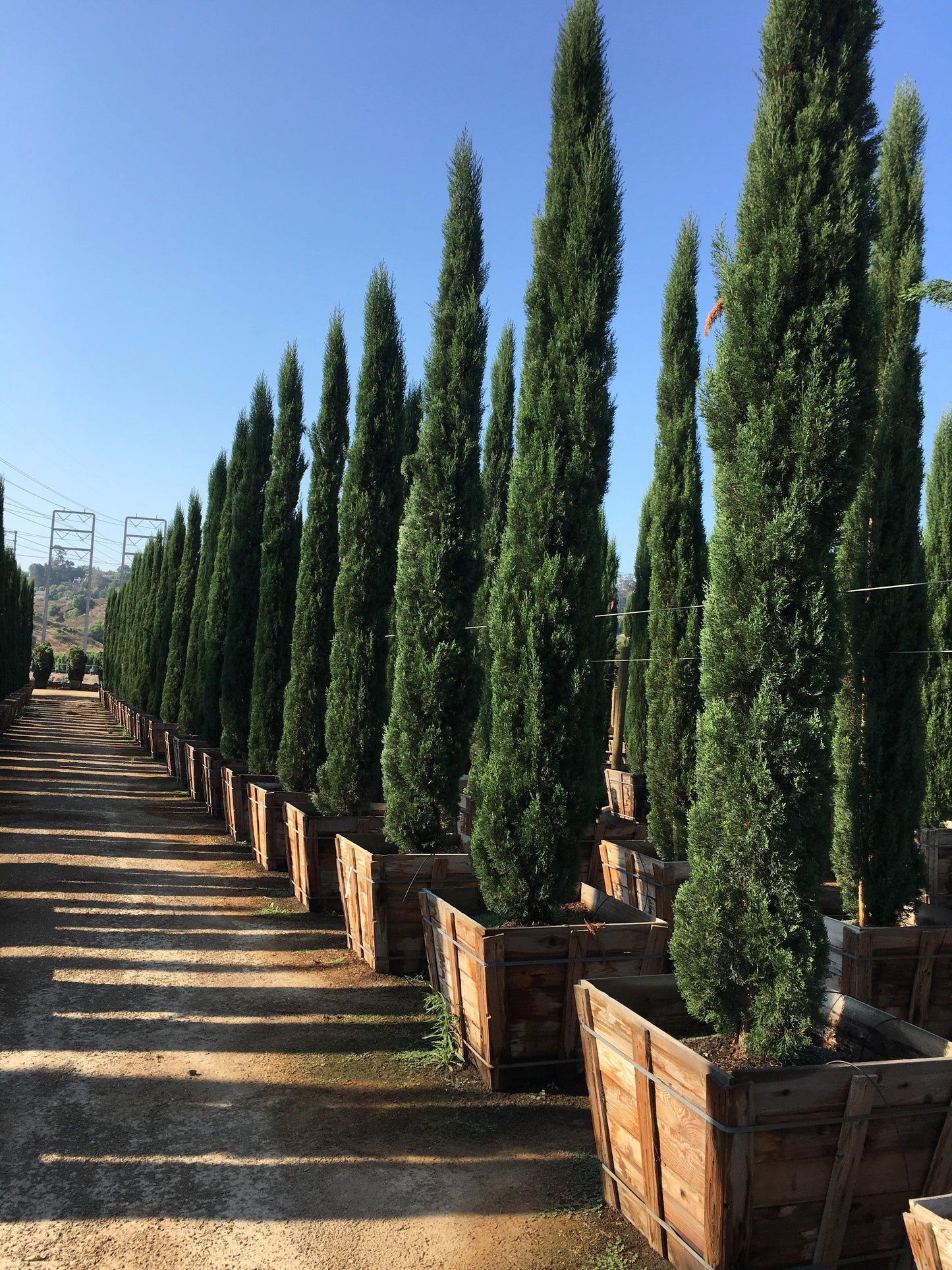
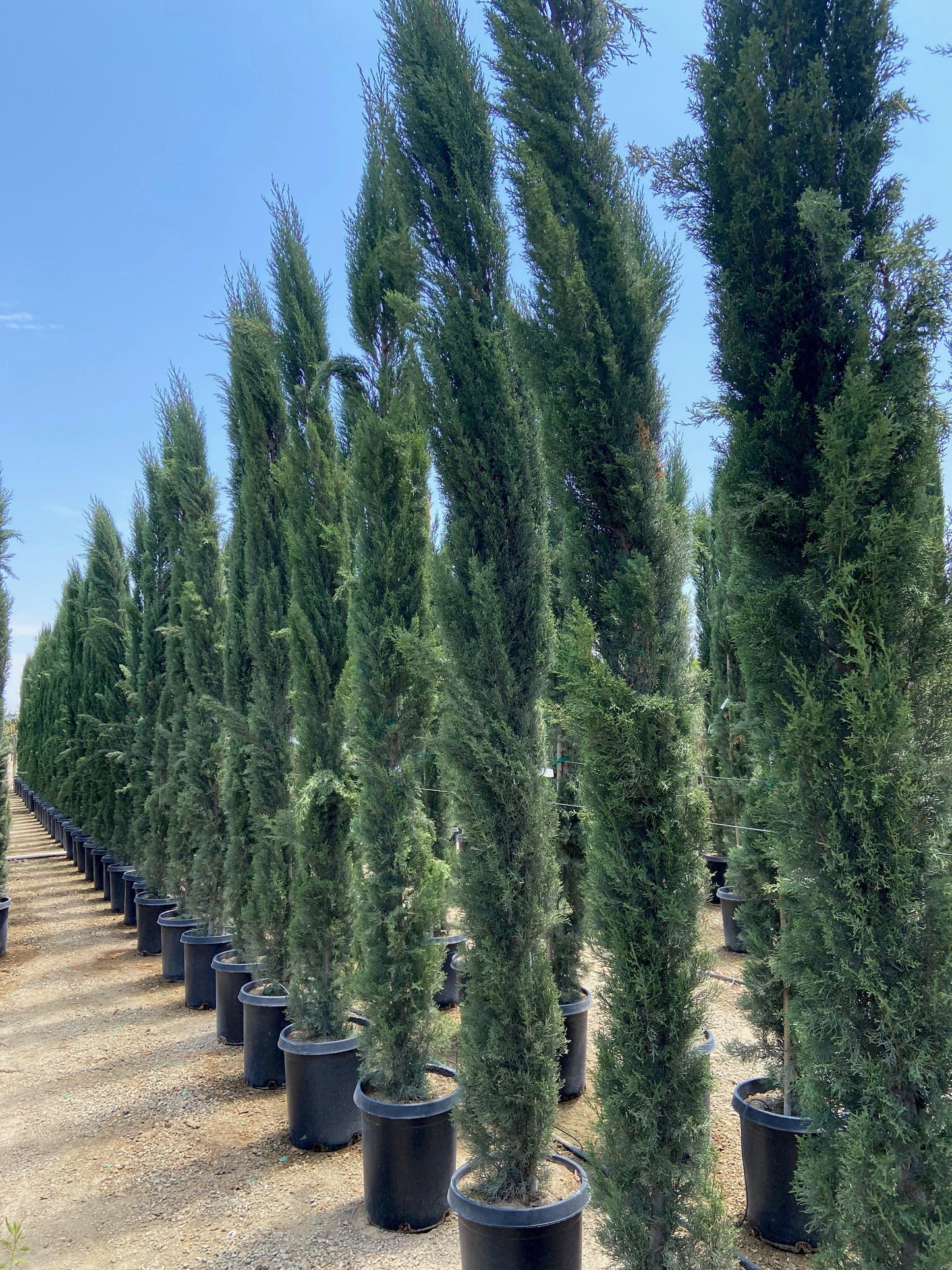
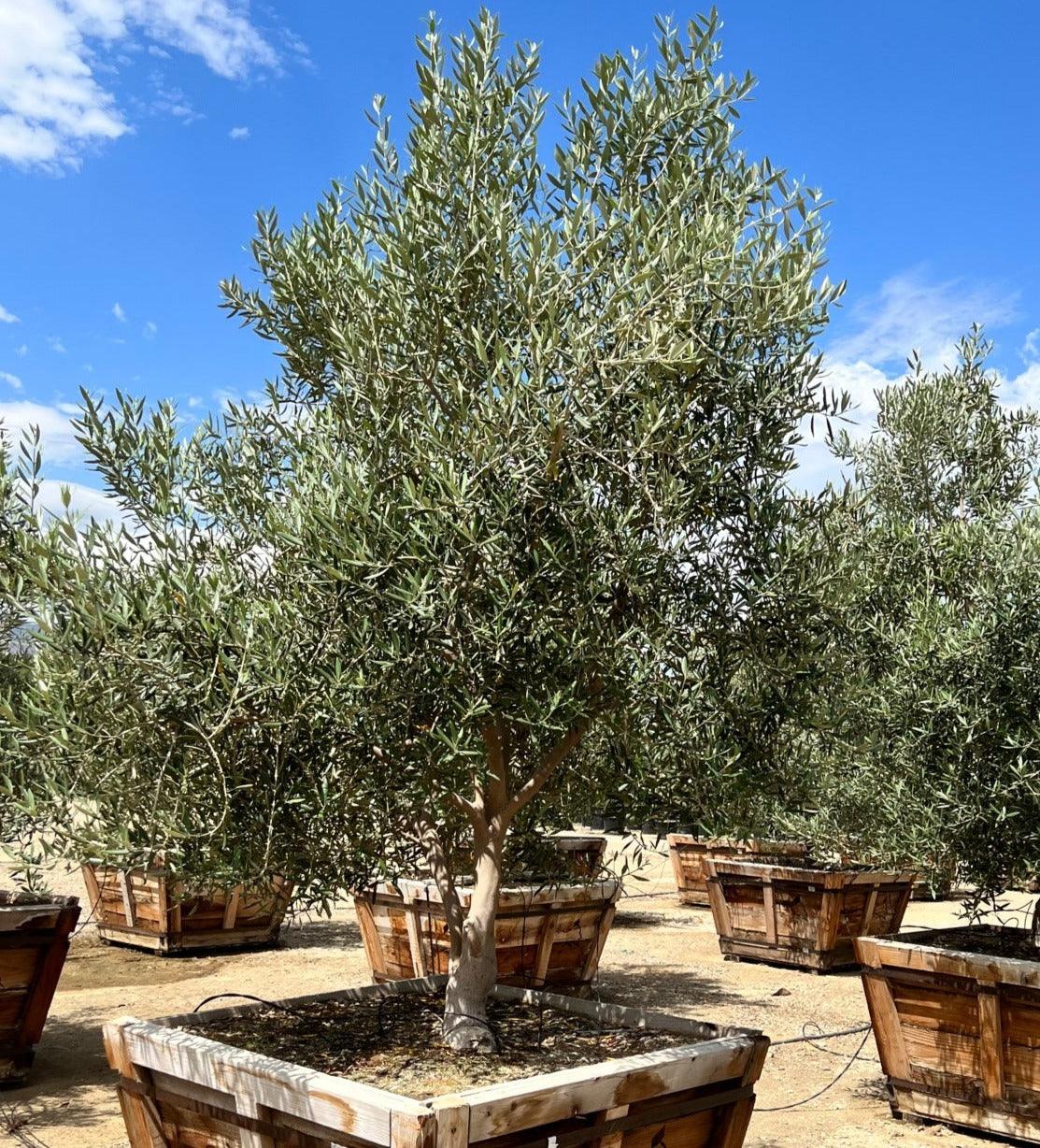
Pair your rosemary with our Mediterranean collection, including Italian Cypress and olive trees, to create the California-style backyard you've always wanted.
Transform Your Garden Into a Fragrant, Pest-Free Mediterranean Paradise
Rosemary (Rosmarinus officinalis) is the ultimate multi-tasking evergreen shrub-delivering year-round silvery-green beauty, fresh herbs for your kitchen, and natural pest protection in a single, drought tolerant plant. This fragrant, aromatic herb brings authentic Mediterranean charm to any sunny location, whether planted in the ground as a landscape anchor or kept as a potted plant on your patio.
Why You'll Love Growing Rosemary
-
Natural pest repellent – Rosemary is effective as a natural pest repellent for various garden nuisances. Its scent disrupts pests' ability to locate host plants, and it repels cabbage loopers and Mexican bean beetles. Rosemary can also deter slugs and snails in gardens, keeping your vegetables safer without chemicals. It is resistant to many insects and pests, including spider mites.
-
Drought tolerant and low-maintenance – Once established, rosemary is a low-maintenance, water-wise choice. This tough member of the mint family thrives in poor, rocky, or sandy soils and requires minimal watering after its first growing season. Rosemary is drought-tolerant once established, so you spend less time at the hose and more time enjoying your garden.
-
Year-round evergreen beauty – With its needle like leaves and dense growth, rosemary provides structure and texture through every season. The reddish stems and silvery foliage look striking in winter, while clusters of blue flowers-and sometimes white flowers, lavender flowers, or pink blooms-appear from late spring through early summer, adding color when you need it most.
-
Fresh herbs at your fingertips – Rosemary can be harvested year-round. Snip sprigs whenever you need them for cooking. Fresh or dried rosemary leaves can be used in cooking, and the bold, piney aroma and slightly peppery taste make this herb a staple in Mediterranean cuisine. Rosemary is commonly used to season meat and fish, and it pairs beautifully with roasted potatoes and vegetables.
-
Attracts beneficial pollinators – Rosemary attracts pollinators with its nectar-rich blossoms. Its delicate light blue flowers and blooms bring bees and butterflies to your garden throughout spring and summer, supporting a healthier ecosystem. Rosemary attracts butterflies especially well when planted in full sun.
What Makes Rosemary Different from Other Garden Plants
Most garden herbs demand constant watering, rich soil, and seasonal replanting. Rosemary is a woody, resilient evergreen shrub combining ornamental beauty, culinary use, and natural pest control-which few plants can deliver together effectively. Here's what sets it apart:
-
Extremely hardy and resilient – Rosemary thrives in poor, rocky, or sandy soils where other herbs struggle. It tolerates heat, wind, and even coastal salt spray. Rosemary can survive temperatures as low as -8°C (18°F), and cold-hardy cultivars like 'Arp' push that boundary even further.
-
Deer resistant and wildlife-proof – The strong fragrance from rosemary's essential oils deters deer and rabbits naturally, protecting your landscape without fencing or sprays. This deer resistant quality makes it ideal for gardens near open spaces.
-
Long-lived perennial – While most herbs last a season or two, a well-cared-for rosemary plant can thrive for 20–30 years in favorable Mediterranean-like climates. Its woody stems and deep root system give it a permanent, architectural presence in your garden. Rosemary's deep roots anchor the soil effectively, and rosemary helps stabilize soil and prevent erosion.
-
Multi-functional beyond the kitchen – Beyond cooking, rosemary has been traditionally used for its healing properties. Rosemary contains carnosic and rosmarinic acids with antibacterial properties. Aromatherapy with rosemary may enhance memory and mood, and rosemary's essential oil is valued for its uplifting aroma in aromatherapy. Infused rosemary water is used to stimulate hair growth and soothe the scalp. Regular consumption of rosemary can boost the immune system, and rosemary is a good source of manganese, supporting metabolism.
How to Successfully Grow RosemaryIn Your Landscape
-
Plant in well drained soil with full sun Choose a sunny location that receives at least 6–8 hours of direct sun per day. Rosemary prefers well-drained soil and full sun. Use sandy or loamy soil with a pH of 6.0–7.0. If your soil is heavy clay, amend it with grit or gravel to improve drainage and prevent runoff. Plant rosemary alongside crops like broccoli and carrots for companion pest-control benefits. Young plants should be at least 10cm tall before planting outside. Space upright rosemary varieties 24–36 inches apart to allow for good drainage and airflow.
-
Water consistently the first year, then ease off During the establishment phase, water every 5–7 days in warm weather to help the root system develop. After the first year, water rosemary only when the soil is dry-typically every 10–14 days. Overwatering is the fastest path to root rot and plant decline. A little drought stress actually intensifies the fragrant essential oils, giving you bolder flavor for cooking.
-
Light pruning after flowering keeps plants thriving Trim rosemary lightly every year to encourage new growth and maintain bushy, attractive shape. Prune after flowering in early summer, removing spent blooms and shaping branches. Avoid cutting into old bare wood, as it may not regenerate. Avoid heavy pruning before winter. Fertilize rosemary with balanced fertilizer in spring for steady, healthy growth.
Plant Specifications
-
Botanical Name: (Rosmarinus officinalis)
-
Plant Type: Woody evergreen shrub, perennial herb
-
Mature Size: Upright rosemary varieties reach 3–6 ft tall and wide; prostrate types stay 1–2 ft tall and spread 4–8 ft
-
Growth Habit: Upright habit (most culinary varieties) or trailing/prostrate; fast grower in warm climates
-
Hardiness Zones: USDA Zones 7–10 (year-round outdoors); rosemary is not frost-hardy and should be brought indoors in colder climates
-
Sun Requirements: Full sun, minimum 6 hours of bright light daily
-
Soil: Well drained soil, sandy or loamy, pH 6.0–7.0; good drainage is critical
-
Bloom Time: Late spring through summer; in warmer zones, blooms may appear nearly year-round
-
Flowers: Tubular blue flowers are most common; some cultivars produce white flowers, pink, or lavender flowers
-
Popular Varieties:
-
'Miss Jessopp's Upright' – A tall, upright rosemary variety, excellent for hedges and landscape structure
-
'Capri' – A low, trailing rosemary variety, ideal for rock gardens and containers
-
'Lady in White' – Has white flowers, beautiful as an ornamental accent
-
'Rosea' – Features pale pink flowers and grows up to 80cm tall
-
'Green Ginger' – Has a distinctly gingery scent, a unique twist on classic rosemary
-
Most rosemary varieties have blue flowers
-
-
Container Suitability: Excellent in containers and pot growing; container growing allows easier indoor management of rosemary during harsh winters. Choose pots with drainage holes and move indoors when temperatures drop. Plants can stay in the same container for several seasons before needing repotting.
-
Propagation: Rosemary can be propagated from cuttings easily. Cuttings should be taken from healthy, young rosemary plants. Seeds have lower germination rates and take several years to grow large enough for harvesting.
-
Rosemary improves drainage and prevents runoff in garden beds, making it a functional landscape plant as well.
Perfect for These Gardeners
Ideal for:
-
California homeowners wanting low-maintenance Mediterranean landscaping that thrives in heat and sun
-
Organic gardeners seeking natural pest control solutions-plant rosemary near vegetables to protect crops without synthetic sprays
-
Cooking enthusiasts who want fresh herbs steps from their kitchen-the best flavor comes from young rosemary shoots in summer
-
Container gardeners with patios, balconies, or small spaces-rosemary thrives as a potted plant with proper sun and drainage
-
Edible landscapers looking for a plant that doubles as ornamental beauty and a culinary staple
If you want a beautiful, functional garden filled with fragrant plants that practically care for themselves, rosemary fits your needs. Pair it with English Lavender or other drought tolerant plants for a stunning, water-wise landscape.
Frequently Asked Questions
Can rosemary survive California winters? Absolutely. California's climate (primarily USDA Zones 8–10) is ideal for rosemary year-round. Rosemary can survive temperatures as low as -8°C (18°F). In rare cold snaps, mulch around the base and ensure the soil has good drainage-cold combined with wet soil causes more plant decline than cold alone.
How much water does rosemary need? Very little once established. Water rosemary only when the soil is dry. During the first season, water every 5–7 days; after that, every 10–14 days is plenty. The number one killer of rosemary is overwatering, which leads to root rot. This plant genuinely thrives on neglect.
When can I start harvesting? Rosemary can be harvested year-round, but it's best to let new plants establish for at least one full growing season before harvesting heavily. After that, snip sprigs and stems freely-just avoid removing more than about 20% of the plant's growth in a single season.
Will it really repel pests? Yes. Rosemary is effective as a natural pest repellent. Its volatile oils deter insects like cabbage loopers, Mexican bean beetles, and spider mites. Rosemary can also deter slugs and snails in gardens. For maximum effect, plant rosemary near the crops you want to protect, or use concentrated rosemary oil sprays for targeted control. Rosemary is also resistant to many insects and pests itself.
Can I grow it in a container? Rosemary is an excellent potted plant. Use a pot with good drainage holes and well drained soil. Place it in full sun-at least 6 hours daily. Container growing allows easier indoor management of rosemary during harsh winters. Indoors, provide a south-facing window with bright light or supplement with grow lights, and avoid overwatering.
Does rosemary have health benefits? Rosemary has culinary uses for enhancing flavor in various dishes, and it also offers notable health benefits. Rosemary contains carnosic and rosmarinic acids with antibacterial properties, and it's been traditionally used for medicinal purposes. Regular consumption of rosemary can boost the immune system. Rosemary is a good source of manganese, supporting metabolism.
Ready to Start Your Mediterranean Garden?
When you buy rosemary plants from Yardwork, you get a premium, California-grown evergreen shrub that delivers fragrant beauty, fresh herbs for cooking, and natural pest protection-season after season, for decades.
Pair your rosemary with our Mediterranean collection, including Italian Cypress and olive trees, to create the California-style backyard you've always wanted.
Plants vary greatly by type and no guarantees are made on sizing.
However here is a rough idea of sizes based on containers that are direct from our growing grounds.
15 Gallon Shrub 3-4 Ft. Tall
15 Gallon Tree 5-6 Ft. Tall
24" Box Shrub 5-6 Ft. Tall
24" Box Tree 6-7 Ft. Tall
36" Box Tree 8-10 Ft. Tall
48" Box Tree 10-12 Ft. Tall
Please note: Citrus and California Native plants such as Manzanita are smaller than traditional sizing.
Please contact us to confirm sizing of items before purchasing if this is a concern.
Plants vary greatly by type and no guarantees are made on sizing.
However here is a rough idea of sizes based on containers that are direct from our growing grounds.
15 Gallon Shrub 3-4 Ft. Tall
15 Gallon Tree 5-6 Ft. Tall
24" Box Shrub 5-6 Ft. Tall
24" Box Tree 6-7 Ft. Tall
36" Box Tree 8-10 Ft. Tall
48" Box Tree 10-12 Ft. Tall
Please note: Citrus and California Native plants such as Manzanita are smaller than traditional sizing.
Please contact us to confirm sizing of items before purchasing if this is a concern.
Delivery does not include unloading of trees and plants larger than a 24" box.
Trees and plants in smaller containers will be dropped curbside.
Delivery beyond a curbside drop will be charged extra.
Trees and plants that are sold in container sizes larger than a 24" box size will require equipment and an operator onsite to help unload from the truck.
Please reach out to our team PRIOR to placing your order to coordinate.
Our team can provide unloading assistance with equipment for an extra fee.
Delivery does not include unloading of trees and plants larger than a 24" box.
Trees and plants in smaller containers will be dropped curbside.
Delivery beyond a curbside drop will be charged extra.
Trees and plants that are sold in container sizes larger than a 24" box size will require equipment and an operator onsite to help unload from the truck.
Please reach out to our team PRIOR to placing your order to coordinate.
Our team can provide unloading assistance with equipment for an extra fee.
You may also like...


Rosemary Plant For Sale - Rosmarinus Officinalis
Regular price
$20.00
Size
Variety
Transform Your Garden Into a Fragrant, Pest-Free Mediterranean Paradise
Rosemary (Rosmarinus officinalis) is the ultimate multi-tasking evergreen shrub-delivering year-round silvery-green beauty, fresh herbs for your kitchen, and natural pest protection in a single, drought tolerant plant. This fragrant, aromatic herb brings authentic Mediterranean charm to any sunny location, whether planted in the ground as a landscape anchor or kept as a potted plant on your patio.
Why You'll Love Growing Rosemary
-
Natural pest repellent – Rosemary is effective as a natural pest repellent for various garden nuisances. Its scent disrupts pests' ability to locate host plants, and it repels cabbage loopers and Mexican bean beetles. Rosemary can also deter slugs and snails in gardens, keeping your vegetables safer without chemicals. It is resistant to many insects and pests, including spider mites.
-
Drought tolerant and low-maintenance – Once established, rosemary is a low-maintenance, water-wise choice. This tough member of the mint family thrives in poor, rocky, or sandy soils and requires minimal watering after its first growing season. Rosemary is drought-tolerant once established, so you spend less time at the hose and more time enjoying your garden.
-
Year-round evergreen beauty – With its needle like leaves and dense growth, rosemary provides structure and texture through every season. The reddish stems and silvery foliage look striking in winter, while clusters of blue flowers-and sometimes white flowers, lavender flowers, or pink blooms-appear from late spring through early summer, adding color when you need it most.
-
Fresh herbs at your fingertips – Rosemary can be harvested year-round. Snip sprigs whenever you need them for cooking. Fresh or dried rosemary leaves can be used in cooking, and the bold, piney aroma and slightly peppery taste make this herb a staple in Mediterranean cuisine. Rosemary is commonly used to season meat and fish, and it pairs beautifully with roasted potatoes and vegetables.
-
Attracts beneficial pollinators – Rosemary attracts pollinators with its nectar-rich blossoms. Its delicate light blue flowers and blooms bring bees and butterflies to your garden throughout spring and summer, supporting a healthier ecosystem. Rosemary attracts butterflies especially well when planted in full sun.
What Makes Rosemary Different from Other Garden Plants
Most garden herbs demand constant watering, rich soil, and seasonal replanting. Rosemary is a woody, resilient evergreen shrub combining ornamental beauty, culinary use, and natural pest control-which few plants can deliver together effectively. Here's what sets it apart:
-
Extremely hardy and resilient – Rosemary thrives in poor, rocky, or sandy soils where other herbs struggle. It tolerates heat, wind, and even coastal salt spray. Rosemary can survive temperatures as low as -8°C (18°F), and cold-hardy cultivars like 'Arp' push that boundary even further.
-
Deer resistant and wildlife-proof – The strong fragrance from rosemary's essential oils deters deer and rabbits naturally, protecting your landscape without fencing or sprays. This deer resistant quality makes it ideal for gardens near open spaces.
-
Long-lived perennial – While most herbs last a season or two, a well-cared-for rosemary plant can thrive for 20–30 years in favorable Mediterranean-like climates. Its woody stems and deep root system give it a permanent, architectural presence in your garden. Rosemary's deep roots anchor the soil effectively, and rosemary helps stabilize soil and prevent erosion.
-
Multi-functional beyond the kitchen – Beyond cooking, rosemary has been traditionally used for its healing properties. Rosemary contains carnosic and rosmarinic acids with antibacterial properties. Aromatherapy with rosemary may enhance memory and mood, and rosemary's essential oil is valued for its uplifting aroma in aromatherapy. Infused rosemary water is used to stimulate hair growth and soothe the scalp. Regular consumption of rosemary can boost the immune system, and rosemary is a good source of manganese, supporting metabolism.
How to Successfully Grow RosemaryIn Your Landscape
-
Plant in well drained soil with full sun Choose a sunny location that receives at least 6–8 hours of direct sun per day. Rosemary prefers well-drained soil and full sun. Use sandy or loamy soil with a pH of 6.0–7.0. If your soil is heavy clay, amend it with grit or gravel to improve drainage and prevent runoff. Plant rosemary alongside crops like broccoli and carrots for companion pest-control benefits. Young plants should be at least 10cm tall before planting outside. Space upright rosemary varieties 24–36 inches apart to allow for good drainage and airflow.
-
Water consistently the first year, then ease off During the establishment phase, water every 5–7 days in warm weather to help the root system develop. After the first year, water rosemary only when the soil is dry-typically every 10–14 days. Overwatering is the fastest path to root rot and plant decline. A little drought stress actually intensifies the fragrant essential oils, giving you bolder flavor for cooking.
-
Light pruning after flowering keeps plants thriving Trim rosemary lightly every year to encourage new growth and maintain bushy, attractive shape. Prune after flowering in early summer, removing spent blooms and shaping branches. Avoid cutting into old bare wood, as it may not regenerate. Avoid heavy pruning before winter. Fertilize rosemary with balanced fertilizer in spring for steady, healthy growth.
Plant Specifications
-
Botanical Name: (Rosmarinus officinalis)
-
Plant Type: Woody evergreen shrub, perennial herb
-
Mature Size: Upright rosemary varieties reach 3–6 ft tall and wide; prostrate types stay 1–2 ft tall and spread 4–8 ft
-
Growth Habit: Upright habit (most culinary varieties) or trailing/prostrate; fast grower in warm climates
-
Hardiness Zones: USDA Zones 7–10 (year-round outdoors); rosemary is not frost-hardy and should be brought indoors in colder climates
-
Sun Requirements: Full sun, minimum 6 hours of bright light daily
-
Soil: Well drained soil, sandy or loamy, pH 6.0–7.0; good drainage is critical
-
Bloom Time: Late spring through summer; in warmer zones, blooms may appear nearly year-round
-
Flowers: Tubular blue flowers are most common; some cultivars produce white flowers, pink, or lavender flowers
-
Popular Varieties:
-
'Miss Jessopp's Upright' – A tall, upright rosemary variety, excellent for hedges and landscape structure
-
'Capri' – A low, trailing rosemary variety, ideal for rock gardens and containers
-
'Lady in White' – Has white flowers, beautiful as an ornamental accent
-
'Rosea' – Features pale pink flowers and grows up to 80cm tall
-
'Green Ginger' – Has a distinctly gingery scent, a unique twist on classic rosemary
-
Most rosemary varieties have blue flowers
-
-
Container Suitability: Excellent in containers and pot growing; container growing allows easier indoor management of rosemary during harsh winters. Choose pots with drainage holes and move indoors when temperatures drop. Plants can stay in the same container for several seasons before needing repotting.
-
Propagation: Rosemary can be propagated from cuttings easily. Cuttings should be taken from healthy, young rosemary plants. Seeds have lower germination rates and take several years to grow large enough for harvesting.
-
Rosemary improves drainage and prevents runoff in garden beds, making it a functional landscape plant as well.
Perfect for These Gardeners
Ideal for:
-
California homeowners wanting low-maintenance Mediterranean landscaping that thrives in heat and sun
-
Organic gardeners seeking natural pest control solutions-plant rosemary near vegetables to protect crops without synthetic sprays
-
Cooking enthusiasts who want fresh herbs steps from their kitchen-the best flavor comes from young rosemary shoots in summer
-
Container gardeners with patios, balconies, or small spaces-rosemary thrives as a potted plant with proper sun and drainage
-
Edible landscapers looking for a plant that doubles as ornamental beauty and a culinary staple
If you want a beautiful, functional garden filled with fragrant plants that practically care for themselves, rosemary fits your needs. Pair it with English Lavender or other drought tolerant plants for a stunning, water-wise landscape.
Frequently Asked Questions
Can rosemary survive California winters? Absolutely. California's climate (primarily USDA Zones 8–10) is ideal for rosemary year-round. Rosemary can survive temperatures as low as -8°C (18°F). In rare cold snaps, mulch around the base and ensure the soil has good drainage-cold combined with wet soil causes more plant decline than cold alone.
How much water does rosemary need? Very little once established. Water rosemary only when the soil is dry. During the first season, water every 5–7 days; after that, every 10–14 days is plenty. The number one killer of rosemary is overwatering, which leads to root rot. This plant genuinely thrives on neglect.
When can I start harvesting? Rosemary can be harvested year-round, but it's best to let new plants establish for at least one full growing season before harvesting heavily. After that, snip sprigs and stems freely-just avoid removing more than about 20% of the plant's growth in a single season.
Will it really repel pests? Yes. Rosemary is effective as a natural pest repellent. Its volatile oils deter insects like cabbage loopers, Mexican bean beetles, and spider mites. Rosemary can also deter slugs and snails in gardens. For maximum effect, plant rosemary near the crops you want to protect, or use concentrated rosemary oil sprays for targeted control. Rosemary is also resistant to many insects and pests itself.
Can I grow it in a container? Rosemary is an excellent potted plant. Use a pot with good drainage holes and well drained soil. Place it in full sun-at least 6 hours daily. Container growing allows easier indoor management of rosemary during harsh winters. Indoors, provide a south-facing window with bright light or supplement with grow lights, and avoid overwatering.
Does rosemary have health benefits? Rosemary has culinary uses for enhancing flavor in various dishes, and it also offers notable health benefits. Rosemary contains carnosic and rosmarinic acids with antibacterial properties, and it's been traditionally used for medicinal purposes. Regular consumption of rosemary can boost the immune system. Rosemary is a good source of manganese, supporting metabolism.
Ready to Start Your Mediterranean Garden?
When you buy rosemary plants from Yardwork, you get a premium, California-grown evergreen shrub that delivers fragrant beauty, fresh herbs for cooking, and natural pest protection-season after season, for decades.
Pair your rosemary with our Mediterranean collection, including Italian Cypress and olive trees, to create the California-style backyard you've always wanted.
Transform Your Garden Into a Fragrant, Pest-Free Mediterranean Paradise
Rosemary (Rosmarinus officinalis) is the ultimate multi-tasking evergreen shrub-delivering year-round silvery-green beauty, fresh herbs for your kitchen, and natural pest protection in a single, drought tolerant plant. This fragrant, aromatic herb brings authentic Mediterranean charm to any sunny location, whether planted in the ground as a landscape anchor or kept as a potted plant on your patio.
Why You'll Love Growing Rosemary
-
Natural pest repellent – Rosemary is effective as a natural pest repellent for various garden nuisances. Its scent disrupts pests' ability to locate host plants, and it repels cabbage loopers and Mexican bean beetles. Rosemary can also deter slugs and snails in gardens, keeping your vegetables safer without chemicals. It is resistant to many insects and pests, including spider mites.
-
Drought tolerant and low-maintenance – Once established, rosemary is a low-maintenance, water-wise choice. This tough member of the mint family thrives in poor, rocky, or sandy soils and requires minimal watering after its first growing season. Rosemary is drought-tolerant once established, so you spend less time at the hose and more time enjoying your garden.
-
Year-round evergreen beauty – With its needle like leaves and dense growth, rosemary provides structure and texture through every season. The reddish stems and silvery foliage look striking in winter, while clusters of blue flowers-and sometimes white flowers, lavender flowers, or pink blooms-appear from late spring through early summer, adding color when you need it most.
-
Fresh herbs at your fingertips – Rosemary can be harvested year-round. Snip sprigs whenever you need them for cooking. Fresh or dried rosemary leaves can be used in cooking, and the bold, piney aroma and slightly peppery taste make this herb a staple in Mediterranean cuisine. Rosemary is commonly used to season meat and fish, and it pairs beautifully with roasted potatoes and vegetables.
-
Attracts beneficial pollinators – Rosemary attracts pollinators with its nectar-rich blossoms. Its delicate light blue flowers and blooms bring bees and butterflies to your garden throughout spring and summer, supporting a healthier ecosystem. Rosemary attracts butterflies especially well when planted in full sun.
What Makes Rosemary Different from Other Garden Plants
Most garden herbs demand constant watering, rich soil, and seasonal replanting. Rosemary is a woody, resilient evergreen shrub combining ornamental beauty, culinary use, and natural pest control-which few plants can deliver together effectively. Here's what sets it apart:
-
Extremely hardy and resilient – Rosemary thrives in poor, rocky, or sandy soils where other herbs struggle. It tolerates heat, wind, and even coastal salt spray. Rosemary can survive temperatures as low as -8°C (18°F), and cold-hardy cultivars like 'Arp' push that boundary even further.
-
Deer resistant and wildlife-proof – The strong fragrance from rosemary's essential oils deters deer and rabbits naturally, protecting your landscape without fencing or sprays. This deer resistant quality makes it ideal for gardens near open spaces.
-
Long-lived perennial – While most herbs last a season or two, a well-cared-for rosemary plant can thrive for 20–30 years in favorable Mediterranean-like climates. Its woody stems and deep root system give it a permanent, architectural presence in your garden. Rosemary's deep roots anchor the soil effectively, and rosemary helps stabilize soil and prevent erosion.
-
Multi-functional beyond the kitchen – Beyond cooking, rosemary has been traditionally used for its healing properties. Rosemary contains carnosic and rosmarinic acids with antibacterial properties. Aromatherapy with rosemary may enhance memory and mood, and rosemary's essential oil is valued for its uplifting aroma in aromatherapy. Infused rosemary water is used to stimulate hair growth and soothe the scalp. Regular consumption of rosemary can boost the immune system, and rosemary is a good source of manganese, supporting metabolism.
How to Successfully Grow RosemaryIn Your Landscape
-
Plant in well drained soil with full sun Choose a sunny location that receives at least 6–8 hours of direct sun per day. Rosemary prefers well-drained soil and full sun. Use sandy or loamy soil with a pH of 6.0–7.0. If your soil is heavy clay, amend it with grit or gravel to improve drainage and prevent runoff. Plant rosemary alongside crops like broccoli and carrots for companion pest-control benefits. Young plants should be at least 10cm tall before planting outside. Space upright rosemary varieties 24–36 inches apart to allow for good drainage and airflow.
-
Water consistently the first year, then ease off During the establishment phase, water every 5–7 days in warm weather to help the root system develop. After the first year, water rosemary only when the soil is dry-typically every 10–14 days. Overwatering is the fastest path to root rot and plant decline. A little drought stress actually intensifies the fragrant essential oils, giving you bolder flavor for cooking.
-
Light pruning after flowering keeps plants thriving Trim rosemary lightly every year to encourage new growth and maintain bushy, attractive shape. Prune after flowering in early summer, removing spent blooms and shaping branches. Avoid cutting into old bare wood, as it may not regenerate. Avoid heavy pruning before winter. Fertilize rosemary with balanced fertilizer in spring for steady, healthy growth.
Plant Specifications
-
Botanical Name: (Rosmarinus officinalis)
-
Plant Type: Woody evergreen shrub, perennial herb
-
Mature Size: Upright rosemary varieties reach 3–6 ft tall and wide; prostrate types stay 1–2 ft tall and spread 4–8 ft
-
Growth Habit: Upright habit (most culinary varieties) or trailing/prostrate; fast grower in warm climates
-
Hardiness Zones: USDA Zones 7–10 (year-round outdoors); rosemary is not frost-hardy and should be brought indoors in colder climates
-
Sun Requirements: Full sun, minimum 6 hours of bright light daily
-
Soil: Well drained soil, sandy or loamy, pH 6.0–7.0; good drainage is critical
-
Bloom Time: Late spring through summer; in warmer zones, blooms may appear nearly year-round
-
Flowers: Tubular blue flowers are most common; some cultivars produce white flowers, pink, or lavender flowers
-
Popular Varieties:
-
'Miss Jessopp's Upright' – A tall, upright rosemary variety, excellent for hedges and landscape structure
-
'Capri' – A low, trailing rosemary variety, ideal for rock gardens and containers
-
'Lady in White' – Has white flowers, beautiful as an ornamental accent
-
'Rosea' – Features pale pink flowers and grows up to 80cm tall
-
'Green Ginger' – Has a distinctly gingery scent, a unique twist on classic rosemary
-
Most rosemary varieties have blue flowers
-
-
Container Suitability: Excellent in containers and pot growing; container growing allows easier indoor management of rosemary during harsh winters. Choose pots with drainage holes and move indoors when temperatures drop. Plants can stay in the same container for several seasons before needing repotting.
-
Propagation: Rosemary can be propagated from cuttings easily. Cuttings should be taken from healthy, young rosemary plants. Seeds have lower germination rates and take several years to grow large enough for harvesting.
-
Rosemary improves drainage and prevents runoff in garden beds, making it a functional landscape plant as well.
Perfect for These Gardeners
Ideal for:
-
California homeowners wanting low-maintenance Mediterranean landscaping that thrives in heat and sun
-
Organic gardeners seeking natural pest control solutions-plant rosemary near vegetables to protect crops without synthetic sprays
-
Cooking enthusiasts who want fresh herbs steps from their kitchen-the best flavor comes from young rosemary shoots in summer
-
Container gardeners with patios, balconies, or small spaces-rosemary thrives as a potted plant with proper sun and drainage
-
Edible landscapers looking for a plant that doubles as ornamental beauty and a culinary staple
If you want a beautiful, functional garden filled with fragrant plants that practically care for themselves, rosemary fits your needs. Pair it with English Lavender or other drought tolerant plants for a stunning, water-wise landscape.
Frequently Asked Questions
Can rosemary survive California winters? Absolutely. California's climate (primarily USDA Zones 8–10) is ideal for rosemary year-round. Rosemary can survive temperatures as low as -8°C (18°F). In rare cold snaps, mulch around the base and ensure the soil has good drainage-cold combined with wet soil causes more plant decline than cold alone.
How much water does rosemary need? Very little once established. Water rosemary only when the soil is dry. During the first season, water every 5–7 days; after that, every 10–14 days is plenty. The number one killer of rosemary is overwatering, which leads to root rot. This plant genuinely thrives on neglect.
When can I start harvesting? Rosemary can be harvested year-round, but it's best to let new plants establish for at least one full growing season before harvesting heavily. After that, snip sprigs and stems freely-just avoid removing more than about 20% of the plant's growth in a single season.
Will it really repel pests? Yes. Rosemary is effective as a natural pest repellent. Its volatile oils deter insects like cabbage loopers, Mexican bean beetles, and spider mites. Rosemary can also deter slugs and snails in gardens. For maximum effect, plant rosemary near the crops you want to protect, or use concentrated rosemary oil sprays for targeted control. Rosemary is also resistant to many insects and pests itself.
Can I grow it in a container? Rosemary is an excellent potted plant. Use a pot with good drainage holes and well drained soil. Place it in full sun-at least 6 hours daily. Container growing allows easier indoor management of rosemary during harsh winters. Indoors, provide a south-facing window with bright light or supplement with grow lights, and avoid overwatering.
Does rosemary have health benefits? Rosemary has culinary uses for enhancing flavor in various dishes, and it also offers notable health benefits. Rosemary contains carnosic and rosmarinic acids with antibacterial properties, and it's been traditionally used for medicinal purposes. Regular consumption of rosemary can boost the immune system. Rosemary is a good source of manganese, supporting metabolism.
Ready to Start Your Mediterranean Garden?
When you buy rosemary plants from Yardwork, you get a premium, California-grown evergreen shrub that delivers fragrant beauty, fresh herbs for cooking, and natural pest protection-season after season, for decades.
Pair your rosemary with our Mediterranean collection, including Italian Cypress and olive trees, to create the California-style backyard you've always wanted.
Plants vary greatly by type and no guarantees are made on sizing.
However here is a rough idea of sizes based on containers that are direct from our growing grounds.
15 Gallon Shrub 3-4 Ft. Tall
15 Gallon Tree 5-6 Ft. Tall
24" Box Shrub 5-6 Ft. Tall
24" Box Tree 6-7 Ft. Tall
36" Box Tree 8-10 Ft. Tall
48" Box Tree 10-12 Ft. Tall
Please note: Citrus and California Native plants such as Manzanita are smaller than traditional sizing.
Please contact us to confirm sizing of items before purchasing if this is a concern.
Plants vary greatly by type and no guarantees are made on sizing.
However here is a rough idea of sizes based on containers that are direct from our growing grounds.
15 Gallon Shrub 3-4 Ft. Tall
15 Gallon Tree 5-6 Ft. Tall
24" Box Shrub 5-6 Ft. Tall
24" Box Tree 6-7 Ft. Tall
36" Box Tree 8-10 Ft. Tall
48" Box Tree 10-12 Ft. Tall
Please note: Citrus and California Native plants such as Manzanita are smaller than traditional sizing.
Please contact us to confirm sizing of items before purchasing if this is a concern.
Delivery does not include unloading of trees and plants larger than a 24" box.
Trees and plants in smaller containers will be dropped curbside.
Delivery beyond a curbside drop will be charged extra.
Trees and plants that are sold in container sizes larger than a 24" box size will require equipment and an operator onsite to help unload from the truck.
Please reach out to our team PRIOR to placing your order to coordinate.
Our team can provide unloading assistance with equipment for an extra fee.
Delivery does not include unloading of trees and plants larger than a 24" box.
Trees and plants in smaller containers will be dropped curbside.
Delivery beyond a curbside drop will be charged extra.
Trees and plants that are sold in container sizes larger than a 24" box size will require equipment and an operator onsite to help unload from the truck.
Please reach out to our team PRIOR to placing your order to coordinate.
Our team can provide unloading assistance with equipment for an extra fee.
Recommended For You















Pairs Well With













You May Also Like












Thousands of Healthy Plants Delivered


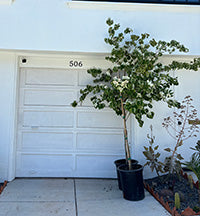
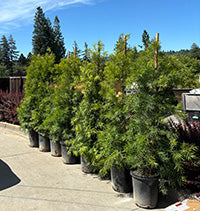
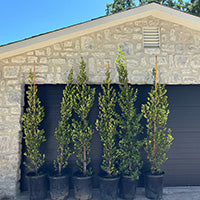
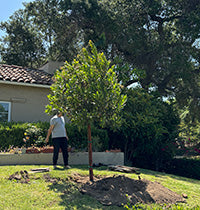
Yardwork was so great to work with. First they had the Swan Hill olive trees that we had been searching for, we had contacted several other nurseries without any luck previously. Then they answered all of our questions in a timely matter prior to ordering and finally delivered within a few days of placing it. Their staff is incredibly knowledgeable; they delivered and planted our trees with expertise to ensure that they would do well in our yard. We would definitely work with them again for future projects.















A Modern Experience
At Yardwork, we carefully curate thousands of plants, in all container sizes, to provide you with the best selection of the highest quality trees and plants at the best price, with the convenience of an online platform.
Uncompromised Quality
We choose only the finest specimens and hand select our plants just before delivery to ensure you receive the freshest and most robust specimens available for your landscape.
Industry Leading Warranties
Our 30, 90, and 365 extended warranties provide some of the best coverage to ensure our trees and plants thrive in your landscape.
Frequently Asked Questions
We're committed to changing everything about trees and plants - how they’re grown, how you shop for them, and how much they cost. We handle orders ourselves. No middlemen to get between us (or our prices) and you.
We're committed to changing everything about trees and plants - how they’re grown, how you shop for them, and how much they cost. We handle orders ourselves. No middlemen to get between us (or our prices) and you.
Delivery does not include unloading of trees and plants LARGER than a 24" box.
Trees and plants in smaller containers will be dropped curbside (usually on the driveway or near the front doorstep).
Delivery beyond a curbside drop will be charged extra.
Trees and plants that are sold in container sizes LARGER than a 24" box size will require equipment and/or enough manpower onsite to help unload from the truck.
Please reach out to our team PRIOR to placing your order to help coordinate.
Our team can provide unloading assistance with equipment for an extra fee as well.
Delivery does not include unloading of trees and plants LARGER than a 24" box.
Trees and plants in smaller containers will be dropped curbside (usually on the driveway or near the front doorstep).
Delivery beyond a curbside drop will be charged extra.
Trees and plants that are sold in container sizes LARGER than a 24" box size will require equipment and/or enough manpower onsite to help unload from the truck.
Please reach out to our team PRIOR to placing your order to help coordinate.
Our team can provide unloading assistance with equipment for an extra fee as well.
We ship locally within California within 7-10 days of your order being placed.
We ship nationally using carrier partners, based on order size. Our common order minimums for out of state shipping is $5,000.
Text or call 323-576-4159 for specific shipping details for your location.
We ship locally within California within 7-10 days of your order being placed.
We ship nationally using carrier partners, based on order size. Our common order minimums for out of state shipping is $5,000.
Text or call 323-576-4159 for specific shipping details for your location.
We are currently online only and don't have physical locations where you can view plants in person.
That's why we have photos direct from the growing grounds of the plants we will ship and we display pricing right in our store.
We do make sure to pick the very best trees and plants prior to shipping and make sure that they have gone through our multi-point inspection for health and structure.
We will always reach out prior to delivery if we find a quality issue or need to provide a substitute.
We are currently online only and don't have physical locations where you can view plants in person.
That's why we have photos direct from the growing grounds of the plants we will ship and we display pricing right in our store.
We do make sure to pick the very best trees and plants prior to shipping and make sure that they have gone through our multi-point inspection for health and structure.
We will always reach out prior to delivery if we find a quality issue or need to provide a substitute.
Plants vary greatly by type. Here is a rough idea of sizes based on containers that are direct from our growing grounds.
15 Gallon Shrub 3-4 Ft. Tall
15 Gallon Tree 5-6 Ft. Tall
24" Box Shrub 5-6 Ft. Tall
24" Box Tree 6-7 Ft. Tall
36" Box Shrub/Tree 7-9 Ft. Tall
48" Box Shrub/Tree 8-10 Ft. Tall
**Please note that we do not make guarantees of sizes. If you have questions or concerns, please call or text to request accurate sizing for the particular plant you're considering, prior to ordering.
Plants vary greatly by type. Here is a rough idea of sizes based on containers that are direct from our growing grounds.
15 Gallon Shrub 3-4 Ft. Tall
15 Gallon Tree 5-6 Ft. Tall
24" Box Shrub 5-6 Ft. Tall
24" Box Tree 6-7 Ft. Tall
36" Box Shrub/Tree 7-9 Ft. Tall
48" Box Shrub/Tree 8-10 Ft. Tall
**Please note that we do not make guarantees of sizes. If you have questions or concerns, please call or text to request accurate sizing for the particular plant you're considering, prior to ordering.
We offer a limited 30 day warranty for plants that are delivered and planted by someone else and a 90 day warranty for plants that we plant.
The limited warranty covers plants that die as a result of disease or fungus which was derived from our growing grounds or from root balls that were root bound.
The warranty does not cover damage due to watering, fertilizer, soils, or any other conditions beyond our control. Additionally, the warranty does not cover plants that are shipped out of the state of California or shipped into California from other states. Custom plant orders are also not covered under warranty. Plants must be planted within 24 hours after delivery to qualify.
We can assist you in recommending the right soils and fertilizers to help your plant thrive after you plant it.
Text or call 323-576-4159 for further warranty information.
We offer a limited 30 day warranty for plants that are delivered and planted by someone else and a 90 day warranty for plants that we plant.
The limited warranty covers plants that die as a result of disease or fungus which was derived from our growing grounds or from root balls that were root bound.
The warranty does not cover damage due to watering, fertilizer, soils, or any other conditions beyond our control. Additionally, the warranty does not cover plants that are shipped out of the state of California or shipped into California from other states. Custom plant orders are also not covered under warranty. Plants must be planted within 24 hours after delivery to qualify.
We can assist you in recommending the right soils and fertilizers to help your plant thrive after you plant it.
Text or call 323-576-4159 for further warranty information.
Our local delivery team covers most cities in California.
There are some exceptions, so please get in touch to confirm prior to ordering.
Additionally, we ship using semi trucks and trailers throughout the entire United States and even abroad for large orders over $5,000. Each shipment is custom, so please reach out to our team to coordinate.
Our local delivery team covers most cities in California.
There are some exceptions, so please get in touch to confirm prior to ordering.
Additionally, we ship using semi trucks and trailers throughout the entire United States and even abroad for large orders over $5,000. Each shipment is custom, so please reach out to our team to coordinate.