



Raised Garden Bed
Regular price
$450.00
Transform Your Yard Into a Thriving Garden Paradise
Our raised garden bed gives your plants better soil, better drainage, and better access to sunlight-so you can grow healthier vegetables, herbs, and flowers without fighting poor ground conditions or limited space.
A raised garden bed is a freestanding garden structure built above the natural ground level. Instead of planting directly into an in ground garden with compacted clay, sandy soil, weeds, or urban contamination, you create a controlled growing area filled with good soil designed for strong roots and reliable harvests.
Designed for raised bed gardening in California yards, patios, lawns, and smaller spaces, this garden bed helps you turn underused outdoor space into a productive raised garden with cleaner borders, easier maintenance, and bigger yields per square foot, especially when paired with a local plant nursery and landscaping service.
Why You’ll Love It
-
Better Soil Control – Create perfect growing conditions for your plants with a custom soil blend instead of relying on poor local dirt, hard clay, or uncertain ground beneath your yard.
-
Easier Maintenance – Raised beds reduce soil compaction, make weeds easier to manage, and can be built at an ideal height to reduce back and knee strain.
-
Higher Yields – Roots can easily burrow deeper in raised beds, allowing for closer spacing of plants and higher yield per square foot.
-
Year-Round Growing – Soil elevated above the ground warms up faster in the spring, effectively extending the growing season into more productive spring, summer, and fall planting.
-
Beautiful Garden Design – Defined beds add structure, clean edges, and attractive garden boxes to your landscape while helping prevent grass from creeping into the growing area, and they can complement ornamental trees such as the California pepper tree.
Growing in raised beds offers several major advantages over traditional in-ground planting. Improved drainage and reduced soil compaction are benefits of growing in raised garden beds, and raised garden beds improve soil drainage and aeration, which can lead to healthier plants and better yields.
New raised beds also begin with fresh soil, so fewer initial weed seeds are found in new raised beds due to starting with fresh soil. Starting with clean soil significantly reduces weed growth, and defined borders prevent grass from creeping in.
What Makes It Different
Most gardeners struggle because the native ground does not match what plants need. Clay holds too much water, sandy soil dries out too fast, compacted soil blocks roots, and urban soil may need testing before food gardening.
Our Raised Garden Bed offers:
-
Superior Drainage – Proper drainage helps prevent root rot and waterlogged plants, while a raised frame keeps the growing area easier to manage than traditional garden plots.
-
Optimal Soil Depth – Deep-rooted crops like carrots and tomatoes need at least 12 inches of soil in raised garden beds, and the right bed depth gives mature plants the room they need to develop.
-
Customizable Growing Environment – Customized quality of soil allows gardeners to bypass poor local dirt, hard clay, or urban contamination by filling the bed with a clean, productive mix.
Raised garden beds consist of a bottomless frame made from corrugated steel metal known for their longevity, often lasting over 20 years, and are resistant to rust and corrosion. Galvanized steel, aluminum, composite, plastic, pine, and other options can be considered as well depending on price, appearance, and how long lasting you want the garden bed to be.
How To Install Your Raised Garden Bed And Fill With Good Soil
-
Step 1 – Choose Your Location
Select a level ground area with easy access, good drainage, and strong sun exposure. To ensure a successful raised bed installation, start by selecting a level area that receives at least six to eight hours of sunlight daily. Maximizing sunlight exposure for raised beds is achieved by orienting them north-to-south. -
Step 2 – Build and Fill
Assemble your diy raised bed, raised garden bed kit, or raised bed kits using sturdy materials such as cedar, wood, galvanized steel, metal, or composite. Many kits are designed for simple setup with basic tools, often requiring only a drill, a level, and standard hardware. It is recommended to line the bottom of raised beds with a weed barrier cloth or raised bed liner to prevent soil from spilling out and to deter weeds. -
Step 3 – Plant and Harvest
Fill the bed with good soil and start planting vegetables, herbs, flowers, or annuals. A typical soil blend for raised garden beds consists of 50% topsoil, 30% compost, and 20% organic matter. With proper soil, drainage, sunlight, and planning, your raised beds help create stronger roots, less weeding, and a more abundant harvest.
Raised borders also create a physical obstacle for ground pests like slugs, snails, and rabbits. For even easier access, an elevated planter or tall raised garden bed can bring the growing surface closer to you, making the garden more comfortable to use.
Raised Garden Beds Details
-
Materials: Galvanized steel
-
Recommended Dimensions: 4x8 feet is a great option for many yards; the ideal width of a raised garden bed is 3 or 4 feet to reach the center from either side without stepping on the soil
-
Ideal Length: The ideal length for raised garden beds is 6 to 8 feet to prevent bowing under the weight of wet soil
-
Recommended Depth: 8-12 inches deep minimum for many crops; deep-rooted crops like carrots and tomatoes need at least 12 inches of soil in raised garden beds
-
Soil Requirements: High-quality garden soil mix with compost; a typical blend is 50% topsoil, 30% compost, and 20% organic matter
-
Tools Needed: Basic assembly tools, level, drill, and fasteners; some raised bed kits can be assembled with only a drill
-
Bed Liner: Use a weed barrier cloth or raised bed liner to help hold soil in place and deter weeds
-
Maintenance: Add compost annually, rotate crops seasonally, monitor drainage, and refresh soil as organic matter breaks down
-
Durability: When building raised beds, it’s important to choose durable materials like cedar, which can last for 10 to 15 years, or metal options that can last even longer, up to 20 years
Metal raised options, especially galvanized steel, can cost a higher price upfront but may last longer. Pine and untreated softwood usually offer a lower price but may not be as long lasting. For patios, rentals, or tight outdoor space, confirm permission before installing heavy beds or planters.
Who It’s For
Ideal for:
-
California homeowners wanting to grow their own vegetables and herbs in a cleaner, more controlled garden
-
Gardeners dealing with poor clay, sandy soil, compacted lawn areas, or uncertain urban ground
-
Anyone seeking easier garden maintenance, fewer weeds, better plant health, and improved access
-
Homeowners wanting to add functional beauty to a yard, patio, corner garden, or small outdoor space
-
Gardeners with mobility issues who want less bending, kneeling, and reaching
Elevated raised garden beds provide easy access for gardeners who may have difficulty bending or kneeling, making them a practical choice for those with mobility issues. Raised beds can also be designed to be at a height that reduces strain on the back and knees, making gardening more accessible for individuals with mobility issues.
If you want a productive raised garden without the frustrations of poor soil, soil compaction, weak drainage, and constant weeds, this garden bed fits your needs.
Frequently Asked Questions
What plants grow best in raised beds?Vegetables, herbs, and annual flowers thrive in raised beds because the soil is loose, aerated, and easy to customize. Tomatoes, lettuce, peppers, basil, carrots, radishes, flowers, and many other plants grow well when the bed has proper drainage and enough depth.
How deep should a raised garden bed be?A minimum of 8 inches works for many shallow-rooted plants, while 12+ inches is better for root vegetables and fruiting crops. Deep-rooted crops like carrots and tomatoes need at least 12 inches of soil in raised garden beds.
What soil should I use?Use a high-quality garden soil mix with compost. A typical soil blend for raised garden beds consists of 50% topsoil, 30% compost, and 20% organic matter. Yardwork can help with soil testing so you understand pH, nutrients, and whether your soil mix is ready for vegetables, herbs, and flowers.
Do I need to replace the soil annually?You do not need to replace all the soil every year. Add compost yearly, rotate crops seasonally, and refresh the fill as soil settles. Many gardeners do a fuller soil refresh every 3-5 years depending on plant performance, drainage, and soil test results.
Are raised beds easier to weed?Yes. Using raised beds can reduce the need for weeding, as the soil is often less compacted and easier to manage than traditional garden plots. Fewer initial weed seeds are found in new raised beds due to starting with fresh soil.
Are wood or metal raised beds better? Both can be a great option. Cedar raised garden beds are popular for their durability and rot resistance, often lasting up to 10-15 years with proper care. Metal raised garden beds, such as those made from corrugated steel, are known for their longevity, often lasting over 20 years, and are resistant to rust and corrosion. Stock-tank galvanized options are also popular for durability and for keeping soil warm earlier in the season.
Ready to Start Your Garden Transformation?
Stop struggling with poor soil, compacted ground, limited growing success, and garden layouts that make maintenance harder than it needs to be.
Choose our Raised Garden Bed and create a productive outdoor space with better soil control, proper drainage, easier access, and abundant harvests season after season.
Pair your garden bed with Yardwork’s plant selection, soil testing service, and garden planning consultation to choose the right materials, bed size, fill, and planting plan for your space.
Transform Your Yard Into a Thriving Garden Paradise
Our raised garden bed gives your plants better soil, better drainage, and better access to sunlight-so you can grow healthier vegetables, herbs, and flowers without fighting poor ground conditions or limited space.
A raised garden bed is a freestanding garden structure built above the natural ground level. Instead of planting directly into an in ground garden with compacted clay, sandy soil, weeds, or urban contamination, you create a controlled growing area filled with good soil designed for strong roots and reliable harvests.
Designed for raised bed gardening in California yards, patios, lawns, and smaller spaces, this garden bed helps you turn underused outdoor space into a productive raised garden with cleaner borders, easier maintenance, and bigger yields per square foot, especially when paired with a local plant nursery and landscaping service.
Why You’ll Love It
-
Better Soil Control – Create perfect growing conditions for your plants with a custom soil blend instead of relying on poor local dirt, hard clay, or uncertain ground beneath your yard.
-
Easier Maintenance – Raised beds reduce soil compaction, make weeds easier to manage, and can be built at an ideal height to reduce back and knee strain.
-
Higher Yields – Roots can easily burrow deeper in raised beds, allowing for closer spacing of plants and higher yield per square foot.
-
Year-Round Growing – Soil elevated above the ground warms up faster in the spring, effectively extending the growing season into more productive spring, summer, and fall planting.
-
Beautiful Garden Design – Defined beds add structure, clean edges, and attractive garden boxes to your landscape while helping prevent grass from creeping into the growing area, and they can complement ornamental trees such as the California pepper tree.
Growing in raised beds offers several major advantages over traditional in-ground planting. Improved drainage and reduced soil compaction are benefits of growing in raised garden beds, and raised garden beds improve soil drainage and aeration, which can lead to healthier plants and better yields.
New raised beds also begin with fresh soil, so fewer initial weed seeds are found in new raised beds due to starting with fresh soil. Starting with clean soil significantly reduces weed growth, and defined borders prevent grass from creeping in.
What Makes It Different
Most gardeners struggle because the native ground does not match what plants need. Clay holds too much water, sandy soil dries out too fast, compacted soil blocks roots, and urban soil may need testing before food gardening.
Our Raised Garden Bed offers:
-
Superior Drainage – Proper drainage helps prevent root rot and waterlogged plants, while a raised frame keeps the growing area easier to manage than traditional garden plots.
-
Optimal Soil Depth – Deep-rooted crops like carrots and tomatoes need at least 12 inches of soil in raised garden beds, and the right bed depth gives mature plants the room they need to develop.
-
Customizable Growing Environment – Customized quality of soil allows gardeners to bypass poor local dirt, hard clay, or urban contamination by filling the bed with a clean, productive mix.
Raised garden beds consist of a bottomless frame made from corrugated steel metal known for their longevity, often lasting over 20 years, and are resistant to rust and corrosion. Galvanized steel, aluminum, composite, plastic, pine, and other options can be considered as well depending on price, appearance, and how long lasting you want the garden bed to be.
How To Install Your Raised Garden Bed And Fill With Good Soil
-
Step 1 – Choose Your Location
Select a level ground area with easy access, good drainage, and strong sun exposure. To ensure a successful raised bed installation, start by selecting a level area that receives at least six to eight hours of sunlight daily. Maximizing sunlight exposure for raised beds is achieved by orienting them north-to-south. -
Step 2 – Build and Fill
Assemble your diy raised bed, raised garden bed kit, or raised bed kits using sturdy materials such as cedar, wood, galvanized steel, metal, or composite. Many kits are designed for simple setup with basic tools, often requiring only a drill, a level, and standard hardware. It is recommended to line the bottom of raised beds with a weed barrier cloth or raised bed liner to prevent soil from spilling out and to deter weeds. -
Step 3 – Plant and Harvest
Fill the bed with good soil and start planting vegetables, herbs, flowers, or annuals. A typical soil blend for raised garden beds consists of 50% topsoil, 30% compost, and 20% organic matter. With proper soil, drainage, sunlight, and planning, your raised beds help create stronger roots, less weeding, and a more abundant harvest.
Raised borders also create a physical obstacle for ground pests like slugs, snails, and rabbits. For even easier access, an elevated planter or tall raised garden bed can bring the growing surface closer to you, making the garden more comfortable to use.
Raised Garden Beds Details
-
Materials: Galvanized steel
-
Recommended Dimensions: 4x8 feet is a great option for many yards; the ideal width of a raised garden bed is 3 or 4 feet to reach the center from either side without stepping on the soil
-
Ideal Length: The ideal length for raised garden beds is 6 to 8 feet to prevent bowing under the weight of wet soil
-
Recommended Depth: 8-12 inches deep minimum for many crops; deep-rooted crops like carrots and tomatoes need at least 12 inches of soil in raised garden beds
-
Soil Requirements: High-quality garden soil mix with compost; a typical blend is 50% topsoil, 30% compost, and 20% organic matter
-
Tools Needed: Basic assembly tools, level, drill, and fasteners; some raised bed kits can be assembled with only a drill
-
Bed Liner: Use a weed barrier cloth or raised bed liner to help hold soil in place and deter weeds
-
Maintenance: Add compost annually, rotate crops seasonally, monitor drainage, and refresh soil as organic matter breaks down
-
Durability: When building raised beds, it’s important to choose durable materials like cedar, which can last for 10 to 15 years, or metal options that can last even longer, up to 20 years
Metal raised options, especially galvanized steel, can cost a higher price upfront but may last longer. Pine and untreated softwood usually offer a lower price but may not be as long lasting. For patios, rentals, or tight outdoor space, confirm permission before installing heavy beds or planters.
Who It’s For
Ideal for:
-
California homeowners wanting to grow their own vegetables and herbs in a cleaner, more controlled garden
-
Gardeners dealing with poor clay, sandy soil, compacted lawn areas, or uncertain urban ground
-
Anyone seeking easier garden maintenance, fewer weeds, better plant health, and improved access
-
Homeowners wanting to add functional beauty to a yard, patio, corner garden, or small outdoor space
-
Gardeners with mobility issues who want less bending, kneeling, and reaching
Elevated raised garden beds provide easy access for gardeners who may have difficulty bending or kneeling, making them a practical choice for those with mobility issues. Raised beds can also be designed to be at a height that reduces strain on the back and knees, making gardening more accessible for individuals with mobility issues.
If you want a productive raised garden without the frustrations of poor soil, soil compaction, weak drainage, and constant weeds, this garden bed fits your needs.
Frequently Asked Questions
What plants grow best in raised beds?Vegetables, herbs, and annual flowers thrive in raised beds because the soil is loose, aerated, and easy to customize. Tomatoes, lettuce, peppers, basil, carrots, radishes, flowers, and many other plants grow well when the bed has proper drainage and enough depth.
How deep should a raised garden bed be?A minimum of 8 inches works for many shallow-rooted plants, while 12+ inches is better for root vegetables and fruiting crops. Deep-rooted crops like carrots and tomatoes need at least 12 inches of soil in raised garden beds.
What soil should I use?Use a high-quality garden soil mix with compost. A typical soil blend for raised garden beds consists of 50% topsoil, 30% compost, and 20% organic matter. Yardwork can help with soil testing so you understand pH, nutrients, and whether your soil mix is ready for vegetables, herbs, and flowers.
Do I need to replace the soil annually?You do not need to replace all the soil every year. Add compost yearly, rotate crops seasonally, and refresh the fill as soil settles. Many gardeners do a fuller soil refresh every 3-5 years depending on plant performance, drainage, and soil test results.
Are raised beds easier to weed?Yes. Using raised beds can reduce the need for weeding, as the soil is often less compacted and easier to manage than traditional garden plots. Fewer initial weed seeds are found in new raised beds due to starting with fresh soil.
Are wood or metal raised beds better? Both can be a great option. Cedar raised garden beds are popular for their durability and rot resistance, often lasting up to 10-15 years with proper care. Metal raised garden beds, such as those made from corrugated steel, are known for their longevity, often lasting over 20 years, and are resistant to rust and corrosion. Stock-tank galvanized options are also popular for durability and for keeping soil warm earlier in the season.
Ready to Start Your Garden Transformation?
Stop struggling with poor soil, compacted ground, limited growing success, and garden layouts that make maintenance harder than it needs to be.
Choose our Raised Garden Bed and create a productive outdoor space with better soil control, proper drainage, easier access, and abundant harvests season after season.
Pair your garden bed with Yardwork’s plant selection, soil testing service, and garden planning consultation to choose the right materials, bed size, fill, and planting plan for your space.
Plants vary greatly by type and no guarantees are made on sizing.
However here is a rough idea of sizes based on containers that are direct from our growing grounds.
15 Gallon Shrub 3-4 Ft. Tall
15 Gallon Tree 5-6 Ft. Tall
24" Box Shrub 5-6 Ft. Tall
24" Box Tree 6-7 Ft. Tall
36" Box Tree 8-10 Ft. Tall
48" Box Tree 10-12 Ft. Tall
Please note: Citrus and California Native plants such as Manzanita are smaller than traditional sizing.
Please contact us to confirm sizing of items before purchasing if this is a concern.
Plants vary greatly by type and no guarantees are made on sizing.
However here is a rough idea of sizes based on containers that are direct from our growing grounds.
15 Gallon Shrub 3-4 Ft. Tall
15 Gallon Tree 5-6 Ft. Tall
24" Box Shrub 5-6 Ft. Tall
24" Box Tree 6-7 Ft. Tall
36" Box Tree 8-10 Ft. Tall
48" Box Tree 10-12 Ft. Tall
Please note: Citrus and California Native plants such as Manzanita are smaller than traditional sizing.
Please contact us to confirm sizing of items before purchasing if this is a concern.
Delivery does not include unloading of trees and plants larger than a 24" box.
Trees and plants in smaller containers will be dropped curbside.
Delivery beyond a curbside drop will be charged extra.
Trees and plants that are sold in container sizes larger than a 24" box size will require equipment and an operator onsite to help unload from the truck.
Please reach out to our team PRIOR to placing your order to coordinate.
Our team can provide unloading assistance with equipment for an extra fee.
Delivery does not include unloading of trees and plants larger than a 24" box.
Trees and plants in smaller containers will be dropped curbside.
Delivery beyond a curbside drop will be charged extra.
Trees and plants that are sold in container sizes larger than a 24" box size will require equipment and an operator onsite to help unload from the truck.
Please reach out to our team PRIOR to placing your order to coordinate.
Our team can provide unloading assistance with equipment for an extra fee.
You may also like...


Raised Garden Bed
Regular price
$450.00
Transform Your Yard Into a Thriving Garden Paradise
Our raised garden bed gives your plants better soil, better drainage, and better access to sunlight-so you can grow healthier vegetables, herbs, and flowers without fighting poor ground conditions or limited space.
A raised garden bed is a freestanding garden structure built above the natural ground level. Instead of planting directly into an in ground garden with compacted clay, sandy soil, weeds, or urban contamination, you create a controlled growing area filled with good soil designed for strong roots and reliable harvests.
Designed for raised bed gardening in California yards, patios, lawns, and smaller spaces, this garden bed helps you turn underused outdoor space into a productive raised garden with cleaner borders, easier maintenance, and bigger yields per square foot, especially when paired with a local plant nursery and landscaping service.
Why You’ll Love It
-
Better Soil Control – Create perfect growing conditions for your plants with a custom soil blend instead of relying on poor local dirt, hard clay, or uncertain ground beneath your yard.
-
Easier Maintenance – Raised beds reduce soil compaction, make weeds easier to manage, and can be built at an ideal height to reduce back and knee strain.
-
Higher Yields – Roots can easily burrow deeper in raised beds, allowing for closer spacing of plants and higher yield per square foot.
-
Year-Round Growing – Soil elevated above the ground warms up faster in the spring, effectively extending the growing season into more productive spring, summer, and fall planting.
-
Beautiful Garden Design – Defined beds add structure, clean edges, and attractive garden boxes to your landscape while helping prevent grass from creeping into the growing area, and they can complement ornamental trees such as the California pepper tree.
Growing in raised beds offers several major advantages over traditional in-ground planting. Improved drainage and reduced soil compaction are benefits of growing in raised garden beds, and raised garden beds improve soil drainage and aeration, which can lead to healthier plants and better yields.
New raised beds also begin with fresh soil, so fewer initial weed seeds are found in new raised beds due to starting with fresh soil. Starting with clean soil significantly reduces weed growth, and defined borders prevent grass from creeping in.
What Makes It Different
Most gardeners struggle because the native ground does not match what plants need. Clay holds too much water, sandy soil dries out too fast, compacted soil blocks roots, and urban soil may need testing before food gardening.
Our Raised Garden Bed offers:
-
Superior Drainage – Proper drainage helps prevent root rot and waterlogged plants, while a raised frame keeps the growing area easier to manage than traditional garden plots.
-
Optimal Soil Depth – Deep-rooted crops like carrots and tomatoes need at least 12 inches of soil in raised garden beds, and the right bed depth gives mature plants the room they need to develop.
-
Customizable Growing Environment – Customized quality of soil allows gardeners to bypass poor local dirt, hard clay, or urban contamination by filling the bed with a clean, productive mix.
Raised garden beds consist of a bottomless frame made from corrugated steel metal known for their longevity, often lasting over 20 years, and are resistant to rust and corrosion. Galvanized steel, aluminum, composite, plastic, pine, and other options can be considered as well depending on price, appearance, and how long lasting you want the garden bed to be.
How To Install Your Raised Garden Bed And Fill With Good Soil
-
Step 1 – Choose Your Location
Select a level ground area with easy access, good drainage, and strong sun exposure. To ensure a successful raised bed installation, start by selecting a level area that receives at least six to eight hours of sunlight daily. Maximizing sunlight exposure for raised beds is achieved by orienting them north-to-south. -
Step 2 – Build and Fill
Assemble your diy raised bed, raised garden bed kit, or raised bed kits using sturdy materials such as cedar, wood, galvanized steel, metal, or composite. Many kits are designed for simple setup with basic tools, often requiring only a drill, a level, and standard hardware. It is recommended to line the bottom of raised beds with a weed barrier cloth or raised bed liner to prevent soil from spilling out and to deter weeds. -
Step 3 – Plant and Harvest
Fill the bed with good soil and start planting vegetables, herbs, flowers, or annuals. A typical soil blend for raised garden beds consists of 50% topsoil, 30% compost, and 20% organic matter. With proper soil, drainage, sunlight, and planning, your raised beds help create stronger roots, less weeding, and a more abundant harvest.
Raised borders also create a physical obstacle for ground pests like slugs, snails, and rabbits. For even easier access, an elevated planter or tall raised garden bed can bring the growing surface closer to you, making the garden more comfortable to use.
Raised Garden Beds Details
-
Materials: Galvanized steel
-
Recommended Dimensions: 4x8 feet is a great option for many yards; the ideal width of a raised garden bed is 3 or 4 feet to reach the center from either side without stepping on the soil
-
Ideal Length: The ideal length for raised garden beds is 6 to 8 feet to prevent bowing under the weight of wet soil
-
Recommended Depth: 8-12 inches deep minimum for many crops; deep-rooted crops like carrots and tomatoes need at least 12 inches of soil in raised garden beds
-
Soil Requirements: High-quality garden soil mix with compost; a typical blend is 50% topsoil, 30% compost, and 20% organic matter
-
Tools Needed: Basic assembly tools, level, drill, and fasteners; some raised bed kits can be assembled with only a drill
-
Bed Liner: Use a weed barrier cloth or raised bed liner to help hold soil in place and deter weeds
-
Maintenance: Add compost annually, rotate crops seasonally, monitor drainage, and refresh soil as organic matter breaks down
-
Durability: When building raised beds, it’s important to choose durable materials like cedar, which can last for 10 to 15 years, or metal options that can last even longer, up to 20 years
Metal raised options, especially galvanized steel, can cost a higher price upfront but may last longer. Pine and untreated softwood usually offer a lower price but may not be as long lasting. For patios, rentals, or tight outdoor space, confirm permission before installing heavy beds or planters.
Who It’s For
Ideal for:
-
California homeowners wanting to grow their own vegetables and herbs in a cleaner, more controlled garden
-
Gardeners dealing with poor clay, sandy soil, compacted lawn areas, or uncertain urban ground
-
Anyone seeking easier garden maintenance, fewer weeds, better plant health, and improved access
-
Homeowners wanting to add functional beauty to a yard, patio, corner garden, or small outdoor space
-
Gardeners with mobility issues who want less bending, kneeling, and reaching
Elevated raised garden beds provide easy access for gardeners who may have difficulty bending or kneeling, making them a practical choice for those with mobility issues. Raised beds can also be designed to be at a height that reduces strain on the back and knees, making gardening more accessible for individuals with mobility issues.
If you want a productive raised garden without the frustrations of poor soil, soil compaction, weak drainage, and constant weeds, this garden bed fits your needs.
Frequently Asked Questions
What plants grow best in raised beds?Vegetables, herbs, and annual flowers thrive in raised beds because the soil is loose, aerated, and easy to customize. Tomatoes, lettuce, peppers, basil, carrots, radishes, flowers, and many other plants grow well when the bed has proper drainage and enough depth.
How deep should a raised garden bed be?A minimum of 8 inches works for many shallow-rooted plants, while 12+ inches is better for root vegetables and fruiting crops. Deep-rooted crops like carrots and tomatoes need at least 12 inches of soil in raised garden beds.
What soil should I use?Use a high-quality garden soil mix with compost. A typical soil blend for raised garden beds consists of 50% topsoil, 30% compost, and 20% organic matter. Yardwork can help with soil testing so you understand pH, nutrients, and whether your soil mix is ready for vegetables, herbs, and flowers.
Do I need to replace the soil annually?You do not need to replace all the soil every year. Add compost yearly, rotate crops seasonally, and refresh the fill as soil settles. Many gardeners do a fuller soil refresh every 3-5 years depending on plant performance, drainage, and soil test results.
Are raised beds easier to weed?Yes. Using raised beds can reduce the need for weeding, as the soil is often less compacted and easier to manage than traditional garden plots. Fewer initial weed seeds are found in new raised beds due to starting with fresh soil.
Are wood or metal raised beds better? Both can be a great option. Cedar raised garden beds are popular for their durability and rot resistance, often lasting up to 10-15 years with proper care. Metal raised garden beds, such as those made from corrugated steel, are known for their longevity, often lasting over 20 years, and are resistant to rust and corrosion. Stock-tank galvanized options are also popular for durability and for keeping soil warm earlier in the season.
Ready to Start Your Garden Transformation?
Stop struggling with poor soil, compacted ground, limited growing success, and garden layouts that make maintenance harder than it needs to be.
Choose our Raised Garden Bed and create a productive outdoor space with better soil control, proper drainage, easier access, and abundant harvests season after season.
Pair your garden bed with Yardwork’s plant selection, soil testing service, and garden planning consultation to choose the right materials, bed size, fill, and planting plan for your space.
Transform Your Yard Into a Thriving Garden Paradise
Our raised garden bed gives your plants better soil, better drainage, and better access to sunlight-so you can grow healthier vegetables, herbs, and flowers without fighting poor ground conditions or limited space.
A raised garden bed is a freestanding garden structure built above the natural ground level. Instead of planting directly into an in ground garden with compacted clay, sandy soil, weeds, or urban contamination, you create a controlled growing area filled with good soil designed for strong roots and reliable harvests.
Designed for raised bed gardening in California yards, patios, lawns, and smaller spaces, this garden bed helps you turn underused outdoor space into a productive raised garden with cleaner borders, easier maintenance, and bigger yields per square foot, especially when paired with a local plant nursery and landscaping service.
Why You’ll Love It
-
Better Soil Control – Create perfect growing conditions for your plants with a custom soil blend instead of relying on poor local dirt, hard clay, or uncertain ground beneath your yard.
-
Easier Maintenance – Raised beds reduce soil compaction, make weeds easier to manage, and can be built at an ideal height to reduce back and knee strain.
-
Higher Yields – Roots can easily burrow deeper in raised beds, allowing for closer spacing of plants and higher yield per square foot.
-
Year-Round Growing – Soil elevated above the ground warms up faster in the spring, effectively extending the growing season into more productive spring, summer, and fall planting.
-
Beautiful Garden Design – Defined beds add structure, clean edges, and attractive garden boxes to your landscape while helping prevent grass from creeping into the growing area, and they can complement ornamental trees such as the California pepper tree.
Growing in raised beds offers several major advantages over traditional in-ground planting. Improved drainage and reduced soil compaction are benefits of growing in raised garden beds, and raised garden beds improve soil drainage and aeration, which can lead to healthier plants and better yields.
New raised beds also begin with fresh soil, so fewer initial weed seeds are found in new raised beds due to starting with fresh soil. Starting with clean soil significantly reduces weed growth, and defined borders prevent grass from creeping in.
What Makes It Different
Most gardeners struggle because the native ground does not match what plants need. Clay holds too much water, sandy soil dries out too fast, compacted soil blocks roots, and urban soil may need testing before food gardening.
Our Raised Garden Bed offers:
-
Superior Drainage – Proper drainage helps prevent root rot and waterlogged plants, while a raised frame keeps the growing area easier to manage than traditional garden plots.
-
Optimal Soil Depth – Deep-rooted crops like carrots and tomatoes need at least 12 inches of soil in raised garden beds, and the right bed depth gives mature plants the room they need to develop.
-
Customizable Growing Environment – Customized quality of soil allows gardeners to bypass poor local dirt, hard clay, or urban contamination by filling the bed with a clean, productive mix.
Raised garden beds consist of a bottomless frame made from corrugated steel metal known for their longevity, often lasting over 20 years, and are resistant to rust and corrosion. Galvanized steel, aluminum, composite, plastic, pine, and other options can be considered as well depending on price, appearance, and how long lasting you want the garden bed to be.
How To Install Your Raised Garden Bed And Fill With Good Soil
-
Step 1 – Choose Your Location
Select a level ground area with easy access, good drainage, and strong sun exposure. To ensure a successful raised bed installation, start by selecting a level area that receives at least six to eight hours of sunlight daily. Maximizing sunlight exposure for raised beds is achieved by orienting them north-to-south. -
Step 2 – Build and Fill
Assemble your diy raised bed, raised garden bed kit, or raised bed kits using sturdy materials such as cedar, wood, galvanized steel, metal, or composite. Many kits are designed for simple setup with basic tools, often requiring only a drill, a level, and standard hardware. It is recommended to line the bottom of raised beds with a weed barrier cloth or raised bed liner to prevent soil from spilling out and to deter weeds. -
Step 3 – Plant and Harvest
Fill the bed with good soil and start planting vegetables, herbs, flowers, or annuals. A typical soil blend for raised garden beds consists of 50% topsoil, 30% compost, and 20% organic matter. With proper soil, drainage, sunlight, and planning, your raised beds help create stronger roots, less weeding, and a more abundant harvest.
Raised borders also create a physical obstacle for ground pests like slugs, snails, and rabbits. For even easier access, an elevated planter or tall raised garden bed can bring the growing surface closer to you, making the garden more comfortable to use.
Raised Garden Beds Details
-
Materials: Galvanized steel
-
Recommended Dimensions: 4x8 feet is a great option for many yards; the ideal width of a raised garden bed is 3 or 4 feet to reach the center from either side without stepping on the soil
-
Ideal Length: The ideal length for raised garden beds is 6 to 8 feet to prevent bowing under the weight of wet soil
-
Recommended Depth: 8-12 inches deep minimum for many crops; deep-rooted crops like carrots and tomatoes need at least 12 inches of soil in raised garden beds
-
Soil Requirements: High-quality garden soil mix with compost; a typical blend is 50% topsoil, 30% compost, and 20% organic matter
-
Tools Needed: Basic assembly tools, level, drill, and fasteners; some raised bed kits can be assembled with only a drill
-
Bed Liner: Use a weed barrier cloth or raised bed liner to help hold soil in place and deter weeds
-
Maintenance: Add compost annually, rotate crops seasonally, monitor drainage, and refresh soil as organic matter breaks down
-
Durability: When building raised beds, it’s important to choose durable materials like cedar, which can last for 10 to 15 years, or metal options that can last even longer, up to 20 years
Metal raised options, especially galvanized steel, can cost a higher price upfront but may last longer. Pine and untreated softwood usually offer a lower price but may not be as long lasting. For patios, rentals, or tight outdoor space, confirm permission before installing heavy beds or planters.
Who It’s For
Ideal for:
-
California homeowners wanting to grow their own vegetables and herbs in a cleaner, more controlled garden
-
Gardeners dealing with poor clay, sandy soil, compacted lawn areas, or uncertain urban ground
-
Anyone seeking easier garden maintenance, fewer weeds, better plant health, and improved access
-
Homeowners wanting to add functional beauty to a yard, patio, corner garden, or small outdoor space
-
Gardeners with mobility issues who want less bending, kneeling, and reaching
Elevated raised garden beds provide easy access for gardeners who may have difficulty bending or kneeling, making them a practical choice for those with mobility issues. Raised beds can also be designed to be at a height that reduces strain on the back and knees, making gardening more accessible for individuals with mobility issues.
If you want a productive raised garden without the frustrations of poor soil, soil compaction, weak drainage, and constant weeds, this garden bed fits your needs.
Frequently Asked Questions
What plants grow best in raised beds?Vegetables, herbs, and annual flowers thrive in raised beds because the soil is loose, aerated, and easy to customize. Tomatoes, lettuce, peppers, basil, carrots, radishes, flowers, and many other plants grow well when the bed has proper drainage and enough depth.
How deep should a raised garden bed be?A minimum of 8 inches works for many shallow-rooted plants, while 12+ inches is better for root vegetables and fruiting crops. Deep-rooted crops like carrots and tomatoes need at least 12 inches of soil in raised garden beds.
What soil should I use?Use a high-quality garden soil mix with compost. A typical soil blend for raised garden beds consists of 50% topsoil, 30% compost, and 20% organic matter. Yardwork can help with soil testing so you understand pH, nutrients, and whether your soil mix is ready for vegetables, herbs, and flowers.
Do I need to replace the soil annually?You do not need to replace all the soil every year. Add compost yearly, rotate crops seasonally, and refresh the fill as soil settles. Many gardeners do a fuller soil refresh every 3-5 years depending on plant performance, drainage, and soil test results.
Are raised beds easier to weed?Yes. Using raised beds can reduce the need for weeding, as the soil is often less compacted and easier to manage than traditional garden plots. Fewer initial weed seeds are found in new raised beds due to starting with fresh soil.
Are wood or metal raised beds better? Both can be a great option. Cedar raised garden beds are popular for their durability and rot resistance, often lasting up to 10-15 years with proper care. Metal raised garden beds, such as those made from corrugated steel, are known for their longevity, often lasting over 20 years, and are resistant to rust and corrosion. Stock-tank galvanized options are also popular for durability and for keeping soil warm earlier in the season.
Ready to Start Your Garden Transformation?
Stop struggling with poor soil, compacted ground, limited growing success, and garden layouts that make maintenance harder than it needs to be.
Choose our Raised Garden Bed and create a productive outdoor space with better soil control, proper drainage, easier access, and abundant harvests season after season.
Pair your garden bed with Yardwork’s plant selection, soil testing service, and garden planning consultation to choose the right materials, bed size, fill, and planting plan for your space.
Plants vary greatly by type and no guarantees are made on sizing.
However here is a rough idea of sizes based on containers that are direct from our growing grounds.
15 Gallon Shrub 3-4 Ft. Tall
15 Gallon Tree 5-6 Ft. Tall
24" Box Shrub 5-6 Ft. Tall
24" Box Tree 6-7 Ft. Tall
36" Box Tree 8-10 Ft. Tall
48" Box Tree 10-12 Ft. Tall
Please note: Citrus and California Native plants such as Manzanita are smaller than traditional sizing.
Please contact us to confirm sizing of items before purchasing if this is a concern.
Plants vary greatly by type and no guarantees are made on sizing.
However here is a rough idea of sizes based on containers that are direct from our growing grounds.
15 Gallon Shrub 3-4 Ft. Tall
15 Gallon Tree 5-6 Ft. Tall
24" Box Shrub 5-6 Ft. Tall
24" Box Tree 6-7 Ft. Tall
36" Box Tree 8-10 Ft. Tall
48" Box Tree 10-12 Ft. Tall
Please note: Citrus and California Native plants such as Manzanita are smaller than traditional sizing.
Please contact us to confirm sizing of items before purchasing if this is a concern.
Delivery does not include unloading of trees and plants larger than a 24" box.
Trees and plants in smaller containers will be dropped curbside.
Delivery beyond a curbside drop will be charged extra.
Trees and plants that are sold in container sizes larger than a 24" box size will require equipment and an operator onsite to help unload from the truck.
Please reach out to our team PRIOR to placing your order to coordinate.
Our team can provide unloading assistance with equipment for an extra fee.
Delivery does not include unloading of trees and plants larger than a 24" box.
Trees and plants in smaller containers will be dropped curbside.
Delivery beyond a curbside drop will be charged extra.
Trees and plants that are sold in container sizes larger than a 24" box size will require equipment and an operator onsite to help unload from the truck.
Please reach out to our team PRIOR to placing your order to coordinate.
Our team can provide unloading assistance with equipment for an extra fee.
Recommended For You















Pairs Well With













You May Also Like







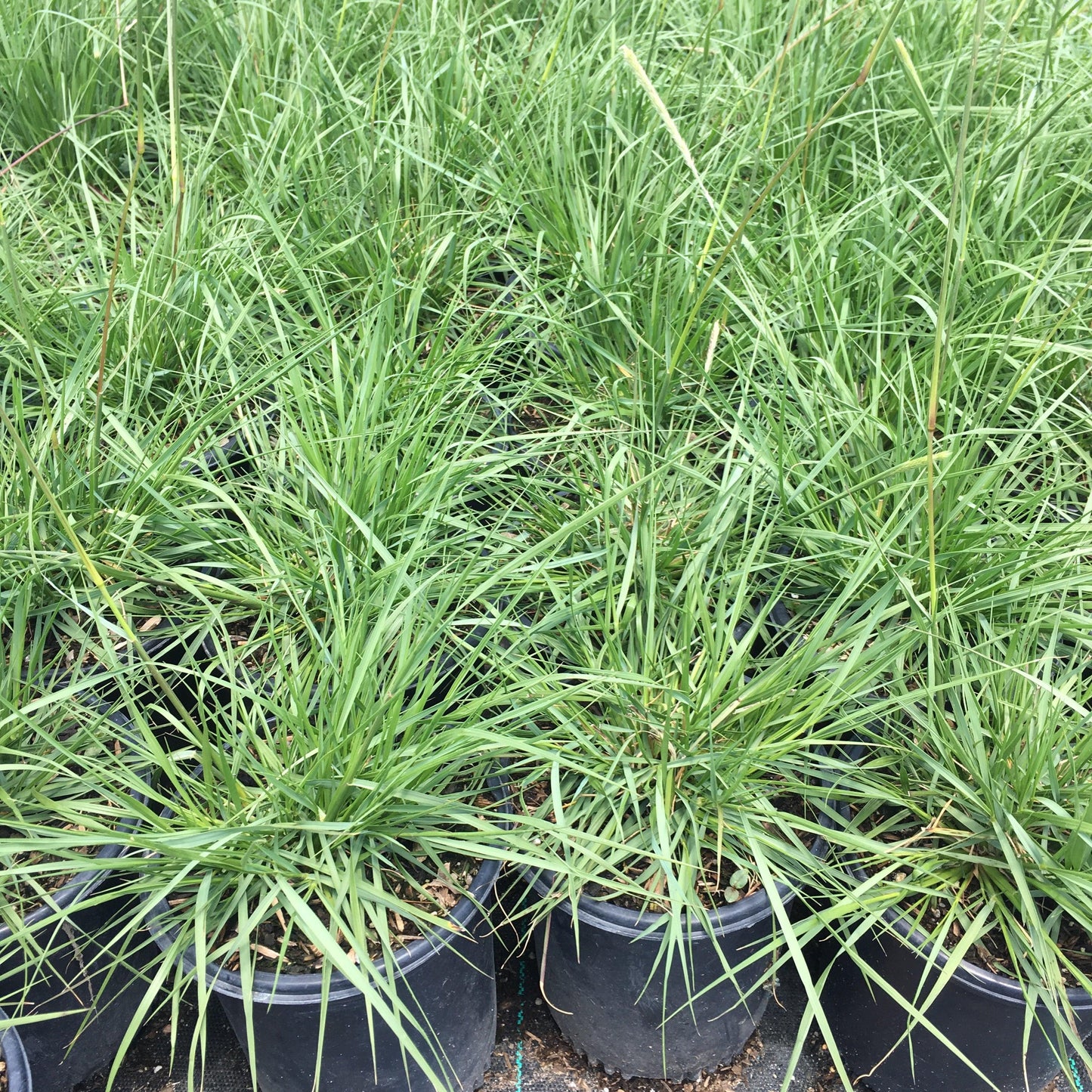

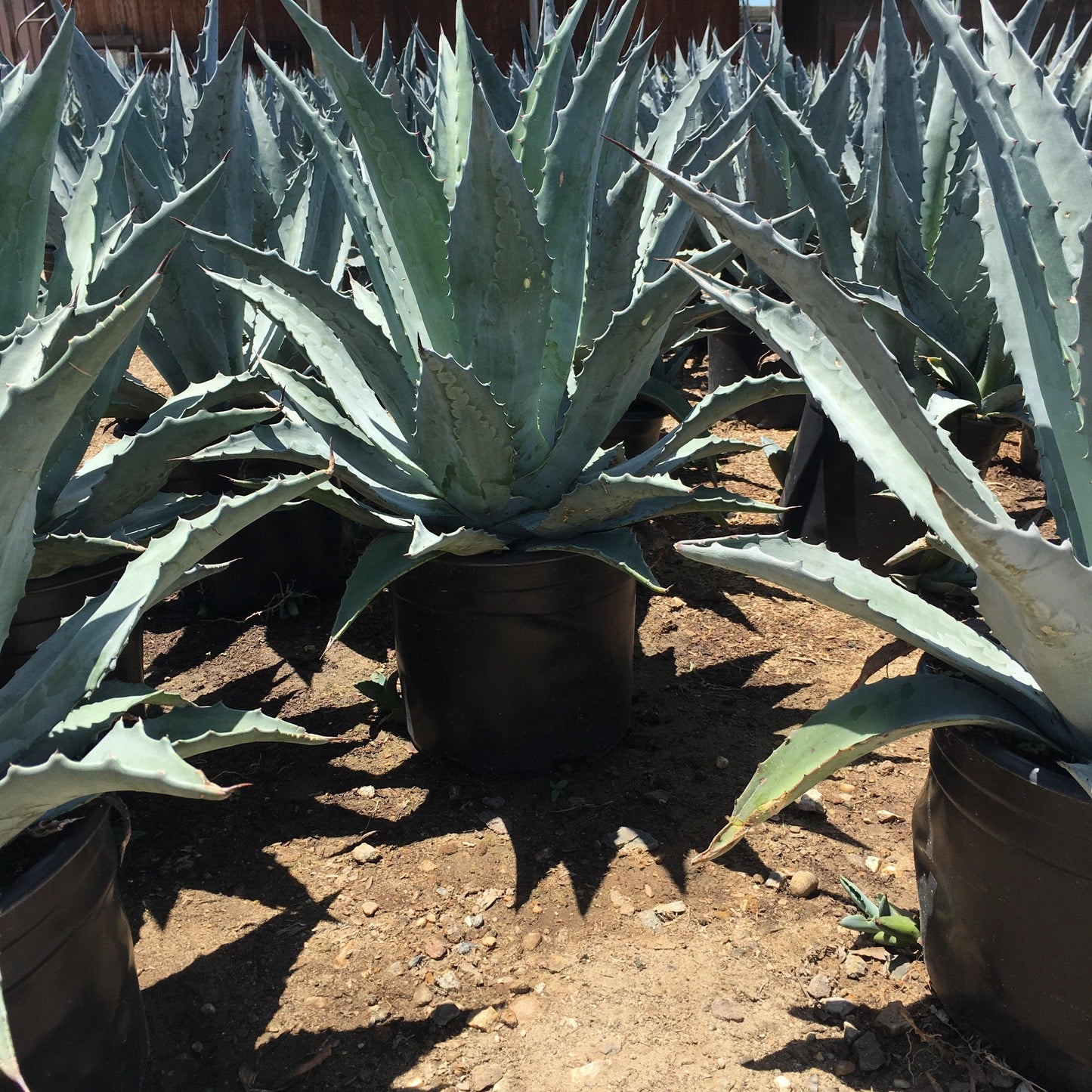

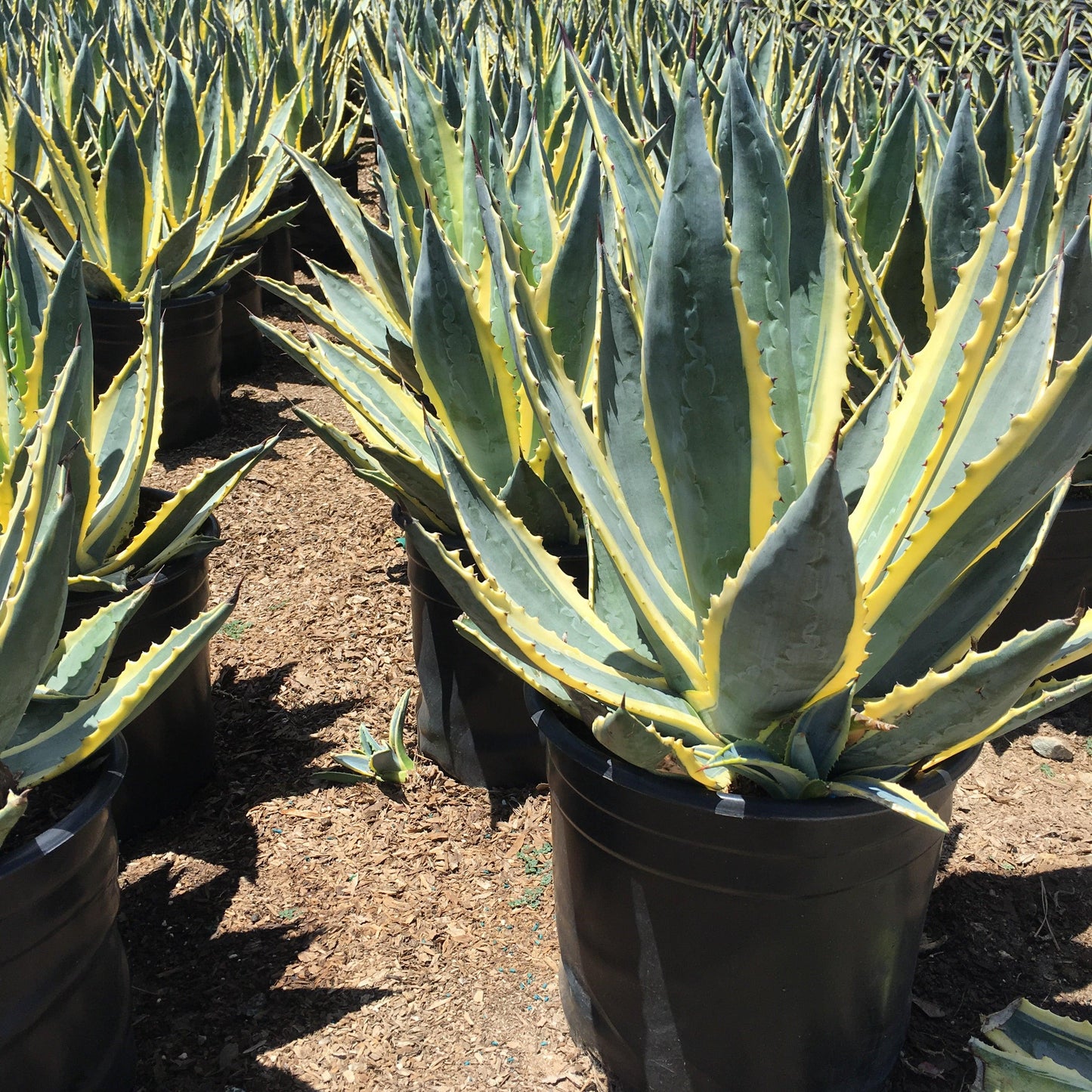

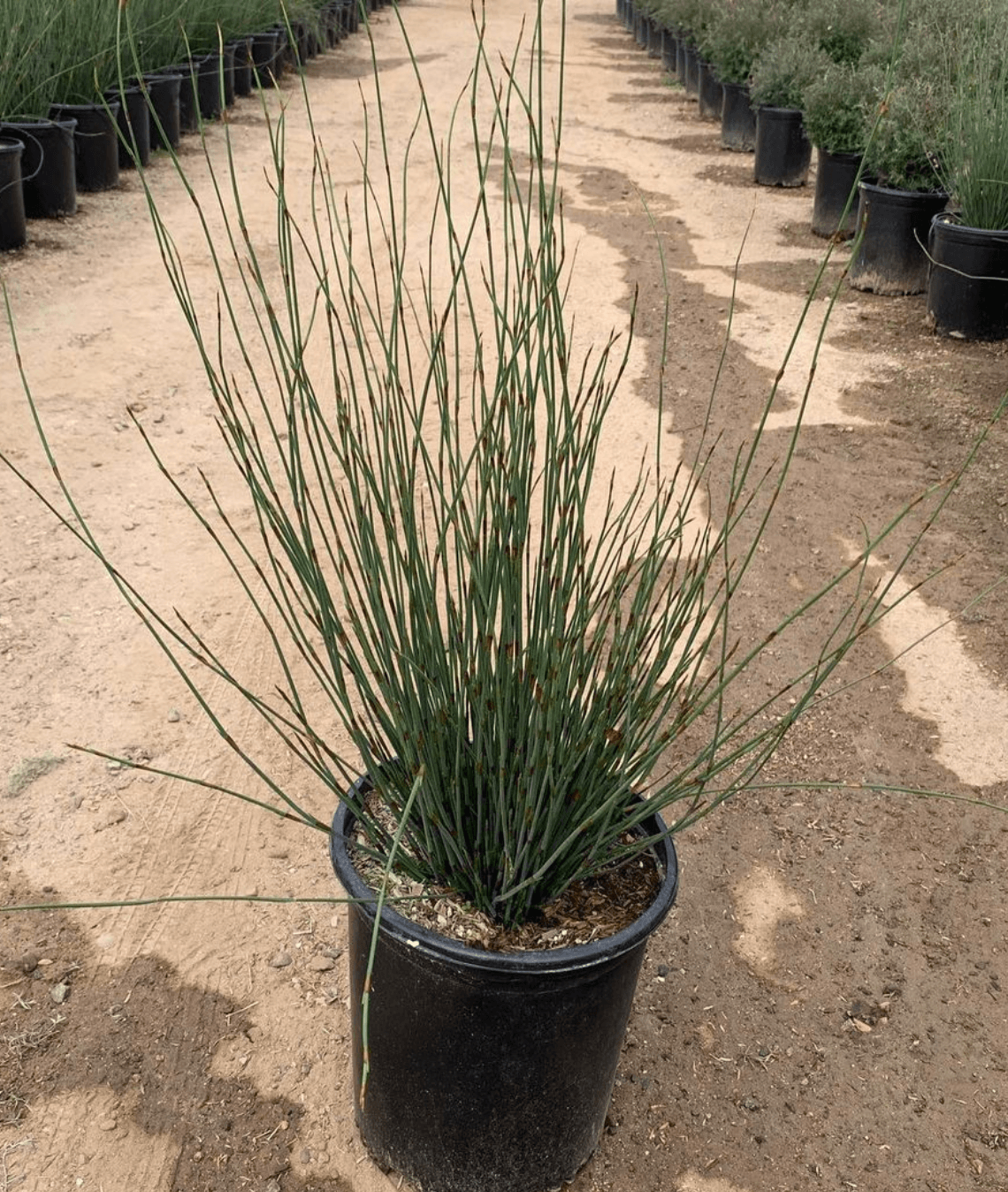


Thousands of Healthy Plants Delivered


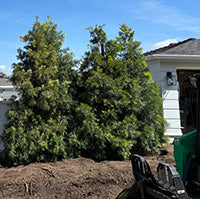
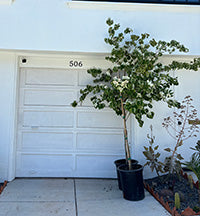
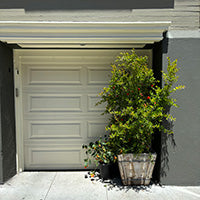
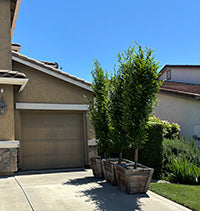
Yardwork was so great to work with. First they had the Swan Hill olive trees that we had been searching for, we had contacted several other nurseries without any luck previously. Then they answered all of our questions in a timely matter prior to ordering and finally delivered within a few days of placing it. Their staff is incredibly knowledgeable; they delivered and planted our trees with expertise to ensure that they would do well in our yard. We would definitely work with them again for future projects.











A Modern Experience
At Yardwork, we carefully curate thousands of plants, in all container sizes, to provide you with the best selection of the highest quality trees and plants at the best price, with the convenience of an online platform.
Uncompromised Quality
We choose only the finest specimens and hand select our plants just before delivery to ensure you receive the freshest and most robust specimens available for your landscape.
Industry Leading Warranties
Our 30, 90, and 365 extended warranties provide some of the best coverage to ensure our trees and plants thrive in your landscape.
Frequently Asked Questions
We're committed to changing everything about trees and plants - how they’re grown, how you shop for them, and how much they cost. We handle orders ourselves. No middlemen to get between us (or our prices) and you.
We're committed to changing everything about trees and plants - how they’re grown, how you shop for them, and how much they cost. We handle orders ourselves. No middlemen to get between us (or our prices) and you.
Delivery does not include unloading of trees and plants LARGER than a 24" box.
Trees and plants in smaller containers will be dropped curbside (usually on the driveway or near the front doorstep).
Delivery beyond a curbside drop will be charged extra.
Trees and plants that are sold in container sizes LARGER than a 24" box size will require equipment and/or enough manpower onsite to help unload from the truck.
Please reach out to our team PRIOR to placing your order to help coordinate.
Our team can provide unloading assistance with equipment for an extra fee as well.
Delivery does not include unloading of trees and plants LARGER than a 24" box.
Trees and plants in smaller containers will be dropped curbside (usually on the driveway or near the front doorstep).
Delivery beyond a curbside drop will be charged extra.
Trees and plants that are sold in container sizes LARGER than a 24" box size will require equipment and/or enough manpower onsite to help unload from the truck.
Please reach out to our team PRIOR to placing your order to help coordinate.
Our team can provide unloading assistance with equipment for an extra fee as well.
We ship locally within California within 7-10 days of your order being placed.
We ship nationally using carrier partners, based on order size. Our common order minimums for out of state shipping is $5,000.
Text or call 323-576-4159 for specific shipping details for your location.
We ship locally within California within 7-10 days of your order being placed.
We ship nationally using carrier partners, based on order size. Our common order minimums for out of state shipping is $5,000.
Text or call 323-576-4159 for specific shipping details for your location.
We are currently online only and don't have physical locations where you can view plants in person.
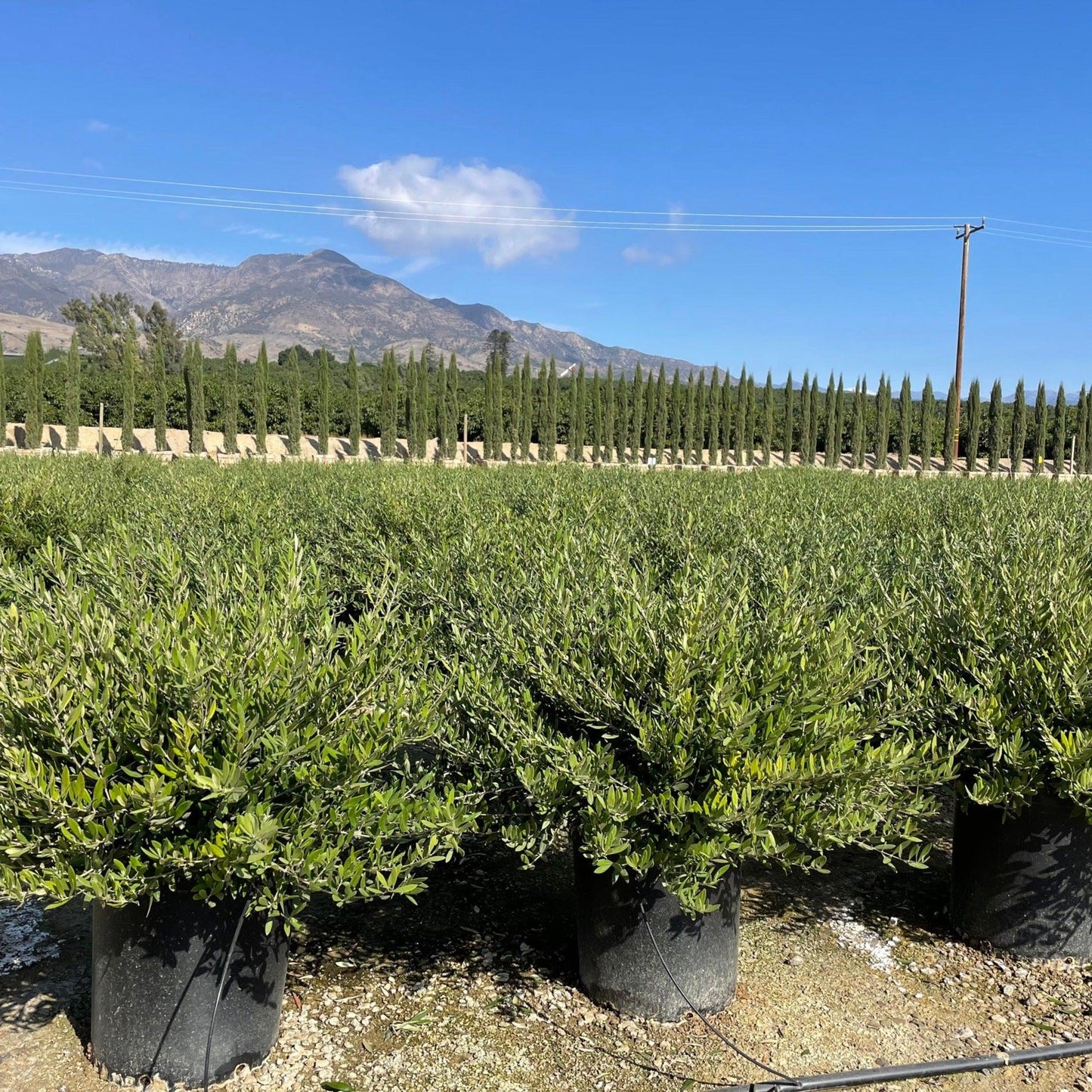
That's why we have photos direct from the growing grounds of the plants we will ship and we display pricing right in our store.
We do make sure to pick the very best trees and plants prior to shipping and make sure that they have gone through our multi-point inspection for health and structure.
We will always reach out prior to delivery if we find a quality issue or need to provide a substitute.
We are currently online only and don't have physical locations where you can view plants in person.
That's why we have photos direct from the growing grounds of the plants we will ship and we display pricing right in our store.
We do make sure to pick the very best trees and plants prior to shipping and make sure that they have gone through our multi-point inspection for health and structure.
We will always reach out prior to delivery if we find a quality issue or need to provide a substitute.
Plants vary greatly by type. Here is a rough idea of sizes based on containers that are direct from our growing grounds.
15 Gallon Shrub 3-4 Ft. Tall
15 Gallon Tree 5-6 Ft. Tall
24" Box Shrub 5-6 Ft. Tall
24" Box Tree 6-7 Ft. Tall
36" Box Shrub/Tree 7-9 Ft. Tall
48" Box Shrub/Tree 8-10 Ft. Tall
**Please note that we do not make guarantees of sizes. If you have questions or concerns, please call or text to request accurate sizing for the particular plant you're considering, prior to ordering.
Plants vary greatly by type. Here is a rough idea of sizes based on containers that are direct from our growing grounds.
15 Gallon Shrub 3-4 Ft. Tall
15 Gallon Tree 5-6 Ft. Tall
24" Box Shrub 5-6 Ft. Tall
24" Box Tree 6-7 Ft. Tall
36" Box Shrub/Tree 7-9 Ft. Tall
48" Box Shrub/Tree 8-10 Ft. Tall
**Please note that we do not make guarantees of sizes. If you have questions or concerns, please call or text to request accurate sizing for the particular plant you're considering, prior to ordering.
We offer a limited 30 day warranty for plants that are delivered and planted by someone else and a 90 day warranty for plants that we plant.
The limited warranty covers plants that die as a result of disease or fungus which was derived from our growing grounds or from root balls that were root bound.
The warranty does not cover damage due to watering, fertilizer, soils, or any other conditions beyond our control. Additionally, the warranty does not cover plants that are shipped out of the state of California or shipped into California from other states. Custom plant orders are also not covered under warranty. Plants must be planted within 24 hours after delivery to qualify.
We can assist you in recommending the right soils and fertilizers to help your plant thrive after you plant it.
Text or call 323-576-4159 for further warranty information.
We offer a limited 30 day warranty for plants that are delivered and planted by someone else and a 90 day warranty for plants that we plant.
The limited warranty covers plants that die as a result of disease or fungus which was derived from our growing grounds or from root balls that were root bound.
The warranty does not cover damage due to watering, fertilizer, soils, or any other conditions beyond our control. Additionally, the warranty does not cover plants that are shipped out of the state of California or shipped into California from other states. Custom plant orders are also not covered under warranty. Plants must be planted within 24 hours after delivery to qualify.
We can assist you in recommending the right soils and fertilizers to help your plant thrive after you plant it.
Text or call 323-576-4159 for further warranty information.
Our local delivery team covers most cities in California.
There are some exceptions, so please get in touch to confirm prior to ordering.
Additionally, we ship using semi trucks and trailers throughout the entire United States and even abroad for large orders over $5,000. Each shipment is custom, so please reach out to our team to coordinate.
Our local delivery team covers most cities in California.
There are some exceptions, so please get in touch to confirm prior to ordering.
Additionally, we ship using semi trucks and trailers throughout the entire United States and even abroad for large orders over $5,000. Each shipment is custom, so please reach out to our team to coordinate.