



Myoporum Groundcover - Myoporum Parvifolium
Regular price
$25.00
Size
Transform Your Landscape with Low-Maintenance, Drought-Tolerant Ground Cover
Myoporum parvifolium delivers a dense, evergreen carpet of bright green foliage that thrives in California's toughest conditions-intense sun, poor soils, coastal salt spray-while demanding a fraction of the water a traditional lawn requires. This fast-growing evergreen groundcover native to Australia spreads up to 8 feet wide per plant, smothering bare earth and weeds with a lush, fine-textured mat that stays vibrant year-round. If you want beautiful ground cover without the constant watering, mowing, and fussing, creeping myoporum is the plant that actually delivers.
Why You'll Love It
-
Drought Tolerance – Myoporum requires regular watering initially but is drought-tolerant once established, making it ideal under California's water restrictions. Once roots take hold, this low water plant survives on occasional deep irrigation alone.
-
Fast Spreading Coverage – Individual plants grow up to 8 feet wide, quickly blanketing bare ground. Myoporum forms a dense mat of fine-textured bright green foliage that crowds out unwanted vegetation, suppressing weeds naturally.
-
Year-Round Beauty – Evergreen, fleshy leaves stay vibrant green through every season. In spring and summer, myoporum produces small star-shaped white or pink flowers that attract local pollinators like bees and butterflies.
-
Deer Resistant – Deer and rabbits commonly avoid this species, so your landscape stays intact without fencing or repellents.
-
Low Maintenance – Myoporum requires little fertilization and benefits from slow-release fertilizers. It needs minimal pruning and no mowing-freeing you from the end-of-weekend yard work cycle.
What Makes It Different
Most ground cover options either demand constant watering, fail to spread effectively, or can't handle the heat and salt of California's diverse microclimates. Myoporum ground cover offers:
-
Self-Rooting Stems – As stems creep along the soil surface, they root at every node where they contact the ground. The result is a tight, interconnected mat that fills gaps on its own-no replanting necessary.
-
Salt and Wind Tolerance – This species thrives in seaside conditions where most ground covers fail. Sandy and saline soils are no problem, making prostrate myoporum suitable for coastal gardens and exposed sites.
-
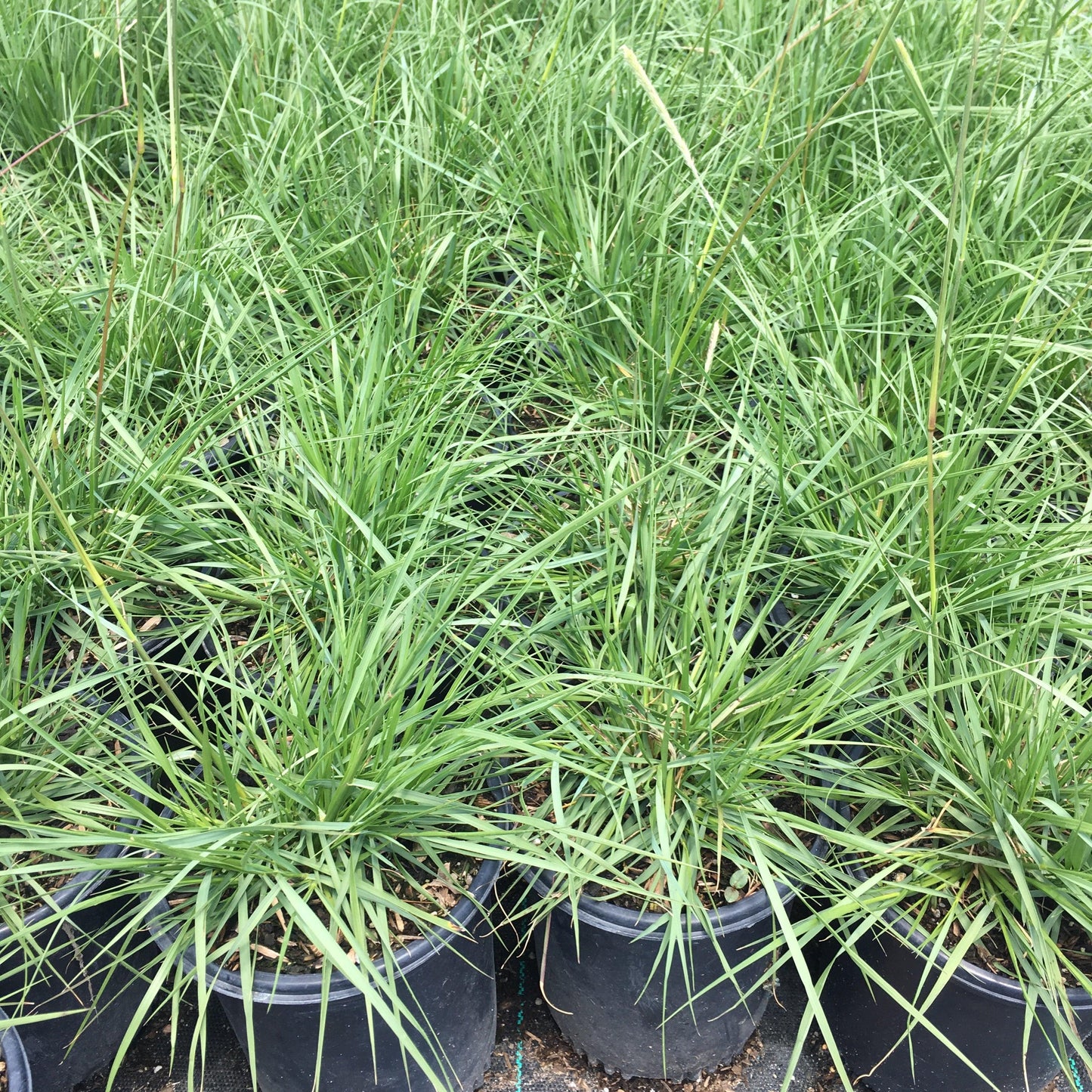
Professional-Grade Erosion Control – Myoporum is effective for stabilizing hillsides and slopes. Its shallow, fibrous root system plus dense surface matting locks soil in place on banks, retaining wall fronts, and contoured terrain. For other erosion control options, consider pairing with Mexican Feather Grass on adjacent areas.
-
Fire Resistance – Myoporum is used as a fire-resistant plant in fire-prone regions, adding a practical safety layer to its ornamental value.
How To Grow It Successfully
-
Plant and Water Space plants 3–4 feet apart in well-drained soil. Water deeply and regularly during the first growing season to establish strong roots. Myoporum thrives in full sun or partial shade and tolerates various soil types, though it favors well-draining soil. Make sure each plant gets at least 6 hours of direct sunlight daily for compact growth.
-
Natural Spreading Stems spread outward and root where they touch the ground, weaving a dense, continuous mat. Myoporum adapts to most soil types-sandy, rocky, or moderately clay-as long as water doesn't pool. Within 6–12 months under ideal conditions, you'll see substantial coverage.
-
Low-Maintenance Growth Once established, reduce watering to occasional deep irrigation during dry spells. Myoporum prefers deep infrequent watering to prevent fungal root rot. Myoporum responds well to pruning to encourage dense growth-a light trim after flowering keeps the mat tight and fresh. That's it. No mowing, no heavy feeding, no constant attention.
Plant Details
-
Scientific Name: Myoporum parvifolium (first described by Robert Brown in 1810; family Scrophulariaceae, genus Myoporum)
-
Common Names: Creeping myoporum, prostrate myoporum, creeping boobialla
-
Origin: Native to southern Australia; commonly found in New South Wales and South Australia
-
Mature Size: Up to 1 foot tall, 6–8 feet wide (Myoporum 'Putah Creek' grows 1 foot high and 8 feet wide)
-
Hardiness Zones: USDA 9–10 (hardy to approximately 23–25°F)
-
Light Requirements: Full sun to partial shade; best flowering and density in full sun
-
Water Needs: Low to moderate once established; low water use long-term
-
Bloom Time: Small white flowers appear in clusters from spring through summer; it produces small white flowers in summer
-
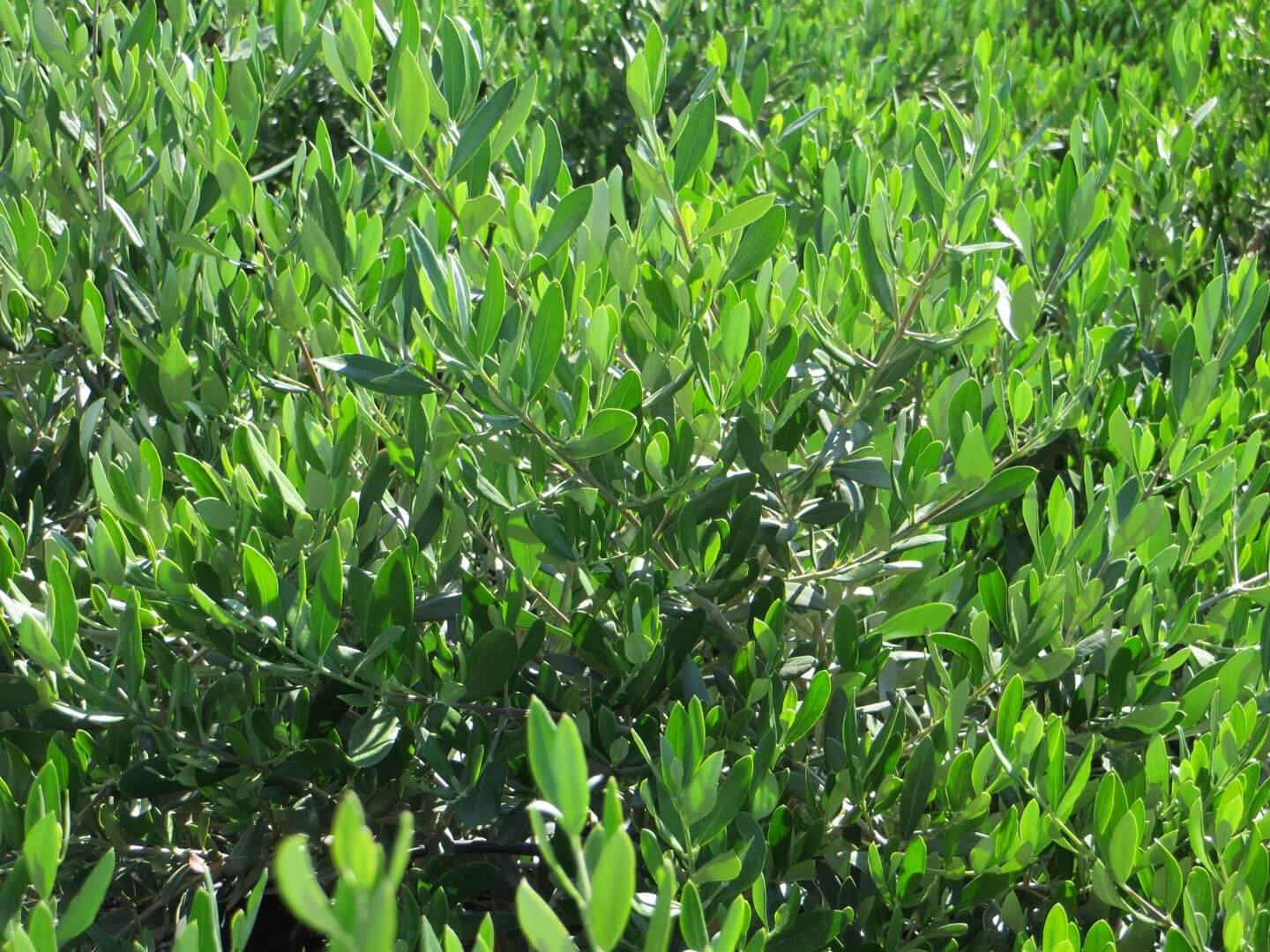
Foliage: Small, bright green, fleshy leaves with a fine, glossy texture; tiny and narrow
-
Deer Resistance: Yes
-
Special Uses: Erosion control on slopes, drought-tolerant landscaping, fire-resistant planting, weed suppression
Myoporum parvifolium is often used as a ground cover plant and is a great groundcover for replacing water-hungry turf in California landscapes. It is a drought-tolerant alternative for traditional lawns.
Who It's For
Ideal for:
-
California homeowners looking for water-wise landscaping that stays green without daily sprinklers
-
Property owners with slopes or erosion-prone areas needing a reliable, rooting ground cover
-
Coastal residents needing salt-tolerant, wind-resistant coverage in seaside gardens
-
Gardeners wanting low-maintenance beauty-evergreen foliage and white flowers without the workload
-
Landscapers designing drought-tolerant landscapes that meet modern water-use standards
If you want lush, green coverage that forms a dense mat and continues looking good through long, dry summers, this plant fits your needs. For complementary ground cover options, explore our full groundcover collection, including the White Trailing Lantana and Trailing Yellow Gazania.
Frequently Asked Questions
How fast does myoporum groundcover spread? Under optimal conditions-full sun, well-drained soil, consistent water during establishment-creeping myoporum spreads several feet per year. Expect substantial coverage within 6–12 months and a full, dense mat (6–8 feet wide) in 1–2 years. Spacing plants 3–4 feet apart accelerates fill time.
Can it handle foot traffic? Myoporum's stems break easily underfoot and are not suitable for walking areas. Light, occasional stepping (such as along maintenance paths with stepping stones) is fine, but regular foot traffic will damage the foliage and thin the mat. Use this plant for visual ground cover, not as a lawn substitute for play or walking.
How much water does it need? During establishment, water deeply every 2–3 days to keep the root zone moist. Once established, switch to deep, infrequent watering-every few weeks, or during extended heat waves. Overwatering is the most common cause of decline in myoporum. Always ensure soil drains well; avoid low spots where water pools.
Will it work in my area? Myoporum parvifolium grows best in USDA zones 9–10, which covers most of California from the coast to inland valleys. It prefers well-drained, sunny positions for optimal growth and handles reflected heat, sandy soils, and coastal salt air. In cooler microclimates, it can tolerate light frost down to about 23°F but may suffer foliage damage in severe freezes.
Are there any pest concerns? Myoporum can be susceptible to thrips affecting leaf tips. Monitor large or monoculture plantings for signs of damage. Good air circulation and avoiding overwatering reduce disease risk significantly.
What if it doesn't establish well? The most common causes of poor establishment are overwatering, poor drainage, or too much shade. Improve soil drainage, ensure at least 6 hours of sun, and avoid burying the root crown. Fill in patchy areas with fresh plants and prune out any dead wood. Yardwork's expert consultation and soil testing services can help diagnose site-specific issues before you plant.
Ready to Transform Your Landscape?
Myoporum parvifolium gives you dense, evergreen beauty that spreads on its own, controls erosion on slopes, and thrives on minimal water-exactly what California landscapes demand.
Choose creeping myoporum and get a landscape that works with your climate, not against it. Yardwork offers expert consultation, soil testing, and tailored recommendations to make sure your planting succeeds from day one.
Transform Your Landscape with Low-Maintenance, Drought-Tolerant Ground Cover
Myoporum parvifolium delivers a dense, evergreen carpet of bright green foliage that thrives in California's toughest conditions-intense sun, poor soils, coastal salt spray-while demanding a fraction of the water a traditional lawn requires. This fast-growing evergreen groundcover native to Australia spreads up to 8 feet wide per plant, smothering bare earth and weeds with a lush, fine-textured mat that stays vibrant year-round. If you want beautiful ground cover without the constant watering, mowing, and fussing, creeping myoporum is the plant that actually delivers.
Why You'll Love It
-
Drought Tolerance – Myoporum requires regular watering initially but is drought-tolerant once established, making it ideal under California's water restrictions. Once roots take hold, this low water plant survives on occasional deep irrigation alone.
-
Fast Spreading Coverage – Individual plants grow up to 8 feet wide, quickly blanketing bare ground. Myoporum forms a dense mat of fine-textured bright green foliage that crowds out unwanted vegetation, suppressing weeds naturally.
-
Year-Round Beauty – Evergreen, fleshy leaves stay vibrant green through every season. In spring and summer, myoporum produces small star-shaped white or pink flowers that attract local pollinators like bees and butterflies.
-
Deer Resistant – Deer and rabbits commonly avoid this species, so your landscape stays intact without fencing or repellents.
-
Low Maintenance – Myoporum requires little fertilization and benefits from slow-release fertilizers. It needs minimal pruning and no mowing-freeing you from the end-of-weekend yard work cycle.
What Makes It Different
Most ground cover options either demand constant watering, fail to spread effectively, or can't handle the heat and salt of California's diverse microclimates. Myoporum ground cover offers:
-
Self-Rooting Stems – As stems creep along the soil surface, they root at every node where they contact the ground. The result is a tight, interconnected mat that fills gaps on its own-no replanting necessary.
-
Salt and Wind Tolerance – This species thrives in seaside conditions where most ground covers fail. Sandy and saline soils are no problem, making prostrate myoporum suitable for coastal gardens and exposed sites.
-
Professional-Grade Erosion Control – Myoporum is effective for stabilizing hillsides and slopes. Its shallow, fibrous root system plus dense surface matting locks soil in place on banks, retaining wall fronts, and contoured terrain. For other erosion control options, consider pairing with Mexican Feather Grass on adjacent areas.
-
Fire Resistance – Myoporum is used as a fire-resistant plant in fire-prone regions, adding a practical safety layer to its ornamental value.
How To Grow It Successfully
-
Plant and Water Space plants 3–4 feet apart in well-drained soil. Water deeply and regularly during the first growing season to establish strong roots. Myoporum thrives in full sun or partial shade and tolerates various soil types, though it favors well-draining soil. Make sure each plant gets at least 6 hours of direct sunlight daily for compact growth.
-
Natural Spreading Stems spread outward and root where they touch the ground, weaving a dense, continuous mat. Myoporum adapts to most soil types-sandy, rocky, or moderately clay-as long as water doesn't pool. Within 6–12 months under ideal conditions, you'll see substantial coverage.
-
Low-Maintenance Growth Once established, reduce watering to occasional deep irrigation during dry spells. Myoporum prefers deep infrequent watering to prevent fungal root rot. Myoporum responds well to pruning to encourage dense growth-a light trim after flowering keeps the mat tight and fresh. That's it. No mowing, no heavy feeding, no constant attention.
Plant Details
-
Scientific Name: Myoporum parvifolium (first described by Robert Brown in 1810; family Scrophulariaceae, genus Myoporum)
-
Common Names: Creeping myoporum, prostrate myoporum, creeping boobialla
-
Origin: Native to southern Australia; commonly found in New South Wales and South Australia
-
Mature Size: Up to 1 foot tall, 6–8 feet wide (Myoporum 'Putah Creek' grows 1 foot high and 8 feet wide)
-
Hardiness Zones: USDA 9–10 (hardy to approximately 23–25°F)
-
Light Requirements: Full sun to partial shade; best flowering and density in full sun
-
Water Needs: Low to moderate once established; low water use long-term
-
Bloom Time: Small white flowers appear in clusters from spring through summer; it produces small white flowers in summer
-
Foliage: Small, bright green, fleshy leaves with a fine, glossy texture; tiny and narrow
-
Deer Resistance: Yes
-
Special Uses: Erosion control on slopes, drought-tolerant landscaping, fire-resistant planting, weed suppression
Myoporum parvifolium is often used as a ground cover plant and is a great groundcover for replacing water-hungry turf in California landscapes. It is a drought-tolerant alternative for traditional lawns.
Who It's For
Ideal for:
-
California homeowners looking for water-wise landscaping that stays green without daily sprinklers
-
Property owners with slopes or erosion-prone areas needing a reliable, rooting ground cover
-
Coastal residents needing salt-tolerant, wind-resistant coverage in seaside gardens
-
Gardeners wanting low-maintenance beauty-evergreen foliage and white flowers without the workload
-
Landscapers designing drought-tolerant landscapes that meet modern water-use standards
If you want lush, green coverage that forms a dense mat and continues looking good through long, dry summers, this plant fits your needs. For complementary ground cover options, explore our full groundcover collection, including the White Trailing Lantana and Trailing Yellow Gazania.
Frequently Asked Questions
How fast does myoporum groundcover spread? Under optimal conditions-full sun, well-drained soil, consistent water during establishment-creeping myoporum spreads several feet per year. Expect substantial coverage within 6–12 months and a full, dense mat (6–8 feet wide) in 1–2 years. Spacing plants 3–4 feet apart accelerates fill time.
Can it handle foot traffic? Myoporum's stems break easily underfoot and are not suitable for walking areas. Light, occasional stepping (such as along maintenance paths with stepping stones) is fine, but regular foot traffic will damage the foliage and thin the mat. Use this plant for visual ground cover, not as a lawn substitute for play or walking.
How much water does it need? During establishment, water deeply every 2–3 days to keep the root zone moist. Once established, switch to deep, infrequent watering-every few weeks, or during extended heat waves. Overwatering is the most common cause of decline in myoporum. Always ensure soil drains well; avoid low spots where water pools.
Will it work in my area? Myoporum parvifolium grows best in USDA zones 9–10, which covers most of California from the coast to inland valleys. It prefers well-drained, sunny positions for optimal growth and handles reflected heat, sandy soils, and coastal salt air. In cooler microclimates, it can tolerate light frost down to about 23°F but may suffer foliage damage in severe freezes.
Are there any pest concerns? Myoporum can be susceptible to thrips affecting leaf tips. Monitor large or monoculture plantings for signs of damage. Good air circulation and avoiding overwatering reduce disease risk significantly.
What if it doesn't establish well? The most common causes of poor establishment are overwatering, poor drainage, or too much shade. Improve soil drainage, ensure at least 6 hours of sun, and avoid burying the root crown. Fill in patchy areas with fresh plants and prune out any dead wood. Yardwork's expert consultation and soil testing services can help diagnose site-specific issues before you plant.
Ready to Transform Your Landscape?
Myoporum parvifolium gives you dense, evergreen beauty that spreads on its own, controls erosion on slopes, and thrives on minimal water-exactly what California landscapes demand.
Choose creeping myoporum and get a landscape that works with your climate, not against it. Yardwork offers expert consultation, soil testing, and tailored recommendations to make sure your planting succeeds from day one.
Plants vary greatly by type and no guarantees are made on sizing.
However here is a rough idea of sizes based on containers that are direct from our growing grounds.
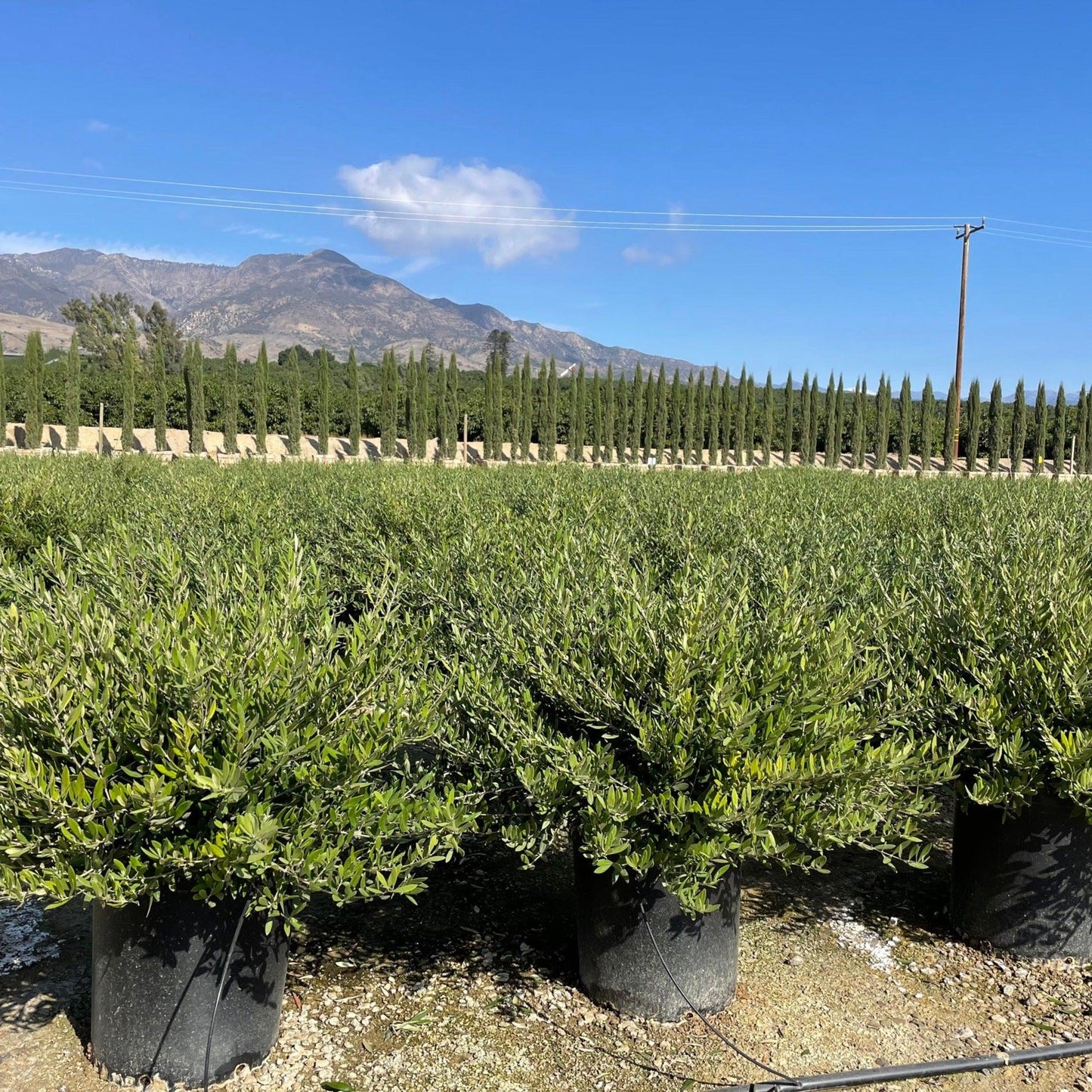
15 Gallon Shrub 3-4 Ft. Tall
15 Gallon Tree 5-6 Ft. Tall
24" Box Shrub 5-6 Ft. Tall
24" Box Tree 6-7 Ft. Tall
36" Box Tree 8-10 Ft. Tall
48" Box Tree 10-12 Ft. Tall
Please note: Citrus and California Native plants such as Manzanita are smaller than traditional sizing.
Please contact us to confirm sizing of items before purchasing if this is a concern.
Plants vary greatly by type and no guarantees are made on sizing.
However here is a rough idea of sizes based on containers that are direct from our growing grounds.
15 Gallon Shrub 3-4 Ft. Tall
15 Gallon Tree 5-6 Ft. Tall
24" Box Shrub 5-6 Ft. Tall
24" Box Tree 6-7 Ft. Tall
36" Box Tree 8-10 Ft. Tall
48" Box Tree 10-12 Ft. Tall
Please note: Citrus and California Native plants such as Manzanita are smaller than traditional sizing.
Please contact us to confirm sizing of items before purchasing if this is a concern.
Delivery does not include unloading of trees and plants larger than a 24" box.
Trees and plants in smaller containers will be dropped curbside.
Delivery beyond a curbside drop will be charged extra.
Trees and plants that are sold in container sizes larger than a 24" box size will require equipment and an operator onsite to help unload from the truck.
Please reach out to our team PRIOR to placing your order to coordinate.
Our team can provide unloading assistance with equipment for an extra fee.
Delivery does not include unloading of trees and plants larger than a 24" box.
Trees and plants in smaller containers will be dropped curbside.
Delivery beyond a curbside drop will be charged extra.
Trees and plants that are sold in container sizes larger than a 24" box size will require equipment and an operator onsite to help unload from the truck.
Please reach out to our team PRIOR to placing your order to coordinate.
Our team can provide unloading assistance with equipment for an extra fee.
You may also like...


Myoporum Groundcover - Myoporum Parvifolium
Regular price
$25.00
Size
Transform Your Landscape with Low-Maintenance, Drought-Tolerant Ground Cover
Myoporum parvifolium delivers a dense, evergreen carpet of bright green foliage that thrives in California's toughest conditions-intense sun, poor soils, coastal salt spray-while demanding a fraction of the water a traditional lawn requires. This fast-growing evergreen groundcover native to Australia spreads up to 8 feet wide per plant, smothering bare earth and weeds with a lush, fine-textured mat that stays vibrant year-round. If you want beautiful ground cover without the constant watering, mowing, and fussing, creeping myoporum is the plant that actually delivers.
Why You'll Love It
-
Drought Tolerance – Myoporum requires regular watering initially but is drought-tolerant once established, making it ideal under California's water restrictions. Once roots take hold, this low water plant survives on occasional deep irrigation alone.
-
Fast Spreading Coverage – Individual plants grow up to 8 feet wide, quickly blanketing bare ground. Myoporum forms a dense mat of fine-textured bright green foliage that crowds out unwanted vegetation, suppressing weeds naturally.
-
Year-Round Beauty – Evergreen, fleshy leaves stay vibrant green through every season. In spring and summer, myoporum produces small star-shaped white or pink flowers that attract local pollinators like bees and butterflies.
-
Deer Resistant – Deer and rabbits commonly avoid this species, so your landscape stays intact without fencing or repellents.
-
Low Maintenance – Myoporum requires little fertilization and benefits from slow-release fertilizers. It needs minimal pruning and no mowing-freeing you from the end-of-weekend yard work cycle.
What Makes It Different
Most ground cover options either demand constant watering, fail to spread effectively, or can't handle the heat and salt of California's diverse microclimates. Myoporum ground cover offers:
-
Self-Rooting Stems – As stems creep along the soil surface, they root at every node where they contact the ground. The result is a tight, interconnected mat that fills gaps on its own-no replanting necessary.
-
Salt and Wind Tolerance – This species thrives in seaside conditions where most ground covers fail. Sandy and saline soils are no problem, making prostrate myoporum suitable for coastal gardens and exposed sites.
-
Professional-Grade Erosion Control – Myoporum is effective for stabilizing hillsides and slopes. Its shallow, fibrous root system plus dense surface matting locks soil in place on banks, retaining wall fronts, and contoured terrain. For other erosion control options, consider pairing with Mexican Feather Grass on adjacent areas.
-
Fire Resistance – Myoporum is used as a fire-resistant plant in fire-prone regions, adding a practical safety layer to its ornamental value.
How To Grow It Successfully
-
Plant and Water Space plants 3–4 feet apart in well-drained soil. Water deeply and regularly during the first growing season to establish strong roots. Myoporum thrives in full sun or partial shade and tolerates various soil types, though it favors well-draining soil. Make sure each plant gets at least 6 hours of direct sunlight daily for compact growth.
-
Natural Spreading Stems spread outward and root where they touch the ground, weaving a dense, continuous mat. Myoporum adapts to most soil types-sandy, rocky, or moderately clay-as long as water doesn't pool. Within 6–12 months under ideal conditions, you'll see substantial coverage.
-
Low-Maintenance Growth Once established, reduce watering to occasional deep irrigation during dry spells. Myoporum prefers deep infrequent watering to prevent fungal root rot. Myoporum responds well to pruning to encourage dense growth-a light trim after flowering keeps the mat tight and fresh. That's it. No mowing, no heavy feeding, no constant attention.
Plant Details
-
Scientific Name: Myoporum parvifolium (first described by Robert Brown in 1810; family Scrophulariaceae, genus Myoporum)
-
Common Names: Creeping myoporum, prostrate myoporum, creeping boobialla
-
Origin: Native to southern Australia; commonly found in New South Wales and South Australia
-
Mature Size: Up to 1 foot tall, 6–8 feet wide (Myoporum 'Putah Creek' grows 1 foot high and 8 feet wide)
-
Hardiness Zones: USDA 9–10 (hardy to approximately 23–25°F)
-
Light Requirements: Full sun to partial shade; best flowering and density in full sun
-
Water Needs: Low to moderate once established; low water use long-term
-
Bloom Time: Small white flowers appear in clusters from spring through summer; it produces small white flowers in summer
-
Foliage: Small, bright green, fleshy leaves with a fine, glossy texture; tiny and narrow
-
Deer Resistance: Yes
-
Special Uses: Erosion control on slopes, drought-tolerant landscaping, fire-resistant planting, weed suppression
Myoporum parvifolium is often used as a ground cover plant and is a great groundcover for replacing water-hungry turf in California landscapes. It is a drought-tolerant alternative for traditional lawns.
Who It's For
Ideal for:
-
California homeowners looking for water-wise landscaping that stays green without daily sprinklers
-
Property owners with slopes or erosion-prone areas needing a reliable, rooting ground cover
-
Coastal residents needing salt-tolerant, wind-resistant coverage in seaside gardens
-
Gardeners wanting low-maintenance beauty-evergreen foliage and white flowers without the workload
-
Landscapers designing drought-tolerant landscapes that meet modern water-use standards
If you want lush, green coverage that forms a dense mat and continues looking good through long, dry summers, this plant fits your needs. For complementary ground cover options, explore our full groundcover collection, including the White Trailing Lantana and Trailing Yellow Gazania.
Frequently Asked Questions
How fast does myoporum groundcover spread? Under optimal conditions-full sun, well-drained soil, consistent water during establishment-creeping myoporum spreads several feet per year. Expect substantial coverage within 6–12 months and a full, dense mat (6–8 feet wide) in 1–2 years. Spacing plants 3–4 feet apart accelerates fill time.
Can it handle foot traffic? Myoporum's stems break easily underfoot and are not suitable for walking areas. Light, occasional stepping (such as along maintenance paths with stepping stones) is fine, but regular foot traffic will damage the foliage and thin the mat. Use this plant for visual ground cover, not as a lawn substitute for play or walking.
How much water does it need? During establishment, water deeply every 2–3 days to keep the root zone moist. Once established, switch to deep, infrequent watering-every few weeks, or during extended heat waves. Overwatering is the most common cause of decline in myoporum. Always ensure soil drains well; avoid low spots where water pools.
Will it work in my area? Myoporum parvifolium grows best in USDA zones 9–10, which covers most of California from the coast to inland valleys. It prefers well-drained, sunny positions for optimal growth and handles reflected heat, sandy soils, and coastal salt air. In cooler microclimates, it can tolerate light frost down to about 23°F but may suffer foliage damage in severe freezes.
Are there any pest concerns? Myoporum can be susceptible to thrips affecting leaf tips. Monitor large or monoculture plantings for signs of damage. Good air circulation and avoiding overwatering reduce disease risk significantly.
What if it doesn't establish well? The most common causes of poor establishment are overwatering, poor drainage, or too much shade. Improve soil drainage, ensure at least 6 hours of sun, and avoid burying the root crown. Fill in patchy areas with fresh plants and prune out any dead wood. Yardwork's expert consultation and soil testing services can help diagnose site-specific issues before you plant.
Ready to Transform Your Landscape?
Myoporum parvifolium gives you dense, evergreen beauty that spreads on its own, controls erosion on slopes, and thrives on minimal water-exactly what California landscapes demand.
Choose creeping myoporum and get a landscape that works with your climate, not against it. Yardwork offers expert consultation, soil testing, and tailored recommendations to make sure your planting succeeds from day one.
Transform Your Landscape with Low-Maintenance, Drought-Tolerant Ground Cover
Myoporum parvifolium delivers a dense, evergreen carpet of bright green foliage that thrives in California's toughest conditions-intense sun, poor soils, coastal salt spray-while demanding a fraction of the water a traditional lawn requires. This fast-growing evergreen groundcover native to Australia spreads up to 8 feet wide per plant, smothering bare earth and weeds with a lush, fine-textured mat that stays vibrant year-round. If you want beautiful ground cover without the constant watering, mowing, and fussing, creeping myoporum is the plant that actually delivers.
Why You'll Love It
-
Drought Tolerance – Myoporum requires regular watering initially but is drought-tolerant once established, making it ideal under California's water restrictions. Once roots take hold, this low water plant survives on occasional deep irrigation alone.
-
Fast Spreading Coverage – Individual plants grow up to 8 feet wide, quickly blanketing bare ground. Myoporum forms a dense mat of fine-textured bright green foliage that crowds out unwanted vegetation, suppressing weeds naturally.
-
Year-Round Beauty – Evergreen, fleshy leaves stay vibrant green through every season. In spring and summer, myoporum produces small star-shaped white or pink flowers that attract local pollinators like bees and butterflies.
-
Deer Resistant – Deer and rabbits commonly avoid this species, so your landscape stays intact without fencing or repellents.
-
Low Maintenance – Myoporum requires little fertilization and benefits from slow-release fertilizers. It needs minimal pruning and no mowing-freeing you from the end-of-weekend yard work cycle.
What Makes It Different
Most ground cover options either demand constant watering, fail to spread effectively, or can't handle the heat and salt of California's diverse microclimates. Myoporum ground cover offers:
-
Self-Rooting Stems – As stems creep along the soil surface, they root at every node where they contact the ground. The result is a tight, interconnected mat that fills gaps on its own-no replanting necessary.
-
Salt and Wind Tolerance – This species thrives in seaside conditions where most ground covers fail. Sandy and saline soils are no problem, making prostrate myoporum suitable for coastal gardens and exposed sites.
-
Professional-Grade Erosion Control – Myoporum is effective for stabilizing hillsides and slopes. Its shallow, fibrous root system plus dense surface matting locks soil in place on banks, retaining wall fronts, and contoured terrain. For other erosion control options, consider pairing with Mexican Feather Grass on adjacent areas.
-
Fire Resistance – Myoporum is used as a fire-resistant plant in fire-prone regions, adding a practical safety layer to its ornamental value.
How To Grow It Successfully
-
Plant and Water Space plants 3–4 feet apart in well-drained soil. Water deeply and regularly during the first growing season to establish strong roots. Myoporum thrives in full sun or partial shade and tolerates various soil types, though it favors well-draining soil. Make sure each plant gets at least 6 hours of direct sunlight daily for compact growth.
-
Natural Spreading Stems spread outward and root where they touch the ground, weaving a dense, continuous mat. Myoporum adapts to most soil types-sandy, rocky, or moderately clay-as long as water doesn't pool. Within 6–12 months under ideal conditions, you'll see substantial coverage.
-
Low-Maintenance Growth Once established, reduce watering to occasional deep irrigation during dry spells. Myoporum prefers deep infrequent watering to prevent fungal root rot. Myoporum responds well to pruning to encourage dense growth-a light trim after flowering keeps the mat tight and fresh. That's it. No mowing, no heavy feeding, no constant attention.
Plant Details
-
Scientific Name: Myoporum parvifolium (first described by Robert Brown in 1810; family Scrophulariaceae, genus Myoporum)
-
Common Names: Creeping myoporum, prostrate myoporum, creeping boobialla
-
Origin: Native to southern Australia; commonly found in New South Wales and South Australia
-
Mature Size: Up to 1 foot tall, 6–8 feet wide (Myoporum 'Putah Creek' grows 1 foot high and 8 feet wide)
-
Hardiness Zones: USDA 9–10 (hardy to approximately 23–25°F)
-
Light Requirements: Full sun to partial shade; best flowering and density in full sun
-
Water Needs: Low to moderate once established; low water use long-term
-
Bloom Time: Small white flowers appear in clusters from spring through summer; it produces small white flowers in summer
-
Foliage: Small, bright green, fleshy leaves with a fine, glossy texture; tiny and narrow
-
Deer Resistance: Yes
-
Special Uses: Erosion control on slopes, drought-tolerant landscaping, fire-resistant planting, weed suppression
Myoporum parvifolium is often used as a ground cover plant and is a great groundcover for replacing water-hungry turf in California landscapes. It is a drought-tolerant alternative for traditional lawns.
Who It's For
Ideal for:
-
California homeowners looking for water-wise landscaping that stays green without daily sprinklers
-
Property owners with slopes or erosion-prone areas needing a reliable, rooting ground cover
-
Coastal residents needing salt-tolerant, wind-resistant coverage in seaside gardens
-
Gardeners wanting low-maintenance beauty-evergreen foliage and white flowers without the workload
-
Landscapers designing drought-tolerant landscapes that meet modern water-use standards
If you want lush, green coverage that forms a dense mat and continues looking good through long, dry summers, this plant fits your needs. For complementary ground cover options, explore our full groundcover collection, including the White Trailing Lantana and Trailing Yellow Gazania.
Frequently Asked Questions
How fast does myoporum groundcover spread? Under optimal conditions-full sun, well-drained soil, consistent water during establishment-creeping myoporum spreads several feet per year. Expect substantial coverage within 6–12 months and a full, dense mat (6–8 feet wide) in 1–2 years. Spacing plants 3–4 feet apart accelerates fill time.
Can it handle foot traffic? Myoporum's stems break easily underfoot and are not suitable for walking areas. Light, occasional stepping (such as along maintenance paths with stepping stones) is fine, but regular foot traffic will damage the foliage and thin the mat. Use this plant for visual ground cover, not as a lawn substitute for play or walking.
How much water does it need? During establishment, water deeply every 2–3 days to keep the root zone moist. Once established, switch to deep, infrequent watering-every few weeks, or during extended heat waves. Overwatering is the most common cause of decline in myoporum. Always ensure soil drains well; avoid low spots where water pools.
Will it work in my area? Myoporum parvifolium grows best in USDA zones 9–10, which covers most of California from the coast to inland valleys. It prefers well-drained, sunny positions for optimal growth and handles reflected heat, sandy soils, and coastal salt air. In cooler microclimates, it can tolerate light frost down to about 23°F but may suffer foliage damage in severe freezes.
Are there any pest concerns? Myoporum can be susceptible to thrips affecting leaf tips. Monitor large or monoculture plantings for signs of damage. Good air circulation and avoiding overwatering reduce disease risk significantly.
What if it doesn't establish well? The most common causes of poor establishment are overwatering, poor drainage, or too much shade. Improve soil drainage, ensure at least 6 hours of sun, and avoid burying the root crown. Fill in patchy areas with fresh plants and prune out any dead wood. Yardwork's expert consultation and soil testing services can help diagnose site-specific issues before you plant.
Ready to Transform Your Landscape?
Myoporum parvifolium gives you dense, evergreen beauty that spreads on its own, controls erosion on slopes, and thrives on minimal water-exactly what California landscapes demand.
Choose creeping myoporum and get a landscape that works with your climate, not against it. Yardwork offers expert consultation, soil testing, and tailored recommendations to make sure your planting succeeds from day one.
Plants vary greatly by type and no guarantees are made on sizing.
However here is a rough idea of sizes based on containers that are direct from our growing grounds.
15 Gallon Shrub 3-4 Ft. Tall
15 Gallon Tree 5-6 Ft. Tall
24" Box Shrub 5-6 Ft. Tall
24" Box Tree 6-7 Ft. Tall
36" Box Tree 8-10 Ft. Tall
48" Box Tree 10-12 Ft. Tall
Please note: Citrus and California Native plants such as Manzanita are smaller than traditional sizing.
Please contact us to confirm sizing of items before purchasing if this is a concern.
Plants vary greatly by type and no guarantees are made on sizing.
However here is a rough idea of sizes based on containers that are direct from our growing grounds.
15 Gallon Shrub 3-4 Ft. Tall
15 Gallon Tree 5-6 Ft. Tall
24" Box Shrub 5-6 Ft. Tall
24" Box Tree 6-7 Ft. Tall
36" Box Tree 8-10 Ft. Tall
48" Box Tree 10-12 Ft. Tall
Please note: Citrus and California Native plants such as Manzanita are smaller than traditional sizing.
Please contact us to confirm sizing of items before purchasing if this is a concern.
Delivery does not include unloading of trees and plants larger than a 24" box.
Trees and plants in smaller containers will be dropped curbside.
Delivery beyond a curbside drop will be charged extra.
Trees and plants that are sold in container sizes larger than a 24" box size will require equipment and an operator onsite to help unload from the truck.
Please reach out to our team PRIOR to placing your order to coordinate.
Our team can provide unloading assistance with equipment for an extra fee.
Delivery does not include unloading of trees and plants larger than a 24" box.
Trees and plants in smaller containers will be dropped curbside.
Delivery beyond a curbside drop will be charged extra.
Trees and plants that are sold in container sizes larger than a 24" box size will require equipment and an operator onsite to help unload from the truck.
Please reach out to our team PRIOR to placing your order to coordinate.
Our team can provide unloading assistance with equipment for an extra fee.
Recommended For You















Pairs Well With













You May Also Like












Thousands of Healthy Plants Delivered

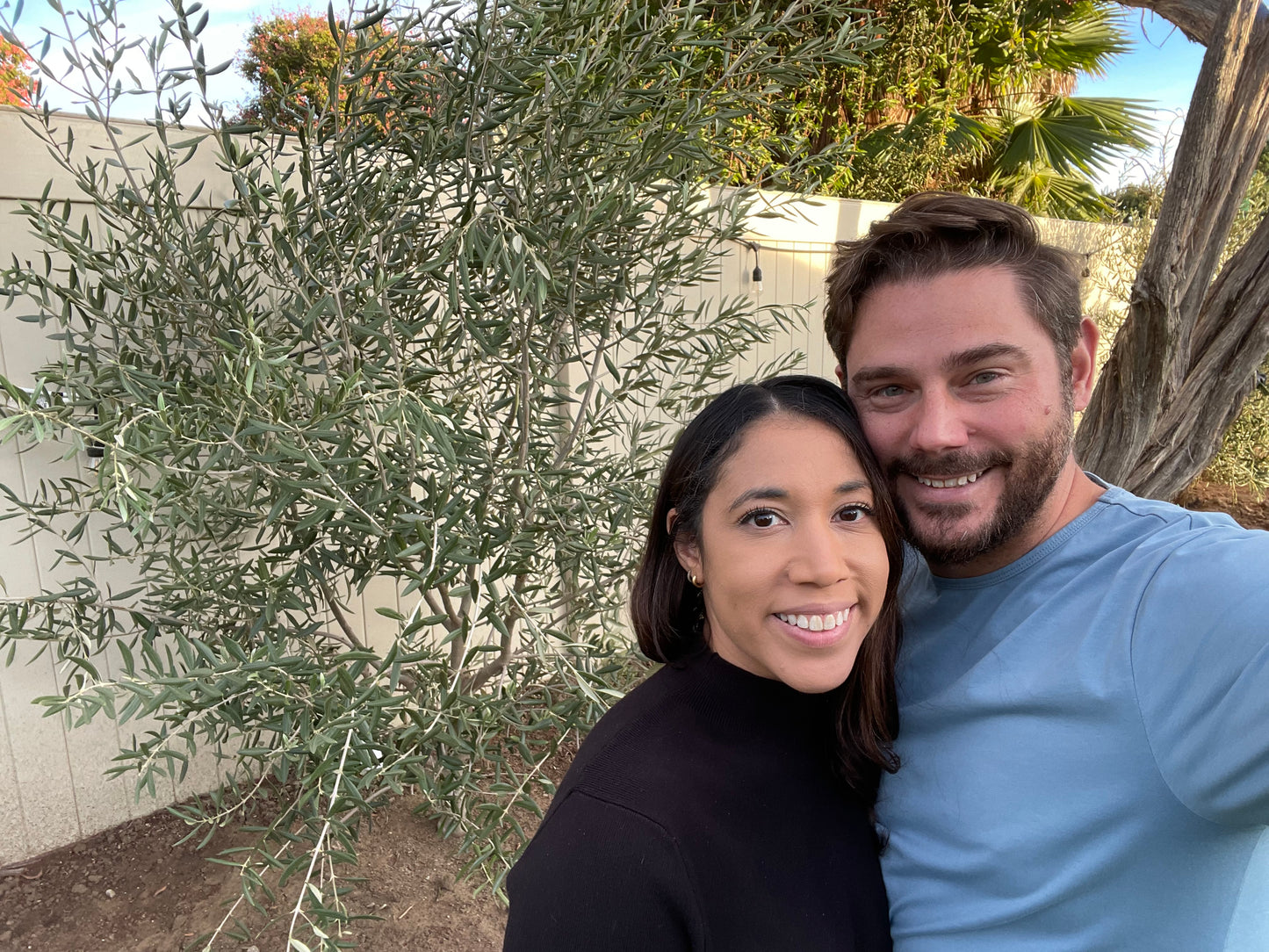
Yardwork was so great to work with. First they had the Swan Hill olive trees that we had been searching for, we had contacted several other nurseries without any luck previously. Then they answered all of our questions in a timely matter prior to ordering and finally delivered within a few days of placing it. Their staff is incredibly knowledgeable; they delivered and planted our trees with expertise to ensure that they would do well in our yard. We would definitely work with them again for future projects.












A Modern Experience
At Yardwork, we carefully curate thousands of plants, in all container sizes, to provide you with the best selection of the highest quality trees and plants at the best price, with the convenience of an online platform.
Uncompromised Quality
We choose only the finest specimens and hand select our plants just before delivery to ensure you receive the freshest and most robust specimens available for your landscape.
Industry Leading Warranties
Our 30, 90, and 365 extended warranties provide some of the best coverage to ensure our trees and plants thrive in your landscape.
Frequently Asked Questions
We're committed to changing everything about trees and plants - how they’re grown, how you shop for them, and how much they cost. We handle orders ourselves. No middlemen to get between us (or our prices) and you.
We're committed to changing everything about trees and plants - how they’re grown, how you shop for them, and how much they cost. We handle orders ourselves. No middlemen to get between us (or our prices) and you.
Delivery does not include unloading of trees and plants LARGER than a 24" box.
Trees and plants in smaller containers will be dropped curbside (usually on the driveway or near the front doorstep).
Delivery beyond a curbside drop will be charged extra.
Trees and plants that are sold in container sizes LARGER than a 24" box size will require equipment and/or enough manpower onsite to help unload from the truck.
Please reach out to our team PRIOR to placing your order to help coordinate.
Our team can provide unloading assistance with equipment for an extra fee as well.
Delivery does not include unloading of trees and plants LARGER than a 24" box.
Trees and plants in smaller containers will be dropped curbside (usually on the driveway or near the front doorstep).
Delivery beyond a curbside drop will be charged extra.
Trees and plants that are sold in container sizes LARGER than a 24" box size will require equipment and/or enough manpower onsite to help unload from the truck.
Please reach out to our team PRIOR to placing your order to help coordinate.
Our team can provide unloading assistance with equipment for an extra fee as well.
We ship locally within California within 7-10 days of your order being placed.
We ship nationally using carrier partners, based on order size. Our common order minimums for out of state shipping is $5,000.
Text or call 323-576-4159 for specific shipping details for your location.
We ship locally within California within 7-10 days of your order being placed.
We ship nationally using carrier partners, based on order size. Our common order minimums for out of state shipping is $5,000.
Text or call 323-576-4159 for specific shipping details for your location.
We are currently online only and don't have physical locations where you can view plants in person.
That's why we have photos direct from the growing grounds of the plants we will ship and we display pricing right in our store.
We do make sure to pick the very best trees and plants prior to shipping and make sure that they have gone through our multi-point inspection for health and structure.
We will always reach out prior to delivery if we find a quality issue or need to provide a substitute.
We are currently online only and don't have physical locations where you can view plants in person.
That's why we have photos direct from the growing grounds of the plants we will ship and we display pricing right in our store.
We do make sure to pick the very best trees and plants prior to shipping and make sure that they have gone through our multi-point inspection for health and structure.
We will always reach out prior to delivery if we find a quality issue or need to provide a substitute.
Plants vary greatly by type. Here is a rough idea of sizes based on containers that are direct from our growing grounds.
15 Gallon Shrub 3-4 Ft. Tall
15 Gallon Tree 5-6 Ft. Tall
24" Box Shrub 5-6 Ft. Tall
24" Box Tree 6-7 Ft. Tall
36" Box Shrub/Tree 7-9 Ft. Tall
48" Box Shrub/Tree 8-10 Ft. Tall
**Please note that we do not make guarantees of sizes. If you have questions or concerns, please call or text to request accurate sizing for the particular plant you're considering, prior to ordering.
Plants vary greatly by type. Here is a rough idea of sizes based on containers that are direct from our growing grounds.
15 Gallon Shrub 3-4 Ft. Tall
15 Gallon Tree 5-6 Ft. Tall
24" Box Shrub 5-6 Ft. Tall
24" Box Tree 6-7 Ft. Tall
36" Box Shrub/Tree 7-9 Ft. Tall
48" Box Shrub/Tree 8-10 Ft. Tall
**Please note that we do not make guarantees of sizes. If you have questions or concerns, please call or text to request accurate sizing for the particular plant you're considering, prior to ordering.
We offer a limited 30 day warranty for plants that are delivered and planted by someone else and a 90 day warranty for plants that we plant.
The limited warranty covers plants that die as a result of disease or fungus which was derived from our growing grounds or from root balls that were root bound.
The warranty does not cover damage due to watering, fertilizer, soils, or any other conditions beyond our control. Additionally, the warranty does not cover plants that are shipped out of the state of California or shipped into California from other states. Custom plant orders are also not covered under warranty. Plants must be planted within 24 hours after delivery to qualify.
We can assist you in recommending the right soils and fertilizers to help your plant thrive after you plant it.
Text or call 323-576-4159 for further warranty information.
We offer a limited 30 day warranty for plants that are delivered and planted by someone else and a 90 day warranty for plants that we plant.
The limited warranty covers plants that die as a result of disease or fungus which was derived from our growing grounds or from root balls that were root bound.
The warranty does not cover damage due to watering, fertilizer, soils, or any other conditions beyond our control. Additionally, the warranty does not cover plants that are shipped out of the state of California or shipped into California from other states. Custom plant orders are also not covered under warranty. Plants must be planted within 24 hours after delivery to qualify.
We can assist you in recommending the right soils and fertilizers to help your plant thrive after you plant it.
Text or call 323-576-4159 for further warranty information.
Our local delivery team covers most cities in California.
There are some exceptions, so please get in touch to confirm prior to ordering.
Additionally, we ship using semi trucks and trailers throughout the entire United States and even abroad for large orders over $5,000. Each shipment is custom, so please reach out to our team to coordinate.
Our local delivery team covers most cities in California.
There are some exceptions, so please get in touch to confirm prior to ordering.
Additionally, we ship using semi trucks and trailers throughout the entire United States and even abroad for large orders over $5,000. Each shipment is custom, so please reach out to our team to coordinate.