



Monterey Cypress - Cupressus macrocarpa
Regular price
$2,150.00
Size
California’s Premier Coastal Evergreen for Privacy and Wind Protection
Monterey Cypress is a fast-growing California coastal evergreen for homeowners who need a natural privacy screen, windbreak, or bold character tree that can handle salt, fog, and exposed conditions.
Also known botanically as Hesperocyparis macrocarpa and formerly Cupressus macrocarpa, this native conifer is closely tied to the Monterey Peninsula, Point Lobos, and the central coast. The native ecosystem of Monterey cypress is restricted to just two small coastal stands in California, and Monterey cypress has the smallest native range of any North American conifer, spanning less than two square miles in the wild.
For California coastline landscapes, it delivers what many privacy trees cannot: dense evergreen foliage, strong wind resistance, salt tolerance, and a sculptural presence that improves with age. Monterey cypress (Hesperocyparis macrocarpa) is highly valued in landscaping for its rapid growth, drought and salt tolerance, and sculptural form, and it sits alongside other popular California privacy trees and shrubs in many landscape plans.
Why You’ll Love It
-
Fast Growth Rate – Creates effective privacy screens in 3-5 years, with established trees commonly adding 2-3 feet per year in favorable coastal sites. Monterey cypress seeds produce trees that can reach heights of 65 to 98 feet (20 to 40 meters) and have a moderate growth rate of 1.3 to 2 feet (40 to 60 cm) per year.
-
Wind Resistance – Naturally adapted to coastal winds and harsh conditions, Monterey cypress acts as a crucial halophyte that stabilizes fragile soils against harsh coastal winds. The tree features a robust root network that binds sandy substrates together, stabilizing coastal cliffs and bluffs.
-
Year-Round Beauty – The foliage of Monterey cypress is evergreen, with bright light-green leaves in spring that turn to a deep dark-green in summer, fall, and winter. Its scale like foliage is dense, fragrant when crushed, and ideal for year-round screening.
-
Low Maintenance – Once established, Monterey cypress becomes drought tolerant and typically needs minimal pruning. It prefers well drained soil, avoids problems when roots are not waterlogged, and needs only strategic cuts rather than heavy pruning into old wood.
-
California Native – This native species thrives primarily in cool, moist, and foggy coastal environments. It thrives on high humidity, cool maritime breezes, and heavy coastal fog, making it especially well suited to the California coast from areas near San Francisco down toward Santa Barbara where conditions are mild and maritime.
Monterey cypress is also ecologically meaningful. Fog harvesting from Monterey cypress canopies helps to hydrate the local understory during dry summers. Monterey cypress provides vital shelter and nesting sites for various coastal birds. In its native range, Monterey cypress functions as a foundational species that creates unique microclimates and sustains vulnerable plant communities, and it pairs well with other California natives like Toyon (Heteromeles arbutifolia) in habitat-focused plantings.
What Makes It Different
Most privacy trees struggle with California’s coastal conditions. Many evergreens scorch in salt spray, thin out in wind, or decline in sandy soil. Monterey Cypress is built for the central coast climate.
Monterey Cypress is different because it combines speed, toughness, and character:
-
Salt Tolerance – It thrives near the ocean unlike other evergreens that suffer salt damage. Monterey cypress tolerates a range of soil conditions, including acidic to slightly alkaline pH levels and nutrient-poor, sandy, loamy, or clay soils, as long as they are well-drained.
-
Distinctive Character – Monterey cypress is celebrated for its sculptural, windswept silhouette and fragrant foliage. As young trees, Monterey cypress features a narrow, symmetrical, and pyramidal crown, eventually spreading into a flat-topped, irregular canopy as mature trees. In exposed coastal gardens, trees develop broadly spreading, gnarled branches, reddish brown bark, gray-brown trunks, and a dramatic form that ordinary hedge plants and shrubs cannot match.
-
Proven Performance – Monterey cypress has been widely planted in California landscapes for generations and has also succeeded around the world. Karl Hartweg, a German botanist, played a crucial role in introducing the Monterey cypress to the United Kingdom in the 1840s, which led to its widespread cultivation and cultural significance across the Commonwealth. It has been used in New Zealand and Zealand-adjacent Commonwealth landscapes for shelterbelts, durable wood, and even exterior uses such as fence posts, and you can also find it featured among Yardwork’s Monterey cypress trees for sale.
The heartwood of Monterey cypress is dense, durable, and highly resistant to decay, making it valuable for exterior uses. Its cultural value runs even deeper: Monterey cypress trees have served as cultural gathering sites for the coastal Ohlone peoples for thousands of years, highlighting their significance in indigenous traditions and community practices. The Monterey cypress has inspired numerous artists and poets, including Stephen Meadows and Clinton Scollard, who have expressed their deep connections to the tree and its surroundings through their works.
Care Tips For Long Term Success
-
Plant in well-draining soil with full sun exposure
Choose a sunny location with room for growth. Monterey cypress prefers well drained soil and full sun, especially in cool coastal climates. It can tolerate poor soil, sandy soil, rocky soil, and some clay soil if drainage is good. Avoid low spots where standing water can cause root rot. -
Establish with regular watering first 2 years while roots develop
Water consistently during the first two growing seasons, especially through dry late winter, early spring, and summer periods. Mulch around the roots to conserve moisture, but keep mulch away from the trunk. Provide additional water in inland locations where fog is limited and summer heat is stronger, and consider working with a local Yardwork plant nursery and landscaping team to fine-tune your irrigation plan. -
Enjoy rapid growth and natural shaping into effective privacy barrier
After establishment, growth accelerates and the tree begins forming a dense privacy screen or windbreak. Young trees often hold a pyramidal shape, then mature monterey cypress specimens become broader, flatter, and more sculptural with age. For a hedge or screen, light pruning can guide the branches, but avoid cutting into old wood because recovery is limited.
Monterey cypress is relatively cold-intolerant but can survive occasional frosts. It thrives in cooler coastal climates, but Monterey cypress is susceptible to cypress canker in hot summer areas, which can significantly reduce its lifespan, while it thrives in cooler coastal climates.
Product Details
-
Botanical Name: Hesperocyparis macrocarpa, formerly Cupressus macrocarpa
-
Family: Cupressaceae family
-
Plant Type: Evergreen conifer tree
-
Native Range: Monterey Peninsula, Point Lobos, and Cypress Point on the central coast of California
-
Mature Size: 40-70 feet tall and 20-30 feet wide in many landscape settings
-
Wild Size Range: Monterey cypress can reach heights of 40 to 80 feet in the wild, with exceptional specimens exceeding 130 feet.
-
Botanical Size Range: Monterey cypress (Hesperocyparis macrocarpa) can grow to a height of 65-98 feet (20-40 meters) and can have a trunk diameter of 2-3 feet (0.6-1 meter).
-
Growth Rate: Commonly 2-3 feet per year when established in favorable California coast conditions
-
Seed Growth Note: Monterey cypress seeds, scientifically known as Cupressus macrocarpa, have a germination rate of approximately 50% and are typically sold in quantities of 500 seeds per lot.
-
Hardiness Zones: Best for coastal California zones 7-10 in practical landscape use; the Monterey cypress is best grown in USDA hardiness zones 8a to 13b, thriving in tropical and subtropical climates, as well as Mediterranean and temperate regions.
-
Soil Requirements: Well drained soil; tolerates acidic to slightly alkaline soil, nutrient-poor soil, sandy soil, loamy soil, and clay soil when drainage is reliable
-
Foliage: Bright yellow green to light green in spring, turning dark green through summer, fall, and winter
-
Bark & Cones: Mature trees develop reddish brown bark, small pollen cones, and rounded seed cones; the genus name macrocarpa refers to “large fruit”
Important planting note: Monterey cypress can be classified as an invasive species in regions outside of its natural range. Yardwork recommends choosing this species thoughtfully and using expert planting advice when installing trees outside the California coastline or similar maritime climates.
Who It’s For
Ideal for:
-
Coastal California homeowners needing wind protection
A strong choice for exposed properties near the ocean, especially where high humidity, salt air, and cool maritime breezes challenge other trees. -
Property owners seeking fast-growing privacy screens
Monterey cypress creates a dense evergreen barrier faster than many traditional screening trees, with a natural hedge effect when planted in rows, and it can be combined with options like a Fern Pine hedge (Podocarpus gracilior) for layered screening. -
Landscape designers working on sustainable, native projects
Its native heritage, habitat value, fog-harvesting canopy, and ability to stabilize fragile coastal soils make it useful for resilient California landscape plans, especially when paired with versatile evergreens such as the Fern Pine tree (Podocarpus gracilior). -
Anyone wanting low-maintenance evergreen character trees
A mature monterey cypress can become a living sculpture, with bold trunks, textured bark, dark green foliage, and broadly spreading branches that define a garden.
This species is best for customers who want a hardy, coastal-adapted plant with long-term landscape presence. It is less ideal for very hot inland sites, poorly drained soil, or small yards without enough space for mature growth.
Frequently Asked Questions
How fast does it grow?
Monterey cypress is considered fast growing in the right climate. Many trees create useful privacy in 3-5 years, and established growth can reach about 2-3 feet per year in coastal conditions. Seed-grown trees may grow at a moderate rate of 1.3 to 2 feet (40 to 60 cm) per year and can ultimately reach 65 to 98 feet (20 to 40 meters).
Will it survive inland conditions?
It can survive inland, but it performs best along the california coast where summers are cooler and fog is present. Inland heat increases stress and can raise the risk of cypress canker. If you are planting away from the coast, choose the site carefully, provide additional water during establishment, and avoid compacted or poorly drained soil; in hotter, drier inland climates, some homeowners instead opt for Italian cypress trees for Mediterranean-style privacy.
How much space does it need?
For a single character tree, give it generous room because mature trees become broad with age. For privacy screens or windbreaks, spacing depends on the desired density, but many installations use wider spacing than a formal hedge because Monterey cypress develops large trunks, roots, and branches over time. A mature tree can be 40-70 feet tall in landscapes, while wild and exceptional specimens can be much larger, so small gardens may be better suited to compact options like Tiny Tower® Italian cypress.
Does it require special care?
Yes during establishment, less after maturity. Water regularly for the first 2 years, mulch the root zone, plant in full sun, and use well drained soil. Avoid overwatering, which can contribute to root rot. Prune lightly in dry weather, remove dead or diseased wood, and do not cut hard into old wood. Monitor stressed trees for pests and disease, especially in hot summer areas.
Ready to Transform Your Landscape?
Stop settling for struggling non-native trees that burn in salt wind, thin out in fog, or fail to create lasting privacy.
Choose Monterey Cypress for a fast-growing, native California evergreen that brings wind protection, year-round screening, coastal character, and long-term landscape value.
Yardwork can help you choose the right size, confirm spacing, review soil conditions, arrange California delivery, and provide expert planting advice. Ask about Yardwork consultation services and soil testing before planting, especially for inland sites or large privacy-screen projects.
California’s Premier Coastal Evergreen for Privacy and Wind Protection
Monterey Cypress is a fast-growing California coastal evergreen for homeowners who need a natural privacy screen, windbreak, or bold character tree that can handle salt, fog, and exposed conditions.
Also known botanically as Hesperocyparis macrocarpa and formerly Cupressus macrocarpa, this native conifer is closely tied to the Monterey Peninsula, Point Lobos, and the central coast. The native ecosystem of Monterey cypress is restricted to just two small coastal stands in California, and Monterey cypress has the smallest native range of any North American conifer, spanning less than two square miles in the wild.
For California coastline landscapes, it delivers what many privacy trees cannot: dense evergreen foliage, strong wind resistance, salt tolerance, and a sculptural presence that improves with age. Monterey cypress (Hesperocyparis macrocarpa) is highly valued in landscaping for its rapid growth, drought and salt tolerance, and sculptural form, and it sits alongside other popular California privacy trees and shrubs in many landscape plans.
Why You’ll Love It
-
Fast Growth Rate – Creates effective privacy screens in 3-5 years, with established trees commonly adding 2-3 feet per year in favorable coastal sites. Monterey cypress seeds produce trees that can reach heights of 65 to 98 feet (20 to 40 meters) and have a moderate growth rate of 1.3 to 2 feet (40 to 60 cm) per year.
-
Wind Resistance – Naturally adapted to coastal winds and harsh conditions, Monterey cypress acts as a crucial halophyte that stabilizes fragile soils against harsh coastal winds. The tree features a robust root network that binds sandy substrates together, stabilizing coastal cliffs and bluffs.
-
Year-Round Beauty – The foliage of Monterey cypress is evergreen, with bright light-green leaves in spring that turn to a deep dark-green in summer, fall, and winter. Its scale like foliage is dense, fragrant when crushed, and ideal for year-round screening.
-
Low Maintenance – Once established, Monterey cypress becomes drought tolerant and typically needs minimal pruning. It prefers well drained soil, avoids problems when roots are not waterlogged, and needs only strategic cuts rather than heavy pruning into old wood.
-
California Native – This native species thrives primarily in cool, moist, and foggy coastal environments. It thrives on high humidity, cool maritime breezes, and heavy coastal fog, making it especially well suited to the California coast from areas near San Francisco down toward Santa Barbara where conditions are mild and maritime.
Monterey cypress is also ecologically meaningful. Fog harvesting from Monterey cypress canopies helps to hydrate the local understory during dry summers. Monterey cypress provides vital shelter and nesting sites for various coastal birds. In its native range, Monterey cypress functions as a foundational species that creates unique microclimates and sustains vulnerable plant communities, and it pairs well with other California natives like Toyon (Heteromeles arbutifolia) in habitat-focused plantings.
What Makes It Different
Most privacy trees struggle with California’s coastal conditions. Many evergreens scorch in salt spray, thin out in wind, or decline in sandy soil. Monterey Cypress is built for the central coast climate.
Monterey Cypress is different because it combines speed, toughness, and character:
-
Salt Tolerance – It thrives near the ocean unlike other evergreens that suffer salt damage. Monterey cypress tolerates a range of soil conditions, including acidic to slightly alkaline pH levels and nutrient-poor, sandy, loamy, or clay soils, as long as they are well-drained.
-
Distinctive Character – Monterey cypress is celebrated for its sculptural, windswept silhouette and fragrant foliage. As young trees, Monterey cypress features a narrow, symmetrical, and pyramidal crown, eventually spreading into a flat-topped, irregular canopy as mature trees. In exposed coastal gardens, trees develop broadly spreading, gnarled branches, reddish brown bark, gray-brown trunks, and a dramatic form that ordinary hedge plants and shrubs cannot match.
-
Proven Performance – Monterey cypress has been widely planted in California landscapes for generations and has also succeeded around the world. Karl Hartweg, a German botanist, played a crucial role in introducing the Monterey cypress to the United Kingdom in the 1840s, which led to its widespread cultivation and cultural significance across the Commonwealth. It has been used in New Zealand and Zealand-adjacent Commonwealth landscapes for shelterbelts, durable wood, and even exterior uses such as fence posts, and you can also find it featured among Yardwork’s Monterey cypress trees for sale.
The heartwood of Monterey cypress is dense, durable, and highly resistant to decay, making it valuable for exterior uses. Its cultural value runs even deeper: Monterey cypress trees have served as cultural gathering sites for the coastal Ohlone peoples for thousands of years, highlighting their significance in indigenous traditions and community practices. The Monterey cypress has inspired numerous artists and poets, including Stephen Meadows and Clinton Scollard, who have expressed their deep connections to the tree and its surroundings through their works.
Care Tips For Long Term Success
-
Plant in well-draining soil with full sun exposure
Choose a sunny location with room for growth. Monterey cypress prefers well drained soil and full sun, especially in cool coastal climates. It can tolerate poor soil, sandy soil, rocky soil, and some clay soil if drainage is good. Avoid low spots where standing water can cause root rot. -
Establish with regular watering first 2 years while roots develop
Water consistently during the first two growing seasons, especially through dry late winter, early spring, and summer periods. Mulch around the roots to conserve moisture, but keep mulch away from the trunk. Provide additional water in inland locations where fog is limited and summer heat is stronger, and consider working with a local Yardwork plant nursery and landscaping team to fine-tune your irrigation plan. -
Enjoy rapid growth and natural shaping into effective privacy barrier
After establishment, growth accelerates and the tree begins forming a dense privacy screen or windbreak. Young trees often hold a pyramidal shape, then mature monterey cypress specimens become broader, flatter, and more sculptural with age. For a hedge or screen, light pruning can guide the branches, but avoid cutting into old wood because recovery is limited.
Monterey cypress is relatively cold-intolerant but can survive occasional frosts. It thrives in cooler coastal climates, but Monterey cypress is susceptible to cypress canker in hot summer areas, which can significantly reduce its lifespan, while it thrives in cooler coastal climates.
Product Details
-
Botanical Name: Hesperocyparis macrocarpa, formerly Cupressus macrocarpa
-
Family: Cupressaceae family
-
Plant Type: Evergreen conifer tree
-
Native Range: Monterey Peninsula, Point Lobos, and Cypress Point on the central coast of California
-
Mature Size: 40-70 feet tall and 20-30 feet wide in many landscape settings
-
Wild Size Range: Monterey cypress can reach heights of 40 to 80 feet in the wild, with exceptional specimens exceeding 130 feet.
-
Botanical Size Range: Monterey cypress (Hesperocyparis macrocarpa) can grow to a height of 65-98 feet (20-40 meters) and can have a trunk diameter of 2-3 feet (0.6-1 meter).
-
Growth Rate: Commonly 2-3 feet per year when established in favorable California coast conditions
-
Seed Growth Note: Monterey cypress seeds, scientifically known as Cupressus macrocarpa, have a germination rate of approximately 50% and are typically sold in quantities of 500 seeds per lot.
-
Hardiness Zones: Best for coastal California zones 7-10 in practical landscape use; the Monterey cypress is best grown in USDA hardiness zones 8a to 13b, thriving in tropical and subtropical climates, as well as Mediterranean and temperate regions.
-
Soil Requirements: Well drained soil; tolerates acidic to slightly alkaline soil, nutrient-poor soil, sandy soil, loamy soil, and clay soil when drainage is reliable
-
Foliage: Bright yellow green to light green in spring, turning dark green through summer, fall, and winter
-
Bark & Cones: Mature trees develop reddish brown bark, small pollen cones, and rounded seed cones; the genus name macrocarpa refers to “large fruit”
Important planting note: Monterey cypress can be classified as an invasive species in regions outside of its natural range. Yardwork recommends choosing this species thoughtfully and using expert planting advice when installing trees outside the California coastline or similar maritime climates.
Who It’s For
Ideal for:
-
Coastal California homeowners needing wind protection
A strong choice for exposed properties near the ocean, especially where high humidity, salt air, and cool maritime breezes challenge other trees. -
Property owners seeking fast-growing privacy screens
Monterey cypress creates a dense evergreen barrier faster than many traditional screening trees, with a natural hedge effect when planted in rows, and it can be combined with options like a Fern Pine hedge (Podocarpus gracilior) for layered screening. -
Landscape designers working on sustainable, native projects
Its native heritage, habitat value, fog-harvesting canopy, and ability to stabilize fragile coastal soils make it useful for resilient California landscape plans, especially when paired with versatile evergreens such as the Fern Pine tree (Podocarpus gracilior). -
Anyone wanting low-maintenance evergreen character trees
A mature monterey cypress can become a living sculpture, with bold trunks, textured bark, dark green foliage, and broadly spreading branches that define a garden.
This species is best for customers who want a hardy, coastal-adapted plant with long-term landscape presence. It is less ideal for very hot inland sites, poorly drained soil, or small yards without enough space for mature growth.
Frequently Asked Questions
How fast does it grow?
Monterey cypress is considered fast growing in the right climate. Many trees create useful privacy in 3-5 years, and established growth can reach about 2-3 feet per year in coastal conditions. Seed-grown trees may grow at a moderate rate of 1.3 to 2 feet (40 to 60 cm) per year and can ultimately reach 65 to 98 feet (20 to 40 meters).
Will it survive inland conditions?
It can survive inland, but it performs best along the california coast where summers are cooler and fog is present. Inland heat increases stress and can raise the risk of cypress canker. If you are planting away from the coast, choose the site carefully, provide additional water during establishment, and avoid compacted or poorly drained soil; in hotter, drier inland climates, some homeowners instead opt for Italian cypress trees for Mediterranean-style privacy.
How much space does it need?
For a single character tree, give it generous room because mature trees become broad with age. For privacy screens or windbreaks, spacing depends on the desired density, but many installations use wider spacing than a formal hedge because Monterey cypress develops large trunks, roots, and branches over time. A mature tree can be 40-70 feet tall in landscapes, while wild and exceptional specimens can be much larger, so small gardens may be better suited to compact options like Tiny Tower® Italian cypress.
Does it require special care?
Yes during establishment, less after maturity. Water regularly for the first 2 years, mulch the root zone, plant in full sun, and use well drained soil. Avoid overwatering, which can contribute to root rot. Prune lightly in dry weather, remove dead or diseased wood, and do not cut hard into old wood. Monitor stressed trees for pests and disease, especially in hot summer areas.
Ready to Transform Your Landscape?
Stop settling for struggling non-native trees that burn in salt wind, thin out in fog, or fail to create lasting privacy.
Choose Monterey Cypress for a fast-growing, native California evergreen that brings wind protection, year-round screening, coastal character, and long-term landscape value.
Yardwork can help you choose the right size, confirm spacing, review soil conditions, arrange California delivery, and provide expert planting advice. Ask about Yardwork consultation services and soil testing before planting, especially for inland sites or large privacy-screen projects.
Plants vary greatly by type and no guarantees are made on sizing.
However here is a rough idea of sizes based on containers that are direct from our growing grounds.
15 Gallon Shrub 3-4 Ft. Tall
15 Gallon Tree 5-6 Ft. Tall
24" Box Shrub 5-6 Ft. Tall
24" Box Tree 6-7 Ft. Tall
36" Box Tree 8-10 Ft. Tall
48" Box Tree 10-12 Ft. Tall
Please note: Citrus and California Native plants such as Manzanita are smaller than traditional sizing.
Please contact us to confirm sizing of items before purchasing if this is a concern.
Plants vary greatly by type and no guarantees are made on sizing.
However here is a rough idea of sizes based on containers that are direct from our growing grounds.
15 Gallon Shrub 3-4 Ft. Tall
15 Gallon Tree 5-6 Ft. Tall
24" Box Shrub 5-6 Ft. Tall
24" Box Tree 6-7 Ft. Tall
36" Box Tree 8-10 Ft. Tall
48" Box Tree 10-12 Ft. Tall
Please note: Citrus and California Native plants such as Manzanita are smaller than traditional sizing.
Please contact us to confirm sizing of items before purchasing if this is a concern.
Delivery does not include unloading of trees and plants larger than a 24" box.
Trees and plants in smaller containers will be dropped curbside.
Delivery beyond a curbside drop will be charged extra.
Trees and plants that are sold in container sizes larger than a 24" box size will require equipment and an operator onsite to help unload from the truck.
Please reach out to our team PRIOR to placing your order to coordinate.
Our team can provide unloading assistance with equipment for an extra fee.
Delivery does not include unloading of trees and plants larger than a 24" box.
Trees and plants in smaller containers will be dropped curbside.
Delivery beyond a curbside drop will be charged extra.
Trees and plants that are sold in container sizes larger than a 24" box size will require equipment and an operator onsite to help unload from the truck.
Please reach out to our team PRIOR to placing your order to coordinate.
Our team can provide unloading assistance with equipment for an extra fee.
You may also like...


Monterey Cypress - Cupressus macrocarpa
Regular price
$2,150.00
Size
California’s Premier Coastal Evergreen for Privacy and Wind Protection
Monterey Cypress is a fast-growing California coastal evergreen for homeowners who need a natural privacy screen, windbreak, or bold character tree that can handle salt, fog, and exposed conditions.
Also known botanically as Hesperocyparis macrocarpa and formerly Cupressus macrocarpa, this native conifer is closely tied to the Monterey Peninsula, Point Lobos, and the central coast. The native ecosystem of Monterey cypress is restricted to just two small coastal stands in California, and Monterey cypress has the smallest native range of any North American conifer, spanning less than two square miles in the wild.
For California coastline landscapes, it delivers what many privacy trees cannot: dense evergreen foliage, strong wind resistance, salt tolerance, and a sculptural presence that improves with age. Monterey cypress (Hesperocyparis macrocarpa) is highly valued in landscaping for its rapid growth, drought and salt tolerance, and sculptural form, and it sits alongside other popular California privacy trees and shrubs in many landscape plans.
Why You’ll Love It
-
Fast Growth Rate – Creates effective privacy screens in 3-5 years, with established trees commonly adding 2-3 feet per year in favorable coastal sites. Monterey cypress seeds produce trees that can reach heights of 65 to 98 feet (20 to 40 meters) and have a moderate growth rate of 1.3 to 2 feet (40 to 60 cm) per year.
-
Wind Resistance – Naturally adapted to coastal winds and harsh conditions, Monterey cypress acts as a crucial halophyte that stabilizes fragile soils against harsh coastal winds. The tree features a robust root network that binds sandy substrates together, stabilizing coastal cliffs and bluffs.
-
Year-Round Beauty – The foliage of Monterey cypress is evergreen, with bright light-green leaves in spring that turn to a deep dark-green in summer, fall, and winter. Its scale like foliage is dense, fragrant when crushed, and ideal for year-round screening.
-
Low Maintenance – Once established, Monterey cypress becomes drought tolerant and typically needs minimal pruning. It prefers well drained soil, avoids problems when roots are not waterlogged, and needs only strategic cuts rather than heavy pruning into old wood.
-
California Native – This native species thrives primarily in cool, moist, and foggy coastal environments. It thrives on high humidity, cool maritime breezes, and heavy coastal fog, making it especially well suited to the California coast from areas near San Francisco down toward Santa Barbara where conditions are mild and maritime.
Monterey cypress is also ecologically meaningful. Fog harvesting from Monterey cypress canopies helps to hydrate the local understory during dry summers. Monterey cypress provides vital shelter and nesting sites for various coastal birds. In its native range, Monterey cypress functions as a foundational species that creates unique microclimates and sustains vulnerable plant communities, and it pairs well with other California natives like Toyon (Heteromeles arbutifolia) in habitat-focused plantings.
What Makes It Different
Most privacy trees struggle with California’s coastal conditions. Many evergreens scorch in salt spray, thin out in wind, or decline in sandy soil. Monterey Cypress is built for the central coast climate.
Monterey Cypress is different because it combines speed, toughness, and character:
-
Salt Tolerance – It thrives near the ocean unlike other evergreens that suffer salt damage. Monterey cypress tolerates a range of soil conditions, including acidic to slightly alkaline pH levels and nutrient-poor, sandy, loamy, or clay soils, as long as they are well-drained.
-
Distinctive Character – Monterey cypress is celebrated for its sculptural, windswept silhouette and fragrant foliage. As young trees, Monterey cypress features a narrow, symmetrical, and pyramidal crown, eventually spreading into a flat-topped, irregular canopy as mature trees. In exposed coastal gardens, trees develop broadly spreading, gnarled branches, reddish brown bark, gray-brown trunks, and a dramatic form that ordinary hedge plants and shrubs cannot match.
-
Proven Performance – Monterey cypress has been widely planted in California landscapes for generations and has also succeeded around the world. Karl Hartweg, a German botanist, played a crucial role in introducing the Monterey cypress to the United Kingdom in the 1840s, which led to its widespread cultivation and cultural significance across the Commonwealth. It has been used in New Zealand and Zealand-adjacent Commonwealth landscapes for shelterbelts, durable wood, and even exterior uses such as fence posts, and you can also find it featured among Yardwork’s Monterey cypress trees for sale.
The heartwood of Monterey cypress is dense, durable, and highly resistant to decay, making it valuable for exterior uses. Its cultural value runs even deeper: Monterey cypress trees have served as cultural gathering sites for the coastal Ohlone peoples for thousands of years, highlighting their significance in indigenous traditions and community practices. The Monterey cypress has inspired numerous artists and poets, including Stephen Meadows and Clinton Scollard, who have expressed their deep connections to the tree and its surroundings through their works.
Care Tips For Long Term Success
-
Plant in well-draining soil with full sun exposure
Choose a sunny location with room for growth. Monterey cypress prefers well drained soil and full sun, especially in cool coastal climates. It can tolerate poor soil, sandy soil, rocky soil, and some clay soil if drainage is good. Avoid low spots where standing water can cause root rot. -
Establish with regular watering first 2 years while roots develop
Water consistently during the first two growing seasons, especially through dry late winter, early spring, and summer periods. Mulch around the roots to conserve moisture, but keep mulch away from the trunk. Provide additional water in inland locations where fog is limited and summer heat is stronger, and consider working with a local Yardwork plant nursery and landscaping team to fine-tune your irrigation plan. -
Enjoy rapid growth and natural shaping into effective privacy barrier
After establishment, growth accelerates and the tree begins forming a dense privacy screen or windbreak. Young trees often hold a pyramidal shape, then mature monterey cypress specimens become broader, flatter, and more sculptural with age. For a hedge or screen, light pruning can guide the branches, but avoid cutting into old wood because recovery is limited.
Monterey cypress is relatively cold-intolerant but can survive occasional frosts. It thrives in cooler coastal climates, but Monterey cypress is susceptible to cypress canker in hot summer areas, which can significantly reduce its lifespan, while it thrives in cooler coastal climates.
Product Details
-
Botanical Name: Hesperocyparis macrocarpa, formerly Cupressus macrocarpa
-
Family: Cupressaceae family
-
Plant Type: Evergreen conifer tree
-
Native Range: Monterey Peninsula, Point Lobos, and Cypress Point on the central coast of California
-
Mature Size: 40-70 feet tall and 20-30 feet wide in many landscape settings
-
Wild Size Range: Monterey cypress can reach heights of 40 to 80 feet in the wild, with exceptional specimens exceeding 130 feet.
-
Botanical Size Range: Monterey cypress (Hesperocyparis macrocarpa) can grow to a height of 65-98 feet (20-40 meters) and can have a trunk diameter of 2-3 feet (0.6-1 meter).
-
Growth Rate: Commonly 2-3 feet per year when established in favorable California coast conditions
-
Seed Growth Note: Monterey cypress seeds, scientifically known as Cupressus macrocarpa, have a germination rate of approximately 50% and are typically sold in quantities of 500 seeds per lot.
-
Hardiness Zones: Best for coastal California zones 7-10 in practical landscape use; the Monterey cypress is best grown in USDA hardiness zones 8a to 13b, thriving in tropical and subtropical climates, as well as Mediterranean and temperate regions.
-
Soil Requirements: Well drained soil; tolerates acidic to slightly alkaline soil, nutrient-poor soil, sandy soil, loamy soil, and clay soil when drainage is reliable
-
Foliage: Bright yellow green to light green in spring, turning dark green through summer, fall, and winter
-
Bark & Cones: Mature trees develop reddish brown bark, small pollen cones, and rounded seed cones; the genus name macrocarpa refers to “large fruit”
Important planting note: Monterey cypress can be classified as an invasive species in regions outside of its natural range. Yardwork recommends choosing this species thoughtfully and using expert planting advice when installing trees outside the California coastline or similar maritime climates.
Who It’s For
Ideal for:
-
Coastal California homeowners needing wind protection
A strong choice for exposed properties near the ocean, especially where high humidity, salt air, and cool maritime breezes challenge other trees. -
Property owners seeking fast-growing privacy screens
Monterey cypress creates a dense evergreen barrier faster than many traditional screening trees, with a natural hedge effect when planted in rows, and it can be combined with options like a Fern Pine hedge (Podocarpus gracilior) for layered screening. -
Landscape designers working on sustainable, native projects
Its native heritage, habitat value, fog-harvesting canopy, and ability to stabilize fragile coastal soils make it useful for resilient California landscape plans, especially when paired with versatile evergreens such as the Fern Pine tree (Podocarpus gracilior). -
Anyone wanting low-maintenance evergreen character trees
A mature monterey cypress can become a living sculpture, with bold trunks, textured bark, dark green foliage, and broadly spreading branches that define a garden.
This species is best for customers who want a hardy, coastal-adapted plant with long-term landscape presence. It is less ideal for very hot inland sites, poorly drained soil, or small yards without enough space for mature growth.
Frequently Asked Questions
How fast does it grow?
Monterey cypress is considered fast growing in the right climate. Many trees create useful privacy in 3-5 years, and established growth can reach about 2-3 feet per year in coastal conditions. Seed-grown trees may grow at a moderate rate of 1.3 to 2 feet (40 to 60 cm) per year and can ultimately reach 65 to 98 feet (20 to 40 meters).
Will it survive inland conditions?
It can survive inland, but it performs best along the california coast where summers are cooler and fog is present. Inland heat increases stress and can raise the risk of cypress canker. If you are planting away from the coast, choose the site carefully, provide additional water during establishment, and avoid compacted or poorly drained soil; in hotter, drier inland climates, some homeowners instead opt for Italian cypress trees for Mediterranean-style privacy.
How much space does it need?
For a single character tree, give it generous room because mature trees become broad with age. For privacy screens or windbreaks, spacing depends on the desired density, but many installations use wider spacing than a formal hedge because Monterey cypress develops large trunks, roots, and branches over time. A mature tree can be 40-70 feet tall in landscapes, while wild and exceptional specimens can be much larger, so small gardens may be better suited to compact options like Tiny Tower® Italian cypress.
Does it require special care?
Yes during establishment, less after maturity. Water regularly for the first 2 years, mulch the root zone, plant in full sun, and use well drained soil. Avoid overwatering, which can contribute to root rot. Prune lightly in dry weather, remove dead or diseased wood, and do not cut hard into old wood. Monitor stressed trees for pests and disease, especially in hot summer areas.
Ready to Transform Your Landscape?
Stop settling for struggling non-native trees that burn in salt wind, thin out in fog, or fail to create lasting privacy.
Choose Monterey Cypress for a fast-growing, native California evergreen that brings wind protection, year-round screening, coastal character, and long-term landscape value.
Yardwork can help you choose the right size, confirm spacing, review soil conditions, arrange California delivery, and provide expert planting advice. Ask about Yardwork consultation services and soil testing before planting, especially for inland sites or large privacy-screen projects.
California’s Premier Coastal Evergreen for Privacy and Wind Protection
Monterey Cypress is a fast-growing California coastal evergreen for homeowners who need a natural privacy screen, windbreak, or bold character tree that can handle salt, fog, and exposed conditions.
Also known botanically as Hesperocyparis macrocarpa and formerly Cupressus macrocarpa, this native conifer is closely tied to the Monterey Peninsula, Point Lobos, and the central coast. The native ecosystem of Monterey cypress is restricted to just two small coastal stands in California, and Monterey cypress has the smallest native range of any North American conifer, spanning less than two square miles in the wild.
For California coastline landscapes, it delivers what many privacy trees cannot: dense evergreen foliage, strong wind resistance, salt tolerance, and a sculptural presence that improves with age. Monterey cypress (Hesperocyparis macrocarpa) is highly valued in landscaping for its rapid growth, drought and salt tolerance, and sculptural form, and it sits alongside other popular California privacy trees and shrubs in many landscape plans.
Why You’ll Love It
-
Fast Growth Rate – Creates effective privacy screens in 3-5 years, with established trees commonly adding 2-3 feet per year in favorable coastal sites. Monterey cypress seeds produce trees that can reach heights of 65 to 98 feet (20 to 40 meters) and have a moderate growth rate of 1.3 to 2 feet (40 to 60 cm) per year.
-
Wind Resistance – Naturally adapted to coastal winds and harsh conditions, Monterey cypress acts as a crucial halophyte that stabilizes fragile soils against harsh coastal winds. The tree features a robust root network that binds sandy substrates together, stabilizing coastal cliffs and bluffs.
-
Year-Round Beauty – The foliage of Monterey cypress is evergreen, with bright light-green leaves in spring that turn to a deep dark-green in summer, fall, and winter. Its scale like foliage is dense, fragrant when crushed, and ideal for year-round screening.
-
Low Maintenance – Once established, Monterey cypress becomes drought tolerant and typically needs minimal pruning. It prefers well drained soil, avoids problems when roots are not waterlogged, and needs only strategic cuts rather than heavy pruning into old wood.
-
California Native – This native species thrives primarily in cool, moist, and foggy coastal environments. It thrives on high humidity, cool maritime breezes, and heavy coastal fog, making it especially well suited to the California coast from areas near San Francisco down toward Santa Barbara where conditions are mild and maritime.
Monterey cypress is also ecologically meaningful. Fog harvesting from Monterey cypress canopies helps to hydrate the local understory during dry summers. Monterey cypress provides vital shelter and nesting sites for various coastal birds. In its native range, Monterey cypress functions as a foundational species that creates unique microclimates and sustains vulnerable plant communities, and it pairs well with other California natives like Toyon (Heteromeles arbutifolia) in habitat-focused plantings.
What Makes It Different
Most privacy trees struggle with California’s coastal conditions. Many evergreens scorch in salt spray, thin out in wind, or decline in sandy soil. Monterey Cypress is built for the central coast climate.
Monterey Cypress is different because it combines speed, toughness, and character:
-
Salt Tolerance – It thrives near the ocean unlike other evergreens that suffer salt damage. Monterey cypress tolerates a range of soil conditions, including acidic to slightly alkaline pH levels and nutrient-poor, sandy, loamy, or clay soils, as long as they are well-drained.
-
Distinctive Character – Monterey cypress is celebrated for its sculptural, windswept silhouette and fragrant foliage. As young trees, Monterey cypress features a narrow, symmetrical, and pyramidal crown, eventually spreading into a flat-topped, irregular canopy as mature trees. In exposed coastal gardens, trees develop broadly spreading, gnarled branches, reddish brown bark, gray-brown trunks, and a dramatic form that ordinary hedge plants and shrubs cannot match.
-
Proven Performance – Monterey cypress has been widely planted in California landscapes for generations and has also succeeded around the world. Karl Hartweg, a German botanist, played a crucial role in introducing the Monterey cypress to the United Kingdom in the 1840s, which led to its widespread cultivation and cultural significance across the Commonwealth. It has been used in New Zealand and Zealand-adjacent Commonwealth landscapes for shelterbelts, durable wood, and even exterior uses such as fence posts, and you can also find it featured among Yardwork’s Monterey cypress trees for sale.
The heartwood of Monterey cypress is dense, durable, and highly resistant to decay, making it valuable for exterior uses. Its cultural value runs even deeper: Monterey cypress trees have served as cultural gathering sites for the coastal Ohlone peoples for thousands of years, highlighting their significance in indigenous traditions and community practices. The Monterey cypress has inspired numerous artists and poets, including Stephen Meadows and Clinton Scollard, who have expressed their deep connections to the tree and its surroundings through their works.
Care Tips For Long Term Success
-
Plant in well-draining soil with full sun exposure
Choose a sunny location with room for growth. Monterey cypress prefers well drained soil and full sun, especially in cool coastal climates. It can tolerate poor soil, sandy soil, rocky soil, and some clay soil if drainage is good. Avoid low spots where standing water can cause root rot. -
Establish with regular watering first 2 years while roots develop
Water consistently during the first two growing seasons, especially through dry late winter, early spring, and summer periods. Mulch around the roots to conserve moisture, but keep mulch away from the trunk. Provide additional water in inland locations where fog is limited and summer heat is stronger, and consider working with a local Yardwork plant nursery and landscaping team to fine-tune your irrigation plan. -
Enjoy rapid growth and natural shaping into effective privacy barrier
After establishment, growth accelerates and the tree begins forming a dense privacy screen or windbreak. Young trees often hold a pyramidal shape, then mature monterey cypress specimens become broader, flatter, and more sculptural with age. For a hedge or screen, light pruning can guide the branches, but avoid cutting into old wood because recovery is limited.
Monterey cypress is relatively cold-intolerant but can survive occasional frosts. It thrives in cooler coastal climates, but Monterey cypress is susceptible to cypress canker in hot summer areas, which can significantly reduce its lifespan, while it thrives in cooler coastal climates.
Product Details
-
Botanical Name: Hesperocyparis macrocarpa, formerly Cupressus macrocarpa
-
Family: Cupressaceae family
-
Plant Type: Evergreen conifer tree
-
Native Range: Monterey Peninsula, Point Lobos, and Cypress Point on the central coast of California
-
Mature Size: 40-70 feet tall and 20-30 feet wide in many landscape settings
-
Wild Size Range: Monterey cypress can reach heights of 40 to 80 feet in the wild, with exceptional specimens exceeding 130 feet.
-
Botanical Size Range: Monterey cypress (Hesperocyparis macrocarpa) can grow to a height of 65-98 feet (20-40 meters) and can have a trunk diameter of 2-3 feet (0.6-1 meter).
-
Growth Rate: Commonly 2-3 feet per year when established in favorable California coast conditions
-
Seed Growth Note: Monterey cypress seeds, scientifically known as Cupressus macrocarpa, have a germination rate of approximately 50% and are typically sold in quantities of 500 seeds per lot.
-
Hardiness Zones: Best for coastal California zones 7-10 in practical landscape use; the Monterey cypress is best grown in USDA hardiness zones 8a to 13b, thriving in tropical and subtropical climates, as well as Mediterranean and temperate regions.
-
Soil Requirements: Well drained soil; tolerates acidic to slightly alkaline soil, nutrient-poor soil, sandy soil, loamy soil, and clay soil when drainage is reliable
-
Foliage: Bright yellow green to light green in spring, turning dark green through summer, fall, and winter
-
Bark & Cones: Mature trees develop reddish brown bark, small pollen cones, and rounded seed cones; the genus name macrocarpa refers to “large fruit”
Important planting note: Monterey cypress can be classified as an invasive species in regions outside of its natural range. Yardwork recommends choosing this species thoughtfully and using expert planting advice when installing trees outside the California coastline or similar maritime climates.
Who It’s For
Ideal for:
-
Coastal California homeowners needing wind protection
A strong choice for exposed properties near the ocean, especially where high humidity, salt air, and cool maritime breezes challenge other trees. -
Property owners seeking fast-growing privacy screens
Monterey cypress creates a dense evergreen barrier faster than many traditional screening trees, with a natural hedge effect when planted in rows, and it can be combined with options like a Fern Pine hedge (Podocarpus gracilior) for layered screening. -
Landscape designers working on sustainable, native projects
Its native heritage, habitat value, fog-harvesting canopy, and ability to stabilize fragile coastal soils make it useful for resilient California landscape plans, especially when paired with versatile evergreens such as the Fern Pine tree (Podocarpus gracilior). -
Anyone wanting low-maintenance evergreen character trees
A mature monterey cypress can become a living sculpture, with bold trunks, textured bark, dark green foliage, and broadly spreading branches that define a garden.
This species is best for customers who want a hardy, coastal-adapted plant with long-term landscape presence. It is less ideal for very hot inland sites, poorly drained soil, or small yards without enough space for mature growth.
Frequently Asked Questions
How fast does it grow?
Monterey cypress is considered fast growing in the right climate. Many trees create useful privacy in 3-5 years, and established growth can reach about 2-3 feet per year in coastal conditions. Seed-grown trees may grow at a moderate rate of 1.3 to 2 feet (40 to 60 cm) per year and can ultimately reach 65 to 98 feet (20 to 40 meters).
Will it survive inland conditions?
It can survive inland, but it performs best along the california coast where summers are cooler and fog is present. Inland heat increases stress and can raise the risk of cypress canker. If you are planting away from the coast, choose the site carefully, provide additional water during establishment, and avoid compacted or poorly drained soil; in hotter, drier inland climates, some homeowners instead opt for Italian cypress trees for Mediterranean-style privacy.
How much space does it need?
For a single character tree, give it generous room because mature trees become broad with age. For privacy screens or windbreaks, spacing depends on the desired density, but many installations use wider spacing than a formal hedge because Monterey cypress develops large trunks, roots, and branches over time. A mature tree can be 40-70 feet tall in landscapes, while wild and exceptional specimens can be much larger, so small gardens may be better suited to compact options like Tiny Tower® Italian cypress.
Does it require special care?
Yes during establishment, less after maturity. Water regularly for the first 2 years, mulch the root zone, plant in full sun, and use well drained soil. Avoid overwatering, which can contribute to root rot. Prune lightly in dry weather, remove dead or diseased wood, and do not cut hard into old wood. Monitor stressed trees for pests and disease, especially in hot summer areas.
Ready to Transform Your Landscape?
Stop settling for struggling non-native trees that burn in salt wind, thin out in fog, or fail to create lasting privacy.
Choose Monterey Cypress for a fast-growing, native California evergreen that brings wind protection, year-round screening, coastal character, and long-term landscape value.
Yardwork can help you choose the right size, confirm spacing, review soil conditions, arrange California delivery, and provide expert planting advice. Ask about Yardwork consultation services and soil testing before planting, especially for inland sites or large privacy-screen projects.
Plants vary greatly by type and no guarantees are made on sizing.
However here is a rough idea of sizes based on containers that are direct from our growing grounds.
15 Gallon Shrub 3-4 Ft. Tall
15 Gallon Tree 5-6 Ft. Tall
24" Box Shrub 5-6 Ft. Tall
24" Box Tree 6-7 Ft. Tall
36" Box Tree 8-10 Ft. Tall
48" Box Tree 10-12 Ft. Tall
Please note: Citrus and California Native plants such as Manzanita are smaller than traditional sizing.
Please contact us to confirm sizing of items before purchasing if this is a concern.
Plants vary greatly by type and no guarantees are made on sizing.
However here is a rough idea of sizes based on containers that are direct from our growing grounds.
15 Gallon Shrub 3-4 Ft. Tall
15 Gallon Tree 5-6 Ft. Tall
24" Box Shrub 5-6 Ft. Tall
24" Box Tree 6-7 Ft. Tall
36" Box Tree 8-10 Ft. Tall
48" Box Tree 10-12 Ft. Tall
Please note: Citrus and California Native plants such as Manzanita are smaller than traditional sizing.
Please contact us to confirm sizing of items before purchasing if this is a concern.
Delivery does not include unloading of trees and plants larger than a 24" box.
Trees and plants in smaller containers will be dropped curbside.
Delivery beyond a curbside drop will be charged extra.
Trees and plants that are sold in container sizes larger than a 24" box size will require equipment and an operator onsite to help unload from the truck.
Please reach out to our team PRIOR to placing your order to coordinate.
Our team can provide unloading assistance with equipment for an extra fee.
Delivery does not include unloading of trees and plants larger than a 24" box.
Trees and plants in smaller containers will be dropped curbside.
Delivery beyond a curbside drop will be charged extra.
Trees and plants that are sold in container sizes larger than a 24" box size will require equipment and an operator onsite to help unload from the truck.
Please reach out to our team PRIOR to placing your order to coordinate.
Our team can provide unloading assistance with equipment for an extra fee.
Recommended For You















Pairs Well With













You May Also Like











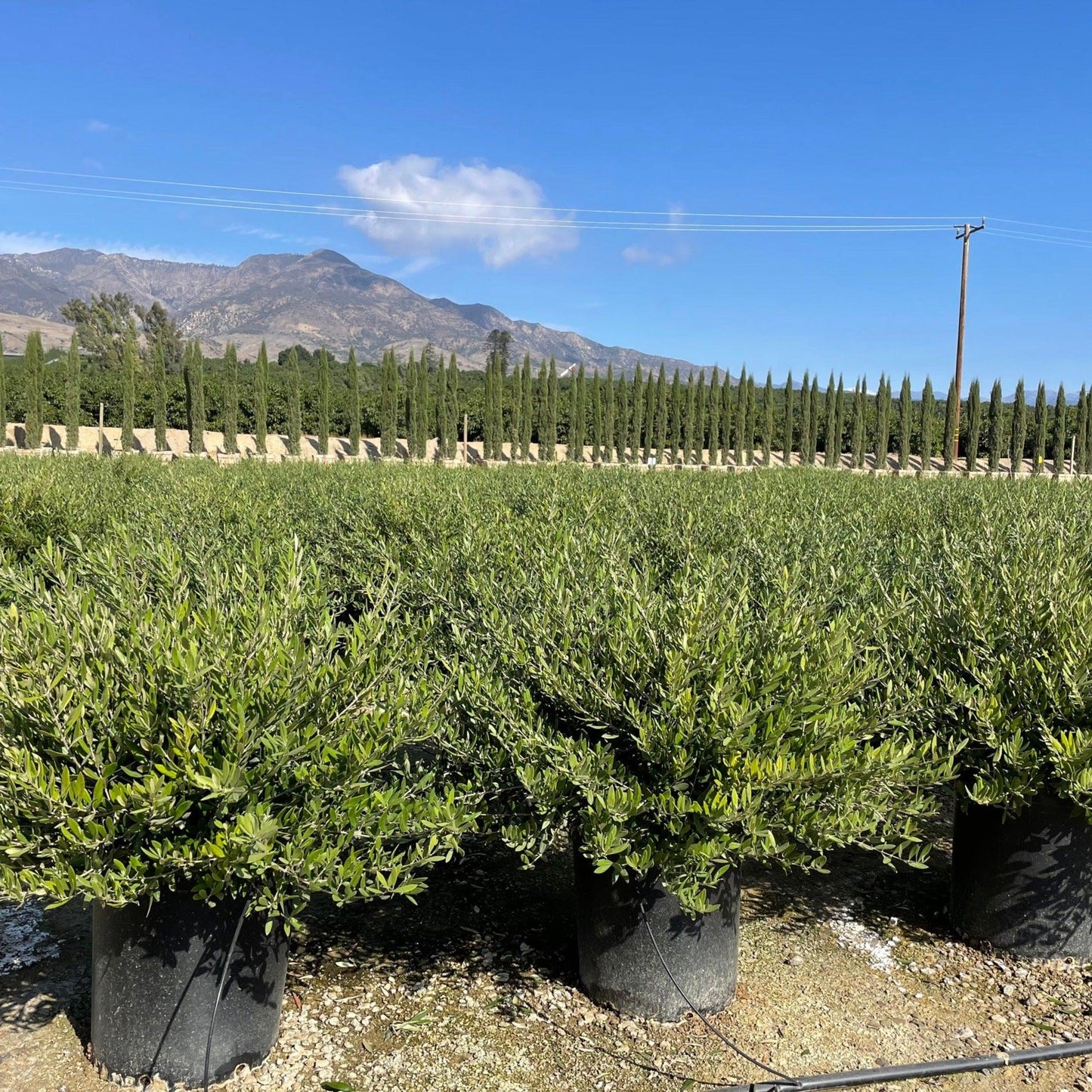

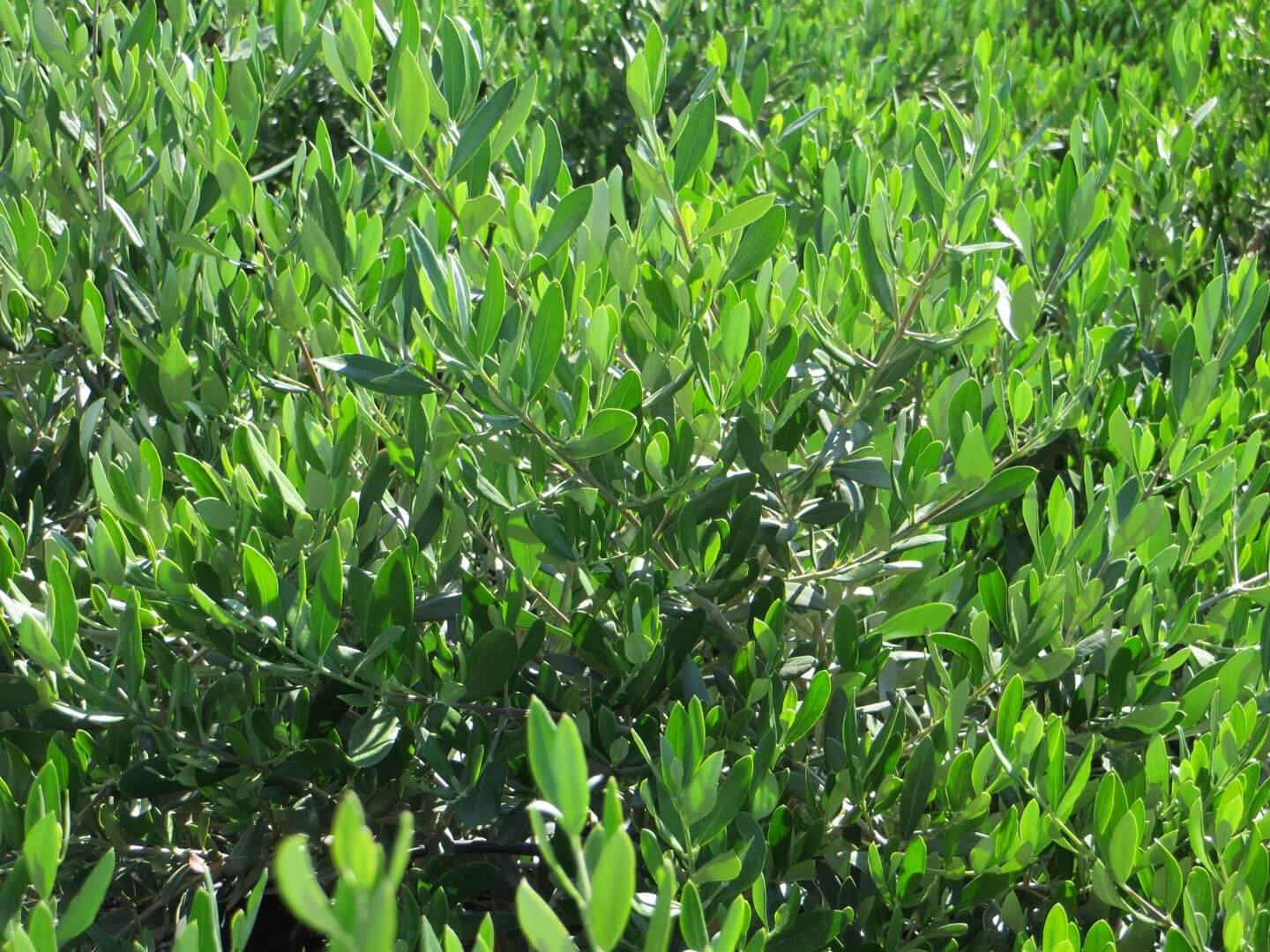
Thousands of Healthy Plants Delivered

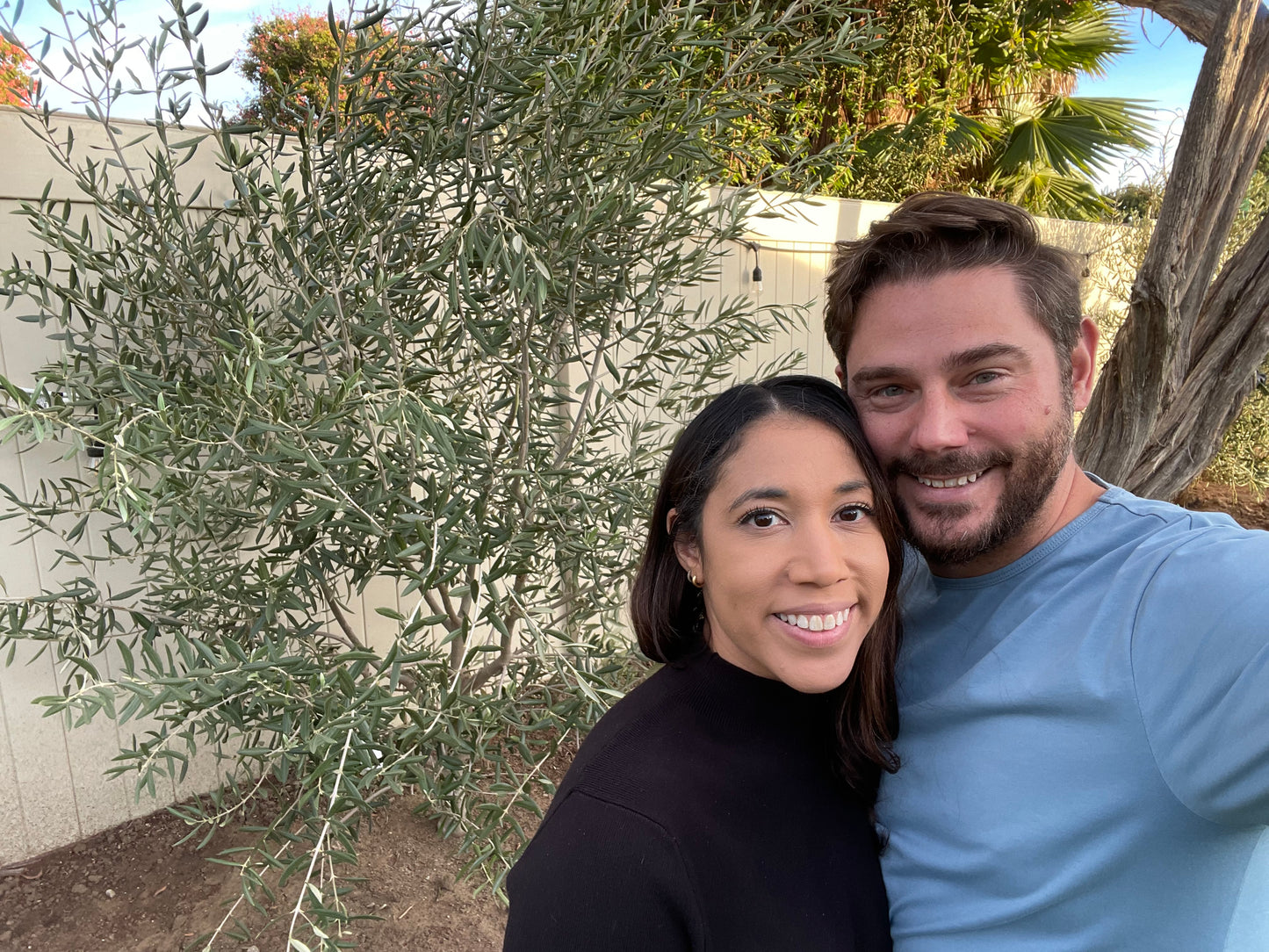
Yardwork was so great to work with. First they had the Swan Hill olive trees that we had been searching for, we had contacted several other nurseries without any luck previously. Then they answered all of our questions in a timely matter prior to ordering and finally delivered within a few days of placing it. Their staff is incredibly knowledgeable; they delivered and planted our trees with expertise to ensure that they would do well in our yard. We would definitely work with them again for future projects.











A Modern Experience
At Yardwork, we carefully curate thousands of plants, in all container sizes, to provide you with the best selection of the highest quality trees and plants at the best price, with the convenience of an online platform.
Uncompromised Quality
We choose only the finest specimens and hand select our plants just before delivery to ensure you receive the freshest and most robust specimens available for your landscape.
Industry Leading Warranties
Our 30, 90, and 365 extended warranties provide some of the best coverage to ensure our trees and plants thrive in your landscape.
Frequently Asked Questions
We're committed to changing everything about trees and plants - how they’re grown, how you shop for them, and how much they cost. We handle orders ourselves. No middlemen to get between us (or our prices) and you.
We're committed to changing everything about trees and plants - how they’re grown, how you shop for them, and how much they cost. We handle orders ourselves. No middlemen to get between us (or our prices) and you.
Delivery does not include unloading of trees and plants LARGER than a 24" box.
Trees and plants in smaller containers will be dropped curbside (usually on the driveway or near the front doorstep).
Delivery beyond a curbside drop will be charged extra.
Trees and plants that are sold in container sizes LARGER than a 24" box size will require equipment and/or enough manpower onsite to help unload from the truck.
Please reach out to our team PRIOR to placing your order to help coordinate.
Our team can provide unloading assistance with equipment for an extra fee as well.
Delivery does not include unloading of trees and plants LARGER than a 24" box.
Trees and plants in smaller containers will be dropped curbside (usually on the driveway or near the front doorstep).
Delivery beyond a curbside drop will be charged extra.
Trees and plants that are sold in container sizes LARGER than a 24" box size will require equipment and/or enough manpower onsite to help unload from the truck.
Please reach out to our team PRIOR to placing your order to help coordinate.
Our team can provide unloading assistance with equipment for an extra fee as well.
We ship locally within California within 7-10 days of your order being placed.
We ship nationally using carrier partners, based on order size. Our common order minimums for out of state shipping is $5,000.
Text or call 323-576-4159 for specific shipping details for your location.
We ship locally within California within 7-10 days of your order being placed.
We ship nationally using carrier partners, based on order size. Our common order minimums for out of state shipping is $5,000.
Text or call 323-576-4159 for specific shipping details for your location.
We are currently online only and don't have physical locations where you can view plants in person.
That's why we have photos direct from the growing grounds of the plants we will ship and we display pricing right in our store.
We do make sure to pick the very best trees and plants prior to shipping and make sure that they have gone through our multi-point inspection for health and structure.
We will always reach out prior to delivery if we find a quality issue or need to provide a substitute.
We are currently online only and don't have physical locations where you can view plants in person.
That's why we have photos direct from the growing grounds of the plants we will ship and we display pricing right in our store.
We do make sure to pick the very best trees and plants prior to shipping and make sure that they have gone through our multi-point inspection for health and structure.
We will always reach out prior to delivery if we find a quality issue or need to provide a substitute.
Plants vary greatly by type. Here is a rough idea of sizes based on containers that are direct from our growing grounds.
15 Gallon Shrub 3-4 Ft. Tall
15 Gallon Tree 5-6 Ft. Tall
24" Box Shrub 5-6 Ft. Tall
24" Box Tree 6-7 Ft. Tall
36" Box Shrub/Tree 7-9 Ft. Tall
48" Box Shrub/Tree 8-10 Ft. Tall
**Please note that we do not make guarantees of sizes. If you have questions or concerns, please call or text to request accurate sizing for the particular plant you're considering, prior to ordering.
Plants vary greatly by type. Here is a rough idea of sizes based on containers that are direct from our growing grounds.
15 Gallon Shrub 3-4 Ft. Tall
15 Gallon Tree 5-6 Ft. Tall
24" Box Shrub 5-6 Ft. Tall
24" Box Tree 6-7 Ft. Tall
36" Box Shrub/Tree 7-9 Ft. Tall
48" Box Shrub/Tree 8-10 Ft. Tall
**Please note that we do not make guarantees of sizes. If you have questions or concerns, please call or text to request accurate sizing for the particular plant you're considering, prior to ordering.
We offer a limited 30 day warranty for plants that are delivered and planted by someone else and a 90 day warranty for plants that we plant.
The limited warranty covers plants that die as a result of disease or fungus which was derived from our growing grounds or from root balls that were root bound.
The warranty does not cover damage due to watering, fertilizer, soils, or any other conditions beyond our control. Additionally, the warranty does not cover plants that are shipped out of the state of California or shipped into California from other states. Custom plant orders are also not covered under warranty. Plants must be planted within 24 hours after delivery to qualify.
We can assist you in recommending the right soils and fertilizers to help your plant thrive after you plant it.
Text or call 323-576-4159 for further warranty information.
We offer a limited 30 day warranty for plants that are delivered and planted by someone else and a 90 day warranty for plants that we plant.
The limited warranty covers plants that die as a result of disease or fungus which was derived from our growing grounds or from root balls that were root bound.
The warranty does not cover damage due to watering, fertilizer, soils, or any other conditions beyond our control. Additionally, the warranty does not cover plants that are shipped out of the state of California or shipped into California from other states. Custom plant orders are also not covered under warranty. Plants must be planted within 24 hours after delivery to qualify.
We can assist you in recommending the right soils and fertilizers to help your plant thrive after you plant it.
Text or call 323-576-4159 for further warranty information.
Our local delivery team covers most cities in California.
There are some exceptions, so please get in touch to confirm prior to ordering.
Additionally, we ship using semi trucks and trailers throughout the entire United States and even abroad for large orders over $5,000. Each shipment is custom, so please reach out to our team to coordinate.
Our local delivery team covers most cities in California.
There are some exceptions, so please get in touch to confirm prior to ordering.
Additionally, we ship using semi trucks and trailers throughout the entire United States and even abroad for large orders over $5,000. Each shipment is custom, so please reach out to our team to coordinate.