



Lemonade Berry - Rhus Integrifolia
Regular price
$55.00
Size
Transform Your California Landscape with This Drought-Tolerant Native Powerhouse
Rhus integrifolia also known as lemonade berry, delivers stunning, year-round evergreen foliage without the water bills that come with exotic ornamentals. Native to Southern California and Baja California, this resilient shrub thrives exactly where most landscaping plants struggle: in dry heat, coastal wind, salt spray, and poor soil. Plant it once, establish it right, and enjoy a dense, beautiful screen of glossy dark green leaves that practically takes care of itself.
Why You'll Love It
-
Extreme Drought Tolerance – Once established, lemonade berry survives on minimal supplemental water, saving you hundreds on irrigation costs each year
-
Year-Round Beauty – Thick, leathery evergreen leaves stay glossy and green through every season, providing reliable backdrops and structure in your landscape
-
Wildlife Magnet – Small flowers in white to pink clusters attract native bees and butterflies in late winter, while red, sticky berries feed birds like wrentits and towhees through summer
-
Low Maintenance – After the first-year establishment period, this shrub demands almost nothing: no fertilizer, minimal pruning, and very little water
-
Fire Resistant – Naturally adapted to California's fire-prone chaparral, lemonade berry resprouts from its rootstock after fire and helps stabilize slopes against erosion
What Makes It Different
Most landscaping shrubs sold in California weren't designed for California's climate. They need constant water, regular feeding, and struggle when drought restrictions hit.
Lemonade Berry provides:
-
Native Adaptation – This plant evolved in coastal sage scrub and chaparral communities over thousands of years, making it perfectly suited to the Mediterranean climate cycle of wet winters and long, dry summers
-
Natural Privacy & Erosion Control – Its dense, spreading growth habit creates thick hedges and screens without intensive shaping. In the wild, mature plants form thickets 10–30 feet across, stabilizing slopes and dry canyons naturally
-
Edible Berries with History – Unlike typical landscape shrubs, lemonade berry produces sour, vitamin C-rich berries that Native California peoples traditionally used for food and medicine. The Cahuilla people used lemonade berries in soups and mush, and the berries can be steeped in water to create a refreshing beverage
-
Salt Tolerance – Thrives on coastal bluffs and ocean-facing slopes where salt spray and wind destroy most ornamentals. Pair it with other tough natives like California Sagebrush or Black Sage for a complete coastal planting
How To Grow Lemonade Berry Successfully
-
Strategic Placement Choose a spot with full sun and well-draining soil-slopes, ridgelines, and generally north facing slopes work best, especially inland where afternoon heat can be intense. Lemonade berry prefers full sun with no soil amendments. Avoid low-lying areas where water pools in winter.
-
Establishment Phase Water well during the first year after planting. Provide regular deep watering to help roots develop, then gradually reduce irrigation as the plant matures. Mulch around the base to retain moisture and protect the root zone. This waiting period is critical-don't rush it.
-
Natural Growth By year two or three, your lemonade berry becomes self-sustaining. It spreads to form dense coverage, produces clusters of small flowers from February to April, and sets red, hairy, sticky berries by late summer. From here, it's virtually hands-off. Prune lemonade berry anytime during active growth to maintain shape or create formal hedges and screens.
Plant Details
|
Attribute |
Details |
|---|---|
|
Botanical Name |
Rhus integrifolia |
|
Family |
Anacardiaceae (Sumac family, same genus as sugar bush and distantly related to poison oak) |
|
Mature Height |
6–10 feet tall in protected areas; up to 30 feet in optimal wild conditions |
|
Spread |
10–12 feet in diameter; thickets can reach 30 feet across |
|
Growth Habit |
Dense, upright, spreading evergreen shrub |
|
Growth Rate |
Slow to moderate |
|
Light |
Full sun to partial shade |
|
Soil |
Well-draining; tolerates sandy, rocky, loamy, and mildly alkaline to mildly acidic soils (pH 6.0–8.0) |
|
Water |
Low once established; moderate during first year |
|
Hardiness |
USDA Zones 9–11 ideal; cold hardy to 15 degrees Fahrenheit |
|
Bloom Time |
February through April |
|
Fruit |
Red, hairy, sticky drupes, 7–10 mm in diameter, ripening August–October |
|
Native Range |
Coastal Southern California (Santa Barbara County through San Diego) and northern Baja California, Mexico, at lower elevations up to ~2,950 feet |
|
Deer Resistant |
Yes |
|
Salt Tolerant |
Yes |
Who It's For
Ideal for:
-
California homeowners seeking drought tolerant, water-wise landscaping that cuts irrigation costs
-
Property owners with slopes who need erosion control and soil stabilization in canyons and hillsides
-
Native plant enthusiasts working on restoration projects-pairs beautifully with other California native plants
-
Coastal residents from San Diego to Santa Barbara who need shrubs that handle salt spray and wind
-
Fire-conscious landscapers who want vegetation that resprouts after fire rather than feeding it
-
Foragers and edible garden fans interested in growing plants with ethnobotanical significance and culinary uses
If you want a low-maintenance, ecologically important shrub that actually belongs in your California landscape, lemonade berry fits your needs.
Frequently Asked Questions
How long does it take to establish? Expect 1–2 years for full establishment. During this period, provide regular deep watering to build a strong root system. By year two or three, the plant reaches full drought tolerance and begins producing flowers and fruit reliably.
Is it safe to plant near structures? Yes. Lemonade berry's root system is not especially aggressive, so placement near buildings is possible. Just keep in mind you should allow 6–10 feet of clearance for the mature spread and ensure adequate airflow. Near structures, frost pockets or heat sinks from walls may actually protect the plant during cold snaps.
Can I harvest the berries? Absolutely. The berries are high in Vitamin C and antioxidants and have a sharp and intensely sour taste. Preparation methods for lemonade berry include soaking unwashed berries in water to extract the sour coating-the sticky coating on the berries contains hairs that may cause irritation, so wear gloves when handling. Lemonade berry juice can be sweetened with honey or sugar for a refreshing drink. Lemonade berries can also be used to make jams, jellies, and syrups, and dried lemonade berries can be ground into a spice. The berries contain tannins that have antioxidant properties. Lemonade berries are used to flavor water and beverages in many foraging communities. However, avoid consuming whole lemonade berries to prevent stomach irritation.
Will it attract wildlife? Yes-and that's a great feature, not a problem. Flowers attract native bees, butterflies, and other pollinators from February through spring. Ripe berries feed songbirds through summer and fall. Dense foliage provides nesting sites and shelter for birds, small mammals, and reptiles. Consider planting alongside Sticky Monkey Flower or Ceanothus Concha to create a mixed habitat garden that supports even more pollinators.
How much water does it need? During the establishment phase (first year), water regularly and deeply-especially in inland or clay soil locations. After that, lemonade berry is drought tolerant and needs minimal supplemental water. In extreme summer droughts, an occasional deep soak helps but isn't strictly necessary. The most important rule: never overwater. Waterlogged soil leads to root rot, which is the fastest way to lose this plant.
How does it compare to sugar bush? Sugar bush (Rhus ovata) is a close relative that tolerates hotter, drier inland conditions better, while lemonade berry is more coastal and salt/wind tolerant. They can hybridize where their ranges overlap. If you're gardening near the coast, lemonade berry is your better choice. For inland heat, consider sugar bush or pair both for a mixed native planting.
Ready to Create Your Water-Wise California Garden?
The lemonade berry plant is engineered by nature to thrive here-delivering evergreen beauty, wildlife habitat, erosion control, and even edible fruit with almost zero effort after the first year.
Choose Lemonade Berry and experience effortless native beauty that belongs in your landscape.
Transform Your California Landscape with This Drought-Tolerant Native Powerhouse
Rhus integrifolia also known as lemonade berry, delivers stunning, year-round evergreen foliage without the water bills that come with exotic ornamentals. Native to Southern California and Baja California, this resilient shrub thrives exactly where most landscaping plants struggle: in dry heat, coastal wind, salt spray, and poor soil. Plant it once, establish it right, and enjoy a dense, beautiful screen of glossy dark green leaves that practically takes care of itself.
Why You'll Love It
-
Extreme Drought Tolerance – Once established, lemonade berry survives on minimal supplemental water, saving you hundreds on irrigation costs each year
-
Year-Round Beauty – Thick, leathery evergreen leaves stay glossy and green through every season, providing reliable backdrops and structure in your landscape
-
Wildlife Magnet – Small flowers in white to pink clusters attract native bees and butterflies in late winter, while red, sticky berries feed birds like wrentits and towhees through summer
-
Low Maintenance – After the first-year establishment period, this shrub demands almost nothing: no fertilizer, minimal pruning, and very little water
-
Fire Resistant – Naturally adapted to California's fire-prone chaparral, lemonade berry resprouts from its rootstock after fire and helps stabilize slopes against erosion
What Makes It Different
Most landscaping shrubs sold in California weren't designed for California's climate. They need constant water, regular feeding, and struggle when drought restrictions hit.
Lemonade Berry provides:
-
Native Adaptation – This plant evolved in coastal sage scrub and chaparral communities over thousands of years, making it perfectly suited to the Mediterranean climate cycle of wet winters and long, dry summers
-
Natural Privacy & Erosion Control – Its dense, spreading growth habit creates thick hedges and screens without intensive shaping. In the wild, mature plants form thickets 10–30 feet across, stabilizing slopes and dry canyons naturally
-
Edible Berries with History – Unlike typical landscape shrubs, lemonade berry produces sour, vitamin C-rich berries that Native California peoples traditionally used for food and medicine. The Cahuilla people used lemonade berries in soups and mush, and the berries can be steeped in water to create a refreshing beverage
-
Salt Tolerance – Thrives on coastal bluffs and ocean-facing slopes where salt spray and wind destroy most ornamentals. Pair it with other tough natives like California Sagebrush or Black Sage for a complete coastal planting
How To Grow Lemonade Berry Successfully
-
Strategic Placement Choose a spot with full sun and well-draining soil-slopes, ridgelines, and generally north facing slopes work best, especially inland where afternoon heat can be intense. Lemonade berry prefers full sun with no soil amendments. Avoid low-lying areas where water pools in winter.
-
Establishment Phase Water well during the first year after planting. Provide regular deep watering to help roots develop, then gradually reduce irrigation as the plant matures. Mulch around the base to retain moisture and protect the root zone. This waiting period is critical-don't rush it.
-
Natural Growth By year two or three, your lemonade berry becomes self-sustaining. It spreads to form dense coverage, produces clusters of small flowers from February to April, and sets red, hairy, sticky berries by late summer. From here, it's virtually hands-off. Prune lemonade berry anytime during active growth to maintain shape or create formal hedges and screens.
Plant Details
|
Attribute |
Details |
|---|---|
|
Botanical Name |
Rhus integrifolia |
|
Family |
Anacardiaceae (Sumac family, same genus as sugar bush and distantly related to poison oak) |
|
Mature Height |
6–10 feet tall in protected areas; up to 30 feet in optimal wild conditions |
|
Spread |
10–12 feet in diameter; thickets can reach 30 feet across |
|
Growth Habit |
Dense, upright, spreading evergreen shrub |
|
Growth Rate |
Slow to moderate |
|
Light |
Full sun to partial shade |
|
Soil |
Well-draining; tolerates sandy, rocky, loamy, and mildly alkaline to mildly acidic soils (pH 6.0–8.0) |
|
Water |
Low once established; moderate during first year |
|
Hardiness |
USDA Zones 9–11 ideal; cold hardy to 15 degrees Fahrenheit |
|
Bloom Time |
February through April |
|
Fruit |
Red, hairy, sticky drupes, 7–10 mm in diameter, ripening August–October |
|
Native Range |
Coastal Southern California (Santa Barbara County through San Diego) and northern Baja California, Mexico, at lower elevations up to ~2,950 feet |
|
Deer Resistant |
Yes |
|
Salt Tolerant |
Yes |
Who It's For
Ideal for:
-
California homeowners seeking drought tolerant, water-wise landscaping that cuts irrigation costs
-
Property owners with slopes who need erosion control and soil stabilization in canyons and hillsides
-
Native plant enthusiasts working on restoration projects-pairs beautifully with other California native plants
-
Coastal residents from San Diego to Santa Barbara who need shrubs that handle salt spray and wind
-
Fire-conscious landscapers who want vegetation that resprouts after fire rather than feeding it
-
Foragers and edible garden fans interested in growing plants with ethnobotanical significance and culinary uses
If you want a low-maintenance, ecologically important shrub that actually belongs in your California landscape, lemonade berry fits your needs.
Frequently Asked Questions
How long does it take to establish? Expect 1–2 years for full establishment. During this period, provide regular deep watering to build a strong root system. By year two or three, the plant reaches full drought tolerance and begins producing flowers and fruit reliably.
Is it safe to plant near structures? Yes. Lemonade berry's root system is not especially aggressive, so placement near buildings is possible. Just keep in mind you should allow 6–10 feet of clearance for the mature spread and ensure adequate airflow. Near structures, frost pockets or heat sinks from walls may actually protect the plant during cold snaps.
Can I harvest the berries? Absolutely. The berries are high in Vitamin C and antioxidants and have a sharp and intensely sour taste. Preparation methods for lemonade berry include soaking unwashed berries in water to extract the sour coating-the sticky coating on the berries contains hairs that may cause irritation, so wear gloves when handling. Lemonade berry juice can be sweetened with honey or sugar for a refreshing drink. Lemonade berries can also be used to make jams, jellies, and syrups, and dried lemonade berries can be ground into a spice. The berries contain tannins that have antioxidant properties. Lemonade berries are used to flavor water and beverages in many foraging communities. However, avoid consuming whole lemonade berries to prevent stomach irritation.
Will it attract wildlife? Yes-and that's a great feature, not a problem. Flowers attract native bees, butterflies, and other pollinators from February through spring. Ripe berries feed songbirds through summer and fall. Dense foliage provides nesting sites and shelter for birds, small mammals, and reptiles. Consider planting alongside Sticky Monkey Flower or Ceanothus Concha to create a mixed habitat garden that supports even more pollinators.
How much water does it need? During the establishment phase (first year), water regularly and deeply-especially in inland or clay soil locations. After that, lemonade berry is drought tolerant and needs minimal supplemental water. In extreme summer droughts, an occasional deep soak helps but isn't strictly necessary. The most important rule: never overwater. Waterlogged soil leads to root rot, which is the fastest way to lose this plant.
How does it compare to sugar bush? Sugar bush (Rhus ovata) is a close relative that tolerates hotter, drier inland conditions better, while lemonade berry is more coastal and salt/wind tolerant. They can hybridize where their ranges overlap. If you're gardening near the coast, lemonade berry is your better choice. For inland heat, consider sugar bush or pair both for a mixed native planting.
Ready to Create Your Water-Wise California Garden?
The lemonade berry plant is engineered by nature to thrive here-delivering evergreen beauty, wildlife habitat, erosion control, and even edible fruit with almost zero effort after the first year.
Choose Lemonade Berry and experience effortless native beauty that belongs in your landscape.
Plants vary greatly by type and no guarantees are made on sizing.
However here is a rough idea of sizes based on containers that are direct from our growing grounds.
15 Gallon Shrub 3-4 Ft. Tall
15 Gallon Tree 5-6 Ft. Tall
24" Box Shrub 5-6 Ft. Tall
24" Box Tree 6-7 Ft. Tall
36" Box Tree 8-10 Ft. Tall
48" Box Tree 10-12 Ft. Tall
Please note: Citrus and California Native plants such as Manzanita are smaller than traditional sizing.
Please contact us to confirm sizing of items before purchasing if this is a concern.
Plants vary greatly by type and no guarantees are made on sizing.
However here is a rough idea of sizes based on containers that are direct from our growing grounds.
15 Gallon Shrub 3-4 Ft. Tall
15 Gallon Tree 5-6 Ft. Tall
24" Box Shrub 5-6 Ft. Tall
24" Box Tree 6-7 Ft. Tall
36" Box Tree 8-10 Ft. Tall
48" Box Tree 10-12 Ft. Tall
Please note: Citrus and California Native plants such as Manzanita are smaller than traditional sizing.
Please contact us to confirm sizing of items before purchasing if this is a concern.
Delivery does not include unloading of trees and plants larger than a 24" box.
Trees and plants in smaller containers will be dropped curbside.
Delivery beyond a curbside drop will be charged extra.
Trees and plants that are sold in container sizes larger than a 24" box size will require equipment and an operator onsite to help unload from the truck.
Please reach out to our team PRIOR to placing your order to coordinate.
Our team can provide unloading assistance with equipment for an extra fee.
Delivery does not include unloading of trees and plants larger than a 24" box.
Trees and plants in smaller containers will be dropped curbside.
Delivery beyond a curbside drop will be charged extra.
Trees and plants that are sold in container sizes larger than a 24" box size will require equipment and an operator onsite to help unload from the truck.
Please reach out to our team PRIOR to placing your order to coordinate.
Our team can provide unloading assistance with equipment for an extra fee.
You may also like...


Lemonade Berry - Rhus Integrifolia
Regular price
$55.00
Size
Transform Your California Landscape with This Drought-Tolerant Native Powerhouse
Rhus integrifolia also known as lemonade berry, delivers stunning, year-round evergreen foliage without the water bills that come with exotic ornamentals. Native to Southern California and Baja California, this resilient shrub thrives exactly where most landscaping plants struggle: in dry heat, coastal wind, salt spray, and poor soil. Plant it once, establish it right, and enjoy a dense, beautiful screen of glossy dark green leaves that practically takes care of itself.
Why You'll Love It
-
Extreme Drought Tolerance – Once established, lemonade berry survives on minimal supplemental water, saving you hundreds on irrigation costs each year
-
Year-Round Beauty – Thick, leathery evergreen leaves stay glossy and green through every season, providing reliable backdrops and structure in your landscape
-
Wildlife Magnet – Small flowers in white to pink clusters attract native bees and butterflies in late winter, while red, sticky berries feed birds like wrentits and towhees through summer
-
Low Maintenance – After the first-year establishment period, this shrub demands almost nothing: no fertilizer, minimal pruning, and very little water
-
Fire Resistant – Naturally adapted to California's fire-prone chaparral, lemonade berry resprouts from its rootstock after fire and helps stabilize slopes against erosion
What Makes It Different
Most landscaping shrubs sold in California weren't designed for California's climate. They need constant water, regular feeding, and struggle when drought restrictions hit.
Lemonade Berry provides:
-
Native Adaptation – This plant evolved in coastal sage scrub and chaparral communities over thousands of years, making it perfectly suited to the Mediterranean climate cycle of wet winters and long, dry summers
-
Natural Privacy & Erosion Control – Its dense, spreading growth habit creates thick hedges and screens without intensive shaping. In the wild, mature plants form thickets 10–30 feet across, stabilizing slopes and dry canyons naturally
-
Edible Berries with History – Unlike typical landscape shrubs, lemonade berry produces sour, vitamin C-rich berries that Native California peoples traditionally used for food and medicine. The Cahuilla people used lemonade berries in soups and mush, and the berries can be steeped in water to create a refreshing beverage
-
Salt Tolerance – Thrives on coastal bluffs and ocean-facing slopes where salt spray and wind destroy most ornamentals. Pair it with other tough natives like California Sagebrush or Black Sage for a complete coastal planting
How To Grow Lemonade Berry Successfully
-
Strategic Placement Choose a spot with full sun and well-draining soil-slopes, ridgelines, and generally north facing slopes work best, especially inland where afternoon heat can be intense. Lemonade berry prefers full sun with no soil amendments. Avoid low-lying areas where water pools in winter.
-
Establishment Phase Water well during the first year after planting. Provide regular deep watering to help roots develop, then gradually reduce irrigation as the plant matures. Mulch around the base to retain moisture and protect the root zone. This waiting period is critical-don't rush it.
-
Natural Growth By year two or three, your lemonade berry becomes self-sustaining. It spreads to form dense coverage, produces clusters of small flowers from February to April, and sets red, hairy, sticky berries by late summer. From here, it's virtually hands-off. Prune lemonade berry anytime during active growth to maintain shape or create formal hedges and screens.
Plant Details
|
Attribute |
Details |
|---|---|
|
Botanical Name |
Rhus integrifolia |
|
Family |
Anacardiaceae (Sumac family, same genus as sugar bush and distantly related to poison oak) |
|
Mature Height |
6–10 feet tall in protected areas; up to 30 feet in optimal wild conditions |
|
Spread |
10–12 feet in diameter; thickets can reach 30 feet across |
|
Growth Habit |
Dense, upright, spreading evergreen shrub |
|
Growth Rate |
Slow to moderate |
|
Light |
Full sun to partial shade |
|
Soil |
Well-draining; tolerates sandy, rocky, loamy, and mildly alkaline to mildly acidic soils (pH 6.0–8.0) |
|
Water |
Low once established; moderate during first year |
|
Hardiness |
USDA Zones 9–11 ideal; cold hardy to 15 degrees Fahrenheit |
|
Bloom Time |
February through April |
|
Fruit |
Red, hairy, sticky drupes, 7–10 mm in diameter, ripening August–October |
|
Native Range |
Coastal Southern California (Santa Barbara County through San Diego) and northern Baja California, Mexico, at lower elevations up to ~2,950 feet |
|
Deer Resistant |
Yes |
|
Salt Tolerant |
Yes |
Who It's For
Ideal for:
-
California homeowners seeking drought tolerant, water-wise landscaping that cuts irrigation costs
-
Property owners with slopes who need erosion control and soil stabilization in canyons and hillsides
-
Native plant enthusiasts working on restoration projects-pairs beautifully with other California native plants
-
Coastal residents from San Diego to Santa Barbara who need shrubs that handle salt spray and wind
-
Fire-conscious landscapers who want vegetation that resprouts after fire rather than feeding it
-
Foragers and edible garden fans interested in growing plants with ethnobotanical significance and culinary uses
If you want a low-maintenance, ecologically important shrub that actually belongs in your California landscape, lemonade berry fits your needs.
Frequently Asked Questions
How long does it take to establish? Expect 1–2 years for full establishment. During this period, provide regular deep watering to build a strong root system. By year two or three, the plant reaches full drought tolerance and begins producing flowers and fruit reliably.
Is it safe to plant near structures? Yes. Lemonade berry's root system is not especially aggressive, so placement near buildings is possible. Just keep in mind you should allow 6–10 feet of clearance for the mature spread and ensure adequate airflow. Near structures, frost pockets or heat sinks from walls may actually protect the plant during cold snaps.
Can I harvest the berries? Absolutely. The berries are high in Vitamin C and antioxidants and have a sharp and intensely sour taste. Preparation methods for lemonade berry include soaking unwashed berries in water to extract the sour coating-the sticky coating on the berries contains hairs that may cause irritation, so wear gloves when handling. Lemonade berry juice can be sweetened with honey or sugar for a refreshing drink. Lemonade berries can also be used to make jams, jellies, and syrups, and dried lemonade berries can be ground into a spice. The berries contain tannins that have antioxidant properties. Lemonade berries are used to flavor water and beverages in many foraging communities. However, avoid consuming whole lemonade berries to prevent stomach irritation.
Will it attract wildlife? Yes-and that's a great feature, not a problem. Flowers attract native bees, butterflies, and other pollinators from February through spring. Ripe berries feed songbirds through summer and fall. Dense foliage provides nesting sites and shelter for birds, small mammals, and reptiles. Consider planting alongside Sticky Monkey Flower or Ceanothus Concha to create a mixed habitat garden that supports even more pollinators.
How much water does it need? During the establishment phase (first year), water regularly and deeply-especially in inland or clay soil locations. After that, lemonade berry is drought tolerant and needs minimal supplemental water. In extreme summer droughts, an occasional deep soak helps but isn't strictly necessary. The most important rule: never overwater. Waterlogged soil leads to root rot, which is the fastest way to lose this plant.
How does it compare to sugar bush? Sugar bush (Rhus ovata) is a close relative that tolerates hotter, drier inland conditions better, while lemonade berry is more coastal and salt/wind tolerant. They can hybridize where their ranges overlap. If you're gardening near the coast, lemonade berry is your better choice. For inland heat, consider sugar bush or pair both for a mixed native planting.
Ready to Create Your Water-Wise California Garden?
The lemonade berry plant is engineered by nature to thrive here-delivering evergreen beauty, wildlife habitat, erosion control, and even edible fruit with almost zero effort after the first year.
Choose Lemonade Berry and experience effortless native beauty that belongs in your landscape.
Transform Your California Landscape with This Drought-Tolerant Native Powerhouse
Rhus integrifolia also known as lemonade berry, delivers stunning, year-round evergreen foliage without the water bills that come with exotic ornamentals. Native to Southern California and Baja California, this resilient shrub thrives exactly where most landscaping plants struggle: in dry heat, coastal wind, salt spray, and poor soil. Plant it once, establish it right, and enjoy a dense, beautiful screen of glossy dark green leaves that practically takes care of itself.
Why You'll Love It
-
Extreme Drought Tolerance – Once established, lemonade berry survives on minimal supplemental water, saving you hundreds on irrigation costs each year
-
Year-Round Beauty – Thick, leathery evergreen leaves stay glossy and green through every season, providing reliable backdrops and structure in your landscape
-
Wildlife Magnet – Small flowers in white to pink clusters attract native bees and butterflies in late winter, while red, sticky berries feed birds like wrentits and towhees through summer
-
Low Maintenance – After the first-year establishment period, this shrub demands almost nothing: no fertilizer, minimal pruning, and very little water
-
Fire Resistant – Naturally adapted to California's fire-prone chaparral, lemonade berry resprouts from its rootstock after fire and helps stabilize slopes against erosion
What Makes It Different
Most landscaping shrubs sold in California weren't designed for California's climate. They need constant water, regular feeding, and struggle when drought restrictions hit.
Lemonade Berry provides:
-
Native Adaptation – This plant evolved in coastal sage scrub and chaparral communities over thousands of years, making it perfectly suited to the Mediterranean climate cycle of wet winters and long, dry summers
-
Natural Privacy & Erosion Control – Its dense, spreading growth habit creates thick hedges and screens without intensive shaping. In the wild, mature plants form thickets 10–30 feet across, stabilizing slopes and dry canyons naturally
-
Edible Berries with History – Unlike typical landscape shrubs, lemonade berry produces sour, vitamin C-rich berries that Native California peoples traditionally used for food and medicine. The Cahuilla people used lemonade berries in soups and mush, and the berries can be steeped in water to create a refreshing beverage
-
Salt Tolerance – Thrives on coastal bluffs and ocean-facing slopes where salt spray and wind destroy most ornamentals. Pair it with other tough natives like California Sagebrush or Black Sage for a complete coastal planting
How To Grow Lemonade Berry Successfully
-
Strategic Placement Choose a spot with full sun and well-draining soil-slopes, ridgelines, and generally north facing slopes work best, especially inland where afternoon heat can be intense. Lemonade berry prefers full sun with no soil amendments. Avoid low-lying areas where water pools in winter.
-
Establishment Phase Water well during the first year after planting. Provide regular deep watering to help roots develop, then gradually reduce irrigation as the plant matures. Mulch around the base to retain moisture and protect the root zone. This waiting period is critical-don't rush it.
-
Natural Growth By year two or three, your lemonade berry becomes self-sustaining. It spreads to form dense coverage, produces clusters of small flowers from February to April, and sets red, hairy, sticky berries by late summer. From here, it's virtually hands-off. Prune lemonade berry anytime during active growth to maintain shape or create formal hedges and screens.
Plant Details
|
Attribute |
Details |
|---|---|
|
Botanical Name |
Rhus integrifolia |
|
Family |
Anacardiaceae (Sumac family, same genus as sugar bush and distantly related to poison oak) |
|
Mature Height |
6–10 feet tall in protected areas; up to 30 feet in optimal wild conditions |
|
Spread |
10–12 feet in diameter; thickets can reach 30 feet across |
|
Growth Habit |
Dense, upright, spreading evergreen shrub |
|
Growth Rate |
Slow to moderate |
|
Light |
Full sun to partial shade |
|
Soil |
Well-draining; tolerates sandy, rocky, loamy, and mildly alkaline to mildly acidic soils (pH 6.0–8.0) |
|
Water |
Low once established; moderate during first year |
|
Hardiness |
USDA Zones 9–11 ideal; cold hardy to 15 degrees Fahrenheit |
|
Bloom Time |
February through April |
|
Fruit |
Red, hairy, sticky drupes, 7–10 mm in diameter, ripening August–October |
|
Native Range |
Coastal Southern California (Santa Barbara County through San Diego) and northern Baja California, Mexico, at lower elevations up to ~2,950 feet |
|
Deer Resistant |
Yes |
|
Salt Tolerant |
Yes |
Who It's For
Ideal for:
-
California homeowners seeking drought tolerant, water-wise landscaping that cuts irrigation costs
-
Property owners with slopes who need erosion control and soil stabilization in canyons and hillsides
-
Native plant enthusiasts working on restoration projects-pairs beautifully with other California native plants
-
Coastal residents from San Diego to Santa Barbara who need shrubs that handle salt spray and wind
-
Fire-conscious landscapers who want vegetation that resprouts after fire rather than feeding it
-
Foragers and edible garden fans interested in growing plants with ethnobotanical significance and culinary uses
If you want a low-maintenance, ecologically important shrub that actually belongs in your California landscape, lemonade berry fits your needs.
Frequently Asked Questions
How long does it take to establish? Expect 1–2 years for full establishment. During this period, provide regular deep watering to build a strong root system. By year two or three, the plant reaches full drought tolerance and begins producing flowers and fruit reliably.
Is it safe to plant near structures? Yes. Lemonade berry's root system is not especially aggressive, so placement near buildings is possible. Just keep in mind you should allow 6–10 feet of clearance for the mature spread and ensure adequate airflow. Near structures, frost pockets or heat sinks from walls may actually protect the plant during cold snaps.
Can I harvest the berries? Absolutely. The berries are high in Vitamin C and antioxidants and have a sharp and intensely sour taste. Preparation methods for lemonade berry include soaking unwashed berries in water to extract the sour coating-the sticky coating on the berries contains hairs that may cause irritation, so wear gloves when handling. Lemonade berry juice can be sweetened with honey or sugar for a refreshing drink. Lemonade berries can also be used to make jams, jellies, and syrups, and dried lemonade berries can be ground into a spice. The berries contain tannins that have antioxidant properties. Lemonade berries are used to flavor water and beverages in many foraging communities. However, avoid consuming whole lemonade berries to prevent stomach irritation.
Will it attract wildlife? Yes-and that's a great feature, not a problem. Flowers attract native bees, butterflies, and other pollinators from February through spring. Ripe berries feed songbirds through summer and fall. Dense foliage provides nesting sites and shelter for birds, small mammals, and reptiles. Consider planting alongside Sticky Monkey Flower or Ceanothus Concha to create a mixed habitat garden that supports even more pollinators.
How much water does it need? During the establishment phase (first year), water regularly and deeply-especially in inland or clay soil locations. After that, lemonade berry is drought tolerant and needs minimal supplemental water. In extreme summer droughts, an occasional deep soak helps but isn't strictly necessary. The most important rule: never overwater. Waterlogged soil leads to root rot, which is the fastest way to lose this plant.
How does it compare to sugar bush? Sugar bush (Rhus ovata) is a close relative that tolerates hotter, drier inland conditions better, while lemonade berry is more coastal and salt/wind tolerant. They can hybridize where their ranges overlap. If you're gardening near the coast, lemonade berry is your better choice. For inland heat, consider sugar bush or pair both for a mixed native planting.
Ready to Create Your Water-Wise California Garden?
The lemonade berry plant is engineered by nature to thrive here-delivering evergreen beauty, wildlife habitat, erosion control, and even edible fruit with almost zero effort after the first year.
Choose Lemonade Berry and experience effortless native beauty that belongs in your landscape.
Plants vary greatly by type and no guarantees are made on sizing.
However here is a rough idea of sizes based on containers that are direct from our growing grounds.
15 Gallon Shrub 3-4 Ft. Tall
15 Gallon Tree 5-6 Ft. Tall
24" Box Shrub 5-6 Ft. Tall
24" Box Tree 6-7 Ft. Tall
36" Box Tree 8-10 Ft. Tall
48" Box Tree 10-12 Ft. Tall
Please note: Citrus and California Native plants such as Manzanita are smaller than traditional sizing.
Please contact us to confirm sizing of items before purchasing if this is a concern.
Plants vary greatly by type and no guarantees are made on sizing.
However here is a rough idea of sizes based on containers that are direct from our growing grounds.
15 Gallon Shrub 3-4 Ft. Tall
15 Gallon Tree 5-6 Ft. Tall
24" Box Shrub 5-6 Ft. Tall
24" Box Tree 6-7 Ft. Tall
36" Box Tree 8-10 Ft. Tall
48" Box Tree 10-12 Ft. Tall
Please note: Citrus and California Native plants such as Manzanita are smaller than traditional sizing.
Please contact us to confirm sizing of items before purchasing if this is a concern.
Delivery does not include unloading of trees and plants larger than a 24" box.
Trees and plants in smaller containers will be dropped curbside.
Delivery beyond a curbside drop will be charged extra.
Trees and plants that are sold in container sizes larger than a 24" box size will require equipment and an operator onsite to help unload from the truck.
Please reach out to our team PRIOR to placing your order to coordinate.
Our team can provide unloading assistance with equipment for an extra fee.
Delivery does not include unloading of trees and plants larger than a 24" box.
Trees and plants in smaller containers will be dropped curbside.
Delivery beyond a curbside drop will be charged extra.
Trees and plants that are sold in container sizes larger than a 24" box size will require equipment and an operator onsite to help unload from the truck.
Please reach out to our team PRIOR to placing your order to coordinate.
Our team can provide unloading assistance with equipment for an extra fee.
Recommended For You















Pairs Well With













You May Also Like











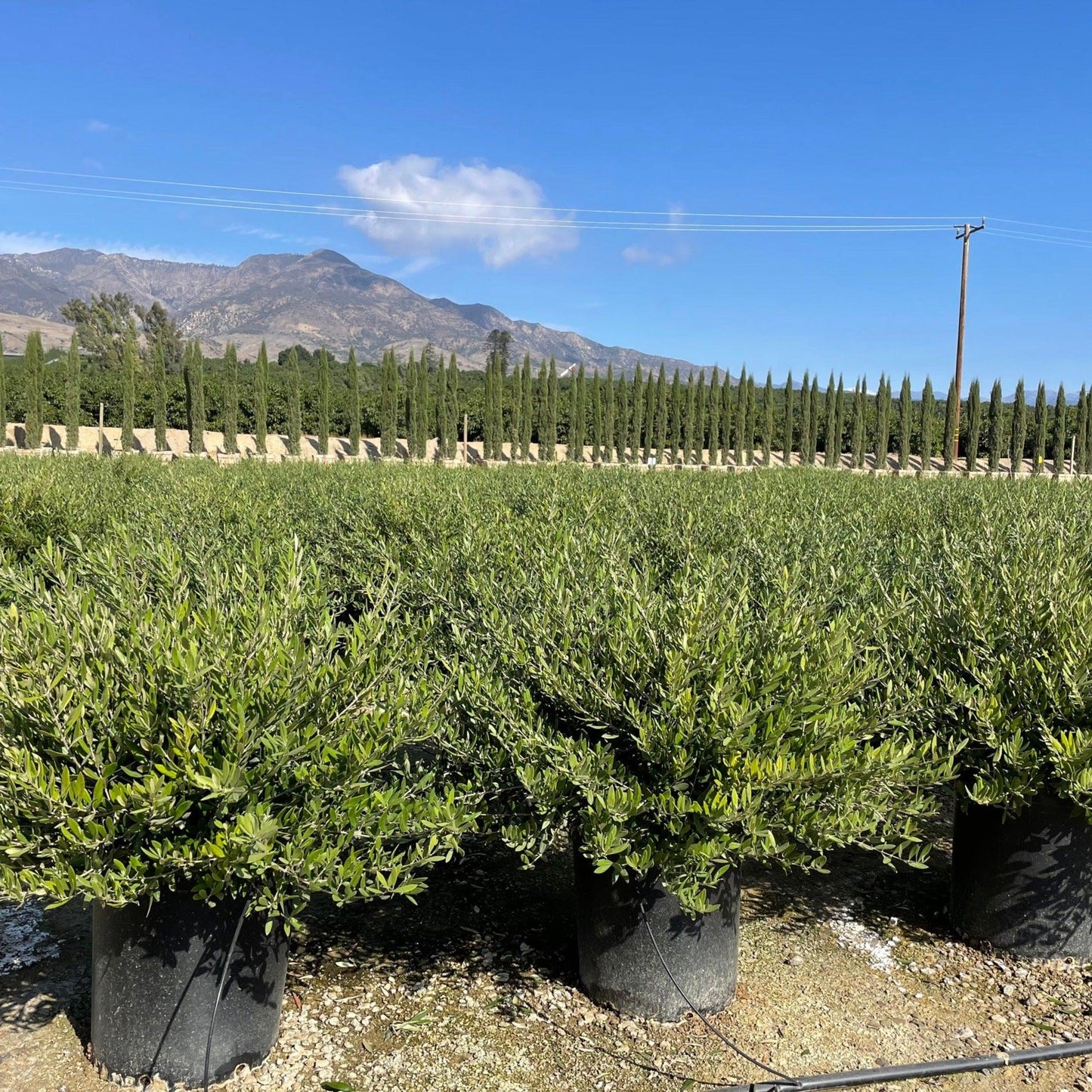

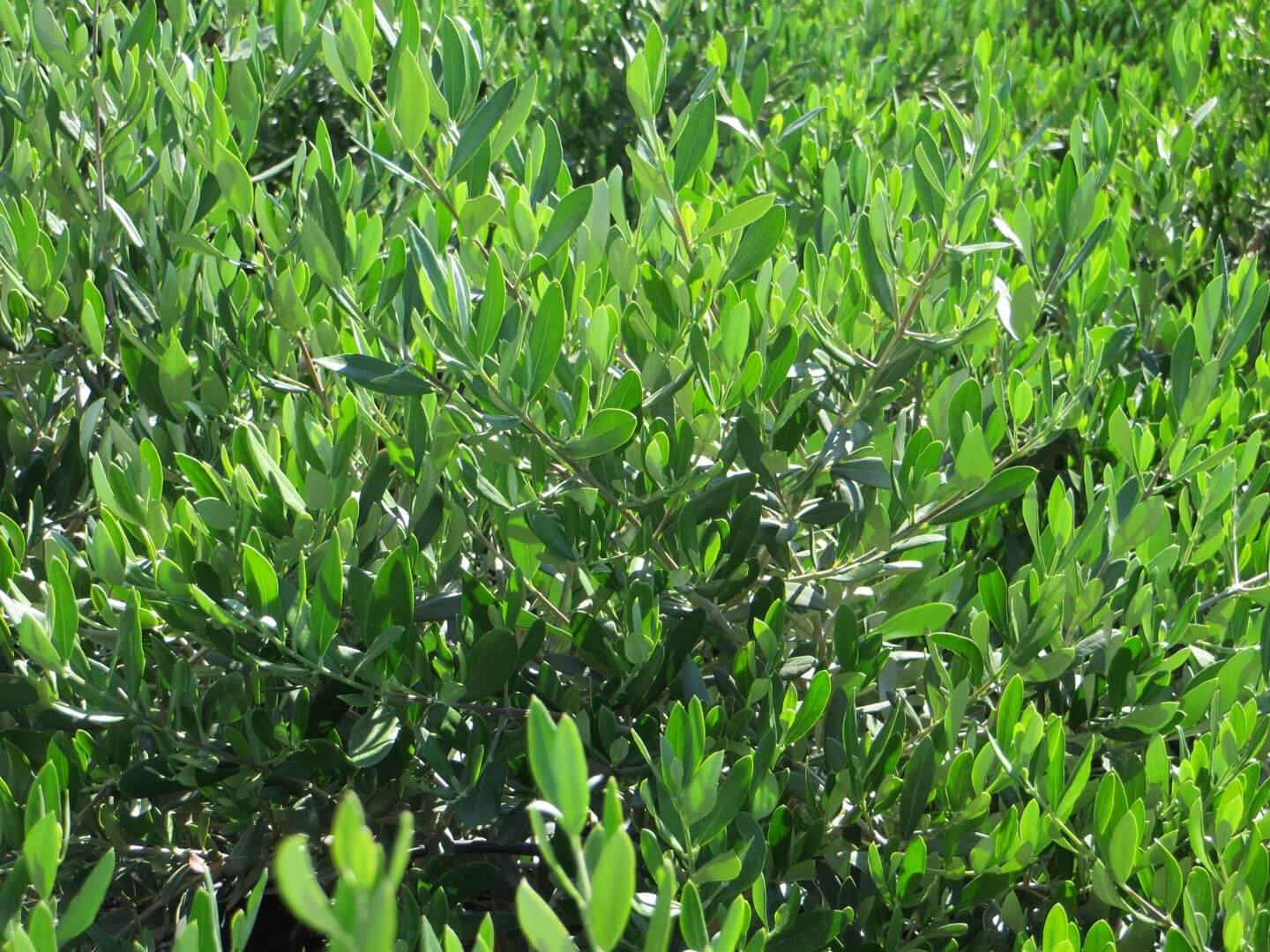
Thousands of Healthy Plants Delivered

Yardwork was so great to work with. First they had the Swan Hill olive trees that we had been searching for, we had contacted several other nurseries without any luck previously. Then they answered all of our questions in a timely matter prior to ordering and finally delivered within a few days of placing it. Their staff is incredibly knowledgeable; they delivered and planted our trees with expertise to ensure that they would do well in our yard. We would definitely work with them again for future projects.











A Modern Experience
At Yardwork, we carefully curate thousands of plants, in all container sizes, to provide you with the best selection of the highest quality trees and plants at the best price, with the convenience of an online platform.
Uncompromised Quality
We choose only the finest specimens and hand select our plants just before delivery to ensure you receive the freshest and most robust specimens available for your landscape.
Industry Leading Warranties
Our 30, 90, and 365 extended warranties provide some of the best coverage to ensure our trees and plants thrive in your landscape.
Frequently Asked Questions
We're committed to changing everything about trees and plants - how they’re grown, how you shop for them, and how much they cost. We handle orders ourselves. No middlemen to get between us (or our prices) and you.
We're committed to changing everything about trees and plants - how they’re grown, how you shop for them, and how much they cost. We handle orders ourselves. No middlemen to get between us (or our prices) and you.
Delivery does not include unloading of trees and plants LARGER than a 24" box.
Trees and plants in smaller containers will be dropped curbside (usually on the driveway or near the front doorstep).
Delivery beyond a curbside drop will be charged extra.
Trees and plants that are sold in container sizes LARGER than a 24" box size will require equipment and/or enough manpower onsite to help unload from the truck.
Please reach out to our team PRIOR to placing your order to help coordinate.
Our team can provide unloading assistance with equipment for an extra fee as well.
Delivery does not include unloading of trees and plants LARGER than a 24" box.
Trees and plants in smaller containers will be dropped curbside (usually on the driveway or near the front doorstep).
Delivery beyond a curbside drop will be charged extra.
Trees and plants that are sold in container sizes LARGER than a 24" box size will require equipment and/or enough manpower onsite to help unload from the truck.
Please reach out to our team PRIOR to placing your order to help coordinate.
Our team can provide unloading assistance with equipment for an extra fee as well.
We ship locally within California within 7-10 days of your order being placed.
We ship nationally using carrier partners, based on order size. Our common order minimums for out of state shipping is $5,000.
Text or call 323-576-4159 for specific shipping details for your location.
We ship locally within California within 7-10 days of your order being placed.
We ship nationally using carrier partners, based on order size. Our common order minimums for out of state shipping is $5,000.
Text or call 323-576-4159 for specific shipping details for your location.
We are currently online only and don't have physical locations where you can view plants in person.
That's why we have photos direct from the growing grounds of the plants we will ship and we display pricing right in our store.
We do make sure to pick the very best trees and plants prior to shipping and make sure that they have gone through our multi-point inspection for health and structure.
We will always reach out prior to delivery if we find a quality issue or need to provide a substitute.
We are currently online only and don't have physical locations where you can view plants in person.
That's why we have photos direct from the growing grounds of the plants we will ship and we display pricing right in our store.
We do make sure to pick the very best trees and plants prior to shipping and make sure that they have gone through our multi-point inspection for health and structure.
We will always reach out prior to delivery if we find a quality issue or need to provide a substitute.
Plants vary greatly by type. Here is a rough idea of sizes based on containers that are direct from our growing grounds.
15 Gallon Shrub 3-4 Ft. Tall
15 Gallon Tree 5-6 Ft. Tall
24" Box Shrub 5-6 Ft. Tall
24" Box Tree 6-7 Ft. Tall
36" Box Shrub/Tree 7-9 Ft. Tall
48" Box Shrub/Tree 8-10 Ft. Tall
**Please note that we do not make guarantees of sizes. If you have questions or concerns, please call or text to request accurate sizing for the particular plant you're considering, prior to ordering.
Plants vary greatly by type. Here is a rough idea of sizes based on containers that are direct from our growing grounds.
15 Gallon Shrub 3-4 Ft. Tall
15 Gallon Tree 5-6 Ft. Tall
24" Box Shrub 5-6 Ft. Tall
24" Box Tree 6-7 Ft. Tall
36" Box Shrub/Tree 7-9 Ft. Tall
48" Box Shrub/Tree 8-10 Ft. Tall
**Please note that we do not make guarantees of sizes. If you have questions or concerns, please call or text to request accurate sizing for the particular plant you're considering, prior to ordering.
We offer a limited 30 day warranty for plants that are delivered and planted by someone else and a 90 day warranty for plants that we plant.
The limited warranty covers plants that die as a result of disease or fungus which was derived from our growing grounds or from root balls that were root bound.
The warranty does not cover damage due to watering, fertilizer, soils, or any other conditions beyond our control. Additionally, the warranty does not cover plants that are shipped out of the state of California or shipped into California from other states. Custom plant orders are also not covered under warranty. Plants must be planted within 24 hours after delivery to qualify.
We can assist you in recommending the right soils and fertilizers to help your plant thrive after you plant it.
Text or call 323-576-4159 for further warranty information.
We offer a limited 30 day warranty for plants that are delivered and planted by someone else and a 90 day warranty for plants that we plant.
The limited warranty covers plants that die as a result of disease or fungus which was derived from our growing grounds or from root balls that were root bound.
The warranty does not cover damage due to watering, fertilizer, soils, or any other conditions beyond our control. Additionally, the warranty does not cover plants that are shipped out of the state of California or shipped into California from other states. Custom plant orders are also not covered under warranty. Plants must be planted within 24 hours after delivery to qualify.
We can assist you in recommending the right soils and fertilizers to help your plant thrive after you plant it.
Text or call 323-576-4159 for further warranty information.
Our local delivery team covers most cities in California.
There are some exceptions, so please get in touch to confirm prior to ordering.
Additionally, we ship using semi trucks and trailers throughout the entire United States and even abroad for large orders over $5,000. Each shipment is custom, so please reach out to our team to coordinate.
Our local delivery team covers most cities in California.
There are some exceptions, so please get in touch to confirm prior to ordering.
Additionally, we ship using semi trucks and trailers throughout the entire United States and even abroad for large orders over $5,000. Each shipment is custom, so please reach out to our team to coordinate.