



Stachys byzantina (Lamb's Ear)
Regular price
$25.00
Size
Soft Silver Foliage That Thrives in Drought While Creating Stunning Garden Texture
Stachys byzantina, commonly known as lamb’s ear, gives sunny gardens a soft silver carpet of texture without demanding constant watering, heavy feeding, or daily attention. Its fuzzy leaves create strong color contrast, soften borders, and help solve common garden problems like deer damage, rabbit browsing, and high-maintenance ground cover.
This drought tolerant lamb’s ear plant is especially useful where you want silvery foliage, reliable spread, and a touchable soft texture. Plant it in full sun, well drained soils, or a rock garden, and it forms a low mound of silvery green foliage that looks polished through much of the growing season.
Why You’ll Love It
-
Drought Tolerance – Once established, Lamb’s Ear is drought-tolerant and performs best with deep, infrequent watering, as overwatering can lead to problems such as rot.
-
Deer and Rabbit Resistant – The thick, fuzzy texture of lamb’s ear leaves naturally repels deer and rabbits, making it both deer resistant and rabbit resistant without sprays.
-
Year-Round Silver Color – Stachys byzantina features soft, velvety leaves covered in fine hairs, giving them a distinctive silver-gray appearance that brightens borders and cottage gardens.
-
Low Maintenance – Lamb’s ear requires minimal maintenance, including regular grooming to remove dead foliage and spent flower stalks; to maintain the health of Stachys byzantina, remove dead foliage in spring and avoid fertilizing, as it prefers lean soils.
-
Versatile Use – Use woolly lamb’s ear as a ground cover, edging plant, sensory garden feature, rock garden accent, or companion for ornamental grasses and purple flowers.
Stachys byzantina is well-suited for USDA Zones 4 through 8 and thrives in poor, sharply drained soil with dry to medium moisture levels. For best results, water exclusively at ground level and avoid overhead watering to help prevent fungal diseases.
What Makes It Different
Most ground covers either need regular moisture, disappear visually into the background, or become targets for deer, rabbits, slugs, and other garden frustrations. Lamb’s ear delivers silver foliage, soft texture, and practical resilience in one low-growing plant.
-
Unique Woolly Texture – The leaves are densely covered with silky lanate hairs, creating the soft, touchable feel that makes lamb’s ear popular in children’s gardens and sensory gardens.
-
True Drought Tolerance – Once established, Stachys byzantina is notably drought-tolerant, thriving in dry conditions with minimal watering; Stachys byzantina performs best with deep, infrequent watering in well-drained soil, as overwatering can lead to decline.
-
Natural Pest Resistance – The same fuzzy leaves that create its soft texture also help deter browsing animals, giving this ground cover built-in protection that hostas and many green leaves lack.
Compared with hostas, lamb’s ear prefers sun and dry soil rather than shade and steady moisture. Compared with pachysandra, it offers stronger silvery leaves and better performance in sunny, low-water spaces and can even complement fragrant flowering vines like Star Jasmine (Trachelospermum jasminoides) in mixed borders. Stachys byzantina, once known by names such as stachys lanata and woolly hedgenettle, belongs to the mint family, family Lamiaceae, and its genus name refers to the spike-like form of its flowers.
How To Grow Stachys byzantina Successfully
-
Step 1 - Choose the Right Spot
Stachys byzantina, commonly known as Lamb’s Ear, thrives best in full sun and well-drained soil, making it ideal for sunny borders and rock gardens. It also tolerates light shade or partial shade, but too much shade can reduce silver color and increase moisture problems. -
Step 2 - Establish and Water
Water regularly during the first season to help roots settle, then shift to deep, infrequent watering. Watering should be done exclusively at ground level, avoiding overhead watering to prevent fungal diseases, and you should avoid overwatering because wet crowns and high humidity can cause rot. -
Step 3 - Enjoy the Results
Lamb’s ear spreads quickly via rooting stems, forming a dense mat that suppresses weeds. Over time, the plant develops into a silvery carpet of foliage, with lamb’s ear flowers appearing as light purple or pink flowers on flower stalks during late spring to early summer, pairing beautifully with upright ornamental grasses such as Karl Foerster Feather Reed Grass.
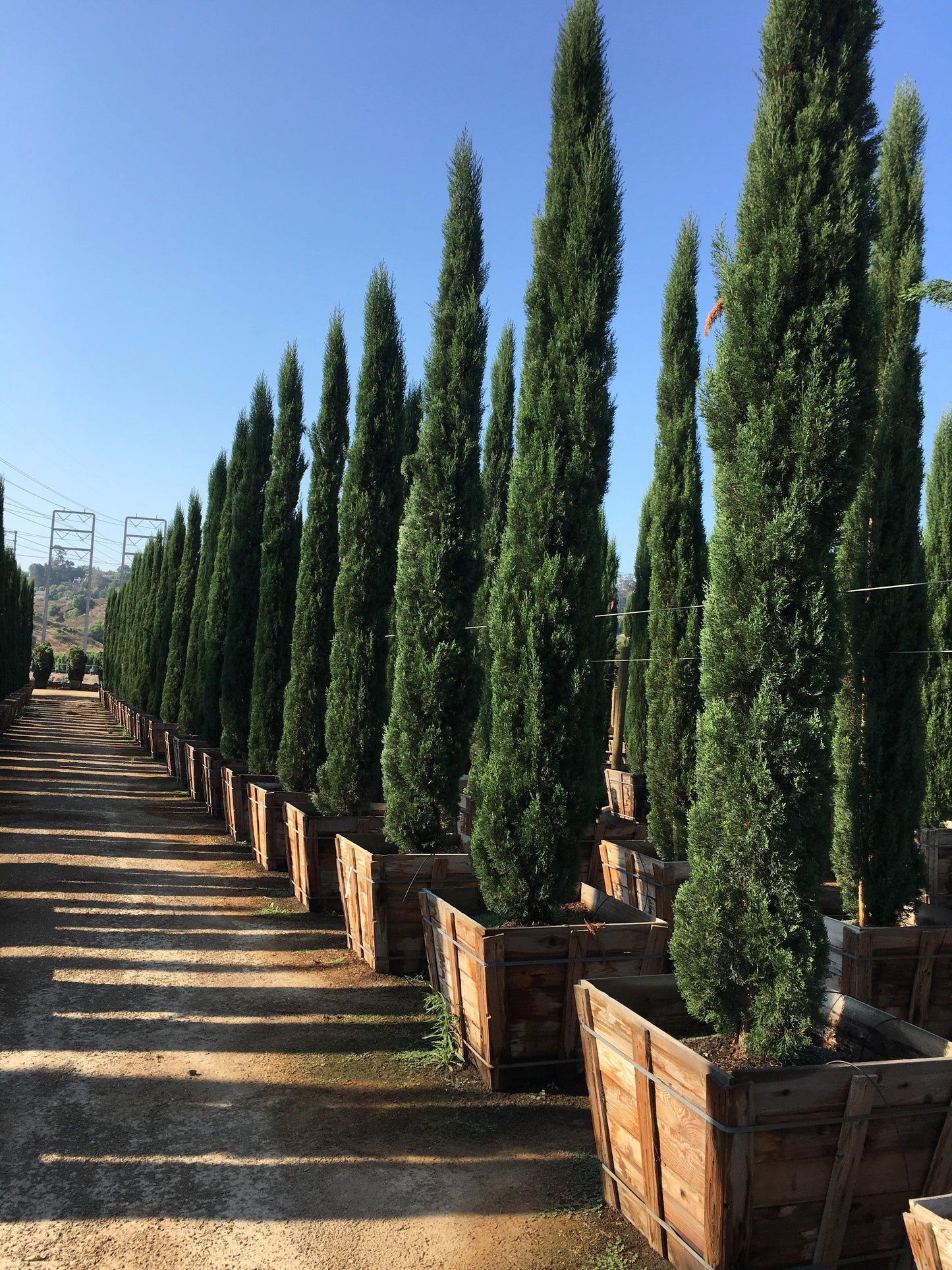
The foliage of Stachys byzantina is known for its ability to reduce water loss due to its woolly surface, making it well-suited for dry gardens and sunny borders. This plant is also well-suited for xeriscaping, making it a popular choice for low-water gardens due to its drought resistance alongside evergreen privacy shrubs like John Edwards Italian Buckthorn.
Plant Details
-
Botanical Name: Stachys byzantina
-
Common Names: Lamb’s ear, woolly lamb’s ear, woolly hedgenettle; historically associated with stachys lanata
-
Plant Family: Mint family, family Lamiaceae
-
Mature Size: Typically 6-8 inches tall, spreading 12-18 inches wide as a low mound
-
Hardiness Zones: Lamb’s ear is well-suited for USDA Zones 4 through 8
-
Light Requirements: Full sun is best for silver foliage; light shade or partial shade is tolerated, especially in hot climates
-
Soil Needs: Well drained, average to poor soil; performs well in lean soils and dry soil with dry to medium moisture
-
Water Needs: Deep, infrequent watering after establishment; avoid overwatering and avoid overhead watering
-
Bloom Time: Late spring to early summer
-
Flowers: Lamb’s ear flowers are light purple or pink spikes that appear on 12-to-18-inch stalks during late spring to early summer; the bloom may appear as purplish pink flowers, small pink flowers, or soft pink terminal spikes
-
Flower Habit: Flowering stems and flower spikes rise above the basal leaves, often with few reduced leaves on the stems
-
Spread Rate: Moderate and manageable with edging; lamb’s ear spreads quickly via rooting stems to form a dense mat that suppresses weeds
-
Maintenance: Remove damaged leaves, dead foliage in spring, and spent flower stalks; many gardeners remove flowering stems to keep the focus on silvery foliage
-
Best Uses: Ground cover, edging plant, sunny border, rock garden, sensory garden, children’s gardens, xeriscaping, cottage gardens, and Mediterranean-style planting, where it can soften the base of structured hedges like English Laurel
The leaf shape is broad and soft with a rounded point, and the basal leaves are thickly covered with long, white, silky hairs that can look like silky fleece or even a cotton boll up close. The leaves of Stachys byzantina can grow up to a foot long in some cultivars, such as ‘Big Ears’, and are thickly covered with long, white, silky hairs, contributing to their characteristic texture.
Notable cultivars include Stachys byzantina ‘Big Ears’, which features significantly larger leaves growing up to a foot long and is synonymous with ‘Countess Helen von Stein’. Stachys byzantina ‘Helen Von Stein’ is known for its large leaves, which provide a lush appearance, especially in early spring when the leaves are greener before the silver hairs mature. Stachys byzantina ‘Silver Carpet’ is a lower-growing cultivar prized for its ground cover qualities and rarely blooms, making it a tidy option for smaller gardens or a soft foreground to airy hedging shrubs like Pittosporum Silver Sheen.
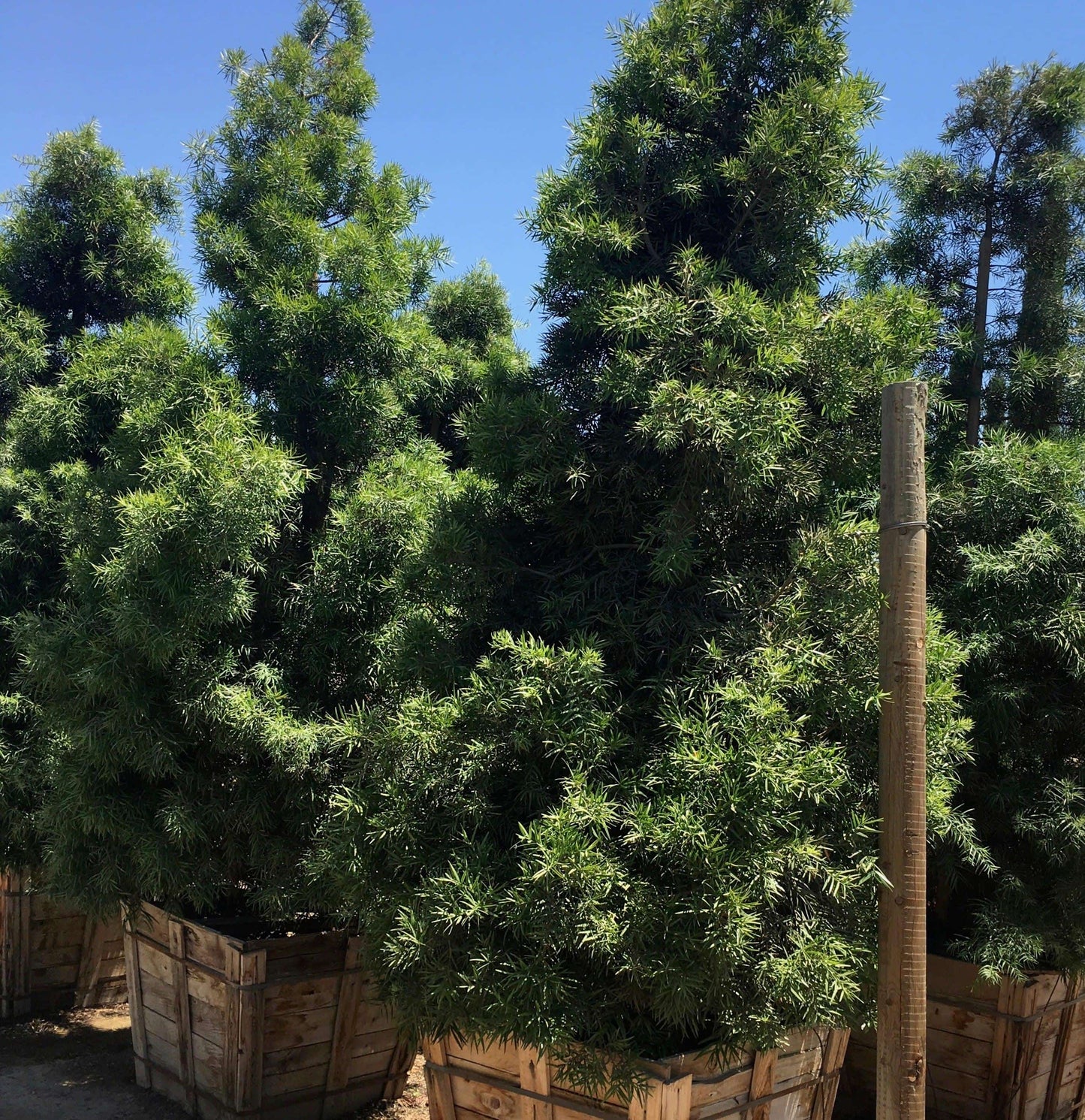
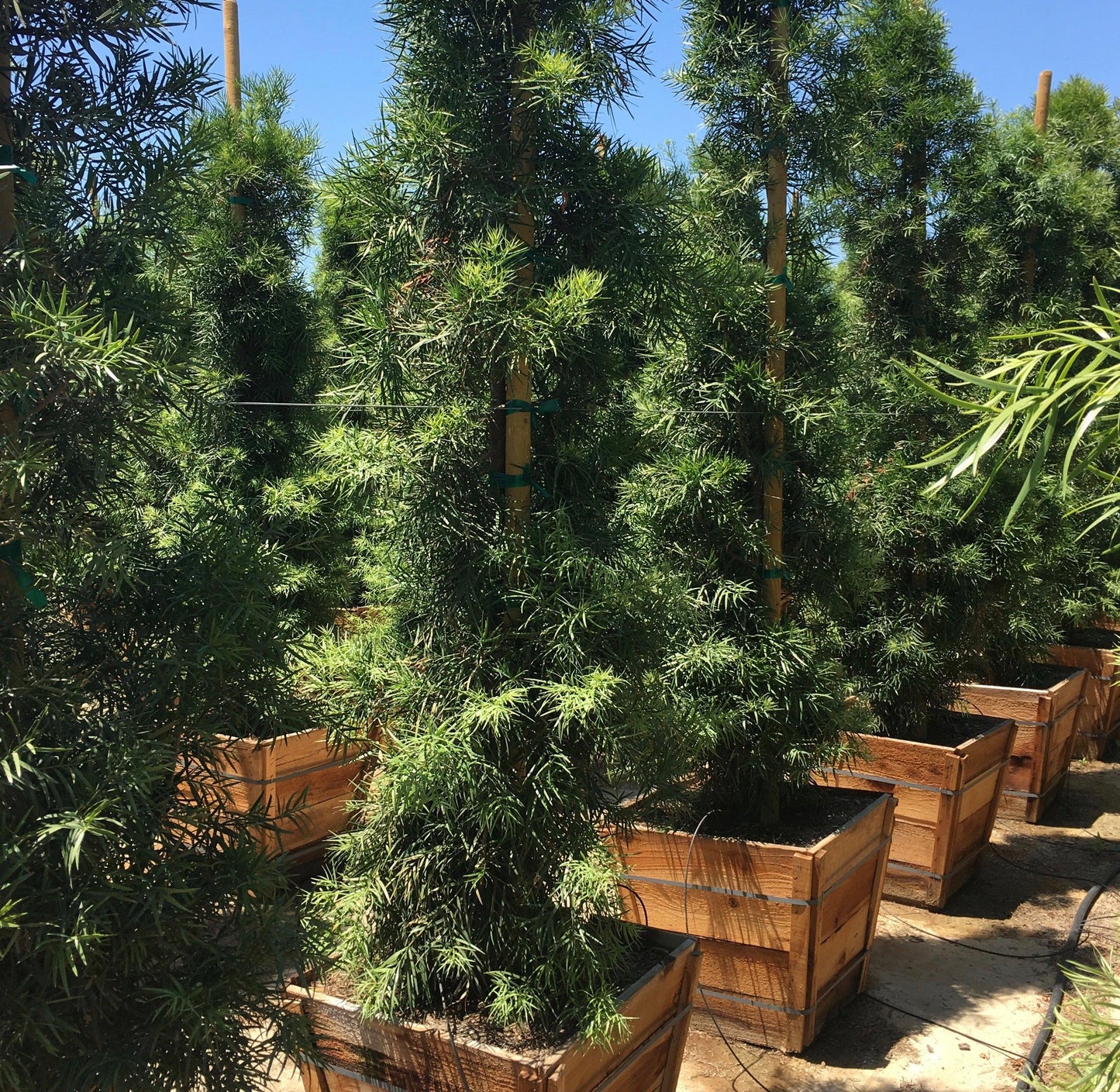
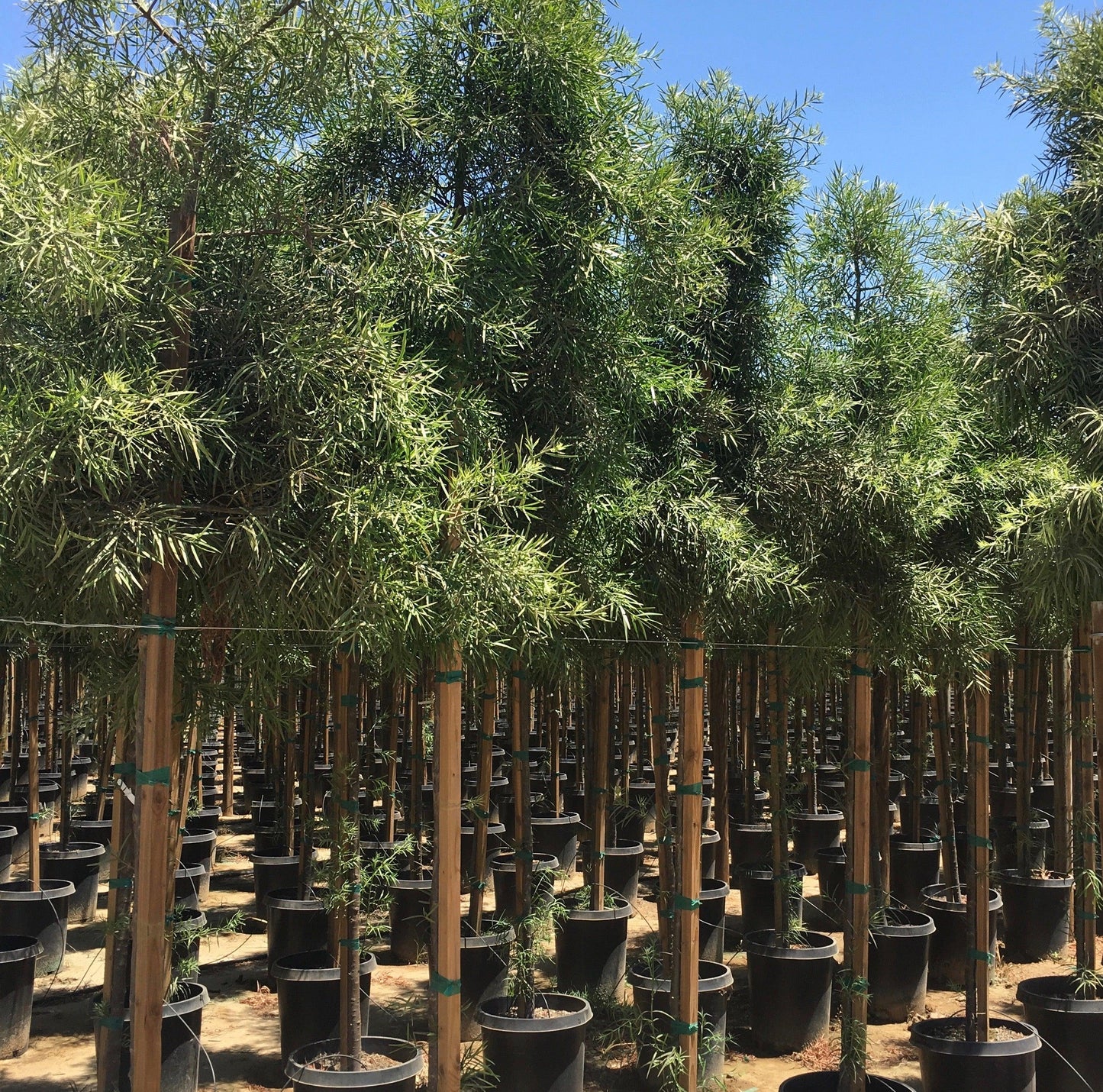
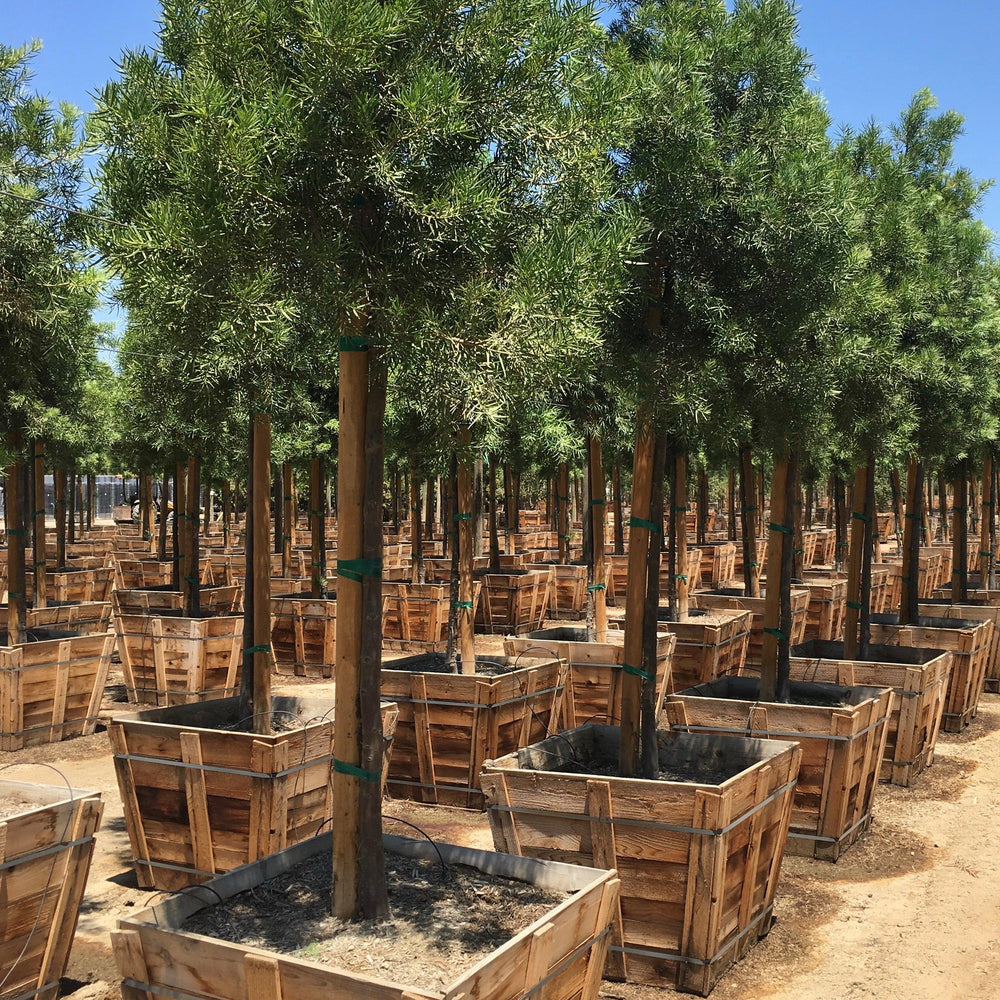
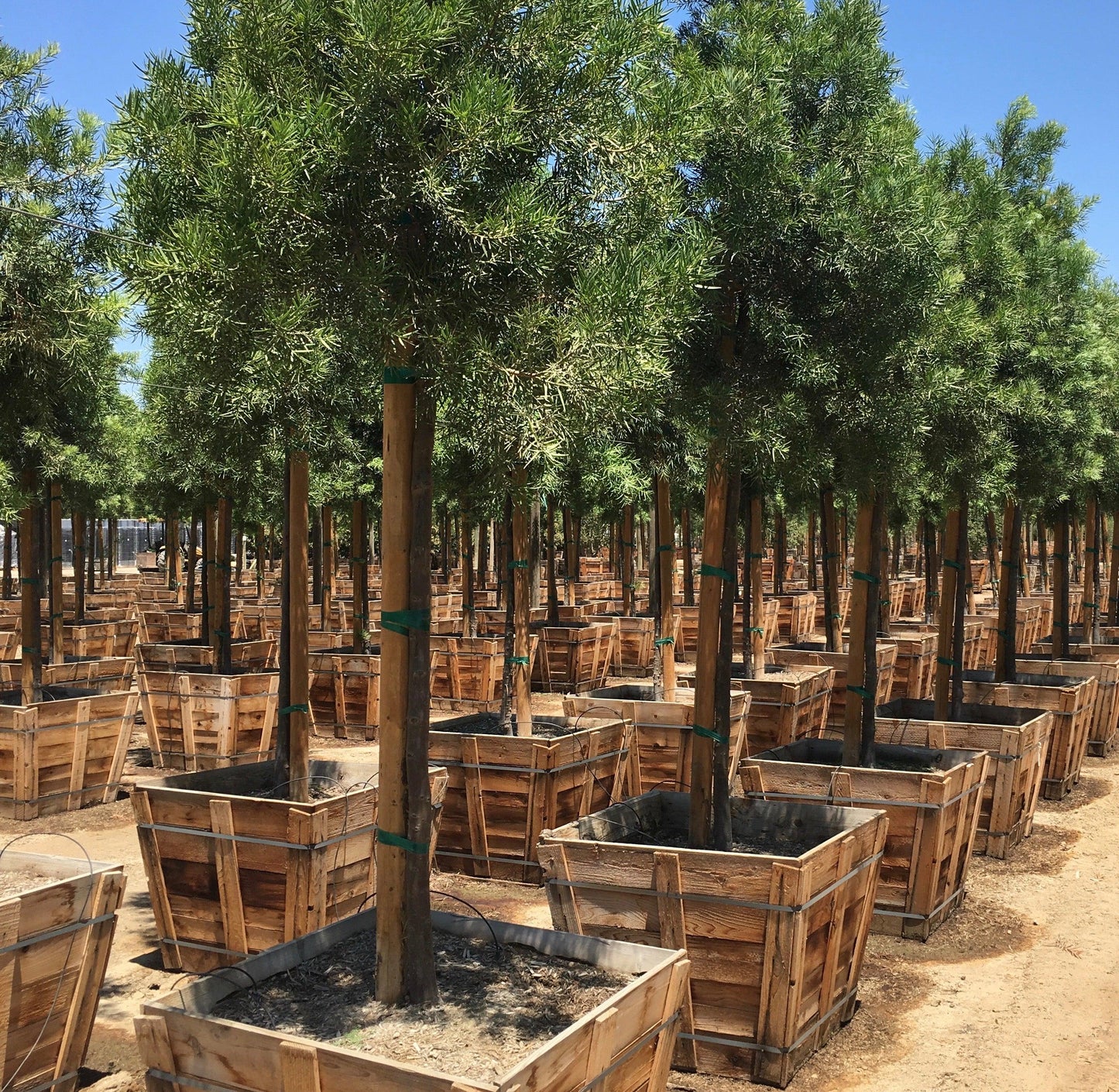
Lamb’s ear has historical medicinal uses, including anti-inflammatory and antibacterial properties, though it is primarily grown today as an ornamental plant for texture, color, and low-water performance, often combined with taller evergreen structure plants such as the Fern Pine tree (Podocarpus gracilior).
Who It’s For
Ideal for:
-
Gardeners in drought-prone areas who want a beautiful, low-water ground cover
-
Homeowners dealing with deer and rabbit damage
-
Anyone who wants a low-maintenance edging plant for pathways, borders, and sunny beds
-
Rock garden and Mediterranean garden enthusiasts who plant in full sun and well drained soils
-
Families creating children’s gardens or a sensory garden with soft, touchable leaves
-
Designers pairing silvery foliage with lavender, ornamental grasses, purple flowers, or dark-leaved plants and using evergreen hedges like the Fern Pine hedge (Podocarpus gracilior) for year-round structure
Stachys byzantina, commonly known as Lamb’s Ear, is often used as a ground cover due to its low-growing, spreading habit and soft, velvety leaves that create a visually appealing texture in gardens. This plant is also popular as an edging plant, where its silvery foliage can soften the edges of pathways and borders, enhancing the overall garden design.
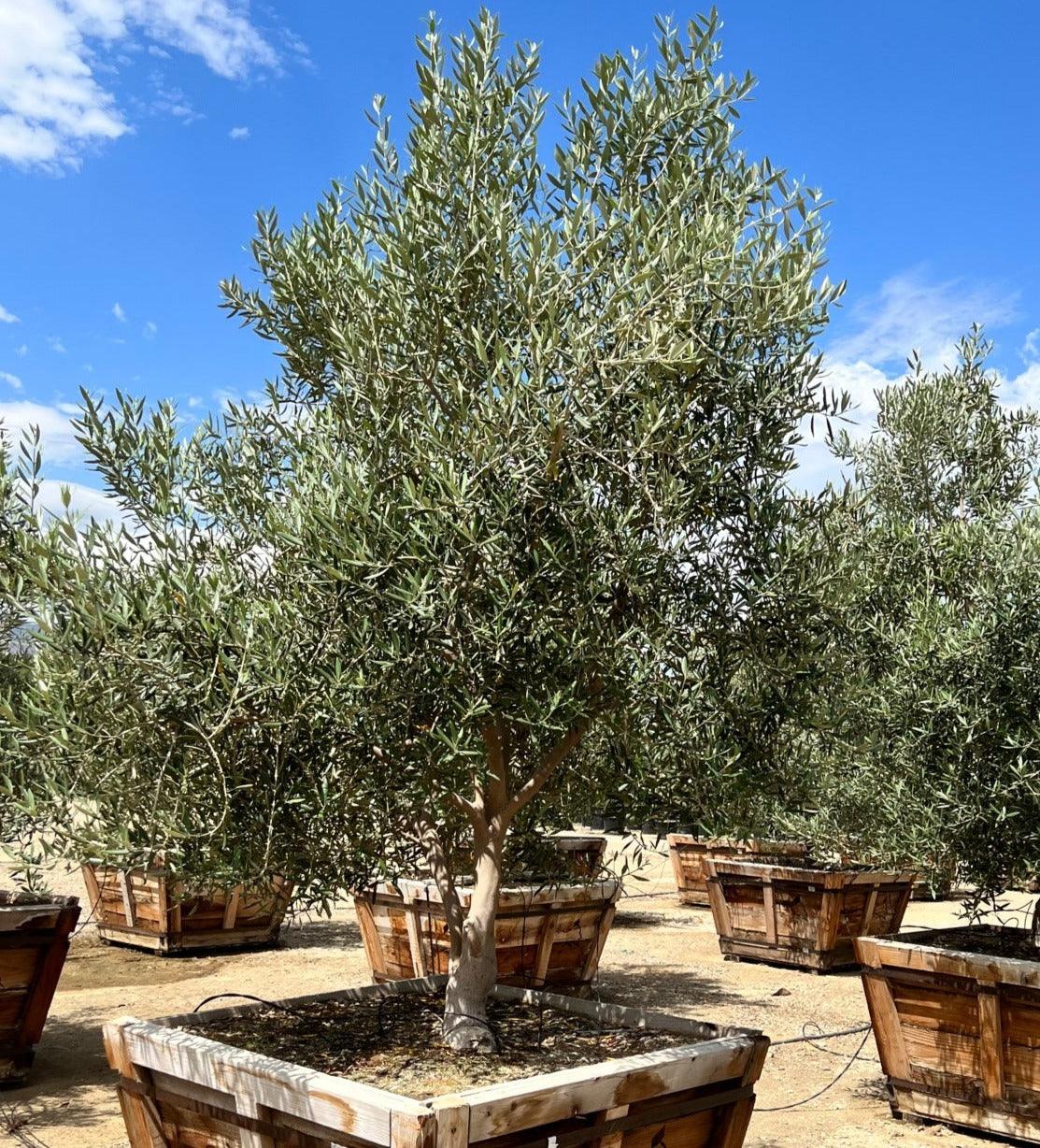
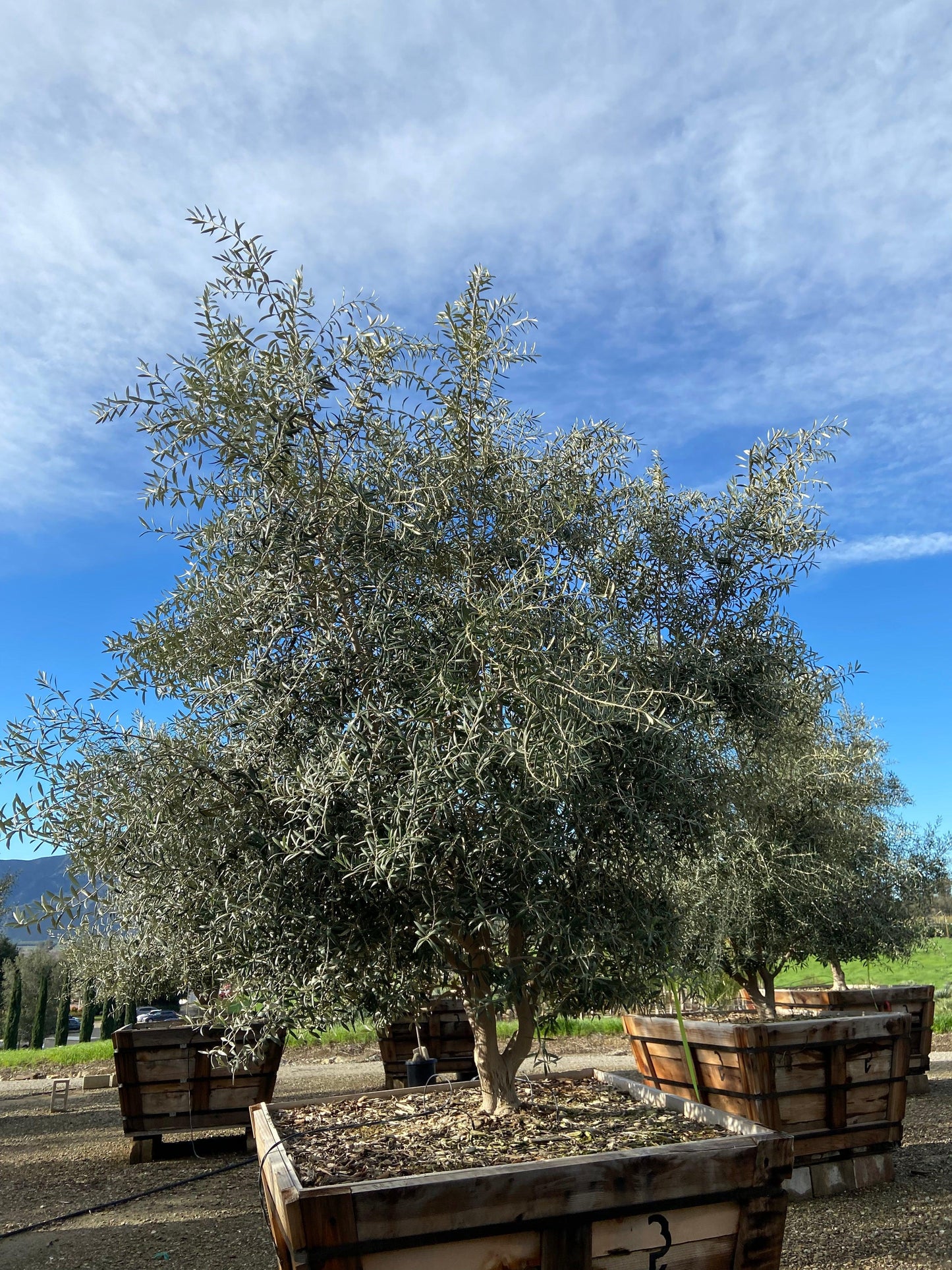
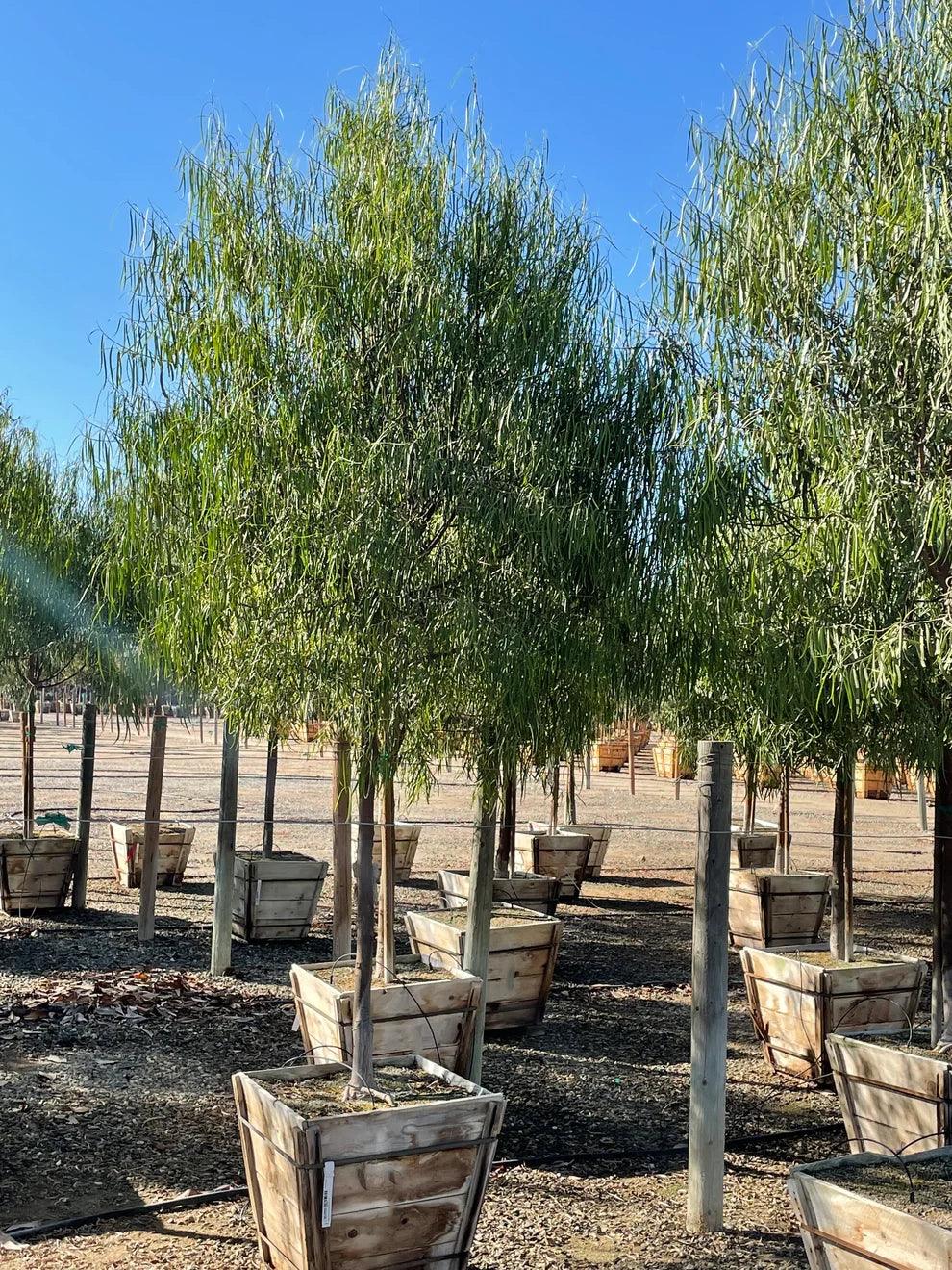
Lamb’s Ear is particularly well-suited for sensory gardens, as its soft leaves provide a tactile experience that is enjoyable for children and adults alike. In addition to its aesthetic uses, Stachys byzantina is drought-tolerant once established, making it a practical choice for low-water landscapes and xeriscaping, especially when paired with climate-adapted trees such as Engelmann oak (Quercus engelmannii).
Frequently Asked Questions
How much sun does Lamb’s Ear need?
Lamb’s ear grows best in full sun, where the silver foliage develops its strongest color. It can handle partial shade or light shade, but too much shade may lead to greener foliage, weaker growth, and higher risk of fungal issues.
Is it really deer resistant?
Yes. The thick, fuzzy texture of lamb’s ear leaves naturally repels deer and rabbits, so it is a reliable deer resistant and rabbit resistant choice for exposed borders.
How do I prevent it from spreading too much?
Lamb’s ear spreads by rooting stems and can form a dense mat, but it is easy to manage. Trim edges, lift unwanted stems, and divide clumps in spring when needed.
Should I remove the flowers?
Many gardeners remove lamb’s ear flowers to keep the focus on the silvery leaves. The flower spikes produce purplish pink flowers in late spring and early summer, but cutting spent flower stalks keeps the planting tidier.
What are the best companion plants?
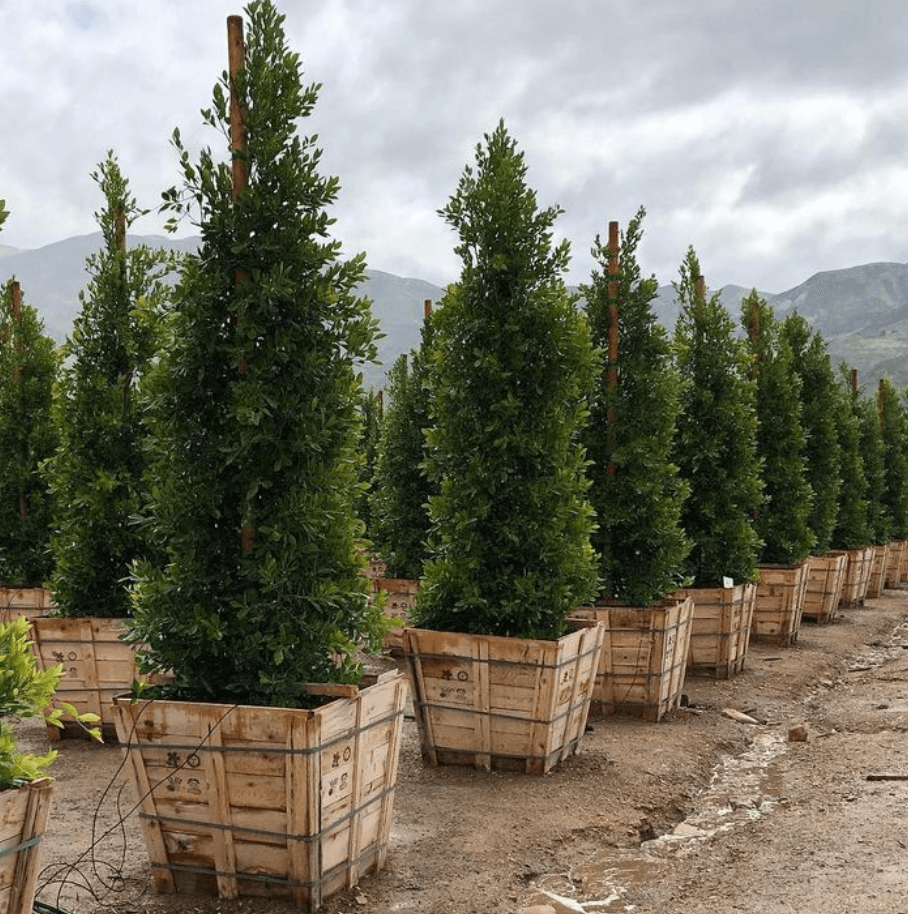
Pair lamb’s ear with lavender, Russian sage, ornamental grasses, purple flowers, and drought tolerant plants that enjoy sun, lean soils, and well drained conditions, or use it to soften the base of evergreen screens like Glossy Privet (Ligustrum lucidum).
Does Lamb’s Ear need fertilizer?
No. To maintain the health of Stachys byzantina, avoid fertilizing, as it prefers lean soils. Rich soil can encourage soft growth that is more prone to decline.
Can it handle wet climates?
It performs best in dry to medium moisture and well drained soil. In high humidity or wet conditions, water at ground level, improve airflow, and remove damaged leaves to reduce fungal risk.
Ready to Transform Your Garden?
Choose Stachys byzantina for a soft silver carpet that brings texture, drought tolerance, deer resistance, and season-long garden interest. Plant lamb’s ear in full sun, give it well drained soil, water deeply but infrequently once established, and let its silvery green foliage do the work. With the right placement, this lamb’s ear plant becomes a dependable ground cover, edging plant, and sensory favorite that makes dry gardens easier and more beautiful.
Soft Silver Foliage That Thrives in Drought While Creating Stunning Garden Texture
Stachys byzantina, commonly known as lamb’s ear, gives sunny gardens a soft silver carpet of texture without demanding constant watering, heavy feeding, or daily attention. Its fuzzy leaves create strong color contrast, soften borders, and help solve common garden problems like deer damage, rabbit browsing, and high-maintenance ground cover.
This drought tolerant lamb’s ear plant is especially useful where you want silvery foliage, reliable spread, and a touchable soft texture. Plant it in full sun, well drained soils, or a rock garden, and it forms a low mound of silvery green foliage that looks polished through much of the growing season.
Why You’ll Love It
-
Drought Tolerance – Once established, Lamb’s Ear is drought-tolerant and performs best with deep, infrequent watering, as overwatering can lead to problems such as rot.
-
Deer and Rabbit Resistant – The thick, fuzzy texture of lamb’s ear leaves naturally repels deer and rabbits, making it both deer resistant and rabbit resistant without sprays.
-
Year-Round Silver Color – Stachys byzantina features soft, velvety leaves covered in fine hairs, giving them a distinctive silver-gray appearance that brightens borders and cottage gardens.
-
Low Maintenance – Lamb’s ear requires minimal maintenance, including regular grooming to remove dead foliage and spent flower stalks; to maintain the health of Stachys byzantina, remove dead foliage in spring and avoid fertilizing, as it prefers lean soils.
-
Versatile Use – Use woolly lamb’s ear as a ground cover, edging plant, sensory garden feature, rock garden accent, or companion for ornamental grasses and purple flowers.
Stachys byzantina is well-suited for USDA Zones 4 through 8 and thrives in poor, sharply drained soil with dry to medium moisture levels. For best results, water exclusively at ground level and avoid overhead watering to help prevent fungal diseases.
What Makes It Different
Most ground covers either need regular moisture, disappear visually into the background, or become targets for deer, rabbits, slugs, and other garden frustrations. Lamb’s ear delivers silver foliage, soft texture, and practical resilience in one low-growing plant.
-
Unique Woolly Texture – The leaves are densely covered with silky lanate hairs, creating the soft, touchable feel that makes lamb’s ear popular in children’s gardens and sensory gardens.
-
True Drought Tolerance – Once established, Stachys byzantina is notably drought-tolerant, thriving in dry conditions with minimal watering; Stachys byzantina performs best with deep, infrequent watering in well-drained soil, as overwatering can lead to decline.
-
Natural Pest Resistance – The same fuzzy leaves that create its soft texture also help deter browsing animals, giving this ground cover built-in protection that hostas and many green leaves lack.
Compared with hostas, lamb’s ear prefers sun and dry soil rather than shade and steady moisture. Compared with pachysandra, it offers stronger silvery leaves and better performance in sunny, low-water spaces and can even complement fragrant flowering vines like Star Jasmine (Trachelospermum jasminoides) in mixed borders. Stachys byzantina, once known by names such as stachys lanata and woolly hedgenettle, belongs to the mint family, family Lamiaceae, and its genus name refers to the spike-like form of its flowers.
How To Grow Stachys byzantina Successfully
-
Step 1 - Choose the Right Spot
Stachys byzantina, commonly known as Lamb’s Ear, thrives best in full sun and well-drained soil, making it ideal for sunny borders and rock gardens. It also tolerates light shade or partial shade, but too much shade can reduce silver color and increase moisture problems. -
Step 2 - Establish and Water
Water regularly during the first season to help roots settle, then shift to deep, infrequent watering. Watering should be done exclusively at ground level, avoiding overhead watering to prevent fungal diseases, and you should avoid overwatering because wet crowns and high humidity can cause rot. -
Step 3 - Enjoy the Results
Lamb’s ear spreads quickly via rooting stems, forming a dense mat that suppresses weeds. Over time, the plant develops into a silvery carpet of foliage, with lamb’s ear flowers appearing as light purple or pink flowers on flower stalks during late spring to early summer, pairing beautifully with upright ornamental grasses such as Karl Foerster Feather Reed Grass.
The foliage of Stachys byzantina is known for its ability to reduce water loss due to its woolly surface, making it well-suited for dry gardens and sunny borders. This plant is also well-suited for xeriscaping, making it a popular choice for low-water gardens due to its drought resistance alongside evergreen privacy shrubs like John Edwards Italian Buckthorn.
Plant Details
-
Botanical Name: Stachys byzantina
-
Common Names: Lamb’s ear, woolly lamb’s ear, woolly hedgenettle; historically associated with stachys lanata
-
Plant Family: Mint family, family Lamiaceae
-
Mature Size: Typically 6-8 inches tall, spreading 12-18 inches wide as a low mound
-
Hardiness Zones: Lamb’s ear is well-suited for USDA Zones 4 through 8
-
Light Requirements: Full sun is best for silver foliage; light shade or partial shade is tolerated, especially in hot climates
-
Soil Needs: Well drained, average to poor soil; performs well in lean soils and dry soil with dry to medium moisture
-
Water Needs: Deep, infrequent watering after establishment; avoid overwatering and avoid overhead watering
-
Bloom Time: Late spring to early summer
-
Flowers: Lamb’s ear flowers are light purple or pink spikes that appear on 12-to-18-inch stalks during late spring to early summer; the bloom may appear as purplish pink flowers, small pink flowers, or soft pink terminal spikes
-
Flower Habit: Flowering stems and flower spikes rise above the basal leaves, often with few reduced leaves on the stems
-
Spread Rate: Moderate and manageable with edging; lamb’s ear spreads quickly via rooting stems to form a dense mat that suppresses weeds
-
Maintenance: Remove damaged leaves, dead foliage in spring, and spent flower stalks; many gardeners remove flowering stems to keep the focus on silvery foliage
-
Best Uses: Ground cover, edging plant, sunny border, rock garden, sensory garden, children’s gardens, xeriscaping, cottage gardens, and Mediterranean-style planting, where it can soften the base of structured hedges like English Laurel
The leaf shape is broad and soft with a rounded point, and the basal leaves are thickly covered with long, white, silky hairs that can look like silky fleece or even a cotton boll up close. The leaves of Stachys byzantina can grow up to a foot long in some cultivars, such as ‘Big Ears’, and are thickly covered with long, white, silky hairs, contributing to their characteristic texture.
Notable cultivars include Stachys byzantina ‘Big Ears’, which features significantly larger leaves growing up to a foot long and is synonymous with ‘Countess Helen von Stein’. Stachys byzantina ‘Helen Von Stein’ is known for its large leaves, which provide a lush appearance, especially in early spring when the leaves are greener before the silver hairs mature. Stachys byzantina ‘Silver Carpet’ is a lower-growing cultivar prized for its ground cover qualities and rarely blooms, making it a tidy option for smaller gardens or a soft foreground to airy hedging shrubs like Pittosporum Silver Sheen.
Lamb’s ear has historical medicinal uses, including anti-inflammatory and antibacterial properties, though it is primarily grown today as an ornamental plant for texture, color, and low-water performance, often combined with taller evergreen structure plants such as the Fern Pine tree (Podocarpus gracilior).
Who It’s For
Ideal for:
-
Gardeners in drought-prone areas who want a beautiful, low-water ground cover
-
Homeowners dealing with deer and rabbit damage
-
Anyone who wants a low-maintenance edging plant for pathways, borders, and sunny beds
-
Rock garden and Mediterranean garden enthusiasts who plant in full sun and well drained soils
-
Families creating children’s gardens or a sensory garden with soft, touchable leaves
-
Designers pairing silvery foliage with lavender, ornamental grasses, purple flowers, or dark-leaved plants and using evergreen hedges like the Fern Pine hedge (Podocarpus gracilior) for year-round structure
Stachys byzantina, commonly known as Lamb’s Ear, is often used as a ground cover due to its low-growing, spreading habit and soft, velvety leaves that create a visually appealing texture in gardens. This plant is also popular as an edging plant, where its silvery foliage can soften the edges of pathways and borders, enhancing the overall garden design.
Lamb’s Ear is particularly well-suited for sensory gardens, as its soft leaves provide a tactile experience that is enjoyable for children and adults alike. In addition to its aesthetic uses, Stachys byzantina is drought-tolerant once established, making it a practical choice for low-water landscapes and xeriscaping, especially when paired with climate-adapted trees such as Engelmann oak (Quercus engelmannii).
Frequently Asked Questions
How much sun does Lamb’s Ear need?
Lamb’s ear grows best in full sun, where the silver foliage develops its strongest color. It can handle partial shade or light shade, but too much shade may lead to greener foliage, weaker growth, and higher risk of fungal issues.
Is it really deer resistant?
Yes. The thick, fuzzy texture of lamb’s ear leaves naturally repels deer and rabbits, so it is a reliable deer resistant and rabbit resistant choice for exposed borders.
How do I prevent it from spreading too much?
Lamb’s ear spreads by rooting stems and can form a dense mat, but it is easy to manage. Trim edges, lift unwanted stems, and divide clumps in spring when needed.
Should I remove the flowers?
Many gardeners remove lamb’s ear flowers to keep the focus on the silvery leaves. The flower spikes produce purplish pink flowers in late spring and early summer, but cutting spent flower stalks keeps the planting tidier.
What are the best companion plants?
Pair lamb’s ear with lavender, Russian sage, ornamental grasses, purple flowers, and drought tolerant plants that enjoy sun, lean soils, and well drained conditions, or use it to soften the base of evergreen screens like Glossy Privet (Ligustrum lucidum).
Does Lamb’s Ear need fertilizer?
No. To maintain the health of Stachys byzantina, avoid fertilizing, as it prefers lean soils. Rich soil can encourage soft growth that is more prone to decline.
Can it handle wet climates?
It performs best in dry to medium moisture and well drained soil. In high humidity or wet conditions, water at ground level, improve airflow, and remove damaged leaves to reduce fungal risk.
Ready to Transform Your Garden?
Choose Stachys byzantina for a soft silver carpet that brings texture, drought tolerance, deer resistance, and season-long garden interest. Plant lamb’s ear in full sun, give it well drained soil, water deeply but infrequently once established, and let its silvery green foliage do the work. With the right placement, this lamb’s ear plant becomes a dependable ground cover, edging plant, and sensory favorite that makes dry gardens easier and more beautiful.
Plants vary greatly by type and no guarantees are made on sizing.
However here is a rough idea of sizes based on containers that are direct from our growing grounds.
15 Gallon Shrub 3-4 Ft. Tall
15 Gallon Tree 5-6 Ft. Tall
24" Box Shrub 5-6 Ft. Tall
24" Box Tree 6-7 Ft. Tall
36" Box Tree 8-10 Ft. Tall
48" Box Tree 10-12 Ft. Tall
Please note: Citrus and California Native plants such as Manzanita are smaller than traditional sizing.
Please contact us to confirm sizing of items before purchasing if this is a concern.
Plants vary greatly by type and no guarantees are made on sizing.
However here is a rough idea of sizes based on containers that are direct from our growing grounds.
15 Gallon Shrub 3-4 Ft. Tall
15 Gallon Tree 5-6 Ft. Tall
24" Box Shrub 5-6 Ft. Tall
24" Box Tree 6-7 Ft. Tall
36" Box Tree 8-10 Ft. Tall
48" Box Tree 10-12 Ft. Tall
Please note: Citrus and California Native plants such as Manzanita are smaller than traditional sizing.
Please contact us to confirm sizing of items before purchasing if this is a concern.
Delivery does not include unloading of trees and plants larger than a 24" box.
Trees and plants in smaller containers will be dropped curbside.
Delivery beyond a curbside drop will be charged extra.
Trees and plants that are sold in container sizes larger than a 24" box size will require equipment and an operator onsite to help unload from the truck.
Please reach out to our team PRIOR to placing your order to coordinate.
Our team can provide unloading assistance with equipment for an extra fee.
Delivery does not include unloading of trees and plants larger than a 24" box.
Trees and plants in smaller containers will be dropped curbside.
Delivery beyond a curbside drop will be charged extra.
Trees and plants that are sold in container sizes larger than a 24" box size will require equipment and an operator onsite to help unload from the truck.
Please reach out to our team PRIOR to placing your order to coordinate.
Our team can provide unloading assistance with equipment for an extra fee.
You may also like...


Stachys byzantina (Lamb's Ear)
Regular price
$25.00
Size
Soft Silver Foliage That Thrives in Drought While Creating Stunning Garden Texture
Stachys byzantina, commonly known as lamb’s ear, gives sunny gardens a soft silver carpet of texture without demanding constant watering, heavy feeding, or daily attention. Its fuzzy leaves create strong color contrast, soften borders, and help solve common garden problems like deer damage, rabbit browsing, and high-maintenance ground cover.
This drought tolerant lamb’s ear plant is especially useful where you want silvery foliage, reliable spread, and a touchable soft texture. Plant it in full sun, well drained soils, or a rock garden, and it forms a low mound of silvery green foliage that looks polished through much of the growing season.
Why You’ll Love It
-
Drought Tolerance – Once established, Lamb’s Ear is drought-tolerant and performs best with deep, infrequent watering, as overwatering can lead to problems such as rot.
-
Deer and Rabbit Resistant – The thick, fuzzy texture of lamb’s ear leaves naturally repels deer and rabbits, making it both deer resistant and rabbit resistant without sprays.
-
Year-Round Silver Color – Stachys byzantina features soft, velvety leaves covered in fine hairs, giving them a distinctive silver-gray appearance that brightens borders and cottage gardens.
-
Low Maintenance – Lamb’s ear requires minimal maintenance, including regular grooming to remove dead foliage and spent flower stalks; to maintain the health of Stachys byzantina, remove dead foliage in spring and avoid fertilizing, as it prefers lean soils.
-
Versatile Use – Use woolly lamb’s ear as a ground cover, edging plant, sensory garden feature, rock garden accent, or companion for ornamental grasses and purple flowers.
Stachys byzantina is well-suited for USDA Zones 4 through 8 and thrives in poor, sharply drained soil with dry to medium moisture levels. For best results, water exclusively at ground level and avoid overhead watering to help prevent fungal diseases.
What Makes It Different
Most ground covers either need regular moisture, disappear visually into the background, or become targets for deer, rabbits, slugs, and other garden frustrations. Lamb’s ear delivers silver foliage, soft texture, and practical resilience in one low-growing plant.
-
Unique Woolly Texture – The leaves are densely covered with silky lanate hairs, creating the soft, touchable feel that makes lamb’s ear popular in children’s gardens and sensory gardens.
-
True Drought Tolerance – Once established, Stachys byzantina is notably drought-tolerant, thriving in dry conditions with minimal watering; Stachys byzantina performs best with deep, infrequent watering in well-drained soil, as overwatering can lead to decline.
-
Natural Pest Resistance – The same fuzzy leaves that create its soft texture also help deter browsing animals, giving this ground cover built-in protection that hostas and many green leaves lack.
Compared with hostas, lamb’s ear prefers sun and dry soil rather than shade and steady moisture. Compared with pachysandra, it offers stronger silvery leaves and better performance in sunny, low-water spaces and can even complement fragrant flowering vines like Star Jasmine (Trachelospermum jasminoides) in mixed borders. Stachys byzantina, once known by names such as stachys lanata and woolly hedgenettle, belongs to the mint family, family Lamiaceae, and its genus name refers to the spike-like form of its flowers.
How To Grow Stachys byzantina Successfully
-
Step 1 - Choose the Right Spot
Stachys byzantina, commonly known as Lamb’s Ear, thrives best in full sun and well-drained soil, making it ideal for sunny borders and rock gardens. It also tolerates light shade or partial shade, but too much shade can reduce silver color and increase moisture problems. -
Step 2 - Establish and Water
Water regularly during the first season to help roots settle, then shift to deep, infrequent watering. Watering should be done exclusively at ground level, avoiding overhead watering to prevent fungal diseases, and you should avoid overwatering because wet crowns and high humidity can cause rot. -
Step 3 - Enjoy the Results
Lamb’s ear spreads quickly via rooting stems, forming a dense mat that suppresses weeds. Over time, the plant develops into a silvery carpet of foliage, with lamb’s ear flowers appearing as light purple or pink flowers on flower stalks during late spring to early summer, pairing beautifully with upright ornamental grasses such as Karl Foerster Feather Reed Grass.
The foliage of Stachys byzantina is known for its ability to reduce water loss due to its woolly surface, making it well-suited for dry gardens and sunny borders. This plant is also well-suited for xeriscaping, making it a popular choice for low-water gardens due to its drought resistance alongside evergreen privacy shrubs like John Edwards Italian Buckthorn.
Plant Details
-
Botanical Name: Stachys byzantina
-
Common Names: Lamb’s ear, woolly lamb’s ear, woolly hedgenettle; historically associated with stachys lanata
-
Plant Family: Mint family, family Lamiaceae
-
Mature Size: Typically 6-8 inches tall, spreading 12-18 inches wide as a low mound
-
Hardiness Zones: Lamb’s ear is well-suited for USDA Zones 4 through 8
-
Light Requirements: Full sun is best for silver foliage; light shade or partial shade is tolerated, especially in hot climates
-
Soil Needs: Well drained, average to poor soil; performs well in lean soils and dry soil with dry to medium moisture
-
Water Needs: Deep, infrequent watering after establishment; avoid overwatering and avoid overhead watering
-
Bloom Time: Late spring to early summer
-
Flowers: Lamb’s ear flowers are light purple or pink spikes that appear on 12-to-18-inch stalks during late spring to early summer; the bloom may appear as purplish pink flowers, small pink flowers, or soft pink terminal spikes
-
Flower Habit: Flowering stems and flower spikes rise above the basal leaves, often with few reduced leaves on the stems
-
Spread Rate: Moderate and manageable with edging; lamb’s ear spreads quickly via rooting stems to form a dense mat that suppresses weeds
-
Maintenance: Remove damaged leaves, dead foliage in spring, and spent flower stalks; many gardeners remove flowering stems to keep the focus on silvery foliage
-
Best Uses: Ground cover, edging plant, sunny border, rock garden, sensory garden, children’s gardens, xeriscaping, cottage gardens, and Mediterranean-style planting, where it can soften the base of structured hedges like English Laurel
The leaf shape is broad and soft with a rounded point, and the basal leaves are thickly covered with long, white, silky hairs that can look like silky fleece or even a cotton boll up close. The leaves of Stachys byzantina can grow up to a foot long in some cultivars, such as ‘Big Ears’, and are thickly covered with long, white, silky hairs, contributing to their characteristic texture.
Notable cultivars include Stachys byzantina ‘Big Ears’, which features significantly larger leaves growing up to a foot long and is synonymous with ‘Countess Helen von Stein’. Stachys byzantina ‘Helen Von Stein’ is known for its large leaves, which provide a lush appearance, especially in early spring when the leaves are greener before the silver hairs mature. Stachys byzantina ‘Silver Carpet’ is a lower-growing cultivar prized for its ground cover qualities and rarely blooms, making it a tidy option for smaller gardens or a soft foreground to airy hedging shrubs like Pittosporum Silver Sheen.
Lamb’s ear has historical medicinal uses, including anti-inflammatory and antibacterial properties, though it is primarily grown today as an ornamental plant for texture, color, and low-water performance, often combined with taller evergreen structure plants such as the Fern Pine tree (Podocarpus gracilior).
Who It’s For
Ideal for:
-
Gardeners in drought-prone areas who want a beautiful, low-water ground cover
-
Homeowners dealing with deer and rabbit damage
-
Anyone who wants a low-maintenance edging plant for pathways, borders, and sunny beds
-
Rock garden and Mediterranean garden enthusiasts who plant in full sun and well drained soils
-
Families creating children’s gardens or a sensory garden with soft, touchable leaves
-
Designers pairing silvery foliage with lavender, ornamental grasses, purple flowers, or dark-leaved plants and using evergreen hedges like the Fern Pine hedge (Podocarpus gracilior) for year-round structure
Stachys byzantina, commonly known as Lamb’s Ear, is often used as a ground cover due to its low-growing, spreading habit and soft, velvety leaves that create a visually appealing texture in gardens. This plant is also popular as an edging plant, where its silvery foliage can soften the edges of pathways and borders, enhancing the overall garden design.
Lamb’s Ear is particularly well-suited for sensory gardens, as its soft leaves provide a tactile experience that is enjoyable for children and adults alike. In addition to its aesthetic uses, Stachys byzantina is drought-tolerant once established, making it a practical choice for low-water landscapes and xeriscaping, especially when paired with climate-adapted trees such as Engelmann oak (Quercus engelmannii).
Frequently Asked Questions
How much sun does Lamb’s Ear need?
Lamb’s ear grows best in full sun, where the silver foliage develops its strongest color. It can handle partial shade or light shade, but too much shade may lead to greener foliage, weaker growth, and higher risk of fungal issues.
Is it really deer resistant?
Yes. The thick, fuzzy texture of lamb’s ear leaves naturally repels deer and rabbits, so it is a reliable deer resistant and rabbit resistant choice for exposed borders.
How do I prevent it from spreading too much?
Lamb’s ear spreads by rooting stems and can form a dense mat, but it is easy to manage. Trim edges, lift unwanted stems, and divide clumps in spring when needed.
Should I remove the flowers?
Many gardeners remove lamb’s ear flowers to keep the focus on the silvery leaves. The flower spikes produce purplish pink flowers in late spring and early summer, but cutting spent flower stalks keeps the planting tidier.
What are the best companion plants?
Pair lamb’s ear with lavender, Russian sage, ornamental grasses, purple flowers, and drought tolerant plants that enjoy sun, lean soils, and well drained conditions, or use it to soften the base of evergreen screens like Glossy Privet (Ligustrum lucidum).
Does Lamb’s Ear need fertilizer?
No. To maintain the health of Stachys byzantina, avoid fertilizing, as it prefers lean soils. Rich soil can encourage soft growth that is more prone to decline.
Can it handle wet climates?
It performs best in dry to medium moisture and well drained soil. In high humidity or wet conditions, water at ground level, improve airflow, and remove damaged leaves to reduce fungal risk.
Ready to Transform Your Garden?
Choose Stachys byzantina for a soft silver carpet that brings texture, drought tolerance, deer resistance, and season-long garden interest. Plant lamb’s ear in full sun, give it well drained soil, water deeply but infrequently once established, and let its silvery green foliage do the work. With the right placement, this lamb’s ear plant becomes a dependable ground cover, edging plant, and sensory favorite that makes dry gardens easier and more beautiful.
Soft Silver Foliage That Thrives in Drought While Creating Stunning Garden Texture
Stachys byzantina, commonly known as lamb’s ear, gives sunny gardens a soft silver carpet of texture without demanding constant watering, heavy feeding, or daily attention. Its fuzzy leaves create strong color contrast, soften borders, and help solve common garden problems like deer damage, rabbit browsing, and high-maintenance ground cover.
This drought tolerant lamb’s ear plant is especially useful where you want silvery foliage, reliable spread, and a touchable soft texture. Plant it in full sun, well drained soils, or a rock garden, and it forms a low mound of silvery green foliage that looks polished through much of the growing season.
Why You’ll Love It
-
Drought Tolerance – Once established, Lamb’s Ear is drought-tolerant and performs best with deep, infrequent watering, as overwatering can lead to problems such as rot.
-
Deer and Rabbit Resistant – The thick, fuzzy texture of lamb’s ear leaves naturally repels deer and rabbits, making it both deer resistant and rabbit resistant without sprays.
-
Year-Round Silver Color – Stachys byzantina features soft, velvety leaves covered in fine hairs, giving them a distinctive silver-gray appearance that brightens borders and cottage gardens.
-
Low Maintenance – Lamb’s ear requires minimal maintenance, including regular grooming to remove dead foliage and spent flower stalks; to maintain the health of Stachys byzantina, remove dead foliage in spring and avoid fertilizing, as it prefers lean soils.
-
Versatile Use – Use woolly lamb’s ear as a ground cover, edging plant, sensory garden feature, rock garden accent, or companion for ornamental grasses and purple flowers.
Stachys byzantina is well-suited for USDA Zones 4 through 8 and thrives in poor, sharply drained soil with dry to medium moisture levels. For best results, water exclusively at ground level and avoid overhead watering to help prevent fungal diseases.
What Makes It Different
Most ground covers either need regular moisture, disappear visually into the background, or become targets for deer, rabbits, slugs, and other garden frustrations. Lamb’s ear delivers silver foliage, soft texture, and practical resilience in one low-growing plant.
-
Unique Woolly Texture – The leaves are densely covered with silky lanate hairs, creating the soft, touchable feel that makes lamb’s ear popular in children’s gardens and sensory gardens.
-
True Drought Tolerance – Once established, Stachys byzantina is notably drought-tolerant, thriving in dry conditions with minimal watering; Stachys byzantina performs best with deep, infrequent watering in well-drained soil, as overwatering can lead to decline.
-
Natural Pest Resistance – The same fuzzy leaves that create its soft texture also help deter browsing animals, giving this ground cover built-in protection that hostas and many green leaves lack.
Compared with hostas, lamb’s ear prefers sun and dry soil rather than shade and steady moisture. Compared with pachysandra, it offers stronger silvery leaves and better performance in sunny, low-water spaces and can even complement fragrant flowering vines like Star Jasmine (Trachelospermum jasminoides) in mixed borders. Stachys byzantina, once known by names such as stachys lanata and woolly hedgenettle, belongs to the mint family, family Lamiaceae, and its genus name refers to the spike-like form of its flowers.
How To Grow Stachys byzantina Successfully
-
Step 1 - Choose the Right Spot
Stachys byzantina, commonly known as Lamb’s Ear, thrives best in full sun and well-drained soil, making it ideal for sunny borders and rock gardens. It also tolerates light shade or partial shade, but too much shade can reduce silver color and increase moisture problems. -
Step 2 - Establish and Water
Water regularly during the first season to help roots settle, then shift to deep, infrequent watering. Watering should be done exclusively at ground level, avoiding overhead watering to prevent fungal diseases, and you should avoid overwatering because wet crowns and high humidity can cause rot. -
Step 3 - Enjoy the Results
Lamb’s ear spreads quickly via rooting stems, forming a dense mat that suppresses weeds. Over time, the plant develops into a silvery carpet of foliage, with lamb’s ear flowers appearing as light purple or pink flowers on flower stalks during late spring to early summer, pairing beautifully with upright ornamental grasses such as Karl Foerster Feather Reed Grass.
The foliage of Stachys byzantina is known for its ability to reduce water loss due to its woolly surface, making it well-suited for dry gardens and sunny borders. This plant is also well-suited for xeriscaping, making it a popular choice for low-water gardens due to its drought resistance alongside evergreen privacy shrubs like John Edwards Italian Buckthorn.
Plant Details
-
Botanical Name: Stachys byzantina
-
Common Names: Lamb’s ear, woolly lamb’s ear, woolly hedgenettle; historically associated with stachys lanata
-
Plant Family: Mint family, family Lamiaceae
-
Mature Size: Typically 6-8 inches tall, spreading 12-18 inches wide as a low mound
-
Hardiness Zones: Lamb’s ear is well-suited for USDA Zones 4 through 8
-
Light Requirements: Full sun is best for silver foliage; light shade or partial shade is tolerated, especially in hot climates
-
Soil Needs: Well drained, average to poor soil; performs well in lean soils and dry soil with dry to medium moisture
-
Water Needs: Deep, infrequent watering after establishment; avoid overwatering and avoid overhead watering
-
Bloom Time: Late spring to early summer
-
Flowers: Lamb’s ear flowers are light purple or pink spikes that appear on 12-to-18-inch stalks during late spring to early summer; the bloom may appear as purplish pink flowers, small pink flowers, or soft pink terminal spikes
-
Flower Habit: Flowering stems and flower spikes rise above the basal leaves, often with few reduced leaves on the stems
-
Spread Rate: Moderate and manageable with edging; lamb’s ear spreads quickly via rooting stems to form a dense mat that suppresses weeds
-
Maintenance: Remove damaged leaves, dead foliage in spring, and spent flower stalks; many gardeners remove flowering stems to keep the focus on silvery foliage
-
Best Uses: Ground cover, edging plant, sunny border, rock garden, sensory garden, children’s gardens, xeriscaping, cottage gardens, and Mediterranean-style planting, where it can soften the base of structured hedges like English Laurel
The leaf shape is broad and soft with a rounded point, and the basal leaves are thickly covered with long, white, silky hairs that can look like silky fleece or even a cotton boll up close. The leaves of Stachys byzantina can grow up to a foot long in some cultivars, such as ‘Big Ears’, and are thickly covered with long, white, silky hairs, contributing to their characteristic texture.
Notable cultivars include Stachys byzantina ‘Big Ears’, which features significantly larger leaves growing up to a foot long and is synonymous with ‘Countess Helen von Stein’. Stachys byzantina ‘Helen Von Stein’ is known for its large leaves, which provide a lush appearance, especially in early spring when the leaves are greener before the silver hairs mature. Stachys byzantina ‘Silver Carpet’ is a lower-growing cultivar prized for its ground cover qualities and rarely blooms, making it a tidy option for smaller gardens or a soft foreground to airy hedging shrubs like Pittosporum Silver Sheen.
Lamb’s ear has historical medicinal uses, including anti-inflammatory and antibacterial properties, though it is primarily grown today as an ornamental plant for texture, color, and low-water performance, often combined with taller evergreen structure plants such as the Fern Pine tree (Podocarpus gracilior).
Who It’s For
Ideal for:
-
Gardeners in drought-prone areas who want a beautiful, low-water ground cover
-
Homeowners dealing with deer and rabbit damage
-
Anyone who wants a low-maintenance edging plant for pathways, borders, and sunny beds
-
Rock garden and Mediterranean garden enthusiasts who plant in full sun and well drained soils
-
Families creating children’s gardens or a sensory garden with soft, touchable leaves
-
Designers pairing silvery foliage with lavender, ornamental grasses, purple flowers, or dark-leaved plants and using evergreen hedges like the Fern Pine hedge (Podocarpus gracilior) for year-round structure
Stachys byzantina, commonly known as Lamb’s Ear, is often used as a ground cover due to its low-growing, spreading habit and soft, velvety leaves that create a visually appealing texture in gardens. This plant is also popular as an edging plant, where its silvery foliage can soften the edges of pathways and borders, enhancing the overall garden design.
Lamb’s Ear is particularly well-suited for sensory gardens, as its soft leaves provide a tactile experience that is enjoyable for children and adults alike. In addition to its aesthetic uses, Stachys byzantina is drought-tolerant once established, making it a practical choice for low-water landscapes and xeriscaping, especially when paired with climate-adapted trees such as Engelmann oak (Quercus engelmannii).
Frequently Asked Questions
How much sun does Lamb’s Ear need?
Lamb’s ear grows best in full sun, where the silver foliage develops its strongest color. It can handle partial shade or light shade, but too much shade may lead to greener foliage, weaker growth, and higher risk of fungal issues.
Is it really deer resistant?
Yes. The thick, fuzzy texture of lamb’s ear leaves naturally repels deer and rabbits, so it is a reliable deer resistant and rabbit resistant choice for exposed borders.
How do I prevent it from spreading too much?
Lamb’s ear spreads by rooting stems and can form a dense mat, but it is easy to manage. Trim edges, lift unwanted stems, and divide clumps in spring when needed.
Should I remove the flowers?
Many gardeners remove lamb’s ear flowers to keep the focus on the silvery leaves. The flower spikes produce purplish pink flowers in late spring and early summer, but cutting spent flower stalks keeps the planting tidier.
What are the best companion plants?
Pair lamb’s ear with lavender, Russian sage, ornamental grasses, purple flowers, and drought tolerant plants that enjoy sun, lean soils, and well drained conditions, or use it to soften the base of evergreen screens like Glossy Privet (Ligustrum lucidum).
Does Lamb’s Ear need fertilizer?
No. To maintain the health of Stachys byzantina, avoid fertilizing, as it prefers lean soils. Rich soil can encourage soft growth that is more prone to decline.
Can it handle wet climates?
It performs best in dry to medium moisture and well drained soil. In high humidity or wet conditions, water at ground level, improve airflow, and remove damaged leaves to reduce fungal risk.
Ready to Transform Your Garden?
Choose Stachys byzantina for a soft silver carpet that brings texture, drought tolerance, deer resistance, and season-long garden interest. Plant lamb’s ear in full sun, give it well drained soil, water deeply but infrequently once established, and let its silvery green foliage do the work. With the right placement, this lamb’s ear plant becomes a dependable ground cover, edging plant, and sensory favorite that makes dry gardens easier and more beautiful.
Plants vary greatly by type and no guarantees are made on sizing.
However here is a rough idea of sizes based on containers that are direct from our growing grounds.
15 Gallon Shrub 3-4 Ft. Tall
15 Gallon Tree 5-6 Ft. Tall
24" Box Shrub 5-6 Ft. Tall
24" Box Tree 6-7 Ft. Tall
36" Box Tree 8-10 Ft. Tall
48" Box Tree 10-12 Ft. Tall
Please note: Citrus and California Native plants such as Manzanita are smaller than traditional sizing.
Please contact us to confirm sizing of items before purchasing if this is a concern.
Plants vary greatly by type and no guarantees are made on sizing.
However here is a rough idea of sizes based on containers that are direct from our growing grounds.
15 Gallon Shrub 3-4 Ft. Tall
15 Gallon Tree 5-6 Ft. Tall
24" Box Shrub 5-6 Ft. Tall
24" Box Tree 6-7 Ft. Tall
36" Box Tree 8-10 Ft. Tall
48" Box Tree 10-12 Ft. Tall
Please note: Citrus and California Native plants such as Manzanita are smaller than traditional sizing.
Please contact us to confirm sizing of items before purchasing if this is a concern.
Delivery does not include unloading of trees and plants larger than a 24" box.
Trees and plants in smaller containers will be dropped curbside.
Delivery beyond a curbside drop will be charged extra.
Trees and plants that are sold in container sizes larger than a 24" box size will require equipment and an operator onsite to help unload from the truck.
Please reach out to our team PRIOR to placing your order to coordinate.
Our team can provide unloading assistance with equipment for an extra fee.
Delivery does not include unloading of trees and plants larger than a 24" box.
Trees and plants in smaller containers will be dropped curbside.
Delivery beyond a curbside drop will be charged extra.
Trees and plants that are sold in container sizes larger than a 24" box size will require equipment and an operator onsite to help unload from the truck.
Please reach out to our team PRIOR to placing your order to coordinate.
Our team can provide unloading assistance with equipment for an extra fee.
Recommended For You















Pairs Well With













You May Also Like












Thousands of Healthy Plants Delivered


Yardwork was so great to work with. First they had the Swan Hill olive trees that we had been searching for, we had contacted several other nurseries without any luck previously. Then they answered all of our questions in a timely matter prior to ordering and finally delivered within a few days of placing it. Their staff is incredibly knowledgeable; they delivered and planted our trees with expertise to ensure that they would do well in our yard. We would definitely work with them again for future projects.











A Modern Experience
At Yardwork, we carefully curate thousands of plants, in all container sizes, to provide you with the best selection of the highest quality trees and plants at the best price, with the convenience of an online platform.
Uncompromised Quality
We choose only the finest specimens and hand select our plants just before delivery to ensure you receive the freshest and most robust specimens available for your landscape.
Industry Leading Warranties
Our 30, 90, and 365 extended warranties provide some of the best coverage to ensure our trees and plants thrive in your landscape.
Frequently Asked Questions
We're committed to changing everything about trees and plants - how they’re grown, how you shop for them, and how much they cost. We handle orders ourselves. No middlemen to get between us (or our prices) and you.
We're committed to changing everything about trees and plants - how they’re grown, how you shop for them, and how much they cost. We handle orders ourselves. No middlemen to get between us (or our prices) and you.
Delivery does not include unloading of trees and plants LARGER than a 24" box.
Trees and plants in smaller containers will be dropped curbside (usually on the driveway or near the front doorstep).
Delivery beyond a curbside drop will be charged extra.
Trees and plants that are sold in container sizes LARGER than a 24" box size will require equipment and/or enough manpower onsite to help unload from the truck.
Please reach out to our team PRIOR to placing your order to help coordinate.
Our team can provide unloading assistance with equipment for an extra fee as well.
Delivery does not include unloading of trees and plants LARGER than a 24" box.
Trees and plants in smaller containers will be dropped curbside (usually on the driveway or near the front doorstep).
Delivery beyond a curbside drop will be charged extra.
Trees and plants that are sold in container sizes LARGER than a 24" box size will require equipment and/or enough manpower onsite to help unload from the truck.
Please reach out to our team PRIOR to placing your order to help coordinate.
Our team can provide unloading assistance with equipment for an extra fee as well.
We ship locally within California within 7-10 days of your order being placed.
We ship nationally using carrier partners, based on order size. Our common order minimums for out of state shipping is $5,000.
Text or call 323-576-4159 for specific shipping details for your location.
We ship locally within California within 7-10 days of your order being placed.
We ship nationally using carrier partners, based on order size. Our common order minimums for out of state shipping is $5,000.
Text or call 323-576-4159 for specific shipping details for your location.
We are currently online only and don't have physical locations where you can view plants in person.
That's why we have photos direct from the growing grounds of the plants we will ship and we display pricing right in our store.
We do make sure to pick the very best trees and plants prior to shipping and make sure that they have gone through our multi-point inspection for health and structure.
We will always reach out prior to delivery if we find a quality issue or need to provide a substitute.
We are currently online only and don't have physical locations where you can view plants in person.
That's why we have photos direct from the growing grounds of the plants we will ship and we display pricing right in our store.
We do make sure to pick the very best trees and plants prior to shipping and make sure that they have gone through our multi-point inspection for health and structure.
We will always reach out prior to delivery if we find a quality issue or need to provide a substitute.
Plants vary greatly by type. Here is a rough idea of sizes based on containers that are direct from our growing grounds.
15 Gallon Shrub 3-4 Ft. Tall
15 Gallon Tree 5-6 Ft. Tall
24" Box Shrub 5-6 Ft. Tall
24" Box Tree 6-7 Ft. Tall
36" Box Shrub/Tree 7-9 Ft. Tall
48" Box Shrub/Tree 8-10 Ft. Tall
**Please note that we do not make guarantees of sizes. If you have questions or concerns, please call or text to request accurate sizing for the particular plant you're considering, prior to ordering.
Plants vary greatly by type. Here is a rough idea of sizes based on containers that are direct from our growing grounds.
15 Gallon Shrub 3-4 Ft. Tall
15 Gallon Tree 5-6 Ft. Tall
24" Box Shrub 5-6 Ft. Tall
24" Box Tree 6-7 Ft. Tall
36" Box Shrub/Tree 7-9 Ft. Tall
48" Box Shrub/Tree 8-10 Ft. Tall
**Please note that we do not make guarantees of sizes. If you have questions or concerns, please call or text to request accurate sizing for the particular plant you're considering, prior to ordering.
We offer a limited 30 day warranty for plants that are delivered and planted by someone else and a 90 day warranty for plants that we plant.
The limited warranty covers plants that die as a result of disease or fungus which was derived from our growing grounds or from root balls that were root bound.
The warranty does not cover damage due to watering, fertilizer, soils, or any other conditions beyond our control. Additionally, the warranty does not cover plants that are shipped out of the state of California or shipped into California from other states. Custom plant orders are also not covered under warranty. Plants must be planted within 24 hours after delivery to qualify.
We can assist you in recommending the right soils and fertilizers to help your plant thrive after you plant it.
Text or call 323-576-4159 for further warranty information.
We offer a limited 30 day warranty for plants that are delivered and planted by someone else and a 90 day warranty for plants that we plant.
The limited warranty covers plants that die as a result of disease or fungus which was derived from our growing grounds or from root balls that were root bound.
The warranty does not cover damage due to watering, fertilizer, soils, or any other conditions beyond our control. Additionally, the warranty does not cover plants that are shipped out of the state of California or shipped into California from other states. Custom plant orders are also not covered under warranty. Plants must be planted within 24 hours after delivery to qualify.
We can assist you in recommending the right soils and fertilizers to help your plant thrive after you plant it.
Text or call 323-576-4159 for further warranty information.
Our local delivery team covers most cities in California.
There are some exceptions, so please get in touch to confirm prior to ordering.
Additionally, we ship using semi trucks and trailers throughout the entire United States and even abroad for large orders over $5,000. Each shipment is custom, so please reach out to our team to coordinate.
Our local delivery team covers most cities in California.
There are some exceptions, so please get in touch to confirm prior to ordering.
Additionally, we ship using semi trucks and trailers throughout the entire United States and even abroad for large orders over $5,000. Each shipment is custom, so please reach out to our team to coordinate.