



Mayten Tree (Maytenus boaria)
Regular price
$1,250.00
Size
Variety
Transform Your Landscape with Elegant Weeping Beauty
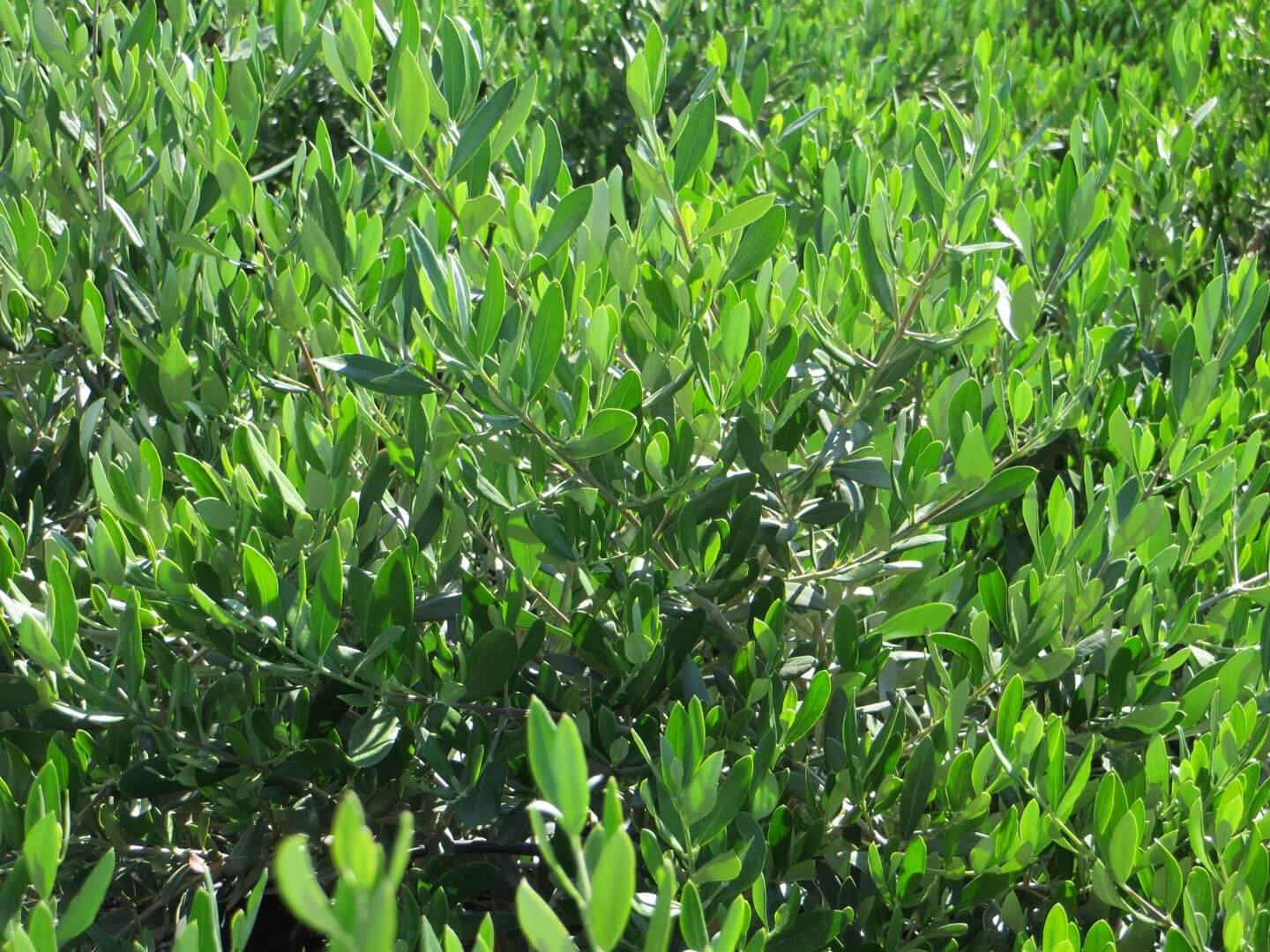
The Mayten tree (Maytenus boaria) delivers the graceful, cascading silhouette of a weeping willow-without the water demands, winter bareness, or aggressive roots. Native to arid regions of South America, including Chile and Argentina, this evergreen tree brings year-round movement, soft texture, and sophisticated beauty to California landscapes. Its pendulous branches sway gently in the breeze, creating a living sculpture that stands out in any garden. Mayten trees were introduced to California in 1878, and they've been earning admirers ever since with their low-maintenance elegance and drought-adapted resilience.
Why You'll Love the Mayten Tree
-
Drought-tolerant once established – After a 1–2 year establishment period, this species thrives through the dry season with minimal supplemental watering, reducing your water bills and maintenance time.
-
Evergreen foliage year-round – Unlike deciduous alternatives, this evergreen tree keeps its dense canopy of small green leaves through winter, providing continuous privacy and beauty.
-
Deer resistant – The relatively leathery foliage discourages browsing, protecting your investment from wildlife damage. An ideal choice among deer resistant trees and plants.
-
Slow, steady growth builds lasting value – As a slow growing tree, the Mayten develops strong structure over time, creating a long-term landscape centerpiece that appreciates in beauty with each passing year.
-
Unique weeping form – The cascading, pendulous branches set it apart from typical landscape trees, delivering the graceful drama of a willow with the reliability of an evergreen.
What Makes It Different
Most weeping trees share a frustrating trade-off: stunning form paired with heavy water needs, invasive roots, or bare winter branches.
The Mayten tree can be used as a substitute for the Weeping Willow. Where a weeping willow demands constant moisture, sends roots into sewer lines, and drops every leaf in autumn, the Mayten offers a similar pendulous silhouette while staying evergreen and drought-adapted. In fact, mature Maytens on Stanford's campus are frequently mistaken for smaller weeping willows-until visitors notice the full canopy in January.
-
Evergreen advantage – Deciduous weeping trees leave your landscape bare for months. The Mayten's foliage persists through winter, maintaining the screening and beauty you planted it for. Compare that to other privacy trees and the year-round value becomes clear.
-
Water-wise performance – Once established, this species requires only moderate to occasional deep watering-a fraction of what water-hungry willows consume. It fits perfectly into drought-tolerant California landscapes.
-
Non-aggressive roots – The Mayten tree's roots are generally non-invasive, making it a far safer choice near walkways and structures than willow species notorious for root damage.
-
The 'Green Showers' cultivar has a more robust appearance – Selected for broader leaves and denser pendulous branching, Green Showers fills out more dramatically for those wanting maximum visual impact.
How To Grow The Mayten Tree Successfully
-
Year 1–2: Establishment Plant your Mayten in full sun to partial shade in well drained soil. During the first two years, provide regular deep watering on a weekly schedule to encourage deep root development. Mulch around the base to retain moisture. The bark of the Mayten tree is smooth and light gray when young, giving it a clean, attractive appearance even at this early stage. Pruning is necessary when young for good branch structure-establish a strong central leader and remove competing stems.
-
Years 2–5: Root Development & Drought Adaptation As roots deepen, the tree transitions toward drought tolerance. Growth accelerates modestly, and the characteristic pendulous, cascading habit becomes visible in the branchlets. Monitor for root suckers, which may appear if roots are disturbed-the Mayten tree may develop suckers if the roots are damaged or cut. Avoid heavy pruning, which can trigger additional suckering.
-
Years 5–10+: Mature Elegance Mayten trees can reach heights of 20 to 30 feet with a graceful, rounded crown and a spread nearly matching the height. The Mayten tree provides excellent shade due to its dense canopy. The Mayten tree produces inconspicuous yellowish-green flowers in spring, followed by small capsules containing seeds wrapped in red arils. The fruit and seeds of the Mayten tree attract birds, adding life and movement to your garden. The Mayten tree can drop small dry fruits, creating minor litter-a small trade-off for year-round beauty.
Tree Details
|
Attribute |
Details |
|---|---|
|
Botanical name |
Maytenus boaria (the specific epithet boaria comes from Latin for "of cattle," as cattle historically favored the foliage) |
|
Family |
Celastraceae |
|
Mature height |
20–30 feet in landscape cultivation; they can grow to a height of 30 to 50 feet under ideal conditions |
|
Mature spread |
20–30 feet; mature Mayten trees have a rounded crown |
|
Leaf size |
Leaves are 1 to 2 inches long and ¼ to ½ inch wide; small, lanceolate, evergreen |
|
USDA Zones |
9–10 (perfect for California); the Mayten tree is hardy down to approximately 20°F |
|
Sun exposure |
Full sun for optimal growth; tolerates partial shade |
|
Soil |
Well-drained soil; adaptable to various soil types from neutral to acidic |
|
Growth rate |
Slow to moderate (approximately 1.5–3 feet per year in favorable conditions) |
|
Water needs |
Moderate to regular watering once established; drought-tolerant at maturity |
|
Origin |
Native to South America-Chile, Argentina, with related species found in Peru and Bolivia |
|
Deer resistance |
Yes |
Mayten trees are evergreen and low-maintenance, making them an outstanding long-term landscape investment. The Mayten tree serves as an elegant specimen tree, a lacy privacy screen, or a graceful focal point in Mediterranean-style gardens. Indigenous groups have historically used infusions from Mayten leaves for medicinal purposes, and various species of the Maytenus genus have traditional medicinal properties-a testament to this plant's deep cultural history. The hard wood has traditionally been used for tool handles across its native range.
Who It's For
Ideal for:
-
California homeowners seeking a medium sized tree that performs beautifully through the dry season without heavy watering
-
Gardeners wanting unique alternatives to common weeping trees-pair it with other distinctive specimens like the Australian Willow or California Pepper Tree for a layered, textured landscape
-
Property owners needing evergreen screening that filters light rather than blocking it entirely-more graceful than solid privacy hedges, with natural movement and elegance
-
Landscape designers creating drought-wise, Mediterranean, or naturalistic gardens where softness and year-round green are essential
If you want a tree that combines the drama of a willow with the practicality of an evergreen, the Mayten fits your needs.
Frequently Asked Questions
Is it really drought tolerant? Yes-after a 1–2 year establishment period with regular deep watering. Once roots are established, the Mayten thrives through California's dry season with only occasional supplemental irrigation. Avoid overwatering or waterlogged soil, which can cause root issues.
How fast does it grow? The Mayten is a slow growing species, adding roughly 1.5–3 feet per year under good conditions. Expect to reach 20–30 feet in height over 5–10 years depending on sun, soil, and water during establishment. Patience pays off-the mature form is worth the wait.
Will deer eat it? The Mayten is widely listed as deer resistant. The foliage is leathery enough to deter browsing, though very young growth on newly planted trees may occasionally attract attention.
Does it need pruning? Early pruning to establish strong branch structure is important. Once mature, only minimal maintenance pruning is needed-remove dead wood and shape lightly. Heavy pruning can stimulate root suckers, so a light hand is best.
What spacing is needed? Allow 20–30 feet between trees to accommodate the full rounded crown at maturity. Avoid planting too close to foundations or hardscapes, as the tree spreads via root suckers if roots are disturbed.
Does the Mayten tree have any invasive tendencies? The Mayten spreads via root suckers and bird-dispersed seeds. In California, it is listed as a "Watch" species by the Cal-IPC, meaning it's monitored but not banned. Manage suckers promptly and plant in open areas away from wildlands.
Mayten trees require full sun for optimal growth. Can they handle shade? They perform best in full sun but tolerate partial shade. In shadier conditions, growth may be slower and the canopy less dense.
Ready to Plant Your Mayten Tree?
The Mayten tree delivers year-round evergreen elegance, graceful pendulous movement, and drought-smart performance-everything a California garden deserves.
Our team specializes in California-appropriate trees and can help you select the right size, plan proper placement, and ensure your Mayten thrives from day one. Whether you're looking for a single specimen or a screening group, we'll guide you through the process.
Transform Your Landscape with Elegant Weeping Beauty
The Mayten tree (Maytenus boaria) delivers the graceful, cascading silhouette of a weeping willow-without the water demands, winter bareness, or aggressive roots. Native to arid regions of South America, including Chile and Argentina, this evergreen tree brings year-round movement, soft texture, and sophisticated beauty to California landscapes. Its pendulous branches sway gently in the breeze, creating a living sculpture that stands out in any garden. Mayten trees were introduced to California in 1878, and they've been earning admirers ever since with their low-maintenance elegance and drought-adapted resilience.
Why You'll Love the Mayten Tree
-
Drought-tolerant once established – After a 1–2 year establishment period, this species thrives through the dry season with minimal supplemental watering, reducing your water bills and maintenance time.
-
Evergreen foliage year-round – Unlike deciduous alternatives, this evergreen tree keeps its dense canopy of small green leaves through winter, providing continuous privacy and beauty.
-
Deer resistant – The relatively leathery foliage discourages browsing, protecting your investment from wildlife damage. An ideal choice among deer resistant trees and plants.
-
Slow, steady growth builds lasting value – As a slow growing tree, the Mayten develops strong structure over time, creating a long-term landscape centerpiece that appreciates in beauty with each passing year.
-
Unique weeping form – The cascading, pendulous branches set it apart from typical landscape trees, delivering the graceful drama of a willow with the reliability of an evergreen.
What Makes It Different
Most weeping trees share a frustrating trade-off: stunning form paired with heavy water needs, invasive roots, or bare winter branches.
The Mayten tree can be used as a substitute for the Weeping Willow. Where a weeping willow demands constant moisture, sends roots into sewer lines, and drops every leaf in autumn, the Mayten offers a similar pendulous silhouette while staying evergreen and drought-adapted. In fact, mature Maytens on Stanford's campus are frequently mistaken for smaller weeping willows-until visitors notice the full canopy in January.
-
Evergreen advantage – Deciduous weeping trees leave your landscape bare for months. The Mayten's foliage persists through winter, maintaining the screening and beauty you planted it for. Compare that to other privacy trees and the year-round value becomes clear.
-
Water-wise performance – Once established, this species requires only moderate to occasional deep watering-a fraction of what water-hungry willows consume. It fits perfectly into drought-tolerant California landscapes.
-
Non-aggressive roots – The Mayten tree's roots are generally non-invasive, making it a far safer choice near walkways and structures than willow species notorious for root damage.
-
The 'Green Showers' cultivar has a more robust appearance – Selected for broader leaves and denser pendulous branching, Green Showers fills out more dramatically for those wanting maximum visual impact.
How To Grow The Mayten Tree Successfully
-
Year 1–2: Establishment Plant your Mayten in full sun to partial shade in well drained soil. During the first two years, provide regular deep watering on a weekly schedule to encourage deep root development. Mulch around the base to retain moisture. The bark of the Mayten tree is smooth and light gray when young, giving it a clean, attractive appearance even at this early stage. Pruning is necessary when young for good branch structure-establish a strong central leader and remove competing stems.
-
Years 2–5: Root Development & Drought Adaptation As roots deepen, the tree transitions toward drought tolerance. Growth accelerates modestly, and the characteristic pendulous, cascading habit becomes visible in the branchlets. Monitor for root suckers, which may appear if roots are disturbed-the Mayten tree may develop suckers if the roots are damaged or cut. Avoid heavy pruning, which can trigger additional suckering.
-
Years 5–10+: Mature Elegance Mayten trees can reach heights of 20 to 30 feet with a graceful, rounded crown and a spread nearly matching the height. The Mayten tree provides excellent shade due to its dense canopy. The Mayten tree produces inconspicuous yellowish-green flowers in spring, followed by small capsules containing seeds wrapped in red arils. The fruit and seeds of the Mayten tree attract birds, adding life and movement to your garden. The Mayten tree can drop small dry fruits, creating minor litter-a small trade-off for year-round beauty.
Tree Details
|
Attribute |
Details |
|---|---|
|
Botanical name |
Maytenus boaria (the specific epithet boaria comes from Latin for "of cattle," as cattle historically favored the foliage) |
|
Family |
Celastraceae |
|
Mature height |
20–30 feet in landscape cultivation; they can grow to a height of 30 to 50 feet under ideal conditions |
|
Mature spread |
20–30 feet; mature Mayten trees have a rounded crown |
|
Leaf size |
Leaves are 1 to 2 inches long and ¼ to ½ inch wide; small, lanceolate, evergreen |
|
USDA Zones |
9–10 (perfect for California); the Mayten tree is hardy down to approximately 20°F |
|
Sun exposure |
Full sun for optimal growth; tolerates partial shade |
|
Soil |
Well-drained soil; adaptable to various soil types from neutral to acidic |
|
Growth rate |
Slow to moderate (approximately 1.5–3 feet per year in favorable conditions) |
|
Water needs |
Moderate to regular watering once established; drought-tolerant at maturity |
|
Origin |
Native to South America-Chile, Argentina, with related species found in Peru and Bolivia |
|
Deer resistance |
Yes |
Mayten trees are evergreen and low-maintenance, making them an outstanding long-term landscape investment. The Mayten tree serves as an elegant specimen tree, a lacy privacy screen, or a graceful focal point in Mediterranean-style gardens. Indigenous groups have historically used infusions from Mayten leaves for medicinal purposes, and various species of the Maytenus genus have traditional medicinal properties-a testament to this plant's deep cultural history. The hard wood has traditionally been used for tool handles across its native range.
Who It's For
Ideal for:
-
California homeowners seeking a medium sized tree that performs beautifully through the dry season without heavy watering
-
Gardeners wanting unique alternatives to common weeping trees-pair it with other distinctive specimens like the Australian Willow or California Pepper Tree for a layered, textured landscape
-
Property owners needing evergreen screening that filters light rather than blocking it entirely-more graceful than solid privacy hedges, with natural movement and elegance
-
Landscape designers creating drought-wise, Mediterranean, or naturalistic gardens where softness and year-round green are essential
If you want a tree that combines the drama of a willow with the practicality of an evergreen, the Mayten fits your needs.
Frequently Asked Questions
Is it really drought tolerant? Yes-after a 1–2 year establishment period with regular deep watering. Once roots are established, the Mayten thrives through California's dry season with only occasional supplemental irrigation. Avoid overwatering or waterlogged soil, which can cause root issues.
How fast does it grow? The Mayten is a slow growing species, adding roughly 1.5–3 feet per year under good conditions. Expect to reach 20–30 feet in height over 5–10 years depending on sun, soil, and water during establishment. Patience pays off-the mature form is worth the wait.
Will deer eat it? The Mayten is widely listed as deer resistant. The foliage is leathery enough to deter browsing, though very young growth on newly planted trees may occasionally attract attention.
Does it need pruning? Early pruning to establish strong branch structure is important. Once mature, only minimal maintenance pruning is needed-remove dead wood and shape lightly. Heavy pruning can stimulate root suckers, so a light hand is best.
What spacing is needed? Allow 20–30 feet between trees to accommodate the full rounded crown at maturity. Avoid planting too close to foundations or hardscapes, as the tree spreads via root suckers if roots are disturbed.
Does the Mayten tree have any invasive tendencies? The Mayten spreads via root suckers and bird-dispersed seeds. In California, it is listed as a "Watch" species by the Cal-IPC, meaning it's monitored but not banned. Manage suckers promptly and plant in open areas away from wildlands.
Mayten trees require full sun for optimal growth. Can they handle shade? They perform best in full sun but tolerate partial shade. In shadier conditions, growth may be slower and the canopy less dense.
Ready to Plant Your Mayten Tree?
The Mayten tree delivers year-round evergreen elegance, graceful pendulous movement, and drought-smart performance-everything a California garden deserves.
Our team specializes in California-appropriate trees and can help you select the right size, plan proper placement, and ensure your Mayten thrives from day one. Whether you're looking for a single specimen or a screening group, we'll guide you through the process.
Plants vary greatly by type and no guarantees are made on sizing.
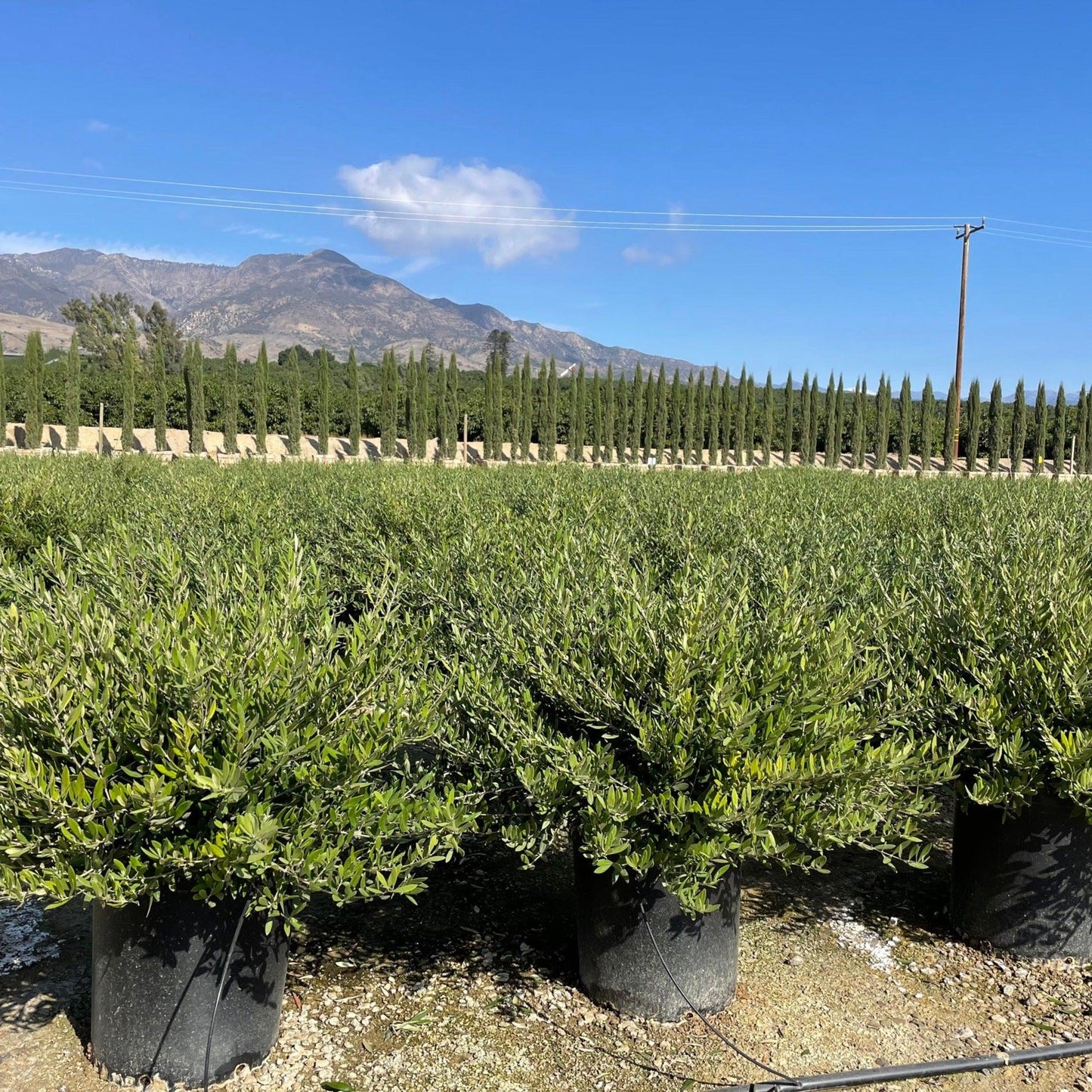
However here is a rough idea of sizes based on containers that are direct from our growing grounds.
15 Gallon Shrub 3-4 Ft. Tall
15 Gallon Tree 5-6 Ft. Tall
24" Box Shrub 5-6 Ft. Tall
24" Box Tree 6-7 Ft. Tall
36" Box Tree 8-10 Ft. Tall
48" Box Tree 10-12 Ft. Tall
Please note: Citrus and California Native plants such as Manzanita are smaller than traditional sizing.
Please contact us to confirm sizing of items before purchasing if this is a concern.
Plants vary greatly by type and no guarantees are made on sizing.
However here is a rough idea of sizes based on containers that are direct from our growing grounds.
15 Gallon Shrub 3-4 Ft. Tall
15 Gallon Tree 5-6 Ft. Tall
24" Box Shrub 5-6 Ft. Tall
24" Box Tree 6-7 Ft. Tall
36" Box Tree 8-10 Ft. Tall
48" Box Tree 10-12 Ft. Tall
Please note: Citrus and California Native plants such as Manzanita are smaller than traditional sizing.
Please contact us to confirm sizing of items before purchasing if this is a concern.
Delivery does not include unloading of trees and plants larger than a 24" box.
Trees and plants in smaller containers will be dropped curbside.
Delivery beyond a curbside drop will be charged extra.
Trees and plants that are sold in container sizes larger than a 24" box size will require equipment and an operator onsite to help unload from the truck.
Please reach out to our team PRIOR to placing your order to coordinate.
Our team can provide unloading assistance with equipment for an extra fee.
Delivery does not include unloading of trees and plants larger than a 24" box.
Trees and plants in smaller containers will be dropped curbside.
Delivery beyond a curbside drop will be charged extra.
Trees and plants that are sold in container sizes larger than a 24" box size will require equipment and an operator onsite to help unload from the truck.
Please reach out to our team PRIOR to placing your order to coordinate.
Our team can provide unloading assistance with equipment for an extra fee.
You may also like...


Mayten Tree (Maytenus boaria)
Regular price
$1,250.00
Size
Variety
Transform Your Landscape with Elegant Weeping Beauty
The Mayten tree (Maytenus boaria) delivers the graceful, cascading silhouette of a weeping willow-without the water demands, winter bareness, or aggressive roots. Native to arid regions of South America, including Chile and Argentina, this evergreen tree brings year-round movement, soft texture, and sophisticated beauty to California landscapes. Its pendulous branches sway gently in the breeze, creating a living sculpture that stands out in any garden. Mayten trees were introduced to California in 1878, and they've been earning admirers ever since with their low-maintenance elegance and drought-adapted resilience.
Why You'll Love the Mayten Tree
-
Drought-tolerant once established – After a 1–2 year establishment period, this species thrives through the dry season with minimal supplemental watering, reducing your water bills and maintenance time.
-
Evergreen foliage year-round – Unlike deciduous alternatives, this evergreen tree keeps its dense canopy of small green leaves through winter, providing continuous privacy and beauty.
-
Deer resistant – The relatively leathery foliage discourages browsing, protecting your investment from wildlife damage. An ideal choice among deer resistant trees and plants.
-
Slow, steady growth builds lasting value – As a slow growing tree, the Mayten develops strong structure over time, creating a long-term landscape centerpiece that appreciates in beauty with each passing year.
-
Unique weeping form – The cascading, pendulous branches set it apart from typical landscape trees, delivering the graceful drama of a willow with the reliability of an evergreen.
What Makes It Different
Most weeping trees share a frustrating trade-off: stunning form paired with heavy water needs, invasive roots, or bare winter branches.
The Mayten tree can be used as a substitute for the Weeping Willow. Where a weeping willow demands constant moisture, sends roots into sewer lines, and drops every leaf in autumn, the Mayten offers a similar pendulous silhouette while staying evergreen and drought-adapted. In fact, mature Maytens on Stanford's campus are frequently mistaken for smaller weeping willows-until visitors notice the full canopy in January.
-
Evergreen advantage – Deciduous weeping trees leave your landscape bare for months. The Mayten's foliage persists through winter, maintaining the screening and beauty you planted it for. Compare that to other privacy trees and the year-round value becomes clear.
-
Water-wise performance – Once established, this species requires only moderate to occasional deep watering-a fraction of what water-hungry willows consume. It fits perfectly into drought-tolerant California landscapes.
-
Non-aggressive roots – The Mayten tree's roots are generally non-invasive, making it a far safer choice near walkways and structures than willow species notorious for root damage.
-
The 'Green Showers' cultivar has a more robust appearance – Selected for broader leaves and denser pendulous branching, Green Showers fills out more dramatically for those wanting maximum visual impact.
How To Grow The Mayten Tree Successfully
-
Year 1–2: Establishment Plant your Mayten in full sun to partial shade in well drained soil. During the first two years, provide regular deep watering on a weekly schedule to encourage deep root development. Mulch around the base to retain moisture. The bark of the Mayten tree is smooth and light gray when young, giving it a clean, attractive appearance even at this early stage. Pruning is necessary when young for good branch structure-establish a strong central leader and remove competing stems.
-
Years 2–5: Root Development & Drought Adaptation As roots deepen, the tree transitions toward drought tolerance. Growth accelerates modestly, and the characteristic pendulous, cascading habit becomes visible in the branchlets. Monitor for root suckers, which may appear if roots are disturbed-the Mayten tree may develop suckers if the roots are damaged or cut. Avoid heavy pruning, which can trigger additional suckering.
-
Years 5–10+: Mature Elegance Mayten trees can reach heights of 20 to 30 feet with a graceful, rounded crown and a spread nearly matching the height. The Mayten tree provides excellent shade due to its dense canopy. The Mayten tree produces inconspicuous yellowish-green flowers in spring, followed by small capsules containing seeds wrapped in red arils. The fruit and seeds of the Mayten tree attract birds, adding life and movement to your garden. The Mayten tree can drop small dry fruits, creating minor litter-a small trade-off for year-round beauty.
Tree Details
|
Attribute |
Details |
|---|---|
|
Botanical name |
Maytenus boaria (the specific epithet boaria comes from Latin for "of cattle," as cattle historically favored the foliage) |
|
Family |
Celastraceae |
|
Mature height |
20–30 feet in landscape cultivation; they can grow to a height of 30 to 50 feet under ideal conditions |
|
Mature spread |
20–30 feet; mature Mayten trees have a rounded crown |
|
Leaf size |
Leaves are 1 to 2 inches long and ¼ to ½ inch wide; small, lanceolate, evergreen |
|
USDA Zones |
9–10 (perfect for California); the Mayten tree is hardy down to approximately 20°F |
|
Sun exposure |
Full sun for optimal growth; tolerates partial shade |
|
Soil |
Well-drained soil; adaptable to various soil types from neutral to acidic |
|
Growth rate |
Slow to moderate (approximately 1.5–3 feet per year in favorable conditions) |
|
Water needs |
Moderate to regular watering once established; drought-tolerant at maturity |
|
Origin |
Native to South America-Chile, Argentina, with related species found in Peru and Bolivia |
|
Deer resistance |
Yes |
Mayten trees are evergreen and low-maintenance, making them an outstanding long-term landscape investment. The Mayten tree serves as an elegant specimen tree, a lacy privacy screen, or a graceful focal point in Mediterranean-style gardens. Indigenous groups have historically used infusions from Mayten leaves for medicinal purposes, and various species of the Maytenus genus have traditional medicinal properties-a testament to this plant's deep cultural history. The hard wood has traditionally been used for tool handles across its native range.
Who It's For
Ideal for:
-
California homeowners seeking a medium sized tree that performs beautifully through the dry season without heavy watering
-
Gardeners wanting unique alternatives to common weeping trees-pair it with other distinctive specimens like the Australian Willow or California Pepper Tree for a layered, textured landscape
-
Property owners needing evergreen screening that filters light rather than blocking it entirely-more graceful than solid privacy hedges, with natural movement and elegance
-
Landscape designers creating drought-wise, Mediterranean, or naturalistic gardens where softness and year-round green are essential
If you want a tree that combines the drama of a willow with the practicality of an evergreen, the Mayten fits your needs.
Frequently Asked Questions
Is it really drought tolerant? Yes-after a 1–2 year establishment period with regular deep watering. Once roots are established, the Mayten thrives through California's dry season with only occasional supplemental irrigation. Avoid overwatering or waterlogged soil, which can cause root issues.
How fast does it grow? The Mayten is a slow growing species, adding roughly 1.5–3 feet per year under good conditions. Expect to reach 20–30 feet in height over 5–10 years depending on sun, soil, and water during establishment. Patience pays off-the mature form is worth the wait.
Will deer eat it? The Mayten is widely listed as deer resistant. The foliage is leathery enough to deter browsing, though very young growth on newly planted trees may occasionally attract attention.
Does it need pruning? Early pruning to establish strong branch structure is important. Once mature, only minimal maintenance pruning is needed-remove dead wood and shape lightly. Heavy pruning can stimulate root suckers, so a light hand is best.
What spacing is needed? Allow 20–30 feet between trees to accommodate the full rounded crown at maturity. Avoid planting too close to foundations or hardscapes, as the tree spreads via root suckers if roots are disturbed.
Does the Mayten tree have any invasive tendencies? The Mayten spreads via root suckers and bird-dispersed seeds. In California, it is listed as a "Watch" species by the Cal-IPC, meaning it's monitored but not banned. Manage suckers promptly and plant in open areas away from wildlands.
Mayten trees require full sun for optimal growth. Can they handle shade? They perform best in full sun but tolerate partial shade. In shadier conditions, growth may be slower and the canopy less dense.
Ready to Plant Your Mayten Tree?
The Mayten tree delivers year-round evergreen elegance, graceful pendulous movement, and drought-smart performance-everything a California garden deserves.
Our team specializes in California-appropriate trees and can help you select the right size, plan proper placement, and ensure your Mayten thrives from day one. Whether you're looking for a single specimen or a screening group, we'll guide you through the process.
Transform Your Landscape with Elegant Weeping Beauty
The Mayten tree (Maytenus boaria) delivers the graceful, cascading silhouette of a weeping willow-without the water demands, winter bareness, or aggressive roots. Native to arid regions of South America, including Chile and Argentina, this evergreen tree brings year-round movement, soft texture, and sophisticated beauty to California landscapes. Its pendulous branches sway gently in the breeze, creating a living sculpture that stands out in any garden. Mayten trees were introduced to California in 1878, and they've been earning admirers ever since with their low-maintenance elegance and drought-adapted resilience.
Why You'll Love the Mayten Tree
-
Drought-tolerant once established – After a 1–2 year establishment period, this species thrives through the dry season with minimal supplemental watering, reducing your water bills and maintenance time.
-
Evergreen foliage year-round – Unlike deciduous alternatives, this evergreen tree keeps its dense canopy of small green leaves through winter, providing continuous privacy and beauty.
-
Deer resistant – The relatively leathery foliage discourages browsing, protecting your investment from wildlife damage. An ideal choice among deer resistant trees and plants.
-
Slow, steady growth builds lasting value – As a slow growing tree, the Mayten develops strong structure over time, creating a long-term landscape centerpiece that appreciates in beauty with each passing year.
-
Unique weeping form – The cascading, pendulous branches set it apart from typical landscape trees, delivering the graceful drama of a willow with the reliability of an evergreen.
What Makes It Different
Most weeping trees share a frustrating trade-off: stunning form paired with heavy water needs, invasive roots, or bare winter branches.
The Mayten tree can be used as a substitute for the Weeping Willow. Where a weeping willow demands constant moisture, sends roots into sewer lines, and drops every leaf in autumn, the Mayten offers a similar pendulous silhouette while staying evergreen and drought-adapted. In fact, mature Maytens on Stanford's campus are frequently mistaken for smaller weeping willows-until visitors notice the full canopy in January.
-
Evergreen advantage – Deciduous weeping trees leave your landscape bare for months. The Mayten's foliage persists through winter, maintaining the screening and beauty you planted it for. Compare that to other privacy trees and the year-round value becomes clear.
-
Water-wise performance – Once established, this species requires only moderate to occasional deep watering-a fraction of what water-hungry willows consume. It fits perfectly into drought-tolerant California landscapes.
-
Non-aggressive roots – The Mayten tree's roots are generally non-invasive, making it a far safer choice near walkways and structures than willow species notorious for root damage.
-
The 'Green Showers' cultivar has a more robust appearance – Selected for broader leaves and denser pendulous branching, Green Showers fills out more dramatically for those wanting maximum visual impact.
How To Grow The Mayten Tree Successfully
-
Year 1–2: Establishment Plant your Mayten in full sun to partial shade in well drained soil. During the first two years, provide regular deep watering on a weekly schedule to encourage deep root development. Mulch around the base to retain moisture. The bark of the Mayten tree is smooth and light gray when young, giving it a clean, attractive appearance even at this early stage. Pruning is necessary when young for good branch structure-establish a strong central leader and remove competing stems.
-
Years 2–5: Root Development & Drought Adaptation As roots deepen, the tree transitions toward drought tolerance. Growth accelerates modestly, and the characteristic pendulous, cascading habit becomes visible in the branchlets. Monitor for root suckers, which may appear if roots are disturbed-the Mayten tree may develop suckers if the roots are damaged or cut. Avoid heavy pruning, which can trigger additional suckering.
-
Years 5–10+: Mature Elegance Mayten trees can reach heights of 20 to 30 feet with a graceful, rounded crown and a spread nearly matching the height. The Mayten tree provides excellent shade due to its dense canopy. The Mayten tree produces inconspicuous yellowish-green flowers in spring, followed by small capsules containing seeds wrapped in red arils. The fruit and seeds of the Mayten tree attract birds, adding life and movement to your garden. The Mayten tree can drop small dry fruits, creating minor litter-a small trade-off for year-round beauty.
Tree Details
|
Attribute |
Details |
|---|---|
|
Botanical name |
Maytenus boaria (the specific epithet boaria comes from Latin for "of cattle," as cattle historically favored the foliage) |
|
Family |
Celastraceae |
|
Mature height |
20–30 feet in landscape cultivation; they can grow to a height of 30 to 50 feet under ideal conditions |
|
Mature spread |
20–30 feet; mature Mayten trees have a rounded crown |
|
Leaf size |
Leaves are 1 to 2 inches long and ¼ to ½ inch wide; small, lanceolate, evergreen |
|
USDA Zones |
9–10 (perfect for California); the Mayten tree is hardy down to approximately 20°F |
|
Sun exposure |
Full sun for optimal growth; tolerates partial shade |
|
Soil |
Well-drained soil; adaptable to various soil types from neutral to acidic |
|
Growth rate |
Slow to moderate (approximately 1.5–3 feet per year in favorable conditions) |
|
Water needs |
Moderate to regular watering once established; drought-tolerant at maturity |
|
Origin |
Native to South America-Chile, Argentina, with related species found in Peru and Bolivia |
|
Deer resistance |
Yes |
Mayten trees are evergreen and low-maintenance, making them an outstanding long-term landscape investment. The Mayten tree serves as an elegant specimen tree, a lacy privacy screen, or a graceful focal point in Mediterranean-style gardens. Indigenous groups have historically used infusions from Mayten leaves for medicinal purposes, and various species of the Maytenus genus have traditional medicinal properties-a testament to this plant's deep cultural history. The hard wood has traditionally been used for tool handles across its native range.
Who It's For
Ideal for:
-
California homeowners seeking a medium sized tree that performs beautifully through the dry season without heavy watering
-
Gardeners wanting unique alternatives to common weeping trees-pair it with other distinctive specimens like the Australian Willow or California Pepper Tree for a layered, textured landscape
-
Property owners needing evergreen screening that filters light rather than blocking it entirely-more graceful than solid privacy hedges, with natural movement and elegance
-
Landscape designers creating drought-wise, Mediterranean, or naturalistic gardens where softness and year-round green are essential
If you want a tree that combines the drama of a willow with the practicality of an evergreen, the Mayten fits your needs.
Frequently Asked Questions
Is it really drought tolerant? Yes-after a 1–2 year establishment period with regular deep watering. Once roots are established, the Mayten thrives through California's dry season with only occasional supplemental irrigation. Avoid overwatering or waterlogged soil, which can cause root issues.
How fast does it grow? The Mayten is a slow growing species, adding roughly 1.5–3 feet per year under good conditions. Expect to reach 20–30 feet in height over 5–10 years depending on sun, soil, and water during establishment. Patience pays off-the mature form is worth the wait.
Will deer eat it? The Mayten is widely listed as deer resistant. The foliage is leathery enough to deter browsing, though very young growth on newly planted trees may occasionally attract attention.
Does it need pruning? Early pruning to establish strong branch structure is important. Once mature, only minimal maintenance pruning is needed-remove dead wood and shape lightly. Heavy pruning can stimulate root suckers, so a light hand is best.
What spacing is needed? Allow 20–30 feet between trees to accommodate the full rounded crown at maturity. Avoid planting too close to foundations or hardscapes, as the tree spreads via root suckers if roots are disturbed.
Does the Mayten tree have any invasive tendencies? The Mayten spreads via root suckers and bird-dispersed seeds. In California, it is listed as a "Watch" species by the Cal-IPC, meaning it's monitored but not banned. Manage suckers promptly and plant in open areas away from wildlands.
Mayten trees require full sun for optimal growth. Can they handle shade? They perform best in full sun but tolerate partial shade. In shadier conditions, growth may be slower and the canopy less dense.
Ready to Plant Your Mayten Tree?
The Mayten tree delivers year-round evergreen elegance, graceful pendulous movement, and drought-smart performance-everything a California garden deserves.
Our team specializes in California-appropriate trees and can help you select the right size, plan proper placement, and ensure your Mayten thrives from day one. Whether you're looking for a single specimen or a screening group, we'll guide you through the process.
Plants vary greatly by type and no guarantees are made on sizing.
However here is a rough idea of sizes based on containers that are direct from our growing grounds.
15 Gallon Shrub 3-4 Ft. Tall
15 Gallon Tree 5-6 Ft. Tall
24" Box Shrub 5-6 Ft. Tall
24" Box Tree 6-7 Ft. Tall
36" Box Tree 8-10 Ft. Tall
48" Box Tree 10-12 Ft. Tall
Please note: Citrus and California Native plants such as Manzanita are smaller than traditional sizing.
Please contact us to confirm sizing of items before purchasing if this is a concern.
Plants vary greatly by type and no guarantees are made on sizing.
However here is a rough idea of sizes based on containers that are direct from our growing grounds.
15 Gallon Shrub 3-4 Ft. Tall
15 Gallon Tree 5-6 Ft. Tall
24" Box Shrub 5-6 Ft. Tall
24" Box Tree 6-7 Ft. Tall
36" Box Tree 8-10 Ft. Tall
48" Box Tree 10-12 Ft. Tall
Please note: Citrus and California Native plants such as Manzanita are smaller than traditional sizing.
Please contact us to confirm sizing of items before purchasing if this is a concern.
Delivery does not include unloading of trees and plants larger than a 24" box.
Trees and plants in smaller containers will be dropped curbside.
Delivery beyond a curbside drop will be charged extra.
Trees and plants that are sold in container sizes larger than a 24" box size will require equipment and an operator onsite to help unload from the truck.
Please reach out to our team PRIOR to placing your order to coordinate.
Our team can provide unloading assistance with equipment for an extra fee.
Delivery does not include unloading of trees and plants larger than a 24" box.
Trees and plants in smaller containers will be dropped curbside.
Delivery beyond a curbside drop will be charged extra.
Trees and plants that are sold in container sizes larger than a 24" box size will require equipment and an operator onsite to help unload from the truck.
Please reach out to our team PRIOR to placing your order to coordinate.
Our team can provide unloading assistance with equipment for an extra fee.
Recommended For You















Pairs Well With













You May Also Like












Thousands of Healthy Plants Delivered


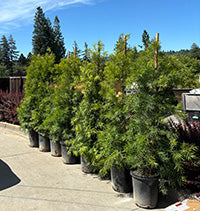
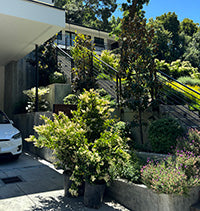
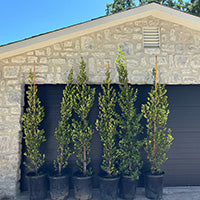
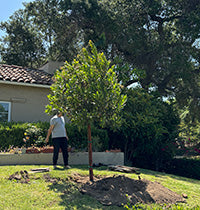
Yardwork was so great to work with. First they had the Swan Hill olive trees that we had been searching for, we had contacted several other nurseries without any luck previously. Then they answered all of our questions in a timely matter prior to ordering and finally delivered within a few days of placing it. Their staff is incredibly knowledgeable; they delivered and planted our trees with expertise to ensure that they would do well in our yard. We would definitely work with them again for future projects.











A Modern Experience
At Yardwork, we carefully curate thousands of plants, in all container sizes, to provide you with the best selection of the highest quality trees and plants at the best price, with the convenience of an online platform.
Uncompromised Quality
We choose only the finest specimens and hand select our plants just before delivery to ensure you receive the freshest and most robust specimens available for your landscape.
Industry Leading Warranties
Our 30, 90, and 365 extended warranties provide some of the best coverage to ensure our trees and plants thrive in your landscape.
Frequently Asked Questions
We're committed to changing everything about trees and plants - how they’re grown, how you shop for them, and how much they cost. We handle orders ourselves. No middlemen to get between us (or our prices) and you.
We're committed to changing everything about trees and plants - how they’re grown, how you shop for them, and how much they cost. We handle orders ourselves. No middlemen to get between us (or our prices) and you.
Delivery does not include unloading of trees and plants LARGER than a 24" box.
Trees and plants in smaller containers will be dropped curbside (usually on the driveway or near the front doorstep).
Delivery beyond a curbside drop will be charged extra.
Trees and plants that are sold in container sizes LARGER than a 24" box size will require equipment and/or enough manpower onsite to help unload from the truck.
Please reach out to our team PRIOR to placing your order to help coordinate.
Our team can provide unloading assistance with equipment for an extra fee as well.
Delivery does not include unloading of trees and plants LARGER than a 24" box.
Trees and plants in smaller containers will be dropped curbside (usually on the driveway or near the front doorstep).
Delivery beyond a curbside drop will be charged extra.
Trees and plants that are sold in container sizes LARGER than a 24" box size will require equipment and/or enough manpower onsite to help unload from the truck.
Please reach out to our team PRIOR to placing your order to help coordinate.
Our team can provide unloading assistance with equipment for an extra fee as well.
We ship locally within California within 7-10 days of your order being placed.
We ship nationally using carrier partners, based on order size. Our common order minimums for out of state shipping is $5,000.
Text or call 323-576-4159 for specific shipping details for your location.
We ship locally within California within 7-10 days of your order being placed.
We ship nationally using carrier partners, based on order size. Our common order minimums for out of state shipping is $5,000.
Text or call 323-576-4159 for specific shipping details for your location.
We are currently online only and don't have physical locations where you can view plants in person.
That's why we have photos direct from the growing grounds of the plants we will ship and we display pricing right in our store.
We do make sure to pick the very best trees and plants prior to shipping and make sure that they have gone through our multi-point inspection for health and structure.
We will always reach out prior to delivery if we find a quality issue or need to provide a substitute.
We are currently online only and don't have physical locations where you can view plants in person.
That's why we have photos direct from the growing grounds of the plants we will ship and we display pricing right in our store.
We do make sure to pick the very best trees and plants prior to shipping and make sure that they have gone through our multi-point inspection for health and structure.
We will always reach out prior to delivery if we find a quality issue or need to provide a substitute.
Plants vary greatly by type. Here is a rough idea of sizes based on containers that are direct from our growing grounds.
15 Gallon Shrub 3-4 Ft. Tall
15 Gallon Tree 5-6 Ft. Tall
24" Box Shrub 5-6 Ft. Tall
24" Box Tree 6-7 Ft. Tall
36" Box Shrub/Tree 7-9 Ft. Tall
48" Box Shrub/Tree 8-10 Ft. Tall
**Please note that we do not make guarantees of sizes. If you have questions or concerns, please call or text to request accurate sizing for the particular plant you're considering, prior to ordering.
Plants vary greatly by type. Here is a rough idea of sizes based on containers that are direct from our growing grounds.
15 Gallon Shrub 3-4 Ft. Tall
15 Gallon Tree 5-6 Ft. Tall
24" Box Shrub 5-6 Ft. Tall
24" Box Tree 6-7 Ft. Tall
36" Box Shrub/Tree 7-9 Ft. Tall
48" Box Shrub/Tree 8-10 Ft. Tall
**Please note that we do not make guarantees of sizes. If you have questions or concerns, please call or text to request accurate sizing for the particular plant you're considering, prior to ordering.
We offer a limited 30 day warranty for plants that are delivered and planted by someone else and a 90 day warranty for plants that we plant.
The limited warranty covers plants that die as a result of disease or fungus which was derived from our growing grounds or from root balls that were root bound.
The warranty does not cover damage due to watering, fertilizer, soils, or any other conditions beyond our control. Additionally, the warranty does not cover plants that are shipped out of the state of California or shipped into California from other states. Custom plant orders are also not covered under warranty. Plants must be planted within 24 hours after delivery to qualify.
We can assist you in recommending the right soils and fertilizers to help your plant thrive after you plant it.
Text or call 323-576-4159 for further warranty information.
We offer a limited 30 day warranty for plants that are delivered and planted by someone else and a 90 day warranty for plants that we plant.
The limited warranty covers plants that die as a result of disease or fungus which was derived from our growing grounds or from root balls that were root bound.
The warranty does not cover damage due to watering, fertilizer, soils, or any other conditions beyond our control. Additionally, the warranty does not cover plants that are shipped out of the state of California or shipped into California from other states. Custom plant orders are also not covered under warranty. Plants must be planted within 24 hours after delivery to qualify.
We can assist you in recommending the right soils and fertilizers to help your plant thrive after you plant it.
Text or call 323-576-4159 for further warranty information.
Our local delivery team covers most cities in California.
There are some exceptions, so please get in touch to confirm prior to ordering.
Additionally, we ship using semi trucks and trailers throughout the entire United States and even abroad for large orders over $5,000. Each shipment is custom, so please reach out to our team to coordinate.
Our local delivery team covers most cities in California.
There are some exceptions, so please get in touch to confirm prior to ordering.
Additionally, we ship using semi trucks and trailers throughout the entire United States and even abroad for large orders over $5,000. Each shipment is custom, so please reach out to our team to coordinate.