



Galaxy Magnolia Tree For Sale
Regular price
$495.00
Size
Transform Your Garden with Stunning Purple Blooms Every Spring
Galaxy Magnolia produces large, fragrant, dark reddish-purple to rose-pink blooms that arrive in late spring - after the danger of frost has passed. While other magnolias gamble with early flowers that freeze and brown overnight, this deciduous tree delivers reliably dramatic color year after year. It produces flowers that can measure 8-12 inches across, opening from deep purple buds into broad, sweetly fragrant saucers that fill your garden with a cotton-candy scent. Combined with its narrow, upright, pyramidal shape and large, vibrant flowers, Galaxy Magnolia is one of the most visually striking specimen trees available for residential landscapes.
Why You'll Love Galaxy Magnolia
-
Spectacular blooms – Massive 8-12 inch fragrant flowers in deep reddish purple that transition to rose-pink as they open, creating layered color contrast on every branch.
-
Frost-safe flowering – Galaxy Magnolia flowers bloom from late April to early June, well after early spring frosts have ended, so you can enjoy a full, undamaged display every year.
-
Space-smart upright form – Unlike spreading magnolia varieties, Galaxy grows in a tight pyramidal silhouette that fits narrow side yards, foundation plantings, and urban lots without overwhelming the space.
-
Proven cold hardiness – Hardy in USDA Zones 5 through 9, this tree thrives from northern climates down to -25°C and performs equally well in warmer southern gardens.
-
Low maintenance once established – After the first two growing seasons, Galaxy requires minimal care - no heavy pruning schedule, no fussy soil amendments, and strong resistance to most common landscape pests.
What Makes It Different
Most popular magnolia varieties - saucer magnolias, star magnolias, and early liliiflora types - push their buds in early spring when a single late frost can destroy the entire bloom. Gardeners invest years of patience only to watch brown, frost-burned petals drop before they ever fully open.
Magnolia x Galaxy was propagated to solve that problem offering:
-
Later bloom timing – Developed by breeder William Kosar at the U.S. National Arboretum through a 1963 cross between Magnolia liliiflora 'Nigra' and Magnolia sprengeri 'Diva', Galaxy blooms roughly 2-3 weeks after early-flowering magnolias. Galaxy Magnolia is a hybrid introduced in 1980 after years of evaluation, and it received the RHS Award of Garden Merit in 1993 for proven garden reliability.
-
Superior flower size and fragrance – Many magnolias offer strong color but little scent, or pleasant fragrance but small flowers. Galaxy balances both - enormous reddish purple blooms with a sweet, noticeable fragrance that carries across the yard.
-
Clean single-leader form – Unlike the wide-spreading habit of M. × soulangeana or multi-stemmed shrub forms of star magnolia, Galaxy develops a strong central leader and ascending branches. This upright form makes it ideal as an accent tree or avenue planting where width is limited.
-
Hybrid vigor – The Diva and 'Nigra' parentage gives Galaxy faster establishment, stronger growth, and more intense flower color than either parent delivers alone.
How to Plant and Grow The Galaxy Magnolia Tree Successfully
-
Choose the right spot Galaxy Magnolia thrives in full sun to part shade - aim for six or more hours of direct sun for the strongest flowering. Select a location sheltered from strong winds, which can shatter the large blossoms. Galaxy Magnolia prefers well-drained, slightly acidic soil, though it adapts well to loam, sandy, and clay soils as long as water doesn't pool around the roots.
-
Plant at the right time The best windows are early spring before growth starts or fall after summer heat fades. Dig a hole twice the width of the root ball but no deeper. Position the root flare slightly above soil level. Backfill with native soil, water thoroughly, and add a 2-3 inch layer of mulch around the base - keeping it away from the trunk - to retain moisture and moderate soil temperature.
-
Water and establish Water regularly through the first two growing seasons. Consistent moisture is critical while roots develop. After that, Galaxy tolerates occasional dry spells but performs best with even moisture. Apply a balanced slow-release fertilizer in early spring before new growth begins.
-
Maintain with minimal effort Prune Galaxy Magnolia immediately after flowering to shape the canopy or remove dead wood - late pruning risks cutting next year's flower buds. Watersprout development on lower branches is a common problem, so remove these vigorous vertical shoots promptly. Leaves can grow up to 9 inches long, appearing after the blooms fade, creating dense green summer foliage.
Plant Details
-
Mature Height: Galaxy Magnolia matures to 20-30 feet tall; under ideal conditions, Galaxy Magnolia trees mature to 30-40 feet tall. It matures to about 25-40 feet tall and 20-25 feet wide.
-
Form: Narrow, upright pyramidal - broadening slightly with age
-
Bloom Time: Late spring; flowers bloom from late April to early June
-
Flower Size: 8-12 inches across, 11-12 tepals per flower
-
Flower Color: Deep reddish purple buds opening to rose-pink interiors
-
Fragrance: Strong sweet/cotton-candy scent
-
Sun Requirements: Full sun to partial shade
-
Hardiness Zones: USDA 5a–9b
-
Soil: Moist, well-drained, slightly acidic to neutral pH
-
Growth Rate: Moderate - approximately 15-20 inches per year once established
-
Flowering from Seed: Galaxy Magnolia begins blooming around 9 years from seed; grafted nursery stock typically flowers within 1-2 years of planting
-
Container Size: Galaxy Magnolia trees are available in 10-gallon containers
-
Starting Price: Prices for Galaxy Magnolia trees can start around $190
-
Known Issues: It is generally hardy and susceptible to spot diseases and some insects. Galaxy Magnolia can suffer from leaf spots and anthracnose. Canker and dieback are potential disease issues for Galaxy Magnolia. Powdery mildew can affect Galaxy Magnolia trees. Insects like weevils and scale may infest Galaxy Magnolia.
Who It's For
Ideal for:
-
Homeowners with limited space - The upright form delivers maximum spring impact in narrow yards, side lots, and foundation areas where spreading trees won't fit.
-
Gardeners tired of frost-damaged magnolias - If you've watched early-blooming varieties lose their flowers to unpredictable spring freezes, Galaxy's late bloom timing solves the problem.
-
Landscape designers seeking reliable specimen trees - The dramatic purple blooms, clean form, and moderate maintenance make Galaxy an outstanding focal point for formal and residential projects alike.
-
Fragrance enthusiasts - Few flowering trees combine this scale of bloom with this intensity of scent.
If you want a tree that delivers show-stopping spring color without constant worry about frost damage, Galaxy Magnolia fits your needs. The genus Magnolia is named after French botanist Pierre Magnol, and Galaxy stands as one of the finest modern contributions to this storied plant family.
Frequently Asked Questions
When does Galaxy Magnolia bloom, and will frost damage the flowers? Galaxy blooms in late spring - typically late April through early June - roughly 2-3 weeks after early-flowering magnolias. Because buds push later, they avoid the late frost danger that destroys blooms on saucer and star magnolias. This timing is one of Galaxy's most significant advantages.
How big does it get and how fast does it grow? Expect 20-30 feet tall and 10-15 feet wide in most landscapes, with potential to reach 30-40 feet tall and 20-25 feet wide under optimal conditions over many years. Growth rate is moderate at about 15-20 inches per year. A 10-year-old tree typically reaches around 15 feet.
What growing conditions does it need to thrive? Full sun (six or more hours) with well-drained, slightly acidic soil produces the best results. Galaxy tolerates partial shade but may produce fewer blooms. Galaxy Magnolia requires protection from strong winds to avoid damage to its large blossoms. Avoid planting in frost pockets or areas with standing water.
How does it compare to other popular magnolia varieties? Unlike early-blooming saucer magnolias or DD Blanchard Magnolia (an evergreen southern type), Galaxy is deciduous with a much narrower profile and later bloom time. Compared to Little Gem Magnolia, Galaxy offers larger purple flowers rather than white, and better cold hardiness into Zone 5. Its upright form stands apart from nearly all commonly planted magnolias.
Ready to Transform Your Garden?
Galaxy Magnolia delivers massive, fragrant purple blooms on a clean upright tree - reliably, every spring, right on time. Add the Galaxy Magnolia to your landscape and enjoy the kind of spring display your garden deserves. Browse our full collection of magnolia trees for sale or share your project details with our team for expert consultation on specimen selection and placement.
Transform Your Garden with Stunning Purple Blooms Every Spring
Galaxy Magnolia produces large, fragrant, dark reddish-purple to rose-pink blooms that arrive in late spring - after the danger of frost has passed. While other magnolias gamble with early flowers that freeze and brown overnight, this deciduous tree delivers reliably dramatic color year after year. It produces flowers that can measure 8-12 inches across, opening from deep purple buds into broad, sweetly fragrant saucers that fill your garden with a cotton-candy scent. Combined with its narrow, upright, pyramidal shape and large, vibrant flowers, Galaxy Magnolia is one of the most visually striking specimen trees available for residential landscapes.
Why You'll Love Galaxy Magnolia
-
Spectacular blooms – Massive 8-12 inch fragrant flowers in deep reddish purple that transition to rose-pink as they open, creating layered color contrast on every branch.
-
Frost-safe flowering – Galaxy Magnolia flowers bloom from late April to early June, well after early spring frosts have ended, so you can enjoy a full, undamaged display every year.
-
Space-smart upright form – Unlike spreading magnolia varieties, Galaxy grows in a tight pyramidal silhouette that fits narrow side yards, foundation plantings, and urban lots without overwhelming the space.
-
Proven cold hardiness – Hardy in USDA Zones 5 through 9, this tree thrives from northern climates down to -25°C and performs equally well in warmer southern gardens.
-
Low maintenance once established – After the first two growing seasons, Galaxy requires minimal care - no heavy pruning schedule, no fussy soil amendments, and strong resistance to most common landscape pests.
What Makes It Different
Most popular magnolia varieties - saucer magnolias, star magnolias, and early liliiflora types - push their buds in early spring when a single late frost can destroy the entire bloom. Gardeners invest years of patience only to watch brown, frost-burned petals drop before they ever fully open.
Magnolia x Galaxy was propagated to solve that problem offering:
-
Later bloom timing – Developed by breeder William Kosar at the U.S. National Arboretum through a 1963 cross between Magnolia liliiflora 'Nigra' and Magnolia sprengeri 'Diva', Galaxy blooms roughly 2-3 weeks after early-flowering magnolias. Galaxy Magnolia is a hybrid introduced in 1980 after years of evaluation, and it received the RHS Award of Garden Merit in 1993 for proven garden reliability.
-
Superior flower size and fragrance – Many magnolias offer strong color but little scent, or pleasant fragrance but small flowers. Galaxy balances both - enormous reddish purple blooms with a sweet, noticeable fragrance that carries across the yard.
-
Clean single-leader form – Unlike the wide-spreading habit of M. × soulangeana or multi-stemmed shrub forms of star magnolia, Galaxy develops a strong central leader and ascending branches. This upright form makes it ideal as an accent tree or avenue planting where width is limited.
-
Hybrid vigor – The Diva and 'Nigra' parentage gives Galaxy faster establishment, stronger growth, and more intense flower color than either parent delivers alone.
How to Plant and Grow The Galaxy Magnolia Tree Successfully
-
Choose the right spot Galaxy Magnolia thrives in full sun to part shade - aim for six or more hours of direct sun for the strongest flowering. Select a location sheltered from strong winds, which can shatter the large blossoms. Galaxy Magnolia prefers well-drained, slightly acidic soil, though it adapts well to loam, sandy, and clay soils as long as water doesn't pool around the roots.
-
Plant at the right time The best windows are early spring before growth starts or fall after summer heat fades. Dig a hole twice the width of the root ball but no deeper. Position the root flare slightly above soil level. Backfill with native soil, water thoroughly, and add a 2-3 inch layer of mulch around the base - keeping it away from the trunk - to retain moisture and moderate soil temperature.
-
Water and establish Water regularly through the first two growing seasons. Consistent moisture is critical while roots develop. After that, Galaxy tolerates occasional dry spells but performs best with even moisture. Apply a balanced slow-release fertilizer in early spring before new growth begins.
-
Maintain with minimal effort Prune Galaxy Magnolia immediately after flowering to shape the canopy or remove dead wood - late pruning risks cutting next year's flower buds. Watersprout development on lower branches is a common problem, so remove these vigorous vertical shoots promptly. Leaves can grow up to 9 inches long, appearing after the blooms fade, creating dense green summer foliage.
Plant Details
-
Mature Height: Galaxy Magnolia matures to 20-30 feet tall; under ideal conditions, Galaxy Magnolia trees mature to 30-40 feet tall. It matures to about 25-40 feet tall and 20-25 feet wide.
-
Form: Narrow, upright pyramidal - broadening slightly with age
-
Bloom Time: Late spring; flowers bloom from late April to early June
-
Flower Size: 8-12 inches across, 11-12 tepals per flower
-
Flower Color: Deep reddish purple buds opening to rose-pink interiors
-
Fragrance: Strong sweet/cotton-candy scent
-
Sun Requirements: Full sun to partial shade
-
Hardiness Zones: USDA 5a–9b
-
Soil: Moist, well-drained, slightly acidic to neutral pH
-
Growth Rate: Moderate - approximately 15-20 inches per year once established
-
Flowering from Seed: Galaxy Magnolia begins blooming around 9 years from seed; grafted nursery stock typically flowers within 1-2 years of planting
-
Container Size: Galaxy Magnolia trees are available in 10-gallon containers
-
Starting Price: Prices for Galaxy Magnolia trees can start around $190
-
Known Issues: It is generally hardy and susceptible to spot diseases and some insects. Galaxy Magnolia can suffer from leaf spots and anthracnose. Canker and dieback are potential disease issues for Galaxy Magnolia. Powdery mildew can affect Galaxy Magnolia trees. Insects like weevils and scale may infest Galaxy Magnolia.
Who It's For
Ideal for:
-
Homeowners with limited space - The upright form delivers maximum spring impact in narrow yards, side lots, and foundation areas where spreading trees won't fit.
-
Gardeners tired of frost-damaged magnolias - If you've watched early-blooming varieties lose their flowers to unpredictable spring freezes, Galaxy's late bloom timing solves the problem.
-
Landscape designers seeking reliable specimen trees - The dramatic purple blooms, clean form, and moderate maintenance make Galaxy an outstanding focal point for formal and residential projects alike.
-
Fragrance enthusiasts - Few flowering trees combine this scale of bloom with this intensity of scent.
If you want a tree that delivers show-stopping spring color without constant worry about frost damage, Galaxy Magnolia fits your needs. The genus Magnolia is named after French botanist Pierre Magnol, and Galaxy stands as one of the finest modern contributions to this storied plant family.
Frequently Asked Questions
When does Galaxy Magnolia bloom, and will frost damage the flowers? Galaxy blooms in late spring - typically late April through early June - roughly 2-3 weeks after early-flowering magnolias. Because buds push later, they avoid the late frost danger that destroys blooms on saucer and star magnolias. This timing is one of Galaxy's most significant advantages.
How big does it get and how fast does it grow? Expect 20-30 feet tall and 10-15 feet wide in most landscapes, with potential to reach 30-40 feet tall and 20-25 feet wide under optimal conditions over many years. Growth rate is moderate at about 15-20 inches per year. A 10-year-old tree typically reaches around 15 feet.
What growing conditions does it need to thrive? Full sun (six or more hours) with well-drained, slightly acidic soil produces the best results. Galaxy tolerates partial shade but may produce fewer blooms. Galaxy Magnolia requires protection from strong winds to avoid damage to its large blossoms. Avoid planting in frost pockets or areas with standing water.
How does it compare to other popular magnolia varieties? Unlike early-blooming saucer magnolias or DD Blanchard Magnolia (an evergreen southern type), Galaxy is deciduous with a much narrower profile and later bloom time. Compared to Little Gem Magnolia, Galaxy offers larger purple flowers rather than white, and better cold hardiness into Zone 5. Its upright form stands apart from nearly all commonly planted magnolias.
Ready to Transform Your Garden?
Galaxy Magnolia delivers massive, fragrant purple blooms on a clean upright tree - reliably, every spring, right on time. Add the Galaxy Magnolia to your landscape and enjoy the kind of spring display your garden deserves. Browse our full collection of magnolia trees for sale or share your project details with our team for expert consultation on specimen selection and placement.
Plants vary greatly by type and no guarantees are made on sizing.
However here is a rough idea of sizes based on containers that are direct from our growing grounds.
15 Gallon Shrub 3-4 Ft. Tall
15 Gallon Tree 5-6 Ft. Tall
24" Box Shrub 5-6 Ft. Tall
24" Box Tree 6-7 Ft. Tall
36" Box Tree 8-10 Ft. Tall
48" Box Tree 10-12 Ft. Tall
Please note: Citrus and California Native plants such as Manzanita are smaller than traditional sizing.
Please contact us to confirm sizing of items before purchasing if this is a concern.
Plants vary greatly by type and no guarantees are made on sizing.
However here is a rough idea of sizes based on containers that are direct from our growing grounds.
15 Gallon Shrub 3-4 Ft. Tall
15 Gallon Tree 5-6 Ft. Tall
24" Box Shrub 5-6 Ft. Tall
24" Box Tree 6-7 Ft. Tall
36" Box Tree 8-10 Ft. Tall
48" Box Tree 10-12 Ft. Tall
Please note: Citrus and California Native plants such as Manzanita are smaller than traditional sizing.
Please contact us to confirm sizing of items before purchasing if this is a concern.
Delivery does not include unloading of trees and plants larger than a 24" box.
Trees and plants in smaller containers will be dropped curbside.
Delivery beyond a curbside drop will be charged extra.
Trees and plants that are sold in container sizes larger than a 24" box size will require equipment and an operator onsite to help unload from the truck.
Please reach out to our team PRIOR to placing your order to coordinate.
Our team can provide unloading assistance with equipment for an extra fee.
Delivery does not include unloading of trees and plants larger than a 24" box.
Trees and plants in smaller containers will be dropped curbside.
Delivery beyond a curbside drop will be charged extra.
Trees and plants that are sold in container sizes larger than a 24" box size will require equipment and an operator onsite to help unload from the truck.
Please reach out to our team PRIOR to placing your order to coordinate.
Our team can provide unloading assistance with equipment for an extra fee.
You may also like...


Galaxy Magnolia Tree For Sale
Regular price
$495.00
Size
Transform Your Garden with Stunning Purple Blooms Every Spring
Galaxy Magnolia produces large, fragrant, dark reddish-purple to rose-pink blooms that arrive in late spring - after the danger of frost has passed. While other magnolias gamble with early flowers that freeze and brown overnight, this deciduous tree delivers reliably dramatic color year after year. It produces flowers that can measure 8-12 inches across, opening from deep purple buds into broad, sweetly fragrant saucers that fill your garden with a cotton-candy scent. Combined with its narrow, upright, pyramidal shape and large, vibrant flowers, Galaxy Magnolia is one of the most visually striking specimen trees available for residential landscapes.
Why You'll Love Galaxy Magnolia
-
Spectacular blooms – Massive 8-12 inch fragrant flowers in deep reddish purple that transition to rose-pink as they open, creating layered color contrast on every branch.
-
Frost-safe flowering – Galaxy Magnolia flowers bloom from late April to early June, well after early spring frosts have ended, so you can enjoy a full, undamaged display every year.
-
Space-smart upright form – Unlike spreading magnolia varieties, Galaxy grows in a tight pyramidal silhouette that fits narrow side yards, foundation plantings, and urban lots without overwhelming the space.
-
Proven cold hardiness – Hardy in USDA Zones 5 through 9, this tree thrives from northern climates down to -25°C and performs equally well in warmer southern gardens.
-
Low maintenance once established – After the first two growing seasons, Galaxy requires minimal care - no heavy pruning schedule, no fussy soil amendments, and strong resistance to most common landscape pests.
What Makes It Different
Most popular magnolia varieties - saucer magnolias, star magnolias, and early liliiflora types - push their buds in early spring when a single late frost can destroy the entire bloom. Gardeners invest years of patience only to watch brown, frost-burned petals drop before they ever fully open.
Magnolia x Galaxy was propagated to solve that problem offering:
-
Later bloom timing – Developed by breeder William Kosar at the U.S. National Arboretum through a 1963 cross between Magnolia liliiflora 'Nigra' and Magnolia sprengeri 'Diva', Galaxy blooms roughly 2-3 weeks after early-flowering magnolias. Galaxy Magnolia is a hybrid introduced in 1980 after years of evaluation, and it received the RHS Award of Garden Merit in 1993 for proven garden reliability.
-
Superior flower size and fragrance – Many magnolias offer strong color but little scent, or pleasant fragrance but small flowers. Galaxy balances both - enormous reddish purple blooms with a sweet, noticeable fragrance that carries across the yard.
-
Clean single-leader form – Unlike the wide-spreading habit of M. × soulangeana or multi-stemmed shrub forms of star magnolia, Galaxy develops a strong central leader and ascending branches. This upright form makes it ideal as an accent tree or avenue planting where width is limited.
-
Hybrid vigor – The Diva and 'Nigra' parentage gives Galaxy faster establishment, stronger growth, and more intense flower color than either parent delivers alone.
How to Plant and Grow The Galaxy Magnolia Tree Successfully
-
Choose the right spot Galaxy Magnolia thrives in full sun to part shade - aim for six or more hours of direct sun for the strongest flowering. Select a location sheltered from strong winds, which can shatter the large blossoms. Galaxy Magnolia prefers well-drained, slightly acidic soil, though it adapts well to loam, sandy, and clay soils as long as water doesn't pool around the roots.
-
Plant at the right time The best windows are early spring before growth starts or fall after summer heat fades. Dig a hole twice the width of the root ball but no deeper. Position the root flare slightly above soil level. Backfill with native soil, water thoroughly, and add a 2-3 inch layer of mulch around the base - keeping it away from the trunk - to retain moisture and moderate soil temperature.
-
Water and establish Water regularly through the first two growing seasons. Consistent moisture is critical while roots develop. After that, Galaxy tolerates occasional dry spells but performs best with even moisture. Apply a balanced slow-release fertilizer in early spring before new growth begins.
-
Maintain with minimal effort Prune Galaxy Magnolia immediately after flowering to shape the canopy or remove dead wood - late pruning risks cutting next year's flower buds. Watersprout development on lower branches is a common problem, so remove these vigorous vertical shoots promptly. Leaves can grow up to 9 inches long, appearing after the blooms fade, creating dense green summer foliage.
Plant Details
-
Mature Height: Galaxy Magnolia matures to 20-30 feet tall; under ideal conditions, Galaxy Magnolia trees mature to 30-40 feet tall. It matures to about 25-40 feet tall and 20-25 feet wide.
-
Form: Narrow, upright pyramidal - broadening slightly with age
-
Bloom Time: Late spring; flowers bloom from late April to early June
-
Flower Size: 8-12 inches across, 11-12 tepals per flower
-
Flower Color: Deep reddish purple buds opening to rose-pink interiors
-
Fragrance: Strong sweet/cotton-candy scent
-
Sun Requirements: Full sun to partial shade
-
Hardiness Zones: USDA 5a–9b
-
Soil: Moist, well-drained, slightly acidic to neutral pH
-
Growth Rate: Moderate - approximately 15-20 inches per year once established
-
Flowering from Seed: Galaxy Magnolia begins blooming around 9 years from seed; grafted nursery stock typically flowers within 1-2 years of planting
-
Container Size: Galaxy Magnolia trees are available in 10-gallon containers
-
Starting Price: Prices for Galaxy Magnolia trees can start around $190
-
Known Issues: It is generally hardy and susceptible to spot diseases and some insects. Galaxy Magnolia can suffer from leaf spots and anthracnose. Canker and dieback are potential disease issues for Galaxy Magnolia. Powdery mildew can affect Galaxy Magnolia trees. Insects like weevils and scale may infest Galaxy Magnolia.
Who It's For
Ideal for:
-
Homeowners with limited space - The upright form delivers maximum spring impact in narrow yards, side lots, and foundation areas where spreading trees won't fit.
-
Gardeners tired of frost-damaged magnolias - If you've watched early-blooming varieties lose their flowers to unpredictable spring freezes, Galaxy's late bloom timing solves the problem.
-
Landscape designers seeking reliable specimen trees - The dramatic purple blooms, clean form, and moderate maintenance make Galaxy an outstanding focal point for formal and residential projects alike.
-
Fragrance enthusiasts - Few flowering trees combine this scale of bloom with this intensity of scent.
If you want a tree that delivers show-stopping spring color without constant worry about frost damage, Galaxy Magnolia fits your needs. The genus Magnolia is named after French botanist Pierre Magnol, and Galaxy stands as one of the finest modern contributions to this storied plant family.
Frequently Asked Questions
When does Galaxy Magnolia bloom, and will frost damage the flowers? Galaxy blooms in late spring - typically late April through early June - roughly 2-3 weeks after early-flowering magnolias. Because buds push later, they avoid the late frost danger that destroys blooms on saucer and star magnolias. This timing is one of Galaxy's most significant advantages.
How big does it get and how fast does it grow? Expect 20-30 feet tall and 10-15 feet wide in most landscapes, with potential to reach 30-40 feet tall and 20-25 feet wide under optimal conditions over many years. Growth rate is moderate at about 15-20 inches per year. A 10-year-old tree typically reaches around 15 feet.
What growing conditions does it need to thrive? Full sun (six or more hours) with well-drained, slightly acidic soil produces the best results. Galaxy tolerates partial shade but may produce fewer blooms. Galaxy Magnolia requires protection from strong winds to avoid damage to its large blossoms. Avoid planting in frost pockets or areas with standing water.
How does it compare to other popular magnolia varieties? Unlike early-blooming saucer magnolias or DD Blanchard Magnolia (an evergreen southern type), Galaxy is deciduous with a much narrower profile and later bloom time. Compared to Little Gem Magnolia, Galaxy offers larger purple flowers rather than white, and better cold hardiness into Zone 5. Its upright form stands apart from nearly all commonly planted magnolias.
Ready to Transform Your Garden?
Galaxy Magnolia delivers massive, fragrant purple blooms on a clean upright tree - reliably, every spring, right on time. Add the Galaxy Magnolia to your landscape and enjoy the kind of spring display your garden deserves. Browse our full collection of magnolia trees for sale or share your project details with our team for expert consultation on specimen selection and placement.
Transform Your Garden with Stunning Purple Blooms Every Spring
Galaxy Magnolia produces large, fragrant, dark reddish-purple to rose-pink blooms that arrive in late spring - after the danger of frost has passed. While other magnolias gamble with early flowers that freeze and brown overnight, this deciduous tree delivers reliably dramatic color year after year. It produces flowers that can measure 8-12 inches across, opening from deep purple buds into broad, sweetly fragrant saucers that fill your garden with a cotton-candy scent. Combined with its narrow, upright, pyramidal shape and large, vibrant flowers, Galaxy Magnolia is one of the most visually striking specimen trees available for residential landscapes.
Why You'll Love Galaxy Magnolia
-
Spectacular blooms – Massive 8-12 inch fragrant flowers in deep reddish purple that transition to rose-pink as they open, creating layered color contrast on every branch.
-
Frost-safe flowering – Galaxy Magnolia flowers bloom from late April to early June, well after early spring frosts have ended, so you can enjoy a full, undamaged display every year.
-
Space-smart upright form – Unlike spreading magnolia varieties, Galaxy grows in a tight pyramidal silhouette that fits narrow side yards, foundation plantings, and urban lots without overwhelming the space.
-
Proven cold hardiness – Hardy in USDA Zones 5 through 9, this tree thrives from northern climates down to -25°C and performs equally well in warmer southern gardens.
-
Low maintenance once established – After the first two growing seasons, Galaxy requires minimal care - no heavy pruning schedule, no fussy soil amendments, and strong resistance to most common landscape pests.
What Makes It Different
Most popular magnolia varieties - saucer magnolias, star magnolias, and early liliiflora types - push their buds in early spring when a single late frost can destroy the entire bloom. Gardeners invest years of patience only to watch brown, frost-burned petals drop before they ever fully open.
Magnolia x Galaxy was propagated to solve that problem offering:
-
Later bloom timing – Developed by breeder William Kosar at the U.S. National Arboretum through a 1963 cross between Magnolia liliiflora 'Nigra' and Magnolia sprengeri 'Diva', Galaxy blooms roughly 2-3 weeks after early-flowering magnolias. Galaxy Magnolia is a hybrid introduced in 1980 after years of evaluation, and it received the RHS Award of Garden Merit in 1993 for proven garden reliability.
-
Superior flower size and fragrance – Many magnolias offer strong color but little scent, or pleasant fragrance but small flowers. Galaxy balances both - enormous reddish purple blooms with a sweet, noticeable fragrance that carries across the yard.
-
Clean single-leader form – Unlike the wide-spreading habit of M. × soulangeana or multi-stemmed shrub forms of star magnolia, Galaxy develops a strong central leader and ascending branches. This upright form makes it ideal as an accent tree or avenue planting where width is limited.
-
Hybrid vigor – The Diva and 'Nigra' parentage gives Galaxy faster establishment, stronger growth, and more intense flower color than either parent delivers alone.
How to Plant and Grow The Galaxy Magnolia Tree Successfully
-
Choose the right spot Galaxy Magnolia thrives in full sun to part shade - aim for six or more hours of direct sun for the strongest flowering. Select a location sheltered from strong winds, which can shatter the large blossoms. Galaxy Magnolia prefers well-drained, slightly acidic soil, though it adapts well to loam, sandy, and clay soils as long as water doesn't pool around the roots.
-
Plant at the right time The best windows are early spring before growth starts or fall after summer heat fades. Dig a hole twice the width of the root ball but no deeper. Position the root flare slightly above soil level. Backfill with native soil, water thoroughly, and add a 2-3 inch layer of mulch around the base - keeping it away from the trunk - to retain moisture and moderate soil temperature.
-
Water and establish Water regularly through the first two growing seasons. Consistent moisture is critical while roots develop. After that, Galaxy tolerates occasional dry spells but performs best with even moisture. Apply a balanced slow-release fertilizer in early spring before new growth begins.
-
Maintain with minimal effort Prune Galaxy Magnolia immediately after flowering to shape the canopy or remove dead wood - late pruning risks cutting next year's flower buds. Watersprout development on lower branches is a common problem, so remove these vigorous vertical shoots promptly. Leaves can grow up to 9 inches long, appearing after the blooms fade, creating dense green summer foliage.
Plant Details
-
Mature Height: Galaxy Magnolia matures to 20-30 feet tall; under ideal conditions, Galaxy Magnolia trees mature to 30-40 feet tall. It matures to about 25-40 feet tall and 20-25 feet wide.
-
Form: Narrow, upright pyramidal - broadening slightly with age
-
Bloom Time: Late spring; flowers bloom from late April to early June
-
Flower Size: 8-12 inches across, 11-12 tepals per flower
-
Flower Color: Deep reddish purple buds opening to rose-pink interiors
-
Fragrance: Strong sweet/cotton-candy scent
-
Sun Requirements: Full sun to partial shade
-
Hardiness Zones: USDA 5a–9b
-
Soil: Moist, well-drained, slightly acidic to neutral pH
-
Growth Rate: Moderate - approximately 15-20 inches per year once established
-
Flowering from Seed: Galaxy Magnolia begins blooming around 9 years from seed; grafted nursery stock typically flowers within 1-2 years of planting
-
Container Size: Galaxy Magnolia trees are available in 10-gallon containers
-
Starting Price: Prices for Galaxy Magnolia trees can start around $190
-
Known Issues: It is generally hardy and susceptible to spot diseases and some insects. Galaxy Magnolia can suffer from leaf spots and anthracnose. Canker and dieback are potential disease issues for Galaxy Magnolia. Powdery mildew can affect Galaxy Magnolia trees. Insects like weevils and scale may infest Galaxy Magnolia.
Who It's For
Ideal for:
-
Homeowners with limited space - The upright form delivers maximum spring impact in narrow yards, side lots, and foundation areas where spreading trees won't fit.
-
Gardeners tired of frost-damaged magnolias - If you've watched early-blooming varieties lose their flowers to unpredictable spring freezes, Galaxy's late bloom timing solves the problem.
-
Landscape designers seeking reliable specimen trees - The dramatic purple blooms, clean form, and moderate maintenance make Galaxy an outstanding focal point for formal and residential projects alike.
-
Fragrance enthusiasts - Few flowering trees combine this scale of bloom with this intensity of scent.
If you want a tree that delivers show-stopping spring color without constant worry about frost damage, Galaxy Magnolia fits your needs. The genus Magnolia is named after French botanist Pierre Magnol, and Galaxy stands as one of the finest modern contributions to this storied plant family.
Frequently Asked Questions
When does Galaxy Magnolia bloom, and will frost damage the flowers? Galaxy blooms in late spring - typically late April through early June - roughly 2-3 weeks after early-flowering magnolias. Because buds push later, they avoid the late frost danger that destroys blooms on saucer and star magnolias. This timing is one of Galaxy's most significant advantages.
How big does it get and how fast does it grow? Expect 20-30 feet tall and 10-15 feet wide in most landscapes, with potential to reach 30-40 feet tall and 20-25 feet wide under optimal conditions over many years. Growth rate is moderate at about 15-20 inches per year. A 10-year-old tree typically reaches around 15 feet.
What growing conditions does it need to thrive? Full sun (six or more hours) with well-drained, slightly acidic soil produces the best results. Galaxy tolerates partial shade but may produce fewer blooms. Galaxy Magnolia requires protection from strong winds to avoid damage to its large blossoms. Avoid planting in frost pockets or areas with standing water.
How does it compare to other popular magnolia varieties? Unlike early-blooming saucer magnolias or DD Blanchard Magnolia (an evergreen southern type), Galaxy is deciduous with a much narrower profile and later bloom time. Compared to Little Gem Magnolia, Galaxy offers larger purple flowers rather than white, and better cold hardiness into Zone 5. Its upright form stands apart from nearly all commonly planted magnolias.
Ready to Transform Your Garden?
Galaxy Magnolia delivers massive, fragrant purple blooms on a clean upright tree - reliably, every spring, right on time. Add the Galaxy Magnolia to your landscape and enjoy the kind of spring display your garden deserves. Browse our full collection of magnolia trees for sale or share your project details with our team for expert consultation on specimen selection and placement.
Plants vary greatly by type and no guarantees are made on sizing.
However here is a rough idea of sizes based on containers that are direct from our growing grounds.
15 Gallon Shrub 3-4 Ft. Tall
15 Gallon Tree 5-6 Ft. Tall
24" Box Shrub 5-6 Ft. Tall
24" Box Tree 6-7 Ft. Tall
36" Box Tree 8-10 Ft. Tall
48" Box Tree 10-12 Ft. Tall
Please note: Citrus and California Native plants such as Manzanita are smaller than traditional sizing.
Please contact us to confirm sizing of items before purchasing if this is a concern.
Plants vary greatly by type and no guarantees are made on sizing.
However here is a rough idea of sizes based on containers that are direct from our growing grounds.
15 Gallon Shrub 3-4 Ft. Tall
15 Gallon Tree 5-6 Ft. Tall
24" Box Shrub 5-6 Ft. Tall
24" Box Tree 6-7 Ft. Tall
36" Box Tree 8-10 Ft. Tall
48" Box Tree 10-12 Ft. Tall
Please note: Citrus and California Native plants such as Manzanita are smaller than traditional sizing.
Please contact us to confirm sizing of items before purchasing if this is a concern.
Delivery does not include unloading of trees and plants larger than a 24" box.
Trees and plants in smaller containers will be dropped curbside.
Delivery beyond a curbside drop will be charged extra.
Trees and plants that are sold in container sizes larger than a 24" box size will require equipment and an operator onsite to help unload from the truck.
Please reach out to our team PRIOR to placing your order to coordinate.
Our team can provide unloading assistance with equipment for an extra fee.
Delivery does not include unloading of trees and plants larger than a 24" box.
Trees and plants in smaller containers will be dropped curbside.
Delivery beyond a curbside drop will be charged extra.
Trees and plants that are sold in container sizes larger than a 24" box size will require equipment and an operator onsite to help unload from the truck.
Please reach out to our team PRIOR to placing your order to coordinate.
Our team can provide unloading assistance with equipment for an extra fee.
Recommended For You















Pairs Well With













You May Also Like












Thousands of Healthy Plants Delivered


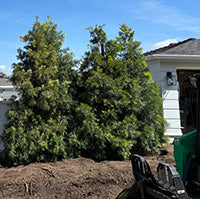
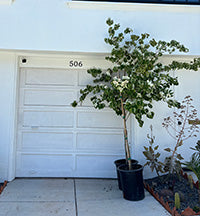
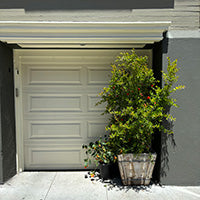
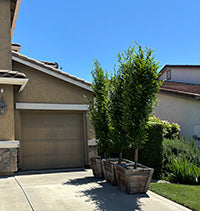
Yardwork was so great to work with. First they had the Swan Hill olive trees that we had been searching for, we had contacted several other nurseries without any luck previously. Then they answered all of our questions in a timely matter prior to ordering and finally delivered within a few days of placing it. Their staff is incredibly knowledgeable; they delivered and planted our trees with expertise to ensure that they would do well in our yard. We would definitely work with them again for future projects.











A Modern Experience
At Yardwork, we carefully curate thousands of plants, in all container sizes, to provide you with the best selection of the highest quality trees and plants at the best price, with the convenience of an online platform.
Uncompromised Quality
We choose only the finest specimens and hand select our plants just before delivery to ensure you receive the freshest and most robust specimens available for your landscape.
Industry Leading Warranties
Our 30, 90, and 365 extended warranties provide some of the best coverage to ensure our trees and plants thrive in your landscape.
Frequently Asked Questions
We're committed to changing everything about trees and plants - how they’re grown, how you shop for them, and how much they cost. We handle orders ourselves. No middlemen to get between us (or our prices) and you.
We're committed to changing everything about trees and plants - how they’re grown, how you shop for them, and how much they cost. We handle orders ourselves. No middlemen to get between us (or our prices) and you.
Delivery does not include unloading of trees and plants LARGER than a 24" box.
Trees and plants in smaller containers will be dropped curbside (usually on the driveway or near the front doorstep).
Delivery beyond a curbside drop will be charged extra.
Trees and plants that are sold in container sizes LARGER than a 24" box size will require equipment and/or enough manpower onsite to help unload from the truck.
Please reach out to our team PRIOR to placing your order to help coordinate.
Our team can provide unloading assistance with equipment for an extra fee as well.
Delivery does not include unloading of trees and plants LARGER than a 24" box.
Trees and plants in smaller containers will be dropped curbside (usually on the driveway or near the front doorstep).
Delivery beyond a curbside drop will be charged extra.
Trees and plants that are sold in container sizes LARGER than a 24" box size will require equipment and/or enough manpower onsite to help unload from the truck.
Please reach out to our team PRIOR to placing your order to help coordinate.
Our team can provide unloading assistance with equipment for an extra fee as well.
We ship locally within California within 7-10 days of your order being placed.
We ship nationally using carrier partners, based on order size. Our common order minimums for out of state shipping is $5,000.
Text or call 323-576-4159 for specific shipping details for your location.
We ship locally within California within 7-10 days of your order being placed.
We ship nationally using carrier partners, based on order size. Our common order minimums for out of state shipping is $5,000.
Text or call 323-576-4159 for specific shipping details for your location.
We are currently online only and don't have physical locations where you can view plants in person.
That's why we have photos direct from the growing grounds of the plants we will ship and we display pricing right in our store.
We do make sure to pick the very best trees and plants prior to shipping and make sure that they have gone through our multi-point inspection for health and structure.
We will always reach out prior to delivery if we find a quality issue or need to provide a substitute.
We are currently online only and don't have physical locations where you can view plants in person.
That's why we have photos direct from the growing grounds of the plants we will ship and we display pricing right in our store.
We do make sure to pick the very best trees and plants prior to shipping and make sure that they have gone through our multi-point inspection for health and structure.
We will always reach out prior to delivery if we find a quality issue or need to provide a substitute.
Plants vary greatly by type. Here is a rough idea of sizes based on containers that are direct from our growing grounds.
15 Gallon Shrub 3-4 Ft. Tall
15 Gallon Tree 5-6 Ft. Tall
24" Box Shrub 5-6 Ft. Tall
24" Box Tree 6-7 Ft. Tall
36" Box Shrub/Tree 7-9 Ft. Tall
48" Box Shrub/Tree 8-10 Ft. Tall
**Please note that we do not make guarantees of sizes. If you have questions or concerns, please call or text to request accurate sizing for the particular plant you're considering, prior to ordering.
Plants vary greatly by type. Here is a rough idea of sizes based on containers that are direct from our growing grounds.
15 Gallon Shrub 3-4 Ft. Tall
15 Gallon Tree 5-6 Ft. Tall
24" Box Shrub 5-6 Ft. Tall
24" Box Tree 6-7 Ft. Tall
36" Box Shrub/Tree 7-9 Ft. Tall
48" Box Shrub/Tree 8-10 Ft. Tall
**Please note that we do not make guarantees of sizes. If you have questions or concerns, please call or text to request accurate sizing for the particular plant you're considering, prior to ordering.
We offer a limited 30 day warranty for plants that are delivered and planted by someone else and a 90 day warranty for plants that we plant.
The limited warranty covers plants that die as a result of disease or fungus which was derived from our growing grounds or from root balls that were root bound.
The warranty does not cover damage due to watering, fertilizer, soils, or any other conditions beyond our control. Additionally, the warranty does not cover plants that are shipped out of the state of California or shipped into California from other states. Custom plant orders are also not covered under warranty. Plants must be planted within 24 hours after delivery to qualify.
We can assist you in recommending the right soils and fertilizers to help your plant thrive after you plant it.
Text or call 323-576-4159 for further warranty information.
We offer a limited 30 day warranty for plants that are delivered and planted by someone else and a 90 day warranty for plants that we plant.
The limited warranty covers plants that die as a result of disease or fungus which was derived from our growing grounds or from root balls that were root bound.
The warranty does not cover damage due to watering, fertilizer, soils, or any other conditions beyond our control. Additionally, the warranty does not cover plants that are shipped out of the state of California or shipped into California from other states. Custom plant orders are also not covered under warranty. Plants must be planted within 24 hours after delivery to qualify.
We can assist you in recommending the right soils and fertilizers to help your plant thrive after you plant it.
Text or call 323-576-4159 for further warranty information.
Our local delivery team covers most cities in California.
There are some exceptions, so please get in touch to confirm prior to ordering.
Additionally, we ship using semi trucks and trailers throughout the entire United States and even abroad for large orders over $5,000. Each shipment is custom, so please reach out to our team to coordinate.
Our local delivery team covers most cities in California.
There are some exceptions, so please get in touch to confirm prior to ordering.
Additionally, we ship using semi trucks and trailers throughout the entire United States and even abroad for large orders over $5,000. Each shipment is custom, so please reach out to our team to coordinate.