



Dudleya brittonii (Giant Chalk Dudleya)
Regular price
$0.00
Transform Your Garden with California’s Most Spectacular Chalky White Succulent
Dudleya brittonii, commonly known as Giant Chalk Dudleya or Britton’s Dudleya, is a dramatic powdery-white succulent that turns dry gardens, containers, and rock garden plantings into sculptural focal points with very little water.
Prized for its massive solitary rosette of fleshy leaves, Dudleya brittonii giant chalk can span up to 12 to 18 inches wide and grow up to 2 feet tall, with spring flower stalks rising above the foliage. The white form is covered in dense chalky epicuticular wax, giving it the famous chalky white leaves and one of the highest measured ultraviolet reflectivity levels recorded in any plant species.
Native to the Pacific coast of northern Baja California, Mexico, especially between Tijuana and Ensenada, this plant is naturally adapted to steep coastal cliffs, bluffs, rocky outcroppings, moist sea air, and fast-draining soils. For Southern California, San Diego, and other mild California coastal areas, it offers the rare combination of drought tolerance, evergreen form, and standout beauty that pairs well with other California native, drought-tolerant shrubs like Ceanothus.
Why You’ll Love It
-
Striking chalk-white rosettes – The white form of Britton’s dudleya looks almost painted, with pale green to grayish blue foliage and a powdery chalk texture that gives the plant its unforgettable look.
-
Water-wise once established – This dudleya is well-suited to arid environments and follows a winter-wet, summer-dry rhythm, helping reduce irrigation in low-water gardens.
-
Pollinator-friendly flowers – In late spring to early summer, it produces stout silvery-white spikes up to 2 feet tall with clusters of pale yellow flowers that attract pollinators, including hummingbirds.
-
Hardy for mild climates – Dudleya brittonii thrives in USDA hardiness zones 9 to 12 and can tolerate mild winter temperatures and warm summers when planted in excellent drainage.
-
Made for Mediterranean gardens – Adapted to a Mediterranean climate with cool, wet winter conditions and dry summer months, it fits beautifully into coastal-style gardens, well drained rock gardens, and elevated container displays alongside vibrant purple bougainvillea for dramatic color contrast.
What Makes It Different
Most succulents blend into a garden because they rely on similar green foliage, compact size, or frequent container styling. Dudleya brittonii giant chalk dudleya is different: it brings size, sculptural form, and a reflective white surface that performs a real protective function.
Dudleya brittonii offers:
-
Natural sunscreen farina – The white form is coated in chalky epicuticular wax that protects the leaves from intense sun exposure. This coating acts as natural UV protection, but it can be rubbed off by handling, so avoid touching the leaves and avoid overhead watering.
-
Bigger presence than many beautiful dudleyas – Compared with smaller species in the genus Dudleya, this plant forms a massive rosette of thick, fleshy, pointed leaves that can reach 18 inches in diameter. It makes a stronger focal point than many other plants in a dry garden.
-
Cool-season growth habit – The plant grows most actively during the cooler growing season and then slows into summer dormancy, making it ideal for a winter-wet, summer-dry watering cycle.
-
Coastal adaptation – Dudleya brittonii typically grows on steep coastal cliffs, bluffs, and rocky outcroppings where well drained soil, high air circulation, and moist sea air protect the roots from excess moisture, making it a strong companion for evergreen, drought-tolerant ground covers like Autumn Moor Grass.
-
Conservation-minded choice – Dudleya brittonii is increasingly threatened by human development despite appearing locally abundant in its natural habitat. Poaching of Dudleya brittonii is illegal in California, yet the plant remains a target for collectors due to its unique appearance and slow growth. Plants that are poached often do not thrive after being removed from their natural habitat, which is why responsibly propagated nursery stock matters.
Its closest lookalikes include Dudleya pulverulenta, but giant chalk dudleya stands out for its broad solitary rosette, pale-yellow blooms, and iconic chalky surface.
How To Grow Dudleya Brittonii Successfully
-
Plant in the right place
Choose a pot, raised bed, slope, or rock garden with a sandy or rocky soil mix. Dudleya brittonii requires well-draining soil, ideally a sandy or rocky mix, and should be planted at a slight angle so water drains out of the rosette instead of collecting in the center and causing rot.
-
Water with the seasons
Dudleya brittonii prefers infrequent watering. During active growth in spring, water about once every two weeks. In winter, water about once every three to four weeks, always allowing the soil to dry out completely between waterings to prevent root rot. Reduce watering sharply in the summer when the plant is dormant.
-
Give it bright light, not harsh stress
Indoors, this succulent thrives in bright, indirect light. Outdoors, it prefers full sun to partial shade, with at least 4-6 hours of direct sunlight per day. In hotter climates, use morning direct sun with afternoon shade to prevent leaf burn.
-
Enjoy the spring display
As the rosette matures, it sends up vibrant reddish-purple to silvery-white flower stalks that can reach 2 to 3 feet high. In late spring and early summer, pale-yellow flowers rise above the evergreen foliage and bring movement from bees, hummingbirds, and other pollinators.
Plant Details
-
Botanical Name: Dudleya brittonii
-
Common Names: Giant chalk dudleya, Britton’s dudleya; Dudleya brittonii common names also include Britton’s liveforever
-
Plant Type: Evergreen succulent
-
Family: Crassulaceae
-
Native Range: Pacific coast of northern Baja California, Mexico, especially between Tijuana and Ensenada; also valued in california native and coastal dry-garden plantings
-
Natural Habitat: Steep coastal cliffs, bluffs, rocky outcroppings, fast-draining soils, high air circulation, and moist sea air along the coast, where it can be combined with long-lived coast live oak trees for habitat-rich plantings
-
Mature Size: Up to 2 feet tall, with a rosette of thick, fleshy leaves reaching 18 inches in diameter; commonly 1-2 feet tall and wide
-
Rosette Size: Massive solitary rosette spanning up to 12 to 18 inches wide
-
Flower Stalks: Vibrant reddish-purple to silvery-white stalks reaching 2 to 3 feet high
-
Bloom Time: Late spring to early summer
-
Flower Color: Pale yellow to vibrant pale-yellow flowers
-
Light Requirements: Bright indirect light indoors; outdoors, full sun to partial shade with at least 4-6 hours of direct sunlight daily
-
Heat Protection: Provide afternoon shade in hotter inland areas to prevent leaf burn
-
Soil Needs: Sandy, rocky, sharply draining cactus or succulent soil mix
-
Water Needs: Infrequent watering; let soil dry completely between waterings, similar to other low-water ornamental grasses and accent plants offered for sale
-
Humidity Preference: Low humidity, ideally around 30% to 50%, because excessive moisture can lead to fungal issues
-
Hardiness: USDA Zones 9 to 12; suitable for mild winter temperatures and warm summers
-
Fertilizer: Minimal feeding; apply a light dose of balanced, slow-release fertilizer once a year in spring, since excessive fertilization can harm growth
-
Propagation: Best from seed or offsets when available; leaf cuttings are less reliable and can damage the farina
-
Special Care: Avoid overhead watering, avoid touching the chalky coating, and keep roots cool with gravel mulch or rock placement
-
Shipping Note: We carefully ship plants with protective packing to help foliage arrive in perfect condition, though the delicate farina should still be handled as little as possible
Who It’s For
Ideal for:
-
California homeowners replacing thirsty landscaping with drought-tolerant plants who may also be adding flowering trees to boost curb appeal and seasonal color
-
Southern California and San Diego gardeners working with coastal areas, slopes, containers, or dry garden beds
-
Rock garden enthusiasts who want a sculptural succulent with true focal-point presence
-
Designers creating Mediterranean, coastal, or Pacific coast inspired gardens that might also feature California pepper trees for airy shade and texture
-
Succulent collectors who want a standout species worthy of a succulent journal feature and who often pair it with structural drought-tolerant trees like African Sumac
-
Homeowners who want to attract hummingbirds and other pollinators naturally
-
Anyone who wants low-maintenance, high-impact foliage without relying on frequent water
If you want gorgeous plants that look refined, conserve moisture, and perform in well drained soil, Dudleya brittoniifits beautifully into the right garden, container, or elevated rocky planting.
Frequently Asked Questions
How often should I water my Dudleya brittonii?
Water infrequently. During active spring growth, water about once every two weeks. In winter, water about once every three to four weeks. Always let the soil dry out completely between waterings to prevent root rot, and reduce watering during summer dormancy.
Can it handle full California sun?
Yes, but placement matters. Dudleya brittonii prefers full sun to partial shade outdoors and needs at least 4-6 hours of direct sunlight per day. In hotter climates or inland California gardens, morning sun with afternoon shade is safest to prevent leaf burn.
When is the best time to plant?
Fall through winter is ideal because the plant is adapted to cool, wet winters and dry summers. Planting before the hot summer months helps roots establish while the plant is in its natural growing season.
How long does it take to reach full size?
Dudleya brittonii is slow-growing. Expect several years for a substantial rosette, with mature plants reaching 12 to 18 inches wide and up to 2 feet tall in good conditions.
Will it survive coastal fog and salt air?
Yes. This species thrives on coastal bluffs with rocky, fast-draining soils, high air circulation, and moist sea air. It is naturally adapted to the coast, but it still needs excellent drainage and should never sit in soggy soil after rain.
Can I grow it in containers?
Yes. Containers are one of the best ways to grow giant chalk dudleya because you can control soil, drainage, and moisture. Use a gritty cactus mix, choose a pot with drainage holes, and tilt the rosette slightly so water does not collect in the center.
Should I touch the chalky leaves?
No. Dudleya brittonii’s chalky coating can be easily rubbed off by handling, removing the plant’s natural UV protection. Handle the pot or soil area instead of the foliage.
Ready to Transform Your Garden?
Stop settling for ordinary succulents when you can plant Dudleya brittonii (Giant Chalk Dudleya)-a bold, sculptural, drought-tolerant succulent with chalk-white foliage, pale yellow blooms, and deep Baja California coastal heritage.
Choose this plant for well drained rock gardens, containers, slopes, and Mediterranean-style landscapes where dramatic form and low water use matter. Yardwork can help you select the right planting location, soil mix, and care plan for your California garden.
Order Dudleya brittonii today and create a striking, water-wise focal point with expert support.
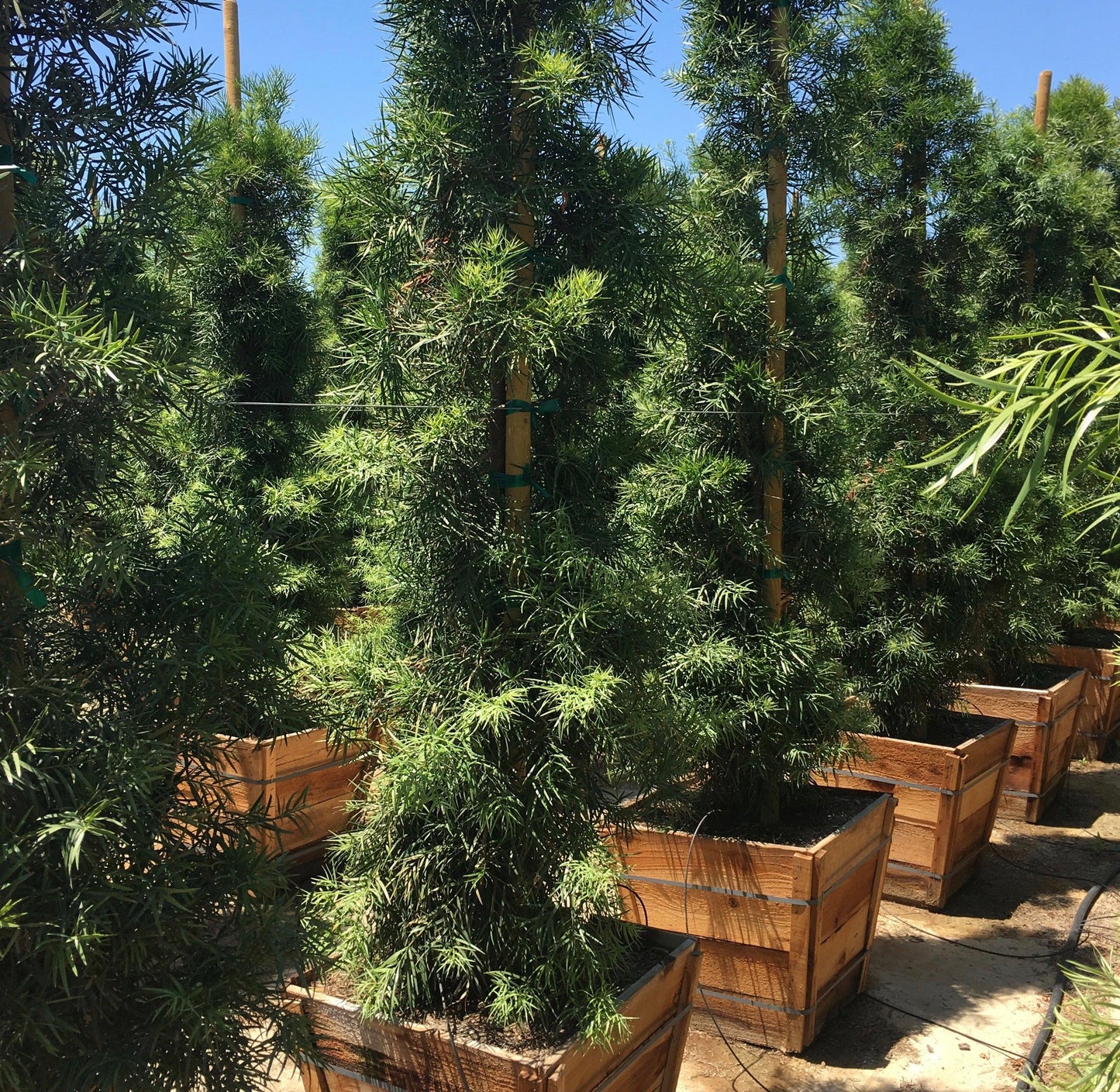
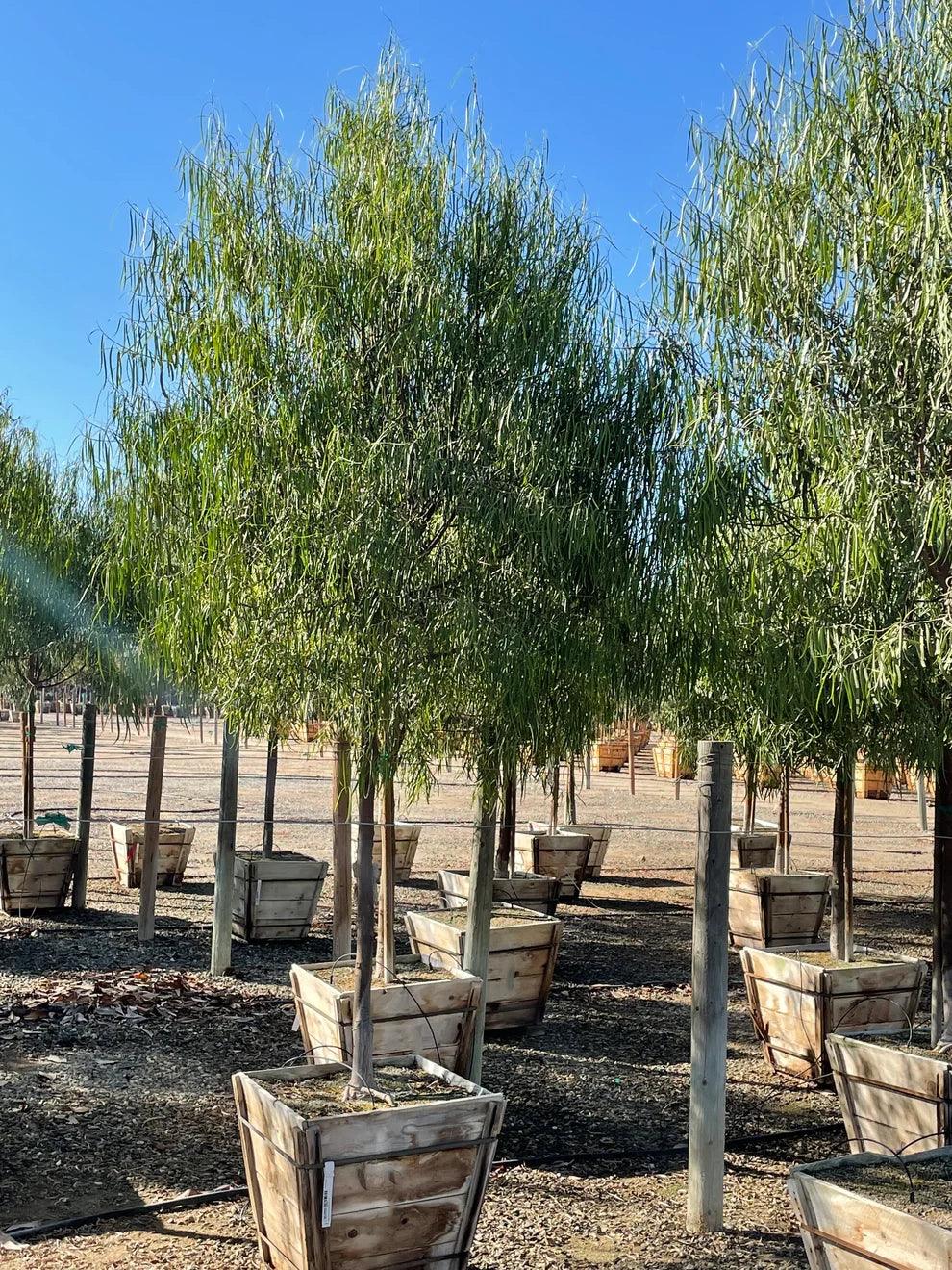
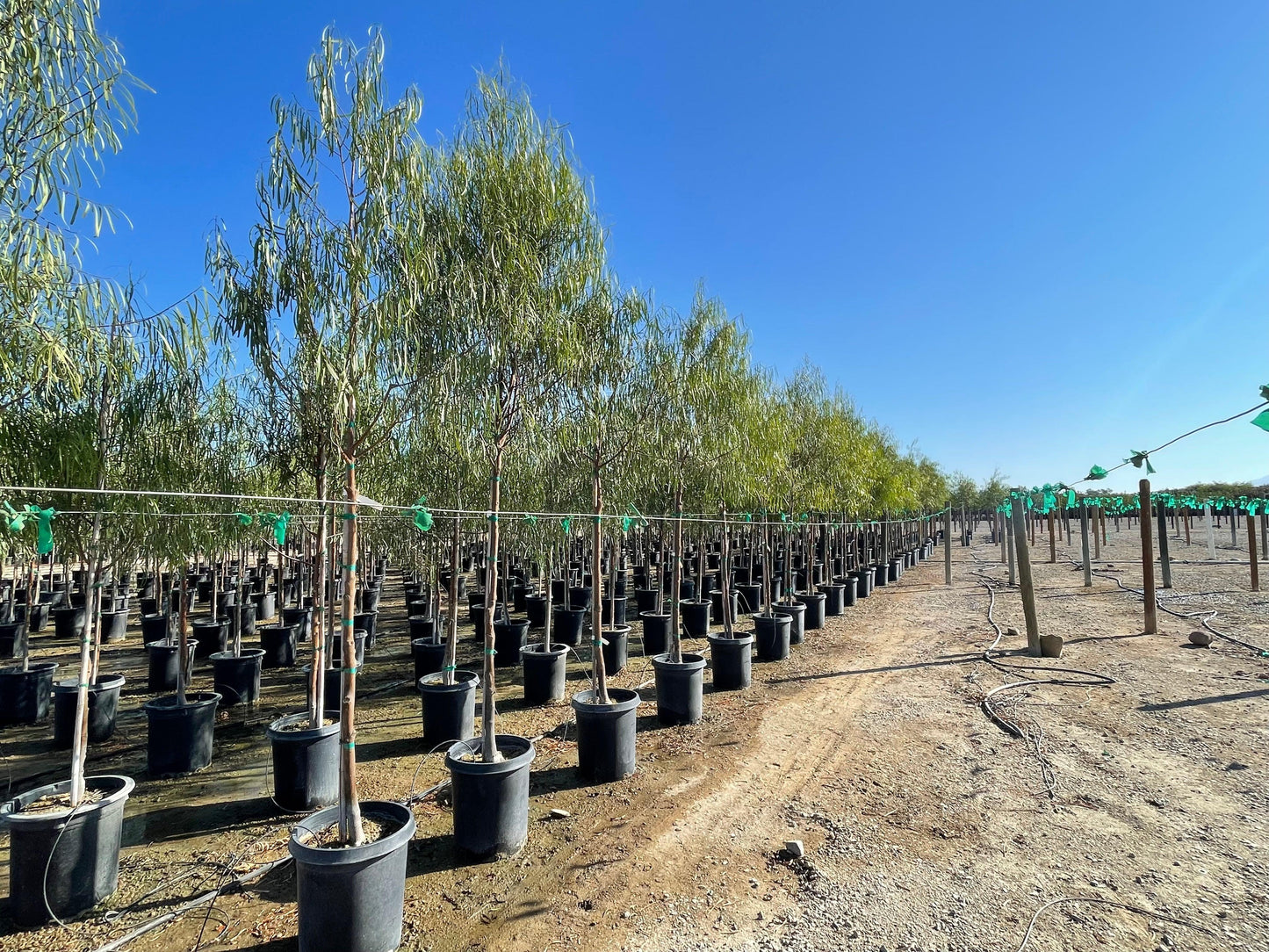
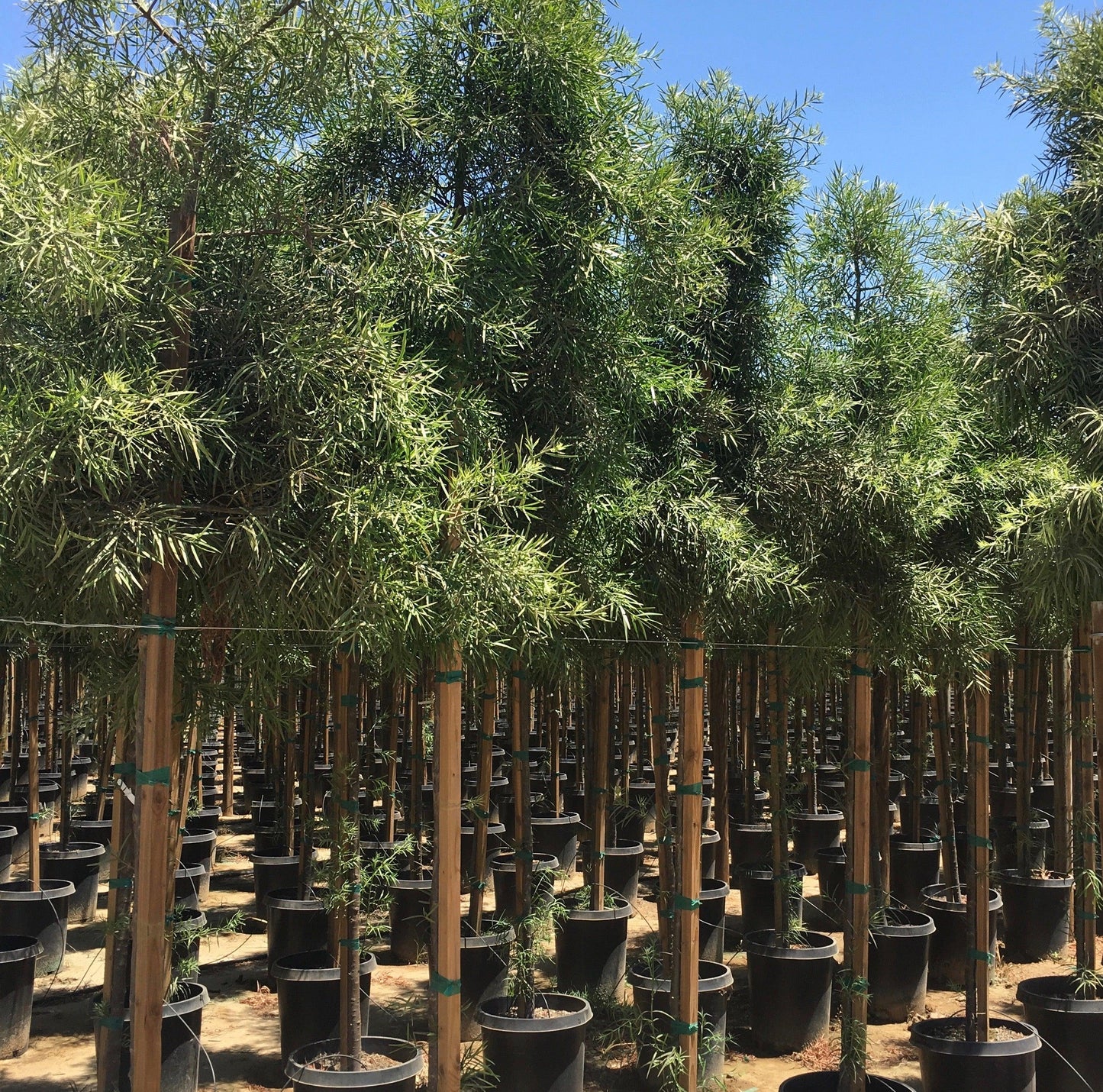
Expert consultation included. Carefully packed plants from responsible stock, whether you’re ordering sculptural succulents or evergreen shade trees like the California Pepper Tree and screening shrubs such as Cheesewood (Pittosporum).
Transform Your Garden with California’s Most Spectacular Chalky White Succulent
Dudleya brittonii, commonly known as Giant Chalk Dudleya or Britton’s Dudleya, is a dramatic powdery-white succulent that turns dry gardens, containers, and rock garden plantings into sculptural focal points with very little water.
Prized for its massive solitary rosette of fleshy leaves, Dudleya brittonii giant chalk can span up to 12 to 18 inches wide and grow up to 2 feet tall, with spring flower stalks rising above the foliage. The white form is covered in dense chalky epicuticular wax, giving it the famous chalky white leaves and one of the highest measured ultraviolet reflectivity levels recorded in any plant species.
Native to the Pacific coast of northern Baja California, Mexico, especially between Tijuana and Ensenada, this plant is naturally adapted to steep coastal cliffs, bluffs, rocky outcroppings, moist sea air, and fast-draining soils. For Southern California, San Diego, and other mild California coastal areas, it offers the rare combination of drought tolerance, evergreen form, and standout beauty that pairs well with other California native, drought-tolerant shrubs like Ceanothus.
Why You’ll Love It
-
Striking chalk-white rosettes – The white form of Britton’s dudleya looks almost painted, with pale green to grayish blue foliage and a powdery chalk texture that gives the plant its unforgettable look.
-
Water-wise once established – This dudleya is well-suited to arid environments and follows a winter-wet, summer-dry rhythm, helping reduce irrigation in low-water gardens.
-
Pollinator-friendly flowers – In late spring to early summer, it produces stout silvery-white spikes up to 2 feet tall with clusters of pale yellow flowers that attract pollinators, including hummingbirds.
-
Hardy for mild climates – Dudleya brittonii thrives in USDA hardiness zones 9 to 12 and can tolerate mild winter temperatures and warm summers when planted in excellent drainage.
-
Made for Mediterranean gardens – Adapted to a Mediterranean climate with cool, wet winter conditions and dry summer months, it fits beautifully into coastal-style gardens, well drained rock gardens, and elevated container displays alongside vibrant purple bougainvillea for dramatic color contrast.
What Makes It Different
Most succulents blend into a garden because they rely on similar green foliage, compact size, or frequent container styling. Dudleya brittonii giant chalk dudleya is different: it brings size, sculptural form, and a reflective white surface that performs a real protective function.
Dudleya brittonii offers:
-
Natural sunscreen farina – The white form is coated in chalky epicuticular wax that protects the leaves from intense sun exposure. This coating acts as natural UV protection, but it can be rubbed off by handling, so avoid touching the leaves and avoid overhead watering.
-
Bigger presence than many beautiful dudleyas – Compared with smaller species in the genus Dudleya, this plant forms a massive rosette of thick, fleshy, pointed leaves that can reach 18 inches in diameter. It makes a stronger focal point than many other plants in a dry garden.
-
Cool-season growth habit – The plant grows most actively during the cooler growing season and then slows into summer dormancy, making it ideal for a winter-wet, summer-dry watering cycle.
-
Coastal adaptation – Dudleya brittonii typically grows on steep coastal cliffs, bluffs, and rocky outcroppings where well drained soil, high air circulation, and moist sea air protect the roots from excess moisture, making it a strong companion for evergreen, drought-tolerant ground covers like Autumn Moor Grass.
-
Conservation-minded choice – Dudleya brittonii is increasingly threatened by human development despite appearing locally abundant in its natural habitat. Poaching of Dudleya brittonii is illegal in California, yet the plant remains a target for collectors due to its unique appearance and slow growth. Plants that are poached often do not thrive after being removed from their natural habitat, which is why responsibly propagated nursery stock matters.
Its closest lookalikes include Dudleya pulverulenta, but giant chalk dudleya stands out for its broad solitary rosette, pale-yellow blooms, and iconic chalky surface.
How To Grow Dudleya Brittonii Successfully
-
Plant in the right place
Choose a pot, raised bed, slope, or rock garden with a sandy or rocky soil mix. Dudleya brittonii requires well-draining soil, ideally a sandy or rocky mix, and should be planted at a slight angle so water drains out of the rosette instead of collecting in the center and causing rot.
-
Water with the seasons
Dudleya brittonii prefers infrequent watering. During active growth in spring, water about once every two weeks. In winter, water about once every three to four weeks, always allowing the soil to dry out completely between waterings to prevent root rot. Reduce watering sharply in the summer when the plant is dormant.
-
Give it bright light, not harsh stress
Indoors, this succulent thrives in bright, indirect light. Outdoors, it prefers full sun to partial shade, with at least 4-6 hours of direct sunlight per day. In hotter climates, use morning direct sun with afternoon shade to prevent leaf burn.
-
Enjoy the spring display
As the rosette matures, it sends up vibrant reddish-purple to silvery-white flower stalks that can reach 2 to 3 feet high. In late spring and early summer, pale-yellow flowers rise above the evergreen foliage and bring movement from bees, hummingbirds, and other pollinators.
Plant Details
-
Botanical Name: Dudleya brittonii
-
Common Names: Giant chalk dudleya, Britton’s dudleya; Dudleya brittonii common names also include Britton’s liveforever
-
Plant Type: Evergreen succulent
-
Family: Crassulaceae
-
Native Range: Pacific coast of northern Baja California, Mexico, especially between Tijuana and Ensenada; also valued in california native and coastal dry-garden plantings
-
Natural Habitat: Steep coastal cliffs, bluffs, rocky outcroppings, fast-draining soils, high air circulation, and moist sea air along the coast, where it can be combined with long-lived coast live oak trees for habitat-rich plantings
-
Mature Size: Up to 2 feet tall, with a rosette of thick, fleshy leaves reaching 18 inches in diameter; commonly 1-2 feet tall and wide
-
Rosette Size: Massive solitary rosette spanning up to 12 to 18 inches wide
-
Flower Stalks: Vibrant reddish-purple to silvery-white stalks reaching 2 to 3 feet high
-
Bloom Time: Late spring to early summer
-
Flower Color: Pale yellow to vibrant pale-yellow flowers
-
Light Requirements: Bright indirect light indoors; outdoors, full sun to partial shade with at least 4-6 hours of direct sunlight daily
-
Heat Protection: Provide afternoon shade in hotter inland areas to prevent leaf burn
-
Soil Needs: Sandy, rocky, sharply draining cactus or succulent soil mix
-
Water Needs: Infrequent watering; let soil dry completely between waterings, similar to other low-water ornamental grasses and accent plants offered for sale
-
Humidity Preference: Low humidity, ideally around 30% to 50%, because excessive moisture can lead to fungal issues
-
Hardiness: USDA Zones 9 to 12; suitable for mild winter temperatures and warm summers
-
Fertilizer: Minimal feeding; apply a light dose of balanced, slow-release fertilizer once a year in spring, since excessive fertilization can harm growth
-
Propagation: Best from seed or offsets when available; leaf cuttings are less reliable and can damage the farina
-
Special Care: Avoid overhead watering, avoid touching the chalky coating, and keep roots cool with gravel mulch or rock placement
-
Shipping Note: We carefully ship plants with protective packing to help foliage arrive in perfect condition, though the delicate farina should still be handled as little as possible
Who It’s For
Ideal for:
-
California homeowners replacing thirsty landscaping with drought-tolerant plants who may also be adding flowering trees to boost curb appeal and seasonal color
-
Southern California and San Diego gardeners working with coastal areas, slopes, containers, or dry garden beds
-
Rock garden enthusiasts who want a sculptural succulent with true focal-point presence
-
Designers creating Mediterranean, coastal, or Pacific coast inspired gardens that might also feature California pepper trees for airy shade and texture
-
Succulent collectors who want a standout species worthy of a succulent journal feature and who often pair it with structural drought-tolerant trees like African Sumac
-
Homeowners who want to attract hummingbirds and other pollinators naturally
-
Anyone who wants low-maintenance, high-impact foliage without relying on frequent water
If you want gorgeous plants that look refined, conserve moisture, and perform in well drained soil, Dudleya brittoniifits beautifully into the right garden, container, or elevated rocky planting.
Frequently Asked Questions
How often should I water my Dudleya brittonii?
Water infrequently. During active spring growth, water about once every two weeks. In winter, water about once every three to four weeks. Always let the soil dry out completely between waterings to prevent root rot, and reduce watering during summer dormancy.
Can it handle full California sun?
Yes, but placement matters. Dudleya brittonii prefers full sun to partial shade outdoors and needs at least 4-6 hours of direct sunlight per day. In hotter climates or inland California gardens, morning sun with afternoon shade is safest to prevent leaf burn.
When is the best time to plant?
Fall through winter is ideal because the plant is adapted to cool, wet winters and dry summers. Planting before the hot summer months helps roots establish while the plant is in its natural growing season.
How long does it take to reach full size?
Dudleya brittonii is slow-growing. Expect several years for a substantial rosette, with mature plants reaching 12 to 18 inches wide and up to 2 feet tall in good conditions.
Will it survive coastal fog and salt air?
Yes. This species thrives on coastal bluffs with rocky, fast-draining soils, high air circulation, and moist sea air. It is naturally adapted to the coast, but it still needs excellent drainage and should never sit in soggy soil after rain.
Can I grow it in containers?
Yes. Containers are one of the best ways to grow giant chalk dudleya because you can control soil, drainage, and moisture. Use a gritty cactus mix, choose a pot with drainage holes, and tilt the rosette slightly so water does not collect in the center.
Should I touch the chalky leaves?
No. Dudleya brittonii’s chalky coating can be easily rubbed off by handling, removing the plant’s natural UV protection. Handle the pot or soil area instead of the foliage.
Ready to Transform Your Garden?
Stop settling for ordinary succulents when you can plant Dudleya brittonii (Giant Chalk Dudleya)-a bold, sculptural, drought-tolerant succulent with chalk-white foliage, pale yellow blooms, and deep Baja California coastal heritage.
Choose this plant for well drained rock gardens, containers, slopes, and Mediterranean-style landscapes where dramatic form and low water use matter. Yardwork can help you select the right planting location, soil mix, and care plan for your California garden.
Order Dudleya brittonii today and create a striking, water-wise focal point with expert support.
Expert consultation included. Carefully packed plants from responsible stock, whether you’re ordering sculptural succulents or evergreen shade trees like the California Pepper Tree and screening shrubs such as Cheesewood (Pittosporum).
Plants vary greatly by type and no guarantees are made on sizing.
However here is a rough idea of sizes based on containers that are direct from our growing grounds.
15 Gallon Shrub 3-4 Ft. Tall
15 Gallon Tree 5-6 Ft. Tall
24" Box Shrub 5-6 Ft. Tall
24" Box Tree 6-7 Ft. Tall
36" Box Tree 8-10 Ft. Tall
48" Box Tree 10-12 Ft. Tall
Please note: Citrus and California Native plants such as Manzanita are smaller than traditional sizing.
Please contact us to confirm sizing of items before purchasing if this is a concern.
Plants vary greatly by type and no guarantees are made on sizing.
However here is a rough idea of sizes based on containers that are direct from our growing grounds.
15 Gallon Shrub 3-4 Ft. Tall
15 Gallon Tree 5-6 Ft. Tall
24" Box Shrub 5-6 Ft. Tall
24" Box Tree 6-7 Ft. Tall
36" Box Tree 8-10 Ft. Tall
48" Box Tree 10-12 Ft. Tall
Please note: Citrus and California Native plants such as Manzanita are smaller than traditional sizing.
Please contact us to confirm sizing of items before purchasing if this is a concern.
Delivery does not include unloading of trees and plants larger than a 24" box.
Trees and plants in smaller containers will be dropped curbside.
Delivery beyond a curbside drop will be charged extra.
Trees and plants that are sold in container sizes larger than a 24" box size will require equipment and an operator onsite to help unload from the truck.
Please reach out to our team PRIOR to placing your order to coordinate.
Our team can provide unloading assistance with equipment for an extra fee.
Delivery does not include unloading of trees and plants larger than a 24" box.
Trees and plants in smaller containers will be dropped curbside.
Delivery beyond a curbside drop will be charged extra.
Trees and plants that are sold in container sizes larger than a 24" box size will require equipment and an operator onsite to help unload from the truck.
Please reach out to our team PRIOR to placing your order to coordinate.
Our team can provide unloading assistance with equipment for an extra fee.
You may also like...


Dudleya brittonii (Giant Chalk Dudleya)
Regular price
$0.00
Transform Your Garden with California’s Most Spectacular Chalky White Succulent
Dudleya brittonii, commonly known as Giant Chalk Dudleya or Britton’s Dudleya, is a dramatic powdery-white succulent that turns dry gardens, containers, and rock garden plantings into sculptural focal points with very little water.
Prized for its massive solitary rosette of fleshy leaves, Dudleya brittonii giant chalk can span up to 12 to 18 inches wide and grow up to 2 feet tall, with spring flower stalks rising above the foliage. The white form is covered in dense chalky epicuticular wax, giving it the famous chalky white leaves and one of the highest measured ultraviolet reflectivity levels recorded in any plant species.
Native to the Pacific coast of northern Baja California, Mexico, especially between Tijuana and Ensenada, this plant is naturally adapted to steep coastal cliffs, bluffs, rocky outcroppings, moist sea air, and fast-draining soils. For Southern California, San Diego, and other mild California coastal areas, it offers the rare combination of drought tolerance, evergreen form, and standout beauty that pairs well with other California native, drought-tolerant shrubs like Ceanothus.
Why You’ll Love It
-
Striking chalk-white rosettes – The white form of Britton’s dudleya looks almost painted, with pale green to grayish blue foliage and a powdery chalk texture that gives the plant its unforgettable look.
-
Water-wise once established – This dudleya is well-suited to arid environments and follows a winter-wet, summer-dry rhythm, helping reduce irrigation in low-water gardens.
-
Pollinator-friendly flowers – In late spring to early summer, it produces stout silvery-white spikes up to 2 feet tall with clusters of pale yellow flowers that attract pollinators, including hummingbirds.
-
Hardy for mild climates – Dudleya brittonii thrives in USDA hardiness zones 9 to 12 and can tolerate mild winter temperatures and warm summers when planted in excellent drainage.
-
Made for Mediterranean gardens – Adapted to a Mediterranean climate with cool, wet winter conditions and dry summer months, it fits beautifully into coastal-style gardens, well drained rock gardens, and elevated container displays alongside vibrant purple bougainvillea for dramatic color contrast.
What Makes It Different
Most succulents blend into a garden because they rely on similar green foliage, compact size, or frequent container styling. Dudleya brittonii giant chalk dudleya is different: it brings size, sculptural form, and a reflective white surface that performs a real protective function.
Dudleya brittonii offers:
-
Natural sunscreen farina – The white form is coated in chalky epicuticular wax that protects the leaves from intense sun exposure. This coating acts as natural UV protection, but it can be rubbed off by handling, so avoid touching the leaves and avoid overhead watering.
-
Bigger presence than many beautiful dudleyas – Compared with smaller species in the genus Dudleya, this plant forms a massive rosette of thick, fleshy, pointed leaves that can reach 18 inches in diameter. It makes a stronger focal point than many other plants in a dry garden.
-
Cool-season growth habit – The plant grows most actively during the cooler growing season and then slows into summer dormancy, making it ideal for a winter-wet, summer-dry watering cycle.
-
Coastal adaptation – Dudleya brittonii typically grows on steep coastal cliffs, bluffs, and rocky outcroppings where well drained soil, high air circulation, and moist sea air protect the roots from excess moisture, making it a strong companion for evergreen, drought-tolerant ground covers like Autumn Moor Grass.
-
Conservation-minded choice – Dudleya brittonii is increasingly threatened by human development despite appearing locally abundant in its natural habitat. Poaching of Dudleya brittonii is illegal in California, yet the plant remains a target for collectors due to its unique appearance and slow growth. Plants that are poached often do not thrive after being removed from their natural habitat, which is why responsibly propagated nursery stock matters.
Its closest lookalikes include Dudleya pulverulenta, but giant chalk dudleya stands out for its broad solitary rosette, pale-yellow blooms, and iconic chalky surface.
How To Grow Dudleya Brittonii Successfully
-
Plant in the right place
Choose a pot, raised bed, slope, or rock garden with a sandy or rocky soil mix. Dudleya brittonii requires well-draining soil, ideally a sandy or rocky mix, and should be planted at a slight angle so water drains out of the rosette instead of collecting in the center and causing rot.
-
Water with the seasons
Dudleya brittonii prefers infrequent watering. During active growth in spring, water about once every two weeks. In winter, water about once every three to four weeks, always allowing the soil to dry out completely between waterings to prevent root rot. Reduce watering sharply in the summer when the plant is dormant.
-
Give it bright light, not harsh stress
Indoors, this succulent thrives in bright, indirect light. Outdoors, it prefers full sun to partial shade, with at least 4-6 hours of direct sunlight per day. In hotter climates, use morning direct sun with afternoon shade to prevent leaf burn.
-
Enjoy the spring display
As the rosette matures, it sends up vibrant reddish-purple to silvery-white flower stalks that can reach 2 to 3 feet high. In late spring and early summer, pale-yellow flowers rise above the evergreen foliage and bring movement from bees, hummingbirds, and other pollinators.
Plant Details
-
Botanical Name: Dudleya brittonii
-
Common Names: Giant chalk dudleya, Britton’s dudleya; Dudleya brittonii common names also include Britton’s liveforever
-
Plant Type: Evergreen succulent
-
Family: Crassulaceae
-
Native Range: Pacific coast of northern Baja California, Mexico, especially between Tijuana and Ensenada; also valued in california native and coastal dry-garden plantings
-
Natural Habitat: Steep coastal cliffs, bluffs, rocky outcroppings, fast-draining soils, high air circulation, and moist sea air along the coast, where it can be combined with long-lived coast live oak trees for habitat-rich plantings
-
Mature Size: Up to 2 feet tall, with a rosette of thick, fleshy leaves reaching 18 inches in diameter; commonly 1-2 feet tall and wide
-
Rosette Size: Massive solitary rosette spanning up to 12 to 18 inches wide
-
Flower Stalks: Vibrant reddish-purple to silvery-white stalks reaching 2 to 3 feet high
-
Bloom Time: Late spring to early summer
-
Flower Color: Pale yellow to vibrant pale-yellow flowers
-
Light Requirements: Bright indirect light indoors; outdoors, full sun to partial shade with at least 4-6 hours of direct sunlight daily
-
Heat Protection: Provide afternoon shade in hotter inland areas to prevent leaf burn
-
Soil Needs: Sandy, rocky, sharply draining cactus or succulent soil mix
-
Water Needs: Infrequent watering; let soil dry completely between waterings, similar to other low-water ornamental grasses and accent plants offered for sale
-
Humidity Preference: Low humidity, ideally around 30% to 50%, because excessive moisture can lead to fungal issues
-
Hardiness: USDA Zones 9 to 12; suitable for mild winter temperatures and warm summers
-
Fertilizer: Minimal feeding; apply a light dose of balanced, slow-release fertilizer once a year in spring, since excessive fertilization can harm growth
-
Propagation: Best from seed or offsets when available; leaf cuttings are less reliable and can damage the farina
-
Special Care: Avoid overhead watering, avoid touching the chalky coating, and keep roots cool with gravel mulch or rock placement
-
Shipping Note: We carefully ship plants with protective packing to help foliage arrive in perfect condition, though the delicate farina should still be handled as little as possible
Who It’s For
Ideal for:
-
California homeowners replacing thirsty landscaping with drought-tolerant plants who may also be adding flowering trees to boost curb appeal and seasonal color
-
Southern California and San Diego gardeners working with coastal areas, slopes, containers, or dry garden beds
-
Rock garden enthusiasts who want a sculptural succulent with true focal-point presence
-
Designers creating Mediterranean, coastal, or Pacific coast inspired gardens that might also feature California pepper trees for airy shade and texture
-
Succulent collectors who want a standout species worthy of a succulent journal feature and who often pair it with structural drought-tolerant trees like African Sumac
-
Homeowners who want to attract hummingbirds and other pollinators naturally
-
Anyone who wants low-maintenance, high-impact foliage without relying on frequent water
If you want gorgeous plants that look refined, conserve moisture, and perform in well drained soil, Dudleya brittoniifits beautifully into the right garden, container, or elevated rocky planting.
Frequently Asked Questions
How often should I water my Dudleya brittonii?
Water infrequently. During active spring growth, water about once every two weeks. In winter, water about once every three to four weeks. Always let the soil dry out completely between waterings to prevent root rot, and reduce watering during summer dormancy.
Can it handle full California sun?
Yes, but placement matters. Dudleya brittonii prefers full sun to partial shade outdoors and needs at least 4-6 hours of direct sunlight per day. In hotter climates or inland California gardens, morning sun with afternoon shade is safest to prevent leaf burn.
When is the best time to plant?
Fall through winter is ideal because the plant is adapted to cool, wet winters and dry summers. Planting before the hot summer months helps roots establish while the plant is in its natural growing season.
How long does it take to reach full size?
Dudleya brittonii is slow-growing. Expect several years for a substantial rosette, with mature plants reaching 12 to 18 inches wide and up to 2 feet tall in good conditions.
Will it survive coastal fog and salt air?
Yes. This species thrives on coastal bluffs with rocky, fast-draining soils, high air circulation, and moist sea air. It is naturally adapted to the coast, but it still needs excellent drainage and should never sit in soggy soil after rain.
Can I grow it in containers?
Yes. Containers are one of the best ways to grow giant chalk dudleya because you can control soil, drainage, and moisture. Use a gritty cactus mix, choose a pot with drainage holes, and tilt the rosette slightly so water does not collect in the center.
Should I touch the chalky leaves?
No. Dudleya brittonii’s chalky coating can be easily rubbed off by handling, removing the plant’s natural UV protection. Handle the pot or soil area instead of the foliage.
Ready to Transform Your Garden?
Stop settling for ordinary succulents when you can plant Dudleya brittonii (Giant Chalk Dudleya)-a bold, sculptural, drought-tolerant succulent with chalk-white foliage, pale yellow blooms, and deep Baja California coastal heritage.
Choose this plant for well drained rock gardens, containers, slopes, and Mediterranean-style landscapes where dramatic form and low water use matter. Yardwork can help you select the right planting location, soil mix, and care plan for your California garden.
Order Dudleya brittonii today and create a striking, water-wise focal point with expert support.
Expert consultation included. Carefully packed plants from responsible stock, whether you’re ordering sculptural succulents or evergreen shade trees like the California Pepper Tree and screening shrubs such as Cheesewood (Pittosporum).
Transform Your Garden with California’s Most Spectacular Chalky White Succulent
Dudleya brittonii, commonly known as Giant Chalk Dudleya or Britton’s Dudleya, is a dramatic powdery-white succulent that turns dry gardens, containers, and rock garden plantings into sculptural focal points with very little water.
Prized for its massive solitary rosette of fleshy leaves, Dudleya brittonii giant chalk can span up to 12 to 18 inches wide and grow up to 2 feet tall, with spring flower stalks rising above the foliage. The white form is covered in dense chalky epicuticular wax, giving it the famous chalky white leaves and one of the highest measured ultraviolet reflectivity levels recorded in any plant species.
Native to the Pacific coast of northern Baja California, Mexico, especially between Tijuana and Ensenada, this plant is naturally adapted to steep coastal cliffs, bluffs, rocky outcroppings, moist sea air, and fast-draining soils. For Southern California, San Diego, and other mild California coastal areas, it offers the rare combination of drought tolerance, evergreen form, and standout beauty that pairs well with other California native, drought-tolerant shrubs like Ceanothus.
Why You’ll Love It
-
Striking chalk-white rosettes – The white form of Britton’s dudleya looks almost painted, with pale green to grayish blue foliage and a powdery chalk texture that gives the plant its unforgettable look.
-
Water-wise once established – This dudleya is well-suited to arid environments and follows a winter-wet, summer-dry rhythm, helping reduce irrigation in low-water gardens.
-
Pollinator-friendly flowers – In late spring to early summer, it produces stout silvery-white spikes up to 2 feet tall with clusters of pale yellow flowers that attract pollinators, including hummingbirds.
-
Hardy for mild climates – Dudleya brittonii thrives in USDA hardiness zones 9 to 12 and can tolerate mild winter temperatures and warm summers when planted in excellent drainage.
-
Made for Mediterranean gardens – Adapted to a Mediterranean climate with cool, wet winter conditions and dry summer months, it fits beautifully into coastal-style gardens, well drained rock gardens, and elevated container displays alongside vibrant purple bougainvillea for dramatic color contrast.
What Makes It Different
Most succulents blend into a garden because they rely on similar green foliage, compact size, or frequent container styling. Dudleya brittonii giant chalk dudleya is different: it brings size, sculptural form, and a reflective white surface that performs a real protective function.
Dudleya brittonii offers:
-
Natural sunscreen farina – The white form is coated in chalky epicuticular wax that protects the leaves from intense sun exposure. This coating acts as natural UV protection, but it can be rubbed off by handling, so avoid touching the leaves and avoid overhead watering.
-
Bigger presence than many beautiful dudleyas – Compared with smaller species in the genus Dudleya, this plant forms a massive rosette of thick, fleshy, pointed leaves that can reach 18 inches in diameter. It makes a stronger focal point than many other plants in a dry garden.
-
Cool-season growth habit – The plant grows most actively during the cooler growing season and then slows into summer dormancy, making it ideal for a winter-wet, summer-dry watering cycle.
-
Coastal adaptation – Dudleya brittonii typically grows on steep coastal cliffs, bluffs, and rocky outcroppings where well drained soil, high air circulation, and moist sea air protect the roots from excess moisture, making it a strong companion for evergreen, drought-tolerant ground covers like Autumn Moor Grass.
-
Conservation-minded choice – Dudleya brittonii is increasingly threatened by human development despite appearing locally abundant in its natural habitat. Poaching of Dudleya brittonii is illegal in California, yet the plant remains a target for collectors due to its unique appearance and slow growth. Plants that are poached often do not thrive after being removed from their natural habitat, which is why responsibly propagated nursery stock matters.
Its closest lookalikes include Dudleya pulverulenta, but giant chalk dudleya stands out for its broad solitary rosette, pale-yellow blooms, and iconic chalky surface.
How To Grow Dudleya Brittonii Successfully
-
Plant in the right place
Choose a pot, raised bed, slope, or rock garden with a sandy or rocky soil mix. Dudleya brittonii requires well-draining soil, ideally a sandy or rocky mix, and should be planted at a slight angle so water drains out of the rosette instead of collecting in the center and causing rot.
-
Water with the seasons
Dudleya brittonii prefers infrequent watering. During active growth in spring, water about once every two weeks. In winter, water about once every three to four weeks, always allowing the soil to dry out completely between waterings to prevent root rot. Reduce watering sharply in the summer when the plant is dormant.
-
Give it bright light, not harsh stress
Indoors, this succulent thrives in bright, indirect light. Outdoors, it prefers full sun to partial shade, with at least 4-6 hours of direct sunlight per day. In hotter climates, use morning direct sun with afternoon shade to prevent leaf burn.
-
Enjoy the spring display
As the rosette matures, it sends up vibrant reddish-purple to silvery-white flower stalks that can reach 2 to 3 feet high. In late spring and early summer, pale-yellow flowers rise above the evergreen foliage and bring movement from bees, hummingbirds, and other pollinators.
Plant Details
-
Botanical Name: Dudleya brittonii
-
Common Names: Giant chalk dudleya, Britton’s dudleya; Dudleya brittonii common names also include Britton’s liveforever
-
Plant Type: Evergreen succulent
-
Family: Crassulaceae
-
Native Range: Pacific coast of northern Baja California, Mexico, especially between Tijuana and Ensenada; also valued in california native and coastal dry-garden plantings
-
Natural Habitat: Steep coastal cliffs, bluffs, rocky outcroppings, fast-draining soils, high air circulation, and moist sea air along the coast, where it can be combined with long-lived coast live oak trees for habitat-rich plantings
-
Mature Size: Up to 2 feet tall, with a rosette of thick, fleshy leaves reaching 18 inches in diameter; commonly 1-2 feet tall and wide
-
Rosette Size: Massive solitary rosette spanning up to 12 to 18 inches wide
-
Flower Stalks: Vibrant reddish-purple to silvery-white stalks reaching 2 to 3 feet high
-
Bloom Time: Late spring to early summer
-
Flower Color: Pale yellow to vibrant pale-yellow flowers
-
Light Requirements: Bright indirect light indoors; outdoors, full sun to partial shade with at least 4-6 hours of direct sunlight daily
-
Heat Protection: Provide afternoon shade in hotter inland areas to prevent leaf burn
-
Soil Needs: Sandy, rocky, sharply draining cactus or succulent soil mix
-
Water Needs: Infrequent watering; let soil dry completely between waterings, similar to other low-water ornamental grasses and accent plants offered for sale
-
Humidity Preference: Low humidity, ideally around 30% to 50%, because excessive moisture can lead to fungal issues
-
Hardiness: USDA Zones 9 to 12; suitable for mild winter temperatures and warm summers
-
Fertilizer: Minimal feeding; apply a light dose of balanced, slow-release fertilizer once a year in spring, since excessive fertilization can harm growth
-
Propagation: Best from seed or offsets when available; leaf cuttings are less reliable and can damage the farina
-
Special Care: Avoid overhead watering, avoid touching the chalky coating, and keep roots cool with gravel mulch or rock placement
-
Shipping Note: We carefully ship plants with protective packing to help foliage arrive in perfect condition, though the delicate farina should still be handled as little as possible
Who It’s For
Ideal for:
-
California homeowners replacing thirsty landscaping with drought-tolerant plants who may also be adding flowering trees to boost curb appeal and seasonal color
-
Southern California and San Diego gardeners working with coastal areas, slopes, containers, or dry garden beds
-
Rock garden enthusiasts who want a sculptural succulent with true focal-point presence
-
Designers creating Mediterranean, coastal, or Pacific coast inspired gardens that might also feature California pepper trees for airy shade and texture
-
Succulent collectors who want a standout species worthy of a succulent journal feature and who often pair it with structural drought-tolerant trees like African Sumac
-
Homeowners who want to attract hummingbirds and other pollinators naturally
-
Anyone who wants low-maintenance, high-impact foliage without relying on frequent water
If you want gorgeous plants that look refined, conserve moisture, and perform in well drained soil, Dudleya brittoniifits beautifully into the right garden, container, or elevated rocky planting.
Frequently Asked Questions
How often should I water my Dudleya brittonii?
Water infrequently. During active spring growth, water about once every two weeks. In winter, water about once every three to four weeks. Always let the soil dry out completely between waterings to prevent root rot, and reduce watering during summer dormancy.
Can it handle full California sun?
Yes, but placement matters. Dudleya brittonii prefers full sun to partial shade outdoors and needs at least 4-6 hours of direct sunlight per day. In hotter climates or inland California gardens, morning sun with afternoon shade is safest to prevent leaf burn.
When is the best time to plant?
Fall through winter is ideal because the plant is adapted to cool, wet winters and dry summers. Planting before the hot summer months helps roots establish while the plant is in its natural growing season.
How long does it take to reach full size?
Dudleya brittonii is slow-growing. Expect several years for a substantial rosette, with mature plants reaching 12 to 18 inches wide and up to 2 feet tall in good conditions.
Will it survive coastal fog and salt air?
Yes. This species thrives on coastal bluffs with rocky, fast-draining soils, high air circulation, and moist sea air. It is naturally adapted to the coast, but it still needs excellent drainage and should never sit in soggy soil after rain.
Can I grow it in containers?
Yes. Containers are one of the best ways to grow giant chalk dudleya because you can control soil, drainage, and moisture. Use a gritty cactus mix, choose a pot with drainage holes, and tilt the rosette slightly so water does not collect in the center.
Should I touch the chalky leaves?
No. Dudleya brittonii’s chalky coating can be easily rubbed off by handling, removing the plant’s natural UV protection. Handle the pot or soil area instead of the foliage.
Ready to Transform Your Garden?
Stop settling for ordinary succulents when you can plant Dudleya brittonii (Giant Chalk Dudleya)-a bold, sculptural, drought-tolerant succulent with chalk-white foliage, pale yellow blooms, and deep Baja California coastal heritage.
Choose this plant for well drained rock gardens, containers, slopes, and Mediterranean-style landscapes where dramatic form and low water use matter. Yardwork can help you select the right planting location, soil mix, and care plan for your California garden.
Order Dudleya brittonii today and create a striking, water-wise focal point with expert support.
Expert consultation included. Carefully packed plants from responsible stock, whether you’re ordering sculptural succulents or evergreen shade trees like the California Pepper Tree and screening shrubs such as Cheesewood (Pittosporum).
Plants vary greatly by type and no guarantees are made on sizing.
However here is a rough idea of sizes based on containers that are direct from our growing grounds.
15 Gallon Shrub 3-4 Ft. Tall
15 Gallon Tree 5-6 Ft. Tall
24" Box Shrub 5-6 Ft. Tall
24" Box Tree 6-7 Ft. Tall
36" Box Tree 8-10 Ft. Tall
48" Box Tree 10-12 Ft. Tall
Please note: Citrus and California Native plants such as Manzanita are smaller than traditional sizing.
Please contact us to confirm sizing of items before purchasing if this is a concern.
Plants vary greatly by type and no guarantees are made on sizing.
However here is a rough idea of sizes based on containers that are direct from our growing grounds.
15 Gallon Shrub 3-4 Ft. Tall
15 Gallon Tree 5-6 Ft. Tall
24" Box Shrub 5-6 Ft. Tall
24" Box Tree 6-7 Ft. Tall
36" Box Tree 8-10 Ft. Tall
48" Box Tree 10-12 Ft. Tall
Please note: Citrus and California Native plants such as Manzanita are smaller than traditional sizing.
Please contact us to confirm sizing of items before purchasing if this is a concern.
Delivery does not include unloading of trees and plants larger than a 24" box.
Trees and plants in smaller containers will be dropped curbside.
Delivery beyond a curbside drop will be charged extra.
Trees and plants that are sold in container sizes larger than a 24" box size will require equipment and an operator onsite to help unload from the truck.
Please reach out to our team PRIOR to placing your order to coordinate.
Our team can provide unloading assistance with equipment for an extra fee.
Delivery does not include unloading of trees and plants larger than a 24" box.
Trees and plants in smaller containers will be dropped curbside.
Delivery beyond a curbside drop will be charged extra.
Trees and plants that are sold in container sizes larger than a 24" box size will require equipment and an operator onsite to help unload from the truck.
Please reach out to our team PRIOR to placing your order to coordinate.
Our team can provide unloading assistance with equipment for an extra fee.
Recommended For You

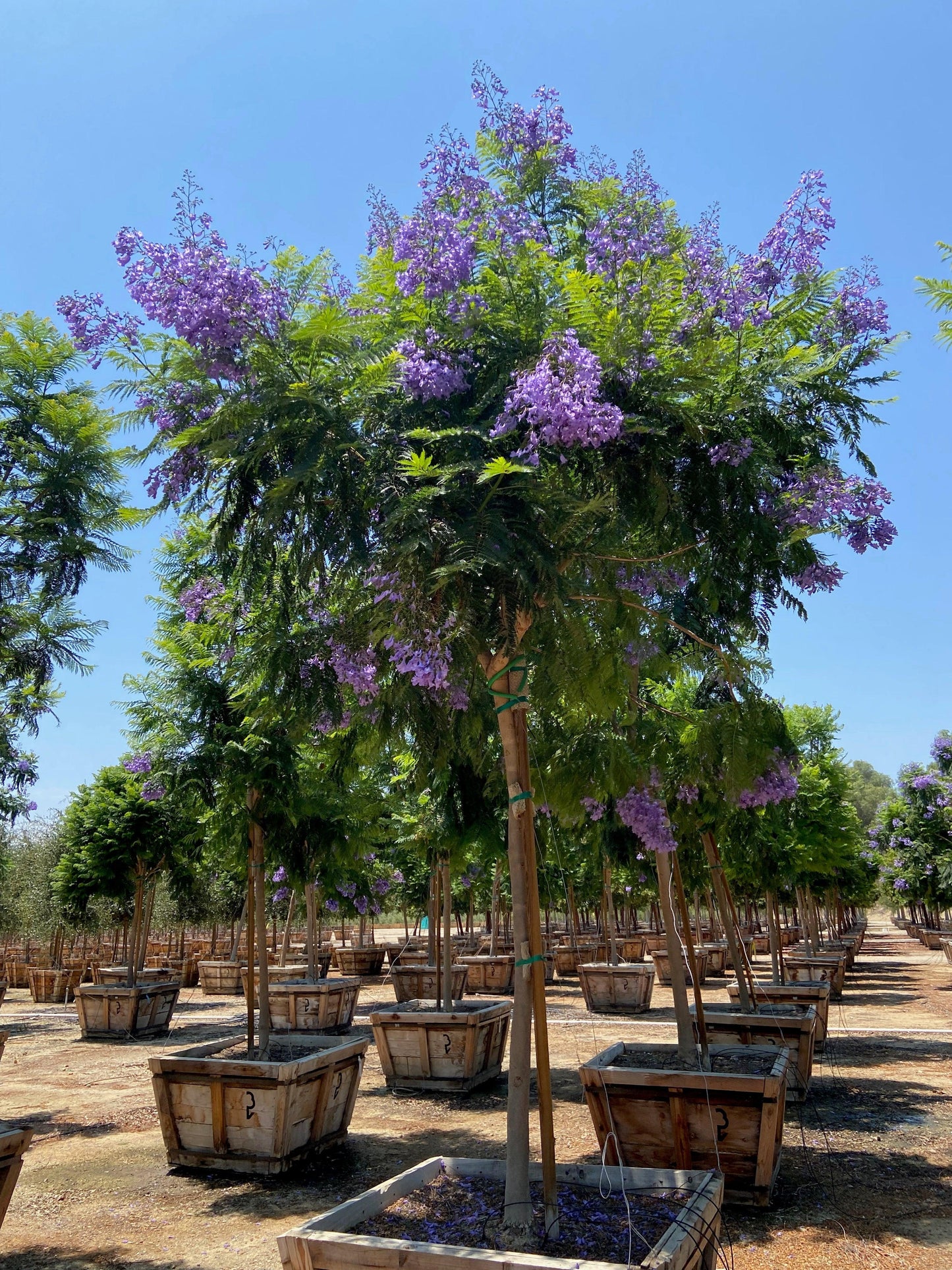
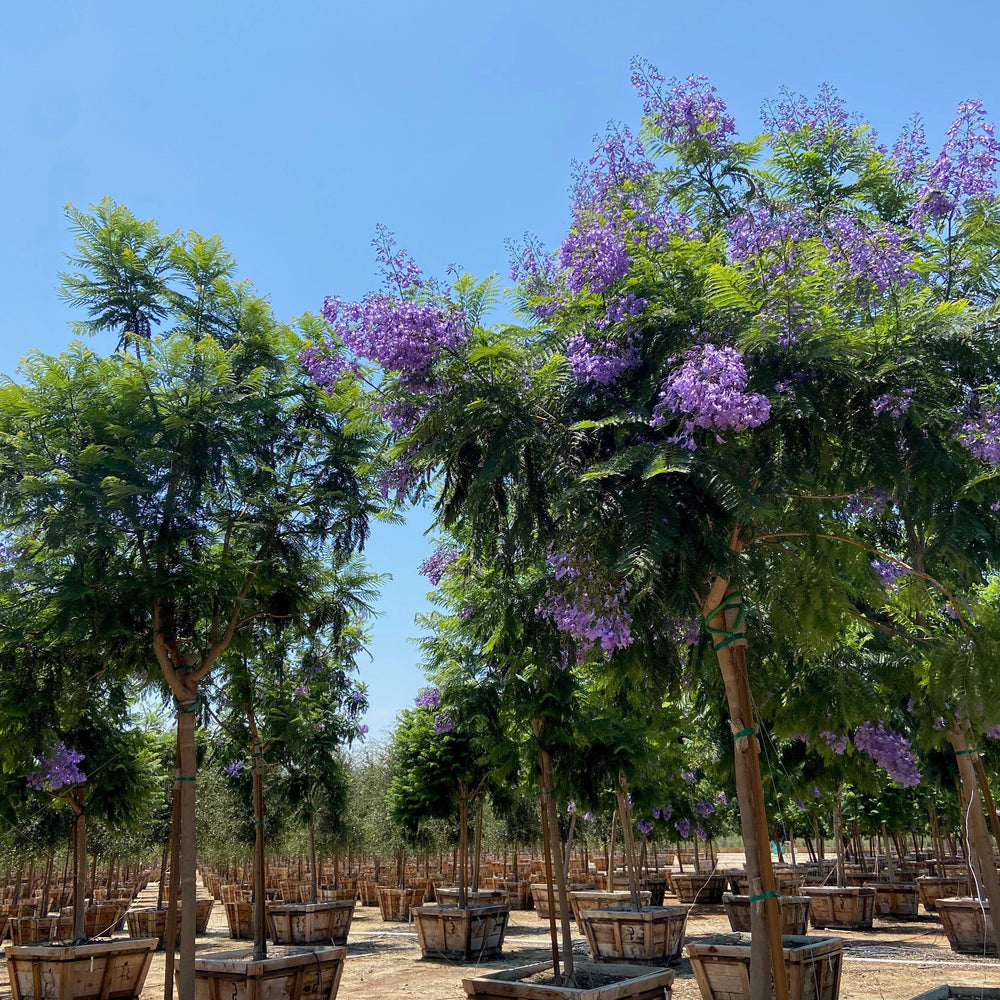
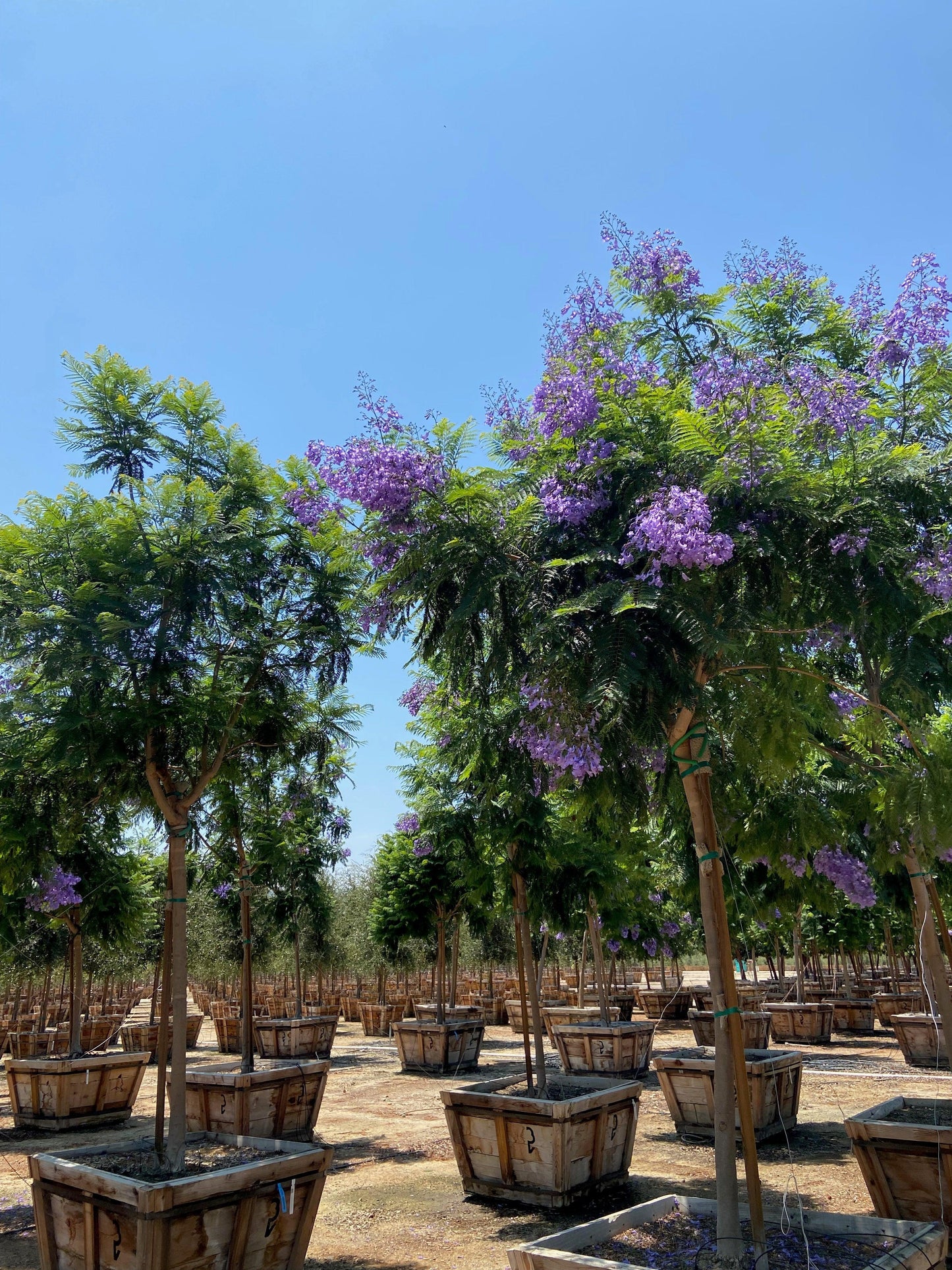

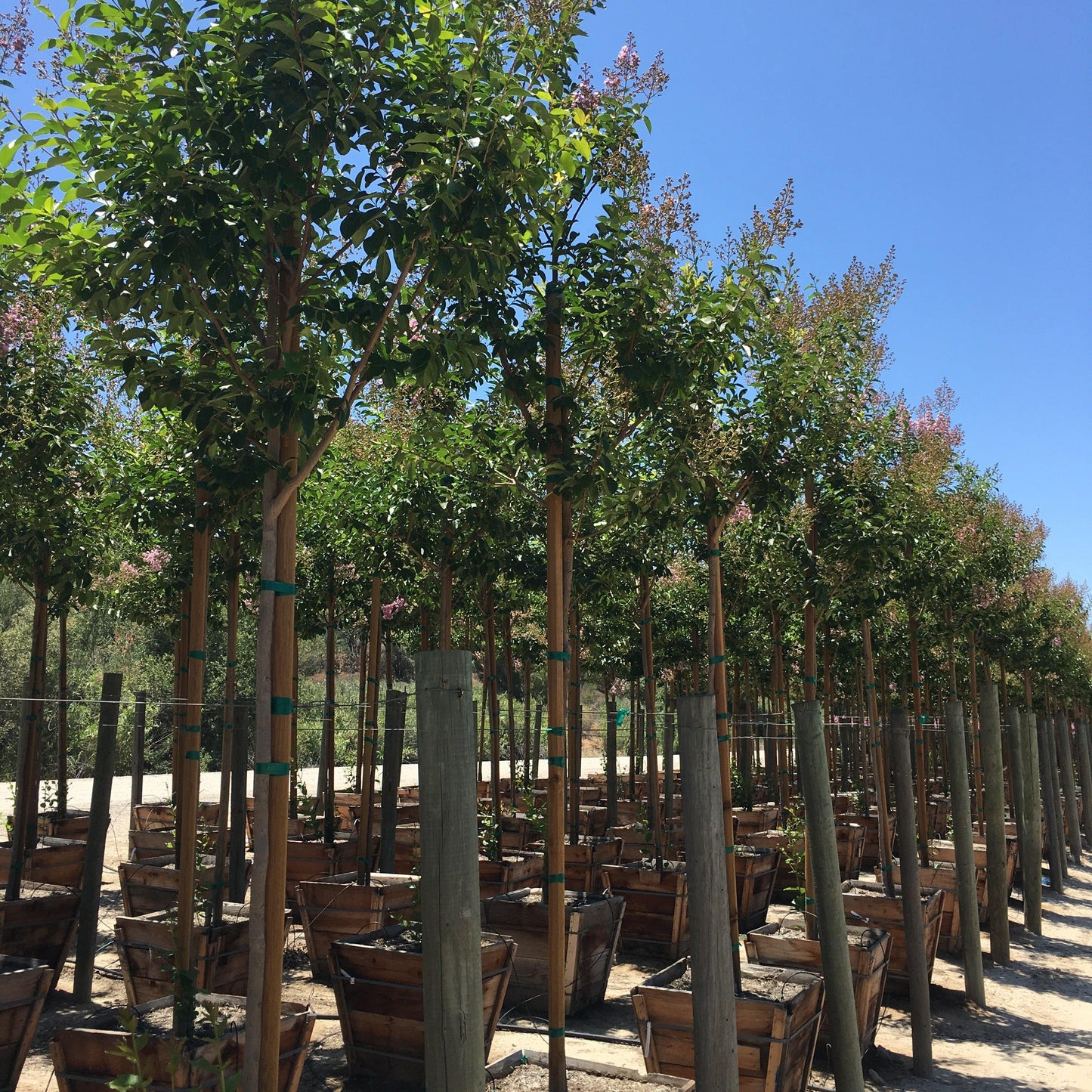









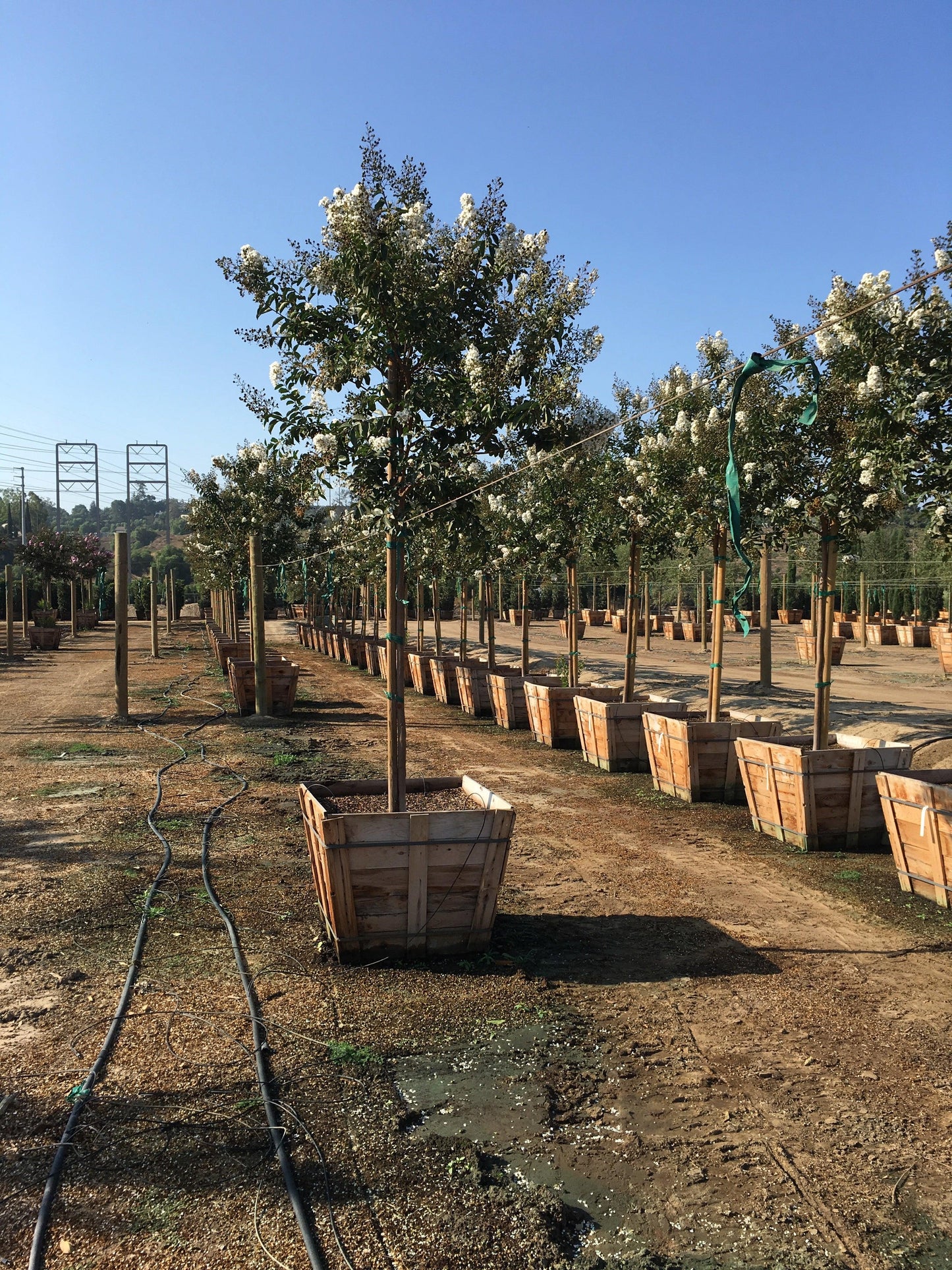

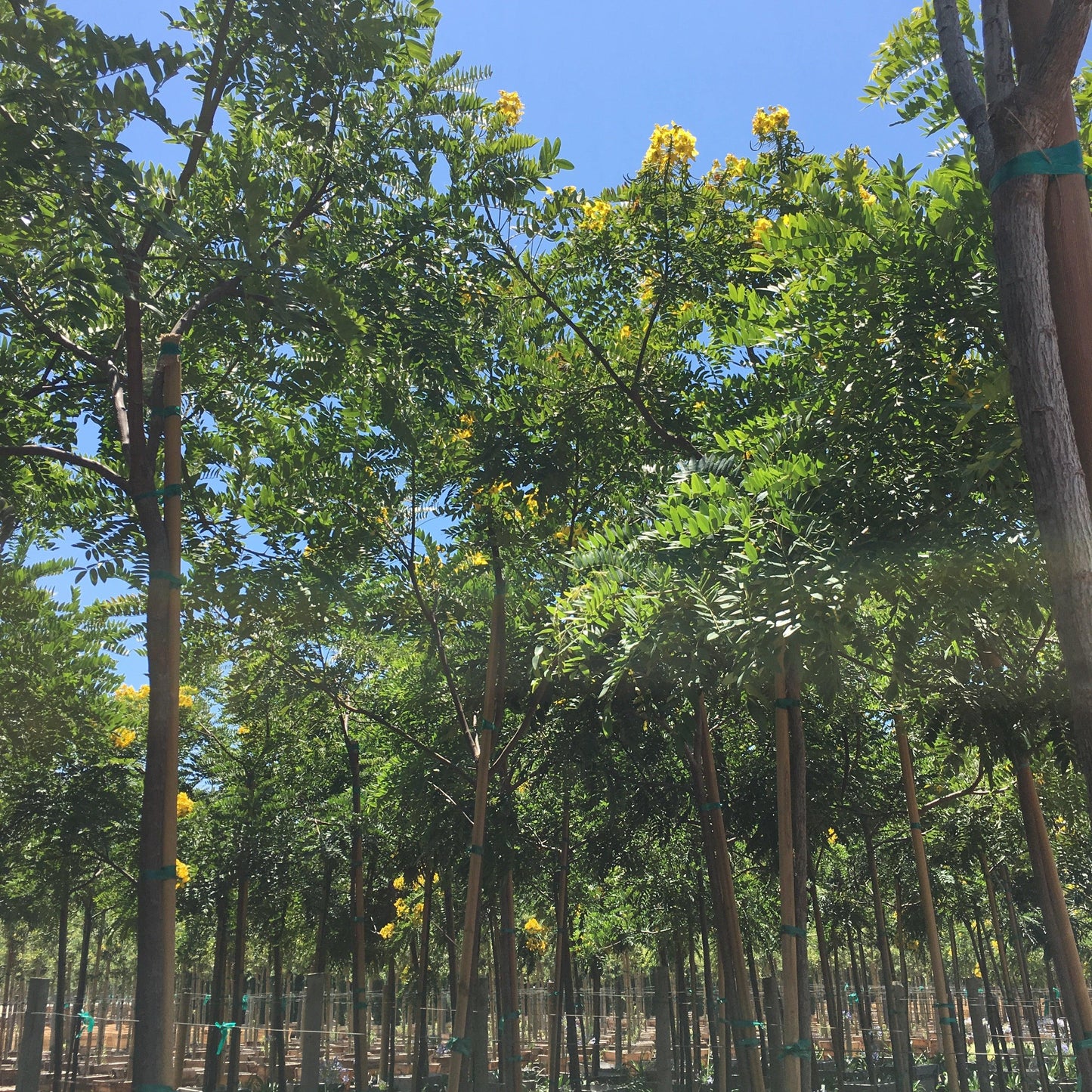

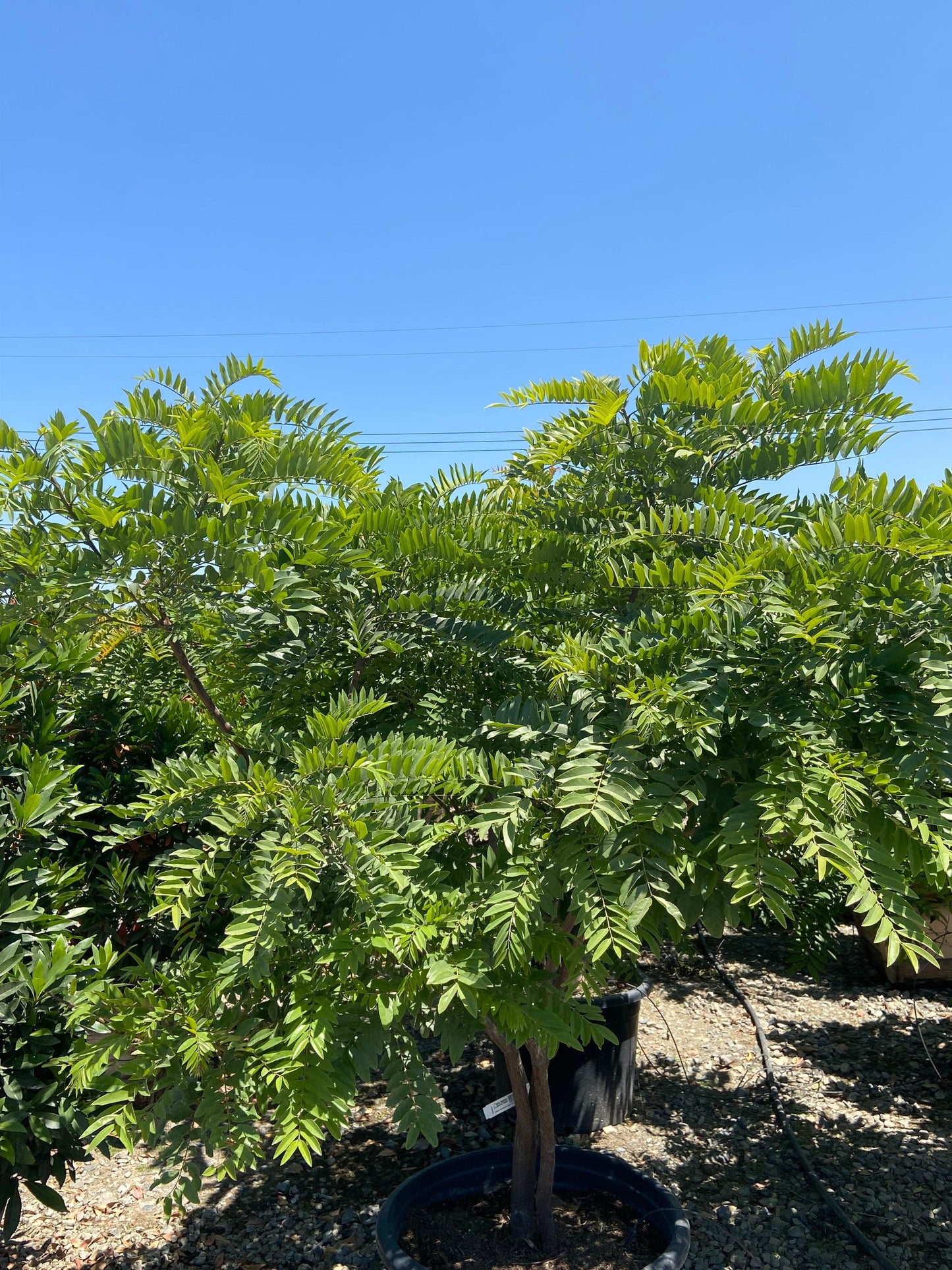


Pairs Well With

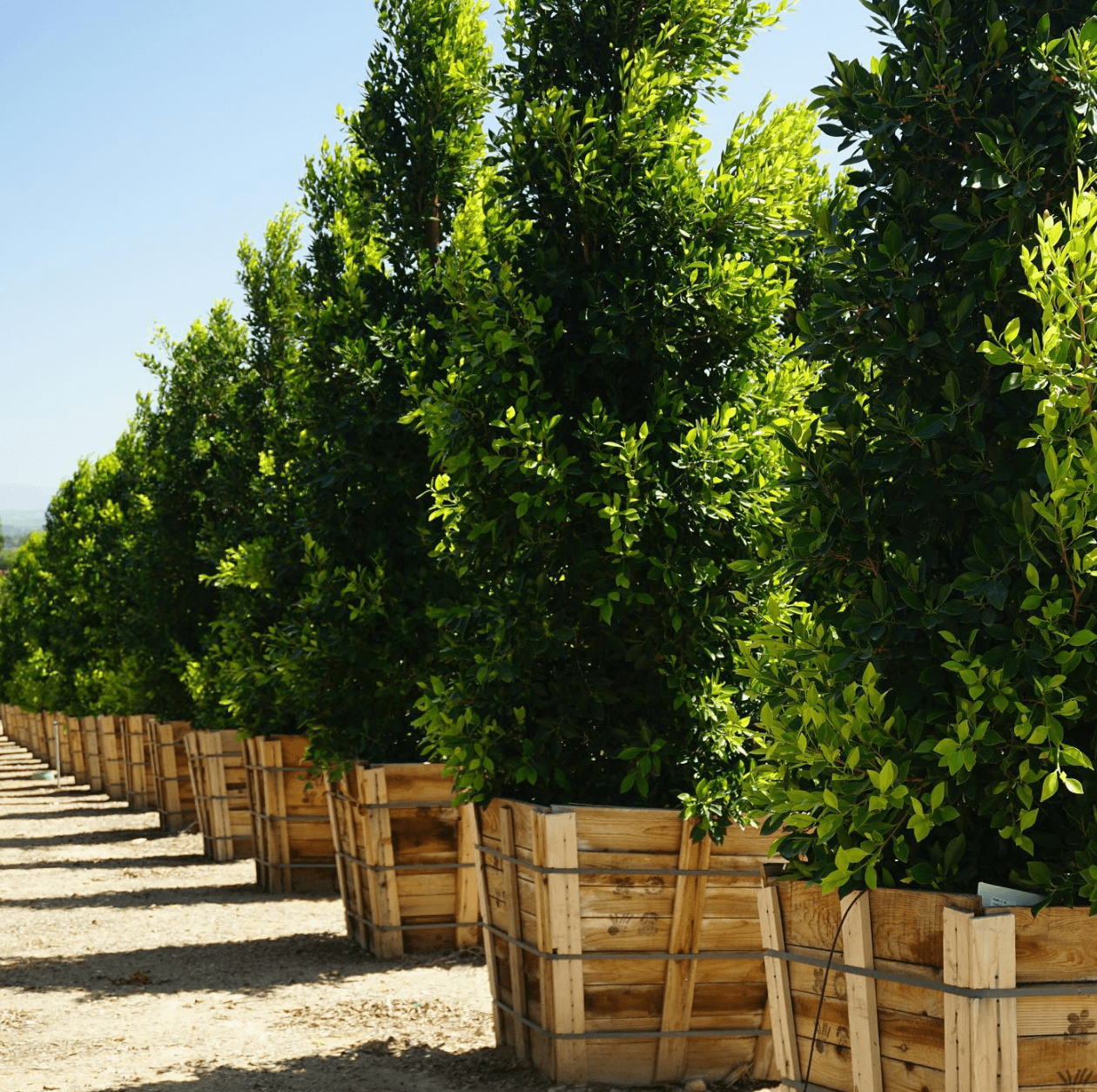












You May Also Like







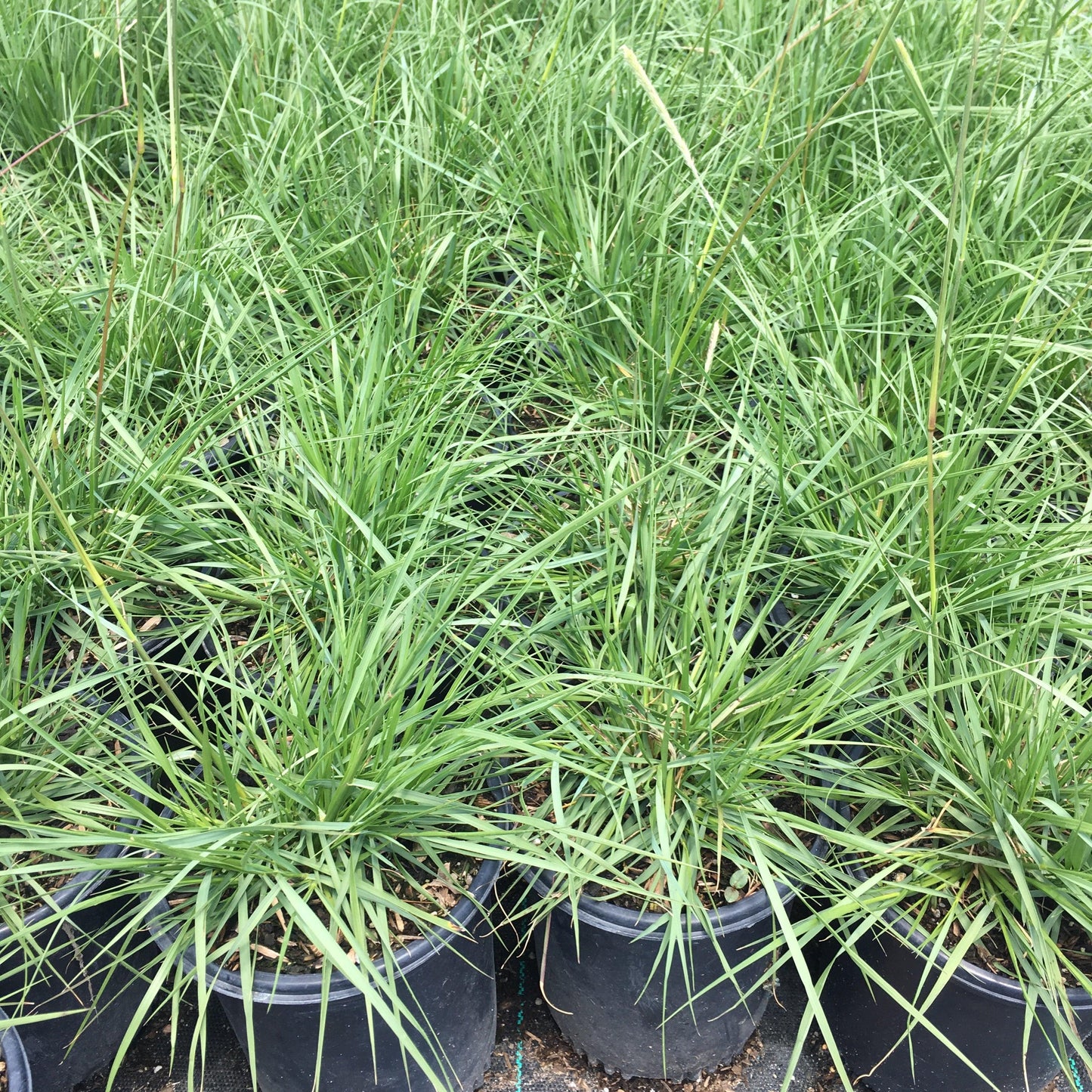

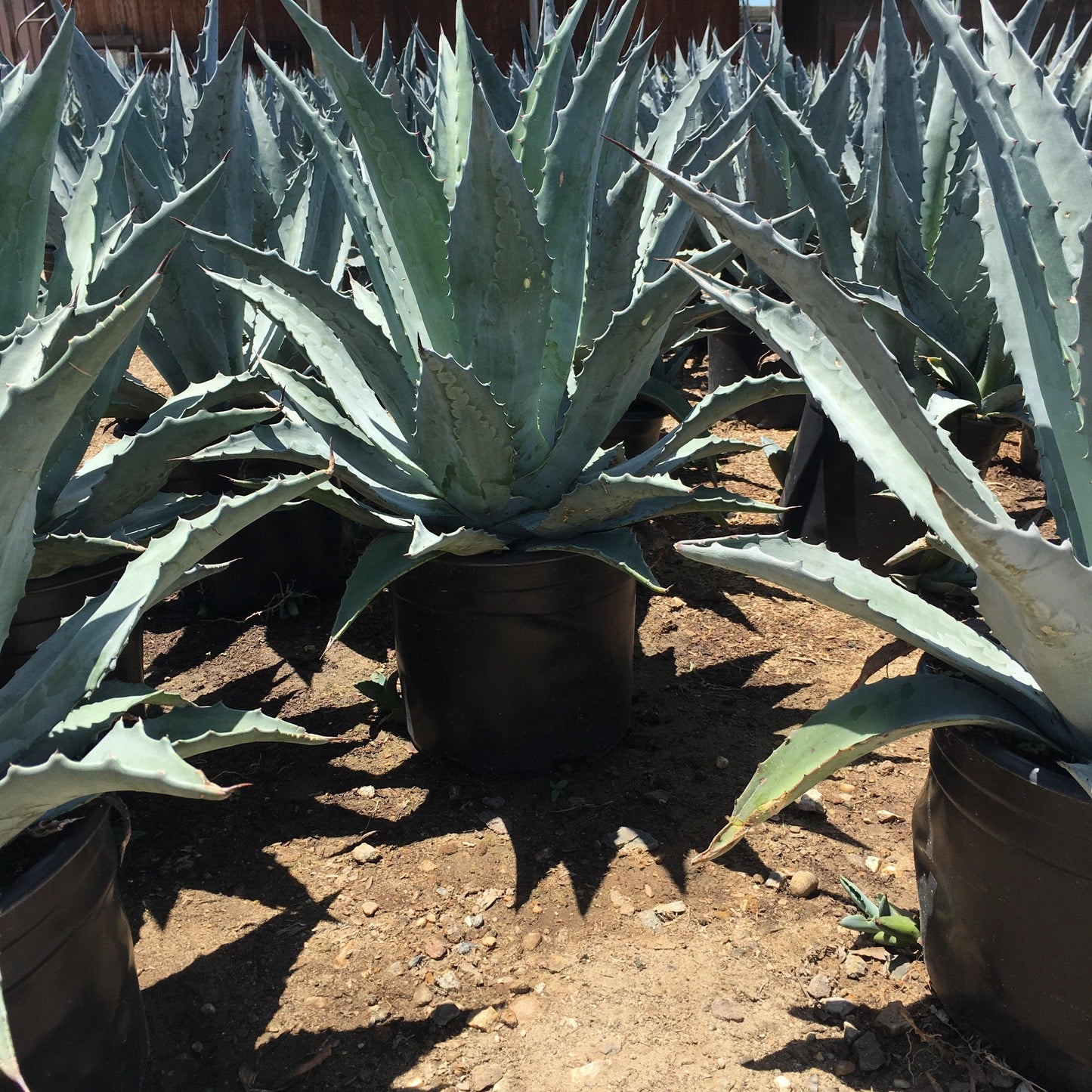

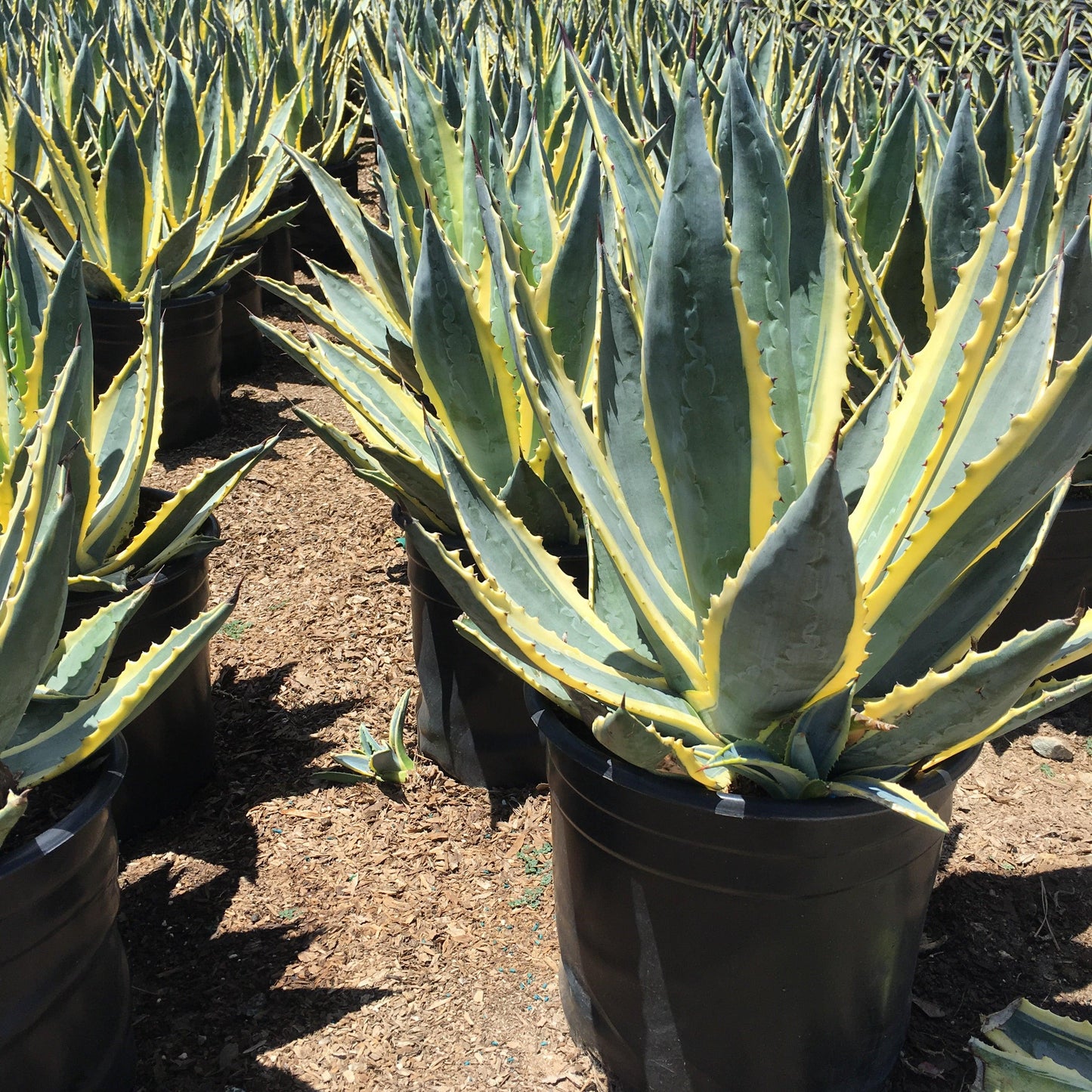

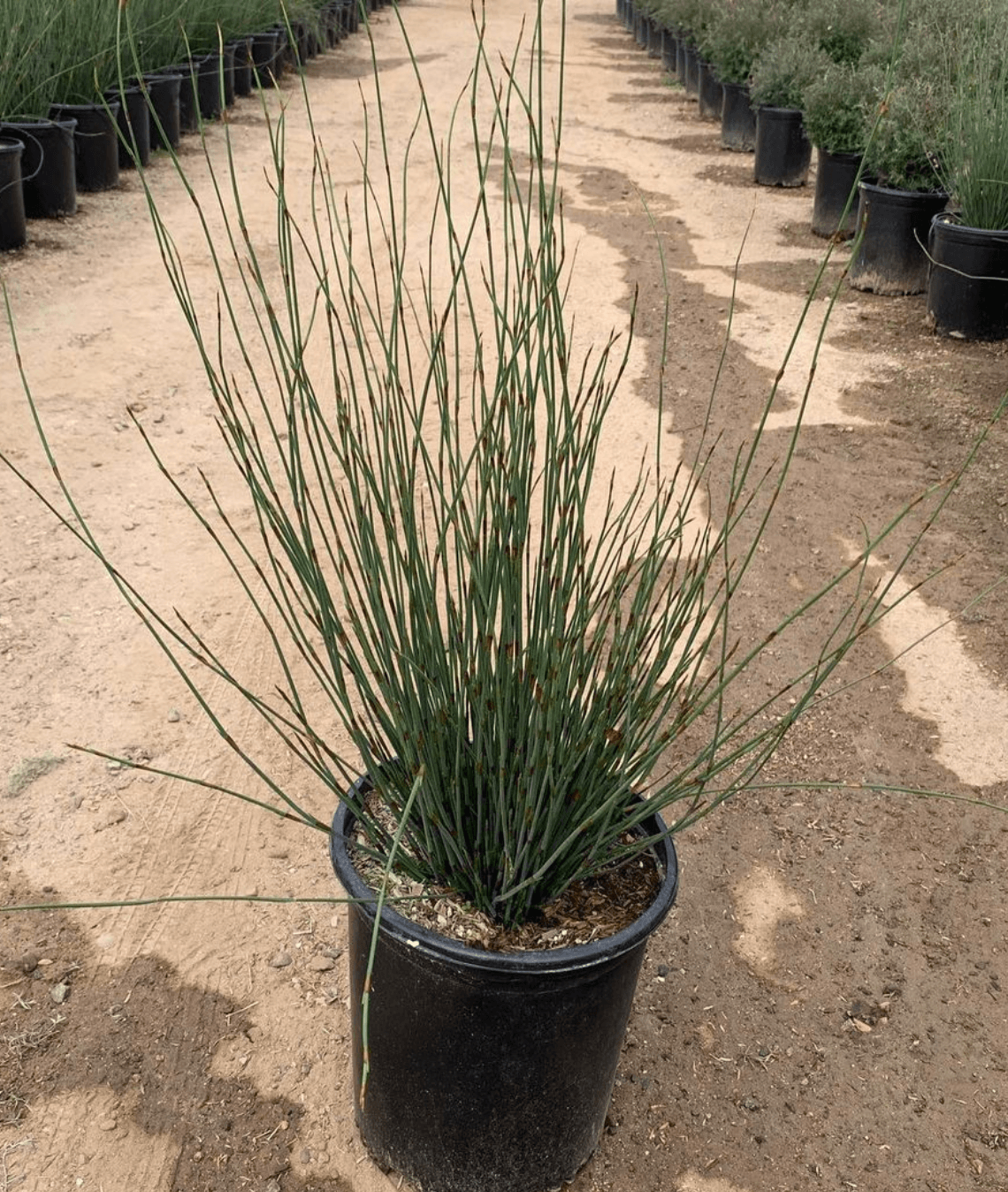


Thousands of Healthy Plants Delivered

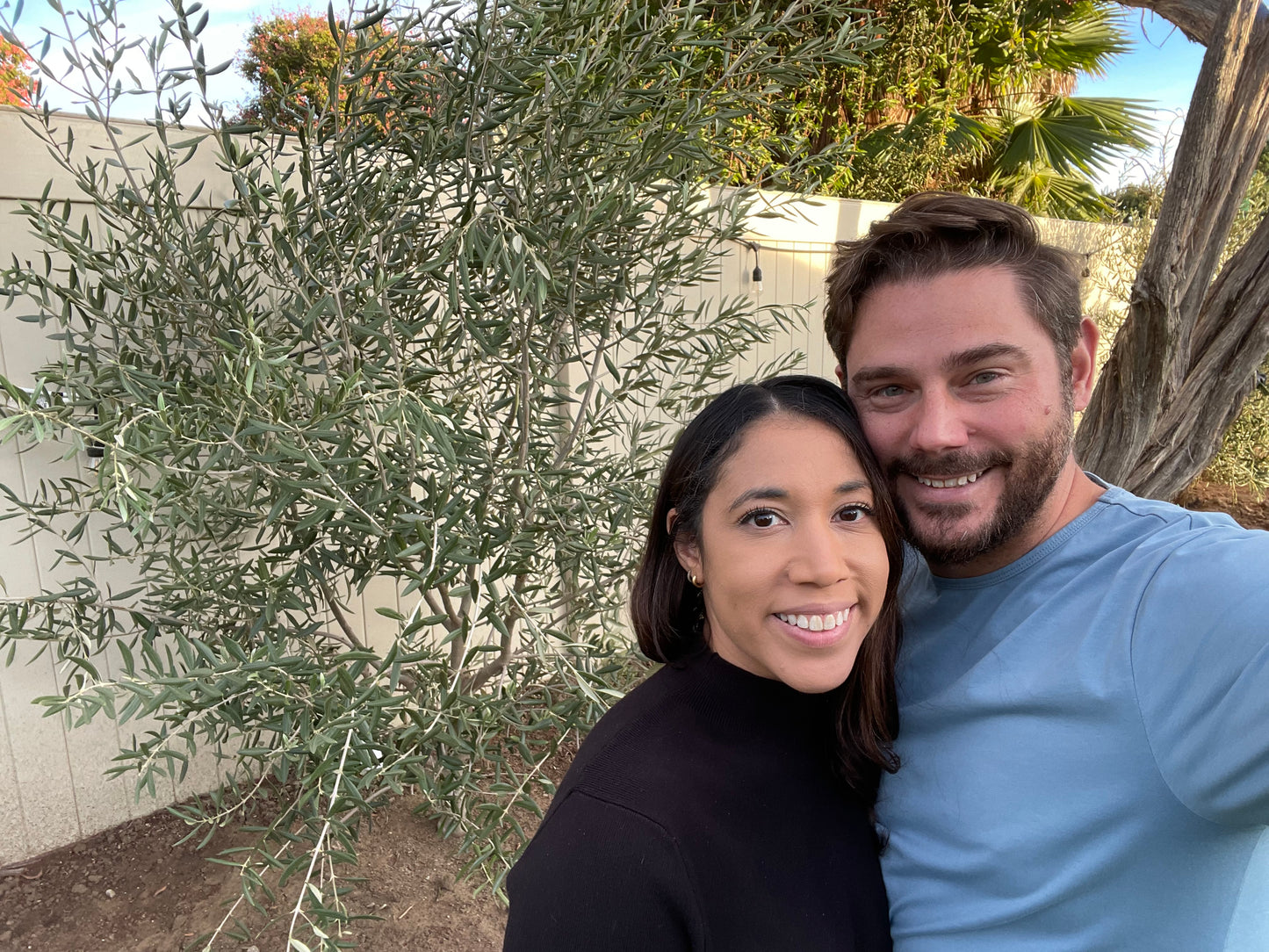
Yardwork was so great to work with. First they had the Swan Hill olive trees that we had been searching for, we had contacted several other nurseries without any luck previously. Then they answered all of our questions in a timely matter prior to ordering and finally delivered within a few days of placing it. Their staff is incredibly knowledgeable; they delivered and planted our trees with expertise to ensure that they would do well in our yard. We would definitely work with them again for future projects.











A Modern Experience
At Yardwork, we carefully curate thousands of plants, in all container sizes, to provide you with the best selection of the highest quality trees and plants at the best price, with the convenience of an online platform.
Uncompromised Quality
We choose only the finest specimens and hand select our plants just before delivery to ensure you receive the freshest and most robust specimens available for your landscape.
Industry Leading Warranties
Our 30, 90, and 365 extended warranties provide some of the best coverage to ensure our trees and plants thrive in your landscape.
Frequently Asked Questions
We're committed to changing everything about trees and plants - how they’re grown, how you shop for them, and how much they cost. We handle orders ourselves. No middlemen to get between us (or our prices) and you.
We're committed to changing everything about trees and plants - how they’re grown, how you shop for them, and how much they cost. We handle orders ourselves. No middlemen to get between us (or our prices) and you.
Delivery does not include unloading of trees and plants LARGER than a 24" box.
Trees and plants in smaller containers will be dropped curbside (usually on the driveway or near the front doorstep).
Delivery beyond a curbside drop will be charged extra.
Trees and plants that are sold in container sizes LARGER than a 24" box size will require equipment and/or enough manpower onsite to help unload from the truck.
Please reach out to our team PRIOR to placing your order to help coordinate.
Our team can provide unloading assistance with equipment for an extra fee as well.
Delivery does not include unloading of trees and plants LARGER than a 24" box.
Trees and plants in smaller containers will be dropped curbside (usually on the driveway or near the front doorstep).
Delivery beyond a curbside drop will be charged extra.
Trees and plants that are sold in container sizes LARGER than a 24" box size will require equipment and/or enough manpower onsite to help unload from the truck.
Please reach out to our team PRIOR to placing your order to help coordinate.
Our team can provide unloading assistance with equipment for an extra fee as well.
We ship locally within California within 7-10 days of your order being placed.
We ship nationally using carrier partners, based on order size. Our common order minimums for out of state shipping is $5,000.
Text or call 323-576-4159 for specific shipping details for your location.
We ship locally within California within 7-10 days of your order being placed.
We ship nationally using carrier partners, based on order size. Our common order minimums for out of state shipping is $5,000.
Text or call 323-576-4159 for specific shipping details for your location.
We are currently online only and don't have physical locations where you can view plants in person.
That's why we have photos direct from the growing grounds of the plants we will ship and we display pricing right in our store.
We do make sure to pick the very best trees and plants prior to shipping and make sure that they have gone through our multi-point inspection for health and structure.
We will always reach out prior to delivery if we find a quality issue or need to provide a substitute.
We are currently online only and don't have physical locations where you can view plants in person.
That's why we have photos direct from the growing grounds of the plants we will ship and we display pricing right in our store.
We do make sure to pick the very best trees and plants prior to shipping and make sure that they have gone through our multi-point inspection for health and structure.
We will always reach out prior to delivery if we find a quality issue or need to provide a substitute.
Plants vary greatly by type. Here is a rough idea of sizes based on containers that are direct from our growing grounds.
15 Gallon Shrub 3-4 Ft. Tall
15 Gallon Tree 5-6 Ft. Tall
24" Box Shrub 5-6 Ft. Tall
24" Box Tree 6-7 Ft. Tall
36" Box Shrub/Tree 7-9 Ft. Tall
48" Box Shrub/Tree 8-10 Ft. Tall
**Please note that we do not make guarantees of sizes. If you have questions or concerns, please call or text to request accurate sizing for the particular plant you're considering, prior to ordering.
Plants vary greatly by type. Here is a rough idea of sizes based on containers that are direct from our growing grounds.
15 Gallon Shrub 3-4 Ft. Tall
15 Gallon Tree 5-6 Ft. Tall
24" Box Shrub 5-6 Ft. Tall
24" Box Tree 6-7 Ft. Tall
36" Box Shrub/Tree 7-9 Ft. Tall
48" Box Shrub/Tree 8-10 Ft. Tall
**Please note that we do not make guarantees of sizes. If you have questions or concerns, please call or text to request accurate sizing for the particular plant you're considering, prior to ordering.
We offer a limited 30 day warranty for plants that are delivered and planted by someone else and a 90 day warranty for plants that we plant.
The limited warranty covers plants that die as a result of disease or fungus which was derived from our growing grounds or from root balls that were root bound.
The warranty does not cover damage due to watering, fertilizer, soils, or any other conditions beyond our control. Additionally, the warranty does not cover plants that are shipped out of the state of California or shipped into California from other states. Custom plant orders are also not covered under warranty. Plants must be planted within 24 hours after delivery to qualify.
We can assist you in recommending the right soils and fertilizers to help your plant thrive after you plant it.
Text or call 323-576-4159 for further warranty information.
We offer a limited 30 day warranty for plants that are delivered and planted by someone else and a 90 day warranty for plants that we plant.
The limited warranty covers plants that die as a result of disease or fungus which was derived from our growing grounds or from root balls that were root bound.
The warranty does not cover damage due to watering, fertilizer, soils, or any other conditions beyond our control. Additionally, the warranty does not cover plants that are shipped out of the state of California or shipped into California from other states. Custom plant orders are also not covered under warranty. Plants must be planted within 24 hours after delivery to qualify.
We can assist you in recommending the right soils and fertilizers to help your plant thrive after you plant it.
Text or call 323-576-4159 for further warranty information.
Our local delivery team covers most cities in California.
There are some exceptions, so please get in touch to confirm prior to ordering.
Additionally, we ship using semi trucks and trailers throughout the entire United States and even abroad for large orders over $5,000. Each shipment is custom, so please reach out to our team to coordinate.
Our local delivery team covers most cities in California.
There are some exceptions, so please get in touch to confirm prior to ordering.
Additionally, we ship using semi trucks and trailers throughout the entire United States and even abroad for large orders over $5,000. Each shipment is custom, so please reach out to our team to coordinate.