



Desert Ironwood Tree - Olneya Tesota
Regular price
$3,250.00
Size
Transform Your Desert Landscape with Nature's Most Resilient Keystone Species
The desert ironwood (Olneya tesota) is the longest-lived, hardest-wooded tree in the Sonoran Desert - a slow growing foundation species that can survive for over 800 years and shape entire ecosystems beneath its canopy. Known as palo fierro in Spanish, this remarkable evergreen tree is the only species in its genus within the pea family (Fabaceae), and it does something no other desert tree does as effectively: it creates life around it. Ironwood trees support over 500 species in the Sonoran Desert, functioning as the dominant nurse plant that shelters vulnerable seedlings, enriches depleted soils, and draws wildlife from across the region. If you're looking for a tree that delivers generational value to your landscape while anchoring a thriving desert habitat, desert ironwood is unmatched.
Why You'll Love Desert Ironwood
-
Exceptional Longevity – Ironwood trees can live for over 800 years, with some specimens persisting for up to 1,600 years. This is a tree that outlasts generations, offering permanent structure and shade to your landscape.
-
Natural Shade Creator – A mature desert ironwood's dense canopy spreads 20–30 feet wide, and ironwood canopies are 4°C warmer than adjacent open areas during winter nights - protecting understory plants from frost while cooling the ground in summer.
-
Wildlife Magnet – Ironwood trees provide nesting sites for nearly 150 bird species and increase bird species in desertscrub by 63%. The seeds and pods of desert ironwood are consumed by various wildlife, from small rodents to migrating birds, doves, and quail.
-
Ultra-Drought Tolerant – Once established, this tree thrives on minimal water in warm areas below 3,000 feet, surviving extreme heat and prolonged dry periods that would kill most other trees.
-
Ecological Foundation – Ironwood acts as a keystone species in its ecosystem, functioning as a habitat modifying keystone species that shelters over 230 associated understory plants and creates fertile "resource islands" beneath its canopy.
What Makes It Different
Most desert trees are either fast-growing but short-lived, like blue palo verde, or provide limited ecological benefits beyond basic shade. Desert ironwood offers:
-
Keystone Species Status – Unlike other desert legumes, ironwood fundamentally reshapes the ecosystem around it. It enriches soil with nitrogen through symbiotic bacteria (Rhizobia), pumps deep nutrients to the surface through leaf litter, and the soil composition beneath its canopy supports dramatically higher densities of beneficial bacteria and fungi. More than 230 plant species grow in ironwood's protective cover.
-
Nurse Plant Capability – Desert ironwood is the Sonoran Desert's most effective nurse plant. Cacti like saguaro, organ pipe, and senita depend on its canopy for protection from extreme cold and lethal summer radiation. Without these thorny nurse plants and their sheltering canopy, the ranges of many iconic desert plants would shift significantly southward.
-
Extreme Hardiness – Ironwood wood is one of the hardest and heaviest in the world, with a Janka hardness of approximately 3,260 lbf and a density of roughly 75 lb/ft³. This dense wood resists decay so effectively that dead trees can remain intact for up to 1,600 years - meaning even fallen ironwood continues contributing to its natural habitat for centuries.
How To Grow The Desert Ironwood Tree Successfully
-
Establishment Phase Slow initial growth focuses on deep root development over the first 5–10 years. Desert ironwood trees thrive in sandy washes and rocky slopes with well-drained soil. During this period, deep monthly watering during hot, dry summers accelerates root establishment. Expect roughly 6–12 inches of height growth per year under irrigated conditions - patience during this phase pays off for decades.
-
Ecosystem Building As the canopy matures, the tree begins functioning as a nurse plant ecology powerhouse. The spreading branches create a microclimate where temperatures moderate, soil moisture increases, and nitrogen accumulates. Other plants growing beneath the canopy - from perennials to cacti - find dramatically improved seedling survival rates. The tree caters to wildlife year-round: ironwood flowers attract pollinators in late spring, while knobby pods provide critical food when little else is available in early summer.
-
Long-Term Benefits A mature desert ironwood delivers decades of deepening returns: expanding shade, increasing plant species richness in your landscape, stable wildlife habitat, and virtually zero maintenance. Ironwood provide a living anchor that only improves with age.
Tree Specifications
|
Specification |
Details |
|---|---|
|
Botanical Name |
Olneya tesota |
|
Common Names |
Desert ironwood, palo fierro, palo de hierro |
|
Mature Height |
Desert ironwood can grow up to 15 meters (approximately 45–50 feet) tall in optimal conditions; typically 25–35 feet in landscape settings |
|
Canopy Spread |
20–30 feet at maturity |
|
Growth Rate |
6–12 inches per year with supplemental irrigation; slower in unirrigated conditions |
|
Native Range |
The desert ironwood is native to the Sonoran Desert - southern Arizona, southeastern California, and Baja California, Mexico |
|
USDA Hardiness Zones |
9–11 |
|
Sunlight |
Full sun (minimum 6–8 hours direct sunlight daily) |
|
Soil Requirements |
Well-drained sandy or rocky soils; pH 6.6–8.5; tolerates caliche |
|
Water Needs |
Deep watering monthly during establishment; drought tolerant once established |
|
Flowers |
The tree produces purple or pinkish-white blooms in the spring - showy pea-shaped flowers with a purple hue, abundant only four years out of every decade |
|
Fruit |
Ironwoods produce slightly curved, knobby pods 3–6 cm long; fruit occur and mature June–August; ironwood seeds are high in protein and soluble fiber |
|
Leaves |
Compound, bluish-green; 2–4 pinnae with 4–12 leaflet pairs; semi-evergreen with leaf drop under stress |
|
Elevation |
Ironwood trees thrive in warm areas below 3,000 feet |
|
Wood Density |
One of the heaviest woods on Earth - approximately 1,210 kg/m³; sinks in water |
Who It's Perfect For
Ideal for:
-
Desert and xeriscape gardeners in Arizona, Southern California, and similar climates within the Sonoran Desert region seeking a long-lived specimen tree with genuine ecological impact
-
Homeowners seeking long-term, low-maintenance landscape investments - a tree that requires minimal care once established and only appreciates in value over decades
-
Wildlife enthusiasts wanting to create ironwood habitat for native desert species, from nesting bird species to seed-dispersing small rodents and large and small herbivores
-
Environmental stewards interested in supporting native plant communities and restoring keystone species to their landscape
If you want a tree that anchors your desert landscape for a lifetime and beyond, desert ironwood fits your needs.
Frequently Asked Questions
How long does it take to mature? Desert ironwood trees grow slowly. To reach significant tree size - roughly 20–25 feet tall with a full canopy - expect 15–30 years under favorable irrigated conditions. In the wild, growth is considerably slower. Standard tree ring dating is unreliable for ironwood due to its irregular growth patterns, but researchers estimate many wild specimens at well over 800 years old. These are among the tallest trees in the Sonoran Desert, and the wait is worth it.
What growing conditions does it need? Desert ironwood trees thrive in sandy washes and rocky slopes with well-drained soil. Full sun is essential. The tree prefers elevations below 2,500–3,000 feet where sustained freezing is rare. Soil pH can range from slightly acidic to alkaline (6.6–8.5). During establishment, deep watering once or twice monthly during the hottest, driest months accelerates root development. Avoid overwatering or poorly drained sites - standing water is detrimental.
Is it suitable for small yards? Desert ironwood can grow up to 50 feet in height and width at full maturity, so it needs space. In smaller landscapes, it may work as a multi-stemmed shrub form or accent tree positioned well away from structures, but its expansive root system and eventual canopy spread make it best suited for larger properties. For smaller spaces, consider other desert plants like desert willow that mature at more compact dimensions.
Does it require special care? Once established, desert ironwood is remarkably low maintenance - minimal fertilization, no regular pruning beyond removing dead limbs, and extremely drought tolerant. The critical period is the first several years: protect vulnerable seedlings from frost, extreme heat, and grazing. Seeds require scarification (a 12–24 hour hot water soak) to germinate. Monitor for invasive grasses like buffelgrass around the base, as buffelgrass invasion decreases native plant diversity and increases fire frequency - a serious threat to ironwood trees, which do not recover well from fire.
What about conservation concerns? Ironwood habitat faces threats from urbanization and agriculture, and ironwood populations dwindle annually over tens of thousands of square kilometers across the Sonoran Desert. Ironwood trees are easily overexploited due to slow growth rates. Ironwood cutting for charcoal and wood carving, particularly in Mexico, has severely damaged populations - woodcutting can severely damage understory plants and reduce regeneration. Habitat fragmentation from conversion to agricultural lands and competition from invasive species compound the problem. By planting desert ironwood, you actively contribute to the conservation of this irreplaceable species.
What is the historical significance? Indigenous peoples historically used desert ironwood for tools and food. The Seri and other desert tribes roasted and ground ironwood seeds for food and flour, brewed medicinal teas from leaves and bark, and crafted tool handles from the extraordinarily hard dead wood. This natural history stretches back millennia - the tree's ecological importance to human communities in the Sonoran Desert is as deep as its roots. Today, ironwood carvings remain a valued art form, though sustainable sourcing of dead wood is essential. You can learn more about ironwood's ecology and cultural significance at the Arizona Sonora Desert Museum or by visiting the Ironwood Forest National Monument in southern Arizona, where dense stands along hillside drainages and valley floors demonstrate the tree's ecosystem-building power.
Ready to Plant Your Desert Legacy?
Desert ironwood is a once-in-a-lifetime landscape investment - a tree that will shade your yard, feed native wildlife, nurse other vegetation to life, and stand for centuries.
Ironwood trees provide safe sites for seed dispersal, shelter prey refugia for desert wildlife, and fundamentally reshape the ecological dynamics of every landscape they anchor. Whether you're building a xeriscape garden in the Arizona Uplands or designing a water-wise landscape in Los Angeles, desert ironwood is the foundation that everything else grows around.
Contact Yardwork for expert guidance on sourcing, planting, and caring for your desert ironwood - and let us help you build a landscape that lasts.
Transform Your Desert Landscape with Nature's Most Resilient Keystone Species
The desert ironwood (Olneya tesota) is the longest-lived, hardest-wooded tree in the Sonoran Desert - a slow growing foundation species that can survive for over 800 years and shape entire ecosystems beneath its canopy. Known as palo fierro in Spanish, this remarkable evergreen tree is the only species in its genus within the pea family (Fabaceae), and it does something no other desert tree does as effectively: it creates life around it. Ironwood trees support over 500 species in the Sonoran Desert, functioning as the dominant nurse plant that shelters vulnerable seedlings, enriches depleted soils, and draws wildlife from across the region. If you're looking for a tree that delivers generational value to your landscape while anchoring a thriving desert habitat, desert ironwood is unmatched.
Why You'll Love Desert Ironwood
-
Exceptional Longevity – Ironwood trees can live for over 800 years, with some specimens persisting for up to 1,600 years. This is a tree that outlasts generations, offering permanent structure and shade to your landscape.
-
Natural Shade Creator – A mature desert ironwood's dense canopy spreads 20–30 feet wide, and ironwood canopies are 4°C warmer than adjacent open areas during winter nights - protecting understory plants from frost while cooling the ground in summer.
-
Wildlife Magnet – Ironwood trees provide nesting sites for nearly 150 bird species and increase bird species in desertscrub by 63%. The seeds and pods of desert ironwood are consumed by various wildlife, from small rodents to migrating birds, doves, and quail.
-
Ultra-Drought Tolerant – Once established, this tree thrives on minimal water in warm areas below 3,000 feet, surviving extreme heat and prolonged dry periods that would kill most other trees.
-
Ecological Foundation – Ironwood acts as a keystone species in its ecosystem, functioning as a habitat modifying keystone species that shelters over 230 associated understory plants and creates fertile "resource islands" beneath its canopy.
What Makes It Different
Most desert trees are either fast-growing but short-lived, like blue palo verde, or provide limited ecological benefits beyond basic shade. Desert ironwood offers:
-
Keystone Species Status – Unlike other desert legumes, ironwood fundamentally reshapes the ecosystem around it. It enriches soil with nitrogen through symbiotic bacteria (Rhizobia), pumps deep nutrients to the surface through leaf litter, and the soil composition beneath its canopy supports dramatically higher densities of beneficial bacteria and fungi. More than 230 plant species grow in ironwood's protective cover.
-
Nurse Plant Capability – Desert ironwood is the Sonoran Desert's most effective nurse plant. Cacti like saguaro, organ pipe, and senita depend on its canopy for protection from extreme cold and lethal summer radiation. Without these thorny nurse plants and their sheltering canopy, the ranges of many iconic desert plants would shift significantly southward.
-
Extreme Hardiness – Ironwood wood is one of the hardest and heaviest in the world, with a Janka hardness of approximately 3,260 lbf and a density of roughly 75 lb/ft³. This dense wood resists decay so effectively that dead trees can remain intact for up to 1,600 years - meaning even fallen ironwood continues contributing to its natural habitat for centuries.
How To Grow The Desert Ironwood Tree Successfully
-
Establishment Phase Slow initial growth focuses on deep root development over the first 5–10 years. Desert ironwood trees thrive in sandy washes and rocky slopes with well-drained soil. During this period, deep monthly watering during hot, dry summers accelerates root establishment. Expect roughly 6–12 inches of height growth per year under irrigated conditions - patience during this phase pays off for decades.
-
Ecosystem Building As the canopy matures, the tree begins functioning as a nurse plant ecology powerhouse. The spreading branches create a microclimate where temperatures moderate, soil moisture increases, and nitrogen accumulates. Other plants growing beneath the canopy - from perennials to cacti - find dramatically improved seedling survival rates. The tree caters to wildlife year-round: ironwood flowers attract pollinators in late spring, while knobby pods provide critical food when little else is available in early summer.
-
Long-Term Benefits A mature desert ironwood delivers decades of deepening returns: expanding shade, increasing plant species richness in your landscape, stable wildlife habitat, and virtually zero maintenance. Ironwood provide a living anchor that only improves with age.
Tree Specifications
|
Specification |
Details |
|---|---|
|
Botanical Name |
Olneya tesota |
|
Common Names |
Desert ironwood, palo fierro, palo de hierro |
|
Mature Height |
Desert ironwood can grow up to 15 meters (approximately 45–50 feet) tall in optimal conditions; typically 25–35 feet in landscape settings |
|
Canopy Spread |
20–30 feet at maturity |
|
Growth Rate |
6–12 inches per year with supplemental irrigation; slower in unirrigated conditions |
|
Native Range |
The desert ironwood is native to the Sonoran Desert - southern Arizona, southeastern California, and Baja California, Mexico |
|
USDA Hardiness Zones |
9–11 |
|
Sunlight |
Full sun (minimum 6–8 hours direct sunlight daily) |
|
Soil Requirements |
Well-drained sandy or rocky soils; pH 6.6–8.5; tolerates caliche |
|
Water Needs |
Deep watering monthly during establishment; drought tolerant once established |
|
Flowers |
The tree produces purple or pinkish-white blooms in the spring - showy pea-shaped flowers with a purple hue, abundant only four years out of every decade |
|
Fruit |
Ironwoods produce slightly curved, knobby pods 3–6 cm long; fruit occur and mature June–August; ironwood seeds are high in protein and soluble fiber |
|
Leaves |
Compound, bluish-green; 2–4 pinnae with 4–12 leaflet pairs; semi-evergreen with leaf drop under stress |
|
Elevation |
Ironwood trees thrive in warm areas below 3,000 feet |
|
Wood Density |
One of the heaviest woods on Earth - approximately 1,210 kg/m³; sinks in water |
Who It's Perfect For
Ideal for:
-
Desert and xeriscape gardeners in Arizona, Southern California, and similar climates within the Sonoran Desert region seeking a long-lived specimen tree with genuine ecological impact
-
Homeowners seeking long-term, low-maintenance landscape investments - a tree that requires minimal care once established and only appreciates in value over decades
-
Wildlife enthusiasts wanting to create ironwood habitat for native desert species, from nesting bird species to seed-dispersing small rodents and large and small herbivores
-
Environmental stewards interested in supporting native plant communities and restoring keystone species to their landscape
If you want a tree that anchors your desert landscape for a lifetime and beyond, desert ironwood fits your needs.
Frequently Asked Questions
How long does it take to mature? Desert ironwood trees grow slowly. To reach significant tree size - roughly 20–25 feet tall with a full canopy - expect 15–30 years under favorable irrigated conditions. In the wild, growth is considerably slower. Standard tree ring dating is unreliable for ironwood due to its irregular growth patterns, but researchers estimate many wild specimens at well over 800 years old. These are among the tallest trees in the Sonoran Desert, and the wait is worth it.
What growing conditions does it need? Desert ironwood trees thrive in sandy washes and rocky slopes with well-drained soil. Full sun is essential. The tree prefers elevations below 2,500–3,000 feet where sustained freezing is rare. Soil pH can range from slightly acidic to alkaline (6.6–8.5). During establishment, deep watering once or twice monthly during the hottest, driest months accelerates root development. Avoid overwatering or poorly drained sites - standing water is detrimental.
Is it suitable for small yards? Desert ironwood can grow up to 50 feet in height and width at full maturity, so it needs space. In smaller landscapes, it may work as a multi-stemmed shrub form or accent tree positioned well away from structures, but its expansive root system and eventual canopy spread make it best suited for larger properties. For smaller spaces, consider other desert plants like desert willow that mature at more compact dimensions.
Does it require special care? Once established, desert ironwood is remarkably low maintenance - minimal fertilization, no regular pruning beyond removing dead limbs, and extremely drought tolerant. The critical period is the first several years: protect vulnerable seedlings from frost, extreme heat, and grazing. Seeds require scarification (a 12–24 hour hot water soak) to germinate. Monitor for invasive grasses like buffelgrass around the base, as buffelgrass invasion decreases native plant diversity and increases fire frequency - a serious threat to ironwood trees, which do not recover well from fire.
What about conservation concerns? Ironwood habitat faces threats from urbanization and agriculture, and ironwood populations dwindle annually over tens of thousands of square kilometers across the Sonoran Desert. Ironwood trees are easily overexploited due to slow growth rates. Ironwood cutting for charcoal and wood carving, particularly in Mexico, has severely damaged populations - woodcutting can severely damage understory plants and reduce regeneration. Habitat fragmentation from conversion to agricultural lands and competition from invasive species compound the problem. By planting desert ironwood, you actively contribute to the conservation of this irreplaceable species.
What is the historical significance? Indigenous peoples historically used desert ironwood for tools and food. The Seri and other desert tribes roasted and ground ironwood seeds for food and flour, brewed medicinal teas from leaves and bark, and crafted tool handles from the extraordinarily hard dead wood. This natural history stretches back millennia - the tree's ecological importance to human communities in the Sonoran Desert is as deep as its roots. Today, ironwood carvings remain a valued art form, though sustainable sourcing of dead wood is essential. You can learn more about ironwood's ecology and cultural significance at the Arizona Sonora Desert Museum or by visiting the Ironwood Forest National Monument in southern Arizona, where dense stands along hillside drainages and valley floors demonstrate the tree's ecosystem-building power.
Ready to Plant Your Desert Legacy?
Desert ironwood is a once-in-a-lifetime landscape investment - a tree that will shade your yard, feed native wildlife, nurse other vegetation to life, and stand for centuries.
Ironwood trees provide safe sites for seed dispersal, shelter prey refugia for desert wildlife, and fundamentally reshape the ecological dynamics of every landscape they anchor. Whether you're building a xeriscape garden in the Arizona Uplands or designing a water-wise landscape in Los Angeles, desert ironwood is the foundation that everything else grows around.
Contact Yardwork for expert guidance on sourcing, planting, and caring for your desert ironwood - and let us help you build a landscape that lasts.
Plants vary greatly by type and no guarantees are made on sizing.
However here is a rough idea of sizes based on containers that are direct from our growing grounds.
15 Gallon Shrub 3-4 Ft. Tall
15 Gallon Tree 5-6 Ft. Tall
24" Box Shrub 5-6 Ft. Tall
24" Box Tree 6-7 Ft. Tall
36" Box Tree 8-10 Ft. Tall
48" Box Tree 10-12 Ft. Tall
Please note: Citrus and California Native plants such as Manzanita are smaller than traditional sizing.
Please contact us to confirm sizing of items before purchasing if this is a concern.
Plants vary greatly by type and no guarantees are made on sizing.
However here is a rough idea of sizes based on containers that are direct from our growing grounds.
15 Gallon Shrub 3-4 Ft. Tall
15 Gallon Tree 5-6 Ft. Tall
24" Box Shrub 5-6 Ft. Tall
24" Box Tree 6-7 Ft. Tall
36" Box Tree 8-10 Ft. Tall
48" Box Tree 10-12 Ft. Tall
Please note: Citrus and California Native plants such as Manzanita are smaller than traditional sizing.
Please contact us to confirm sizing of items before purchasing if this is a concern.
Delivery does not include unloading of trees and plants larger than a 24" box.
Trees and plants in smaller containers will be dropped curbside.
Delivery beyond a curbside drop will be charged extra.
Trees and plants that are sold in container sizes larger than a 24" box size will require equipment and an operator onsite to help unload from the truck.
Please reach out to our team PRIOR to placing your order to coordinate.
Our team can provide unloading assistance with equipment for an extra fee.
Delivery does not include unloading of trees and plants larger than a 24" box.
Trees and plants in smaller containers will be dropped curbside.
Delivery beyond a curbside drop will be charged extra.
Trees and plants that are sold in container sizes larger than a 24" box size will require equipment and an operator onsite to help unload from the truck.
Please reach out to our team PRIOR to placing your order to coordinate.
Our team can provide unloading assistance with equipment for an extra fee.
You may also like...


Desert Ironwood Tree - Olneya Tesota
Regular price
$3,250.00
Size
Transform Your Desert Landscape with Nature's Most Resilient Keystone Species
The desert ironwood (Olneya tesota) is the longest-lived, hardest-wooded tree in the Sonoran Desert - a slow growing foundation species that can survive for over 800 years and shape entire ecosystems beneath its canopy. Known as palo fierro in Spanish, this remarkable evergreen tree is the only species in its genus within the pea family (Fabaceae), and it does something no other desert tree does as effectively: it creates life around it. Ironwood trees support over 500 species in the Sonoran Desert, functioning as the dominant nurse plant that shelters vulnerable seedlings, enriches depleted soils, and draws wildlife from across the region. If you're looking for a tree that delivers generational value to your landscape while anchoring a thriving desert habitat, desert ironwood is unmatched.
Why You'll Love Desert Ironwood
-
Exceptional Longevity – Ironwood trees can live for over 800 years, with some specimens persisting for up to 1,600 years. This is a tree that outlasts generations, offering permanent structure and shade to your landscape.
-
Natural Shade Creator – A mature desert ironwood's dense canopy spreads 20–30 feet wide, and ironwood canopies are 4°C warmer than adjacent open areas during winter nights - protecting understory plants from frost while cooling the ground in summer.
-
Wildlife Magnet – Ironwood trees provide nesting sites for nearly 150 bird species and increase bird species in desertscrub by 63%. The seeds and pods of desert ironwood are consumed by various wildlife, from small rodents to migrating birds, doves, and quail.
-
Ultra-Drought Tolerant – Once established, this tree thrives on minimal water in warm areas below 3,000 feet, surviving extreme heat and prolonged dry periods that would kill most other trees.
-
Ecological Foundation – Ironwood acts as a keystone species in its ecosystem, functioning as a habitat modifying keystone species that shelters over 230 associated understory plants and creates fertile "resource islands" beneath its canopy.
What Makes It Different
Most desert trees are either fast-growing but short-lived, like blue palo verde, or provide limited ecological benefits beyond basic shade. Desert ironwood offers:
-
Keystone Species Status – Unlike other desert legumes, ironwood fundamentally reshapes the ecosystem around it. It enriches soil with nitrogen through symbiotic bacteria (Rhizobia), pumps deep nutrients to the surface through leaf litter, and the soil composition beneath its canopy supports dramatically higher densities of beneficial bacteria and fungi. More than 230 plant species grow in ironwood's protective cover.
-
Nurse Plant Capability – Desert ironwood is the Sonoran Desert's most effective nurse plant. Cacti like saguaro, organ pipe, and senita depend on its canopy for protection from extreme cold and lethal summer radiation. Without these thorny nurse plants and their sheltering canopy, the ranges of many iconic desert plants would shift significantly southward.
-
Extreme Hardiness – Ironwood wood is one of the hardest and heaviest in the world, with a Janka hardness of approximately 3,260 lbf and a density of roughly 75 lb/ft³. This dense wood resists decay so effectively that dead trees can remain intact for up to 1,600 years - meaning even fallen ironwood continues contributing to its natural habitat for centuries.
How To Grow The Desert Ironwood Tree Successfully
-
Establishment Phase Slow initial growth focuses on deep root development over the first 5–10 years. Desert ironwood trees thrive in sandy washes and rocky slopes with well-drained soil. During this period, deep monthly watering during hot, dry summers accelerates root establishment. Expect roughly 6–12 inches of height growth per year under irrigated conditions - patience during this phase pays off for decades.
-
Ecosystem Building As the canopy matures, the tree begins functioning as a nurse plant ecology powerhouse. The spreading branches create a microclimate where temperatures moderate, soil moisture increases, and nitrogen accumulates. Other plants growing beneath the canopy - from perennials to cacti - find dramatically improved seedling survival rates. The tree caters to wildlife year-round: ironwood flowers attract pollinators in late spring, while knobby pods provide critical food when little else is available in early summer.
-
Long-Term Benefits A mature desert ironwood delivers decades of deepening returns: expanding shade, increasing plant species richness in your landscape, stable wildlife habitat, and virtually zero maintenance. Ironwood provide a living anchor that only improves with age.
Tree Specifications
|
Specification |
Details |
|---|---|
|
Botanical Name |
Olneya tesota |
|
Common Names |
Desert ironwood, palo fierro, palo de hierro |
|
Mature Height |
Desert ironwood can grow up to 15 meters (approximately 45–50 feet) tall in optimal conditions; typically 25–35 feet in landscape settings |
|
Canopy Spread |
20–30 feet at maturity |
|
Growth Rate |
6–12 inches per year with supplemental irrigation; slower in unirrigated conditions |
|
Native Range |
The desert ironwood is native to the Sonoran Desert - southern Arizona, southeastern California, and Baja California, Mexico |
|
USDA Hardiness Zones |
9–11 |
|
Sunlight |
Full sun (minimum 6–8 hours direct sunlight daily) |
|
Soil Requirements |
Well-drained sandy or rocky soils; pH 6.6–8.5; tolerates caliche |
|
Water Needs |
Deep watering monthly during establishment; drought tolerant once established |
|
Flowers |
The tree produces purple or pinkish-white blooms in the spring - showy pea-shaped flowers with a purple hue, abundant only four years out of every decade |
|
Fruit |
Ironwoods produce slightly curved, knobby pods 3–6 cm long; fruit occur and mature June–August; ironwood seeds are high in protein and soluble fiber |
|
Leaves |
Compound, bluish-green; 2–4 pinnae with 4–12 leaflet pairs; semi-evergreen with leaf drop under stress |
|
Elevation |
Ironwood trees thrive in warm areas below 3,000 feet |
|
Wood Density |
One of the heaviest woods on Earth - approximately 1,210 kg/m³; sinks in water |
Who It's Perfect For
Ideal for:
-
Desert and xeriscape gardeners in Arizona, Southern California, and similar climates within the Sonoran Desert region seeking a long-lived specimen tree with genuine ecological impact
-
Homeowners seeking long-term, low-maintenance landscape investments - a tree that requires minimal care once established and only appreciates in value over decades
-
Wildlife enthusiasts wanting to create ironwood habitat for native desert species, from nesting bird species to seed-dispersing small rodents and large and small herbivores
-
Environmental stewards interested in supporting native plant communities and restoring keystone species to their landscape
If you want a tree that anchors your desert landscape for a lifetime and beyond, desert ironwood fits your needs.
Frequently Asked Questions
How long does it take to mature? Desert ironwood trees grow slowly. To reach significant tree size - roughly 20–25 feet tall with a full canopy - expect 15–30 years under favorable irrigated conditions. In the wild, growth is considerably slower. Standard tree ring dating is unreliable for ironwood due to its irregular growth patterns, but researchers estimate many wild specimens at well over 800 years old. These are among the tallest trees in the Sonoran Desert, and the wait is worth it.
What growing conditions does it need? Desert ironwood trees thrive in sandy washes and rocky slopes with well-drained soil. Full sun is essential. The tree prefers elevations below 2,500–3,000 feet where sustained freezing is rare. Soil pH can range from slightly acidic to alkaline (6.6–8.5). During establishment, deep watering once or twice monthly during the hottest, driest months accelerates root development. Avoid overwatering or poorly drained sites - standing water is detrimental.
Is it suitable for small yards? Desert ironwood can grow up to 50 feet in height and width at full maturity, so it needs space. In smaller landscapes, it may work as a multi-stemmed shrub form or accent tree positioned well away from structures, but its expansive root system and eventual canopy spread make it best suited for larger properties. For smaller spaces, consider other desert plants like desert willow that mature at more compact dimensions.
Does it require special care? Once established, desert ironwood is remarkably low maintenance - minimal fertilization, no regular pruning beyond removing dead limbs, and extremely drought tolerant. The critical period is the first several years: protect vulnerable seedlings from frost, extreme heat, and grazing. Seeds require scarification (a 12–24 hour hot water soak) to germinate. Monitor for invasive grasses like buffelgrass around the base, as buffelgrass invasion decreases native plant diversity and increases fire frequency - a serious threat to ironwood trees, which do not recover well from fire.
What about conservation concerns? Ironwood habitat faces threats from urbanization and agriculture, and ironwood populations dwindle annually over tens of thousands of square kilometers across the Sonoran Desert. Ironwood trees are easily overexploited due to slow growth rates. Ironwood cutting for charcoal and wood carving, particularly in Mexico, has severely damaged populations - woodcutting can severely damage understory plants and reduce regeneration. Habitat fragmentation from conversion to agricultural lands and competition from invasive species compound the problem. By planting desert ironwood, you actively contribute to the conservation of this irreplaceable species.
What is the historical significance? Indigenous peoples historically used desert ironwood for tools and food. The Seri and other desert tribes roasted and ground ironwood seeds for food and flour, brewed medicinal teas from leaves and bark, and crafted tool handles from the extraordinarily hard dead wood. This natural history stretches back millennia - the tree's ecological importance to human communities in the Sonoran Desert is as deep as its roots. Today, ironwood carvings remain a valued art form, though sustainable sourcing of dead wood is essential. You can learn more about ironwood's ecology and cultural significance at the Arizona Sonora Desert Museum or by visiting the Ironwood Forest National Monument in southern Arizona, where dense stands along hillside drainages and valley floors demonstrate the tree's ecosystem-building power.
Ready to Plant Your Desert Legacy?
Desert ironwood is a once-in-a-lifetime landscape investment - a tree that will shade your yard, feed native wildlife, nurse other vegetation to life, and stand for centuries.
Ironwood trees provide safe sites for seed dispersal, shelter prey refugia for desert wildlife, and fundamentally reshape the ecological dynamics of every landscape they anchor. Whether you're building a xeriscape garden in the Arizona Uplands or designing a water-wise landscape in Los Angeles, desert ironwood is the foundation that everything else grows around.
Contact Yardwork for expert guidance on sourcing, planting, and caring for your desert ironwood - and let us help you build a landscape that lasts.
Transform Your Desert Landscape with Nature's Most Resilient Keystone Species
The desert ironwood (Olneya tesota) is the longest-lived, hardest-wooded tree in the Sonoran Desert - a slow growing foundation species that can survive for over 800 years and shape entire ecosystems beneath its canopy. Known as palo fierro in Spanish, this remarkable evergreen tree is the only species in its genus within the pea family (Fabaceae), and it does something no other desert tree does as effectively: it creates life around it. Ironwood trees support over 500 species in the Sonoran Desert, functioning as the dominant nurse plant that shelters vulnerable seedlings, enriches depleted soils, and draws wildlife from across the region. If you're looking for a tree that delivers generational value to your landscape while anchoring a thriving desert habitat, desert ironwood is unmatched.
Why You'll Love Desert Ironwood
-
Exceptional Longevity – Ironwood trees can live for over 800 years, with some specimens persisting for up to 1,600 years. This is a tree that outlasts generations, offering permanent structure and shade to your landscape.
-
Natural Shade Creator – A mature desert ironwood's dense canopy spreads 20–30 feet wide, and ironwood canopies are 4°C warmer than adjacent open areas during winter nights - protecting understory plants from frost while cooling the ground in summer.
-
Wildlife Magnet – Ironwood trees provide nesting sites for nearly 150 bird species and increase bird species in desertscrub by 63%. The seeds and pods of desert ironwood are consumed by various wildlife, from small rodents to migrating birds, doves, and quail.
-
Ultra-Drought Tolerant – Once established, this tree thrives on minimal water in warm areas below 3,000 feet, surviving extreme heat and prolonged dry periods that would kill most other trees.
-
Ecological Foundation – Ironwood acts as a keystone species in its ecosystem, functioning as a habitat modifying keystone species that shelters over 230 associated understory plants and creates fertile "resource islands" beneath its canopy.
What Makes It Different
Most desert trees are either fast-growing but short-lived, like blue palo verde, or provide limited ecological benefits beyond basic shade. Desert ironwood offers:
-
Keystone Species Status – Unlike other desert legumes, ironwood fundamentally reshapes the ecosystem around it. It enriches soil with nitrogen through symbiotic bacteria (Rhizobia), pumps deep nutrients to the surface through leaf litter, and the soil composition beneath its canopy supports dramatically higher densities of beneficial bacteria and fungi. More than 230 plant species grow in ironwood's protective cover.
-
Nurse Plant Capability – Desert ironwood is the Sonoran Desert's most effective nurse plant. Cacti like saguaro, organ pipe, and senita depend on its canopy for protection from extreme cold and lethal summer radiation. Without these thorny nurse plants and their sheltering canopy, the ranges of many iconic desert plants would shift significantly southward.
-
Extreme Hardiness – Ironwood wood is one of the hardest and heaviest in the world, with a Janka hardness of approximately 3,260 lbf and a density of roughly 75 lb/ft³. This dense wood resists decay so effectively that dead trees can remain intact for up to 1,600 years - meaning even fallen ironwood continues contributing to its natural habitat for centuries.
How To Grow The Desert Ironwood Tree Successfully
-
Establishment Phase Slow initial growth focuses on deep root development over the first 5–10 years. Desert ironwood trees thrive in sandy washes and rocky slopes with well-drained soil. During this period, deep monthly watering during hot, dry summers accelerates root establishment. Expect roughly 6–12 inches of height growth per year under irrigated conditions - patience during this phase pays off for decades.
-
Ecosystem Building As the canopy matures, the tree begins functioning as a nurse plant ecology powerhouse. The spreading branches create a microclimate where temperatures moderate, soil moisture increases, and nitrogen accumulates. Other plants growing beneath the canopy - from perennials to cacti - find dramatically improved seedling survival rates. The tree caters to wildlife year-round: ironwood flowers attract pollinators in late spring, while knobby pods provide critical food when little else is available in early summer.
-
Long-Term Benefits A mature desert ironwood delivers decades of deepening returns: expanding shade, increasing plant species richness in your landscape, stable wildlife habitat, and virtually zero maintenance. Ironwood provide a living anchor that only improves with age.
Tree Specifications
|
Specification |
Details |
|---|---|
|
Botanical Name |
Olneya tesota |
|
Common Names |
Desert ironwood, palo fierro, palo de hierro |
|
Mature Height |
Desert ironwood can grow up to 15 meters (approximately 45–50 feet) tall in optimal conditions; typically 25–35 feet in landscape settings |
|
Canopy Spread |
20–30 feet at maturity |
|
Growth Rate |
6–12 inches per year with supplemental irrigation; slower in unirrigated conditions |
|
Native Range |
The desert ironwood is native to the Sonoran Desert - southern Arizona, southeastern California, and Baja California, Mexico |
|
USDA Hardiness Zones |
9–11 |
|
Sunlight |
Full sun (minimum 6–8 hours direct sunlight daily) |
|
Soil Requirements |
Well-drained sandy or rocky soils; pH 6.6–8.5; tolerates caliche |
|
Water Needs |
Deep watering monthly during establishment; drought tolerant once established |
|
Flowers |
The tree produces purple or pinkish-white blooms in the spring - showy pea-shaped flowers with a purple hue, abundant only four years out of every decade |
|
Fruit |
Ironwoods produce slightly curved, knobby pods 3–6 cm long; fruit occur and mature June–August; ironwood seeds are high in protein and soluble fiber |
|
Leaves |
Compound, bluish-green; 2–4 pinnae with 4–12 leaflet pairs; semi-evergreen with leaf drop under stress |
|
Elevation |
Ironwood trees thrive in warm areas below 3,000 feet |
|
Wood Density |
One of the heaviest woods on Earth - approximately 1,210 kg/m³; sinks in water |
Who It's Perfect For
Ideal for:
-
Desert and xeriscape gardeners in Arizona, Southern California, and similar climates within the Sonoran Desert region seeking a long-lived specimen tree with genuine ecological impact
-
Homeowners seeking long-term, low-maintenance landscape investments - a tree that requires minimal care once established and only appreciates in value over decades
-
Wildlife enthusiasts wanting to create ironwood habitat for native desert species, from nesting bird species to seed-dispersing small rodents and large and small herbivores
-
Environmental stewards interested in supporting native plant communities and restoring keystone species to their landscape
If you want a tree that anchors your desert landscape for a lifetime and beyond, desert ironwood fits your needs.
Frequently Asked Questions
How long does it take to mature? Desert ironwood trees grow slowly. To reach significant tree size - roughly 20–25 feet tall with a full canopy - expect 15–30 years under favorable irrigated conditions. In the wild, growth is considerably slower. Standard tree ring dating is unreliable for ironwood due to its irregular growth patterns, but researchers estimate many wild specimens at well over 800 years old. These are among the tallest trees in the Sonoran Desert, and the wait is worth it.
What growing conditions does it need? Desert ironwood trees thrive in sandy washes and rocky slopes with well-drained soil. Full sun is essential. The tree prefers elevations below 2,500–3,000 feet where sustained freezing is rare. Soil pH can range from slightly acidic to alkaline (6.6–8.5). During establishment, deep watering once or twice monthly during the hottest, driest months accelerates root development. Avoid overwatering or poorly drained sites - standing water is detrimental.
Is it suitable for small yards? Desert ironwood can grow up to 50 feet in height and width at full maturity, so it needs space. In smaller landscapes, it may work as a multi-stemmed shrub form or accent tree positioned well away from structures, but its expansive root system and eventual canopy spread make it best suited for larger properties. For smaller spaces, consider other desert plants like desert willow that mature at more compact dimensions.
Does it require special care? Once established, desert ironwood is remarkably low maintenance - minimal fertilization, no regular pruning beyond removing dead limbs, and extremely drought tolerant. The critical period is the first several years: protect vulnerable seedlings from frost, extreme heat, and grazing. Seeds require scarification (a 12–24 hour hot water soak) to germinate. Monitor for invasive grasses like buffelgrass around the base, as buffelgrass invasion decreases native plant diversity and increases fire frequency - a serious threat to ironwood trees, which do not recover well from fire.
What about conservation concerns? Ironwood habitat faces threats from urbanization and agriculture, and ironwood populations dwindle annually over tens of thousands of square kilometers across the Sonoran Desert. Ironwood trees are easily overexploited due to slow growth rates. Ironwood cutting for charcoal and wood carving, particularly in Mexico, has severely damaged populations - woodcutting can severely damage understory plants and reduce regeneration. Habitat fragmentation from conversion to agricultural lands and competition from invasive species compound the problem. By planting desert ironwood, you actively contribute to the conservation of this irreplaceable species.
What is the historical significance? Indigenous peoples historically used desert ironwood for tools and food. The Seri and other desert tribes roasted and ground ironwood seeds for food and flour, brewed medicinal teas from leaves and bark, and crafted tool handles from the extraordinarily hard dead wood. This natural history stretches back millennia - the tree's ecological importance to human communities in the Sonoran Desert is as deep as its roots. Today, ironwood carvings remain a valued art form, though sustainable sourcing of dead wood is essential. You can learn more about ironwood's ecology and cultural significance at the Arizona Sonora Desert Museum or by visiting the Ironwood Forest National Monument in southern Arizona, where dense stands along hillside drainages and valley floors demonstrate the tree's ecosystem-building power.
Ready to Plant Your Desert Legacy?
Desert ironwood is a once-in-a-lifetime landscape investment - a tree that will shade your yard, feed native wildlife, nurse other vegetation to life, and stand for centuries.
Ironwood trees provide safe sites for seed dispersal, shelter prey refugia for desert wildlife, and fundamentally reshape the ecological dynamics of every landscape they anchor. Whether you're building a xeriscape garden in the Arizona Uplands or designing a water-wise landscape in Los Angeles, desert ironwood is the foundation that everything else grows around.
Contact Yardwork for expert guidance on sourcing, planting, and caring for your desert ironwood - and let us help you build a landscape that lasts.
Plants vary greatly by type and no guarantees are made on sizing.
However here is a rough idea of sizes based on containers that are direct from our growing grounds.
15 Gallon Shrub 3-4 Ft. Tall
15 Gallon Tree 5-6 Ft. Tall
24" Box Shrub 5-6 Ft. Tall
24" Box Tree 6-7 Ft. Tall
36" Box Tree 8-10 Ft. Tall
48" Box Tree 10-12 Ft. Tall
Please note: Citrus and California Native plants such as Manzanita are smaller than traditional sizing.
Please contact us to confirm sizing of items before purchasing if this is a concern.
Plants vary greatly by type and no guarantees are made on sizing.
However here is a rough idea of sizes based on containers that are direct from our growing grounds.
15 Gallon Shrub 3-4 Ft. Tall
15 Gallon Tree 5-6 Ft. Tall
24" Box Shrub 5-6 Ft. Tall
24" Box Tree 6-7 Ft. Tall
36" Box Tree 8-10 Ft. Tall
48" Box Tree 10-12 Ft. Tall
Please note: Citrus and California Native plants such as Manzanita are smaller than traditional sizing.
Please contact us to confirm sizing of items before purchasing if this is a concern.
Delivery does not include unloading of trees and plants larger than a 24" box.
Trees and plants in smaller containers will be dropped curbside.
Delivery beyond a curbside drop will be charged extra.
Trees and plants that are sold in container sizes larger than a 24" box size will require equipment and an operator onsite to help unload from the truck.
Please reach out to our team PRIOR to placing your order to coordinate.
Our team can provide unloading assistance with equipment for an extra fee.
Delivery does not include unloading of trees and plants larger than a 24" box.
Trees and plants in smaller containers will be dropped curbside.
Delivery beyond a curbside drop will be charged extra.
Trees and plants that are sold in container sizes larger than a 24" box size will require equipment and an operator onsite to help unload from the truck.
Please reach out to our team PRIOR to placing your order to coordinate.
Our team can provide unloading assistance with equipment for an extra fee.
Recommended For You















Pairs Well With













You May Also Like












Thousands of Healthy Plants Delivered


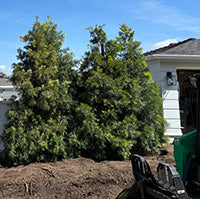
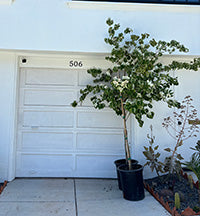
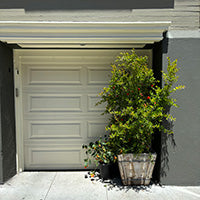
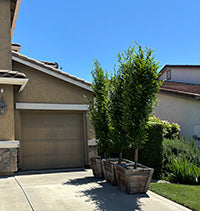
Yardwork was so great to work with. First they had the Swan Hill olive trees that we had been searching for, we had contacted several other nurseries without any luck previously. Then they answered all of our questions in a timely matter prior to ordering and finally delivered within a few days of placing it. Their staff is incredibly knowledgeable; they delivered and planted our trees with expertise to ensure that they would do well in our yard. We would definitely work with them again for future projects.











A Modern Experience
At Yardwork, we carefully curate thousands of plants, in all container sizes, to provide you with the best selection of the highest quality trees and plants at the best price, with the convenience of an online platform.
Uncompromised Quality
We choose only the finest specimens and hand select our plants just before delivery to ensure you receive the freshest and most robust specimens available for your landscape.
Industry Leading Warranties
Our 30, 90, and 365 extended warranties provide some of the best coverage to ensure our trees and plants thrive in your landscape.
Frequently Asked Questions
We're committed to changing everything about trees and plants - how they’re grown, how you shop for them, and how much they cost. We handle orders ourselves. No middlemen to get between us (or our prices) and you.
We're committed to changing everything about trees and plants - how they’re grown, how you shop for them, and how much they cost. We handle orders ourselves. No middlemen to get between us (or our prices) and you.
Delivery does not include unloading of trees and plants LARGER than a 24" box.
Trees and plants in smaller containers will be dropped curbside (usually on the driveway or near the front doorstep).
Delivery beyond a curbside drop will be charged extra.
Trees and plants that are sold in container sizes LARGER than a 24" box size will require equipment and/or enough manpower onsite to help unload from the truck.
Please reach out to our team PRIOR to placing your order to help coordinate.
Our team can provide unloading assistance with equipment for an extra fee as well.
Delivery does not include unloading of trees and plants LARGER than a 24" box.
Trees and plants in smaller containers will be dropped curbside (usually on the driveway or near the front doorstep).
Delivery beyond a curbside drop will be charged extra.
Trees and plants that are sold in container sizes LARGER than a 24" box size will require equipment and/or enough manpower onsite to help unload from the truck.
Please reach out to our team PRIOR to placing your order to help coordinate.
Our team can provide unloading assistance with equipment for an extra fee as well.
We ship locally within California within 7-10 days of your order being placed.
We ship nationally using carrier partners, based on order size. Our common order minimums for out of state shipping is $5,000.
Text or call 323-576-4159 for specific shipping details for your location.
We ship locally within California within 7-10 days of your order being placed.
We ship nationally using carrier partners, based on order size. Our common order minimums for out of state shipping is $5,000.
Text or call 323-576-4159 for specific shipping details for your location.
We are currently online only and don't have physical locations where you can view plants in person.
That's why we have photos direct from the growing grounds of the plants we will ship and we display pricing right in our store.
We do make sure to pick the very best trees and plants prior to shipping and make sure that they have gone through our multi-point inspection for health and structure.
We will always reach out prior to delivery if we find a quality issue or need to provide a substitute.
We are currently online only and don't have physical locations where you can view plants in person.
That's why we have photos direct from the growing grounds of the plants we will ship and we display pricing right in our store.
We do make sure to pick the very best trees and plants prior to shipping and make sure that they have gone through our multi-point inspection for health and structure.
We will always reach out prior to delivery if we find a quality issue or need to provide a substitute.
Plants vary greatly by type. Here is a rough idea of sizes based on containers that are direct from our growing grounds.
15 Gallon Shrub 3-4 Ft. Tall
15 Gallon Tree 5-6 Ft. Tall
24" Box Shrub 5-6 Ft. Tall
24" Box Tree 6-7 Ft. Tall
36" Box Shrub/Tree 7-9 Ft. Tall
48" Box Shrub/Tree 8-10 Ft. Tall
**Please note that we do not make guarantees of sizes. If you have questions or concerns, please call or text to request accurate sizing for the particular plant you're considering, prior to ordering.
Plants vary greatly by type. Here is a rough idea of sizes based on containers that are direct from our growing grounds.
15 Gallon Shrub 3-4 Ft. Tall
15 Gallon Tree 5-6 Ft. Tall
24" Box Shrub 5-6 Ft. Tall
24" Box Tree 6-7 Ft. Tall
36" Box Shrub/Tree 7-9 Ft. Tall
48" Box Shrub/Tree 8-10 Ft. Tall
**Please note that we do not make guarantees of sizes. If you have questions or concerns, please call or text to request accurate sizing for the particular plant you're considering, prior to ordering.
We offer a limited 30 day warranty for plants that are delivered and planted by someone else and a 90 day warranty for plants that we plant.
The limited warranty covers plants that die as a result of disease or fungus which was derived from our growing grounds or from root balls that were root bound.
The warranty does not cover damage due to watering, fertilizer, soils, or any other conditions beyond our control. Additionally, the warranty does not cover plants that are shipped out of the state of California or shipped into California from other states. Custom plant orders are also not covered under warranty. Plants must be planted within 24 hours after delivery to qualify.
We can assist you in recommending the right soils and fertilizers to help your plant thrive after you plant it.
Text or call 323-576-4159 for further warranty information.
We offer a limited 30 day warranty for plants that are delivered and planted by someone else and a 90 day warranty for plants that we plant.
The limited warranty covers plants that die as a result of disease or fungus which was derived from our growing grounds or from root balls that were root bound.
The warranty does not cover damage due to watering, fertilizer, soils, or any other conditions beyond our control. Additionally, the warranty does not cover plants that are shipped out of the state of California or shipped into California from other states. Custom plant orders are also not covered under warranty. Plants must be planted within 24 hours after delivery to qualify.
We can assist you in recommending the right soils and fertilizers to help your plant thrive after you plant it.
Text or call 323-576-4159 for further warranty information.
Our local delivery team covers most cities in California.
There are some exceptions, so please get in touch to confirm prior to ordering.
Additionally, we ship using semi trucks and trailers throughout the entire United States and even abroad for large orders over $5,000. Each shipment is custom, so please reach out to our team to coordinate.
Our local delivery team covers most cities in California.
There are some exceptions, so please get in touch to confirm prior to ordering.
Additionally, we ship using semi trucks and trailers throughout the entire United States and even abroad for large orders over $5,000. Each shipment is custom, so please reach out to our team to coordinate.