



Chinese Elm Tree (Ulmus Parvifolia)
Regular price
$895.00
Size
Fast-Growing Shade Tree with Stunning Year-Round Beauty
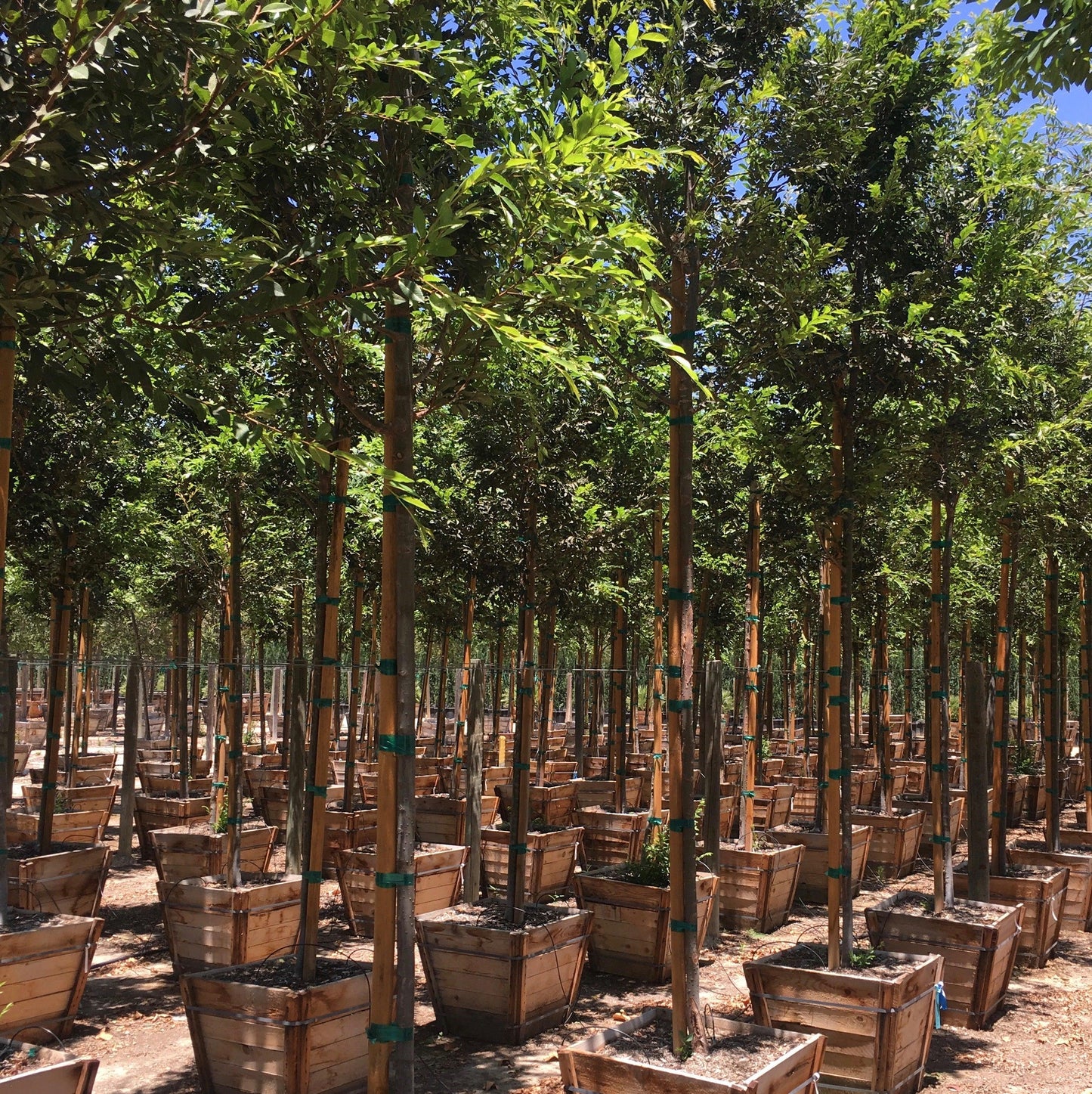
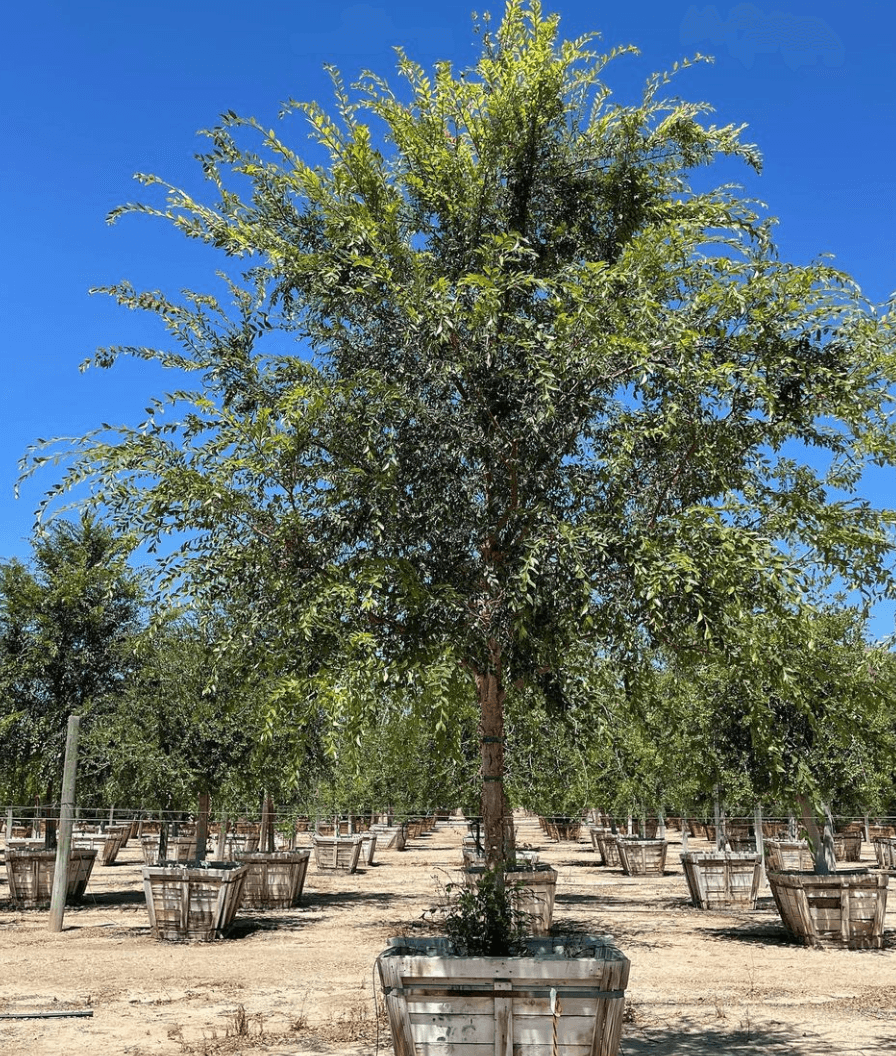
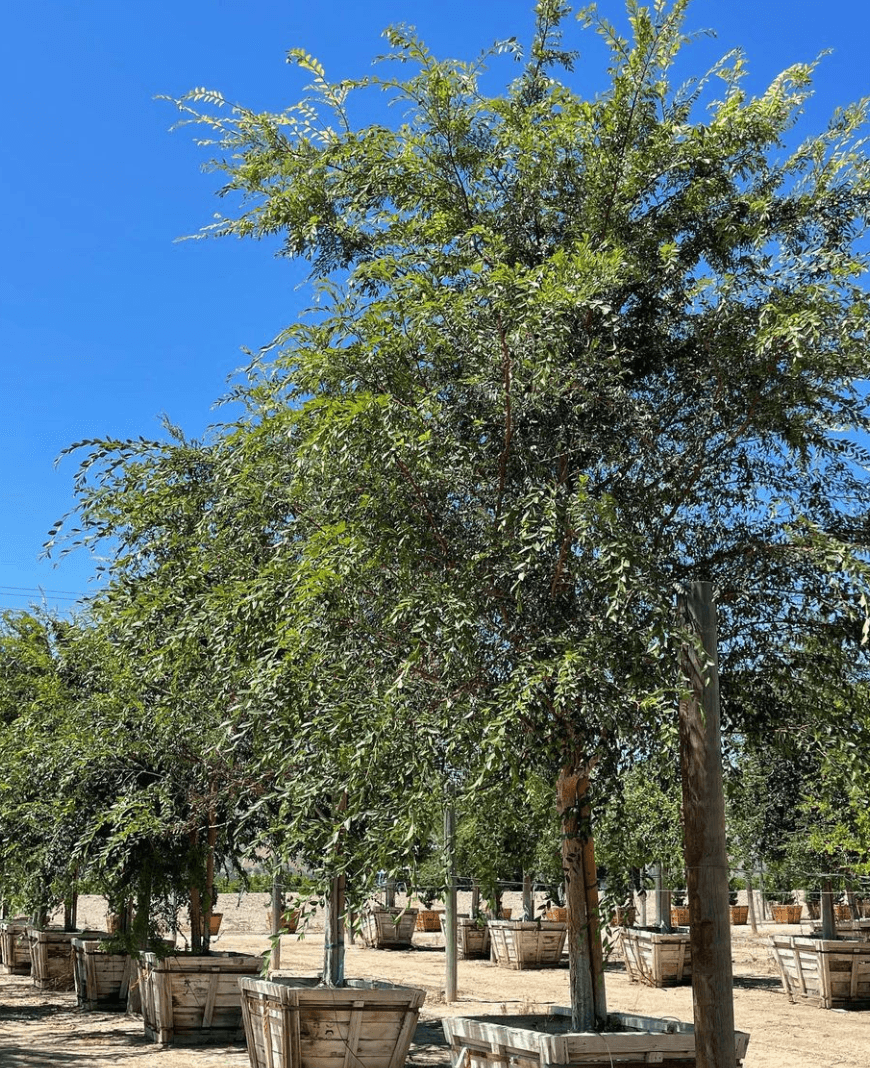
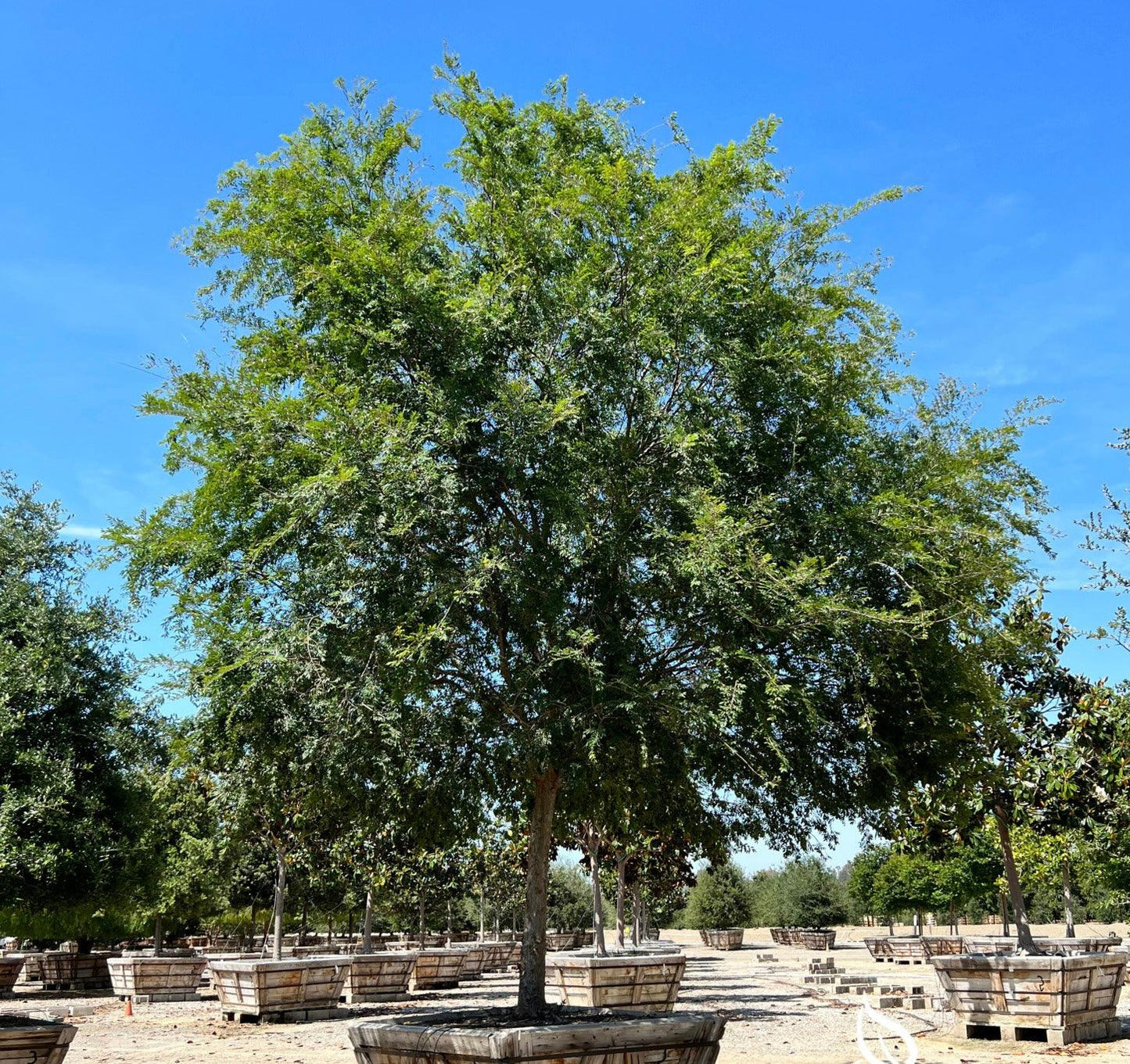
The Chinese elm (Ulmus parvifolia) delivers what most shade trees can't: rapid canopy coverage and striking ornamental bark that keeps your landscape beautiful every season. Chinese elm grows rapidly, reaching 40–60 feet tall at a pace of 2–3 feet per year, transforming a bare yard into a shaded retreat in just a few years. While other fast-growers sacrifice strength for speed, this hardy tree from the elm family combines both-plus a mottled, lace-like bark that turns heads even in early winter when the branches are bare.
Why You'll Love It
-
Quick, Generous Shade – Mature Chinese elms reach 40 to 50 feet tall with a matching 35–50 foot spread, covering patios, driveways, and outdoor living areas faster than most comparable shade trees.
-
Highly Resistant to Disease – This tree is resistant to Dutch Elm Disease, the fungal epidemic that devastated American elms across the country. It's also resistant to the elm leaf beetle, a pest that plagues other elms.
-
Stunning Four-Season Bark – The exfoliating bark peels in patches to reveal a patchwork of tan, olive, cinnamon, reddish brown, and brown tones-a showpiece in winter when the deciduous foliage drops.
-
Tough and Adaptable – It adapts to various soil types and pH levels, including clay, sandy, and compacted soils. Chinese elms tolerate wet soils and moderate salt, making them a reliable urban tree for challenging sites.
-
Low Maintenance Once Established – It prefers deep, regular irrigation especially while establishing but is drought-tolerant once established. After the first couple of seasons, this hardy tree practically takes care of itself.
-
Long-Lived Investment – It has a life expectancy of 50 to 100 years, meaning the shade you plant today will serve your property for generations.
What Makes It Different
Most fast-growing shade trees are weak-wooded and short-lived-think Siberian elm or silver maple, which snap in storms and decline within decades. Slow-growing alternatives like oaks deliver durability but make you wait 20+ years for meaningful shade.
The Chinese elm-also known by its other common name, the lacebark elm offers:
-
Ornamental Bark No Other Elm Matches – Unlike the rough, furrowed bark of Siberian elm, the Chinese elm's bark has a mottled, lace-like appearance with olive, tan, and orange patches that deepen with age. It's one of the most visually striking trunks of any landscape plants in California.
-
Disease Resistance That Outlasts Other Elms – Chinese elm is resistant to Dutch Elm Disease and highly resistant to elm leaf beetle, problems that make other elms risky long-term choices. It has earned its place as perhaps the most ubiquitous elm in modern urban settings.
-
Thrives Where Others Struggle – Chinese Elm thrives in USDA Hardiness Zones 5–9 and is tolerant of urban pollution and poor soils. Whether your yard has compacted clay, alkaline soil, or sits near a busy street, this tree adapts. It can be used for shade and street planting due to its adaptability.
For California homeowners, this combination of speed, beauty, and resilience is hard to beat. Browse our full collection of fast-growing trees to compare options.
How To Grow The Chinese Elm Tree Successfully
-
Plant in the Right Spot Choose a location with full sun to partial shade. It requires at least 6 hours of direct sunlight per day for the best canopy development. Ensure well drained soil-the Chinese elm handles most soil types but needs drainage to avoid root problems.
-
Establish with Consistent Watering Water when the topsoil is dry during the first 1–2 growing seasons. Deep irrigation encourages strong root development. Mulch around the base to retain moisture and moderate soil temperature through hot California summers.
-
Watch It Grow into Full Shade With 2–3 feet of annual growth, expect meaningful shade within 5–10 years. The tree can grow to a height and spread of 40 to 50 feet, forming a rounded or vase-shaped crown that blankets your outdoor space. Prune larger branches in late autumn to maintain strong structure.
For detailed planting advice, check out our guide on how to buy and plant trees.
Product Details
|
Specification |
Details |
|---|---|
|
Botanical Name |
Ulmus parvifolia |
|
Common Names |
Chinese elm, lacebark elm |
|
Mature Height |
40–60 feet tall |
|
Mature Spread |
35–50 feet |
|
Growth Rate |
Fast - 2–3 feet per year |
|
Hardiness Zones |
USDA Zones 5–9 |
|
Sun Exposure |
Full sun to partial shade |
|
Soil Requirements |
Adaptable to clay, loam, sandy; tolerates various pH levels |
|
Water Needs |
Regular deep watering while establishing; drought-tolerant once mature |
|
Foliage |
Small, glossy, dark green leaves with serrated edges; paler underneath |
|
Bark |
Exfoliating; mottled patches of tan, olive, cinnamon, reddish brown, and gray |
|
Seeds |
The tree produces small, winged, papery seeds in late summer or fall |
|
Fall Color |
Yellow to yellow-orange (less vivid in warm climates) |
|
Leaf Habit |
Deciduous; semi-evergreen in mild winter climates through late autumn |
|
Life Expectancy |
50–100 years |
|
Origin |
Native to central China, Japan, Korea, and eastern Asia |
Cultivars available: 'Allee' (upright spreading), 'Bosque' (narrower, pyramidal shape), and specialty selections. Bonsai cultivars like 'Hokkaido' are popular due to their tiny leaves-a good choice for bonsai enthusiasts and container gardens. Fertilize during the growing season with organic and liquid fertilizers for optimal performance. Repot young trees every two years in spring if grown in containers.
Note: The tree can be considered invasive in some regions. Chinese elm can survive in various environmental conditions, so check local regulations before planting.
Who It's For
Ideal for:
-
California homeowners who want fast shade over patios, decks, and outdoor living areas without waiting decades
-
Property owners with difficult soil-clay, compacted, or alkaline-who need a tree that actually thrives in tough conditions
-
Landscapers and designers seeking a reliable, low-maintenance shade tree for residential and commercial projects in urban settings
-
Anyone who values winter interest-the exfoliating bark with olive, tan, and brown clusters of color stands out when most garden trees go dormant
-
Bonsai enthusiasts looking for Chinese elm bonsai trees with small leaves, attractive twigging, and forgiving care requirements
If you're looking for a similar ornamental tree with brilliant fall color, consider the Chinese Pistache or the October Glory Maple as companions in your landscape.
Frequently Asked Questions
How fast does a Chinese elm grow? Chinese elm can grow 40 to 60 feet tall with an annual growth rate of approximately 2–3 feet per year once established. Under full sun with good drainage, some specimens add up to 36 inches per year. New leaves emerge vigorously each late spring, filling out the canopy quickly.
Is the Chinese elm resistant to diseases? Yes. It is highly resistant to Dutch Elm Disease and the elm leaf beetle-two threats that devastate other elms. It can face occasional issues with aphids, scales, or root rot in poorly drained soils, but overall it remains one of the most disease-resistant elms available.
What soil conditions does it tolerate? The Chinese elm adapts to nearly all soil types-clay, loam, sandy-and handles a pH range from slightly acidic to alkaline. It tolerates compacted urban soils and even moderate salt levels. The key requirement is well drained soil to prevent root disease.
How much maintenance does it require? Moderate care in the first 1–2 seasons (consistent deep watering, formative pruning to shape branches and remove weak wood). After establishment, maintenance is low: seasonal inspections, occasional pruning in late autumn, and leaf cleanup in fall. Mature Chinese elms are drought-tolerant and rarely need fertilization except in very poor soils.
Will it work in California's climate zones? Absolutely. Chinese elm thrives in USDA Zones 5–9, covering most of California from inland valleys (Sacramento, Fresno) to coastal and Bay Area regions. In warmer zones, the foliage may persist as semi-evergreen through winter, providing green cover longer than fully deciduous trees. For hotter inland areas or desert landscapes, supplemental summer watering helps young trees establish.
Ready to Transform Your Landscape?
The Chinese elm delivers both-rapid shade, striking bark in every season, and the durability to last 50–100 years in your garden.
Whether you're shading a patio, lining a street, or adding a specimen tree to your front yard, this popular choice among California homeowners and landscapers checks every box.
Fast-Growing Shade Tree with Stunning Year-Round Beauty
The Chinese elm (Ulmus parvifolia) delivers what most shade trees can't: rapid canopy coverage and striking ornamental bark that keeps your landscape beautiful every season. Chinese elm grows rapidly, reaching 40–60 feet tall at a pace of 2–3 feet per year, transforming a bare yard into a shaded retreat in just a few years. While other fast-growers sacrifice strength for speed, this hardy tree from the elm family combines both-plus a mottled, lace-like bark that turns heads even in early winter when the branches are bare.
Why You'll Love It
-
Quick, Generous Shade – Mature Chinese elms reach 40 to 50 feet tall with a matching 35–50 foot spread, covering patios, driveways, and outdoor living areas faster than most comparable shade trees.
-
Highly Resistant to Disease – This tree is resistant to Dutch Elm Disease, the fungal epidemic that devastated American elms across the country. It's also resistant to the elm leaf beetle, a pest that plagues other elms.
-
Stunning Four-Season Bark – The exfoliating bark peels in patches to reveal a patchwork of tan, olive, cinnamon, reddish brown, and brown tones-a showpiece in winter when the deciduous foliage drops.
-
Tough and Adaptable – It adapts to various soil types and pH levels, including clay, sandy, and compacted soils. Chinese elms tolerate wet soils and moderate salt, making them a reliable urban tree for challenging sites.
-
Low Maintenance Once Established – It prefers deep, regular irrigation especially while establishing but is drought-tolerant once established. After the first couple of seasons, this hardy tree practically takes care of itself.
-
Long-Lived Investment – It has a life expectancy of 50 to 100 years, meaning the shade you plant today will serve your property for generations.
What Makes It Different
Most fast-growing shade trees are weak-wooded and short-lived-think Siberian elm or silver maple, which snap in storms and decline within decades. Slow-growing alternatives like oaks deliver durability but make you wait 20+ years for meaningful shade.
The Chinese elm-also known by its other common name, the lacebark elm offers:
-
Ornamental Bark No Other Elm Matches – Unlike the rough, furrowed bark of Siberian elm, the Chinese elm's bark has a mottled, lace-like appearance with olive, tan, and orange patches that deepen with age. It's one of the most visually striking trunks of any landscape plants in California.
-
Disease Resistance That Outlasts Other Elms – Chinese elm is resistant to Dutch Elm Disease and highly resistant to elm leaf beetle, problems that make other elms risky long-term choices. It has earned its place as perhaps the most ubiquitous elm in modern urban settings.
-
Thrives Where Others Struggle – Chinese Elm thrives in USDA Hardiness Zones 5–9 and is tolerant of urban pollution and poor soils. Whether your yard has compacted clay, alkaline soil, or sits near a busy street, this tree adapts. It can be used for shade and street planting due to its adaptability.
For California homeowners, this combination of speed, beauty, and resilience is hard to beat. Browse our full collection of fast-growing trees to compare options.
How To Grow The Chinese Elm Tree Successfully
-
Plant in the Right Spot Choose a location with full sun to partial shade. It requires at least 6 hours of direct sunlight per day for the best canopy development. Ensure well drained soil-the Chinese elm handles most soil types but needs drainage to avoid root problems.
-
Establish with Consistent Watering Water when the topsoil is dry during the first 1–2 growing seasons. Deep irrigation encourages strong root development. Mulch around the base to retain moisture and moderate soil temperature through hot California summers.
-
Watch It Grow into Full Shade With 2–3 feet of annual growth, expect meaningful shade within 5–10 years. The tree can grow to a height and spread of 40 to 50 feet, forming a rounded or vase-shaped crown that blankets your outdoor space. Prune larger branches in late autumn to maintain strong structure.
For detailed planting advice, check out our guide on how to buy and plant trees.
Product Details
|
Specification |
Details |
|---|---|
|
Botanical Name |
Ulmus parvifolia |
|
Common Names |
Chinese elm, lacebark elm |
|
Mature Height |
40–60 feet tall |
|
Mature Spread |
35–50 feet |
|
Growth Rate |
Fast - 2–3 feet per year |
|
Hardiness Zones |
USDA Zones 5–9 |
|
Sun Exposure |
Full sun to partial shade |
|
Soil Requirements |
Adaptable to clay, loam, sandy; tolerates various pH levels |
|
Water Needs |
Regular deep watering while establishing; drought-tolerant once mature |
|
Foliage |
Small, glossy, dark green leaves with serrated edges; paler underneath |
|
Bark |
Exfoliating; mottled patches of tan, olive, cinnamon, reddish brown, and gray |
|
Seeds |
The tree produces small, winged, papery seeds in late summer or fall |
|
Fall Color |
Yellow to yellow-orange (less vivid in warm climates) |
|
Leaf Habit |
Deciduous; semi-evergreen in mild winter climates through late autumn |
|
Life Expectancy |
50–100 years |
|
Origin |
Native to central China, Japan, Korea, and eastern Asia |
Cultivars available: 'Allee' (upright spreading), 'Bosque' (narrower, pyramidal shape), and specialty selections. Bonsai cultivars like 'Hokkaido' are popular due to their tiny leaves-a good choice for bonsai enthusiasts and container gardens. Fertilize during the growing season with organic and liquid fertilizers for optimal performance. Repot young trees every two years in spring if grown in containers.
Note: The tree can be considered invasive in some regions. Chinese elm can survive in various environmental conditions, so check local regulations before planting.
Who It's For
Ideal for:
-
California homeowners who want fast shade over patios, decks, and outdoor living areas without waiting decades
-
Property owners with difficult soil-clay, compacted, or alkaline-who need a tree that actually thrives in tough conditions
-
Landscapers and designers seeking a reliable, low-maintenance shade tree for residential and commercial projects in urban settings
-
Anyone who values winter interest-the exfoliating bark with olive, tan, and brown clusters of color stands out when most garden trees go dormant
-
Bonsai enthusiasts looking for Chinese elm bonsai trees with small leaves, attractive twigging, and forgiving care requirements
If you're looking for a similar ornamental tree with brilliant fall color, consider the Chinese Pistache or the October Glory Maple as companions in your landscape.
Frequently Asked Questions
How fast does a Chinese elm grow? Chinese elm can grow 40 to 60 feet tall with an annual growth rate of approximately 2–3 feet per year once established. Under full sun with good drainage, some specimens add up to 36 inches per year. New leaves emerge vigorously each late spring, filling out the canopy quickly.
Is the Chinese elm resistant to diseases? Yes. It is highly resistant to Dutch Elm Disease and the elm leaf beetle-two threats that devastate other elms. It can face occasional issues with aphids, scales, or root rot in poorly drained soils, but overall it remains one of the most disease-resistant elms available.
What soil conditions does it tolerate? The Chinese elm adapts to nearly all soil types-clay, loam, sandy-and handles a pH range from slightly acidic to alkaline. It tolerates compacted urban soils and even moderate salt levels. The key requirement is well drained soil to prevent root disease.
How much maintenance does it require? Moderate care in the first 1–2 seasons (consistent deep watering, formative pruning to shape branches and remove weak wood). After establishment, maintenance is low: seasonal inspections, occasional pruning in late autumn, and leaf cleanup in fall. Mature Chinese elms are drought-tolerant and rarely need fertilization except in very poor soils.
Will it work in California's climate zones? Absolutely. Chinese elm thrives in USDA Zones 5–9, covering most of California from inland valleys (Sacramento, Fresno) to coastal and Bay Area regions. In warmer zones, the foliage may persist as semi-evergreen through winter, providing green cover longer than fully deciduous trees. For hotter inland areas or desert landscapes, supplemental summer watering helps young trees establish.
Ready to Transform Your Landscape?
The Chinese elm delivers both-rapid shade, striking bark in every season, and the durability to last 50–100 years in your garden.
Whether you're shading a patio, lining a street, or adding a specimen tree to your front yard, this popular choice among California homeowners and landscapers checks every box.
Plants vary greatly by type and no guarantees are made on sizing.
However here is a rough idea of sizes based on containers that are direct from our growing grounds.
15 Gallon Shrub 3-4 Ft. Tall
15 Gallon Tree 5-6 Ft. Tall
24" Box Shrub 5-6 Ft. Tall
24" Box Tree 6-7 Ft. Tall
36" Box Tree 8-10 Ft. Tall
48" Box Tree 10-12 Ft. Tall
Please note: Citrus and California Native plants such as Manzanita are smaller than traditional sizing.
Please contact us to confirm sizing of items before purchasing if this is a concern.
Plants vary greatly by type and no guarantees are made on sizing.
However here is a rough idea of sizes based on containers that are direct from our growing grounds.
15 Gallon Shrub 3-4 Ft. Tall
15 Gallon Tree 5-6 Ft. Tall
24" Box Shrub 5-6 Ft. Tall
24" Box Tree 6-7 Ft. Tall
36" Box Tree 8-10 Ft. Tall
48" Box Tree 10-12 Ft. Tall
Please note: Citrus and California Native plants such as Manzanita are smaller than traditional sizing.
Please contact us to confirm sizing of items before purchasing if this is a concern.
Delivery does not include unloading of trees and plants larger than a 24" box.
Trees and plants in smaller containers will be dropped curbside.
Delivery beyond a curbside drop will be charged extra.
Trees and plants that are sold in container sizes larger than a 24" box size will require equipment and an operator onsite to help unload from the truck.
Please reach out to our team PRIOR to placing your order to coordinate.
Our team can provide unloading assistance with equipment for an extra fee.
Delivery does not include unloading of trees and plants larger than a 24" box.
Trees and plants in smaller containers will be dropped curbside.
Delivery beyond a curbside drop will be charged extra.
Trees and plants that are sold in container sizes larger than a 24" box size will require equipment and an operator onsite to help unload from the truck.
Please reach out to our team PRIOR to placing your order to coordinate.
Our team can provide unloading assistance with equipment for an extra fee.
You may also like...


Chinese Elm Tree (Ulmus Parvifolia)
Regular price
$895.00
Size
Fast-Growing Shade Tree with Stunning Year-Round Beauty
The Chinese elm (Ulmus parvifolia) delivers what most shade trees can't: rapid canopy coverage and striking ornamental bark that keeps your landscape beautiful every season. Chinese elm grows rapidly, reaching 40–60 feet tall at a pace of 2–3 feet per year, transforming a bare yard into a shaded retreat in just a few years. While other fast-growers sacrifice strength for speed, this hardy tree from the elm family combines both-plus a mottled, lace-like bark that turns heads even in early winter when the branches are bare.
Why You'll Love It
-
Quick, Generous Shade – Mature Chinese elms reach 40 to 50 feet tall with a matching 35–50 foot spread, covering patios, driveways, and outdoor living areas faster than most comparable shade trees.
-
Highly Resistant to Disease – This tree is resistant to Dutch Elm Disease, the fungal epidemic that devastated American elms across the country. It's also resistant to the elm leaf beetle, a pest that plagues other elms.
-
Stunning Four-Season Bark – The exfoliating bark peels in patches to reveal a patchwork of tan, olive, cinnamon, reddish brown, and brown tones-a showpiece in winter when the deciduous foliage drops.
-
Tough and Adaptable – It adapts to various soil types and pH levels, including clay, sandy, and compacted soils. Chinese elms tolerate wet soils and moderate salt, making them a reliable urban tree for challenging sites.
-
Low Maintenance Once Established – It prefers deep, regular irrigation especially while establishing but is drought-tolerant once established. After the first couple of seasons, this hardy tree practically takes care of itself.
-
Long-Lived Investment – It has a life expectancy of 50 to 100 years, meaning the shade you plant today will serve your property for generations.
What Makes It Different
Most fast-growing shade trees are weak-wooded and short-lived-think Siberian elm or silver maple, which snap in storms and decline within decades. Slow-growing alternatives like oaks deliver durability but make you wait 20+ years for meaningful shade.
The Chinese elm-also known by its other common name, the lacebark elm offers:
-
Ornamental Bark No Other Elm Matches – Unlike the rough, furrowed bark of Siberian elm, the Chinese elm's bark has a mottled, lace-like appearance with olive, tan, and orange patches that deepen with age. It's one of the most visually striking trunks of any landscape plants in California.
-
Disease Resistance That Outlasts Other Elms – Chinese elm is resistant to Dutch Elm Disease and highly resistant to elm leaf beetle, problems that make other elms risky long-term choices. It has earned its place as perhaps the most ubiquitous elm in modern urban settings.
-
Thrives Where Others Struggle – Chinese Elm thrives in USDA Hardiness Zones 5–9 and is tolerant of urban pollution and poor soils. Whether your yard has compacted clay, alkaline soil, or sits near a busy street, this tree adapts. It can be used for shade and street planting due to its adaptability.
For California homeowners, this combination of speed, beauty, and resilience is hard to beat. Browse our full collection of fast-growing trees to compare options.
How To Grow The Chinese Elm Tree Successfully
-
Plant in the Right Spot Choose a location with full sun to partial shade. It requires at least 6 hours of direct sunlight per day for the best canopy development. Ensure well drained soil-the Chinese elm handles most soil types but needs drainage to avoid root problems.
-
Establish with Consistent Watering Water when the topsoil is dry during the first 1–2 growing seasons. Deep irrigation encourages strong root development. Mulch around the base to retain moisture and moderate soil temperature through hot California summers.
-
Watch It Grow into Full Shade With 2–3 feet of annual growth, expect meaningful shade within 5–10 years. The tree can grow to a height and spread of 40 to 50 feet, forming a rounded or vase-shaped crown that blankets your outdoor space. Prune larger branches in late autumn to maintain strong structure.
For detailed planting advice, check out our guide on how to buy and plant trees.
Product Details
|
Specification |
Details |
|---|---|
|
Botanical Name |
Ulmus parvifolia |
|
Common Names |
Chinese elm, lacebark elm |
|
Mature Height |
40–60 feet tall |
|
Mature Spread |
35–50 feet |
|
Growth Rate |
Fast - 2–3 feet per year |
|
Hardiness Zones |
USDA Zones 5–9 |
|
Sun Exposure |
Full sun to partial shade |
|
Soil Requirements |
Adaptable to clay, loam, sandy; tolerates various pH levels |
|
Water Needs |
Regular deep watering while establishing; drought-tolerant once mature |
|
Foliage |
Small, glossy, dark green leaves with serrated edges; paler underneath |
|
Bark |
Exfoliating; mottled patches of tan, olive, cinnamon, reddish brown, and gray |
|
Seeds |
The tree produces small, winged, papery seeds in late summer or fall |
|
Fall Color |
Yellow to yellow-orange (less vivid in warm climates) |
|
Leaf Habit |
Deciduous; semi-evergreen in mild winter climates through late autumn |
|
Life Expectancy |
50–100 years |
|
Origin |
Native to central China, Japan, Korea, and eastern Asia |
Cultivars available: 'Allee' (upright spreading), 'Bosque' (narrower, pyramidal shape), and specialty selections. Bonsai cultivars like 'Hokkaido' are popular due to their tiny leaves-a good choice for bonsai enthusiasts and container gardens. Fertilize during the growing season with organic and liquid fertilizers for optimal performance. Repot young trees every two years in spring if grown in containers.
Note: The tree can be considered invasive in some regions. Chinese elm can survive in various environmental conditions, so check local regulations before planting.
Who It's For
Ideal for:
-
California homeowners who want fast shade over patios, decks, and outdoor living areas without waiting decades
-
Property owners with difficult soil-clay, compacted, or alkaline-who need a tree that actually thrives in tough conditions
-
Landscapers and designers seeking a reliable, low-maintenance shade tree for residential and commercial projects in urban settings
-
Anyone who values winter interest-the exfoliating bark with olive, tan, and brown clusters of color stands out when most garden trees go dormant
-
Bonsai enthusiasts looking for Chinese elm bonsai trees with small leaves, attractive twigging, and forgiving care requirements
If you're looking for a similar ornamental tree with brilliant fall color, consider the Chinese Pistache or the October Glory Maple as companions in your landscape.
Frequently Asked Questions
How fast does a Chinese elm grow? Chinese elm can grow 40 to 60 feet tall with an annual growth rate of approximately 2–3 feet per year once established. Under full sun with good drainage, some specimens add up to 36 inches per year. New leaves emerge vigorously each late spring, filling out the canopy quickly.
Is the Chinese elm resistant to diseases? Yes. It is highly resistant to Dutch Elm Disease and the elm leaf beetle-two threats that devastate other elms. It can face occasional issues with aphids, scales, or root rot in poorly drained soils, but overall it remains one of the most disease-resistant elms available.
What soil conditions does it tolerate? The Chinese elm adapts to nearly all soil types-clay, loam, sandy-and handles a pH range from slightly acidic to alkaline. It tolerates compacted urban soils and even moderate salt levels. The key requirement is well drained soil to prevent root disease.
How much maintenance does it require? Moderate care in the first 1–2 seasons (consistent deep watering, formative pruning to shape branches and remove weak wood). After establishment, maintenance is low: seasonal inspections, occasional pruning in late autumn, and leaf cleanup in fall. Mature Chinese elms are drought-tolerant and rarely need fertilization except in very poor soils.
Will it work in California's climate zones? Absolutely. Chinese elm thrives in USDA Zones 5–9, covering most of California from inland valleys (Sacramento, Fresno) to coastal and Bay Area regions. In warmer zones, the foliage may persist as semi-evergreen through winter, providing green cover longer than fully deciduous trees. For hotter inland areas or desert landscapes, supplemental summer watering helps young trees establish.
Ready to Transform Your Landscape?
The Chinese elm delivers both-rapid shade, striking bark in every season, and the durability to last 50–100 years in your garden.
Whether you're shading a patio, lining a street, or adding a specimen tree to your front yard, this popular choice among California homeowners and landscapers checks every box.
Fast-Growing Shade Tree with Stunning Year-Round Beauty
The Chinese elm (Ulmus parvifolia) delivers what most shade trees can't: rapid canopy coverage and striking ornamental bark that keeps your landscape beautiful every season. Chinese elm grows rapidly, reaching 40–60 feet tall at a pace of 2–3 feet per year, transforming a bare yard into a shaded retreat in just a few years. While other fast-growers sacrifice strength for speed, this hardy tree from the elm family combines both-plus a mottled, lace-like bark that turns heads even in early winter when the branches are bare.
Why You'll Love It
-
Quick, Generous Shade – Mature Chinese elms reach 40 to 50 feet tall with a matching 35–50 foot spread, covering patios, driveways, and outdoor living areas faster than most comparable shade trees.
-
Highly Resistant to Disease – This tree is resistant to Dutch Elm Disease, the fungal epidemic that devastated American elms across the country. It's also resistant to the elm leaf beetle, a pest that plagues other elms.
-
Stunning Four-Season Bark – The exfoliating bark peels in patches to reveal a patchwork of tan, olive, cinnamon, reddish brown, and brown tones-a showpiece in winter when the deciduous foliage drops.
-
Tough and Adaptable – It adapts to various soil types and pH levels, including clay, sandy, and compacted soils. Chinese elms tolerate wet soils and moderate salt, making them a reliable urban tree for challenging sites.
-
Low Maintenance Once Established – It prefers deep, regular irrigation especially while establishing but is drought-tolerant once established. After the first couple of seasons, this hardy tree practically takes care of itself.
-
Long-Lived Investment – It has a life expectancy of 50 to 100 years, meaning the shade you plant today will serve your property for generations.
What Makes It Different
Most fast-growing shade trees are weak-wooded and short-lived-think Siberian elm or silver maple, which snap in storms and decline within decades. Slow-growing alternatives like oaks deliver durability but make you wait 20+ years for meaningful shade.
The Chinese elm-also known by its other common name, the lacebark elm offers:
-
Ornamental Bark No Other Elm Matches – Unlike the rough, furrowed bark of Siberian elm, the Chinese elm's bark has a mottled, lace-like appearance with olive, tan, and orange patches that deepen with age. It's one of the most visually striking trunks of any landscape plants in California.
-
Disease Resistance That Outlasts Other Elms – Chinese elm is resistant to Dutch Elm Disease and highly resistant to elm leaf beetle, problems that make other elms risky long-term choices. It has earned its place as perhaps the most ubiquitous elm in modern urban settings.
-
Thrives Where Others Struggle – Chinese Elm thrives in USDA Hardiness Zones 5–9 and is tolerant of urban pollution and poor soils. Whether your yard has compacted clay, alkaline soil, or sits near a busy street, this tree adapts. It can be used for shade and street planting due to its adaptability.
For California homeowners, this combination of speed, beauty, and resilience is hard to beat. Browse our full collection of fast-growing trees to compare options.
How To Grow The Chinese Elm Tree Successfully
-
Plant in the Right Spot Choose a location with full sun to partial shade. It requires at least 6 hours of direct sunlight per day for the best canopy development. Ensure well drained soil-the Chinese elm handles most soil types but needs drainage to avoid root problems.
-
Establish with Consistent Watering Water when the topsoil is dry during the first 1–2 growing seasons. Deep irrigation encourages strong root development. Mulch around the base to retain moisture and moderate soil temperature through hot California summers.
-
Watch It Grow into Full Shade With 2–3 feet of annual growth, expect meaningful shade within 5–10 years. The tree can grow to a height and spread of 40 to 50 feet, forming a rounded or vase-shaped crown that blankets your outdoor space. Prune larger branches in late autumn to maintain strong structure.
For detailed planting advice, check out our guide on how to buy and plant trees.
Product Details
|
Specification |
Details |
|---|---|
|
Botanical Name |
Ulmus parvifolia |
|
Common Names |
Chinese elm, lacebark elm |
|
Mature Height |
40–60 feet tall |
|
Mature Spread |
35–50 feet |
|
Growth Rate |
Fast - 2–3 feet per year |
|
Hardiness Zones |
USDA Zones 5–9 |
|
Sun Exposure |
Full sun to partial shade |
|
Soil Requirements |
Adaptable to clay, loam, sandy; tolerates various pH levels |
|
Water Needs |
Regular deep watering while establishing; drought-tolerant once mature |
|
Foliage |
Small, glossy, dark green leaves with serrated edges; paler underneath |
|
Bark |
Exfoliating; mottled patches of tan, olive, cinnamon, reddish brown, and gray |
|
Seeds |
The tree produces small, winged, papery seeds in late summer or fall |
|
Fall Color |
Yellow to yellow-orange (less vivid in warm climates) |
|
Leaf Habit |
Deciduous; semi-evergreen in mild winter climates through late autumn |
|
Life Expectancy |
50–100 years |
|
Origin |
Native to central China, Japan, Korea, and eastern Asia |
Cultivars available: 'Allee' (upright spreading), 'Bosque' (narrower, pyramidal shape), and specialty selections. Bonsai cultivars like 'Hokkaido' are popular due to their tiny leaves-a good choice for bonsai enthusiasts and container gardens. Fertilize during the growing season with organic and liquid fertilizers for optimal performance. Repot young trees every two years in spring if grown in containers.
Note: The tree can be considered invasive in some regions. Chinese elm can survive in various environmental conditions, so check local regulations before planting.
Who It's For
Ideal for:
-
California homeowners who want fast shade over patios, decks, and outdoor living areas without waiting decades
-
Property owners with difficult soil-clay, compacted, or alkaline-who need a tree that actually thrives in tough conditions
-
Landscapers and designers seeking a reliable, low-maintenance shade tree for residential and commercial projects in urban settings
-
Anyone who values winter interest-the exfoliating bark with olive, tan, and brown clusters of color stands out when most garden trees go dormant
-
Bonsai enthusiasts looking for Chinese elm bonsai trees with small leaves, attractive twigging, and forgiving care requirements
If you're looking for a similar ornamental tree with brilliant fall color, consider the Chinese Pistache or the October Glory Maple as companions in your landscape.
Frequently Asked Questions
How fast does a Chinese elm grow? Chinese elm can grow 40 to 60 feet tall with an annual growth rate of approximately 2–3 feet per year once established. Under full sun with good drainage, some specimens add up to 36 inches per year. New leaves emerge vigorously each late spring, filling out the canopy quickly.
Is the Chinese elm resistant to diseases? Yes. It is highly resistant to Dutch Elm Disease and the elm leaf beetle-two threats that devastate other elms. It can face occasional issues with aphids, scales, or root rot in poorly drained soils, but overall it remains one of the most disease-resistant elms available.
What soil conditions does it tolerate? The Chinese elm adapts to nearly all soil types-clay, loam, sandy-and handles a pH range from slightly acidic to alkaline. It tolerates compacted urban soils and even moderate salt levels. The key requirement is well drained soil to prevent root disease.
How much maintenance does it require? Moderate care in the first 1–2 seasons (consistent deep watering, formative pruning to shape branches and remove weak wood). After establishment, maintenance is low: seasonal inspections, occasional pruning in late autumn, and leaf cleanup in fall. Mature Chinese elms are drought-tolerant and rarely need fertilization except in very poor soils.
Will it work in California's climate zones? Absolutely. Chinese elm thrives in USDA Zones 5–9, covering most of California from inland valleys (Sacramento, Fresno) to coastal and Bay Area regions. In warmer zones, the foliage may persist as semi-evergreen through winter, providing green cover longer than fully deciduous trees. For hotter inland areas or desert landscapes, supplemental summer watering helps young trees establish.
Ready to Transform Your Landscape?
The Chinese elm delivers both-rapid shade, striking bark in every season, and the durability to last 50–100 years in your garden.
Whether you're shading a patio, lining a street, or adding a specimen tree to your front yard, this popular choice among California homeowners and landscapers checks every box.
Plants vary greatly by type and no guarantees are made on sizing.
However here is a rough idea of sizes based on containers that are direct from our growing grounds.
15 Gallon Shrub 3-4 Ft. Tall
15 Gallon Tree 5-6 Ft. Tall
24" Box Shrub 5-6 Ft. Tall
24" Box Tree 6-7 Ft. Tall
36" Box Tree 8-10 Ft. Tall
48" Box Tree 10-12 Ft. Tall
Please note: Citrus and California Native plants such as Manzanita are smaller than traditional sizing.
Please contact us to confirm sizing of items before purchasing if this is a concern.
Plants vary greatly by type and no guarantees are made on sizing.
However here is a rough idea of sizes based on containers that are direct from our growing grounds.
15 Gallon Shrub 3-4 Ft. Tall
15 Gallon Tree 5-6 Ft. Tall
24" Box Shrub 5-6 Ft. Tall
24" Box Tree 6-7 Ft. Tall
36" Box Tree 8-10 Ft. Tall
48" Box Tree 10-12 Ft. Tall
Please note: Citrus and California Native plants such as Manzanita are smaller than traditional sizing.
Please contact us to confirm sizing of items before purchasing if this is a concern.
Delivery does not include unloading of trees and plants larger than a 24" box.
Trees and plants in smaller containers will be dropped curbside.
Delivery beyond a curbside drop will be charged extra.
Trees and plants that are sold in container sizes larger than a 24" box size will require equipment and an operator onsite to help unload from the truck.
Please reach out to our team PRIOR to placing your order to coordinate.
Our team can provide unloading assistance with equipment for an extra fee.
Delivery does not include unloading of trees and plants larger than a 24" box.
Trees and plants in smaller containers will be dropped curbside.
Delivery beyond a curbside drop will be charged extra.
Trees and plants that are sold in container sizes larger than a 24" box size will require equipment and an operator onsite to help unload from the truck.
Please reach out to our team PRIOR to placing your order to coordinate.
Our team can provide unloading assistance with equipment for an extra fee.
Recommended For You















Pairs Well With













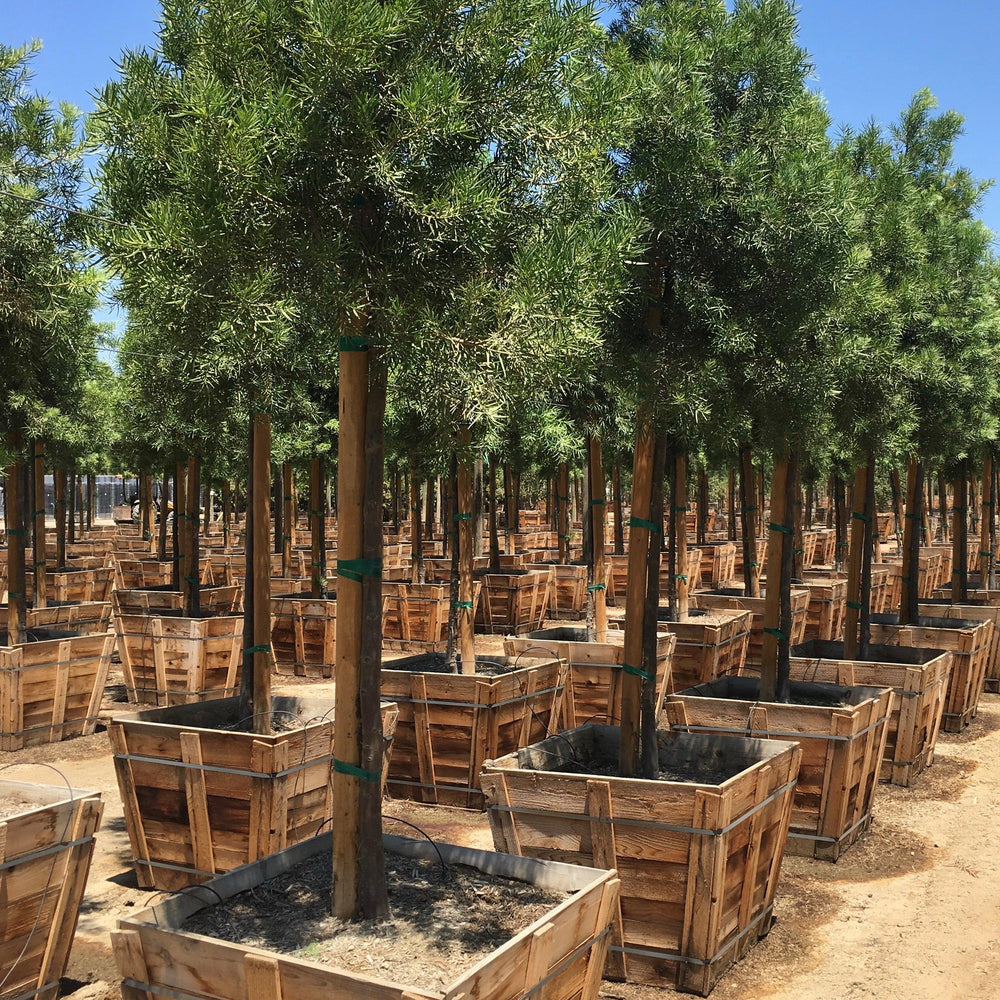
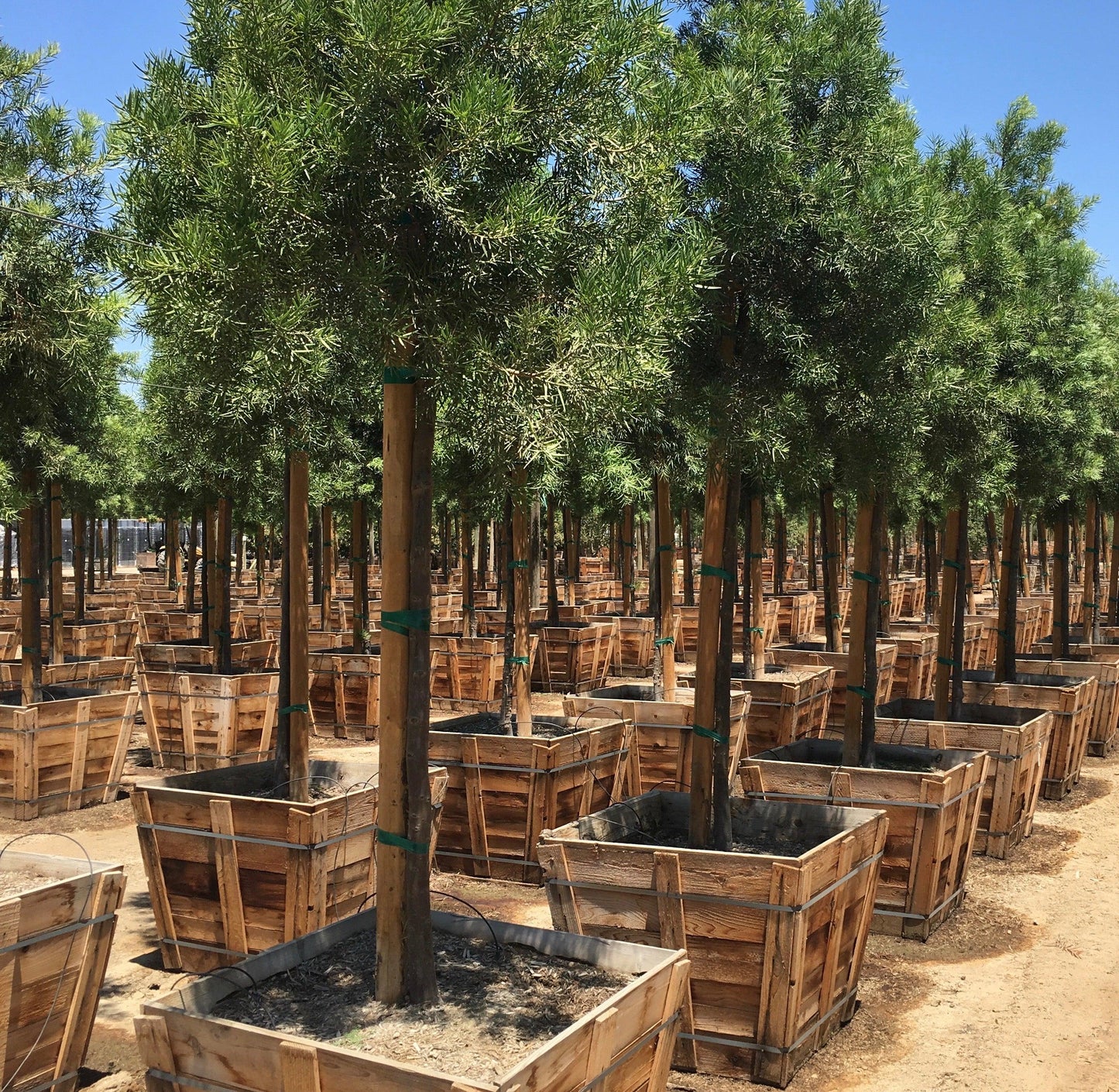
You May Also Like

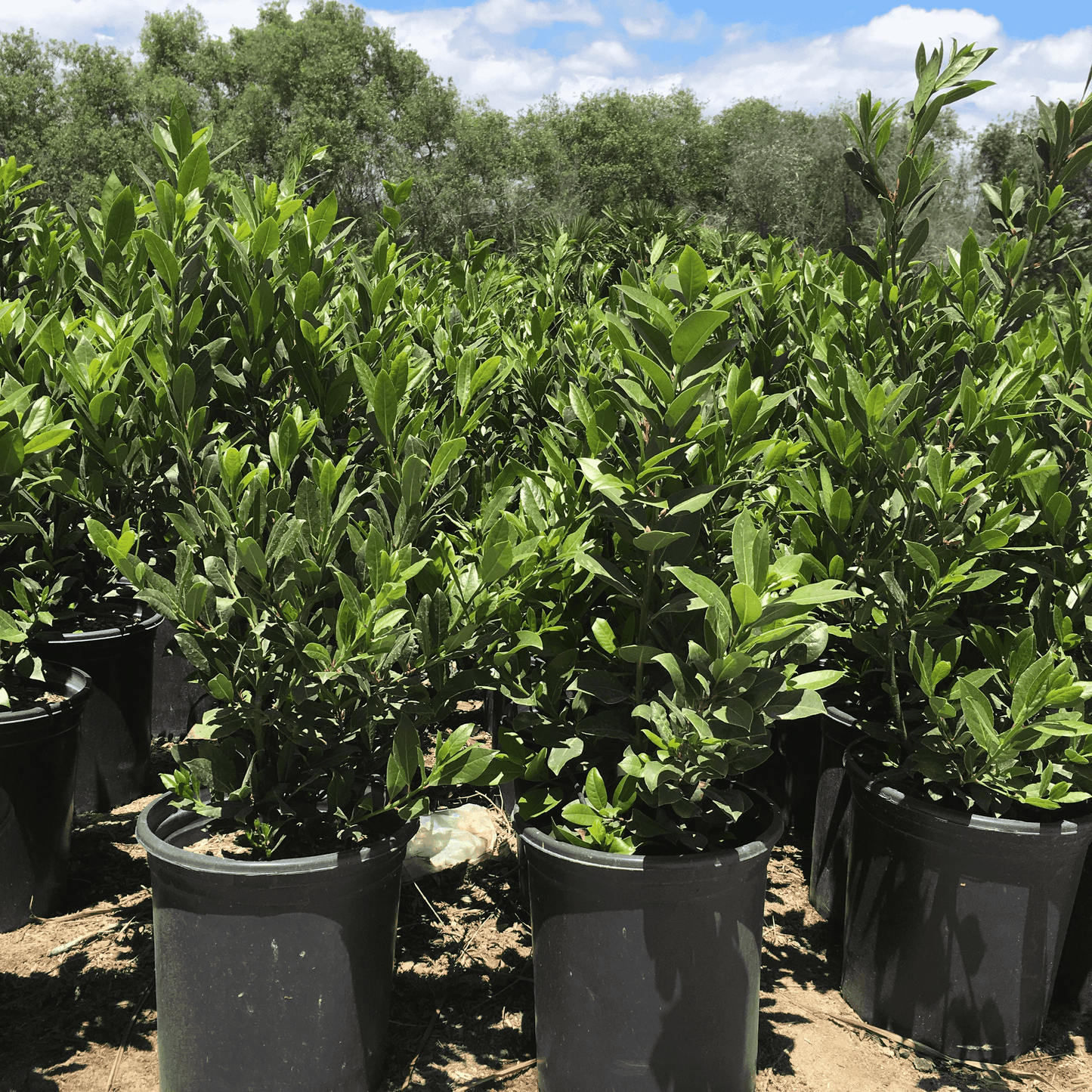

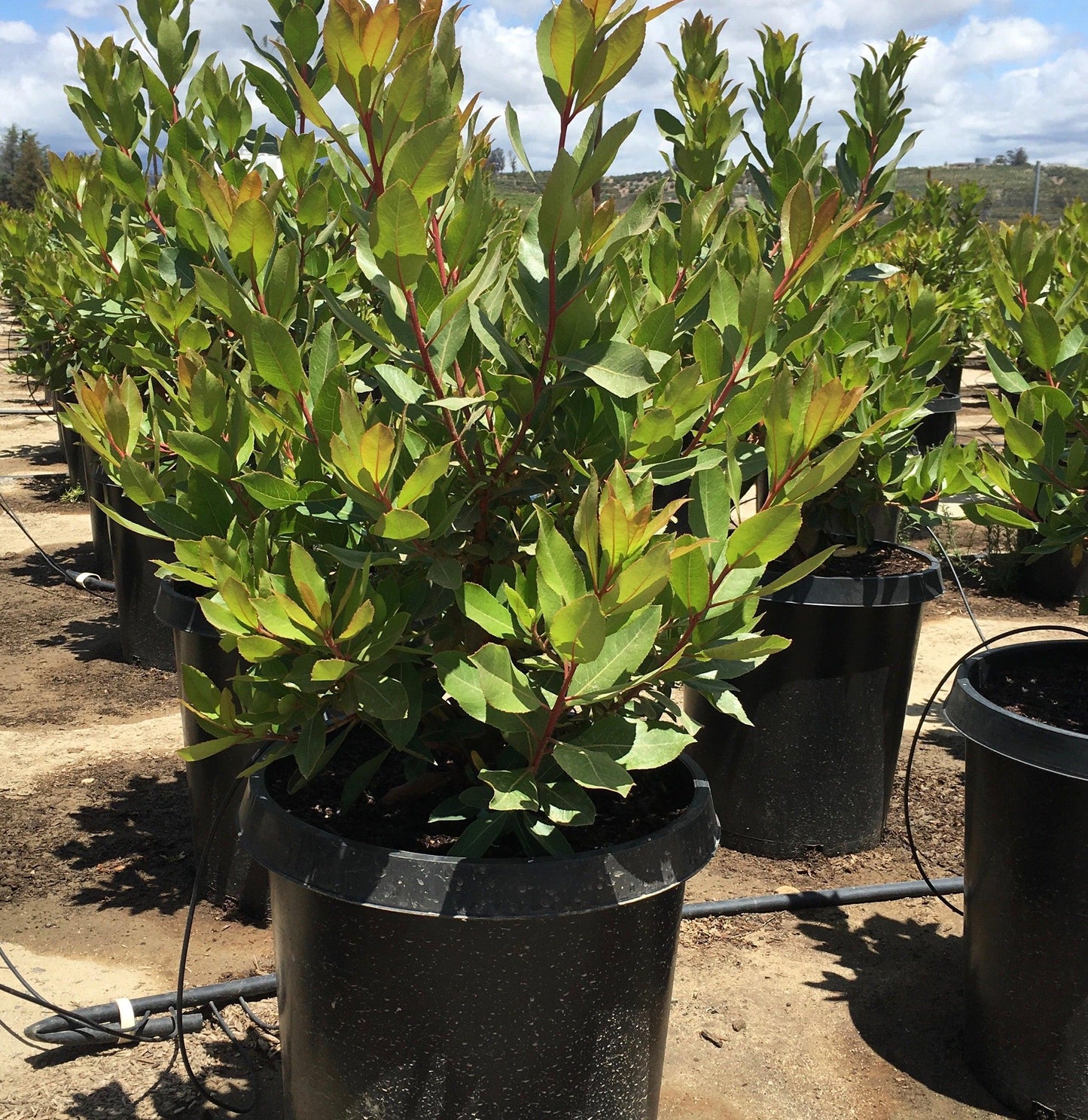










Thousands of Healthy Plants Delivered

Yardwork was so great to work with. First they had the Swan Hill olive trees that we had been searching for, we had contacted several other nurseries without any luck previously. Then they answered all of our questions in a timely matter prior to ordering and finally delivered within a few days of placing it. Their staff is incredibly knowledgeable; they delivered and planted our trees with expertise to ensure that they would do well in our yard. We would definitely work with them again for future projects.











A Modern Experience
At Yardwork, we carefully curate thousands of plants, in all container sizes, to provide you with the best selection of the highest quality trees and plants at the best price, with the convenience of an online platform.
Uncompromised Quality
We choose only the finest specimens and hand select our plants just before delivery to ensure you receive the freshest and most robust specimens available for your landscape.
Industry Leading Warranties
Our 30, 90, and 365 extended warranties provide some of the best coverage to ensure our trees and plants thrive in your landscape.
Frequently Asked Questions
We're committed to changing everything about trees and plants - how they’re grown, how you shop for them, and how much they cost. We handle orders ourselves. No middlemen to get between us (or our prices) and you.
We're committed to changing everything about trees and plants - how they’re grown, how you shop for them, and how much they cost. We handle orders ourselves. No middlemen to get between us (or our prices) and you.
Delivery does not include unloading of trees and plants LARGER than a 24" box.
Trees and plants in smaller containers will be dropped curbside (usually on the driveway or near the front doorstep).
Delivery beyond a curbside drop will be charged extra.
Trees and plants that are sold in container sizes LARGER than a 24" box size will require equipment and/or enough manpower onsite to help unload from the truck.
Please reach out to our team PRIOR to placing your order to help coordinate.
Our team can provide unloading assistance with equipment for an extra fee as well.
Delivery does not include unloading of trees and plants LARGER than a 24" box.
Trees and plants in smaller containers will be dropped curbside (usually on the driveway or near the front doorstep).
Delivery beyond a curbside drop will be charged extra.
Trees and plants that are sold in container sizes LARGER than a 24" box size will require equipment and/or enough manpower onsite to help unload from the truck.
Please reach out to our team PRIOR to placing your order to help coordinate.
Our team can provide unloading assistance with equipment for an extra fee as well.
We ship locally within California within 7-10 days of your order being placed.
We ship nationally using carrier partners, based on order size. Our common order minimums for out of state shipping is $5,000.
Text or call 323-576-4159 for specific shipping details for your location.
We ship locally within California within 7-10 days of your order being placed.
We ship nationally using carrier partners, based on order size. Our common order minimums for out of state shipping is $5,000.
Text or call 323-576-4159 for specific shipping details for your location.
We are currently online only and don't have physical locations where you can view plants in person.
That's why we have photos direct from the growing grounds of the plants we will ship and we display pricing right in our store.
We do make sure to pick the very best trees and plants prior to shipping and make sure that they have gone through our multi-point inspection for health and structure.
We will always reach out prior to delivery if we find a quality issue or need to provide a substitute.
We are currently online only and don't have physical locations where you can view plants in person.
That's why we have photos direct from the growing grounds of the plants we will ship and we display pricing right in our store.
We do make sure to pick the very best trees and plants prior to shipping and make sure that they have gone through our multi-point inspection for health and structure.
We will always reach out prior to delivery if we find a quality issue or need to provide a substitute.
Plants vary greatly by type. Here is a rough idea of sizes based on containers that are direct from our growing grounds.
15 Gallon Shrub 3-4 Ft. Tall
15 Gallon Tree 5-6 Ft. Tall
24" Box Shrub 5-6 Ft. Tall
24" Box Tree 6-7 Ft. Tall
36" Box Shrub/Tree 7-9 Ft. Tall
48" Box Shrub/Tree 8-10 Ft. Tall
**Please note that we do not make guarantees of sizes. If you have questions or concerns, please call or text to request accurate sizing for the particular plant you're considering, prior to ordering.
Plants vary greatly by type. Here is a rough idea of sizes based on containers that are direct from our growing grounds.
15 Gallon Shrub 3-4 Ft. Tall
15 Gallon Tree 5-6 Ft. Tall
24" Box Shrub 5-6 Ft. Tall
24" Box Tree 6-7 Ft. Tall
36" Box Shrub/Tree 7-9 Ft. Tall
48" Box Shrub/Tree 8-10 Ft. Tall
**Please note that we do not make guarantees of sizes. If you have questions or concerns, please call or text to request accurate sizing for the particular plant you're considering, prior to ordering.
We offer a limited 30 day warranty for plants that are delivered and planted by someone else and a 90 day warranty for plants that we plant.
The limited warranty covers plants that die as a result of disease or fungus which was derived from our growing grounds or from root balls that were root bound.
The warranty does not cover damage due to watering, fertilizer, soils, or any other conditions beyond our control. Additionally, the warranty does not cover plants that are shipped out of the state of California or shipped into California from other states. Custom plant orders are also not covered under warranty. Plants must be planted within 24 hours after delivery to qualify.
We can assist you in recommending the right soils and fertilizers to help your plant thrive after you plant it.
Text or call 323-576-4159 for further warranty information.
We offer a limited 30 day warranty for plants that are delivered and planted by someone else and a 90 day warranty for plants that we plant.
The limited warranty covers plants that die as a result of disease or fungus which was derived from our growing grounds or from root balls that were root bound.
The warranty does not cover damage due to watering, fertilizer, soils, or any other conditions beyond our control. Additionally, the warranty does not cover plants that are shipped out of the state of California or shipped into California from other states. Custom plant orders are also not covered under warranty. Plants must be planted within 24 hours after delivery to qualify.
We can assist you in recommending the right soils and fertilizers to help your plant thrive after you plant it.
Text or call 323-576-4159 for further warranty information.
Our local delivery team covers most cities in California.
There are some exceptions, so please get in touch to confirm prior to ordering.
Additionally, we ship using semi trucks and trailers throughout the entire United States and even abroad for large orders over $5,000. Each shipment is custom, so please reach out to our team to coordinate.
Our local delivery team covers most cities in California.
There are some exceptions, so please get in touch to confirm prior to ordering.
Additionally, we ship using semi trucks and trailers throughout the entire United States and even abroad for large orders over $5,000. Each shipment is custom, so please reach out to our team to coordinate.