



Ceanothus - California Lilac
Regular price
$49.50
Size
Variety
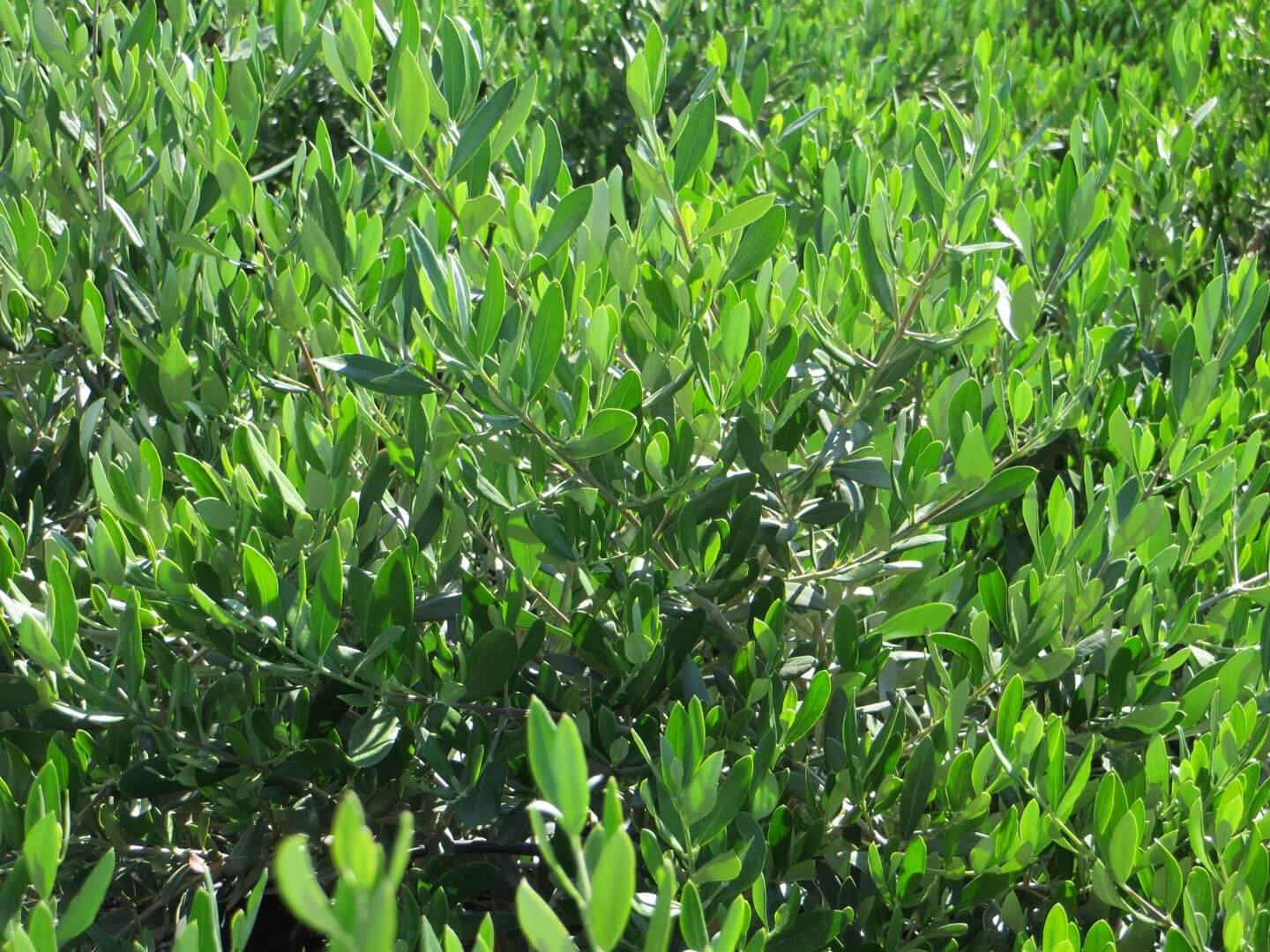
Ceanothus, commonly known as California lilac or wild lilac, is one of the most iconic native shrubs for California-friendly landscapes. Loved for its vivid blue flowers, evergreen foliage, and exceptional drought tolerance, ceanothus brings seasonal color and habitat value to gardens ranging from coastal bluffs to inland hillsides.
Most ceanothus varieties bloom from late winter through early summer depending on species and climate. These fast-growing native shrubs are widely used for:
-
Drought-tolerant screening
-
Pollinator gardens
-
Native habitat landscapes
-
Slope stabilization
-
Coastal plantings
-
Low-water foundation borders
At Yardwork, we offer carefully selected ceanothus cultivars suited for California landscapes, along with expert guidance, soil testing, and planting consultation services.
What Is Ceanothus (Wild Lilac)
Ceanothus is a genus of flowering shrubs and small trees native primarily to California and the western United States.
Common names include:
-
California lilac
-
Wild lilac
-
Ceanothus
Despite the common name, ceanothus is not related to true lilacs. The nickname comes from the plant’s masses of fragrant blue-to-purple flowers that resemble lilac blooms during spring.
One of ceanothus’ most valuable ecological traits is its actinorhizal nitrogen-fixing ability. Specialized root associations help improve soil fertility naturally, making ceanothus especially useful in native and restoration landscapes.
Explore additional varieties on the Yardwork ceanothus collection page to compare growth habits, mature sizes, and regional suitability.
Bloom Time: Late Spring To Early Summer
Ceanothus bloom timing varies depending on species, local climate, and cultivar selection.
Late Spring Flowering Patterns
Many evergreen ceanothus varieties begin blooming in:
-
March
-
April
-
May
Coastal climates often experience extended bloom periods because of cooler temperatures.
Dense flower clusters may nearly cover the foliage during peak bloom.
Early Summer Flowering Variations
Some inland and later-season cultivars continue blooming into:
-
June
-
Early summer
Cooler microclimates may slightly delay flowering.
Peak Pollinator Activity
When ceanothus flowers are active, gardens often attract:
-
Native bees
-
Butterflies
-
Hummingbirds
-
Beneficial pollinators
This makes California lilac one of the best native shrubs for pollinator-support landscapes.
Key Cultivars And Selections
Ceanothus includes many excellent landscape cultivars suited for different climates and garden sizes.
Popular selections include:
-
Yankee Point
-
Ray Hartman
-
Julia Phelps
-
Concha
-
Dark Star
-
Frosty Blue
-
Anchor Bay
Choosing the right cultivar depends heavily on:
-
Sun exposure
-
Coastal vs inland climate
-
Desired mature size
-
Screening needs
-
Slope or erosion control goals
Coastal gardens generally perform best with varieties tolerant of marine influence and summer fog, while inland gardens benefit from heat-adapted selections.
A cultivar comparison table can help identify the best ceanothus variety for your landscape goals.
Yankee Point
‘Yankee Point’ is one of the most widely planted groundcover ceanothus varieties in California.
Why Gardeners Love Yankee Point
Key benefits include:
-
Excellent coastal tolerance
-
Dense spreading growth
-
Rich blue spring flowers
-
Evergreen foliage
-
Strong erosion-control performance
Its low, spreading habit makes it ideal for:
-
Hillsides
-
Coastal slopes
-
Parking strips
-
Large drought-tolerant landscapes
Explore the Yardwork Yankee Point product page for sizing, availability, and planting guidance.
Sonoma County Selections
Sonoma County is home to several highly regarded native ceanothus forms adapted to Northern California conditions.
Noteworthy regional selections may include:
-
Sonoma Coast forms
-
Local inland ecotypes
-
Native habitat-grown selections
Where available, Yardwork may offer local provenance stock better adapted to regional soils and climate patterns.
Native-origin material often performs more reliably in ecological restoration and habitat-focused landscapes.
Selecting The Right Plant For Your Site
Successful ceanothus planting starts with matching the cultivar to site conditions.
Match Cultivar To Exposure
Before selecting a plant, evaluate:
-
Full sun exposure
-
Coastal fog influence
-
Inland summer heat
-
Air circulation
-
Winter drainage
Some ceanothus varieties tolerate coastal moisture better than others.
Choose The Right Mature Size
Ceanothus ranges from compact groundcovers to large screening shrubs and small trees.
Always check:
-
Mature height
-
Mature spread
-
Root space availability
-
Clearance near structures
Proper spacing reduces long-term pruning needs.
Soil, Drainage, And Planting
Well-Draining Soil Is Essential
Drainage is the single most important factor for long-term ceanothus health.
These plants strongly prefer:
-
Fast-draining soil
-
Sandy or rocky conditions
-
Sloped planting areas
-
Low summer moisture
Poor drainage commonly leads to root disease and decline.
Mound Roots In Heavy Soil
If planting in clay-heavy soil:
-
Create raised mounds
-
Improve drainage aggressively
-
Avoid low wet planting pockets
Elevated planting greatly improves root oxygen levels.
Perform A Soil Test Before Planting
Professional soil testing can help determine:
-
Drainage performance
-
Soil texture
-
pH balance
-
Organic matter levels
This information helps guide amendment decisions before installation. Request a Yardwork soil test before installing large native plantings or screening projects.
A professional soil evaluation helps identify:
-
Compaction issues
-
Drainage concerns
-
Irrigation risks
-
Amendment recommendations
Proper preparation significantly improves long-term ceanothus success.
Sun, Watering, And Irrigation
Best Sun Exposure
Most ceanothus varieties prefer:
-
Full sun
-
Morning sun with afternoon airflow
-
Open bright exposure
Insufficient sun often reduces flowering and increases disease risk.
Minimal Summer Irrigation Once Established
Established ceanothus generally requires very little summer irrigation.
Excess summer watering is one of the most common causes of failure.
Deep Infrequent Watering During Drought
During prolonged drought:
-
Water deeply but infrequently
-
Allow soil to dry between irrigations
-
Avoid shallow daily watering
This encourages stronger root systems and healthier plants.
Pruning Timing And Techniques (Late Spring / Early Summer)
Prune Immediately After Late-Spring Bloom
For spring-flowering ceanothus:
-
Prune lightly after flowering finishes
-
Shape selectively without heavy cutting
This preserves next season’s flower buds.
Prune Spring Bloomers Carefully
Early-summer bloomers may also be pruned lightly in spring after flowering.
Focus on:
-
Dead branch removal
-
Light shaping
-
Airflow improvement
Avoid Hard Pruning Into Old Wood
Ceanothus often responds poorly to severe pruning into mature woody stems.
Heavy cutting may result in:
-
Slow recovery
-
Permanent dieback
-
Reduced vigor
Light maintenance pruning is usually best.
Propagation And Growing From Seed
Semi-Ripe Cuttings
Many ceanothus cultivars are propagated from semi-ripe cuttings during warm growing periods.
Successful propagation requires:
-
Sharp clean tools
-
Well-draining propagation mix
-
Controlled humidity
-
Bright indirect light
Seed Scarification And Cold Stratification
Growing ceanothus from seed often requires:
-
Scarification to weaken seed coats
-
Cold stratification to improve germination
These processes mimic natural environmental conditions.
Propagation supplies and seed-starting materials may be available through the Yardwork shop.
Pests, Diseases, And Troubleshooting
Common Pests
Monitor for:
-
Scale insects
-
Aphids
-
Occasional caterpillar activity
Most healthy native ceanothus plants remain relatively pest resistant.
Improve Drainage To Prevent Root Rot
Root rot risk increases dramatically in:
-
Heavy clay soils
-
Overwatered landscapes
-
Poorly aerated planting sites
Improving drainage is usually the most effective prevention method.
Persistent Plant Problems
If plants experience:
-
Ongoing dieback
-
Chronic yellowing
-
Poor flowering
-
Sudden branch collapse
Request a Yardwork consultation for site-specific diagnosis and planting recommendations.
Landscape Uses And Design Ideas
Ceanothus works beautifully in California-native and Mediterranean-style landscapes, especially when combined with other evergreen natives like Toyon (Heteromeles arbutifolia).
Drought-Tolerant Screening
Larger varieties provide excellent, fast-growing evergreen privacy screening:
-
Evergreen screening
-
Informal privacy hedges
-
Wind protection
-
Habitat cover
Pairing Ideas
Ceanothus pairs especially well with other evergreen trees and privacy shrubs, including:
-
Native grasses
-
Salvia
-
Manzanita
-
Deer grass
-
Yarrow
-
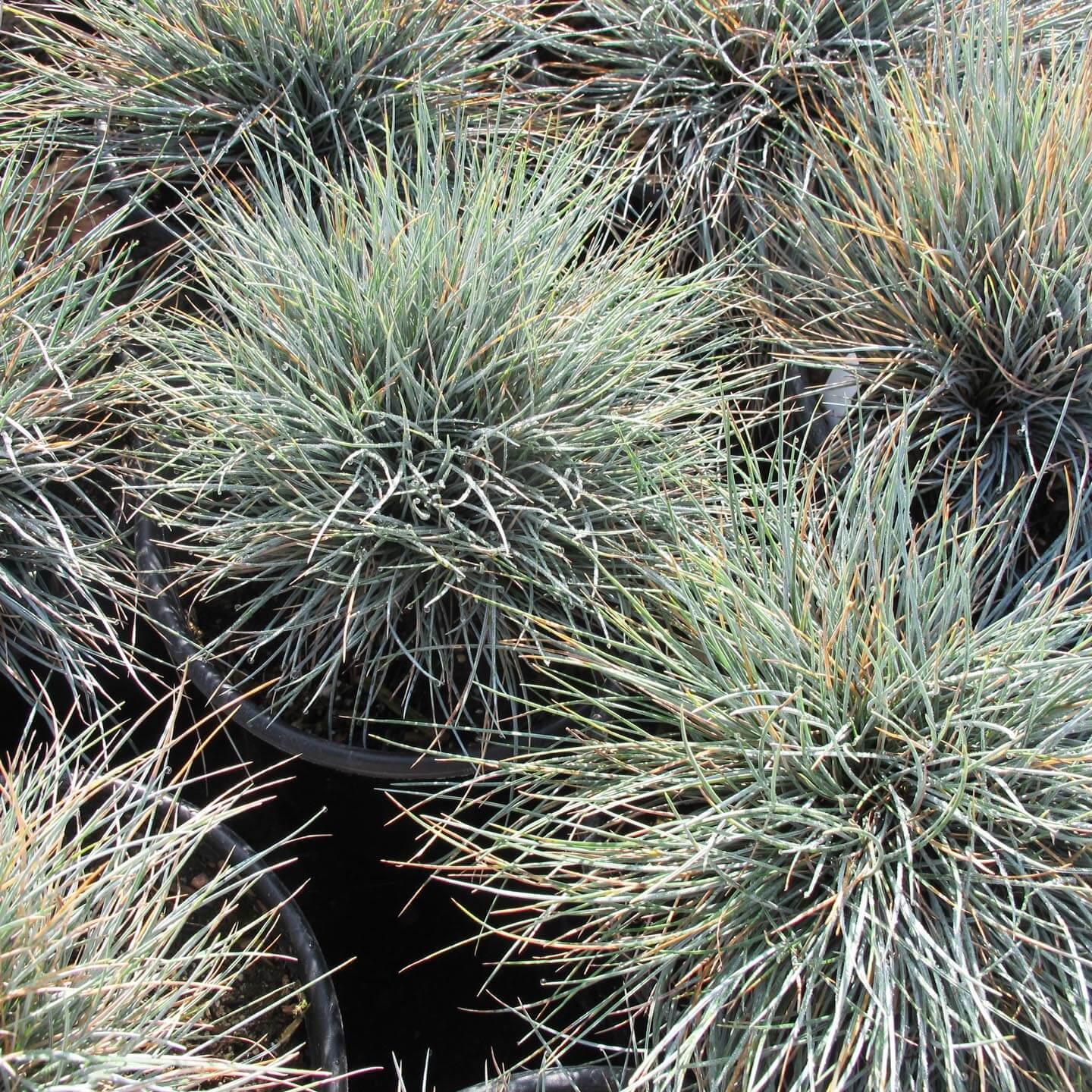
California fescue
-
Penstemon
These combinations create layered low-water habitat gardens, and pairing them with native trees like California sycamore (Platanus racemosa) can add canopy structure and seasonal shade.
Pollinator Habitat Plantings
Because of its heavy bloom production, ceanothus is highly valuable for pollinators and also combines well with other flowering shrubs such as Leucodendron conebush for extended seasonal color:
-
Native bee gardens
-
Pollinator corridors
-
Wildlife-friendly landscapes
-
Ecological restoration planting
Browse Yardwork’s online plant nursery ceanothus selections for:
-
Groundcover varieties
-
Screening shrubs such as English laurel (Prunus laurocerasus)
-
Coastal cultivars
-
Native habitat plants and compatible evergreens like Carrotwood (Cupaniopsis anacardioides)
Request A Consultation
Need help selecting the right ceanothus variety?
Yardwork consultations can assist with planting plans that incorporate flexible hedging shrubs such as Cheesewood (Pittosporum) and with:
-
Screening design
-
Native plant selection
-
Coastal vs inland recommendations
-
Irrigation planning
-
Large landscape installations that may include multipurpose trees like Bay laurel (Laurus nobilis)
Ceanothus, commonly known as California lilac or wild lilac, is one of the most iconic native shrubs for California-friendly landscapes. Loved for its vivid blue flowers, evergreen foliage, and exceptional drought tolerance, ceanothus brings seasonal color and habitat value to gardens ranging from coastal bluffs to inland hillsides.
Most ceanothus varieties bloom from late winter through early summer depending on species and climate. These fast-growing native shrubs are widely used for:
-
Drought-tolerant screening
-
Pollinator gardens
-
Native habitat landscapes
-
Slope stabilization
-
Coastal plantings
-
Low-water foundation borders
At Yardwork, we offer carefully selected ceanothus cultivars suited for California landscapes, along with expert guidance, soil testing, and planting consultation services.
What Is Ceanothus (Wild Lilac)
Ceanothus is a genus of flowering shrubs and small trees native primarily to California and the western United States.
Common names include:
-
California lilac
-
Wild lilac
-
Ceanothus
Despite the common name, ceanothus is not related to true lilacs. The nickname comes from the plant’s masses of fragrant blue-to-purple flowers that resemble lilac blooms during spring.
One of ceanothus’ most valuable ecological traits is its actinorhizal nitrogen-fixing ability. Specialized root associations help improve soil fertility naturally, making ceanothus especially useful in native and restoration landscapes.
Explore additional varieties on the Yardwork ceanothus collection page to compare growth habits, mature sizes, and regional suitability.
Bloom Time: Late Spring To Early Summer
Ceanothus bloom timing varies depending on species, local climate, and cultivar selection.
Late Spring Flowering Patterns
Many evergreen ceanothus varieties begin blooming in:
-
March
-
April
-
May
Coastal climates often experience extended bloom periods because of cooler temperatures.
Dense flower clusters may nearly cover the foliage during peak bloom.
Early Summer Flowering Variations
Some inland and later-season cultivars continue blooming into:
-
June
-
Early summer
Cooler microclimates may slightly delay flowering.
Peak Pollinator Activity
When ceanothus flowers are active, gardens often attract:
-
Native bees
-
Butterflies
-
Hummingbirds
-
Beneficial pollinators
This makes California lilac one of the best native shrubs for pollinator-support landscapes.
Key Cultivars And Selections
Ceanothus includes many excellent landscape cultivars suited for different climates and garden sizes.
Popular selections include:
-
Yankee Point
-
Ray Hartman
-
Julia Phelps
-
Concha
-
Dark Star
-
Frosty Blue
-
Anchor Bay
Choosing the right cultivar depends heavily on:
-
Sun exposure
-
Coastal vs inland climate
-
Desired mature size
-
Screening needs
-
Slope or erosion control goals
Coastal gardens generally perform best with varieties tolerant of marine influence and summer fog, while inland gardens benefit from heat-adapted selections.
A cultivar comparison table can help identify the best ceanothus variety for your landscape goals.
Yankee Point
‘Yankee Point’ is one of the most widely planted groundcover ceanothus varieties in California.
Why Gardeners Love Yankee Point
Key benefits include:
-
Excellent coastal tolerance
-
Dense spreading growth
-
Rich blue spring flowers
-
Evergreen foliage
-
Strong erosion-control performance
Its low, spreading habit makes it ideal for:
-
Hillsides
-
Coastal slopes
-
Parking strips
-
Large drought-tolerant landscapes
Explore the Yardwork Yankee Point product page for sizing, availability, and planting guidance.
Sonoma County Selections
Sonoma County is home to several highly regarded native ceanothus forms adapted to Northern California conditions.
Noteworthy regional selections may include:
-
Sonoma Coast forms
-
Local inland ecotypes
-
Native habitat-grown selections
Where available, Yardwork may offer local provenance stock better adapted to regional soils and climate patterns.
Native-origin material often performs more reliably in ecological restoration and habitat-focused landscapes.
Selecting The Right Plant For Your Site
Successful ceanothus planting starts with matching the cultivar to site conditions.
Match Cultivar To Exposure
Before selecting a plant, evaluate:
-
Full sun exposure
-
Coastal fog influence
-
Inland summer heat
-
Air circulation
-
Winter drainage
Some ceanothus varieties tolerate coastal moisture better than others.
Choose The Right Mature Size
Ceanothus ranges from compact groundcovers to large screening shrubs and small trees.
Always check:
-
Mature height
-
Mature spread
-
Root space availability
-
Clearance near structures
Proper spacing reduces long-term pruning needs.
Soil, Drainage, And Planting
Well-Draining Soil Is Essential
Drainage is the single most important factor for long-term ceanothus health.
These plants strongly prefer:
-
Fast-draining soil
-
Sandy or rocky conditions
-
Sloped planting areas
-
Low summer moisture
Poor drainage commonly leads to root disease and decline.
Mound Roots In Heavy Soil
If planting in clay-heavy soil:
-
Create raised mounds
-
Improve drainage aggressively
-
Avoid low wet planting pockets
Elevated planting greatly improves root oxygen levels.
Perform A Soil Test Before Planting
Professional soil testing can help determine:
-
Drainage performance
-
Soil texture
-
pH balance
-
Organic matter levels
This information helps guide amendment decisions before installation. Request a Yardwork soil test before installing large native plantings or screening projects.
A professional soil evaluation helps identify:
-
Compaction issues
-
Drainage concerns
-
Irrigation risks
-
Amendment recommendations
Proper preparation significantly improves long-term ceanothus success.
Sun, Watering, And Irrigation
Best Sun Exposure
Most ceanothus varieties prefer:
-
Full sun
-
Morning sun with afternoon airflow
-
Open bright exposure
Insufficient sun often reduces flowering and increases disease risk.
Minimal Summer Irrigation Once Established
Established ceanothus generally requires very little summer irrigation.
Excess summer watering is one of the most common causes of failure.
Deep Infrequent Watering During Drought
During prolonged drought:
-
Water deeply but infrequently
-
Allow soil to dry between irrigations
-
Avoid shallow daily watering
This encourages stronger root systems and healthier plants.
Pruning Timing And Techniques (Late Spring / Early Summer)
Prune Immediately After Late-Spring Bloom
For spring-flowering ceanothus:
-
Prune lightly after flowering finishes
-
Shape selectively without heavy cutting
This preserves next season’s flower buds.
Prune Spring Bloomers Carefully
Early-summer bloomers may also be pruned lightly in spring after flowering.
Focus on:
-
Dead branch removal
-
Light shaping
-
Airflow improvement
Avoid Hard Pruning Into Old Wood
Ceanothus often responds poorly to severe pruning into mature woody stems.
Heavy cutting may result in:
-
Slow recovery
-
Permanent dieback
-
Reduced vigor
Light maintenance pruning is usually best.
Propagation And Growing From Seed
Semi-Ripe Cuttings
Many ceanothus cultivars are propagated from semi-ripe cuttings during warm growing periods.
Successful propagation requires:
-
Sharp clean tools
-
Well-draining propagation mix
-
Controlled humidity
-
Bright indirect light
Seed Scarification And Cold Stratification
Growing ceanothus from seed often requires:
-
Scarification to weaken seed coats
-
Cold stratification to improve germination
These processes mimic natural environmental conditions.
Propagation supplies and seed-starting materials may be available through the Yardwork shop.
Pests, Diseases, And Troubleshooting
Common Pests
Monitor for:
-
Scale insects
-
Aphids
-
Occasional caterpillar activity
Most healthy native ceanothus plants remain relatively pest resistant.
Improve Drainage To Prevent Root Rot
Root rot risk increases dramatically in:
-
Heavy clay soils
-
Overwatered landscapes
-
Poorly aerated planting sites
Improving drainage is usually the most effective prevention method.
Persistent Plant Problems
If plants experience:
-
Ongoing dieback
-
Chronic yellowing
-
Poor flowering
-
Sudden branch collapse
Request a Yardwork consultation for site-specific diagnosis and planting recommendations.
Landscape Uses And Design Ideas
Ceanothus works beautifully in California-native and Mediterranean-style landscapes, especially when combined with other evergreen natives like Toyon (Heteromeles arbutifolia).
Drought-Tolerant Screening
Larger varieties provide excellent, fast-growing evergreen privacy screening:
-
Evergreen screening
-
Informal privacy hedges
-
Wind protection
-
Habitat cover
Pairing Ideas
Ceanothus pairs especially well with other evergreen trees and privacy shrubs, including:
-
Native grasses
-
Salvia
-
Manzanita
-
Deer grass
-
Yarrow
-
California fescue
-
Penstemon
These combinations create layered low-water habitat gardens, and pairing them with native trees like California sycamore (Platanus racemosa) can add canopy structure and seasonal shade.
Pollinator Habitat Plantings
Because of its heavy bloom production, ceanothus is highly valuable for pollinators and also combines well with other flowering shrubs such as Leucodendron conebush for extended seasonal color:
-
Native bee gardens
-
Pollinator corridors
-
Wildlife-friendly landscapes
-
Ecological restoration planting
Browse Yardwork’s online plant nursery ceanothus selections for:
-
Groundcover varieties
-
Screening shrubs such as English laurel (Prunus laurocerasus)
-
Coastal cultivars
-
Native habitat plants and compatible evergreens like Carrotwood (Cupaniopsis anacardioides)
Request A Consultation
Need help selecting the right ceanothus variety?
Yardwork consultations can assist with planting plans that incorporate flexible hedging shrubs such as Cheesewood (Pittosporum) and with:
-
Screening design
-
Native plant selection
-
Coastal vs inland recommendations
-
Irrigation planning
-
Large landscape installations that may include multipurpose trees like Bay laurel (Laurus nobilis)
Plants vary greatly by type and no guarantees are made on sizing.
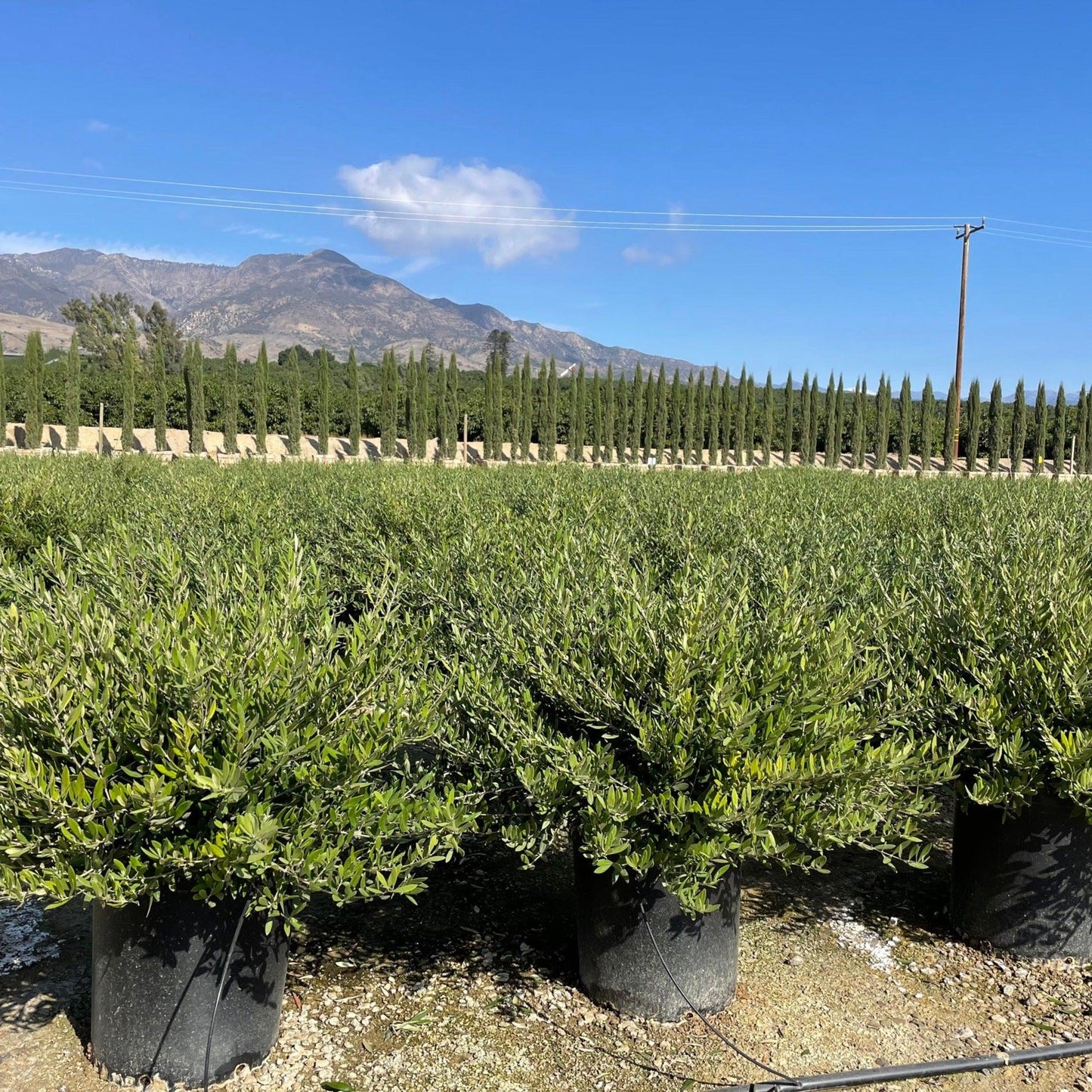
However here is a rough idea of sizes based on containers that are direct from our growing grounds.
15 Gallon Shrub 3-4 Ft. Tall
15 Gallon Tree 5-6 Ft. Tall
24" Box Shrub 5-6 Ft. Tall
24" Box Tree 6-7 Ft. Tall
36" Box Tree 8-10 Ft. Tall
48" Box Tree 10-12 Ft. Tall
Please note: Citrus and California Native plants such as Manzanita are smaller than traditional sizing.
Please contact us to confirm sizing of items before purchasing if this is a concern.
Plants vary greatly by type and no guarantees are made on sizing.
However here is a rough idea of sizes based on containers that are direct from our growing grounds.
15 Gallon Shrub 3-4 Ft. Tall
15 Gallon Tree 5-6 Ft. Tall
24" Box Shrub 5-6 Ft. Tall
24" Box Tree 6-7 Ft. Tall
36" Box Tree 8-10 Ft. Tall
48" Box Tree 10-12 Ft. Tall
Please note: Citrus and California Native plants such as Manzanita are smaller than traditional sizing.
Please contact us to confirm sizing of items before purchasing if this is a concern.
Delivery does not include unloading of trees and plants larger than a 24" box.
Trees and plants in smaller containers will be dropped curbside.
Delivery beyond a curbside drop will be charged extra.
Trees and plants that are sold in container sizes larger than a 24" box size will require equipment and an operator onsite to help unload from the truck.
Please reach out to our team PRIOR to placing your order to coordinate.
Our team can provide unloading assistance with equipment for an extra fee.
Delivery does not include unloading of trees and plants larger than a 24" box.
Trees and plants in smaller containers will be dropped curbside.
Delivery beyond a curbside drop will be charged extra.
Trees and plants that are sold in container sizes larger than a 24" box size will require equipment and an operator onsite to help unload from the truck.
Please reach out to our team PRIOR to placing your order to coordinate.
Our team can provide unloading assistance with equipment for an extra fee.
You may also like...


Ceanothus - California Lilac
Regular price
$49.50
Size
Variety
Ceanothus, commonly known as California lilac or wild lilac, is one of the most iconic native shrubs for California-friendly landscapes. Loved for its vivid blue flowers, evergreen foliage, and exceptional drought tolerance, ceanothus brings seasonal color and habitat value to gardens ranging from coastal bluffs to inland hillsides.
Most ceanothus varieties bloom from late winter through early summer depending on species and climate. These fast-growing native shrubs are widely used for:
-
Drought-tolerant screening
-
Pollinator gardens
-
Native habitat landscapes
-
Slope stabilization
-
Coastal plantings
-
Low-water foundation borders
At Yardwork, we offer carefully selected ceanothus cultivars suited for California landscapes, along with expert guidance, soil testing, and planting consultation services.
What Is Ceanothus (Wild Lilac)
Ceanothus is a genus of flowering shrubs and small trees native primarily to California and the western United States.
Common names include:
-
California lilac
-
Wild lilac
-
Ceanothus
Despite the common name, ceanothus is not related to true lilacs. The nickname comes from the plant’s masses of fragrant blue-to-purple flowers that resemble lilac blooms during spring.
One of ceanothus’ most valuable ecological traits is its actinorhizal nitrogen-fixing ability. Specialized root associations help improve soil fertility naturally, making ceanothus especially useful in native and restoration landscapes.
Explore additional varieties on the Yardwork ceanothus collection page to compare growth habits, mature sizes, and regional suitability.
Bloom Time: Late Spring To Early Summer
Ceanothus bloom timing varies depending on species, local climate, and cultivar selection.
Late Spring Flowering Patterns
Many evergreen ceanothus varieties begin blooming in:
-
March
-
April
-
May
Coastal climates often experience extended bloom periods because of cooler temperatures.
Dense flower clusters may nearly cover the foliage during peak bloom.
Early Summer Flowering Variations
Some inland and later-season cultivars continue blooming into:
-
June
-
Early summer
Cooler microclimates may slightly delay flowering.
Peak Pollinator Activity
When ceanothus flowers are active, gardens often attract:
-
Native bees
-
Butterflies
-
Hummingbirds
-
Beneficial pollinators
This makes California lilac one of the best native shrubs for pollinator-support landscapes.
Key Cultivars And Selections
Ceanothus includes many excellent landscape cultivars suited for different climates and garden sizes.
Popular selections include:
-
Yankee Point
-
Ray Hartman
-
Julia Phelps
-
Concha
-
Dark Star
-
Frosty Blue
-
Anchor Bay
Choosing the right cultivar depends heavily on:
-
Sun exposure
-
Coastal vs inland climate
-
Desired mature size
-
Screening needs
-
Slope or erosion control goals
Coastal gardens generally perform best with varieties tolerant of marine influence and summer fog, while inland gardens benefit from heat-adapted selections.
A cultivar comparison table can help identify the best ceanothus variety for your landscape goals.
Yankee Point
‘Yankee Point’ is one of the most widely planted groundcover ceanothus varieties in California.
Why Gardeners Love Yankee Point
Key benefits include:
-
Excellent coastal tolerance
-
Dense spreading growth
-
Rich blue spring flowers
-
Evergreen foliage
-
Strong erosion-control performance
Its low, spreading habit makes it ideal for:
-
Hillsides
-
Coastal slopes
-
Parking strips
-
Large drought-tolerant landscapes
Explore the Yardwork Yankee Point product page for sizing, availability, and planting guidance.
Sonoma County Selections
Sonoma County is home to several highly regarded native ceanothus forms adapted to Northern California conditions.
Noteworthy regional selections may include:
-
Sonoma Coast forms
-
Local inland ecotypes
-
Native habitat-grown selections
Where available, Yardwork may offer local provenance stock better adapted to regional soils and climate patterns.
Native-origin material often performs more reliably in ecological restoration and habitat-focused landscapes.
Selecting The Right Plant For Your Site
Successful ceanothus planting starts with matching the cultivar to site conditions.
Match Cultivar To Exposure
Before selecting a plant, evaluate:
-
Full sun exposure
-
Coastal fog influence
-
Inland summer heat
-
Air circulation
-
Winter drainage
Some ceanothus varieties tolerate coastal moisture better than others.
Choose The Right Mature Size
Ceanothus ranges from compact groundcovers to large screening shrubs and small trees.
Always check:
-
Mature height
-
Mature spread
-
Root space availability
-
Clearance near structures
Proper spacing reduces long-term pruning needs.
Soil, Drainage, And Planting
Well-Draining Soil Is Essential
Drainage is the single most important factor for long-term ceanothus health.
These plants strongly prefer:
-
Fast-draining soil
-
Sandy or rocky conditions
-
Sloped planting areas
-
Low summer moisture
Poor drainage commonly leads to root disease and decline.
Mound Roots In Heavy Soil
If planting in clay-heavy soil:
-
Create raised mounds
-
Improve drainage aggressively
-
Avoid low wet planting pockets
Elevated planting greatly improves root oxygen levels.
Perform A Soil Test Before Planting
Professional soil testing can help determine:
-
Drainage performance
-
Soil texture
-
pH balance
-
Organic matter levels
This information helps guide amendment decisions before installation. Request a Yardwork soil test before installing large native plantings or screening projects.
A professional soil evaluation helps identify:
-
Compaction issues
-
Drainage concerns
-
Irrigation risks
-
Amendment recommendations
Proper preparation significantly improves long-term ceanothus success.
Sun, Watering, And Irrigation
Best Sun Exposure
Most ceanothus varieties prefer:
-
Full sun
-
Morning sun with afternoon airflow
-
Open bright exposure
Insufficient sun often reduces flowering and increases disease risk.
Minimal Summer Irrigation Once Established
Established ceanothus generally requires very little summer irrigation.
Excess summer watering is one of the most common causes of failure.
Deep Infrequent Watering During Drought
During prolonged drought:
-
Water deeply but infrequently
-
Allow soil to dry between irrigations
-
Avoid shallow daily watering
This encourages stronger root systems and healthier plants.
Pruning Timing And Techniques (Late Spring / Early Summer)
Prune Immediately After Late-Spring Bloom
For spring-flowering ceanothus:
-
Prune lightly after flowering finishes
-
Shape selectively without heavy cutting
This preserves next season’s flower buds.
Prune Spring Bloomers Carefully
Early-summer bloomers may also be pruned lightly in spring after flowering.
Focus on:
-
Dead branch removal
-
Light shaping
-
Airflow improvement
Avoid Hard Pruning Into Old Wood
Ceanothus often responds poorly to severe pruning into mature woody stems.
Heavy cutting may result in:
-
Slow recovery
-
Permanent dieback
-
Reduced vigor
Light maintenance pruning is usually best.
Propagation And Growing From Seed
Semi-Ripe Cuttings
Many ceanothus cultivars are propagated from semi-ripe cuttings during warm growing periods.
Successful propagation requires:
-
Sharp clean tools
-
Well-draining propagation mix
-
Controlled humidity
-
Bright indirect light
Seed Scarification And Cold Stratification
Growing ceanothus from seed often requires:
-
Scarification to weaken seed coats
-
Cold stratification to improve germination
These processes mimic natural environmental conditions.
Propagation supplies and seed-starting materials may be available through the Yardwork shop.
Pests, Diseases, And Troubleshooting
Common Pests
Monitor for:
-
Scale insects
-
Aphids
-
Occasional caterpillar activity
Most healthy native ceanothus plants remain relatively pest resistant.
Improve Drainage To Prevent Root Rot
Root rot risk increases dramatically in:
-
Heavy clay soils
-
Overwatered landscapes
-
Poorly aerated planting sites
Improving drainage is usually the most effective prevention method.
Persistent Plant Problems
If plants experience:
-
Ongoing dieback
-
Chronic yellowing
-
Poor flowering
-
Sudden branch collapse
Request a Yardwork consultation for site-specific diagnosis and planting recommendations.
Landscape Uses And Design Ideas
Ceanothus works beautifully in California-native and Mediterranean-style landscapes, especially when combined with other evergreen natives like Toyon (Heteromeles arbutifolia).
Drought-Tolerant Screening
Larger varieties provide excellent, fast-growing evergreen privacy screening:
-
Evergreen screening
-
Informal privacy hedges
-
Wind protection
-
Habitat cover
Pairing Ideas
Ceanothus pairs especially well with other evergreen trees and privacy shrubs, including:
-
Native grasses
-
Salvia
-
Manzanita
-
Deer grass
-
Yarrow
-
California fescue
-
Penstemon
These combinations create layered low-water habitat gardens, and pairing them with native trees like California sycamore (Platanus racemosa) can add canopy structure and seasonal shade.
Pollinator Habitat Plantings
Because of its heavy bloom production, ceanothus is highly valuable for pollinators and also combines well with other flowering shrubs such as Leucodendron conebush for extended seasonal color:
-
Native bee gardens
-
Pollinator corridors
-
Wildlife-friendly landscapes
-
Ecological restoration planting
Browse Yardwork’s online plant nursery ceanothus selections for:
-
Groundcover varieties
-
Screening shrubs such as English laurel (Prunus laurocerasus)
-
Coastal cultivars
-
Native habitat plants and compatible evergreens like Carrotwood (Cupaniopsis anacardioides)
Request A Consultation
Need help selecting the right ceanothus variety?
Yardwork consultations can assist with planting plans that incorporate flexible hedging shrubs such as Cheesewood (Pittosporum) and with:
-
Screening design
-
Native plant selection
-
Coastal vs inland recommendations
-
Irrigation planning
-
Large landscape installations that may include multipurpose trees like Bay laurel (Laurus nobilis)
Ceanothus, commonly known as California lilac or wild lilac, is one of the most iconic native shrubs for California-friendly landscapes. Loved for its vivid blue flowers, evergreen foliage, and exceptional drought tolerance, ceanothus brings seasonal color and habitat value to gardens ranging from coastal bluffs to inland hillsides.
Most ceanothus varieties bloom from late winter through early summer depending on species and climate. These fast-growing native shrubs are widely used for:
-
Drought-tolerant screening
-
Pollinator gardens
-
Native habitat landscapes
-
Slope stabilization
-
Coastal plantings
-
Low-water foundation borders
At Yardwork, we offer carefully selected ceanothus cultivars suited for California landscapes, along with expert guidance, soil testing, and planting consultation services.
What Is Ceanothus (Wild Lilac)
Ceanothus is a genus of flowering shrubs and small trees native primarily to California and the western United States.
Common names include:
-
California lilac
-
Wild lilac
-
Ceanothus
Despite the common name, ceanothus is not related to true lilacs. The nickname comes from the plant’s masses of fragrant blue-to-purple flowers that resemble lilac blooms during spring.
One of ceanothus’ most valuable ecological traits is its actinorhizal nitrogen-fixing ability. Specialized root associations help improve soil fertility naturally, making ceanothus especially useful in native and restoration landscapes.
Explore additional varieties on the Yardwork ceanothus collection page to compare growth habits, mature sizes, and regional suitability.
Bloom Time: Late Spring To Early Summer
Ceanothus bloom timing varies depending on species, local climate, and cultivar selection.
Late Spring Flowering Patterns
Many evergreen ceanothus varieties begin blooming in:
-
March
-
April
-
May
Coastal climates often experience extended bloom periods because of cooler temperatures.
Dense flower clusters may nearly cover the foliage during peak bloom.
Early Summer Flowering Variations
Some inland and later-season cultivars continue blooming into:
-
June
-
Early summer
Cooler microclimates may slightly delay flowering.
Peak Pollinator Activity
When ceanothus flowers are active, gardens often attract:
-
Native bees
-
Butterflies
-
Hummingbirds
-
Beneficial pollinators
This makes California lilac one of the best native shrubs for pollinator-support landscapes.
Key Cultivars And Selections
Ceanothus includes many excellent landscape cultivars suited for different climates and garden sizes.
Popular selections include:
-
Yankee Point
-
Ray Hartman
-
Julia Phelps
-
Concha
-
Dark Star
-
Frosty Blue
-
Anchor Bay
Choosing the right cultivar depends heavily on:
-
Sun exposure
-
Coastal vs inland climate
-
Desired mature size
-
Screening needs
-
Slope or erosion control goals
Coastal gardens generally perform best with varieties tolerant of marine influence and summer fog, while inland gardens benefit from heat-adapted selections.
A cultivar comparison table can help identify the best ceanothus variety for your landscape goals.
Yankee Point
‘Yankee Point’ is one of the most widely planted groundcover ceanothus varieties in California.
Why Gardeners Love Yankee Point
Key benefits include:
-
Excellent coastal tolerance
-
Dense spreading growth
-
Rich blue spring flowers
-
Evergreen foliage
-
Strong erosion-control performance
Its low, spreading habit makes it ideal for:
-
Hillsides
-
Coastal slopes
-
Parking strips
-
Large drought-tolerant landscapes
Explore the Yardwork Yankee Point product page for sizing, availability, and planting guidance.
Sonoma County Selections
Sonoma County is home to several highly regarded native ceanothus forms adapted to Northern California conditions.
Noteworthy regional selections may include:
-
Sonoma Coast forms
-
Local inland ecotypes
-
Native habitat-grown selections
Where available, Yardwork may offer local provenance stock better adapted to regional soils and climate patterns.
Native-origin material often performs more reliably in ecological restoration and habitat-focused landscapes.
Selecting The Right Plant For Your Site
Successful ceanothus planting starts with matching the cultivar to site conditions.
Match Cultivar To Exposure
Before selecting a plant, evaluate:
-
Full sun exposure
-
Coastal fog influence
-
Inland summer heat
-
Air circulation
-
Winter drainage
Some ceanothus varieties tolerate coastal moisture better than others.
Choose The Right Mature Size
Ceanothus ranges from compact groundcovers to large screening shrubs and small trees.
Always check:
-
Mature height
-
Mature spread
-
Root space availability
-
Clearance near structures
Proper spacing reduces long-term pruning needs.
Soil, Drainage, And Planting
Well-Draining Soil Is Essential
Drainage is the single most important factor for long-term ceanothus health.
These plants strongly prefer:
-
Fast-draining soil
-
Sandy or rocky conditions
-
Sloped planting areas
-
Low summer moisture
Poor drainage commonly leads to root disease and decline.
Mound Roots In Heavy Soil
If planting in clay-heavy soil:
-
Create raised mounds
-
Improve drainage aggressively
-
Avoid low wet planting pockets
Elevated planting greatly improves root oxygen levels.
Perform A Soil Test Before Planting
Professional soil testing can help determine:
-
Drainage performance
-
Soil texture
-
pH balance
-
Organic matter levels
This information helps guide amendment decisions before installation. Request a Yardwork soil test before installing large native plantings or screening projects.
A professional soil evaluation helps identify:
-
Compaction issues
-
Drainage concerns
-
Irrigation risks
-
Amendment recommendations
Proper preparation significantly improves long-term ceanothus success.
Sun, Watering, And Irrigation
Best Sun Exposure
Most ceanothus varieties prefer:
-
Full sun
-
Morning sun with afternoon airflow
-
Open bright exposure
Insufficient sun often reduces flowering and increases disease risk.
Minimal Summer Irrigation Once Established
Established ceanothus generally requires very little summer irrigation.
Excess summer watering is one of the most common causes of failure.
Deep Infrequent Watering During Drought
During prolonged drought:
-
Water deeply but infrequently
-
Allow soil to dry between irrigations
-
Avoid shallow daily watering
This encourages stronger root systems and healthier plants.
Pruning Timing And Techniques (Late Spring / Early Summer)
Prune Immediately After Late-Spring Bloom
For spring-flowering ceanothus:
-
Prune lightly after flowering finishes
-
Shape selectively without heavy cutting
This preserves next season’s flower buds.
Prune Spring Bloomers Carefully
Early-summer bloomers may also be pruned lightly in spring after flowering.
Focus on:
-
Dead branch removal
-
Light shaping
-
Airflow improvement
Avoid Hard Pruning Into Old Wood
Ceanothus often responds poorly to severe pruning into mature woody stems.
Heavy cutting may result in:
-
Slow recovery
-
Permanent dieback
-
Reduced vigor
Light maintenance pruning is usually best.
Propagation And Growing From Seed
Semi-Ripe Cuttings
Many ceanothus cultivars are propagated from semi-ripe cuttings during warm growing periods.
Successful propagation requires:
-
Sharp clean tools
-
Well-draining propagation mix
-
Controlled humidity
-
Bright indirect light
Seed Scarification And Cold Stratification
Growing ceanothus from seed often requires:
-
Scarification to weaken seed coats
-
Cold stratification to improve germination
These processes mimic natural environmental conditions.
Propagation supplies and seed-starting materials may be available through the Yardwork shop.
Pests, Diseases, And Troubleshooting
Common Pests
Monitor for:
-
Scale insects
-
Aphids
-
Occasional caterpillar activity
Most healthy native ceanothus plants remain relatively pest resistant.
Improve Drainage To Prevent Root Rot
Root rot risk increases dramatically in:
-
Heavy clay soils
-
Overwatered landscapes
-
Poorly aerated planting sites
Improving drainage is usually the most effective prevention method.
Persistent Plant Problems
If plants experience:
-
Ongoing dieback
-
Chronic yellowing
-
Poor flowering
-
Sudden branch collapse
Request a Yardwork consultation for site-specific diagnosis and planting recommendations.
Landscape Uses And Design Ideas
Ceanothus works beautifully in California-native and Mediterranean-style landscapes, especially when combined with other evergreen natives like Toyon (Heteromeles arbutifolia).
Drought-Tolerant Screening
Larger varieties provide excellent, fast-growing evergreen privacy screening:
-
Evergreen screening
-
Informal privacy hedges
-
Wind protection
-
Habitat cover
Pairing Ideas
Ceanothus pairs especially well with other evergreen trees and privacy shrubs, including:
-
Native grasses
-
Salvia
-
Manzanita
-
Deer grass
-
Yarrow
-
California fescue
-
Penstemon
These combinations create layered low-water habitat gardens, and pairing them with native trees like California sycamore (Platanus racemosa) can add canopy structure and seasonal shade.
Pollinator Habitat Plantings
Because of its heavy bloom production, ceanothus is highly valuable for pollinators and also combines well with other flowering shrubs such as Leucodendron conebush for extended seasonal color:
-
Native bee gardens
-
Pollinator corridors
-
Wildlife-friendly landscapes
-
Ecological restoration planting
Browse Yardwork’s online plant nursery ceanothus selections for:
-
Groundcover varieties
-
Screening shrubs such as English laurel (Prunus laurocerasus)
-
Coastal cultivars
-
Native habitat plants and compatible evergreens like Carrotwood (Cupaniopsis anacardioides)
Request A Consultation
Need help selecting the right ceanothus variety?
Yardwork consultations can assist with planting plans that incorporate flexible hedging shrubs such as Cheesewood (Pittosporum) and with:
-
Screening design
-
Native plant selection
-
Coastal vs inland recommendations
-
Irrigation planning
-
Large landscape installations that may include multipurpose trees like Bay laurel (Laurus nobilis)
Plants vary greatly by type and no guarantees are made on sizing.
However here is a rough idea of sizes based on containers that are direct from our growing grounds.
15 Gallon Shrub 3-4 Ft. Tall
15 Gallon Tree 5-6 Ft. Tall
24" Box Shrub 5-6 Ft. Tall
24" Box Tree 6-7 Ft. Tall
36" Box Tree 8-10 Ft. Tall
48" Box Tree 10-12 Ft. Tall
Please note: Citrus and California Native plants such as Manzanita are smaller than traditional sizing.
Please contact us to confirm sizing of items before purchasing if this is a concern.
Plants vary greatly by type and no guarantees are made on sizing.
However here is a rough idea of sizes based on containers that are direct from our growing grounds.
15 Gallon Shrub 3-4 Ft. Tall
15 Gallon Tree 5-6 Ft. Tall
24" Box Shrub 5-6 Ft. Tall
24" Box Tree 6-7 Ft. Tall
36" Box Tree 8-10 Ft. Tall
48" Box Tree 10-12 Ft. Tall
Please note: Citrus and California Native plants such as Manzanita are smaller than traditional sizing.
Please contact us to confirm sizing of items before purchasing if this is a concern.
Delivery does not include unloading of trees and plants larger than a 24" box.
Trees and plants in smaller containers will be dropped curbside.
Delivery beyond a curbside drop will be charged extra.
Trees and plants that are sold in container sizes larger than a 24" box size will require equipment and an operator onsite to help unload from the truck.
Please reach out to our team PRIOR to placing your order to coordinate.
Our team can provide unloading assistance with equipment for an extra fee.
Delivery does not include unloading of trees and plants larger than a 24" box.
Trees and plants in smaller containers will be dropped curbside.
Delivery beyond a curbside drop will be charged extra.
Trees and plants that are sold in container sizes larger than a 24" box size will require equipment and an operator onsite to help unload from the truck.
Please reach out to our team PRIOR to placing your order to coordinate.
Our team can provide unloading assistance with equipment for an extra fee.
Recommended For You











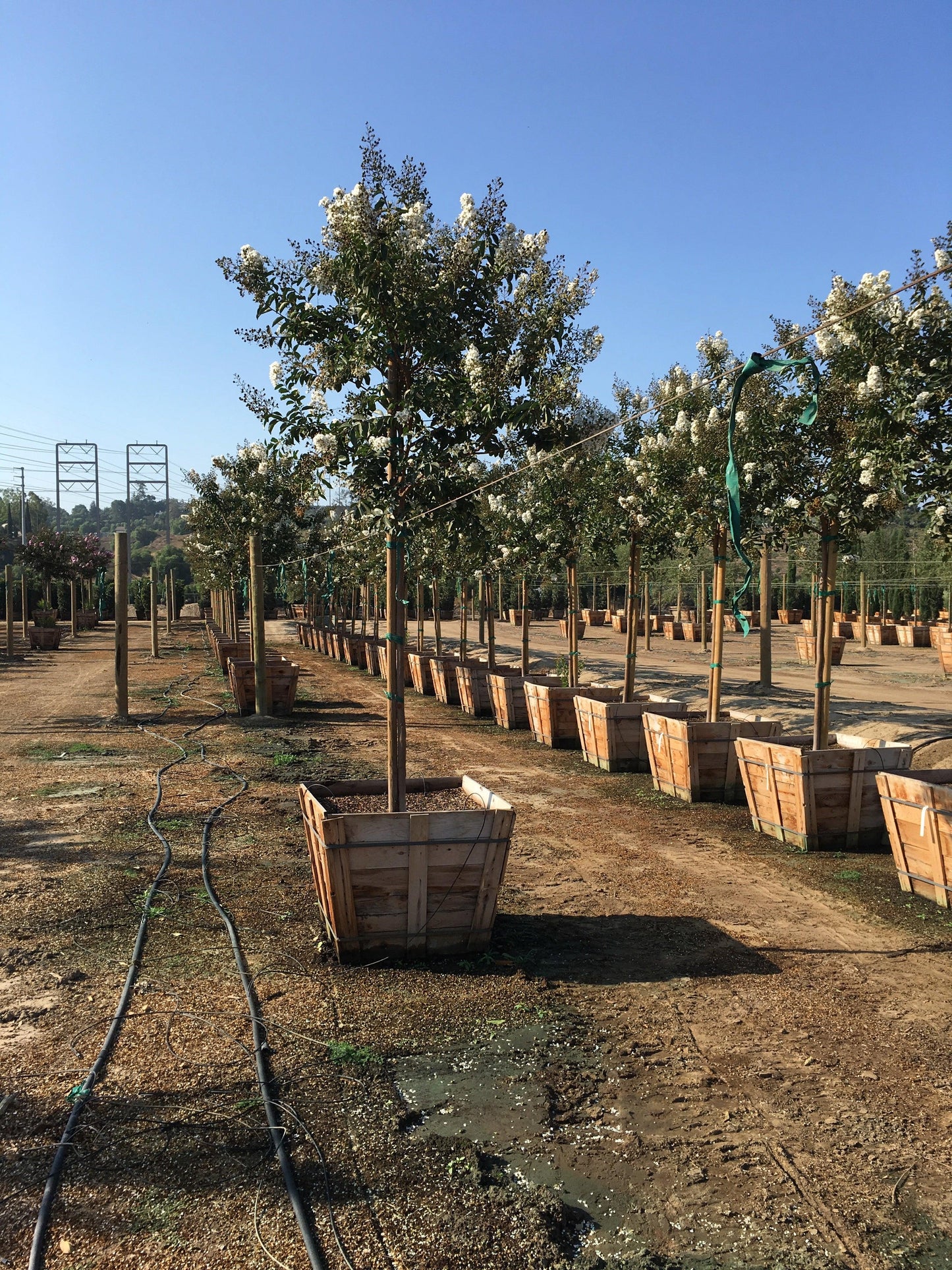

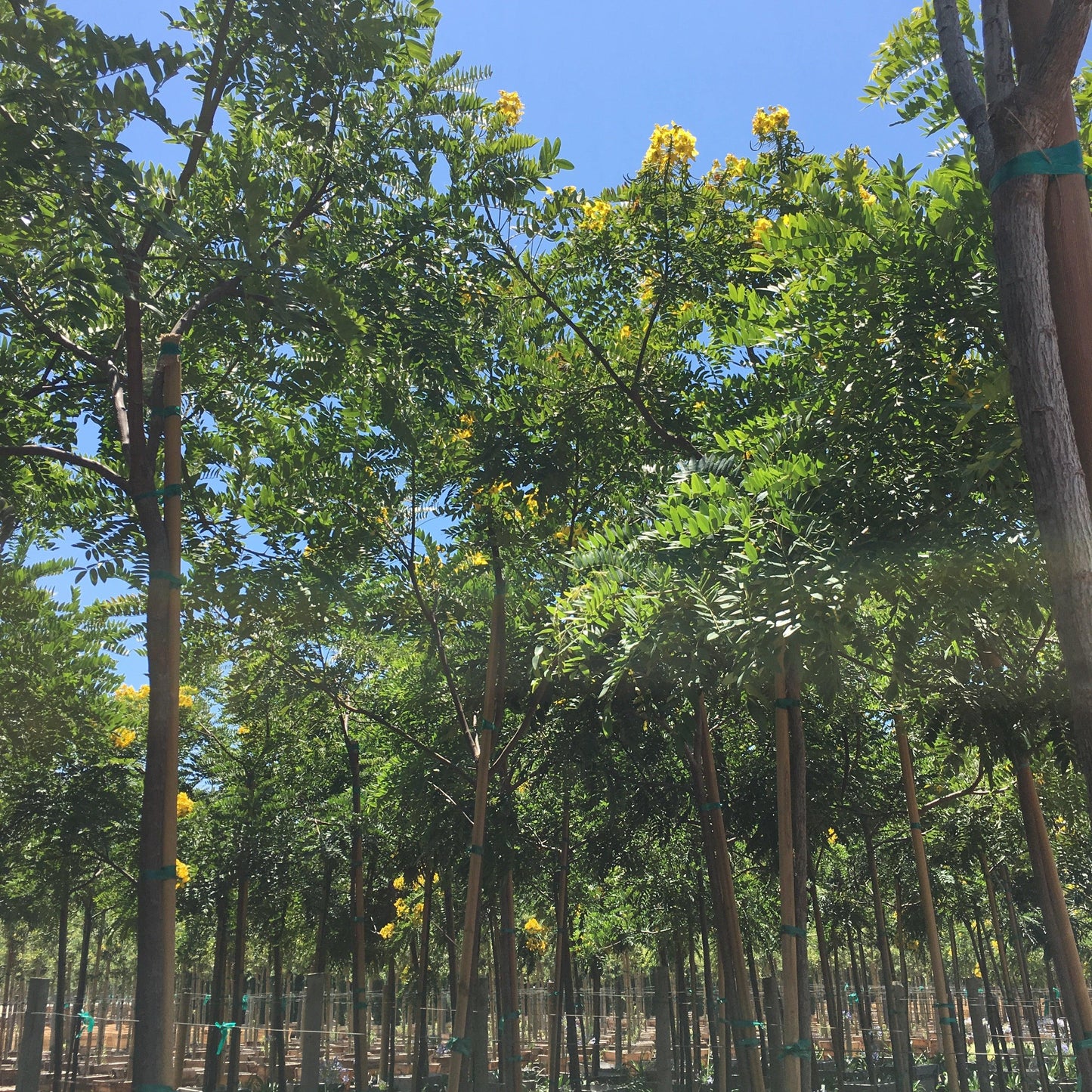

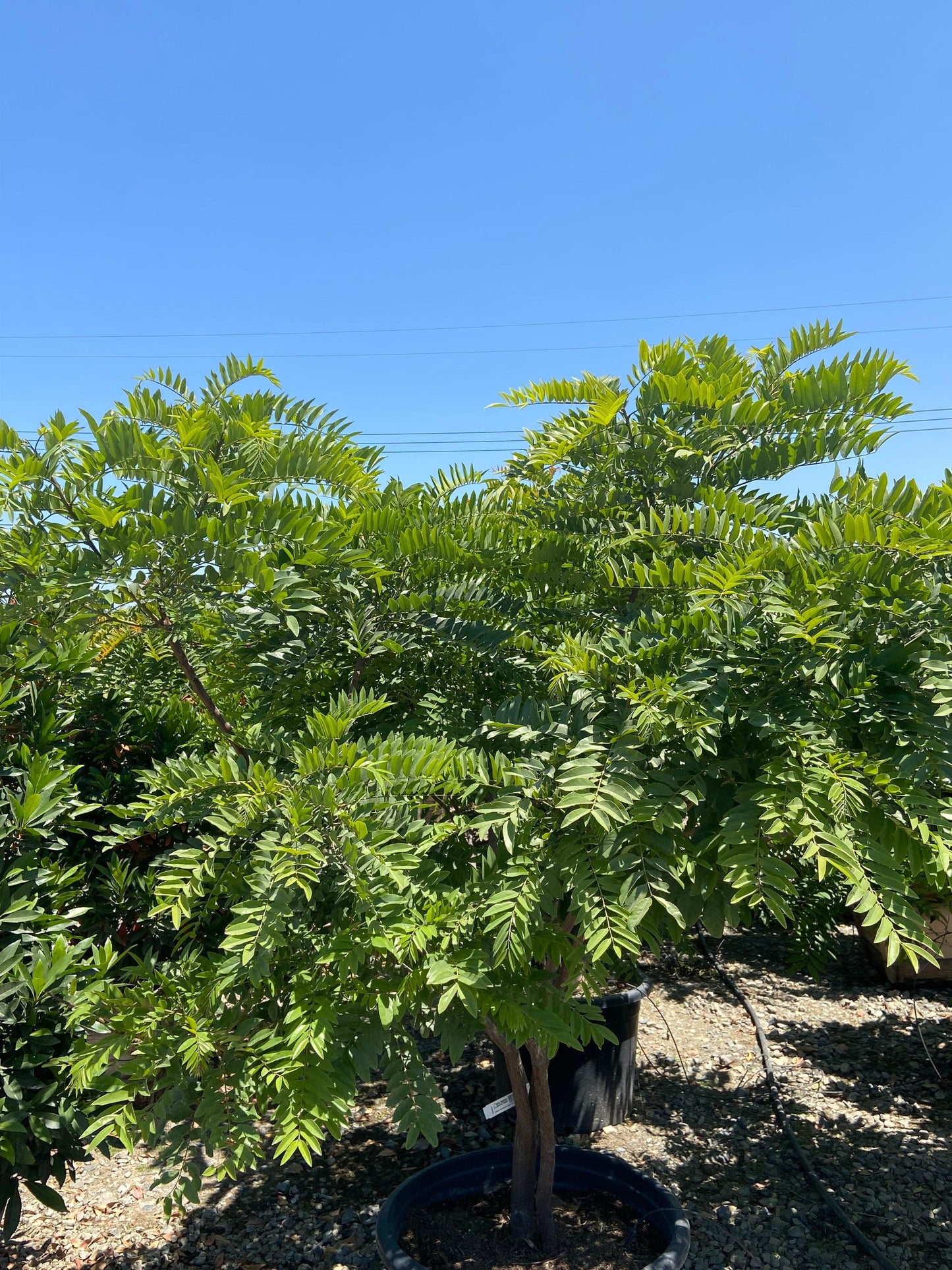


Pairs Well With

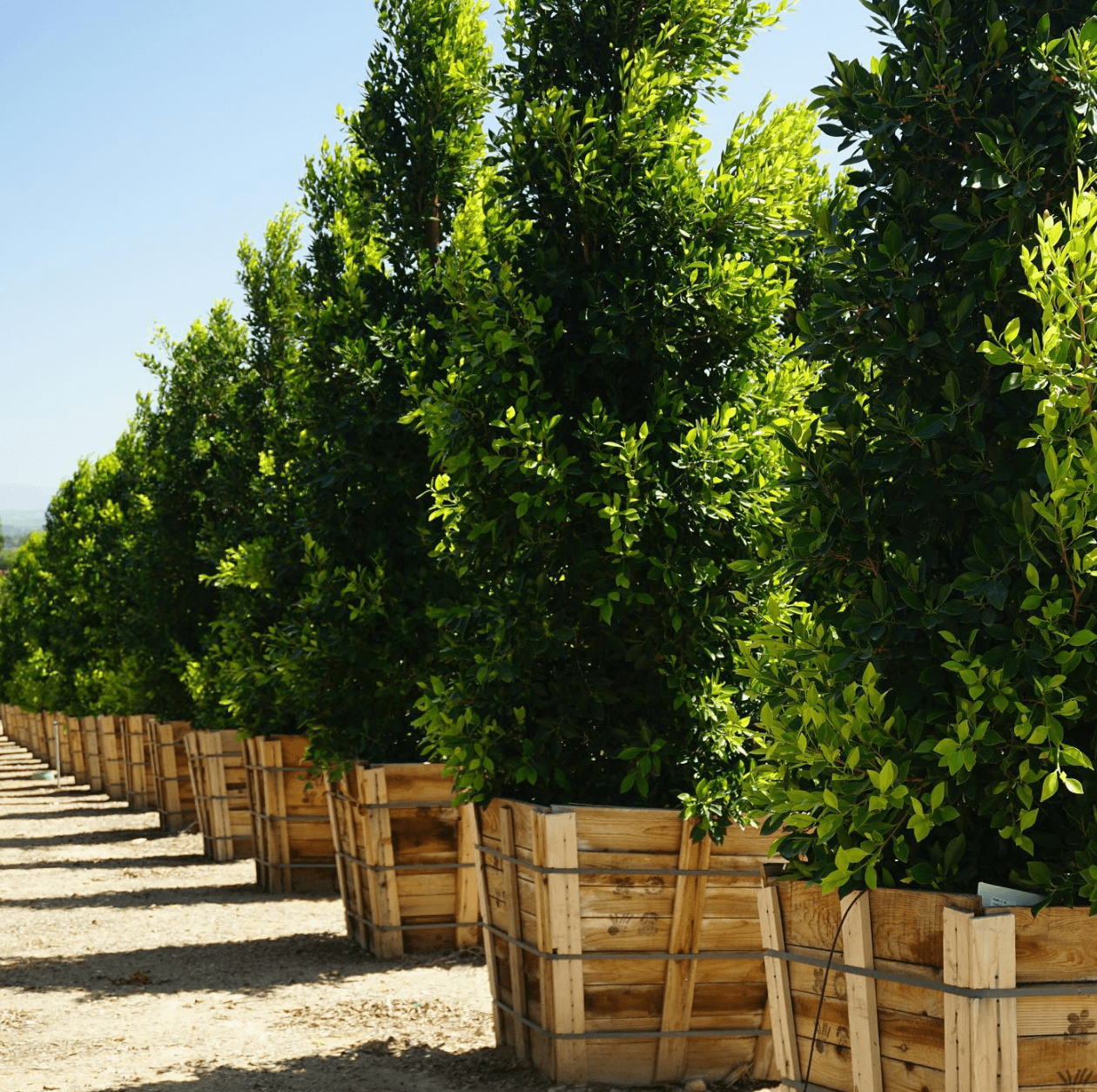





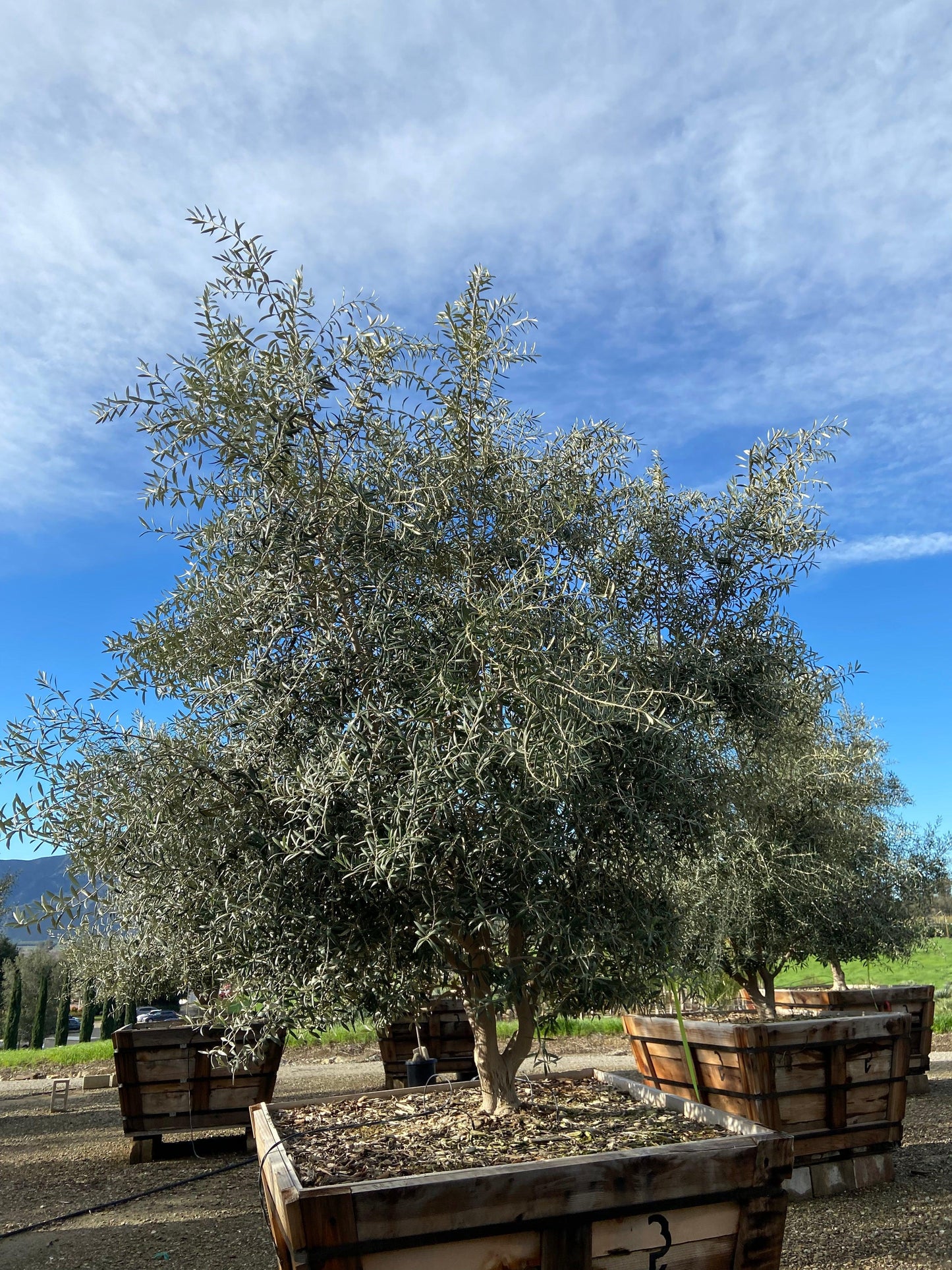

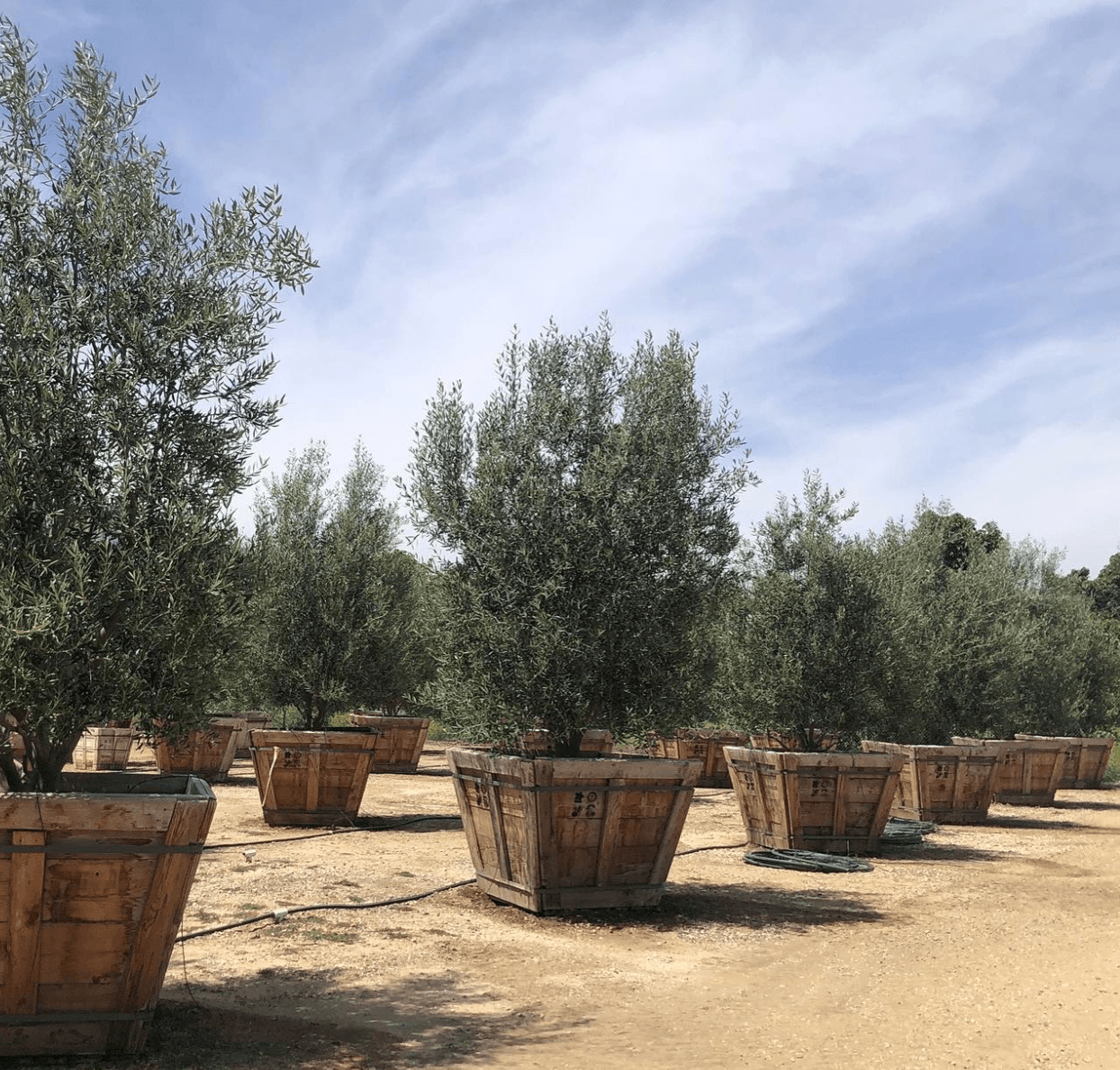

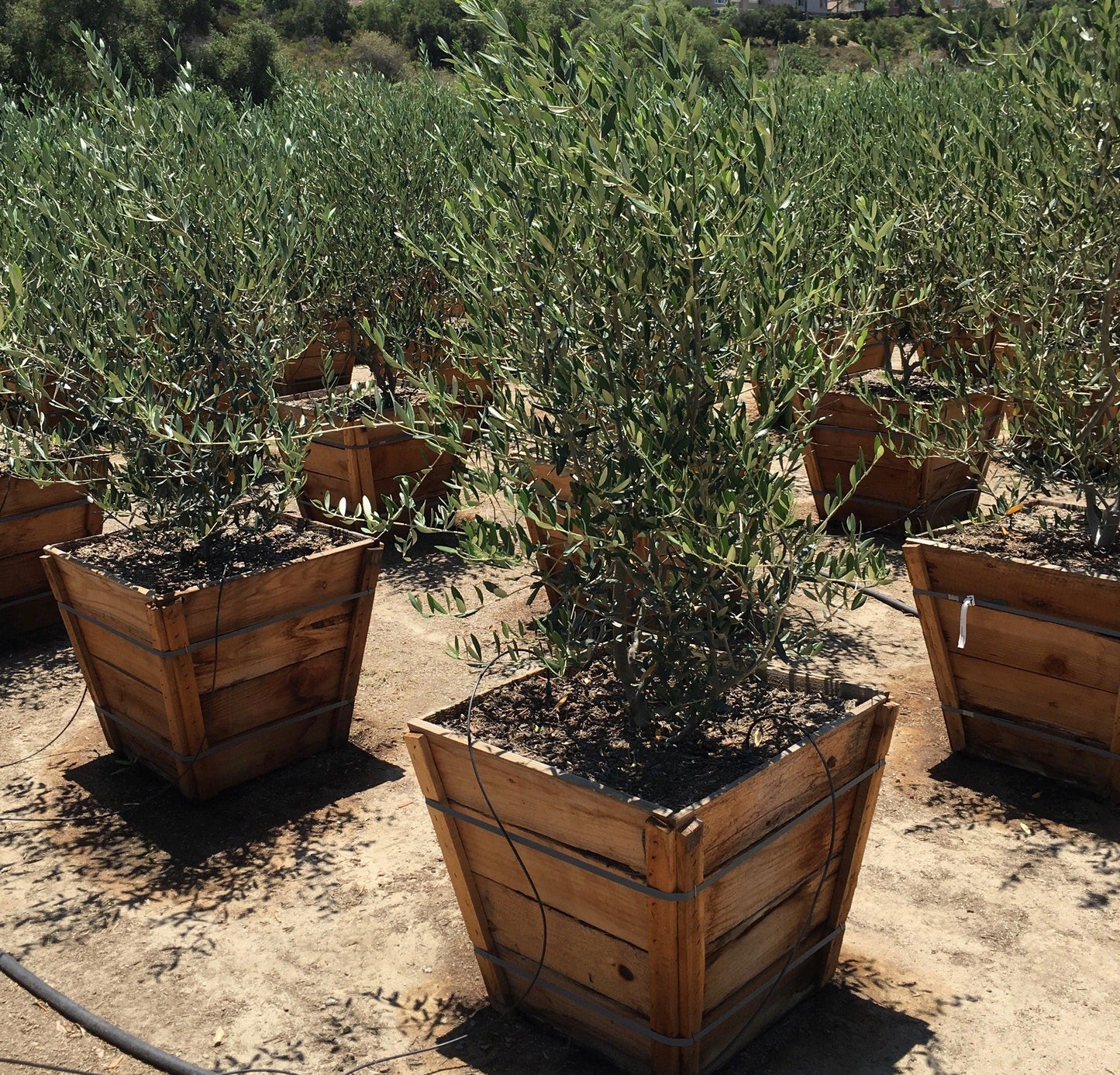

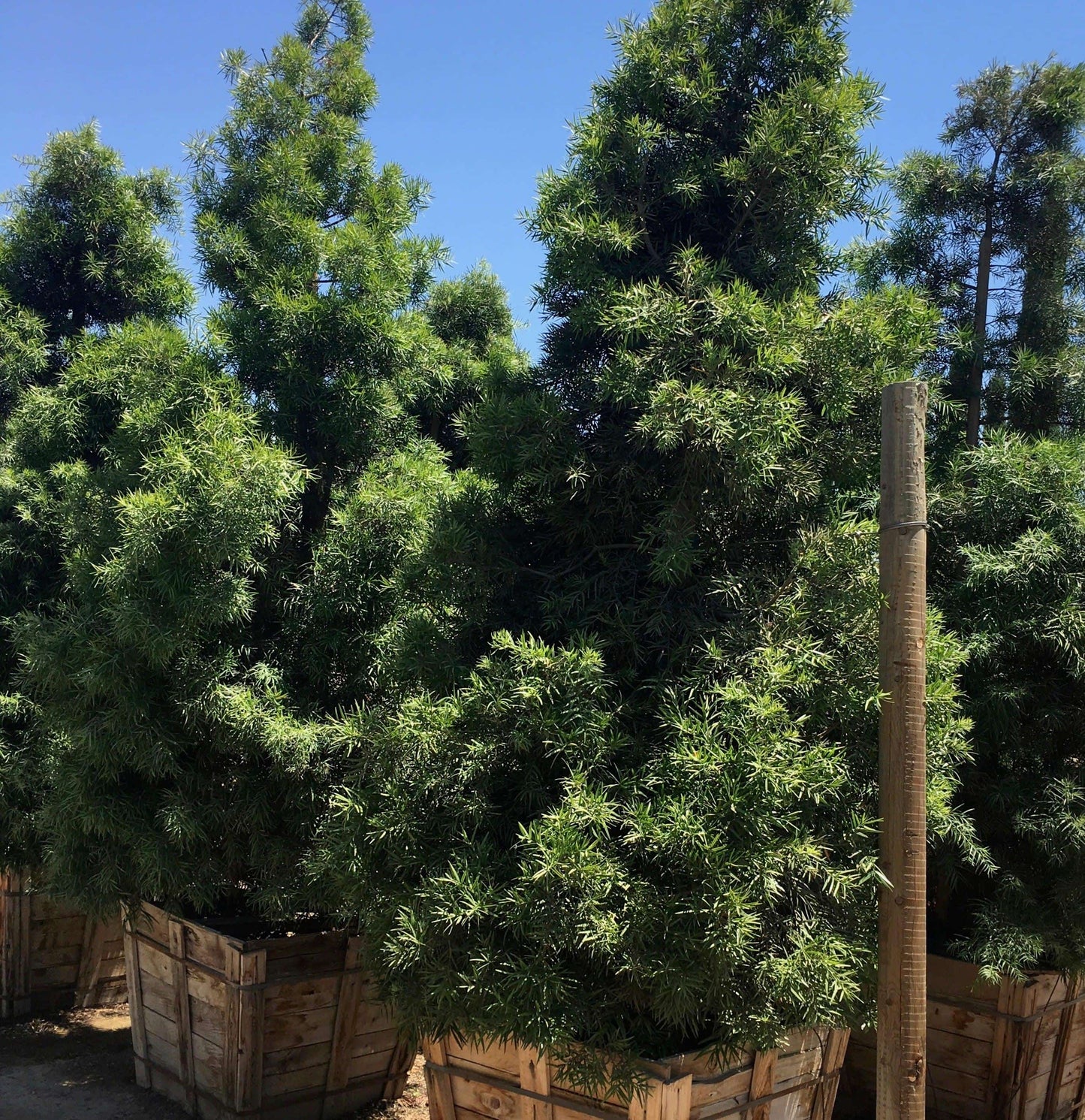

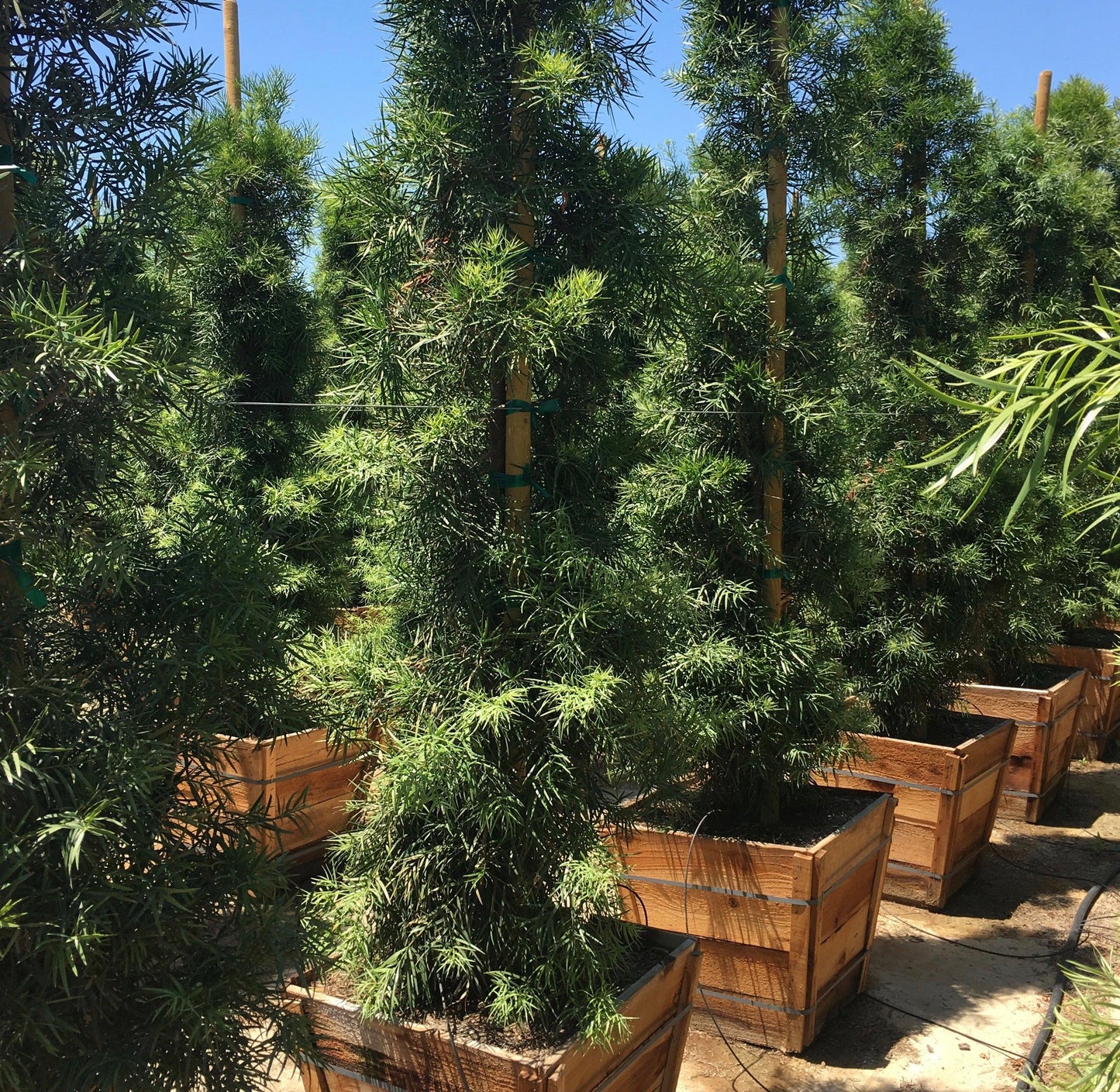

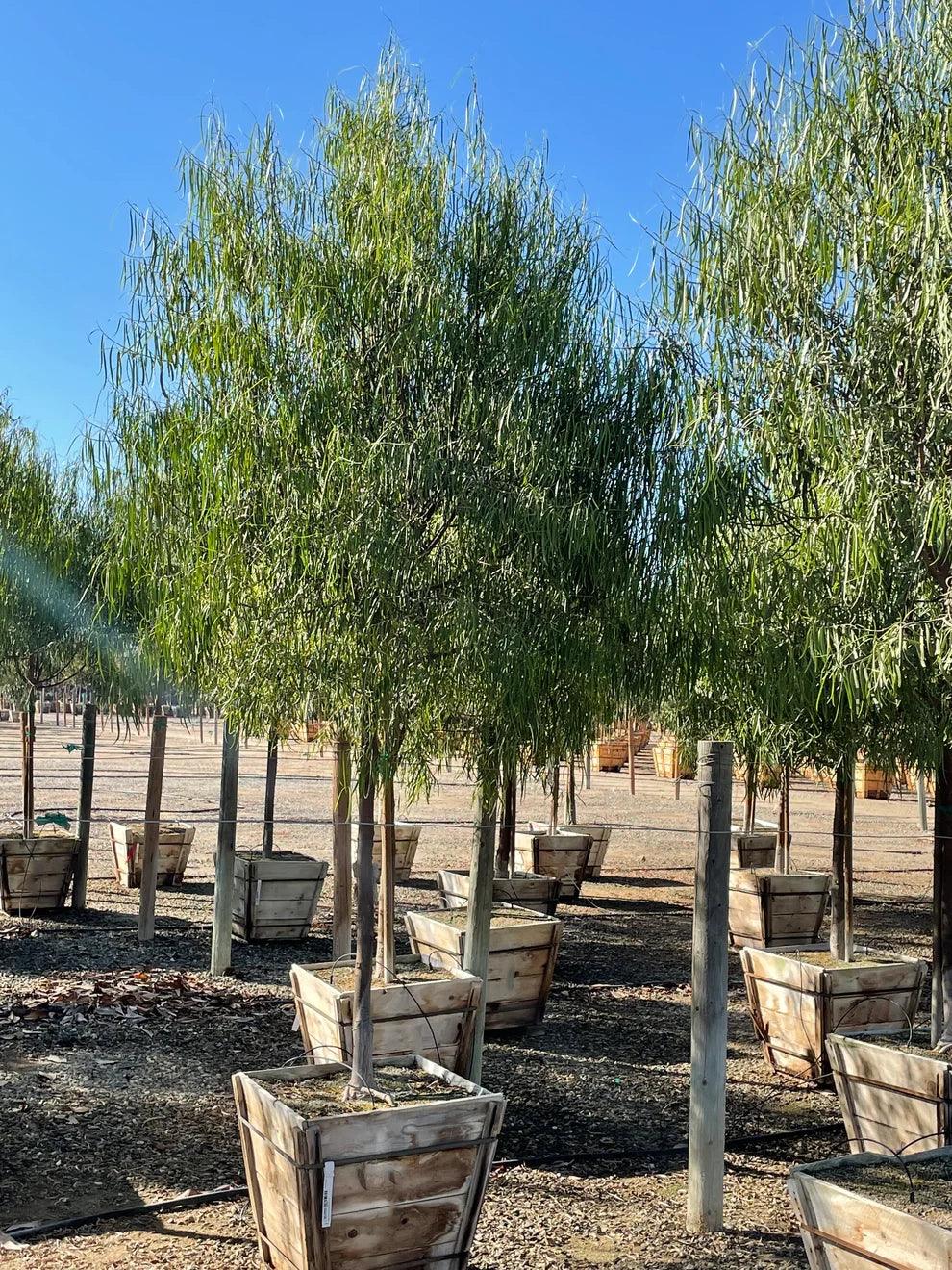

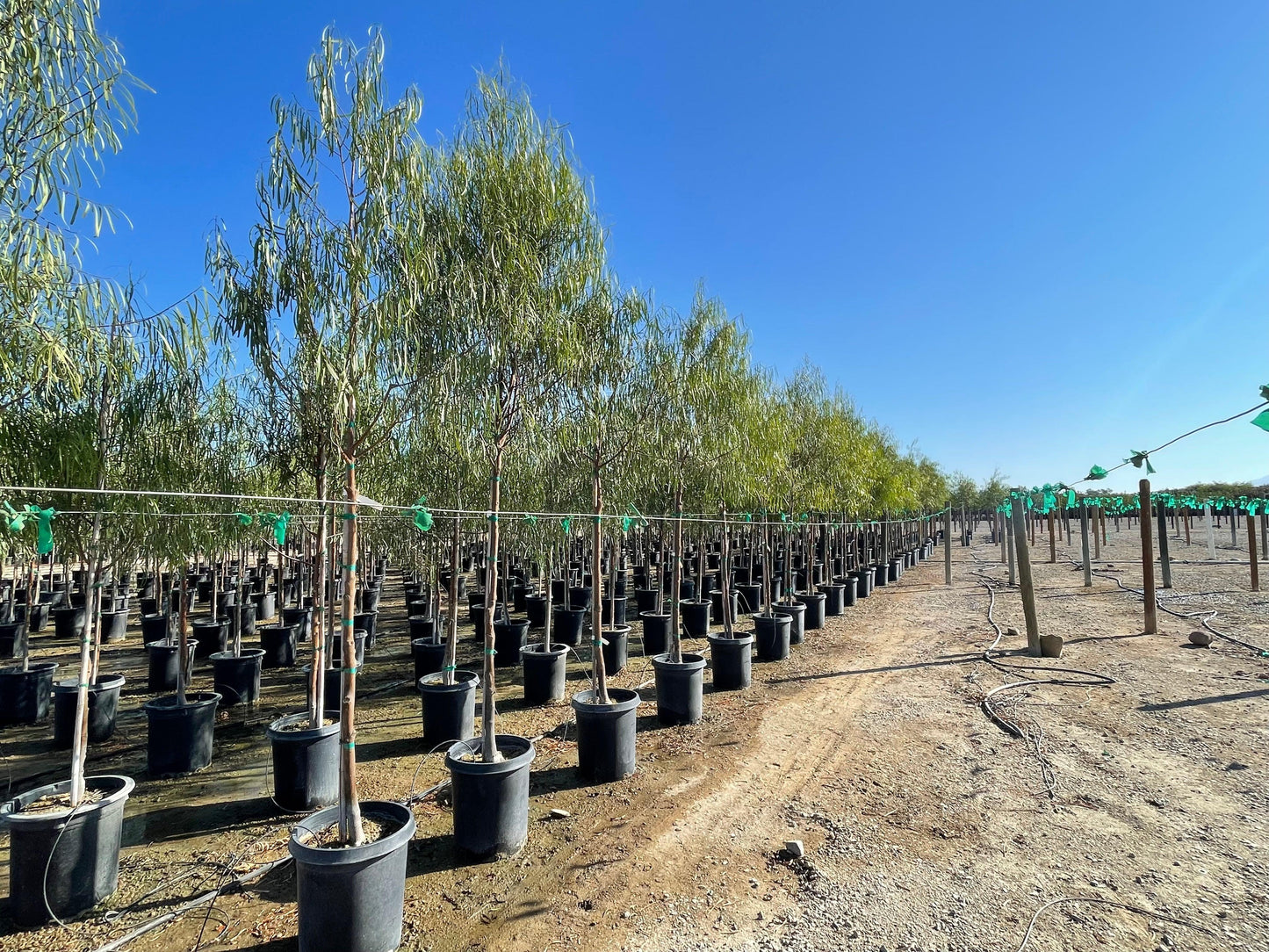

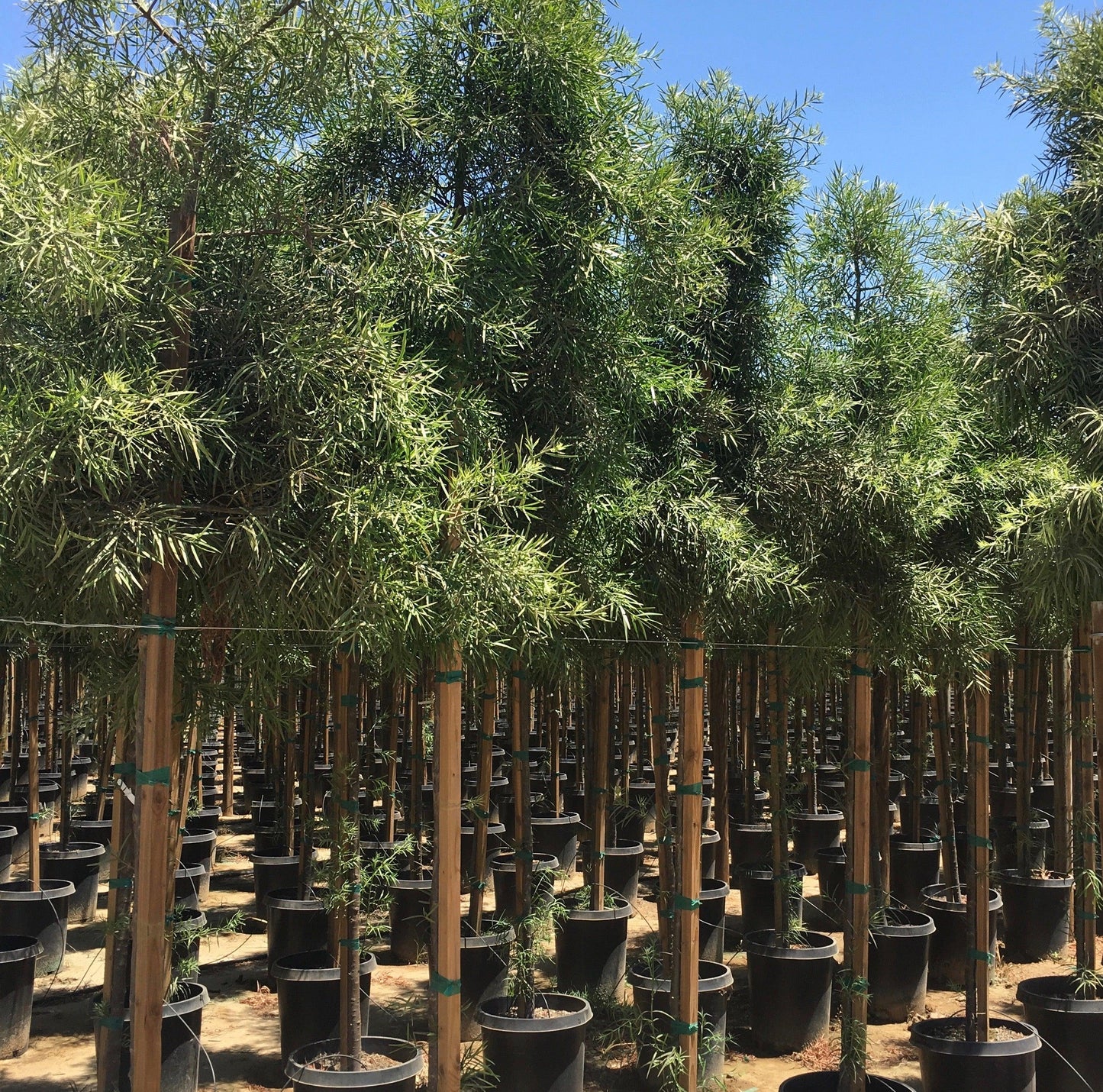
You May Also Like












Thousands of Healthy Plants Delivered


Yardwork was so great to work with. First they had the Swan Hill olive trees that we had been searching for, we had contacted several other nurseries without any luck previously. Then they answered all of our questions in a timely matter prior to ordering and finally delivered within a few days of placing it. Their staff is incredibly knowledgeable; they delivered and planted our trees with expertise to ensure that they would do well in our yard. We would definitely work with them again for future projects.















A Modern Experience
At Yardwork, we carefully curate thousands of plants, in all container sizes, to provide you with the best selection of the highest quality trees and plants at the best price, with the convenience of an online platform.
Uncompromised Quality
We choose only the finest specimens and hand select our plants just before delivery to ensure you receive the freshest and most robust specimens available for your landscape.
Industry Leading Warranties
Our 30, 90, and 365 extended warranties provide some of the best coverage to ensure our trees and plants thrive in your landscape.
Frequently Asked Questions
We're committed to changing everything about trees and plants - how they’re grown, how you shop for them, and how much they cost. We handle orders ourselves. No middlemen to get between us (or our prices) and you.
We're committed to changing everything about trees and plants - how they’re grown, how you shop for them, and how much they cost. We handle orders ourselves. No middlemen to get between us (or our prices) and you.
Delivery does not include unloading of trees and plants LARGER than a 24" box.
Trees and plants in smaller containers will be dropped curbside (usually on the driveway or near the front doorstep).
Delivery beyond a curbside drop will be charged extra.
Trees and plants that are sold in container sizes LARGER than a 24" box size will require equipment and/or enough manpower onsite to help unload from the truck.
Please reach out to our team PRIOR to placing your order to help coordinate.
Our team can provide unloading assistance with equipment for an extra fee as well.
Delivery does not include unloading of trees and plants LARGER than a 24" box.
Trees and plants in smaller containers will be dropped curbside (usually on the driveway or near the front doorstep).
Delivery beyond a curbside drop will be charged extra.
Trees and plants that are sold in container sizes LARGER than a 24" box size will require equipment and/or enough manpower onsite to help unload from the truck.
Please reach out to our team PRIOR to placing your order to help coordinate.
Our team can provide unloading assistance with equipment for an extra fee as well.
We ship locally within California within 7-10 days of your order being placed.
We ship nationally using carrier partners, based on order size. Our common order minimums for out of state shipping is $5,000.
Text or call 323-576-4159 for specific shipping details for your location.
We ship locally within California within 7-10 days of your order being placed.
We ship nationally using carrier partners, based on order size. Our common order minimums for out of state shipping is $5,000.
Text or call 323-576-4159 for specific shipping details for your location.
We are currently online only and don't have physical locations where you can view plants in person.
That's why we have photos direct from the growing grounds of the plants we will ship and we display pricing right in our store.
We do make sure to pick the very best trees and plants prior to shipping and make sure that they have gone through our multi-point inspection for health and structure.
We will always reach out prior to delivery if we find a quality issue or need to provide a substitute.
We are currently online only and don't have physical locations where you can view plants in person.
That's why we have photos direct from the growing grounds of the plants we will ship and we display pricing right in our store.
We do make sure to pick the very best trees and plants prior to shipping and make sure that they have gone through our multi-point inspection for health and structure.
We will always reach out prior to delivery if we find a quality issue or need to provide a substitute.
Plants vary greatly by type. Here is a rough idea of sizes based on containers that are direct from our growing grounds.
15 Gallon Shrub 3-4 Ft. Tall
15 Gallon Tree 5-6 Ft. Tall
24" Box Shrub 5-6 Ft. Tall
24" Box Tree 6-7 Ft. Tall
36" Box Shrub/Tree 7-9 Ft. Tall
48" Box Shrub/Tree 8-10 Ft. Tall
**Please note that we do not make guarantees of sizes. If you have questions or concerns, please call or text to request accurate sizing for the particular plant you're considering, prior to ordering.
Plants vary greatly by type. Here is a rough idea of sizes based on containers that are direct from our growing grounds.
15 Gallon Shrub 3-4 Ft. Tall
15 Gallon Tree 5-6 Ft. Tall
24" Box Shrub 5-6 Ft. Tall
24" Box Tree 6-7 Ft. Tall
36" Box Shrub/Tree 7-9 Ft. Tall
48" Box Shrub/Tree 8-10 Ft. Tall
**Please note that we do not make guarantees of sizes. If you have questions or concerns, please call or text to request accurate sizing for the particular plant you're considering, prior to ordering.
We offer a limited 30 day warranty for plants that are delivered and planted by someone else and a 90 day warranty for plants that we plant.
The limited warranty covers plants that die as a result of disease or fungus which was derived from our growing grounds or from root balls that were root bound.
The warranty does not cover damage due to watering, fertilizer, soils, or any other conditions beyond our control. Additionally, the warranty does not cover plants that are shipped out of the state of California or shipped into California from other states. Custom plant orders are also not covered under warranty. Plants must be planted within 24 hours after delivery to qualify.
We can assist you in recommending the right soils and fertilizers to help your plant thrive after you plant it.
Text or call 323-576-4159 for further warranty information.
We offer a limited 30 day warranty for plants that are delivered and planted by someone else and a 90 day warranty for plants that we plant.
The limited warranty covers plants that die as a result of disease or fungus which was derived from our growing grounds or from root balls that were root bound.
The warranty does not cover damage due to watering, fertilizer, soils, or any other conditions beyond our control. Additionally, the warranty does not cover plants that are shipped out of the state of California or shipped into California from other states. Custom plant orders are also not covered under warranty. Plants must be planted within 24 hours after delivery to qualify.
We can assist you in recommending the right soils and fertilizers to help your plant thrive after you plant it.
Text or call 323-576-4159 for further warranty information.
Our local delivery team covers most cities in California.
There are some exceptions, so please get in touch to confirm prior to ordering.
Additionally, we ship using semi trucks and trailers throughout the entire United States and even abroad for large orders over $5,000. Each shipment is custom, so please reach out to our team to coordinate.
Our local delivery team covers most cities in California.
There are some exceptions, so please get in touch to confirm prior to ordering.
Additionally, we ship using semi trucks and trailers throughout the entire United States and even abroad for large orders over $5,000. Each shipment is custom, so please reach out to our team to coordinate.