



Bear's Breeches - Acanthus mollis
Regular price
$65.00
Size
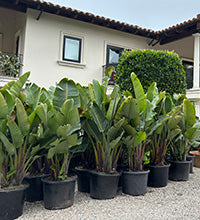
Bear’s breeches (Acanthus mollis) is a striking perennial prized for its deeply lobed, deeply cut, thistle-like dark green leaves with toothed edges and soft hairs. Its attractive foliage is highly valued by gardeners and landscape designers for adding bold, architectural texture to any garden, complementing popular privacy trees and shrubs in layered landscape designs. The plant’s large, glossy, dark green leaves—known as acanthus leaves—have inspired the famous Corinthian leaf motif in ancient Greek and Roman architecture. The genus name 'Acanthus' comes from the Greek word 'akantha', meaning 'spine', referencing the spiny edges of the leaves and their historical use in the ornate capitals of Corinthian columns.
Bear’s breeches thrive in full sun or part shade, and benefit from morning sun, but can also tolerate partial shade or shade, especially in hot climates. For best results when growing bear’s breeches, plant in rich, well-drained soil with good drainage, as wet soil can cause root rot and harm the root system. Adding organic matter helps maintain healthy roots. The plant is drought tolerant and drought resistant once established, making it suitable for low-water gardens alongside other heat-loving, drought-tolerant flowering trees.
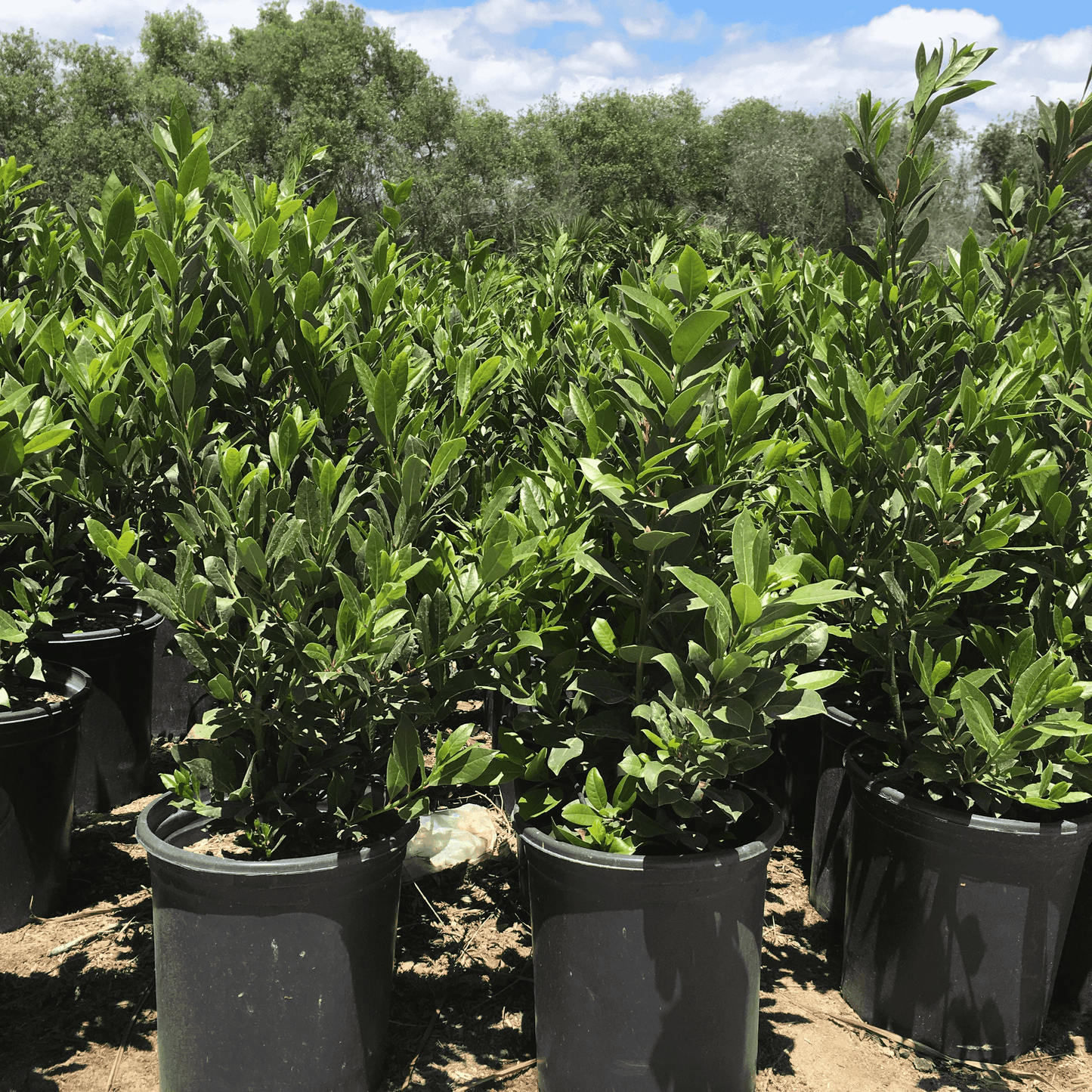
Propagation is easy by seed, root cuttings (best taken in early spring), or division to create new plants. Bear’s breeches can spread aggressively via creeping rootstocks, sometimes causing unwanted spread in the garden; root barriers are recommended to control this. In spring or early spring, divide mature clumps or start seeds for best establishment, or pair them with a dense, fast-growing privacy hedge like Brush Cherry to create structured garden boundaries.
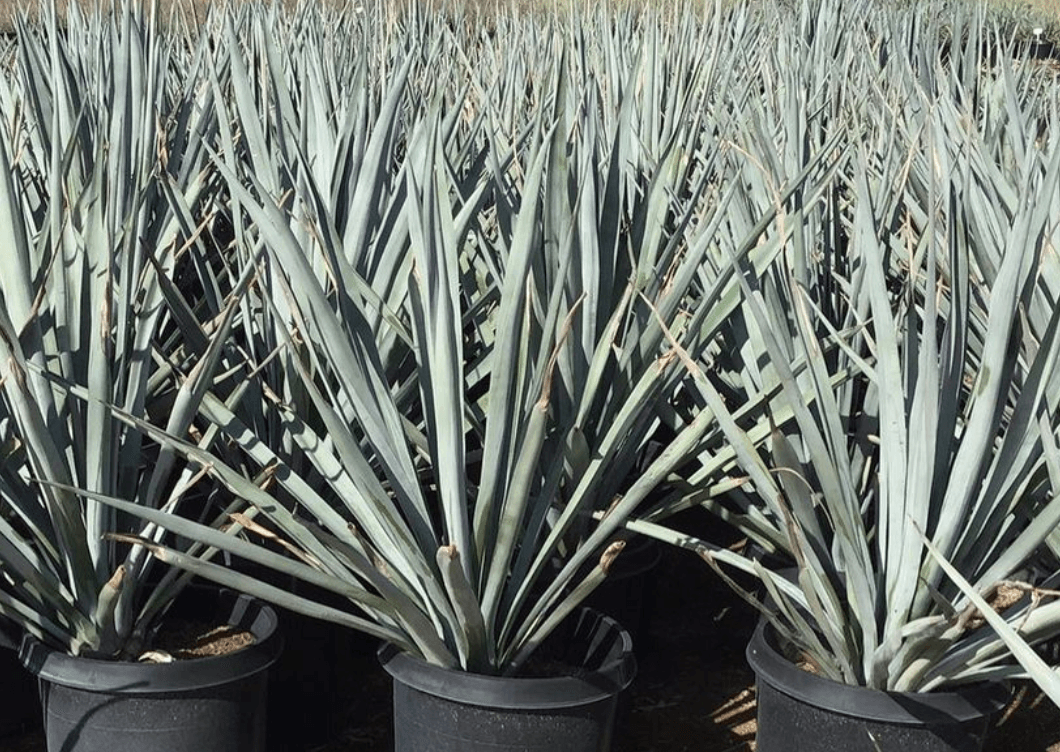
Tall flower spikes rise above the foliage and bloom from late spring to early summer and into summer, with flowers that resemble snapdragons and sometimes display white flowers. These blooms attract bees and other pollinators. The fruit is not ornamentally significant, so many gardeners combine bear’s breeches with sculptural succulents such as Blue Glow Agave for added year-round interest.
To protect the root system and roots during winter, especially in colder climates, apply a thick layer or layer of winter mulch. This helps insulate the plant and prevent frost damage, especially when bear’s breeches are used near cold-hardy evergreen shrubs like Winter Gem Boxwood in mixed borders.
Bear’s breeches are susceptible to powdery mildew if left unchecked, and pests like slugs and snails can cause substantial damage. Consider spacing them to allow good air circulation around nearby shrubs such as spherical Winter Gem Boxwood globes to keep foliage dry and healthy.
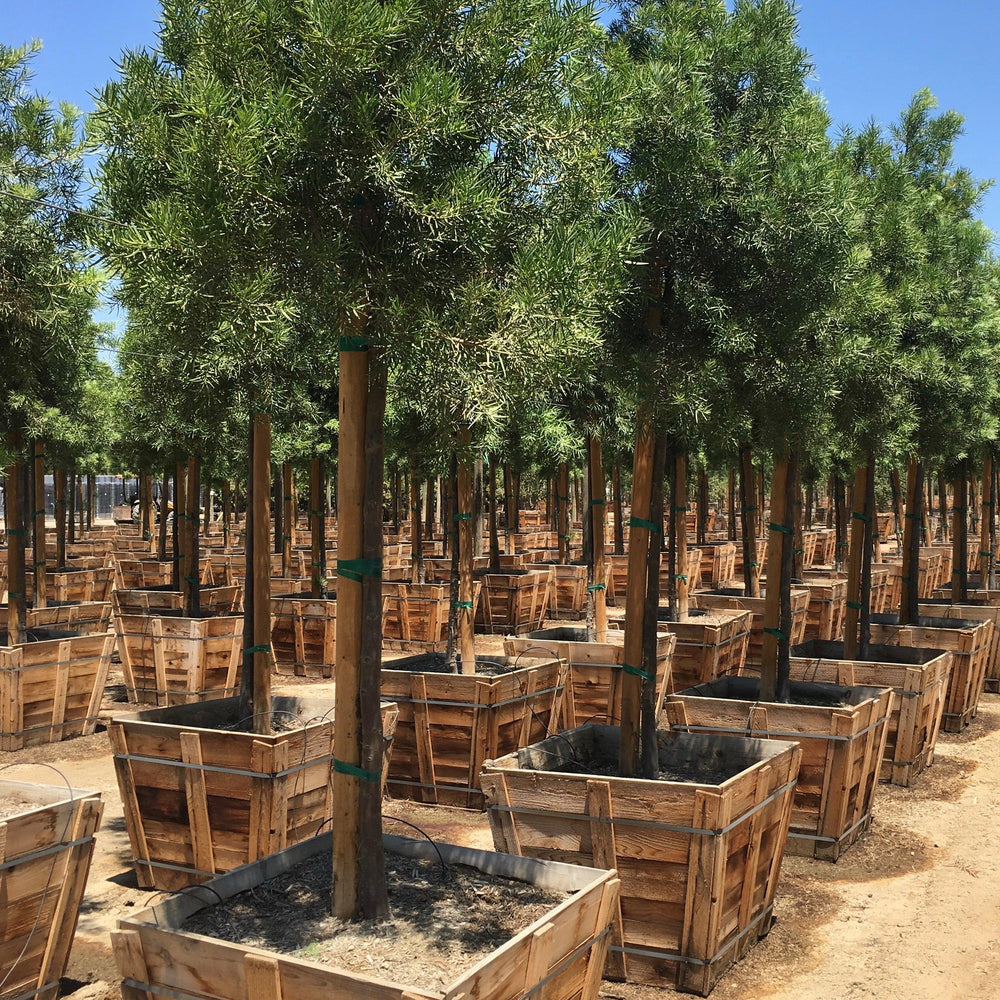
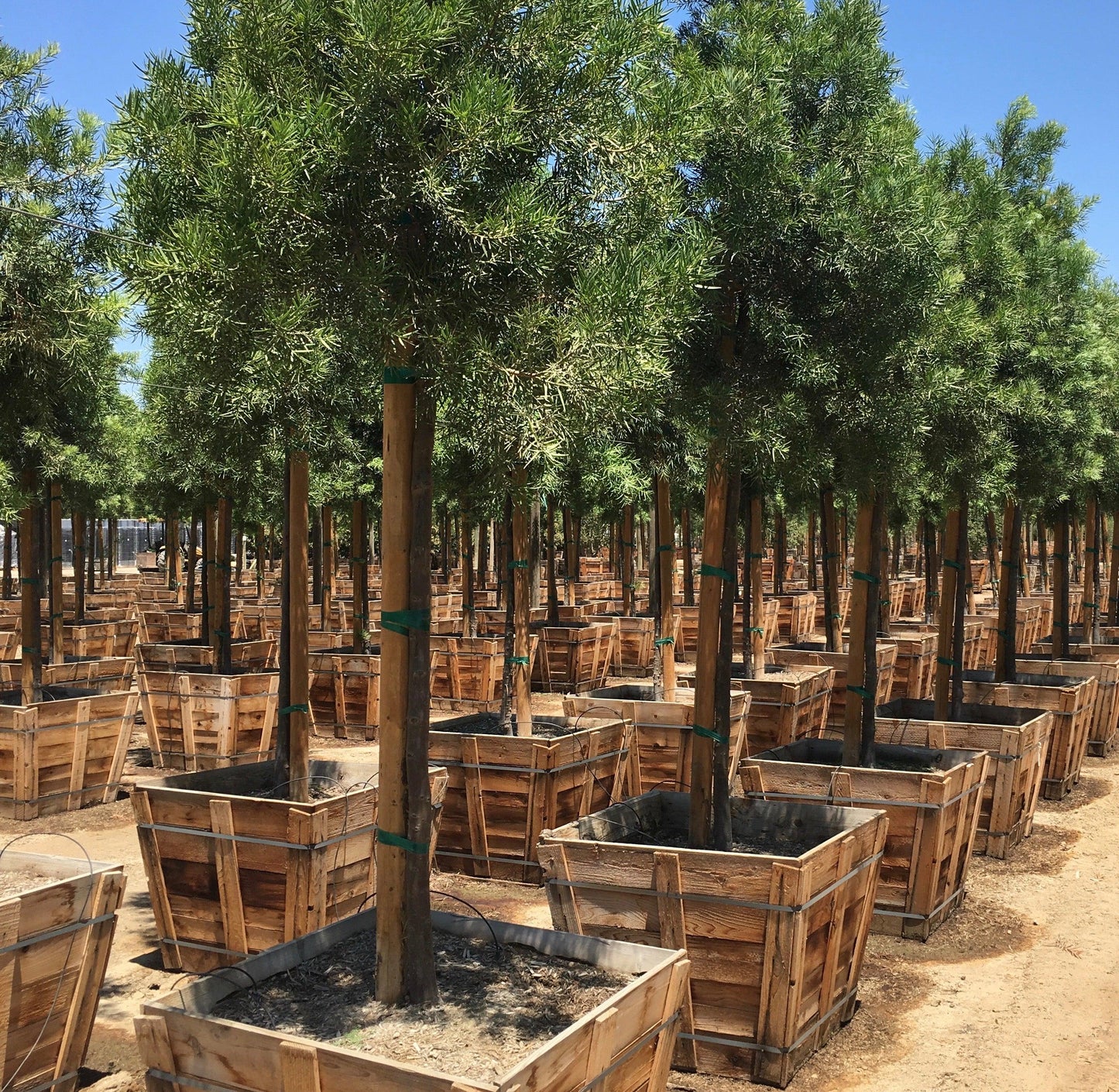
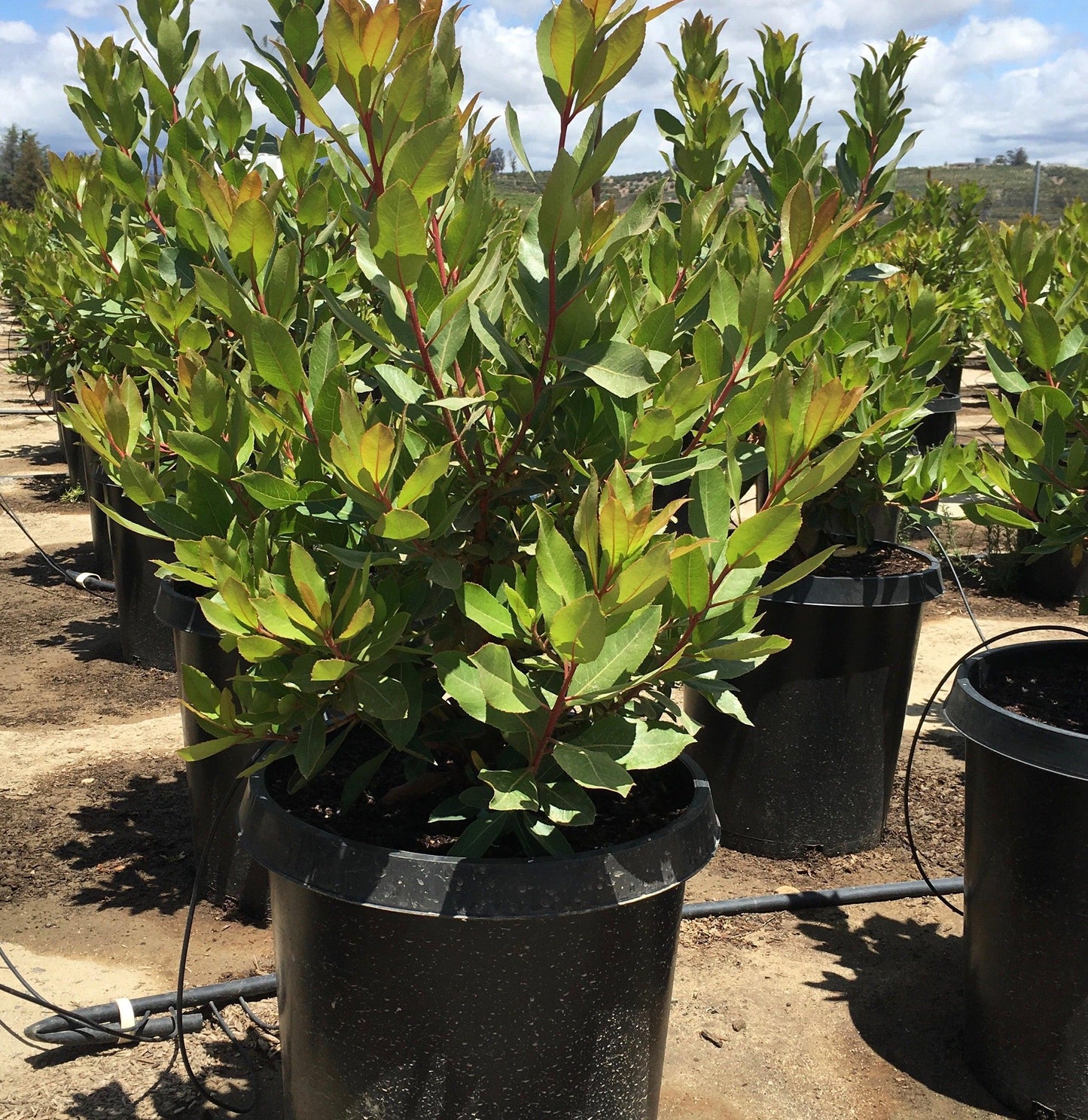
Acanthus mollis and related species, including spiny bear’s breeches (Acanthus spinosa), are native to the Mediterranean region. These plants are valued for their ornamental foliage and historical significance and can be combined with adaptable evergreens such as Carrotwood trees, Toyon (Heteromeles arbutifolia), or Cheesewood Pittosporum varieties for year-round structure and color. Gardeners appreciate their use in garden design for their bold, attractive foliage and classical appeal.
Bear’s breeches (Acanthus mollis) is a striking perennial prized for its deeply lobed, deeply cut, thistle-like dark green leaves with toothed edges and soft hairs. Its attractive foliage is highly valued by gardeners and landscape designers for adding bold, architectural texture to any garden, complementing popular privacy trees and shrubs in layered landscape designs. The plant’s large, glossy, dark green leaves—known as acanthus leaves—have inspired the famous Corinthian leaf motif in ancient Greek and Roman architecture. The genus name 'Acanthus' comes from the Greek word 'akantha', meaning 'spine', referencing the spiny edges of the leaves and their historical use in the ornate capitals of Corinthian columns.
Bear’s breeches thrive in full sun or part shade, and benefit from morning sun, but can also tolerate partial shade or shade, especially in hot climates. For best results when growing bear’s breeches, plant in rich, well-drained soil with good drainage, as wet soil can cause root rot and harm the root system. Adding organic matter helps maintain healthy roots. The plant is drought tolerant and drought resistant once established, making it suitable for low-water gardens alongside other heat-loving, drought-tolerant flowering trees.
Propagation is easy by seed, root cuttings (best taken in early spring), or division to create new plants. Bear’s breeches can spread aggressively via creeping rootstocks, sometimes causing unwanted spread in the garden; root barriers are recommended to control this. In spring or early spring, divide mature clumps or start seeds for best establishment, or pair them with a dense, fast-growing privacy hedge like Brush Cherry to create structured garden boundaries.
Tall flower spikes rise above the foliage and bloom from late spring to early summer and into summer, with flowers that resemble snapdragons and sometimes display white flowers. These blooms attract bees and other pollinators. The fruit is not ornamentally significant, so many gardeners combine bear’s breeches with sculptural succulents such as Blue Glow Agave for added year-round interest.
To protect the root system and roots during winter, especially in colder climates, apply a thick layer or layer of winter mulch. This helps insulate the plant and prevent frost damage, especially when bear’s breeches are used near cold-hardy evergreen shrubs like Winter Gem Boxwood in mixed borders.
Bear’s breeches are susceptible to powdery mildew if left unchecked, and pests like slugs and snails can cause substantial damage. Consider spacing them to allow good air circulation around nearby shrubs such as spherical Winter Gem Boxwood globes to keep foliage dry and healthy.
Acanthus mollis and related species, including spiny bear’s breeches (Acanthus spinosa), are native to the Mediterranean region. These plants are valued for their ornamental foliage and historical significance and can be combined with adaptable evergreens such as Carrotwood trees, Toyon (Heteromeles arbutifolia), or Cheesewood Pittosporum varieties for year-round structure and color. Gardeners appreciate their use in garden design for their bold, attractive foliage and classical appeal.
Plants vary greatly by type and no guarantees are made on sizing.
However here is a rough idea of sizes based on containers that are direct from our growing grounds.
15 Gallon Shrub 3-4 Ft. Tall
15 Gallon Tree 5-6 Ft. Tall
24" Box Shrub 5-6 Ft. Tall
24" Box Tree 6-7 Ft. Tall
36" Box Tree 8-10 Ft. Tall
48" Box Tree 10-12 Ft. Tall
Please note: Citrus and California Native plants such as Manzanita are smaller than traditional sizing.
Please contact us to confirm sizing of items before purchasing if this is a concern.
Plants vary greatly by type and no guarantees are made on sizing.
However here is a rough idea of sizes based on containers that are direct from our growing grounds.
15 Gallon Shrub 3-4 Ft. Tall
15 Gallon Tree 5-6 Ft. Tall
24" Box Shrub 5-6 Ft. Tall
24" Box Tree 6-7 Ft. Tall
36" Box Tree 8-10 Ft. Tall
48" Box Tree 10-12 Ft. Tall
Please note: Citrus and California Native plants such as Manzanita are smaller than traditional sizing.
Please contact us to confirm sizing of items before purchasing if this is a concern.
Delivery does not include unloading of trees and plants larger than a 24" box.
Trees and plants in smaller containers will be dropped curbside.
Delivery beyond a curbside drop will be charged extra.
Trees and plants that are sold in container sizes larger than a 24" box size will require equipment and an operator onsite to help unload from the truck.
Please reach out to our team PRIOR to placing your order to coordinate.
Our team can provide unloading assistance with equipment for an extra fee.
Delivery does not include unloading of trees and plants larger than a 24" box.
Trees and plants in smaller containers will be dropped curbside.
Delivery beyond a curbside drop will be charged extra.
Trees and plants that are sold in container sizes larger than a 24" box size will require equipment and an operator onsite to help unload from the truck.
Please reach out to our team PRIOR to placing your order to coordinate.
Our team can provide unloading assistance with equipment for an extra fee.
You may also like...


Bear's Breeches - Acanthus mollis
Regular price
$65.00
Size
Bear’s breeches (Acanthus mollis) is a striking perennial prized for its deeply lobed, deeply cut, thistle-like dark green leaves with toothed edges and soft hairs. Its attractive foliage is highly valued by gardeners and landscape designers for adding bold, architectural texture to any garden, complementing popular privacy trees and shrubs in layered landscape designs. The plant’s large, glossy, dark green leaves—known as acanthus leaves—have inspired the famous Corinthian leaf motif in ancient Greek and Roman architecture. The genus name 'Acanthus' comes from the Greek word 'akantha', meaning 'spine', referencing the spiny edges of the leaves and their historical use in the ornate capitals of Corinthian columns.
Bear’s breeches thrive in full sun or part shade, and benefit from morning sun, but can also tolerate partial shade or shade, especially in hot climates. For best results when growing bear’s breeches, plant in rich, well-drained soil with good drainage, as wet soil can cause root rot and harm the root system. Adding organic matter helps maintain healthy roots. The plant is drought tolerant and drought resistant once established, making it suitable for low-water gardens alongside other heat-loving, drought-tolerant flowering trees.
Propagation is easy by seed, root cuttings (best taken in early spring), or division to create new plants. Bear’s breeches can spread aggressively via creeping rootstocks, sometimes causing unwanted spread in the garden; root barriers are recommended to control this. In spring or early spring, divide mature clumps or start seeds for best establishment, or pair them with a dense, fast-growing privacy hedge like Brush Cherry to create structured garden boundaries.
Tall flower spikes rise above the foliage and bloom from late spring to early summer and into summer, with flowers that resemble snapdragons and sometimes display white flowers. These blooms attract bees and other pollinators. The fruit is not ornamentally significant, so many gardeners combine bear’s breeches with sculptural succulents such as Blue Glow Agave for added year-round interest.
To protect the root system and roots during winter, especially in colder climates, apply a thick layer or layer of winter mulch. This helps insulate the plant and prevent frost damage, especially when bear’s breeches are used near cold-hardy evergreen shrubs like Winter Gem Boxwood in mixed borders.
Bear’s breeches are susceptible to powdery mildew if left unchecked, and pests like slugs and snails can cause substantial damage. Consider spacing them to allow good air circulation around nearby shrubs such as spherical Winter Gem Boxwood globes to keep foliage dry and healthy.
Acanthus mollis and related species, including spiny bear’s breeches (Acanthus spinosa), are native to the Mediterranean region. These plants are valued for their ornamental foliage and historical significance and can be combined with adaptable evergreens such as Carrotwood trees, Toyon (Heteromeles arbutifolia), or Cheesewood Pittosporum varieties for year-round structure and color. Gardeners appreciate their use in garden design for their bold, attractive foliage and classical appeal.
Bear’s breeches (Acanthus mollis) is a striking perennial prized for its deeply lobed, deeply cut, thistle-like dark green leaves with toothed edges and soft hairs. Its attractive foliage is highly valued by gardeners and landscape designers for adding bold, architectural texture to any garden, complementing popular privacy trees and shrubs in layered landscape designs. The plant’s large, glossy, dark green leaves—known as acanthus leaves—have inspired the famous Corinthian leaf motif in ancient Greek and Roman architecture. The genus name 'Acanthus' comes from the Greek word 'akantha', meaning 'spine', referencing the spiny edges of the leaves and their historical use in the ornate capitals of Corinthian columns.
Bear’s breeches thrive in full sun or part shade, and benefit from morning sun, but can also tolerate partial shade or shade, especially in hot climates. For best results when growing bear’s breeches, plant in rich, well-drained soil with good drainage, as wet soil can cause root rot and harm the root system. Adding organic matter helps maintain healthy roots. The plant is drought tolerant and drought resistant once established, making it suitable for low-water gardens alongside other heat-loving, drought-tolerant flowering trees.
Propagation is easy by seed, root cuttings (best taken in early spring), or division to create new plants. Bear’s breeches can spread aggressively via creeping rootstocks, sometimes causing unwanted spread in the garden; root barriers are recommended to control this. In spring or early spring, divide mature clumps or start seeds for best establishment, or pair them with a dense, fast-growing privacy hedge like Brush Cherry to create structured garden boundaries.
Tall flower spikes rise above the foliage and bloom from late spring to early summer and into summer, with flowers that resemble snapdragons and sometimes display white flowers. These blooms attract bees and other pollinators. The fruit is not ornamentally significant, so many gardeners combine bear’s breeches with sculptural succulents such as Blue Glow Agave for added year-round interest.
To protect the root system and roots during winter, especially in colder climates, apply a thick layer or layer of winter mulch. This helps insulate the plant and prevent frost damage, especially when bear’s breeches are used near cold-hardy evergreen shrubs like Winter Gem Boxwood in mixed borders.
Bear’s breeches are susceptible to powdery mildew if left unchecked, and pests like slugs and snails can cause substantial damage. Consider spacing them to allow good air circulation around nearby shrubs such as spherical Winter Gem Boxwood globes to keep foliage dry and healthy.
Acanthus mollis and related species, including spiny bear’s breeches (Acanthus spinosa), are native to the Mediterranean region. These plants are valued for their ornamental foliage and historical significance and can be combined with adaptable evergreens such as Carrotwood trees, Toyon (Heteromeles arbutifolia), or Cheesewood Pittosporum varieties for year-round structure and color. Gardeners appreciate their use in garden design for their bold, attractive foliage and classical appeal.
Plants vary greatly by type and no guarantees are made on sizing.
However here is a rough idea of sizes based on containers that are direct from our growing grounds.
15 Gallon Shrub 3-4 Ft. Tall
15 Gallon Tree 5-6 Ft. Tall
24" Box Shrub 5-6 Ft. Tall
24" Box Tree 6-7 Ft. Tall
36" Box Tree 8-10 Ft. Tall
48" Box Tree 10-12 Ft. Tall
Please note: Citrus and California Native plants such as Manzanita are smaller than traditional sizing.
Please contact us to confirm sizing of items before purchasing if this is a concern.
Plants vary greatly by type and no guarantees are made on sizing.
However here is a rough idea of sizes based on containers that are direct from our growing grounds.
15 Gallon Shrub 3-4 Ft. Tall
15 Gallon Tree 5-6 Ft. Tall
24" Box Shrub 5-6 Ft. Tall
24" Box Tree 6-7 Ft. Tall
36" Box Tree 8-10 Ft. Tall
48" Box Tree 10-12 Ft. Tall
Please note: Citrus and California Native plants such as Manzanita are smaller than traditional sizing.
Please contact us to confirm sizing of items before purchasing if this is a concern.
Delivery does not include unloading of trees and plants larger than a 24" box.
Trees and plants in smaller containers will be dropped curbside.
Delivery beyond a curbside drop will be charged extra.
Trees and plants that are sold in container sizes larger than a 24" box size will require equipment and an operator onsite to help unload from the truck.
Please reach out to our team PRIOR to placing your order to coordinate.
Our team can provide unloading assistance with equipment for an extra fee.
Delivery does not include unloading of trees and plants larger than a 24" box.
Trees and plants in smaller containers will be dropped curbside.
Delivery beyond a curbside drop will be charged extra.
Trees and plants that are sold in container sizes larger than a 24" box size will require equipment and an operator onsite to help unload from the truck.
Please reach out to our team PRIOR to placing your order to coordinate.
Our team can provide unloading assistance with equipment for an extra fee.
Recommended For You







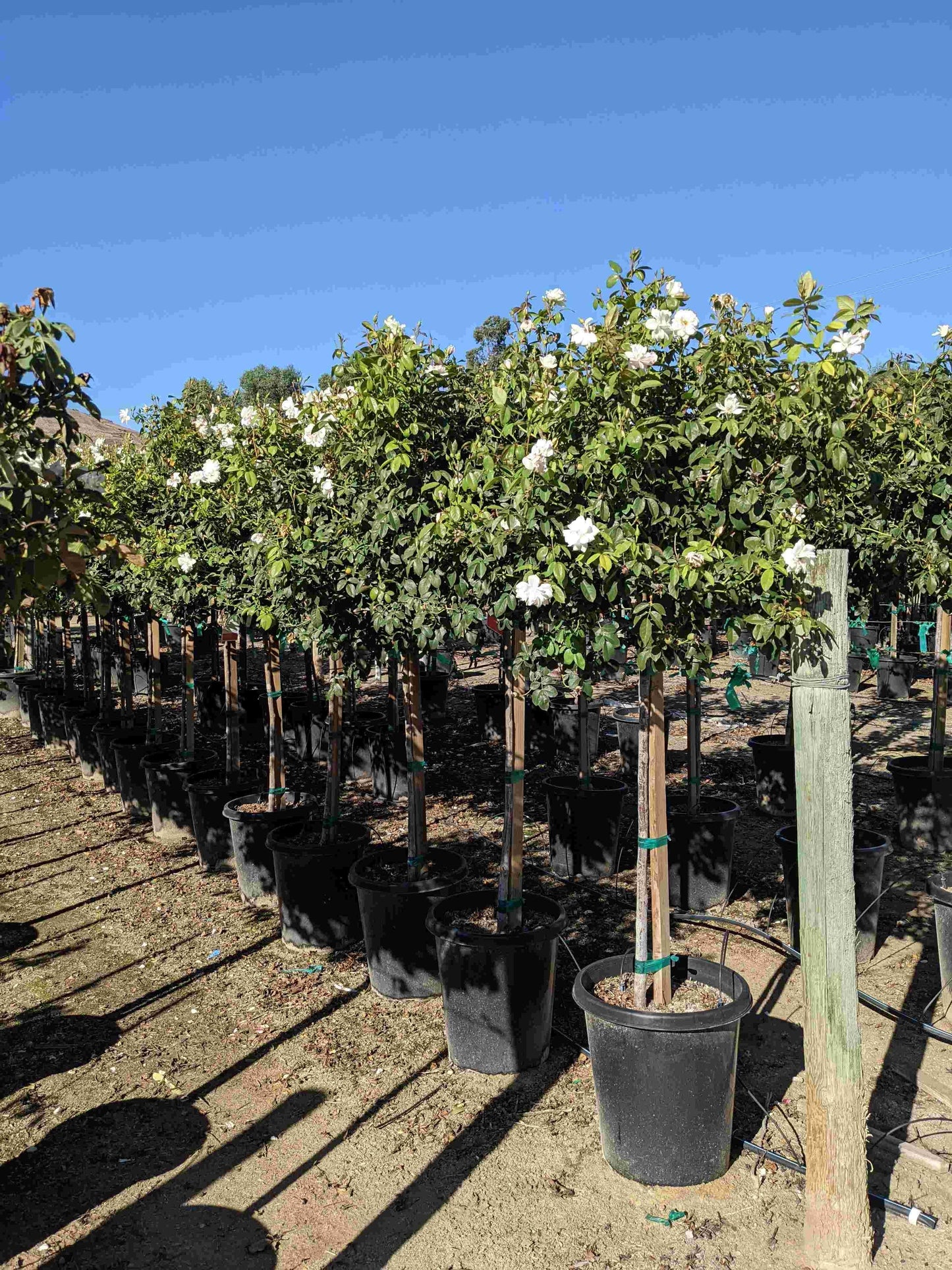

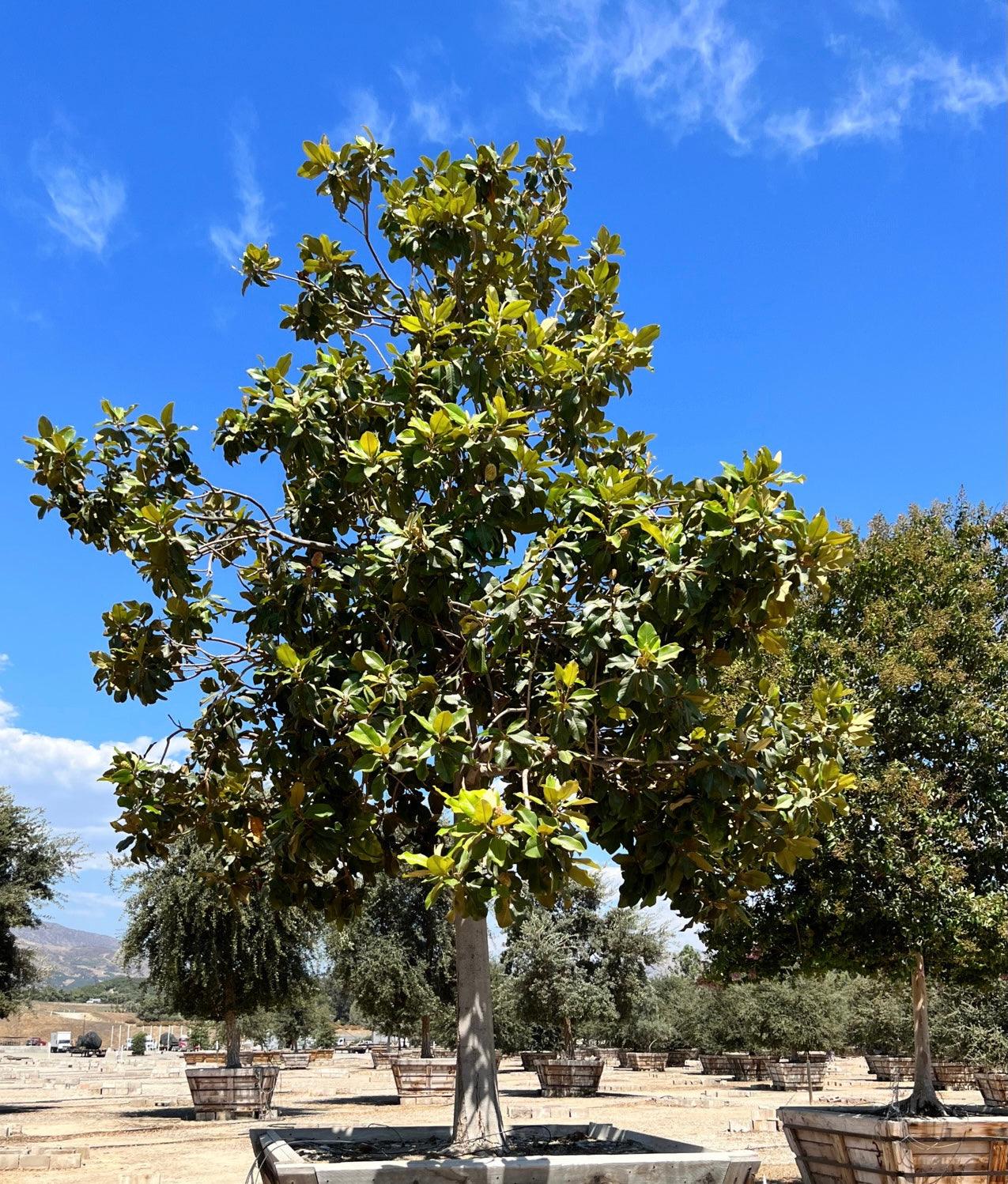

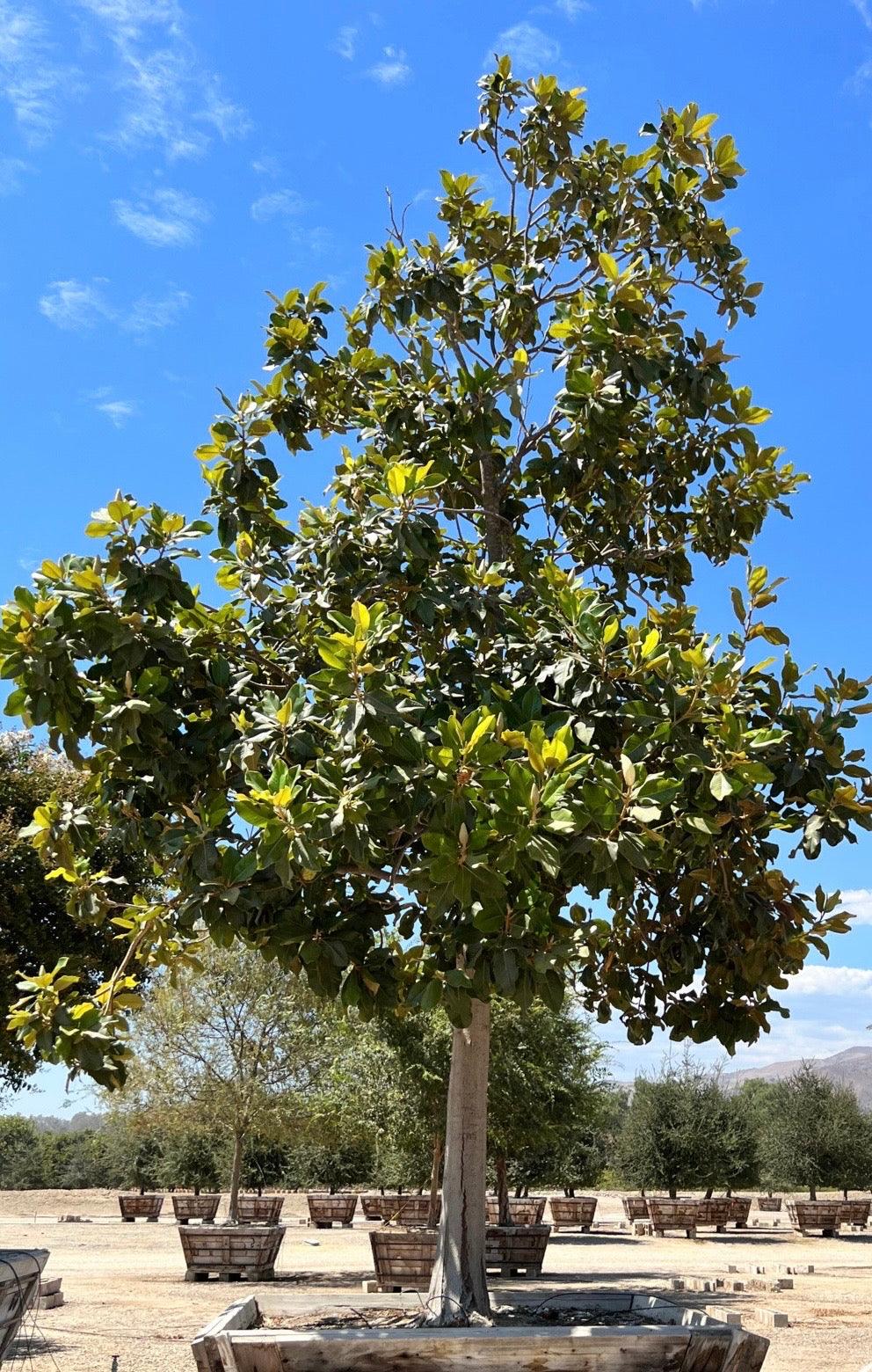

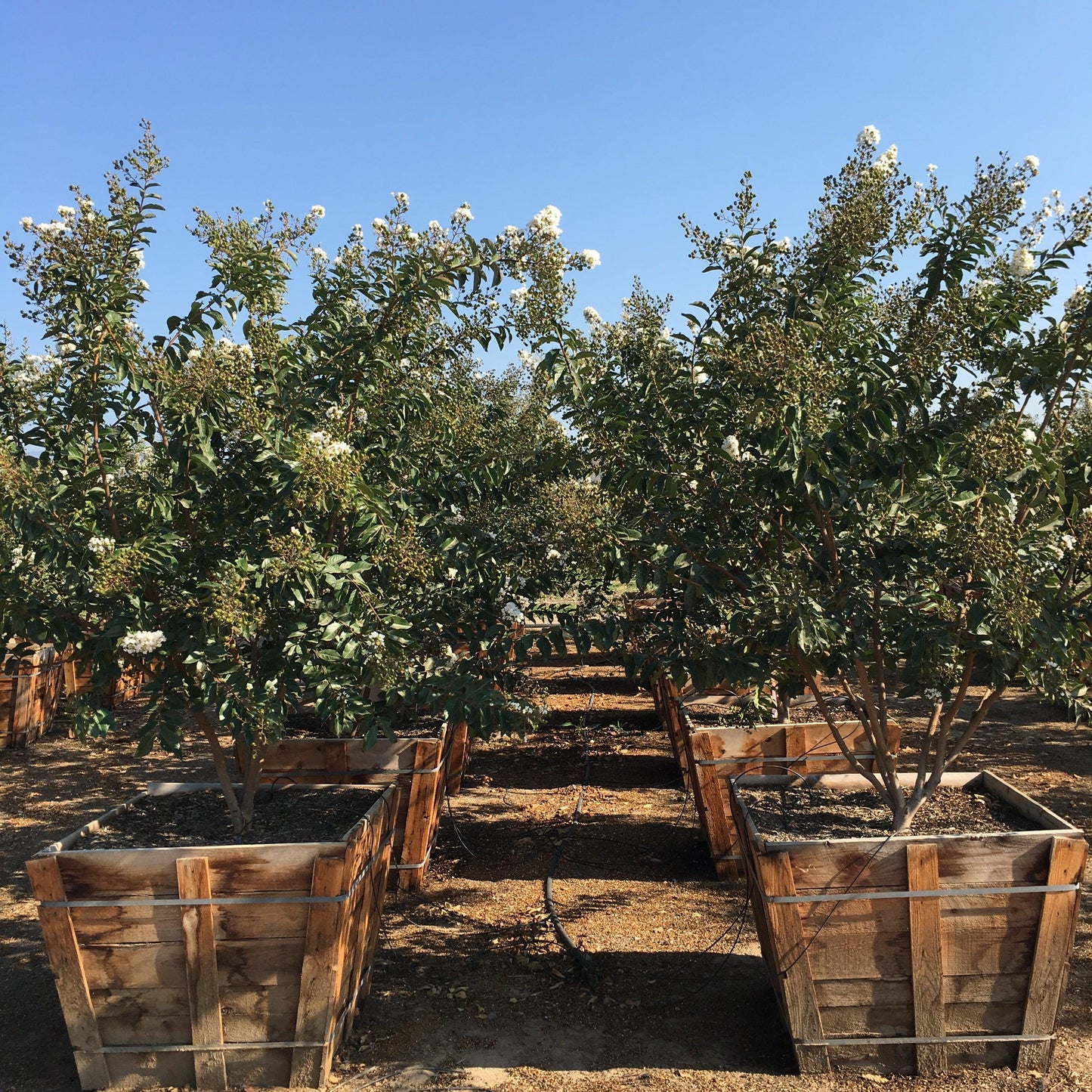





Pairs Well With













You May Also Like











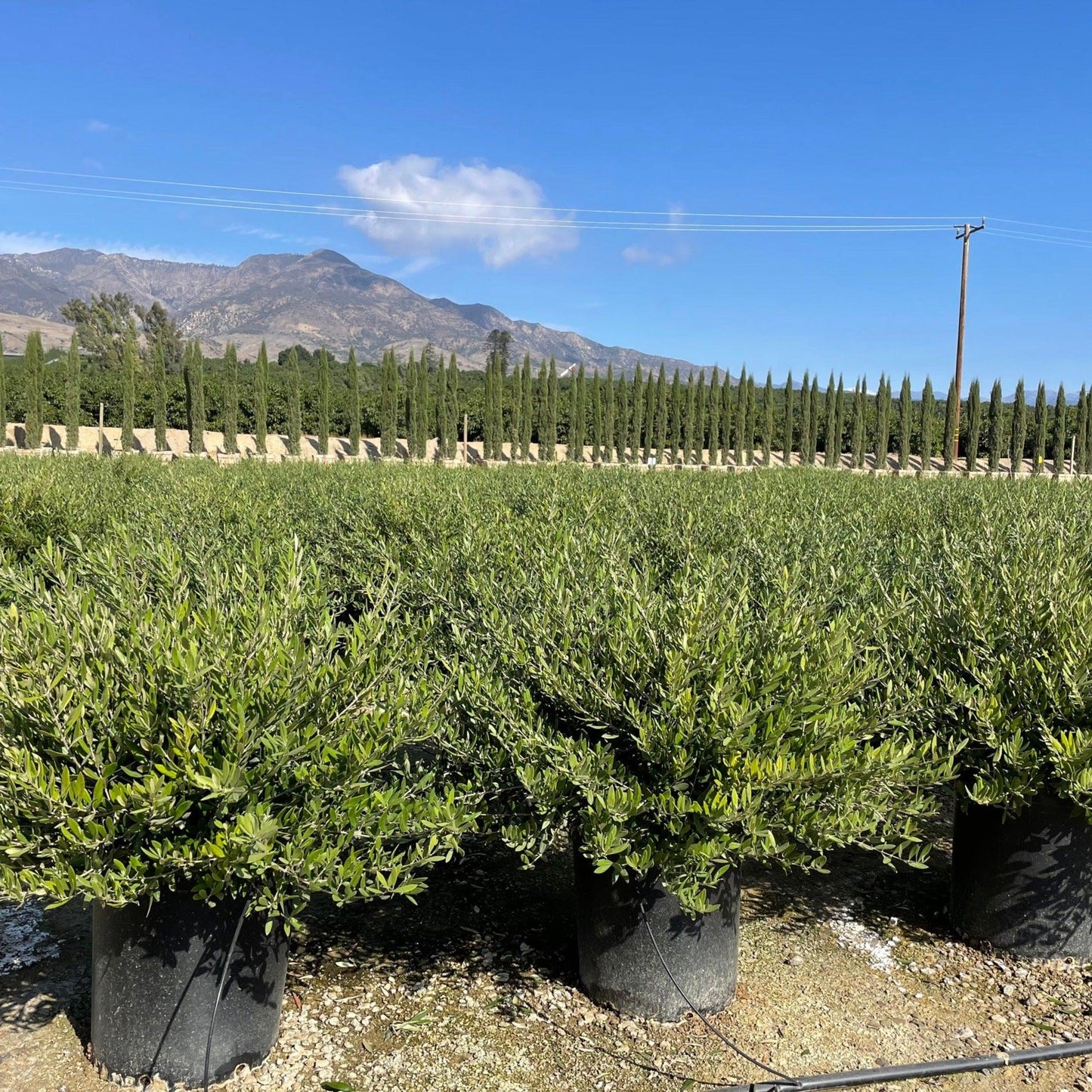

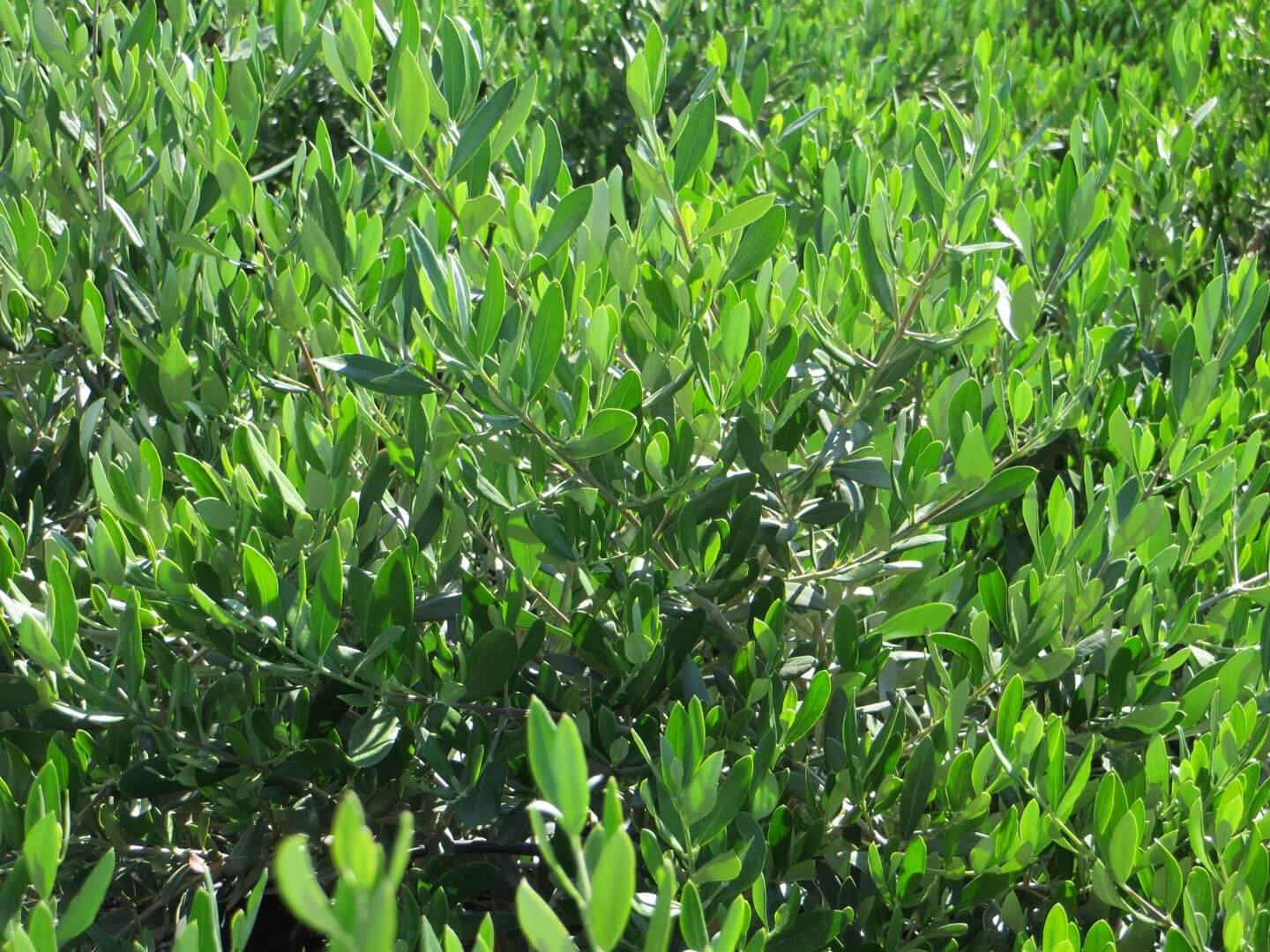
Thousands of Healthy Plants Delivered


Yardwork was so great to work with. First they had the Swan Hill olive trees that we had been searching for, we had contacted several other nurseries without any luck previously. Then they answered all of our questions in a timely matter prior to ordering and finally delivered within a few days of placing it. Their staff is incredibly knowledgeable; they delivered and planted our trees with expertise to ensure that they would do well in our yard. We would definitely work with them again for future projects.











A Modern Experience
At Yardwork, we carefully curate thousands of plants, in all container sizes, to provide you with the best selection of the highest quality trees and plants at the best price, with the convenience of an online platform.
Uncompromised Quality
We choose only the finest specimens and hand select our plants just before delivery to ensure you receive the freshest and most robust specimens available for your landscape.
Industry Leading Warranties
Our 30, 90, and 365 extended warranties provide some of the best coverage to ensure our trees and plants thrive in your landscape.
Frequently Asked Questions
We're committed to changing everything about trees and plants - how they’re grown, how you shop for them, and how much they cost. We handle orders ourselves. No middlemen to get between us (or our prices) and you.
We're committed to changing everything about trees and plants - how they’re grown, how you shop for them, and how much they cost. We handle orders ourselves. No middlemen to get between us (or our prices) and you.
Delivery does not include unloading of trees and plants LARGER than a 24" box.
Trees and plants in smaller containers will be dropped curbside (usually on the driveway or near the front doorstep).
Delivery beyond a curbside drop will be charged extra.
Trees and plants that are sold in container sizes LARGER than a 24" box size will require equipment and/or enough manpower onsite to help unload from the truck.
Please reach out to our team PRIOR to placing your order to help coordinate.
Our team can provide unloading assistance with equipment for an extra fee as well.
Delivery does not include unloading of trees and plants LARGER than a 24" box.
Trees and plants in smaller containers will be dropped curbside (usually on the driveway or near the front doorstep).
Delivery beyond a curbside drop will be charged extra.
Trees and plants that are sold in container sizes LARGER than a 24" box size will require equipment and/or enough manpower onsite to help unload from the truck.
Please reach out to our team PRIOR to placing your order to help coordinate.
Our team can provide unloading assistance with equipment for an extra fee as well.
We ship locally within California within 7-10 days of your order being placed.
We ship nationally using carrier partners, based on order size. Our common order minimums for out of state shipping is $5,000.
Text or call 323-576-4159 for specific shipping details for your location.
We ship locally within California within 7-10 days of your order being placed.
We ship nationally using carrier partners, based on order size. Our common order minimums for out of state shipping is $5,000.
Text or call 323-576-4159 for specific shipping details for your location.
We are currently online only and don't have physical locations where you can view plants in person.
That's why we have photos direct from the growing grounds of the plants we will ship and we display pricing right in our store.
We do make sure to pick the very best trees and plants prior to shipping and make sure that they have gone through our multi-point inspection for health and structure.
We will always reach out prior to delivery if we find a quality issue or need to provide a substitute.
We are currently online only and don't have physical locations where you can view plants in person.
That's why we have photos direct from the growing grounds of the plants we will ship and we display pricing right in our store.
We do make sure to pick the very best trees and plants prior to shipping and make sure that they have gone through our multi-point inspection for health and structure.
We will always reach out prior to delivery if we find a quality issue or need to provide a substitute.
Plants vary greatly by type. Here is a rough idea of sizes based on containers that are direct from our growing grounds.
15 Gallon Shrub 3-4 Ft. Tall
15 Gallon Tree 5-6 Ft. Tall
24" Box Shrub 5-6 Ft. Tall
24" Box Tree 6-7 Ft. Tall
36" Box Shrub/Tree 7-9 Ft. Tall
48" Box Shrub/Tree 8-10 Ft. Tall
**Please note that we do not make guarantees of sizes. If you have questions or concerns, please call or text to request accurate sizing for the particular plant you're considering, prior to ordering.
Plants vary greatly by type. Here is a rough idea of sizes based on containers that are direct from our growing grounds.
15 Gallon Shrub 3-4 Ft. Tall
15 Gallon Tree 5-6 Ft. Tall
24" Box Shrub 5-6 Ft. Tall
24" Box Tree 6-7 Ft. Tall
36" Box Shrub/Tree 7-9 Ft. Tall
48" Box Shrub/Tree 8-10 Ft. Tall
**Please note that we do not make guarantees of sizes. If you have questions or concerns, please call or text to request accurate sizing for the particular plant you're considering, prior to ordering.
We offer a limited 30 day warranty for plants that are delivered and planted by someone else and a 90 day warranty for plants that we plant.
The limited warranty covers plants that die as a result of disease or fungus which was derived from our growing grounds or from root balls that were root bound.
The warranty does not cover damage due to watering, fertilizer, soils, or any other conditions beyond our control. Additionally, the warranty does not cover plants that are shipped out of the state of California or shipped into California from other states. Custom plant orders are also not covered under warranty. Plants must be planted within 24 hours after delivery to qualify.
We can assist you in recommending the right soils and fertilizers to help your plant thrive after you plant it.
Text or call 323-576-4159 for further warranty information.
We offer a limited 30 day warranty for plants that are delivered and planted by someone else and a 90 day warranty for plants that we plant.
The limited warranty covers plants that die as a result of disease or fungus which was derived from our growing grounds or from root balls that were root bound.
The warranty does not cover damage due to watering, fertilizer, soils, or any other conditions beyond our control. Additionally, the warranty does not cover plants that are shipped out of the state of California or shipped into California from other states. Custom plant orders are also not covered under warranty. Plants must be planted within 24 hours after delivery to qualify.
We can assist you in recommending the right soils and fertilizers to help your plant thrive after you plant it.
Text or call 323-576-4159 for further warranty information.
Our local delivery team covers most cities in California.
There are some exceptions, so please get in touch to confirm prior to ordering.
Additionally, we ship using semi trucks and trailers throughout the entire United States and even abroad for large orders over $5,000. Each shipment is custom, so please reach out to our team to coordinate.
Our local delivery team covers most cities in California.
There are some exceptions, so please get in touch to confirm prior to ordering.
Additionally, we ship using semi trucks and trailers throughout the entire United States and even abroad for large orders over $5,000. Each shipment is custom, so please reach out to our team to coordinate.