



Moorpark Apricot Tree
Regular price
$495.00
Title
The Ultimate Heirloom Apricot for California Homeowners
Grow rich, honey-sweet apricots at home with a heritage tree prized for exceptional apricot flavor, beautiful spring bloom, and dependable backyard harvests in the right California climate.
The Moorpark Apricot Tree turns a sunny garden into a productive edible landscape, giving home growers large apricot fruit for fresh eating, jam, drying, canning, glazes, and desserts. The Moorpark apricot, or Prunus armeniaca ‘Moorpark’, is considered one of the best-tasting apricots in cultivation and was developed in England during the 18th century.
With roots tied to the Moor Park estate in Hertfordshire and later to Thomas Jefferson, who helped bring this celebrated cultivar into American horticultural history, Moorpark combines European origins with proven performance that eventually reached the New World. For California homeowners who want more than small fruit from the grocery store, Moorpark delivers large fruit, deep yellow to golden-orange skin, juicy flesh, and a sweet, aromatic taste that stands apart from most new world apricots bred mainly for shipping.
Why You’ll Love It
-
Exceptional homegrown flavor – Moorpark apricots are known for exceptionally rich, deep, plum-like sweetness and potent aroma, with juicy deep-orange flesh that is a freestone type.
-
Self-fertile fruiting – Moorpark apricot trees are self-fertile, meaning they can produce fruit without the need for another apricot tree for pollination.
-
Bigger harvest potential – While Moorpark apricots can set fruit on their own, having a second apricot tree that blooms at the same time can enhance fruit yield and size.
-
Beautiful and productive – Early spring flowering brings showy whitish-pink blossoms before the tree develops into a rounded, fruiting centerpiece.
-
Premium uses in the kitchen – Moorpark apricots excel at fresh eating, dehydrating, and making premium jams and preserves due to their high sugar content and rich flavor.
-
Made for serious flavor lovers – Moorpark apricots are highly regarded for their rich, honeyed flavor and balanced acidity, making them ideal for canning and drying.
-
Strong seasonal value – Mature trees can produce 50+ pounds of premium fruit each season under good growing conditions, with larger standard trees capable of even heavier harvests.
This is the apricot for gardeners who want sweet apricots with real depth: honey, plum, sugar, acidity, fragrance, and a ripe summer flavor that ordinary store-bought fruit rarely delivers.
What Makes It Different
Most apricot varieties force a compromise: either the fruit ships well but lacks taste, or the tree performs well but produces less memorable fruit. Moorpark is built around flavor first.
Moorpark Apricot Tree offers:
-
Superior flavor profile – Fully ripe fruit has a sweet, aromatic, honeyed taste with complex plum-like notes, making one apricot feel more like a seasonal dessert than a basic snack.
-
Large, beautiful fruit – Moorpark apricots are medium to very large fruits, measuring 5 to 7 cm in diameter, with a bright golden-orange skin and a characteristic brownish-red blush on the sun-exposed side.
-
Freestone convenience – The flesh separates cleanly from the pit, so fresh eating, slicing, drying, cooking, and preserving are easier.
-
Historical pedigree – Moorpark traces back to the Moor Park estate, was associated with Thomas Jefferson, and carries the kind of heritage appeal that gardeners value in heirloom cultivars.
-
Multi-use texture – Moorpark apricots are often used in making jams and glazes due to their ability to melt into a silky texture when cooked, enhancing desserts and pastries.
-
Outstanding dried fruit – When dried, Moorpark apricots concentrate their sweetness and aroma, resulting in intensely flavorful halves that are perfect for snacking or adding to dishes.
This heirloom does not store or ship well once fully ripe and must be consumed fresh or preserved quickly after harvest. That is exactly why it belongs in a home garden: the best Moorpark fruit is picked ripe, handled gently, and eaten or preserved at peak flavor.
How To Grow A Moorpark Apricot Tree Successfully
-
Plant in the right site
Choose full sun with at least 6–8 hours of daily sun, good air circulation, and well drained soil. Moorpark apricot trees thrive in well-drained loam or sandy loam with a pH around 6.0–7.5, and they require full sun for at least 6–8 hours daily to produce flavorful fruit. -
Protect the roots and blossoms
Avoid heavy clay where water collects. Moorpark apricot trees are vulnerable to root rot if planted in heavy clay that allows water to pool, requiring careful attention to drainage. Because this apricot variety blooms very early, it is vulnerable to late frosts; therefore, it is recommended to plant it in locations with good air drainage to mitigate frost risk. -
Water and care through the season
Provide regular watering during fruit development and dry seasons, especially from spring into mid summer. Reduce excess water as ripening begins so the fruit develops better sugar and flavor. Mulch the soil, keep the site clean, and use careful pruning to improve airflow and reduce blossom blight, brown rot, and other stone fruit issues. -
Harvest over time
Moorpark apricot trees typically begin bearing fruit 2–3 years after planting, provided they are in a suitable environment with adequate pollination conditions. Moorpark apricots ripen unevenly over a prolonged period from mid-July through August, so harvest fruit in stages when the skin is fully colored, the flesh gives slightly, and the aroma is strong. -
Thin for larger fruit next season
Thin young fruit when small, leaving enough space so one fruit can size properly without overloading branches. This helps produce large fruit, reduces limb stress, and supports better harvest quality in the current season and next season.
Product Details
-
Botanical name / Latin name: Prunus armeniaca ‘Moorpark’
-
Common name: Moorpark Apricot Tree, Moor Park Apricot
-
Tree type: Deciduous fruit tree
-
Growth habit: Rounded canopy with productive fruiting wood
-
Mature size: Semi-dwarf trees commonly reach 10–15 feet tall and wide; Moorpark apricot trees grow 15 to 20 feet tall and require roughly 600 to 700 winter chill hours to set fruit, making them suitable for USDA Hardiness Zones 5–8.
-
Rootstock: Often available on semi dwarf rootstock for easier harvest, pruning, and backyard management
-
Hardiness: Moorpark apricot trees thrive in USDA zones 4–9, indicating their adaptability to a range of climates with varying winter chill and summer warmth.
-
Best California fit: Interior valleys, foothills, north central areas, and sites with enough winter chill, warm summers, and good drainage
-
Sun exposure: Full sun, 6–8 hours daily minimum
-
Soil: Well drained soil, ideally loam or sandy loam, pH 6.0–7.5
-
Pollination: Self fertile and self pollinating; no pollination partner required, though a compatible nearby apricot tree can improve yield and fruit size
-
Bloom time: Early spring flowering, with some frost risk during late winter or late spring cold snaps
-
Harvest season: Mid summer into late summer, typically mid-July through August
-
Fruit: Large apricot with deep yellow to golden-orange skin, blush on sun-exposed sides, juicy orange flesh, and rich sweet flavor
-
Bearing age: Moorpark apricot trees typically bear fruit 3 to 4 years after planting when grafted, while seedlings may take 5 to 8 years and may not be true to type.
-
Container growing: Suitable for large containers with excellent drainage, consistent watering, full sun, and regular pruning
-
Care notes: Watch for brown rot, blossom blight, bacterial canker, and bird pressure during harvest
-
Planning notes: Check necessary permissions, access, HOA rules, and utility clearances before planting apricot trees in shared spaces or near property lines
Moorpark has a long journey behind it: apricots originated around western China and north western China, spread from mountainous regions along trade routes, developed into many old world apricots and other cultivars, and eventually became part of European garden culture before cultivars such as Moorpark reached American gardens. It has the old-estate charm of the Georgian period-think Moor Park rather than Mansfield Park-with the practical value modern home growers need.
Who It’s For
Ideal for:
-
California homeowners who want fresh, premium-quality fruit from their own garden and are looking for a plant nursery and landscaping partner near them
-
Home growers looking for sweet apricots with intense aroma, balanced acidity, and rich flavor
-
Gardeners interested in heirloom apricot varieties with European origins and a proven track record
-
Families creating edible landscapes where kids can learn how flowering, pollination, ripening, and harvest work, perhaps combining apricots with a long-lived pomegranate tree
-
Anyone who loves homemade jam, preserves, cooked fruit, dried apricot halves, glazes, pastries, or fresh summer desserts and may also want a mature avocado tree for homegrown fruit
-
Landscapers and designers who want a dual-purpose ornamental and edible tree and may be planning broader shade plantings like an October Glory maple or other landscape trees, alongside evergreen and fast-growing privacy trees, or who are also considering fruitless olive trees for elegant, low-maintenance landscaping
-
Gardeners comparing Moorpark with other cultivars, including Wenatchee Moorpark, low chill selections, peach, cherries, berries, citrus fruit trees for a mixed home orchard, and grapes for mixed home orchards
If you want a cold hardy, flavorful apricot tree that rewards the right site with large fruit and delicious fresh eating, Moorpark is an outstanding choice.
Frequently Asked Questions
How long until my tree produces fruit?
Moorpark apricot trees typically begin bearing fruit 2–3 years after planting, provided they are in a suitable environment with adequate pollination conditions. Moorpark apricot trees typically bear fruit 3 to 4 years after planting when grafted, while seedlings may take 5 to 8 years and may not be true to type.
Can I grow this in a container?
Yes, especially if the tree is on semi dwarf rootstock. Use a large container with strong drainage, high-quality soil, full sun, consistent watering, and annual pruning. Container trees need closer attention because roots dry faster and can suffer if water pools.
How do I protect against frost damage?
To protect Moorpark apricot trees from late frosts, it is recommended to plant them in locations with good air drainage and to consider using frost covers during bloom. This matters because Moorpark blooms early in spring, and late spring frost can damage blossoms before fruit sets.
Is Moorpark good for rainy or windy climates?
The Moorpark apricot tree is well-adapted to rainy and windy climates, making it resilient to unpredictable spring weather that can damage blossoms. Even so, good airflow, careful pruning, and disease monitoring help reduce brown rot and blossom blight.
What is the best harvest timing?
Harvest when fruit is fully colored, fragrant, and slightly soft. Moorpark apricots ripen unevenly over a prolonged period from mid-July through August, so check the tree often instead of picking everything at once.
Do I need to thin the fruit?
Yes. Thin young fruit so each remaining apricot has room to size up. This improves large fruit quality, reduces branch breakage, and helps the tree maintain strength for next season.
Do I need another apricot tree nearby?
No. Moorpark apricot trees are self-fertile, meaning they can produce fruit without the need for another apricot tree for pollination. While Moorpark apricots can set fruit on their own, having a second apricot tree that blooms at the same time can enhance fruit yield and size.
How much water does it need?
Water deeply during establishment, fruit set, and fruit development. Keep soil evenly moist but never soggy. Moorpark apricot trees are vulnerable to root rot if planted in heavy clay that allows water to pool, so drainage is just as important as irrigation.
What companion plants work well?
Beneficial herbs and flowers can attract pollinators and support garden biodiversity. Use low-growing, noncompetitive plants near the tree, and keep the area around the trunk open for airflow, pruning access, and pest monitoring.
Can I grow multiple varieties together?
Yes. Planting multiple apricot varieties or related fruit trees can improve bloom diversity, support pollinators, and extend harvest windows. Just make sure each tree has enough sun, spacing, water, and winter chill for reliable production.
Are the fruits nutritious?
Yes. Apricot flesh provides vitamin C, vitamin A, antioxidants, fiber, and natural sugar. Do not eat apricot pits or kernels, as they can contain unsafe compounds.
Ready to Transform Your Backyard?
Choose the Moorpark Apricot Tree and enjoy a heritage cultivar known for large fruit, honeyed sweetness, juicy flesh, spring blossoms, and premium homegrown harvests.
Yardwork can help you choose the right planting site, confirm soil conditions, plan irrigation, and arrange expert consultation or soil testing before you plant, including selecting from mature trees for immediate landscape impact.
The Ultimate Heirloom Apricot for California Homeowners
Grow rich, honey-sweet apricots at home with a heritage tree prized for exceptional apricot flavor, beautiful spring bloom, and dependable backyard harvests in the right California climate.
The Moorpark Apricot Tree turns a sunny garden into a productive edible landscape, giving home growers large apricot fruit for fresh eating, jam, drying, canning, glazes, and desserts. The Moorpark apricot, or Prunus armeniaca ‘Moorpark’, is considered one of the best-tasting apricots in cultivation and was developed in England during the 18th century.
With roots tied to the Moor Park estate in Hertfordshire and later to Thomas Jefferson, who helped bring this celebrated cultivar into American horticultural history, Moorpark combines European origins with proven performance that eventually reached the New World. For California homeowners who want more than small fruit from the grocery store, Moorpark delivers large fruit, deep yellow to golden-orange skin, juicy flesh, and a sweet, aromatic taste that stands apart from most new world apricots bred mainly for shipping.
Why You’ll Love It
-
Exceptional homegrown flavor – Moorpark apricots are known for exceptionally rich, deep, plum-like sweetness and potent aroma, with juicy deep-orange flesh that is a freestone type.
-
Self-fertile fruiting – Moorpark apricot trees are self-fertile, meaning they can produce fruit without the need for another apricot tree for pollination.
-
Bigger harvest potential – While Moorpark apricots can set fruit on their own, having a second apricot tree that blooms at the same time can enhance fruit yield and size.
-
Beautiful and productive – Early spring flowering brings showy whitish-pink blossoms before the tree develops into a rounded, fruiting centerpiece.
-
Premium uses in the kitchen – Moorpark apricots excel at fresh eating, dehydrating, and making premium jams and preserves due to their high sugar content and rich flavor.
-
Made for serious flavor lovers – Moorpark apricots are highly regarded for their rich, honeyed flavor and balanced acidity, making them ideal for canning and drying.
-
Strong seasonal value – Mature trees can produce 50+ pounds of premium fruit each season under good growing conditions, with larger standard trees capable of even heavier harvests.
This is the apricot for gardeners who want sweet apricots with real depth: honey, plum, sugar, acidity, fragrance, and a ripe summer flavor that ordinary store-bought fruit rarely delivers.
What Makes It Different
Most apricot varieties force a compromise: either the fruit ships well but lacks taste, or the tree performs well but produces less memorable fruit. Moorpark is built around flavor first.
Moorpark Apricot Tree offers:
-
Superior flavor profile – Fully ripe fruit has a sweet, aromatic, honeyed taste with complex plum-like notes, making one apricot feel more like a seasonal dessert than a basic snack.
-
Large, beautiful fruit – Moorpark apricots are medium to very large fruits, measuring 5 to 7 cm in diameter, with a bright golden-orange skin and a characteristic brownish-red blush on the sun-exposed side.
-
Freestone convenience – The flesh separates cleanly from the pit, so fresh eating, slicing, drying, cooking, and preserving are easier.
-
Historical pedigree – Moorpark traces back to the Moor Park estate, was associated with Thomas Jefferson, and carries the kind of heritage appeal that gardeners value in heirloom cultivars.
-
Multi-use texture – Moorpark apricots are often used in making jams and glazes due to their ability to melt into a silky texture when cooked, enhancing desserts and pastries.
-
Outstanding dried fruit – When dried, Moorpark apricots concentrate their sweetness and aroma, resulting in intensely flavorful halves that are perfect for snacking or adding to dishes.
This heirloom does not store or ship well once fully ripe and must be consumed fresh or preserved quickly after harvest. That is exactly why it belongs in a home garden: the best Moorpark fruit is picked ripe, handled gently, and eaten or preserved at peak flavor.
How To Grow A Moorpark Apricot Tree Successfully
-
Plant in the right site
Choose full sun with at least 6–8 hours of daily sun, good air circulation, and well drained soil. Moorpark apricot trees thrive in well-drained loam or sandy loam with a pH around 6.0–7.5, and they require full sun for at least 6–8 hours daily to produce flavorful fruit. -
Protect the roots and blossoms
Avoid heavy clay where water collects. Moorpark apricot trees are vulnerable to root rot if planted in heavy clay that allows water to pool, requiring careful attention to drainage. Because this apricot variety blooms very early, it is vulnerable to late frosts; therefore, it is recommended to plant it in locations with good air drainage to mitigate frost risk. -
Water and care through the season
Provide regular watering during fruit development and dry seasons, especially from spring into mid summer. Reduce excess water as ripening begins so the fruit develops better sugar and flavor. Mulch the soil, keep the site clean, and use careful pruning to improve airflow and reduce blossom blight, brown rot, and other stone fruit issues. -
Harvest over time
Moorpark apricot trees typically begin bearing fruit 2–3 years after planting, provided they are in a suitable environment with adequate pollination conditions. Moorpark apricots ripen unevenly over a prolonged period from mid-July through August, so harvest fruit in stages when the skin is fully colored, the flesh gives slightly, and the aroma is strong. -
Thin for larger fruit next season
Thin young fruit when small, leaving enough space so one fruit can size properly without overloading branches. This helps produce large fruit, reduces limb stress, and supports better harvest quality in the current season and next season.
Product Details
-
Botanical name / Latin name: Prunus armeniaca ‘Moorpark’
-
Common name: Moorpark Apricot Tree, Moor Park Apricot
-
Tree type: Deciduous fruit tree
-
Growth habit: Rounded canopy with productive fruiting wood
-
Mature size: Semi-dwarf trees commonly reach 10–15 feet tall and wide; Moorpark apricot trees grow 15 to 20 feet tall and require roughly 600 to 700 winter chill hours to set fruit, making them suitable for USDA Hardiness Zones 5–8.
-
Rootstock: Often available on semi dwarf rootstock for easier harvest, pruning, and backyard management
-
Hardiness: Moorpark apricot trees thrive in USDA zones 4–9, indicating their adaptability to a range of climates with varying winter chill and summer warmth.
-
Best California fit: Interior valleys, foothills, north central areas, and sites with enough winter chill, warm summers, and good drainage
-
Sun exposure: Full sun, 6–8 hours daily minimum
-
Soil: Well drained soil, ideally loam or sandy loam, pH 6.0–7.5
-
Pollination: Self fertile and self pollinating; no pollination partner required, though a compatible nearby apricot tree can improve yield and fruit size
-
Bloom time: Early spring flowering, with some frost risk during late winter or late spring cold snaps
-
Harvest season: Mid summer into late summer, typically mid-July through August
-
Fruit: Large apricot with deep yellow to golden-orange skin, blush on sun-exposed sides, juicy orange flesh, and rich sweet flavor
-
Bearing age: Moorpark apricot trees typically bear fruit 3 to 4 years after planting when grafted, while seedlings may take 5 to 8 years and may not be true to type.
-
Container growing: Suitable for large containers with excellent drainage, consistent watering, full sun, and regular pruning
-
Care notes: Watch for brown rot, blossom blight, bacterial canker, and bird pressure during harvest
-
Planning notes: Check necessary permissions, access, HOA rules, and utility clearances before planting apricot trees in shared spaces or near property lines
Moorpark has a long journey behind it: apricots originated around western China and north western China, spread from mountainous regions along trade routes, developed into many old world apricots and other cultivars, and eventually became part of European garden culture before cultivars such as Moorpark reached American gardens. It has the old-estate charm of the Georgian period-think Moor Park rather than Mansfield Park-with the practical value modern home growers need.
Who It’s For
Ideal for:
-
California homeowners who want fresh, premium-quality fruit from their own garden and are looking for a plant nursery and landscaping partner near them
-
Home growers looking for sweet apricots with intense aroma, balanced acidity, and rich flavor
-
Gardeners interested in heirloom apricot varieties with European origins and a proven track record
-
Families creating edible landscapes where kids can learn how flowering, pollination, ripening, and harvest work, perhaps combining apricots with a long-lived pomegranate tree
-
Anyone who loves homemade jam, preserves, cooked fruit, dried apricot halves, glazes, pastries, or fresh summer desserts and may also want a mature avocado tree for homegrown fruit
-
Landscapers and designers who want a dual-purpose ornamental and edible tree and may be planning broader shade plantings like an October Glory maple or other landscape trees, alongside evergreen and fast-growing privacy trees, or who are also considering fruitless olive trees for elegant, low-maintenance landscaping
-
Gardeners comparing Moorpark with other cultivars, including Wenatchee Moorpark, low chill selections, peach, cherries, berries, citrus fruit trees for a mixed home orchard, and grapes for mixed home orchards
If you want a cold hardy, flavorful apricot tree that rewards the right site with large fruit and delicious fresh eating, Moorpark is an outstanding choice.
Frequently Asked Questions
How long until my tree produces fruit?
Moorpark apricot trees typically begin bearing fruit 2–3 years after planting, provided they are in a suitable environment with adequate pollination conditions. Moorpark apricot trees typically bear fruit 3 to 4 years after planting when grafted, while seedlings may take 5 to 8 years and may not be true to type.
Can I grow this in a container?
Yes, especially if the tree is on semi dwarf rootstock. Use a large container with strong drainage, high-quality soil, full sun, consistent watering, and annual pruning. Container trees need closer attention because roots dry faster and can suffer if water pools.
How do I protect against frost damage?
To protect Moorpark apricot trees from late frosts, it is recommended to plant them in locations with good air drainage and to consider using frost covers during bloom. This matters because Moorpark blooms early in spring, and late spring frost can damage blossoms before fruit sets.
Is Moorpark good for rainy or windy climates?
The Moorpark apricot tree is well-adapted to rainy and windy climates, making it resilient to unpredictable spring weather that can damage blossoms. Even so, good airflow, careful pruning, and disease monitoring help reduce brown rot and blossom blight.
What is the best harvest timing?
Harvest when fruit is fully colored, fragrant, and slightly soft. Moorpark apricots ripen unevenly over a prolonged period from mid-July through August, so check the tree often instead of picking everything at once.
Do I need to thin the fruit?
Yes. Thin young fruit so each remaining apricot has room to size up. This improves large fruit quality, reduces branch breakage, and helps the tree maintain strength for next season.
Do I need another apricot tree nearby?
No. Moorpark apricot trees are self-fertile, meaning they can produce fruit without the need for another apricot tree for pollination. While Moorpark apricots can set fruit on their own, having a second apricot tree that blooms at the same time can enhance fruit yield and size.
How much water does it need?
Water deeply during establishment, fruit set, and fruit development. Keep soil evenly moist but never soggy. Moorpark apricot trees are vulnerable to root rot if planted in heavy clay that allows water to pool, so drainage is just as important as irrigation.
What companion plants work well?
Beneficial herbs and flowers can attract pollinators and support garden biodiversity. Use low-growing, noncompetitive plants near the tree, and keep the area around the trunk open for airflow, pruning access, and pest monitoring.
Can I grow multiple varieties together?
Yes. Planting multiple apricot varieties or related fruit trees can improve bloom diversity, support pollinators, and extend harvest windows. Just make sure each tree has enough sun, spacing, water, and winter chill for reliable production.
Are the fruits nutritious?
Yes. Apricot flesh provides vitamin C, vitamin A, antioxidants, fiber, and natural sugar. Do not eat apricot pits or kernels, as they can contain unsafe compounds.
Ready to Transform Your Backyard?
Choose the Moorpark Apricot Tree and enjoy a heritage cultivar known for large fruit, honeyed sweetness, juicy flesh, spring blossoms, and premium homegrown harvests.
Yardwork can help you choose the right planting site, confirm soil conditions, plan irrigation, and arrange expert consultation or soil testing before you plant, including selecting from mature trees for immediate landscape impact.
Plants vary greatly by type and no guarantees are made on sizing.
However here is a rough idea of sizes based on containers that are direct from our growing grounds.
15 Gallon Shrub 3-4 Ft. Tall
15 Gallon Tree 5-6 Ft. Tall
24" Box Shrub 5-6 Ft. Tall
24" Box Tree 6-7 Ft. Tall
36" Box Tree 8-10 Ft. Tall
48" Box Tree 10-12 Ft. Tall
Please note: Citrus and California Native plants such as Manzanita are smaller than traditional sizing.
Please contact us to confirm sizing of items before purchasing if this is a concern.
Plants vary greatly by type and no guarantees are made on sizing.
However here is a rough idea of sizes based on containers that are direct from our growing grounds.
15 Gallon Shrub 3-4 Ft. Tall
15 Gallon Tree 5-6 Ft. Tall
24" Box Shrub 5-6 Ft. Tall
24" Box Tree 6-7 Ft. Tall
36" Box Tree 8-10 Ft. Tall
48" Box Tree 10-12 Ft. Tall
Please note: Citrus and California Native plants such as Manzanita are smaller than traditional sizing.
Please contact us to confirm sizing of items before purchasing if this is a concern.
Delivery does not include unloading of trees and plants larger than a 24" box.
Trees and plants in smaller containers will be dropped curbside.
Delivery beyond a curbside drop will be charged extra.
Trees and plants that are sold in container sizes larger than a 24" box size will require equipment and an operator onsite to help unload from the truck.
Please reach out to our team PRIOR to placing your order to coordinate.
Our team can provide unloading assistance with equipment for an extra fee.
Delivery does not include unloading of trees and plants larger than a 24" box.
Trees and plants in smaller containers will be dropped curbside.
Delivery beyond a curbside drop will be charged extra.
Trees and plants that are sold in container sizes larger than a 24" box size will require equipment and an operator onsite to help unload from the truck.
Please reach out to our team PRIOR to placing your order to coordinate.
Our team can provide unloading assistance with equipment for an extra fee.
You may also like...


Moorpark Apricot Tree
Regular price
$495.00
Title
The Ultimate Heirloom Apricot for California Homeowners
Grow rich, honey-sweet apricots at home with a heritage tree prized for exceptional apricot flavor, beautiful spring bloom, and dependable backyard harvests in the right California climate.
The Moorpark Apricot Tree turns a sunny garden into a productive edible landscape, giving home growers large apricot fruit for fresh eating, jam, drying, canning, glazes, and desserts. The Moorpark apricot, or Prunus armeniaca ‘Moorpark’, is considered one of the best-tasting apricots in cultivation and was developed in England during the 18th century.
With roots tied to the Moor Park estate in Hertfordshire and later to Thomas Jefferson, who helped bring this celebrated cultivar into American horticultural history, Moorpark combines European origins with proven performance that eventually reached the New World. For California homeowners who want more than small fruit from the grocery store, Moorpark delivers large fruit, deep yellow to golden-orange skin, juicy flesh, and a sweet, aromatic taste that stands apart from most new world apricots bred mainly for shipping.
Why You’ll Love It
-
Exceptional homegrown flavor – Moorpark apricots are known for exceptionally rich, deep, plum-like sweetness and potent aroma, with juicy deep-orange flesh that is a freestone type.
-
Self-fertile fruiting – Moorpark apricot trees are self-fertile, meaning they can produce fruit without the need for another apricot tree for pollination.
-
Bigger harvest potential – While Moorpark apricots can set fruit on their own, having a second apricot tree that blooms at the same time can enhance fruit yield and size.
-
Beautiful and productive – Early spring flowering brings showy whitish-pink blossoms before the tree develops into a rounded, fruiting centerpiece.
-
Premium uses in the kitchen – Moorpark apricots excel at fresh eating, dehydrating, and making premium jams and preserves due to their high sugar content and rich flavor.
-
Made for serious flavor lovers – Moorpark apricots are highly regarded for their rich, honeyed flavor and balanced acidity, making them ideal for canning and drying.
-
Strong seasonal value – Mature trees can produce 50+ pounds of premium fruit each season under good growing conditions, with larger standard trees capable of even heavier harvests.
This is the apricot for gardeners who want sweet apricots with real depth: honey, plum, sugar, acidity, fragrance, and a ripe summer flavor that ordinary store-bought fruit rarely delivers.
What Makes It Different
Most apricot varieties force a compromise: either the fruit ships well but lacks taste, or the tree performs well but produces less memorable fruit. Moorpark is built around flavor first.
Moorpark Apricot Tree offers:
-
Superior flavor profile – Fully ripe fruit has a sweet, aromatic, honeyed taste with complex plum-like notes, making one apricot feel more like a seasonal dessert than a basic snack.
-
Large, beautiful fruit – Moorpark apricots are medium to very large fruits, measuring 5 to 7 cm in diameter, with a bright golden-orange skin and a characteristic brownish-red blush on the sun-exposed side.
-
Freestone convenience – The flesh separates cleanly from the pit, so fresh eating, slicing, drying, cooking, and preserving are easier.
-
Historical pedigree – Moorpark traces back to the Moor Park estate, was associated with Thomas Jefferson, and carries the kind of heritage appeal that gardeners value in heirloom cultivars.
-
Multi-use texture – Moorpark apricots are often used in making jams and glazes due to their ability to melt into a silky texture when cooked, enhancing desserts and pastries.
-
Outstanding dried fruit – When dried, Moorpark apricots concentrate their sweetness and aroma, resulting in intensely flavorful halves that are perfect for snacking or adding to dishes.
This heirloom does not store or ship well once fully ripe and must be consumed fresh or preserved quickly after harvest. That is exactly why it belongs in a home garden: the best Moorpark fruit is picked ripe, handled gently, and eaten or preserved at peak flavor.
How To Grow A Moorpark Apricot Tree Successfully
-
Plant in the right site
Choose full sun with at least 6–8 hours of daily sun, good air circulation, and well drained soil. Moorpark apricot trees thrive in well-drained loam or sandy loam with a pH around 6.0–7.5, and they require full sun for at least 6–8 hours daily to produce flavorful fruit. -
Protect the roots and blossoms
Avoid heavy clay where water collects. Moorpark apricot trees are vulnerable to root rot if planted in heavy clay that allows water to pool, requiring careful attention to drainage. Because this apricot variety blooms very early, it is vulnerable to late frosts; therefore, it is recommended to plant it in locations with good air drainage to mitigate frost risk. -
Water and care through the season
Provide regular watering during fruit development and dry seasons, especially from spring into mid summer. Reduce excess water as ripening begins so the fruit develops better sugar and flavor. Mulch the soil, keep the site clean, and use careful pruning to improve airflow and reduce blossom blight, brown rot, and other stone fruit issues. -
Harvest over time
Moorpark apricot trees typically begin bearing fruit 2–3 years after planting, provided they are in a suitable environment with adequate pollination conditions. Moorpark apricots ripen unevenly over a prolonged period from mid-July through August, so harvest fruit in stages when the skin is fully colored, the flesh gives slightly, and the aroma is strong. -
Thin for larger fruit next season
Thin young fruit when small, leaving enough space so one fruit can size properly without overloading branches. This helps produce large fruit, reduces limb stress, and supports better harvest quality in the current season and next season.
Product Details
-
Botanical name / Latin name: Prunus armeniaca ‘Moorpark’
-
Common name: Moorpark Apricot Tree, Moor Park Apricot
-
Tree type: Deciduous fruit tree
-
Growth habit: Rounded canopy with productive fruiting wood
-
Mature size: Semi-dwarf trees commonly reach 10–15 feet tall and wide; Moorpark apricot trees grow 15 to 20 feet tall and require roughly 600 to 700 winter chill hours to set fruit, making them suitable for USDA Hardiness Zones 5–8.
-
Rootstock: Often available on semi dwarf rootstock for easier harvest, pruning, and backyard management
-
Hardiness: Moorpark apricot trees thrive in USDA zones 4–9, indicating their adaptability to a range of climates with varying winter chill and summer warmth.
-
Best California fit: Interior valleys, foothills, north central areas, and sites with enough winter chill, warm summers, and good drainage
-
Sun exposure: Full sun, 6–8 hours daily minimum
-
Soil: Well drained soil, ideally loam or sandy loam, pH 6.0–7.5
-
Pollination: Self fertile and self pollinating; no pollination partner required, though a compatible nearby apricot tree can improve yield and fruit size
-
Bloom time: Early spring flowering, with some frost risk during late winter or late spring cold snaps
-
Harvest season: Mid summer into late summer, typically mid-July through August
-
Fruit: Large apricot with deep yellow to golden-orange skin, blush on sun-exposed sides, juicy orange flesh, and rich sweet flavor
-
Bearing age: Moorpark apricot trees typically bear fruit 3 to 4 years after planting when grafted, while seedlings may take 5 to 8 years and may not be true to type.
-
Container growing: Suitable for large containers with excellent drainage, consistent watering, full sun, and regular pruning
-
Care notes: Watch for brown rot, blossom blight, bacterial canker, and bird pressure during harvest
-
Planning notes: Check necessary permissions, access, HOA rules, and utility clearances before planting apricot trees in shared spaces or near property lines
Moorpark has a long journey behind it: apricots originated around western China and north western China, spread from mountainous regions along trade routes, developed into many old world apricots and other cultivars, and eventually became part of European garden culture before cultivars such as Moorpark reached American gardens. It has the old-estate charm of the Georgian period-think Moor Park rather than Mansfield Park-with the practical value modern home growers need.
Who It’s For
Ideal for:
-
California homeowners who want fresh, premium-quality fruit from their own garden and are looking for a plant nursery and landscaping partner near them
-
Home growers looking for sweet apricots with intense aroma, balanced acidity, and rich flavor
-
Gardeners interested in heirloom apricot varieties with European origins and a proven track record
-
Families creating edible landscapes where kids can learn how flowering, pollination, ripening, and harvest work, perhaps combining apricots with a long-lived pomegranate tree
-
Anyone who loves homemade jam, preserves, cooked fruit, dried apricot halves, glazes, pastries, or fresh summer desserts and may also want a mature avocado tree for homegrown fruit
-
Landscapers and designers who want a dual-purpose ornamental and edible tree and may be planning broader shade plantings like an October Glory maple or other landscape trees, alongside evergreen and fast-growing privacy trees, or who are also considering fruitless olive trees for elegant, low-maintenance landscaping
-
Gardeners comparing Moorpark with other cultivars, including Wenatchee Moorpark, low chill selections, peach, cherries, berries, citrus fruit trees for a mixed home orchard, and grapes for mixed home orchards
If you want a cold hardy, flavorful apricot tree that rewards the right site with large fruit and delicious fresh eating, Moorpark is an outstanding choice.
Frequently Asked Questions
How long until my tree produces fruit?
Moorpark apricot trees typically begin bearing fruit 2–3 years after planting, provided they are in a suitable environment with adequate pollination conditions. Moorpark apricot trees typically bear fruit 3 to 4 years after planting when grafted, while seedlings may take 5 to 8 years and may not be true to type.
Can I grow this in a container?
Yes, especially if the tree is on semi dwarf rootstock. Use a large container with strong drainage, high-quality soil, full sun, consistent watering, and annual pruning. Container trees need closer attention because roots dry faster and can suffer if water pools.
How do I protect against frost damage?
To protect Moorpark apricot trees from late frosts, it is recommended to plant them in locations with good air drainage and to consider using frost covers during bloom. This matters because Moorpark blooms early in spring, and late spring frost can damage blossoms before fruit sets.
Is Moorpark good for rainy or windy climates?
The Moorpark apricot tree is well-adapted to rainy and windy climates, making it resilient to unpredictable spring weather that can damage blossoms. Even so, good airflow, careful pruning, and disease monitoring help reduce brown rot and blossom blight.
What is the best harvest timing?
Harvest when fruit is fully colored, fragrant, and slightly soft. Moorpark apricots ripen unevenly over a prolonged period from mid-July through August, so check the tree often instead of picking everything at once.
Do I need to thin the fruit?
Yes. Thin young fruit so each remaining apricot has room to size up. This improves large fruit quality, reduces branch breakage, and helps the tree maintain strength for next season.
Do I need another apricot tree nearby?
No. Moorpark apricot trees are self-fertile, meaning they can produce fruit without the need for another apricot tree for pollination. While Moorpark apricots can set fruit on their own, having a second apricot tree that blooms at the same time can enhance fruit yield and size.
How much water does it need?
Water deeply during establishment, fruit set, and fruit development. Keep soil evenly moist but never soggy. Moorpark apricot trees are vulnerable to root rot if planted in heavy clay that allows water to pool, so drainage is just as important as irrigation.
What companion plants work well?
Beneficial herbs and flowers can attract pollinators and support garden biodiversity. Use low-growing, noncompetitive plants near the tree, and keep the area around the trunk open for airflow, pruning access, and pest monitoring.
Can I grow multiple varieties together?
Yes. Planting multiple apricot varieties or related fruit trees can improve bloom diversity, support pollinators, and extend harvest windows. Just make sure each tree has enough sun, spacing, water, and winter chill for reliable production.
Are the fruits nutritious?
Yes. Apricot flesh provides vitamin C, vitamin A, antioxidants, fiber, and natural sugar. Do not eat apricot pits or kernels, as they can contain unsafe compounds.
Ready to Transform Your Backyard?
Choose the Moorpark Apricot Tree and enjoy a heritage cultivar known for large fruit, honeyed sweetness, juicy flesh, spring blossoms, and premium homegrown harvests.
Yardwork can help you choose the right planting site, confirm soil conditions, plan irrigation, and arrange expert consultation or soil testing before you plant, including selecting from mature trees for immediate landscape impact.
The Ultimate Heirloom Apricot for California Homeowners
Grow rich, honey-sweet apricots at home with a heritage tree prized for exceptional apricot flavor, beautiful spring bloom, and dependable backyard harvests in the right California climate.
The Moorpark Apricot Tree turns a sunny garden into a productive edible landscape, giving home growers large apricot fruit for fresh eating, jam, drying, canning, glazes, and desserts. The Moorpark apricot, or Prunus armeniaca ‘Moorpark’, is considered one of the best-tasting apricots in cultivation and was developed in England during the 18th century.
With roots tied to the Moor Park estate in Hertfordshire and later to Thomas Jefferson, who helped bring this celebrated cultivar into American horticultural history, Moorpark combines European origins with proven performance that eventually reached the New World. For California homeowners who want more than small fruit from the grocery store, Moorpark delivers large fruit, deep yellow to golden-orange skin, juicy flesh, and a sweet, aromatic taste that stands apart from most new world apricots bred mainly for shipping.
Why You’ll Love It
-
Exceptional homegrown flavor – Moorpark apricots are known for exceptionally rich, deep, plum-like sweetness and potent aroma, with juicy deep-orange flesh that is a freestone type.
-
Self-fertile fruiting – Moorpark apricot trees are self-fertile, meaning they can produce fruit without the need for another apricot tree for pollination.
-
Bigger harvest potential – While Moorpark apricots can set fruit on their own, having a second apricot tree that blooms at the same time can enhance fruit yield and size.
-
Beautiful and productive – Early spring flowering brings showy whitish-pink blossoms before the tree develops into a rounded, fruiting centerpiece.
-
Premium uses in the kitchen – Moorpark apricots excel at fresh eating, dehydrating, and making premium jams and preserves due to their high sugar content and rich flavor.
-
Made for serious flavor lovers – Moorpark apricots are highly regarded for their rich, honeyed flavor and balanced acidity, making them ideal for canning and drying.
-
Strong seasonal value – Mature trees can produce 50+ pounds of premium fruit each season under good growing conditions, with larger standard trees capable of even heavier harvests.
This is the apricot for gardeners who want sweet apricots with real depth: honey, plum, sugar, acidity, fragrance, and a ripe summer flavor that ordinary store-bought fruit rarely delivers.
What Makes It Different
Most apricot varieties force a compromise: either the fruit ships well but lacks taste, or the tree performs well but produces less memorable fruit. Moorpark is built around flavor first.
Moorpark Apricot Tree offers:
-
Superior flavor profile – Fully ripe fruit has a sweet, aromatic, honeyed taste with complex plum-like notes, making one apricot feel more like a seasonal dessert than a basic snack.
-
Large, beautiful fruit – Moorpark apricots are medium to very large fruits, measuring 5 to 7 cm in diameter, with a bright golden-orange skin and a characteristic brownish-red blush on the sun-exposed side.
-
Freestone convenience – The flesh separates cleanly from the pit, so fresh eating, slicing, drying, cooking, and preserving are easier.
-
Historical pedigree – Moorpark traces back to the Moor Park estate, was associated with Thomas Jefferson, and carries the kind of heritage appeal that gardeners value in heirloom cultivars.
-
Multi-use texture – Moorpark apricots are often used in making jams and glazes due to their ability to melt into a silky texture when cooked, enhancing desserts and pastries.
-
Outstanding dried fruit – When dried, Moorpark apricots concentrate their sweetness and aroma, resulting in intensely flavorful halves that are perfect for snacking or adding to dishes.
This heirloom does not store or ship well once fully ripe and must be consumed fresh or preserved quickly after harvest. That is exactly why it belongs in a home garden: the best Moorpark fruit is picked ripe, handled gently, and eaten or preserved at peak flavor.
How To Grow A Moorpark Apricot Tree Successfully
-
Plant in the right site
Choose full sun with at least 6–8 hours of daily sun, good air circulation, and well drained soil. Moorpark apricot trees thrive in well-drained loam or sandy loam with a pH around 6.0–7.5, and they require full sun for at least 6–8 hours daily to produce flavorful fruit. -
Protect the roots and blossoms
Avoid heavy clay where water collects. Moorpark apricot trees are vulnerable to root rot if planted in heavy clay that allows water to pool, requiring careful attention to drainage. Because this apricot variety blooms very early, it is vulnerable to late frosts; therefore, it is recommended to plant it in locations with good air drainage to mitigate frost risk. -
Water and care through the season
Provide regular watering during fruit development and dry seasons, especially from spring into mid summer. Reduce excess water as ripening begins so the fruit develops better sugar and flavor. Mulch the soil, keep the site clean, and use careful pruning to improve airflow and reduce blossom blight, brown rot, and other stone fruit issues. -
Harvest over time
Moorpark apricot trees typically begin bearing fruit 2–3 years after planting, provided they are in a suitable environment with adequate pollination conditions. Moorpark apricots ripen unevenly over a prolonged period from mid-July through August, so harvest fruit in stages when the skin is fully colored, the flesh gives slightly, and the aroma is strong. -
Thin for larger fruit next season
Thin young fruit when small, leaving enough space so one fruit can size properly without overloading branches. This helps produce large fruit, reduces limb stress, and supports better harvest quality in the current season and next season.
Product Details
-
Botanical name / Latin name: Prunus armeniaca ‘Moorpark’
-
Common name: Moorpark Apricot Tree, Moor Park Apricot
-
Tree type: Deciduous fruit tree
-
Growth habit: Rounded canopy with productive fruiting wood
-
Mature size: Semi-dwarf trees commonly reach 10–15 feet tall and wide; Moorpark apricot trees grow 15 to 20 feet tall and require roughly 600 to 700 winter chill hours to set fruit, making them suitable for USDA Hardiness Zones 5–8.
-
Rootstock: Often available on semi dwarf rootstock for easier harvest, pruning, and backyard management
-
Hardiness: Moorpark apricot trees thrive in USDA zones 4–9, indicating their adaptability to a range of climates with varying winter chill and summer warmth.
-
Best California fit: Interior valleys, foothills, north central areas, and sites with enough winter chill, warm summers, and good drainage
-
Sun exposure: Full sun, 6–8 hours daily minimum
-
Soil: Well drained soil, ideally loam or sandy loam, pH 6.0–7.5
-
Pollination: Self fertile and self pollinating; no pollination partner required, though a compatible nearby apricot tree can improve yield and fruit size
-
Bloom time: Early spring flowering, with some frost risk during late winter or late spring cold snaps
-
Harvest season: Mid summer into late summer, typically mid-July through August
-
Fruit: Large apricot with deep yellow to golden-orange skin, blush on sun-exposed sides, juicy orange flesh, and rich sweet flavor
-
Bearing age: Moorpark apricot trees typically bear fruit 3 to 4 years after planting when grafted, while seedlings may take 5 to 8 years and may not be true to type.
-
Container growing: Suitable for large containers with excellent drainage, consistent watering, full sun, and regular pruning
-
Care notes: Watch for brown rot, blossom blight, bacterial canker, and bird pressure during harvest
-
Planning notes: Check necessary permissions, access, HOA rules, and utility clearances before planting apricot trees in shared spaces or near property lines
Moorpark has a long journey behind it: apricots originated around western China and north western China, spread from mountainous regions along trade routes, developed into many old world apricots and other cultivars, and eventually became part of European garden culture before cultivars such as Moorpark reached American gardens. It has the old-estate charm of the Georgian period-think Moor Park rather than Mansfield Park-with the practical value modern home growers need.
Who It’s For
Ideal for:
-
California homeowners who want fresh, premium-quality fruit from their own garden and are looking for a plant nursery and landscaping partner near them
-
Home growers looking for sweet apricots with intense aroma, balanced acidity, and rich flavor
-
Gardeners interested in heirloom apricot varieties with European origins and a proven track record
-
Families creating edible landscapes where kids can learn how flowering, pollination, ripening, and harvest work, perhaps combining apricots with a long-lived pomegranate tree
-
Anyone who loves homemade jam, preserves, cooked fruit, dried apricot halves, glazes, pastries, or fresh summer desserts and may also want a mature avocado tree for homegrown fruit
-
Landscapers and designers who want a dual-purpose ornamental and edible tree and may be planning broader shade plantings like an October Glory maple or other landscape trees, alongside evergreen and fast-growing privacy trees, or who are also considering fruitless olive trees for elegant, low-maintenance landscaping
-
Gardeners comparing Moorpark with other cultivars, including Wenatchee Moorpark, low chill selections, peach, cherries, berries, citrus fruit trees for a mixed home orchard, and grapes for mixed home orchards
If you want a cold hardy, flavorful apricot tree that rewards the right site with large fruit and delicious fresh eating, Moorpark is an outstanding choice.
Frequently Asked Questions
How long until my tree produces fruit?
Moorpark apricot trees typically begin bearing fruit 2–3 years after planting, provided they are in a suitable environment with adequate pollination conditions. Moorpark apricot trees typically bear fruit 3 to 4 years after planting when grafted, while seedlings may take 5 to 8 years and may not be true to type.
Can I grow this in a container?
Yes, especially if the tree is on semi dwarf rootstock. Use a large container with strong drainage, high-quality soil, full sun, consistent watering, and annual pruning. Container trees need closer attention because roots dry faster and can suffer if water pools.
How do I protect against frost damage?
To protect Moorpark apricot trees from late frosts, it is recommended to plant them in locations with good air drainage and to consider using frost covers during bloom. This matters because Moorpark blooms early in spring, and late spring frost can damage blossoms before fruit sets.
Is Moorpark good for rainy or windy climates?
The Moorpark apricot tree is well-adapted to rainy and windy climates, making it resilient to unpredictable spring weather that can damage blossoms. Even so, good airflow, careful pruning, and disease monitoring help reduce brown rot and blossom blight.
What is the best harvest timing?
Harvest when fruit is fully colored, fragrant, and slightly soft. Moorpark apricots ripen unevenly over a prolonged period from mid-July through August, so check the tree often instead of picking everything at once.
Do I need to thin the fruit?
Yes. Thin young fruit so each remaining apricot has room to size up. This improves large fruit quality, reduces branch breakage, and helps the tree maintain strength for next season.
Do I need another apricot tree nearby?
No. Moorpark apricot trees are self-fertile, meaning they can produce fruit without the need for another apricot tree for pollination. While Moorpark apricots can set fruit on their own, having a second apricot tree that blooms at the same time can enhance fruit yield and size.
How much water does it need?
Water deeply during establishment, fruit set, and fruit development. Keep soil evenly moist but never soggy. Moorpark apricot trees are vulnerable to root rot if planted in heavy clay that allows water to pool, so drainage is just as important as irrigation.
What companion plants work well?
Beneficial herbs and flowers can attract pollinators and support garden biodiversity. Use low-growing, noncompetitive plants near the tree, and keep the area around the trunk open for airflow, pruning access, and pest monitoring.
Can I grow multiple varieties together?
Yes. Planting multiple apricot varieties or related fruit trees can improve bloom diversity, support pollinators, and extend harvest windows. Just make sure each tree has enough sun, spacing, water, and winter chill for reliable production.
Are the fruits nutritious?
Yes. Apricot flesh provides vitamin C, vitamin A, antioxidants, fiber, and natural sugar. Do not eat apricot pits or kernels, as they can contain unsafe compounds.
Ready to Transform Your Backyard?
Choose the Moorpark Apricot Tree and enjoy a heritage cultivar known for large fruit, honeyed sweetness, juicy flesh, spring blossoms, and premium homegrown harvests.
Yardwork can help you choose the right planting site, confirm soil conditions, plan irrigation, and arrange expert consultation or soil testing before you plant, including selecting from mature trees for immediate landscape impact.
Plants vary greatly by type and no guarantees are made on sizing.
However here is a rough idea of sizes based on containers that are direct from our growing grounds.
15 Gallon Shrub 3-4 Ft. Tall
15 Gallon Tree 5-6 Ft. Tall
24" Box Shrub 5-6 Ft. Tall
24" Box Tree 6-7 Ft. Tall
36" Box Tree 8-10 Ft. Tall
48" Box Tree 10-12 Ft. Tall
Please note: Citrus and California Native plants such as Manzanita are smaller than traditional sizing.
Please contact us to confirm sizing of items before purchasing if this is a concern.
Plants vary greatly by type and no guarantees are made on sizing.
However here is a rough idea of sizes based on containers that are direct from our growing grounds.
15 Gallon Shrub 3-4 Ft. Tall
15 Gallon Tree 5-6 Ft. Tall
24" Box Shrub 5-6 Ft. Tall
24" Box Tree 6-7 Ft. Tall
36" Box Tree 8-10 Ft. Tall
48" Box Tree 10-12 Ft. Tall
Please note: Citrus and California Native plants such as Manzanita are smaller than traditional sizing.
Please contact us to confirm sizing of items before purchasing if this is a concern.
Delivery does not include unloading of trees and plants larger than a 24" box.
Trees and plants in smaller containers will be dropped curbside.
Delivery beyond a curbside drop will be charged extra.
Trees and plants that are sold in container sizes larger than a 24" box size will require equipment and an operator onsite to help unload from the truck.
Please reach out to our team PRIOR to placing your order to coordinate.
Our team can provide unloading assistance with equipment for an extra fee.
Delivery does not include unloading of trees and plants larger than a 24" box.
Trees and plants in smaller containers will be dropped curbside.
Delivery beyond a curbside drop will be charged extra.
Trees and plants that are sold in container sizes larger than a 24" box size will require equipment and an operator onsite to help unload from the truck.
Please reach out to our team PRIOR to placing your order to coordinate.
Our team can provide unloading assistance with equipment for an extra fee.
Recommended For You















Pairs Well With













You May Also Like












Thousands of Healthy Plants Delivered


Yardwork was so great to work with. First they had the Swan Hill olive trees that we had been searching for, we had contacted several other nurseries without any luck previously. Then they answered all of our questions in a timely matter prior to ordering and finally delivered within a few days of placing it. Their staff is incredibly knowledgeable; they delivered and planted our trees with expertise to ensure that they would do well in our yard. We would definitely work with them again for future projects.













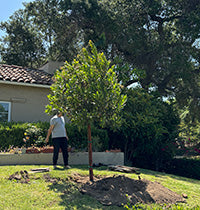

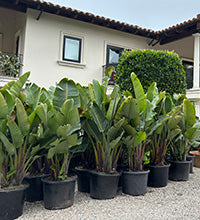
A Modern Experience
At Yardwork, we carefully curate thousands of plants, in all container sizes, to provide you with the best selection of the highest quality trees and plants at the best price, with the convenience of an online platform.
Uncompromised Quality
We choose only the finest specimens and hand select our plants just before delivery to ensure you receive the freshest and most robust specimens available for your landscape.
Industry Leading Warranties
Our 30, 90, and 365 extended warranties provide some of the best coverage to ensure our trees and plants thrive in your landscape.
Frequently Asked Questions
We're committed to changing everything about trees and plants - how they’re grown, how you shop for them, and how much they cost. We handle orders ourselves. No middlemen to get between us (or our prices) and you.
We're committed to changing everything about trees and plants - how they’re grown, how you shop for them, and how much they cost. We handle orders ourselves. No middlemen to get between us (or our prices) and you.
Delivery does not include unloading of trees and plants LARGER than a 24" box.
Trees and plants in smaller containers will be dropped curbside (usually on the driveway or near the front doorstep).
Delivery beyond a curbside drop will be charged extra.
Trees and plants that are sold in container sizes LARGER than a 24" box size will require equipment and/or enough manpower onsite to help unload from the truck.
Please reach out to our team PRIOR to placing your order to help coordinate.
Our team can provide unloading assistance with equipment for an extra fee as well.
Delivery does not include unloading of trees and plants LARGER than a 24" box.
Trees and plants in smaller containers will be dropped curbside (usually on the driveway or near the front doorstep).
Delivery beyond a curbside drop will be charged extra.
Trees and plants that are sold in container sizes LARGER than a 24" box size will require equipment and/or enough manpower onsite to help unload from the truck.
Please reach out to our team PRIOR to placing your order to help coordinate.
Our team can provide unloading assistance with equipment for an extra fee as well.
We ship locally within California within 7-10 days of your order being placed.
We ship nationally using carrier partners, based on order size. Our common order minimums for out of state shipping is $5,000.
Text or call 323-576-4159 for specific shipping details for your location.
We ship locally within California within 7-10 days of your order being placed.
We ship nationally using carrier partners, based on order size. Our common order minimums for out of state shipping is $5,000.
Text or call 323-576-4159 for specific shipping details for your location.
We are currently online only and don't have physical locations where you can view plants in person.
That's why we have photos direct from the growing grounds of the plants we will ship and we display pricing right in our store.
We do make sure to pick the very best trees and plants prior to shipping and make sure that they have gone through our multi-point inspection for health and structure.
We will always reach out prior to delivery if we find a quality issue or need to provide a substitute.
We are currently online only and don't have physical locations where you can view plants in person.
That's why we have photos direct from the growing grounds of the plants we will ship and we display pricing right in our store.
We do make sure to pick the very best trees and plants prior to shipping and make sure that they have gone through our multi-point inspection for health and structure.
We will always reach out prior to delivery if we find a quality issue or need to provide a substitute.
Plants vary greatly by type. Here is a rough idea of sizes based on containers that are direct from our growing grounds.
15 Gallon Shrub 3-4 Ft. Tall
15 Gallon Tree 5-6 Ft. Tall
24" Box Shrub 5-6 Ft. Tall
24" Box Tree 6-7 Ft. Tall
36" Box Shrub/Tree 7-9 Ft. Tall
48" Box Shrub/Tree 8-10 Ft. Tall
**Please note that we do not make guarantees of sizes. If you have questions or concerns, please call or text to request accurate sizing for the particular plant you're considering, prior to ordering.
Plants vary greatly by type. Here is a rough idea of sizes based on containers that are direct from our growing grounds.
15 Gallon Shrub 3-4 Ft. Tall
15 Gallon Tree 5-6 Ft. Tall
24" Box Shrub 5-6 Ft. Tall
24" Box Tree 6-7 Ft. Tall
36" Box Shrub/Tree 7-9 Ft. Tall
48" Box Shrub/Tree 8-10 Ft. Tall
**Please note that we do not make guarantees of sizes. If you have questions or concerns, please call or text to request accurate sizing for the particular plant you're considering, prior to ordering.
We offer a limited 30 day warranty for plants that are delivered and planted by someone else and a 90 day warranty for plants that we plant.
The limited warranty covers plants that die as a result of disease or fungus which was derived from our growing grounds or from root balls that were root bound.
The warranty does not cover damage due to watering, fertilizer, soils, or any other conditions beyond our control. Additionally, the warranty does not cover plants that are shipped out of the state of California or shipped into California from other states. Custom plant orders are also not covered under warranty. Plants must be planted within 24 hours after delivery to qualify.
We can assist you in recommending the right soils and fertilizers to help your plant thrive after you plant it.
Text or call 323-576-4159 for further warranty information.
We offer a limited 30 day warranty for plants that are delivered and planted by someone else and a 90 day warranty for plants that we plant.
The limited warranty covers plants that die as a result of disease or fungus which was derived from our growing grounds or from root balls that were root bound.
The warranty does not cover damage due to watering, fertilizer, soils, or any other conditions beyond our control. Additionally, the warranty does not cover plants that are shipped out of the state of California or shipped into California from other states. Custom plant orders are also not covered under warranty. Plants must be planted within 24 hours after delivery to qualify.
We can assist you in recommending the right soils and fertilizers to help your plant thrive after you plant it.
Text or call 323-576-4159 for further warranty information.
Our local delivery team covers most cities in California.
There are some exceptions, so please get in touch to confirm prior to ordering.
Additionally, we ship using semi trucks and trailers throughout the entire United States and even abroad for large orders over $5,000. Each shipment is custom, so please reach out to our team to coordinate.
Our local delivery team covers most cities in California.
There are some exceptions, so please get in touch to confirm prior to ordering.
Additionally, we ship using semi trucks and trailers throughout the entire United States and even abroad for large orders over $5,000. Each shipment is custom, so please reach out to our team to coordinate.