



Rosa banksiae (Lady Banks’ Rose)
Regular price
$95.00
Size
Transform Your Garden with Cascades of Fragrant Golden Blooms
Rosa banksiae ‘Lutea’ gives you fast, nearly thornless vertical coverage with a massive spring bloom, evergreen structure in mild California gardens, and far less maintenance than most climbing rose varieties.
This vigorous climbing rose, also called lady banks rose, banksia rose, and rosa banksiae lutea, is ideal for covering a fence, arbor, wall, pergola, or large garden support with cascading clusters of soft yellow to pale yellow flowers, pairing well with privacy trees and shrubs in bigger landscape designs. The double yellow flowers are lightly fragrant to mildly scented, attract bees and butterflies, and create the kind of early spring to late spring display that makes a garden feel established almost overnight.
Unlike many thorny roses that demand regular spraying, heavy pruning, and constant handling, this nearly thornless variety is prized for healthy growth, warm-climate performance, and easy training. In coastal gardens, inland California landscapes, and other mild USDA zones, it can remain evergreen or semi evergreen through winter while delivering its biggest bloom on old wood each spring.
Why You’ll Love It
-
Nearly Thornless Stems – The thornless stems make this climbing rose easier to train, tie, prune, and enjoy near patios, walkways, fences, and family garden spaces without constant protective gear.
-
Explosive Spring Blooms – Rosa banksiae is celebrated for its massive explosion of miniature spring blooms and is a favorite for gardeners looking to cover large structures quickly.
-
Drought Tolerant Once Established – This rose requires regular watering, especially during the first year, but once established, it is drought-tolerant and benefits from deep watering in dry periods, much like other warm, drought-tolerant California trees.
-
Fast Growth to 20+ Feet – Rosa banksiae can grow up to 20-40 feet (6-12 meters) tall and spread 6-10 feet (1.8-3 meters) wide in optimal conditions.
-
Evergreen in Mild Climates – In many California gardens, the foliage stays evergreen to semi evergreen, giving your garden structure after the spring flowers fade and helping create privacy, shade, and softness year-round.
The flowers of Rosa banksiae ‘Lutea’ are soft yellow, fragrant, and appear in cascading clusters during spring, adding a romantic charm to gardens and outdoor spaces. Because the plant blooms once rather than offering repeat bloom, the display is concentrated into one spectacular flush instead of scattered flowers across the growing season.
What Makes It Different
Most climbing roses have sharp thorns, more disease pressure, and a higher-maintenance routine. Rosa banksiae (Lady Banks’ Rose) behaves more like a vigorous rambling shrub that can be trained into a climbing feature, delivering major coverage with fewer hassles.
-
Virtually Thornless Design – This nearly thornless variety of Rosa banksiae is prized for its low maintenance and ability to thrive in warm climates, making it a popular choice for gardeners looking for an ornamental climbing rose.
-
Once-Per-Year Spectacular Show – Instead of trying to repeat bloom lightly, Rosa banksiae pushes a single dramatic bloom in early spring to late spring, with flowers carried in generous clusters on old wood.
-
Historic Pedigree Since 1807 – The Lady Banks rose was introduced to Europe in 1807 and named in honor of Dorothea Lady Banks, wife of botanist Sir Joseph Banks.
Rosa banksiae is native to central and western China, and garden history connects the species with China, Europe, samples collected by early plant hunters, and the wider botanical networks of the period, including institutions such as the Calcutta Botanic Garden. The name honors Lady Banks, while the plant’s long cultivation history helps explain why rosa banksiae lutea common garden forms remain so loved today.
A specimen of Rosa banksiae planted in Tombstone, Arizona in 1884 reportedly now covers more than 8000 square feet of space, demonstrating its vigorous growth potential. That famous rose shows why sturdy support matters: vigorous climbing growth can be beautiful, but mature stems and wood need a strong structure.
How To Grow Rosa Banksiae
-
Plant in Full Sun Location
Rosa banksiae requires full sun for maximum bloom production and optimal disease prevention. Choose a spot with direct sunlight, good air circulation, and a sturdy support such as a fence, arbor, pergola, wall, or trellis. Partial shade is tolerated, but less sun usually means fewer flowers. -
Train and Tie Young Canes
During the first growing season, guide the flexible stems horizontally or in sweeping lines so the plant covers the support evenly. The growth habit of Rosa banksiae allows it to easily climb 15 to 20 feet tall, and up to 40 feet with adequate support. -
Water Deeply and Keep Roots Cool
Water deeply while the plant establishes, especially through dry California weather. Summer mulch helps keep roots cool, discourages weeds, supports healthy growth, and reduces moisture stress during hot periods. -
Prune After Flowering
Pruning is essential for Rosa banksiae to maintain its shape and encourage new growth, and it should be done after the flowering period, typically in late spring or early summer. Remove dead wood, thin crossing stems, and avoid heavy winter pruning because the plant blooms on old wood. -
Enjoy Decades of Blooms
This rose has a fast growth rate, often growing several feet per year in optimal conditions. With sun, water, support, and light shaping after bloom, established plants can produce thousands of flowers each spring with minimal care.
Plant Details
-
Botanical Name: Rosa banksiae ‘Lutea’
-
Common Names: Lady Banks rose, Lady Banks’ rose, banksia rose
-
Plant Type: Vigorous climbing rose / rambling shrub
-
Mature Size: 15-25 feet tall, 6-10 feet wide
-
Maximum Potential Size: Rosa banksiae can grow up to 20-40 feet (6-12 meters) tall and spread 6-10 feet (1.8-3 meters) wide in optimal conditions.
-
Landscape Training: Rosa banksiae, commonly known as Lady Banks’ rose, is a vigorous climbing rose that can grow up to 20-40 feet (6-12 meters) tall, making it ideal for training along walls, trellises, and arbors to create a stunning floral display.
-
Hardiness: USDA zones 7-10
-
Bloom Time: Early spring to late spring; in some mild locations, bloom may carry toward early summer
-
Flower Color: Soft yellow, pale yellow, double yellow flowers
-
Fragrance: Lightly fragrant to mildly scented
-
Sun Water Needs: Full sun with regular watering during establishment; water deeply during dry periods once established
-
Soil Requirements: Rosa banksiae prefers well-draining loam soil with a slightly acidic to neutral pH, rich in organic matter to support its growth.
-
Growth Rate: Fast; vigorous growth often covers large supports quickly
-
Wildlife Value: Attracts bees, butterflies, and occasional hummingbirds
-
Pet & Family Notes: Often considered non toxic in typical garden use, with nearly thornless stems that are easier to handle than many roses
-
Deer Resistance: Moderate
-
Disease Resistance: Rosa banksiae is known for its resistance to many common rose diseases, making it a relatively low-maintenance plant.
-
Disease Watch: Common diseases affecting roses, including Rosa banksiae, are black spot, powdery mildew, and rust, which thrive in humid conditions and can cause significant damage.
-
Disease Prevention: Good cultural practices, such as ensuring good air circulation and avoiding overhead watering, are essential for controlling foliar diseases in Rosa banksiae.
-
Best Uses: Rosa banksiae can be used in various landscape designs such as draping over structures, creating living privacy screens, and erosion control on slopes.
Who It’s For
Ideal for:
-
Homeowners with large walls, fences, arbors, or pergolas that need fast, beautiful coverage
-
California gardeners who want drought-tolerant plants with major seasonal impact
-
Busy gardeners who want a rose with fewer thorns, fewer disease problems, and less routine spraying
-
Designers creating romantic entrances, living privacy screens, slope coverage, or dramatic garden backdrops
-
Coastal gardens and mild inland gardens where evergreen or semi evergreen foliage adds year-round structure
If you want low-maintenance vertical drama, Rosa banksiae ‘Lutea’ fits your needs. This vigorous climbing rose brings spring flowers, durable stems, and warm-climate reliability together in one classic plant.
It is especially useful when you want a rose that can be trained over a fence or support without turning every pruning session into a battle with thorns. It is not the best choice for a tiny trellis or a narrow bed unless you are ready to prune after bloom and manage its vigorous growth.
Frequently Asked Questions
How fast does it grow?
Rosa banksiae grows quickly, often several feet per year in optimal conditions. With full sun, regular watering in the first year, fertile soil, and sturdy support, a young plant can begin covering a fence, trellis, or arbor fast.
Does it need special support?
Yes. Rosa banksiae needs a sturdy support because mature plants become large and heavy. Use a strong fence, pergola, arbor, wall-mounted trellis, or structural frame rather than a light decorative stake.
Does Lady Banks rose repeat bloom?
No. Lady Banks rose does not repeat bloom like some modern roses. It puts its energy into one major spring bloom, usually from early spring through late spring depending on climate.
When should I prune it?
Prune after flowering, typically in late spring or early summer. Remove dead wood, shorten overly long stems, and shape the plant after the bloom finishes because flowers form on old wood.
Is Rosa banksiae good for California gardens?
Yes. Rosa banksiae performs well in many California USDA zones because the plant likes full sun, warm weather, well-draining soil, and dry-summer conditions once established.
What if my climate is too cold?
For zones below 7, use winter protection, a sheltered wall, or container growing where practical. Cold winter weather and late frost can damage flower buds, especially on exposed plants.
Can Rosa banksiae handle partial shade?
Rosa banksiae can grow in partial shade, but full sun gives the best bloom, strongest growth, and better disease prevention.
What pests or diseases should I watch for?
Common pests may include aphids on tender new growth. Rosa banksiae is generally disease resistant, but black spot, powdery mildew, and rust can appear in humid conditions, especially where air circulation is poor or overhead watering keeps foliage wet.
Ready to Create Your Rose Paradise?
Choose Rosa banksiae (Lady Banks’ Rose) for vigorous climbing coverage, golden spring flowers, nearly thornless stems, and a softer, more romantic garden structure.
Yardwork can help you choose the right planting location, prepare the soil, confirm drainage with soil testing, and plan the sturdy support your rose will need as it matures. We also support California delivery and large order requests for bigger landscape projects, estate gardens, privacy screens, and pergola installations.
Transform Your Garden with Cascades of Fragrant Golden Blooms
Rosa banksiae ‘Lutea’ gives you fast, nearly thornless vertical coverage with a massive spring bloom, evergreen structure in mild California gardens, and far less maintenance than most climbing rose varieties.
This vigorous climbing rose, also called lady banks rose, banksia rose, and rosa banksiae lutea, is ideal for covering a fence, arbor, wall, pergola, or large garden support with cascading clusters of soft yellow to pale yellow flowers, pairing well with privacy trees and shrubs in bigger landscape designs. The double yellow flowers are lightly fragrant to mildly scented, attract bees and butterflies, and create the kind of early spring to late spring display that makes a garden feel established almost overnight.
Unlike many thorny roses that demand regular spraying, heavy pruning, and constant handling, this nearly thornless variety is prized for healthy growth, warm-climate performance, and easy training. In coastal gardens, inland California landscapes, and other mild USDA zones, it can remain evergreen or semi evergreen through winter while delivering its biggest bloom on old wood each spring.
Why You’ll Love It
-
Nearly Thornless Stems – The thornless stems make this climbing rose easier to train, tie, prune, and enjoy near patios, walkways, fences, and family garden spaces without constant protective gear.
-
Explosive Spring Blooms – Rosa banksiae is celebrated for its massive explosion of miniature spring blooms and is a favorite for gardeners looking to cover large structures quickly.
-
Drought Tolerant Once Established – This rose requires regular watering, especially during the first year, but once established, it is drought-tolerant and benefits from deep watering in dry periods, much like other warm, drought-tolerant California trees.
-
Fast Growth to 20+ Feet – Rosa banksiae can grow up to 20-40 feet (6-12 meters) tall and spread 6-10 feet (1.8-3 meters) wide in optimal conditions.
-
Evergreen in Mild Climates – In many California gardens, the foliage stays evergreen to semi evergreen, giving your garden structure after the spring flowers fade and helping create privacy, shade, and softness year-round.
The flowers of Rosa banksiae ‘Lutea’ are soft yellow, fragrant, and appear in cascading clusters during spring, adding a romantic charm to gardens and outdoor spaces. Because the plant blooms once rather than offering repeat bloom, the display is concentrated into one spectacular flush instead of scattered flowers across the growing season.
What Makes It Different
Most climbing roses have sharp thorns, more disease pressure, and a higher-maintenance routine. Rosa banksiae (Lady Banks’ Rose) behaves more like a vigorous rambling shrub that can be trained into a climbing feature, delivering major coverage with fewer hassles.
-
Virtually Thornless Design – This nearly thornless variety of Rosa banksiae is prized for its low maintenance and ability to thrive in warm climates, making it a popular choice for gardeners looking for an ornamental climbing rose.
-
Once-Per-Year Spectacular Show – Instead of trying to repeat bloom lightly, Rosa banksiae pushes a single dramatic bloom in early spring to late spring, with flowers carried in generous clusters on old wood.
-
Historic Pedigree Since 1807 – The Lady Banks rose was introduced to Europe in 1807 and named in honor of Dorothea Lady Banks, wife of botanist Sir Joseph Banks.
Rosa banksiae is native to central and western China, and garden history connects the species with China, Europe, samples collected by early plant hunters, and the wider botanical networks of the period, including institutions such as the Calcutta Botanic Garden. The name honors Lady Banks, while the plant’s long cultivation history helps explain why rosa banksiae lutea common garden forms remain so loved today.
A specimen of Rosa banksiae planted in Tombstone, Arizona in 1884 reportedly now covers more than 8000 square feet of space, demonstrating its vigorous growth potential. That famous rose shows why sturdy support matters: vigorous climbing growth can be beautiful, but mature stems and wood need a strong structure.
How To Grow Rosa Banksiae
-
Plant in Full Sun Location
Rosa banksiae requires full sun for maximum bloom production and optimal disease prevention. Choose a spot with direct sunlight, good air circulation, and a sturdy support such as a fence, arbor, pergola, wall, or trellis. Partial shade is tolerated, but less sun usually means fewer flowers. -
Train and Tie Young Canes
During the first growing season, guide the flexible stems horizontally or in sweeping lines so the plant covers the support evenly. The growth habit of Rosa banksiae allows it to easily climb 15 to 20 feet tall, and up to 40 feet with adequate support. -
Water Deeply and Keep Roots Cool
Water deeply while the plant establishes, especially through dry California weather. Summer mulch helps keep roots cool, discourages weeds, supports healthy growth, and reduces moisture stress during hot periods. -
Prune After Flowering
Pruning is essential for Rosa banksiae to maintain its shape and encourage new growth, and it should be done after the flowering period, typically in late spring or early summer. Remove dead wood, thin crossing stems, and avoid heavy winter pruning because the plant blooms on old wood. -
Enjoy Decades of Blooms
This rose has a fast growth rate, often growing several feet per year in optimal conditions. With sun, water, support, and light shaping after bloom, established plants can produce thousands of flowers each spring with minimal care.
Plant Details
-
Botanical Name: Rosa banksiae ‘Lutea’
-
Common Names: Lady Banks rose, Lady Banks’ rose, banksia rose
-
Plant Type: Vigorous climbing rose / rambling shrub
-
Mature Size: 15-25 feet tall, 6-10 feet wide
-
Maximum Potential Size: Rosa banksiae can grow up to 20-40 feet (6-12 meters) tall and spread 6-10 feet (1.8-3 meters) wide in optimal conditions.
-
Landscape Training: Rosa banksiae, commonly known as Lady Banks’ rose, is a vigorous climbing rose that can grow up to 20-40 feet (6-12 meters) tall, making it ideal for training along walls, trellises, and arbors to create a stunning floral display.
-
Hardiness: USDA zones 7-10
-
Bloom Time: Early spring to late spring; in some mild locations, bloom may carry toward early summer
-
Flower Color: Soft yellow, pale yellow, double yellow flowers
-
Fragrance: Lightly fragrant to mildly scented
-
Sun Water Needs: Full sun with regular watering during establishment; water deeply during dry periods once established
-
Soil Requirements: Rosa banksiae prefers well-draining loam soil with a slightly acidic to neutral pH, rich in organic matter to support its growth.
-
Growth Rate: Fast; vigorous growth often covers large supports quickly
-
Wildlife Value: Attracts bees, butterflies, and occasional hummingbirds
-
Pet & Family Notes: Often considered non toxic in typical garden use, with nearly thornless stems that are easier to handle than many roses
-
Deer Resistance: Moderate
-
Disease Resistance: Rosa banksiae is known for its resistance to many common rose diseases, making it a relatively low-maintenance plant.
-
Disease Watch: Common diseases affecting roses, including Rosa banksiae, are black spot, powdery mildew, and rust, which thrive in humid conditions and can cause significant damage.
-
Disease Prevention: Good cultural practices, such as ensuring good air circulation and avoiding overhead watering, are essential for controlling foliar diseases in Rosa banksiae.
-
Best Uses: Rosa banksiae can be used in various landscape designs such as draping over structures, creating living privacy screens, and erosion control on slopes.
Who It’s For
Ideal for:
-
Homeowners with large walls, fences, arbors, or pergolas that need fast, beautiful coverage
-
California gardeners who want drought-tolerant plants with major seasonal impact
-
Busy gardeners who want a rose with fewer thorns, fewer disease problems, and less routine spraying
-
Designers creating romantic entrances, living privacy screens, slope coverage, or dramatic garden backdrops
-
Coastal gardens and mild inland gardens where evergreen or semi evergreen foliage adds year-round structure
If you want low-maintenance vertical drama, Rosa banksiae ‘Lutea’ fits your needs. This vigorous climbing rose brings spring flowers, durable stems, and warm-climate reliability together in one classic plant.
It is especially useful when you want a rose that can be trained over a fence or support without turning every pruning session into a battle with thorns. It is not the best choice for a tiny trellis or a narrow bed unless you are ready to prune after bloom and manage its vigorous growth.
Frequently Asked Questions
How fast does it grow?
Rosa banksiae grows quickly, often several feet per year in optimal conditions. With full sun, regular watering in the first year, fertile soil, and sturdy support, a young plant can begin covering a fence, trellis, or arbor fast.
Does it need special support?
Yes. Rosa banksiae needs a sturdy support because mature plants become large and heavy. Use a strong fence, pergola, arbor, wall-mounted trellis, or structural frame rather than a light decorative stake.
Does Lady Banks rose repeat bloom?
No. Lady Banks rose does not repeat bloom like some modern roses. It puts its energy into one major spring bloom, usually from early spring through late spring depending on climate.
When should I prune it?
Prune after flowering, typically in late spring or early summer. Remove dead wood, shorten overly long stems, and shape the plant after the bloom finishes because flowers form on old wood.
Is Rosa banksiae good for California gardens?
Yes. Rosa banksiae performs well in many California USDA zones because the plant likes full sun, warm weather, well-draining soil, and dry-summer conditions once established.
What if my climate is too cold?
For zones below 7, use winter protection, a sheltered wall, or container growing where practical. Cold winter weather and late frost can damage flower buds, especially on exposed plants.
Can Rosa banksiae handle partial shade?
Rosa banksiae can grow in partial shade, but full sun gives the best bloom, strongest growth, and better disease prevention.
What pests or diseases should I watch for?
Common pests may include aphids on tender new growth. Rosa banksiae is generally disease resistant, but black spot, powdery mildew, and rust can appear in humid conditions, especially where air circulation is poor or overhead watering keeps foliage wet.
Ready to Create Your Rose Paradise?
Choose Rosa banksiae (Lady Banks’ Rose) for vigorous climbing coverage, golden spring flowers, nearly thornless stems, and a softer, more romantic garden structure.
Yardwork can help you choose the right planting location, prepare the soil, confirm drainage with soil testing, and plan the sturdy support your rose will need as it matures. We also support California delivery and large order requests for bigger landscape projects, estate gardens, privacy screens, and pergola installations.
Plants vary greatly by type and no guarantees are made on sizing.
However here is a rough idea of sizes based on containers that are direct from our growing grounds.
15 Gallon Shrub 3-4 Ft. Tall
15 Gallon Tree 5-6 Ft. Tall
24" Box Shrub 5-6 Ft. Tall
24" Box Tree 6-7 Ft. Tall
36" Box Tree 8-10 Ft. Tall
48" Box Tree 10-12 Ft. Tall
Please note: Citrus and California Native plants such as Manzanita are smaller than traditional sizing.
Please contact us to confirm sizing of items before purchasing if this is a concern.
Plants vary greatly by type and no guarantees are made on sizing.
However here is a rough idea of sizes based on containers that are direct from our growing grounds.
15 Gallon Shrub 3-4 Ft. Tall
15 Gallon Tree 5-6 Ft. Tall
24" Box Shrub 5-6 Ft. Tall
24" Box Tree 6-7 Ft. Tall
36" Box Tree 8-10 Ft. Tall
48" Box Tree 10-12 Ft. Tall
Please note: Citrus and California Native plants such as Manzanita are smaller than traditional sizing.
Please contact us to confirm sizing of items before purchasing if this is a concern.
Delivery does not include unloading of trees and plants larger than a 24" box.
Trees and plants in smaller containers will be dropped curbside.
Delivery beyond a curbside drop will be charged extra.
Trees and plants that are sold in container sizes larger than a 24" box size will require equipment and an operator onsite to help unload from the truck.
Please reach out to our team PRIOR to placing your order to coordinate.
Our team can provide unloading assistance with equipment for an extra fee.
Delivery does not include unloading of trees and plants larger than a 24" box.
Trees and plants in smaller containers will be dropped curbside.
Delivery beyond a curbside drop will be charged extra.
Trees and plants that are sold in container sizes larger than a 24" box size will require equipment and an operator onsite to help unload from the truck.
Please reach out to our team PRIOR to placing your order to coordinate.
Our team can provide unloading assistance with equipment for an extra fee.
You may also like...


Rosa banksiae (Lady Banks’ Rose)
Regular price
$95.00
Size
Transform Your Garden with Cascades of Fragrant Golden Blooms
Rosa banksiae ‘Lutea’ gives you fast, nearly thornless vertical coverage with a massive spring bloom, evergreen structure in mild California gardens, and far less maintenance than most climbing rose varieties.
This vigorous climbing rose, also called lady banks rose, banksia rose, and rosa banksiae lutea, is ideal for covering a fence, arbor, wall, pergola, or large garden support with cascading clusters of soft yellow to pale yellow flowers, pairing well with privacy trees and shrubs in bigger landscape designs. The double yellow flowers are lightly fragrant to mildly scented, attract bees and butterflies, and create the kind of early spring to late spring display that makes a garden feel established almost overnight.
Unlike many thorny roses that demand regular spraying, heavy pruning, and constant handling, this nearly thornless variety is prized for healthy growth, warm-climate performance, and easy training. In coastal gardens, inland California landscapes, and other mild USDA zones, it can remain evergreen or semi evergreen through winter while delivering its biggest bloom on old wood each spring.
Why You’ll Love It
-
Nearly Thornless Stems – The thornless stems make this climbing rose easier to train, tie, prune, and enjoy near patios, walkways, fences, and family garden spaces without constant protective gear.
-
Explosive Spring Blooms – Rosa banksiae is celebrated for its massive explosion of miniature spring blooms and is a favorite for gardeners looking to cover large structures quickly.
-
Drought Tolerant Once Established – This rose requires regular watering, especially during the first year, but once established, it is drought-tolerant and benefits from deep watering in dry periods, much like other warm, drought-tolerant California trees.
-
Fast Growth to 20+ Feet – Rosa banksiae can grow up to 20-40 feet (6-12 meters) tall and spread 6-10 feet (1.8-3 meters) wide in optimal conditions.
-
Evergreen in Mild Climates – In many California gardens, the foliage stays evergreen to semi evergreen, giving your garden structure after the spring flowers fade and helping create privacy, shade, and softness year-round.
The flowers of Rosa banksiae ‘Lutea’ are soft yellow, fragrant, and appear in cascading clusters during spring, adding a romantic charm to gardens and outdoor spaces. Because the plant blooms once rather than offering repeat bloom, the display is concentrated into one spectacular flush instead of scattered flowers across the growing season.
What Makes It Different
Most climbing roses have sharp thorns, more disease pressure, and a higher-maintenance routine. Rosa banksiae (Lady Banks’ Rose) behaves more like a vigorous rambling shrub that can be trained into a climbing feature, delivering major coverage with fewer hassles.
-
Virtually Thornless Design – This nearly thornless variety of Rosa banksiae is prized for its low maintenance and ability to thrive in warm climates, making it a popular choice for gardeners looking for an ornamental climbing rose.
-
Once-Per-Year Spectacular Show – Instead of trying to repeat bloom lightly, Rosa banksiae pushes a single dramatic bloom in early spring to late spring, with flowers carried in generous clusters on old wood.
-
Historic Pedigree Since 1807 – The Lady Banks rose was introduced to Europe in 1807 and named in honor of Dorothea Lady Banks, wife of botanist Sir Joseph Banks.
Rosa banksiae is native to central and western China, and garden history connects the species with China, Europe, samples collected by early plant hunters, and the wider botanical networks of the period, including institutions such as the Calcutta Botanic Garden. The name honors Lady Banks, while the plant’s long cultivation history helps explain why rosa banksiae lutea common garden forms remain so loved today.
A specimen of Rosa banksiae planted in Tombstone, Arizona in 1884 reportedly now covers more than 8000 square feet of space, demonstrating its vigorous growth potential. That famous rose shows why sturdy support matters: vigorous climbing growth can be beautiful, but mature stems and wood need a strong structure.
How To Grow Rosa Banksiae
-
Plant in Full Sun Location
Rosa banksiae requires full sun for maximum bloom production and optimal disease prevention. Choose a spot with direct sunlight, good air circulation, and a sturdy support such as a fence, arbor, pergola, wall, or trellis. Partial shade is tolerated, but less sun usually means fewer flowers. -
Train and Tie Young Canes
During the first growing season, guide the flexible stems horizontally or in sweeping lines so the plant covers the support evenly. The growth habit of Rosa banksiae allows it to easily climb 15 to 20 feet tall, and up to 40 feet with adequate support. -
Water Deeply and Keep Roots Cool
Water deeply while the plant establishes, especially through dry California weather. Summer mulch helps keep roots cool, discourages weeds, supports healthy growth, and reduces moisture stress during hot periods. -
Prune After Flowering
Pruning is essential for Rosa banksiae to maintain its shape and encourage new growth, and it should be done after the flowering period, typically in late spring or early summer. Remove dead wood, thin crossing stems, and avoid heavy winter pruning because the plant blooms on old wood. -
Enjoy Decades of Blooms
This rose has a fast growth rate, often growing several feet per year in optimal conditions. With sun, water, support, and light shaping after bloom, established plants can produce thousands of flowers each spring with minimal care.
Plant Details
-
Botanical Name: Rosa banksiae ‘Lutea’
-
Common Names: Lady Banks rose, Lady Banks’ rose, banksia rose
-
Plant Type: Vigorous climbing rose / rambling shrub
-
Mature Size: 15-25 feet tall, 6-10 feet wide
-
Maximum Potential Size: Rosa banksiae can grow up to 20-40 feet (6-12 meters) tall and spread 6-10 feet (1.8-3 meters) wide in optimal conditions.
-
Landscape Training: Rosa banksiae, commonly known as Lady Banks’ rose, is a vigorous climbing rose that can grow up to 20-40 feet (6-12 meters) tall, making it ideal for training along walls, trellises, and arbors to create a stunning floral display.
-
Hardiness: USDA zones 7-10
-
Bloom Time: Early spring to late spring; in some mild locations, bloom may carry toward early summer
-
Flower Color: Soft yellow, pale yellow, double yellow flowers
-
Fragrance: Lightly fragrant to mildly scented
-
Sun Water Needs: Full sun with regular watering during establishment; water deeply during dry periods once established
-
Soil Requirements: Rosa banksiae prefers well-draining loam soil with a slightly acidic to neutral pH, rich in organic matter to support its growth.
-
Growth Rate: Fast; vigorous growth often covers large supports quickly
-
Wildlife Value: Attracts bees, butterflies, and occasional hummingbirds
-
Pet & Family Notes: Often considered non toxic in typical garden use, with nearly thornless stems that are easier to handle than many roses
-
Deer Resistance: Moderate
-
Disease Resistance: Rosa banksiae is known for its resistance to many common rose diseases, making it a relatively low-maintenance plant.
-
Disease Watch: Common diseases affecting roses, including Rosa banksiae, are black spot, powdery mildew, and rust, which thrive in humid conditions and can cause significant damage.
-
Disease Prevention: Good cultural practices, such as ensuring good air circulation and avoiding overhead watering, are essential for controlling foliar diseases in Rosa banksiae.
-
Best Uses: Rosa banksiae can be used in various landscape designs such as draping over structures, creating living privacy screens, and erosion control on slopes.
Who It’s For
Ideal for:
-
Homeowners with large walls, fences, arbors, or pergolas that need fast, beautiful coverage
-
California gardeners who want drought-tolerant plants with major seasonal impact
-
Busy gardeners who want a rose with fewer thorns, fewer disease problems, and less routine spraying
-
Designers creating romantic entrances, living privacy screens, slope coverage, or dramatic garden backdrops
-
Coastal gardens and mild inland gardens where evergreen or semi evergreen foliage adds year-round structure
If you want low-maintenance vertical drama, Rosa banksiae ‘Lutea’ fits your needs. This vigorous climbing rose brings spring flowers, durable stems, and warm-climate reliability together in one classic plant.
It is especially useful when you want a rose that can be trained over a fence or support without turning every pruning session into a battle with thorns. It is not the best choice for a tiny trellis or a narrow bed unless you are ready to prune after bloom and manage its vigorous growth.
Frequently Asked Questions
How fast does it grow?
Rosa banksiae grows quickly, often several feet per year in optimal conditions. With full sun, regular watering in the first year, fertile soil, and sturdy support, a young plant can begin covering a fence, trellis, or arbor fast.
Does it need special support?
Yes. Rosa banksiae needs a sturdy support because mature plants become large and heavy. Use a strong fence, pergola, arbor, wall-mounted trellis, or structural frame rather than a light decorative stake.
Does Lady Banks rose repeat bloom?
No. Lady Banks rose does not repeat bloom like some modern roses. It puts its energy into one major spring bloom, usually from early spring through late spring depending on climate.
When should I prune it?
Prune after flowering, typically in late spring or early summer. Remove dead wood, shorten overly long stems, and shape the plant after the bloom finishes because flowers form on old wood.
Is Rosa banksiae good for California gardens?
Yes. Rosa banksiae performs well in many California USDA zones because the plant likes full sun, warm weather, well-draining soil, and dry-summer conditions once established.
What if my climate is too cold?
For zones below 7, use winter protection, a sheltered wall, or container growing where practical. Cold winter weather and late frost can damage flower buds, especially on exposed plants.
Can Rosa banksiae handle partial shade?
Rosa banksiae can grow in partial shade, but full sun gives the best bloom, strongest growth, and better disease prevention.
What pests or diseases should I watch for?
Common pests may include aphids on tender new growth. Rosa banksiae is generally disease resistant, but black spot, powdery mildew, and rust can appear in humid conditions, especially where air circulation is poor or overhead watering keeps foliage wet.
Ready to Create Your Rose Paradise?
Choose Rosa banksiae (Lady Banks’ Rose) for vigorous climbing coverage, golden spring flowers, nearly thornless stems, and a softer, more romantic garden structure.
Yardwork can help you choose the right planting location, prepare the soil, confirm drainage with soil testing, and plan the sturdy support your rose will need as it matures. We also support California delivery and large order requests for bigger landscape projects, estate gardens, privacy screens, and pergola installations.
Transform Your Garden with Cascades of Fragrant Golden Blooms
Rosa banksiae ‘Lutea’ gives you fast, nearly thornless vertical coverage with a massive spring bloom, evergreen structure in mild California gardens, and far less maintenance than most climbing rose varieties.
This vigorous climbing rose, also called lady banks rose, banksia rose, and rosa banksiae lutea, is ideal for covering a fence, arbor, wall, pergola, or large garden support with cascading clusters of soft yellow to pale yellow flowers, pairing well with privacy trees and shrubs in bigger landscape designs. The double yellow flowers are lightly fragrant to mildly scented, attract bees and butterflies, and create the kind of early spring to late spring display that makes a garden feel established almost overnight.
Unlike many thorny roses that demand regular spraying, heavy pruning, and constant handling, this nearly thornless variety is prized for healthy growth, warm-climate performance, and easy training. In coastal gardens, inland California landscapes, and other mild USDA zones, it can remain evergreen or semi evergreen through winter while delivering its biggest bloom on old wood each spring.
Why You’ll Love It
-
Nearly Thornless Stems – The thornless stems make this climbing rose easier to train, tie, prune, and enjoy near patios, walkways, fences, and family garden spaces without constant protective gear.
-
Explosive Spring Blooms – Rosa banksiae is celebrated for its massive explosion of miniature spring blooms and is a favorite for gardeners looking to cover large structures quickly.
-
Drought Tolerant Once Established – This rose requires regular watering, especially during the first year, but once established, it is drought-tolerant and benefits from deep watering in dry periods, much like other warm, drought-tolerant California trees.
-
Fast Growth to 20+ Feet – Rosa banksiae can grow up to 20-40 feet (6-12 meters) tall and spread 6-10 feet (1.8-3 meters) wide in optimal conditions.
-
Evergreen in Mild Climates – In many California gardens, the foliage stays evergreen to semi evergreen, giving your garden structure after the spring flowers fade and helping create privacy, shade, and softness year-round.
The flowers of Rosa banksiae ‘Lutea’ are soft yellow, fragrant, and appear in cascading clusters during spring, adding a romantic charm to gardens and outdoor spaces. Because the plant blooms once rather than offering repeat bloom, the display is concentrated into one spectacular flush instead of scattered flowers across the growing season.
What Makes It Different
Most climbing roses have sharp thorns, more disease pressure, and a higher-maintenance routine. Rosa banksiae (Lady Banks’ Rose) behaves more like a vigorous rambling shrub that can be trained into a climbing feature, delivering major coverage with fewer hassles.
-
Virtually Thornless Design – This nearly thornless variety of Rosa banksiae is prized for its low maintenance and ability to thrive in warm climates, making it a popular choice for gardeners looking for an ornamental climbing rose.
-
Once-Per-Year Spectacular Show – Instead of trying to repeat bloom lightly, Rosa banksiae pushes a single dramatic bloom in early spring to late spring, with flowers carried in generous clusters on old wood.
-
Historic Pedigree Since 1807 – The Lady Banks rose was introduced to Europe in 1807 and named in honor of Dorothea Lady Banks, wife of botanist Sir Joseph Banks.
Rosa banksiae is native to central and western China, and garden history connects the species with China, Europe, samples collected by early plant hunters, and the wider botanical networks of the period, including institutions such as the Calcutta Botanic Garden. The name honors Lady Banks, while the plant’s long cultivation history helps explain why rosa banksiae lutea common garden forms remain so loved today.
A specimen of Rosa banksiae planted in Tombstone, Arizona in 1884 reportedly now covers more than 8000 square feet of space, demonstrating its vigorous growth potential. That famous rose shows why sturdy support matters: vigorous climbing growth can be beautiful, but mature stems and wood need a strong structure.
How To Grow Rosa Banksiae
-
Plant in Full Sun Location
Rosa banksiae requires full sun for maximum bloom production and optimal disease prevention. Choose a spot with direct sunlight, good air circulation, and a sturdy support such as a fence, arbor, pergola, wall, or trellis. Partial shade is tolerated, but less sun usually means fewer flowers. -
Train and Tie Young Canes
During the first growing season, guide the flexible stems horizontally or in sweeping lines so the plant covers the support evenly. The growth habit of Rosa banksiae allows it to easily climb 15 to 20 feet tall, and up to 40 feet with adequate support. -
Water Deeply and Keep Roots Cool
Water deeply while the plant establishes, especially through dry California weather. Summer mulch helps keep roots cool, discourages weeds, supports healthy growth, and reduces moisture stress during hot periods. -
Prune After Flowering
Pruning is essential for Rosa banksiae to maintain its shape and encourage new growth, and it should be done after the flowering period, typically in late spring or early summer. Remove dead wood, thin crossing stems, and avoid heavy winter pruning because the plant blooms on old wood. -
Enjoy Decades of Blooms
This rose has a fast growth rate, often growing several feet per year in optimal conditions. With sun, water, support, and light shaping after bloom, established plants can produce thousands of flowers each spring with minimal care.
Plant Details
-
Botanical Name: Rosa banksiae ‘Lutea’
-
Common Names: Lady Banks rose, Lady Banks’ rose, banksia rose
-
Plant Type: Vigorous climbing rose / rambling shrub
-
Mature Size: 15-25 feet tall, 6-10 feet wide
-
Maximum Potential Size: Rosa banksiae can grow up to 20-40 feet (6-12 meters) tall and spread 6-10 feet (1.8-3 meters) wide in optimal conditions.
-
Landscape Training: Rosa banksiae, commonly known as Lady Banks’ rose, is a vigorous climbing rose that can grow up to 20-40 feet (6-12 meters) tall, making it ideal for training along walls, trellises, and arbors to create a stunning floral display.
-
Hardiness: USDA zones 7-10
-
Bloom Time: Early spring to late spring; in some mild locations, bloom may carry toward early summer
-
Flower Color: Soft yellow, pale yellow, double yellow flowers
-
Fragrance: Lightly fragrant to mildly scented
-
Sun Water Needs: Full sun with regular watering during establishment; water deeply during dry periods once established
-
Soil Requirements: Rosa banksiae prefers well-draining loam soil with a slightly acidic to neutral pH, rich in organic matter to support its growth.
-
Growth Rate: Fast; vigorous growth often covers large supports quickly
-
Wildlife Value: Attracts bees, butterflies, and occasional hummingbirds
-
Pet & Family Notes: Often considered non toxic in typical garden use, with nearly thornless stems that are easier to handle than many roses
-
Deer Resistance: Moderate
-
Disease Resistance: Rosa banksiae is known for its resistance to many common rose diseases, making it a relatively low-maintenance plant.
-
Disease Watch: Common diseases affecting roses, including Rosa banksiae, are black spot, powdery mildew, and rust, which thrive in humid conditions and can cause significant damage.
-
Disease Prevention: Good cultural practices, such as ensuring good air circulation and avoiding overhead watering, are essential for controlling foliar diseases in Rosa banksiae.
-
Best Uses: Rosa banksiae can be used in various landscape designs such as draping over structures, creating living privacy screens, and erosion control on slopes.
Who It’s For
Ideal for:
-
Homeowners with large walls, fences, arbors, or pergolas that need fast, beautiful coverage
-
California gardeners who want drought-tolerant plants with major seasonal impact
-
Busy gardeners who want a rose with fewer thorns, fewer disease problems, and less routine spraying
-
Designers creating romantic entrances, living privacy screens, slope coverage, or dramatic garden backdrops
-
Coastal gardens and mild inland gardens where evergreen or semi evergreen foliage adds year-round structure
If you want low-maintenance vertical drama, Rosa banksiae ‘Lutea’ fits your needs. This vigorous climbing rose brings spring flowers, durable stems, and warm-climate reliability together in one classic plant.
It is especially useful when you want a rose that can be trained over a fence or support without turning every pruning session into a battle with thorns. It is not the best choice for a tiny trellis or a narrow bed unless you are ready to prune after bloom and manage its vigorous growth.
Frequently Asked Questions
How fast does it grow?
Rosa banksiae grows quickly, often several feet per year in optimal conditions. With full sun, regular watering in the first year, fertile soil, and sturdy support, a young plant can begin covering a fence, trellis, or arbor fast.
Does it need special support?
Yes. Rosa banksiae needs a sturdy support because mature plants become large and heavy. Use a strong fence, pergola, arbor, wall-mounted trellis, or structural frame rather than a light decorative stake.
Does Lady Banks rose repeat bloom?
No. Lady Banks rose does not repeat bloom like some modern roses. It puts its energy into one major spring bloom, usually from early spring through late spring depending on climate.
When should I prune it?
Prune after flowering, typically in late spring or early summer. Remove dead wood, shorten overly long stems, and shape the plant after the bloom finishes because flowers form on old wood.
Is Rosa banksiae good for California gardens?
Yes. Rosa banksiae performs well in many California USDA zones because the plant likes full sun, warm weather, well-draining soil, and dry-summer conditions once established.
What if my climate is too cold?
For zones below 7, use winter protection, a sheltered wall, or container growing where practical. Cold winter weather and late frost can damage flower buds, especially on exposed plants.
Can Rosa banksiae handle partial shade?
Rosa banksiae can grow in partial shade, but full sun gives the best bloom, strongest growth, and better disease prevention.
What pests or diseases should I watch for?
Common pests may include aphids on tender new growth. Rosa banksiae is generally disease resistant, but black spot, powdery mildew, and rust can appear in humid conditions, especially where air circulation is poor or overhead watering keeps foliage wet.
Ready to Create Your Rose Paradise?
Choose Rosa banksiae (Lady Banks’ Rose) for vigorous climbing coverage, golden spring flowers, nearly thornless stems, and a softer, more romantic garden structure.
Yardwork can help you choose the right planting location, prepare the soil, confirm drainage with soil testing, and plan the sturdy support your rose will need as it matures. We also support California delivery and large order requests for bigger landscape projects, estate gardens, privacy screens, and pergola installations.
Plants vary greatly by type and no guarantees are made on sizing.
However here is a rough idea of sizes based on containers that are direct from our growing grounds.
15 Gallon Shrub 3-4 Ft. Tall
15 Gallon Tree 5-6 Ft. Tall
24" Box Shrub 5-6 Ft. Tall
24" Box Tree 6-7 Ft. Tall
36" Box Tree 8-10 Ft. Tall
48" Box Tree 10-12 Ft. Tall
Please note: Citrus and California Native plants such as Manzanita are smaller than traditional sizing.
Please contact us to confirm sizing of items before purchasing if this is a concern.
Plants vary greatly by type and no guarantees are made on sizing.
However here is a rough idea of sizes based on containers that are direct from our growing grounds.
15 Gallon Shrub 3-4 Ft. Tall
15 Gallon Tree 5-6 Ft. Tall
24" Box Shrub 5-6 Ft. Tall
24" Box Tree 6-7 Ft. Tall
36" Box Tree 8-10 Ft. Tall
48" Box Tree 10-12 Ft. Tall
Please note: Citrus and California Native plants such as Manzanita are smaller than traditional sizing.
Please contact us to confirm sizing of items before purchasing if this is a concern.
Delivery does not include unloading of trees and plants larger than a 24" box.
Trees and plants in smaller containers will be dropped curbside.
Delivery beyond a curbside drop will be charged extra.
Trees and plants that are sold in container sizes larger than a 24" box size will require equipment and an operator onsite to help unload from the truck.
Please reach out to our team PRIOR to placing your order to coordinate.
Our team can provide unloading assistance with equipment for an extra fee.
Delivery does not include unloading of trees and plants larger than a 24" box.
Trees and plants in smaller containers will be dropped curbside.
Delivery beyond a curbside drop will be charged extra.
Trees and plants that are sold in container sizes larger than a 24" box size will require equipment and an operator onsite to help unload from the truck.
Please reach out to our team PRIOR to placing your order to coordinate.
Our team can provide unloading assistance with equipment for an extra fee.
Recommended For You















Pairs Well With













You May Also Like











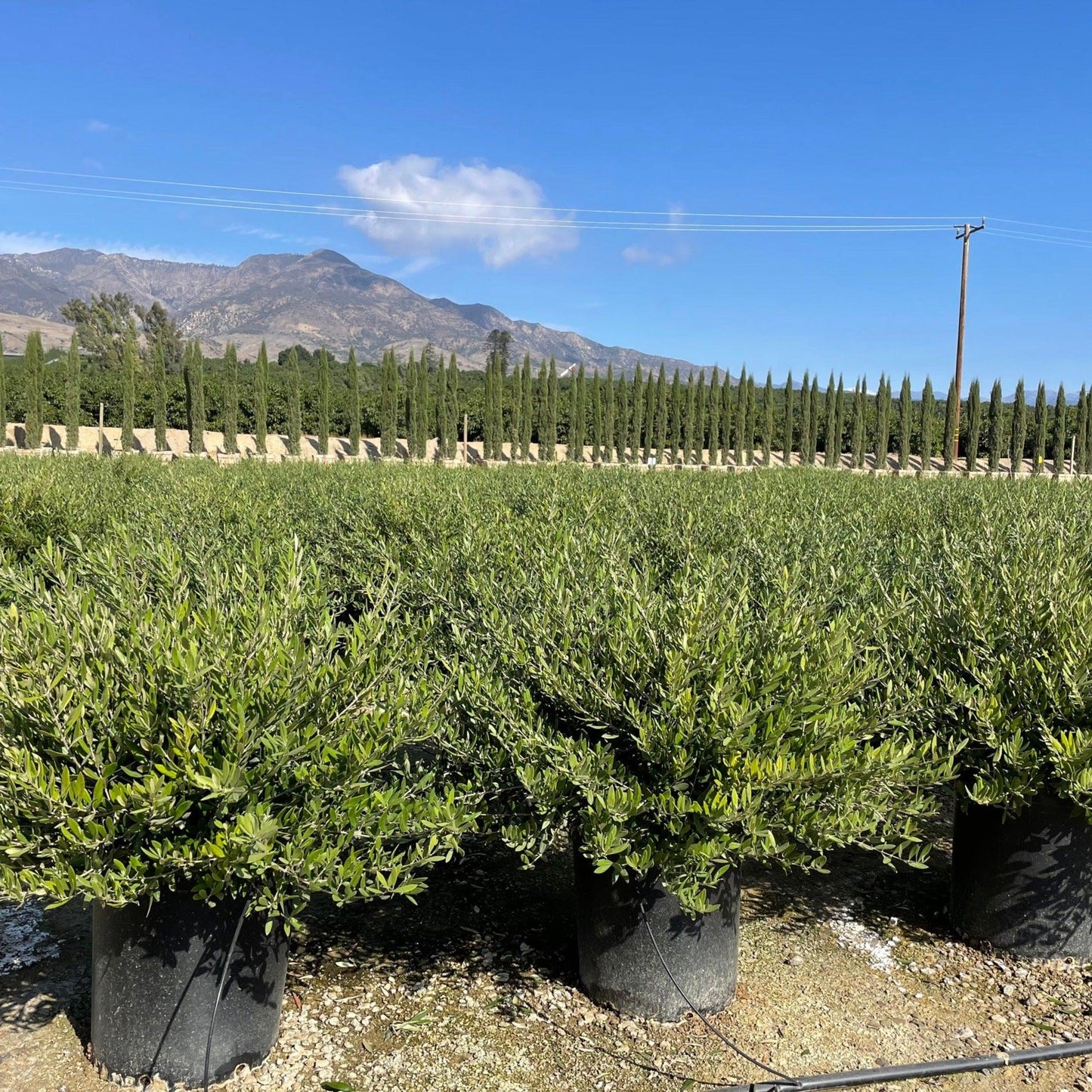

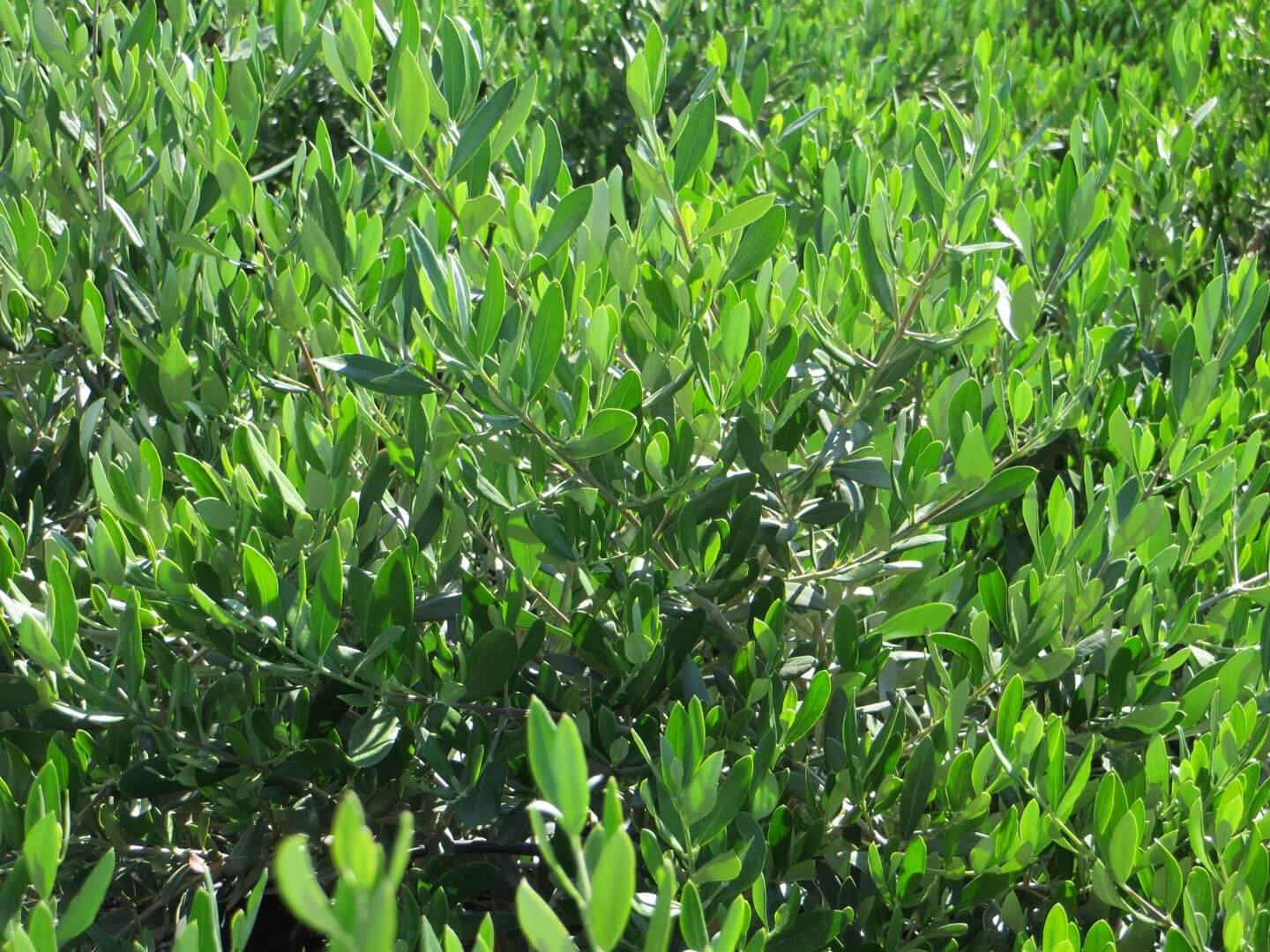
Thousands of Healthy Plants Delivered

Yardwork was so great to work with. First they had the Swan Hill olive trees that we had been searching for, we had contacted several other nurseries without any luck previously. Then they answered all of our questions in a timely matter prior to ordering and finally delivered within a few days of placing it. Their staff is incredibly knowledgeable; they delivered and planted our trees with expertise to ensure that they would do well in our yard. We would definitely work with them again for future projects.











A Modern Experience
At Yardwork, we carefully curate thousands of plants, in all container sizes, to provide you with the best selection of the highest quality trees and plants at the best price, with the convenience of an online platform.
Uncompromised Quality
We choose only the finest specimens and hand select our plants just before delivery to ensure you receive the freshest and most robust specimens available for your landscape.
Industry Leading Warranties
Our 30, 90, and 365 extended warranties provide some of the best coverage to ensure our trees and plants thrive in your landscape.
Frequently Asked Questions
We're committed to changing everything about trees and plants - how they’re grown, how you shop for them, and how much they cost. We handle orders ourselves. No middlemen to get between us (or our prices) and you.
We're committed to changing everything about trees and plants - how they’re grown, how you shop for them, and how much they cost. We handle orders ourselves. No middlemen to get between us (or our prices) and you.
Delivery does not include unloading of trees and plants LARGER than a 24" box.
Trees and plants in smaller containers will be dropped curbside (usually on the driveway or near the front doorstep).
Delivery beyond a curbside drop will be charged extra.
Trees and plants that are sold in container sizes LARGER than a 24" box size will require equipment and/or enough manpower onsite to help unload from the truck.
Please reach out to our team PRIOR to placing your order to help coordinate.
Our team can provide unloading assistance with equipment for an extra fee as well.
Delivery does not include unloading of trees and plants LARGER than a 24" box.
Trees and plants in smaller containers will be dropped curbside (usually on the driveway or near the front doorstep).
Delivery beyond a curbside drop will be charged extra.
Trees and plants that are sold in container sizes LARGER than a 24" box size will require equipment and/or enough manpower onsite to help unload from the truck.
Please reach out to our team PRIOR to placing your order to help coordinate.
Our team can provide unloading assistance with equipment for an extra fee as well.
We ship locally within California within 7-10 days of your order being placed.
We ship nationally using carrier partners, based on order size. Our common order minimums for out of state shipping is $5,000.
Text or call 323-576-4159 for specific shipping details for your location.
We ship locally within California within 7-10 days of your order being placed.
We ship nationally using carrier partners, based on order size. Our common order minimums for out of state shipping is $5,000.
Text or call 323-576-4159 for specific shipping details for your location.
We are currently online only and don't have physical locations where you can view plants in person.
That's why we have photos direct from the growing grounds of the plants we will ship and we display pricing right in our store.
We do make sure to pick the very best trees and plants prior to shipping and make sure that they have gone through our multi-point inspection for health and structure.
We will always reach out prior to delivery if we find a quality issue or need to provide a substitute.
We are currently online only and don't have physical locations where you can view plants in person.
That's why we have photos direct from the growing grounds of the plants we will ship and we display pricing right in our store.
We do make sure to pick the very best trees and plants prior to shipping and make sure that they have gone through our multi-point inspection for health and structure.
We will always reach out prior to delivery if we find a quality issue or need to provide a substitute.
Plants vary greatly by type. Here is a rough idea of sizes based on containers that are direct from our growing grounds.
15 Gallon Shrub 3-4 Ft. Tall
15 Gallon Tree 5-6 Ft. Tall
24" Box Shrub 5-6 Ft. Tall
24" Box Tree 6-7 Ft. Tall
36" Box Shrub/Tree 7-9 Ft. Tall
48" Box Shrub/Tree 8-10 Ft. Tall
**Please note that we do not make guarantees of sizes. If you have questions or concerns, please call or text to request accurate sizing for the particular plant you're considering, prior to ordering.
Plants vary greatly by type. Here is a rough idea of sizes based on containers that are direct from our growing grounds.
15 Gallon Shrub 3-4 Ft. Tall
15 Gallon Tree 5-6 Ft. Tall
24" Box Shrub 5-6 Ft. Tall
24" Box Tree 6-7 Ft. Tall
36" Box Shrub/Tree 7-9 Ft. Tall
48" Box Shrub/Tree 8-10 Ft. Tall
**Please note that we do not make guarantees of sizes. If you have questions or concerns, please call or text to request accurate sizing for the particular plant you're considering, prior to ordering.
We offer a limited 30 day warranty for plants that are delivered and planted by someone else and a 90 day warranty for plants that we plant.
The limited warranty covers plants that die as a result of disease or fungus which was derived from our growing grounds or from root balls that were root bound.
The warranty does not cover damage due to watering, fertilizer, soils, or any other conditions beyond our control. Additionally, the warranty does not cover plants that are shipped out of the state of California or shipped into California from other states. Custom plant orders are also not covered under warranty. Plants must be planted within 24 hours after delivery to qualify.
We can assist you in recommending the right soils and fertilizers to help your plant thrive after you plant it.
Text or call 323-576-4159 for further warranty information.
We offer a limited 30 day warranty for plants that are delivered and planted by someone else and a 90 day warranty for plants that we plant.
The limited warranty covers plants that die as a result of disease or fungus which was derived from our growing grounds or from root balls that were root bound.
The warranty does not cover damage due to watering, fertilizer, soils, or any other conditions beyond our control. Additionally, the warranty does not cover plants that are shipped out of the state of California or shipped into California from other states. Custom plant orders are also not covered under warranty. Plants must be planted within 24 hours after delivery to qualify.
We can assist you in recommending the right soils and fertilizers to help your plant thrive after you plant it.
Text or call 323-576-4159 for further warranty information.
Our local delivery team covers most cities in California.
There are some exceptions, so please get in touch to confirm prior to ordering.
Additionally, we ship using semi trucks and trailers throughout the entire United States and even abroad for large orders over $5,000. Each shipment is custom, so please reach out to our team to coordinate.
Our local delivery team covers most cities in California.
There are some exceptions, so please get in touch to confirm prior to ordering.
Additionally, we ship using semi trucks and trailers throughout the entire United States and even abroad for large orders over $5,000. Each shipment is custom, so please reach out to our team to coordinate.