



Wisteria Tree
Regular price
$75.00
Size
Variety
Transform Your Garden with Stunning Cascading Blooms
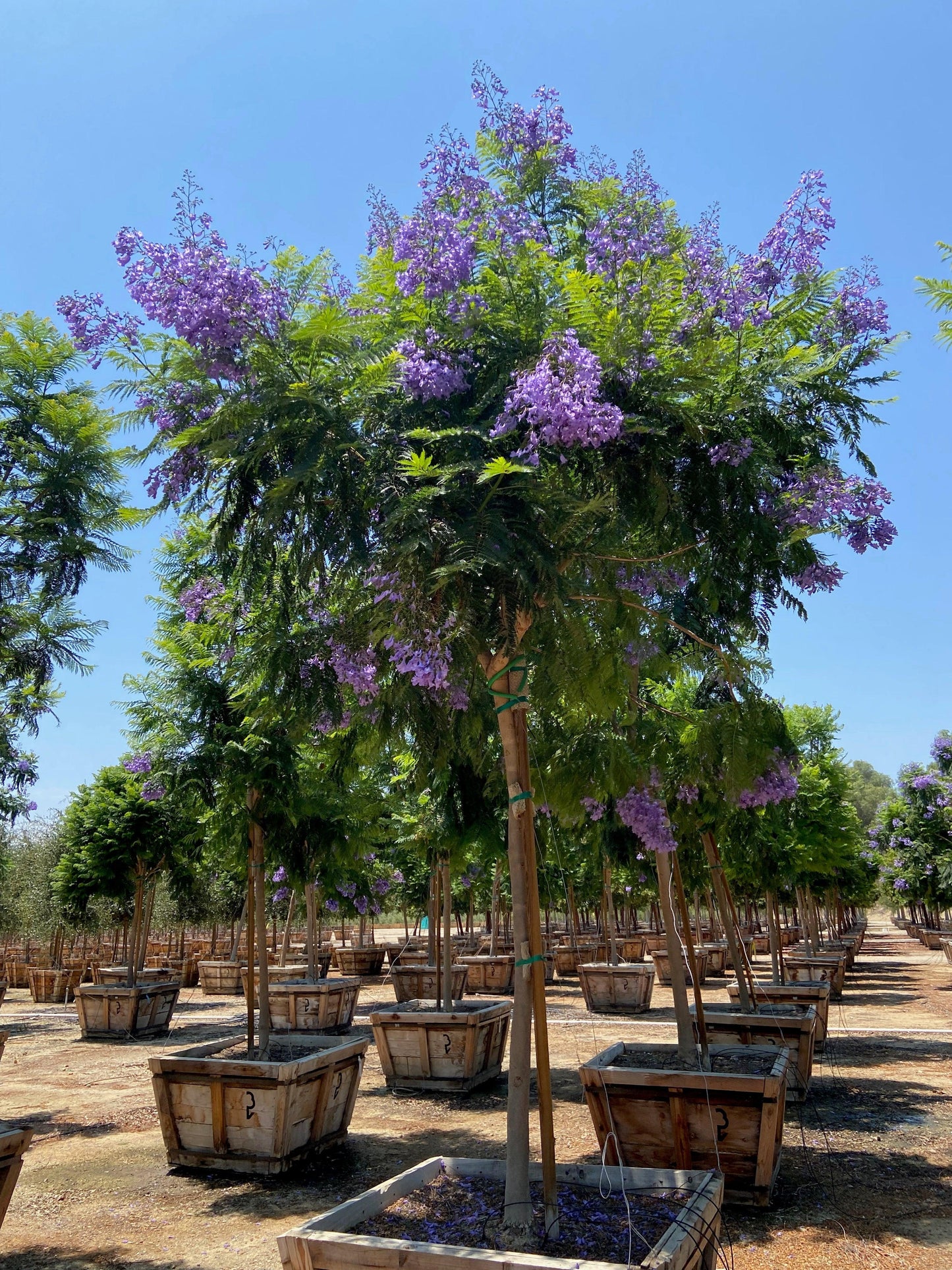
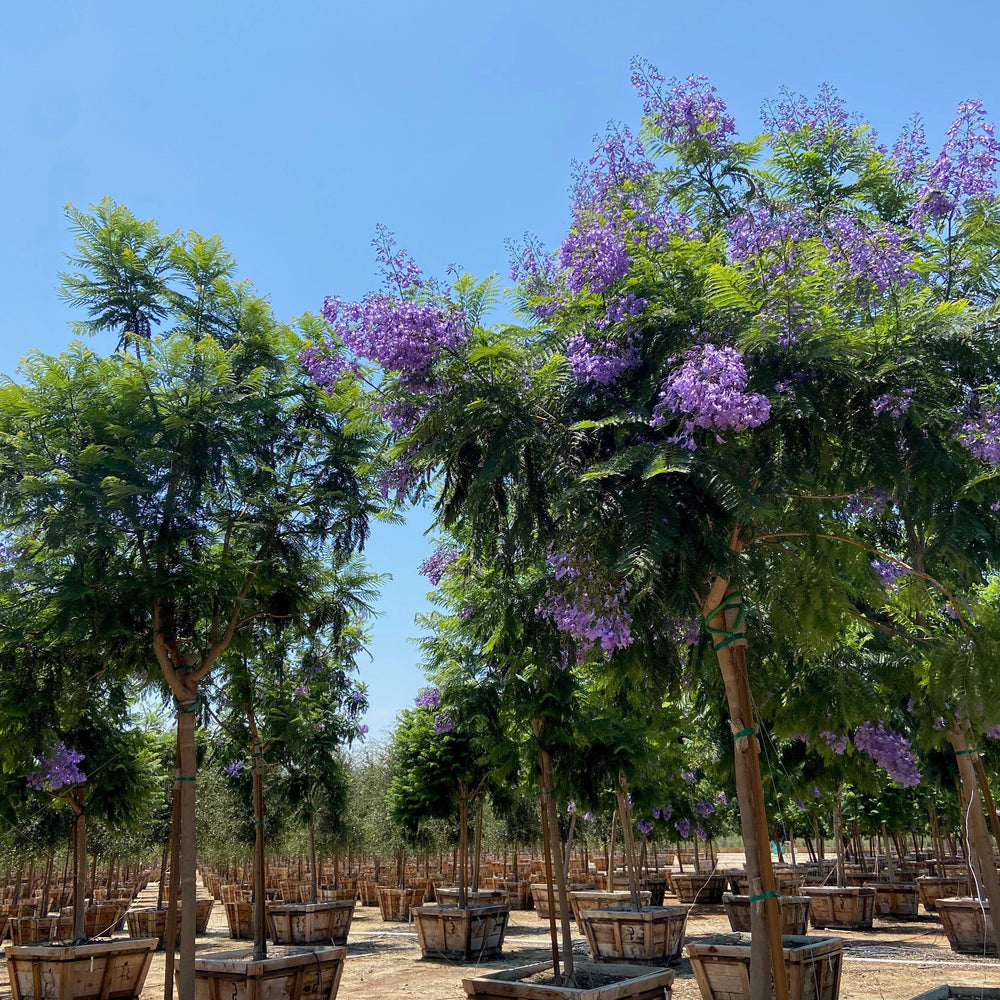
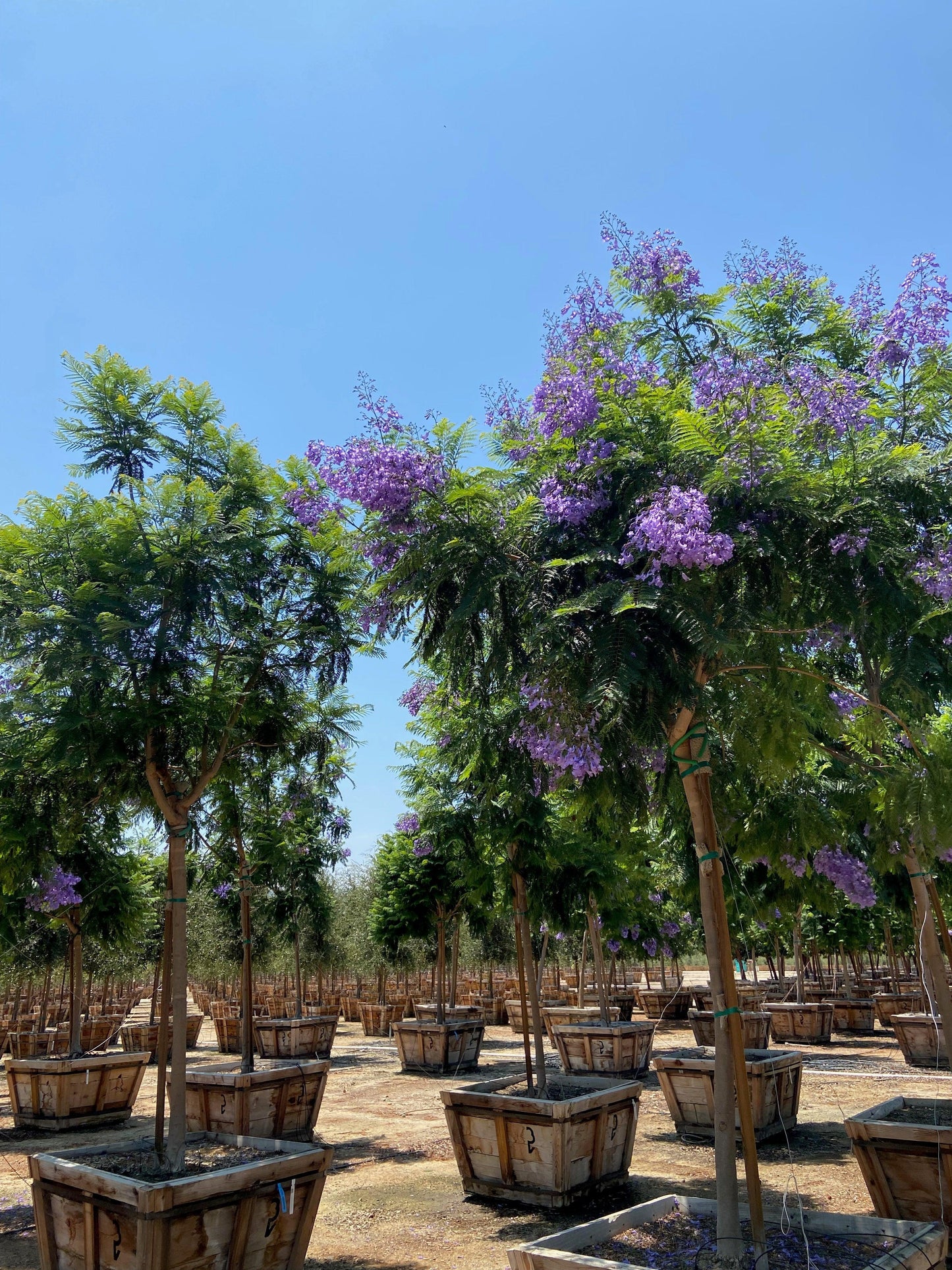
A wisteria tree gives you the drama of a classic wisteria vine in a controlled tree form, creating sweet-scented hanging flower chains that appear in mid-to-late spring and turn patios, entries, and garden beds into standout focal points.
Trained as a single-stem specimen rather than left as a sprawling vining plant, Yardwork’s wisteria trees bring cascading wisteria flowers, strong fragrance, and instant visual structure to outdoor spaces. In the right site, the wisteria bloom can produce purple flowers, blue purple flowers, or white flowers, with some wisteria varieties forming flower clusters that measure up to 3 feet long in select cultivars.
For California homeowners, designers, and gardeners, a wisteria tree is a high-impact choice for a front porch view, driveway entrance, courtyard, or sunny garden focal point. The tree grows quickly, the blooms feel architectural, and mature plants can add the kind of seasonal display that makes a landscape feel established and intentional, especially when combined with other landscape trees that add structure and value.
Why You’ll Love It
-
Spectacular Spring Blooms – Produces abundant cascading clusters of fragrant purple, blue, or white flowers. Wisteria is known for its sweet-scented flower chains that appear in mid-to-late spring, while some Asian species may begin in early spring before the foliage fully opens.
-
Fast Growth – Reaches 3-5 feet per year for quick garden transformation, and wisteria trees can grow up to 10 feet per year under optimal conditions, making them a fast-growing option for gardeners seeking quick visual impact.
-
Low Maintenance – Once established, wisteria is drought tolerant, deer resistant, and capable of handling occasional summer dryness. Water newly planted wisteria deeply about twice a week for the first 2 to 3 months, and once established, it can rely on rainfall with occasional summer watering.
-
Long-Lived Beauty – Wisteria can live for decades, and many mature plants remain impressive for more than 50 years with proper pruning, spacing, and care.
-
Versatile Design – Works as a standalone specimen tree, a trained standard near a front porch, or a structured alternative to other flowering trees and shrubs on pergolas and arbors. Wisteria needs ample space to accommodate its heavy, spreading canopy, and when planting wisteria, it is recommended to space them 15 feet apart to accommodate their mature spread of 10-12 feet.
What Makes It Different
Most wisteria plants are sold as aggressive flowering vines, leaving homeowners to manage rampant runners, tangled stems, and oversized growth. Yardwork focuses on trained tree form specimens and carefully selected wisteria varieties so you can enjoy the beauty of wisteria without treating your garden like a containment project.
A Wisteria Tree offers:
-
Tree Form Training – Pre-pruned into an elegant tree shape with a strong central trunk, also called the main stem. Instead of letting the wisteria vine climb tall trees or nearby structures, the plant is guided into a balanced canopy that gives you height, shape, and cascading blooms in one specimen.
-
American Varieties Available – Chinese wisteria (Wisteria sinensis) and Japanese wisteria (W. floribunda)are considered invasive species in some states, while American wisteria (W. frutescens) and Kentucky wisteria (W. macrostachya) are native alternatives that are less aggressive. American Wisteria is less aggressive and more suitable for garden settings, making it a smart choice for sustainable landscapes and native plants planning.
-
California Climate Adapted – Selected varieties are suited for California growing conditions, where full sun, dry summers, and well draining soil matter. Wisteria trees thrive best in full sun, requiring at least 6 hours of direct sunlight daily for optimal blooming. Wisteria trees thrive in full sun, requiring at least 6 hours of direct sunlight daily for maximum bloom production, although they can tolerate partial shade in warmer climates, and a California-focused plant nursery for trees and landscaping plants can help you match varieties to your exact microclimate.
Species matter. Japanese wisteria (Wisteria floribunda) was introduced to the United States in the early 19th century and produces purple or purple-blue flowers. American wisteria (Wisteria frutescens) is smaller than its Asian counterparts and blooms later, producing mildly fragrant pale lilac flowers resembling grape clusters. Silky wisteria (Wisteria brachybotrys) is native to Japan and features large, white flowers in clusters that can grow four to six inches long.
How To Grow A Wisteria Tree Successfully In Your Garden
-
Step 1 – Choose Your Location
Select a sunny spot with at least 6 hours of direct sunlight. Wisteria prefers full sun and should receive at least 6 hours of direct sunlight daily for optimal blooming, though it can tolerate partial shade in warmer inland gardens. Give the new plant ample space: wisteria trees can reach a mature height of over 40 feet, depending on the variety, and they typically spread 10-12 feet wide, requiring ample space when planted. This kind of planning is just as important when choosing fast-growing privacy and evergreen trees to frame your property lines. -
Step 2 – Plant and Establish
Dig a hole twice the root ball width and plant wisteria at the same depth it was grown in the container. Wisteria trees can adapt to a variety of soil types but prefer well-drained, fertile soil for best growth. Wisteria can tolerate poor soil conditions but does not thrive in waterlogged clay, so amend heavy soil before planting and mulch to retain moisture, control weeds, and protect roots during the growing season. -
Step 3 – Enjoy the Blooms
Watch the spectacular flower display begin in year 2-3 on many grafted or cutting-grown wisteria plants. Wisteria blooms on last year’s growth, so proper pruning matters. Pruning twice a year using the “2 and 7” rule is essential for controlling Wisteria size and promoting blooms: shorten long young shoots in mid summer, then prune hard in late winter or early spring to focus energy into flower buds and more blooms.
Short, fearless maintenance keeps the shape elegant. Proper maintenance of Wisteria requires a strict, fearless pruning schedule, especially because wisteria is extremely vigorous and can aggressively send out runners if not properly maintained; the same principle applies when you invest in mature trees that provide instant impact, which also benefit from early structural pruning.
Product Details
-
Available Varieties: American Wisteria, Chinese Wisteria, Japanese Wisteria, Kentucky Wisteria, and select cultivars such as Amethyst Falls and Blue Moon, alongside many other ornamental trees and shrubs available online
-
Botanical Names: Wisteria frutescens, Wisteria sinensis, Wisteria floribunda, W. floribunda, W. sinensis, Wisteria macrostachya, and other Wisteria spp
-
Mature Size: Common tree form specimens are often maintained around 15-25 feet tall and 10-15 feet wide; some varieties can reach over 40 feet if allowed to grow larger, similar to other substantial shade trees like the Brisbane Box (Tristania)
-
Recommended Spacing: Plant wisteria 15 feet apart to accommodate mature spread of 10-12 feet
-
Hardiness Zones: Wisteria trees thrive in USDA Hardiness Zones 4 through 9
-
Bloom Time: Early spring to late spring, with many varieties producing sweet-scented chains in mid-to-late spring
-
Flower Colors: Purple flowers, blue purple flowers, purple-blue flowers, pale lilac, and white flowers depending on variety
-
Flower Clusters: Some cultivars produce flower clusters up to 3 feet long
-
Growth Rate: Fast; commonly 3-5 feet per year, and up to 10 feet per year under optimal conditions
-
Soil Requirements: Adaptable, but best in well draining soil that is fertile and not waterlogged clay
-
Sun Requirements: Full sun is best; at least 6 hours direct sunlight daily for optimal blooming, with partial shade tolerated in warmer climates
-
Watering: Deep water newly planted wisteria about twice weekly for the first 2 to 3 months; established plants can rely on rainfall with occasional summer watering, just as you would with container-grown citrus trees in the landscape
-
Fertilizer: Wisteria fixes its own nitrogen, and using high-nitrogen fertilizers can inhibit flower development
-
Pruning: Prune in late winter or early spring by removing at least half of the previous year’s growth to promote prolific blooms; summer pruning helps manage vigorous growth and new growth
-
Safety: All parts of the Wisteria plant are toxic to humans and animals, so consider placing them away from play areas or, in family spaces, pairing them with non-toxic accent trees like California pepper and other landscape selections
-
Invasiveness Note: Chinese wisteria and Japanese wisteria are considered invasive species in some states of North America; American wisteria and Kentucky wisteria are less aggressive native species alternatives
Who It’s For
Ideal for:
-
California homeowners wanting dramatic spring color, fragrant flowers, and a showpiece tree near a front porch, entry path, or patio
-
Gardeners seeking fast-growing specimen trees that create quick visual impact without needing a pergola
-
Landscape designers creating focal points with trained wisteria plants, structured canopies, and cascading blooms
-
Anyone wanting fragrant, low-maintenance flowering trees with the option to choose American wisteria over invasive wisteria
-
Gardeners who understand that most vines need training, and that a wisteria tree still benefits from confident pruning and seasonal care
If you want a garden focal point with strong fragrance, blue purple color, and elegant hanging blooms, this product fits your needs. Choose American wisteria if you prefer native plants and a less aggressive grower. Choose Chinese varieties or Japanese wisteria only where appropriate for your location, your maintenance plan, and local regulations.
Frequently Asked Questions
How long before my wisteria tree blooms?
Typically 2-3 years after planting for first blooms when you start with a well-grown, named plant. You can expect flowers sooner from grafted plants or plants propagated from softwood cuttings than from wisteria seeds, which may take many years to mature. Wisteria blooms on last year’s growth, so late winter pruning should protect flower buds while removing excess previous year’s growth.
Are wisteria trees invasive?
American varieties are non-invasive compared with many Asian species, and we recommend these over Asian species for most garden settings. Chinese wisteria, also known as wisteria sinensis or w sinensis, and Japanese wisteria, also known as wisteria floribunda or w floribunda, are considered invasive species in some states of North America. Wisteria plants can spread aggressively, with roots producing suckers far from the original plant and dropping seeds that can lead to new growth.
How much pruning is required?
Annual pruning in late winter maintains tree form and promotes blooms, but the best results come from pruning twice a year using the “2 and 7” rule. Prune young shoots during mid summer to control vigorous growth, then prune hard in late winter or early spring by removing at least half of the previous year’s growth to promote more blooms. A strict, fearless pruning schedule keeps the canopy balanced and helps prevent the plant from overwhelming other plants.
Are they safe around pets and children?
All parts of the Wisteria plant are toxic to humans and animals if ingested. Place wisteria away from areas where children, dogs, cats, horses, or browsing pets may chew seed pods, leaves, bark, or flowers.
What support do they need?
Tree form wisterias are trained to become self-supporting with a strong central trunk, but a new wisteria should be staked while it establishes. The canopy can become heavy, especially during bloom, so early support and balanced pruning help the tree grows straight and prevents wind damage.
What should I do if I already have invasive wisteria?
To manage invasive wisteria, it is recommended to saw off all vines down to the base and apply herbicide to the stumps to prevent regrowth, but persistence is required as new shoots may appear for several seasons. For new plantings, choose American wisteria or Kentucky wisteria where possible to reduce long-term spread risk.
Ready to Transform Your Garden?
Choose our expertly trained wisteria trees for instant structure, fragrant flowers, and a spring display that feels established from the start.
Shop your wisteria tree today, or ask Yardwork for help choosing the right wisteria varieties for your California garden, soil, sun exposure, and maintenance goals. We can help you compare American wisteria, Kentucky wisteria, Chinese wisteria, Japanese wisteria, silky wisteria, Amethyst Falls, Blue Moon, and other options before you plant.
Transform Your Garden with Stunning Cascading Blooms
A wisteria tree gives you the drama of a classic wisteria vine in a controlled tree form, creating sweet-scented hanging flower chains that appear in mid-to-late spring and turn patios, entries, and garden beds into standout focal points.
Trained as a single-stem specimen rather than left as a sprawling vining plant, Yardwork’s wisteria trees bring cascading wisteria flowers, strong fragrance, and instant visual structure to outdoor spaces. In the right site, the wisteria bloom can produce purple flowers, blue purple flowers, or white flowers, with some wisteria varieties forming flower clusters that measure up to 3 feet long in select cultivars.
For California homeowners, designers, and gardeners, a wisteria tree is a high-impact choice for a front porch view, driveway entrance, courtyard, or sunny garden focal point. The tree grows quickly, the blooms feel architectural, and mature plants can add the kind of seasonal display that makes a landscape feel established and intentional, especially when combined with other landscape trees that add structure and value.
Why You’ll Love It
-
Spectacular Spring Blooms – Produces abundant cascading clusters of fragrant purple, blue, or white flowers. Wisteria is known for its sweet-scented flower chains that appear in mid-to-late spring, while some Asian species may begin in early spring before the foliage fully opens.
-
Fast Growth – Reaches 3-5 feet per year for quick garden transformation, and wisteria trees can grow up to 10 feet per year under optimal conditions, making them a fast-growing option for gardeners seeking quick visual impact.
-
Low Maintenance – Once established, wisteria is drought tolerant, deer resistant, and capable of handling occasional summer dryness. Water newly planted wisteria deeply about twice a week for the first 2 to 3 months, and once established, it can rely on rainfall with occasional summer watering.
-
Long-Lived Beauty – Wisteria can live for decades, and many mature plants remain impressive for more than 50 years with proper pruning, spacing, and care.
-
Versatile Design – Works as a standalone specimen tree, a trained standard near a front porch, or a structured alternative to other flowering trees and shrubs on pergolas and arbors. Wisteria needs ample space to accommodate its heavy, spreading canopy, and when planting wisteria, it is recommended to space them 15 feet apart to accommodate their mature spread of 10-12 feet.
What Makes It Different
Most wisteria plants are sold as aggressive flowering vines, leaving homeowners to manage rampant runners, tangled stems, and oversized growth. Yardwork focuses on trained tree form specimens and carefully selected wisteria varieties so you can enjoy the beauty of wisteria without treating your garden like a containment project.
A Wisteria Tree offers:
-
Tree Form Training – Pre-pruned into an elegant tree shape with a strong central trunk, also called the main stem. Instead of letting the wisteria vine climb tall trees or nearby structures, the plant is guided into a balanced canopy that gives you height, shape, and cascading blooms in one specimen.
-
American Varieties Available – Chinese wisteria (Wisteria sinensis) and Japanese wisteria (W. floribunda)are considered invasive species in some states, while American wisteria (W. frutescens) and Kentucky wisteria (W. macrostachya) are native alternatives that are less aggressive. American Wisteria is less aggressive and more suitable for garden settings, making it a smart choice for sustainable landscapes and native plants planning.
-
California Climate Adapted – Selected varieties are suited for California growing conditions, where full sun, dry summers, and well draining soil matter. Wisteria trees thrive best in full sun, requiring at least 6 hours of direct sunlight daily for optimal blooming. Wisteria trees thrive in full sun, requiring at least 6 hours of direct sunlight daily for maximum bloom production, although they can tolerate partial shade in warmer climates, and a California-focused plant nursery for trees and landscaping plants can help you match varieties to your exact microclimate.
Species matter. Japanese wisteria (Wisteria floribunda) was introduced to the United States in the early 19th century and produces purple or purple-blue flowers. American wisteria (Wisteria frutescens) is smaller than its Asian counterparts and blooms later, producing mildly fragrant pale lilac flowers resembling grape clusters. Silky wisteria (Wisteria brachybotrys) is native to Japan and features large, white flowers in clusters that can grow four to six inches long.
How To Grow A Wisteria Tree Successfully In Your Garden
-
Step 1 – Choose Your Location
Select a sunny spot with at least 6 hours of direct sunlight. Wisteria prefers full sun and should receive at least 6 hours of direct sunlight daily for optimal blooming, though it can tolerate partial shade in warmer inland gardens. Give the new plant ample space: wisteria trees can reach a mature height of over 40 feet, depending on the variety, and they typically spread 10-12 feet wide, requiring ample space when planted. This kind of planning is just as important when choosing fast-growing privacy and evergreen trees to frame your property lines. -
Step 2 – Plant and Establish
Dig a hole twice the root ball width and plant wisteria at the same depth it was grown in the container. Wisteria trees can adapt to a variety of soil types but prefer well-drained, fertile soil for best growth. Wisteria can tolerate poor soil conditions but does not thrive in waterlogged clay, so amend heavy soil before planting and mulch to retain moisture, control weeds, and protect roots during the growing season. -
Step 3 – Enjoy the Blooms
Watch the spectacular flower display begin in year 2-3 on many grafted or cutting-grown wisteria plants. Wisteria blooms on last year’s growth, so proper pruning matters. Pruning twice a year using the “2 and 7” rule is essential for controlling Wisteria size and promoting blooms: shorten long young shoots in mid summer, then prune hard in late winter or early spring to focus energy into flower buds and more blooms.
Short, fearless maintenance keeps the shape elegant. Proper maintenance of Wisteria requires a strict, fearless pruning schedule, especially because wisteria is extremely vigorous and can aggressively send out runners if not properly maintained; the same principle applies when you invest in mature trees that provide instant impact, which also benefit from early structural pruning.
Product Details
-
Available Varieties: American Wisteria, Chinese Wisteria, Japanese Wisteria, Kentucky Wisteria, and select cultivars such as Amethyst Falls and Blue Moon, alongside many other ornamental trees and shrubs available online
-
Botanical Names: Wisteria frutescens, Wisteria sinensis, Wisteria floribunda, W. floribunda, W. sinensis, Wisteria macrostachya, and other Wisteria spp
-
Mature Size: Common tree form specimens are often maintained around 15-25 feet tall and 10-15 feet wide; some varieties can reach over 40 feet if allowed to grow larger, similar to other substantial shade trees like the Brisbane Box (Tristania)
-
Recommended Spacing: Plant wisteria 15 feet apart to accommodate mature spread of 10-12 feet
-
Hardiness Zones: Wisteria trees thrive in USDA Hardiness Zones 4 through 9
-
Bloom Time: Early spring to late spring, with many varieties producing sweet-scented chains in mid-to-late spring
-
Flower Colors: Purple flowers, blue purple flowers, purple-blue flowers, pale lilac, and white flowers depending on variety
-
Flower Clusters: Some cultivars produce flower clusters up to 3 feet long
-
Growth Rate: Fast; commonly 3-5 feet per year, and up to 10 feet per year under optimal conditions
-
Soil Requirements: Adaptable, but best in well draining soil that is fertile and not waterlogged clay
-
Sun Requirements: Full sun is best; at least 6 hours direct sunlight daily for optimal blooming, with partial shade tolerated in warmer climates
-
Watering: Deep water newly planted wisteria about twice weekly for the first 2 to 3 months; established plants can rely on rainfall with occasional summer watering, just as you would with container-grown citrus trees in the landscape
-
Fertilizer: Wisteria fixes its own nitrogen, and using high-nitrogen fertilizers can inhibit flower development
-
Pruning: Prune in late winter or early spring by removing at least half of the previous year’s growth to promote prolific blooms; summer pruning helps manage vigorous growth and new growth
-
Safety: All parts of the Wisteria plant are toxic to humans and animals, so consider placing them away from play areas or, in family spaces, pairing them with non-toxic accent trees like California pepper and other landscape selections
-
Invasiveness Note: Chinese wisteria and Japanese wisteria are considered invasive species in some states of North America; American wisteria and Kentucky wisteria are less aggressive native species alternatives
Who It’s For
Ideal for:
-
California homeowners wanting dramatic spring color, fragrant flowers, and a showpiece tree near a front porch, entry path, or patio
-
Gardeners seeking fast-growing specimen trees that create quick visual impact without needing a pergola
-
Landscape designers creating focal points with trained wisteria plants, structured canopies, and cascading blooms
-
Anyone wanting fragrant, low-maintenance flowering trees with the option to choose American wisteria over invasive wisteria
-
Gardeners who understand that most vines need training, and that a wisteria tree still benefits from confident pruning and seasonal care
If you want a garden focal point with strong fragrance, blue purple color, and elegant hanging blooms, this product fits your needs. Choose American wisteria if you prefer native plants and a less aggressive grower. Choose Chinese varieties or Japanese wisteria only where appropriate for your location, your maintenance plan, and local regulations.
Frequently Asked Questions
How long before my wisteria tree blooms?
Typically 2-3 years after planting for first blooms when you start with a well-grown, named plant. You can expect flowers sooner from grafted plants or plants propagated from softwood cuttings than from wisteria seeds, which may take many years to mature. Wisteria blooms on last year’s growth, so late winter pruning should protect flower buds while removing excess previous year’s growth.
Are wisteria trees invasive?
American varieties are non-invasive compared with many Asian species, and we recommend these over Asian species for most garden settings. Chinese wisteria, also known as wisteria sinensis or w sinensis, and Japanese wisteria, also known as wisteria floribunda or w floribunda, are considered invasive species in some states of North America. Wisteria plants can spread aggressively, with roots producing suckers far from the original plant and dropping seeds that can lead to new growth.
How much pruning is required?
Annual pruning in late winter maintains tree form and promotes blooms, but the best results come from pruning twice a year using the “2 and 7” rule. Prune young shoots during mid summer to control vigorous growth, then prune hard in late winter or early spring by removing at least half of the previous year’s growth to promote more blooms. A strict, fearless pruning schedule keeps the canopy balanced and helps prevent the plant from overwhelming other plants.
Are they safe around pets and children?
All parts of the Wisteria plant are toxic to humans and animals if ingested. Place wisteria away from areas where children, dogs, cats, horses, or browsing pets may chew seed pods, leaves, bark, or flowers.
What support do they need?
Tree form wisterias are trained to become self-supporting with a strong central trunk, but a new wisteria should be staked while it establishes. The canopy can become heavy, especially during bloom, so early support and balanced pruning help the tree grows straight and prevents wind damage.
What should I do if I already have invasive wisteria?
To manage invasive wisteria, it is recommended to saw off all vines down to the base and apply herbicide to the stumps to prevent regrowth, but persistence is required as new shoots may appear for several seasons. For new plantings, choose American wisteria or Kentucky wisteria where possible to reduce long-term spread risk.
Ready to Transform Your Garden?
Choose our expertly trained wisteria trees for instant structure, fragrant flowers, and a spring display that feels established from the start.
Shop your wisteria tree today, or ask Yardwork for help choosing the right wisteria varieties for your California garden, soil, sun exposure, and maintenance goals. We can help you compare American wisteria, Kentucky wisteria, Chinese wisteria, Japanese wisteria, silky wisteria, Amethyst Falls, Blue Moon, and other options before you plant.
Plants vary greatly by type and no guarantees are made on sizing.
However here is a rough idea of sizes based on containers that are direct from our growing grounds.
15 Gallon Shrub 3-4 Ft. Tall
15 Gallon Tree 5-6 Ft. Tall
24" Box Shrub 5-6 Ft. Tall
24" Box Tree 6-7 Ft. Tall
36" Box Tree 8-10 Ft. Tall
48" Box Tree 10-12 Ft. Tall
Please note: Citrus and California Native plants such as Manzanita are smaller than traditional sizing.
Please contact us to confirm sizing of items before purchasing if this is a concern.
Plants vary greatly by type and no guarantees are made on sizing.
However here is a rough idea of sizes based on containers that are direct from our growing grounds.
15 Gallon Shrub 3-4 Ft. Tall
15 Gallon Tree 5-6 Ft. Tall
24" Box Shrub 5-6 Ft. Tall
24" Box Tree 6-7 Ft. Tall
36" Box Tree 8-10 Ft. Tall
48" Box Tree 10-12 Ft. Tall
Please note: Citrus and California Native plants such as Manzanita are smaller than traditional sizing.
Please contact us to confirm sizing of items before purchasing if this is a concern.
Delivery does not include unloading of trees and plants larger than a 24" box.
Trees and plants in smaller containers will be dropped curbside.
Delivery beyond a curbside drop will be charged extra.
Trees and plants that are sold in container sizes larger than a 24" box size will require equipment and an operator onsite to help unload from the truck.
Please reach out to our team PRIOR to placing your order to coordinate.
Our team can provide unloading assistance with equipment for an extra fee.
Delivery does not include unloading of trees and plants larger than a 24" box.
Trees and plants in smaller containers will be dropped curbside.
Delivery beyond a curbside drop will be charged extra.
Trees and plants that are sold in container sizes larger than a 24" box size will require equipment and an operator onsite to help unload from the truck.
Please reach out to our team PRIOR to placing your order to coordinate.
Our team can provide unloading assistance with equipment for an extra fee.
You may also like...


Wisteria Tree
Regular price
$75.00
Size
Variety
Transform Your Garden with Stunning Cascading Blooms
A wisteria tree gives you the drama of a classic wisteria vine in a controlled tree form, creating sweet-scented hanging flower chains that appear in mid-to-late spring and turn patios, entries, and garden beds into standout focal points.
Trained as a single-stem specimen rather than left as a sprawling vining plant, Yardwork’s wisteria trees bring cascading wisteria flowers, strong fragrance, and instant visual structure to outdoor spaces. In the right site, the wisteria bloom can produce purple flowers, blue purple flowers, or white flowers, with some wisteria varieties forming flower clusters that measure up to 3 feet long in select cultivars.
For California homeowners, designers, and gardeners, a wisteria tree is a high-impact choice for a front porch view, driveway entrance, courtyard, or sunny garden focal point. The tree grows quickly, the blooms feel architectural, and mature plants can add the kind of seasonal display that makes a landscape feel established and intentional, especially when combined with other landscape trees that add structure and value.
Why You’ll Love It
-
Spectacular Spring Blooms – Produces abundant cascading clusters of fragrant purple, blue, or white flowers. Wisteria is known for its sweet-scented flower chains that appear in mid-to-late spring, while some Asian species may begin in early spring before the foliage fully opens.
-
Fast Growth – Reaches 3-5 feet per year for quick garden transformation, and wisteria trees can grow up to 10 feet per year under optimal conditions, making them a fast-growing option for gardeners seeking quick visual impact.
-
Low Maintenance – Once established, wisteria is drought tolerant, deer resistant, and capable of handling occasional summer dryness. Water newly planted wisteria deeply about twice a week for the first 2 to 3 months, and once established, it can rely on rainfall with occasional summer watering.
-
Long-Lived Beauty – Wisteria can live for decades, and many mature plants remain impressive for more than 50 years with proper pruning, spacing, and care.
-
Versatile Design – Works as a standalone specimen tree, a trained standard near a front porch, or a structured alternative to other flowering trees and shrubs on pergolas and arbors. Wisteria needs ample space to accommodate its heavy, spreading canopy, and when planting wisteria, it is recommended to space them 15 feet apart to accommodate their mature spread of 10-12 feet.
What Makes It Different
Most wisteria plants are sold as aggressive flowering vines, leaving homeowners to manage rampant runners, tangled stems, and oversized growth. Yardwork focuses on trained tree form specimens and carefully selected wisteria varieties so you can enjoy the beauty of wisteria without treating your garden like a containment project.
A Wisteria Tree offers:
-
Tree Form Training – Pre-pruned into an elegant tree shape with a strong central trunk, also called the main stem. Instead of letting the wisteria vine climb tall trees or nearby structures, the plant is guided into a balanced canopy that gives you height, shape, and cascading blooms in one specimen.
-
American Varieties Available – Chinese wisteria (Wisteria sinensis) and Japanese wisteria (W. floribunda)are considered invasive species in some states, while American wisteria (W. frutescens) and Kentucky wisteria (W. macrostachya) are native alternatives that are less aggressive. American Wisteria is less aggressive and more suitable for garden settings, making it a smart choice for sustainable landscapes and native plants planning.
-
California Climate Adapted – Selected varieties are suited for California growing conditions, where full sun, dry summers, and well draining soil matter. Wisteria trees thrive best in full sun, requiring at least 6 hours of direct sunlight daily for optimal blooming. Wisteria trees thrive in full sun, requiring at least 6 hours of direct sunlight daily for maximum bloom production, although they can tolerate partial shade in warmer climates, and a California-focused plant nursery for trees and landscaping plants can help you match varieties to your exact microclimate.
Species matter. Japanese wisteria (Wisteria floribunda) was introduced to the United States in the early 19th century and produces purple or purple-blue flowers. American wisteria (Wisteria frutescens) is smaller than its Asian counterparts and blooms later, producing mildly fragrant pale lilac flowers resembling grape clusters. Silky wisteria (Wisteria brachybotrys) is native to Japan and features large, white flowers in clusters that can grow four to six inches long.
How To Grow A Wisteria Tree Successfully In Your Garden
-
Step 1 – Choose Your Location
Select a sunny spot with at least 6 hours of direct sunlight. Wisteria prefers full sun and should receive at least 6 hours of direct sunlight daily for optimal blooming, though it can tolerate partial shade in warmer inland gardens. Give the new plant ample space: wisteria trees can reach a mature height of over 40 feet, depending on the variety, and they typically spread 10-12 feet wide, requiring ample space when planted. This kind of planning is just as important when choosing fast-growing privacy and evergreen trees to frame your property lines. -
Step 2 – Plant and Establish
Dig a hole twice the root ball width and plant wisteria at the same depth it was grown in the container. Wisteria trees can adapt to a variety of soil types but prefer well-drained, fertile soil for best growth. Wisteria can tolerate poor soil conditions but does not thrive in waterlogged clay, so amend heavy soil before planting and mulch to retain moisture, control weeds, and protect roots during the growing season. -
Step 3 – Enjoy the Blooms
Watch the spectacular flower display begin in year 2-3 on many grafted or cutting-grown wisteria plants. Wisteria blooms on last year’s growth, so proper pruning matters. Pruning twice a year using the “2 and 7” rule is essential for controlling Wisteria size and promoting blooms: shorten long young shoots in mid summer, then prune hard in late winter or early spring to focus energy into flower buds and more blooms.
Short, fearless maintenance keeps the shape elegant. Proper maintenance of Wisteria requires a strict, fearless pruning schedule, especially because wisteria is extremely vigorous and can aggressively send out runners if not properly maintained; the same principle applies when you invest in mature trees that provide instant impact, which also benefit from early structural pruning.
Product Details
-
Available Varieties: American Wisteria, Chinese Wisteria, Japanese Wisteria, Kentucky Wisteria, and select cultivars such as Amethyst Falls and Blue Moon, alongside many other ornamental trees and shrubs available online
-
Botanical Names: Wisteria frutescens, Wisteria sinensis, Wisteria floribunda, W. floribunda, W. sinensis, Wisteria macrostachya, and other Wisteria spp
-
Mature Size: Common tree form specimens are often maintained around 15-25 feet tall and 10-15 feet wide; some varieties can reach over 40 feet if allowed to grow larger, similar to other substantial shade trees like the Brisbane Box (Tristania)
-
Recommended Spacing: Plant wisteria 15 feet apart to accommodate mature spread of 10-12 feet
-
Hardiness Zones: Wisteria trees thrive in USDA Hardiness Zones 4 through 9
-
Bloom Time: Early spring to late spring, with many varieties producing sweet-scented chains in mid-to-late spring
-
Flower Colors: Purple flowers, blue purple flowers, purple-blue flowers, pale lilac, and white flowers depending on variety
-
Flower Clusters: Some cultivars produce flower clusters up to 3 feet long
-
Growth Rate: Fast; commonly 3-5 feet per year, and up to 10 feet per year under optimal conditions
-
Soil Requirements: Adaptable, but best in well draining soil that is fertile and not waterlogged clay
-
Sun Requirements: Full sun is best; at least 6 hours direct sunlight daily for optimal blooming, with partial shade tolerated in warmer climates
-
Watering: Deep water newly planted wisteria about twice weekly for the first 2 to 3 months; established plants can rely on rainfall with occasional summer watering, just as you would with container-grown citrus trees in the landscape
-
Fertilizer: Wisteria fixes its own nitrogen, and using high-nitrogen fertilizers can inhibit flower development
-
Pruning: Prune in late winter or early spring by removing at least half of the previous year’s growth to promote prolific blooms; summer pruning helps manage vigorous growth and new growth
-
Safety: All parts of the Wisteria plant are toxic to humans and animals, so consider placing them away from play areas or, in family spaces, pairing them with non-toxic accent trees like California pepper and other landscape selections
-
Invasiveness Note: Chinese wisteria and Japanese wisteria are considered invasive species in some states of North America; American wisteria and Kentucky wisteria are less aggressive native species alternatives
Who It’s For
Ideal for:
-
California homeowners wanting dramatic spring color, fragrant flowers, and a showpiece tree near a front porch, entry path, or patio
-
Gardeners seeking fast-growing specimen trees that create quick visual impact without needing a pergola
-
Landscape designers creating focal points with trained wisteria plants, structured canopies, and cascading blooms
-
Anyone wanting fragrant, low-maintenance flowering trees with the option to choose American wisteria over invasive wisteria
-
Gardeners who understand that most vines need training, and that a wisteria tree still benefits from confident pruning and seasonal care
If you want a garden focal point with strong fragrance, blue purple color, and elegant hanging blooms, this product fits your needs. Choose American wisteria if you prefer native plants and a less aggressive grower. Choose Chinese varieties or Japanese wisteria only where appropriate for your location, your maintenance plan, and local regulations.
Frequently Asked Questions
How long before my wisteria tree blooms?
Typically 2-3 years after planting for first blooms when you start with a well-grown, named plant. You can expect flowers sooner from grafted plants or plants propagated from softwood cuttings than from wisteria seeds, which may take many years to mature. Wisteria blooms on last year’s growth, so late winter pruning should protect flower buds while removing excess previous year’s growth.
Are wisteria trees invasive?
American varieties are non-invasive compared with many Asian species, and we recommend these over Asian species for most garden settings. Chinese wisteria, also known as wisteria sinensis or w sinensis, and Japanese wisteria, also known as wisteria floribunda or w floribunda, are considered invasive species in some states of North America. Wisteria plants can spread aggressively, with roots producing suckers far from the original plant and dropping seeds that can lead to new growth.
How much pruning is required?
Annual pruning in late winter maintains tree form and promotes blooms, but the best results come from pruning twice a year using the “2 and 7” rule. Prune young shoots during mid summer to control vigorous growth, then prune hard in late winter or early spring by removing at least half of the previous year’s growth to promote more blooms. A strict, fearless pruning schedule keeps the canopy balanced and helps prevent the plant from overwhelming other plants.
Are they safe around pets and children?
All parts of the Wisteria plant are toxic to humans and animals if ingested. Place wisteria away from areas where children, dogs, cats, horses, or browsing pets may chew seed pods, leaves, bark, or flowers.
What support do they need?
Tree form wisterias are trained to become self-supporting with a strong central trunk, but a new wisteria should be staked while it establishes. The canopy can become heavy, especially during bloom, so early support and balanced pruning help the tree grows straight and prevents wind damage.
What should I do if I already have invasive wisteria?
To manage invasive wisteria, it is recommended to saw off all vines down to the base and apply herbicide to the stumps to prevent regrowth, but persistence is required as new shoots may appear for several seasons. For new plantings, choose American wisteria or Kentucky wisteria where possible to reduce long-term spread risk.
Ready to Transform Your Garden?
Choose our expertly trained wisteria trees for instant structure, fragrant flowers, and a spring display that feels established from the start.
Shop your wisteria tree today, or ask Yardwork for help choosing the right wisteria varieties for your California garden, soil, sun exposure, and maintenance goals. We can help you compare American wisteria, Kentucky wisteria, Chinese wisteria, Japanese wisteria, silky wisteria, Amethyst Falls, Blue Moon, and other options before you plant.
Transform Your Garden with Stunning Cascading Blooms
A wisteria tree gives you the drama of a classic wisteria vine in a controlled tree form, creating sweet-scented hanging flower chains that appear in mid-to-late spring and turn patios, entries, and garden beds into standout focal points.
Trained as a single-stem specimen rather than left as a sprawling vining plant, Yardwork’s wisteria trees bring cascading wisteria flowers, strong fragrance, and instant visual structure to outdoor spaces. In the right site, the wisteria bloom can produce purple flowers, blue purple flowers, or white flowers, with some wisteria varieties forming flower clusters that measure up to 3 feet long in select cultivars.
For California homeowners, designers, and gardeners, a wisteria tree is a high-impact choice for a front porch view, driveway entrance, courtyard, or sunny garden focal point. The tree grows quickly, the blooms feel architectural, and mature plants can add the kind of seasonal display that makes a landscape feel established and intentional, especially when combined with other landscape trees that add structure and value.
Why You’ll Love It
-
Spectacular Spring Blooms – Produces abundant cascading clusters of fragrant purple, blue, or white flowers. Wisteria is known for its sweet-scented flower chains that appear in mid-to-late spring, while some Asian species may begin in early spring before the foliage fully opens.
-
Fast Growth – Reaches 3-5 feet per year for quick garden transformation, and wisteria trees can grow up to 10 feet per year under optimal conditions, making them a fast-growing option for gardeners seeking quick visual impact.
-
Low Maintenance – Once established, wisteria is drought tolerant, deer resistant, and capable of handling occasional summer dryness. Water newly planted wisteria deeply about twice a week for the first 2 to 3 months, and once established, it can rely on rainfall with occasional summer watering.
-
Long-Lived Beauty – Wisteria can live for decades, and many mature plants remain impressive for more than 50 years with proper pruning, spacing, and care.
-
Versatile Design – Works as a standalone specimen tree, a trained standard near a front porch, or a structured alternative to other flowering trees and shrubs on pergolas and arbors. Wisteria needs ample space to accommodate its heavy, spreading canopy, and when planting wisteria, it is recommended to space them 15 feet apart to accommodate their mature spread of 10-12 feet.
What Makes It Different
Most wisteria plants are sold as aggressive flowering vines, leaving homeowners to manage rampant runners, tangled stems, and oversized growth. Yardwork focuses on trained tree form specimens and carefully selected wisteria varieties so you can enjoy the beauty of wisteria without treating your garden like a containment project.
A Wisteria Tree offers:
-
Tree Form Training – Pre-pruned into an elegant tree shape with a strong central trunk, also called the main stem. Instead of letting the wisteria vine climb tall trees or nearby structures, the plant is guided into a balanced canopy that gives you height, shape, and cascading blooms in one specimen.
-
American Varieties Available – Chinese wisteria (Wisteria sinensis) and Japanese wisteria (W. floribunda)are considered invasive species in some states, while American wisteria (W. frutescens) and Kentucky wisteria (W. macrostachya) are native alternatives that are less aggressive. American Wisteria is less aggressive and more suitable for garden settings, making it a smart choice for sustainable landscapes and native plants planning.
-
California Climate Adapted – Selected varieties are suited for California growing conditions, where full sun, dry summers, and well draining soil matter. Wisteria trees thrive best in full sun, requiring at least 6 hours of direct sunlight daily for optimal blooming. Wisteria trees thrive in full sun, requiring at least 6 hours of direct sunlight daily for maximum bloom production, although they can tolerate partial shade in warmer climates, and a California-focused plant nursery for trees and landscaping plants can help you match varieties to your exact microclimate.
Species matter. Japanese wisteria (Wisteria floribunda) was introduced to the United States in the early 19th century and produces purple or purple-blue flowers. American wisteria (Wisteria frutescens) is smaller than its Asian counterparts and blooms later, producing mildly fragrant pale lilac flowers resembling grape clusters. Silky wisteria (Wisteria brachybotrys) is native to Japan and features large, white flowers in clusters that can grow four to six inches long.
How To Grow A Wisteria Tree Successfully In Your Garden
-
Step 1 – Choose Your Location
Select a sunny spot with at least 6 hours of direct sunlight. Wisteria prefers full sun and should receive at least 6 hours of direct sunlight daily for optimal blooming, though it can tolerate partial shade in warmer inland gardens. Give the new plant ample space: wisteria trees can reach a mature height of over 40 feet, depending on the variety, and they typically spread 10-12 feet wide, requiring ample space when planted. This kind of planning is just as important when choosing fast-growing privacy and evergreen trees to frame your property lines. -
Step 2 – Plant and Establish
Dig a hole twice the root ball width and plant wisteria at the same depth it was grown in the container. Wisteria trees can adapt to a variety of soil types but prefer well-drained, fertile soil for best growth. Wisteria can tolerate poor soil conditions but does not thrive in waterlogged clay, so amend heavy soil before planting and mulch to retain moisture, control weeds, and protect roots during the growing season. -
Step 3 – Enjoy the Blooms
Watch the spectacular flower display begin in year 2-3 on many grafted or cutting-grown wisteria plants. Wisteria blooms on last year’s growth, so proper pruning matters. Pruning twice a year using the “2 and 7” rule is essential for controlling Wisteria size and promoting blooms: shorten long young shoots in mid summer, then prune hard in late winter or early spring to focus energy into flower buds and more blooms.
Short, fearless maintenance keeps the shape elegant. Proper maintenance of Wisteria requires a strict, fearless pruning schedule, especially because wisteria is extremely vigorous and can aggressively send out runners if not properly maintained; the same principle applies when you invest in mature trees that provide instant impact, which also benefit from early structural pruning.
Product Details
-
Available Varieties: American Wisteria, Chinese Wisteria, Japanese Wisteria, Kentucky Wisteria, and select cultivars such as Amethyst Falls and Blue Moon, alongside many other ornamental trees and shrubs available online
-
Botanical Names: Wisteria frutescens, Wisteria sinensis, Wisteria floribunda, W. floribunda, W. sinensis, Wisteria macrostachya, and other Wisteria spp
-
Mature Size: Common tree form specimens are often maintained around 15-25 feet tall and 10-15 feet wide; some varieties can reach over 40 feet if allowed to grow larger, similar to other substantial shade trees like the Brisbane Box (Tristania)
-
Recommended Spacing: Plant wisteria 15 feet apart to accommodate mature spread of 10-12 feet
-
Hardiness Zones: Wisteria trees thrive in USDA Hardiness Zones 4 through 9
-
Bloom Time: Early spring to late spring, with many varieties producing sweet-scented chains in mid-to-late spring
-
Flower Colors: Purple flowers, blue purple flowers, purple-blue flowers, pale lilac, and white flowers depending on variety
-
Flower Clusters: Some cultivars produce flower clusters up to 3 feet long
-
Growth Rate: Fast; commonly 3-5 feet per year, and up to 10 feet per year under optimal conditions
-
Soil Requirements: Adaptable, but best in well draining soil that is fertile and not waterlogged clay
-
Sun Requirements: Full sun is best; at least 6 hours direct sunlight daily for optimal blooming, with partial shade tolerated in warmer climates
-
Watering: Deep water newly planted wisteria about twice weekly for the first 2 to 3 months; established plants can rely on rainfall with occasional summer watering, just as you would with container-grown citrus trees in the landscape
-
Fertilizer: Wisteria fixes its own nitrogen, and using high-nitrogen fertilizers can inhibit flower development
-
Pruning: Prune in late winter or early spring by removing at least half of the previous year’s growth to promote prolific blooms; summer pruning helps manage vigorous growth and new growth
-
Safety: All parts of the Wisteria plant are toxic to humans and animals, so consider placing them away from play areas or, in family spaces, pairing them with non-toxic accent trees like California pepper and other landscape selections
-
Invasiveness Note: Chinese wisteria and Japanese wisteria are considered invasive species in some states of North America; American wisteria and Kentucky wisteria are less aggressive native species alternatives
Who It’s For
Ideal for:
-
California homeowners wanting dramatic spring color, fragrant flowers, and a showpiece tree near a front porch, entry path, or patio
-
Gardeners seeking fast-growing specimen trees that create quick visual impact without needing a pergola
-
Landscape designers creating focal points with trained wisteria plants, structured canopies, and cascading blooms
-
Anyone wanting fragrant, low-maintenance flowering trees with the option to choose American wisteria over invasive wisteria
-
Gardeners who understand that most vines need training, and that a wisteria tree still benefits from confident pruning and seasonal care
If you want a garden focal point with strong fragrance, blue purple color, and elegant hanging blooms, this product fits your needs. Choose American wisteria if you prefer native plants and a less aggressive grower. Choose Chinese varieties or Japanese wisteria only where appropriate for your location, your maintenance plan, and local regulations.
Frequently Asked Questions
How long before my wisteria tree blooms?
Typically 2-3 years after planting for first blooms when you start with a well-grown, named plant. You can expect flowers sooner from grafted plants or plants propagated from softwood cuttings than from wisteria seeds, which may take many years to mature. Wisteria blooms on last year’s growth, so late winter pruning should protect flower buds while removing excess previous year’s growth.
Are wisteria trees invasive?
American varieties are non-invasive compared with many Asian species, and we recommend these over Asian species for most garden settings. Chinese wisteria, also known as wisteria sinensis or w sinensis, and Japanese wisteria, also known as wisteria floribunda or w floribunda, are considered invasive species in some states of North America. Wisteria plants can spread aggressively, with roots producing suckers far from the original plant and dropping seeds that can lead to new growth.
How much pruning is required?
Annual pruning in late winter maintains tree form and promotes blooms, but the best results come from pruning twice a year using the “2 and 7” rule. Prune young shoots during mid summer to control vigorous growth, then prune hard in late winter or early spring by removing at least half of the previous year’s growth to promote more blooms. A strict, fearless pruning schedule keeps the canopy balanced and helps prevent the plant from overwhelming other plants.
Are they safe around pets and children?
All parts of the Wisteria plant are toxic to humans and animals if ingested. Place wisteria away from areas where children, dogs, cats, horses, or browsing pets may chew seed pods, leaves, bark, or flowers.
What support do they need?
Tree form wisterias are trained to become self-supporting with a strong central trunk, but a new wisteria should be staked while it establishes. The canopy can become heavy, especially during bloom, so early support and balanced pruning help the tree grows straight and prevents wind damage.
What should I do if I already have invasive wisteria?
To manage invasive wisteria, it is recommended to saw off all vines down to the base and apply herbicide to the stumps to prevent regrowth, but persistence is required as new shoots may appear for several seasons. For new plantings, choose American wisteria or Kentucky wisteria where possible to reduce long-term spread risk.
Ready to Transform Your Garden?
Choose our expertly trained wisteria trees for instant structure, fragrant flowers, and a spring display that feels established from the start.
Shop your wisteria tree today, or ask Yardwork for help choosing the right wisteria varieties for your California garden, soil, sun exposure, and maintenance goals. We can help you compare American wisteria, Kentucky wisteria, Chinese wisteria, Japanese wisteria, silky wisteria, Amethyst Falls, Blue Moon, and other options before you plant.
Plants vary greatly by type and no guarantees are made on sizing.
However here is a rough idea of sizes based on containers that are direct from our growing grounds.
15 Gallon Shrub 3-4 Ft. Tall
15 Gallon Tree 5-6 Ft. Tall
24" Box Shrub 5-6 Ft. Tall
24" Box Tree 6-7 Ft. Tall
36" Box Tree 8-10 Ft. Tall
48" Box Tree 10-12 Ft. Tall
Please note: Citrus and California Native plants such as Manzanita are smaller than traditional sizing.
Please contact us to confirm sizing of items before purchasing if this is a concern.
Plants vary greatly by type and no guarantees are made on sizing.
However here is a rough idea of sizes based on containers that are direct from our growing grounds.
15 Gallon Shrub 3-4 Ft. Tall
15 Gallon Tree 5-6 Ft. Tall
24" Box Shrub 5-6 Ft. Tall
24" Box Tree 6-7 Ft. Tall
36" Box Tree 8-10 Ft. Tall
48" Box Tree 10-12 Ft. Tall
Please note: Citrus and California Native plants such as Manzanita are smaller than traditional sizing.
Please contact us to confirm sizing of items before purchasing if this is a concern.
Delivery does not include unloading of trees and plants larger than a 24" box.
Trees and plants in smaller containers will be dropped curbside.
Delivery beyond a curbside drop will be charged extra.
Trees and plants that are sold in container sizes larger than a 24" box size will require equipment and an operator onsite to help unload from the truck.
Please reach out to our team PRIOR to placing your order to coordinate.
Our team can provide unloading assistance with equipment for an extra fee.
Delivery does not include unloading of trees and plants larger than a 24" box.
Trees and plants in smaller containers will be dropped curbside.
Delivery beyond a curbside drop will be charged extra.
Trees and plants that are sold in container sizes larger than a 24" box size will require equipment and an operator onsite to help unload from the truck.
Please reach out to our team PRIOR to placing your order to coordinate.
Our team can provide unloading assistance with equipment for an extra fee.
Recommended For You















Pairs Well With













You May Also Like












Thousands of Healthy Plants Delivered


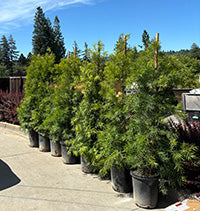
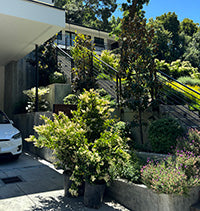
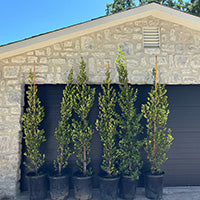
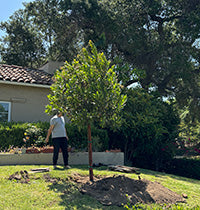
Yardwork was so great to work with. First they had the Swan Hill olive trees that we had been searching for, we had contacted several other nurseries without any luck previously. Then they answered all of our questions in a timely matter prior to ordering and finally delivered within a few days of placing it. Their staff is incredibly knowledgeable; they delivered and planted our trees with expertise to ensure that they would do well in our yard. We would definitely work with them again for future projects.











A Modern Experience
At Yardwork, we carefully curate thousands of plants, in all container sizes, to provide you with the best selection of the highest quality trees and plants at the best price, with the convenience of an online platform.
Uncompromised Quality
We choose only the finest specimens and hand select our plants just before delivery to ensure you receive the freshest and most robust specimens available for your landscape.
Industry Leading Warranties
Our 30, 90, and 365 extended warranties provide some of the best coverage to ensure our trees and plants thrive in your landscape.
Frequently Asked Questions
We're committed to changing everything about trees and plants - how they’re grown, how you shop for them, and how much they cost. We handle orders ourselves. No middlemen to get between us (or our prices) and you.
We're committed to changing everything about trees and plants - how they’re grown, how you shop for them, and how much they cost. We handle orders ourselves. No middlemen to get between us (or our prices) and you.
Delivery does not include unloading of trees and plants LARGER than a 24" box.
Trees and plants in smaller containers will be dropped curbside (usually on the driveway or near the front doorstep).
Delivery beyond a curbside drop will be charged extra.
Trees and plants that are sold in container sizes LARGER than a 24" box size will require equipment and/or enough manpower onsite to help unload from the truck.
Please reach out to our team PRIOR to placing your order to help coordinate.
Our team can provide unloading assistance with equipment for an extra fee as well.
Delivery does not include unloading of trees and plants LARGER than a 24" box.
Trees and plants in smaller containers will be dropped curbside (usually on the driveway or near the front doorstep).
Delivery beyond a curbside drop will be charged extra.
Trees and plants that are sold in container sizes LARGER than a 24" box size will require equipment and/or enough manpower onsite to help unload from the truck.
Please reach out to our team PRIOR to placing your order to help coordinate.
Our team can provide unloading assistance with equipment for an extra fee as well.
We ship locally within California within 7-10 days of your order being placed.
We ship nationally using carrier partners, based on order size. Our common order minimums for out of state shipping is $5,000.
Text or call 323-576-4159 for specific shipping details for your location.
We ship locally within California within 7-10 days of your order being placed.
We ship nationally using carrier partners, based on order size. Our common order minimums for out of state shipping is $5,000.
Text or call 323-576-4159 for specific shipping details for your location.
We are currently online only and don't have physical locations where you can view plants in person.
That's why we have photos direct from the growing grounds of the plants we will ship and we display pricing right in our store.
We do make sure to pick the very best trees and plants prior to shipping and make sure that they have gone through our multi-point inspection for health and structure.
We will always reach out prior to delivery if we find a quality issue or need to provide a substitute.
We are currently online only and don't have physical locations where you can view plants in person.
That's why we have photos direct from the growing grounds of the plants we will ship and we display pricing right in our store.
We do make sure to pick the very best trees and plants prior to shipping and make sure that they have gone through our multi-point inspection for health and structure.
We will always reach out prior to delivery if we find a quality issue or need to provide a substitute.
Plants vary greatly by type. Here is a rough idea of sizes based on containers that are direct from our growing grounds.
15 Gallon Shrub 3-4 Ft. Tall
15 Gallon Tree 5-6 Ft. Tall
24" Box Shrub 5-6 Ft. Tall
24" Box Tree 6-7 Ft. Tall
36" Box Shrub/Tree 7-9 Ft. Tall
48" Box Shrub/Tree 8-10 Ft. Tall
**Please note that we do not make guarantees of sizes. If you have questions or concerns, please call or text to request accurate sizing for the particular plant you're considering, prior to ordering.
Plants vary greatly by type. Here is a rough idea of sizes based on containers that are direct from our growing grounds.
15 Gallon Shrub 3-4 Ft. Tall
15 Gallon Tree 5-6 Ft. Tall
24" Box Shrub 5-6 Ft. Tall
24" Box Tree 6-7 Ft. Tall
36" Box Shrub/Tree 7-9 Ft. Tall
48" Box Shrub/Tree 8-10 Ft. Tall
**Please note that we do not make guarantees of sizes. If you have questions or concerns, please call or text to request accurate sizing for the particular plant you're considering, prior to ordering.
We offer a limited 30 day warranty for plants that are delivered and planted by someone else and a 90 day warranty for plants that we plant.
The limited warranty covers plants that die as a result of disease or fungus which was derived from our growing grounds or from root balls that were root bound.
The warranty does not cover damage due to watering, fertilizer, soils, or any other conditions beyond our control. Additionally, the warranty does not cover plants that are shipped out of the state of California or shipped into California from other states. Custom plant orders are also not covered under warranty. Plants must be planted within 24 hours after delivery to qualify.
We can assist you in recommending the right soils and fertilizers to help your plant thrive after you plant it.
Text or call 323-576-4159 for further warranty information.
We offer a limited 30 day warranty for plants that are delivered and planted by someone else and a 90 day warranty for plants that we plant.
The limited warranty covers plants that die as a result of disease or fungus which was derived from our growing grounds or from root balls that were root bound.
The warranty does not cover damage due to watering, fertilizer, soils, or any other conditions beyond our control. Additionally, the warranty does not cover plants that are shipped out of the state of California or shipped into California from other states. Custom plant orders are also not covered under warranty. Plants must be planted within 24 hours after delivery to qualify.
We can assist you in recommending the right soils and fertilizers to help your plant thrive after you plant it.
Text or call 323-576-4159 for further warranty information.
Our local delivery team covers most cities in California.
There are some exceptions, so please get in touch to confirm prior to ordering.
Additionally, we ship using semi trucks and trailers throughout the entire United States and even abroad for large orders over $5,000. Each shipment is custom, so please reach out to our team to coordinate.
Our local delivery team covers most cities in California.
There are some exceptions, so please get in touch to confirm prior to ordering.
Additionally, we ship using semi trucks and trailers throughout the entire United States and even abroad for large orders over $5,000. Each shipment is custom, so please reach out to our team to coordinate.