



Cecile Brunner Climbing Rose (Rosa x 'Cecile Brunner')
Regular price
$240.00
Size
Cecile Brunner Climbing Rose
Transform Your Garden with the Beloved “Sweetheart Rose”
The Cecile Brunner Climbing Rose is a classic climbing rose for adding romantic height, soft color, and sweet fragrance to fences, arbors, trellises, and cottage-style garden spaces. Known as the Sweetheart Rose, this ever popular climber produces small, sweet-scented pink blooms that open from delicately pointed buds into charming light pink double blooms.
Perfect for California gardens and available through Yardwork, Rosa Cecile Brunner brings the look of old-world cottage or country gardens to modern outdoor spaces, especially when you source companion plants and materials through Yardwork’s online plant nursery and landscape services. Its long, vigorous canes can reach 10 to 20 feet tall, making it ideal when you want vertical beauty without the stiff, oversized look of many modern climbers.
Why You’ll Love It
-
Romantic blooms all season – Cecile Brunner produces abundant small clusters of pale pink, fragrant flowers, often appearing like miniature bouquets across the growing season.
-
Beautiful vertical impact – This brunner climbing rose can reach a mature height of 10 to 20 feet and a width of 3 to 6 feet, giving fences, beds, arbors, and garden entrances a dramatic climbing effect.
-
Sweet fragrance without overpowering the space – The Sweetheart Rose has a soft, moderate scent that makes patios, walkways, and outdoor seating areas feel more inviting.
-
Hardy, adaptable, and disease resistant – The Cecile Brunner climbing rose is exceptionally winter-hardy and is suitable for USDA hardiness zones 5 through 9. It is also known for excellent disease resistance, helping it stay healthy with less intervention.
-
Low maintenance once established – This variety of rose is highly praised for its low maintenance and adaptability, making it excellent for covering structures like trellises and arbors. During the first growing season, water deeply and regularly to help establish an extensive root system; once established, you can reduce frequency because the plant becomes more drought tolerant.
What Makes It Different
Most climbing roses focus on large, showy flowers. Cecile Brunner is different because it wins with charm, abundance, and graceful growth.
Cecile Brunner Climbing Rose offers:
-
Small, elegant blooms instead of oversized flowers – Its delicately pointed buds open into small, fully double, light pink blooms in large sprays, creating the refined look many gardeners love in antique roses and even compare with the romance associated with David Austin roses.
-
An exceptional antique polyantha sport – The Cecile Brunner climbing rose is an exceptionally vigorous antique polyantha sport discovered in 1894, linked historically with Franz P. Hosp and celebrated by gardeners for more than a century. The original Cecile Brunner rose is also associated with recognition from the Royal Horticultural Society, adding to its heritage appeal.
-
Nearly thornless, easier-to-handle canes – It is known for its nearly thornless canes and excellent disease resistance. The plant yields dense, matte dark-green foliage, and its long canes are nearly prickle-free, making them easy to handle when you train, tie, prune, or cut flowers for indoor arrangements.
Where many modern climbers demand more spraying, more space, or more careful handling, Cecile Brunner climbingrose offers a softer, more forgiving way to cover a trellis, arbor, fence, or cottage garden wall.
How To Grow Cecile Brunner Climbing Rose Successfully
-
Plant near strong support Choose a sunny location with a sturdy trellis, arbor, fence, pergola, or wall. These climbing roses produce strong, long canes that grow upright and require training and tying to a support structure, such as a trellis or arbor.
-
Water deeply and train the canes Plant in average to enriched, evenly moist, well drained soils. During the first growing season, it is important to water Cecile Brunner climbing roses deeply and regularly to establish a strong root system. As the rose grows, tie the canes to the support and train them horizontally where possible to encourage more bloom along the length of the cane.
-
Enjoy blooms and prune annually Expect the strongest flower show in late spring to early summer, with additional bloom through summer and into fall depending on climate. Prune the Cecile Brunner in late winter or early spring while dormant to encourage airflow and remove dead canes. Once established, reduce watering frequency while keeping the soil from becoming extremely dry.
Plant Details
-
Plant name: Cecile Brunner Climbing Rose, Rosa Cecile Brunner, Cecile Brunner Cl., Sweetheart Rose
-
Plant type: Deciduous climbing rose; antique polyantha sport discovered in 1894
-
Mature size: 10 to 20 feet tall and 3 to 6 feet wide, making it easy to combine with ornamental landscape treesfor layered height and structure
-
Bloom characteristics: Small, sweet-scented pink blooms; pale pink to light pink; double blooms; pointed buds; small clusters and large sprays
-
Bloom season: Heavy flush in late spring to early summer, with repeat flowers through the growing season in favorable conditions
-
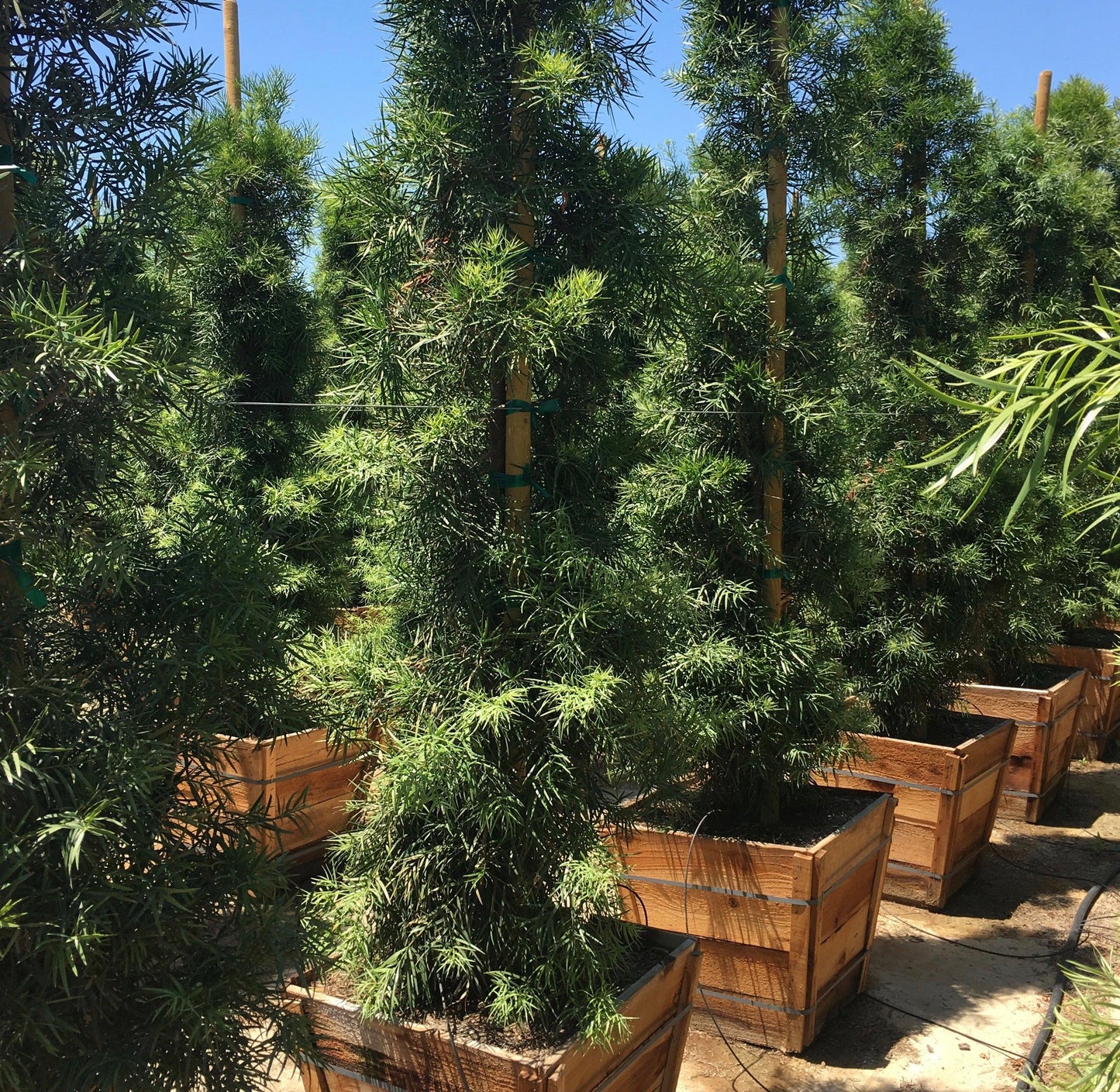
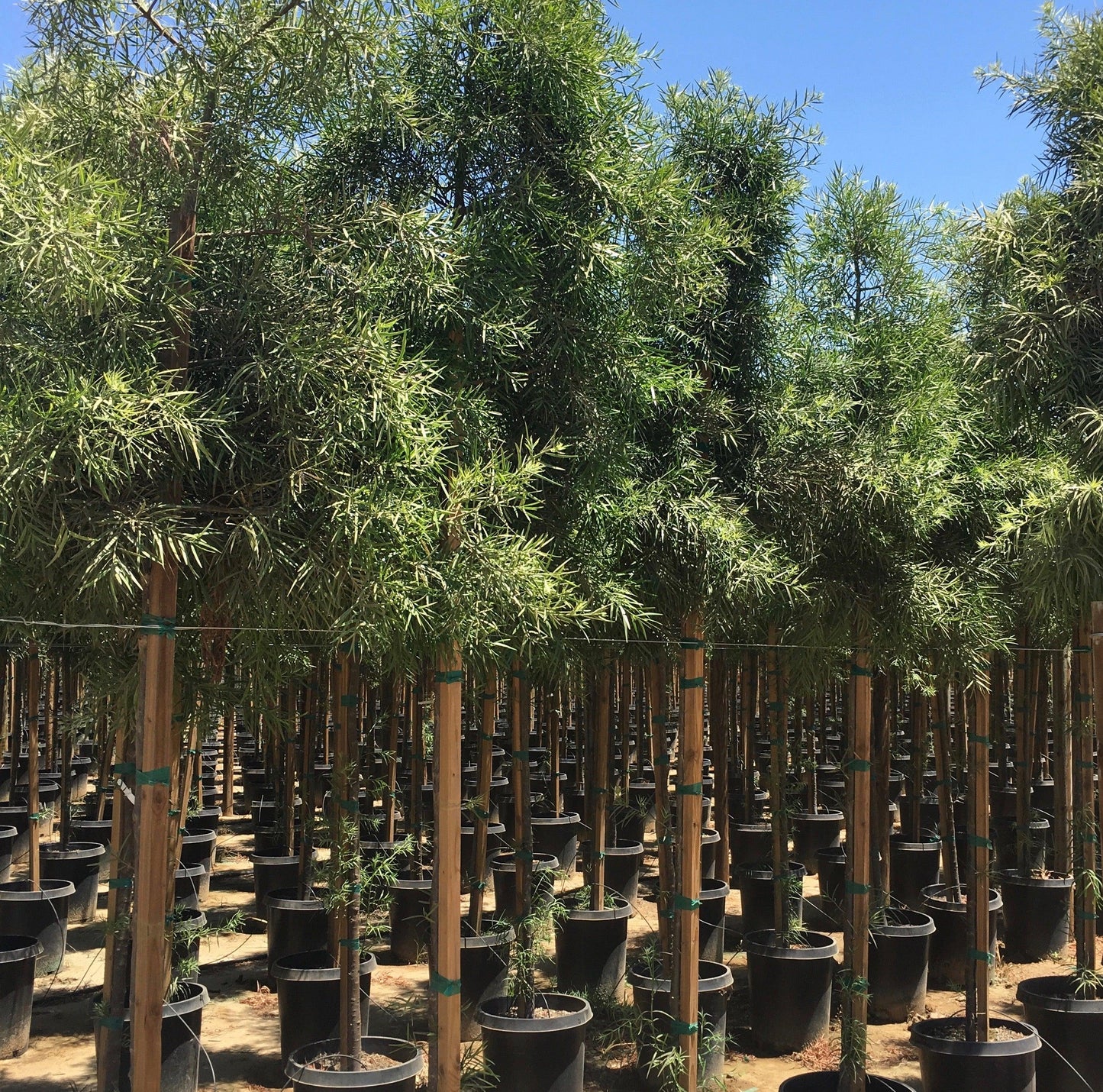
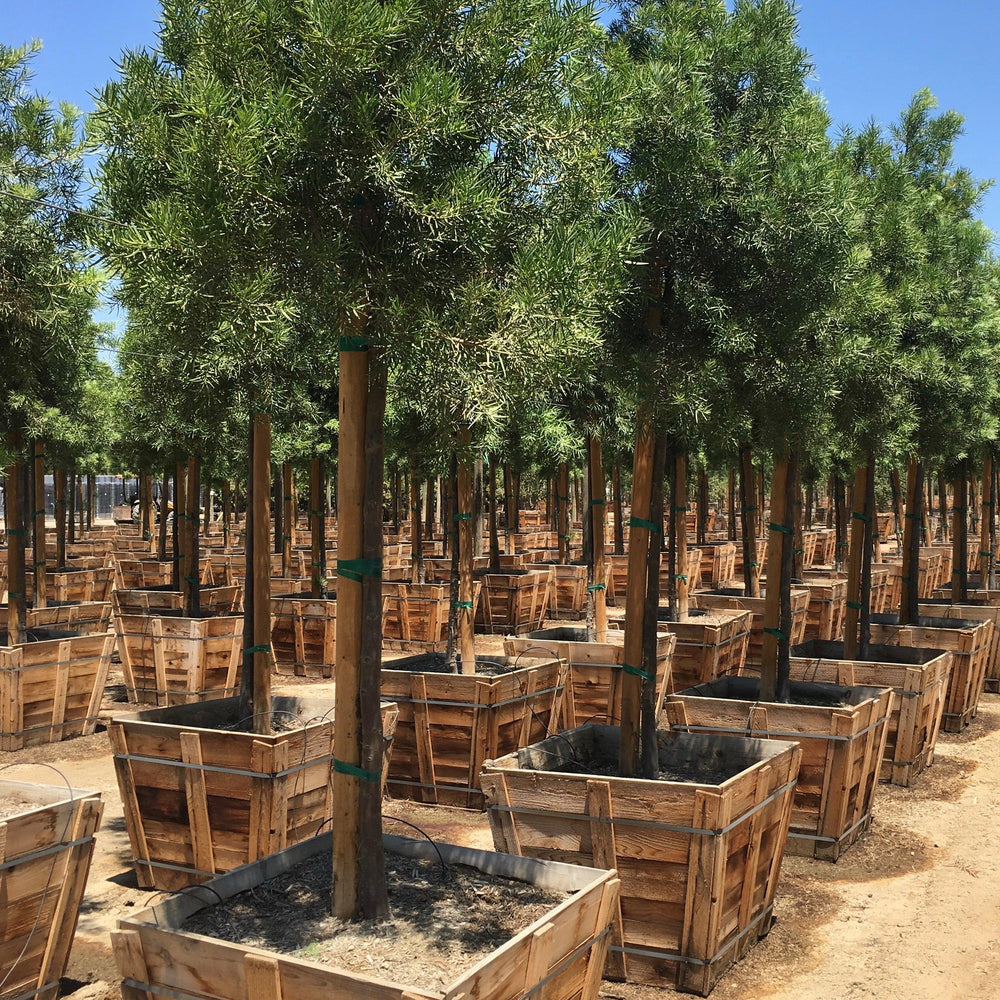
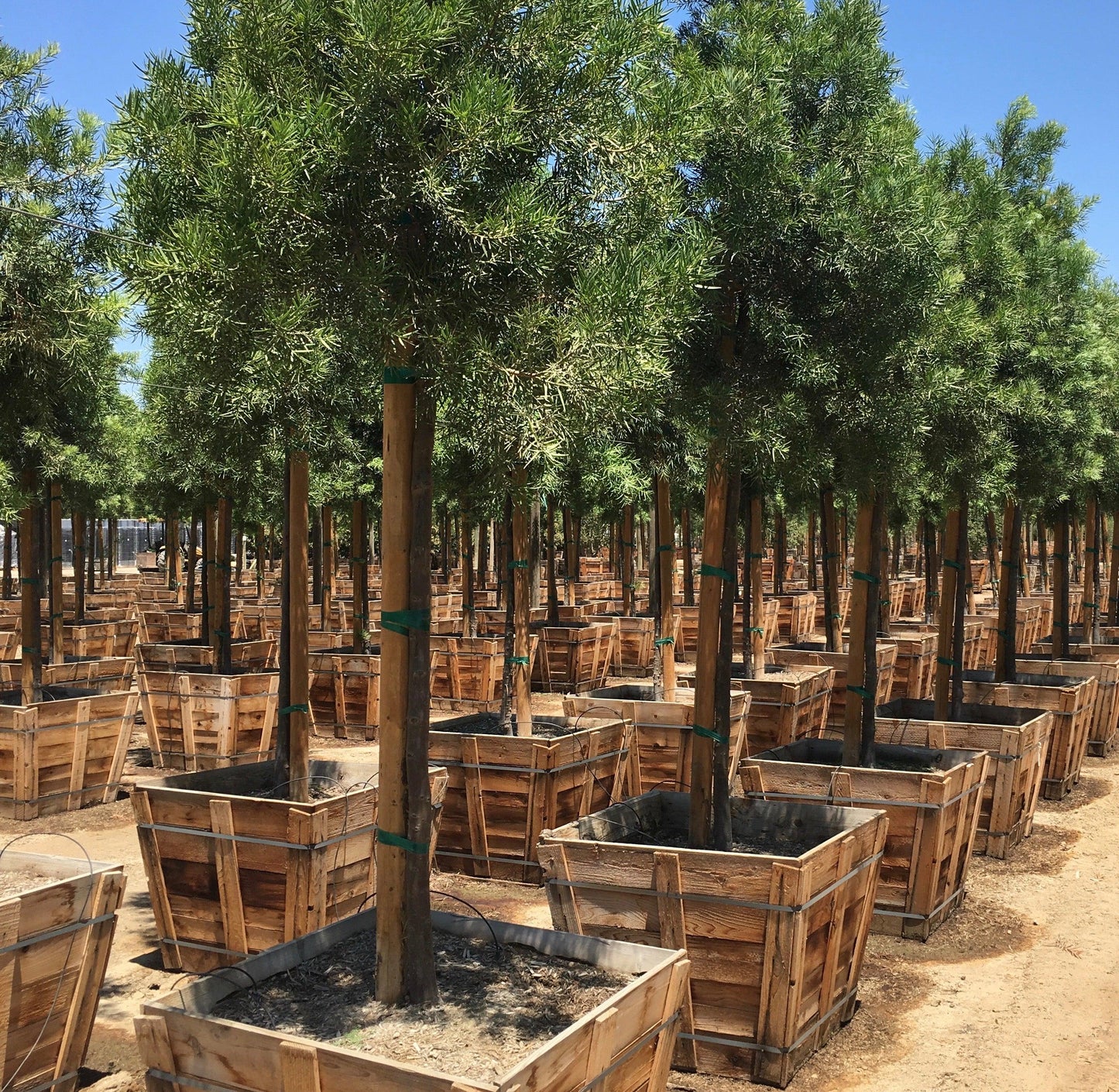
Foliage: Dense, matte dark-green foliage that contrasts nicely with the fine-textured leaves of Fern Pine trees
-
Canes: Long, vigorous, nearly prickle-free canes; nearly thornless and easy to train
-
Light: Best in full sun with 6+ hours of direct sunlight; tolerates partial shade, especially in hot climates
-
Soil: Cecile Brunner climbing roses thrive in average to enriched, evenly moist, well-drained soils
-
Water: Regular water needs, especially during the first growing season to establish the root system; once established, watering frequency can be reduced
-
Hardiness: Exceptionally winter-hardy and suitable for USDA hardiness zones 5 through 9, making it a good companion to hardy Fern Pine hedges for privacy
-
Care: Feed in spring with a general purpose fertilizer, apply mulch to conserve moisture, and prune in late winter or early spring; for broader screening and structure, consider pairing this rose with evergreen and fast-growing privacy trees elsewhere on the property
-
Best uses: Trellis, arbor, fence, pergola, cottage or country gardens, privacy screens alongside evergreen privacy trees, beds, and romantic garden entrances
-
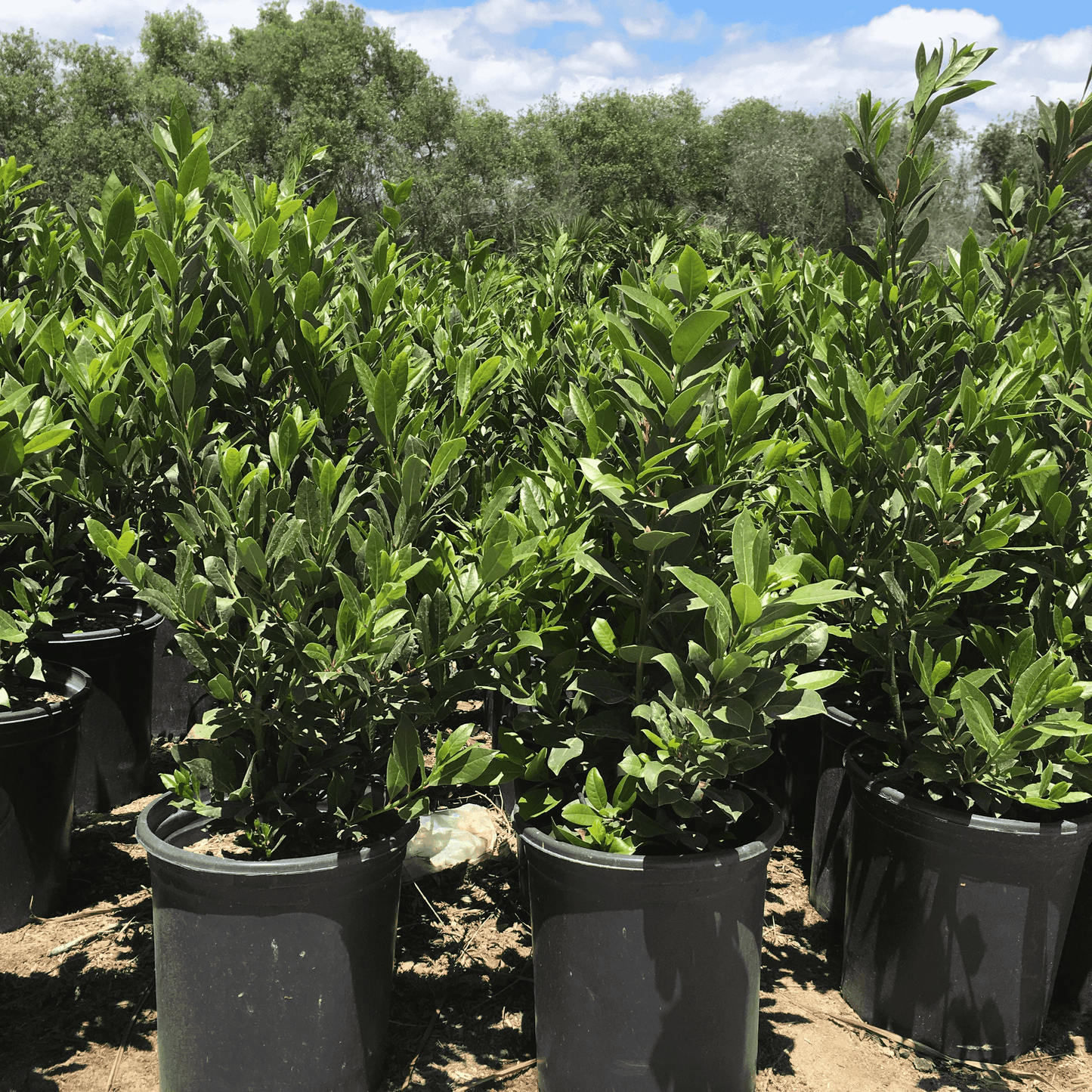
Yardwork delivery: Delivery details are provided through Yardwork at checkout, and you can easily bundle roses with English Laurel and other landscape plants in a single order
Who It’s For
Ideal for:
-
California homeowners wanting cottage charm – If you want the romantic look of country gardens, this favorite rose brings soft pink flowers, fragrant bloom, and graceful climbing growth to patios, fences, and garden entries.
-
Gardeners seeking a low-maintenance climber – Cecile Brunner climbing roses thrive in average to enriched, evenly moist, well-drained soils and have regular water needs, especially during the first growing season to establish their root system. After that, they are adaptable, hardy, and easier to maintain than many fussy roses.
-
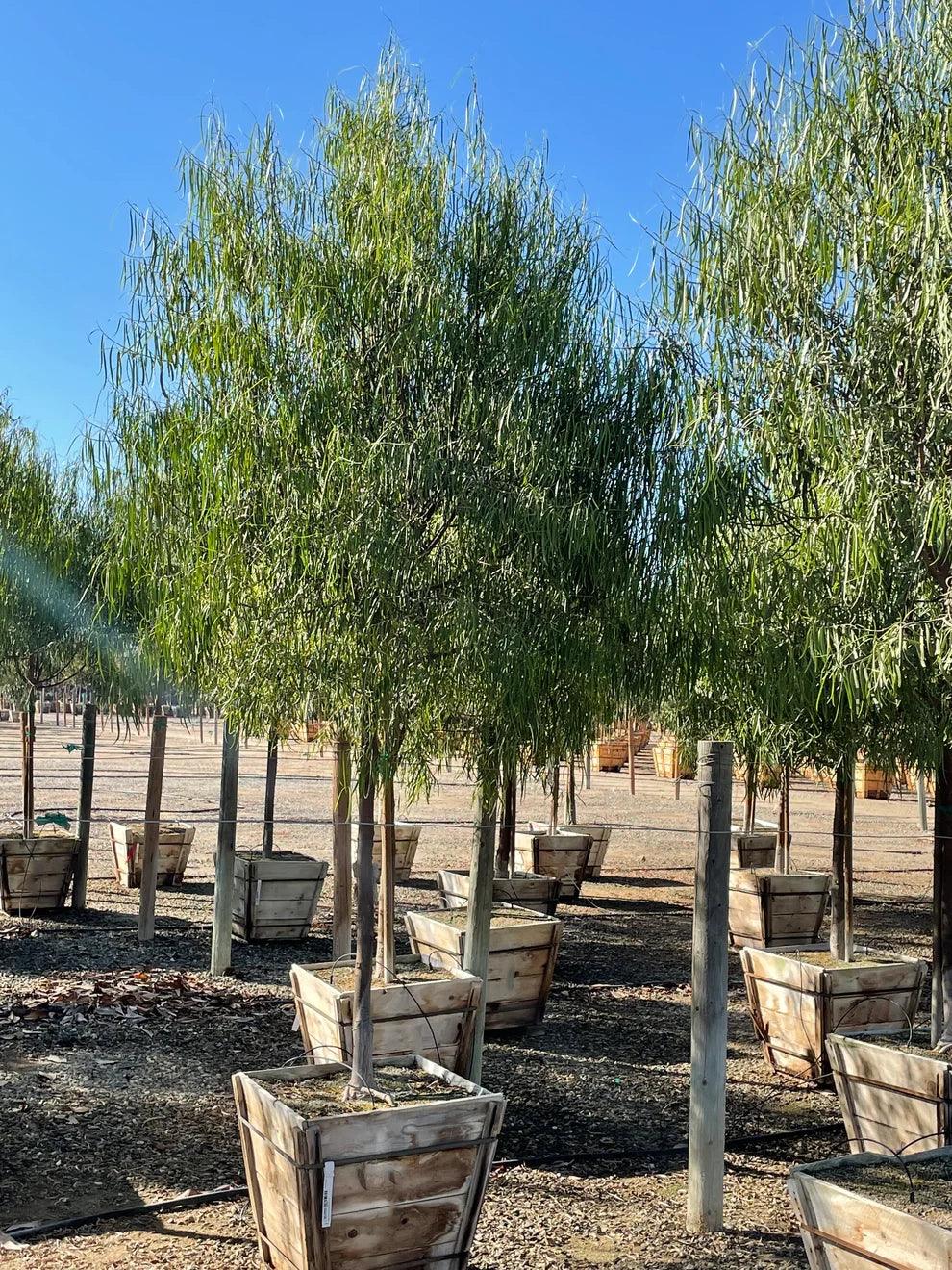
Landscape designers creating vertical interest or privacy – With vigorous canes, good disease resistance, and a mature size of 10 to 20 feet tall, this popular climber is excellent for covering arbors, trellises, fences, and large support structures, and can pair beautifully with evergreen English Laurel hedging for year-round privacy.
If you want a beautiful climbing rose that feels romantic, established, and timeless, Cecile Brunner is a strong choice for transforming plain vertical space into a fragrant garden feature, especially when paired with mature trees for instant structure elsewhere in the yard.
Frequently Asked Questions
How fast does it grow and when will I see blooms?
Cecile Brunner climbing is a vigorous rose, especially once its root system is established. You can expect the main bloom in late spring to early summer, with additional flowers through the growing season in many climates. Water deeply and regularly during the first growing season for the best start.
What kind of support structure does it need?
This rose needs sturdy support. Plant it near a trellis, arbor, fence, pergola, or wall, then tie and train the long canes as they grow. The canes are nearly thornless, nearly prickle-free, and easier to handle than many climbing roses.
Ready to Transform Your Garden?
Choose Cecile Brunner Climbing Rose for fragrant pale pink flowers, graceful foliage, nearly thornless canes, and the romantic charm of a true Sweetheart Rose. Whether you’re designing a cottage garden, softening a fence line, or adding a beautiful climbing feature near a patio, this hardy rose brings lasting structure and seasonal bloom.
Cecile Brunner Climbing Rose
Transform Your Garden with the Beloved “Sweetheart Rose”
The Cecile Brunner Climbing Rose is a classic climbing rose for adding romantic height, soft color, and sweet fragrance to fences, arbors, trellises, and cottage-style garden spaces. Known as the Sweetheart Rose, this ever popular climber produces small, sweet-scented pink blooms that open from delicately pointed buds into charming light pink double blooms.
Perfect for California gardens and available through Yardwork, Rosa Cecile Brunner brings the look of old-world cottage or country gardens to modern outdoor spaces, especially when you source companion plants and materials through Yardwork’s online plant nursery and landscape services. Its long, vigorous canes can reach 10 to 20 feet tall, making it ideal when you want vertical beauty without the stiff, oversized look of many modern climbers.
Why You’ll Love It
-
Romantic blooms all season – Cecile Brunner produces abundant small clusters of pale pink, fragrant flowers, often appearing like miniature bouquets across the growing season.
-
Beautiful vertical impact – This brunner climbing rose can reach a mature height of 10 to 20 feet and a width of 3 to 6 feet, giving fences, beds, arbors, and garden entrances a dramatic climbing effect.
-
Sweet fragrance without overpowering the space – The Sweetheart Rose has a soft, moderate scent that makes patios, walkways, and outdoor seating areas feel more inviting.
-
Hardy, adaptable, and disease resistant – The Cecile Brunner climbing rose is exceptionally winter-hardy and is suitable for USDA hardiness zones 5 through 9. It is also known for excellent disease resistance, helping it stay healthy with less intervention.
-
Low maintenance once established – This variety of rose is highly praised for its low maintenance and adaptability, making it excellent for covering structures like trellises and arbors. During the first growing season, water deeply and regularly to help establish an extensive root system; once established, you can reduce frequency because the plant becomes more drought tolerant.
What Makes It Different
Most climbing roses focus on large, showy flowers. Cecile Brunner is different because it wins with charm, abundance, and graceful growth.
Cecile Brunner Climbing Rose offers:
-
Small, elegant blooms instead of oversized flowers – Its delicately pointed buds open into small, fully double, light pink blooms in large sprays, creating the refined look many gardeners love in antique roses and even compare with the romance associated with David Austin roses.
-
An exceptional antique polyantha sport – The Cecile Brunner climbing rose is an exceptionally vigorous antique polyantha sport discovered in 1894, linked historically with Franz P. Hosp and celebrated by gardeners for more than a century. The original Cecile Brunner rose is also associated with recognition from the Royal Horticultural Society, adding to its heritage appeal.
-
Nearly thornless, easier-to-handle canes – It is known for its nearly thornless canes and excellent disease resistance. The plant yields dense, matte dark-green foliage, and its long canes are nearly prickle-free, making them easy to handle when you train, tie, prune, or cut flowers for indoor arrangements.
Where many modern climbers demand more spraying, more space, or more careful handling, Cecile Brunner climbingrose offers a softer, more forgiving way to cover a trellis, arbor, fence, or cottage garden wall.
How To Grow Cecile Brunner Climbing Rose Successfully
-
Plant near strong support Choose a sunny location with a sturdy trellis, arbor, fence, pergola, or wall. These climbing roses produce strong, long canes that grow upright and require training and tying to a support structure, such as a trellis or arbor.
-
Water deeply and train the canes Plant in average to enriched, evenly moist, well drained soils. During the first growing season, it is important to water Cecile Brunner climbing roses deeply and regularly to establish a strong root system. As the rose grows, tie the canes to the support and train them horizontally where possible to encourage more bloom along the length of the cane.
-
Enjoy blooms and prune annually Expect the strongest flower show in late spring to early summer, with additional bloom through summer and into fall depending on climate. Prune the Cecile Brunner in late winter or early spring while dormant to encourage airflow and remove dead canes. Once established, reduce watering frequency while keeping the soil from becoming extremely dry.
Plant Details
-
Plant name: Cecile Brunner Climbing Rose, Rosa Cecile Brunner, Cecile Brunner Cl., Sweetheart Rose
-
Plant type: Deciduous climbing rose; antique polyantha sport discovered in 1894
-
Mature size: 10 to 20 feet tall and 3 to 6 feet wide, making it easy to combine with ornamental landscape treesfor layered height and structure
-
Bloom characteristics: Small, sweet-scented pink blooms; pale pink to light pink; double blooms; pointed buds; small clusters and large sprays
-
Bloom season: Heavy flush in late spring to early summer, with repeat flowers through the growing season in favorable conditions
-
Foliage: Dense, matte dark-green foliage that contrasts nicely with the fine-textured leaves of Fern Pine trees
-
Canes: Long, vigorous, nearly prickle-free canes; nearly thornless and easy to train
-
Light: Best in full sun with 6+ hours of direct sunlight; tolerates partial shade, especially in hot climates
-
Soil: Cecile Brunner climbing roses thrive in average to enriched, evenly moist, well-drained soils
-
Water: Regular water needs, especially during the first growing season to establish the root system; once established, watering frequency can be reduced
-
Hardiness: Exceptionally winter-hardy and suitable for USDA hardiness zones 5 through 9, making it a good companion to hardy Fern Pine hedges for privacy
-
Care: Feed in spring with a general purpose fertilizer, apply mulch to conserve moisture, and prune in late winter or early spring; for broader screening and structure, consider pairing this rose with evergreen and fast-growing privacy trees elsewhere on the property
-
Best uses: Trellis, arbor, fence, pergola, cottage or country gardens, privacy screens alongside evergreen privacy trees, beds, and romantic garden entrances
-
Yardwork delivery: Delivery details are provided through Yardwork at checkout, and you can easily bundle roses with English Laurel and other landscape plants in a single order
Who It’s For
Ideal for:
-
California homeowners wanting cottage charm – If you want the romantic look of country gardens, this favorite rose brings soft pink flowers, fragrant bloom, and graceful climbing growth to patios, fences, and garden entries.
-
Gardeners seeking a low-maintenance climber – Cecile Brunner climbing roses thrive in average to enriched, evenly moist, well-drained soils and have regular water needs, especially during the first growing season to establish their root system. After that, they are adaptable, hardy, and easier to maintain than many fussy roses.
-
Landscape designers creating vertical interest or privacy – With vigorous canes, good disease resistance, and a mature size of 10 to 20 feet tall, this popular climber is excellent for covering arbors, trellises, fences, and large support structures, and can pair beautifully with evergreen English Laurel hedging for year-round privacy.
If you want a beautiful climbing rose that feels romantic, established, and timeless, Cecile Brunner is a strong choice for transforming plain vertical space into a fragrant garden feature, especially when paired with mature trees for instant structure elsewhere in the yard.
Frequently Asked Questions
How fast does it grow and when will I see blooms?
Cecile Brunner climbing is a vigorous rose, especially once its root system is established. You can expect the main bloom in late spring to early summer, with additional flowers through the growing season in many climates. Water deeply and regularly during the first growing season for the best start.
What kind of support structure does it need?
This rose needs sturdy support. Plant it near a trellis, arbor, fence, pergola, or wall, then tie and train the long canes as they grow. The canes are nearly thornless, nearly prickle-free, and easier to handle than many climbing roses.
Ready to Transform Your Garden?
Choose Cecile Brunner Climbing Rose for fragrant pale pink flowers, graceful foliage, nearly thornless canes, and the romantic charm of a true Sweetheart Rose. Whether you’re designing a cottage garden, softening a fence line, or adding a beautiful climbing feature near a patio, this hardy rose brings lasting structure and seasonal bloom.
Plants vary greatly by type and no guarantees are made on sizing.
However here is a rough idea of sizes based on containers that are direct from our growing grounds.
15 Gallon Shrub 3-4 Ft. Tall
15 Gallon Tree 5-6 Ft. Tall
24" Box Shrub 5-6 Ft. Tall
24" Box Tree 6-7 Ft. Tall
36" Box Tree 8-10 Ft. Tall
48" Box Tree 10-12 Ft. Tall
Please note: Citrus and California Native plants such as Manzanita are smaller than traditional sizing.
Please contact us to confirm sizing of items before purchasing if this is a concern.
Plants vary greatly by type and no guarantees are made on sizing.
However here is a rough idea of sizes based on containers that are direct from our growing grounds.
15 Gallon Shrub 3-4 Ft. Tall
15 Gallon Tree 5-6 Ft. Tall
24" Box Shrub 5-6 Ft. Tall
24" Box Tree 6-7 Ft. Tall
36" Box Tree 8-10 Ft. Tall
48" Box Tree 10-12 Ft. Tall
Please note: Citrus and California Native plants such as Manzanita are smaller than traditional sizing.
Please contact us to confirm sizing of items before purchasing if this is a concern.
Delivery does not include unloading of trees and plants larger than a 24" box.
Trees and plants in smaller containers will be dropped curbside.
Delivery beyond a curbside drop will be charged extra.
Trees and plants that are sold in container sizes larger than a 24" box size will require equipment and an operator onsite to help unload from the truck.
Please reach out to our team PRIOR to placing your order to coordinate.
Our team can provide unloading assistance with equipment for an extra fee.
Delivery does not include unloading of trees and plants larger than a 24" box.
Trees and plants in smaller containers will be dropped curbside.
Delivery beyond a curbside drop will be charged extra.
Trees and plants that are sold in container sizes larger than a 24" box size will require equipment and an operator onsite to help unload from the truck.
Please reach out to our team PRIOR to placing your order to coordinate.
Our team can provide unloading assistance with equipment for an extra fee.
You may also like...


Cecile Brunner Climbing Rose (Rosa x 'Cecile Brunner')
Regular price
$240.00
Size
Cecile Brunner Climbing Rose
Transform Your Garden with the Beloved “Sweetheart Rose”
The Cecile Brunner Climbing Rose is a classic climbing rose for adding romantic height, soft color, and sweet fragrance to fences, arbors, trellises, and cottage-style garden spaces. Known as the Sweetheart Rose, this ever popular climber produces small, sweet-scented pink blooms that open from delicately pointed buds into charming light pink double blooms.
Perfect for California gardens and available through Yardwork, Rosa Cecile Brunner brings the look of old-world cottage or country gardens to modern outdoor spaces, especially when you source companion plants and materials through Yardwork’s online plant nursery and landscape services. Its long, vigorous canes can reach 10 to 20 feet tall, making it ideal when you want vertical beauty without the stiff, oversized look of many modern climbers.
Why You’ll Love It
-
Romantic blooms all season – Cecile Brunner produces abundant small clusters of pale pink, fragrant flowers, often appearing like miniature bouquets across the growing season.
-
Beautiful vertical impact – This brunner climbing rose can reach a mature height of 10 to 20 feet and a width of 3 to 6 feet, giving fences, beds, arbors, and garden entrances a dramatic climbing effect.
-
Sweet fragrance without overpowering the space – The Sweetheart Rose has a soft, moderate scent that makes patios, walkways, and outdoor seating areas feel more inviting.
-
Hardy, adaptable, and disease resistant – The Cecile Brunner climbing rose is exceptionally winter-hardy and is suitable for USDA hardiness zones 5 through 9. It is also known for excellent disease resistance, helping it stay healthy with less intervention.
-
Low maintenance once established – This variety of rose is highly praised for its low maintenance and adaptability, making it excellent for covering structures like trellises and arbors. During the first growing season, water deeply and regularly to help establish an extensive root system; once established, you can reduce frequency because the plant becomes more drought tolerant.
What Makes It Different
Most climbing roses focus on large, showy flowers. Cecile Brunner is different because it wins with charm, abundance, and graceful growth.
Cecile Brunner Climbing Rose offers:
-
Small, elegant blooms instead of oversized flowers – Its delicately pointed buds open into small, fully double, light pink blooms in large sprays, creating the refined look many gardeners love in antique roses and even compare with the romance associated with David Austin roses.
-
An exceptional antique polyantha sport – The Cecile Brunner climbing rose is an exceptionally vigorous antique polyantha sport discovered in 1894, linked historically with Franz P. Hosp and celebrated by gardeners for more than a century. The original Cecile Brunner rose is also associated with recognition from the Royal Horticultural Society, adding to its heritage appeal.
-
Nearly thornless, easier-to-handle canes – It is known for its nearly thornless canes and excellent disease resistance. The plant yields dense, matte dark-green foliage, and its long canes are nearly prickle-free, making them easy to handle when you train, tie, prune, or cut flowers for indoor arrangements.
Where many modern climbers demand more spraying, more space, or more careful handling, Cecile Brunner climbingrose offers a softer, more forgiving way to cover a trellis, arbor, fence, or cottage garden wall.
How To Grow Cecile Brunner Climbing Rose Successfully
-
Plant near strong support Choose a sunny location with a sturdy trellis, arbor, fence, pergola, or wall. These climbing roses produce strong, long canes that grow upright and require training and tying to a support structure, such as a trellis or arbor.
-
Water deeply and train the canes Plant in average to enriched, evenly moist, well drained soils. During the first growing season, it is important to water Cecile Brunner climbing roses deeply and regularly to establish a strong root system. As the rose grows, tie the canes to the support and train them horizontally where possible to encourage more bloom along the length of the cane.
-
Enjoy blooms and prune annually Expect the strongest flower show in late spring to early summer, with additional bloom through summer and into fall depending on climate. Prune the Cecile Brunner in late winter or early spring while dormant to encourage airflow and remove dead canes. Once established, reduce watering frequency while keeping the soil from becoming extremely dry.
Plant Details
-
Plant name: Cecile Brunner Climbing Rose, Rosa Cecile Brunner, Cecile Brunner Cl., Sweetheart Rose
-
Plant type: Deciduous climbing rose; antique polyantha sport discovered in 1894
-
Mature size: 10 to 20 feet tall and 3 to 6 feet wide, making it easy to combine with ornamental landscape treesfor layered height and structure
-
Bloom characteristics: Small, sweet-scented pink blooms; pale pink to light pink; double blooms; pointed buds; small clusters and large sprays
-
Bloom season: Heavy flush in late spring to early summer, with repeat flowers through the growing season in favorable conditions
-
Foliage: Dense, matte dark-green foliage that contrasts nicely with the fine-textured leaves of Fern Pine trees
-
Canes: Long, vigorous, nearly prickle-free canes; nearly thornless and easy to train
-
Light: Best in full sun with 6+ hours of direct sunlight; tolerates partial shade, especially in hot climates
-
Soil: Cecile Brunner climbing roses thrive in average to enriched, evenly moist, well-drained soils
-
Water: Regular water needs, especially during the first growing season to establish the root system; once established, watering frequency can be reduced
-
Hardiness: Exceptionally winter-hardy and suitable for USDA hardiness zones 5 through 9, making it a good companion to hardy Fern Pine hedges for privacy
-
Care: Feed in spring with a general purpose fertilizer, apply mulch to conserve moisture, and prune in late winter or early spring; for broader screening and structure, consider pairing this rose with evergreen and fast-growing privacy trees elsewhere on the property
-
Best uses: Trellis, arbor, fence, pergola, cottage or country gardens, privacy screens alongside evergreen privacy trees, beds, and romantic garden entrances
-
Yardwork delivery: Delivery details are provided through Yardwork at checkout, and you can easily bundle roses with English Laurel and other landscape plants in a single order
Who It’s For
Ideal for:
-
California homeowners wanting cottage charm – If you want the romantic look of country gardens, this favorite rose brings soft pink flowers, fragrant bloom, and graceful climbing growth to patios, fences, and garden entries.
-
Gardeners seeking a low-maintenance climber – Cecile Brunner climbing roses thrive in average to enriched, evenly moist, well-drained soils and have regular water needs, especially during the first growing season to establish their root system. After that, they are adaptable, hardy, and easier to maintain than many fussy roses.
-
Landscape designers creating vertical interest or privacy – With vigorous canes, good disease resistance, and a mature size of 10 to 20 feet tall, this popular climber is excellent for covering arbors, trellises, fences, and large support structures, and can pair beautifully with evergreen English Laurel hedging for year-round privacy.
If you want a beautiful climbing rose that feels romantic, established, and timeless, Cecile Brunner is a strong choice for transforming plain vertical space into a fragrant garden feature, especially when paired with mature trees for instant structure elsewhere in the yard.
Frequently Asked Questions
How fast does it grow and when will I see blooms?
Cecile Brunner climbing is a vigorous rose, especially once its root system is established. You can expect the main bloom in late spring to early summer, with additional flowers through the growing season in many climates. Water deeply and regularly during the first growing season for the best start.
What kind of support structure does it need?
This rose needs sturdy support. Plant it near a trellis, arbor, fence, pergola, or wall, then tie and train the long canes as they grow. The canes are nearly thornless, nearly prickle-free, and easier to handle than many climbing roses.
Ready to Transform Your Garden?
Choose Cecile Brunner Climbing Rose for fragrant pale pink flowers, graceful foliage, nearly thornless canes, and the romantic charm of a true Sweetheart Rose. Whether you’re designing a cottage garden, softening a fence line, or adding a beautiful climbing feature near a patio, this hardy rose brings lasting structure and seasonal bloom.
Cecile Brunner Climbing Rose
Transform Your Garden with the Beloved “Sweetheart Rose”
The Cecile Brunner Climbing Rose is a classic climbing rose for adding romantic height, soft color, and sweet fragrance to fences, arbors, trellises, and cottage-style garden spaces. Known as the Sweetheart Rose, this ever popular climber produces small, sweet-scented pink blooms that open from delicately pointed buds into charming light pink double blooms.
Perfect for California gardens and available through Yardwork, Rosa Cecile Brunner brings the look of old-world cottage or country gardens to modern outdoor spaces, especially when you source companion plants and materials through Yardwork’s online plant nursery and landscape services. Its long, vigorous canes can reach 10 to 20 feet tall, making it ideal when you want vertical beauty without the stiff, oversized look of many modern climbers.
Why You’ll Love It
-
Romantic blooms all season – Cecile Brunner produces abundant small clusters of pale pink, fragrant flowers, often appearing like miniature bouquets across the growing season.
-
Beautiful vertical impact – This brunner climbing rose can reach a mature height of 10 to 20 feet and a width of 3 to 6 feet, giving fences, beds, arbors, and garden entrances a dramatic climbing effect.
-
Sweet fragrance without overpowering the space – The Sweetheart Rose has a soft, moderate scent that makes patios, walkways, and outdoor seating areas feel more inviting.
-
Hardy, adaptable, and disease resistant – The Cecile Brunner climbing rose is exceptionally winter-hardy and is suitable for USDA hardiness zones 5 through 9. It is also known for excellent disease resistance, helping it stay healthy with less intervention.
-
Low maintenance once established – This variety of rose is highly praised for its low maintenance and adaptability, making it excellent for covering structures like trellises and arbors. During the first growing season, water deeply and regularly to help establish an extensive root system; once established, you can reduce frequency because the plant becomes more drought tolerant.
What Makes It Different
Most climbing roses focus on large, showy flowers. Cecile Brunner is different because it wins with charm, abundance, and graceful growth.
Cecile Brunner Climbing Rose offers:
-
Small, elegant blooms instead of oversized flowers – Its delicately pointed buds open into small, fully double, light pink blooms in large sprays, creating the refined look many gardeners love in antique roses and even compare with the romance associated with David Austin roses.
-
An exceptional antique polyantha sport – The Cecile Brunner climbing rose is an exceptionally vigorous antique polyantha sport discovered in 1894, linked historically with Franz P. Hosp and celebrated by gardeners for more than a century. The original Cecile Brunner rose is also associated with recognition from the Royal Horticultural Society, adding to its heritage appeal.
-
Nearly thornless, easier-to-handle canes – It is known for its nearly thornless canes and excellent disease resistance. The plant yields dense, matte dark-green foliage, and its long canes are nearly prickle-free, making them easy to handle when you train, tie, prune, or cut flowers for indoor arrangements.
Where many modern climbers demand more spraying, more space, or more careful handling, Cecile Brunner climbingrose offers a softer, more forgiving way to cover a trellis, arbor, fence, or cottage garden wall.
How To Grow Cecile Brunner Climbing Rose Successfully
-
Plant near strong support Choose a sunny location with a sturdy trellis, arbor, fence, pergola, or wall. These climbing roses produce strong, long canes that grow upright and require training and tying to a support structure, such as a trellis or arbor.
-
Water deeply and train the canes Plant in average to enriched, evenly moist, well drained soils. During the first growing season, it is important to water Cecile Brunner climbing roses deeply and regularly to establish a strong root system. As the rose grows, tie the canes to the support and train them horizontally where possible to encourage more bloom along the length of the cane.
-
Enjoy blooms and prune annually Expect the strongest flower show in late spring to early summer, with additional bloom through summer and into fall depending on climate. Prune the Cecile Brunner in late winter or early spring while dormant to encourage airflow and remove dead canes. Once established, reduce watering frequency while keeping the soil from becoming extremely dry.
Plant Details
-
Plant name: Cecile Brunner Climbing Rose, Rosa Cecile Brunner, Cecile Brunner Cl., Sweetheart Rose
-
Plant type: Deciduous climbing rose; antique polyantha sport discovered in 1894
-
Mature size: 10 to 20 feet tall and 3 to 6 feet wide, making it easy to combine with ornamental landscape treesfor layered height and structure
-
Bloom characteristics: Small, sweet-scented pink blooms; pale pink to light pink; double blooms; pointed buds; small clusters and large sprays
-
Bloom season: Heavy flush in late spring to early summer, with repeat flowers through the growing season in favorable conditions
-
Foliage: Dense, matte dark-green foliage that contrasts nicely with the fine-textured leaves of Fern Pine trees
-
Canes: Long, vigorous, nearly prickle-free canes; nearly thornless and easy to train
-
Light: Best in full sun with 6+ hours of direct sunlight; tolerates partial shade, especially in hot climates
-
Soil: Cecile Brunner climbing roses thrive in average to enriched, evenly moist, well-drained soils
-
Water: Regular water needs, especially during the first growing season to establish the root system; once established, watering frequency can be reduced
-
Hardiness: Exceptionally winter-hardy and suitable for USDA hardiness zones 5 through 9, making it a good companion to hardy Fern Pine hedges for privacy
-
Care: Feed in spring with a general purpose fertilizer, apply mulch to conserve moisture, and prune in late winter or early spring; for broader screening and structure, consider pairing this rose with evergreen and fast-growing privacy trees elsewhere on the property
-
Best uses: Trellis, arbor, fence, pergola, cottage or country gardens, privacy screens alongside evergreen privacy trees, beds, and romantic garden entrances
-
Yardwork delivery: Delivery details are provided through Yardwork at checkout, and you can easily bundle roses with English Laurel and other landscape plants in a single order
Who It’s For
Ideal for:
-
California homeowners wanting cottage charm – If you want the romantic look of country gardens, this favorite rose brings soft pink flowers, fragrant bloom, and graceful climbing growth to patios, fences, and garden entries.
-
Gardeners seeking a low-maintenance climber – Cecile Brunner climbing roses thrive in average to enriched, evenly moist, well-drained soils and have regular water needs, especially during the first growing season to establish their root system. After that, they are adaptable, hardy, and easier to maintain than many fussy roses.
-
Landscape designers creating vertical interest or privacy – With vigorous canes, good disease resistance, and a mature size of 10 to 20 feet tall, this popular climber is excellent for covering arbors, trellises, fences, and large support structures, and can pair beautifully with evergreen English Laurel hedging for year-round privacy.
If you want a beautiful climbing rose that feels romantic, established, and timeless, Cecile Brunner is a strong choice for transforming plain vertical space into a fragrant garden feature, especially when paired with mature trees for instant structure elsewhere in the yard.
Frequently Asked Questions
How fast does it grow and when will I see blooms?
Cecile Brunner climbing is a vigorous rose, especially once its root system is established. You can expect the main bloom in late spring to early summer, with additional flowers through the growing season in many climates. Water deeply and regularly during the first growing season for the best start.
What kind of support structure does it need?
This rose needs sturdy support. Plant it near a trellis, arbor, fence, pergola, or wall, then tie and train the long canes as they grow. The canes are nearly thornless, nearly prickle-free, and easier to handle than many climbing roses.
Ready to Transform Your Garden?
Choose Cecile Brunner Climbing Rose for fragrant pale pink flowers, graceful foliage, nearly thornless canes, and the romantic charm of a true Sweetheart Rose. Whether you’re designing a cottage garden, softening a fence line, or adding a beautiful climbing feature near a patio, this hardy rose brings lasting structure and seasonal bloom.
Plants vary greatly by type and no guarantees are made on sizing.
However here is a rough idea of sizes based on containers that are direct from our growing grounds.
15 Gallon Shrub 3-4 Ft. Tall
15 Gallon Tree 5-6 Ft. Tall
24" Box Shrub 5-6 Ft. Tall
24" Box Tree 6-7 Ft. Tall
36" Box Tree 8-10 Ft. Tall
48" Box Tree 10-12 Ft. Tall
Please note: Citrus and California Native plants such as Manzanita are smaller than traditional sizing.
Please contact us to confirm sizing of items before purchasing if this is a concern.
Plants vary greatly by type and no guarantees are made on sizing.
However here is a rough idea of sizes based on containers that are direct from our growing grounds.
15 Gallon Shrub 3-4 Ft. Tall
15 Gallon Tree 5-6 Ft. Tall
24" Box Shrub 5-6 Ft. Tall
24" Box Tree 6-7 Ft. Tall
36" Box Tree 8-10 Ft. Tall
48" Box Tree 10-12 Ft. Tall
Please note: Citrus and California Native plants such as Manzanita are smaller than traditional sizing.
Please contact us to confirm sizing of items before purchasing if this is a concern.
Delivery does not include unloading of trees and plants larger than a 24" box.
Trees and plants in smaller containers will be dropped curbside.
Delivery beyond a curbside drop will be charged extra.
Trees and plants that are sold in container sizes larger than a 24" box size will require equipment and an operator onsite to help unload from the truck.
Please reach out to our team PRIOR to placing your order to coordinate.
Our team can provide unloading assistance with equipment for an extra fee.
Delivery does not include unloading of trees and plants larger than a 24" box.
Trees and plants in smaller containers will be dropped curbside.
Delivery beyond a curbside drop will be charged extra.
Trees and plants that are sold in container sizes larger than a 24" box size will require equipment and an operator onsite to help unload from the truck.
Please reach out to our team PRIOR to placing your order to coordinate.
Our team can provide unloading assistance with equipment for an extra fee.
Recommended For You















Pairs Well With













You May Also Like












Thousands of Healthy Plants Delivered


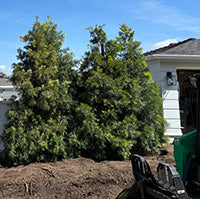
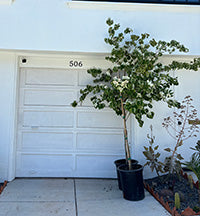
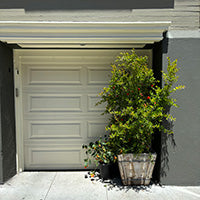
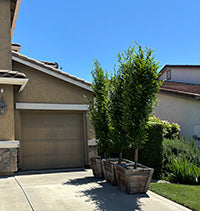
Yardwork was so great to work with. First they had the Swan Hill olive trees that we had been searching for, we had contacted several other nurseries without any luck previously. Then they answered all of our questions in a timely matter prior to ordering and finally delivered within a few days of placing it. Their staff is incredibly knowledgeable; they delivered and planted our trees with expertise to ensure that they would do well in our yard. We would definitely work with them again for future projects.











A Modern Experience
At Yardwork, we carefully curate thousands of plants, in all container sizes, to provide you with the best selection of the highest quality trees and plants at the best price, with the convenience of an online platform.
Uncompromised Quality
We choose only the finest specimens and hand select our plants just before delivery to ensure you receive the freshest and most robust specimens available for your landscape.
Industry Leading Warranties
Our 30, 90, and 365 extended warranties provide some of the best coverage to ensure our trees and plants thrive in your landscape.
Frequently Asked Questions
We're committed to changing everything about trees and plants - how they’re grown, how you shop for them, and how much they cost. We handle orders ourselves. No middlemen to get between us (or our prices) and you.
We're committed to changing everything about trees and plants - how they’re grown, how you shop for them, and how much they cost. We handle orders ourselves. No middlemen to get between us (or our prices) and you.
Delivery does not include unloading of trees and plants LARGER than a 24" box.
Trees and plants in smaller containers will be dropped curbside (usually on the driveway or near the front doorstep).
Delivery beyond a curbside drop will be charged extra.
Trees and plants that are sold in container sizes LARGER than a 24" box size will require equipment and/or enough manpower onsite to help unload from the truck.
Please reach out to our team PRIOR to placing your order to help coordinate.
Our team can provide unloading assistance with equipment for an extra fee as well.
Delivery does not include unloading of trees and plants LARGER than a 24" box.
Trees and plants in smaller containers will be dropped curbside (usually on the driveway or near the front doorstep).
Delivery beyond a curbside drop will be charged extra.
Trees and plants that are sold in container sizes LARGER than a 24" box size will require equipment and/or enough manpower onsite to help unload from the truck.
Please reach out to our team PRIOR to placing your order to help coordinate.
Our team can provide unloading assistance with equipment for an extra fee as well.
We ship locally within California within 7-10 days of your order being placed.
We ship nationally using carrier partners, based on order size. Our common order minimums for out of state shipping is $5,000.
Text or call 323-576-4159 for specific shipping details for your location.
We ship locally within California within 7-10 days of your order being placed.
We ship nationally using carrier partners, based on order size. Our common order minimums for out of state shipping is $5,000.
Text or call 323-576-4159 for specific shipping details for your location.
We are currently online only and don't have physical locations where you can view plants in person.
That's why we have photos direct from the growing grounds of the plants we will ship and we display pricing right in our store.
We do make sure to pick the very best trees and plants prior to shipping and make sure that they have gone through our multi-point inspection for health and structure.
We will always reach out prior to delivery if we find a quality issue or need to provide a substitute.
We are currently online only and don't have physical locations where you can view plants in person.
That's why we have photos direct from the growing grounds of the plants we will ship and we display pricing right in our store.
We do make sure to pick the very best trees and plants prior to shipping and make sure that they have gone through our multi-point inspection for health and structure.
We will always reach out prior to delivery if we find a quality issue or need to provide a substitute.
Plants vary greatly by type. Here is a rough idea of sizes based on containers that are direct from our growing grounds.
15 Gallon Shrub 3-4 Ft. Tall
15 Gallon Tree 5-6 Ft. Tall
24" Box Shrub 5-6 Ft. Tall
24" Box Tree 6-7 Ft. Tall
36" Box Shrub/Tree 7-9 Ft. Tall
48" Box Shrub/Tree 8-10 Ft. Tall
**Please note that we do not make guarantees of sizes. If you have questions or concerns, please call or text to request accurate sizing for the particular plant you're considering, prior to ordering.
Plants vary greatly by type. Here is a rough idea of sizes based on containers that are direct from our growing grounds.
15 Gallon Shrub 3-4 Ft. Tall
15 Gallon Tree 5-6 Ft. Tall
24" Box Shrub 5-6 Ft. Tall
24" Box Tree 6-7 Ft. Tall
36" Box Shrub/Tree 7-9 Ft. Tall
48" Box Shrub/Tree 8-10 Ft. Tall
**Please note that we do not make guarantees of sizes. If you have questions or concerns, please call or text to request accurate sizing for the particular plant you're considering, prior to ordering.
We offer a limited 30 day warranty for plants that are delivered and planted by someone else and a 90 day warranty for plants that we plant.
The limited warranty covers plants that die as a result of disease or fungus which was derived from our growing grounds or from root balls that were root bound.
The warranty does not cover damage due to watering, fertilizer, soils, or any other conditions beyond our control. Additionally, the warranty does not cover plants that are shipped out of the state of California or shipped into California from other states. Custom plant orders are also not covered under warranty. Plants must be planted within 24 hours after delivery to qualify.
We can assist you in recommending the right soils and fertilizers to help your plant thrive after you plant it.
Text or call 323-576-4159 for further warranty information.
We offer a limited 30 day warranty for plants that are delivered and planted by someone else and a 90 day warranty for plants that we plant.
The limited warranty covers plants that die as a result of disease or fungus which was derived from our growing grounds or from root balls that were root bound.
The warranty does not cover damage due to watering, fertilizer, soils, or any other conditions beyond our control. Additionally, the warranty does not cover plants that are shipped out of the state of California or shipped into California from other states. Custom plant orders are also not covered under warranty. Plants must be planted within 24 hours after delivery to qualify.
We can assist you in recommending the right soils and fertilizers to help your plant thrive after you plant it.
Text or call 323-576-4159 for further warranty information.
Our local delivery team covers most cities in California.
There are some exceptions, so please get in touch to confirm prior to ordering.
Additionally, we ship using semi trucks and trailers throughout the entire United States and even abroad for large orders over $5,000. Each shipment is custom, so please reach out to our team to coordinate.
Our local delivery team covers most cities in California.
There are some exceptions, so please get in touch to confirm prior to ordering.
Additionally, we ship using semi trucks and trailers throughout the entire United States and even abroad for large orders over $5,000. Each shipment is custom, so please reach out to our team to coordinate.