Small trees for hedging create privacy, structure and seasonal beauty without overwhelming a garden. They are especially useful where a full-size tree would be too large, but evergreen shrubs or low growing hedges would not add enough height.
Typically, small trees are defined as those that grow to maturity at heights between 12 to 30 feet, making them suitable for tighter spaces without overwhelming the landscape. The right plant can define an outdoor space, soften a boundary, add height to a garden bed and improve the overall form of your landscape year round.
Small Trees for Every Hedging Need
Whether you want privacy, ornamental value or a low-care screen, there is a small tree to suit your garden design.
Privacy Hedging
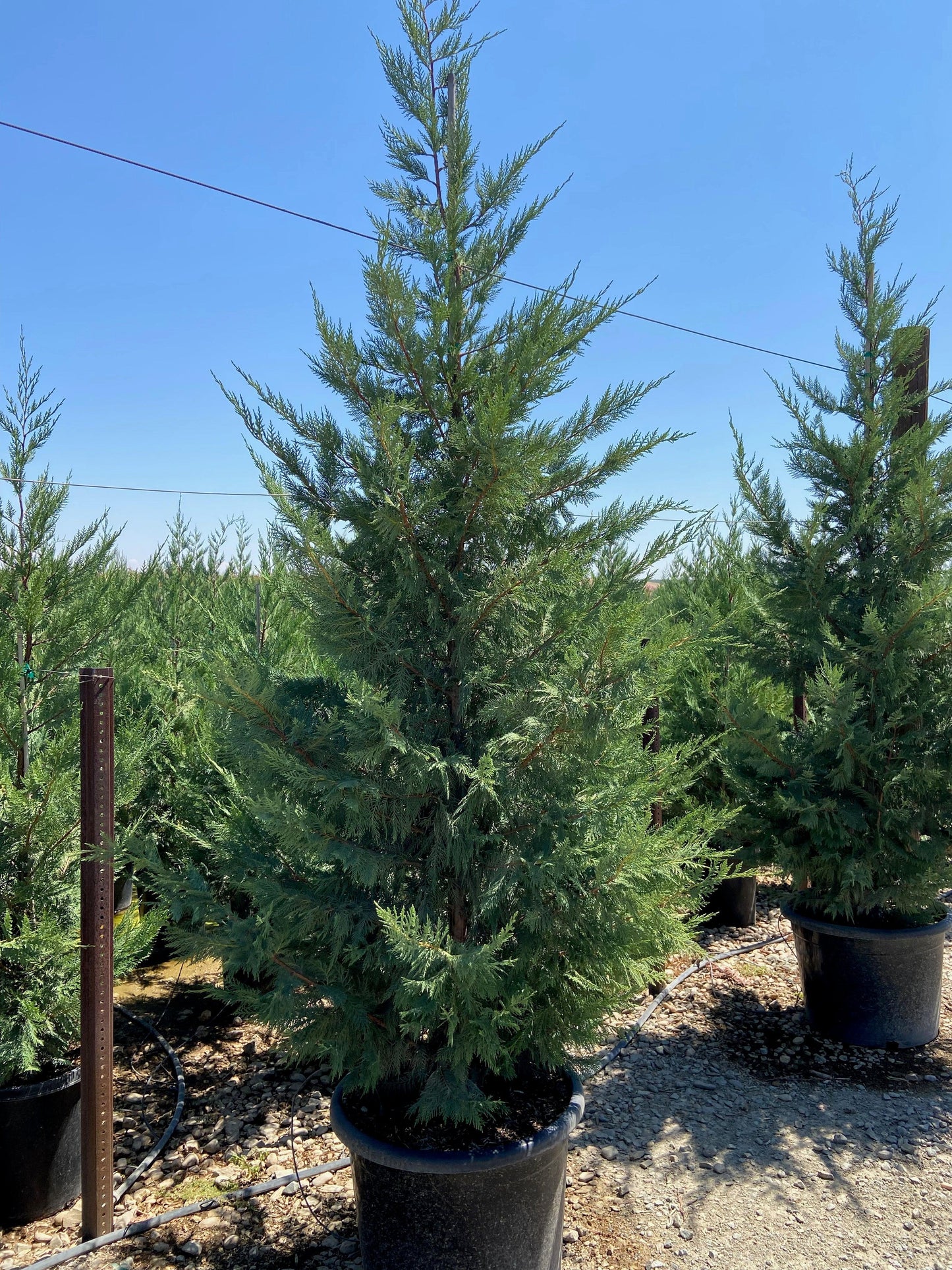
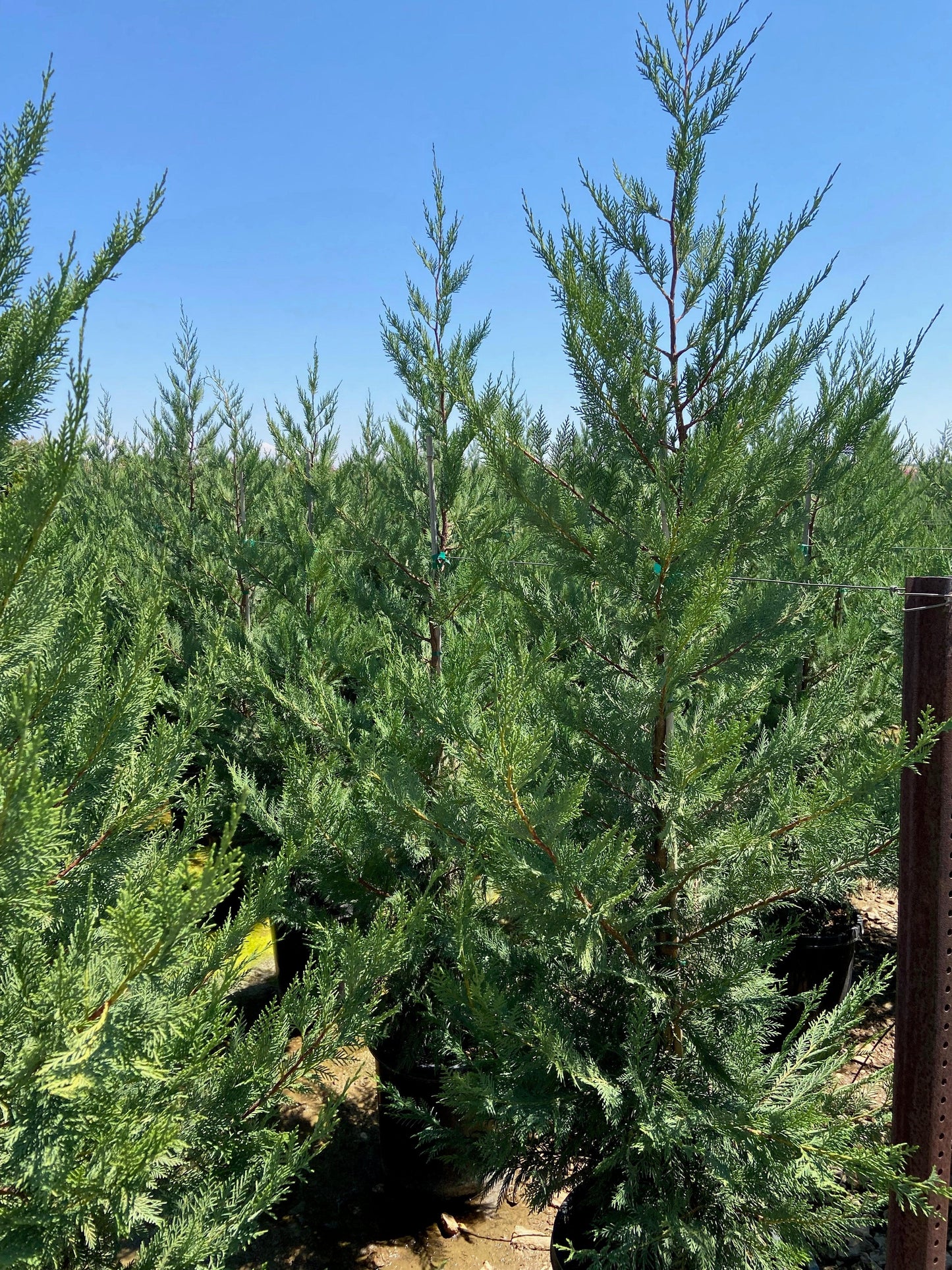
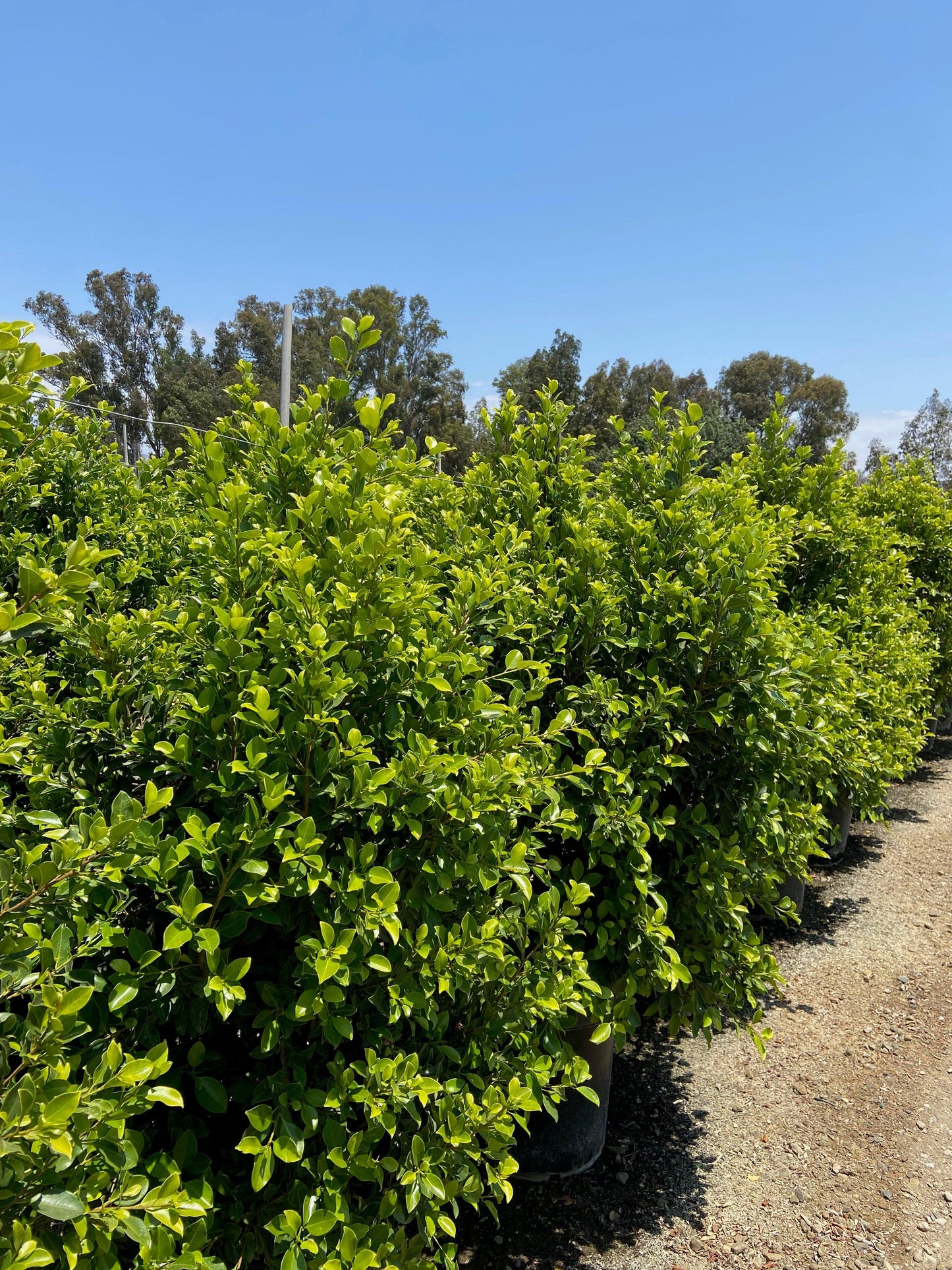
For strong year-round screening, evergreen varieties like Leyland Cypress and Thuja are popular choices. Dedicated evergreen trees for privacy hedging can grow quickly and create a dense green hedge, while Leyland Cypress is suited to larger boundaries where fast coverage is the priority. These trees provide evergreen leaves, dense foliage and reliable winter structure when deciduous plants have bare branches.
Dense foliage options that grow 10-20 feet tall are ideal for complete privacy in smaller landscapes. Fast-growing species can establish privacy within 2-3 years in full sun and well draining soil, especially when planted correctly. Small trees can be used effectively for privacy by planting them in staggered rows to create a layered effect, which helps fill gaps and block views.
When selecting small trees for privacy hedging, consider their mature size and growth habit to ensure they provide adequate coverage without overwhelming the space. Spacing trees according to their mature spread can enhance privacy screening, and adequate distance from property lines, the house and nearby paths keeps the hedge healthy and manageable.
Decorative Boundary Hedging
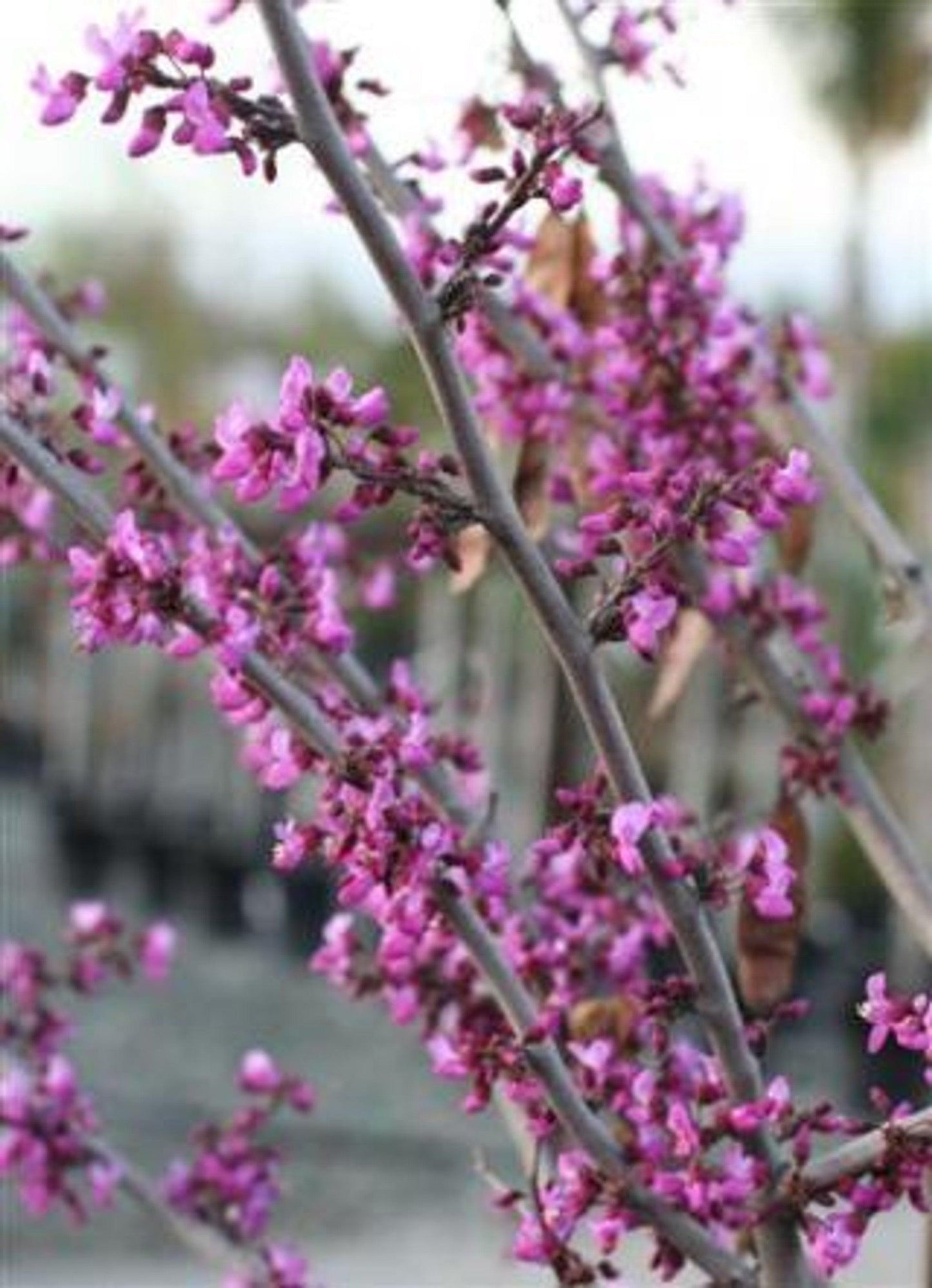
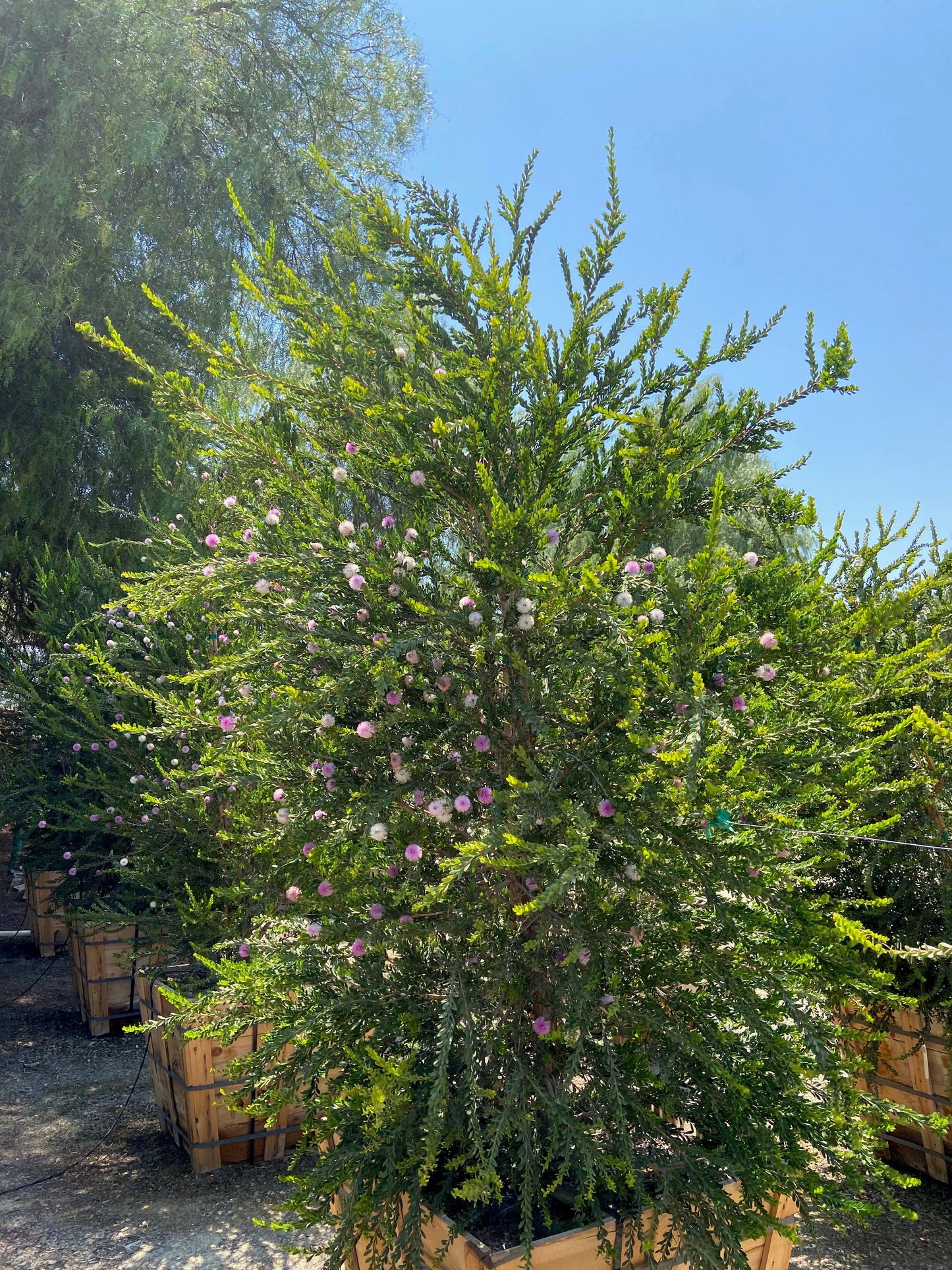
Decorative boundary hedging combines structure with seasonal interest. Flowering small trees like Serviceberry and Redbud bring spring blossoms, fruit, fall color and winter branch form into the garden, making the hedge more than a simple screen.
The Redbud (Cercis canadensis) typically grows to a height of 10-20 feet and features vibrant pink flowers in spring, followed by heart-shaped leaves that provide shade in summer. Serviceberry (Amelanchier canadensis) is a small tree that grows 10-20 feet tall, produces white flowers in early spring, and bears edible berries in summer, making it attractive to both people and wildlife.
Mixed plantings combining evergreen and deciduous species create year round interest. Evergreen shrubs and small evergreen trees maintain green foliage in winter, while deciduous trees add flowers, red fruits, small red fruits, autumn color and visual interest through their branches. Colorful foliage options like Japanese Maple offer purple, yellow or red fall tones, making them valuable in a small garden or a refined front yard border.
Compact varieties under 15 feet are useful where you need defined garden borders without overwhelming the space. Dwarf trees, multi-stem shrubs and large shrub forms can also work well in containers, narrow beds and urban areas.
Low Maintenance Screening
Low maintenance screening starts with species that match your location. Drought-tolerant species require minimal watering once established, while self-shaping trees need little pruning to maintain a clean hedge form.
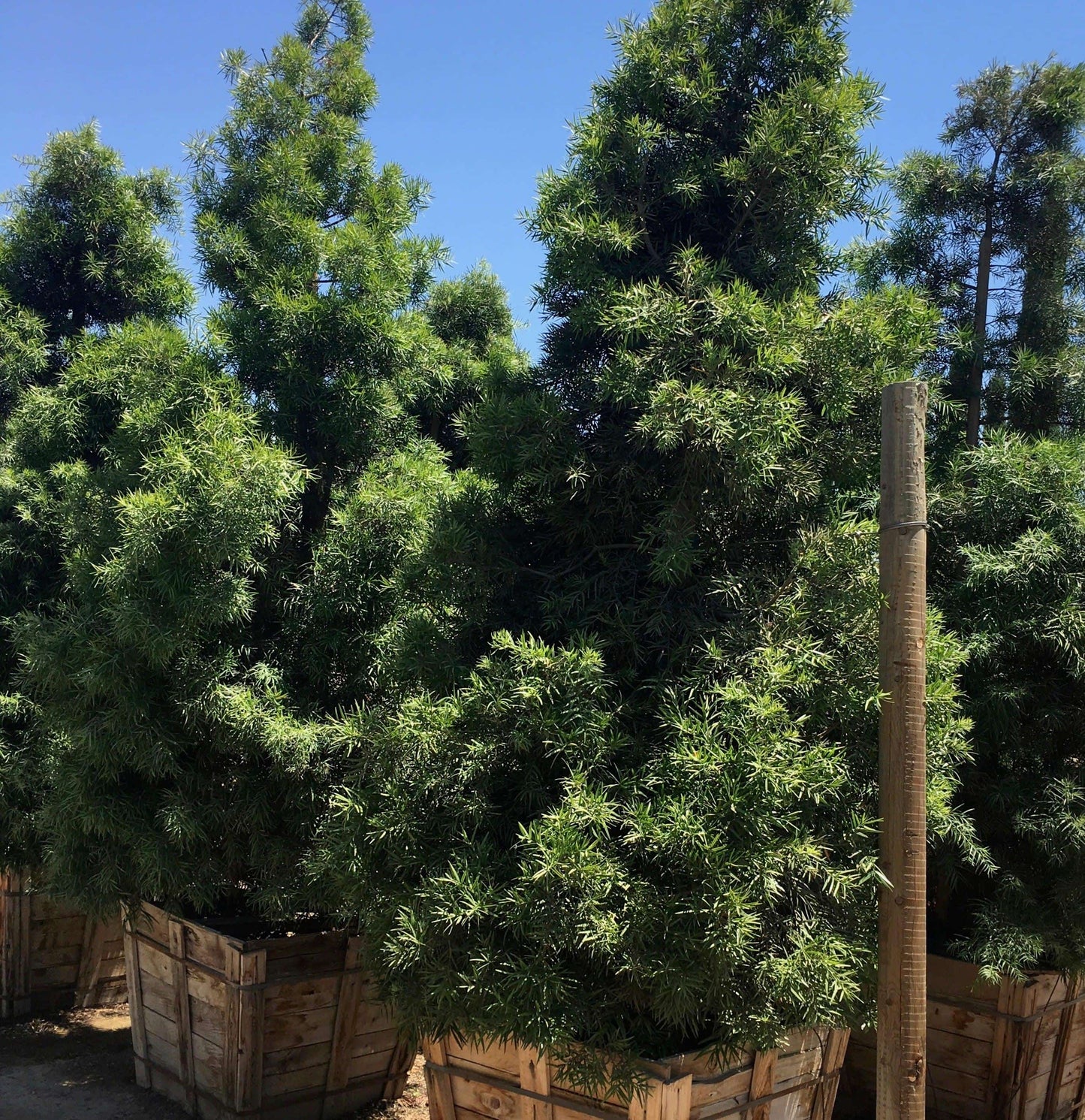
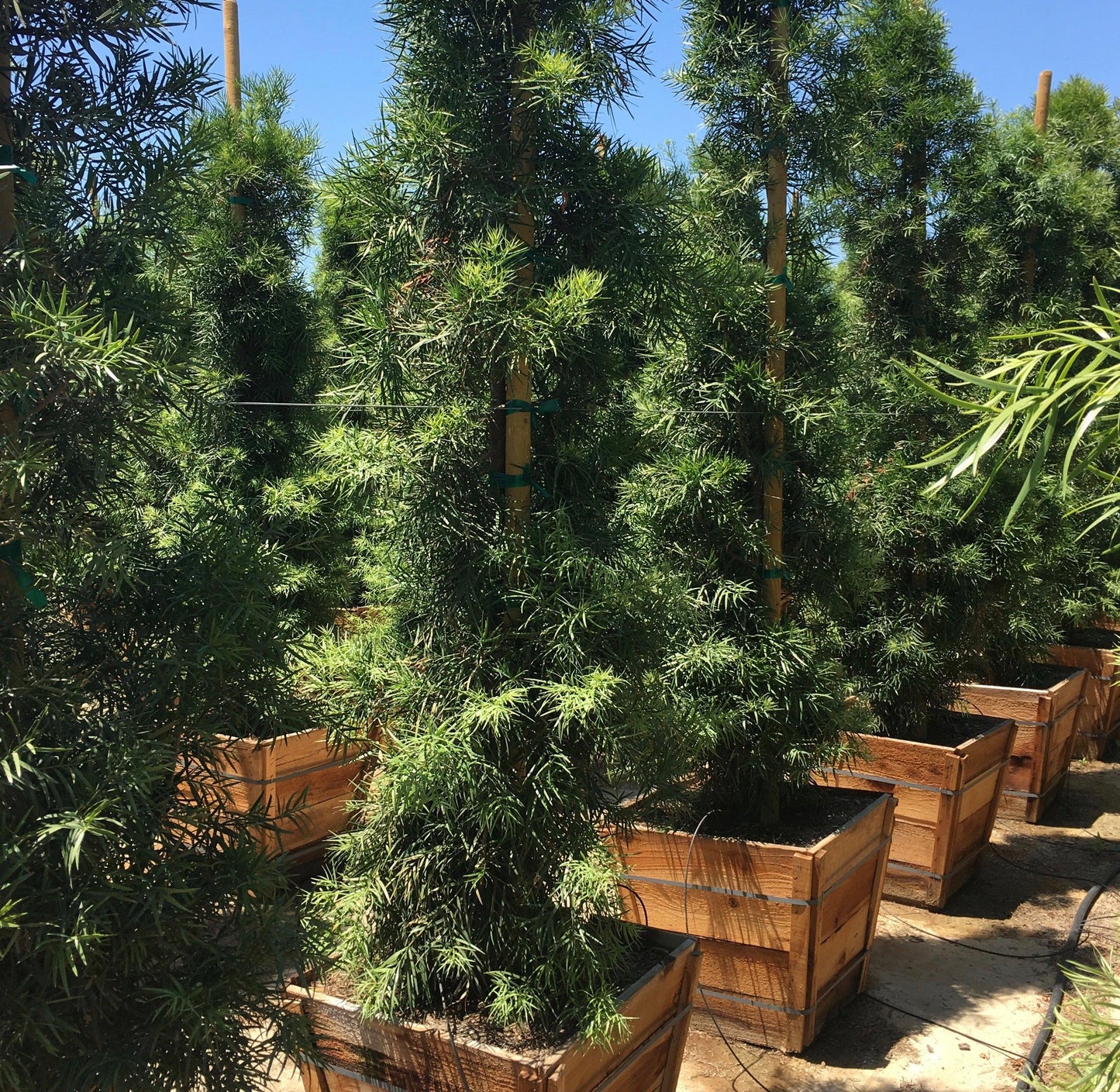
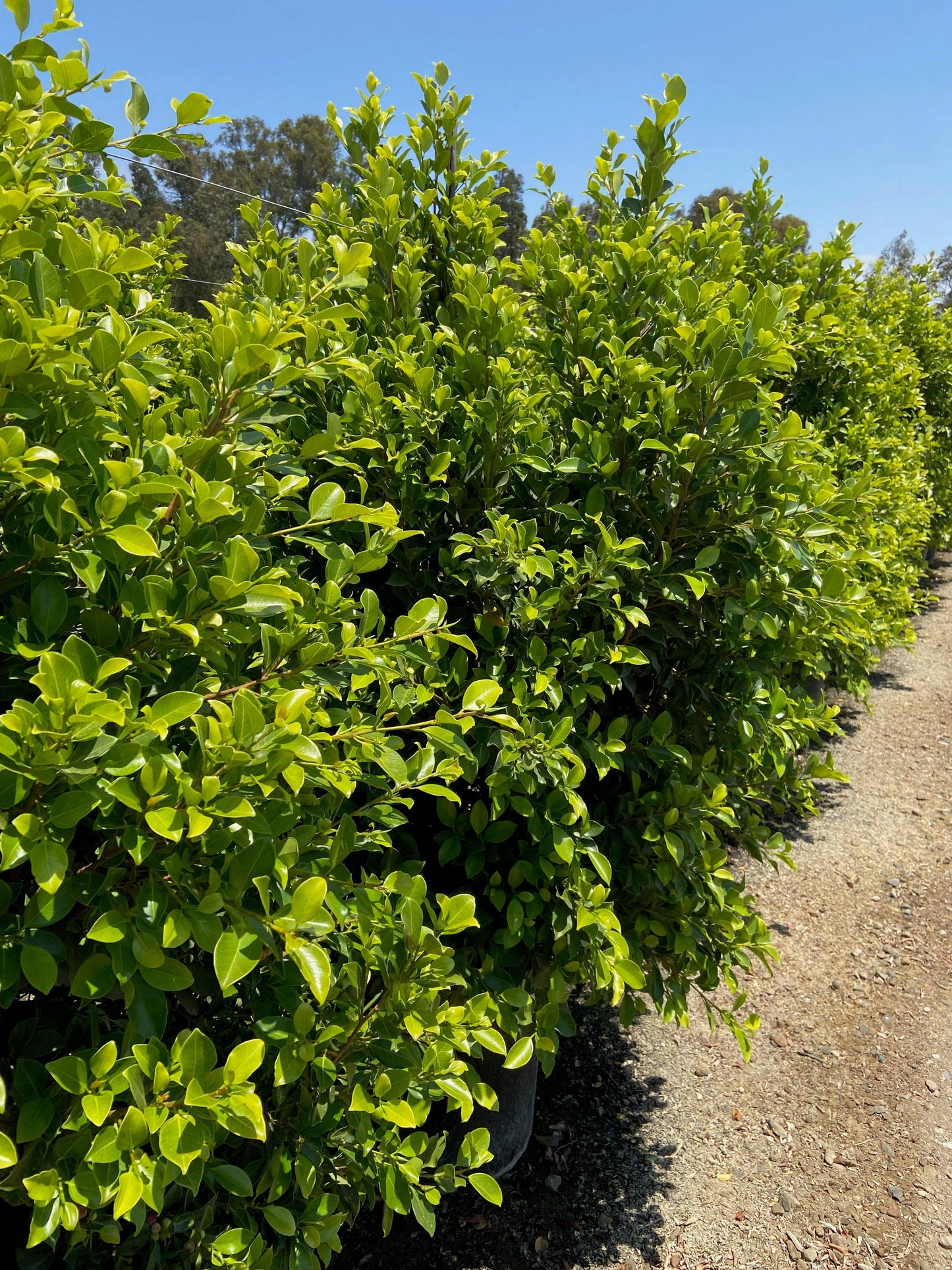
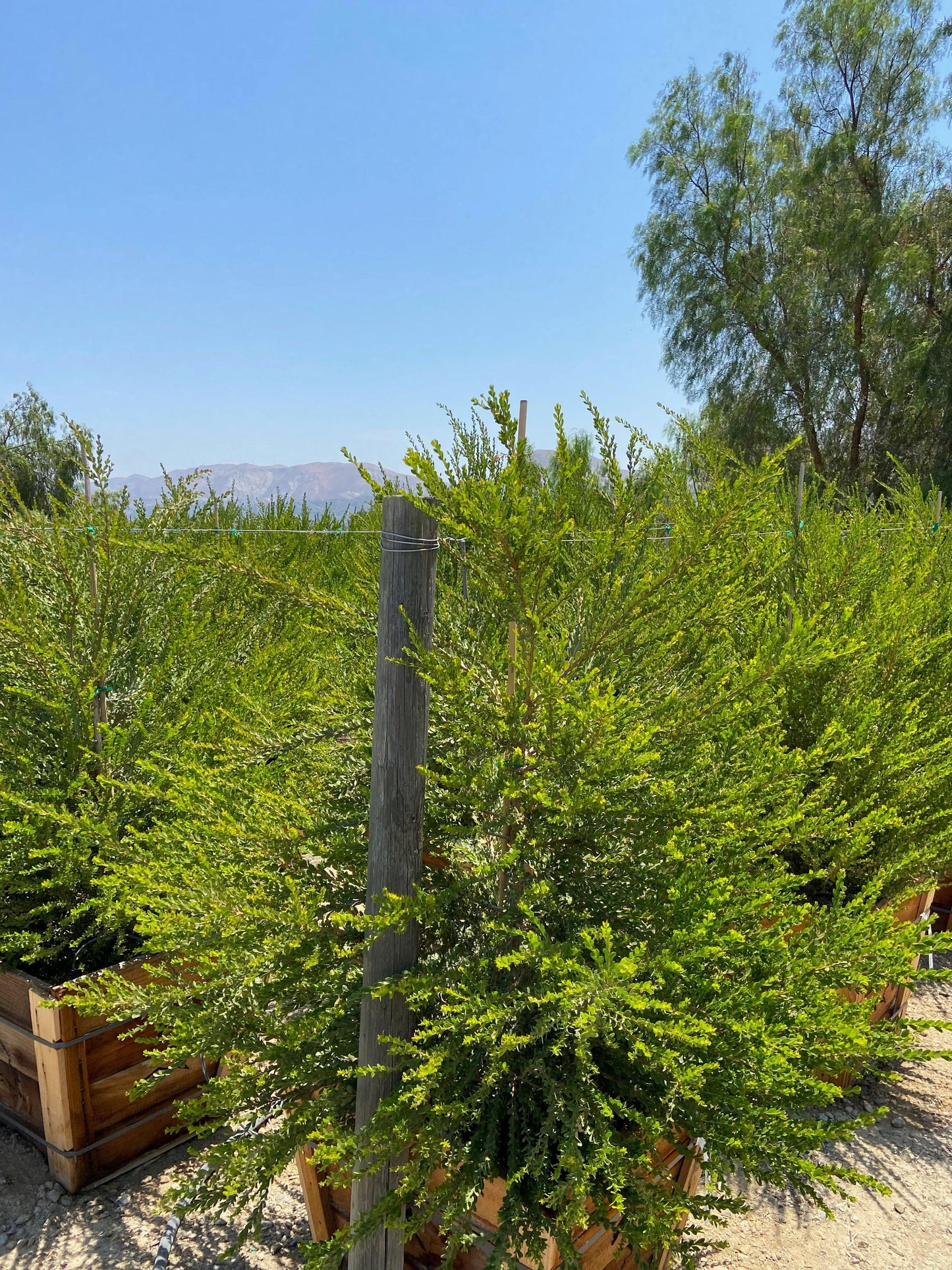
Junipers, compact arborvitae and selected hollies and versatile Fern Pine hedges are good following examples for sunny, dry locations. Native small trees can also reduce care because they are adapted to local climate conditions, soil patterns and wildlife pressures. Native species often provide habitat, berries and blossoms while requiring less intervention once established.
Disease-resistant varieties help avoid short lived hedges and reduce the need for corrective pruning or replacement. Choosing the right tree for a hedge depends on climate, space, and maintenance preferences. Using small trees as privacy hedges can enhance the visual appeal of a landscape while providing environmental benefits such as carbon absorption and habitat for wildlife.
Choose the Right Small Tree for Your Garden Conditions
The best hedge tree is not just the most attractive one. It must suit the sun, shade, soil and available space in your yard.
For Sunny Locations
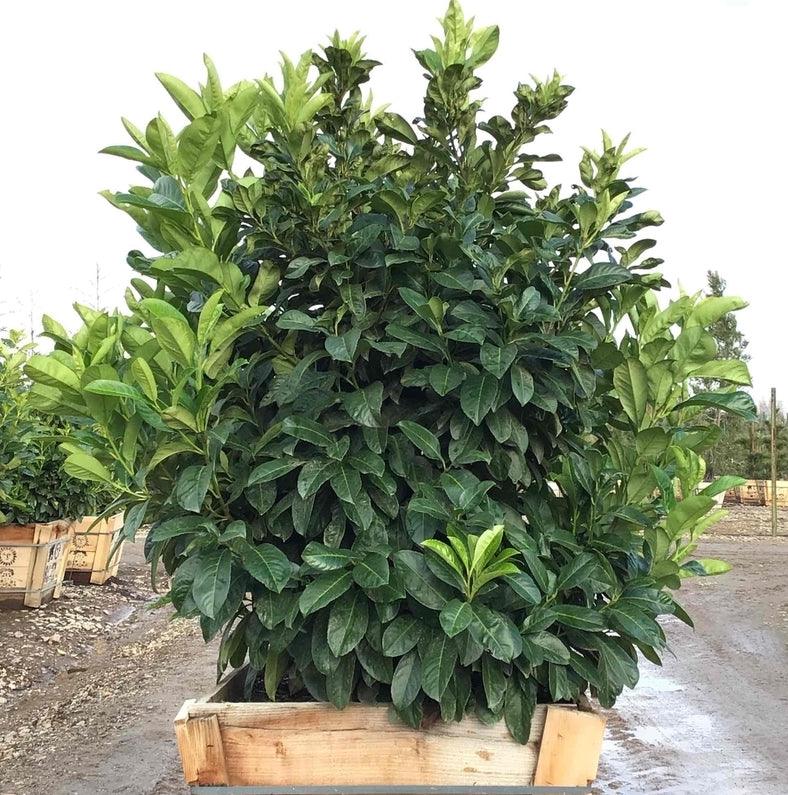
Sunny locations need trees that thrive in 6+ hours of direct sunlight. Sun-loving varieties like Red Crape Myrtle treesand Cherry Laurel perform well in full sun, especially in hot southern exposures where heat-tolerant species are essential.
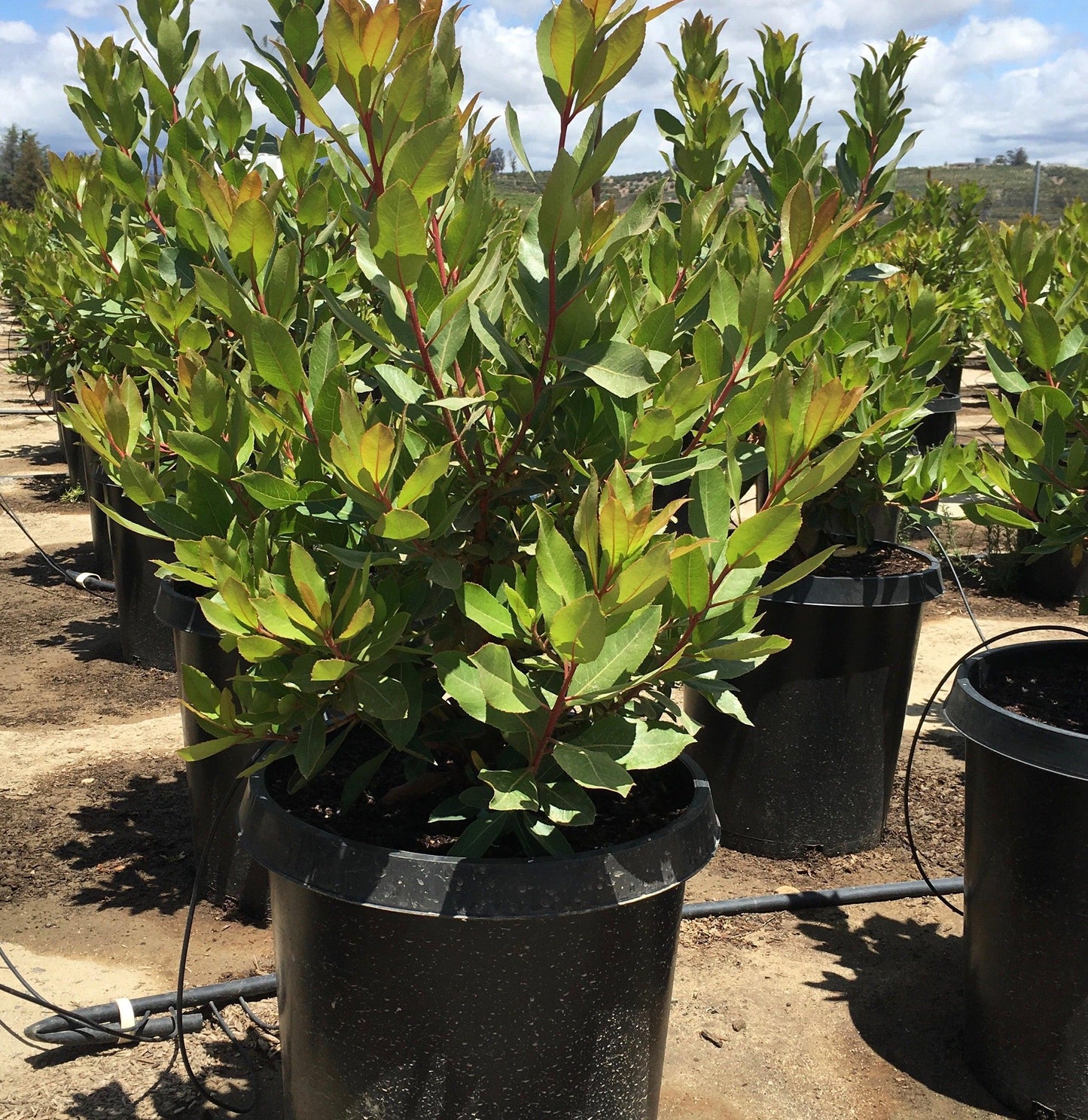
Crape Myrtle brings flowers from summer into late summer, while Cherry Laurel offers evergreen foliage and screening value. Wax Myrtle, juniper and many arborvitae varieties are also strong choices for sun-filled hedges, as are drought-tolerant small desert trees for landscaping in hot, dry regions. In full sun positions, growth is usually faster, but young plants need careful watering while roots establish.
Drought-resistant options are best once established, not immediately after planting. Young trees generally need 1 inch of water per week to establish, but are drought-tolerant once established. Mulch, well draining soil and correct spacing help protect roots during hot early summer conditions.
For Shaded Areas
Filtered light, part shade and full shade require different choices than open sunny boundaries. Shade-tolerant small trees like dogwood and Japanese Maple are excellent for soft, ornamental hedging beneath larger trees or near the house.
Understory species naturally adapted to growing beneath larger trees often have graceful horizontal branches, attractive bark and refined foliage. Dogwood, Serviceberry, Redbud and Japanese Maple provide flowers, fall color and structure without needing intense sun.
Varieties that maintain attractive form and foliage in partial to full shade are especially useful where a dense evergreen hedge may struggle. In shade, growth is often slower, so pruning should be gentle to avoid opening the plant and reducing screening.
For Small Spaces
Small spaces need narrow, columnar or dwarf forms. Columnar and narrow growth habits are perfect for tight areas between properties, along paths or beside fences where a wide hedge would intrude.
Dwarf cultivars staying under 12 feet are ideal for limited garden space, containers and compact garden bed designs. Sky Pencil Holly, dwarf conifers, compact arborvitae and compact Tiny Tower Italian Cypress can create upright structure without taking over the outdoor space.
Small trees are ideal for urban environments where space is limited, as they can thrive in small yards, narrow strips, and even large pots on decks or patios. Multi-season interest trees provide maximum visual impact in minimal space, offering spring flowers, summer foliage, autumn color and winter branch beauty.
For Challenging Soil Conditions
Challenging soil conditions require careful plant selection. Clay-tolerant varieties like Serviceberry can work in heavy soils, while hornbeam, Southern Magnolia trees and selected native species may be better where moisture is consistent.
The Sweetbay Magnolia (Magnolia virginiana) can reach heights of 15-20 feet and is known for its creamy white fragrant flowers and large glossy leaves, thriving in moist to wet soils. Related magnolia trees for landscaping can be similarly useful where many hedge plants struggle with damp ground.
Salt-tolerant species are important for coastal locations or areas with winter road salt. Junipers and certain hollies often perform better in salty conditions than sensitive species. Adaptable small trees that tolerate various soil pH levels are also valuable, but most hedging trees perform best in slightly acidic to neutral soil.
Tree Characteristics That Make Great Hedges
A good hedging tree combines density, manageable mature size, reliable growth and long-term beauty.
Evergreen Options
Evergreen options provide year-round foliage, consistent privacy and wind protection. Their evergreen leaves help create a solid green barrier even in winter, when deciduous trees lose their leaf cover.
Dense branching structure is essential for a hedge. The best evergreen trees and evergreen shrubs hold foliage from base to top, creating solid visual barriers rather than open trunks with foliage only at the crown.
Varieties with attractive needle or leaf textures add winter garden interest. Cold-hardy evergreens maintain color through harsh winter conditions, while pyramidal or columnar forms help save space in smaller landscapes.
Deciduous Varieties
Deciduous varieties bring ornamental value through spring flowers, summer shade, fruit and fall color. Serviceberry, Redbud, dogwood and ornamental crabapple can create a hedge with far more seasonal interest than a plain green wall.
In winter, bare branches can still provide structure. Attractive branch patterns, bark and horizontal branches create beauty even without foliage, while a lighter winter appearance allows more light to reach nearby plants and windows.
Deciduous trees may grow quickly when young, but they do not provide the same year round privacy as evergreen options. They are often best in mixed hedges where evergreen structure is combined with blossoms, fruit and autumn color.
Fast-Growing vs Slow-Growing
Fast-growing species are useful when you need screening within 3-5 years. Thuja, Leyland Cypress, Wax Myrtle and some hollies can quickly create a hedge when planted in the right soil, sun and spacing.
Slower-growing varieties usually offer longer lifespan, finer form and less maintenance. Compact hollies, dwarf conifers and Japanese Maple cultivars are better where mature size, shape and pruning control matter more than immediate height.
Growth rate should match your immediate and long-term landscape goals. A fast-growing tree may need more frequent trimming, while a slow-growing small tree may take longer to screen but remain easier to manage near paths, fences and small spaces.
How to Plant and Maintain Small Tree Hedging
Planting and care determine whether your hedge becomes dense, healthy and long lasting. Plant bare-root trees in late autumn or early spring for the best root establishment, especially before active spring growth begins.
Proper spacing guidelines ensure healthy growth and desired density. Plant small trees 2 to 3 feet apart for a dense hedge. Spacing root balls 2 to 3 feet apart ensures a fast-closing, solid screen. For larger trees, allow more room according to mature spread so each plant can develop without crowding.
Soil preparation supports optimal root development. Improve heavy clay with compost or leaf mould, loosen compacted soil, and choose well draining soil where possible. Using small trees as anchor plants in a garden provides balance, form, and continuity, making them essential for creating a visually appealing landscape.
Watering is most important during establishment. Soak deeply once a week during the first two growing seasons to establish deep roots. Young trees generally need 1 inch of water per week to establish, but are drought-tolerant once established.
Pruning keeps the hedge dense and healthy. Prune formal hedges annually in late winter or after the main bloom cycle has ended. Prune the top of the hedge slightly narrower than the bottom to allow sunlight to reach lower branches. Trim the sides of hedges at a slight inward angle so sunlight reaches the bottom branches.
Mulching helps retain moisture and suppress weeds around tree bases. Apply organic mulch around the root zone, keeping it away from the trunk to prevent rot. Fertilize lightly in spring if needed, using soil test results to avoid excessive soft growth, especially for vigorous hedges like English Laurel.
Small trees can serve as visual centerpieces in garden design, drawing attention to specific areas and enhancing the overall structure of the landscape. Compact ornamental choices such as Little Gem dwarf Southern Magnolia can anchor beds without overwhelming them. Small trees can improve the environmental value of a landscape by absorbing carbon dioxide, releasing oxygen, and providing shade and habitat for wildlife. Using small trees in landscaping can significantly enhance environmental value by absorbing carbon dioxide, providing shade, and improving water quality through stormwater absorption.
Shop Small Trees for Hedging
Explore small trees for hedging selected for privacy, seasonal interest, compact growth and reliable performance. Choose from evergreen, deciduous, native, flowering and dwarf trees suited to small gardens, urban areas and larger landscapes.
Select from our curated collection of proven hedging varieties suited to your climate zone. You can also explore a full-service nursery for privacy and evergreen trees. Expert guidance is available to help choose the perfect species for your specific needs, whether you want year round screening, fragrant flowers, red fruits, fall color or a neat formal hedge.
Quality nursery stock helps ensure healthy establishment and long-term success. Professional planting services are also available for proper installation and spacing, giving your new hedge the best possible start.
Create a boundary that works beautifully in every season with the right small tree for your garden.