



Pieris Japonica (Japanese Andromeda)
Regular price
$75.00
Size
Year-Round Beauty with Fragrant Spring Blooms
Pieris japonica delivers what most garden shrubs can't: continuous visual interest across every season. This broadleaf evergreen shrub produces cascading drooping clusters of fragrant, bell-shaped flowers in late winter to early spring - a time when most landscapes sit bare and colorless. Known as japanese andromeda or the lily of the valley shrub because its urn shaped flowers resemble those delicate woodland bells, this plant layers spring fragrance, colorful new growth, and winter interest into a single, deer resistant package.
If you've been frustrated by shrubs that look good for a few weeks and then fade into the background, Pieris japonica is the solution.
Why You'll Love It
-
Evergreen structure all year – Glossy, dark green evergreen foliage holds its color through winter, providing backbone to your garden when deciduous plants go dormant. Unlike other broadleaf evergreens like boxwood, P japonica adds dramatic floral displays on top of that reliable structure.
-
Fragrant blooms when nothing else flowers – Long, pendulous flower clusters of white flowers, pale pink, or deep rose open in early spring from maroon flower buds that formed the previous late summer. Pieris japonica attracts bees and pollinators during early spring, when few other nectar sources are available.
-
Deer resistant investment – Pieris japonica is deer resistant due to toxic leaves, earning a "Rarely Damaged" ranking from Rutgers University. Your landscape investment stays intact even in areas with heavy wildlife pressure.
-
Low maintenance once established – Pieris japonica generally requires minimal pruning once established. Its slow growing habit means you won't be fighting overgrowth season after season.
-
Varieties for every space – Pieris japonica grows 3 to 12 feet tall depending on variety, with options ranging from compact container plants to substantial screening shrubs. Choose from cultivars with bright red new growth, variegated foliage, or bright pink flowers to match your design vision.
What Makes It Different
Most spring blooming shrubs - forsythia, lilac, even wisteria - deliver a burst of color and then spend the rest of the year as unremarkable green masses. Or worse, they go completely bare in winter.
Pieris japonica offers:
-
Three-season color from foliage alone – New growth emerges in stunning tints of bright red, bronze, copper, or salmon pink before maturing to deep green. Cultivars like 'Flaming Silver' add silver white margins year-round through variegated foliage, giving you visual interest that no ordinary evergreen shrub can match.
-
Thrives in partial shade where others struggle – While most flowering shrubs demand full sun, japanese pieris blooms reliably in part shade and dappled shade. It's a natural fit for woodland gardens and shaded foundation plantings where other flowering options simply won't perform.
-
Winter buds add ornamental value months before bloom – Decorative flower buds form in late summer and persist through winter as bead-like clusters, contrasting beautifully against the dense habit of the dark green canopy long before spring arrives.
Native to mountain thickets of Japan, eastern China, and Taiwan, this member of the heath family (Ericaceae) - sometimes listed under the older name andromeda japonica - has been cultivated and refined into dozens of award-winning cultivars, many recognized with the Royal Horticultural Society's Award of Garden Merit.
How to Grow Pieris Japonica Successfully
-
Site Selection Choose a location with morning sun and afternoon shade. Pieris japonica thrives in partial shade or dappled sun and adapts well to partially shaded conditions. Pieris japonica prefers sites sheltered from harsh winds, as hot, dry winds can cause leaf scorch and decline in Pieris japonica. Plant in full sun or partial shade for best results, but in California's warmer inland zones, shade tolerant placement with reliable afternoon shade is essential.
-
Planting and Care Plant in spring or fall in rich, acidic, well drained soil. It prefers rich, acidic soil with a pH between 5 and 6. Amend with compost, leaf mold, or ericaceous bark to boost organic matter and lower soil ph if needed - especially important in California where soils often run alkaline. Keep soil evenly moist during the first two years. Water weekly, providing about an inch during the growing season. Use fertilizers formulated for acid loving plants, similar to what you'd use for rhododendrons or blueberry bushes. Mulch generously to retain moisture and moderate root temperature.
-
Enjoy the Results Watch maroon flower buds develop through winter, then open into fragrant cascades of bloom in late winter through early spring. As flowers fade, colorful foliage growth emerges in waves of red, bronze, or pink. Prune after blooming to maintain shape and remove dead branches - blooms form on old wood, so avoid cutting before flowers open. Deadhead spent flower clusters for a tidier appearance.
Plant Specifications
-
Botanical Name: Pieris japonica
-
Common Names: Japanese Andromeda, Japanese Pieris, Lily of the Valley Shrub
-
Plant Type: Broadleaf evergreen shrub
-
Mature Size: Pieris japonica grows 3 to 12 feet tall; 3–8 feet wide depending on cultivar
-
Growth Rate: Slow growing, approximately 4–8 inches per year
-
Hardiness Zones: It thrives in USDA zones 5 to 8 (some cultivars extend to Zone 4)
-
Bloom Time: It blooms from late winter to early spring; blooms last 4–8 weeks
-
Flower Colors: Pure white, pale pink, pastel pink flowers, deep rose, bright pink flowers, ruby red
-
Light Requirements: Partial shade to full sun
-
Soil Needs: Slightly acidic (pH 5.0–6.0), well drained, rich in organic matter
-
Habit: Upright habit with dense, layered branching
Notable Cultivars
|
Cultivar |
Key Feature |
Size |
|---|---|---|
|
Mountain Fire |
Mountain Fire features fiery spring foliage with bright red new growth and white flowers |
4–8 feet tall |
|
Cavatine |
Cavatine has snow-white flowers in early spring; dwarf cultivar ideal for containers |
2–3 feet tall |
|
Interstella |
Interstella blooms ruby red in late winter |
3–4 feet tall |
|
Katsura |
Katsura has bold burgundy leaves and deep pink flowers |
3–5 feet tall |
|
Valley Valentine |
Deep rose-red blooms from maroon buds; bronze-tinted new growth |
4–5 feet tall |
|
Flaming Silver |
Variegated foliage with silver white margins pink-edged new growth |
3–5 feet tall |
Dwarf cultivars of Pieris japonica are suitable for container gardening, making them perfect for patios and small-space landscapes.
Perfect For
Pieris japonica is suitable for foundation plantings and mixed shrub borders, and it excels in a range of garden settings:
-
California homeowners wanting year-round garden structure with evergreen screening and seasonal color
-
Shade gardeners seeking fragrant spring bloomers for north- or east-facing exposures
-
Woodland and Asian-inspired landscape designers pairing it with rhododendrons, ferns, and other shade-loving evergreens
-
Low-maintenance gardeners who want a slow growing shrub that doesn't require constant pruning
-
Deer-prone properties where browse-resistant plantings are a priority
Pieris japonica can be used in mixed borders and shrub beds for early color. Mass planted, Pieris japonica can create an attractive low-maintenance evergreen screen or border - a living wall of texture and seasonal bloom.
Frequently Asked Questions
Is Pieris japonica easy to grow? Yes - once established in the right conditions. Give it acidic, well drained soil, consistent moisture, and protection from harsh afternoon sun, and it will reward you with years of reliable beauty. The key is getting the site right: avoid alkaline or waterlogged soils, which can lead to root rot, chlorosis, or leaf spot.
How long do the flowers last? Expect blooms lasting 4–8 weeks depending on your climate. In milder California coastal areas, flowers can linger even longer. The ornamental flower buds also provide several inches of visual interest through the entire winter before blooming begins.
Is it safe around pets and children? This is important: Pieris japonica is highly toxic to humans and pets if ingested. All parts contain grayanotoxins that can cause serious symptoms including vomiting, cardiac issues, and worse. While the bitter foliage is typically avoided by animals, exercise caution when planting near areas frequented by small children or curious pets.
What are common pest issues? Lace bugs are the most prevalent concern - they cause stippled, bleached foliage, particularly on plants in exposed, sunny locations. Providing adequate dappled shade and air circulation helps prevent infestations. Watch for root rot in poorly drained sites.
What varieties work best in California? For California's Zone 8–9 coastal and foothill climates, 'Mountain Fire,' 'Flaming Silver,' 'Cavatine,' and 'Katsura' perform well with proper afternoon shade. In hotter inland areas, dwarf cultivars in containers with controlled soil conditions may be the best approach. Water deeply during dry periods and mulch heavily.
Can I grow it in a container? Absolutely. Dwarf cultivars like 'Cavatine' (a compact low growing mound at 2–3 feet tall) thrive in large containers with an acidic potting mix. Just monitor watering carefully - containers dry out faster during the growing season.
Ready to Transform Your Garden?
Pieris japonica delivers fragrant spring bloom, colorful foliage growth, winter interest, and deer resistant durability - all in one elegant, slow growing plant.
Whether you need a statement shrub for your foundation planting, a woodland understory layer, or a compact container specimen, there's a Pieris japonica cultivar perfectly suited to your California garden.
Browse our Pieris japonica varieties and bring year-round beauty home.
Year-Round Beauty with Fragrant Spring Blooms
Pieris japonica delivers what most garden shrubs can't: continuous visual interest across every season. This broadleaf evergreen shrub produces cascading drooping clusters of fragrant, bell-shaped flowers in late winter to early spring - a time when most landscapes sit bare and colorless. Known as japanese andromeda or the lily of the valley shrub because its urn shaped flowers resemble those delicate woodland bells, this plant layers spring fragrance, colorful new growth, and winter interest into a single, deer resistant package.
If you've been frustrated by shrubs that look good for a few weeks and then fade into the background, Pieris japonica is the solution.
Why You'll Love It
-
Evergreen structure all year – Glossy, dark green evergreen foliage holds its color through winter, providing backbone to your garden when deciduous plants go dormant. Unlike other broadleaf evergreens like boxwood, P japonica adds dramatic floral displays on top of that reliable structure.
-
Fragrant blooms when nothing else flowers – Long, pendulous flower clusters of white flowers, pale pink, or deep rose open in early spring from maroon flower buds that formed the previous late summer. Pieris japonica attracts bees and pollinators during early spring, when few other nectar sources are available.
-
Deer resistant investment – Pieris japonica is deer resistant due to toxic leaves, earning a "Rarely Damaged" ranking from Rutgers University. Your landscape investment stays intact even in areas with heavy wildlife pressure.
-
Low maintenance once established – Pieris japonica generally requires minimal pruning once established. Its slow growing habit means you won't be fighting overgrowth season after season.
-
Varieties for every space – Pieris japonica grows 3 to 12 feet tall depending on variety, with options ranging from compact container plants to substantial screening shrubs. Choose from cultivars with bright red new growth, variegated foliage, or bright pink flowers to match your design vision.
What Makes It Different
Most spring blooming shrubs - forsythia, lilac, even wisteria - deliver a burst of color and then spend the rest of the year as unremarkable green masses. Or worse, they go completely bare in winter.
Pieris japonica offers:
-
Three-season color from foliage alone – New growth emerges in stunning tints of bright red, bronze, copper, or salmon pink before maturing to deep green. Cultivars like 'Flaming Silver' add silver white margins year-round through variegated foliage, giving you visual interest that no ordinary evergreen shrub can match.
-
Thrives in partial shade where others struggle – While most flowering shrubs demand full sun, japanese pieris blooms reliably in part shade and dappled shade. It's a natural fit for woodland gardens and shaded foundation plantings where other flowering options simply won't perform.
-
Winter buds add ornamental value months before bloom – Decorative flower buds form in late summer and persist through winter as bead-like clusters, contrasting beautifully against the dense habit of the dark green canopy long before spring arrives.
Native to mountain thickets of Japan, eastern China, and Taiwan, this member of the heath family (Ericaceae) - sometimes listed under the older name andromeda japonica - has been cultivated and refined into dozens of award-winning cultivars, many recognized with the Royal Horticultural Society's Award of Garden Merit.
How to Grow Pieris Japonica Successfully
-
Site Selection Choose a location with morning sun and afternoon shade. Pieris japonica thrives in partial shade or dappled sun and adapts well to partially shaded conditions. Pieris japonica prefers sites sheltered from harsh winds, as hot, dry winds can cause leaf scorch and decline in Pieris japonica. Plant in full sun or partial shade for best results, but in California's warmer inland zones, shade tolerant placement with reliable afternoon shade is essential.
-
Planting and Care Plant in spring or fall in rich, acidic, well drained soil. It prefers rich, acidic soil with a pH between 5 and 6. Amend with compost, leaf mold, or ericaceous bark to boost organic matter and lower soil ph if needed - especially important in California where soils often run alkaline. Keep soil evenly moist during the first two years. Water weekly, providing about an inch during the growing season. Use fertilizers formulated for acid loving plants, similar to what you'd use for rhododendrons or blueberry bushes. Mulch generously to retain moisture and moderate root temperature.
-
Enjoy the Results Watch maroon flower buds develop through winter, then open into fragrant cascades of bloom in late winter through early spring. As flowers fade, colorful foliage growth emerges in waves of red, bronze, or pink. Prune after blooming to maintain shape and remove dead branches - blooms form on old wood, so avoid cutting before flowers open. Deadhead spent flower clusters for a tidier appearance.
Plant Specifications
-
Botanical Name: Pieris japonica
-
Common Names: Japanese Andromeda, Japanese Pieris, Lily of the Valley Shrub
-
Plant Type: Broadleaf evergreen shrub
-
Mature Size: Pieris japonica grows 3 to 12 feet tall; 3–8 feet wide depending on cultivar
-
Growth Rate: Slow growing, approximately 4–8 inches per year
-
Hardiness Zones: It thrives in USDA zones 5 to 8 (some cultivars extend to Zone 4)
-
Bloom Time: It blooms from late winter to early spring; blooms last 4–8 weeks
-
Flower Colors: Pure white, pale pink, pastel pink flowers, deep rose, bright pink flowers, ruby red
-
Light Requirements: Partial shade to full sun
-
Soil Needs: Slightly acidic (pH 5.0–6.0), well drained, rich in organic matter
-
Habit: Upright habit with dense, layered branching
Notable Cultivars
|
Cultivar |
Key Feature |
Size |
|---|---|---|
|
Mountain Fire |
Mountain Fire features fiery spring foliage with bright red new growth and white flowers |
4–8 feet tall |
|
Cavatine |
Cavatine has snow-white flowers in early spring; dwarf cultivar ideal for containers |
2–3 feet tall |
|
Interstella |
Interstella blooms ruby red in late winter |
3–4 feet tall |
|
Katsura |
Katsura has bold burgundy leaves and deep pink flowers |
3–5 feet tall |
|
Valley Valentine |
Deep rose-red blooms from maroon buds; bronze-tinted new growth |
4–5 feet tall |
|
Flaming Silver |
Variegated foliage with silver white margins pink-edged new growth |
3–5 feet tall |
Dwarf cultivars of Pieris japonica are suitable for container gardening, making them perfect for patios and small-space landscapes.
Perfect For
Pieris japonica is suitable for foundation plantings and mixed shrub borders, and it excels in a range of garden settings:
-
California homeowners wanting year-round garden structure with evergreen screening and seasonal color
-
Shade gardeners seeking fragrant spring bloomers for north- or east-facing exposures
-
Woodland and Asian-inspired landscape designers pairing it with rhododendrons, ferns, and other shade-loving evergreens
-
Low-maintenance gardeners who want a slow growing shrub that doesn't require constant pruning
-
Deer-prone properties where browse-resistant plantings are a priority
Pieris japonica can be used in mixed borders and shrub beds for early color. Mass planted, Pieris japonica can create an attractive low-maintenance evergreen screen or border - a living wall of texture and seasonal bloom.
Frequently Asked Questions
Is Pieris japonica easy to grow? Yes - once established in the right conditions. Give it acidic, well drained soil, consistent moisture, and protection from harsh afternoon sun, and it will reward you with years of reliable beauty. The key is getting the site right: avoid alkaline or waterlogged soils, which can lead to root rot, chlorosis, or leaf spot.
How long do the flowers last? Expect blooms lasting 4–8 weeks depending on your climate. In milder California coastal areas, flowers can linger even longer. The ornamental flower buds also provide several inches of visual interest through the entire winter before blooming begins.
Is it safe around pets and children? This is important: Pieris japonica is highly toxic to humans and pets if ingested. All parts contain grayanotoxins that can cause serious symptoms including vomiting, cardiac issues, and worse. While the bitter foliage is typically avoided by animals, exercise caution when planting near areas frequented by small children or curious pets.
What are common pest issues? Lace bugs are the most prevalent concern - they cause stippled, bleached foliage, particularly on plants in exposed, sunny locations. Providing adequate dappled shade and air circulation helps prevent infestations. Watch for root rot in poorly drained sites.
What varieties work best in California? For California's Zone 8–9 coastal and foothill climates, 'Mountain Fire,' 'Flaming Silver,' 'Cavatine,' and 'Katsura' perform well with proper afternoon shade. In hotter inland areas, dwarf cultivars in containers with controlled soil conditions may be the best approach. Water deeply during dry periods and mulch heavily.
Can I grow it in a container? Absolutely. Dwarf cultivars like 'Cavatine' (a compact low growing mound at 2–3 feet tall) thrive in large containers with an acidic potting mix. Just monitor watering carefully - containers dry out faster during the growing season.
Ready to Transform Your Garden?
Pieris japonica delivers fragrant spring bloom, colorful foliage growth, winter interest, and deer resistant durability - all in one elegant, slow growing plant.
Whether you need a statement shrub for your foundation planting, a woodland understory layer, or a compact container specimen, there's a Pieris japonica cultivar perfectly suited to your California garden.
Browse our Pieris japonica varieties and bring year-round beauty home.
Plants vary greatly by type and no guarantees are made on sizing.
However here is a rough idea of sizes based on containers that are direct from our growing grounds.
15 Gallon Shrub 3-4 Ft. Tall
15 Gallon Tree 5-6 Ft. Tall
24" Box Shrub 5-6 Ft. Tall
24" Box Tree 6-7 Ft. Tall
36" Box Tree 8-10 Ft. Tall
48" Box Tree 10-12 Ft. Tall
Please note: Citrus and California Native plants such as Manzanita are smaller than traditional sizing.
Please contact us to confirm sizing of items before purchasing if this is a concern.
Plants vary greatly by type and no guarantees are made on sizing.
However here is a rough idea of sizes based on containers that are direct from our growing grounds.
15 Gallon Shrub 3-4 Ft. Tall
15 Gallon Tree 5-6 Ft. Tall
24" Box Shrub 5-6 Ft. Tall
24" Box Tree 6-7 Ft. Tall
36" Box Tree 8-10 Ft. Tall
48" Box Tree 10-12 Ft. Tall
Please note: Citrus and California Native plants such as Manzanita are smaller than traditional sizing.
Please contact us to confirm sizing of items before purchasing if this is a concern.
Delivery does not include unloading of trees and plants larger than a 24" box.
Trees and plants in smaller containers will be dropped curbside.
Delivery beyond a curbside drop will be charged extra.
Trees and plants that are sold in container sizes larger than a 24" box size will require equipment and an operator onsite to help unload from the truck.
Please reach out to our team PRIOR to placing your order to coordinate.
Our team can provide unloading assistance with equipment for an extra fee.
Delivery does not include unloading of trees and plants larger than a 24" box.
Trees and plants in smaller containers will be dropped curbside.
Delivery beyond a curbside drop will be charged extra.
Trees and plants that are sold in container sizes larger than a 24" box size will require equipment and an operator onsite to help unload from the truck.
Please reach out to our team PRIOR to placing your order to coordinate.
Our team can provide unloading assistance with equipment for an extra fee.
You may also like...


Pieris Japonica (Japanese Andromeda)
Regular price
$75.00
Size
Year-Round Beauty with Fragrant Spring Blooms
Pieris japonica delivers what most garden shrubs can't: continuous visual interest across every season. This broadleaf evergreen shrub produces cascading drooping clusters of fragrant, bell-shaped flowers in late winter to early spring - a time when most landscapes sit bare and colorless. Known as japanese andromeda or the lily of the valley shrub because its urn shaped flowers resemble those delicate woodland bells, this plant layers spring fragrance, colorful new growth, and winter interest into a single, deer resistant package.
If you've been frustrated by shrubs that look good for a few weeks and then fade into the background, Pieris japonica is the solution.
Why You'll Love It
-
Evergreen structure all year – Glossy, dark green evergreen foliage holds its color through winter, providing backbone to your garden when deciduous plants go dormant. Unlike other broadleaf evergreens like boxwood, P japonica adds dramatic floral displays on top of that reliable structure.
-
Fragrant blooms when nothing else flowers – Long, pendulous flower clusters of white flowers, pale pink, or deep rose open in early spring from maroon flower buds that formed the previous late summer. Pieris japonica attracts bees and pollinators during early spring, when few other nectar sources are available.
-
Deer resistant investment – Pieris japonica is deer resistant due to toxic leaves, earning a "Rarely Damaged" ranking from Rutgers University. Your landscape investment stays intact even in areas with heavy wildlife pressure.
-
Low maintenance once established – Pieris japonica generally requires minimal pruning once established. Its slow growing habit means you won't be fighting overgrowth season after season.
-
Varieties for every space – Pieris japonica grows 3 to 12 feet tall depending on variety, with options ranging from compact container plants to substantial screening shrubs. Choose from cultivars with bright red new growth, variegated foliage, or bright pink flowers to match your design vision.
What Makes It Different
Most spring blooming shrubs - forsythia, lilac, even wisteria - deliver a burst of color and then spend the rest of the year as unremarkable green masses. Or worse, they go completely bare in winter.
Pieris japonica offers:
-
Three-season color from foliage alone – New growth emerges in stunning tints of bright red, bronze, copper, or salmon pink before maturing to deep green. Cultivars like 'Flaming Silver' add silver white margins year-round through variegated foliage, giving you visual interest that no ordinary evergreen shrub can match.
-
Thrives in partial shade where others struggle – While most flowering shrubs demand full sun, japanese pieris blooms reliably in part shade and dappled shade. It's a natural fit for woodland gardens and shaded foundation plantings where other flowering options simply won't perform.
-
Winter buds add ornamental value months before bloom – Decorative flower buds form in late summer and persist through winter as bead-like clusters, contrasting beautifully against the dense habit of the dark green canopy long before spring arrives.
Native to mountain thickets of Japan, eastern China, and Taiwan, this member of the heath family (Ericaceae) - sometimes listed under the older name andromeda japonica - has been cultivated and refined into dozens of award-winning cultivars, many recognized with the Royal Horticultural Society's Award of Garden Merit.
How to Grow Pieris Japonica Successfully
-
Site Selection Choose a location with morning sun and afternoon shade. Pieris japonica thrives in partial shade or dappled sun and adapts well to partially shaded conditions. Pieris japonica prefers sites sheltered from harsh winds, as hot, dry winds can cause leaf scorch and decline in Pieris japonica. Plant in full sun or partial shade for best results, but in California's warmer inland zones, shade tolerant placement with reliable afternoon shade is essential.
-
Planting and Care Plant in spring or fall in rich, acidic, well drained soil. It prefers rich, acidic soil with a pH between 5 and 6. Amend with compost, leaf mold, or ericaceous bark to boost organic matter and lower soil ph if needed - especially important in California where soils often run alkaline. Keep soil evenly moist during the first two years. Water weekly, providing about an inch during the growing season. Use fertilizers formulated for acid loving plants, similar to what you'd use for rhododendrons or blueberry bushes. Mulch generously to retain moisture and moderate root temperature.
-
Enjoy the Results Watch maroon flower buds develop through winter, then open into fragrant cascades of bloom in late winter through early spring. As flowers fade, colorful foliage growth emerges in waves of red, bronze, or pink. Prune after blooming to maintain shape and remove dead branches - blooms form on old wood, so avoid cutting before flowers open. Deadhead spent flower clusters for a tidier appearance.
Plant Specifications
-
Botanical Name: Pieris japonica
-
Common Names: Japanese Andromeda, Japanese Pieris, Lily of the Valley Shrub
-
Plant Type: Broadleaf evergreen shrub
-
Mature Size: Pieris japonica grows 3 to 12 feet tall; 3–8 feet wide depending on cultivar
-
Growth Rate: Slow growing, approximately 4–8 inches per year
-
Hardiness Zones: It thrives in USDA zones 5 to 8 (some cultivars extend to Zone 4)
-
Bloom Time: It blooms from late winter to early spring; blooms last 4–8 weeks
-
Flower Colors: Pure white, pale pink, pastel pink flowers, deep rose, bright pink flowers, ruby red
-
Light Requirements: Partial shade to full sun
-
Soil Needs: Slightly acidic (pH 5.0–6.0), well drained, rich in organic matter
-
Habit: Upright habit with dense, layered branching
Notable Cultivars
|
Cultivar |
Key Feature |
Size |
|---|---|---|
|
Mountain Fire |
Mountain Fire features fiery spring foliage with bright red new growth and white flowers |
4–8 feet tall |
|
Cavatine |
Cavatine has snow-white flowers in early spring; dwarf cultivar ideal for containers |
2–3 feet tall |
|
Interstella |
Interstella blooms ruby red in late winter |
3–4 feet tall |
|
Katsura |
Katsura has bold burgundy leaves and deep pink flowers |
3–5 feet tall |
|
Valley Valentine |
Deep rose-red blooms from maroon buds; bronze-tinted new growth |
4–5 feet tall |
|
Flaming Silver |
Variegated foliage with silver white margins pink-edged new growth |
3–5 feet tall |
Dwarf cultivars of Pieris japonica are suitable for container gardening, making them perfect for patios and small-space landscapes.
Perfect For
Pieris japonica is suitable for foundation plantings and mixed shrub borders, and it excels in a range of garden settings:
-
California homeowners wanting year-round garden structure with evergreen screening and seasonal color
-
Shade gardeners seeking fragrant spring bloomers for north- or east-facing exposures
-
Woodland and Asian-inspired landscape designers pairing it with rhododendrons, ferns, and other shade-loving evergreens
-
Low-maintenance gardeners who want a slow growing shrub that doesn't require constant pruning
-
Deer-prone properties where browse-resistant plantings are a priority
Pieris japonica can be used in mixed borders and shrub beds for early color. Mass planted, Pieris japonica can create an attractive low-maintenance evergreen screen or border - a living wall of texture and seasonal bloom.
Frequently Asked Questions
Is Pieris japonica easy to grow? Yes - once established in the right conditions. Give it acidic, well drained soil, consistent moisture, and protection from harsh afternoon sun, and it will reward you with years of reliable beauty. The key is getting the site right: avoid alkaline or waterlogged soils, which can lead to root rot, chlorosis, or leaf spot.
How long do the flowers last? Expect blooms lasting 4–8 weeks depending on your climate. In milder California coastal areas, flowers can linger even longer. The ornamental flower buds also provide several inches of visual interest through the entire winter before blooming begins.
Is it safe around pets and children? This is important: Pieris japonica is highly toxic to humans and pets if ingested. All parts contain grayanotoxins that can cause serious symptoms including vomiting, cardiac issues, and worse. While the bitter foliage is typically avoided by animals, exercise caution when planting near areas frequented by small children or curious pets.
What are common pest issues? Lace bugs are the most prevalent concern - they cause stippled, bleached foliage, particularly on plants in exposed, sunny locations. Providing adequate dappled shade and air circulation helps prevent infestations. Watch for root rot in poorly drained sites.
What varieties work best in California? For California's Zone 8–9 coastal and foothill climates, 'Mountain Fire,' 'Flaming Silver,' 'Cavatine,' and 'Katsura' perform well with proper afternoon shade. In hotter inland areas, dwarf cultivars in containers with controlled soil conditions may be the best approach. Water deeply during dry periods and mulch heavily.
Can I grow it in a container? Absolutely. Dwarf cultivars like 'Cavatine' (a compact low growing mound at 2–3 feet tall) thrive in large containers with an acidic potting mix. Just monitor watering carefully - containers dry out faster during the growing season.
Ready to Transform Your Garden?
Pieris japonica delivers fragrant spring bloom, colorful foliage growth, winter interest, and deer resistant durability - all in one elegant, slow growing plant.
Whether you need a statement shrub for your foundation planting, a woodland understory layer, or a compact container specimen, there's a Pieris japonica cultivar perfectly suited to your California garden.
Browse our Pieris japonica varieties and bring year-round beauty home.
Year-Round Beauty with Fragrant Spring Blooms
Pieris japonica delivers what most garden shrubs can't: continuous visual interest across every season. This broadleaf evergreen shrub produces cascading drooping clusters of fragrant, bell-shaped flowers in late winter to early spring - a time when most landscapes sit bare and colorless. Known as japanese andromeda or the lily of the valley shrub because its urn shaped flowers resemble those delicate woodland bells, this plant layers spring fragrance, colorful new growth, and winter interest into a single, deer resistant package.
If you've been frustrated by shrubs that look good for a few weeks and then fade into the background, Pieris japonica is the solution.
Why You'll Love It
-
Evergreen structure all year – Glossy, dark green evergreen foliage holds its color through winter, providing backbone to your garden when deciduous plants go dormant. Unlike other broadleaf evergreens like boxwood, P japonica adds dramatic floral displays on top of that reliable structure.
-
Fragrant blooms when nothing else flowers – Long, pendulous flower clusters of white flowers, pale pink, or deep rose open in early spring from maroon flower buds that formed the previous late summer. Pieris japonica attracts bees and pollinators during early spring, when few other nectar sources are available.
-
Deer resistant investment – Pieris japonica is deer resistant due to toxic leaves, earning a "Rarely Damaged" ranking from Rutgers University. Your landscape investment stays intact even in areas with heavy wildlife pressure.
-
Low maintenance once established – Pieris japonica generally requires minimal pruning once established. Its slow growing habit means you won't be fighting overgrowth season after season.
-
Varieties for every space – Pieris japonica grows 3 to 12 feet tall depending on variety, with options ranging from compact container plants to substantial screening shrubs. Choose from cultivars with bright red new growth, variegated foliage, or bright pink flowers to match your design vision.
What Makes It Different
Most spring blooming shrubs - forsythia, lilac, even wisteria - deliver a burst of color and then spend the rest of the year as unremarkable green masses. Or worse, they go completely bare in winter.
Pieris japonica offers:
-
Three-season color from foliage alone – New growth emerges in stunning tints of bright red, bronze, copper, or salmon pink before maturing to deep green. Cultivars like 'Flaming Silver' add silver white margins year-round through variegated foliage, giving you visual interest that no ordinary evergreen shrub can match.
-
Thrives in partial shade where others struggle – While most flowering shrubs demand full sun, japanese pieris blooms reliably in part shade and dappled shade. It's a natural fit for woodland gardens and shaded foundation plantings where other flowering options simply won't perform.
-
Winter buds add ornamental value months before bloom – Decorative flower buds form in late summer and persist through winter as bead-like clusters, contrasting beautifully against the dense habit of the dark green canopy long before spring arrives.
Native to mountain thickets of Japan, eastern China, and Taiwan, this member of the heath family (Ericaceae) - sometimes listed under the older name andromeda japonica - has been cultivated and refined into dozens of award-winning cultivars, many recognized with the Royal Horticultural Society's Award of Garden Merit.
How to Grow Pieris Japonica Successfully
-
Site Selection Choose a location with morning sun and afternoon shade. Pieris japonica thrives in partial shade or dappled sun and adapts well to partially shaded conditions. Pieris japonica prefers sites sheltered from harsh winds, as hot, dry winds can cause leaf scorch and decline in Pieris japonica. Plant in full sun or partial shade for best results, but in California's warmer inland zones, shade tolerant placement with reliable afternoon shade is essential.
-
Planting and Care Plant in spring or fall in rich, acidic, well drained soil. It prefers rich, acidic soil with a pH between 5 and 6. Amend with compost, leaf mold, or ericaceous bark to boost organic matter and lower soil ph if needed - especially important in California where soils often run alkaline. Keep soil evenly moist during the first two years. Water weekly, providing about an inch during the growing season. Use fertilizers formulated for acid loving plants, similar to what you'd use for rhododendrons or blueberry bushes. Mulch generously to retain moisture and moderate root temperature.
-
Enjoy the Results Watch maroon flower buds develop through winter, then open into fragrant cascades of bloom in late winter through early spring. As flowers fade, colorful foliage growth emerges in waves of red, bronze, or pink. Prune after blooming to maintain shape and remove dead branches - blooms form on old wood, so avoid cutting before flowers open. Deadhead spent flower clusters for a tidier appearance.
Plant Specifications
-
Botanical Name: Pieris japonica
-
Common Names: Japanese Andromeda, Japanese Pieris, Lily of the Valley Shrub
-
Plant Type: Broadleaf evergreen shrub
-
Mature Size: Pieris japonica grows 3 to 12 feet tall; 3–8 feet wide depending on cultivar
-
Growth Rate: Slow growing, approximately 4–8 inches per year
-
Hardiness Zones: It thrives in USDA zones 5 to 8 (some cultivars extend to Zone 4)
-
Bloom Time: It blooms from late winter to early spring; blooms last 4–8 weeks
-
Flower Colors: Pure white, pale pink, pastel pink flowers, deep rose, bright pink flowers, ruby red
-
Light Requirements: Partial shade to full sun
-
Soil Needs: Slightly acidic (pH 5.0–6.0), well drained, rich in organic matter
-
Habit: Upright habit with dense, layered branching
Notable Cultivars
|
Cultivar |
Key Feature |
Size |
|---|---|---|
|
Mountain Fire |
Mountain Fire features fiery spring foliage with bright red new growth and white flowers |
4–8 feet tall |
|
Cavatine |
Cavatine has snow-white flowers in early spring; dwarf cultivar ideal for containers |
2–3 feet tall |
|
Interstella |
Interstella blooms ruby red in late winter |
3–4 feet tall |
|
Katsura |
Katsura has bold burgundy leaves and deep pink flowers |
3–5 feet tall |
|
Valley Valentine |
Deep rose-red blooms from maroon buds; bronze-tinted new growth |
4–5 feet tall |
|
Flaming Silver |
Variegated foliage with silver white margins pink-edged new growth |
3–5 feet tall |
Dwarf cultivars of Pieris japonica are suitable for container gardening, making them perfect for patios and small-space landscapes.
Perfect For
Pieris japonica is suitable for foundation plantings and mixed shrub borders, and it excels in a range of garden settings:
-
California homeowners wanting year-round garden structure with evergreen screening and seasonal color
-
Shade gardeners seeking fragrant spring bloomers for north- or east-facing exposures
-
Woodland and Asian-inspired landscape designers pairing it with rhododendrons, ferns, and other shade-loving evergreens
-
Low-maintenance gardeners who want a slow growing shrub that doesn't require constant pruning
-
Deer-prone properties where browse-resistant plantings are a priority
Pieris japonica can be used in mixed borders and shrub beds for early color. Mass planted, Pieris japonica can create an attractive low-maintenance evergreen screen or border - a living wall of texture and seasonal bloom.
Frequently Asked Questions
Is Pieris japonica easy to grow? Yes - once established in the right conditions. Give it acidic, well drained soil, consistent moisture, and protection from harsh afternoon sun, and it will reward you with years of reliable beauty. The key is getting the site right: avoid alkaline or waterlogged soils, which can lead to root rot, chlorosis, or leaf spot.
How long do the flowers last? Expect blooms lasting 4–8 weeks depending on your climate. In milder California coastal areas, flowers can linger even longer. The ornamental flower buds also provide several inches of visual interest through the entire winter before blooming begins.
Is it safe around pets and children? This is important: Pieris japonica is highly toxic to humans and pets if ingested. All parts contain grayanotoxins that can cause serious symptoms including vomiting, cardiac issues, and worse. While the bitter foliage is typically avoided by animals, exercise caution when planting near areas frequented by small children or curious pets.
What are common pest issues? Lace bugs are the most prevalent concern - they cause stippled, bleached foliage, particularly on plants in exposed, sunny locations. Providing adequate dappled shade and air circulation helps prevent infestations. Watch for root rot in poorly drained sites.
What varieties work best in California? For California's Zone 8–9 coastal and foothill climates, 'Mountain Fire,' 'Flaming Silver,' 'Cavatine,' and 'Katsura' perform well with proper afternoon shade. In hotter inland areas, dwarf cultivars in containers with controlled soil conditions may be the best approach. Water deeply during dry periods and mulch heavily.
Can I grow it in a container? Absolutely. Dwarf cultivars like 'Cavatine' (a compact low growing mound at 2–3 feet tall) thrive in large containers with an acidic potting mix. Just monitor watering carefully - containers dry out faster during the growing season.
Ready to Transform Your Garden?
Pieris japonica delivers fragrant spring bloom, colorful foliage growth, winter interest, and deer resistant durability - all in one elegant, slow growing plant.
Whether you need a statement shrub for your foundation planting, a woodland understory layer, or a compact container specimen, there's a Pieris japonica cultivar perfectly suited to your California garden.
Browse our Pieris japonica varieties and bring year-round beauty home.
Plants vary greatly by type and no guarantees are made on sizing.
However here is a rough idea of sizes based on containers that are direct from our growing grounds.
15 Gallon Shrub 3-4 Ft. Tall
15 Gallon Tree 5-6 Ft. Tall
24" Box Shrub 5-6 Ft. Tall
24" Box Tree 6-7 Ft. Tall
36" Box Tree 8-10 Ft. Tall
48" Box Tree 10-12 Ft. Tall
Please note: Citrus and California Native plants such as Manzanita are smaller than traditional sizing.
Please contact us to confirm sizing of items before purchasing if this is a concern.
Plants vary greatly by type and no guarantees are made on sizing.
However here is a rough idea of sizes based on containers that are direct from our growing grounds.
15 Gallon Shrub 3-4 Ft. Tall
15 Gallon Tree 5-6 Ft. Tall
24" Box Shrub 5-6 Ft. Tall
24" Box Tree 6-7 Ft. Tall
36" Box Tree 8-10 Ft. Tall
48" Box Tree 10-12 Ft. Tall
Please note: Citrus and California Native plants such as Manzanita are smaller than traditional sizing.
Please contact us to confirm sizing of items before purchasing if this is a concern.
Delivery does not include unloading of trees and plants larger than a 24" box.
Trees and plants in smaller containers will be dropped curbside.
Delivery beyond a curbside drop will be charged extra.
Trees and plants that are sold in container sizes larger than a 24" box size will require equipment and an operator onsite to help unload from the truck.
Please reach out to our team PRIOR to placing your order to coordinate.
Our team can provide unloading assistance with equipment for an extra fee.
Delivery does not include unloading of trees and plants larger than a 24" box.
Trees and plants in smaller containers will be dropped curbside.
Delivery beyond a curbside drop will be charged extra.
Trees and plants that are sold in container sizes larger than a 24" box size will require equipment and an operator onsite to help unload from the truck.
Please reach out to our team PRIOR to placing your order to coordinate.
Our team can provide unloading assistance with equipment for an extra fee.
Recommended For You

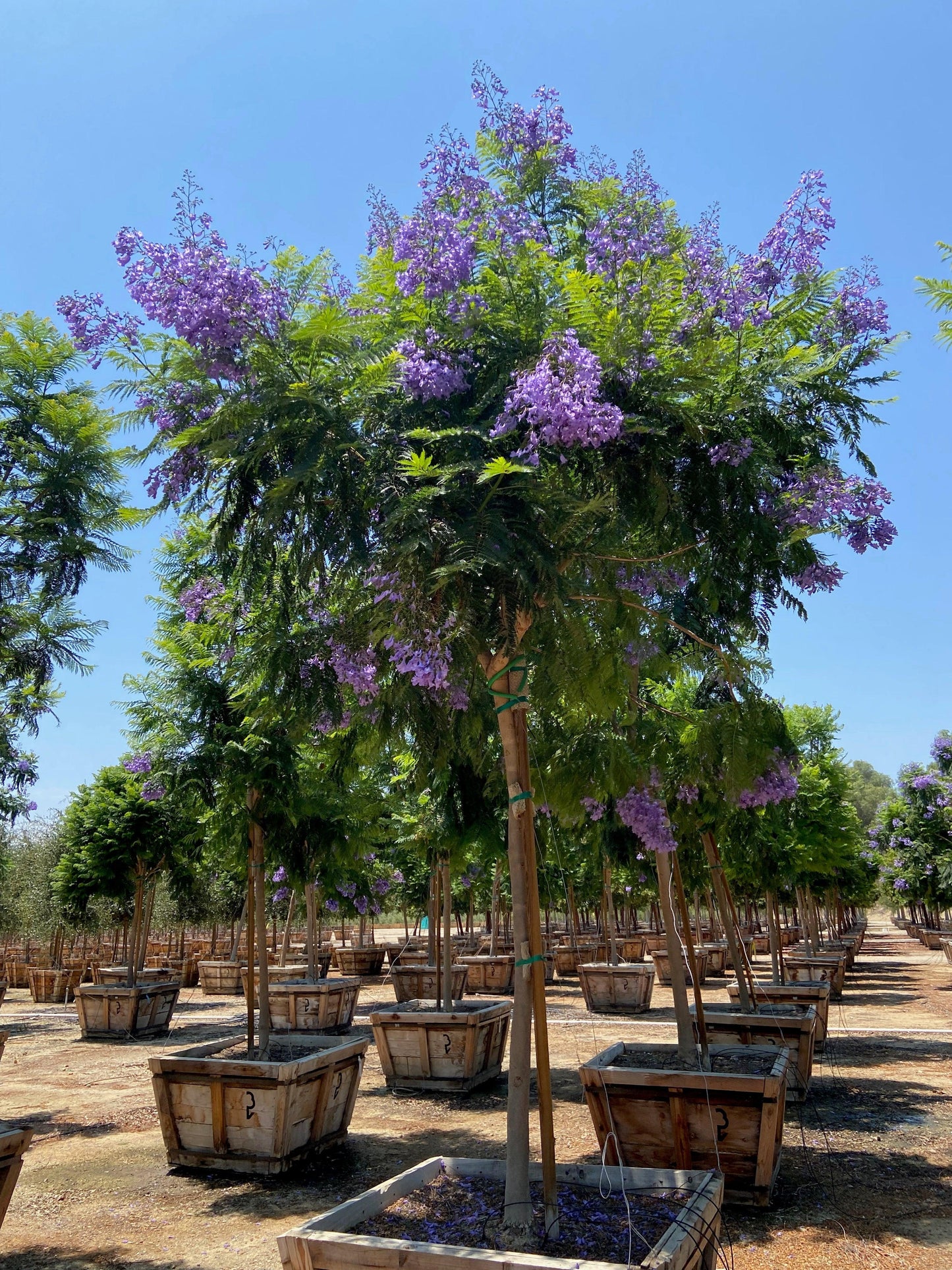
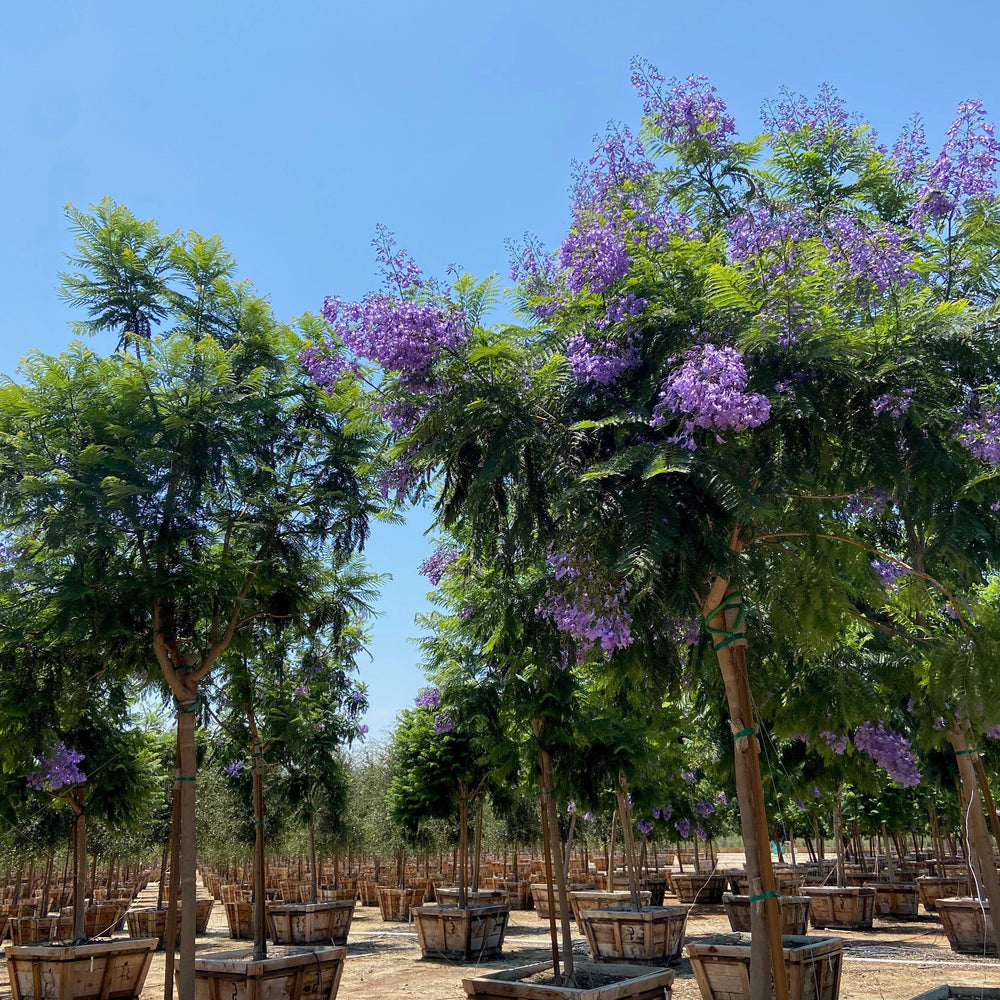
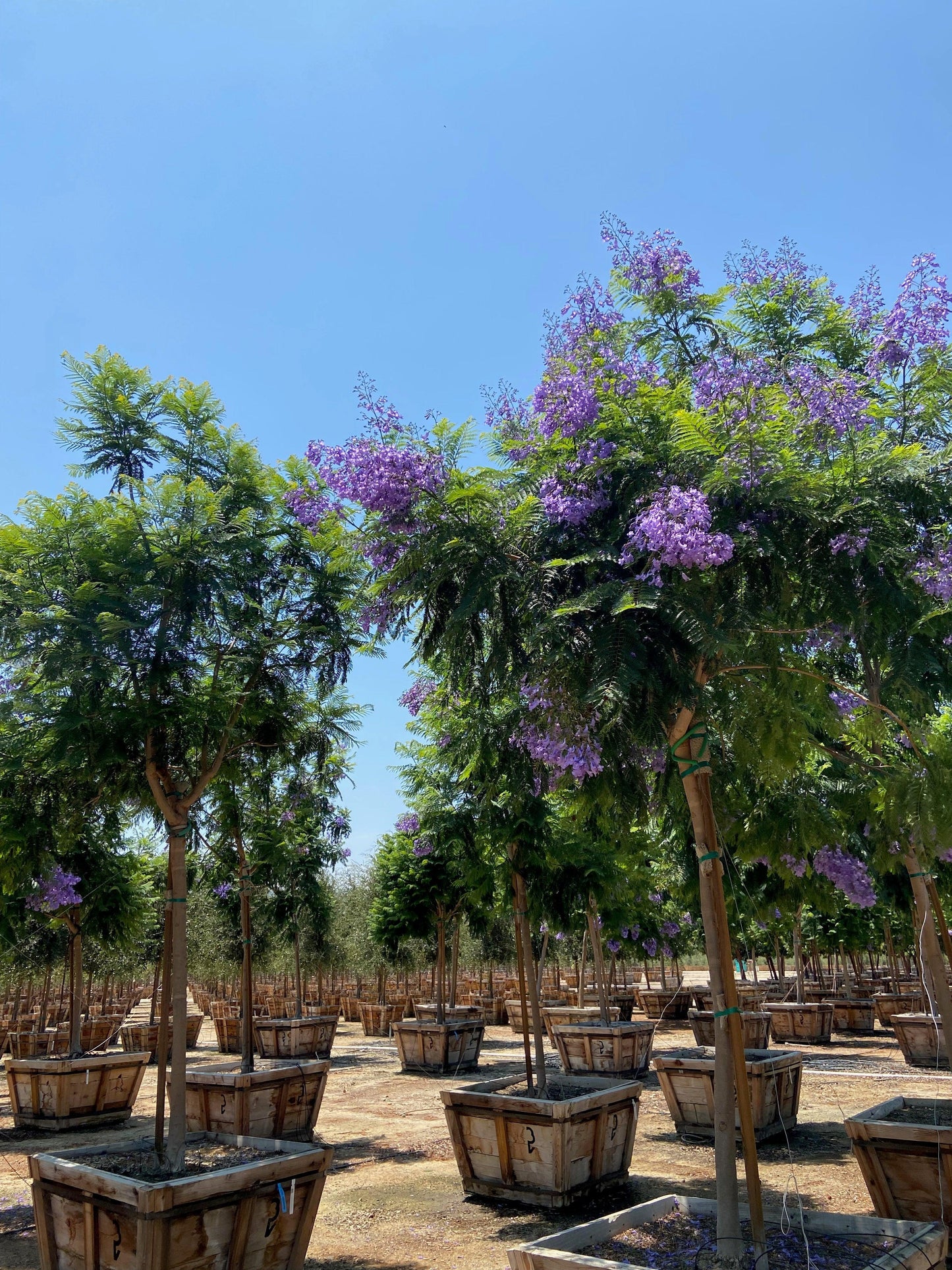

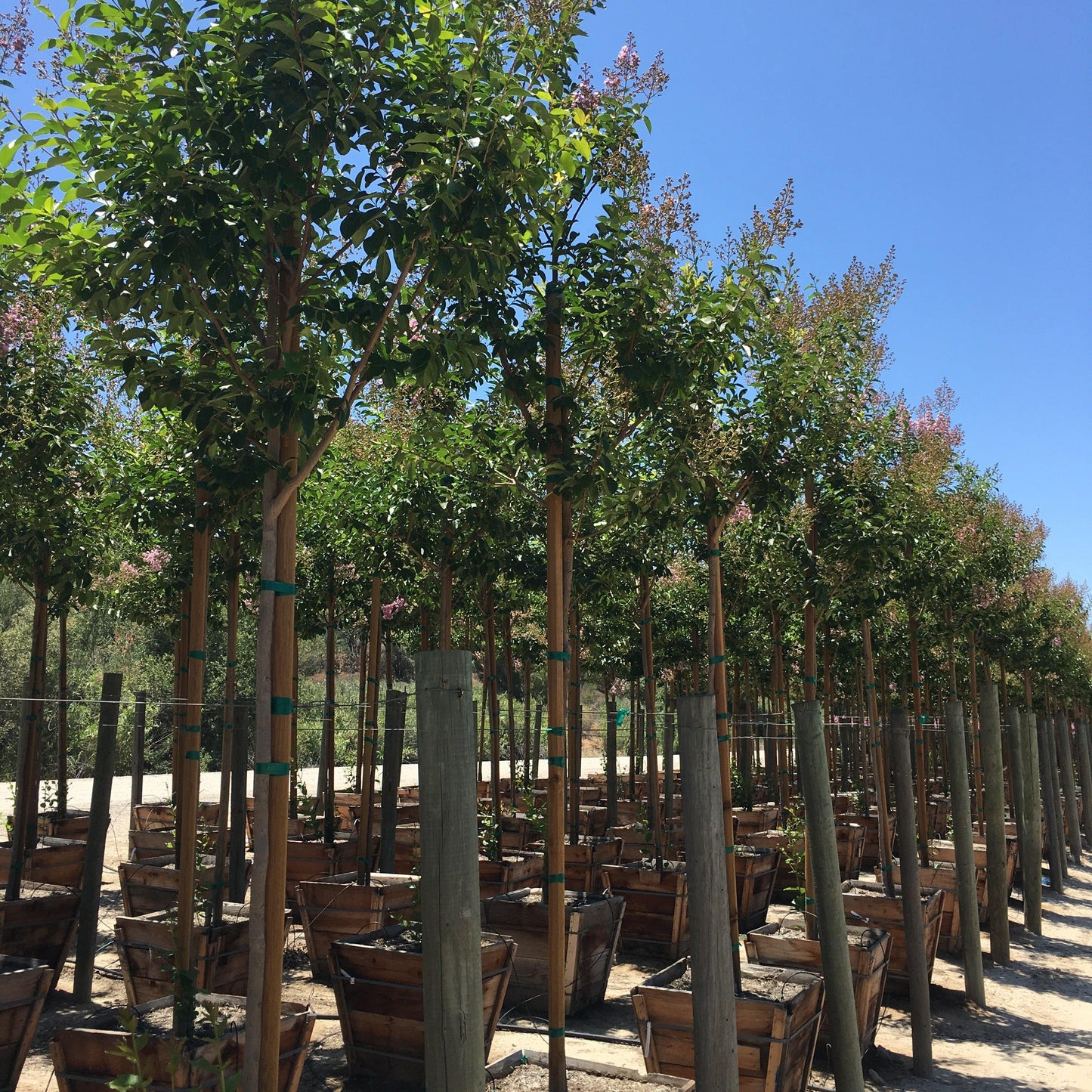













Pairs Well With













You May Also Like












Thousands of Healthy Plants Delivered


Yardwork was so great to work with. First they had the Swan Hill olive trees that we had been searching for, we had contacted several other nurseries without any luck previously. Then they answered all of our questions in a timely matter prior to ordering and finally delivered within a few days of placing it. Their staff is incredibly knowledgeable; they delivered and planted our trees with expertise to ensure that they would do well in our yard. We would definitely work with them again for future projects.











A Modern Experience
At Yardwork, we carefully curate thousands of plants, in all container sizes, to provide you with the best selection of the highest quality trees and plants at the best price, with the convenience of an online platform.
Uncompromised Quality
We choose only the finest specimens and hand select our plants just before delivery to ensure you receive the freshest and most robust specimens available for your landscape.
Industry Leading Warranties
Our 30, 90, and 365 extended warranties provide some of the best coverage to ensure our trees and plants thrive in your landscape.
Frequently Asked Questions
We're committed to changing everything about trees and plants - how they’re grown, how you shop for them, and how much they cost. We handle orders ourselves. No middlemen to get between us (or our prices) and you.
We're committed to changing everything about trees and plants - how they’re grown, how you shop for them, and how much they cost. We handle orders ourselves. No middlemen to get between us (or our prices) and you.
Delivery does not include unloading of trees and plants LARGER than a 24" box.
Trees and plants in smaller containers will be dropped curbside (usually on the driveway or near the front doorstep).
Delivery beyond a curbside drop will be charged extra.
Trees and plants that are sold in container sizes LARGER than a 24" box size will require equipment and/or enough manpower onsite to help unload from the truck.
Please reach out to our team PRIOR to placing your order to help coordinate.
Our team can provide unloading assistance with equipment for an extra fee as well.
Delivery does not include unloading of trees and plants LARGER than a 24" box.
Trees and plants in smaller containers will be dropped curbside (usually on the driveway or near the front doorstep).
Delivery beyond a curbside drop will be charged extra.
Trees and plants that are sold in container sizes LARGER than a 24" box size will require equipment and/or enough manpower onsite to help unload from the truck.
Please reach out to our team PRIOR to placing your order to help coordinate.
Our team can provide unloading assistance with equipment for an extra fee as well.
We ship locally within California within 7-10 days of your order being placed.
We ship nationally using carrier partners, based on order size. Our common order minimums for out of state shipping is $5,000.
Text or call 323-576-4159 for specific shipping details for your location.
We ship locally within California within 7-10 days of your order being placed.
We ship nationally using carrier partners, based on order size. Our common order minimums for out of state shipping is $5,000.
Text or call 323-576-4159 for specific shipping details for your location.
We are currently online only and don't have physical locations where you can view plants in person.
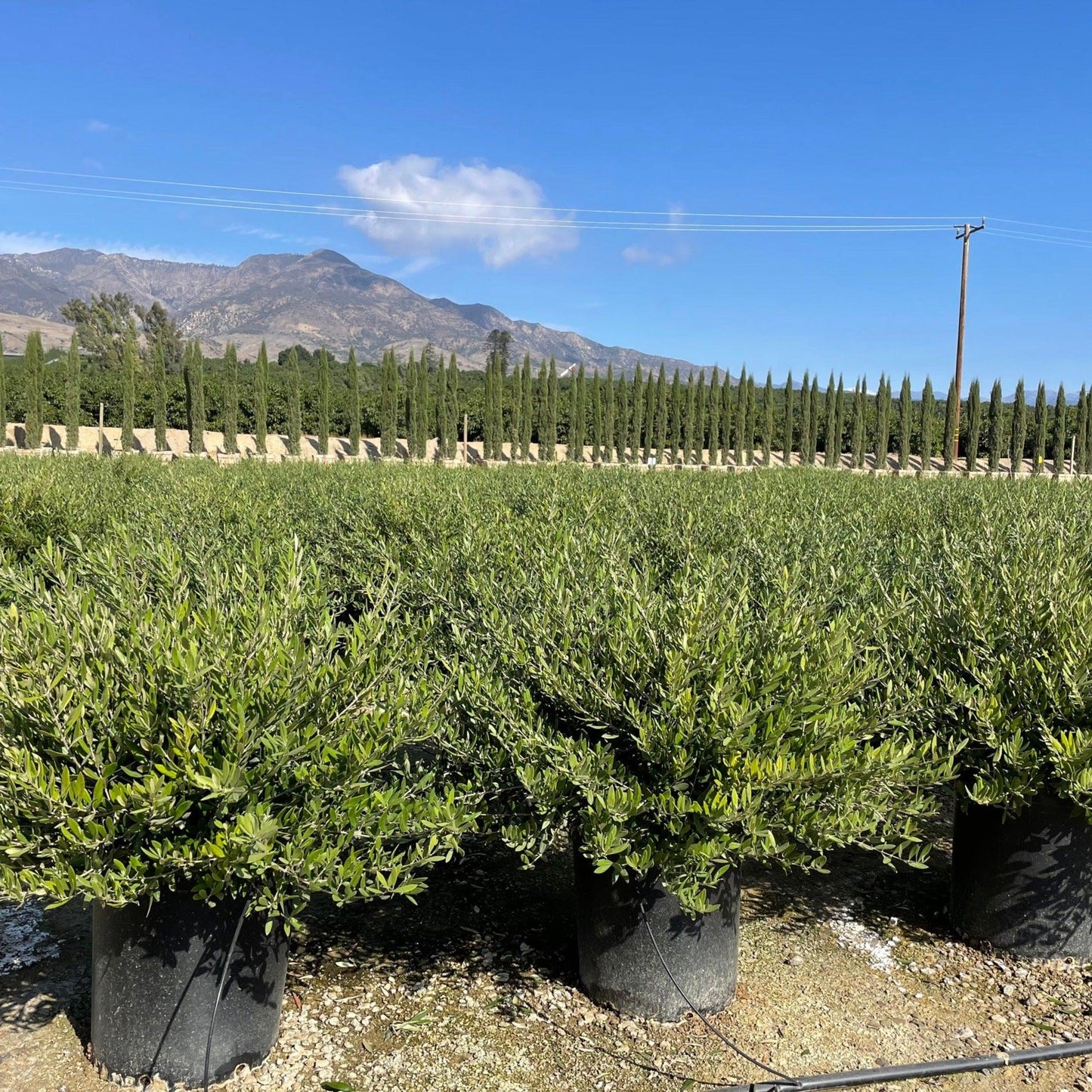
That's why we have photos direct from the growing grounds of the plants we will ship and we display pricing right in our store.
We do make sure to pick the very best trees and plants prior to shipping and make sure that they have gone through our multi-point inspection for health and structure.
We will always reach out prior to delivery if we find a quality issue or need to provide a substitute.
We are currently online only and don't have physical locations where you can view plants in person.
That's why we have photos direct from the growing grounds of the plants we will ship and we display pricing right in our store.
We do make sure to pick the very best trees and plants prior to shipping and make sure that they have gone through our multi-point inspection for health and structure.
We will always reach out prior to delivery if we find a quality issue or need to provide a substitute.
Plants vary greatly by type. Here is a rough idea of sizes based on containers that are direct from our growing grounds.
15 Gallon Shrub 3-4 Ft. Tall
15 Gallon Tree 5-6 Ft. Tall
24" Box Shrub 5-6 Ft. Tall
24" Box Tree 6-7 Ft. Tall
36" Box Shrub/Tree 7-9 Ft. Tall
48" Box Shrub/Tree 8-10 Ft. Tall
**Please note that we do not make guarantees of sizes. If you have questions or concerns, please call or text to request accurate sizing for the particular plant you're considering, prior to ordering.
Plants vary greatly by type. Here is a rough idea of sizes based on containers that are direct from our growing grounds.
15 Gallon Shrub 3-4 Ft. Tall
15 Gallon Tree 5-6 Ft. Tall
24" Box Shrub 5-6 Ft. Tall
24" Box Tree 6-7 Ft. Tall
36" Box Shrub/Tree 7-9 Ft. Tall
48" Box Shrub/Tree 8-10 Ft. Tall
**Please note that we do not make guarantees of sizes. If you have questions or concerns, please call or text to request accurate sizing for the particular plant you're considering, prior to ordering.
We offer a limited 30 day warranty for plants that are delivered and planted by someone else and a 90 day warranty for plants that we plant.
The limited warranty covers plants that die as a result of disease or fungus which was derived from our growing grounds or from root balls that were root bound.
The warranty does not cover damage due to watering, fertilizer, soils, or any other conditions beyond our control. Additionally, the warranty does not cover plants that are shipped out of the state of California or shipped into California from other states. Custom plant orders are also not covered under warranty. Plants must be planted within 24 hours after delivery to qualify.
We can assist you in recommending the right soils and fertilizers to help your plant thrive after you plant it.
Text or call 323-576-4159 for further warranty information.
We offer a limited 30 day warranty for plants that are delivered and planted by someone else and a 90 day warranty for plants that we plant.
The limited warranty covers plants that die as a result of disease or fungus which was derived from our growing grounds or from root balls that were root bound.
The warranty does not cover damage due to watering, fertilizer, soils, or any other conditions beyond our control. Additionally, the warranty does not cover plants that are shipped out of the state of California or shipped into California from other states. Custom plant orders are also not covered under warranty. Plants must be planted within 24 hours after delivery to qualify.
We can assist you in recommending the right soils and fertilizers to help your plant thrive after you plant it.
Text or call 323-576-4159 for further warranty information.
Our local delivery team covers most cities in California.
There are some exceptions, so please get in touch to confirm prior to ordering.
Additionally, we ship using semi trucks and trailers throughout the entire United States and even abroad for large orders over $5,000. Each shipment is custom, so please reach out to our team to coordinate.
Our local delivery team covers most cities in California.
There are some exceptions, so please get in touch to confirm prior to ordering.
Additionally, we ship using semi trucks and trailers throughout the entire United States and even abroad for large orders over $5,000. Each shipment is custom, so please reach out to our team to coordinate.