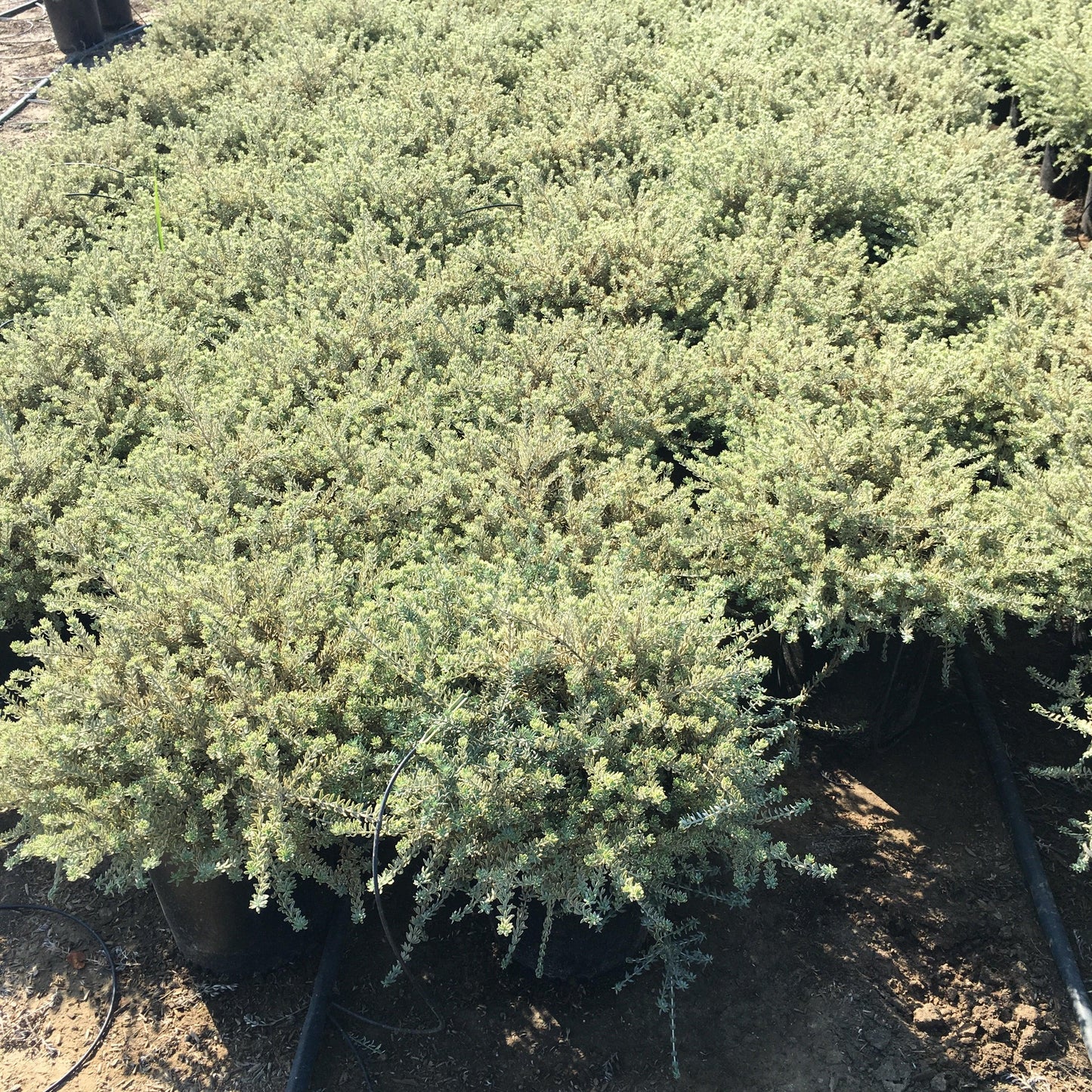
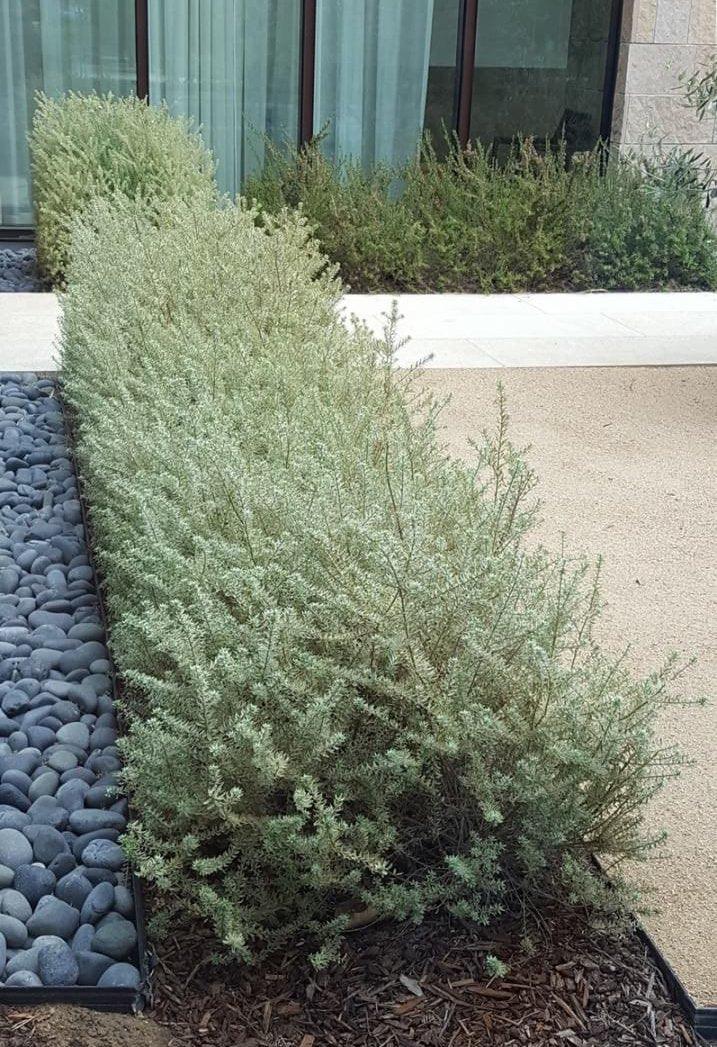
Rosemary Plants for Sale – Find Your Perfect Herb
Buy rosemary plants when you want a fragrant, evergreen herb that works for cooking, containers, and drought-wise landscape design. Rosemary is easy to grow when given full sun, well drained soil, and the right amount of care - more dry Mediterranean conditions than constant attention.
At Yardwork, you can shop rosemary plants for sale by variety, size, and intended use. Choose a compact pot for the kitchen, upright rosemary for the garden, or trailing types ready to spread over walls and containers.
Rosemary Varieties for Every Garden
Rosemary plants are commonly available for purchase from various retailers, including specialized nurseries like Yardwork. When comparing stock, check the variety, mature size, cold tolerance, and whether the plant is grown for fresh herbs, ornamental flowers, or landscape structure.
Culinary Rosemary Plants
For cooking, choose robust varieties like Tuscan Blue and Common Rosemary. These plants produce fragrant leaves with strong aromatic oils, making them ideal for seasoning meat, fish, vegetables, bread, and soups. Rosemary can be consumed fresh, dried, or as tea, so one healthy plant can add flavor to the kitchen all year.
Fresh rosemary has a stronger flavor than dried rosemary, which makes it especially useful for meats, breads, cookies, crackers, cheese, oils, and vinegars. For lamb, lay a fresh sprig on the meat while roasting to add depth of flavor. You can also snip tender stems as needed for marinades, roasted potatoes, and Mediterranean dishes.
Compact culinary varieties are a smart choice for kitchen herb gardens, patios, and easy harvesting. Regularly pinching off the soft, green tips of rosemary stems stimulates bushier growth, helping the plant stay full and ready for frequent use.
Ornamental Rosemary Plants
For color and structure, opt for flowering rosemary varieties like Arp and Hill Hardy, known for lavender-blue blooms and strong garden presence. These herbs bring a soft Mediterranean touch to sunny beds while also helping attract attention with fragrant branches and evergreen leaves.
Trailing rosemary types are perfect for hanging baskets, containers, and cascading over garden walls. Their low spread works beautifully along paths, raised edges, and rock gardens where the stems can drape naturally.
Upright rosemary varieties create stunning landscape focal points and privacy screens, complementing evergreen privacy trees and shrubs in layered landscape designs. They can be shaped into hedges, specimens, or structured plantings, and their aromatic foliage also helps make rosemary resistant to deer browsing in many gardens.
Container-Friendly Rosemary Plants
For pots and planters, pick compact forms such as Spice Islands or smaller rosemary selections that stay manageable in containers. A good container rosemary plant should have strong branching, healthy leaves, and enough room in the pot for steady root growth.
Container-friendly rosemary is ideal for balcony gardens, small patios, and outdoor spaces where in-ground planting is limited. Different varieties of rosemary plants can be found in plug trays, which are a cost-effective way to purchase multiple plants at once for borders, herb gardens, or design projects.
Containers also make winter care easier. In colder zones, you can move tender rosemary indoors or into a protected bright location when temperatures drop, helping the plant avoid stress from prolonged cold.
Choose the Right Rosemary for Your Growing Conditions
The best rosemary plant is the one matched to your climate. Rosemary requires an environment that mimics its native, dry Mediterranean habitat to thrive, so focus on sun, drainage, airflow, and winter protection before you buy.
For Mediterranean Climates
In California’s warm, dry conditions, select heat-tolerant rosemary varieties that flourish in full sun and sandy soil. Rosemary plants thrive in full sunlight and should be placed in bright light for at least 6-8 hours a day to grow optimally.
Drought-resistant types require minimal watering once established, making rosemary a strong choice for water-wise gardens and low-maintenance landscape plans. Rosemary thrives on correct neglect rather than over-pampering, so avoid treating it like a moisture-loving herb.
Choose varieties that can handle full sun exposure, lean soil, and dry air. In Mediterranean-style gardens, rosemary pairs well with vegetables, lavender, sage, and other herbs that prefer similar conditions, and can be underplanted beneath flowering trees suited to California gardens for seasonal color.
For Cooler Climate Zones
If planning to plant rosemary outdoors in colder climates, look for cold-hardy varieties like Arp or Hill Hardy. These varieties are better suited to USDA zones 6-7 when planted in protected sites with excellent drainage and proper mulching.
Rosemary can withstand mild cold but should not be subjected to prolonged temperatures below 45°F (7°C), especially tender container-grown plants. For colder regions, choose varieties suitable for container growing so you can bring them indoors during winter.
To protect outdoor rosemary in cold zones, plant near a warm wall, avoid wet winter soil, and add mulch around the root zone. Good placement and seasonal care can make a major difference in survival and spring recovery.
For Humid Conditions
In humid conditions, choose rosemary plants with room for good air circulation to reduce fungal issues. Space plants properly, prune lightly, and avoid crowding branches against dense vegetation.
Select plants that tolerate higher moisture levels while still maintaining aromatic properties. Even in humid climates, rosemary prefers well-drained soil and is susceptible to overwatering, which is the most common cause of death for these plants; the soil should be allowed to dry out before watering again.
Disease resistance matters in humid environments, so check variety notes and use online filters when browsing. Look for healthy, sturdy stock with firm stems, clean leaves, and no signs of mildew or stress.
Premium Growing Requirements for Healthy Plants
Rosemary is not difficult, but it is specific. Give it sun, airflow, and fast drainage, and it will reward you with fragrant leaves, steady growth, and long-lasting use in the home garden.
Soil and Drainage Needs
Provide well-draining soil with a pH between 6.0-7.5 for optimal growth. Rosemary prefers lean, gritty soil rather than rich, wet ground, so drainage should be your first priority.
Avoid heavy, moisture-retaining garden clay when planting rosemary; a mix of 60% standard potting soil with 40% coarse sand or perlite is recommended. This mix is especially helpful in containers, raised beds, and gardens where soil holds too much moisture.
If your garden has clay or poorly draining soil, consider raised beds or a pot with drainage holes. Proper drainage helps prevent root rot and keeps the plant healthy through wet weather and winter.
Sunlight and Spacing Requirements
Plant rosemary in full sun locations receiving 6-8 hours of direct sunlight daily. Too much shade can reduce aroma, slow growth, and make the plant more vulnerable to moisture-related issues.
Space plants 2-3 feet apart to allow proper air circulation and mature growth. Upright varieties need room to expand, while trailing types may need more horizontal space as they spread.
Position rosemary away from areas with excessive shade or moisture retention. A sunny, open location with warm soil gives the plant the best chance to thrive and produce strong, fragrant leaves.
Watering and Fertilization
Water rosemary deeply but infrequently, allowing soil to dry between watering sessions. During the growing season, rosemary should be watered evenly, and it is recommended to fertilize with a balanced fertilizer in spring to promote growth.
Avoid overwatering, which is the primary cause of rosemary plant failure. A quick check before watering can save the plant: if the top inch of soil still feels damp, wait more time before adding water.
Use fertilizer lightly. Too much feeding can push soft growth at the expense of concentrated aroma, while balanced spring feeding supports strong stems, healthy branches, and reliable fresh herbs.
How to Use and Enjoy Your Rosemary Plants
Rosemary is both practical and decorative. It can season dinner, perfume a walkway, soften a container display, and add evergreen structure to a sunny garden.
Culinary Applications
Harvest fresh sprigs for seasoning roasted meats, potatoes, vegetables, fish, and Mediterranean dishes. Rosemary is commonly used in seasoning meat, fish, vegetables, bread, and soups, and can be consumed fresh, dried, or as tea.
Dry leaves for long-term storage and use them in spice blends, rubs, marinades, and winter cooking. Fresh rosemary is stronger than dried, so use a lighter touch when cooking with newly snipped stems.
Create rosemary-infused oils and vinegars for gourmet cooking applications. You can also add rosemary to bread dough, crackers, cheese boards, and roasted lamb for a deeper, savory note.
Health and Wellness Benefits
Rosemary leaves contain antioxidant compounds including carnosic acid and rosmarinic acid. These natural compounds contribute to rosemary’s long-standing use as one of the most valued culinary and wellness herbs.
Use rosemary for natural aromatherapy and stress relief in garden settings. Its fragrant foliage releases scent when brushed, making it useful near paths, seating areas, and containers by the home.
Fresh leaves can also be brewed into herbal teas for digestive and immune system support. As with any herb used for wellness, enjoy rosemary thoughtfully and choose clean, well-grown plants.
Shop Premium Rosemary Plants at Yardwork
Browse our selection of California-grown rosemary plants for sale and choose varieties suited to your climate, garden, and cooking needs, or explore our broader plant nursery services for California yards when planning a full outdoor makeover. Whether you want a single kitchen herb, a container plant for the patio, or multiple rosemary plants for a landscape project, Yardwork helps you find stock that is healthy, ready, and easy to care for.
Choose from multiple varieties grown in our state-of-the-art greenhouse facilities, including culinary, ornamental, upright, trailing, and container-friendly options, alongside specimen trees like North Indian Rosewood (Dalbergia sissoo) for larger landscape projects.
Designers, landscapers, and home gardeners can also ask for expert growing advice and consultation services with a rosemary plant purchase, so every plant arrives with the right care plan for long-term growth.
Your rosemary garden starts with the right variety, the right soil, and the right sun. Shop Yardwork’s rosemary plants online and bring home fresh herbs that are ready for cooking, containers, and beautiful California landscapes.