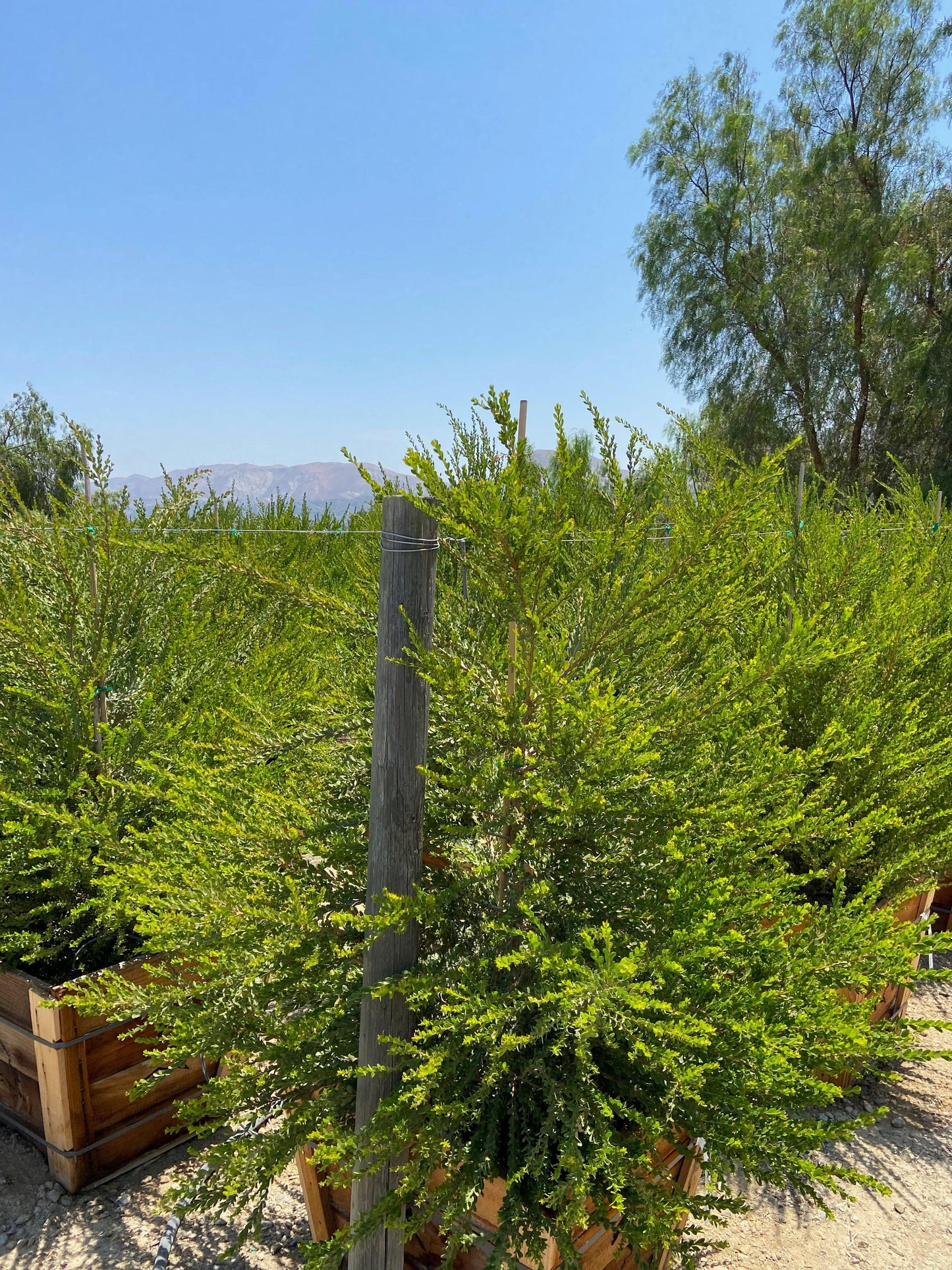
Create Your Perfect Living Screen Today
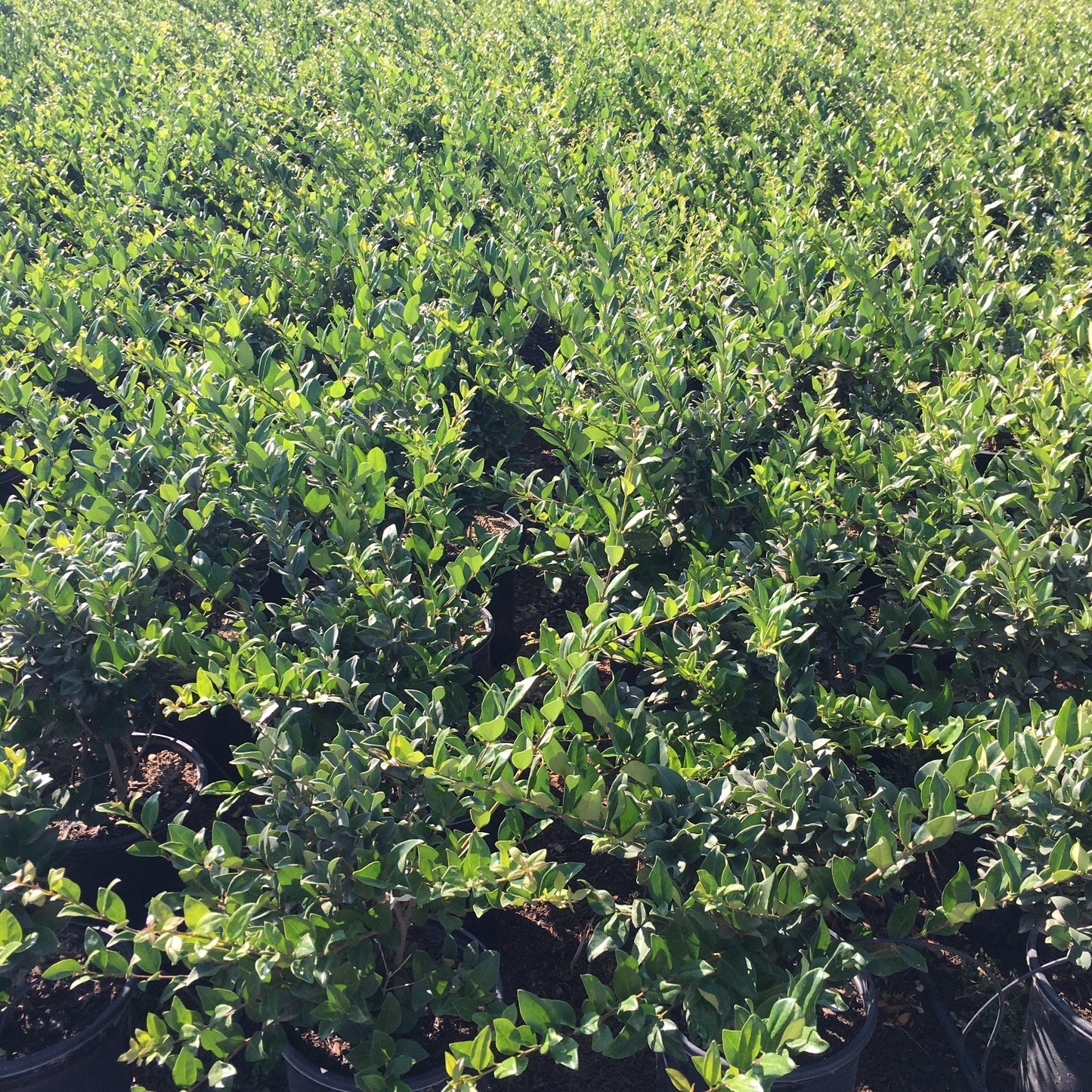
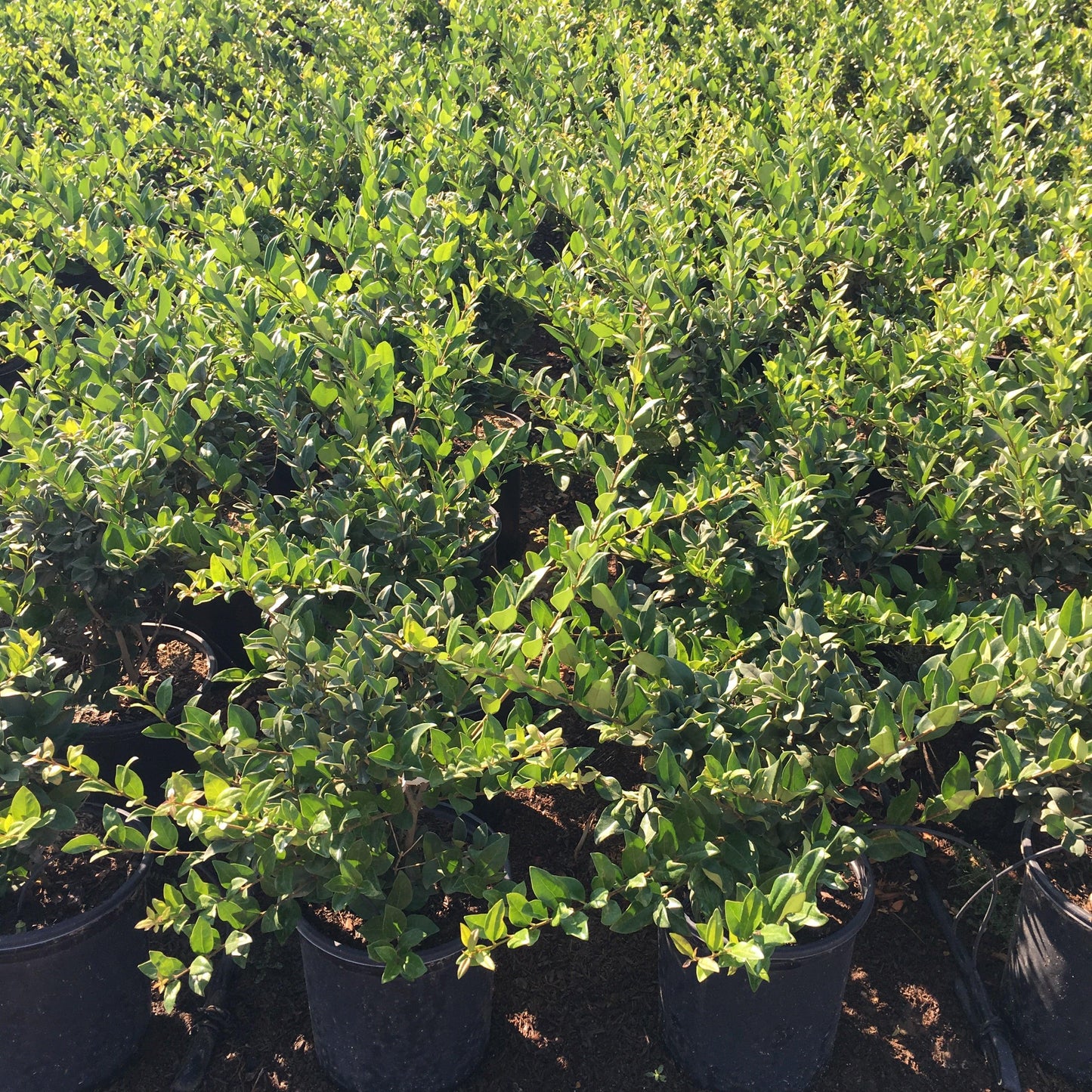
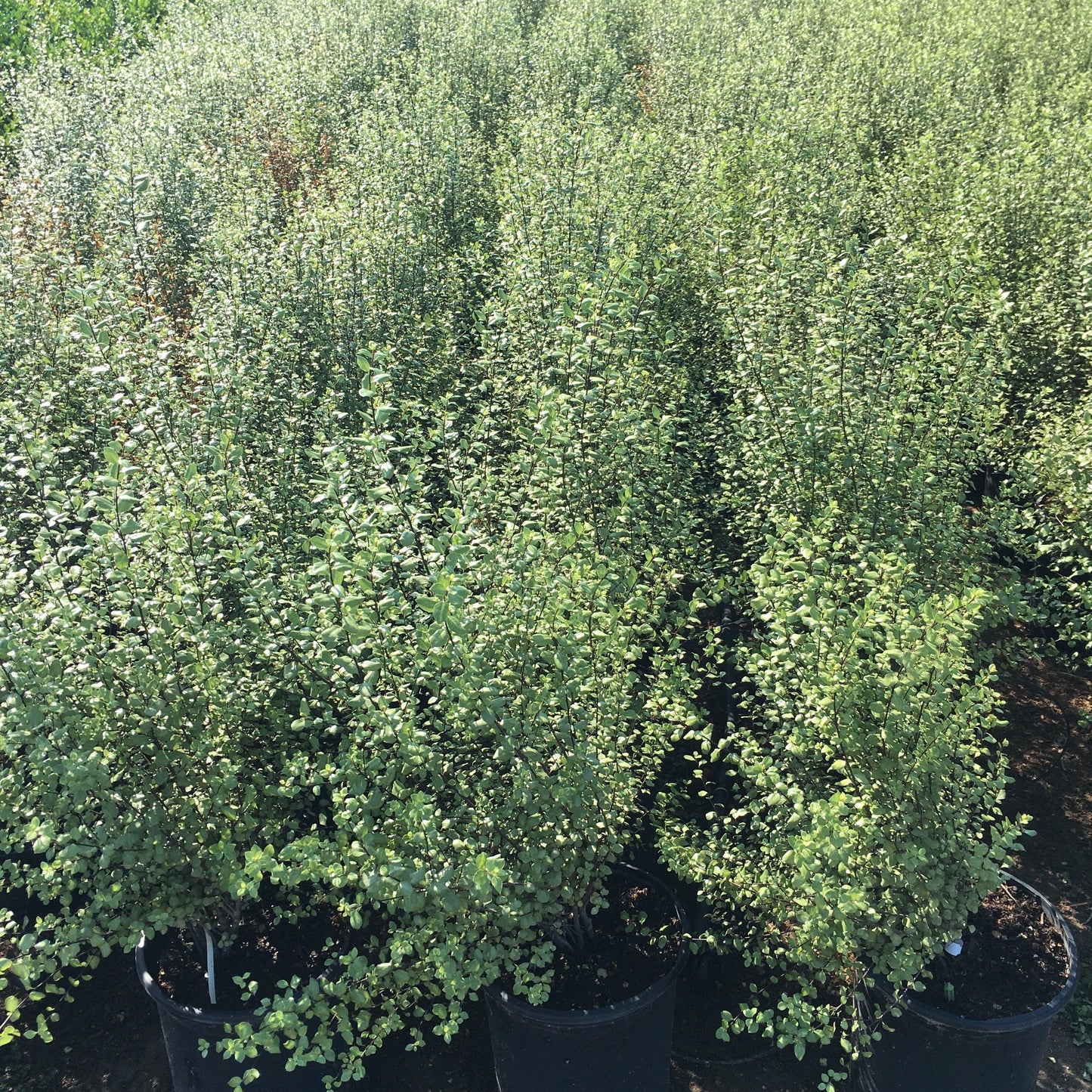
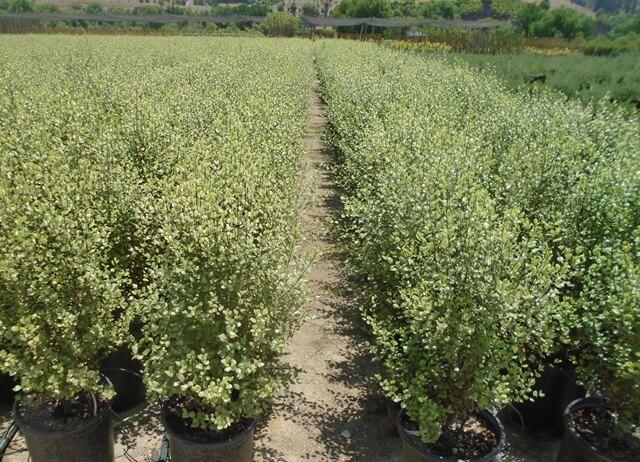
Privacy shrubs are the best choice when you want to block unsightly views, soften noise, define a property line, and create a natural boundary without the hard look of a fence. Choose from fast-growing evergreens, flowering shrubs, and dense screening plants selected for California landscapes, mature size, soil type, sun exposure, and long-term maintenance needs.
Find your perfect privacy solution and transform your outdoor space today.
Privacy Shrubs for Every Purpose
Whether you need instant screening or long-term privacy, there’s a shrub solution for every landscape challenge.
Fast-Growing Privacy Screens
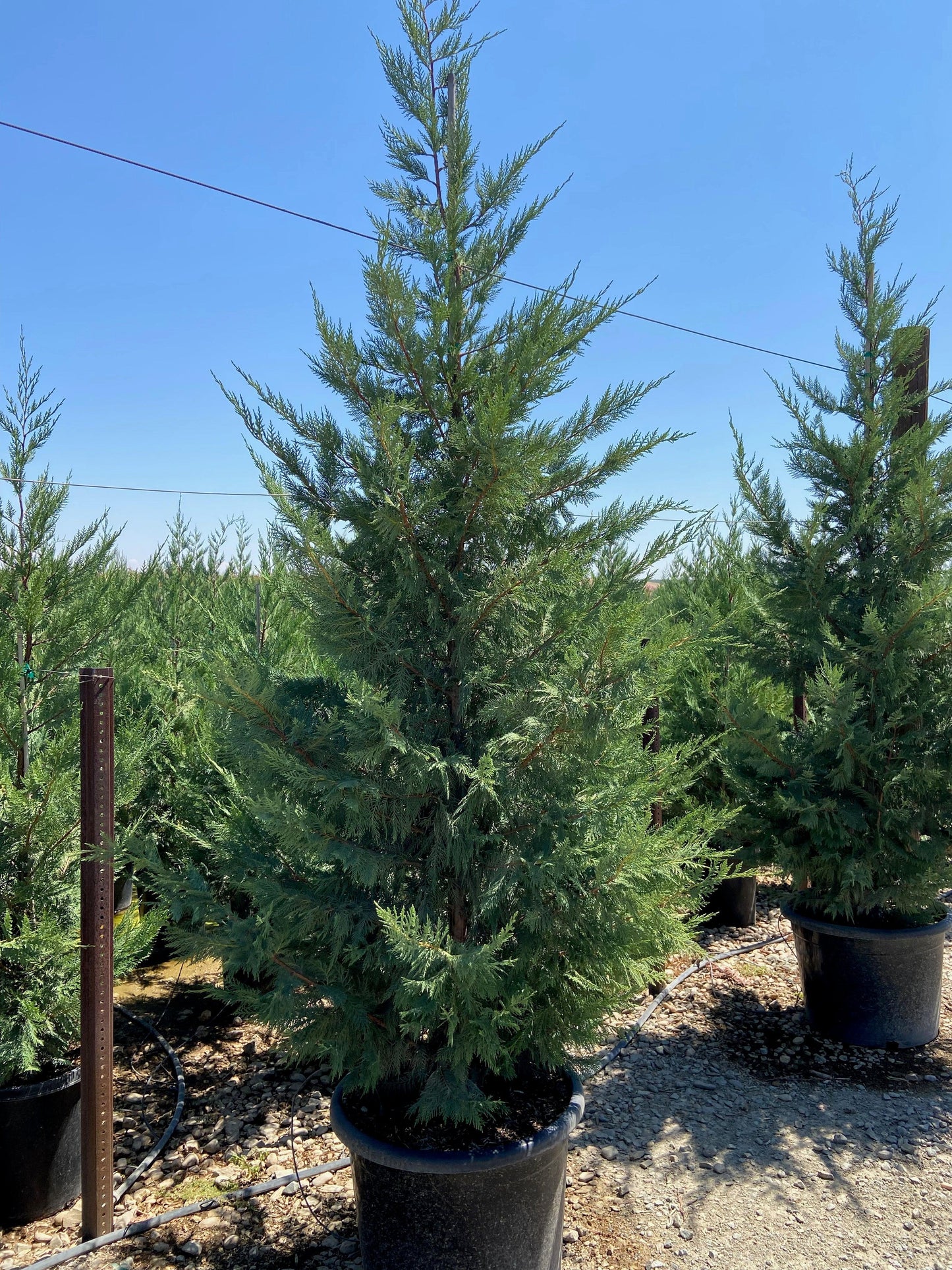
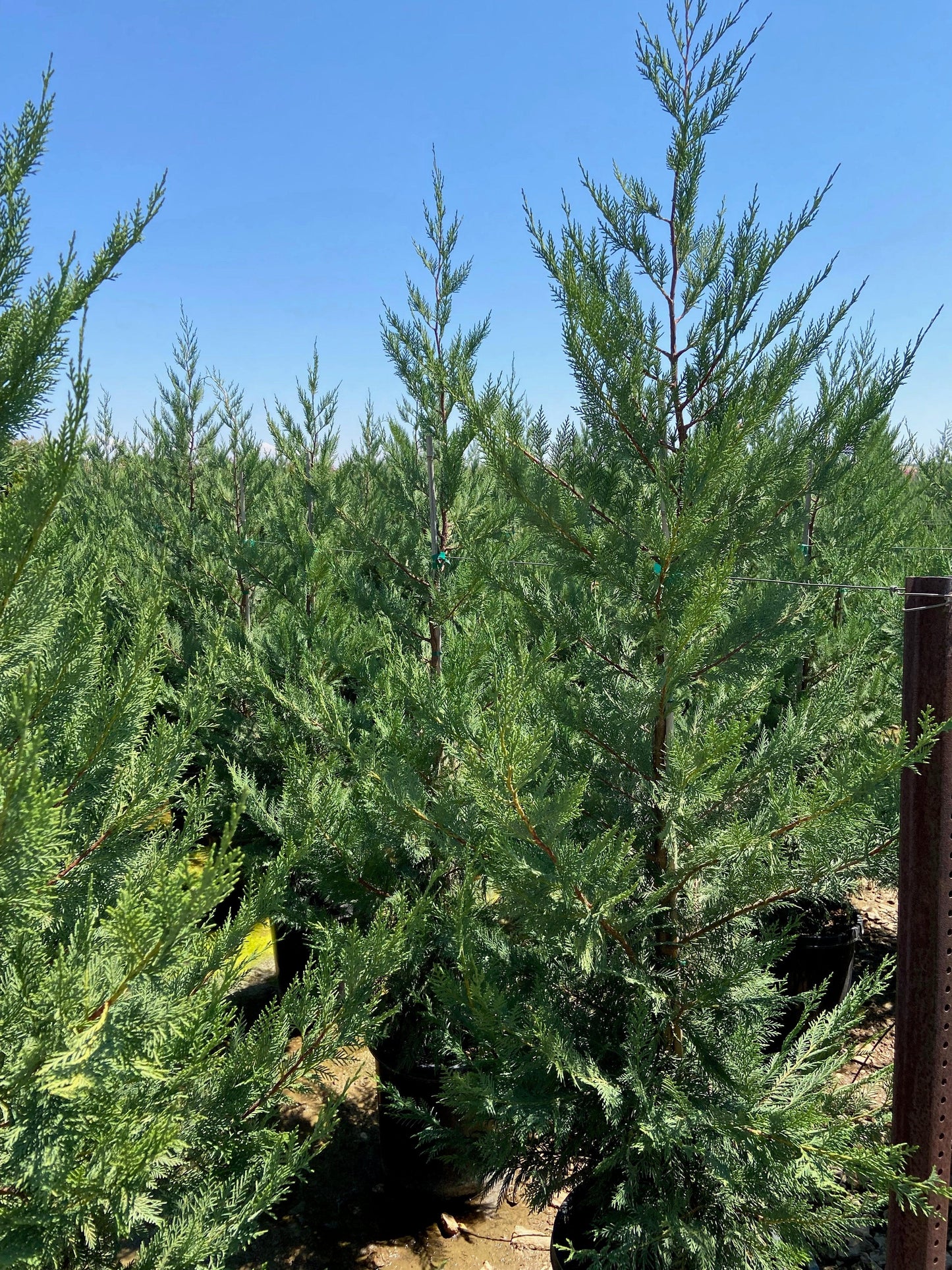
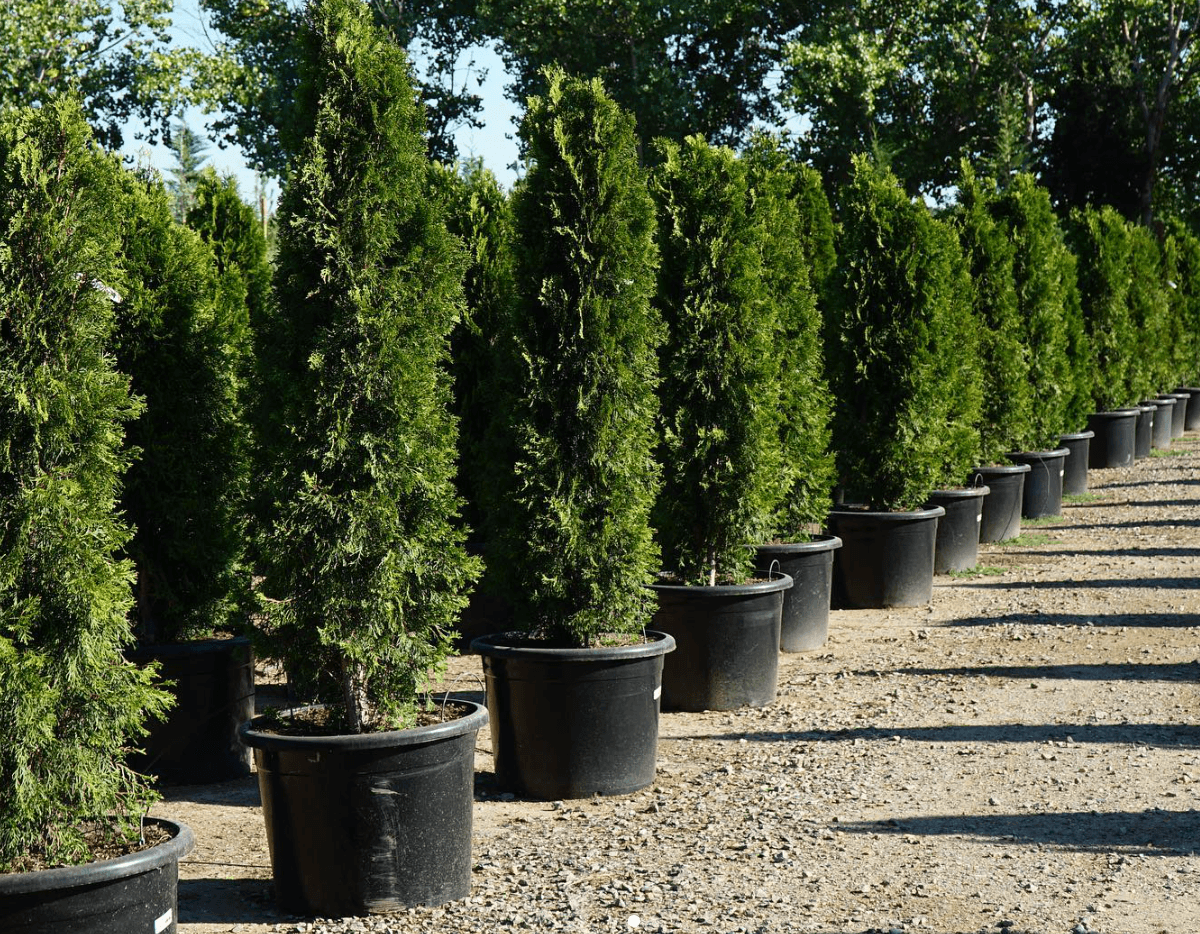
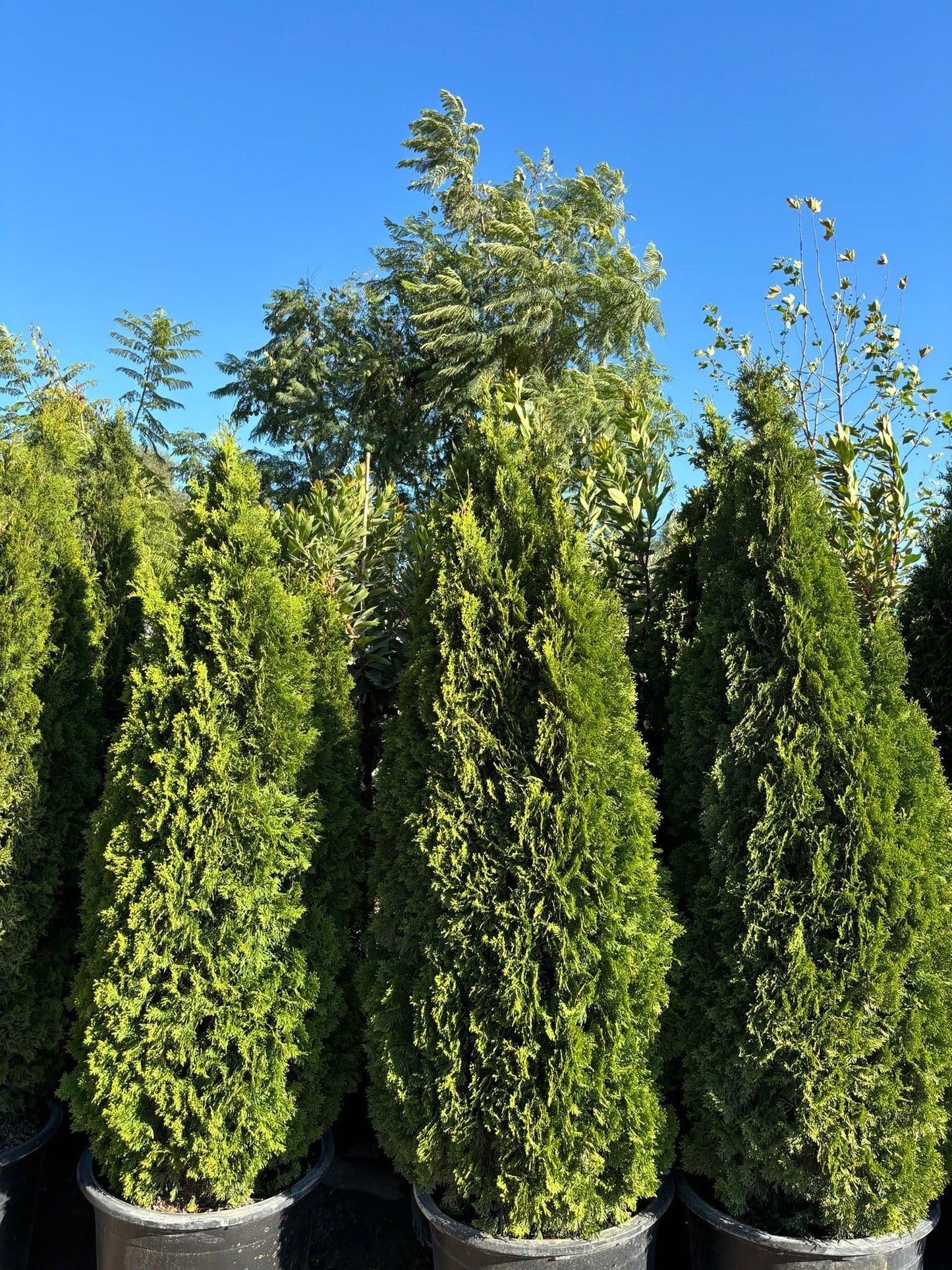
For quick coverage, leyland cypress, Green Giant arborvitae, and cherry laurel are strong options because they grow quickly and form a dense privacy hedge. Arborvitae, particularly the ‘Green Giant’ variety, is a fast-growing shrub that can reach heights of 50 to 60 feet and is effective for creating privacy hedges. Arborvitae (Thuja) is also a popular choice for privacy hedges due to its dense foliage and fast growth rate, with some varieties capable of growing up to 20 feet tall and 10 feet wide.
Cherry laurel (Prunus laurocerasus) can grow up to 3 feet per year, making it a popular choice for quick privacy hedges in warmer climates. Cherry Laurel (Prunus laurocerasus) is known for its fast growth, reaching heights of 10 to 20 feet, and is commonly used as a quick-growing privacy hedge. Glossy privet (Ligustrum lucidum) is known for its fast growth rate, typically adding 2 to 3 feet in height each year, making it suitable for creating dense privacy screens, though local invasiveness should always be checked before planting.
Fast-growing privacy bushes commonly add 2 to 3 feet per year, and ideal spacing helps create dense coverage within 2 to 3 seasons. Space plants according to mature size: smaller shrubs should be spaced about 2-3 feet apart, while larger ones may need 5-8 feet to prevent overcrowding. These species deliver immediate impact, but their fast growth rate also means more pruning, watering during establishment, and regular inspection for pests or weak growth.
Evergreen Privacy Hedges
Evergreen conifers and broadleaf shrubs are generally the most effective choices for providing dense, year-round screening. Boxwood, holly, Emerald Green arborvitae, Podocarpus, and english laurel keep green leaves through winter and help maintain year round color when deciduous shrubs lose foliage, and rounded forms like Globe Japanese Boxwood can define edges while contributing to privacy.
Boxwood (Buxus) is a classic choice for formal hedges, capable of growing up to 15 feet tall and 10 feet wide, making it suitable for smaller properties seeking privacy. Common privacy shrubs include Arborvitae, Boxwood, and Cherry Laurel, which are known for their dense foliage and ability to provide effective screening, especially when paired with taller evergreen privacy trees in the background. A formal hedge needs consistent clipping, while a natural mixed screen allows shrubs and small trees to keep a softer growth habit.
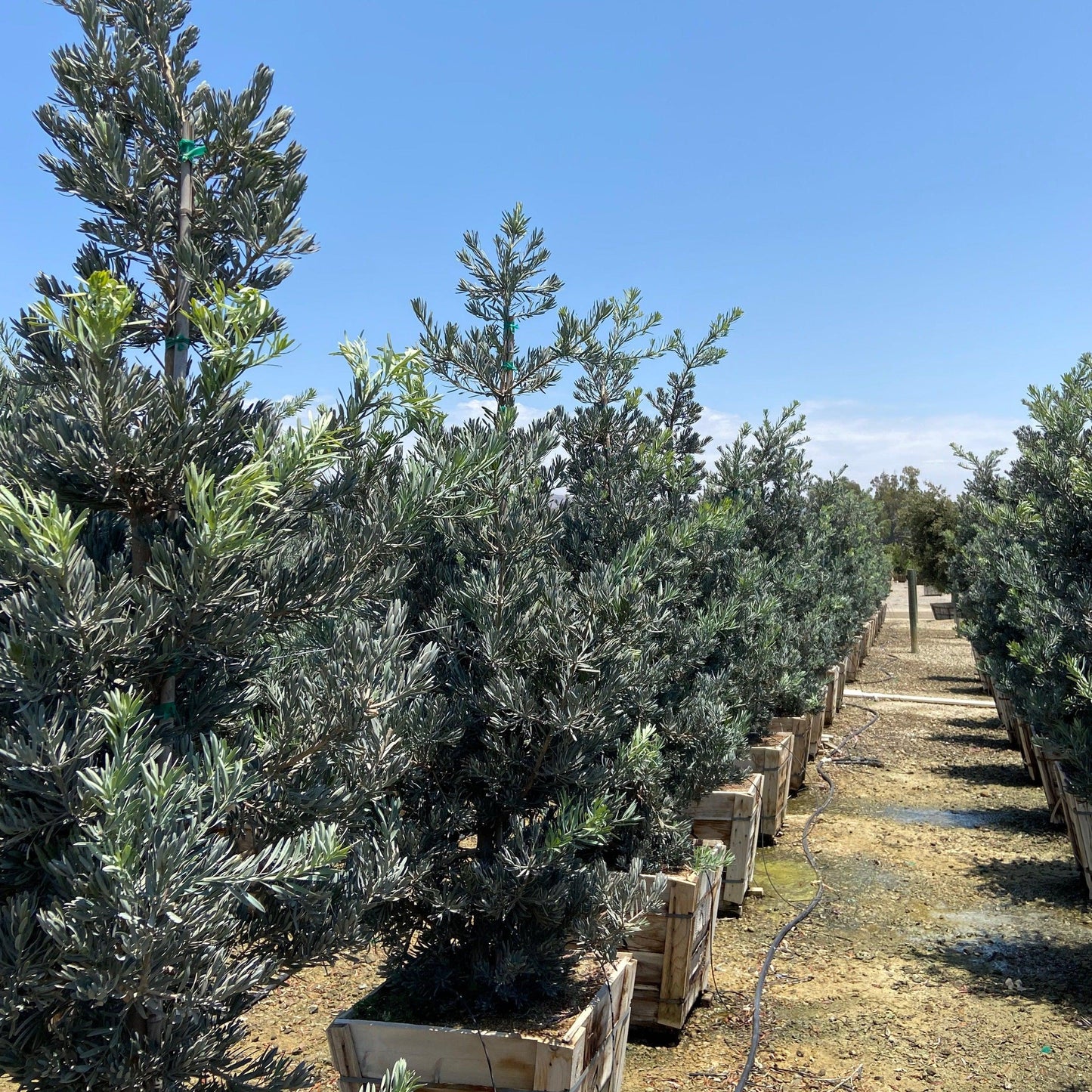
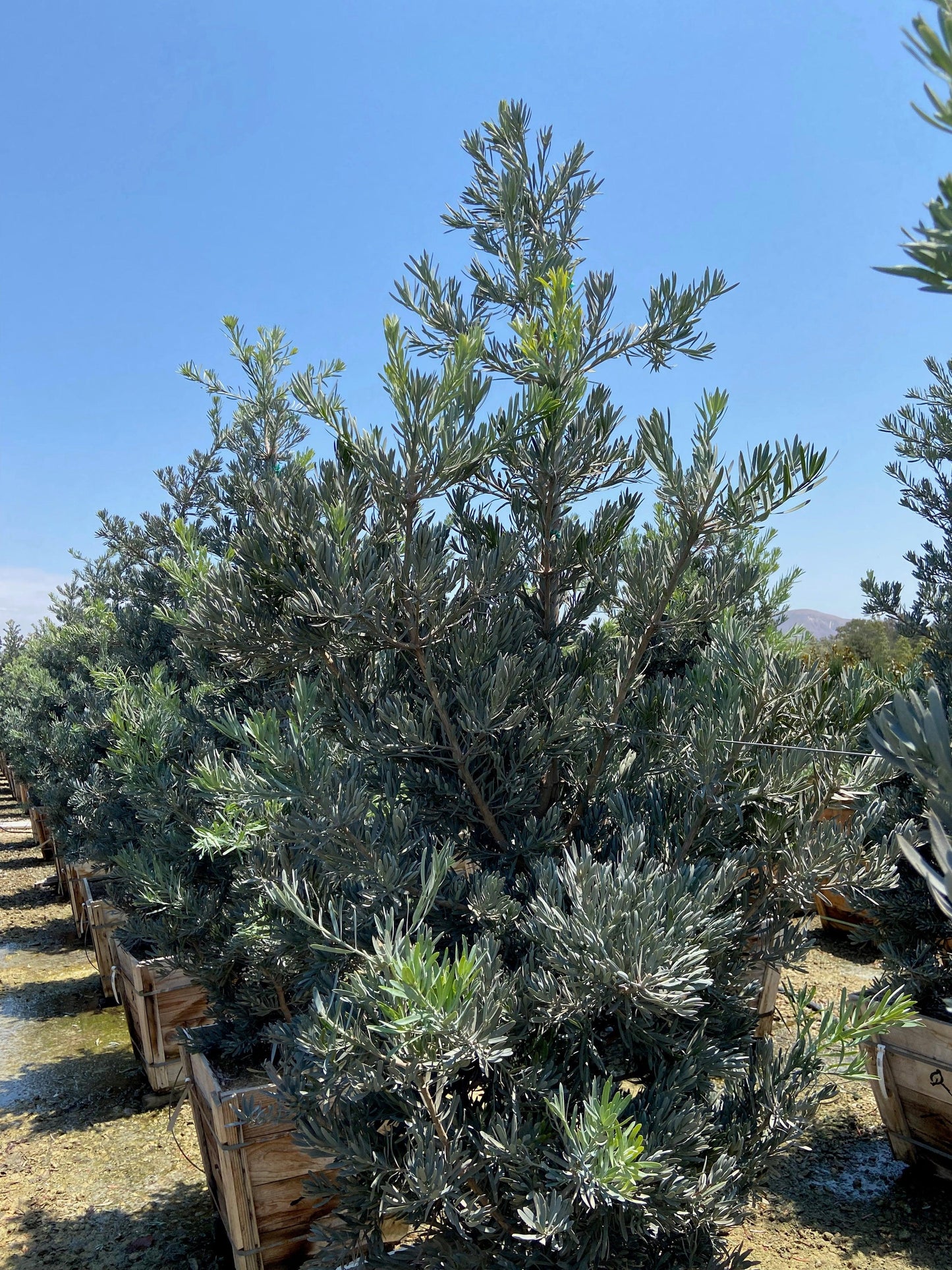
For California gardens, drought-tolerant evergreen shrub options are especially valuable. Fern Pine (Podocarpus gracilior) hedges, holly, Texas Sage, Italian Cypress, and other climate-appropriate plants can thrive with less summer water once established. Prune evergreens in late winter or early spring to maintain desired height and shape, and avoid fall pruning because tender new growth may be damaged by winter conditions.
Flowering Privacy Shrubs
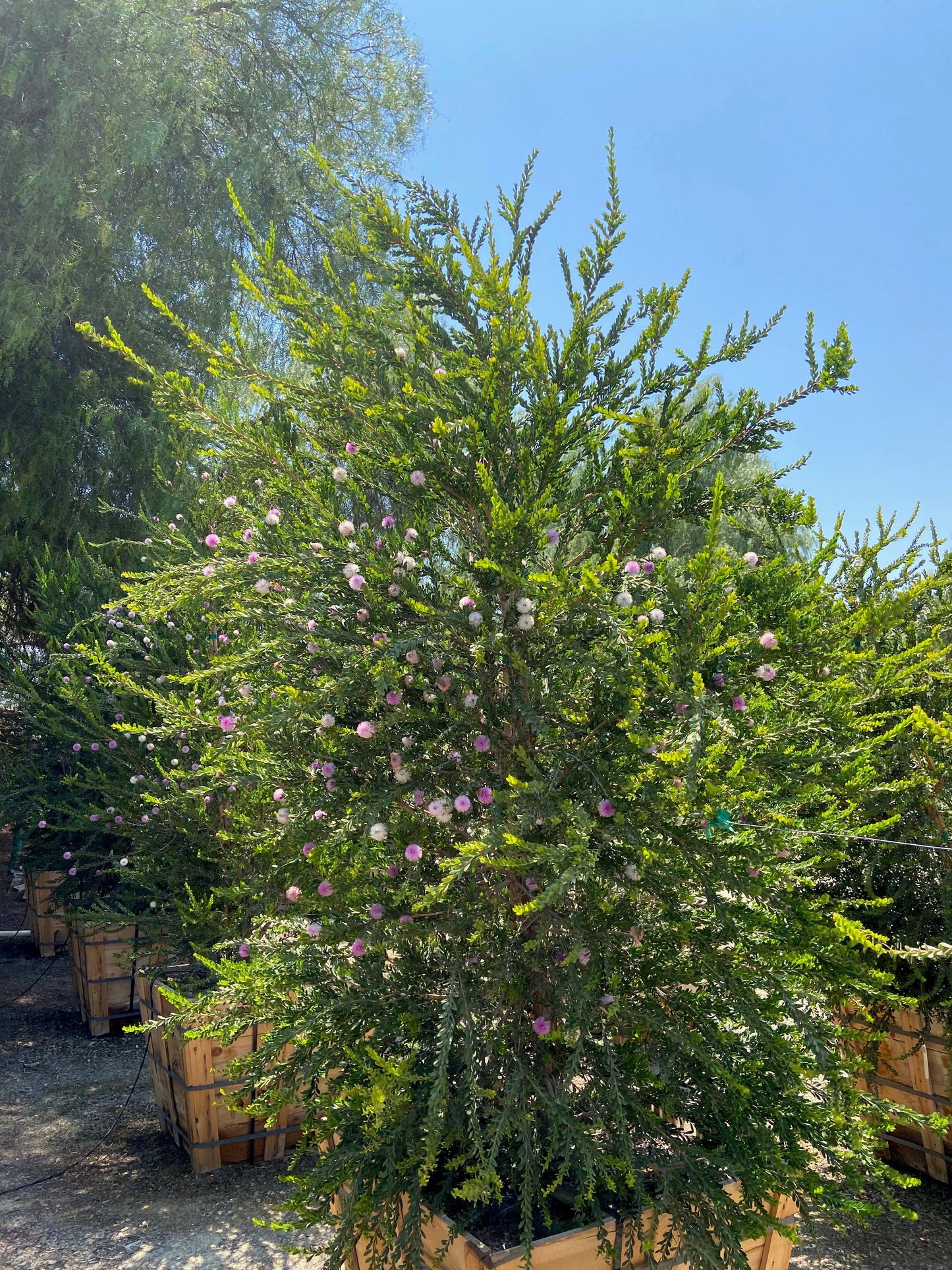
Flowering privacy shrubs add interest, blooms, fruit, berries, birds, and habitat while still helping screen neighbors or a busy yard. Lilac, Viburnum, and Forsythia are examples of highly adaptable flowering shrubs that enhance privacy while providing seasonal beauty. Mock orange brings sweet fragrance, hydrangea spp offers large summer flowers, and chinese fringe flower can provide colorful foliage and spring blooms in mild regions.
Forsythia is a fast-growing shrub that can reach heights of 10 feet and is known for its bright yellow flowers in early spring, growing about 2 feet annually. Forsythia is one of the earliest spring flowering shrubs, growing rapidly at about two feet annually, and can create a vibrant yellow privacy screen. Red twig dogwood (Cornus sericea) is a fast-growing shrub that can add 1 to 2 feet of height each year and is valued for its striking red stems in winter.
Use flowering shrubs inside a mixed hedgerow with evergreen screening plants for privacy in every season. A layered design might combine holly with red berries, mock orange for fragrance, hydrangea spp for summer blooms, and red twig dogwood for winter interest. These privacy bushes support pollinators and birds while making the garden feel more alive than a single-species hedge.
Choose the Right Privacy Shrub for Your Space
The right selection enhances your privacy goals while thriving in your specific growing conditions.
For Small Spaces and Property Lines
For narrow lots, side yards, and tight borders, compact evergreens like Green Gem boxwood cubes and dwarf holly are a good choice. Columnar varieties of shrubs can provide height without taking up significant width, making them suitable for tight borders or narrow lots. These upright screening plants are useful where a fence, walkway, driveway, or neighboring property limits available width.
When choosing privacy bushes for a property line, always consider mature size, root spread, sun exposure, and utility access; Carolina Cherry Laurel hedges are a good example of dense, space-efficient screening. Shrubs should be chosen based on their fit for the local climate and available space to create a functional privacy screen. Proper spacing helps prevent crowding, reduces maintenance, and avoids future disputes with neighbors.
For Large Areas and Estate Screening
Large landscapes can support tall privacy shrubs and trees such as Red Tip Photinia, english laurel hedges, arborvitae, cherry laurel, and leyland cypress. Red Tip Photinia (Photinia x fraseri) is favored for its fast growth and attractive new red foliage, reaching heights of 10 to 15 feet, making it a popular choice for privacy screens; a larger Photinia tree (Photinia fraseri) can also be trained as a tall hedge or specimen for added height.
For wide boundaries, a mixed screen often looks more natural and performs better than a single straight row. When planning for maximum coverage, consider using double- or triple-row hedges to create a thicker screen. Bulk planting can also reduce price per plant compared with buying one specimen at regular price, especially when designing a long privacy hedge across a large yard.
For Challenging Growing Conditions
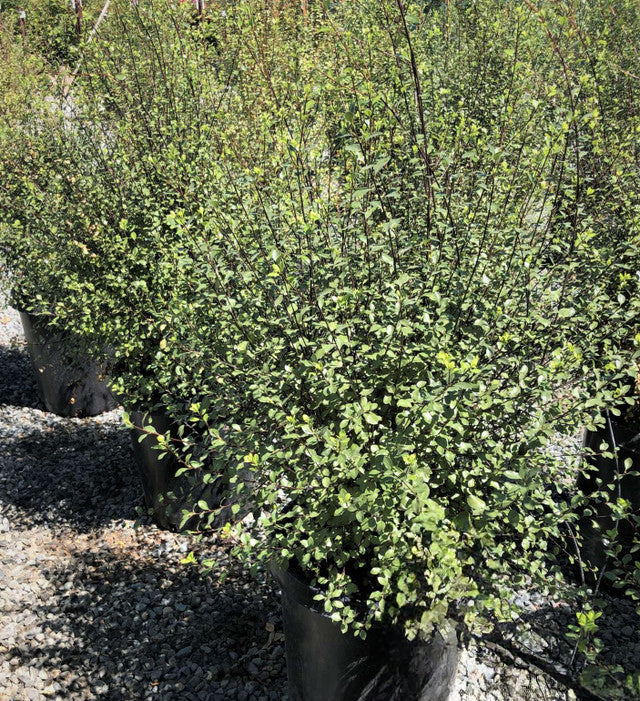
Effective privacy shrubs depend heavily on local climate conditions. Choosing the right privacy shrub depends on local climate, soil type, and how fast the hedge is expected to grow. Shade-tolerant yew, holly, camellia, and some broadleaf evergreen shrubs can work where full sun is limited, while deer resistant selections may be important in foothill or rural landscapes.
Privacy shrubs must possess exceptional cold hardiness to survive extreme winter conditions without dieback. Camellia japonica thrives in the Pacific Northwest and provides year-round glossy green foliage with large blooms in late winter to spring. Drought-tolerant shrubs are essential for landscaping in desert regions, such as Italian Cypress and Texas Sage.
Coastal and exposed locations need shrubs with strong wind tolerance, flexible stems, and the ability to handle salt or dry summer air. In inland California heat, select plants that can handle sun, shade transitions, and drought after establishment without becoming susceptible to pests or leaf scorch.
Premium Plants That Perform
Quality privacy shrubs should establish quickly and provide reliable screening for decades.
Healthy Root Systems & Mature Growth
A strong privacy hedge starts below ground. Well-developed root systems help shrubs establish faster, support dense foliage, and improve the ability to tolerate summer heat, winter stress, and irregular watering. Most privacy shrubs require rich, well-drained soil that retains moisture, consistent watering until established, and seasonal feeding and pruning based on the specific shrub species.
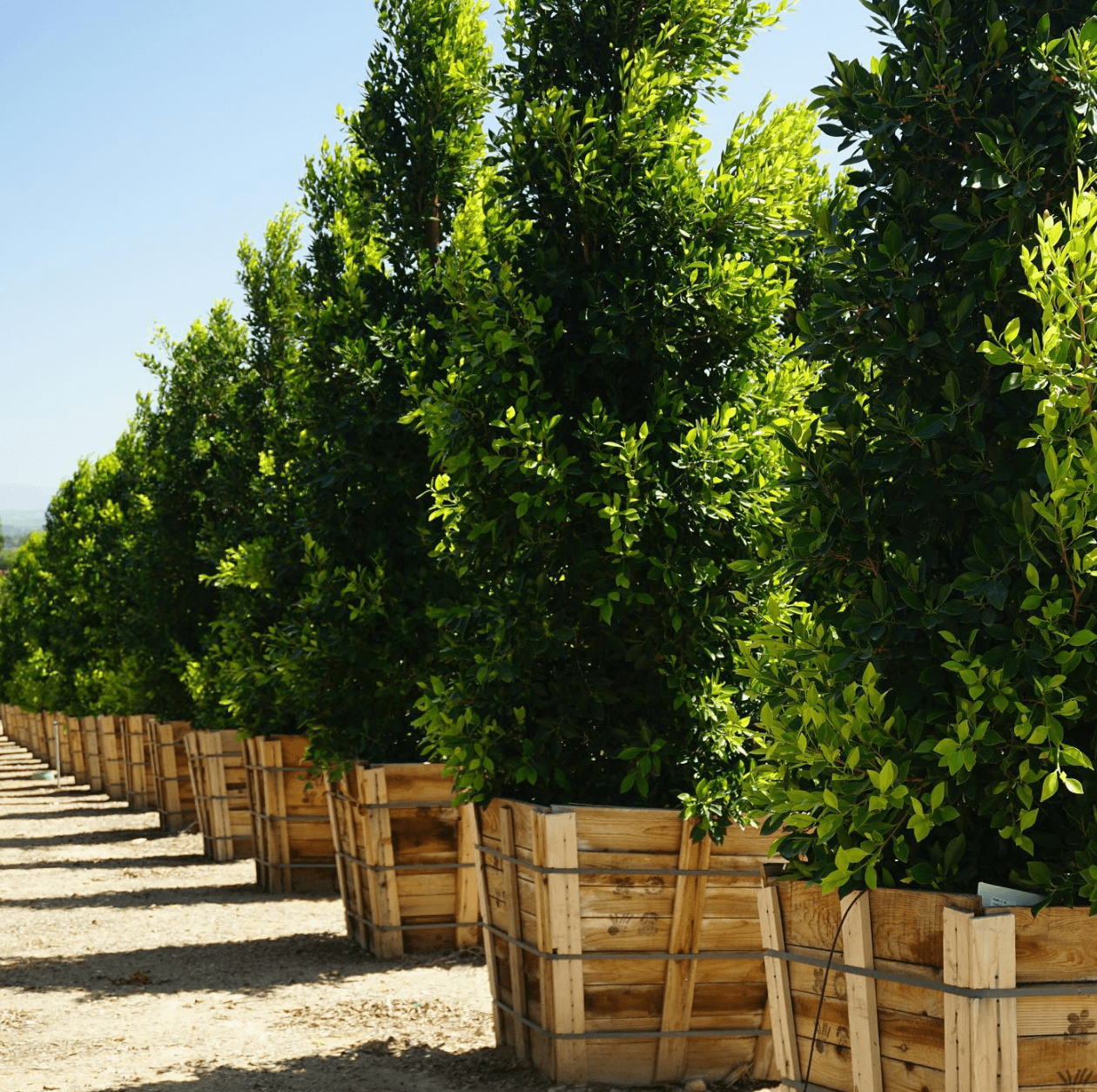
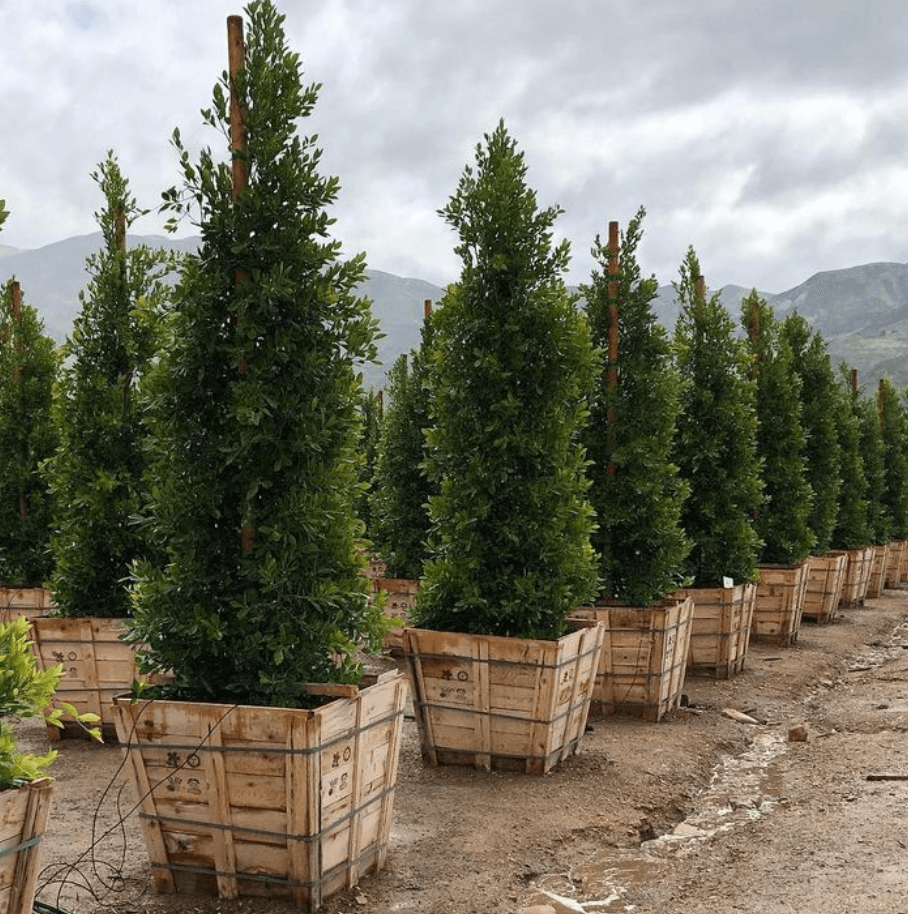
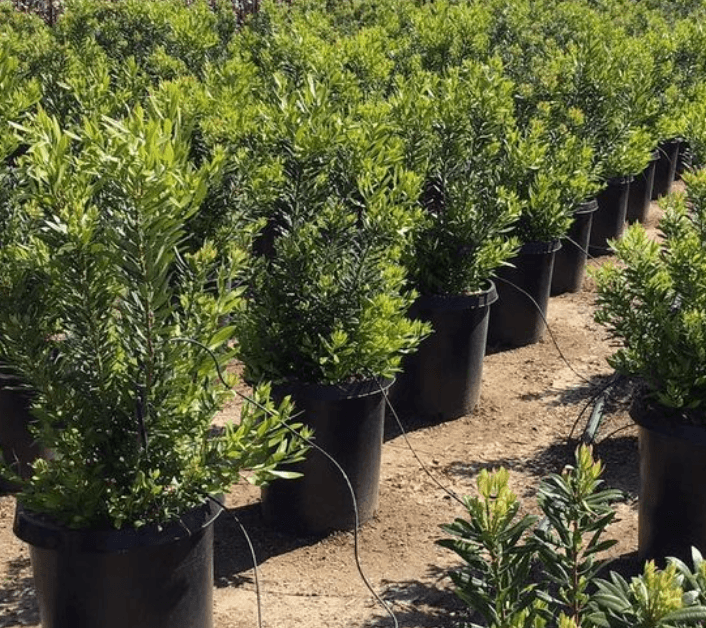
Container-grown shrubs are easy to place and transplant, while larger field-grown specimens can create a more immediate screen. Choose from young plants for budget-friendly growth or mature specimens for faster privacy. Larger sizes cost more, but they can reduce the waiting time for blocking unsightly views.
Climate-Appropriate Selections
California landscapes vary from coastal shade to inland full sun, foothill cold pockets, and dry desert edges. That is why climate-appropriate privacy bushes perform better than generic plants chosen only for appearance. Heat tolerance, water efficiency, disease resistance, and pest tolerance matter as much as height.
Evergreen plants such as arborvitae, boxwood, holly, cherry laurel, and Podocarpus are commonly selected because they provide consistent foliage and screening ability. Deciduous shrubs like burning bush, red twig dogwood, forsythia, and lilac can add seasonal color, but they should be paired with evergreen shrubs when winter privacy is essential.
Professional-Grade Quality Standards
Professional-grade privacy shrubs should have balanced branching, healthy foliage, strong root structure, and clear variety labeling. We select plants with dependable growth habit, strong screening potential, and suitability for real California growing conditions.
Detailed plant specifications help you compare mature size, growth rate, full sun or shade tolerance, water needs, and maintenance requirements before ordering. Health guarantees, inspection processes, and replacement support give you confidence that your privacy screen is built from strong, reliable plants.
How to Plant and Maintain Your Privacy Screen
Proper installation and care ensure your privacy shrubs thrive and provide lasting screening.
Planning Your Privacy Hedge Layout
Start by measuring the length of the hedge, the desired height, and the available width at maturity. Mark the property line clearly, then check for irrigation lines, utilities, drainage paths, sight lines, and fence access before digging.
Spacing depends on mature plant width and how quickly you want dense coverage. Smaller shrubs should be spaced about 2-3 feet apart, while larger ones may need 5-8 feet to prevent overcrowding. For a fuller privacy hedge, double-row planting creates depth, while a mixed screen of shrubs, trees, and even vines can soften the landscape and add interest.
Planting and Establishment Care
Prepare the soil before planting by checking drainage, texture, and organic matter. Most privacy shrubs do best in rich, well-drained soil that holds moisture without staying soggy. Dig each hole at the correct depth, keep the root flare at soil level, backfill carefully, and water deeply to remove air pockets.
During the first growing season, consistent watering is essential for establishment. Add mulch to conserve moisture, reduce weeds, and protect roots from heat. Seasonal feeding supports healthy growth, but fertilization should match the species, soil type, and growth stage.
Long-Term Maintenance and Pruning
Long-term maintenance includes watering during dry periods, checking for pests, feeding when needed, and pruning to keep the hedge dense. Pruning timing is crucial for maintaining the density and blooms of privacy shrubs; it is generally recommended to avoid fall pruning to protect tender new growth from winter damage.
Prune evergreen hedges in late winter or early spring before active growth begins. Flowering shrubs are often pruned after blooms fade so you do not remove next season’s flowers. Watch for uneven growth, pest damage, sparse foliage, or disease, and correct issues early to maintain a healthy, dense screen.
Shop Privacy Shrubs with Expert Consultation
Explore our curated collection of privacy shrubs selected specifically for California landscapes, along with popular privacy trees and fast-growing shrubs for comprehensive screening. Take advantage of our soil testing services, design consultations, and professional planting recommendations to ensure your privacy screening succeeds.
Browse our online selection with detailed plant specifications, including mature size, growth rate, sun needs, shade tolerance, water requirements, and care guides. Schedule a consultation to discuss your privacy goals, property line layout, soil type, climate, and maintenance preferences.
Access our soil testing service to optimize planting success and choose shrubs that match your garden conditions. Enjoy free delivery on most orders over $600 throughout California, with expert support to help you create a privacy hedge that looks beautiful and performs for years.
Your perfect privacy solution is just a consultation away.