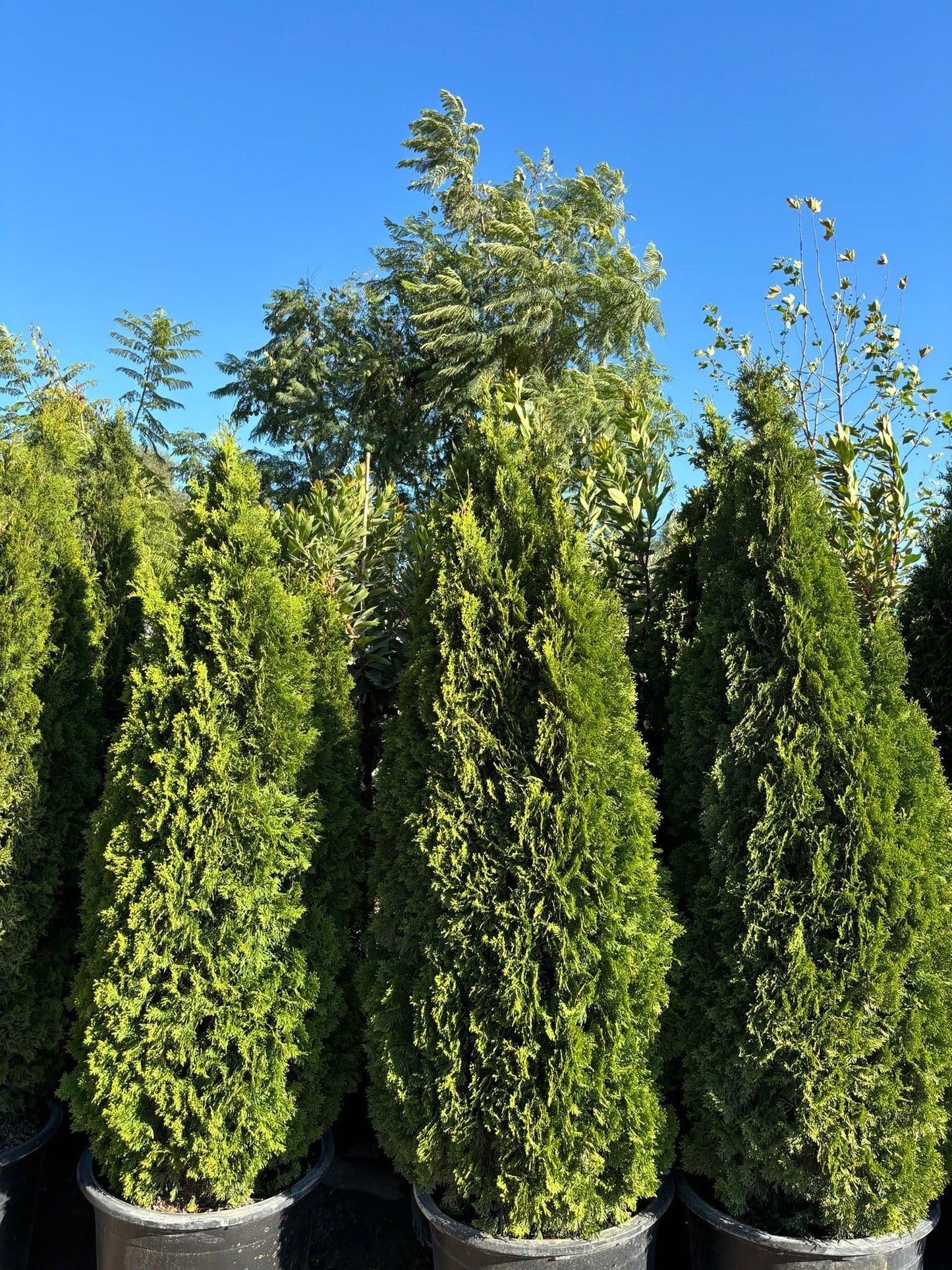
Create Your Perfect Natural Screen
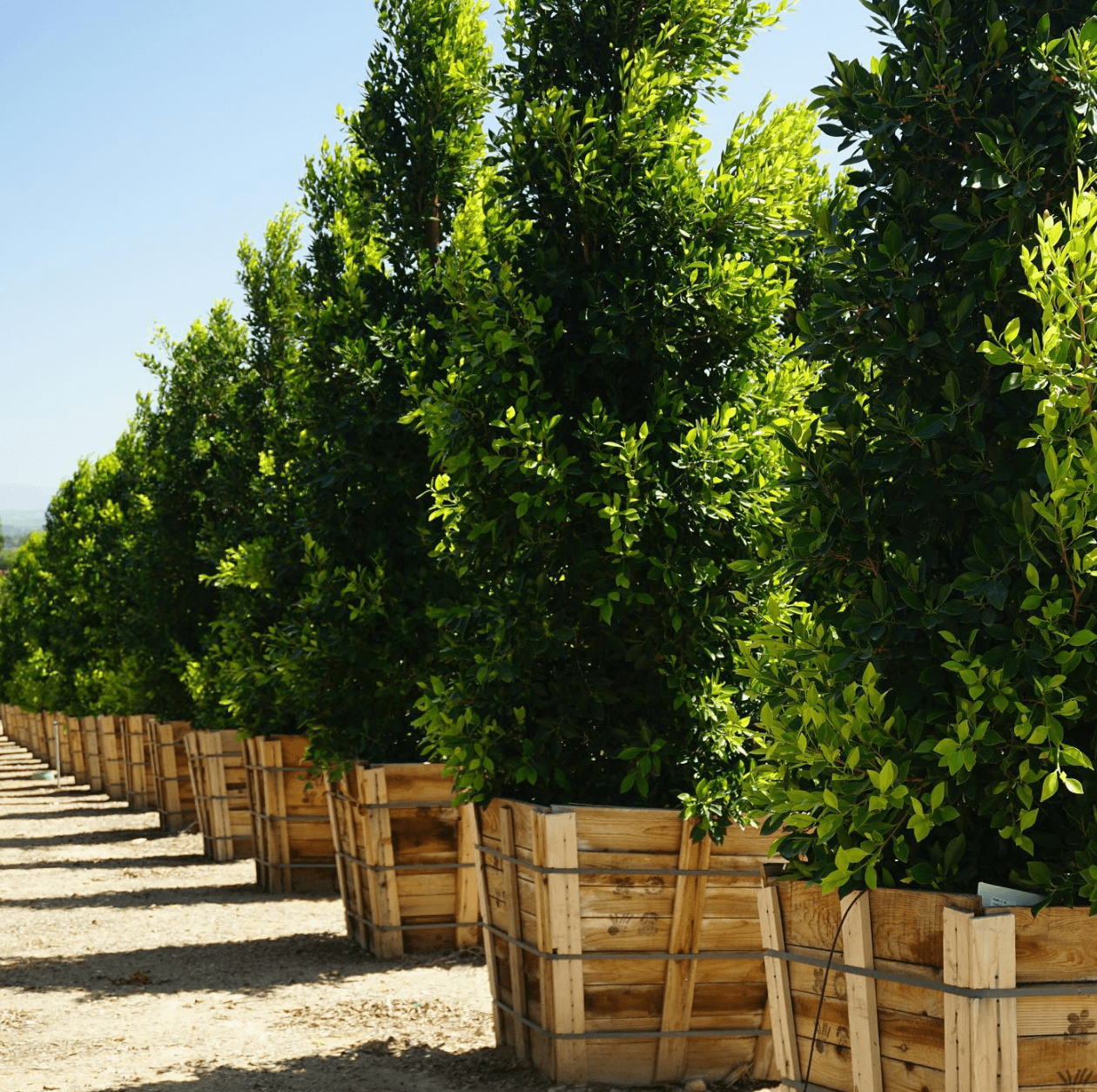
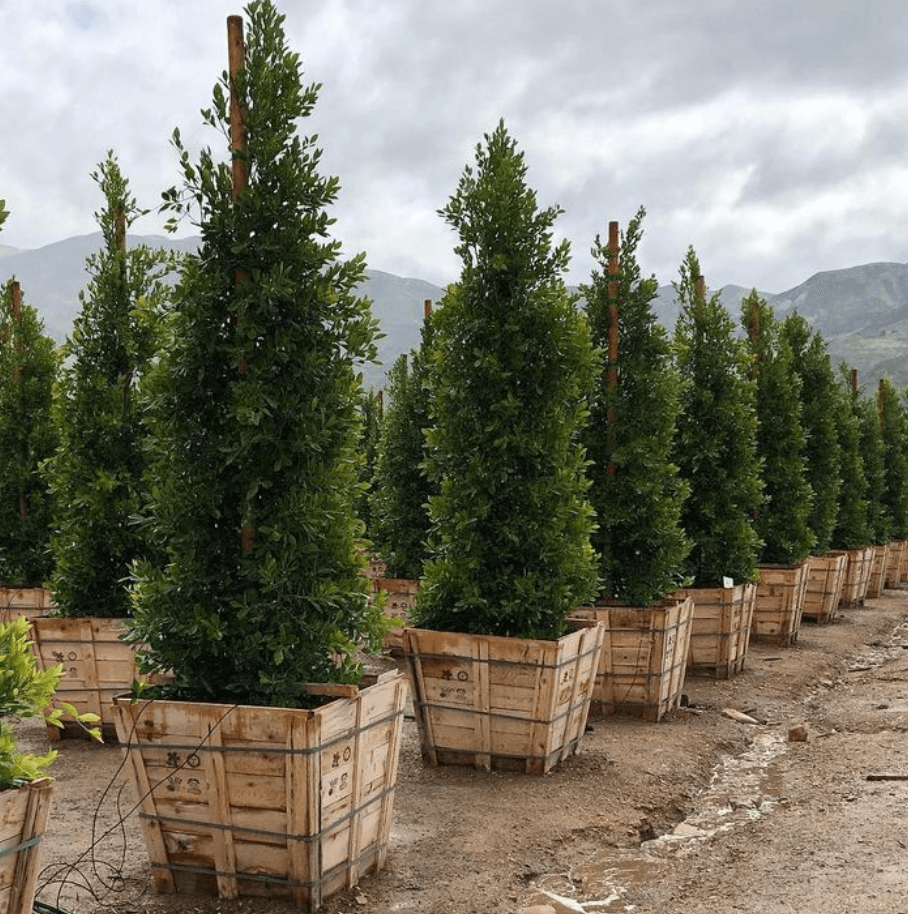
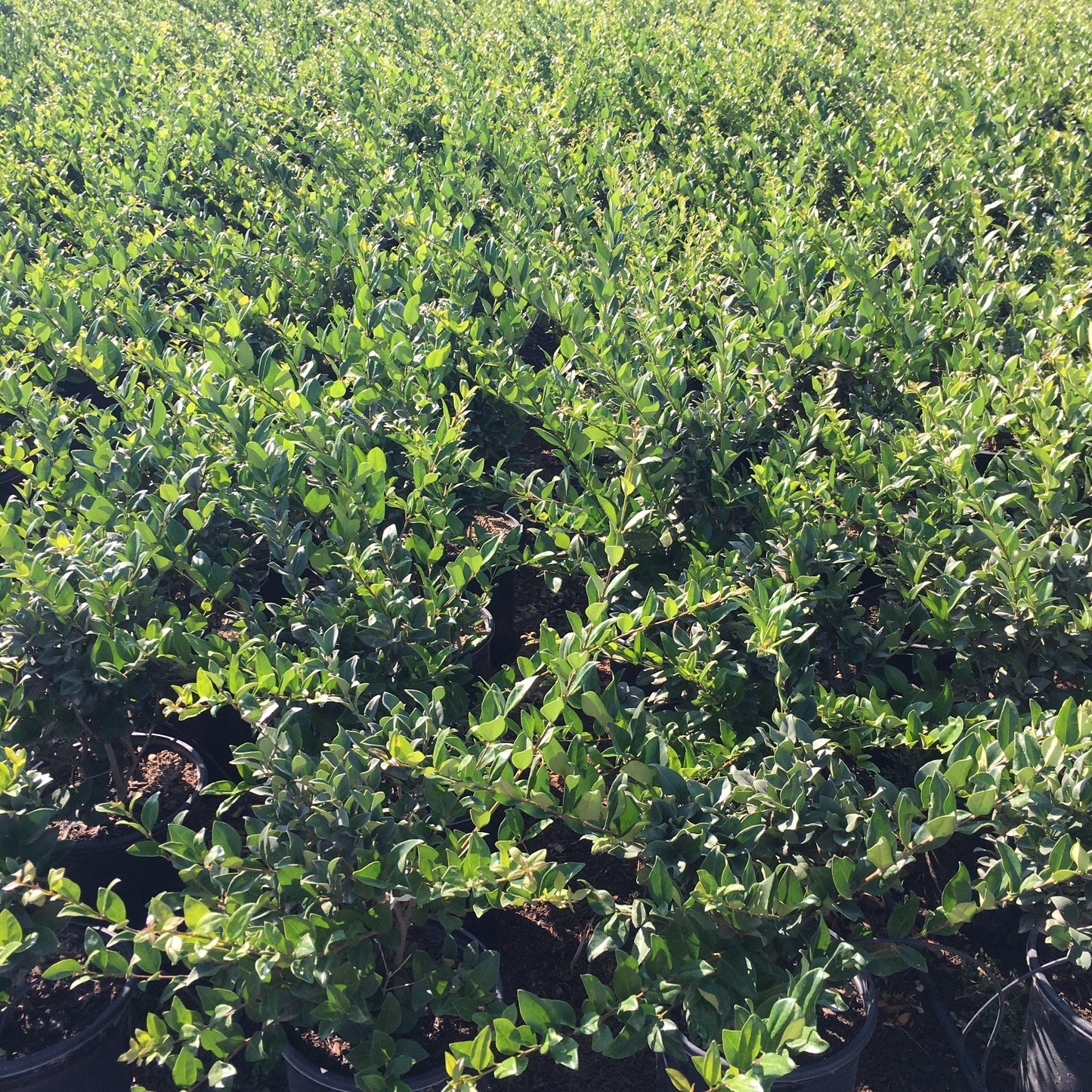
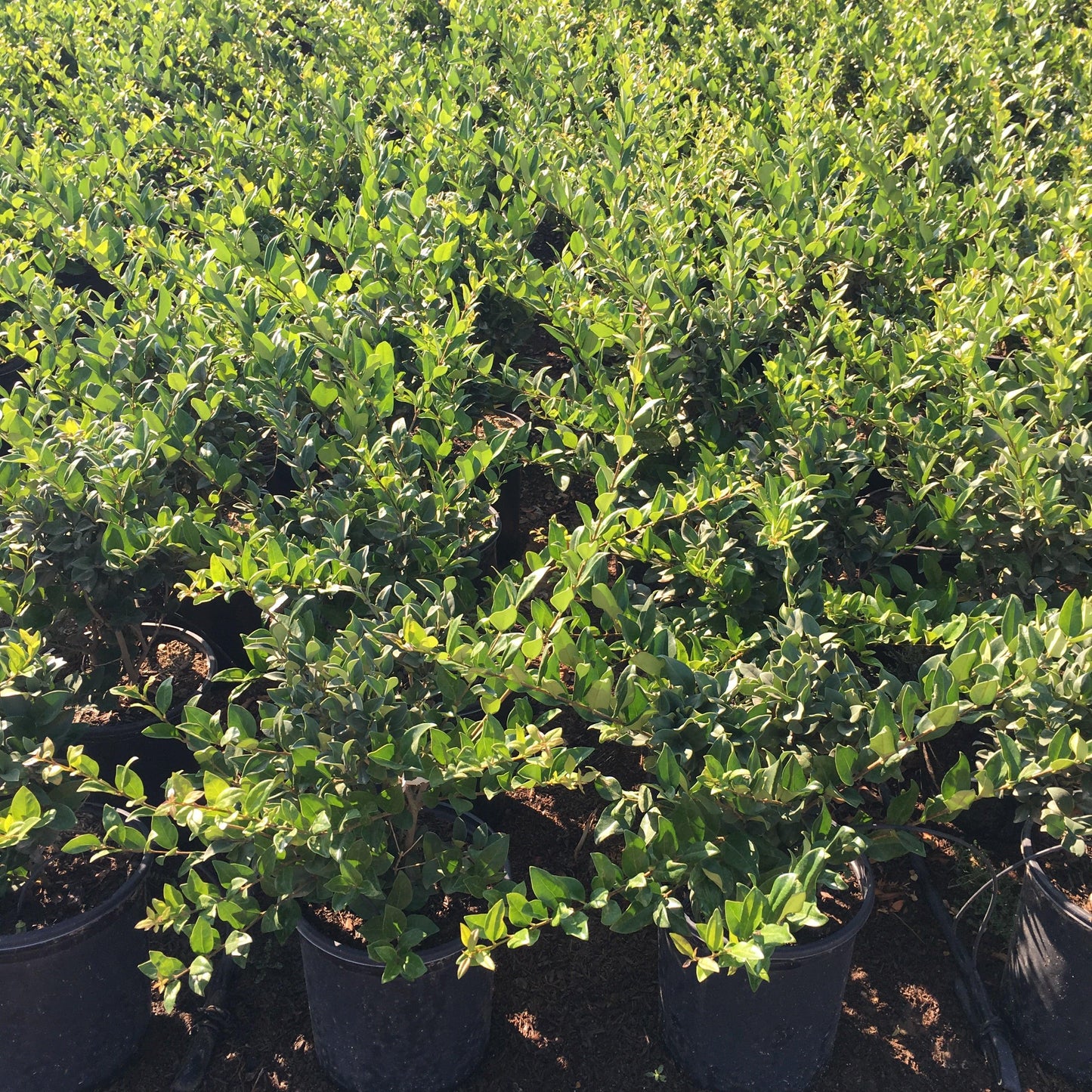
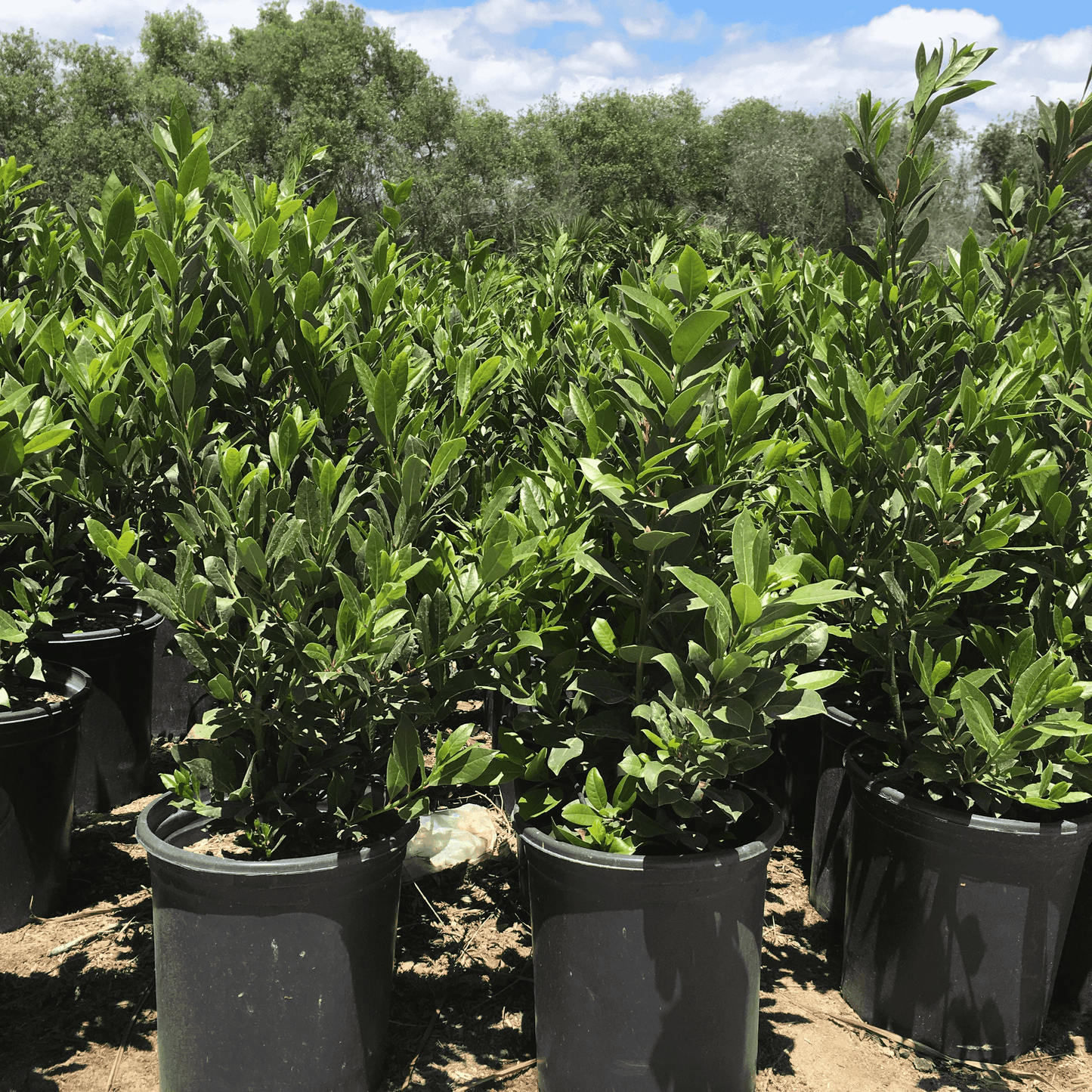
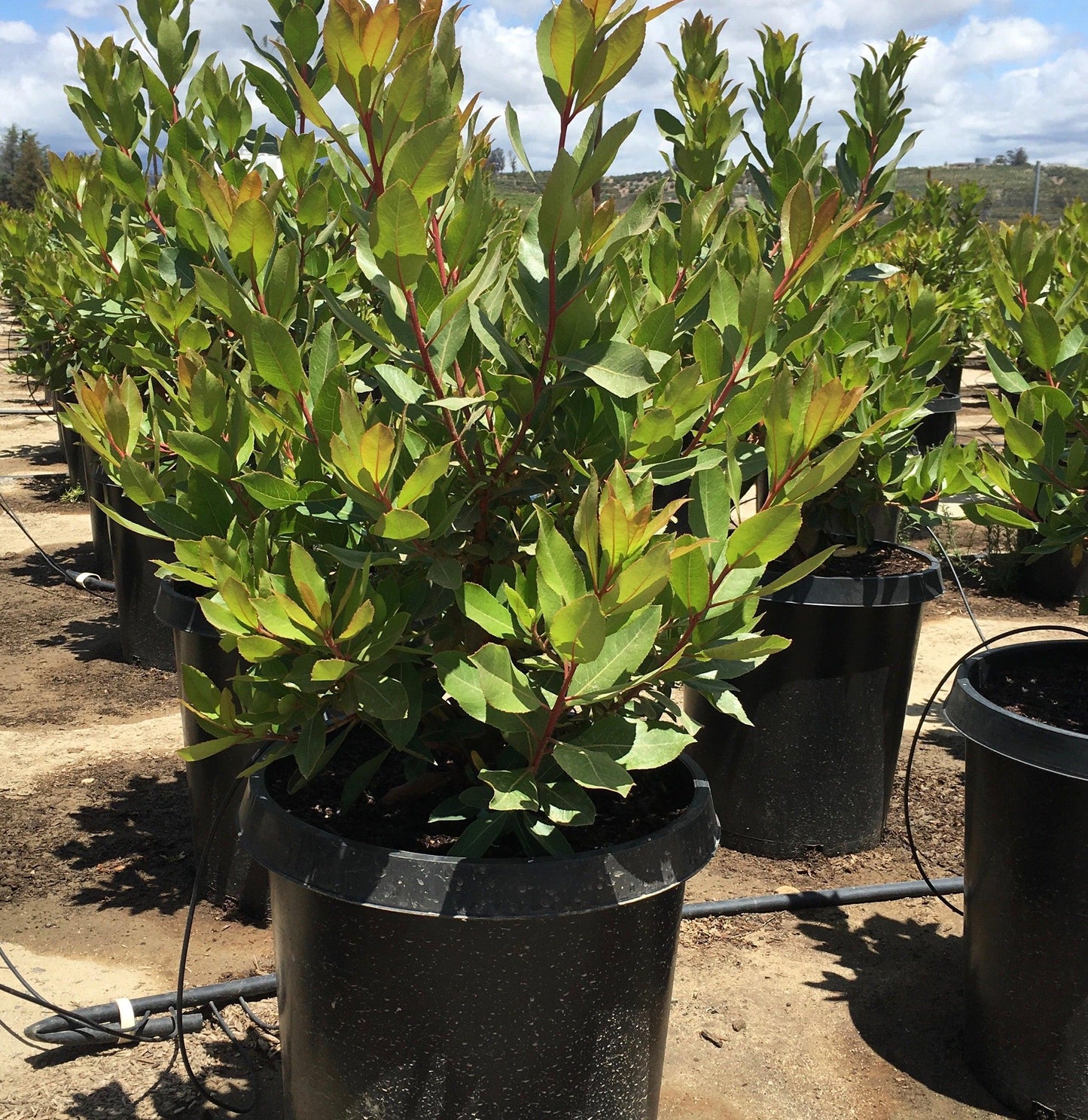
Privacy plants create natural barriers by blocking sightlines, reducing street noise, and defining property lines without the hard look of a fence. Explore evergreen trees, fast-growing shrubs, clumping bamboo, ornamental grasses, and layered screening plants chosen for dense foliage, reliable growth habit, and California-ready performance.
Transform your outdoor space into a private retreat today.
Privacy Plants for Every Need
Different yards need different privacy solutions. Some spaces need immediate screening from neighbors, while others benefit from a long-term hedge that becomes denser, stronger, and easier to maintain over time.
Instant Privacy Solutions
For quick coverage, choose plants with fast growth, tall structure, and dense evergreen foliage. Mature evergreen trees, pre-grown hedge sections, tall ornamental grasses, and quick-establishing shrubs can create privacy while you wait for slower long-term plantings to fill in.
Bamboo provides quick height and a modern aesthetic when using clumping varieties to prevent invasiveness. Clumping bamboo can create a quick, zen-like screen and should be purchased in clumping varieties to prevent aggressive spreading. Fargesia is a strong alternative for cooler areas, while Bambusa varieties work well in mild climates.
Fast-growing vines can maximize vertical privacy without taking up ground space when used with fences or trellises, making them useful for narrow yards, patios, and side-yard borders.
Long-Term Privacy Screens
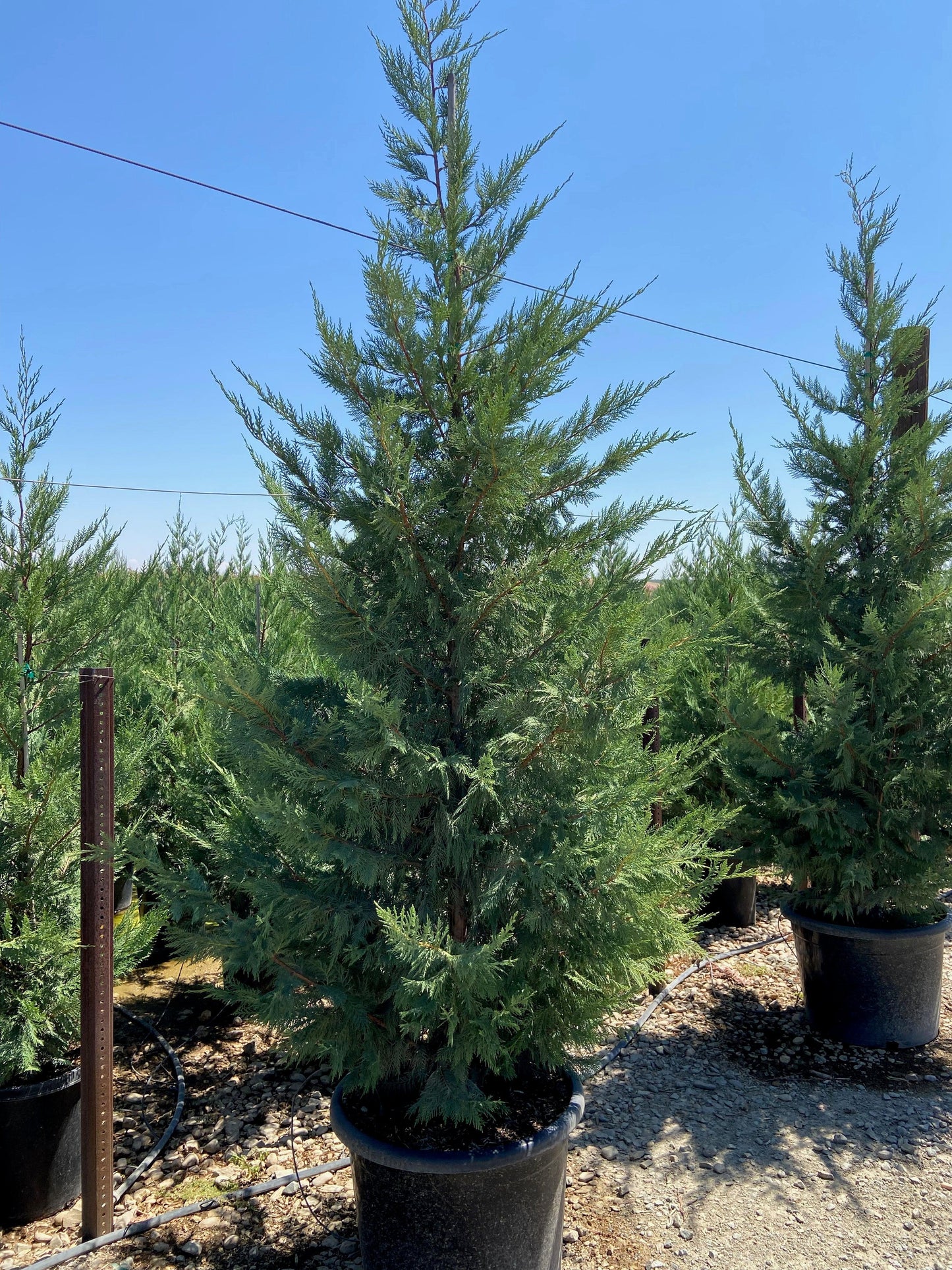
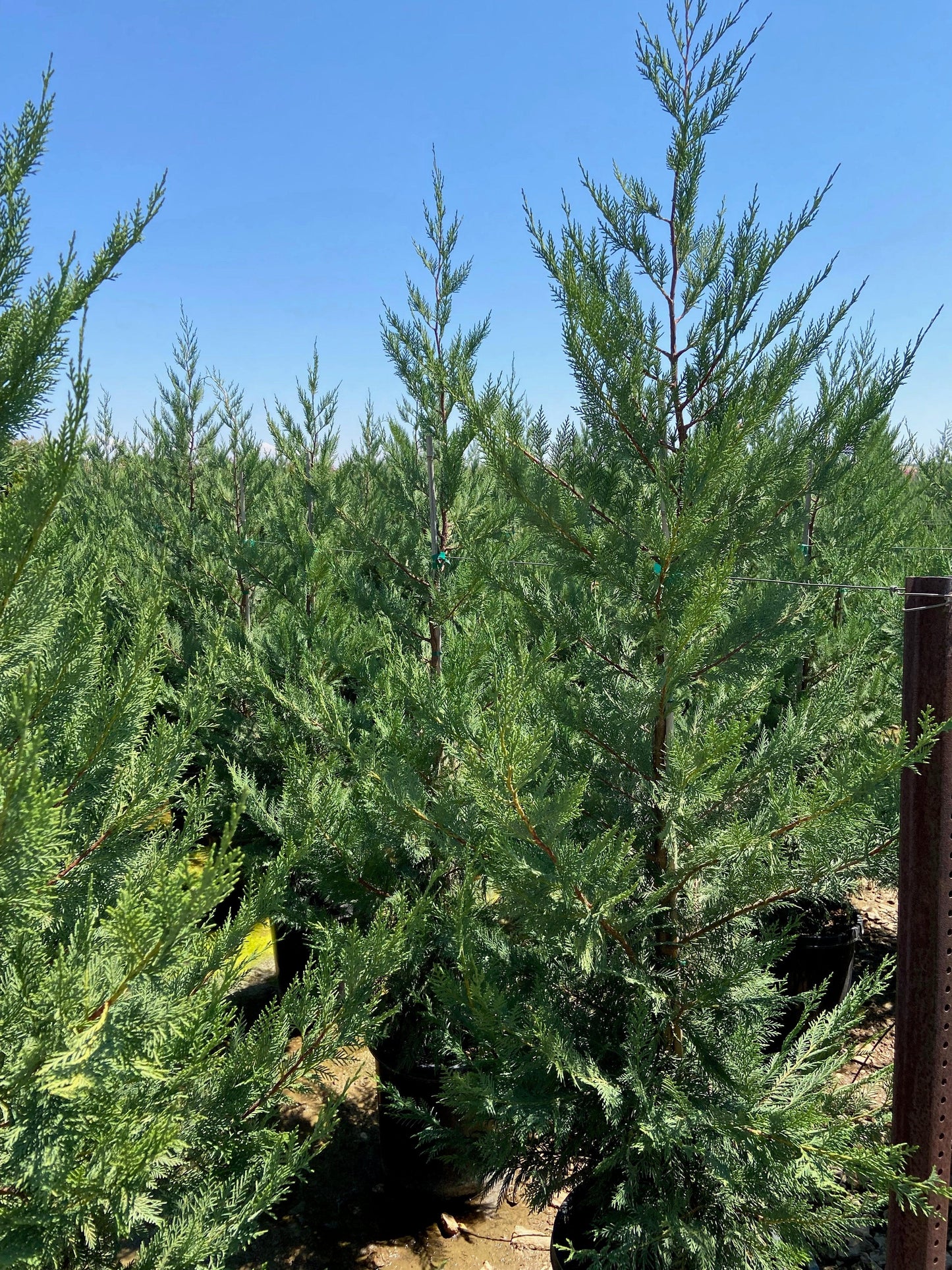
For permanent screening, dense, fast-growing evergreens are recommended for year-round privacy coverage, while clumping bamboo and tall ornamental grasses offer seasonal screens. Green Giant Arborvitae is known for its fast growth and dense foliage, reaching heights of 20′-30′ and widths of 10′-15′, making it ideal for quick privacy solutions.
Mixed hedge plantings create a softer, more resilient structure than a single-species row. A mixed planting of evergreen and deciduous trees and shrubs in a staggered pattern can create a more naturalistic hedge that provides habitat for birds and seasonal interest.
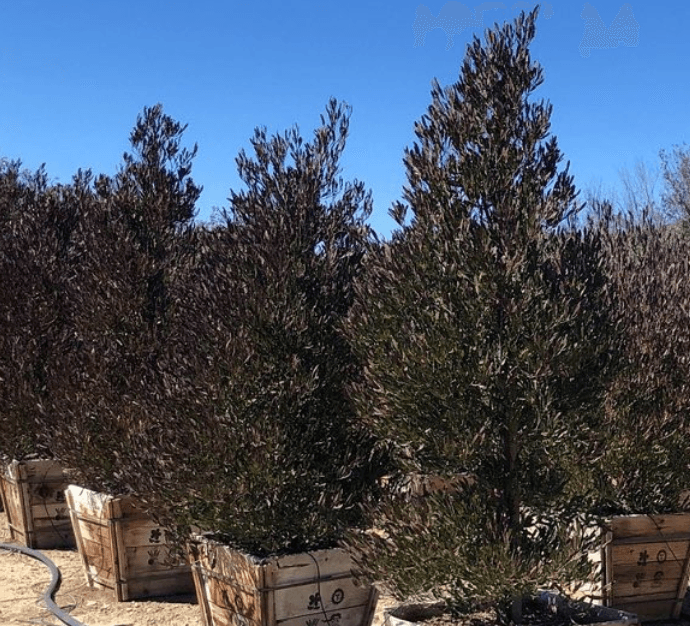
Native California plants such as Toyon, Ceanothus, and Live Oak establish deep roots, support habitat, and often need less water once established. With proper care, they can become a lasting living fence that fits the local landscape.
Seasonal Privacy & Multi-Purpose Plants
Deciduous shrubs offer privacy in spring and summer while allowing more winter light into the garden. Deciduous shrubs can easily be layered to create a lush living fence while offering seasonal changes and attracting pollinators.
Flowering privacy plants add bloom, texture, and seasonal interest. Bushy flowering shrubs create visual barriers during warmer months and attract pollinators, while options like lilac, Rose of Sharon, and flowering laurel can bring additional benefits beyond screening.
Fruit-bearing trees and shrubs can also protect privacy while producing fruit, flowers, shade, and wildlife value. When designing a hedge, it’s important to choose plants that will provide year-round interest, including spring blooms, summer foliage, and fall colors.
Choose the Right Privacy Plants for Your Space
The best privacy plants depend on mature size, sun exposure, available space, water needs, pruning expectations, and whether you want a formal hedge or a more naturalistic border.
For Small Yards & Narrow Spaces
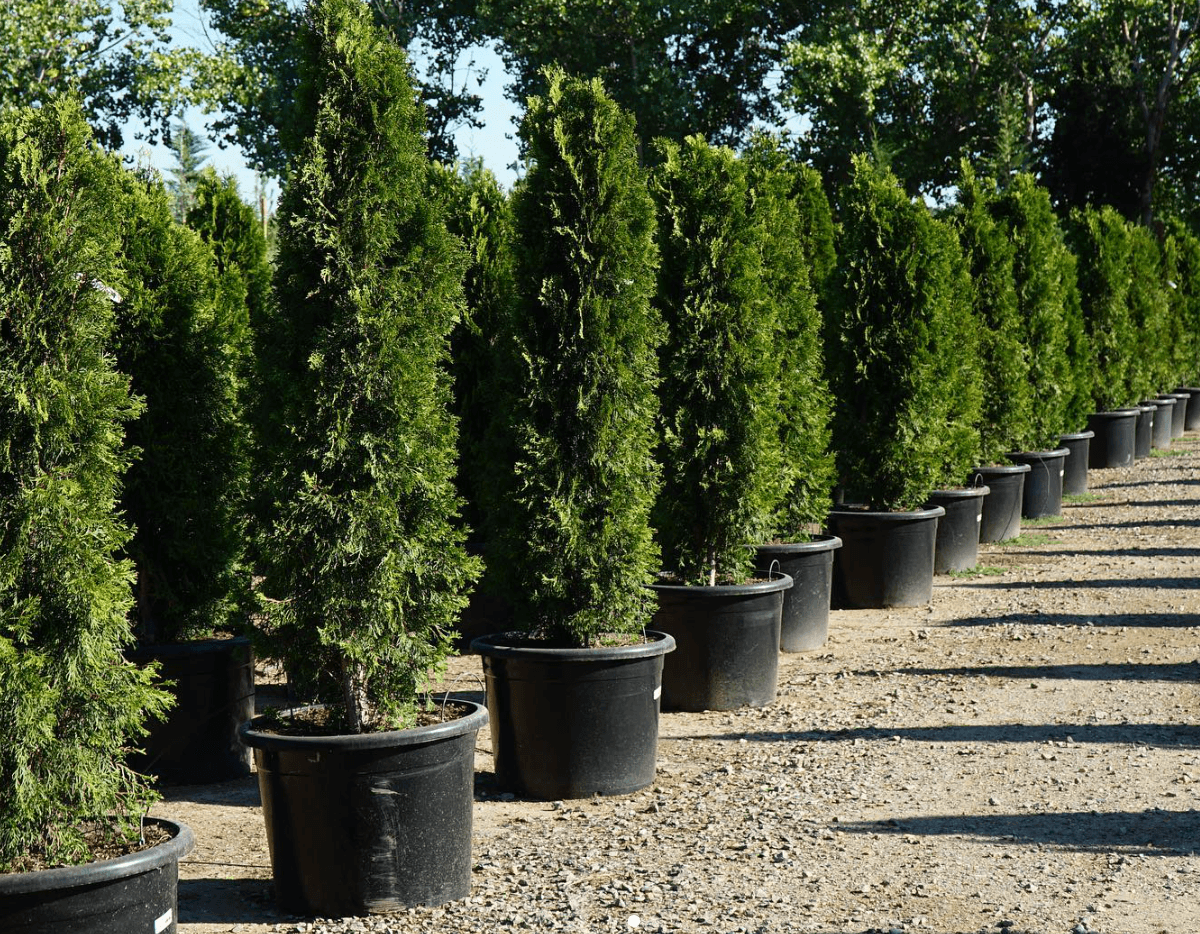
Small-space plants need upright structure, dense foliage, and minimal spread. Emerald Green Arborvitae grows 12′-15′ tall and 4′-5′ wide, providing effective privacy when planted every 3 feet, making it a popular choice for quick privacy solutions.
Emerald Green Arborvitae is a popular evergreen plant that grows 12′-15′ tall and 4′-5′ wide, making it ideal for creating privacy screens in sunny to partially shaded areas. Emerald Green Arborvitae is a popular choice for privacy due to its narrow, upright form and dense foliage, growing 12’-15’ tall and 4’-5’ wide, making it ideal for creating barriers along fences or driveways.
Narrow, fast-growing evergreens are ideal for small yards or long boundary lines, requiring minimal pruning. Boxwoods are highly adaptable and suitable for low-to-medium-height privacy hedges, growing well in both sun and shade.
For Large Properties & Long Boundaries
Large properties can use taller trees, wider shrubs, and staggered planting patterns for more natural screening. Leyland Cypress is a fast-growing plant that can reach heights of 20′-30′ and widths of 15′-20′, making it suitable for larger properties needing quick privacy.
Leyland Cypress is a fast-growing evergreen that can reach heights of 20′-30′ and widths of 15′-20′, making it an excellent choice for larger properties needing privacy. Because leyland cypress can become broad, it works best where there is enough yard space for mature size, airflow, and maintenance access.
Layered planting involves arranging shrubs and trees in a staggered pattern to mimic a natural forest border, enhancing privacy. For effective hedge design, repetition and variety are key; selecting 3-5 favorite plants and repeating them in odd-numbered groups can enhance visual appeal.
For Challenging Growing Conditions
For shade, choose privacy plants that keep dense foliage without constant full sun. Skip Laurel is an evergreen shrub that maintains its glossy green leaves year-round, growing 12′-15′ tall and 5′-7′ wide, suitable for privacy in various light conditions.
Skip Laurel is another effective privacy plant, reaching heights of 12’-15’ and widths of 5’-7’, with glossy leaves that provide year-round privacy and fragrant white flowers in spring. Its evergreen foliage makes it a strong choice for north-facing areas, shaded fence lines, and mixed screens.
For dry, sunny locations, consider drought-tolerant Mediterranean plants, native shrubs, junipers, and broadleaf evergreens. Junipers have unique colors and a spiky texture that can act as a natural barrier, thriving in full sun. For coastal or hillside properties, choose wind-resistant plants and avoid species that struggle with salt spray, reflected heat, or poor drainage.
Premium Privacy Plant Varieties That Perform
Quality privacy plants should be selected for mature size, growth habit, density, disease resistance, and how well they thrive in your local garden conditions.
Evergreen Trees & Large Shrubs
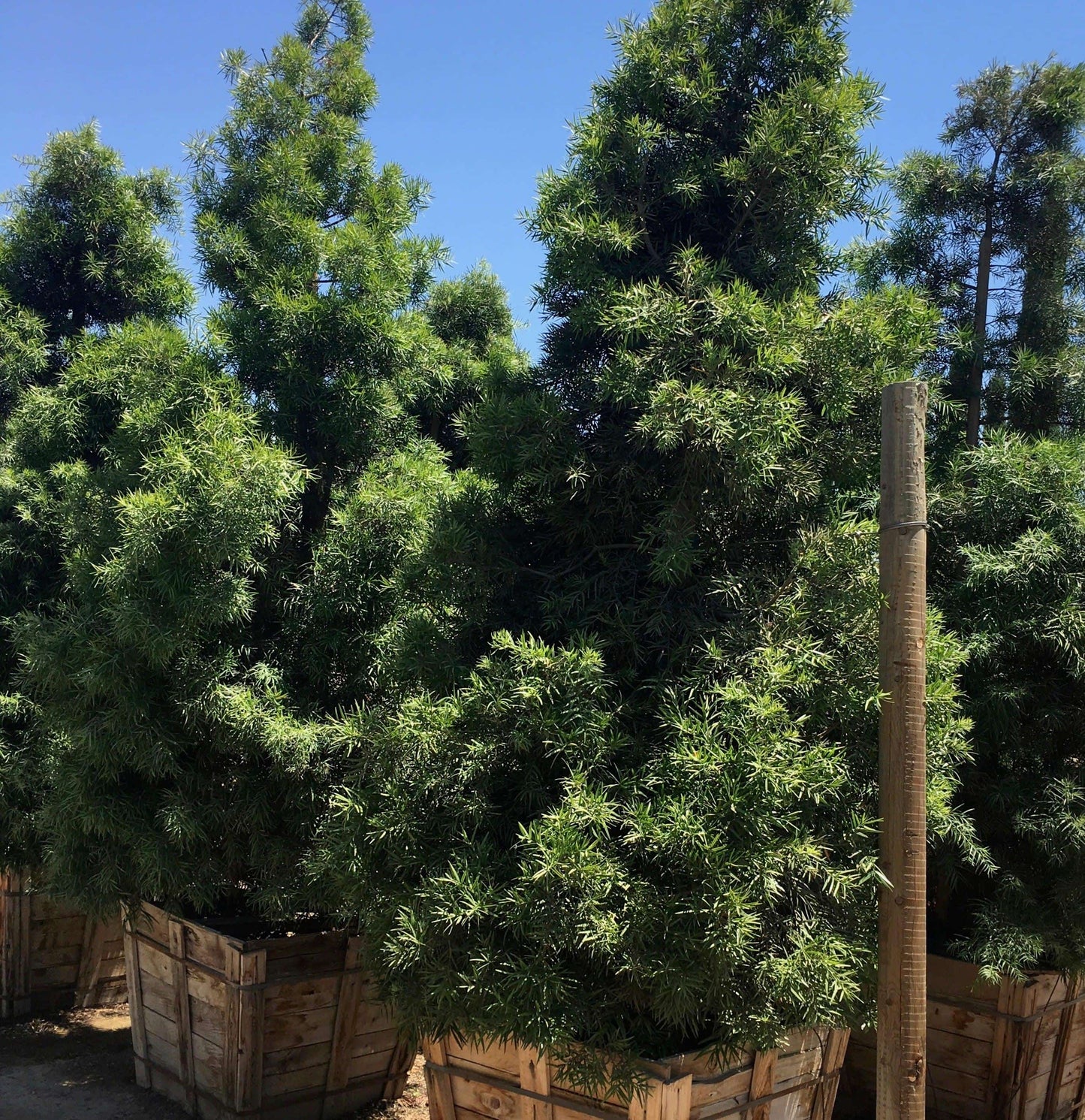
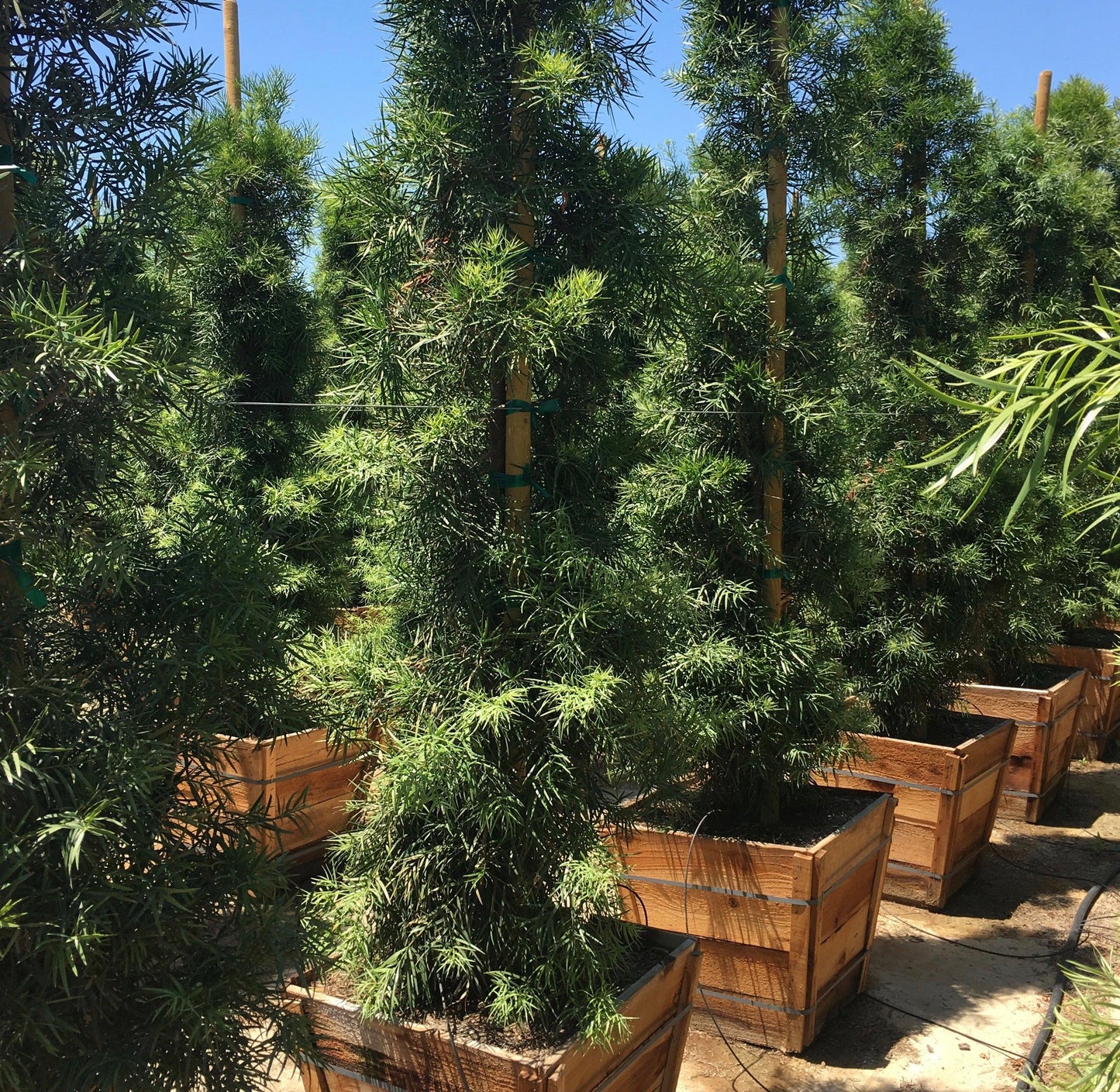
Evergreen trees and large evergreen shrubs provide dependable year-round screening. Evergreen privacy trees anchor tall, long-lasting screens, while Italian Cypress creates a formal, Mediterranean-style vertical screen with a narrow footprint, and Fern Pine hedges (Podocarpus gracilior) offer dense, versatile foliage for mild California climates.
Live Oak trees are a long-term native choice for tall structure, evergreen screening, habitat value, and a timeless California landscape feel. In coastal areas, Monterey Cypress can provide tall, wind-tolerant structure, while Holly, Yews, and Euonymus are recommended for layering with other evergreens to add variety and texture to privacy screens.
Dense broadleaf shrubs provide year-round greenery while offering beautiful textures and natural security barriers. Think of them as a living security service for the yard: they protect privacy naturally, without the hard edges of posts, walls, or solid fencing.
Fast-Growing Hedge Plants
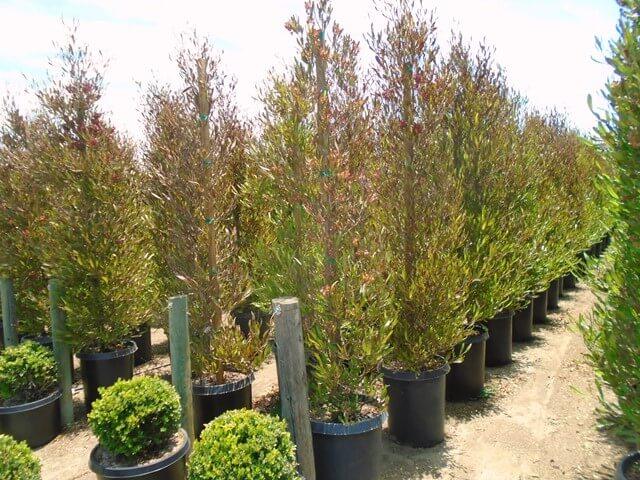
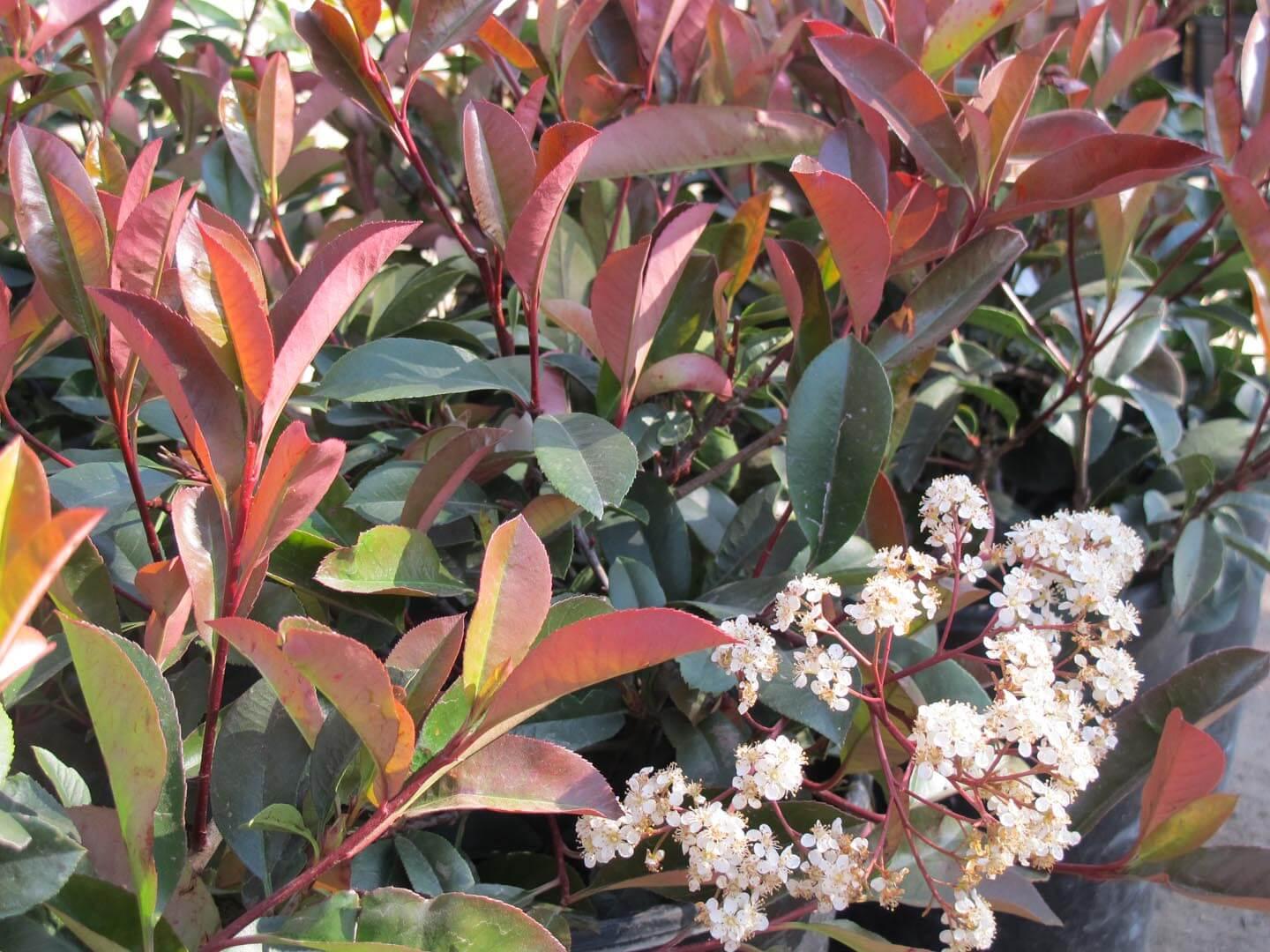
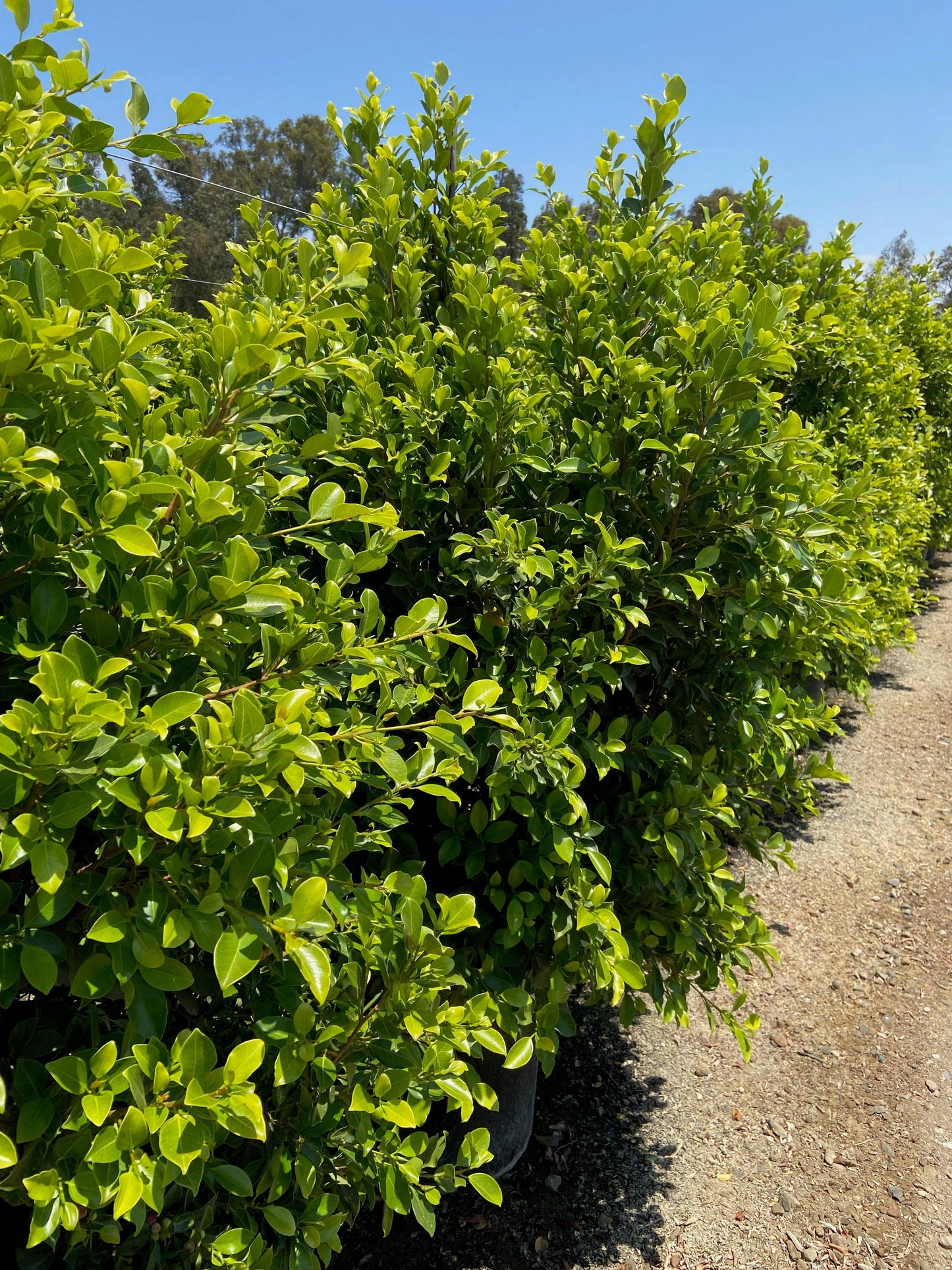
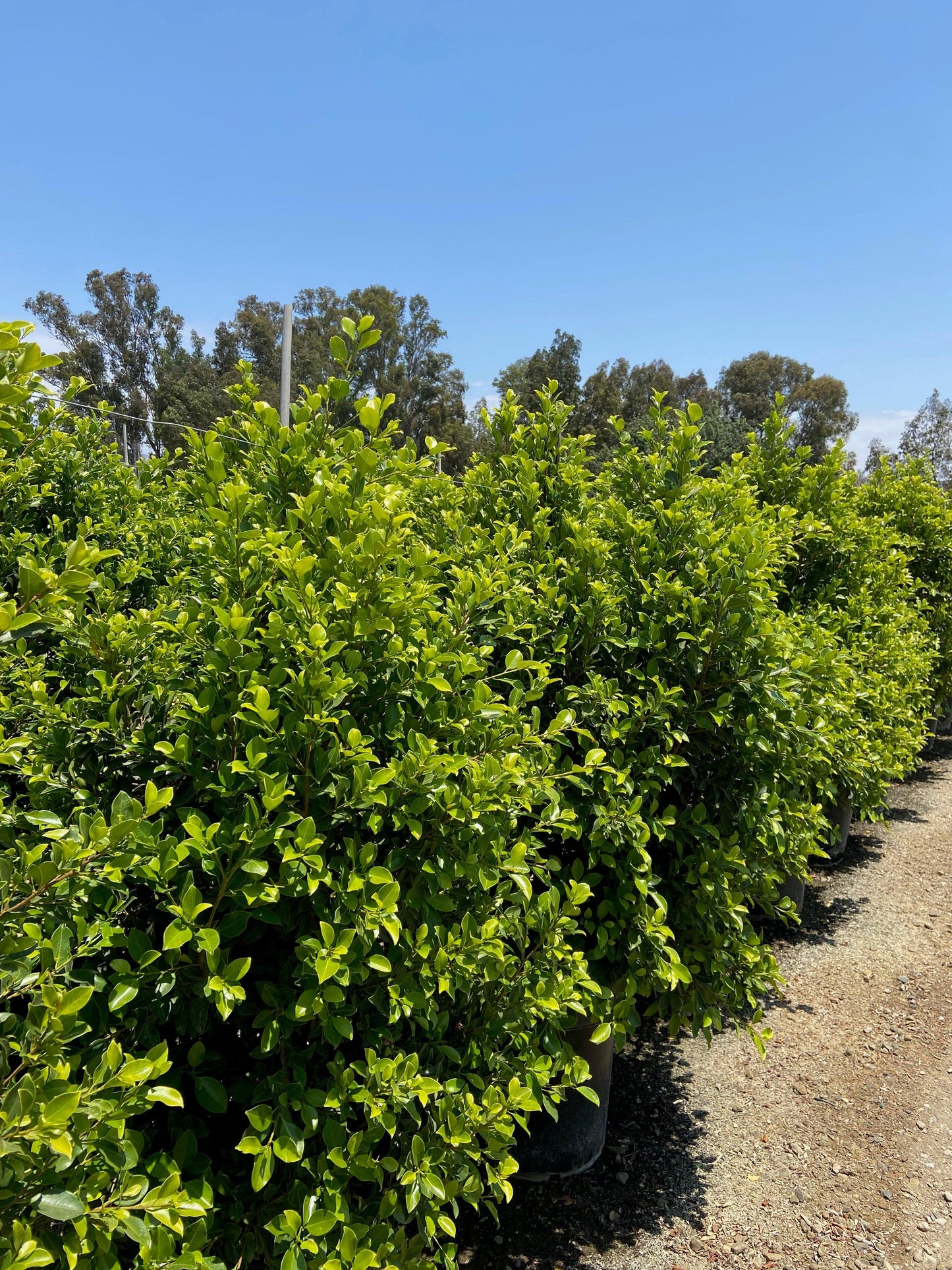
Fast-growing hedge plants are ideal when you need screening sooner rather than later. Photinia Red Robin adds red spring growth, Glossy Privet hedges offer a traditional hedge look, and Escallonia combines flowers, drought tolerance, and dense evergreen foliage.
A mixed planting of evergreen and deciduous trees and shrubs can create a naturalistic privacy hedge, providing habitat for birds and seasonal interest while being easier to maintain than formal hedges. This approach reduces the risk of pests or disease moving through a single-species hedge.
For formal structure, privet, boxwood, holly, arborvitae, and laurel can be trimmed into clean lines. For a softer look, combine evergreen shrubs with deciduous shrubs, flowering plants, and native texture.
Specialty & Unique Options
Bambusa varieties bring dramatic vertical lines and fast screening for warm-climate spaces, especially near pools, patios, and modern gardens. Choose clumping bamboo rather than running bamboo to maintain control and protect neighboring space.
Pittosporum species, including Silver Sheen Pittosporum hedges and other Cheesewood (Pittosporum) varieties, are compact, low-maintenance privacy solutions with dense foliage and a refined appearance. Ornamental grasses add movement, summer height, and seasonal screening, while vines can climb a fence, trellis, or posts to create privacy where ground space is limited.
Mixed native plantings are excellent for wildlife-friendly privacy screens. They combine evergreen structure, flowers, fruit, texture, and habitat while supporting a more resilient California garden.
How to Plant and Establish Your Privacy Screen
Proper planning and installation help privacy plants establish faster, stay dense at the base, and maintain strong structure over the long term.
Planning Your Privacy Layout
Start by measuring your space, then compare each plant’s mature size with the available width, height, and maintenance access. A privacy hedge planted too tightly may fill quickly, but it can also reduce airflow, invite pests, and require more pruning.
Consider sight lines from windows, patios, driveways, and neighbors. Mark utility locations, irrigation lines, fence posts, and property lines before planting. If you are using a layered border, place taller trees in the back, medium shrubs in the middle, and lower plants or ornamental grasses in front.
A strong layout balances repetition and variety. Use 3-5 favorite plants, repeat them in odd-numbered groups, and combine evergreen foliage with seasonal bloom, fall color, fruit, and winter structure.
Professional Installation Tips
Healthy privacy starts below the surface. Prepare soil before planting, improve drainage where needed, and use mulch to protect roots from summer heat and winter temperature swings.
Install drip irrigation or deep-watering systems so plants receive consistent moisture while becoming established. In California, planting in cooler seasons such as fall, winter, or early spring gives roots time to grow before intense summer sun.
For best results, match each plant to its site: full sun, part shade, shade, coastal wind, inland heat, clay soil, or drought exposure. With proper care, trimming, and occasional pruning, your screening plants will fill in, maintain density, and create a lasting natural barrier.
Shop Privacy Plants with Expert Support
Explore Yardwork’s curated selection of privacy trees, shrubs, evergreen shrubs, bamboo, vines, ornamental grasses, and screening plants for California outdoor spaces. Whether you’re looking for a full-service plant nursery and landscaping support or a nursery specializing in evergreen and privacy trees, you can choose from fast-growing options, native plants, compact space plants, and layered hedge combinations designed to block views, reduce street noise, and improve the structure of your landscape.
Get personalized recommendations through consultation services, and test your soil conditions to ensure optimal plant selection and long-term success. If you are comparing arborvitae, leyland cypress, laurel, holly, boxwood, bamboo, or native alternatives, expert guidance helps verify the right fit before you plant.