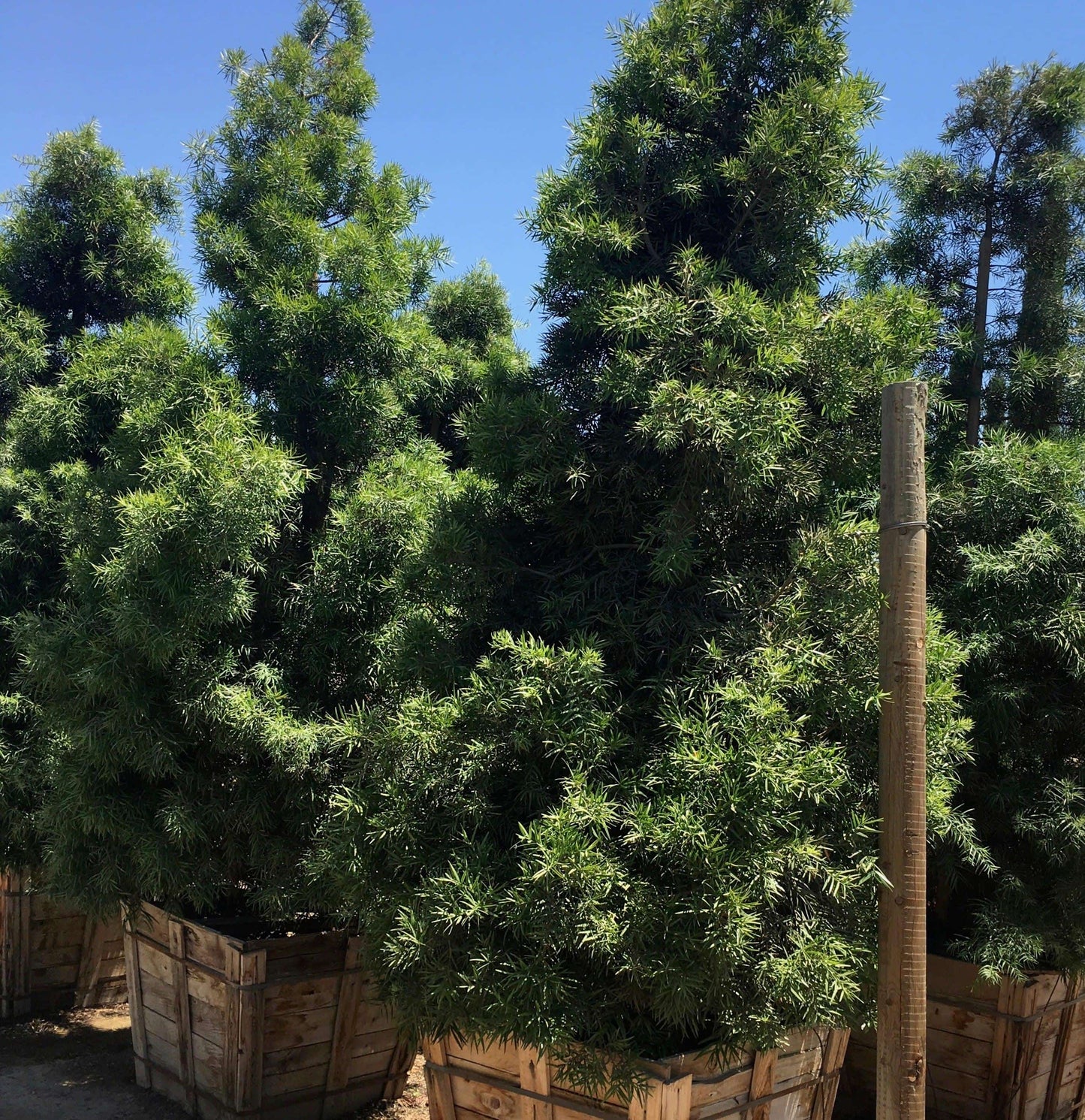
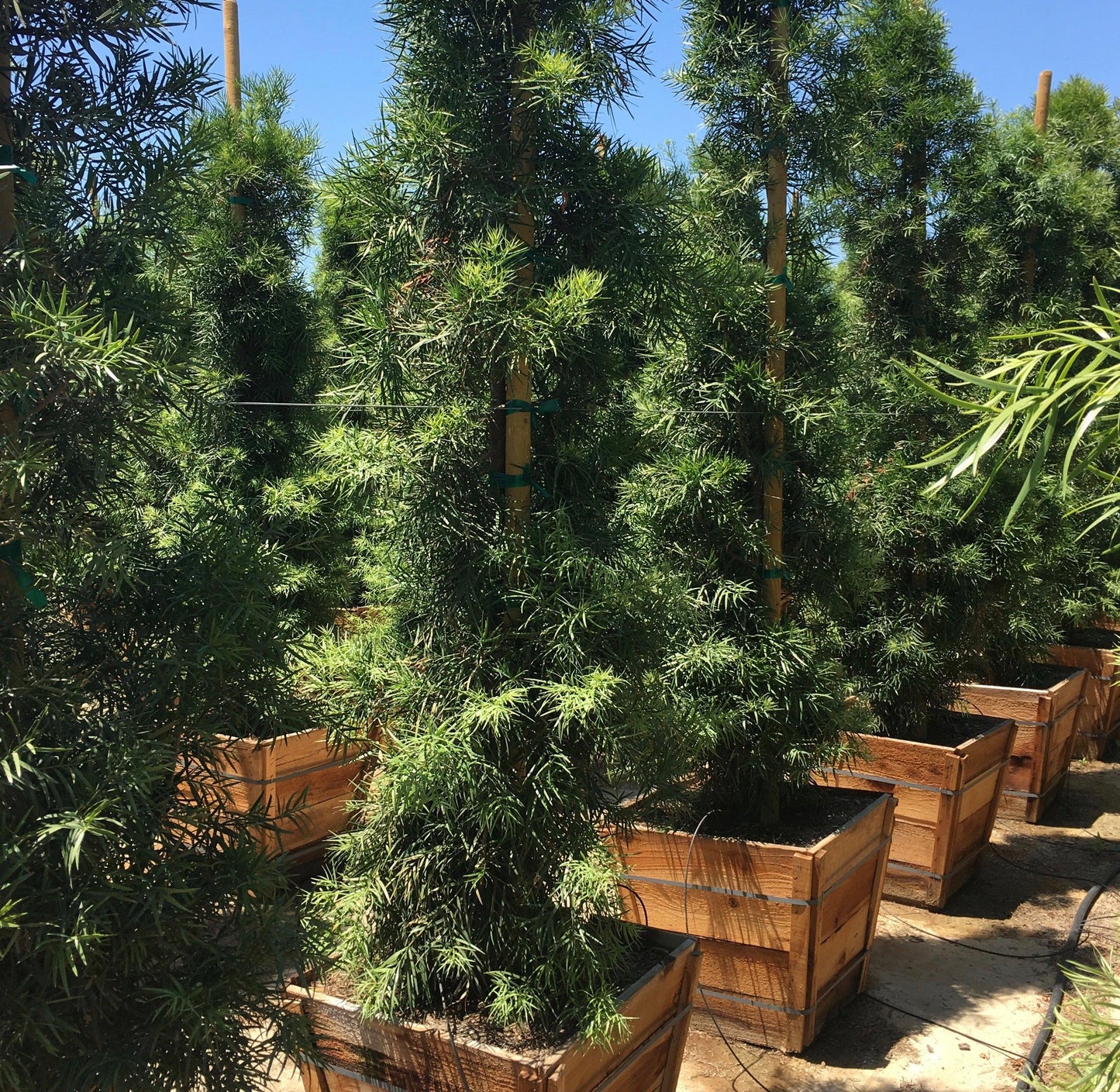
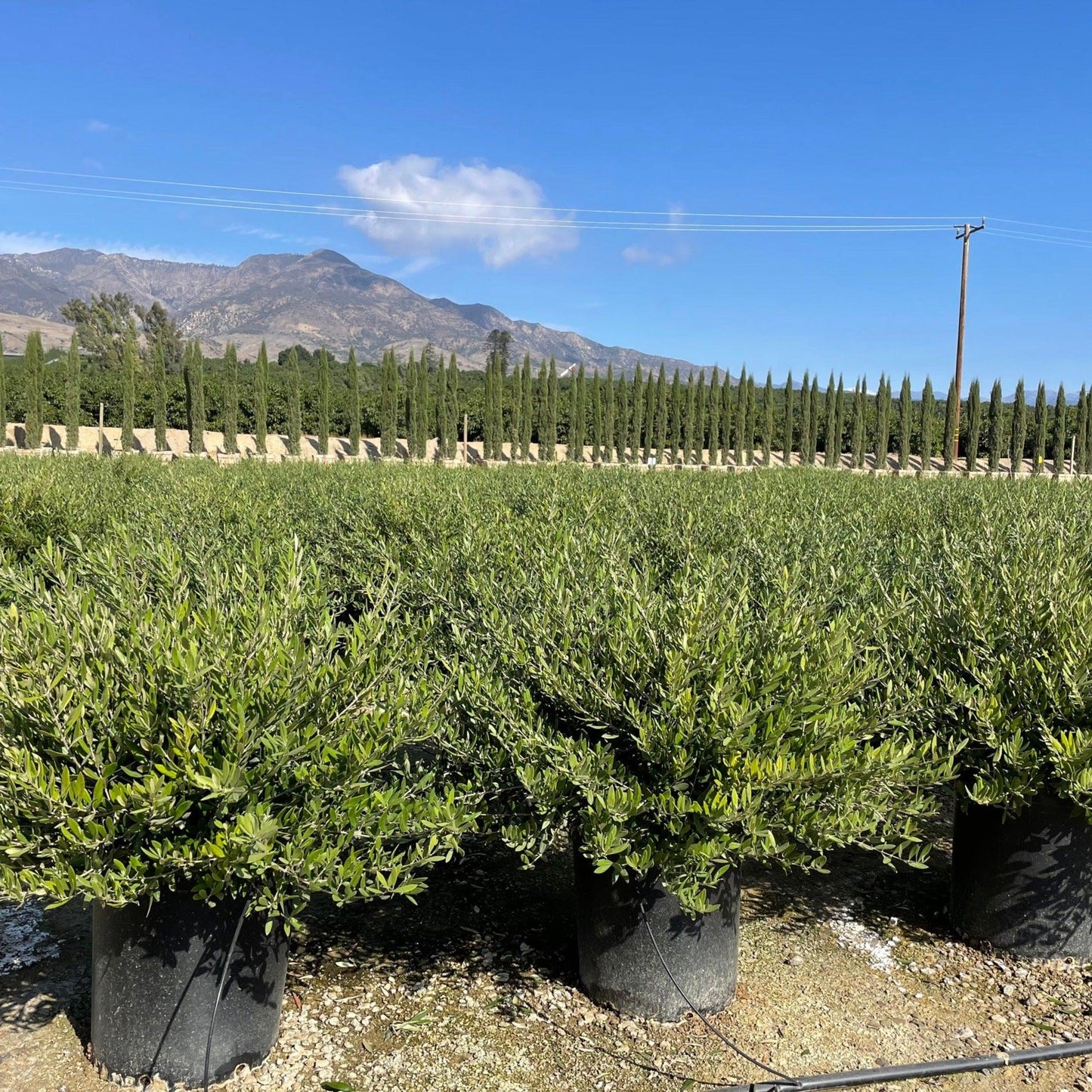
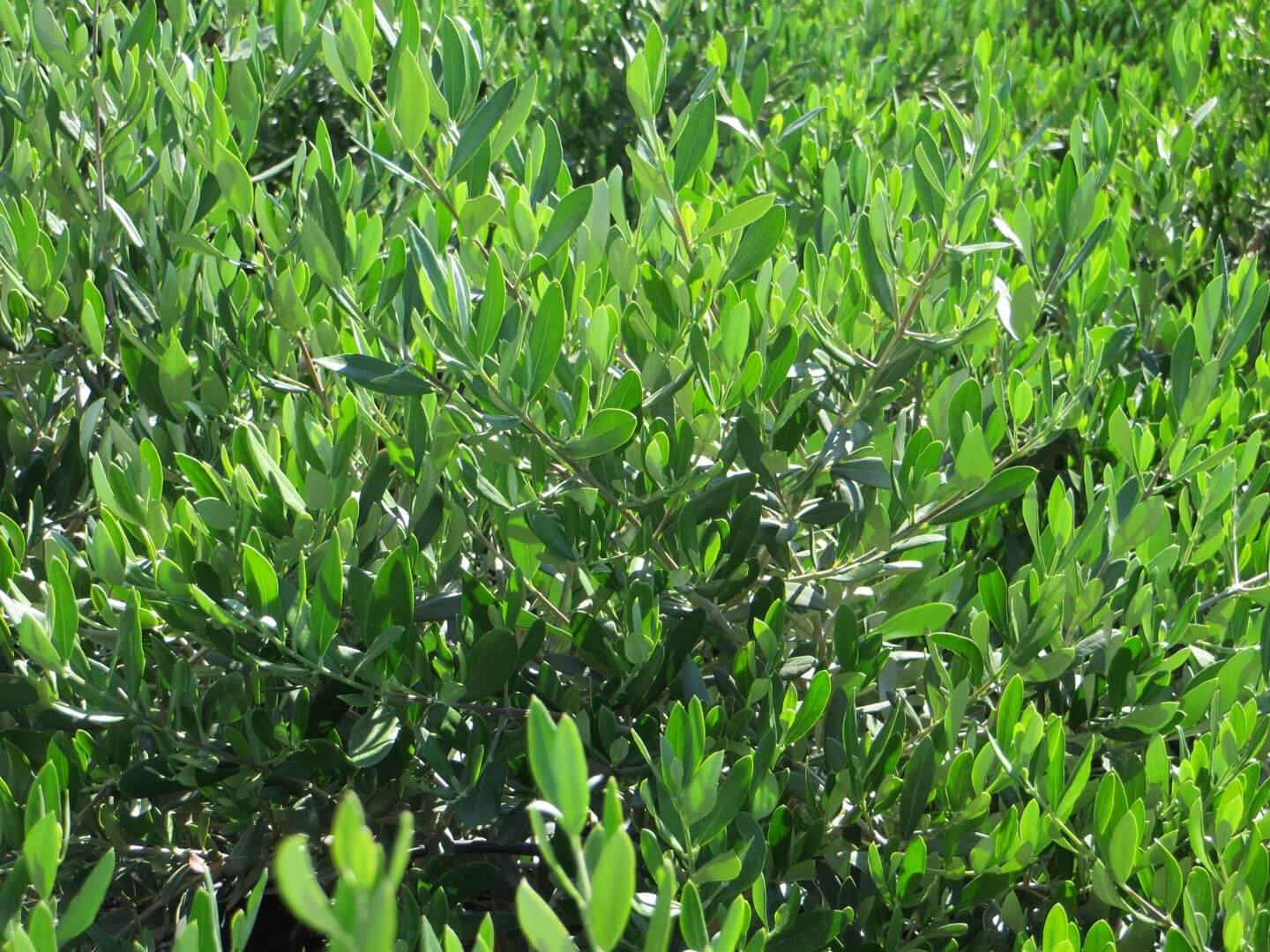
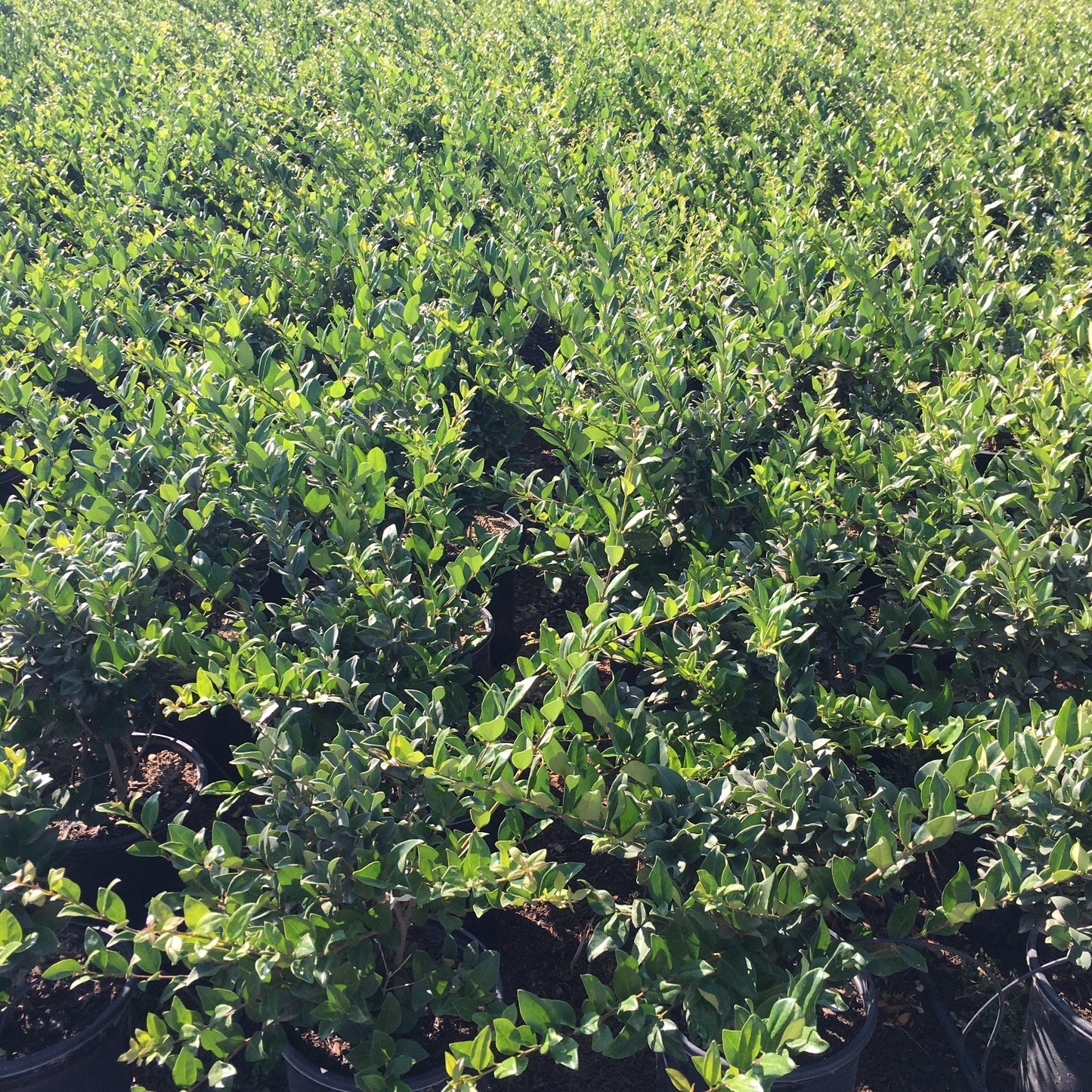
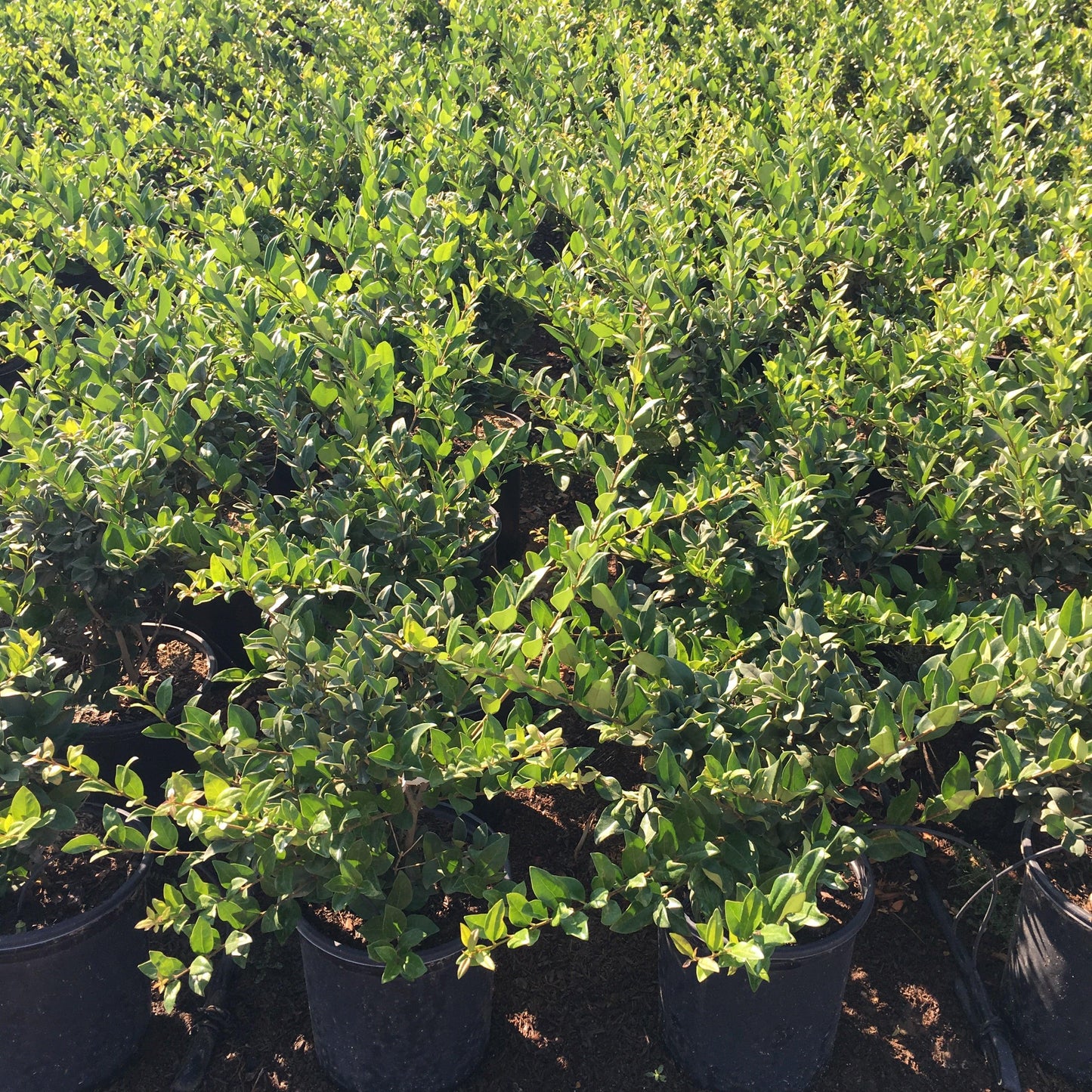
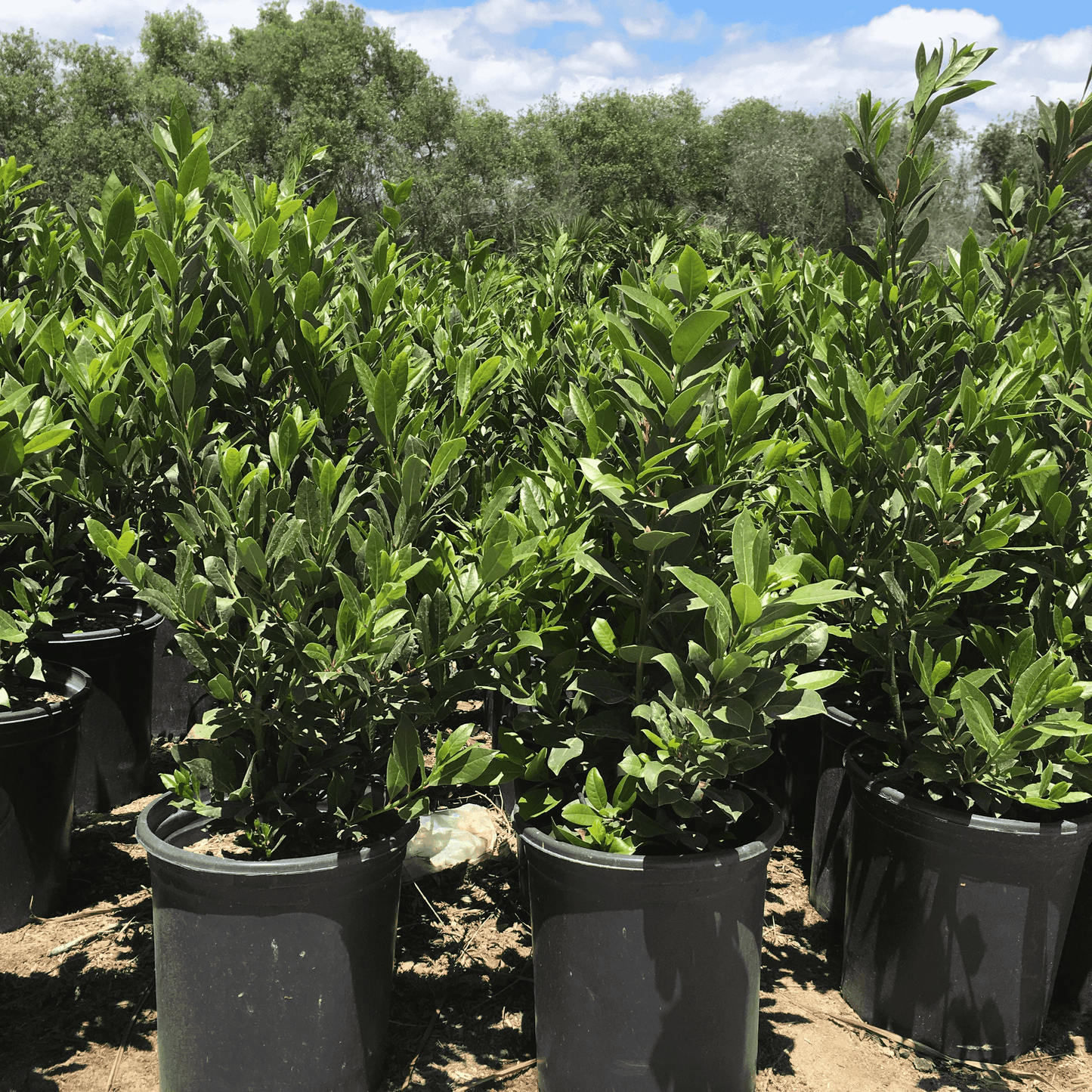
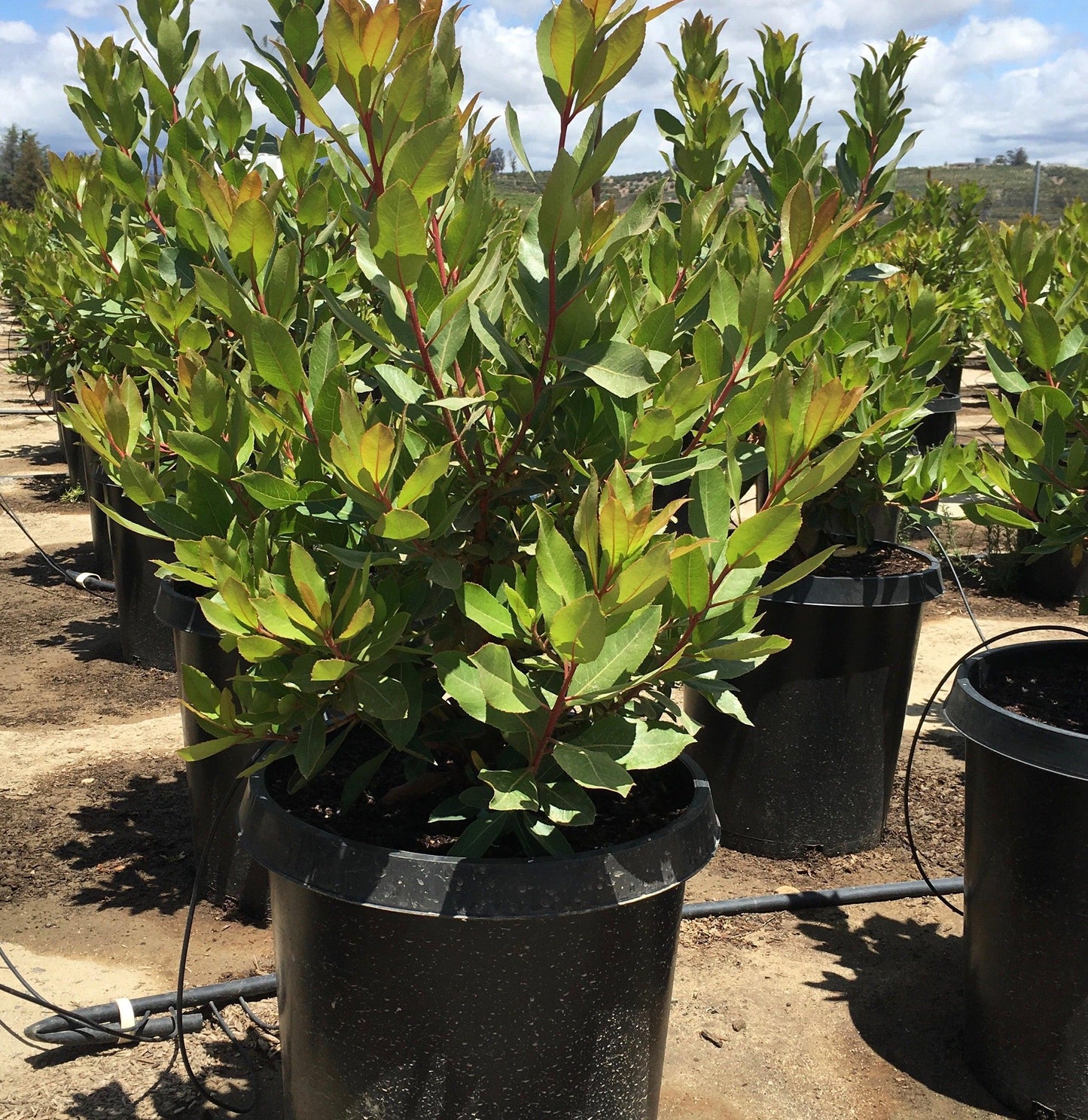
Privacy Bushes – Create Your Perfect Natural Screen
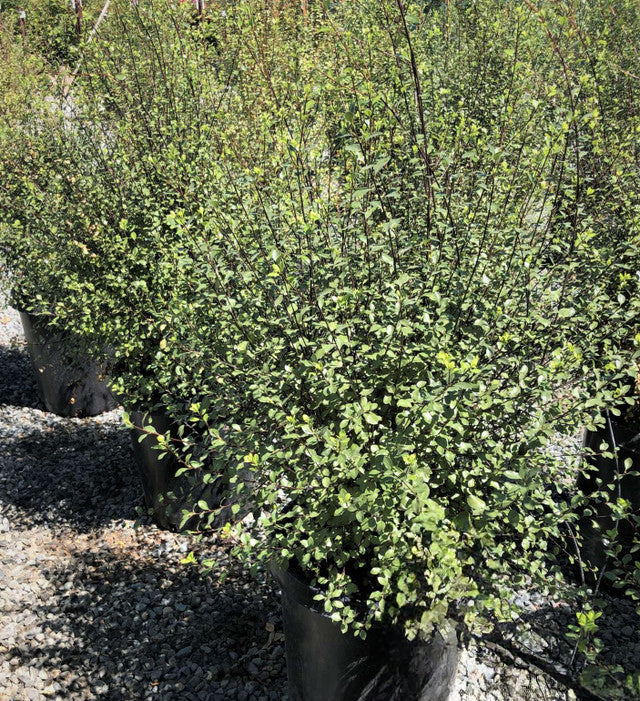
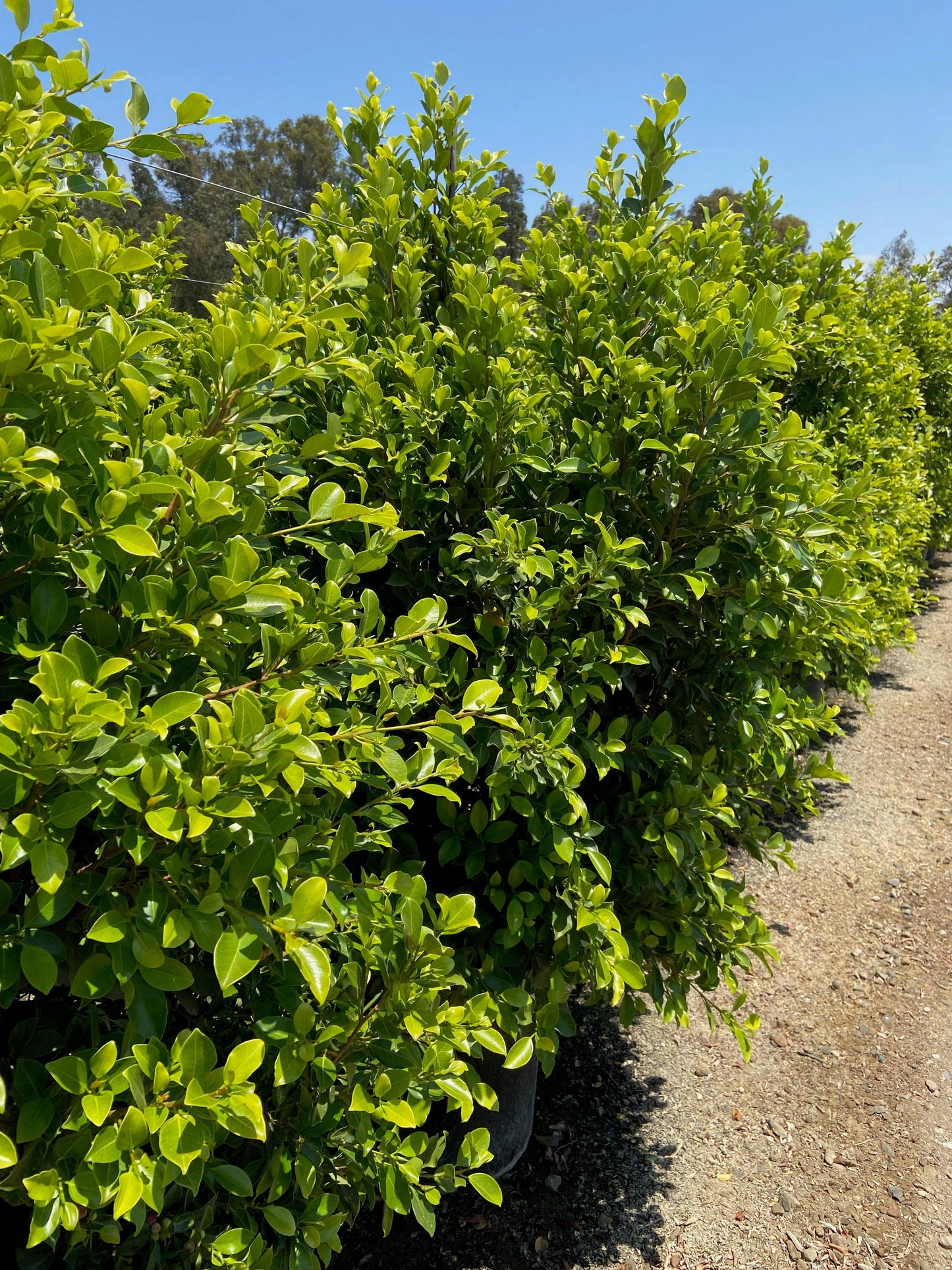
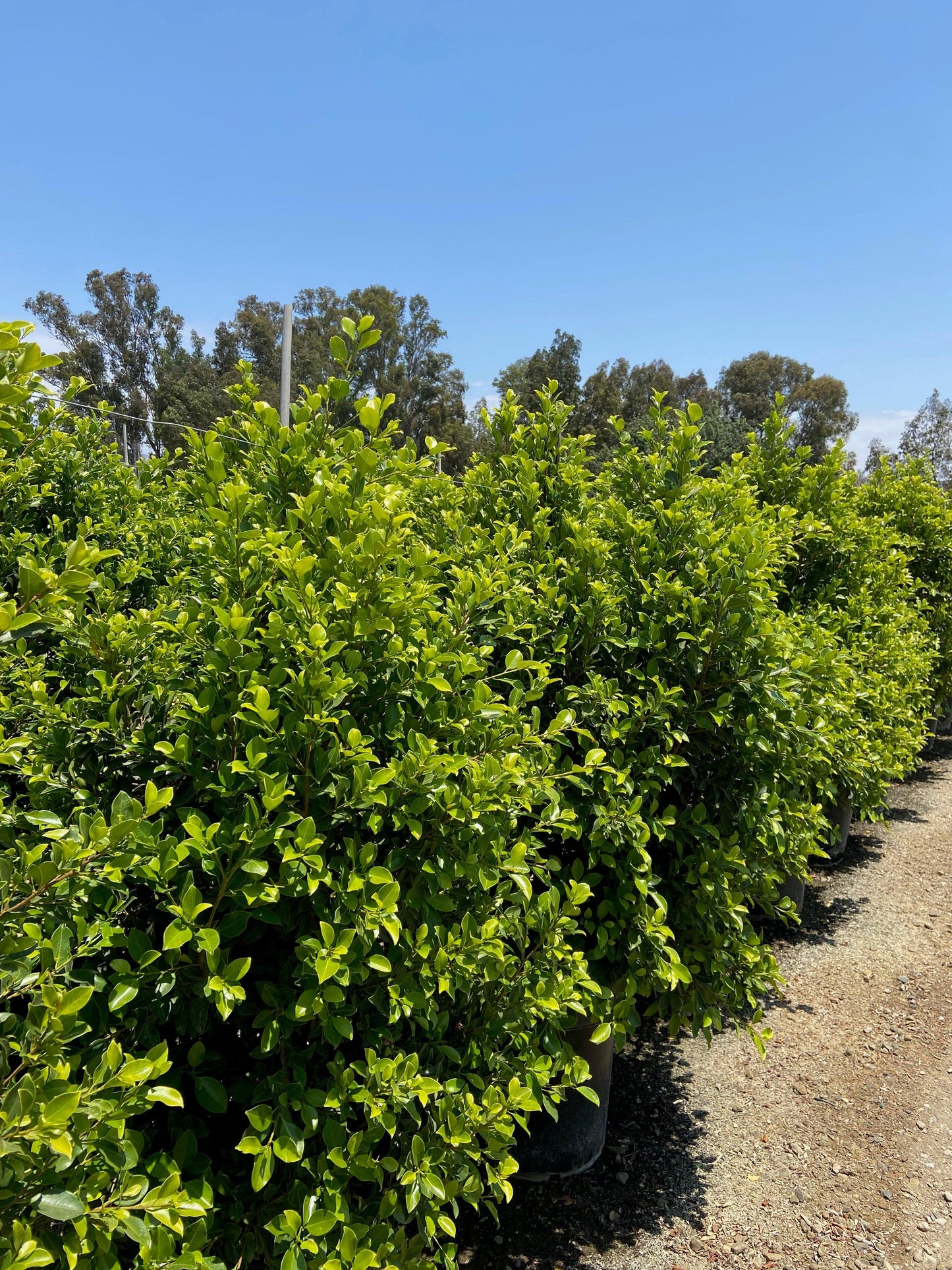
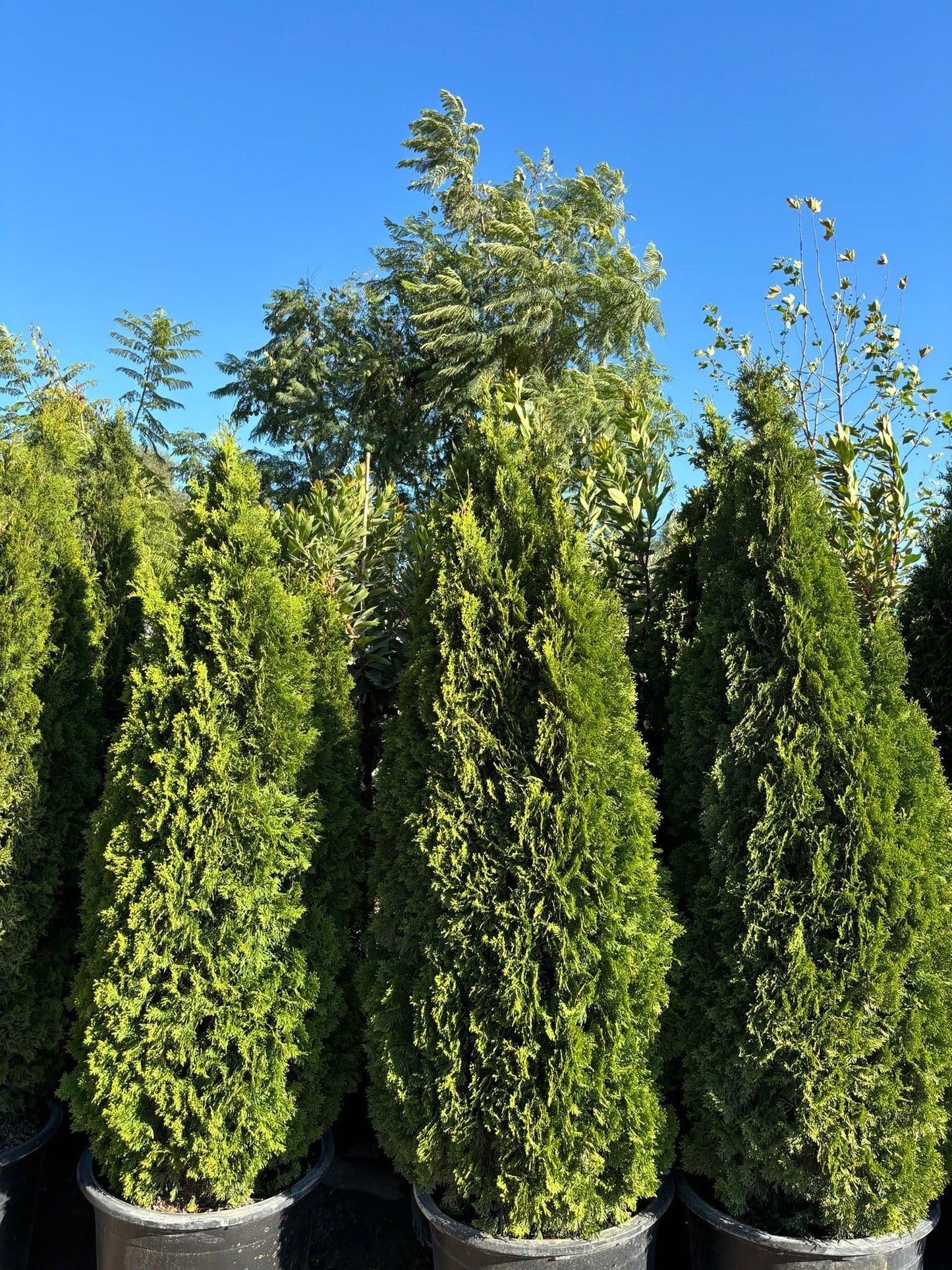
Privacy bushes are dense, fast-growing shrubs planted to form a living fence and act as natural screens to block unwanted views, reduce street noise, and create a secluded outdoor retreat. Choose from evergreen privacy shrubs for year-round coverage, deciduous shrubs for summer screening and seasonal blooms, or mixed planting plans that soften a fence, hide neighbors, and improve the look of your yard.
Looking for privacy bushes that block unwanted views and create a secluded outdoor space? Discover fast-growing evergreens, flowering shrubs, and low-maintenance options designed for every California landscape. From immediate screening solutions to long-term hedge investments, our collection combines proven varieties, optimal growth rates, and climate-tested performance.
Find your perfect privacy solution and transform your yard today.
Privacy Bushes for Every Need
Whether you’re blocking neighbors, hiding utilities, or creating intimate spaces, there’s a privacy bush for every situation. Dense foliage in privacy bushes helps absorb urban noise and acts as a windbreak, while the right privacy hedge also provides food, shelter, and habitats for local wildlife and pollinators.
Immediate Privacy Solutions
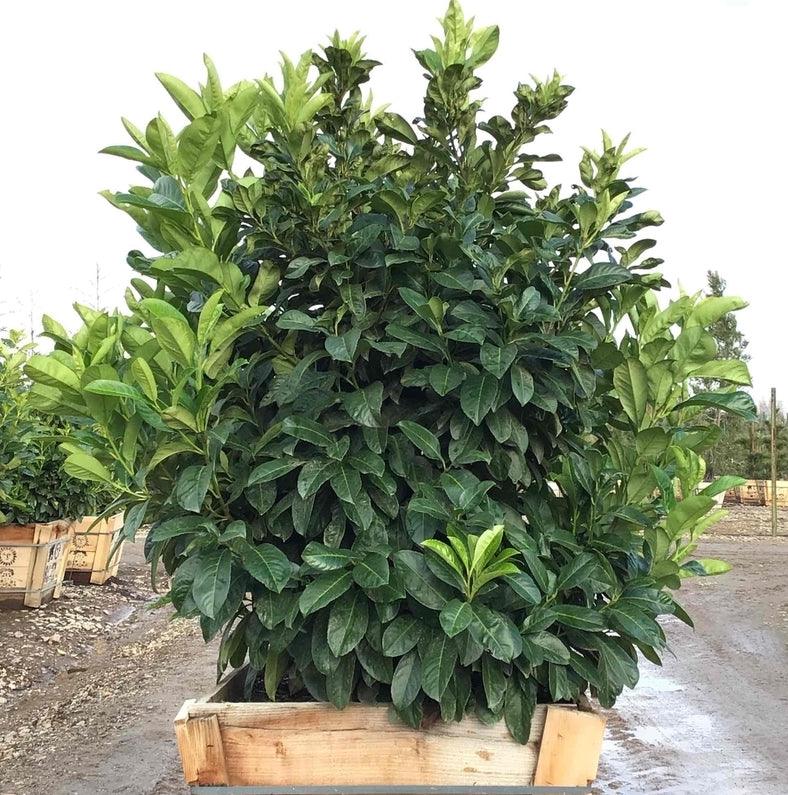
Choose mature 6-8 foot specimens when you need a privacy screen with instant impact. Larger plants can quickly soften a fence, block unsightly views, and add a sense of security, even though a hedge is not a replacement for a security service.
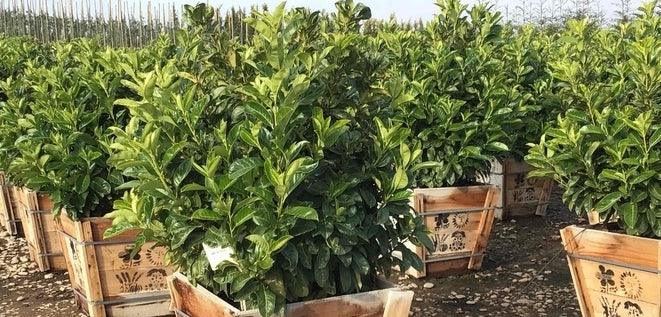
For quick establishment, select fast growing shrubs such as green giant arborvitae, cherry laurel, or leyland cypress where they are suitable for your climate and space. Arborvitae, particularly the Green Giant variety, is a popular choice for fast-growing privacy hedges, capable of growing up to 3-5 feet per year. Cherry laurel can grow up to 3 feet per year, making it an excellent option for quick privacy screening in gardens.
For maximum coverage without a stark wall effect, plant staggered rows or layer different types of plants, with tall evergreens at the back and lower-growing plants in the front. Large container specimens can also create portable privacy around patios, balconies, and temporary outdoor spaces.
Long-Term Hedge Investments
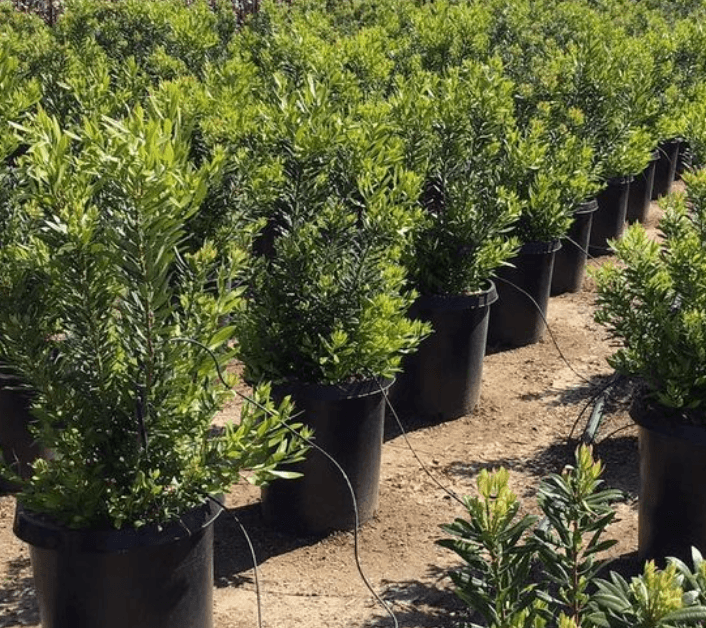
Planting 3-4 foot specimens is a smart way to build a dense hedge over the next 2-3 years while keeping the initial price more manageable. Choosing privacy bushes this way gives the roots time to settle, supports strong new growth, and helps each plant reach its mature size with less stress.
Slow-growing evergreens such as boxwood, Emerald Green Arborvitae, and selected thuja occidentalis varieties are excellent for homeowners who want a handsome privacy hedge that stays neat with less maintenance. Boxwood is a traditional choice for privacy hedges, known for its dense, finely textured evergreen foliage that can be shaped into formal hedges, growing up to 20 feet tall depending on the variety.
Plan around the mature height and mature size before planting. A shrub that looks compact today may become tall and wide in ideal conditions, so check spacing, property lines, and long-term maintenance needs before you commit.
Decorative Privacy Screens
Decorative privacy shrubs combine screening with flowers, berries, foliage color, and seasonal interest. Mock orange, lilac, hydrangea spp, chinese fringe flower, red twig dogwood, and holly can all bring ornamental value to a garden while helping create separation from neighbors.
Evergreen bushes provide year-round privacy, while deciduous shrubs can still offer summer screening and colorful blooms. Forsythia is known for its rapid growth, adding about 1-2 feet annually, and is often used for creating privacy hedges due to its dense foliage. Forsythia is a fast-growing deciduous shrub that can reach heights of 10 feet and is valued for its bright yellow flowers in spring, making it a popular choice for privacy hedges.
For fall interest, Beautyberry (Callicarpa americana) is a fast-growing deciduous shrub that can add two feet annually, making it a good option for privacy hedges due to its dense foliage and attractive berries in the fall. Mixed borders with flowering shrubs, evergreen structure, and berry-producing plants also support birds and pollinators while keeping the privacy screen visually interesting through winter and summer.
Choose the Right Privacy Bush for Your Yard Conditions
The right plant selection ensures healthy growth and maximum screening effectiveness for your specific site. Choosing the right bush for privacy depends on local USDA hardiness zone, available sunlight, and desired height, especially in California’s coastal, inland, foothill, and fire-prone landscapes.
For Full Sun Locations
For full sun locations, select sun-loving evergreen trees for privacy with a fast growth rate, such as juniper, leyland cypress, red tip photinia, green giant arborvitae, or drought tolerant California-friendly options where appropriate. To ensure fast growth, it is important to plant hedges in the right environment, considering factors like sunlight, soil type, and moisture levels.
Enough sun usually means denser foliage, stronger branching, and faster growth. Leyland cypress is an aggressive evergreen that can grow up to 3-5 feet per year, making it a popular choice for tall privacy screens. However, in California fire zones, dense conifers can require more careful placement, pruning, and maintenance.
For water-wise landscaping, look for plants adapted to sun to part shade or full sun to partial shade, and match the shrub to your soil type. Drought tolerant choices often perform better once established, especially when mulch and deep watering are used during the first seasons.
For Shaded Areas
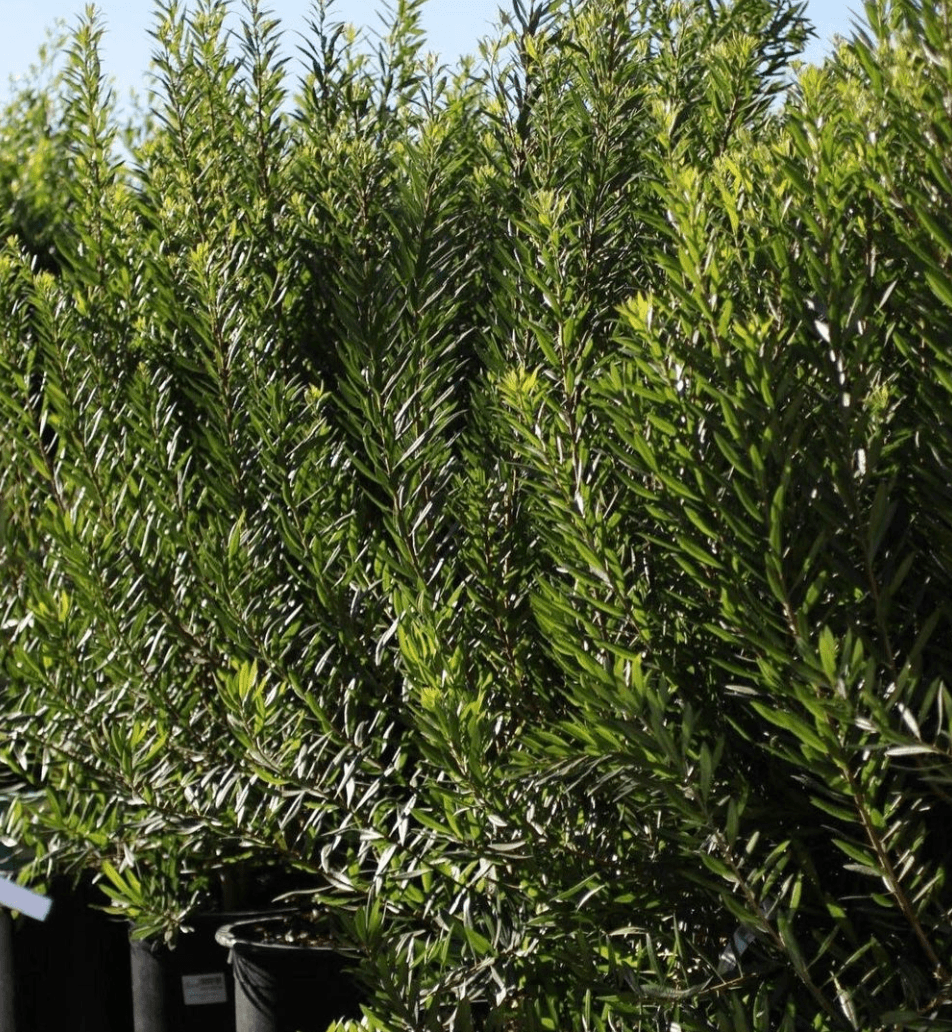
For shade or part shade, choose shrubs that keep a dense growth habit without requiring all-day sun. Yew, cherry laurel, schip laurel, boxwood cultivars, holly, and some podocarpus hedge varieties can work well in sun to partial shade or sun to part shade conditions.
Accept that slower growing plants are common in shaded areas. Growth may be steadier than dramatic, but evergreen options can still deliver year-round privacy with consistent dense foliage.
Cherry laurel (Prunus laurocerasus), also known as English laurel hedge, can grow up to three feet per year and is commonly used for creating dense privacy hedges due to its glossy evergreen leaves and fragrant flowers. In some regions, however, english laurel and other vigorous hedging plants may be considered invasive, so check local recommendations before planting.
For Small Spaces and Property Lines
For narrow spaces and property lines, choose upright plants that provide height without taking over the yard. Emerald Green Arborvitae, schip laurel, Globe Japanese boxwood, certain boxwood varieties, and columnar evergreens are often suitable where you need a privacy hedge with a controlled mature size.
Before purchasing plants, it’s important to check local building codes or HOA guidelines for specific setback or height rules. This is especially important along shared fences, sidewalks, driveways, and sightlines.
Select slow to moderate growers if you want low maintenance screening and fewer pruning sessions. A plant that grows quickly can deliver fast privacy, but it can also demand more maintenance once it reaches the desired height.
For Challenging Soil Conditions
For clay, poor soil, coastal exposure, or occasional drought stress, choose adaptable shrubs and prepare the planting area carefully. Forsythia, some privet varieties, and tough native shrubs can tolerate less-than-perfect soil, though privet and burning bush are considered invasive in some areas and should be avoided where local guidance recommends against them.
Soil type affects drainage, root development, and the long-term health of the hedge. Amend compacted soil, improve drainage, and avoid placing privacy bushes where standing water will damage roots.
Watering is crucial during the first 1-2 years after planting to help establish the roots, with a drip line being an effective method for deep watering. Once established, many drought tolerant shrubs need less irrigation, but new growth still benefits from consistent moisture during hot weather, especially when combined with shade-tolerant companions like ornamental grasses for shade.
Plant Types That Deliver Results
Different privacy bush categories offer unique advantages for your screening goals. Evergreen hedges provide year-round privacy, noise reduction, and wind protection, making them a popular choice for homeowners seeking to create a natural barrier.
Fast-Growing Evergreens
Fast-growing evergreens are ideal when you want tall screening and year-round coverage. Green giant arborvitae, leyland cypress, cherry laurel, Brush Cherry hedges, and some bamboo selections can grow rapidly in ideal conditions and help block neighbors, roads, and unsightly views.
Arborvitae, particularly varieties like ‘Green Giant’, are favored for privacy hedges due to their dense foliage and ability to grow up to 3-5 feet per year, making them effective for screening. Certain species of bamboo can grow quickly and form a dense screen, making them a popular choice for privacy hedges, provided clumping varieties are selected to prevent invasiveness.
Fast growing evergreens usually require annual pruning to keep the hedge dense, balanced, and within bounds. They are a popular choice for fast results, but the fastest plants often need the most attention over time.
Dense Flowering Shrubs
Dense flowering shrubs combine privacy with blooms, fragrance, and wildlife value. Lilac, mock orange, hydrangea spp, forsythia, chinese fringe flower, and beautyberry can create a softer privacy screen than a formal evergreen wall.
Spring flowers, summer foliage, fall berries, and winter stem color can make a privacy hedge feel like part of the garden rather than just a boundary. These shrubs are especially useful when creating layered beds with tall plants at the back and lower flowering shrubs in front.
Deciduous flowering shrubs may not provide the same winter screening as evergreen plants, but they can offer dense summer coverage, seasonal color, and habitat for birds and pollinators.
Low-Maintenance Evergreens
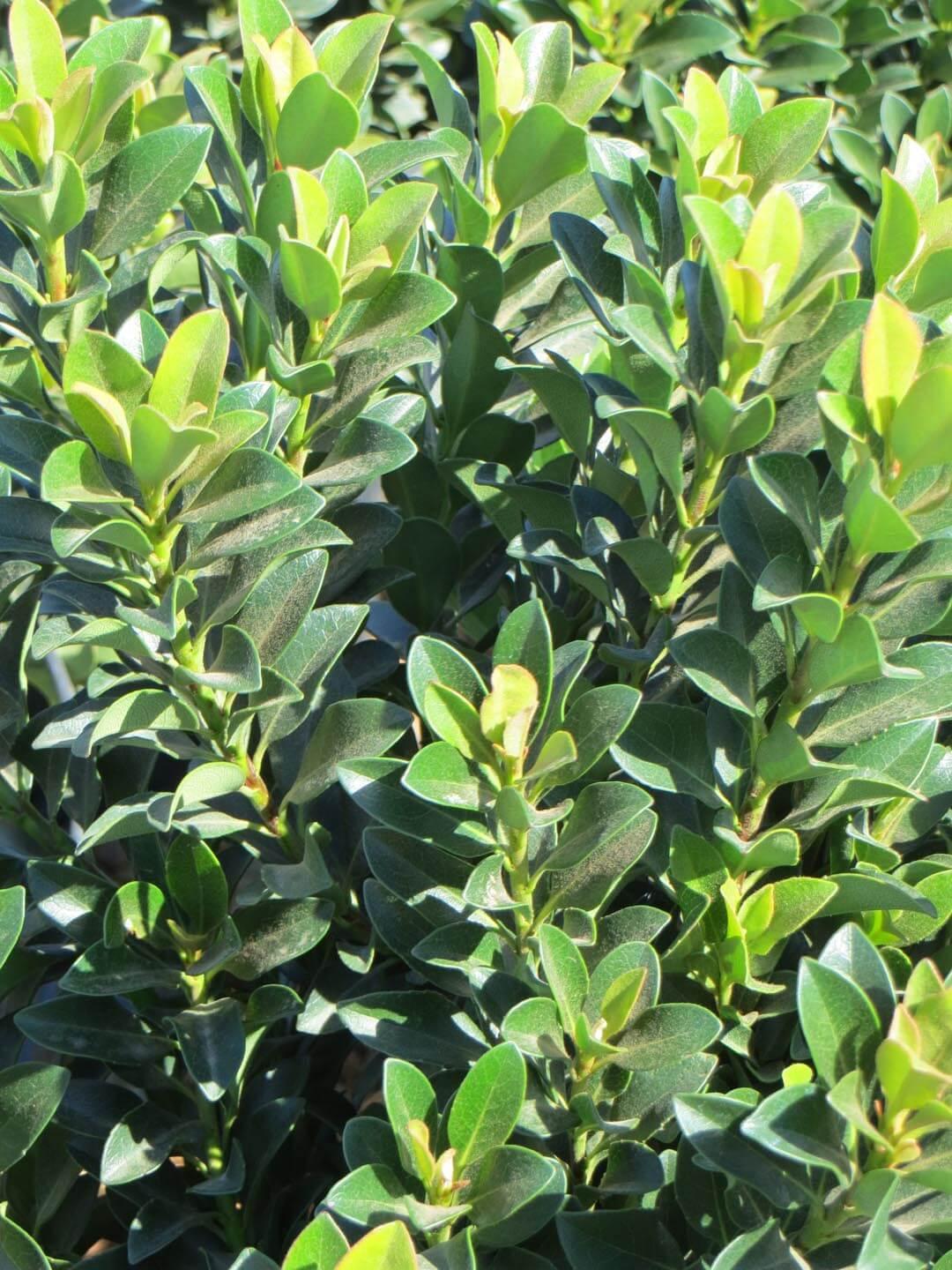
Low maintenance evergreens are best for homeowners who want a clean, consistent look with less maintenance once the plants are established. Boxwood, Carolina Cherry Laurel, Portuguese laurel, holly, schip laurel, and selected junipers can be shaped into a formal hedge or allowed to develop a more natural habit.
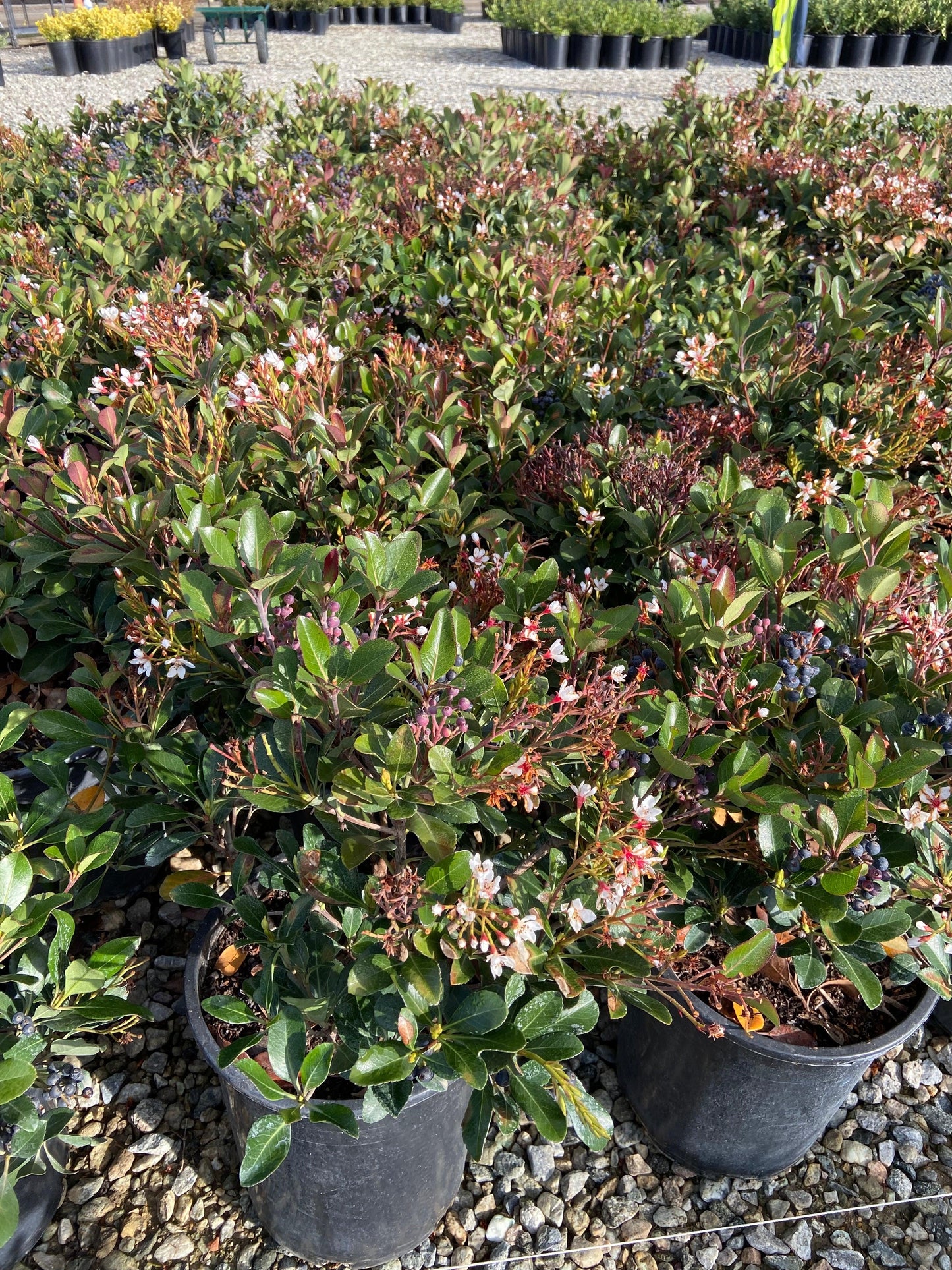
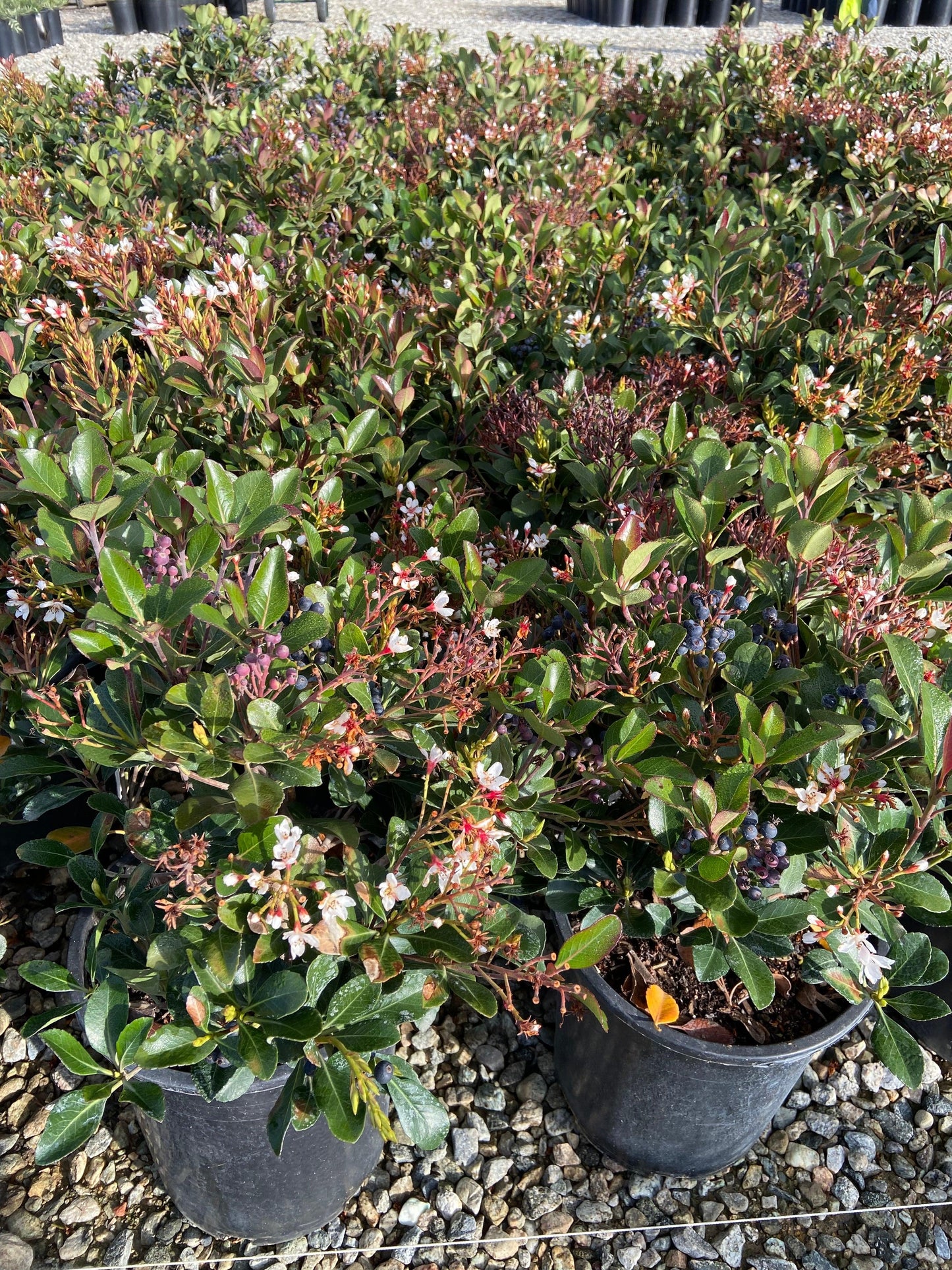
These shrubs may be slower growing than leyland cypress or green giant arborvitae, but that slower growth can be an advantage in small yards and along property lines. It means fewer cuts, better control, and a more predictable mature height, especially when you choose structured options like a Japanese Blueberry hedge.
Look for deer resistant options where browsing is a concern, and choose varieties suited to your sun, shade, and soil conditions. The best privacy shrubs are not only dense; they also thrive in the specific conditions of your yard.
How to Establish and Maintain Privacy Bushes
Proper planting and care ensures your privacy investment provides maximum screening effectiveness. Strong establishment starts with the right plant for the site, good soil preparation, consistent watering, and a realistic maintenance plan.
Strategic Planting
Plant privacy bushes in fall or early spring so roots can establish before summer heat arrives. Space plants based on mature width, desired fill-in time, and airflow; many hedges are planted 3-6 feet apart, but the right spacing depends on the species and mature size.
Prepare the soil before planting, improve drainage where needed, and water deeply during the first growing seasons. Watering is especially important during the first 1-2 years after planting, and a drip line helps deliver deep moisture directly to the roots while reducing leaf wetness.
For a natural-looking privacy screen, avoid a single flat row when space allows. Layer tall evergreens behind lower shrubs, mix evergreen and deciduous plants, and use flowering or berry-producing varieties to create privacy without making the garden feel boxed in.
Professional Maintenance
Regular pruning is essential for maintaining a dense and formal hedge, and it is recommended to prune at least once a year to encourage branching and shape. Late winter or early spring pruning often supports healthy new growth, while heavy cutting during extreme summer heat can stress plants.
Apply slow-release fertilizer in early spring when needed, monitor for pests or disease, and keep irrigation consistent during establishment. Fast growing shrubs may need more frequent pruning, while slower growing shrubs often need less maintenance once mature.
In California, also consider fire safety. Keep hedges trimmed away from structures, remove dead branches and dry leaf litter, and avoid planting highly flammable dense evergreens too close to the home in fire-prone areas, and consider working with a local nursery for privacy trees that understands regional conditions.
Shop Privacy Bushes From Yardwork
Explore our curated selection of privacy bushes proven to thrive in California conditions. Choose from fast-growing varieties, mature specimens, and expert-recommended combinations to create the perfect natural screen for your outdoor space.
Compare growth rate, mature height, sun needs, soil type, price, and maintenance level to find privacy shrubs that fit your yard. Whether you want a formal dense hedge, a flowering privacy screen, or a low maintenance evergreen barrier, the right plants can block unsightly views while adding beauty, comfort, and habitat value.
Your private backyard sanctuary is just a few clicks away.