Pittosporum Plants
Discover our collection of Pittosporum plants. Whether you're looking for accents or privacy, there is a pittosporum variety that can work for you.
This store requires javascript to be enabled for some features to work correctly.
Discover our collection of Pittosporum plants. Whether you're looking for accents or privacy, there is a pittosporum variety that can work for you.
Pittosporum is a versatile evergreen shrub and small tree group ideal for California homeowners who want privacy, structure, fragrance, and low maintenance beauty in one plant. These plants are commonly used for hedges, foundation plantings, borders, containers, and ornamental landscape features because they offer dense growth, glossy leaves, and strong adaptability.
Pittosporum is a genus of about 200 species of evergreen shrubs and small trees, native primarily to East Asia, Australasia, and parts of Africa. Pittosporum is prized for its glossy, evergreen leaves that come in various shades, including green, yellow, purple, and silvery-grey, depending on the cultivar. Find your ideal pittosporum and transform your outdoor space today.
Whether you’re creating privacy, adding structure, or enhancing your landscape design, there’s a pittosporum variety for every purpose.
Choose Japanese pittosporum, also known as pittosporum tobira, when you need dense, evergreen foliage for privacy. Japanese pittosporum (Pittosporum tobira) can reach a height of 8 to 12 feet with a spread of 12 to 18 feet at maturity, while dwarf cultivars can grow as little as 2 to 3 feet tall. Its rapid growth rate, dark green foliage, and ability to be clipped make it a popular choice for hedges and garden boundaries.
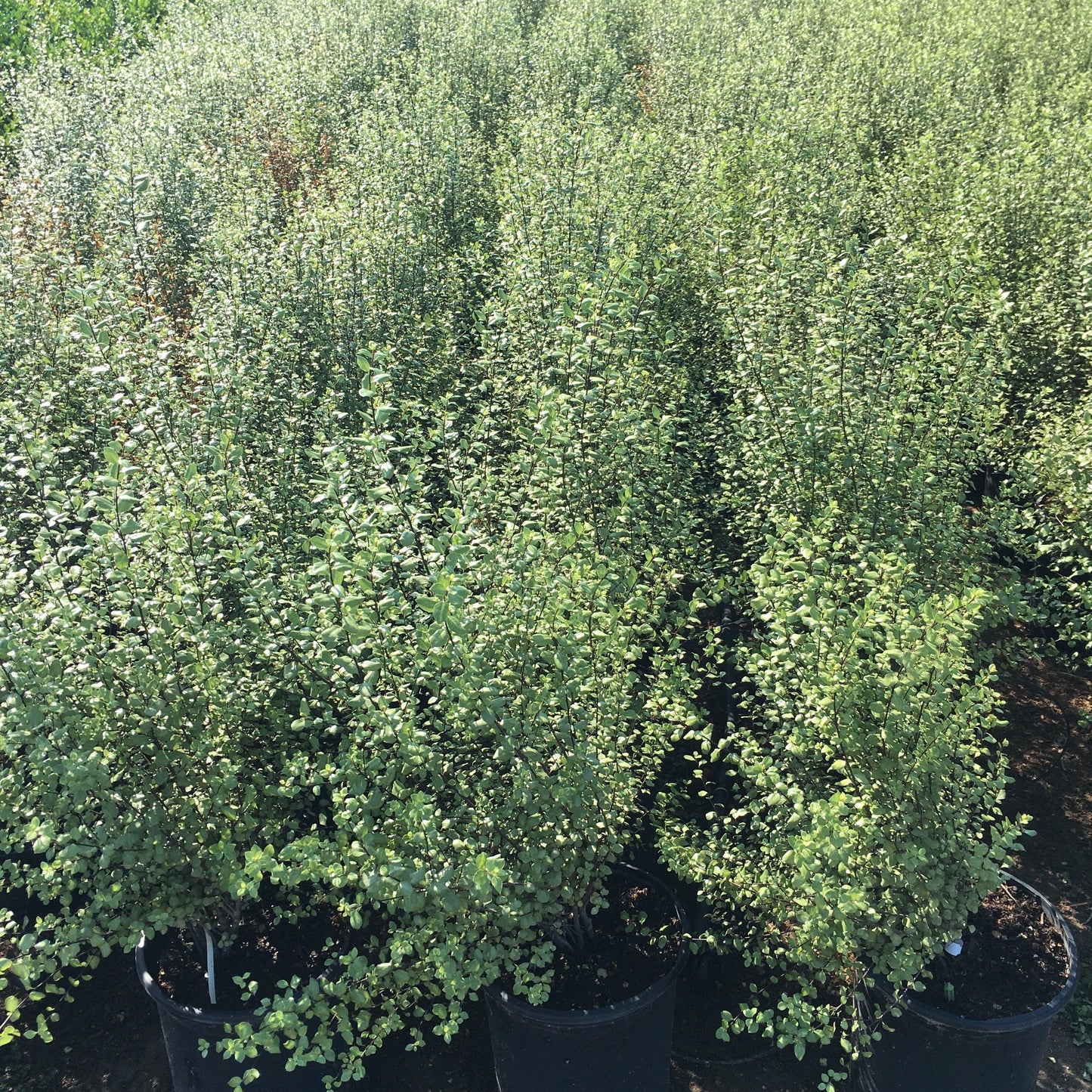
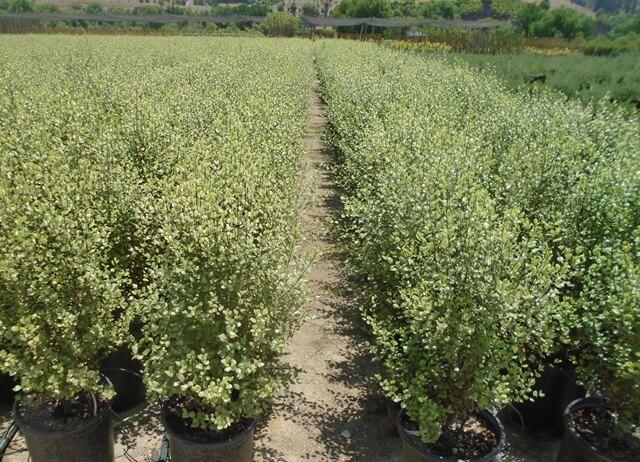
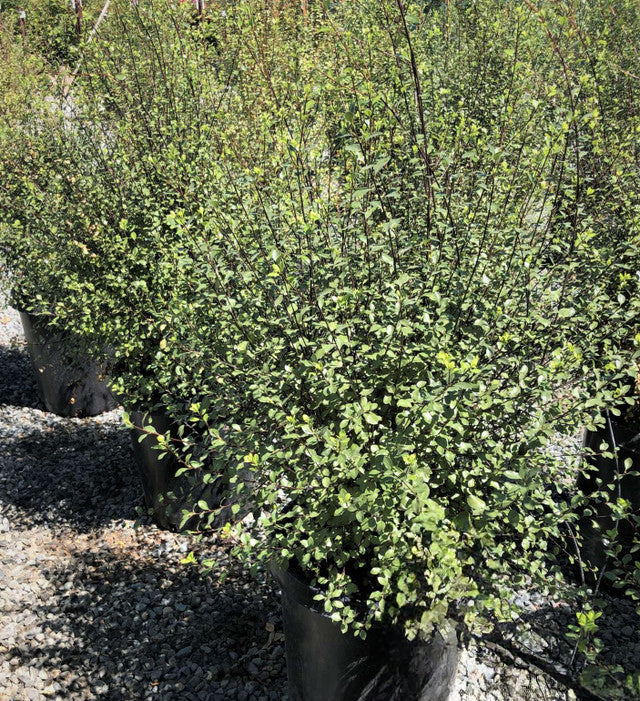
Pittosporum is commonly used for hedges and privacy screens due to its dense foliage and rapid growth rate, making it an excellent choice for creating boundaries in gardens. For a refined hedge, P. tenuifolium varieties offer smaller leaves, attractive stems, and a more delicate form. Plan spacing by mature size, then maintain branches with regular pruning to keep the hedge full, wide, and even.
For smaller spaces, Wheeler’s Dwarf and other compact varieties are easy choices for foundation plantings, borders, and containers. Wheeler’s Dwarf grows about 2 to 3 feet tall, making it suitable beneath windows, along walkways, or in parts of the garden where a full-size shrub would grow too large.
Cream de Mint® offers a compact form with variegated foliage that brings light, creamy shades into the landscape. Dwarf pittosporum shrubs support California’s water-wise garden goals because once established, pittosporum is drought tolerant, but it is healthiest when provided with regular watering, especially during the establishment phase.
Variegated japanese pittosporum creates a bright focal point with glossy gray-green and cream leaves. The variegated forms of pittosporum, such as Pittosporum tobira ‘Variegata’, are popular for their gray-green and cream-colored foliage, which adds visual interest to landscapes. Pittosporum species exhibit a variety of leaf colors and forms, including shades of green, yellow, purple, and silvery-grey, depending on the cultivar.
For a lighter, more elegant accent, P. tenuifolium ‘Silver Sheen’ adds silvery-grey foliage and fine texture near patios, entries, and seating areas. Pittosporum can also be trained as small trees or maintained on multiple stems for a sculptural form. The plant can be shaped into various forms such as spheres, cones, or columns, allowing for creative topiary designs in landscaping.
Success with pittosporum depends on selecting varieties suited to your specific microclimate and growing conditions, and you can choose from a range of cheesewood and pittosporum varieties to match your site.
Japanese Pittosporum excels near the coast because Pittosporum has excellent salt tolerance, thriving particularly well in coastal regions. Its good salt tolerance, resilience, and wind resistance make it a strong option for seaside hedges, privacy screens, and foundation plantings where many shrubs struggle.
Coastal gardens also benefit from mild temperatures and natural humidity, which help evergreen foliage stay lush and shiny. Pittosporum is tolerant of a range of soil conditions, including sandy, loamy, or clayey soils, as long as the soil is well-drained. In sandy coastal soil, add organic matter to support healthy growth and moisture retention.
In hotter inland areas, select hardy varieties such as pittosporum tobira and place them where they receive morning sun with relief from intense afternoon heat. Japanese pittosporum grows well in full sun to part shade, with variegated cultivars appreciating afternoon shade. This is especially important when temperatures rise above 100°F or dry winds hit exposed leaves.
Deep watering during the establishment phase helps young plants build strong roots in clay or sandy soil conditions. Once mature, pittosporum offers drought tolerance, but regular watering during long dry periods keeps foliage dense, green, and glossy. Avoid overwatering, because overwatering and poor drainage can lead to root rot in Pittosporum.
In colder regions of Northern California, focus on cold-hardy pittosporum varieties suited to USDA zones 8-9. Tender variegated cultivars may need frost protection, especially in open sites or low spots where cold air collects. Planting in spring after the last frost gives roots time to establish before winter.
Use sheltered microclimates created by walls, fences, buildings, and elevation changes. Pittosporum is adaptable to various soil types and can thrive in full sun to part shade, making it versatile for different garden settings, but colder gardens benefit from protected placement and careful watering to reduce winter stress.
The dense, evergreen foliage of Pittosporum creates a lush, full appearance that adds texture and elegance to landscapes, making it suitable for hedges, borders, and ornamental features. Its evergreen foliage provides year-round structure and privacy without seasonal gaps, while glossy leaves and strong branching make each plant look polished even when lightly maintained.
In late spring, Pittosporum produces small clusters of fragrant white flowers, enhancing its aesthetic appeal with both beauty and scent in garden settings. These flowers are often compared to mock orange because of their sweet fragrance. Dense clusters often appear near the ends of branches, adding seasonal interest before the plant returns to its clean evergreen form.
Pittosporum is valued for low maintenance growth, drought tolerance once established, and excellent response to pruning, much like compact evergreens such as the Tiny Tower® Italian Cypress. It can be clipped into formal hedges, allowed to grow naturally, or shaped into topiary forms, similar to how a Fern Pine hedge can be trained for privacy and structure. Pittosporum is generally toxic to pets and deer, making deer less likely to browse the shrubs; homeowners with pets should still prevent chewing or ingestion. Monitor for common pests such as scale insects and aphids, but healthy, well-sited plants usually remain strong with sensible care.
Proper planting and maintenance ensure your pittosporum thrives for decades in California gardens.
Plant pittosporum in well-draining soil amended with compost, especially where clay is heavy or sand dries quickly. Pittosporum handles many soil conditions, including sandy, loamy, and clayey soils, provided drainage is reliable. Avoid low, waterlogged areas because root rot is one of the most common problems when roots stay wet.
Choose full sun to part shade depending on the variety, as you would when siting other versatile evergreens like the Fern Pine tree (Podocarpus gracilior). Green Japanese pittosporum tolerates more sun, while variegated cultivars usually appreciate afternoon shade to prevent leaf scorch and preserve cream-colored foliage. Space hedge plants about 4 to 6 feet apart depending on the cultivar, and allow 8 to 10 feet or more for specimen shrubs or small trees that need room to show their natural form.
Water deeply during the first year, then gradually transition to a more drought-tolerant watering schedule once the roots are established. Mulch with a 2-3 inch layer around the base to conserve moisture, protect soil, and suppress weeds, keeping mulch away from the stems.
Pittosporum should be pruned immediately after flowering to avoid removing next year’s flowers, as pruning too late in the season can affect blooming. Pittosporum should be pruned in late spring to mid-summer after flowering. Shape hedges 2-3 times during the growing season if you want a formal clipped look, and remove damaged branches as needed. Watch for pests such as aphids and scale during warm months, treating early with horticultural oil or insecticidal soap when necessary.
Explore our carefully selected pittosporum collection for California gardens, from compact dwarf shrubs to variegated japanese pittosporum and full-size privacy plants, and pair them with statement trees like the California Pepper Tree for sale for layered structure. Choose dark green foliage for classic hedges, variegated leaves for bright accents, or silvery foliage for a refined landscape effect, and consider complementary shrubs such as Glossy Privet or accent trees like the California Pepper Tree for added texture and height.
Request a consultation with our landscape experts to design the perfect pittosporum planting plan for your property. Your ideal evergreen landscape solution is just a click away.